Belize Zoo 2026: Best Place to See Native Wildlife
Key Takeaways
- The Belize Zoo houses over 175 native animals representing 45+ species, all rescued or born in captivity and unable to survive in the wild
- Admission costs $15 for international adults, $10 for Belizean residents, and $5 for children under 12 in 2026 (check belizezoo.org for current official rates)
- Located 29 miles west of Belize City along the Western Highway, easily accessible as a day trip from most major destinations
- Guided tours and nighttime encounters provide exceptional wildlife experiences beyond standard zoo visits throughout 2026
- The zoo’s conservation mission rescues injured wildlife, rehabilitates animals, and educates visitors about Belize’s incredible biodiversity
- Visit duration ranges from 2-3 hours for general visits to 4-5 hours for guided experiences and photography sessions
Introduction to Belize Zoo Planning 2026
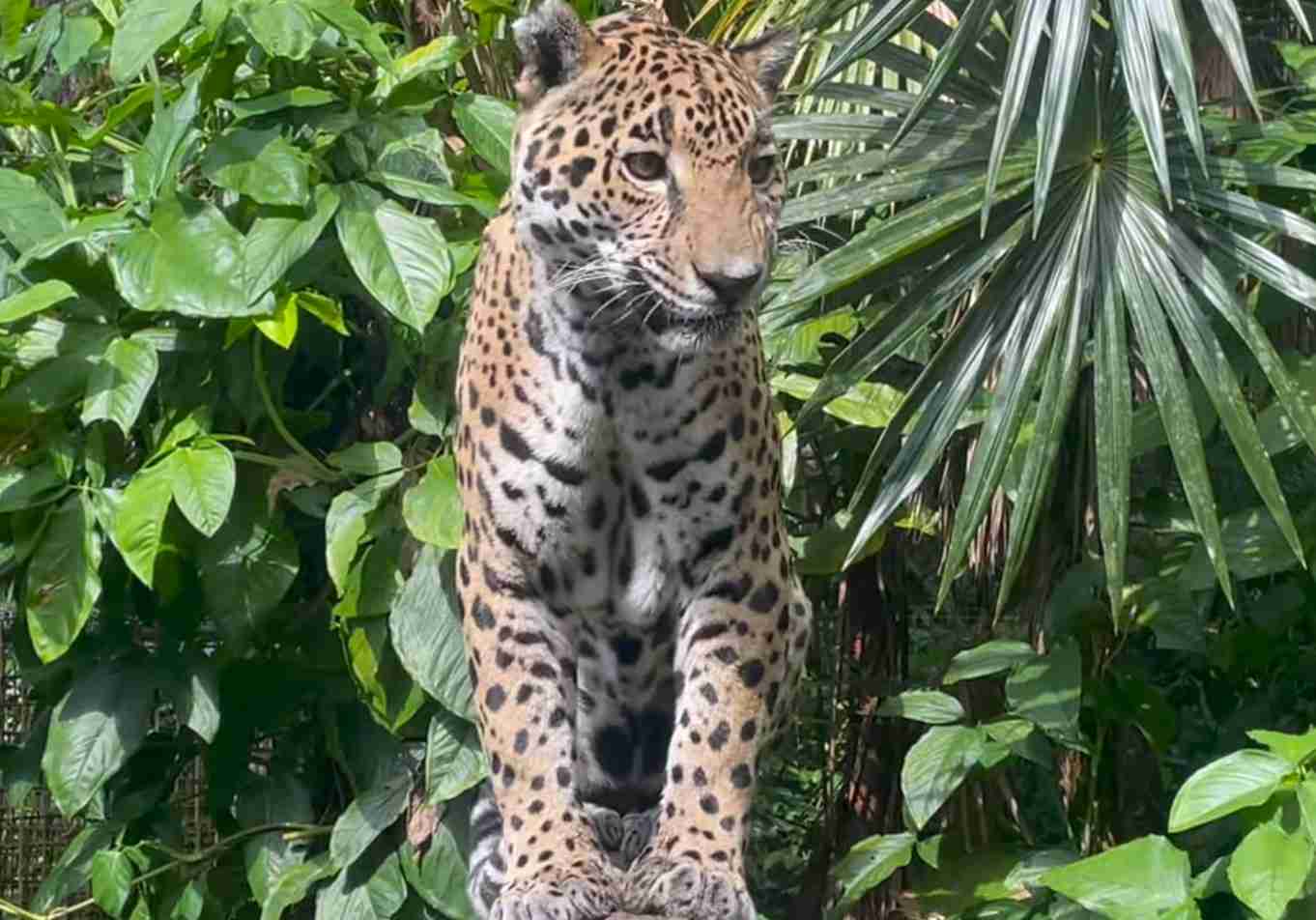
The Belize Zoo stands as Central America’s finest wildlife facility and one of the world’s most ethically-operated zoological institutions, distinguished by its exclusive focus on native Belizean species and commitment to housing only rescued or non-releasable animals. Established in 1983 by Sharon Matola, the zoo began as a refuge for wildlife used in a documentary film and has evolved into a crucial conservation center educating thousands of visitors annually about Belize’s remarkable biodiversity. Unlike traditional zoos featuring exotic species from around the world, every animal here represents Belize’s natural heritage, from jaguars prowling through natural forest enclosures to scarlet macaws perching in towering trees.
The zoo’s 29-acre property replicates natural habitats with remarkable authenticity, housing animals in spacious enclosures designed to mirror their wild environments. Visitors walk shaded jungle trails connecting different habitat zones, encountering species like Baird’s tapirs (Belize’s national animal), five wild cat species including jaguars and pumas, crocodiles, monkeys, tropical birds, and dozens of other species rarely seen in conventional wildlife facilities. The zoo maintains strict ethical standards, refusing to purchase animals from dealers and only accepting wildlife that cannot be released—individuals injured beyond full recovery, habituated to humans through illegal pet trade, or born in captivity without wild survival skills.
Planning your 2026 Belize Zoo visit requires understanding admission procedures, transportation options from various locations, available tour programs, and timing considerations for optimal wildlife viewing. The facility operates year-round with consistent hours, making it accessible regardless of when you visit Belize. The zoo serves multiple purposes for travelers: families appreciate educational programs and close wildlife encounters, photographers value the exceptional animal visibility and natural settings, conservation-minded visitors support important rescue and rehabilitation work, and general tourists enjoy an authentic Belizean experience highlighting national environmental treasures.
The zoo’s accessibility from Belize City, San Ignacio, Belmopan, and coastal destinations makes it an ideal excursion for travelers throughout Belize. Whether you’re visiting for a few hours between other activities or dedicating a full day to wildlife exploration and conservation learning, the Belize Zoo provides meaningful experiences that connect visitors with Central American ecosystems and the species that inhabit them. The facility’s emphasis on education, ethical animal care, and environmental conservation creates impacts extending beyond individual visits to broader wildlife protection efforts throughout Belize.
People Also Ask About Belize Zoo 2026
How much does it cost to visit the Belize Zoo in 2026?
Admission to the Belize Zoo costs $15 for international adult visitors, $10 for Belizean residents, and $5 for children under 12 years old in 2026. Check belizezoo.org for current official rates as pricing may vary. These admission fees directly support the zoo’s conservation mission, animal care programs, and educational initiatives. Group rates are available for schools and organized tours with 10+ participants, offering slight discounts when booked in advance. Special programs like guided tours, nighttime “Nocturnal Adventure” experiences, and behind-the-scenes animal encounters carry additional fees ranging from $30-75 per person depending on the program and group size.
Guided tours with knowledgeable zoo staff cost $30-40 per person for 90-minute experiences providing detailed information about each species, conservation challenges, and individual animal stories. These tours significantly enhance visits by sharing context visitors wouldn’t gain through self-guided exploration. The Nocturnal Adventure program, offered Friday and Saturday evenings, costs $60-75 per person and allows visitors to observe nighttime animal behaviors, encounter species most active after dark, and experience the tropical forest in its nocturnal state with flashlights and expert guides.
Transportation costs vary based on your departure point and method. Taxis from Belize City cost $80-100 round trip for private hire, while shared shuttle services through tour operators run $25-35 per person including zoo admission. Rental cars provide flexibility for visiting at your own pace, with the 29-mile drive from Belize City taking 30-40 minutes via the well-maintained Western Highway. Complete day tours from Belize City, San Pedro, or Caye Caulker that include transportation, admission, guided tour, and lunch range from $85-120 per person depending on departure location and tour company.
What animals can you see at the Belize Zoo in 2026?
The Belize Zoo houses over 175 individual animals representing 45+ native Belizean species across multiple categories. Five wild cat species form the zoo’s most celebrated collection: jaguars (Belize’s national animal symbol appearing on currency), pumas, ocelots, margays, and jaguarundis. Each cat species has dedicated naturalistic enclosures allowing visitors to observe these typically elusive predators at close range. Baird’s tapirs, Belize’s national animal, inhabit a large forest enclosure complete with swimming pool, as these animals spend considerable time in water for cooling and feeding in wild habitats.
Bird species include scarlet macaws, king vultures, jabiru storks, toucans, parrots, owls, and hawks, with aviaries designed to showcase natural behaviors like flight, foraging, and social interactions. The jabiru stork, Central America’s largest flying bird with an 8-foot wingspan, maintains residence in a wetland habitat mimicking its natural marsh environment. Primate species include howler monkeys (whose dawn vocalizations often reach the parking area) and spider monkeys demonstrating remarkable acrobatic abilities in treetop enclosures.
Reptiles and amphibians represented include Morelet’s crocodiles in a water feature allowing both above and below-water viewing, boa constrictors, fer-de-lance vipers (Belize’s most dangerous snake), iguanas, and various frog species highlighting tropical amphibian diversity. Mammals beyond cats and primates include white-tailed deer, peccaries (wild pigs native to Belize), gray foxes, coatis, kinkajous, and anteaters. The zoo’s collection changes slightly as new rescue animals arrive and others are successfully rehabilitated for release, though the core species remain consistent year-round.
How long should you spend at the Belize Zoo in 2026?
Plan 2-3 hours for a self-guided visit allowing time to explore all enclosures, read educational signage, and observe animal behaviors without rushing. The zoo’s compact size compared to major international facilities makes it easily explorable in this timeframe, though animal enthusiasts and photographers often spend 3-4 hours capturing images and watching behaviors. Visiting during morning hours (8:00-11:00 AM) provides opportunities to see animals at their most active before midday heat encourages rest and shade-seeking.
Guided tours extend visits to 3-4 hours as knowledgeable staff share detailed information about each species, individual animal rescue stories, conservation challenges, and behavioral observations. These narrated experiences provide context that dramatically enhances appreciation beyond simply viewing animals. Photography-focused visitors should allocate 4-5 hours for optimal lighting conditions, patient waiting for specific behaviors or poses, and opportunities to capture multiple species in various natural settings throughout the property.
The Nocturnal Adventure program runs 90-120 minutes (typically 6:00-8:00 PM depending on season) and provides completely different experiences than daytime visits. Nighttime exploration reveals behaviors absent during day hours—owls hunting, night monkeys becoming active, cats patrolling territories, and various nocturnal species emerging from daytime hiding spots. This program suits visitors who’ve already experienced the zoo during daylight and want additional perspectives, or those particularly interested in nighttime wildlife behaviors. Combining a daytime visit with a return nocturnal program creates comprehensive wildlife experiences unavailable elsewhere in Belize.
Can you visit the Belize Zoo without a tour guide in 2026?
Yes, self-guided visits are welcome and common at the Belize Zoo in 2026, with well-marked trails, informative signage at each enclosure, and maps provided at the entrance. The zoo’s logical layout follows a loop trail system allowing visitors to see all animals without backtracking or confusion about directions. Educational placards at each habitat provide species information, conservation status, natural behaviors, and often individual animal names and rescue stories. This self-guided approach allows visitors to set their own pace, spend extra time at particularly interesting enclosures, and create personalized experiences based on individual interests.
However, guided tours significantly enhance visits by providing context and information unavailable through signage alone. Zoo staff guides share fascinating details about each animal’s personality, rescue circumstances, species-specific behaviors, conservation challenges in the wild, and ongoing research or breeding programs. Guides answer questions, point out subtle behaviors visitors might miss, and often share behind-the-scenes stories about daily animal care routines. The additional cost ($30-40 per person) provides excellent value for travelers seeking deeper understanding beyond casual observation.
Many organized day tours from Belize City and other destinations include both transportation and guided zoo experiences in their packages. These comprehensive tours eliminate logistical planning, provide expert narration, and often combine zoo visits with other nearby attractions like cave tubing, ziplining, or Mayan ruins. Solo travelers or couples might find joining organized tours more economical than arranging private transportation, particularly when tour prices include admission, guide services, and sometimes lunch. Groups or families with rental cars benefit from self-guided flexibility while still accessing educational resources through signage and optional on-site guide hiring.
Extended multi-day tours – 5+ days
Featured Belize Multi-Day Tour Packages
8 days
Land of Belize & Tikal
- ✓ Comprehensive Belize tour
- ✓ Expert local guides included
- ✓ All accommodation arranged
- ✓ Transportation provided
9 days
Journeys: Explore Belize National Geographic
- ✓ Comprehensive Belize tour
- ✓ Expert local guides included
- ✓ All accommodation arranged
- ✓ Transportation provided
7 days
Solo-ish Belize
- ✓ Comprehensive Belize tour
- ✓ Expert local guides included
- ✓ All accommodation arranged
- ✓ Transportation provided

13 days
Discover Belize
- ✓ Comprehensive Belize tour
- ✓ Expert local guides included
- ✓ All accommodation arranged
- ✓ Transportation provided
Multi-day tour packages powered by TourRadar. Prices and availability subject to change.
Essential Planning Information for 2026
Current Costs and Pricing Breakdown for 2026
Basic admission costs $15 for international adult visitors (12 years and older), with reduced rates of $10 for Belizean residents and $5 for children under 12 in 2026. Check belizezoo.org for current official rates as pricing may vary. The zoo operates on an honor system for resident versus international pricing, trusting visitors to self-identify correctly. Senior discounts (65+ years) and student rates with valid ID reduce costs by approximately $3-5 per admission. These fees support the zoo’s nonprofit mission, with 100% of admission revenue funding animal care, habitat maintenance, rescue operations, and educational programming.
Guided tour packages enhance visits through expert narration and deeper insights into animal behaviors and conservation efforts. Standard 90-minute guided tours cost $30-40 per person and cover all major exhibits with detailed species information, individual animal stories, and conservation context. Private guides for small groups (1-6 people) run $150-200 total, providing personalized attention and flexibility to focus on specific interests like photography, conservation science, or particular species. These private experiences allow extended time at preferred enclosures and opportunities to ask detailed questions about zoo operations, animal care protocols, and conservation challenges.
Special programs offer unique wildlife experiences beyond standard visits. The Nocturnal Adventure program costs $60-75 per person for Friday and Saturday evening sessions allowing observation of nighttime animal behaviors under expert guidance. This two-hour experience includes flashlight-guided tours, opportunities to see species most active after dark, and educational presentations about nocturnal ecology. Behind-the-scenes programs and animal encounter experiences (feeding sessions, habitat cleaning participation, extended time with specific species) are occasionally offered and require advance booking, with costs ranging from $75-150 per person depending on the specific experience and duration.
Transportation costs to reach the zoo vary significantly based on origin point and method. From Belize City, taxi round trips cost $80-100 for private hire, public buses run $2-4 per person each way (though schedules may not align perfectly with zoo hours), and rental cars allow maximum flexibility at $50-75 daily rental costs. Tour operators offer complete packages including round-trip transportation, admission, guided tour, and sometimes lunch for $85-120 per person from Belize City or $110-150 from coastal destinations like San Pedro or Caye Caulker. These comprehensive packages often provide better value than independently arranging components, particularly for solo travelers or couples.
Transportation Options and Schedules for 2026
The Belize Zoo sits at Mile 29 on the Western Highway (officially named George Price Highway), making it easily accessible from Belize City (29 miles east) and San Ignacio (45 miles west). The well-maintained paved highway allows comfortable travel by various transportation methods. Operating hours run 8:30 AM to 5:00 PM daily, with last admission at 4:30 PM allowing visitors sufficient time to complete tours before closing. The zoo remains open seven days per week throughout the year, including holidays, though hours may adjust slightly during major celebrations—confirm directly if visiting around Christmas, New Year’s, or Easter.
Rental cars provide maximum flexibility for zoo visits, allowing travelers to set their own schedules, combine visits with other Western Highway attractions, and explore at personalized paces. The drive from Belize City takes 30-40 minutes via straightforward highway travel, with clear signage indicating the zoo entrance. Parking is free and plentiful in the dedicated lot near the entrance. Rental cars from Belize City cost $50-75 daily for standard vehicles, with advance booking recommended during high season (December-April). The Western Highway features minimal traffic compared to urban areas, creating stress-free driving conditions suitable for travelers comfortable with Central American road conditions.
Organized tours from Belize City, San Ignacio, and coastal destinations operate daily throughout 2026 with morning departures typically around 8:00-9:00 AM. These tours include round-trip transportation in air-conditioned vans, zoo admission, guided experiences, and return to your accommodation by early-to-mid afternoon. Many tour operators combine zoo visits with other activities like cave tubing at Nohoch Che’en Caves Branch Archaeological Reserve or zip-lining at nearby adventure parks, creating full-day excursions maximizing the journey to this location. Book tours through your hotel tour desk, directly with operators via phone or email, or through online platforms 2-3 days in advance during peak season.
Public bus service along the Western Highway provides the most economical transportation option, though with less convenience than other methods. Buses heading toward San Ignacio or Belmopan from Belize City pass the zoo entrance, with departures throughout the day starting around 6:00 AM and continuing until early evening. Flag down buses at the zoo entrance sign when ready to return (buses cannot guarantee stops if full, so allow extra time). Fare costs $2-4 per person each way. This option suits budget-conscious travelers comfortable with flexible schedules and basic bus conditions, though families or groups often find shared shuttle services more practical for minimal additional cost.
Best Time to Visit the Belize Zoo in 2026
Seasonal Weather Considerations for 2026
The Belize Zoo operates year-round with consistent animal activity and visitor experiences across all seasons, though weather patterns influence comfort levels and optimal visiting times throughout 2026. The dry season from November through May provides the most comfortable conditions with minimal rainfall, temperatures of 75-85°F, and lower humidity compared to rainy months. December through February represents peak tourism season with excellent weather but slightly larger crowds, particularly during North American winter holidays and school breaks. March through May extends the dry season with increasing temperatures (80-90°F) but fewer visitors as spring break periods conclude.
The rainy season from June through November brings afternoon thunderstorms that typically clear within 1-2 hours, with mornings often featuring sunny skies ideal for wildlife viewing. Morning visits (8:30-11:00 AM) allow comfortable exploration before both midday heat and afternoon rain arrive. The zoo’s tree canopy provides substantial shade throughout the property, and covered viewing areas at key enclosures shelter visitors during brief showers. September and October receive the highest rainfall (10-14 inches monthly), though this seldom disrupts visits as the zoo remains open except during severe weather or hurricanes (rare in this inland location).
Animal behavior varies slightly by season, with some species showing increased activity during cooler months. Big cats (jaguars, pumas, ocelots) demonstrate more daytime movement during November-March when temperatures moderate, while the hottest months (April-May) encourage midday rest in shaded areas. Early morning visits provide the best opportunities to observe active behaviors as animals emerge from nighttime shelters and engage in feeding routines. Birds remain consistently active year-round, though breeding season behaviors (nest building, courtship displays) peak during late winter and spring months (February-May).
Photography considerations influence optimal visiting times for serious wildlife photographers. Morning light (8:30-10:30 AM) provides soft illumination ideal for capturing detailed animal features without harsh shadows. Overcast conditions during rainy season actually benefit photography by eliminating strong contrasts and creating even lighting across enclosures. Afternoon visits during dry season months face challenging bright light that can create exposure difficulties, though patient photographers achieve excellent results by waiting for animals to move into shaded areas or using flash-fill techniques for balanced exposures.
Daily Timing Strategies for 2026
Arrive at opening time (8:30 AM) for the best wildlife viewing experiences and smallest crowds in 2026. Animals show greatest activity during morning hours when temperatures remain moderate and feeding schedules often occur. The first hour of operation provides opportunities to observe natural behaviors before visitor presence increases and animals potentially retreat to shaded resting areas. Early arrival also allows completion of the full zoo circuit before midday heat peaks, creating more comfortable walking conditions along the shaded but sometimes warm forest trails.
Mid-morning visits (9:30-11:30 AM) balance animal activity with slightly warmer temperatures but still avoid the hottest part of the day. This timing works well for travelers departing Belize City or coastal areas who need reasonable departure times rather than pre-dawn starts. The zoo experiences moderate visitor levels during these hours, with enough activity to create atmosphere but rarely crowded conditions that impede viewing or photography. Many animals remain active, though big cats may begin seeking shade as temperatures climb toward midday peaks.
Afternoon visits (1:00-4:30 PM) encounter quieter animal behaviors as tropical heat encourages rest periods, though certain species maintain activity throughout the day. Primates often resume movement after midday rest, birds continue feeding and social behaviors, and some reptiles emerge to bask in afternoon sun. Visitor numbers decrease during afternoon hours as morning tours depart, creating peaceful conditions for those prioritizing quiet exploration over peak animal activity. Photographers may find unique opportunities as afternoon light angles change and animals position themselves differently within enclosures.
The Nocturnal Adventure program (offered Friday-Saturday evenings, typically 6:00-8:00 PM) reveals completely different behavioral patterns unavailable during daytime visits. Nocturnal species including night monkeys, kinkajous, certain cat species, owls, and various other wildlife demonstrate natural nighttime activities under expert guidance. Flashlight-led tours illuminate enclosures strategically, allowing observation while minimizing disturbance to animals. This program provides exceptional educational value by showcasing behavioral adaptations to nighttime life and revealing species seldom seen during day hours. Book nocturnal tours in advance as space limits apply and weekend sessions fill quickly during peak tourism months.
Conservation Mission and Animal Stories 2026
The Belize Zoo’s founding principle emphasizes providing permanent sanctuary for native wildlife unable to survive in wild environments, whether due to injuries, habituation to humans, or birth in captivity. Every resident animal arrives through rescue operations, confiscation from illegal wildlife trade, rehabilitation programs, or breeding programs focused on genetic diversity for threatened species. This ethical framework differentiates the facility from commercial zoos that purchase animals from dealers or breed species for exhibition rather than conservation purposes. Visitors connect with individual animal stories that highlight both conservation successes and ongoing wildlife protection challenges throughout Belize.
The jaguar collection includes several remarkable individuals with powerful backstories. Junior Buddy, a male jaguar rescued after farmers killed his mother due to livestock predation, demonstrates the human-wildlife conflict challenges that drive conservation education. His presence at the zoo allows thousands of visitors annually to appreciate jaguars’ beauty and importance to ecosystem health while understanding the complex relationships between large predators and human communities. Other big cats arrived after being kept illegally as pets—confiscated when owners realized adult wild cats cannot be domesticated and pose serious dangers despite bottle-feeding as cubs.
Baird’s tapirs at the zoo serve as ambassadors for Belize’s national animal, a species facing habitat loss, hunting pressure, and vehicle strikes along expanding road networks. These gentle giants, resembling a cross between elephants and pigs despite being related to horses and rhinos, play crucial ecological roles as seed dispersers maintaining forest diversity. Zoo tapirs provide educational opportunities about ecosystem connectivity, wildlife corridors, and the importance of protected areas that allow tapir movement between fragmented habitats. Their swimming behaviors, documented in the zoo’s naturalistic pool, help researchers understand wild tapir ecology and habitat requirements.
Bird conservation efforts focus on species like scarlet macaws and jabiru storks, both facing population declines due to habitat destruction and historical hunting. The zoo participates in regional breeding programs aimed at maintaining genetic diversity and potentially providing individuals for reintroduction efforts when suitable habitat protections exist. Educational programs using charismatic bird species as focal points engage visitors in broader discussions about rainforest conservation, wetland protection, and the interconnected nature of ecosystem health and species survival. The zoo’s emphasis on native species creates powerful connections between visitors and Belizean biodiversity found nowhere else in the world.
Educational Programs and Experiences 2026
Standard guided tours provide 90-minute experiences with knowledgeable zoo staff who share detailed information about each species, conservation challenges, individual animal rescue stories, and behavioral ecology. These tours transform simple observation into comprehensive learning experiences by contextualizing what visitors see within broader frameworks of Belizean ecosystems, conservation biology, and environmental challenges. Guides tailor information to audience composition, providing age-appropriate content for families with children, in-depth scientific details for naturalist groups, or photography-focused observations for camera enthusiasts. Book guided tours in advance through the zoo website or by calling directly, with both scheduled group tours and private guide arrangements available.
School groups and educational institutions receive specialized programming designed to meet learning objectives while engaging students through interactive experiences. Programs range from elementary-level introductions to animal diversity and basic ecology to advanced secondary and university content covering conservation science, behavioral ecology, and wildlife management. Teachers coordinate with zoo education staff to align visits with curriculum standards, and pre-visit materials help prepare students for meaningful engagement. These programs include guided tours, hands-on activities, worksheet-based learning exercises, and often opportunities to interact with zoo educators in classroom-style presentations at the property’s dedicated education center.
The Tropical Education Center on zoo grounds provides overnight accommodation for student groups, researchers, and conservation organizations participating in extended programs. This facility allows multi-day educational experiences that include evening and early morning wildlife observation, extended time for in-depth species studies, and immersive natural history programming. Accommodations are rustic but comfortable, featuring bunk rooms, shared facilities, and communal areas for group activities and presentations. Rates for educational groups include lodging, meals, zoo access, and guided programming, with costs varying based on group size and program duration—contact the zoo directly for current pricing and availability.
Behind-the-scenes experiences and keeper talks occasionally offered allow visitors to observe animal care routines, participate in enrichment activities (preparing food puzzles, creating stimulating environments), and engage directly with zoo staff about daily operations. These programs provide insights into the complex logistics of maintaining animal health, welfare, and behavioral stimulation in captive environments. Participants learn about dietary requirements, veterinary care, behavioral training using positive reinforcement, and the challenges of creating naturalistic environments that meet both animal needs and visitor education goals. These special programs require advance booking and may have minimum age requirements or participant limits—inquire directly with zoo staff about availability during your 2026 visit.
Photography Opportunities at Belize Zoo 2026
The Belize Zoo offers exceptional wildlife photography opportunities unavailable in wild settings, combining close animal proximity with naturalistic habitats that provide authentic-looking backgrounds for images. Enclosure designs minimize visible barriers in many locations, allowing photographers to capture images that appear to show animals in wild environments. Large cats positioned near viewing windows create dramatic close-up opportunities, while bird aviaries designed with minimal wire visibility produce images suggesting rainforest encounters. The zoo’s compact size allows photographers to work multiple species in a single visit, creating diverse portfolios showcasing Belizean wildlife diversity.
Equipment recommendations vary based on photographic goals and style preferences. Telephoto lenses (70-200mm or 100-400mm) provide versatility for full-body animal portraits and behavioral documentation while maintaining distance that respects animal space. Wide-angle lenses (24-70mm) work well for environmental portraits showing animals within habitat contexts, particularly in larger enclosures where backgrounds contribute significantly to composition. Macro lenses suit detail-oriented photographers interested in capturing reptile scales, bird plumage patterns, or primate facial expressions. Most enclosures provide good access for various focal lengths, though some smaller exhibits require longer lenses to fill frames effectively.
Lighting conditions present both challenges and opportunities throughout the property. Morning visits (8:30-10:30 AM) provide soft, directional light ideal for revealing animal features without harsh shadows or extreme contrasts. Overcast conditions, common during rainy season months, create even lighting that simplifies exposure management and reduces the stark light-dark patterns problematic in tropical midday sun. Flash photography is permitted in most areas (though prohibited where it might disturb animals—observe signage and staff guidance), with flash-fill techniques helping balance backlit situations or brighten shadowed subjects. Photographers should bring extra batteries as tropical heat and extended shooting sessions drain power quickly.
Behavioral photography requires patience and timing but yields rewarding results given the zoo’s manageable size and predictable animal locations. Big cats demonstrate various postures, movements, and facial expressions throughout visits, with extended observation revealing grooming behaviors, territorial marking, resting positions, and occasional bursts of activity. Primates provide constant motion and social interactions ideal for action photography and behavioral documentation. Birds engaged in feeding, preening, or flight within aviaries create dynamic subjects. Arriving early and spending extended time at favored enclosures allows photographers to anticipate behaviors and position themselves optimally for specific shots rather than rushing between exhibits hoping for lucky moments.
Combining Zoo Visits with Other Attractions 2026
Cave tubing at Nohoch Che’en Caves Branch Archaeological Reserve (also known as Jaguar Paw) pairs excellently with zoo visits as both attractions sit along the Western Highway within 10 miles of each other. Cave tubing involves floating on inner tubes through underground cave systems illuminated by headlamps, revealing dramatic stalactite and stalagmite formations while drifting along underground rivers. The combination creates diverse experiences—wildlife observation at the zoo followed by geological exploration and aquatic adventure. Many tour operators offer combined packages including both activities with lunch for $110-140 per person from Belize City, providing efficient use of the journey to this region.
Zip-lining and canopy tours operate at several adventure parks near the zoo along the Western Highway. These adrenaline-focused activities provide thrilling perspectives of tropical forest from elevated platforms and cables, often including additional elements like suspension bridges, rappelling, and nature trails. Combining zip-lining with zoo visits creates balanced days appealing to active families seeking both excitement and educational content. Full-day combination tours typically include morning wildlife observation followed by afternoon adventure activities, with package prices of $120-160 per person covering transportation, admissions, guides, and lunch.
The capital city Belmopan sits just 20 miles from the zoo, offering opportunities to explore governmental buildings, local markets, and cultural sites for travelers interested in modern Belizean life beyond tourism-focused destinations. The small, planned city provides authentic glimpses into daily Belizean routines, with markets selling fresh produce, local crafts, and traditional foods at prices significantly lower than tourist areas. Combining zoo visits with Belmopan exploration suits independent travelers with rental cars seeking off-the-beaten-path experiences and cultural immersion beyond standard tourist circuits.
Overnight stays in the Cayo District (San Ignacio area) allow multi-day itineraries incorporating zoo visits with extensive Western Belize exploration. This region features Mayan archaeological sites (Xunantunich, Cahal Pech, Caracol), additional cave systems (Actun Tunichil Muknal, Barton Creek Cave), jungle hiking, birding opportunities, and river activities. The zoo serves as an excellent first-day activity when arriving from Belize City, providing orientation to Belizean wildlife before wilderness adventures where spotting animals in natural habitats proves more challenging. Extended Cayo District stays allow relaxed pacing of multiple attractions without the rushed feeling of cramming everything into single-day tours.
Visitor Facilities and Amenities 2026
The zoo entrance complex includes ticket sales, information desk, gift shop, and restroom facilities serving visitor needs throughout visits. The gift shop features wildlife-themed merchandise including books about Belizean species, plush animals representing zoo residents, t-shirts and apparel with conservation messaging, locally-made crafts, and educational materials for children. Purchases directly support zoo operations with proceeds funding animal care, habitat improvements, and educational programming. The shop accepts both US dollars and Belize dollars, with credit cards accepted though small cash purchases avoid processing fees.
A small cafe near the entrance serves light meals, snacks, and beverages throughout operating hours. Menu offerings include sandwiches, salads, local dishes like rice and beans, fresh fruit, and cold drinks ranging from bottled water to sodas and fresh juices. Prices run $5-12 for main items and $2-4 for beverages, providing convenient options without leaving the property for lunch breaks during extended visits. Shaded seating areas allow comfortable dining while discussing wildlife observations or planning the remainder of zoo exploration. Visitors may also bring their own food and utilize picnic areas near the entrance, particularly appealing for families with young children who have specific dietary preferences or budget considerations.
Restroom facilities appear at the entrance and midpoint of the main trail loop, providing convenient access without requiring backtracking to the entrance during visits. These basic but clean facilities include toilets, sinks with running water, and hand sanitizer dispensers. Drinking water fountains encourage hydration during tropical heat, though bringing reusable water bottles allows easier hydration while walking trails. The property’s shaded paths provide relief from direct sun, though Belize’s humid tropical climate still demands adequate water intake and sun protection throughout visits.
Accessibility features accommodate visitors with mobility limitations, though the natural forest setting creates some challenges compared to fully paved facilities. The main trail consists of packed earth and occasional paved sections, generally suitable for wheelchairs and strollers though some rougher areas may require assistance during rainy periods. Most major animal enclosures provide good visibility from trail level without requiring stairs or steep approaches. Contact zoo staff in advance if specific accessibility needs require accommodation, as they can provide guidance about which routes work best and potentially arrange assistance or alternative viewing opportunities for certain exhibits.
Sample 2026 Itineraries and Cost Breakdowns
Half-Day Independent Zoo Visit from Belize City
Morning Departure: Depart Belize City 8:00 AM via rental car ($60 daily rate, shared among group), drive 29 miles along Western Highway (30-40 minutes). Arrive zoo entrance 8:40 AM, purchase admission ($15 per international adult). Begin self-guided exploration following loop trail, spending 2.5-3 hours observing all major exhibits including big cats, tapirs, birds, primates, and reptiles. Light snack at zoo cafe ($5-8 per person). Depart zoo 12:00-12:30 PM, return to Belize City for afternoon activities or hotel relaxation. Rental car $15 per person (family of four), admission $15, snack $5-8. Total: $35-38 per person (excluding rental car if already arranged for multi-day use).
Full-Day Guided Zoo and Cave Tubing Combination
Day Schedule: Hotel pick-up Belize City 8:00 AM via tour operator van, drive to Belize Zoo arriving 8:40 AM. Guided zoo tour 9:00-10:30 AM with expert naturalist highlighting species, conservation stories, and behavioral ecology. Depart for Nohoch Che’en cave tubing 10:45 AM, arrive 11:00 AM. Equipment distribution (tubes, headlamps, life jackets), safety briefing, and 15-minute jungle hike to cave entrance. Cave tubing experience 11:30 AM-12:45 PM floating through underground passages and illuminated chambers. Traditional Belizean lunch at nearby facility 1:00-1:45 PM. Return journey to Belize City, arrive hotels 3:00-3:30 PM. Complete tour package $110-130 per person including all transportation, zoo admission, guided tour, cave tubing equipment and guides, lunch, and hotel transfers. This represents excellent value compared to arranging components independently.
Extended Photography-Focused Zoo Experience
Full-Day Schedule: Early arrival 8:30 AM at zoo opening (rental car $60 daily, private transportation). Admission $15 per person plus private photography guide ($150 for two people, booked in advance). Systematic progression through all exhibits 8:45 AM-1:00 PM, spending extended time at preferred species for optimal shots, waiting for specific behaviors, and capturing various angles and lighting conditions. Guide provides species information, suggests composition approaches, shares animal behavior predictions, and ensures minimal disturbance during photography. Break for lunch at zoo cafe ($8-12 per person) or packed lunch from Belize City. Afternoon session 1:30-4:00 PM focusing on any exhibits deserving additional coverage and capturing different lighting angles as sun position changes. Depart 4:00 PM with comprehensive wildlife portfolio. Rental car $30 per person (two people), admission $15, private guide $75 per person, meals $8-12. Total day cost: $128-132 per person (excluding accommodation).
Wildlife Conservation Context 2026
Belize maintains remarkable biodiversity despite its small geographic size (approximately 9,000 square miles), hosting over 500 bird species, 145 mammal species, 140 reptile species, and thousands of insect and plant species. This extraordinary natural wealth stems from Belize’s position connecting North and South American biogeographic regions, creating overlap zones where species from both continents coexist. The country’s varied ecosystems—barrier reef and cayes, coastal mangroves, lowland rainforests, mountain pine forests, and savanna grasslands—provide diverse habitats supporting specialized species adapted to different environmental conditions.
Conservation challenges facing Belizean wildlife include habitat loss through agricultural expansion, logging, and development; human-wildlife conflict particularly involving jaguars, crocodiles, and crop-raiding species; illegal wildlife trade targeting parrots, cats, and other charismatic species; and climate change impacts affecting reef systems, nesting beaches, and rainfall patterns. The Belize Zoo contributes to conservation through education programs reaching over 15,000 Belizean schoolchildren annually, rehabilitation and rescue operations recovering injured or orphaned wildlife, research collaborations providing behavioral and ecological data, and advocacy for protected area expansion and wildlife corridor maintenance.
The zoo’s educational mission emphasizes building conservation consciousness among Belizean youth who will ultimately determine the country’s environmental future. Programs bring school groups from throughout Belize to experience native wildlife firsthand, creating emotional connections that abstract conservation messages cannot achieve. Many Belizean children, particularly from urban areas or poor rural communities, never visit natural areas where wildlife lives, making zoo experiences their primary contact with national biological heritage. These formative encounters build appreciation for jaguars, tapirs, macaws, and other species that might otherwise seem irrelevant to daily life, creating future advocates for habitat protection and sustainable resource management.
Visitors contribute to conservation through admission fees (100% supporting animal care and educational programs), gift shop purchases (proceeds funding operations), and increased awareness they carry into other travel decisions and daily life choices. Understanding Belizean wildlife through zoo experiences encourages responsible tourism practices in natural areas—staying on trails to minimize habitat disturbance, refusing to purchase illegal wildlife products, supporting eco-lodges and operators demonstrating environmental commitment, and sharing conservation messages with others. The zoo serves as a gateway inspiring deeper engagement with environmental protection that extends far beyond individual visits.
Planning Your 2026 Zoo Visit
What to Bring and Wear
Comfortable walking shoes with good traction are essential for navigating the zoo’s natural forest trails, which consist of packed earth, occasional roots, and potentially muddy sections after rain. Closed-toe shoes protect feet better than sandals, particularly during rainy season when trails may be slippery. Lightweight, breathable clothing in neutral colors (avoiding bright patterns that might be more visible to animals and potentially disruptive) suits tropical heat while providing sun protection. Long pants offer advantages for photographers kneeling for low angles or spending time near potentially muddy enclosures, though shorts remain comfortable for general visitors during hot months.
Sun protection includes sunscreen (apply before arriving and reapply after sweating), wide-brimmed hats providing shade for faces and necks, and quality sunglasses reducing glare from tropical sun. Despite substantial tree canopy shading trails, open areas between some exhibits expose visitors to direct sun. Insect repellent with DEET reduces mosquito and other insect annoyance, particularly important during rainy season months when insect activity peaks. Apply repellent to exposed skin and clothing, reapplying according to product directions, especially after sweating or if spending extended time in shaded forest areas where mosquitoes concentrate.
Water bottles (reusable preferred to reduce plastic waste) ensure adequate hydration during tropical heat and humidity. The zoo provides drinking water fountains for refilling, though bringing 1-2 liters per person ensures you won’t need to interrupt wildlife viewing to seek water sources. Small backpacks or daypacks carry water, sunscreen, insect repellent, cameras, and any purchased gifts or souvenirs, keeping hands free for photography and comfortable trail walking. Binoculars enhance viewing of birds and animals positioned farther from trails, though many exhibits provide excellent visibility without optical enhancement.
Photography equipment depends on your objectives and experience level. Cameras with telephoto capabilities (at minimum 200mm reach) provide good animal detail and behavioral documentation. Extra batteries, memory cards, and lens cleaning cloths address tropical environment challenges—heat drains batteries faster, extended shooting fills cards quickly, and humidity or occasional rain may require frequent lens cleaning. Lightweight tripods or monopods help stabilize shots in shaded areas requiring slower shutter speeds. Waterproof camera bags protect equipment if rain arrives unexpectedly, though covered viewing areas at key exhibits provide shelter during brief showers.
Group Visit Considerations for 2026
Family groups with young children should plan shorter visits (1.5-2 hours) accommodating limited attention spans and ensuring experiences remain enjoyable rather than exhausting. Focus on highlighted animals (big cats, tapirs, monkeys, colorful birds) that particularly captivate children’s interest, allowing extended time at favorite exhibits rather than rushing to see everything. The zoo’s compact size permits revisiting especially engaging animals, and breaks at the cafe or picnic areas refresh energy for continued exploration. Educational programs designed for children help contextualize what they’re seeing through age-appropriate presentations, interactive elements, and opportunities to ask questions of knowledgeable staff.
School and student groups receive specialized educational programming aligned with curriculum standards and learning objectives. Teachers coordinate with zoo education staff months in advance to plan visits, arrange guided tours addressing specific topics, and access pre-visit materials preparing students for meaningful engagement. Group rates reduce per-person costs significantly for organized school trips, and the zoo can accommodate large groups (50+ students) with advanced notice and appropriate scheduling. Transportation logistics for large groups often require coordination between multiple vehicles, and the zoo provides guidance about arrival procedures, designated gathering areas, and efficient movement through exhibits minimizing congestion at popular viewing points.
Photography groups benefit from private guide arrangements providing insider knowledge about optimal shooting locations, animal behavior patterns throughout the day, and techniques for working within enclosure limitations to achieve professional-quality results. Guides suggest compositions, share which animals are most active during different times, and ensure photographers maintain appropriate conduct respecting both animals and other visitors. Groups spending full days at the zoo should coordinate lunch timing to avoid the busiest cafe hours (12:00-1:00 PM), either arriving earlier or later for more relaxed dining experiences.
Tour groups arriving via organized excursions should verify whether admission and guided tours are included in package prices or represent additional costs. Many all-inclusive tours incorporate zoo entry and expert guides, while some transportation-only packages require separate admission purchase upon arrival. Clarify timing expectations—how long the group will spend at the zoo, whether lunch is included or requires independent arrangement, and what time departure occurs. Understanding these details prevents confusion and allows participants to make informed decisions about optional add-ons like gift shop purchases or extended photography time.
Frequently Asked Questions
Is the Belize Zoo ethical?
Yes, the Belize Zoo operates according to the highest ethical standards, housing only native Belizean species and accepting exclusively rescue animals unable to survive in wild environments. Unlike zoos purchasing animals from dealers or breeding excessively for exhibition, every zoo resident arrived through rescue operations (injury, orphaning), confiscation from illegal wildlife trade, or managed breeding programs focused on genetic diversity for conservation purposes. Animals live in spacious, naturalistic enclosures designed to replicate wild habitats and encourage natural behaviors. The zoo’s nonprofit status ensures that admission revenues and donations fund animal care, conservation education, and wildlife rescue rather than private profit. International zoo accreditation organizations recognize the Belize Zoo’s commitment to animal welfare, conservation science, and ethical operations.
Can you feed the animals at the Belize Zoo?
No, visitors cannot feed animals at the Belize Zoo under standard visiting conditions, as improper foods or feeding patterns can harm animal health and disrupt carefully managed dietary programs. Zoo animals receive scientifically formulated diets providing proper nutrition for their species, age, and health status, prepared by trained staff according to veterinary guidance. Allowing public feeding would introduce inappropriate foods, encourage unhealthy behaviors like food aggression or begging, and potentially transmit diseases. Special behind-the-scenes experiences occasionally include supervised feeding participation under staff guidance, though these programs are limited and require advance booking. These controlled feeding opportunities educate participants about dietary requirements, food preparation, and nutritional science while maintaining animal welfare as the priority.
How do I get to the Belize Zoo from San Ignacio?
From San Ignacio, the Belize Zoo sits 45 miles east along the Western Highway, requiring approximately 50-60 minutes driving time. Rental cars provide direct access following the well-maintained paved highway, with clear signage indicating the zoo entrance at Mile 29. Taxis from San Ignacio cost $100-140 round trip for private hire, though this becomes economical when costs split among 3-4 passengers. Public buses heading toward Belize City depart San Ignacio market area throughout the day (approximately every hour during daylight), with fare costs of $3-5 per person and trip duration of 60-75 minutes including stops. Flag down return buses at the zoo entrance when ready to depart back to San Ignacio. Many tour operators in San Ignacio offer zoo excursions, often combined with cave tubing or other attractions, for $75-110 per person including transportation, admission, and guided experiences.
Are there jaguars at the Belize Zoo?
Yes, the Belize Zoo houses several jaguars, including the famous Junior Buddy whose mother was killed by farmers and who was rescued as a cub. Jaguars represent Belize’s national animal, appearing on the country’s currency and serving as powerful symbols of wild Central American ecosystems. The zoo maintains naturalistic jaguar enclosures featuring forest environments, elevated resting platforms, swimming pools, and enrichment features encouraging natural behaviors like stalking, climbing, and territorial marking. Jaguars are most active during morning hours (8:30-10:30 AM) when temperatures remain moderate, though visitors can observe them throughout the day from excellent viewing positions designed to maximize visibility while respecting animal space. The jaguar exhibits rank among the zoo’s most popular attractions, providing rare close-range opportunities to appreciate these magnificent predators.
How long does it take to drive from Belize City to the zoo?
The drive from Belize City to the Belize Zoo takes 30-40 minutes covering 29 miles along the Western Highway. Traffic is minimal outside Belize City limits, and the well-maintained paved road allows comfortable travel in standard rental vehicles. Departing central Belize City requires navigating city streets to reach the highway, adding 10-15 minutes depending on traffic and your departure point. The zoo entrance appears on the right (south) side when traveling from Belize City, with clear signage and a dedicated parking area. Allow extra time during rainy season as occasional downpours can slow travel, and morning departures (7:30-8:00 AM) ensure arrival at zoo opening time (8:30 AM) for optimal wildlife viewing experiences.
What should I not miss at the Belize Zoo?
Do not miss the jaguar exhibits showcasing Belize’s national animal in naturalistic forest environments, the Baird’s tapir enclosure featuring swimming behaviors and detailed information about this endangered species, and the bird aviaries displaying scarlet macaws, toucans, and the massive jabiru stork. The primate exhibits (howler and spider monkeys) provide entertaining observation opportunities as these intelligent, social animals demonstrate complex behaviors and interactions. The crocodile viewing area allows safe observation of these powerful predators from above-water and below-water perspectives. Attend scheduled keeper talks or feeding demonstrations if available during your visit, as these programs provide exceptional educational value and allow questions to knowledgeable staff. The zoo’s educational signage at each exhibit deserves careful reading, as it shares individual animal rescue stories and conservation context that dramatically enhances appreciation beyond simple observation.
Can you visit the Belize Zoo at night?
Yes, the Belize Zoo offers Nocturnal Adventure programs on Friday and Saturday evenings (typically 6:00-8:00 PM depending on season), providing guided tours to observe nighttime animal behaviors. This unique program costs $60-75 per person and must be booked in advance due to limited participant numbers. Flashlight-guided tours reveal species most active after dark including night monkeys, kinkajous, owls, certain cat species, and various nocturnal mammals and reptiles absent from daytime exhibits. Guides share information about nocturnal ecology, behavioral adaptations to nighttime life, and conservation challenges facing nighttime species. This program suits visitors who’ve completed daytime visits and want additional perspectives, families with older children interested in unique wildlife experiences, or nature enthusiasts seeking comprehensive understanding of Belizean biodiversity across different temporal activity patterns.
Is the Belize Zoo suitable for young children?
Yes, the Belize Zoo is excellent for young children, offering close wildlife encounters in safe environments, educational programs designed for various age groups, and manageable size preventing the exhaustion common at larger facilities. Animals positioned near viewing areas create exciting experiences for children who might struggle to spot wildlife in natural habitats. The compact property allows families to see major exhibits in 1.5-2 hours, matching typical young children’s attention spans. Paved and packed-earth trails accommodate strollers in most areas, though some sections may challenge navigation—consider baby carriers for very young children. Educational signage includes child-friendly graphics and information, and guides working with families adapt presentations to children’s comprehension levels. The zoo cafe provides kid-friendly food options, and shaded picnic areas allow breaks for snacks, rest, or energy release before continuing exploration.
What is the best way to book a Belize Zoo tour?
The best booking approach depends on your situation and preferences. Independent travelers with rental cars can visit without advance arrangements, simply arriving during operating hours (8:30 AM-5:00 PM daily) and purchasing admission at the entrance. However, guided tours significantly enhance experiences and can be arranged in advance through the zoo website (belizezoo.org), by calling directly (+501-220-8004), or by emailing ([email protected]). Multi-attraction tour packages combining the zoo with cave tubing, zip-lining, or other activities are best booked through established tour operators in Belize City, San Ignacio, or coastal destinations, either via your hotel tour desk, online platforms, or direct operator contact. These comprehensive packages often provide better value than independently arranging transportation, admissions, and guides separately, particularly for travelers without rental vehicles or those preferring hassle-free logistics.
Does the Belize Zoo have a gift shop?
Yes, the Belize Zoo operates a gift shop at the entrance complex selling wildlife-themed merchandise, conservation-focused products, educational materials, and locally-made crafts. Available items include books about Belizean species and ecosystems, plush animals representing zoo residents (jaguars, tapirs, macaws, monkeys), t-shirts and apparel featuring wildlife designs and conservation messaging, postcards and photography showcasing zoo animals, children’s educational materials and activity books, and handicrafts produced by Belizean artisans. All proceeds from gift shop sales directly support zoo operations, animal care programs, and educational initiatives, making purchases meaningful contributions to conservation beyond simple souvenir collection. The shop accepts US dollars, Belize dollars, and credit cards (though cash purchases avoid processing fees), and remains open during all zoo operating hours.