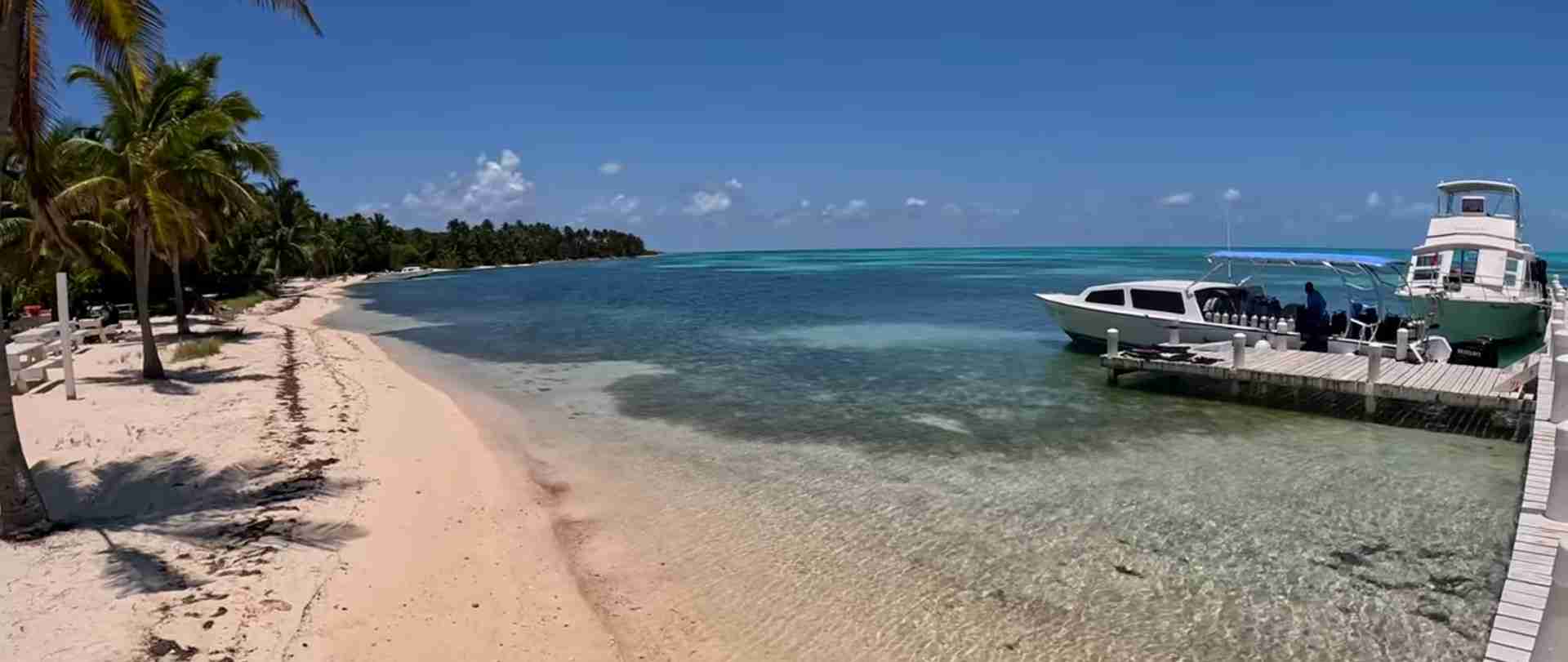
Belize Reef Conservation 2026: Sustainable Tourism Guide
Key Takeaways
- Belize Barrier Reef Reserve System operates under strict conservation protocols with certified sustainable tour operators managing visitor access to protected marine areas in 2026
- Marine park fees fund direct conservation efforts: $10 daily fee supports reef monitoring, $20 Blue Hole fee finances deep-water research programs throughout 2026
- Sustainable diving and snorkeling operations follow maximum group sizes of 8 divers or 12 snorkelers per guide, with mandatory briefings on coral protection techniques
- UNESCO monitoring resulted in significant conservation improvements since 2018, with offshore oil drilling ban and mangrove protection achieving measurable ecosystem recovery by 2026
- Eco-certified accommodations and tour operators offer carbon-neutral options ranging $85-450 per night, with transparent conservation contribution tracking for visitors
- Peak conservation tourism season runs December-April 2026 with advance booking requirements for popular marine reserves and limited-access conservation zones
Introduction: Belize Reef Conservation in 2026
The Belize Barrier Reef Reserve System stands as the largest barrier reef in the Northern Hemisphere and the second-largest coral reef system globally after Australia’s Great Barrier Reef. This extraordinary UNESCO World Heritage site encompasses seven marine reserves covering 960 square kilometers of pristine Caribbean waters. In 2026, Belize continues pioneering sustainable tourism models that balance visitor access with aggressive marine conservation, demonstrating how tourism revenue directly funds ecosystem protection while providing transformative experiences for responsible travelers.
The reef system faces critical conservation challenges including climate change impacts, coral bleaching events, and pressure from coastal development. However, Belize’s comprehensive marine management framework implemented since the site’s UNESCO designation in 1996 has created one of the world’s most successful conservation tourism programs. Visitors in 2026 participate directly in reef protection through regulated activities, conservation fees, and eco-certified tour operations that maintain the delicate balance between accessibility and preservation.
This guide provides complete planning information for experiencing the Belize Barrier Reef sustainably in 2026. You’ll find specific costs for eco-certified tours, conservation-focused accommodations, sustainable diving operations, and responsible visitor practices. Every recommendation prioritizes operators demonstrating measurable conservation contributions, ensuring your visit supports rather than compromises this irreplaceable marine ecosystem. The integration of tourism revenue with conservation funding has transformed Belize into a global model for sustainable marine tourism, where visitors become active participants in reef protection.
Understanding the conservation context enhances every aspect of your 2026 visit. The seven protected areas—Bacalar Chico, Blue Hole, Half Moon Caye, South Water Caye, Glover’s Reef, Laughing Bird Caye, and Sapodilla Cayes—each maintain specific visitor protocols designed to minimize environmental impact while maximizing educational value. Your planning decisions regarding tour operators, accommodation choices, and activity selection directly influence conservation outcomes, making informed sustainable tourism choices essential for reef protection.
People Also Ask About Belize Reef Conservation 2026
How much does sustainable reef tourism cost in Belize in 2026?
Sustainable reef tourism in Belize ranges $150-400 per person daily for eco-certified experiences in 2026. Day snorkeling tours with conservation-certified operators cost $85-140 including equipment, marine park fees, and lunch. Sustainable diving excursions range $110-180 for two-tank dives with eco-certified dive shops. Blue Hole diving expeditions cost $350-450 as full-day experiences including conservation fees. Multi-day liveaboard options on eco-certified vessels range $1,800-3,200 for 4-6 night trips with all conservation fees included. Check tour operator websites for current pricing and conservation certification verification.
What makes a Belize reef tour operator genuinely sustainable in 2026?
Genuine sustainable operators in 2026 maintain Green Reef Environmental Certification, limit group sizes to 8 divers or 12 snorkelers maximum, provide comprehensive reef protection briefings, use mooring buoys instead of anchoring, employ marine biologist guides, contribute additional funds beyond mandatory fees to conservation programs, participate in reef monitoring citizen science, and provide transparent reporting of their conservation contributions. Certified operators display official Green Reef plaques and provide documentation of their conservation activities. The Belize Tourism Board maintains updated lists of certified sustainable operators at their official website.
When is the best time for sustainable reef visits in 2026?
The optimal sustainable tourism window runs December through April 2026, offering calm seas, excellent underwater visibility of 80-100 feet, and ideal conditions for reef observation with minimal environmental stress. This dry season period coincides with lower water temperatures that reduce coral bleaching risk while providing comfortable diving conditions. February-March 2026 represents the premium period for marine life diversity including whale shark aggregations at Gladden Spit and spawning events. May-November brings rain, rougher seas, and higher coral stress from warmer water temperatures, though significantly fewer visitors create opportunities for more intimate reef experiences with reduced overall environmental impact.
How do marine park fees support Belize reef conservation in 2026?
Marine park fees in 2026 fund direct conservation activities including daily reef patrols, coral health monitoring, illegal fishing enforcement, marine research programs, endangered species protection, visitor impact studies, and marine reserve infrastructure maintenance. The standard $10 daily marine reserve fee supports operational costs across all seven protected areas. Blue Hole’s $20 fee finances specialized deep-water ecosystem research. Gladden Spit’s seasonal $50 fee during whale shark season funds specific marine megafauna protection programs. These fees generate approximately $3.2 million annually for direct conservation work, supplemented by additional tour operator contributions through eco-certification programs that add 5-10% of tour revenues to conservation funding.
Extended multi-day tours – 5+ days
Featured Belize Multi-Day Tour Packages

3 days
Belize 3-Day Discovery Tour
- ✓ Comprehensive Belize experience
- ✓ Expert local guides included
- ✓ All accommodation included
- ✓ Transportation provided

5 days
Belize 5-Day Highlights Experience
- ✓ Comprehensive Belize experience
- ✓ Expert local guides included
- ✓ All accommodation included
- ✓ Transportation provided

7 days
Belize 7-Day Cultural Journey
- ✓ Comprehensive Belize experience
- ✓ Expert local guides included
- ✓ All accommodation included
- ✓ Transportation provided

10 days
Belize 10-Day Complete Adventure
- ✓ Comprehensive Belize experience
- ✓ Expert local guides included
- ✓ All accommodation included
- ✓ Transportation provided
Multi-day tour packages powered by TourRadar. Prices and availability subject to change.
Essential Conservation Planning Information 2026
Understanding Belize’s Marine Conservation Framework
Belize operates seven distinct marine reserves under the Belize Barrier Reef Reserve System UNESCO designation, each with specific conservation protocols and visitor regulations. Bacalar Chico National Park and Marine Reserve at the northern end encompasses 41 square kilometers protecting crucial nursery habitats for juvenile reef fish. Blue Hole Natural Monument, the iconic collapsed underwater cave system, restricts access to certified advanced divers only with maximum 20 visitors daily during peak season. Half Moon Caye Natural Monument combines seabird rookeries with pristine wall diving, limiting simultaneous visitors to 60 people across the entire caye.
South Water Caye Marine Reserve serves as the most accessible protected area for day visitors from the mainland, managing the highest visitor numbers through strict operator permitting and group size limitations. Glover’s Reef Marine Reserve, located 45 kilometers offshore, remains the most pristine atoll in the Caribbean with severely limited visitor capacity preserving exceptional coral health. Laughing Bird Caye National Park operates as a day-use only reserve prohibiting overnight stays to minimize human impact. Sapodilla Cayes Marine Reserve in the far south protects critical spawning aggregation sites with seasonal closures during peak breeding periods.
Each reserve charges specific entry fees supporting targeted conservation programs. The standard marine reserve fee costs $10 per person daily, providing access to most protected areas including South Water Caye, Laughing Bird Caye, and general reef sites. Blue Hole charges $20 due to specialized management requirements and limited access protocols. Bacalar Chico includes a $15 fee covering both marine and terrestrial reserve access. Gladden Spit Marine Reserve, famous for whale shark aggregations, charges $50 during the March-June season when these animals congregate, with revenues directly funding whale shark research and protection. Check official Belize Fisheries Department website for current fee structures and payment requirements.
2026 Conservation Costs and Fee Breakdown
Comprehensive reef conservation participation in 2026 involves multiple fee categories supporting different protection aspects. Marine reserve entry fees cost $10-50 depending on location and season. Tour operators with Green Reef certification add $5-15 per person to standard tour prices, channeling these supplements directly to conservation programs beyond mandatory government fees. Eco-certified dive shops include conservation surcharges of $10-20 per diving day supporting reef monitoring equipment and research initiatives.
Specialized conservation experiences require additional investments. Coral restoration volunteer programs cost $150-200 per half-day session including hands-on reef restoration work under marine biologist supervision. Marine biology educational tours with certified naturalist guides range $125-175 per person for small group experiences emphasizing ecosystem understanding. Citizen science snorkel surveys cost $95-140 per session contributing visitor observations to long-term monitoring databases. Reef clean-up expeditions, removing marine debris, cost $75-95 per participant including boat transport and equipment.
Accommodation conservation contributions vary significantly by facility type and certification level. Basic eco-lodges charge $85-140 per night with transparent 10% conservation fees supporting local marine protection organizations. Mid-range sustainable resorts range $180-280 per night including documented carbon offset programs and direct reef monitoring contributions. Luxury eco-certified properties cost $350-600 per night with comprehensive sustainability programs including on-site marine research facilities, reef restoration nurseries, and marine biologist staff conducting ongoing conservation work accessible to guests.
Transportation choices also impact conservation costs. Eco-certified water taxi services using fuel-efficient engines and respecting marine mammal protection zones charge $25-35 per person for routes between major destinations. Carbon-offset boat charters cost $400-600 daily for private groups with transparent fuel consumption tracking and certified offset purchasing. Helicopter transfers to offshore atolls range $300-450 per person but include mandatory carbon offset fees supporting reforestation and mangrove restoration programs offsetting aviation emissions.
Best Time to Visit for Sustainable Tourism 2026
Seasonal Conservation Considerations
December through April 2026 represents the prime sustainable tourism season for the Belize Barrier Reef, combining optimal environmental conditions with peak visitor services and conservation program availability. This dry season period delivers calm Caribbean seas with swell heights under 3 feet, underwater visibility ranging 80-100 feet, and moderate water temperatures of 78-82°F reducing coral stress while providing comfortable conditions for extended water activities. The stable weather patterns minimize tour cancellations and boat fuel consumption, improving the environmental efficiency of visitor transport operations.
Coral health reaches optimal conditions during the December-April window, with lower water temperatures reducing bleaching risk and higher salinity supporting robust coral polyp activity. Marine life diversity peaks during February-March when multiple species including Nassau grouper, mutton snapper, and dog snapper form spawning aggregations at specific reef sites. Whale shark appearances at Gladden Spit begin in March, with the season extending through June offering extraordinary opportunities for sustainable marine megafauna encounters supporting critical research programs.
May through November constitutes the wet season and hurricane period, bringing increased environmental challenges but also significant conservation benefits from reduced visitor pressure. Rainfall patterns flush coastal areas, temporarily reducing water clarity to 40-60 feet but also refreshing nutrient levels supporting plankton blooms that feed coral systems. The dramatically lower visitor numbers during this period—down 60-70% from peak season—allow reef ecosystems essential recovery time from continuous tourism pressure. Water temperatures rise to 84-86°F increasing coral stress risk, making careful site selection by experienced guides crucial for minimizing visitor impact on already stressed reef sections.
2026 Conservation Events and Programs
March-April 2026 features multiple spawning aggregation protection events when tour operators coordinate access restrictions allowing critical reproduction periods without human interference. Nassau grouper spawning occurs during full moons in March and April, with specific reef sites closed to all visitors 3 days before through 2 days after peak moon phases. These voluntary closures, enforced by tour operators and marine reserve rangers, protect vulnerable fish populations during crucial breeding windows.
The annual Belize Reef Week runs June 1-7, 2026, featuring intensive citizen science opportunities, reef clean-up expeditions, coral monitoring surveys, and public education programs. Visitors participating during this week access specialized conservation experiences including guided snorkel surveys documenting coral health, underwater photography workshops supporting long-term visual monitoring databases, and marine debris removal projects tackling plastic pollution. Many eco-certified accommodations offer special packages during Reef Week including lodging, conservation activities, and educational programming at $750-1,100 per person for 4-night stays.
Whale shark season at Gladden Spit runs March through June 2026, with April-May representing peak aggregation periods when 20-30 individuals may gather simultaneously. This natural phenomenon occurs when whale sharks arrive to feed on snapper spawn, creating exceptional sustainable tourism opportunities. The Belize Fisheries Department limits daily visitors to 12 boats with maximum 6 snorkelers per boat, enforcing strict approach protocols maintaining 6-foot minimum distances from animals. Tour operators pay enhanced $50 fees during this season funding dedicated whale shark research and protection programs. Booking requirements for whale shark tours extend 4-6 months ahead during peak April-May periods.
September 2026 brings the annual Lionfish Derby, a competitive removal event targeting this invasive species threatening native reef fish populations. Recreational divers and spearfishers participate in organized removal efforts, with prizes for largest catches supporting ongoing invasive species control. The event combines conservation action with competitive sport, removing thousands of lionfish annually. Participation costs $45-65 per diver including boat transport, competition entry, and post-event lionfish barbecue featuring harvested catch. This represents one of the few conservation programs where direct removal of marine life supports ecosystem health, addressing the critical threat posed by lionfish to Caribbean reef systems.
Sustainable Accommodation Strategies 2026
Eco-Certified Mainland Options
Placencia Peninsula and Hopkins Village offer the most comprehensive concentrations of eco-certified accommodations providing mainland access to southern reef sites. Green Reef certified guesthouses in Hopkins range $85-140 per night, featuring solar power, rainwater collection systems, greywater recycling, and documented reef conservation contributions of 10% of revenues. These properties maintain small-scale operations with maximum 6-12 rooms minimizing development impact on sensitive coastal ecosystems. Owners typically operate their own sustainable tour services or partner exclusively with certified operators.
Placencia’s mid-range eco-resorts cost $180-280 per night, offering beachfront locations with comprehensive sustainability programs including on-site composting, single-use plastic elimination, coral nursery partnerships, and marine debris clean-up initiatives. Properties at this level employ full-time sustainability coordinators managing conservation programs and guest education. Complimentary activities often include guided mangrove kayaking, beach clean-ups, and coral health presentations enhancing visitor understanding of reef ecosystems. Many properties maintain membership in Belize’s Green Reef Environmental Stewardship Program with annual audits verifying conservation commitments.
Luxury eco-certified resorts in Placencia and Hopkins range $350-600 per night, delivering upscale amenities within comprehensive environmental frameworks. These properties feature marine biologists on staff, on-site coral restoration nurseries growing fragments for reef replanting, advanced wastewater treatment preventing nutrient pollution, and carbon-neutral operations through renewable energy and certified offset programs. Several maintain research partnerships with marine science institutions, providing guests access to ongoing studies. Nim Li Punit Eco-Resort exemplifies this category with 100% solar power, extensive native reforestation, and direct funding of marine reserve patrols.
Island Eco-Lodge Options 2026
South Water Caye accommodations provide the closest sustainable lodging to major reef sites, minimizing boat travel and associated environmental impacts. Basic eco-cabanas on the caye cost $120-180 per night including meals, featuring rustic comfort with composting toilets, solar power, and rainwater collection. These small-scale operations limit capacity to 8-16 guests maximizing intimate reef experiences while minimizing ecological footprints. Blue Marlin Lodge and Pelican Beach Resort represent established sustainable operations at this level, operating for 15-20 years with proven minimal-impact models.
Tobacco Caye’s traditional island lodges range $95-160 per night with meals, offering authentic Caribbean island experiences on a tiny 3-acre coral caye. The island’s entire infrastructure operates on solar and wind power with strict waste management protocols transporting all non-biodegradable waste to mainland recycling facilities. Maximum island capacity of 60 visitors enforces natural limitations on environmental impact. Direct reef access from shore eliminates boat travel for most snorkeling, reducing fuel consumption and underwater noise pollution while providing unlimited access to pristine reef systems steps from accommodations.
Glover’s Reef Atoll eco-lodges represent the most remote and sustainable options, requiring 2-hour boat journeys but offering unparalleled reef access and minimal development impact. Glover’s Atoll Resort operates rustic cabanas at $140-200 per person nightly including meals and kayaks, powered entirely by solar with comprehensive composting and water conservation systems. The property maintains strict capacity limits of 20 guests, operates reef monitoring programs engaging visitors in citizen science, and employs local staff from coastal communities ensuring tourism economic benefits support conservation awareness. Island Expeditions’ basecamp offers similar facilities at $165-220 per night with guided sustainable activities included.
Conservation-Focused Liveaboards
Multi-day liveaboard vessels provide intensive reef experiences while consolidating visitor impact through centralized accommodation reducing shore-based development pressure. Belize Aggressor III and IV operate 6-night diving itineraries at $2,395-2,895 per person including all diving, meals, and marine park fees. These vessels maintain Advanced Eco-Certification through comprehensive waste management, fuel-efficient operations, exclusive mooring buoy use, and substantial conservation fund contributions supporting marine research and reef monitoring programs beyond mandatory fees.
The Belize Sun Dancer focuses specifically on Blue Hole and remote atolls, offering 7-night trips at $2,595-3,195 per person with similar eco-certification standards. The vessel participates in AGRRA (Atlantic Gulf Rapid Reef Assessment) protocol surveys, collecting data on coral health during every trip contributing to long-term Caribbean-wide reef monitoring databases. Passengers receive training in basic coral identification and reef assessment techniques, transforming recreational diving into citizen science contributing real data to conservation research.
Smaller-scale sailing catamarans like Belize Sailing Adventures operate 4-5 day trips at $1,800-2,400 per person with maximum 8 passengers, combining reef access with minimal motorized boat impact through wind-powered transport between sites. These intimate operations provide intensive education on reef ecology, marine biology, and conservation challenges while maintaining the lowest per-passenger carbon footprints of any multi-day reef access option. Solar power, watermakers, and composting heads eliminate most environmental support requirements, making these the most sustainable liveaboard choices despite higher per-night costs.
Sustainable Transportation Options 2026
Mainland to Reef Access
Water taxi services from Belize City to Caye Caulker and Ambergris Caye cost $25 one-way for scheduled departures running hourly 8 AM-5:30 PM. San Pedro Belize Express and Ocean Ferry Belize operate modern vessels with fuel-efficient engines reducing per-passenger emissions compared to older boat services. The 45-minute crossing to Caye Caulker uses approximately 30% less fuel per passenger than individual boat charters while maintaining reliable schedules. Advanced online booking through official websites secures seats and supports route planning.
Charter boats from coastal towns to reef sites range $400-600 daily for groups up to 8 passengers. Eco-certified charter operators using modern 4-stroke outboards and GPS routing for efficient navigation charge premium rates but deliver 25-35% better fuel efficiency than older 2-stroke engines still common among non-certified operators. Green Reef certified captains maintain mandatory marine mammal avoidance protocols, reducing speed to under 5 knots when marine mammals are sighted and maintaining 300-foot minimum distances from dolphins and manatees.
Helicopter transfers to remote atolls cost $300-450 per person each way with mandatory carbon offset fees included. Tropic Air and Maya Island Air operate scheduled flights to Glover’s Reef and Lighthouse Reef atolls, delivering dramatic time savings reducing 2-hour boat journeys to 20-minute flights. The carbon offset programs support mangrove reforestation projects and renewable energy installations in coastal communities, addressing aviation emissions through verified carbon sequestration projects. Despite higher costs and carbon footprints per passenger, helicopters eliminate reef-damaging boat propeller strikes and underwater noise pollution affecting marine life.
Inter-Island Sustainable Transport
Golf cart rentals on Ambergris Caye and Caye Caulker cost $75-95 daily, providing zero-emission transport for island exploration. San Pedro Town maintains 45 rental operators with standard 4-passenger electric carts charging via the island’s increasingly solar-supplemented electrical grid. Battery range covers typical daily exploration distances of 15-25 miles. Caye Caulker’s walking-only village center and compact 5-mile island length make walking and cycling the primary sustainable transport modes, with bicycle rentals at $15-25 daily providing adequate mobility.
Water taxis between islands cost $15-30 per person depending on distance, operating scheduled routes between Caye Caulker, Ambergris Caye, and Caye Chapel. Eco-certified operators limit speeds in sensitive marine zones and maintain waste-free vessels prohibiting single-use plastics. The inter-island network operates efficiently, coordinating schedules to consolidate passengers reducing overall boat traffic and associated environmental impacts. Advance booking through property concierges or online platforms ensures seat availability during peak season.
Kayak and paddleboard exploration provides the most sustainable reef access option for shallow nearshore environments, generating zero emissions and minimal wildlife disturbance. Hourly rentals cost $15-25 at most island accommodations, with half-day rates of $40-55 and full-day options at $60-85 including basic instruction and safety equipment. Mangrove kayaking tours range $65-95 per person for guided half-day experiences exploring critical nursery habitats while learning about ecosystem connectivity between mangroves, seagrass beds, and coral reefs. These human-powered transport options deliver intimate ecosystem access impossible from motorized vessels.
Money-Saving Strategies for Conservation Tourism 2026
Advance Booking Benefits
Eco-certified tour operators offer 10-15% discounts for bookings made 90+ days ahead, incentivizing early commitments that support operational planning and reduce last-minute marketing costs. Multi-day tour packages booked in advance deliver 15-20% savings compared to individual daily bookings, with 4-day snorkel packages at certified operators costing $320-380 instead of $100-120 daily. Week-long stays at eco-certified accommodations typically include 1-2 complimentary nights when booked directly through property websites, effectively reducing nightly rates by 15-25%.
Liveaboard diving trips booked 6+ months ahead access early-bird pricing saving $300-500 per person on week-long voyages. The limited cabin capacity on most vessels—12-20 passengers maximum—creates strong incentives for advance booking, with popular March-April departure dates selling out 4-6 months ahead. Payment plans offered by most liveaboard operators allow deposits of 25-30% securing reservations with balance due 60 days before departure, spreading costs while securing optimal travel periods.
Seasonal rate variations provide significant savings opportunities for flexible travelers. May-November wet season reduces accommodation costs by 30-40%, with mid-range eco-resorts in Placencia dropping from $240-280 peak season rates to $140-180 during summer months. Tour operator prices remain more stable year-round, but availability increases dramatically allowing same-day booking and eliminating advance planning requirements. Underwater visibility decreases but remains adequate at 40-60 feet for most reef experiences, while substantially fewer visitors create more intimate encounters with less crowding at popular sites.
Group Conservation Discounts
Private groups of 6-8 people accessing dedicated boat charters and guides achieve per-person costs competitive with shared tours while maintaining personalized experiences and flexibility. A full-day snorkel charter for 8 people costs $750-950 including lunch and equipment, equaling $94-119 per person compared to $120-140 for individual spots on scheduled tours. The private charter format allows custom itineraries visiting less-crowded sites and flexible scheduling accommodating group preferences while supporting local boat operators.
Family packages at eco-certified resorts provide substantial savings for groups of 4-6 sharing accommodations. Family suites or multiple-room units reduce per-person costs by 25-35% compared to individual room bookings, with weekly rates of $1,400-2,200 total for family lodging versus $2,400-3,600 for separate rooms. Many properties include complimentary kids’ marine education programs, guided snorkel sessions, and kayak rentals for families booking multi-night stays, adding significant value beyond accommodation savings.
Dive packages combining accommodation and diving at eco-certified dive resorts deliver comprehensive savings. Week-long packages including 6 nights lodging and 10 dives range $1,100-1,600 per person at mid-range properties, representing 20-25% savings versus booking accommodation and diving separately. These integrated packages at properties like Hamanasi Adventure Resort streamline logistics while ensuring coordinated sustainable practices across lodging and dive operations.
Conservation-Conscious Budget Strategies
Combining eco-certified budget accommodations with selective premium experiences balances conservation goals with financial constraints. Base camping at Glover’s Reef eco-lodges at $140-180 nightly including meals provides outstanding reef access, supplemented by a single splurge Blue Hole helicopter dive day trip at $450. This approach delivers comprehensive reef experiences with total costs of $1,300-1,500 per person for 5 days versus $2,500-3,200 for mid-range resort packages with similar activity levels.
Shore snorkeling from accommodations with direct reef access eliminates boat tour costs while providing unlimited daily reef time. Properties on Tobacco Caye, South Water Caye, and certain Ambergris Caye locations offer immediate snorkel access to healthy reef systems from beaches, docks, or nearby shore. This self-guided approach requires only mask, snorkel, and fins rental at $15-25 daily versus $100-140 for guided boat tours. Marine park fees still apply at $10 daily, but overall costs drop dramatically while extended reef time often exceeds structured tour durations.
Combining basic accommodations in Hopkins Village ($85-110 nightly) with day trips to South Water Caye Marine Reserve creates budget-friendly access to protected reef systems. Daily snorkel tours from Hopkins cost $85-110 including boat transport, guide, equipment, lunch, and marine park fees, providing full reef experiences while maintaining affordable mainland lodging. Five nights Hopkins lodging plus 3 full-day reef tours totals $680-840 per person, delivering comprehensive reef experiences at half the cost of island-based accommodation packages.
Sample 2026 Sustainable Reef Itineraries
Budget Conservation Explorer – 5 Days
Day 1 – Hopkins Arrival and Orientation: Arrive Belize City, taxi to Hopkins Village $65 per person shared shuttle. Check into eco-certified guesthouse $95 per night. Afternoon orientation walk, visit Hopkins pier and beach, dinner at local restaurant $18-25. Total day cost: $83-90 per person (excluding accommodation $95).
Day 2 – South Water Caye Full-Day Snorkel: Full-day snorkel tour to South Water Caye Marine Reserve with Green Reef certified operator $110 including boat transport, guide, equipment, marine park fee $10, and lunch. Snorkel multiple pristine reef sites, learn coral identification. Dinner Hopkins village $20-28. Total day cost: $130-138 per person (excluding accommodation).
Day 3 – Glover’s Reef Day Trip: Extended day trip to Glover’s Reef Atoll $165 including high-speed boat transport, snorkel guide, equipment, marine park fees, lunch. Experience remote atoll snorkeling with exceptional coral health and abundant marine life. Return evening, light dinner $15-22. Total day cost: $180-187 per person (excluding accommodation).
Day 4 – Mangrove Kayak and Conservation Program: Morning guided mangrove kayak tour $75 learning ecosystem connectivity, afternoon coral restoration volunteer session $150 hands-on reef restoration work. Dinner village $20-28. Total day cost: $245-253 per person (excluding accommodation).
Day 5 – Reef Clean-up and Departure: Morning reef debris clean-up volunteer expedition $85 removing marine trash, contribute to conservation data collection. Afternoon return Belize City $65, evening departure. Total day cost: $150 per person (excluding accommodation).
5-Day Budget Conservation Total: Accommodation $475 (5 nights x $95), activities and meals $788-818. Total trip cost: $1,263-1,293 per person. This budget-conscious itinerary delivers comprehensive reef experiences, direct conservation participation, and sustainable practices throughout while maintaining costs under $1,300 per person for a complete conservation-focused reef vacation.
Mid-Range Sustainable Island Experience – 7 Days
Day 1 – Placencia Arrival: Arrive Belize City, domestic flight to Placencia $125 each way. Check into eco-certified resort $220 per night. Beach orientation, property coral nursery tour, dinner resort restaurant $35-45. Total day cost: $160-170 per person (excluding accommodation $220).
Day 2 – Laughing Bird Caye Marine Reserve: Full-day tour to Laughing Bird Caye with certified operator $135 including boat transport, snorkel guide, equipment, marine park fees $10, lunch. Snorkel pristine shallow reefs, learn marine biology. Resort dinner $38-48. Total day cost: $173-183 per person (excluding accommodation).
Day 3 – Silk Cayes and Whale Shark Snorkel: Premium day combining Silk Cayes snorkeling with Gladden Spit whale shark encounter $285 including specialized guide, all fees, lunch. Extended boat trip to offshore sites, extraordinary marine megafauna experience. Resort dinner $35-48. Total day cost: $320-333 per person (excluding accommodation).
Day 4 – Scuba Diving Introduction and Reef Monitoring: Morning Discover Scuba program with eco-certified dive shop $165 including instruction, equipment, one reef dive. Afternoon citizen science reef monitoring snorkel $95 contributing observations to research databases. Light dinner $28-35. Total day cost: $288-295 per person (excluding accommodation).
Day 5 – Blue Hole Helicopter Diving: Epic Blue Hole helicopter dive expedition $450 including flight, specialized guide, Blue Hole fees $20, lunch, two additional reef dives. Full-day adventure to iconic site. Return evening, resort dinner $42-55. Total day cost: $492-505 per person (excluding accommodation).
Day 6 – Mangrove Exploration and Beach Day: Morning guided mangrove kayak tour $85, afternoon beach relaxation, sunset catamaran sail $65. Resort dinner $38-48. Total day cost: $188-198 per person (excluding accommodation).
Day 7 – Coral Restoration and Departure: Morning hands-on coral restoration program $150 at resort’s reef nursery, learn transplanting techniques. Afternoon flight to Belize City $125, evening departure. Lunch $25-32. Total day cost: $300-307 per person (excluding accommodation).
7-Day Mid-Range Sustainable Total: Accommodation $1,540 (7 nights x $220), activities and meals $1,921-1,991, flights $250. Total trip cost: $3,711-3,781 per person. This comprehensive itinerary balances premium experiences like Blue Hole diving with direct conservation participation, eco-certified accommodations, and substantial environmental education components delivering transformative sustainable reef tourism.
Premium Conservation Liveaboard – 8 Days
Day 1 – Belize City Arrival and Embarkation: Arrive Belize City morning, taxi to boat dock $25, board Belize Aggressor IV by 2 PM. Afternoon safety briefing, gear setup, coastal reef check dive. Dinner onboard included. Total day cost: $25 per person (excluding liveaboard package).
Days 2-3 – Southern Reefs and Atolls: Four dives daily at Turneffe Atoll and Lighthouse Reef, morning/afternoon dive schedule, night dives optional. All meals included, between-dive reef ecology presentations by marine biologist. Participate in AGRRA coral monitoring surveys, contribute scientific observations. Dive guides identify rare species, explain ecosystem relationships. All costs included in liveaboard package.
Day 4 – Blue Hole and Half Moon Caye: Morning dive into Blue Hole, experience iconic underwater cathedral formations at 135 feet. Afternoon dives Half Moon Caye Wall, visit Red-footed Booby Sanctuary on caye. Evening night dive optional. Additional Blue Hole fee $20. Marine biology lecture on deep reef systems. Total day cost: $20 per person (excluding liveaboard package).
Days 5-6 – Glover’s Reef Atoll: Intensive diving at Caribbean’s healthiest atoll system, maximum six dives daily. Participate in coral identification surveys, photograph reef sections for long-term monitoring. Night dives exploring nocturnal reef activity. Marine biologist presentations on coral reproduction, reef resilience, climate impacts. Snorkel options between dives, kayaking from vessel. All included in package.
Day 7 – South Water Caye and Return: Final morning dives South Water Caye Marine Reserve, afternoon sail back to Belize City. Review week’s dive logs, certificate presentations for citizen science participants. Evening dock arrival, optional resort transfer or airport accommodation. All included in package.
Day 8 – Departure: Morning departure to airport, taxi $25. Total day cost: $25 per person.
8-Day Premium Liveaboard Total: Liveaboard package $2,650 including accommodation, all meals, diving, guides, standard marine park fees. Additional costs: Blue Hole fee $20, transfers $50, tips $150-200 suggested. Total trip cost: $2,870-2,920 per person. This ultimate sustainable reef experience delivers intensive diving, direct conservation participation through citizen science, comprehensive marine education, and access to the Caribbean’s healthiest reef systems with minimal shore development impact.
Booking and Reservations for 2026 Conservation Tourism
Eco-Certified Operator Selection
Green Reef Environmental Certification represents the gold standard for sustainable tourism operators in Belize. Visit greenreefbelize.com to access the current directory of certified businesses including dive shops, tour operators, and accommodations. Certified operators display official Green Reef plaques at their facilities and provide documentation of their sustainability practices including waste management protocols, environmental education programs, conservation funding contributions, and community engagement initiatives.
The Belize Tourism Board maintains a separate listing of eco-certified accommodations through their “Belize Sustainable Tourism Program” at travelbelize.org. Properties meeting comprehensive sustainability criteria covering energy efficiency, water conservation, waste management, community benefits, and conservation contributions receive official recognition. Cross-reference Green Reef and BTB certifications for maximum assurance of genuine environmental commitment versus superficial greenwashing marketing claims.
Belize Audubon Society operates four of the seven marine reserves including Half Moon Caye, providing direct booking for marine reserve visits and eco-tours supporting their conservation programs. Contact belizeaudubon.org for information on their educational tours, conservation volunteer opportunities, and specialized programs led by staff marine biologists and conservation officers. Revenue from these programs funds direct protection work including reserve patrols, research initiatives, and community conservation education.
2026 Advance Booking Timeline
Book eco-certified liveaboards 6-8 months ahead for March-April peak season departures, with popular vessels selling out completely by December for spring trips. Summer and fall departures allow 2-4 month advance booking, though availability remains good even 4-6 weeks ahead during off-peak periods. Most liveaboard operators require 25-30% deposits with balances due 60-90 days before departure.
Premium experiences including Blue Hole diving and whale shark snorkeling at Gladden Spit require 60-90 day advance reservations during peak March-May periods. The limited daily capacity—20 divers maximum Blue Hole, 12 boats maximum Gladden Spit—creates strong booking pressure during optimal seasonal windows. Summer and fall allow more flexible booking with 2-4 week advance reservations typically sufficient.
Eco-certified island accommodations need 2-4 month advance reservations for winter season December-April visits, particularly Christmas/New Year and Easter weeks when properties reach capacity. South Water Caye and Glover’s Reef lodges with limited room counts of 8-16 sell out 3-4 months ahead during peak weeks. Off-season May-November allows walk-in availability at most properties, though confirming reservations 2-3 weeks ahead ensures optimal room selection and activity coordination.
Payment Methods and Conservation Contributions
Most eco-certified operators accept major credit cards with 3-4% processing fees occasionally passed to customers. Bank transfers from US and Canadian accounts avoid processing fees, with operators providing specific banking instructions for international transfers. Cash payments in US dollars receive acceptance throughout Belize, though ATM networks allow Belize dollar withdrawals with standard international banking fees of $3-5 per transaction plus 1-3% foreign transaction charges depending on card issuer.
Separate marine park fees require cash payment in most cases, with credit card acceptance rare at small marine reserve stations. Carry $50-100 US cash specifically for marine park fees, ensuring adequate denominations as rangers often lack change for large bills. Some tour operators include marine park fees in tour prices and handle payment directly, eliminating visitor payment requirements—verify this during booking to plan cash needs accordingly.
Additional voluntary conservation contributions amplify individual environmental impact beyond mandatory fees. Green Reef’s Conservation Fund accepts direct donations supporting reef monitoring, marine research, and sustainable tourism development programs. The Belize Audubon Society’s Marine Conservation Fund finances specific initiatives including endangered species protection and marine reserve expansion. These contributions are tax-deductible for US taxpayers, with organizations providing documentation for claiming charitable deductions.
Carbon offset purchases for aviation and boat transport complete comprehensive sustainable tourism approaches. Organizations like Carbonfund.org and Cool Effect offer verified offset projects including tropical reforestation and renewable energy development. Calculate flight emissions using online calculators—Belize City flights from US gateways generate approximately 0.5-0.8 tons CO2 per person round trip—and purchase equivalent offsets at $15-25 per ton. Voluntary boat transport offsets, while less standardized, contribute to reforestation projects addressing maritime emissions.
Conservation Education and Visitor Responsibilities 2026
Reef Protection Protocols
Physical contact with coral represents the single greatest visitor impact threat to reef health. Coral polyps sustain damage from even light touching, with the protective mucus layer disrupting allowing disease entry. Hard corals recover slowly—decades in many cases—from physical breaks or abrasions. Soft corals tear easily under minimal contact. Fire coral contact causes painful stings while damaging the organism. Maintain neutral buoyancy while snorkeling and diving, controlling fin position to avoid accidental coral contact. Hands-off policies extend beyond coral to all reef organisms including anemones, sea fans, sponges, and fish.
Sunscreen chemicals harm coral health through multiple mechanisms including promoting viral infections, causing bleaching, and disrupting reproductive cycles. Oxybenzone and octinoxate, common in traditional sunscreens, prove particularly damaging. Use only reef-safe sunscreen products free from these chemicals, verified through ingredient lists checking for zinc oxide or titanium dioxide as active ingredients. Better still, wear rash guards, dive skins, and sun protection clothing eliminating sunscreen need entirely. Most eco-certified operators prohibit traditional sunscreen use on tours, providing guests with reef-safe alternatives.
Anchoring damages reef structures, with boat anchors smashing coral heads and chains sweeping across reef surfaces destroying decades of growth in seconds. All marine reserves require mooring buoy use where available, with designated anchoring zones in sandy areas away from reef structures where moorings don’t exist. Eco-certified operators exclusively use moorings, installing and maintaining their own buoys at frequently visited sites where official moorings are absent. Never allow boat captains to anchor on reef unless absolutely no alternative exists, and then only on sandy bottom areas verified through direct observation.
Marine Life Interaction Guidelines
Maintain 6-foot minimum distances from all marine life, allowing animals to move freely without stress from human proximity. Closer approaches, even without contact, disrupt natural behaviors including feeding, resting, and social interactions. The exception involves stationary or slowly moving animals like sea turtles that may approach divers—remain still allowing the animal to control interaction distance. Never chase, grab, or attempt to touch any marine animal regardless of apparent docility.
Flash photography stresses nocturnal marine life including octopuses, moray eels, and basket stars. Use continuous LED video lights instead of flash for nighttime underwater photography, or photograph during daylight hours. Sharks, rays, and other large animals respond to camera sounds and movements—approach slowly, avoid direct paths toward animals, and back away if subjects show distress signals including rapid swimming or aggressive postures.
Feeding marine life disrupts natural foraging behaviors, conditions animals to associate humans with food creating harassment problems, and introduces inappropriate foods causing health issues. Never feed reef fish regardless of tour operator encouragement—some non-certified operators use feeding to attract fish for snorkeler viewing, a practice banned by most marine reserves but occasionally violated. Eco-certified guides never feed fish or provide bait attracting natural predators creating dangerous situations.
Sustainable Diving and Snorkeling Practices
Buoyancy control represents the most critical skill for reef protection, preventing accidental contact during observation and photography. Practice buoyancy skills in pools or sandy bottom areas before reef diving, mastering neutral buoyancy at all depths. Weight yourself properly—experienced divers carry 4-6 pounds less weight than beginners, improving control and reducing exhaustion. Properly weighted divers hover motionless without finning, eliminating the downward fin kicks that damage coral below.
Fin technique impacts reef protection significantly. Use bent-knee frog kicks in shallow areas over reef, keeping fins elevated above coral level. Avoid flutter kicks that push water downward stirring sediment and potentially contacting reef below. Maintain awareness of fin position—most accidental coral contact occurs from fins, not hands. Consider short fins or split fins that minimize downward water movement.
Photography requires extra attention to position and surroundings, as camera operation diverts attention from buoyancy and position. Secure all equipment with clips preventing dropped gear. Hold cameras close to body except when actively shooting. Never rest cameras, lights, or other equipment on coral, rock, or bottom. Use photographer-specific mooring techniques when shooting stationary subjects—establish solid three-point contact on sand or dead rock well away from living coral, plant yourself firmly, then photograph without moving.
Waste Management and Plastic Pollution
Single-use plastic represents the greatest pollution threat to marine ecosystems, with millions of items entering oceans annually. Refuse all single-use plastics including water bottles, shopping bags, straws, food containers, and packaging. Bring reusable water bottles, shopping bags, food containers, and metal straws. Eco-certified accommodations provide filtered water refill stations eliminating bottled water needs—bring adequate bottles from home or purchase quality reusable containers locally.
Pack out everything you bring to beaches, boats, and reef sites. No trash facilities exist at most remote locations, requiring all waste return to proper disposal facilities. Bring dedicated trash bags for personal waste collection. Participate in beach and reef clean-ups whenever opportunities arise, removing plastics and other debris threatening marine life. Even single-item removal—picking up one bottle or bag during each beach visit—contributes measurably to pollution reduction.
Choose products with minimal packaging when shopping in Belize. Local markets offer fresh produce, baked goods, and prepared foods with zero packaging. Bring reusable containers for takeaway food from restaurants. Request no straws, napkins, or other disposable items with food orders. Most businesses accommodate these requests without issue, increasingly recognizing sustainable tourism expectations.
Conservation Challenges and UNESCO Monitoring 2026
Climate Change Impacts and Adaptation
Rising ocean temperatures threaten coral health through increased bleaching frequency and severity. The 1998 and 2016 global bleaching events affected Belize’s reefs, with some areas experiencing 40-60% coral mortality. However, Belize’s reef system shows higher resilience than many Caribbean counterparts due to strong water circulation, diverse coral species composition, and relatively healthy fish populations maintaining ecosystem balance. Ongoing monitoring reveals areas of recovery alongside continued stress, creating a complex picture of climate adaptation.
Ocean acidification reduces coral calcification rates, slowing reef growth and weakening structural integrity. The Atlantic Gulf Rapid Reef Assessment (AGRRA) protocols implemented across Belize quantify these changes through regular coral health surveys measuring coral cover, species diversity, algae levels, and fish populations. Data from 2010-2024 shows overall stable coral cover in well-protected areas like Glover’s Reef and declining cover in areas with poor water quality or high tourism pressure, demonstrating the critical importance of management quality for climate resilience.
Hurricane impacts represent acute climate threats, with major storms capable of devastating reef structures within hours. Hurricane Iris in 2001 destroyed significant reef sections, particularly in southern Belize. However, monitoring revealed faster recovery in marine reserves with healthy fish populations controlling algae growth on damaged coral. This demonstrates how effective management and sustainable tourism practices supporting robust ecosystem health improve climate resilience and recovery capacity following disturbances.
UNESCO World Heritage Status and Improvements
The Belize Barrier Reef Reserve System received UNESCO World Heritage designation in 1996, recognizing its exceptional marine biodiversity and ecological importance. However, by 2009, UNESCO placed the site on the List of World Heritage in Danger due to coastal development threats, mangrove destruction, and plans for offshore oil exploration. This dangerous listing triggered intensive conservation efforts and policy reforms demonstrating the power of international attention focusing national action on environmental protection.
Major improvements since 2009 include a permanent ban on offshore oil exploration throughout Belize’s waters, implemented in 2017 and strengthened in 2019. Mangrove protection regulations now prohibit destruction of these critical nursery habitats, with significant restoration programs replacing mangroves previously cleared for coastal development. Coastal development regulations tightened substantially, requiring comprehensive environmental impact assessments and maintaining setback distances from shorelines protecting water quality.
These combined reforms led to the site’s removal from the List of World Heritage in Danger in 2018, representing a rare conservation success story. UNESCO’s 2018 assessment noted “significant progress” in addressing threats, though monitoring continues with ongoing evaluation of conservation effectiveness. The achievement demonstrates how sustainable tourism, properly managed, provides economic incentives supporting conservation policies that might otherwise face opposition from development interests.
Ongoing Conservation Priorities
Maintaining fishing regulations represents a critical ongoing challenge balancing local livelihoods with ecosystem protection. No-take marine reserves covering approximately 12% of the reef system prohibit all fishing, allowing fish populations to recover and serve as source populations replenishing adjacent areas. However, enforcement challenges persist, with illegal fishing incidents continuing in remote reserves. Tourism revenue funds marine patrol programs, demonstrating the direct link between sustainable tourism and conservation enforcement capacity.
Invasive lionfish proliferate throughout Caribbean reefs including Belize, consuming juvenile reef fish and disrupting ecosystem balance. The species originated from aquarium releases in Florida spreading throughout the region with no natural predators. Control efforts include regular removal derbies, diver training in lionfish handling and spearing, and promotion of lionfish as a food fish creating market demand supporting control efforts. Visitors participating in lionfish removal programs contribute directly to critical invasive species management.
Water quality management requires ongoing attention, with coastal development, agricultural runoff, and sewage disposal threatening reef health through nutrient pollution and sedimentation. Increased algae growth from nutrient pollution competes with coral, particularly following reef damage events when rapid algae colonization can prevent coral recovery. Sustainable tourism development emphasizing low-density eco-lodges with advanced wastewater treatment represents the optimal coastal development model supporting reef protection while providing livelihood opportunities.
Frequently Asked Questions – Belize Reef Conservation 2026
Is the Belize Barrier Reef worth visiting for conservation-focused travelers?
Yes, the Belize Barrier Reef offers exceptional opportunities for conservation-focused visitors seeking meaningful sustainable tourism experiences. The comprehensive marine reserve system with regulated access, certified sustainable operators, direct conservation funding through visitor fees, and measurable ecosystem improvements demonstrates effective conservation tourism models. Visitors participate directly in reef protection through regulated activities, conservation fees supporting research and enforcement, and opportunities for citizen science engagement including reef monitoring and coral restoration.
How do I verify if a Belize tour operator is genuinely sustainable?
Check for Green Reef Environmental Certification at greenreefbelize.com listing certified operators with verified sustainability practices. Certified businesses display official Green Reef plaques and provide documentation of environmental programs. Cross-reference with Belize Tourism Board’s Sustainable Tourism Program listings at travelbelize.org. Genuine sustainable operators limit group sizes to 8 divers or 12 snorkelers maximum, use mooring buoys exclusively, provide comprehensive reef protection briefings, employ marine biologist guides, and transparently report conservation contributions beyond mandatory fees.
What diving certification do I need for Belize reef diving?
Open Water Diver certification allows access to most reef sites with maximum depths of 60 feet covering the majority of wall diving and reef exploration. Advanced Open Water certification opens Blue Hole diving requiring 100-foot depths, plus deeper wall sections and specialized sites. Nitrox certification provides extended bottom times on repetitive dives common during liveaboard trips. Non-certified visitors access comprehensive reef experiences through snorkeling and Discover Scuba introductory programs, with Belize’s exceptional shallow reef systems providing outstanding snorkel-accessible marine diversity rivaling deeper dive sites.
When do whale sharks appear at Gladden Spit?
Whale sharks aggregate at Gladden Spit March through June with peak numbers April-May corresponding to snapper spawning aggregations. The sharks arrive to feed on snapper spawn, creating predictable seasonal encounters. Daily access limits of 12 boats with maximum 6 snorkelers per boat require advance bookings 60-90 days ahead during peak April-May periods. The $50 marine park fee during whale shark season funds dedicated research and protection programs. Tour operators maintain strict approach protocols with 6-foot minimum distances and limited time per encounter protecting these vulnerable animals.
Can I visit the Belize Barrier Reef as a non-swimmer?
Yes, glass-bottom boat tours provide reef access for non-swimmers, with tours ranging $75-110 per person including transportation and guides. These tours visit shallow reef areas allowing clear viewing through glass bottom panels showcasing coral formations and marine life. Semi-submersible tours offer underwater viewing chambers, though availability is limited in Belize compared to other Caribbean destinations. Alternatively, consider learning basic swimming and snorkeling skills before traveling—most eco-certified operators provide comprehensive snorkel instruction and flotation aids allowing nervous swimmers to experience reefs directly.
What’s the minimum trip length for meaningful reef experiences?
Five days minimum allows comprehensive reef exploration including mainland access, multiple reef sites, and conservation participation. This duration covers 3-4 full-day reef excursions, travel days, and one conservation activity like coral restoration or reef monitoring. Seven days provides optimal balance adding Blue Hole diving, whale shark encounters (seasonal), or Glover’s Reef atoll visits. Shorter 3-4 day trips restrict experiences to nearby reef systems, still delivering quality encounters but limiting diversity and conservation engagement options.
Are Belize’s reefs recovering or declining?
The situation varies by location and management quality. Well-protected marine reserves like Glover’s Reef and Half Moon Caye show stable to improving coral cover with UNESCO’s 2018 assessment noting significant conservation progress since removal from the endangered list. Areas with weak enforcement or poor water quality experience ongoing decline. Overall, the reef system demonstrates higher resilience than many Caribbean counterparts due to effective marine reserve management, strong water circulation, and diverse coral species composition. Continued sustainable tourism supporting conservation funding remains critical for ongoing protection.
What conservation impact does my visit have?
Direct conservation contributions occur through multiple channels. Marine park entry fees of $10-50 depending on location fund reef patrols, research, and enforcement. Tour operators with Green Reef certification contribute additional $5-15 per visitor to conservation programs. Accommodation choices at eco-certified properties channel 5-10% of revenues to marine protection. Citizen science participation in reef monitoring or coral restoration provides valuable data supporting management decisions. Most importantly, tourism revenue demonstrates economic value of healthy reefs, incentivizing conservation policies over destructive development alternatives.
Can I dive the Blue Hole without advanced certification?
No, Blue Hole diving requires Advanced Open Water certification minimum due to 130-135 foot depths during the dive. The vertical walls and deep descent create conditions beyond Open Water Diver training. However, snorkeling and viewing from the surface remain options for non-advanced divers, with helicopter tours providing aerial perspectives. Consider completing Advanced Open Water certification before traveling if Blue Hole diving is a priority, or focus on Belize’s extraordinary shallow reef systems offering experiences rivaling deeper dive sites.
How crowded are Belize’s reefs compared to other Caribbean destinations?
Belize maintains significantly lower visitor density than popular Caribbean destinations like Cozumel, Cayman Islands, or Bahamas. The marine reserve system’s limited daily capacity prevents overcrowding even during peak season. Well-managed sites like South Water Caye and Laughing Bird Caye rarely exceed 60-80 simultaneous visitors across entire reserves. Remote locations like Glover’s Reef receive fewer than 30 daily visitors most days. This controlled access preserves both ecosystem health and visitor experience quality, though advance booking becomes necessary during peak March-April windows for popular sites.