
Belize Maya Ruins 2026: Complete Archaeological Guide
Key Takeaways:
- Belize hosts over 900 documented Maya archaeological sites, with Caracol, Xunantunich, Lamanai, and Altun Ha as the most accessible major ruins for 2026 visitors
- Entry fees range $5-10 BZD ($2.50-5 USD) per site in 2026, with guided tours costing $80-150 USD depending on distance and included activities
- Dry season (November through April 2026) offers optimal visiting conditions with minimal rainfall and easier site access, though January through March sees peak crowds
- Most major ruins require 2-4 hour drives from popular bases in San Ignacio or Belize City, with early morning departures recommended for beating heat and maximizing exploration time
- Combining multiple sites in strategic clusters (Western sites from San Ignacio, Northern sites from Orange Walk or Belize City) maximizes archaeological diversity while minimizing transportation costs
- Advanced booking for specialized sites like ATM Cave fills 2-3 months ahead for 2026 peak season, while standard ruins allow walk-up visits with guide services available on-site
Introduction to Belize Maya Archaeological Heritage in 2026
Belize stands as one of Central America’s most concentrated repositories of Maya civilization, with archaeological evidence spanning from 1500 BCE through the Spanish contact period. The modern nation encompasses territories that once belonged to powerful Maya city-states including Caracol, which rivaled Tikal in size and influence, Lamanai with its 3,000-year occupation history, and Xunantunich overlooking the Mopan River valley. The 2026 travel season offers unprecedented access to these ancient centers, combining improved infrastructure with sustainable tourism practices that protect fragile archaeological contexts while welcoming international visitors.
The Maya civilization in Belize developed distinctive architectural styles, sophisticated astronomical knowledge, and complex political structures that archaeologists continue uncovering through ongoing excavations. Unlike heavily restored sites in neighboring countries, many Belizean ruins retain their jungle-covered appearance, with ceiba trees growing from temple summits and howler monkeys calling from ancient plazas. This preservation approach creates atmospheric exploration experiences while protecting unexcavated structures from tropical weather damage.
Planning your 2026 Belize Maya ruins journey requires understanding site distribution across four main regions: the western Cayo District near San Ignacio with Xunantunich, Cahal Pech, and Caracol; the northern zones accessible from Orange Walk with Lamanai; the coastal areas near Belize City with Altun Ha; and remote southern sites requiring specialized expedition planning. Most visitors concentrate on 3-5 major sites during week-long trips, balancing archaeological exploration with Belize’s renowned reef diving, cave systems, and wildlife reserves.
The 2026 season brings enhanced site facilities including improved visitor centers at Caracol and Xunantunich, expanded parking areas reducing environmental impact, and trained guide pools ensuring quality interpretation. New regulations limit daily visitor numbers at sensitive sites like the ATM Cave, requiring advance reservations while protecting ceremonial spaces and artifact contexts. These management improvements enhance visitor experiences while supporting Belize’s commitment to archaeological conservation and sustainable heritage tourism development.
People Also Ask About Belize Maya Ruins 2026
What are the best Maya ruins to visit in Belize in 2026?
The top Maya ruins in Belize for 2026 combine archaeological significance with visitor accessibility. Caracol stands as Belize’s largest site with Caana pyramid rising 43 meters above the plaza, requiring a 2.5-hour drive from San Ignacio through the Mountain Pine Ridge. Xunantunich offers dramatic El Castillo temple views across Guatemala from its 40-meter summit, located just 10 kilometers from San Ignacio with hand-cranked ferry access adding adventure. Lamanai features stunning lakeside temples accessed via scenic New River boat journey, showcasing 3,000 years of continuous occupation. Altun Ha provides convenient half-day trips from Belize City with iconic Temple of the Masonry Altars appearing on Belizean currency. ATM Cave combines archaeological exploration with adventure caving through ceremonial chambers containing skeletal remains and pottery offerings in situ.
How much does it cost to visit Maya ruins in Belize in 2026?
Entry fees for major Belize Maya ruins range $5-10 BZD ($2.50-5 USD) per site in 2026. Caracol charges $5 BZD, Xunantunich $10 BZD, Lamanai $10 BZD, and Altun Ha $10 BZD (check official sites for current rates as pricing may vary). Guided tours represent the primary expense: Caracol day tours cost $100-150 USD including transportation and lunch, Xunantunich half-day tours $40-60 USD, Lamanai boat tours $80-120 USD, Altun Ha tours $50-75 USD, and ATM Cave adventures $95-135 USD. Independent travelers using rental cars pay $60-80 USD daily for vehicles plus fuel costs $6-8 USD per gallon. Multi-site tour packages combining 3-4 ruins over several days cost $300-450 USD per person from San Ignacio bases, offering economies over individual bookings.
When is the best time to visit Belize Maya ruins in 2026?
The optimal period for visiting Belize Maya ruins in 2026 runs November through April during the dry season, with February and March offering the most reliable weather conditions. January through March represents peak season with maximum crowds at major sites like Xunantunich and Caracol, requiring early morning arrivals for optimal lighting and fewer visitors in photos. November and April provide shoulder season advantages: lower accommodation rates, reduced tour group sizes, and pleasant temperatures while maintaining predominantly dry conditions. May through October brings rainy season challenges including afternoon thunderstorms, muddy access roads to remote sites like Caracol, and increased mosquito activity, though dramatic storm clouds create atmospheric photography opportunities and guides offer significant discounts.
Do you need a guide to visit Maya ruins in Belize in 2026?
Guide requirements vary by site in 2026. ATM Cave mandates licensed guides for all visitors due to the site’s sensitive archaeological context and cave navigation challenges. Caracol requires guides for areas beyond the main plaza, though self-guided exploration works for central temple complexes. Xunantunich, Altun Ha, and Lamanai allow independent visits, though hiring guides enhances experiences through historical interpretation, wildlife spotting, and access to lesser-known structures. Licensed guides cost $75-100 USD for half-day services, $150-200 USD for full days, with groups of 4-6 people splitting costs effectively. Guides provide contextualization that static signage cannot match, explaining Maya cosmology, architectural symbolism, and ongoing archaeological discoveries that transform ruins from impressive stones into understood ceremonial centers.
Extended multi-day tours – 5+ days
Featured Belize Multi-Day Tour Packages
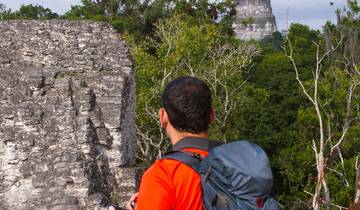
8 days
Land of Belize & Tikal
- ✓ Comprehensive Belize tour
- ✓ Expert local guides included
- ✓ All accommodation arranged
- ✓ Transportation provided
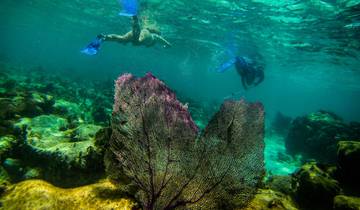
9 days
Journeys: Explore Belize National Geographic
- ✓ Comprehensive Belize tour
- ✓ Expert local guides included
- ✓ All accommodation arranged
- ✓ Transportation provided
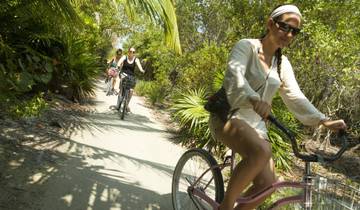
7 days
Solo-ish Belize
- ✓ Comprehensive Belize tour
- ✓ Expert local guides included
- ✓ All accommodation arranged
- ✓ Transportation provided

13 days
Discover Belize
- ✓ Comprehensive Belize tour
- ✓ Expert local guides included
- ✓ All accommodation arranged
- ✓ Transportation provided
Multi-day tour packages powered by TourRadar. Prices and availability subject to change.
Essential Planning Information for 2026 Maya Ruins Visits
Current Costs and Pricing Breakdown for 2026
Understanding the complete cost structure for Belize Maya ruins exploration in 2026 enables effective budget planning and prevents unexpected expenses. Site entry fees remain remarkably affordable: Caracol $5 BZD, Xunantunich $10 BZD, Lamanai $10 BZD, Altun Ha $10 BZD, Cahal Pech $5 BZD, and Lubaantun $5 BZD, with the Belize dollar pegged 2:1 to USD (check official archaeological department sites for current rates as pricing may vary). These nominal fees support site maintenance, guide training programs, and ongoing excavation projects while keeping Maya heritage accessible to international visitors and Belizean citizens alike.
Transportation represents the primary variable expense. Organized tours from San Ignacio include: Xunantunich half-day $40-60 USD, Caracol full-day $100-150 USD, Cahal Pech sunset tour $30-45 USD, and multi-site combinations $180-250 USD. Tours from Belize City cost: Altun Ha half-day $50-75 USD, Community Baboon Sanctuary with Altun Ha $85-110 USD. Orange Walk-based Lamanai tours run $80-120 USD including boat transport and lunch. ATM Cave adventures from San Ignacio cost $95-135 USD covering specialized equipment, cave permits, and mandatory guide services.
Rental car independence offers flexibility for experienced travelers: compact vehicles $60-80 USD daily, mid-size SUVs $90-120 USD daily, with 4WD required for Caracol’s Mountain Pine Ridge access during rainy months. Fuel costs approximately $6-8 USD per gallon, with San Ignacio to Caracol requiring 40-50 kilometers each way, San Ignacio to Xunantunich 20 kilometers roundtrip. Parking fees apply at major sites: Caracol $5 BZD, Xunantunich free, Altun Ha $5 BZD.
Additional expenses include guide services for independent travelers ($75-100 USD half-day, $150-200 USD full-day), park entrance fees for Caracol’s Chiquibul Forest Reserve ($5 BZD per person), camera fees at some sites ($5-10 BZD for professional equipment), and meals ranging $8-15 USD for local restaurants near ruins, $15-25 USD for tourist-oriented establishments. Specialty equipment rentals for ATM Cave (waterproof bags, headlamps) cost $10-15 USD if not provided by tour operators.
Transportation Options and Routes for 2026
Reaching Belize’s dispersed Maya ruins requires strategic transportation planning based on your chosen base location and target sites. San Ignacio serves as the optimal western hub, positioned 10 kilometers from Xunantunich, 5 kilometers from Cahal Pech, 85 kilometers from Caracol, and 2 hours from most ATM Cave tour operators. The town offers extensive accommodation options, reliable tour operators, and rental car agencies for independent exploration.
Public transportation reaches some ruins affordably: Benque Viejo buses from San Ignacio to Xunantunich ferry crossing run hourly 6 AM through 6 PM, costing $2.50 USD each way with 30-minute journey times. Belize City to Altun Ha requires combining Northern Highway buses ($3-4 USD) with taxis ($15-20 USD) for the final 18-kilometer stretch, though organized tours prove more efficient for this route. No direct public transport serves Caracol or Lamanai, necessitating tour bookings or rental vehicles.
Rental car exploration provides maximum flexibility for multi-site itineraries. San Ignacio agencies (Crystal Auto Rental, Matus Car Rental, Safe Tours Belize) offer daily rates starting $60 USD for compact cars, $90-120 USD for SUVs with comprehensive insurance. The paved Western Highway connects San Ignacio to Belize City in 2 hours, while the Hummingbird Highway reaches southern sites. Caracol requires 2.5-3 hours via dirt Mountain Pine Ridge roads, passable year-round but slower during rainy season. GPS functions reliably in western regions, though offline maps prove essential for remote areas.
Boat transportation serves specific sites: Lamanai tours depart Orange Walk or Tower Hill via New River, with 90-minute scenic journeys through wetlands spotting crocodiles, iguanas, and tropical birds. Water taxis between Belize City and Caye Caulker or San Pedro allow day trips combining reef activities with mainland ruins. Helicopter transfers serve luxury travelers visiting multiple sites in single days, costing $800-1200 USD for 2-4 passengers on customized archaeological routes.
Organized tours eliminate transportation logistics while providing guide expertise. Multi-day packages from San Ignacio combine Caracol, Xunantunich, and cave systems with accommodation, meals, and all transport included for $600-900 USD per person (3-day programs). Single-site tours depart 7-8 AM, returning 2-5 PM depending on distance, with hotel pickup included in tour prices from San Ignacio and Belize City bases.
Major Maya Sites Planning Guide 2026
Caracol Archaeological Reserve: Belize’s Largest Maya City
Caracol dominates Belize’s Maya archaeological landscape as the nation’s most extensive site, covering 200 square kilometers of the Chiquibul Forest Reserve with over 100 mapped structures. The massive Caana complex rises 43 meters, making it Belize’s tallest human-made structure and providing panoramic views across the jungle canopy to Guatemala’s Maya Mountains. Archaeological evidence indicates Caracol housed 120,000-150,000 residents during its Classic Period peak (600-900 CE), surpassing contemporary Tikal in population and political influence.
The 2026 season brings improved visitor facilities including expanded parking areas, new shade structures, and enhanced trail systems connecting major plaza groups. Site entry costs $5 BZD with additional $5 BZD Chiquibul Forest Reserve fees. The 85-kilometer journey from San Ignacio requires 2.5-3 hours via Mountain Pine Ridge roads, passable year-round but particularly challenging during May through October rainy periods. Tours departing San Ignacio cost $100-150 USD including transportation, guide services, and lunch, with 7 AM departures standard for beating afternoon heat.
Exploration begins at the central Caana acropolis, ascending original Maya stairs to summit platforms offering 360-degree jungle vistas. The adjacent ball court displays intricate carved panels depicting ritual games with cosmological significance. Temple B2 features well-preserved stucco masks, while the astronomical complex demonstrates sophisticated celestial observation systems. Altar 21’s hieroglyphic panels record Caracol’s 562 CE military victory over Tikal, marking a pivotal moment in Maya political history.
Independent visitors with 4WD vehicles should allocate full days for Caracol trips: 2.5-hour drives each way plus 3-4 hours site exploration. Hiring guides at the site entrance costs $75-100 USD for comprehensive tours explaining astronomical alignments, architectural symbolism, and ongoing excavation discoveries. The remote location means limited services: pack extensive water supplies (2 liters per person minimum), sun protection, insect repellent, and lunch provisions. Cell phone coverage remains nonexistent throughout the reserve.
Xunantunich: The Stone Maiden Complex
Xunantunich (pronounced “shoo-nahn-tu-neech”) offers the most accessible major Maya ruins from San Ignacio, located just 10 kilometers west with distinctive hand-cranked ferry crossing adding adventure to arrival. The site name means “Stone Maiden” in Yucatec Maya, referencing ghost sightings reported by local communities. El Castillo temple dominates the complex at 40 meters height, providing commanding views across the Mopan River valley into Guatemala’s Petén lowlands.
The 2026 season features expanded visitor center facilities, improved parking areas, and professionally trained guide pools. Entry costs $10 BZD per person, with the free hand-cranked ferry operating 8 AM to 4:30 PM daily. Tours from San Ignacio run $40-60 USD for half-day programs, or independent travelers reach the site via $2.50 USD public buses to the ferry landing. Rental car parking on the western bank costs nothing, with the short ferry ride accommodating vehicles every 15-20 minutes.
El Castillo’s summit represents Xunantunich’s highlight, ascending steep stairs to panoramic platforms surveying surrounding jungle and agricultural valleys. The eastern facade displays reconstructed stucco friezes depicting astronomical cycles and Maya cosmological concepts, providing photographic opportunities throughout the day. Adjacent structures include Palace A-6 with residential and administrative functions, and the ball court where ritual games connected earthly events to celestial movements.
Exploration requires 2-3 hours for thorough site coverage including multiple plaza groups, residential complexes, and outlying temples accessible via jungle trails. Hiring guides at the entrance costs $25-40 USD for small groups, explaining architectural features, hieroglyphic inscriptions, and ceremonial purposes. The compact layout suits travelers with limited mobility better than sprawling Caracol, though El Castillo’s steep stairs present challenges. Combining Xunantunich with nearby Cahal Pech creates comprehensive half-day archaeological programs from San Ignacio.
Lamanai: Lakeside Maya Ceremonial Center
Lamanai stands unique among Belize Maya sites through its remarkable 3,000-year occupation spanning Preclassic origins (1500 BCE) through Spanish colonial encounters (1640s CE). The name derives from Yucatec Maya “Lam’an’ain” meaning “submerged crocodile,” reflected in abundant crocodile imagery throughout architectural decorations and ceramic motifs. The site’s New River lagoon setting enabled continuous water access supporting extended occupation while most Maya cities collapsed during Terminal Classic droughts.
Reaching Lamanai requires scenic boat journeys from Orange Walk or Tower Hill, with 90-minute trips along the New River passing through wetland habitats hosting crocodiles, howler monkeys, iguanas, and diverse tropical birds. Tours departing Orange Walk cost $80-120 USD including boat transport, site entry, guide services, and lunch, with 9 AM departures standard. The water approach recreates ancient Maya travel routes, arriving at ceremonial docks as traders and pilgrims would have centuries ago.
The High Temple (Structure N10-43) rises 33 meters above the lagoon, accessible via steep stairs providing forest canopy views and distant water vistas. The Mask Temple displays enormous stone masks representing Maya rulers or deities, while the Jaguar Temple features feline iconography connected to underworld symbolism. A small on-site museum exhibits ceramic collections, jade ornaments, and obsidian tools recovered from excavations, contextualizing daily life alongside ceremonial practices.
Site exploration spans 3-4 hours including boat travel, with trails connecting major structures through secondary jungle habitats. The integrated nature experience distinguishes Lamanai from inland sites, combining archaeological investigation with wildlife observation opportunities. Guide expertise proves essential for understanding complex occupation sequences, Spanish mission remains, and artifact contexts. Independent vehicle access exists via rough roads from Orange Walk, though boat tours provide superior experiences and prevent navigation challenges.
Altun Ha: Northern Trade Center Archaeology
Altun Ha served as crucial Maya trading hub connecting inland cities with Caribbean coastal networks, strategically positioned 50 kilometers north of Belize City along ancient commerce routes. Archaeological investigations uncovered the famous Jade Head (Kinich Ahau representation) weighing 4.42 kilograms, the largest carved jade object from Maya civilization and now residing in Belize’s national collection. The site’s modest size compared to Caracol or Lamanai belies its historical significance as ceremonial and economic center during Classic Period (300-900 CE).
Tours from Belize City run $50-75 USD for half-day programs including transportation, guide services, and site entry ($10 BZD). The 1-hour drive via Northern Highway and Old Northern Highway spur provides accessible day trips combining with Community Baboon Sanctuary visits or coastal activities. Independent travelers navigate easily via rental cars, with well-maintained paved access roads and ample parking facilities. The compact layout suits travelers with limited time, enabling comprehensive exploration in 1.5-2 hours.
Temple of the Masonry Altars (Structure B-4) dominates Plaza B at 16 meters height, featured on Belizean currency and tourism materials. Ascending to summit platforms reveals original courtyard layouts and architectural details. Plaza A contains the Temple of the Green Tomb where the Jade Head emerged from royal burial contexts, demonstrating elite wealth and long-distance trade connections. Residential mounds surrounding ceremonial cores illustrate ancient urban planning organizing spaces by social hierarchy and ceremonial function.
The site’s proximity to Belize City makes Altun Ha ideal for cruise ship passengers, arriving visitors, or departing travelers with limited mainland time. Morning visits (8-10 AM arrivals) avoid peak afternoon heat and tour group congestion. Hiring guides at the entrance costs $40-60 USD for small groups, providing historical context beyond available signage. Combining Altun Ha with Community Baboon Sanctuary creates diverse day programs balancing archaeological and wildlife experiences, with combination tours costing $85-110 USD.
Best Time to Visit Belize Maya Ruins in 2026
Seasonal Analysis for 2026 Archaeological Visits
Dry season spanning November through April 2026 provides optimal conditions for Belize Maya ruins exploration, with minimal rainfall enabling reliable site access and comfortable exploration temperatures. November and early December offer shoulder season advantages: reduced accommodation rates (20-30% below peak), fewer tour group crowds, and pleasant temperatures averaging 24-28°C (75-82°F). December holiday weeks bring increased visitors, though numbers remain below January through March peaks. These early dry months provide excellent photography with dramatic cloud formations and lush vegetation from recent rains.
January through March constitutes peak tourist season with maximum visitor numbers at major sites like Xunantunich and Caracol. February specifically delivers the most reliable weather: sunshine predominates, rainfall remains minimal, and temperatures stay moderate before April heat arrives. Peak season challenges include higher accommodation rates ($180-250 USD mid-range hotels versus $120-180 off-season), crowded site plazas during mid-morning hours, and advance booking requirements for popular tours especially to ATM Cave. Strategies for peak season success include very early morning departures (6-7 AM), weekday visits avoiding weekend crowds, and focusing on lesser-visited sites like Cahal Pech or Lubaantun.
April marks the transition to hot season with temperatures climbing to 32-35°C (90-95°F) and increasing humidity before rainy season begins. Site access remains excellent with continued dry conditions, though afternoon exploration becomes uncomfortable without extensive sun protection and hydration. April offers value pricing (15-25% below peak rates) while maintaining dry season reliability. Tour operators reduce group sizes due to lower demand, enabling more personalized experiences and flexibility.
May through October rainy season brings afternoon thunderstorms, muddy access roads to remote sites, and increased mosquito populations. Caracol’s Mountain Pine Ridge access becomes challenging during heavy rain periods, with tour operators sometimes canceling departures after significant storms. However, rainy season advantages include dramatic photography opportunities with storm clouds, vibrant jungle vegetation, reduced tourist numbers creating intimate site experiences, and significant cost savings (30-40% accommodation discounts, tour operator promotions). Morning visits (6-10 AM) typically avoid rainfall, with afternoon showers predictably arriving 2-5 PM. Travelers with flexible schedules and adventurous spirits find rainy season exploration rewarding despite weather variability.
Weather Patterns and Crowd Predictions for 2026
Temperature variations remain moderate throughout Belize’s tropical climate, with average highs ranging 28-32°C (82-90°F) across months. Dry season months (November-April) feature lower humidity making perceived temperatures more comfortable despite similar actual degrees. Rainy season (May-October) brings afternoon thunderstorms with 100-200mm monthly rainfall in June through September, creating humid conditions that intensify heat perception. Coastal areas benefit from sea breezes moderating temperatures, while inland sites like Caracol experience greater heat during March through May before rains arrive.
Crowd patterns correlate strongly with North American academic calendars and European vacation periods. December holidays (Christmas through New Year) see increased visitors though numbers remain manageable outside resort areas. January through March represents absolute peak with spring break weeks (mid-March) bringing maximum crowds to San Ignacio and popular sites. Easter week (April 2026) marks another surge, particularly among Belizean domestic tourists. Summer months (June-August) see decreased international visitors despite school vacations due to rainy season perceptions, though actual weather proves manageable for flexible travelers.
Hurricane season officially runs June through November with peak risk August through October. Belize’s position along the Caribbean coast creates hurricane vulnerability, though direct hits remain relatively rare. The 2026 season requires monitoring tropical weather systems, with tour operators and hotels providing updated information. Most hurricanes bring rain and wind to Belize without direct strikes, causing temporary closures of remote sites like Caracol while maintaining access to more central ruins.
Wildlife observation opportunities peak during different seasons: howler monkeys remain vocal year-round though rainy season produces maximum chorus activity. Bird migrations bring North American species November through March, enhancing Lamanai boat journey observations. Dry season concentrates wildlife around water sources, improving sighting odds. Rainy season creates explosive insect populations supporting predator activity, with increased chances of encountering peccaries, tapirs, and big cats near remote ruins, though sightings remain rare even during optimal months.
Accommodation Strategies for 2026 Maya Ruins Exploration
Budget Accommodation Options Near Major Sites
San Ignacio serves as the optimal budget base for western Maya ruins, offering extensive backpacker hostels, budget hotels, and guesthouses within walking distance of restaurants and tour operators. Hostel beds range $15-25 USD per night with shared bathrooms, communal kitchens, and social atmospheres attracting independent travelers. Popular budget options include Hi-Et Hostel ($18-22 USD dorm beds), Bella’s Backpackers ($15-20 USD), and Cohune Palms River Cabanas ($25-35 USD private rooms with shared baths). These establishments provide tour booking assistance, transportation arrangements, and traveler information reducing planning stress.
Budget hotels in San Ignacio cost $40-70 USD per night for private rooms with air conditioning, private bathrooms, and basic amenities. Martha’s Guesthouse, Midas Resort, and Venus Hotel occupy this category, offering clean comfortable accommodations without luxury features. Orange Walk budget options serve Lamanai visitors, with hotels like St. Christopher’s ($45-60 USD) and D’Victoria ($40-55 USD) providing clean rooms and tour coordination. Belize City budget travelers find Hotel Mopan ($50-70 USD) and Belcove Hotel ($55-75 USD) near transport hubs for Altun Ha access.
Camping options exist near some sites: Caracol allows camping in designated areas for $10 USD per person with ranger permissions, though facilities remain basic with pit toilets and no running water. The Mountain Pine Ridge area offers several campgrounds ($15-25 USD per site) combining Maya ruins access with forest reserve exploration. San Ignacio’s Martz Farm Camping ($10-15 USD) provides budget accommodation with bathrooms, showers, and cooking facilities walking distance from town center.
Budget strategies for 2026 include booking accommodations directly through property websites avoiding commission fees, choosing slightly removed locations from central San Ignacio saving 15-25% on similar quality rooms, and considering weekly rates for extended stays producing 20-30% cost reductions. Shoulder seasons (November, April-May) offer budget accommodation abundance with negotiating power for multi-night bookings. Shared accommodation options through local families (ask tour operators for referrals) sometimes provide cultural experiences and home-cooked meals for $25-40 USD per night including breakfast.
Mid-Range and Luxury Accommodation for 2026
Mid-range hotels and lodges in San Ignacio combine comfort, amenities, and archaeological site proximity for $90-160 USD per night. San Ignacio Resort Hotel ($120-180 USD) offers pool, restaurant, and tour desk with professional service standards. Ka’ana Resort ($350-550 USD) provides luxury accommodation with gourmet dining, infinity pool, and included guided activities blending comfort with adventure. The Lodge at Chaa Creek ($180-280 USD) sits on Macal River banks combining natural setting, upscale cottages, and archaeological programs including on-property ruins.
Jungle lodges near major sites create immersive experiences: Mountain Pine Ridge lodges like Hidden Valley Inn ($220-350 USD) and Blancaneaux Lodge ($400-650 USD) place guests within Caracol access distance while offering high-end amenities, guided nature walks, and waterfall excursions. These remote properties suit travelers seeking luxury comfort combined with adventure access, though significantly higher costs compared to San Ignacio base options require budget consideration.
Boutique hotels in San Ignacio like Casa Blanca ($140-200 USD) and Mystic River Resort ($160-240 USD) provide upscale comfort with personalized service, swimming pools, and restaurant facilities while maintaining proximity to town amenities and tour departure points. These properties suit travelers wanting comfort without complete isolation, balancing archaeological adventure with evening entertainment and dining variety.
Lamanai accommodations include Lamanai Outpost Lodge ($280-420 USD all-inclusive) situated on New River lagoon directly at the archaeological site, offering exclusive access before and after day-visitor crowds with naturalist guides, boat excursions, and comprehensive meal plans. This specialized option suits travelers prioritizing Lamanai as focal point of Belize visits, though limited surrounding activities beyond ruins and nature observation.
Luxury travelers booking multi-property tours combine San Ignacio lodges with coastal resorts creating comprehensive Belize experiences. Packages from operators like Chaa Creek or Ka’ana include 3-4 nights western archaeological exploration followed by 3-4 nights reef and beach activities, with private transfers, guides, and meal plans for $2500-4000 USD per person (6-8 night programs). These packages eliminate planning logistics while ensuring high-standard accommodations throughout diverse Belize regions.
Money-Saving Strategies for 2026 Maya Ruins Visits
Advance Booking Benefits and Discount Opportunities
Booking Belize Maya ruins tours and accommodations 2-4 months ahead for 2026 peak season (January-March) produces multiple financial advantages. Tour operators offer early booking discounts of 10-15% for confirmed reservations made before December 2025, with larger groups (4-6 people) negotiating additional percentage reductions. Accommodation properties provide similar incentives: many San Ignacio hotels reduce rates 15-20% for direct bookings made 60+ days ahead with full prepayment, particularly valuable during February-March peak when walk-in availability becomes limited and prices peak.
Package deals combining multiple sites generate significant savings compared to individual tour bookings. Three-day archaeological packages from San Ignacio operators (Caracol, Xunantunich, ATM Cave) cost $280-380 USD per person versus $100 + $50 + $120 = $270 USD minimum for separate bookings, but packages include all transportation, lunches, and guides with no hidden fees. Five-day comprehensive programs adding Lamanai and Tikal visits run $550-750 USD, offering value when calculated against individual tour costs plus accommodation and meal planning stress.
Off-season travel (May-June, September-October) produces the greatest cost reductions: accommodation rates drop 30-40% below peak, tour operators offer promotional pricing, and rental cars become 20-25% cheaper. A week-long San Ignacio base visiting major ruins costs $800-1100 USD during off-season versus $1400-1900 USD peak season for equivalent experiences (mid-range accommodation, organized tours, meals). Weather remains manageable with morning site visits avoiding afternoon rains, while reduced crowds create more intimate archaeological experiences.
Group formation strategies maximize per-person savings: recruiting 3-5 fellow travelers for Caracol trips divides rental car costs ($80 daily) and guide fees ($150-200 daily) across multiple people. Online travel forums, hostel bulletin boards, and San Ignacio accommodations facilitate group connections. Shared tours prove most economical: joining scheduled group tours rather than private arrangements saves 30-50% on transportation and guide expenses while maintaining quality interpretation.
DIY Versus Organized Tour Cost Analysis for 2026
Independent exploration using rental cars provides flexibility and potential savings for experienced travelers comfortable with navigation and minimal infrastructure. A 7-day western ruins itinerary (Caracol, Xunantunich, Cahal Pech, Tikal) costs approximately: rental car $60-80 daily ($420-560 week), fuel $80-120 total, site entries $50-70 total, optional guides $150-300 total, meals $150-250, accommodation $280-500 (budget-mid range). Total DIY costs: $1130-1800 USD per person for comprehensive archaeological exploration with complete schedule control.
Organized tour packages for equivalent itineraries run $800-1400 USD per person including all transportation, guides, site entries, most meals, and mid-range accommodation. Tours eliminate planning logistics, provide expert interpretation, handle language barriers, and include insurance coverage. The cost difference narrows when factoring time value: DIY requires extensive research, navigation stress, and potential wrong turns on remote roads, while tours allow passive participation focusing energy on archaeological exploration rather than logistics management.
Hybrid approaches balance costs and flexibility: base yourself in San Ignacio with budget accommodation ($40-70 nightly), book individual day tours for distant sites like Caracol ($100-150) and ATM Cave ($95-135), but visit accessible Xunantunich and Cahal Pech independently via public buses and walking ($10-15 total transport). This strategy for 5-day western ruins exploration costs $650-950 USD including accommodation, major tours, independent visits, and meals, splitting the difference between full DIY and complete packages.
Solo travelers face higher per-person costs across all approaches due to inability to split rental cars and guide fees. Joining scheduled group tours becomes essential: $100-150 Caracol tours, $80-120 Lamanai trips, $40-60 Xunantunich half-days provide comprehensive experiences at solo-friendly pricing. Hostels and budget hotels offer single rooms ($35-60 nightly) or dorm beds ($15-25) reducing accommodation premiums. Solo travel week exploring major ruins costs $900-1400 USD combining group tours, budget accommodation, and economical dining choices.
Sample 2026 Maya Ruins Itineraries
Three-Day Western Sites Intensive from San Ignacio
Day 1 focuses on Xunantunich and Cahal Pech ruins creating archaeological context contrasts. Morning departure 8 AM reaching Xunantunich via public bus ($2.50 USD) and hand-cranked ferry, climbing El Castillo for panoramic views and exploring plaza complexes with hired guide ($25-40 USD). Site entry $10 BZD, lunch at nearby Benque Viejo restaurant $10-15 USD. Afternoon returns to San Ignacio for 3 PM Cahal Pech sunset tour ($30-45 USD including guide) at this compact hilltop site overlooking town. Evening free time in San Ignacio with dinner $15-25 USD. Accommodation $50-90 per night (mid-range). Total day cost: $90-125 USD per person (excluding accommodation).
Day 2 tackles Caracol’s remote grandeur with early 6:30 AM departure on organized tour ($100-150 USD including transport, guide, lunch, site entry). The 2.5-hour Mountain Pine Ridge drive passes Rio On Pools and Rio Frio Cave with photo stops, arriving Caracol 9:30-10 AM for 3-4 hours archaeological exploration. Climb Caana pyramid, examine ball courts and altar monuments, learn about Classic Period Maya warfare and trade networks. Lunch included in tour pricing, return San Ignacio 4-5 PM. Evening restaurant dinner $20-30 USD. Total day cost: $120-180 USD per person (excluding accommodation $50-90).
Day 3 ventures to ATM Cave combining archaeology with adventure caving ($95-135 USD tour including equipment, transport, guide, lunch, permits). Departure 8 AM, 45-minute drive followed by jungle hike to cave entrance. Wade through underground river systems, climb rock formations to ceremonial chambers containing ancient skeletal remains and pottery offerings in original contexts. Return San Ignacio 3-4 PM, final evening exploring Burns Avenue restaurants and bars $25-35 USD. Total day cost: $120-170 USD per person (excluding accommodation).
Three-day total: $330-475 USD per person excluding accommodation ($150-270 for 3 nights mid-range = $480-745 total trip cost per person). Budget version using hostel dorms ($15-25 nightly) and cheaper meals reduces total to $375-550 USD. Luxury version with upscale lodge ($200-300 nightly) and fine dining pushes total to $930-1375 USD.
Five-Day Comprehensive Belize Maya Circuit 2026
Day 1 begins in Belize City with Altun Ha half-day tour ($50-75 USD) departing 8:30 AM, exploring trade center temples and jade tomb discoveries, returning 1-2 PM. Afternoon transfers to San Ignacio (rental car $60-80 daily or shuttle $35-50 USD), settling into accommodation. Evening walk through town, dinner $15-25 USD. Total day cost: $105-155 USD per person (excluding accommodation $50-90).
Day 2 Xunantunich and Cahal Pech combination: morning public bus to Xunantunich ($2.50 USD) with site guide ($25-40 USD) and entry $10 BZD, lunch $10-15 USD, afternoon Cahal Pech tour $30-45 USD. Dinner $20-30 USD. Total: $85-130 USD per person (excluding accommodation).
Day 3 Caracol expedition: full-day organized tour $100-150 USD covering all logistics, meals included. Evening free, dinner $15-25 USD. Total: $115-175 USD per person (excluding accommodation).
Day 4 Lamanai adventure: depart San Ignacio 6:30 AM for Orange Walk (rental car or tour transport included in Lamanai booking), 9 AM boat departure through New River wetlands ($80-120 USD including transport from San Ignacio, boat, guide, site entry, lunch). Explore lakeside temples, museum collections, Spanish mission remains. Return San Ignacio 5-6 PM, dinner $20-30 USD. Total: $100-150 USD per person (excluding accommodation).
Day 5 Tikal day trip from San Ignacio crossing into Guatemala ($120-180 USD organized tour including border crossing assistance, transport, guide, entry fees, lunch). Explore Guatemala’s most impressive Maya city with massive temples and restored plazas. Return Belize evening. Final dinner $25-35 USD. Total: $145-215 USD per person (excluding accommodation).
Five-day comprehensive circuit total: $550-825 USD per person excluding accommodation ($250-450 for 5 nights mid-range = $800-1275 total). Rental car for entire trip adds $300-400 (5-day rental) but enables flexibility. Budget travelers using hostels and economical dining complete circuit for $625-950 USD total. Luxury lodges and upscale tours push total to $1800-2600 USD for comprehensive five-day Maya exploration.
Booking and Reservations for 2026 Maya Ruins
Official Booking Channels and Procedures
Belize Institute of Archaeology manages all official archaeological sites under National Institute of Culture and History authority. Direct site entry fees pay at arrival for most locations: Xunantunich, Altun Ha, Lamanai, and Caracol all accept cash payments in Belize dollars or US dollars at entrance stations. No advance reservations required for standard site access, though arriving early morning (8-9 AM) avoids peak crowds especially February through March 2026.
ATM Cave represents the significant exception requiring mandatory advance bookings through licensed tour operators due to daily visitor limits protecting the sensitive cave environment. Only authorized operators hold permits for ATM Cave access, with booking 2-3 months ahead essential for peak season dates. Reputable operators include Pacz Tours, MayaWalk Tours, Caves Branch Adventure Company, and Eco-Adventure Tours, all maintaining professional safety standards and experienced guides. Online booking through operator websites secures spaces with deposit payments, full payment due 7-14 days before tour dates.
Tour operator selection for organized trips should prioritize: valid Belize Tourism Board licensing (verify through BTB website), current insurance coverage, positive TripAdvisor or Google reviews from multiple recent visitors, transparent pricing without hidden fees, and clear cancellation policies. San Ignacio maintains dozens of tour companies with varying quality levels, making research essential. Established operators like Belize Hub, Kawiil Tours, and San Ignacio Tours consistently deliver professional services though at slightly higher prices than budget competitors.
Accommodation booking for 2026 should occur 1-3 months ahead for peak season (January-March), particularly targeting specific properties. Direct booking through hotel websites often produces better rates than third-party platforms while ensuring properties receive full payment encouraging quality service. Off-season months allow more spontaneity with 1-2 week advance booking sufficient for good selection. Review sites like TripAdvisor and Booking.com provide current guest feedback identifying service issues or exceptional experiences.
Tour Operator Recommendations for 2026
Western ruins specialists based in San Ignacio include Pacz Tours offering comprehensive archaeological programs with knowledgeable guides trained in Maya history and ongoing excavations. Their Caracol tours ($120-150 USD) include swimming at Rio On Pools, while Xunantunich half-days ($45-60 USD) combine with Cahal Pech for efficient multi-site coverage. MayaWalk Tours specializes in ATM Cave adventures ($110-135 USD) with excellent safety records and experienced cave guides explaining archaeological contexts in ceremonial chambers.
Lamanai specialists operate from Orange Walk including Jungle River Tours ($95-120 USD) and Lamanai Eco-Adventures ($100-125 USD), both providing informative boat journeys with wildlife spotting expertise complementing archaeological interpretation. Their full-day programs include New River travel, site exploration with guides, museum visits, and lunch. Boat captain knowledge varies considerably between operators, making guide quality a key selection factor.
Belize City operators focus on Altun Ha access with Caves Branch Adventure Company offering combination programs linking ruins with cave tubing or zip-lining ($95-145 USD). Belize City Tour Guides Association maintains professional standards with certified members providing Altun Ha half-days ($60-85 USD) including transport, guiding, and entry fees. These operators also arrange airport transfers combining ruins visits with arrival or departure day schedules.
Multi-day package specialists include Chaa Creek, Ka’ana Resort, and Ian Anderson’s Caves Branch offering 3-7 day comprehensive programs combining accommodation, meals, guided archaeological tours, and additional activities (caving, hiking, wildlife observation). These packages run $800-2500 USD per person depending on accommodation level and included activities, providing seamless experiences without daily planning requirements. Quality guides, reliable transportation, and professional service standards justify premium pricing for travelers prioritizing comfort and convenience.
Planning Your 2026 Belize Maya Ruins Adventure
Practical Preparation and Packing Essentials
Physical fitness requirements vary by site with most major ruins involving significant stair climbing and uneven terrain navigation. Caracol’s Caana and Xunantunich’s El Castillo feature steep original Maya stairs requiring reasonable mobility and balance. ATM Cave demands moderate fitness for jungle hiking, stream wading, and rock scrambling. Travelers with mobility limitations find Altun Ha most accessible with shorter distances and less dramatic elevation changes, though no Belize ruins offer complete wheelchair accessibility in primary temple areas.
Essential packing items include: sun protection with high SPF sunscreen, wide-brimmed hats, and UV-protective clothing as tropical sun intensity remains severe year-round. Insect repellent with DEET proves necessary especially rainy season when mosquito populations surge. Closed-toe hiking shoes or trail runners with ankle support handle uneven stones and jungle paths better than sandals or lightweight sneakers. Water supplies minimum 2 liters per person for full-day sites like Caracol where no services exist.
Photography equipment considerations include wide-angle lenses capturing architectural scale (16-35mm), telephoto lenses for detail shots (70-200mm), and polarizing filters reducing jungle glare. Tripods prove awkward on steep pyramid stairs but enable quality shots in shaded plazas. Backup batteries and memory cards remain essential as no charging facilities exist at sites. Waterproof camera bags protect equipment during ATM Cave tours and unexpected rain showers.
Documentation requirements for 2026 include valid passports for all international visitors, with US, Canadian, EU, and many other nationals receiving automatic 30-day tourist visas on arrival. No vaccination requirements exist for direct arrivals from most countries, though yellow fever certificates prove necessary if arriving from endemic regions. Travel insurance covering medical evacuation becomes important given Belize’s limited rural medical facilities and potential need for airlift to Belize City or international hospitals for serious injuries.
Cultural Etiquette and Archaeological Site Respect
Respecting archaeological heritage requires following established protocols at all sites. Never climb on or touch carved monuments, stelae, or decorative elements as oils from hands accelerate deterioration of ancient stones. Photography remains permitted at most sites though ATM Cave prohibits all cameras protecting delicate artifacts and skeletal remains from flash damage. Follow designated paths rather than creating shortcuts that accelerate erosion and damage unexcavated structures.
Many sites retain ceremonial significance for Maya descendant communities who conduct traditional rituals at specific times. If encountering ceremonies, observe respectfully from distance without photographing or interrupting. Sacred spaces deserve reverence regardless of personal beliefs. Some sites discourage certain behaviors during ceremonies: loud conversations, climbing specific structures, or wearing revealing clothing. Local guides inform visitors of any temporary restrictions.
Environmental consciousness protects both archaeological sites and surrounding jungle habitats. Pack out all trash as no waste facilities exist at remote locations like Caracol. Avoid feeding wildlife which creates dependency and alters natural behaviors. Stay on established trails preventing erosion and minimizing vegetation damage. Support local communities by hiring local guides, eating at locally-owned restaurants, and purchasing crafts from village cooperatives rather than imported tourist goods.
Tipping represents expected practice in Belize’s tourism industry: tour guides earn $10-20 USD per person for half-day services, $15-30 USD for full days depending on group size and service quality. Drivers (separate from guides) receive $5-10 USD daily. Restaurant service typically receives 10-15% tips added to bills. Modest dress proves appropriate for archaeological sites: lightweight long pants or knee-length shorts, t-shirts or short-sleeve shirts. Tank tops and revealing clothing work fine though some travelers prefer modest coverage out of respect for cultural contexts.
2026 Updates and Current Maya Ruins Information
Recent Archaeological Discoveries and Excavation Progress
Ongoing archaeological research continues revealing new insights into Maya civilization across Belize sites. Caracol excavations by Diane and Arlen Chase uncovered extensive agricultural terracing systems supporting large urban populations, revolutionizing understanding of Maya farming techniques. Recent LiDAR surveys revealed 60,000+ previously unknown structures in Belize’s jungle-covered regions, suggesting Maya populations exceeded earlier estimates by factors of 3-4.
Xunantunich investigations focus on palace complexes and residential areas, with 2023-2024 seasons exposing painted murals in elite quarters providing rare glimpses of Maya artistic traditions. The friezes on El Castillo undergo careful conservation preventing further erosion while maintaining visible access for visitors. Archaeologists employ photogrammetry techniques documenting structures digitally, preserving data as tropical weather continues affecting ancient stones.
Lamanai research emphasizes the site’s extraordinary 3,000-year occupation analyzing cultural continuity and change across millennia. Recent excavations examined Spanish mission period interactions between Maya communities and colonial authorities, revealing complex negotiation processes. Underwater archaeology in New River lagoon surrounding Lamanai located submerged offerings and ceremonial deposits providing insights into water-focused ritual practices.
ATM Cave research focuses on non-invasive documentation protecting fragile contexts while advancing scientific understanding. Osteological analysis of skeletal remains reveals ritual sacrifice practices, while ceramic studies trace trade networks connecting cave ceremonies to broader Maya world. Visitor management improvements balance tourism access with archaeological conservation ensuring future generations can experience these remarkable spaces.
Infrastructure Improvements and Visitor Facility Enhancements
The 2026 season brings multiple infrastructure upgrades improving visitor experiences while protecting archaeological resources. Caracol’s new visitor center provides climate-controlled exhibit spaces, clean restrooms, and shade structures where none existed previously. Improved parking areas reduce vehicle impact on surrounding forest while accommodating increased visitor numbers during peak months. Trail improvements with better drainage prevent erosion during rainy seasons while maintaining natural appearance.
Xunantunich enhancements include expanded parking on the western riverbank, new interpretive signage explaining architectural features and historical contexts, and improved path systems connecting secondary structures previously difficult to access. The hand-cranked ferry received reinforcement maintaining its charming character while ensuring reliable service. Guide training programs elevate interpretation quality with certification requirements ensuring archaeological accuracy and engagement.
Lamanai boat dock improvements facilitate safer arrivals while protecting lagoon ecology, with designated swimming areas separating tourist activities from crocodile habitats. The on-site museum expansion displays additional artifacts previously in storage, providing comprehensive collections illustrating occupation sequences. Interpretive panels along site trails explain architectural functions and ceremonial purposes.
Digital enhancements include improved mobile phone coverage in San Ignacio and Belize City enabling navigation apps and communication, though remote sites like Caracol remain without service. Several sites now offer downloadable audio guides for visitors preferring self-paced exploration, available in English, Spanish, and German. QR codes at structures link to online resources explaining archaeological discoveries and conservation efforts.
Frequently Asked Questions About Belize Maya Ruins 2026
Can you visit Belize Maya ruins independently without tours?
Most major Belize Maya ruins allow independent visits with rental cars or public transportation except ATM Cave which requires licensed guide accompaniment. Xunantunich, Altun Ha, Lamanai, and Caracol all permit self-guided exploration, though hiring guides on-site enhances experiences through historical interpretation and architectural explanations. Rental cars provide flexibility for western sites from San Ignacio base, while public buses reach Xunantunich affordably. Independent travelers save money on tour costs but invest time in navigation, planning, and potential language barriers. Organized tours include expertise, logistics handling, and comprehensive site coverage making them worth premium pricing for many visitors.
How physically demanding are Belize Maya ruins visits?
Physical demands vary significantly by site with Caracol and Xunantunich requiring climbing steep pyramid stairs, uneven plaza surfaces, and extended walking in tropical heat. ATM Cave involves moderate hiking, stream wading, and rock scrambling unsuitable for limited mobility travelers. Altun Ha offers the most accessible experience with shorter distances and gentler slopes. Most sites lack handrails or modern safety features, requiring balance and careful footing on ancient stairs. Travelers with heart conditions or severe mobility limitations should consult doctors before attempting major climbs. Moderate fitness enabling 2-3 hours of walking with stairs proves sufficient for most Belize archaeological sites.
What’s the minimum time needed to see major Belize Maya ruins?
Comprehensive coverage of Belize’s primary Maya sites requires minimum 5-7 days including: Caracol full-day from San Ignacio, Xunantunich and Cahal Pech half-day, ATM Cave full-day, Lamanai full-day from Orange Walk, and Altun Ha half-day from Belize City. Travelers with limited time can see western highlights (Xunantunich, Caracol, ATM Cave) in 3 days from San Ignacio base. Weekend trips focusing solely on Xunantunich and Cahal Pech provide meaningful archaeological experiences without extensive time commitments. Quality exploration emphasizing understanding over quantity proves more rewarding than rushed multi-site marathons attempting all ruins in minimal time.
Are Belize Maya ruins suitable for families with children?
Belize ruins offer excellent family destinations with engagement levels depending on children’s ages and interests. Xunantunich appeals to kids through hand-cranked ferry, climbing opportunities, and jungle setting with wildlife. Altun Ha’s compact layout and moderate climbing suit younger children better than sprawling Caracol. ATM Cave attracts adventurous teenagers but minimum age restrictions (typically 8-10 years) and physical demands limit younger participation. Educational value emerges through guide storytelling bringing ancient civilizations alive, though attention spans vary. Family-oriented tour operators adjust pacing and include swimming stops maintaining energy levels. Most sites lack safety barriers on pyramid stairs requiring parental supervision, while tropical heat demands frequent hydration and rest breaks.
Can you combine Belize Maya ruins with beach or reef activities?
Belize’s compact size enables excellent combinations of archaeological exploration and coastal activities during single trips. Typical itineraries spend 3-5 days in western regions (San Ignacio base) visiting Maya ruins, then 3-5 days on cayes (Caye Caulker, Ambergris Caye) for snorkeling, diving, and beach relaxation. Water taxis connect Belize City to islands in 45-90 minutes enabling efficient transfers. Some operators offer package programs including inland ruins and coastal portions with coordinated logistics. This combination appeals to diverse interests within traveling groups, prevents archaeological fatigue, and showcases Belize’s natural and cultural heritage diversity. Independent planning allows flexibility while organized packages eliminate transfer logistics.
What wildlife might you encounter at Belize Maya ruins?
Belize’s jungle-covered archaeological sites host abundant wildlife creating nature observation opportunities during ruins exploration. Howler monkeys frequent all major sites producing distinctive morning chorus, while spider monkeys occasionally appear in remote Caracol areas. Numerous bird species include toucans, parrots, motmots, and woodpeckers, with serious birders recording 50-100 species during multi-day ruins visits. Iguanas sun themselves on ancient stones, while crocodiles inhabit Lamanai lagoon waters. Agoutis, coatis, and peccaries forage near trails, though big cats (jaguars, pumas) remain extremely rare despite symbolic importance in Maya culture. Butterfly diversity peaks rainy season with hundreds of species in archaeological zones. Most wildlife encounters occur early morning or late afternoon when animals are most active.
Do Belize Maya ruins require special permits or permissions?
Standard tourist visits to major Belize Maya ruins require no special permits beyond site entry fees paid on arrival. ATM Cave visits require booking through licensed operators who hold necessary permits, though individual visitors don’t apply separately. Research or specialized photography (tripods, professional equipment) may require permissions from Belize Institute of Archaeology obtained through formal applications weeks before visits. Drone photography prohibitions apply at all archaeological sites protecting airspace and preventing disturbance. Commercial filming requires advance permits and fees supporting site maintenance. Tourist photography using personal cameras faces no restrictions at most sites except ATM Cave’s complete camera ban. No archaeological materials may be removed including stones, pottery fragments, or biological specimens without research permits.
How do Belize ruins compare to Maya sites in Guatemala or Mexico?
Belize Maya ruins offer distinct experiences compared to Tikal, Chichen Itza, or Palenque through their jungle-covered states and smaller tourist crowds. Caracol rivals Guatemala’s major sites in size but receives fraction of visitors creating more intimate exploration. Belize sites generally show less restoration than heavily reconstructed Mexican ruins, appealing to travelers seeking authentic archaeological atmospheres. Access typically requires more effort with rough roads and remote locations versus paved highways serving major Mexican and Guatemalan sites. English language prevalence in Belize simplifies communication versus Spanish requirements elsewhere. Belize’s compact size enables visiting multiple sites during short stays without extensive overland travel. Archaeological significance parallels neighboring countries with Belize ruins revealing comparable insights into Maya civilization despite receiving less international attention.
What’s the best way to learn about Maya civilization before visiting ruins?
Pre-trip research significantly enhances archaeological site appreciation by providing historical context transforming stones into understood ceremonial centers. Reading accessible books like “The Maya” by Michael Coe or “Breaking the Maya Code” by Michael Coe provides civilization overviews and decipherment stories. Documentaries including National Geographic’s Maya series and PBS’s “Cracking the Maya Code” offer visual introductions. Online resources through Mesoweb.com and Maya Exploration Center provide scholarly but accessible articles on specific sites and topics. Museum visits in source countries (Museum of Fine Arts Boston, Metropolitan Museum New York, British Museum London) display major Maya collections providing artifact contexts. Hiring knowledgeable guides at Belize sites proves essential for connecting pre-trip knowledge to physical ruins, explaining ongoing discoveries, and answering specific questions emerging during exploration.
Are there any safety concerns at Belize Maya ruins?
Belize Maya ruins present minimal security concerns with violent crime extremely rare at archaeological sites. Primary safety considerations involve physical hazards: steep stairs without handrails, uneven surfaces, tropical heat causing dehydration, and jungle wildlife (though dangerous encounters remain rare). Remote sites like Caracol see occasional petty theft from unattended vehicles, making valuable storage in locked trunks advisable. Solo travelers face no particular risks at major sites during daylight hours, though isolated locations merit standard precautions. Weather hazards include sudden thunderstorms creating slippery surfaces and lightning risks, with afternoon storms common May through October. Medical facilities exist only in major towns with Caracol 2.5 hours from San Ignacio hospitals requiring careful preparation. Travel insurance covering emergency evacuation provides protection for serious injuries requiring airlift to adequate medical care. Following guide instructions, wearing appropriate footwear, maintaining hydration, and using sun protection prevents most common problems.