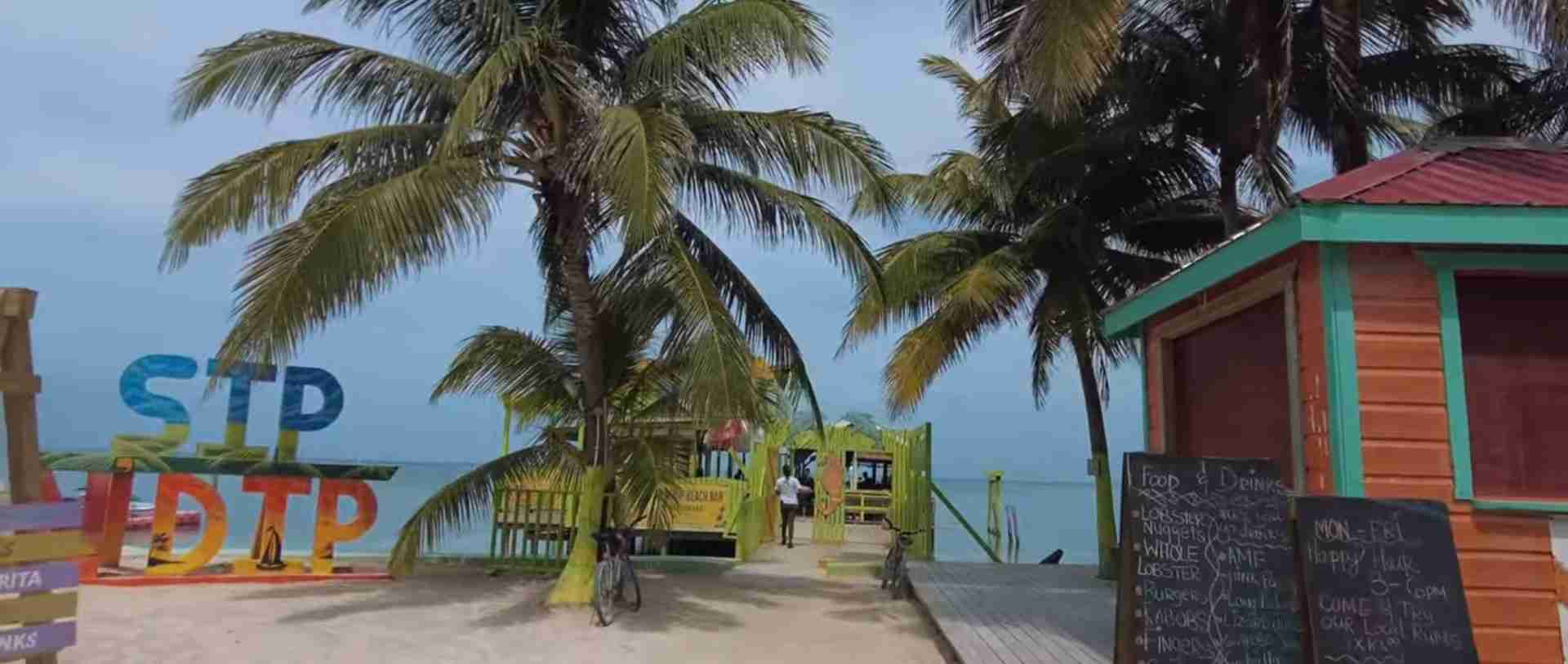
Belize Islands Budget Guide 2026: Ambergris & Caye Caulker
This comprehensive budget guide examines every cost category affecting 2026 Belize island visits, from accommodation and dining to diving, tours, transportation, and incidental expenses. You’ll discover specific pricing for different budget levels, money-saving strategies, seasonal cost variations, and sample daily budgets demonstrating realistic spending scenarios. Whether planning backpacker adventures or Caribbean luxury escapes, these detailed cost breakdowns enable accurate budget forecasting for memorable Belize reef experiences.
Key Takeaways
- Budget travelers can experience Belize’s Caribbean islands for $80-110 per person daily (excluding accommodation), mid-range visitors spend $140-180, while luxury travelers budget $250-350+ per day
- Accommodation costs range from $40-70 nightly for budget guesthouses, $120-180 for mid-range hotels, and $250-450+ for upscale resorts on Ambergris Caye, with Caye Caulker offering 15-25% lower rates
- Diving represents the largest activity expense at $45-75 per two-tank dive, though shore snorkeling costs just $15-25 for equipment rental providing budget-friendly reef access
- Grocery shopping and self-catering on Ambergris Caye saves 40-50% versus restaurant dining, with island supermarkets offering familiar brands at 20-30% markups over mainland prices
- Inter-island water taxis between Ambergris Caye and Caye Caulker cost $17.50 one-way, allowing multi-island experiences within reasonable transportation budgets
- Visiting May-June or September-November reduces accommodation costs by 30-40% versus peak season while maintaining favorable weather and excellent diving conditions
Introduction: Planning Your Belize Islands Budget for 2026
Ambergris Caye and Caye Caulker represent Belize’s premier Caribbean island destinations, where the Mesoamerican Barrier Reef System creates one of Earth’s most spectacular underwater environments. These islands attract divers, snorkelers, beach enthusiasts, and Caribbean culture seekers from around the globe, offering experiences ranging from budget backpacker adventures to luxury resort escapes. Understanding the complete cost spectrum for 2026 visits enables travelers to plan realistic budgets matching their comfort expectations and activity priorities.
The two islands serve distinctly different traveler profiles while sharing the same magnificent reef system. Ambergris Caye’s main town of San Pedro operates as a developed resort destination with upscale restaurants, nightlife venues, and luxury accommodations alongside budget options. Caye Caulker maintains its laid-back, backpacker-friendly atmosphere with simpler infrastructure, car-free sandy streets, and predominantly budget to mid-range services. Both islands provide excellent diving, snorkeling, fishing, and beach experiences at varying price points.
Daily costs on Belize’s islands span remarkably wide ranges depending on accommodation choices, dining preferences, activity selections, and personal spending habits. Budget-conscious travelers using guesthouses, eating local food, and limiting expensive activities manage $80-110 daily per person excluding accommodation. Mid-range visitors selecting comfortable hotels, dining at tourist restaurants, and enjoying regular diving expeditions spend $140-180 daily. Luxury travelers preferring upscale resorts, fine dining, and premium experiences budget $250-350+ per person daily.
People Also Ask About Belize Islands Budget 2026
How much money do you need per day in Belize islands 2026?
Daily budgets for Belize islands in 2026 range from $120-180 per person total for budget travel, $260-360 for mid-range comfort, and $500-800+ for luxury experiences. Budget travelers spend $80-110 per day on food, activities, and incidentals plus $40-70 for accommodation in guesthouses or hostels. Mid-range visitors allocate $140-180 daily for dining, diving, and activities plus $120-180 for comfortable hotels. Luxury travelers budget $250-350+ for daily expenses plus $250-450+ for upscale resort accommodations. These figures vary based on diving frequency (biggest expense at $45-75 per two-tank dive), restaurant choices (local spots $8-15 per meal versus tourist restaurants $25-45), and activity selections (check specific pricing for current official rates as costs may vary). Ambergris Caye costs run 15-25% higher than Caye Caulker across all budget categories.
Is Ambergris Caye or Caye Caulker cheaper in 2026?
Caye Caulker offers significantly lower costs than Ambergris Caye in 2026, with budget accommodations 15-25% cheaper ($35-60 vs. $40-70 nightly), mid-range hotels 20-30% less expensive ($90-140 vs. $120-180), and dining prices 15-20% lower for comparable meals. A budget traveler on Caye Caulker spends $110-145 total daily versus $120-180 on Ambergris Caye, saving $10-35 per person daily. However, Ambergris Caye provides more upscale dining options, better nightlife, and greater tour operator variety justifying higher costs for travelers prioritizing these amenities. Diving costs remain similar between islands ($45-75 per two-tank dive), as most operators serve the same reef sites regardless of island base. Choose Caye Caulker for maximum budget efficiency and laid-back atmosphere, or Ambergris Caye for more developed infrastructure and dining variety at moderate cost premiums.
What is the most expensive part of visiting Belize islands in 2026?
Diving represents the largest single expense for most Belize island visitors in 2026, with two-tank morning dives costing $45-75 per person plus equipment rental ($15-25 daily for those without gear). Active divers completing 10 dives during week-long trips spend $450-750 on diving alone, exceeding accommodation costs for budget and mid-range travelers. For non-divers, accommodation becomes the dominant expense, particularly on Ambergris Caye where mid-range hotels cost $120-180 nightly. Transportation to the islands adds substantial upfront costs: flights from Belize City to San Pedro run $87-150 one-way, while water taxis cost $32.50. Alcohol consumption significantly impacts budgets – imported beer costs $5-8 per bottle at restaurants, cocktails $10-15, and wine $12-20 per glass, allowing bar tabs to accumulate rapidly for social travelers.
Can you visit Belize islands on a tight budget in 2026?
Budget travelers can experience Belize islands successfully in 2026 by staying in hostels ($20-35 per bed), eating at local restaurants and self-catering from supermarkets ($20-35 daily food budget), snorkeling instead of diving ($15-25 equipment rental versus $45-75 per dive), using water taxis instead of flights ($32.50 vs. $87-150), and limiting alcohol consumption. A disciplined budget traveler on Caye Caulker manages $90-120 total daily including accommodation, though this requires consistent frugal choices and eliminating expensive activities. Ambergris Caye budget travel costs $110-145 daily minimum. These tight budgets exclude diving beyond 2-3 dives per week and require cooking several meals yourself, but allow authentic Caribbean island experiences with excellent snorkeling and beach access. Consider visiting shoulder season (May-June or September-November) when accommodation costs drop 30-40%, providing budget relief.
Extended multi-day tours – 5+ days
Featured Belize Multi-Day Tour Packages
8 days
Land of Belize & Tikal (9 destinations)
- ✓ Comprehensive Belize tour
- ✓ Expert local guides included
- ✓ All accommodation arranged
- ✓ Transportation provided
9 days
Journeys: Explore Belize National Geographic
- ✓ Comprehensive Belize tour
- ✓ Expert local guides included
- ✓ All accommodation arranged
- ✓ Transportation provided
7 days
Solo-ish Belize
- ✓ Comprehensive Belize tour
- ✓ Expert local guides included
- ✓ All accommodation arranged
- ✓ Transportation provided

13 days
Discover Belize
- ✓ Comprehensive Belize tour
- ✓ Expert local guides included
- ✓ All accommodation arranged
- ✓ Transportation provided
Multi-day tour packages powered by TourRadar. Prices and availability subject to change.
Understanding Belize Islands Costs in 2026
Currency and Payment Systems
Belize operates on a fixed exchange rate of BZ$2 = US$1, eliminating currency exchange complexity that affects other Caribbean destinations. US dollars are universally accepted throughout both islands at the official 2:1 rate, allowing travelers to budget and pay in familiar currency. Most businesses price items in both currencies, displaying “BZ$10 / US$5” on menus and receipts for clarity.
Credit cards are accepted at most mid-range and upscale hotels, restaurants, dive shops, and tour operators on both islands. However, small local eateries, street vendors, and budget guesthouses operate cash-only, requiring sufficient bills for daily purchases. ATMs exist in San Pedro on Ambergris Caye and in Caye Caulker village center, dispensing both US dollars and Belize dollars. Plan to withdraw $200-400 upon arrival to cover cash expenses throughout your stay, reducing ATM fees and ensuring payment capability everywhere.
Credit card processing fees of 3-5% occasionally appear as surcharges at smaller businesses, making cash payment more economical for purchases under $50. International ATM withdrawal fees from home banks plus Belize ATM charges ($3-5 per transaction) make large withdrawals more cost-effective than frequent small ones. Notify credit card companies before traveling to prevent fraud blocks on international transactions.
Tipping Customs and Expectations
Restaurant service warrants 10-15% gratuities for good service, with 15-20% appropriate for exceptional attention at upscale establishments. Many restaurants add automatic 10-12% service charges to bills – verify before adding additional tips to avoid double-tipping. Bartenders expect $1-2 per drink or 15% on bar tabs. Dive masters and boat crews receive $5-10 per person per dive day, while fishing guides earn $20-40 per full day depending on group size and service quality.
Hotel housekeeping staff appreciate $2-5 per night left daily rather than at checkout, ensuring tips reach actual cleaners rather than potentially being distributed among many staff. Tour guides for land-based excursions receive $5-15 per person for half-day tours and $10-20 for full-day experiences. Water taxi crews don’t expect tips for routine transport, though passengers often contribute $1-2 for exceptional luggage assistance.
Seasonal Price Variations Throughout 2026
Peak season (December-April) brings 30-50% higher accommodation rates than low season (May-November excluding holiday weeks), with Christmas and New Year weeks commanding absolute premium pricing. Mid-range hotels charging $120-180 nightly in peak season drop to $80-120 during shoulder months of May-June and September-November. Budget guesthouses see smaller fluctuations ($40-70 peak versus $30-55 low season), while luxury resorts impose dramatic seasonal swings ($250-450+ peak versus $180-320 low).
Dining, diving, and activity costs remain largely stable year-round, though occasional promotional pricing appears during slow periods. Some dive shops offer package deals during low season – 10-dive packages dropping from $550-650 to $480-580. Tour operators occasionally discount day trips by 10-15% to fill boats during September-October when visitor numbers reach annual lows.
Hurricane season (June-November) overlaps with lowest-cost periods, creating trade-offs between budget savings and weather risks. September-October see fewest visitors and cheapest rates but carry highest tropical storm probability. May-June offers excellent weather, good deals, and minimal hurricane risk, representing optimal value timing for budget-conscious travelers.
Ambergris Caye vs. Caye Caulker Cost Comparison
Ambergris Caye operates as the more developed and expensive island, with San Pedro featuring paved streets (in town center), upscale restaurants, luxury resorts, and sophisticated nightlife. This development brings convenience, variety, and quality at 15-30% cost premiums over Caye Caulker across most categories. Mid-range hotel rooms cost $120-180 on Ambergris versus $90-140 on Caye Caulker, restaurant dinners run $25-45 versus $18-35, and beer prices reach $5-8 versus $4-6.
Caye Caulker maintains simpler infrastructure with sandy streets, predominantly budget to mid-range accommodations, and authentic local atmosphere. The island attracts backpackers and budget travelers seeking Caribbean experiences without luxury costs. Visitors accept basic amenities, limited nightlife, and fewer upscale dining options in exchange for significant savings. However, the same magnificent reef system lies offshore, making snorkeling and diving experiences comparable between islands.
Multi-island strategies combine both destinations’ advantages – spend 2-3 nights on budget-friendly Caye Caulker for diving and snorkeling, then move to Ambergris Caye for 3-4 nights enjoying upscale restaurants and nightlife. Water taxis between islands cost just $17.50 one-way with 30-40 minute journey times, making island hopping practical and affordable.
Import Costs and Price Premiums
Island isolation creates price premiums on goods shipped from mainland Belize or imported internationally. Groceries cost 20-30% more than mainland prices, with international branded products (cereals, snacks, toiletries) commanding highest markups. Fresh produce arrives several times weekly by boat from mainland, with selections limited compared to major cities. Meal costs in restaurants include these supply chain markups plus labor and overhead expenses.
Alcohol faces substantial import duties in Belize, making drinks expensive throughout the country with additional island premiums. Local Belikin beer ($3-4 at grocery stores, $5-8 at restaurants) offers better value than imported brands ($5-6 stores, $7-10 restaurants). Rum produced in Belize provides affordable alcohol options, though wine and imported spirits carry heavy duties plus island transport costs.
Accommodation Budget Planning 2026
Budget Accommodation Options
Budget travelers find hostel dorm beds on Caye Caulker for $20-35 per night, offering basic lodging with shared bathrooms, common kitchens, and social atmospheres attracting backpackers. Several hostels provide free WiFi, outdoor lounging areas, and tour booking assistance. Ambergris Caye has fewer hostel options, with most budget accommodations consisting of private rooms in guesthouses for $40-70 nightly. These simple rooms include private bathrooms, air conditioning or fans, and basic furnishings without luxury amenities.
Budget private rooms on Caye Caulker cost $35-60 per night in family-run guesthouses scattered throughout the small village. These accommodations offer authentic local hospitality, though facilities remain simple with intermittent hot water, basic WiFi, and limited services. Location varies from beachfront properties to interior village positions – beachfront commands $5-15 nightly premiums over interior locations of comparable quality.
Book budget accommodations 2-4 weeks ahead during peak season when inventory sells out, particularly during Christmas-New Year and Easter weeks. Shoulder season allows 1-2 week booking windows, while September-October often accommodate walk-up arrivals. Budget properties typically require full prepayment or substantial deposits, with strict cancellation policies forfeiting payments for late cancellations. Travel insurance covering accommodation deposits protects against changed plans.
Mid-Range Hotel Options
Mid-range hotels on Ambergris Caye charge $120-180 per night for comfortable rooms with reliable air conditioning, modern bathrooms, WiFi, and daily housekeeping. Properties in this category often feature swimming pools, beachfront locations, on-site restaurants or bars, and tour booking services. Room configurations include standard doubles, queens, and kings, with oceanview rooms commanding $20-40 premiums over garden or street views.
Caye Caulker mid-range options cost $90-140 nightly, offering similar amenities in less polished settings reflecting the island’s laid-back character. Properties feature beachfront locations, swimming areas (pools are rare), simple restaurants, and tour coordination. Room quality matches Ambergris Caye standards at lower prices, making Caye Caulker attractive for travelers seeking comfort without luxury costs.
Mid-range hotels typically include continental breakfast in rates (fresh fruit, pastries, coffee, juice) though cooked breakfast items cost $8-12 extra. Many properties operate small restaurants serving lunch and dinner at moderate prices ($18-35 per entree). Book 3-6 weeks ahead during peak season, 2-3 weeks for shoulder months. Cancellation policies vary but generally allow free cancellation 7-14 days before arrival, with penalties for later cancellations.
Luxury Resort Experiences
Luxury resorts on Ambergris Caye command $250-450+ per night, delivering sophisticated Caribbean beach resort experiences with upscale amenities, multiple dining venues, full-service spas, infinity pools, and concierge services. Properties cluster in North Ambergris Caye (3-5 miles from San Pedro town center) where pristine beaches and quieter settings create exclusive resort enclaves. All-inclusive packages at some resorts bundle accommodation, meals, drinks, and water activities for $400-650+ per person nightly.
Luxury properties feature spacious rooms with designer furnishings, premium linens, gourmet coffee makers, stocked minibars, and private balconies or terraces with ocean views. Many include villa options with private pools, full kitchens, and 2-3 bedrooms suitable for families or groups. Resort grounds offer multiple pools, beach palapas, water sports equipment, yoga classes, and on-site dive centers.
Book luxury resorts 2-3 months ahead for peak season, as limited inventory at high-end properties sells out well in advance. Shoulder season availability expands with rates dropping 25-35%, creating value opportunities for flexible travelers. Most luxury resorts require 2-3 night minimum stays during peak periods, extending to 5-7 nights over Christmas and New Year weeks. Cancellation policies protect resort revenue with penalties beginning 30-60 days before arrival.
Accommodation Money-Saving Strategies
Weekly and extended stay rates offer 10-20% discounts over nightly pricing at most accommodations. Properties prefer guaranteed week-long bookings to one-night stays, passing savings to guests through reduced weekly rates. Contact hotels directly after reviewing online booking platforms – direct bookings sometimes receive better rates avoiding platform commission fees, though comparison shopping remains essential.
Shoulder season visits (May-June, September-November) deliver 30-40% accommodation savings versus peak rates while maintaining favorable weather and excellent diving conditions. A mid-range hotel costing $150 peak season drops to $100-110 in May or November, saving $280-350 weekly. Hurricane season risk remains relatively low during these shoulder months, making timing optimization the single most effective budget strategy.
Consider Caye Caulker for accommodation while day-tripping to Ambergris Caye for dining and nightlife. The $17.50 water taxi between islands takes 30-40 minutes, allowing multi-island experiences while basing in cheaper Caye Caulker lodging. This strategy works well for travelers prioritizing diving over nightlife, as last water taxis return around 5:30 PM limiting evening access to Ambergris amenities.
Apartment rentals through Airbnb or VRBO provide kitchen facilities enabling self-catering for significant food cost savings. Studios cost $70-120 nightly, one-bedrooms $110-160, and 2-3 bedroom apartments $180-280 on Ambergris Caye. Caye Caulker apartment availability remains limited but costs 20-30% less when found. Groups of 4-6 find apartments highly economical splitting costs while gaining kitchen, living space, and laundry facilities.
Dining and Food Costs 2026
Restaurant Dining Budget Ranges
Local Belizean restaurants and street food vendors provide the most economical dining, with rice and beans plates costing $5-8, stew chicken $8-12, fresh fish entrees $12-18, and tacos $2-4 each. These authentic eateries serve filling meals attracting locals and budget travelers, operating primarily during lunch hours (11 AM-3 PM) with limited evening service. Portion sizes accommodate appetites developed by diving and water activities, rarely requiring appetizers or multiple courses.
Tourist-oriented restaurants charge $18-35 for dinner entrees, with seafood dishes (lobster tail, whole snapper, shrimp) reaching $35-55 depending on preparation and presentation. These establishments offer pleasant atmospheres, ocean views, extensive menus featuring international cuisines alongside Belizean specialties, and full bar services. Lunch menus at tourist restaurants provide better value than dinner – same establishments charging $25-35 for dinner entrees offer lunch plates for $15-25.
Upscale restaurants command $35-65 for entrees, delivering sophisticated preparations, wine lists, romantic ambiance, and attentive service. Fine dining concentrates on North Ambergris Caye at luxury resorts and San Pedro’s waterfront district. Three-course dinners with wine total $80-120 per person before tips. These restaurants require reservations during peak season, particularly for Friday-Saturday evenings and sunset seating.
Meal-by-Meal Cost Breakdown
Breakfast costs range dramatically by location and style. Local bakeries sell fresh pastries for $1.50-3, while cafes charge $8-15 for American-style breakfasts (eggs, bacon, toast, coffee). Resort restaurants cost $15-25 for cooked breakfasts, though many mid-range hotels include basic continental breakfast in rates. Budget travelers save by purchasing groceries for breakfast – bread, eggs, fruit, coffee, and juice cost $15-20 total providing 3-4 breakfasts through self-catering.
Lunch represents optimal value dining, with local restaurants serving substantial meals for $8-15 attracting working locals and savvy visitors. Street food vendors near water taxi docks offer tacos, burritos, and sandwiches for $5-10 providing quick affordable options between activities. Tourist restaurant lunch specials run $12-20, including entrees like burgers, sandwiches, salads, and lighter seafood plates.
Dinner costs escalate to $18-35 at casual restaurants, $25-45 at mid-range establishments, and $35-65 at upscale venues. Seafood dishes consistently command premium pricing – whole snapper $28-40, lobster tail $35-55, shrimp preparations $22-35, versus chicken dishes $18-25 and vegetarian options $15-22. Splitting entrees works at casual restaurants where portion sizes accommodate two light eaters, though upscale venues discourage sharing.
Beverage Costs and Bar Expenses
Local Belikin beer costs $3-4 at grocery stores and $5-8 at restaurants and bars, with beachfront establishments charging highest prices. Happy hour promotions (typically 4-6 PM) reduce beer to $3-5 and well drinks to $5-8 at participating bars. Imported beers command $5-6 at stores and $7-10 at restaurants, making local Belikin the economical choice for beer drinkers.
Cocktails range $10-15 at tourist bars, $12-18 at upscale venues, with premium spirits increasing prices to $15-22 per drink. Rum drinks using local Belizean rum provide better value than cocktails requiring imported spirits. Wine by the glass costs $12-20, bottles $40-80 at restaurants. Water remains safe from taps throughout both islands, eliminating need for bottled water purchases and reducing dining costs.
Coffee runs $2-4 for basic brews at local cafes, $4-6 for espresso drinks at tourist spots. Fresh fruit smoothies cost $5-8, fresh coconut water $3-5 from vendors. Juice and soft drinks at restaurants reach $3-5 per serving. Alcohol significantly impacts daily budgets – limiting bar visits to 2-3 weekly versus nightly socializing saves $150-300 weekly.
Grocery Shopping and Self-Catering
Island supermarkets stock familiar international brands alongside Belizean products, with prices running 20-30% above mainland Belize due to shipping costs. Basic groceries for self-catering cost: bread $3-5, dozen eggs $5-7, local cheese $8-12, deli meats $6-10, fresh produce $2-6 per pound, rice and beans $3-5, pasta $4-6, canned goods $2-5. A week’s breakfast and lunch supplies for two people cost $80-120, providing substantial savings versus restaurant dining.
Fresh fish occasionally appears at supermarkets and specialty seafood vendors for $8-15 per pound, allowing home preparation of grilled snapper or grouper dinners. Local produce trucks visit neighborhoods several mornings weekly, selling fruits and vegetables at lower prices than supermarkets – bananas $1-2 per pound, tomatoes $2-3, peppers $3-4, pineapple $3-5 each.
Accommodations with full kitchens enable three daily self-catered meals, reducing food costs by 40-50% versus complete restaurant dining. A couple cooking all meals spends $40-60 daily on groceries versus $80-120 restaurant budget. However, vacation time lost to grocery shopping and meal preparation may outweigh savings for short trips. Hybrid approaches – breakfasts and some lunches self-catered, dinners at restaurants – balance convenience and budget efficiency.
Money-Saving Dining Strategies
Seek local restaurants where Belizean families eat, identified by lack of English menus and modest surroundings. These spots serve authentic food at local prices – rice and beans with stew chicken $8-10 versus $18-25 at tourist restaurants. Ask taxi drivers, hotel staff, and dive guides for local dining recommendations away from waterfront tourist zones.
Take advantage of lunch specials at tourist restaurants, which offer the same quality food for 30-40% less than dinner pricing. Restaurants understand tourists visit all day but locals dine primarily evenings, prompting lunch promotions to fill tables during slow periods. Make lunch your main daily restaurant meal, saving $15-25 per person compared to dinner.
Purchase alcohol at grocery stores for accommodation consumption rather than paying restaurant markups. Six-pack Belikin beer costs $10-12 at stores versus $30-48 at restaurant prices, wine bottles $15-35 versus $40-80. Enjoying first drink at your hotel before dinner outings reduces bar tabs significantly. However, respect establishment minimum consumption expectations – ordering only water while occupying prime tables during peak hours appears inappropriate.
Sign up for restaurant loyalty programs and follow social media accounts promoting happy hour specials and nightly deals. Many establishments offer birthday discounts, anniversary promotions, or weekly specials (Taco Tuesday, Thirsty Thursday) providing 20-40% savings off regular prices. These promotions concentrate during shoulder season when restaurants seek to maintain revenue despite reduced tourist numbers.
Activities and Diving Budget 2026
Diving Costs and Package Options
Two-tank morning boat dives cost $45-75 per person in 2026, including boat transportation, dive master guidance, and tank/weight rentals (check dive shop websites for current official rates as pricing may vary). Full equipment rental adds $15-25 daily for those traveling without personal gear – BCD, regulator, wetsuit, fins, mask. Afternoon single-tank dives run $35-50 when available, though most operations focus on morning two-tank schedules maximizing reef time during optimal visibility hours.
Night dives command $55-75 per person for single-tank experiences, with limited weekly frequency (typically 2-3 nights) based on moon phases and weather. These specialty dives reveal nocturnal marine life including octopus, lobster, and hunting predators rarely seen during daylight. Advanced certification or logged night dive experience required by most operators.
Multi-dive packages provide per-dive cost savings: 5-dive packages cost $210-340 ($42-68 per dive), 10-dive packages $380-650 ($38-65 per dive), and 20-dive packages $700-1,200 ($35-60 per dive). Packages remain valid 7-30 days depending on operator, allowing flexible scheduling throughout stays. Groups booking 4+ divers simultaneously negotiate 10-15% package discounts from many shops.
Snorkeling Adventures and Costs
Snorkel equipment rental costs $15-25 per day from dive shops and beach vendors, including mask, snorkel, fins, and safety vest. Weekly rentals reduce daily costs to $10-15 through multi-day discounts. Many accommodations provide complimentary snorkel gear to guests, eliminating this expense entirely – verify during booking. Purchasing inexpensive gear from island shops ($40-60 complete set) makes sense for stays exceeding 5-6 days.
Shore snorkeling from both islands provides free reef access, with the barrier reef lying 200-1,000 yards offshore depending on location. Swim from beach through shallow lagoons to reef drop-offs where coral walls descend into deeper water. This approach requires strong swimming abilities and awareness of currents, boats, and sea conditions. Most snorkeling occurs from boats during organized tours for safety and access to premier sites.
Half-day snorkel tours cost $45-65 per person, visiting 2-3 sites during 4-hour excursions including equipment, guide, and refreshments. Full-day tours run $85-120, adding lunch, extra snorkel sites, and island stops. Popular destinations include Hol Chan Marine Reserve ($10 entry fee additional), Shark Ray Alley where nurse sharks and rays congregate, and various pristine reef sections. Snorkel tours accommodate non-divers in mixed groups, as most dive boats include snorkel options parallel to dive schedules.
Fishing Charters and Expenses
Half-day fishing charters (4-5 hours) cost $350-550 for boats accommodating 2-4 anglers, or $90-140 per person when joining shared charters. Full-day trips (8 hours) run $650-900 private or $160-225 per person shared. These rates include captain, boat, tackle, bait, fishing licenses, and refreshments. Target species vary by season: bonefish and permit on flats, tarpon near river mouths, barracuda and jacks on reefs, grouper and snapper bottom fishing.
Specialized fly fishing guides charge premium rates $450-650 per day for 1-2 anglers pursuing bonefish, permit, and tarpon on flats. These guides provide expert instruction, quality equipment, and access to productive fishing grounds requiring local knowledge. Split costs between two anglers reduce per-person expenses to $225-325 daily.
Fishing tournaments and derbies occur throughout the year with varying entry fees $50-200 depending on event prestige and prize pools. Contact local marinas and fishing lodges for tournament schedules if competitive fishing interests you. Catch-and-release practices dominate sport fishing, though keeping fish for dinner remains acceptable following size and bag limits.
Water Sports and Beach Activities
Kayak rentals cost $10-20 per hour or $35-60 for full days, allowing independent exploration of coastlines and mangrove areas. Guided kayak tours through mangrove forests run $45-75 for half-day experiences including guide, equipment, and nature interpretation. Stand-up paddleboard (SUP) rentals match kayak pricing at $10-20 hourly, $35-60 daily.
Parasailing experiences cost $85-120 per person for 10-15 minute flights reaching 300-400 feet altitude above water. Jet ski rentals run $100-150 per hour with various tour packages available combining jet ski adventures with snorkel stops. Kiteboarding lessons cost $150-250 for introductory sessions, with equipment rentals for certified riders at $75-100 daily.
Sailing cruises range from $75-120 per person for sunset sails to $150-250 for full-day catamaran adventures including meals, open bar, and snorkeling. These social experiences attract couples and groups seeking Caribbean ambiance beyond structured activities. Private sailboat charters begin at $800-1,200 for half days accommodating 4-8 passengers.
Land Tours and Cultural Activities
Mainland day trips from the islands explore Mayan ruins, cave systems, wildlife reserves, and river adventures. Popular Altun Ha archaeological site tours cost $85-120 per person including ferry transport, site admission, guide, and lunch. Cave tubing and zip-lining combinations run $95-140. Belize Zoo and Baboon Sanctuary visits cost $110-150 including transportation from islands.
These mainland excursions require full days (8-10 hours) starting with early morning ferries to Belize City followed by ground transportation to attractions. Factor water taxi costs ($32.50 one-way, $60 round-trip) into total expenses, plus early breakfast and late dinner on your own. However, mainland adventures provide cultural variety beyond beach and reef experiences, breaking up multi-day island stays.
San Pedro town walking tours cost $35-50 per person for 2-3 hour cultural explorations covering history, architecture, local traditions, and food tastings. These guided experiences provide cultural context enhancing overall island appreciation. Cooking classes teaching Belizean cuisine run $75-110 for 3-4 hour sessions including market visits, hands-on preparation, and eating your creations.
Activity Money-Saving Strategies
Shore snorkeling eliminates boat tour costs while still accessing remarkable reef systems. Purchase or rent snorkel gear for the duration of your stay, then swim from beach to reef drop-offs during calm weather. Local knowledge from hotel staff regarding best shore snorkel access points, current patterns, and safe entry/exit areas proves invaluable. This free approach works best for strong swimmers comfortable in open water.
Limit diving frequency to 3-4 dives per week instead of daily diving, significantly reducing activity costs while preventing dive fatigue. Alternate dive days with snorkel days, beach relaxation, land tours, or island exploration. This balanced approach extends vacation budgets while maintaining diverse experiences. Purchase multi-dive packages even for moderate diving schedules – 5 or 10-dive packages reduce per-dive costs by $5-15.
Join shared tours and charters rather than booking private experiences. Shared snorkel boats and fishing charters reduce per-person costs by 40-60% versus private bookings while maintaining activity quality. Meet fellow travelers and locals during shared experiences, potentially forming friendships and gaining insider knowledge. Most operators run mixed groups unless private charters specifically booked.
Transportation Costs 2026
Getting to the Islands
Flights from Belize City to San Pedro (Ambergris Caye) cost $87-150 one-way depending on departure airport and booking timing, with round-trips running $170-290. Water taxis offer budget alternative at $32.50 one-way, $60 round-trip from Belize City Marine Terminal to either island. Flight time averages 15 minutes versus 90 minutes by water taxi, creating classic time-versus-money trade-offs. Budget travelers save $110-225 per person round-trip choosing water taxis, while time-conscious visitors pay premiums for flight convenience.
Caye Caulker receives water taxi service only (no airport), with boats departing Belize City 8-10 times daily taking 45 minutes to reach the island. The same $32.50 one-way, $60 round-trip pricing applies. Inter-island water taxis between Ambergris Caye and Caye Caulker cost $17.50 one-way with 30-40 minute journey times, allowing multi-island experiences within reasonable transportation budgets.
Island Transportation Costs
Golf cart taxis dominate San Pedro ground transportation, charging $5-10 for most town destinations. Longer trips to North Ambergris resorts cost $15-25 depending on distance. Golf cart rentals cost $50-75 per day, $280-420 weekly, providing independent mobility throughout stays. Four-person groups find rentals economical splitting costs and eliminating per-trip taxi fees. However, San Pedro’s compact town center allows walking to many restaurants, bars, shops, and beach areas.
Caye Caulker operates car-free with sandy streets traveled by foot, bicycle, or golf cart. Bicycle rentals cost $10-20 daily, $50-90 weekly, offering economical transportation for the small 5-mile island. Golf cart rentals run $40-60 daily on Caye Caulker, slightly cheaper than Ambergris Caye. Most visitors walk everywhere on Caye Caulker given its compact size – the entire village spans less than one mile north to south.
Transportation Money-Saving Strategies
Choose water taxis over flights when schedules allow, saving $110-225 per person round-trip. The 90-minute journey provides scenic Caribbean voyage experiences while substantially reducing transportation costs. Book round-trip water taxi tickets for $5 savings over separate one-way purchases. Time international flight arrivals allowing 2-3 hour buffers before water taxi departures, coordinating customs clearance and ground transfer from Philip Goldson International to Marine Terminal.
Walk whenever practical on both islands. Ambergris Caye’s town center concentrates hotels, restaurants, and activities within one-mile radius, eliminating taxi needs for centrally-located accommodations. Caye Caulker’s entire village is walkable end-to-end in 20-30 minutes. Save golf cart and bicycle rentals for days requiring extended explorations or beach access beyond walking distance.
Share golf cart rentals with other travelers staying at your accommodation or met during activities. Split $60 daily rental among four people reduces cost to $15 each – less than three taxi rides. Many hotels help facilitate car sharing among guests heading to same destinations or interested in splitting rental costs. Ensure proper licensing and insurance coverage before driving, as golf cart accidents occasionally occur on sandy streets.
Sample 2026 Budget Breakdowns
Budget Traveler: One Week on Caye Caulker
Accommodation in hostel dorm $25 per night ($175 weekly), breakfast from bakery or self-catered $5-8, lunch at local restaurant $8-12, dinner mix of self-catered and budget restaurants $12-18, snorkel equipment rental $15 daily ($75 for 5 days), one half-day snorkel tour $55, water taxi from Belize City $32.50, inter-island day trip to Ambergris Caye $35, beverages and snacks $8-12 daily, incidentals $10-15 daily. Total weekly budget: $690-890 per person.
Daily breakdown: Accommodation $25, meals $25-38, activities $20-30 (averaged over week), beverages $8-12, incidentals $10-15. Total: $88-120 per day excluding initial water taxi from Belize City ($32.50 one-time cost). This tight budget requires consistent frugal choices, self-catering some meals, limiting alcohol consumption, and prioritizing free shore snorkeling over boat tours.
Mid-Range Couple: One Week Ambergris Caye
Accommodation mid-range hotel with breakfast included $150 per night ($1,050 weekly double occupancy = $525 per person), lunch at tourist restaurants $20-30 per person, dinner at mid-range establishments $30-45 per person, two-tank dives four days $65 per person ($260 total), one full-day snorkel tour $95, equipment rental for shore snorkeling $20 for three days, water taxi round-trip from Belize City $60, golf cart rental split with other couple $30 daily ($210 weekly = $105 per person), alcoholic beverages $15-25 daily per person, activities and entertainment $100-150 per person weekly, incidentals $15-20 daily per person. Total weekly budget: $1,735-2,185 per person.
Daily breakdown: Accommodation $75 (breakfast included), lunch $20-30, dinner $30-45, diving/activities $60-75 (averaged), beverages $15-25, transportation $15-20, incidentals $15-20. Total: $230-290 per day per person excluding initial round-trip water taxi ($60 one-time cost). This mid-range budget allows comfortable accommodations, regular restaurant dining, active diving schedule, and moderate socializing without luxury expenses.
Luxury Travelers: One Week Ambergris Caye Resort
Accommodation luxury resort $400 per night ($2,800 weekly double occupancy = $1,400 per person), meals at upscale resort restaurants and San Pedro fine dining $80-120 per person daily, premium diving with private guides $500-650 per person weekly, spa services $150-250 per person, water sports activities $200-300 per person, private boat charters or sailing $200-250 per person, round-trip flights from Belize City $290, premium alcohol and cocktails $30-50 daily per person, shopping and souvenirs $200-350 per person, incidentals $25-40 daily per person. Total weekly budget: $4,275-6,035 per person.
Daily breakdown: Accommodation $200, meals $80-120, activities $125-165 (averaged), beverages $30-50, incidentals and shopping $50-90. Total: $485-625 per day per person excluding round-trip flights ($290 one-time cost). Luxury budgets provide premium accommodations, gourmet dining, personalized service, extensive activities, and indulgent experiences without financial constraints.
Family of Four: Five Days Ambergris Caye
Accommodation two-bedroom apartment $200 per night ($1,000 total), groceries for breakfasts and some lunches $120 total, restaurant lunches and dinners $200-280 daily for family, family snorkel tour $220 (parents $65 each, kids $45 each), additional beach activities $150 total, water taxi round-trip for family $240 (kids under 12 half-price), golf cart rental $70 daily ($350 total), ice cream and treats $30-50 daily, incidentals $40-60 daily. Total five-day budget: $3,320-4,080 for family ($830-1,020 per person).
Daily breakdown per person: Accommodation $50, meals $50-70, activities $16-25 (averaged), transportation $18, treats and incidentals $18-28. Total: $152-191 per person daily excluding initial round-trip water taxi ($60 per adult, $30 per child). Family budgets benefit from apartment self-catering, shared accommodation costs, and children’s activity discounts while requiring substantial overall expenditures given four travelers.
Solo Traveler: One Week Mixed Islands
Accommodation mix of hostels and budget hotels averaging $40 per night ($280 weekly), meals balanced between local and tourist restaurants $35-50 daily, shore and boat snorkeling activities $100 weekly, three two-tank dives $195, water taxis between Belize City, Caye Caulker, and Ambergris Caye $85 total, bicycle rental three days on Caye Caulker $45, beverages $12-20 daily, entertainment $15-25 daily, incidentals $15-20 daily. Total weekly budget: $1,012-1,347.
Daily breakdown: Accommodation $40, meals $35-50, activities $45-60 (averaged), beverages $12-20, entertainment $15-25, incidentals $15-20. Total: $162-215 per day excluding inter-island water taxis (averaged into weekly total). Solo travelers face single accommodation costs without splitting while enjoying complete schedule flexibility and spontaneous activity decisions. Budget management requires discipline given temptations to splurge when no one shares expenses.
Sample 2026 Itineraries with Daily Costs
Three-Day Caye Caulker Budget Escape
Day 1 – Arrival and Island Orientation:
Morning water taxi from Belize City $32.50, hostel check-in $25 for dorm bed, lunch at local restaurant $10, afternoon shore snorkeling (equipment rental $15), dinner at budget spot $14, evening drinks $12, snacks and water $8. Total day cost: $84.50 per person (excluding accommodation $25).
Day 2 – Full-Day Snorkel Adventure:
Accommodation $25, breakfast from bakery $6, full-day snorkel tour to Hol Chan Marine Reserve $95 including lunch, evening dinner at casual restaurant $18, sunset drinks $15, ice cream and snacks $8. Total day cost: $142 per person (excluding accommodation).
Day 3 – Beach Day and Departure:
Accommodation $25, breakfast at cafe $10, beach relaxation and swimming (free), lunch $12, afternoon kayak rental $40 for half day, early dinner $16, return water taxi to Belize City $32.50, snacks $8. Total day cost: $118.50 per person (excluding accommodation).
Three-Day Total: $370 per person including accommodation ($75), meals ($86), activities ($150), water taxis ($65), beverages and snacks ($36). Budget travelers experience Caye Caulker’s laid-back atmosphere, excellent snorkeling, and Caribbean island life at highly economical rates through hostel accommodation, local dining, and self-powered activities.
Five-Day Ambergris Caye Mid-Range Experience
Day 1 – Arrival and San Pedro Exploration:
Accommodation $140 mid-range hotel (double occupancy $280 = $140 per person), morning flight from Belize City $98, hotel check-in and beach relaxation, lunch at waterfront restaurant $28, afternoon walk through San Pedro town (free), dinner at tourist restaurant $38, evening bar drinks $20, taxi to/from town $15. Total day cost: $199 per person (excluding accommodation $140).
Day 2 – Diving Day:
Accommodation $140, breakfast included in hotel rate, two-tank morning dive $65, lunch between dives included with diving, afternoon beach relaxation and swimming pool time, dinner at mid-range restaurant $42, evening entertainment $25, beverages and snacks $15. Total day cost: $147 per person (excluding accommodation).
Day 3 – Full-Day Adventure:
Accommodation $140, breakfast included, full-day snorkel and sail tour $115 including lunch, late afternoon return and rest, dinner at upscale restaurant $55, evening cocktails $25, incidentals $15. Total day cost: $210 per person (excluding accommodation).
Day 4 – Diving and Evening Culture:
Accommodation $140, breakfast included, two-tank morning dive $65, lunch at local spot $20, afternoon shore snorkeling from beach (free), dinner at San Pedro favorite $45, cultural show or live music $30, drinks $20. Total day cost: $180 per person (excluding accommodation).
Day 5 – Departure Day:
Accommodation $140, breakfast included, morning beach time and packing, lunch $25, afternoon flight to Belize City $98, snacks and beverages $12. Total day cost: $135 per person (excluding accommodation).
Five-Day Total: $1,571 per person including accommodation ($700), transportation ($196), diving ($130), tours ($115), dining ($253), beverages and entertainment ($135), incidentals $42. Mid-range travelers enjoy comfortable accommodations, active diving schedules, diverse dining experiences, and cultural activities without budget constraints limiting experiences.
Week-Long Luxury Ambergris Caye Retreat
Days 1-7 Average Daily Experience:
Accommodation $350 luxury resort (double occupancy $700 = $350 per person), morning yoga or spa treatment $85, elaborate breakfast at resort restaurant $35, mid-morning diving with private guide $125, gourmet lunch $45, afternoon beach relaxation with premium service, sunset sailing $65, fine dining dinner $75, evening cocktails and entertainment $40, incidentals and amenities $30. Total day cost: $500 per person (excluding accommodation $350).
Week-Long Total: $5,950 per person including accommodation ($2,450), flights round-trip ($290), diving ($875), spa and wellness ($595), sailing and activities ($455), dining ($980), beverages ($280), incidentals and services ($210). Luxury travelers experience Belize’s Caribbean paradise with premium accommodations, personalized service, gourmet dining, exclusive activities, and indulgent amenities creating unforgettable resort vacations.
Money-Saving Strategies for 2026
Timing Your Visit Strategically
Shoulder season visits during May-June or September-November deliver 30-40% accommodation savings versus peak December-April rates while maintaining excellent weather and diving conditions. A week-long stay saving $50-70 nightly on accommodation reduces total costs by $350-490, often the difference between budget and mid-range travel categories. Hurricane risk during these months remains relatively low, particularly May-June and November when tropical storm formation decreases.
Avoid Christmas-New Year and Easter weeks when prices peak 50-80% above shoulder season rates and crowds maximize. Mid-January through mid-February and late February through March offer better value within peak season, avoiding absolute premium periods while maintaining dry weather and calm seas. Book 2-3 months ahead for shoulder season to secure best accommodation rates before inventory diminishes.
Multi-Week Stays and Extended Rentals
Weekly and monthly rental rates reduce daily accommodation costs by 15-30% through extended stay discounts. Negotiate directly with property owners for stays exceeding two weeks, as many offer substantial discounts for guaranteed long-term bookings. Month-long stays unlock monthly rental rates 40-50% below daily rates, making extended island living remarkably affordable for remote workers and retirees.
Extended stays also spread one-time costs (flights or water taxis to islands, equipment purchases, initial grocery stocking) across more days, reducing average daily expenses. Travelers staying 2-3 weeks justify purchasing snorkel gear, bicycles, or other equipment that would cost more to rent throughout extended visits. Integration into island communities through longer stays creates local connections leading to insider knowledge on affordable services and activities.
Leveraging Local Knowledge and Connections
Cultivate relationships with hotel staff, dive masters, restaurant servers, and locals encountered throughout your stay. These connections provide insider tips on affordable dining spots, activity discounts, upcoming events, and money-saving opportunities tourists typically miss. Dive shop staff often know which restaurants offer industry discounts or which tour operators provide deals to referred customers.
Join local Facebook groups and online forums for Ambergris Caye and Caye Caulker before traveling. Residents and frequent visitors share current information on best values, recent price changes, new budget options, and seasonal deals. These communities help travelers avoid tourist traps while discovering authentic local experiences at better prices. However, respect these spaces by reading existing posts before asking redundant questions.
Package Deals and Combination Discounts
Book accommodation-diving packages through dive shops partnering with hotels, receiving 10-20% discounts on combined rates. Many dive operations maintain relationships with various accommodations, offering packages from budget guesthouses to luxury resorts. These partnerships benefit both businesses through customer referrals while passing savings to travelers through reduced package pricing.
Purchase multi-dive packages even for moderate diving schedules, as per-dive costs decrease substantially: 10-dive packages save $50-100 versus paying for individual dives. Combine multiple activities (diving, snorkeling, fishing) with same operator for package discounts. Ask about multi-activity combinations when booking tours – operators prefer selling multiple services to single customers and reward this loyalty with discounted bundle pricing.
Credit Card Rewards and Travel Points
Utilize travel rewards credit cards offering 2-5x points on travel purchases, dining, and general spending. Accumulate points through regular spending before your trip, then redeem for flights, hotels, or statement credits reducing out-of-pocket costs. Some premium travel cards provide trip insurance, lost luggage coverage, and rental car insurance as benefits, potentially eliminating need for separate insurance purchases.
Book flights and major expenses through travel portals linked to credit card rewards programs, earning bonus points while potentially receiving portal-specific discounts. However, always compare portal prices against direct booking rates, as sometimes direct bookings with property provide better overall value through room upgrades, flexibility, or included amenities. Calculate total value including rewards points to determine optimal booking method.
Common Budget Pitfalls to Avoid
Underestimating Island Price Premiums
First-time visitors often underestimate the 15-30% price premiums on Belize’s Caribbean islands compared to mainland or international expectations. Isolated island locations require shipping all supplies via boat or plane, creating markup structures affecting everything from food to fuel. Budget $20-40 daily higher than initially estimated based on mainland travel experiences to avoid mid-trip financial stress.
Grocery prices particularly surprise budget travelers expecting supermarket shopping to dramatically reduce costs. While self-catering saves versus restaurants, island supermarket prices approach or exceed restaurant prices in developed countries. The savings exist but remain more modest than expected – plan accordingly in budget projections.
Alcohol Consumption Budget Explosions
Bar and restaurant alcohol consumption represents the most common budget-destroyer, with nightly socializing easily adding $30-60 daily per person. Beer at $6-8 per bottle, cocktails $12-15, and wine by the glass $12-20 accumulate rapidly during extended happy hours and evening socializing. Track alcohol spending separately from dining costs to maintain awareness of this expense category’s impact.
Establish personal consumption limits before traveling – perhaps 2-3 drinks nightly or designating 2-3 nights weekly as alcohol-free. Purchase beer and wine from supermarkets for accommodation consumption, enjoying first drinks before dinner outings. These strategies reduce alcohol costs by 50-70% while maintaining social experiences.
Activity Overload and Impulse Booking
Excitement upon arrival leads to booking multiple activities without considering total costs or physical demands. Diving every day for a week costs $315-525 before equipment rental, potentially exceeding accommodation expenses for budget travelers. Create activity budgets before traveling and prioritize must-do experiences over nice-to-have additions when choices arise.
Balance active adventure days with free beach relaxation, shore snorkeling, and island exploration. The islands offer remarkable natural beauty and cultural richness accessible without paid activities. Resist aggressive tour operator sales pitches at airports and docks – research options, compare prices, and book selectively rather than committing to expensive packages immediately upon arrival.
Hidden Fees and Unexpected Charges
Restaurant service charges of 10-12% automatically added to bills catch unsuspecting diners who add full tips on top, resulting in 25-32% total gratuities. Review bills carefully before adding tips to avoid double-tipping. Hotel resort fees, tourism taxes, and environmental charges occasionally appear as separate line items beyond quoted room rates – clarify total costs during booking.
Marine park fees ($10 per person at Hol Chan Marine Reserve) add to snorkel tour costs, as do equipment rental charges sometimes listed separately from base tour prices. Always ask “what’s included?” and “are there additional fees?” when booking activities to avoid surprise charges. Credit card foreign transaction fees of 1-3% apply unless using cards without these charges – factor this into payment method decisions.
Last-Minute Booking Penalties
Procrastinating accommodation bookings until shortly before travel creates two problems: reduced selection as properties sell out, and higher prices as last-minute bookings rarely receive discounts. Peak season requires 4-6 weeks advance booking for best rates and availability, while even shoulder season benefits from 2-3 week planning windows. Last-minute travelers often pay 20-40% premiums for remaining inventory.
Activity bookings also benefit from advance planning, as popular dive sites and tour departures fill during peak periods. However, activities offer more last-minute flexibility than accommodations, with operators frequently accommodating walk-up bookings especially during shoulder season. Balance advance planning to secure accommodations with maintaining some schedule flexibility for spontaneous activity decisions based on weather and energy levels.
Frequently Asked Questions About Belize Islands Budget
Do US dollars work everywhere on Belize islands?
US dollars are universally accepted throughout Ambergris Caye and Caye Caulker at the official 2:1 exchange rate (BZ$2 = US$1), eliminating currency exchange needs. Businesses price items in both currencies and provide change in either denomination based on payment received. ATMs dispense both US and Belize dollars, allowing travelers to withdraw preferred currency. Credit cards process in US dollars for international cards, with some merchants adding 3-5% surcharges for card payments. Carry mix of cash denominations ($1, $5, $10, $20 bills) as small vendors and budget restaurants may lack change for large bills. The dual-currency system creates convenience for American visitors while local prices ultimately reflect the same values regardless of currency used.
How much should I budget for tips on Belize islands?
Budget $15-35 daily for tips depending on activity levels and dining frequency. Restaurant tips of 10-15% on meals averaging $50 daily total $5-7.50, dive masters receive $5-10 per dive day adding $10-20 weekly for active divers, hotel housekeeping merits $2-5 nightly totaling $14-35 weekly, tour guides earn $5-15 per tour adding $10-30 for 2-3 tours weekly, and bartenders receive $1-2 per drink or 15% on bar tabs adding $7-14 weekly for moderate drinkers. Total weekly tipping for active travelers reaches $55-120 or $8-17 daily averaged. Budget travelers with limited restaurant dining and fewer activities reduce this to $5-10 daily, while luxury travelers with extensive services budget $20-40 daily. Always carry small bills for tipping – $5 and $10 notes work best for most service situations.
Is it cheaper to eat at local or tourist restaurants?
Local Belizean restaurants charge 40-60% less than tourist-oriented establishments for comparable food quality and portion sizes. Local spots serve rice and beans plates for $5-8, stew chicken $8-12, and fresh fish $12-18, while tourist restaurants charge $18-35 for similar entrees with fancier presentation and waterfront views. A couple eating exclusively at local spots spends $40-60 daily versus $80-120 at tourist restaurants. However, local restaurants concentrate on lunch service with limited evening hours and menus, while tourist restaurants offer extensive dinner options, full bars, and later hours. Hybrid strategies work best: local lunch spots for authentic affordable meals, occasional tourist restaurant dinners for variety and ambiance. Local restaurants cluster in San Pedro’s back streets away from waterfront, requiring golf cart or bicycle transport from beach hotels, though quality and value justify the effort.
Should I bring diving equipment or rent on Belize islands?
Renting diving equipment on the islands costs $15-25 daily, totaling $105-175 for week-long diving trips. Travelers owning quality personal gear who plan extensive diving (10+ dives) save money bringing equipment despite airline baggage fees and hassles. However, traveling without gear eliminates 40-60 pounds of luggage, reduces airline excess baggage charges ($1-2 per pound over limits), and removes concerns about equipment damage during transport. Island dive shops maintain quality rental gear serviced regularly by professionals. First-time Belize visitors should rent locally to assess diving frequency and comfort before committing to equipment transport for future trips. Serious divers visiting for 2+ weeks justify bringing personal gear, while casual divers doing 5-8 dives find rentals more practical. Consider shipping equipment ahead to dive shops for extended stays, as shipping costs often equal airline baggage fees while removing travel burdens.
How much does groceries cost compared to dining out?
Grocery shopping reduces food costs by 40-50% versus full restaurant dining, though savings fall short of 70-80% reductions possible in mainland destinations due to island supply chain premiums. A week’s breakfast and lunch groceries for two people cost $80-120 (bread, eggs, cheese, deli meats, fruit, snacks, beverages) providing 14 self-catered meals averaging $2.85-4.30 per person per meal. Restaurant breakfasts cost $8-15 and lunches $12-25, so grocery shopping saves $9-18 per person per meal. However, limited kitchen facilities in budget accommodations and time spent shopping/cooking versus beach activities reduce practical savings. Self-catering works best for extended stays when vacation time abundance allows meal preparation without sacrificing experience. Short trips benefit from restaurant dining convenience despite higher costs, as vacation hours hold premium value.
What are typical costs for a family of four on Belize islands?
Family of four budgets range $500-800 daily total depending on accommodation and activity choices. Budget families staying in apartments with self-catering spend $200-250 accommodation, $120-160 on groceries and occasional restaurants, $100-200 activities (snorkeling, beach activities, one dive trip for parents), $50-80 transportation and incidentals, totaling $470-690 daily. Mid-range families in two-bedroom hotel suites budget $300-400 accommodation, $250-350 restaurant dining, $200-300 activities (family snorkel tours, diving for parents, children’s activities), $80-120 transportation and entertainment, totaling $830-1,170 daily. Luxury resort families spend $600-900 accommodation, $400-500 dining, $400-600 activities and services, $120-180 incidentals, totaling $1,520-2,180 daily. Children under 12 receive 30-50% activity discounts and half-price water taxi fares, providing family savings. However, four travelers create higher absolute costs despite per-person efficiencies from shared accommodation.
Do prices increase during peak season in 2026?
Peak season (December-April) accommodation rates run 30-50% higher than shoulder and low season pricing, with Christmas-New Year and Easter weeks commanding 50-80% premiums over shoulder months. Mid-range hotels charging $120-180 nightly peak season drop to $80-120 during May-June and September-November. Budget guesthouses see smaller increases ($40-70 peak versus $30-55 shoulder), while luxury resorts impose dramatic seasonal swings ($250-450+ peak versus $180-320 low season). However, diving, dining, and activity costs remain stable year-round with minimal seasonal variation – restaurants don’t raise menu prices and dive shops maintain consistent rates. Transportation (flights and water taxis) holds steady pricing throughout 2026, though seat availability decreases during peak periods requiring earlier booking. Overall trip costs increase 25-35% during peak season almost entirely from accommodation premiums, with other categories contributing minimal seasonal variation.
Is Belize expensive compared to other Caribbean destinations?
Belize islands fall mid-range in Caribbean pricing, more expensive than budget destinations like Dominican Republic or Jamaica’s all-inclusive resorts, but less costly than premium islands like Turks & Caicos, Cayman Islands, or St. Barts. Daily budgets in Belize ($120-180 budget, $260-360 mid-range, $500-800+ luxury) align with established Caribbean destinations like U.S. Virgin Islands or Bahamas. However, Belize offers superior diving and snorkeling through the Mesoamerican Barrier Reef, often considered better value for underwater enthusiasts versus comparable Caribbean destinations with lesser reefs. Dining costs slightly exceed Mexican Caribbean (Playa del Carmen, Tulum) but fall below most Lesser Antilles islands. Belize’s dual US dollar/Belize dollar system eliminates exchange rate uncertainties affecting other Caribbean nations, simplifying budget planning. Overall, Belize provides mid-tier Caribbean pricing with world-class diving representing exceptional value for reef-focused travelers.
Final Budget Planning Tips for 2026
Creating Realistic Budget Projections
Build comprehensive budgets accounting for all expense categories: accommodation, dining, diving, tours, transportation, tips, souvenirs, and 15-20% contingency for unexpected costs or opportunities. Use sample budgets from this guide as templates, adjusting for personal preferences and priorities. Track spending during travel using smartphone apps or simple notebooks, comparing actual costs to projections and adjusting remaining trip budgets accordingly. Transparency with travel companions about budget constraints prevents awkward situations when expensive activities arise.
Separate “must-have” experiences from “nice-to-have” additions during planning, prioritizing budget allocation toward essential activities while treating additional opportunities as optional spending when funds allow. For instance, divers should prioritize dive budgets over expensive restaurants, while foodies might reduce diving frequency to allocate more for culinary experiences. Establish daily spending limits for discretionary expenses (souvenirs, extra drinks, unplanned activities) preventing budget drift during the trip.
Emergency Fund and Financial Buffers
Maintain $300-500 emergency cash reserves beyond planned budgets for unexpected situations: medical needs, weather delays requiring extra accommodation, damaged rental equipment fees, or compelling last-minute opportunities. Store emergency funds separately from daily-use money, accessing only when genuine needs arise rather than for impulse purchases. Credit cards provide additional emergency backup, though foreign transaction fees and interest charges make cash preferable for planned expenses.
Travel insurance covering medical emergencies, trip interruptions, and cancellations protects larger investments against unforeseeable circumstances. Policies costing $50-150 for week-long trips cover thousands in potential losses from flight cancellations, medical evacuations, or accommodation forfeitures. However, review policy terms carefully as coverage varies substantially between providers and price points – cheap policies often exclude common claims while comprehensive coverage justifies premium costs.
Balancing Budget and Experience
Recognize that extreme budget restriction can diminish vacation quality and create stress contradicting relaxation goals. Splurging on occasional nice dinners, premium diving sites, or sunset sailing creates lasting memories justifying costs beyond daily subsistence. However, consistent luxury across all categories quickly exhausts budgets without proportional experience enhancement. Strategic spending – mixing budget and splurge choices – optimizes experience value per dollar spent.
Measure costs against experience value rather than absolute prices. A $95 full-day snorkel tour visiting pristine reefs with expert guides provides immeasurably more value than $95 bar tab during forgettable evening drinking. Prioritize spending on unique Belize experiences unavailable elsewhere (barrier reef diving, cultural immersion) over generic expenses (alcohol, shopping) accessible anywhere. Post-trip, you’ll remember incredible diving experiences and authentic local interactions, not whether you saved $10 on dinner one evening.
Long-Term Budget Strategies
Plan Belize island trips 6-12 months ahead, allowing time to save specifically for the vacation without financial stress. Set up dedicated savings accounts receiving automatic monthly deposits, accumulating travel funds gradually. Calculate total trip costs using this guide, divide by months until travel, and save that monthly amount. The psychological benefit of funded trips enhances enjoyment, as you’ll relax knowing expenses are covered rather than worrying about credit card bills post-trip.
Consider multiple shorter trips over several years versus single extended vacations, as successive visits allow learning and optimizing based on previous experiences. First-time visitors inevitably make costly mistakes and miss budget opportunities discovered only through experience. Return trips leverage knowledge gained initially, reducing costs through familiar territory while exploring new aspects. However, transportation costs to the islands remain constant regardless of visit duration, making longer single trips more economical than multiple short visits when transportation represents significant expense percentages.