
Belize Barrier Reef 2026: Complete UNESCO Snorkeling & Diving Guide
Key Takeaways
- The Belize Barrier Reef is the world’s second-largest barrier reef system, spanning 300 kilometers along Belize’s Caribbean coast with over 70 coral formations and hundreds of cayes
- Prime diving and snorkeling season runs November through April 2026, with water temperatures 78-82°F and visibility exceeding 100 feet during these months
- Daily diving costs $150-200 for two-tank dives, snorkeling tours $65-120 per person, and liveaboard experiences $1,800-3,500 for week-long expeditions in 2026
- The reef system includes seven protected marine reserves, three atolls (including the Great Blue Hole), and over 400 fish species, 70 hard coral species, and protected marine mammals
- Advance booking 3-4 months ahead secures optimal dive operators, accommodation near departure points, and guarantees access to exclusive sites like Lighthouse Reef and Turneffe Atoll
- Sustainable diving practices and reef conservation awareness are mandatory, with strict regulations protecting this UNESCO World Heritage Site designated for its outstanding marine biodiversity
Introduction to Belize Barrier Reef 2026 Planning
The Belize Barrier Reef Reserve System represents one of Earth’s most spectacular marine environments, recognized by UNESCO in 1996 for its exceptional natural beauty and biological significance. Stretching along 300 kilometers of Belize’s Caribbean coastline, this magnificent barrier reef system encompasses seven protected marine reserves, hundreds of sand cayes, three offshore atolls, and an extraordinary diversity of marine life that attracts divers and snorkelers from around the world.
Planning your 2026 Belize Barrier Reef adventure requires understanding the complex geography of this marine ecosystem. The reef system includes distinct zones offering different underwater experiences: the barrier reef running parallel to the mainland coast provides accessible snorkeling and diving from numerous cayes, while the outer atolls—Turneffe, Lighthouse Reef, and Glover’s Reef—offer world-class wall diving and pristine coral formations accessible primarily through liveaboard expeditions or extended day trips from coastal bases.
The 2026 season presents optimal conditions for exploring this underwater paradise. Water temperatures remain consistently warm throughout the year, ranging from 78°F in winter months to 86°F during summer, while visibility peaks during the dry season from November through May, often exceeding 100 feet at outer reef sites. The diversity of diving and snorkeling opportunities accommodates all skill levels, from beginners discovering coral gardens in shallow lagoons to technical divers exploring deep wall formations and blue holes that descend beyond recreational limits.
Belize’s strategic location in Central America makes the barrier reef accessible through modern infrastructure despite its remote marine setting. The country’s primary international gateway, Philip S.W. Goldson International Airport near Belize City, connects directly to major North American cities, while domestic flights and water taxis efficiently transport visitors to reef access points along the coast and outer cayes. The small nation’s English-speaking population and well-established tourism industry create straightforward planning processes for international visitors.
The 2026 planning landscape reflects Belize’s commitment to sustainable marine tourism balanced with accessibility for visitors. Marine reserve fees support conservation efforts while maintaining reasonable costs, dive operators emphasize environmental responsibility alongside professional service, and accommodation options range from budget guesthouses on local cayes to luxury eco-resorts on private islands. Understanding the seasonal patterns, logistical requirements, and cost structures enables visitors to craft reef experiences matching their diving interests, budget parameters, and time availability for this once-in-a-lifetime marine destination.
People Also Ask About Belize Barrier Reef 2026
How much does it cost to dive the Belize Barrier Reef in 2026?
Diving the Belize Barrier Reef costs $150-200 per day for two-tank boat dives departing from mainland or caye bases in 2026. Check dive operators for current rates as pricing may vary. This pricing includes boat transportation, dive guide services, tanks, and weights. Full equipment rental adds $40-60 per day if needed, while advanced certifications like nitrox cost an additional $10-15 per tank. Multi-day dive packages offer better value, with five-day packages (10 dives) ranging $650-850 per person.
Liveaboard diving expeditions to outer atolls cost significantly more but provide access to remote sites unavailable on day trips. Week-long liveaboard experiences range $1,800-3,500 per person in 2026, including all meals, accommodation aboard dive vessels, unlimited diving, tanks, weights, and transportation to sites like Lighthouse Reef, Turneffe Atoll, and the Great Blue Hole. These expeditions typically include 3-4 dives daily plus night diving opportunities.
Specialty diving experiences command premium pricing. Great Blue Hole dive trips cost $250-350 per person for single-day excursions from Ambergris Caye or Caye Caulker, including the famous blue hole dive plus two additional reef dives at Lighthouse Reef. Night diving adds $75-100 per dive to standard rates. Private dive charters for small groups (2-6 divers) range $800-1,200 per day, offering customized itineraries and exclusive site access.
Budget-conscious divers reduce costs through shore diving from accessible cayes, equipment ownership rather than rental, longer-term packages, and strategic timing during shoulder seasons when operators offer promotional rates. Planning multi-dive days maximizes underwater time relative to boat costs, while staying on less developed cayes like Caye Caulker rather than resort-oriented Ambergris Caye cuts accommodation expenses significantly without sacrificing reef access quality.
When is the best time to visit the Belize Barrier Reef in 2026?
The optimal time to visit the Belize Barrier Reef spans November 2025 through April 2026, coinciding with Belize’s dry season when weather conditions, water visibility, and sea states reach their peak. During these months, rainfall decreases dramatically, trade winds moderate to create calm seas, and underwater visibility consistently exceeds 80-100 feet at most reef sites. Water temperatures remain comfortable at 78-82°F, requiring only 3mm wetsuits or dive skins for thermal protection during extended diving.
December through March 2026 represents the absolute prime diving window. These months experience the calmest seas, most predictable weather patterns, and highest visibility readings. The consistent conditions enable reliable access to outer atolls and exposed reef sites that become challenging during summer weather patterns. The dry season also coincides with peak marine life activity, including annual whale shark aggregations near Gladden Spit from March through June, eagle ray migrations, and heightened reef fish breeding behaviors that create spectacular underwater scenes.
The wet season from June through October presents trade-offs. While rainfall increases and occasional tropical systems affect diving schedules, water temperatures rise to 84-86°F, requiring minimal thermal protection. Summer months attract fewer visitors, creating uncrowded dive sites and reduced accommodation costs, with discounts of 20-30% common at many properties. Visibility remains acceptable at 60-80 feet during calm periods between weather systems, and marine life diversity actually increases with summer spawning events and seasonal species migrations.
Hurricane season officially runs June through November, with peak storm activity occurring August through October. While modern forecasting provides adequate warning for tropical systems, this period requires flexible booking policies and travel insurance. Many dive operators reduce schedules or close temporarily during September-October, the statistically highest risk months. Budget-focused visitors accepting weather variability find excellent value during this period, but those prioritizing guaranteed diving conditions should avoid these months.
Shoulder season months—May and November 2026—offer balanced conditions. May experiences the transition from dry to wet season with generally good diving conditions, warming temperatures, and the beginning of whale shark season at Gladden Spit. November sees improving weather as the wet season ends, with visibility rebounding and reduced tourist numbers creating availability at popular properties. Both months provide cost advantages over peak season while maintaining acceptable diving conditions for reef exploration.
Do you need advanced certification to dive the Belize Barrier Reef in 2026?
Open Water certification suffices for most Belize Barrier Reef diving in 2026, as the majority of spectacular reef sites exist at depths between 40-80 feet, well within recreational diving limits. The barrier reef’s extensive shallow coral gardens, dramatic wall formations beginning at moderate depths, and protected marine reserves offer extraordinary diving for all certification levels. Beginning divers discover vibrant reef ecosystems at depths of 30-50 feet, where coral diversity peaks and marine life concentrations create memorable underwater experiences without technical requirements.
Advanced Open Water certification expands site access and diving experiences significantly. The certification enables participation in specialized dives including the Great Blue Hole (130 feet maximum depth), deep wall diving at sites like Half Moon Caye Wall, and access to advanced formations at Turneffe and Lighthouse Reef atolls. Many dive operators require Advanced certification for outer atoll expeditions and wall diving beyond 80 feet, as these sites demand superior buoyancy control, navigation skills, and deep diving competency.
Specialty certifications enhance specific diving aspects. Nitrox certification allows extended bottom times at moderate depths (40-70 feet) where reef diversity concentrates, particularly valuable during multi-dive days at sites like Hol Chan Marine Reserve and Mexico Rocks. Peak Performance Buoyancy certification proves particularly beneficial for Belize diving, as the delicate coral formations and wall diving situations require precise depth control. Underwater photography certifications prepare divers for capturing the reef’s spectacular marine life and coral formations.
Technical diving certifications open extreme experiences. The Great Blue Hole’s full exploration requires technical certifications for depths beyond 130 feet, where stalactite formations become visible. Cave and cavern certifications enable exploration of inland cenotes and coastal cave systems complementing reef diving. Deep diving specialties access vertical walls descending beyond recreational limits, where pelagic species concentrate and unique deep reef communities develop.
Visitors lacking desired certifications complete advanced training in Belize. Dive operators throughout the country offer PADI and SSI certification courses, with Advanced Open Water courses available for $350-450 in 2026. Many operators provide “upgrade” packages combining certification training with vacation diving, allowing visitors to earn credentials while exploring the reef. The warm, clear waters and diverse sites create ideal learning conditions for advancing diving skills and certifications during the same trip.
What marine life can you see at the Belize Barrier Reef in 2026?
The Belize Barrier Reef supports over 400 fish species, 70 hard coral species, 36 soft coral species, and hundreds of invertebrate species, creating one of the Caribbean’s most biodiverse marine ecosystems. The reef system’s complex structure provides habitats for everything from tiny cleaner shrimp and colorful reef fish to apex predators and gentle giants, with marine life encounters virtually guaranteed on every dive regardless of season or specific site selection.
Reef fish diversity astounds first-time visitors. Massive schools of blue tang, creole wrasse, and horse-eye jacks create living walls of fish at many sites, while parrotfish, angelfish, butterflyfish, and trumpetfish inhabit virtually every coral formation. Nassau groupers, once severely depleted, now recover at protected spawning aggregation sites. Moray eels peer from reef crevices, spotted eagle rays glide over sand flats, southern stingrays rest on sandy bottoms, and barracudas patrol reef edges in silvery formations.
Shark encounters occur regularly at numerous sites. Nurse sharks rest on sandy bottoms throughout the reef system, often allowing close approach by respectful divers. Caribbean reef sharks patrol walls and channels at outer atolls, particularly around Lighthouse Reef and Turneffe Atoll. Lemon sharks frequent mangrove nurseries and shallow flats. Hammerhead sharks appear seasonally at offshore sites, while whale sharks aggregate at Gladden Spit during March-June spawning events, creating guaranteed encounters during this seasonal window.
Sea turtle populations thrive throughout the reef system. Hawksbill turtles, critically endangered globally, maintain healthy populations at Belizean reefs, feeding on sponges along reef walls and resting in coral caves. Green turtles graze on seagrass beds in shallow areas, while loggerhead turtles pass through deeper waters. The South Water Caye Marine Reserve and Glover’s Reef Atoll provide particularly reliable turtle encounters, with multiple sightings common on single dives.
Unique species create memorable encounters. West Indian manatees inhabit coastal waters and mangrove channels, particularly in southern areas near Placencia and Hopkins. Bottlenose dolphins and spotted dolphins frequent offshore waters around atolls. Goliath groupers, reaching 8 feet in length and 800 pounds, inhabit specific sites including the Blue Hole’s walls. Splendid toadfish, found nowhere else on Earth, hide in reef crevices throughout Belizean waters, representing the country’s endemic marine contribution.
Extended multi-day tours – 5+ days
Featured Belize Multi-Day Tour Packages
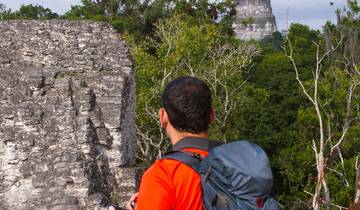
8 days
Land of Belize & Tikal (9 destinations)
- ✓ Comprehensive Belize tour
- ✓ Expert local guides included
- ✓ All accommodation arranged
- ✓ Transportation provided
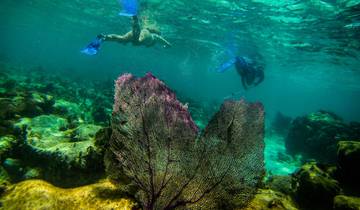
9 days
Journeys: Explore Belize National Geographic
- ✓ Comprehensive Belize tour
- ✓ Expert local guides included
- ✓ All accommodation arranged
- ✓ Transportation provided

7 days
Solo-ish Belize
- ✓ Comprehensive Belize tour
- ✓ Expert local guides included
- ✓ All accommodation arranged
- ✓ Transportation provided

13 days
Discover Belize
- ✓ Comprehensive Belize tour
- ✓ Expert local guides included
- ✓ All accommodation arranged
- ✓ Transportation provided
Multi-day tour packages powered by TourRadar. Prices and availability subject to change.
Essential Planning Information 2026
Current Costs and Pricing Breakdown
Understanding the complete cost structure for Belize Barrier Reef diving and snorkeling enables accurate budget planning for your 2026 visit. Costs divide into distinct categories: marine activities (diving/snorkeling), transportation to sites, accommodation near departure points, meals, equipment rental, marine reserve fees, and incidental expenses. The total investment varies significantly based on activity choices, accommodation standards, duration, and whether visitors choose mainland bases, caye accommodations, or liveaboard expeditions.
Daily diving costs structure around two-tank boat dives, the standard offering from most operators. Two-tank dives cost $150-200 per person in 2026, departing from Ambergris Caye, Caye Caulker, Placencia, or Hopkins. Check individual operators for current rates as pricing may vary. This base rate includes boat transportation, professional dive guide, tanks, weights, light refreshments, and access to two separate reef sites during the 4-6 hour excursion. Operators visit different sites daily, rotating through dozens of locations to provide varied experiences and prevent site overcrowding.
Equipment rental adds to base diving costs for visitors without personal gear. Full equipment packages (BCD, regulator, wetsuit, fins, mask) cost $40-60 per day from most operators. Underwater cameras rent for $35-50 per day, while underwater video cameras cost $60-80 daily. Many visiting divers bring personal masks, fins, and wetsuits while renting BCDs and regulators, reducing equipment costs to $25-35 per day. Dive computers rent for $15-20 per day, though many operators include basic computers with equipment packages.
Marine reserve entrance fees apply at most prime diving and snorkeling sites. Hol Chan Marine Reserve charges $10 per person for single-day access, South Water Caye Marine Reserve $10, Bacalar Chico Marine Reserve $10, and Glover’s Reef Marine Reserve $10. These fees support conservation efforts and ranger operations protecting the reef ecosystem. Multi-day passes and annual permits cost less per day but require visiting the same reserve multiple times during a trip. Many dive operators collect these fees directly and handle payment logistics.
Snorkeling tours provide budget-friendly reef access. Half-day snorkeling tours from Ambergris Caye or Caye Caulker cost $65-90 per person, visiting 2-3 sites including popular locations like Hol Chan Marine Reserve and Shark Ray Alley. Full-day snorkeling adventures cost $120-160 per person, adding remote sites, beach breaks, and meals to the itinerary. Equipment rental (mask, fins, snorkel, vest) costs $15-25 if not included in tour pricing. Private snorkeling charters for small groups (4-8 people) range $400-600 for half-day excursions.
Specialty diving experiences command premium pricing reflecting their unique nature and logistics. Great Blue Hole expeditions cost $250-350 per person for full-day trips from Ambergris Caye, including three dives (Blue Hole plus two Lighthouse Reef sites), meals, and marine reserve fees. Night diving adds $75-100 per dive to standard rates due to reduced group sizes and specialized equipment requirements. Shark diving experiences at specific sites cost $180-240 per person. Guided underwater photography tours with professional photographers cost $200-300 per person for specialized small-group experiences.
Liveaboard expeditions represent the premium option for serious divers seeking maximum underwater time and access to remote atolls. Seven-day liveaboard packages range $1,800-3,500 per person in 2026, with pricing varying by vessel quality, cabin category, and itinerary. These all-inclusive packages cover accommodation aboard dive vessels, all meals, unlimited diving (typically 3-4 dives daily), tanks, weights, dive guides, and transportation to sites throughout the barrier reef system including outer atolls. Nitrox, alcoholic beverages, equipment rental, and tips remain additional expenses on most vessels.
Dive certification courses enable visitors to earn credentials while experiencing the reef. Open Water certification courses cost $450-550 in 2026, including classroom instruction, pool sessions, open water dives, materials, and certification processing. Advanced Open Water courses cost $350-450, Rescue Diver courses $400-500, and Divemaster training $900-1,200. Many operators offer package deals combining certification with vacation diving, creating comprehensive learning-and-diving experiences. The warm, clear waters and diverse sites make Belize an ideal location for diver training at all levels.
Conservation-focused experiences and marine education programs provide alternatives to traditional diving. Marine biology tours with researchers cost $180-250 per person, offering insights into reef ecology and ongoing conservation work. Coral restoration volunteer programs charge $200-350 per day, allowing participants to assist scientists with active restoration projects while learning about reef conservation. These specialized programs appeal to environmentally conscious visitors seeking deeper engagement with reef preservation beyond recreational diving or snorkeling.
Accommodation and Marine Reserve Access
Accommodation location directly impacts reef access, diving costs, and overall experience. The primary decision involves choosing between mainland bases (Placencia, Hopkins), caye accommodations (Ambergris Caye, Caye Caulker), offshore resorts on smaller cayes, or liveaboard vessels for multi-day diving expeditions. Each option offers distinct advantages regarding cost, convenience, dive site access, and overall atmosphere for your 2026 barrier reef adventure.
Ambergris Caye represents the most developed option with the widest range of accommodations. Budget guesthouses in San Pedro town cost $60-90 per night for double occupancy, mid-range hotels $120-200 per night, and luxury beachfront resorts $300-600+ per night. The island provides immediate access to northern reef sections, Hol Chan Marine Reserve, and departure points for Great Blue Hole expeditions. The town offers extensive dining, shopping, and entertainment options, creating a full-service destination beyond diving activities. Water taxis connect the island to Belize City ($22-28 one-way) and Caye Caulker ($15-20 one-way), while local flights provide alternatives ($75-85 one-way).
Caye Caulker offers a more laid-back atmosphere at lower costs. Budget accommodations cost $40-70 per night, mid-range hotels $80-140 per night, and upscale properties $180-280 per night. The smaller island provides similar reef access to Ambergris Caye while maintaining a relaxed, pedestrian-oriented environment without golf carts or significant vehicle traffic. Diving and snorkeling operators concentrate along the main street, offering easy comparison shopping. The “Split,” a popular swimming area created by hurricane damage, anchors social life. Water taxis connect to Belize City ($18-22 one-way) and Ambergris Caye ($15-20 one-way).
Placencia and Hopkins on the mainland provide access to southern barrier reef sections and Glover’s Reef Atoll. Placencia accommodations range from $50-80 per night at budget guesthouses to $150-250 at mid-range resorts and $350-700+ at luxury beachfront properties. Hopkins offers more budget-friendly options, with guesthouses at $35-60 per night and mid-range hotels $90-160 per night. Both locations provide cultural experiences beyond diving, including Garifuna communities, inland adventure opportunities, and authentic Belizean atmosphere. Southern reef sites see fewer visitors than northern locations, creating quieter diving experiences.
Offshore caye resorts on smaller islands offer exclusive, intimate experiences at premium prices. Private island resorts on cayes like Long Caye, Tobacco Caye, and South Water Caye cost $200-500+ per night including meals, dedicated dive services, and isolated beach access. These properties provide direct reef access, often with house reefs for shore diving and snorkeling, professional dive operations focused solely on resort guests, and comprehensive all-inclusive packages. The isolation creates peaceful, nature-focused experiences ideal for serious divers prioritizing underwater time over nightlife and town amenities.
Liveaboard vessels eliminate accommodation decisions while maximizing diving. Week-long expeditions visit outer atolls inaccessible or impractical for day trips, with vessels anchoring at remote moorings for multi-day diving at sites like Lighthouse Reef, Turneffe Atoll, and Glover’s Reef. Cabin categories range from basic shared bunks in budget vessels to private cabins with ensuite facilities on premium boats. The vessel becomes both hotel and dive platform, with 3-4 dives daily, night diving opportunities, and comprehensive services including meals, dive guides, and equipment storage. Photographers and serious divers seeking maximum bottom time favor this option despite higher costs.
Best Time to Visit Belize Barrier Reef 2026
Seasonal Weather Patterns and Diving Conditions
Belize’s tropical climate creates year-round diving opportunities with distinct seasonal patterns affecting weather conditions, water visibility, and marine life activity. Understanding these patterns enables strategic planning for your 2026 reef adventure, matching visit timing to priorities like optimal visibility, specific marine life encounters, budget considerations, or crowd avoidance. The barrier reef’s protected status ensures consistent marine ecosystem quality regardless of season, though surface conditions and underwater visibility vary substantially throughout the year.
The dry season spanning November through April 2026 delivers premium diving conditions. Rainfall drops dramatically during these months, with many days experiencing no precipitation. Trade winds blow consistently from the east at 10-15 knots, creating manageable seas and comfortable boat conditions. Water visibility peaks at 80-120 feet at most sites, with outer atolls regularly exceeding 100 feet of crystal-clear water. Water temperatures range 78-82°F, comfortable for extended diving with 3mm wetsuits or dive skins. The predictable weather enables reliable access to exposed sites and outer atolls, with weather-related cancellations extremely rare.
Peak season intensity concentrates December through March when North American and European visitors escape winter weather. Dive boats fill rapidly during this period, popular resorts book months in advance, and prices reach their highest annual levels. The trade-off for crowds and premium pricing comes through guaranteed excellent conditions and maximum reliability for travelers investing in reef vacations. Visitors prioritizing optimal conditions over cost considerations find this window ideal, particularly those with limited flexibility around work schedules or family commitments requiring specific travel dates.
April and May 2026 represent the transition from dry to wet season with favorable conditions and reduced crowds. April maintains dry season characteristics with excellent visibility, calm seas, and warm temperatures while visitor numbers begin declining as spring break ends. May sees increasing rainfall and warming water temperatures (82-84°F) but generally maintains good diving conditions between weather systems. These shoulder months provide cost advantages of 15-20% compared to peak winter pricing while preserving most weather benefits, appealing to budget-conscious divers accepting occasional weather variability.
The wet season from June through October brings different considerations. Rainfall increases substantially, with afternoon thunderstorms common during July-September. Water temperatures rise to 84-86°F, requiring minimal thermal protection but increasing thermocline potential at deeper sites. Visibility decreases to 60-80 feet at many locations as rainfall reduces water clarity, though outer atolls maintain better visibility than near-shore sites. Hurricane season officially runs June-November with peak activity August-October, requiring weather monitoring and flexible booking policies during these months.
Summer months offer compelling advantages for specific visitors. Tourist numbers drop significantly, creating uncrowded dive sites and reduced accommodation costs with discounts of 20-30% common. Water temperatures eliminate cold-water discomfort, and marine life actually increases during summer spawning seasons. Whale shark season at Gladden Spit runs March-June, with May-June offering the best combination of shark encounters and reduced tourist numbers. Visitors with flexible schedules and weather tolerance find excellent value during summer months, though those prioritizing guaranteed diving conditions should avoid September-October’s peak hurricane risk.
Marine Life Seasonal Patterns
The Belize Barrier Reef’s marine life activity varies seasonally, creating distinct windows for specific species encounters and underwater experiences. While the reef maintains consistent diversity year-round with hundreds of resident species, seasonal migrations, spawning events, and behavioral patterns create predictable windows for targeted wildlife encounters. Planning 2026 visits around these patterns maximizes chances for specific marine life goals, whether pursuing whale shark encounters, turtle nesting observations, or peak fish aggregation events.
Whale shark season at Gladden Spit represents the barrier reef’s most famous seasonal spectacle. These gentle giants aggregate from March through June to feed on snapper spawn, creating guaranteed encounters during this window. May and June provide peak reliability with dozens of sharks often present simultaneously, while March and April offer good encounters with fewer boats and tourists. The aggregation site lies in protected waters off Placencia, requiring full-day boat trips from southern coastal bases. Snorkeling encounters cost $200-300 per person for full-day excursions, while diving costs $250-350 including multiple dives at nearby reef sites.
Sea turtle nesting season runs May through October, with peak activity June-August. Hawksbill turtles nest on remote cayes throughout the barrier reef system, while green turtles concentrate at specific beaches. Nighttime turtle watch programs operate from various cayes, allowing observation of nesting females without disturbing critical reproductive behaviors. Underwater, turtle encounters remain consistent year-round, though summer months see increased activity as turtles feed intensively before and after nesting. The South Water Caye Marine Reserve and Glover’s Reef Atoll provide particularly reliable encounters.
Fish spawning aggregations create spectacular underwater scenes during specific months. Nassau grouper spawn December-February at protected aggregation sites, recovering from decades of overfishing that nearly eliminated these events. Cubera snapper spawn April-May at Gladden Spit and other offshore sites, attracting the whale sharks that feed on eggs. Mutton snapper aggregate October-December at various locations. These spawning events concentrate fish in massive numbers, creating dramatic underwater scenes and attracting predators including sharks, jacks, and barracudas for dynamic ecosystem interactions.
Eagle ray migrations occur seasonally with large schools appearing at specific sites. Winter months see concentrated eagle ray activity at Turneffe Atoll and Lighthouse Reef, with groups of 20-50 rays common at premier sites. The rays cruise along walls and over sand flats in graceful formations, offering spectacular encounters for divers and snorkelers. Sites like The Elbow at Turneffe Atoll become eagle ray highways during migration periods, with multiple sightings virtually guaranteed on winter dives.
Seasonal visitor patterns beyond wildlife considerations affect planning decisions. December-March brings maximum tourist numbers, filling boats and accommodations but providing reliable services and extensive operator availability. April-May and November see moderate numbers with good availability and reduced pricing. June-October represents true low season with minimal crowds, substantial discounts, but reduced operator schedules and occasional weather disruptions. The optimal timing balances desired marine life encounters, weather preferences, budget considerations, and crowd tolerance for your specific 2026 barrier reef objectives.
Transportation and Getting to Reef Sites 2026
International and Domestic Access
Reaching the Belize Barrier Reef begins with international flights to Philip S.W. Goldson International Airport near Belize City, the country’s primary gateway serving international routes from North America, Central America, and limited European connections. Major airlines operating Belize routes include American Airlines, United Airlines, Delta Air Lines, Southwest Airlines, and regional carriers like Copa Airlines and Avianca. Flight times from major North American cities range 2-4 hours, with Miami flights taking approximately 2 hours, Houston 2.5 hours, Dallas 3 hours, and Los Angeles 5 hours including connections.
International flight costs vary significantly by season and booking timing. Peak season flights (December-March) cost $400-700 roundtrip from gateway cities like Miami, Houston, and Dallas in 2026. Summer months see reduced fares of $300-500 roundtrip. Booking 2-3 months in advance secures optimal pricing, while last-minute bookings during peak season can exceed $800-1,000 roundtrip. Budget carriers including Southwest Airlines offer competitive fares during promotional periods, sometimes dropping to $250-350 roundtrip from select cities during off-peak months.
Domestic transportation from Belize City to reef access points involves water taxis, local flights, or ground transportation depending on final destinations. Water taxis provide the most economical option for reaching Ambergris Caye and Caye Caulker. San Pedro Belize Express and Ocean Ferry Belize operate multiple daily departures from Belize City’s Marine Terminal to both islands. The 45-minute journey to Caye Caulker costs $18-22 one-way, $35-40 roundtrip. Continuing to Ambergris Caye adds another 30 minutes and costs $22-28 one-way, $40-50 roundtrip. Water taxis depart hourly during peak season, every 2 hours during slower periods.
Domestic flights offer faster alternatives at higher costs. Maya Island Air and Tropic Air operate frequent flights from Belize City to Ambergris Caye (15 minutes, $75-85 one-way), Caye Caulker (12 minutes, $70-80 one-way), Placencia (30 minutes, $85-100 one-way), and Dangriga near Hopkins (25 minutes, $75-90 one-way). These small aircraft provide aerial reef views, convenient schedules coordinating with international arrivals, and direct access to island airstrips. Luggage limits apply with fees of $3-5 per pound over 25-pound allowances, important for divers carrying equipment.
Ground transportation serves mainland reef access points. Private shuttles from Belize City to Placencia cost $200-300 for 1-4 people (3.5 hours), while public buses cost $15-20 per person (4-5 hours with multiple stops). Rental cars provide flexibility for mainland exploration combined with reef diving, costing $55-85 per day for economy vehicles, $75-110 for SUVs. The paved Southern Highway enables comfortable driving to Placencia and Hopkins, with clearly marked routes and good road conditions. International driving permits supplement home country licenses for rental car use.
Getting to Dive Sites from Accommodations
Daily transportation to reef sites operates through professional dive and snorkeling operators departing from accommodations or central docks. Most operators provide pickup services directly from hotels and guesthouses, eliminating independent transportation needs for marine activities. Understanding boat configurations, departure schedules, and travel times to various reef zones enables realistic daily planning and helps choose accommodation locations optimizing site access for your 2026 priorities.
Ambergris Caye dive operations concentrate in San Pedro town with boats departing from multiple docks. Standard two-tank dive trips depart 8:00-9:00 AM, returning 1:00-2:00 PM after visiting two sites. Boats range from 25-foot pangas carrying 6-8 divers to 40-foot vessels accommodating 12-20 divers with more amenities. Travel times to northern reef sites near Bacalar Chico run 45-60 minutes, Hol Chan Marine Reserve 20-30 minutes, and southern sites toward Caye Caulker 30-45 minutes. Afternoon trips to closer sites depart around 2:00 PM for single-tank dives or sunset dives.
Great Blue Hole expeditions require full-day commitments with early departures. Boats leave Ambergris Caye at 6:00-7:00 AM for the 2.5-3 hour journey to Lighthouse Reef Atoll where the Blue Hole lies. The itinerary typically includes three dives: the Blue Hole, Half Moon Caye Wall, and a third Lighthouse Reef site, with surface intervals at Half Moon Caye’s beach and ranger station. Return trips arrive back at San Pedro around 5:00-6:00 PM. The long boat ride involves open water crossings requiring stable sea conditions, with trips occasionally cancelled or postponed during rough weather periods.
Caye Caulker operators provide similar services at slightly lower costs with more intimate group sizes. Boats depart from the main dock or the Split area, with most operations running smaller vessels (6-10 divers) creating personalized experiences. Sites accessed from Caye Caulker include the same northern reef sections, Hol Chan Marine Reserve, Shark Ray Alley, and southern sites near Turneffe Atoll. The island’s location slightly south of Ambergris Caye shifts site access patterns, with southern locations more accessible and northern sites requiring longer boat rides than from San Pedro.
Placencia and Hopkins operators focus on southern barrier reef sections and Glover’s Reef Atoll. Daily reef diving from these bases visits sites along the southern reef, with boat rides of 30-60 minutes to prime locations. Glover’s Reef Atoll expeditions require full-day trips or multi-day liveaboard experiences due to the 30-mile offshore distance. Gladden Spit whale shark trips depart from Placencia during March-June season, involving 1-hour boat rides to the aggregation site. Southern operators typically run smaller operations with 2-8 divers per boat, creating intimate experiences and flexible scheduling.
Private island resorts operate dedicated dive services for resort guests. Boats depart directly from resort docks, eliminating water taxi or ground transportation needs. The dedicated services enable flexible scheduling, often offering additional dive times beyond standard two-tank morning trips. Many resorts feature house reefs accessible for shore diving and snorkeling directly from beaches or docks, providing unlimited water access between boat dives. This convenience appeals to serious divers maximizing underwater time, though resort isolation limits access to mainland dining, shopping, and cultural experiences.
Budget Planning for 2026 Belize Barrier Reef Adventures
Daily Budget Breakdown by Travel Style
Budget planning for Belize Barrier Reef adventures requires understanding the complete daily cost structure across accommodation, activities, meals, transportation, and incidentals. Creating realistic budgets matching your diving priorities, comfort expectations, and trip duration enables effective planning for 2026 visits. The barrier reef accommodates diverse budget levels from backpacker experiences to luxury diving vacations, with strategic choices significantly impacting total costs while preserving core underwater experiences.
Budget travelers diving the Belize Barrier Reef manage daily costs of $120-180 per person through strategic accommodation, activity, and dining choices. Budget guesthouses on Caye Caulker cost $40-60 per night double occupancy ($20-30 per person), with shared bathrooms and basic amenities. Two-tank boat dives cost $150-180, equipment rental $40-50 if needed, creating $190-230 diving days. Non-diving days substitute snorkeling tours ($65-90) or beach activities (minimal cost). Meals at local restaurants and street food vendors total $25-35 daily: breakfast $5-8, lunch $8-12, dinner $12-15. The budget approach prioritizes underwater time over accommodation luxury, accepting basic lodging to maximize diving frequency.
Mid-range travelers experience comfortable accommodations and consistent diving on $250-400 per person daily. Mid-range hotels on Ambergris Caye or Caye Caulker cost $120-180 per night double occupancy ($60-90 per person), offering air conditioning, private bathrooms, comfortable beds, and often small pools or beach access. Daily diving costs $150-200 plus equipment rental $40-60 if needed. Meals at nicer restaurants total $45-65 daily: breakfast $10-15, lunch $15-20, dinner $20-30. This budget level includes wine with dinner, occasional cocktails, and higher-quality dining experiences while maintaining regular diving schedules. Reserve funds cover specialty dives like Great Blue Hole trips ($250-350) or night diving ($75-100 additional).
Luxury travelers enjoy premium accommodations, exclusive experiences, and comprehensive services on $600-1,000+ per person daily. Upscale resorts on Ambergris Caye or private island properties cost $300-600+ per night double occupancy ($150-300+ per person), featuring beachfront locations, full-service amenities, fine dining restaurants, spas, and concierge services. Daily diving costs remain similar ($150-200) but often includes equipment in resort packages. Gourmet meals total $100-150 daily with resort restaurants, premium wines, and craft cocktails. Private charters, exclusive guides, and specialized experiences add costs but create customized, uncrowded adventures. This budget level emphasizes comfort, service, and exclusive access rather than cost optimization.
Liveaboard expeditions create unique budget structures. Week-long packages cost $1,800-3,500 per person in 2026, averaging $257-500 daily. This all-inclusive rate covers accommodation, all meals, unlimited diving (3-4 dives daily), tanks, weights, guides, and transportation to remote atolls. Additional costs include equipment rental ($40-60 daily if needed), nitrox ($10-15 per tank), alcoholic beverages ($5-12 per drink), and crew tips (typically $100-150 per week). Liveaboards provide exceptional value for serious divers prioritizing maximum bottom time, with 20-25 dives during week-long expeditions versus 8-10 dives on standard resort-based weeks.
Sample budget calculation for 7-day mid-range dive trip based on Caye Caulker: Accommodation $120/night x 7 nights = $840 (split between 2 people = $420 per person). Diving 5 days x $175 average = $875. Equipment rental 5 days x $50 = $250. Meals $50/day x 7 days = $350. Water taxis Belize City-Caye Caulker roundtrip = $40. Marine reserve fees (Hol Chan, others) = $30. Miscellaneous (drinks, snacks, tips) = $150. Total per person: $2,115 for 7 days, averaging $302 per day including 10 dives across 5 days.
Money-Saving Strategies for 2026
Strategic planning reduces Belize Barrier Reef costs without compromising core diving and snorkeling experiences. Understanding where to invest diving budget and where to economize enables visitors to maximize underwater time and quality while controlling overall expenditures. The reef system’s diverse access points, accommodation options, and activity providers create numerous opportunities for cost optimization through timing, location choices, package selection, and smart booking strategies for your 2026 adventure.
Choosing Caye Caulker over Ambergris Caye immediately reduces costs by 20-30% across accommodation, dining, and activities while maintaining equivalent reef access. The more laid-back island offers the same northern barrier reef diving sites, similar departure points for Great Blue Hole trips, and identical marine experiences at lower price points. Budget guesthouses on Caye Caulker cost $40-60 versus $60-90 on Ambergris Caye, restaurants charge $12-18 for dinners versus $18-28, and the smaller island’s walkable layout eliminates golf cart rental costs ($50-75 daily on Ambergris Caye). The primary trade-off involves fewer high-end dining and nightlife options rather than reduced diving quality.
Booking multi-day dive packages provides better per-dive pricing than daily rates. Five-day packages (10 dives) typically cost $650-850 versus $750-1,000 when purchasing daily, saving $100-150 overall. Ten-day packages create even greater savings with some operators. These packages often include equipment rental at reduced rates, additional perks like one free night dive, and priority booking for specialty trips. Committing to packages requires confidence in weather during your visit window and physical readiness for consecutive diving days, but creates substantial savings for visitors certain about diving frequency.
Owning basic equipment eliminates significant rental costs over multi-day trips. Bringing personal masks, fins, snorkels, and wetsuits reduces rental needs to BCDs and regulators only, cutting daily equipment costs from $40-60 to $25-35. For frequent divers planning extended trips, purchasing quality basic equipment before travel pays for itself through rental savings. Masks and snorkels cost $50-100 for quality models, fins $60-120, and wetsuits $150-300, with one-time investments amortized across multiple trips while ensuring properly fitted, familiar equipment.
Visiting during shoulder seasons (May, November) or summer months (June-August) reduces accommodation costs by 20-30% while maintaining acceptable diving conditions. Late May offers the transition from dry to wet season with generally good weather, warming waters, and the beginning of whale shark season at Gladden Spit. November sees improving conditions as wet season ends with reduced crowds and recovery of dry season visibility. June-July provides warm waters, summer spawning activity, and deep discounts despite increased rainfall and humidity. Flexibility around weather variability enables significant savings while still experiencing the reef.
Mixing diving days with snorkeling and beach days reduces activity costs while preventing dive fatigue. Two-tank dive days cost $150-200+ versus snorkeling tours at $65-90 or free beach days. A strategic schedule might include three dive days (6 dives), two snorkeling days, and two beach/exploration days during a week-long visit, creating balanced experiences and reduced activity costs versus seven consecutive dive days. This approach also allows nitrogen levels to stabilize before return flights, as diving right up to departure requires careful depth and time management.
Self-catering accommodation with kitchens or kitchenettes enables grocery shopping instead of restaurant dining for some meals. Buying breakfast ingredients (fruit, bread, eggs, coffee) and lunch supplies (sandwich ingredients, snacks) at local stores reduces daily meal costs from $50-65 to $30-40, saving $100-175 weekly. Most cayes and mainland towns feature local markets and small grocery stores with reasonable prices. Many accommodations include mini-fridges enabling food storage, while some provide full kitchens allowing dinner preparation for additional savings.
Booking directly with dive operators and accommodations rather than through international booking platforms sometimes secures discounts. Many operators offer 5-10% discounts for direct bookings, email reservations, or cash payments avoiding credit card processing fees. Establishing direct communication also enables package negotiation, particularly during slower periods when operators welcome business. The trade-off involves less booking protection and potentially more complex payment processes, but savings accumulate across accommodations and multiple dive days for budget-conscious travelers.
Sample 2026 Itineraries and Experiences
7-Day Caye-Based Diving Adventure
This week-long itinerary based on Caye Caulker provides comprehensive barrier reef diving covering diverse sites from shallow coral gardens to dramatic wall formations, balancing active dive days with recovery time and alternative activities. The schedule includes specialty experiences like night diving and the Great Blue Hole while maintaining sustainable pacing for nitrogen management and physical recovery. Total estimated costs: $2,100-2,800 per person including accommodation, diving, meals, and transportation.
Day 1 – Arrival and Orientation: Fly into Belize City, take water taxi to Caye Caulker (departs every 2 hours, $18-22). Check into mid-range guesthouse ($60-80 per night double occupancy), explore the island by walking the main streets, visit the Split for swimming and orientation. Afternoon dive shop visit arranges the week’s dive schedule, confirms equipment, and reviews marine reserve regulations. Welcome dinner at local restaurant. Day cost: $95-125 per person (excluding accommodation).
Day 2 – Northern Barrier Reef Introduction: Morning two-tank dive trip to Hol Chan Marine Reserve and Shark Ray Alley. Hol Chan’s coral canyon concentrates marine life including sea turtles, nurse sharks, groupers, and colorful reef fish in depths of 30-50 feet. Shark Ray Alley provides guaranteed encounters with dozens of nurse sharks and southern stingrays in 10-15 feet of water. Dive costs $175, equipment rental $50, marine reserve fee $10, lunch $15, dinner $25. Day cost: $275 per person (excluding accommodation).
Day 3 – Southern Sites and Macro Life: Two-tank dive exploring southern barrier reef sections near Caye Chapel and Turneffe Atoll approaches. Sites feature coral formations, cleaning stations attracting large marine life, and excellent macro photography opportunities with seahorses, flamingo tongues, and tropical fish. Afternoon beach time and snorkeling at the Split. Dive costs $180, equipment rental $50, lunch $12, dinner $22, drinks $15. Day cost: $279 per person (excluding accommodation).
Day 4 – Great Blue Hole Expedition: Early departure (6:30 AM) for full-day Great Blue Hole trip. Three dives include the famous blue hole to 130 feet where stalactite formations appear, Half Moon Caye Wall with dramatic vertical formations and pelagic fish, and a third Lighthouse Reef site. The 5-6 hour boat ride crosses open water offering possible dolphin sightings. All meals included in trip cost. Expedition cost $325, equipment rental $50, lunch/snacks included, early breakfast $8, dinner after return $28. Day cost: $411 per person (excluding accommodation).
Day 5 – Recovery and Snorkeling: Recovery day after blue hole dive allows nitrogen elimination and physical rest. Snorkeling tour visits three sites including coral gardens and turtle habitats. Afternoon massage at local spa. Snorkeling tour $85, equipment included, spa treatment $60, breakfast $10, lunch $15, dinner $30, evening drinks $20. Day cost: $220 per person (excluding accommodation).
Day 6 – Wall Diving and Night Dive: Morning two-tank trip to wall sites featuring dramatic drop-offs descending beyond 100 feet. Walls showcase deep-water corals, black coral formations, passing eagle rays, and reef sharks. Evening night dive reveals nocturnal marine life including octopus, lobsters, sleeping parrotfish, and bioluminescent plankton. Morning dives $180, equipment $50, night dive $95, breakfast $10, lunch $18, dinner $32. Day cost: $385 per person (excluding accommodation).
Day 7 – Departure Day: Morning beach time and final snorkeling at the Split. Checkout, water taxi to Belize City for afternoon international flight. Breakfast $10, water taxi $22, airport lunch $18. Day cost: $50 per person (excluding accommodation).
Week total: Accommodation $420-560 (7 nights split between 2 people), diving/activities $1,290, meals $210-280, transportation $40, miscellaneous $140-180. Grand total: $2,100-2,800 per person for 13 dives, one snorkeling day, and comprehensive barrier reef experience covering shallow reefs, walls, atolls, and the Great Blue Hole.
10-Day Liveaboard Expedition
This intensive diving itinerary aboard a liveaboard vessel maximizes underwater time and accesses remote atolls impractical for day trips. The expedition visits Turneffe Atoll, Lighthouse Reef, and Glover’s Reef for 25-30 dives across 10 days, including night diving, wall diving, and multiple blue hole dives. Total costs: $2,500-4,200 per person including liveaboard package, flights, equipment rental, and tips.
Day 1 – Embarkation: Arrive Belize City, transfer to vessel at dock. Afternoon check-dive at near-shore site tests equipment and reviews diving procedures. Vessel departs for Turneffe Atoll after sunset. Briefings cover the week’s itinerary, safety procedures, and vessel operations. Welcome dinner aboard. Embarkation day typically includes in liveaboard package.
Days 2-3 – Turneffe Atoll Exploration: Six dives across two days exploring Turneffe’s northern and western walls. Sites include The Elbow with strong currents attracting eagle rays, sharks, and jacks, plus gentler sites featuring pristine coral formations and abundant reef fish. Night dives reveal octopus, lobsters, and bioluminescent plankton. Multiple dives daily enable thorough site coverage. All meals, diving, tanks, weights included in package.
Days 4-5 – Lighthouse Reef Mastery: Transit to Lighthouse Reef for six dives including two Great Blue Hole dives examining stalactite formations from different perspectives. Half Moon Caye Wall dives showcase dramatic vertical formations descending beyond recreational limits. Aquarium site provides shallower coral garden diving for surface intervals. Beach breaks at Half Moon Caye between dives. All included in package.
Days 6-7 – Southern Lighthouse Reef: Six dives exploring southern Lighthouse Reef sections seeing fewer visitors. Sites feature undamaged coral formations, large pelagic fish including sharks and rays, and pristine reef ecosystems. Multiple night dives capture nocturnal marine activity. Fewer boats in this area create exclusive diving experiences. All included in package.
Days 8-9 – Glover’s Reef Atoll: Transit to Glover’s Reef, Belize’s southernmost atoll. Six dives explore the atoll’s ring structure, wall formations, and coral-rich flats. This remotest atoll sees minimal diving pressure, creating exceptional coral health and fish populations. Sharks, turtles, and rays appear regularly. Final night dive provides last nocturnal experience. All included in package.
Day 10 – Return and Disembarkation: Morning checkout dives at sites near mainland. Return to Belize City by early afternoon for connections to international flights. Final breakfast aboard, equipment breakdown, and farewells. Disembarkation day included in package.
Total costs: Liveaboard package $1,800-3,500 for 7-10 nights depending on vessel and cabin category (includes accommodation, meals, unlimited diving, tanks, weights, guides). Equipment rental $400-500 for 10 days if needed. Nitrox $150-200 for frequent users. Tips $100-150 for crew. Alcoholic beverages $80-120. Flights $400-700 roundtrip to Belize. Total expedition cost: $2,500-4,200 per person for 25-30 dives accessing Belize’s most remote and pristine reef systems.
Booking Strategies and Reservations for 2026
Advance Planning Timeline
Securing optimal experiences at the Belize Barrier Reef requires strategic booking timelines varying by travel dates, accommodation preferences, and activity priorities. Peak season (December-March) demands earlier reservations than shoulder or summer periods, while specialized experiences like liveaboards and Great Blue Hole trips require longer lead times than standard reef diving. Understanding these booking windows and reservation strategies ensures availability at preferred properties and operators for your 2026 barrier reef adventure.
Accommodation booking timelines depend heavily on travel dates and property types. Peak season properties, particularly popular mid-range and luxury resorts on Ambergris Caye, book 3-4 months in advance for Christmas, New Year’s, and February dates. Spring break weeks (March) also fill early at family-friendly properties. Booking 4-6 months ahead secures best availability and often provides early-bird discounts of 10-15% at select resorts. Shoulder season (May, November) and summer accommodations require 1-2 months advance booking, while last-minute availability often exists during September-October despite increased weather risk.
Liveaboard expeditions require the longest lead times due to limited berths and high demand. Premium vessels during peak season book 6-8 months in advance, particularly for specific cabin categories and preferred itineraries. Popular routes including comprehensive atoll tours and Great Blue Hole expeditions fill first. Budget and mid-range vessels maintain better availability with 3-4 month booking windows adequate for most weeks. Summer liveaboards offer more flexibility with 2-3 month advance booking often sufficient, though whale shark season weeks (March-June) require earlier reservations due to special routing.
Dive operator reservations for standard two-tank trips require minimal advance notice during most periods. Many operators accept walk-in bookings or next-day reservations outside peak season, with phone or email contact 2-3 days ahead securing space. Peak season and holidays benefit from week-ahead booking ensuring preferred operators and avoiding full boats. Great Blue Hole trips merit 1-2 week advance booking during peak season due to limited daily capacity and high demand for this signature experience. Night dives and specialty trips like whale shark expeditions require similar advance notice.
Dive certification courses need coordinated planning. Open Water courses span 3-4 days requiring committed consecutive days. Advanced courses take 2-3 days. Booking courses 2-4 weeks in advance ensures instructor availability and enables scheduling coordination with other planned activities. Peak season certification demand increases from holiday visitors, making month-ahead booking prudent for guaranteed instruction during preferred dates. Some operators offer “referral” options where classroom and pool work complete at home with only open water dives in Belize, requiring advanced coordination with home dive shops.
Flight booking follows standard travel patterns with 2-3 months advance purchase providing optimal pricing. Peak season flights benefit from earlier booking (3-4 months) avoiding sold-out flights and premium pricing during holidays. Summer and shoulder season flights remain available with shorter booking windows, though advance purchase still secures better fares. Flexible travel dates enable using flight comparison tools to find lowest fares around preferred travel windows. Booking domestic flights (water taxis have reliable availability without advance booking) 1-2 weeks ahead ensures desired schedules, though walk-up purchase remains possible at slightly higher rates.
Direct Booking vs. Package Deals
Choosing between direct booking with individual providers versus package deals through tour operators or travel agencies involves trade-offs between flexibility, cost, convenience, and booking protection. Understanding advantages and disadvantages of each approach enables informed decisions matching your planning style, budget parameters, and desired control level for your 2026 Belize adventure.
Direct booking with dive operators, accommodations, and activity providers offers maximum flexibility and often better pricing. Contacting properties and operators directly via email or phone enables custom trip design, specific requests, and sometimes negotiated rates during slower periods. Many operators offer 5-10% discounts for direct bookings avoiding booking platform commissions. Direct relationships facilitate special accommodations like equipment storage, schedule modifications, or specific dive site requests. The approach works well for experienced travelers comfortable with independent planning and multiple booking relationships.
Package deals through travel agencies or tour operators provide convenience and single-point booking for complex trips. Packages combine accommodations, diving, meals, and sometimes flights into all-inclusive pricing with one payment and booking process. Experienced travel companies specializing in Belize diving create optimized itineraries, secure group rates not available individually, and provide on-ground support if issues arise. Packages work well for first-time visitors uncertain about logistics, groups requiring coordinated bookings, and travelers prioritizing convenience over cost optimization.
The cost comparison varies by specific offerings. Direct booking typically costs 10-20% less than packages when comparing equivalent services, as packages include markup for coordination and support services. However, packages sometimes access negotiated rates unavailable individually, particularly at larger resorts with wholesale agreements. Carefully comparing package inclusions versus direct booking costs for identical services reveals true value. Some packages include “hidden” value like airport transfers, marine reserve fees, or equipment rental that direct bookings charge separately.
Booking protection differs significantly between approaches. Packages booked through established travel agencies often include travel insurance options, payment protection, and recourse if providers fail to deliver services. Direct bookings depend entirely on individual provider policies, with advance payments sometimes at risk if businesses close or fail to perform. Credit card payment provides some protection regardless of booking method, but package bookings through agencies create additional accountability layers. Travel insurance becomes more critical for direct bookings to protect advance payments for accommodations and activities.
Liveaboard bookings typically occur directly with vessel operators or through specialized liveaboard agencies. Direct booking provides unfiltered communication with operators regarding specific dietary needs, equipment requirements, or medical considerations relevant to week-long expeditions. Liveaboard-specific agencies offer expertise matching travelers to appropriate vessels by experience level, budget, and diving priorities, but charge fees or receive commissions increasing costs. The complexity and commitment of liveaboard trips often justifies agency expertise despite added costs for first-time liveaboard divers.
Hybrid approaches combine benefits of both methods. Booking accommodations directly while using tour operators for complex activities (Great Blue Hole trips, whale shark expeditions, multi-day excursions) balances flexibility and expert logistics. This approach enables independent control over lodging and free time while securing professional organization for specialized experiences requiring extensive coordination. The strategy works well for experienced travelers comfortable with partial independent planning but valuing expert support for complex components.
Conservation and Responsible Diving in 2026
UNESCO Protection and Current Threats
The Belize Barrier Reef Reserve System achieved UNESCO World Heritage designation in 1996 based on exceptional natural beauty, unique geological formations including the Great Blue Hole, and outstanding marine biodiversity supporting over 400 fish species, 70 hard coral species, and endangered species including hawksbill turtles, West Indian manatees, and American crocodiles. The designation recognizes seven protected marine reserves—Bacalar Chico, Blue Hole, Half Moon Caye, South Water Caye, Glover’s Reef, Laughing Bird Caye, and Sapodilla Cayes—covering 960 square kilometers of reef systems, atolls, and marine environments.
Despite protected status, the reef system faces multiple threats requiring ongoing conservation efforts. Climate change impacts include rising water temperatures causing coral bleaching events, ocean acidification reducing coral growth rates, and increasing storm intensity damaging reef structures. The 2016 global bleaching event affected significant portions of Belize’s reef, with some areas experiencing 40-50% coral mortality. Recovery continues but remains vulnerable to repeated bleaching stress as ocean temperatures trend upward.
Coastal development pressures threaten reef health through increased sedimentation, nutrient pollution, and physical destruction of mangrove buffers that protect reefs from land-based impacts. Tourism development on cayes creates wastewater management challenges, with inadequate sewage treatment potentially introducing nutrients and pollutants to reef waters. The Belize government implemented offshore oil drilling moratorium in 2018 after UNESCO threatened “in danger” listing, removing a major threat, but development pressures continue as the country balances conservation with economic growth.
Overfishing historically depleted key species including Nassau grouper, which nearly disappeared from Belizean waters before spawning aggregation protections began recovery efforts. Queen conch populations faced severe pressure from collection for both food and shell trade. Lionfish, an invasive species from the Indo-Pacific, established populations throughout Caribbean waters including Belize’s reef, preying on native fish and lacking natural predators. Ongoing lionfish removal programs engage divers in controlling populations through licensed culling during dives.
The combination of UNESCO designation, government protection, and active management by organizations including the Belize Audubon Society, Hol Chan Marine Reserve staff, and international conservation groups provides robust framework for reef protection. Enforcement rangers patrol marine reserves, monitor compliance with regulations, and conduct research tracking reef health. The system balances tourism access with conservation needs, collecting marine reserve fees that fund protection while maintaining sustainable visitor levels through permit requirements and site capacity limits.
Responsible Diving Practices for 2026 Visitors
Practicing responsible diving and snorkeling ensures the Belize Barrier Reef remains healthy for future generations while enhancing current visitor experiences through sustainable interactions with marine ecosystems. Understanding and implementing best practices reduces individual impact, supports conservation efforts, and sets positive examples for other reef users. These practices apply to all reef activities from shallow snorkeling to technical diving, with cumulative effects of thousands of annual visitors making individual responsibility critical for long-term reef health.
Proper buoyancy control represents the single most important skill for reef protection. Maintaining neutral buoyancy prevents accidental contact with corals, reduces sediment disturbance, and enables close observation without physical interaction. Divers practice buoyancy skills before visiting delicate reef sites, adjust weighting carefully at trip beginning, and maintain awareness of body position relative to reef structures throughout dives. Horizontal trim keeps fins elevated above corals, while controlled breathing manages depth changes. Poor buoyancy damages corals through direct contact, breaks fragile branches, and disturbs sediments that smother coral polyps.
Never touching, standing on, or handling marine life protects both coral health and diver safety. Coral polyps are living animals easily damaged by contact, with some species requiring years or decades to recover from broken branches. Many coral species harbor stinging cells (nematocysts) that cause painful reactions, while fire coral creates severe burns. Fish and invertebrates experience stress from handling, protective mucous coatings wash away with contact, and some species defend themselves with spines, teeth, or venom. Maintaining separation except during organized, permitted interactions (like Shark Ray Alley encounters) preserves ecosystem health.
Reef-safe sunscreen use prevents chemical damage to coral polyps. Traditional sunscreens contain oxybenzone and octinoxate, chemicals that leach into water and cause coral bleaching even at low concentrations. Reef-safe alternatives use mineral-based protection (zinc oxide, titanium dioxide) that don’t harm marine life. Applying sunscreen 30 minutes before water entry allows absorption, reducing chemical release. Wearing UV-protective rash guards, wetsuits, or dive skins reduces sunscreen needs entirely, providing superior protection while eliminating chemical input to reef systems.
Responsible photography and videography requires prioritizing subjects over images. Photographers maintain buoyancy and position rather than pursuing difficult shots requiring unsafe positioning near corals. Never moving, manipulating, or stressing marine life for photographs preserves natural behaviors and prevents harm. Using natural light when possible reduces artificial light stress on nocturnal or light-sensitive species during night dives. Sharing images through social media or photo platforms educates others about reef beauty while encouraging conservation support, but should never result from actions harming the ecosystem.
Supporting sustainable operators and conservation programs channels tourism revenue toward reef protection. Choosing dive operators emphasizing environmental practices, limiting group sizes, briefing environmental protection, and supporting local conservation efforts ensures diving dollars fund sustainability. Participating in reef cleanup dives, coral restoration programs, or lionfish removal initiatives provides direct conservation contribution. Paying marine reserve fees willingly recognizes these fees fund protection, research, and management essential for maintaining reef health. Visiting during off-peak periods distributes use over time, reducing concentrated pressure during peak months.
Proper waste management prevents marine pollution. Taking all trash back to shore, never disposing items overboard, and avoiding single-use plastics reduces ocean debris. Participating in beach cleanups removes existing pollution. Refusing plastic straws, bags, and bottles reduces plastic input to marine environments, as plastic pollution affects marine life through ingestion, entanglement, and habitat degradation. Using reusable water bottles, refusing plastic packaging, and supporting businesses minimizing single-use plastics creates broader conservation impact beyond diving activities.
Adhering to regulations and respecting protected areas maintains conservation effectiveness. Following marine reserve rules including no-take zones where fishing and collection prohibit, respecting seasonal closures protecting spawning aggregations, maintaining minimum distances from marine mammals like manatees, and obtaining required permits demonstrates respect for protection systems. Reporting violations observed to park rangers or marine reserve staff supports enforcement efforts. Understanding protection exists to preserve the reef ecosystem for future generations creates buy-in for occasionally inconvenient restrictions.
Frequently Asked Questions About Belize Barrier Reef 2026
What certification level do I need to dive the Belize Barrier Reef?
Open Water certification provides access to most Belize Barrier Reef sites in 2026, as the majority of spectacular diving occurs at 40-80 feet depth within recreational limits. Shallow coral gardens at 30-50 feet showcase peak biodiversity without advanced certification requirements. However, Advanced Open Water certification significantly expands options including the Great Blue Hole (130 feet), deep wall diving beyond 80 feet, and access to some outer atoll sites where operators require advanced certification for safety. Specialty certifications like Nitrox enable extended bottom times at moderate depths where reef life concentrates, while Peak Performance Buoyancy proves valuable for navigating delicate coral formations. Visitors can complete Advanced certification in Belize for $350-450, often incorporating vacation diving into the training process. Non-certified visitors pursue Open Water certification through 3-4 day courses costing $450-550, combining instruction with reef diving introduction. The barrier reef’s warm, clear waters and diverse sites create ideal conditions for all certification levels from beginners to technical divers.
How much does a week of diving in Belize cost in 2026?
A week-long Belize diving vacation costs $1,800-3,500 per person in 2026 depending on accommodation standards, diving frequency, and activity choices. Budget travelers diving from Caye Caulker manage $1,800-2,200 through basic guesthouses ($40-60 nightly), five dive days (10 dives at $650-850), budget meals ($25-35 daily), and water taxi transportation. Mid-range travelers on Ambergris Caye spend $2,500-3,200 with comfortable hotels ($120-180 nightly), five dive days including specialty trips, nicer dining ($45-65 daily), and occasional upgrades. Luxury experiences cost $4,000-6,000+ with upscale resorts ($300-600+ nightly), private charters, exclusive guides, and premium services. Liveaboard expeditions cost $2,500-4,200 total for week-long packages including accommodation aboard vessels, all meals, unlimited diving (20-25 dives), and remote atoll access, representing exceptional value for serious divers prioritizing maximum bottom time. Add international flights ($400-700 roundtrip from gateway cities), equipment rental if needed ($40-60 daily), and specialty experiences like Great Blue Hole trips ($250-350). Strategic planning including shoulder season timing (May, November), multi-dive packages, and Caye Caulker basing reduces costs while preserving core underwater experiences and reef access quality.
When is whale shark season at Gladden Spit in 2026?
Whale shark season at Gladden Spit runs March through June 2026, with May and June providing peak reliability for encounters with dozens of sharks often present simultaneously feeding on snapper spawn. The aggregation occurs when cubera snapper and mutton snapper spawn during full moon periods, releasing massive amounts of eggs and sperm that attract these gentle giants. March and April offer good encounter rates with fewer boats and tourists, while May-June delivers near-guaranteed sightings but increased visitor numbers. Full-day excursions from Placencia cost $200-300 per person for snorkeling encounters, $250-350 for diving packages including whale shark snorkeling plus reef dives at nearby sites. The trips depart early morning (7:00-8:00 AM) for the 1-hour boat ride to the offshore aggregation site, spending 2-4 hours with whale sharks before visiting coral reef sites for additional snorkeling or diving. Advance booking 2-4 weeks ahead during peak months (May-June) secures space with preferred operators, as daily capacity limits prevent overcrowding at this special wildlife encounter site. Water temperatures during whale shark season range 82-84°F, requiring minimal thermal protection. The experience allows swimming alongside sharks reaching 25-40 feet in length, creating unforgettable encounters with Earth’s largest fish species in their natural feeding environment.
Is the Belize Barrier Reef suitable for beginner snorkelers?
The Belize Barrier Reef offers excellent beginner snorkeling in 2026, with numerous shallow sites featuring calm conditions, abundant marine life, and easy access from cayes and mainland bases. Hol Chan Marine Reserve provides the archetypal beginner experience with a natural coral channel in 10-30 feet of water sheltered from currents, where colorful reef fish, sea turtles, and nurse sharks appear regularly. Shark Ray Alley in 6-12 feet allows standing depth encounters with dozens of nurse sharks and southern stingrays, creating memorable experiences for nervous first-time snorkelers. Mexico Rocks north of Ambergris Caye features shallow coral heads in clear, calm water ideal for practicing snorkeling skills while observing tropical fish and coral formations. The barrier reef’s extensive protected areas create calm inner waters regardless of outer ocean conditions, with many snorkeling sites located in lagoons or behind reef crests that block waves and currents. Water temperatures of 78-86°F year-round require minimal thermal protection—often just rash guards or swimwear—eliminating cold water discomfort common at other destinations. Most tour operators provide flotation vests, making floating effortless for uncertain swimmers. Professional guides lead tours, ensuring safe experiences while pointing out marine life and monitoring participants. Snorkeling tours cost $65-120 per person for half-day or full-day experiences, including equipment, boat transportation, guides, and often multiple site visits. The combination of calm conditions, warm water, abundant marine life, and professional support makes Belize ideal for snorkeling introduction while offering sufficient diversity to engage experienced snorkelers simultaneously.
Can you dive the Great Blue Hole from Ambergris Caye?
Great Blue Hole diving from Ambergris Caye is possible in 2026 through full-day expeditions departing San Pedro early morning (6:00-7:00 AM) for the 2.5-3 hour boat ride to Lighthouse Reef Atoll where this famous formation lies. The trips cost $250-350 per person including three dives: the Blue Hole itself, Half Moon Caye Wall, and typically a third Lighthouse Reef site like The Aquarium. The blue hole dive descends to 130 feet where stalactite formations become visible, requiring Advanced Open Water certification or equivalent experience due to depth. The second dive explores Half Moon Caye Wall’s dramatic vertical formations, while the third dive provides shallower coral garden exploration ideal for surface intervals. The expeditions include lunch, snacks, drinking water, marine reserve fees, and tanks/weights, with equipment rental adding $40-60 if needed. Boats return to San Pedro around 5:00-6:00 PM after full-day experiences. The long boat rides involve open water crossings requiring stable sea conditions, with trips occasionally cancelled during rough weather particularly outside dry season (November-April). Advance booking 1-2 weeks ahead during peak season secures space, as daily capacity limits prevent overcrowding and boats fill regularly. While the Great Blue Hole gets significant attention as a diving icon, many divers find the wall diving at Half Moon Caye and diverse Lighthouse Reef sites equally or more impressive from marine life and coral perspective. The expedition provides comprehensive Lighthouse Reef sampling in single-day format accessible from caye accommodations without requiring liveaboard commitment, though multi-day liveaboard trips allow extended Lighthouse Reef exploration with additional dives at varied sites throughout the atoll system.
What is the best month to visit the Belize Barrier Reef in 2026?
February and March 2026 represent the optimal months for Belize Barrier Reef visits, combining peak dry season conditions with excellent marine life activity and generally good accommodation availability outside Christmas-New Year peak. February delivers consistent calm seas, minimal rainfall, water visibility exceeding 100 feet at most sites, and comfortable water temperatures of 78-80°F requiring only light thermal protection. March maintains excellent weather while adding the beginning of whale shark season at Gladden Spit, creating opportunities for combining reef diving with whale shark encounters. These months experience reliable access to outer atolls and exposed sites with weather-related cancellations extremely rare. Water clarity peaks during this period, creating ideal conditions for photography and videography. The months balance good weather with moderate tourist numbers, avoiding the absolute peak Christmas-New Year crush while maintaining full operator schedules and comprehensive services. For budget-focused visitors accepting slightly more variability, May 2026 provides excellent value with improving weather as wet season begins, warming waters, whale shark season continuation, and 15-20% lower accommodation costs compared to peak winter pricing. May represents the transition from dry to wet season with generally favorable conditions despite occasional rainfall. November offers another shoulder season option with improving conditions as wet season ends, reduced crowds, and recovering visibility, though some operators reduce schedules during this statistically higher weather risk period. Ultimately, the “best” month depends on priorities: February-March for guaranteed optimal conditions, May for whale sharks and value, or November for uncrowded diving at shoulder season prices.
Do I need travel insurance for Belize diving in 2026?
Travel insurance for Belize diving trips in 2026 provides essential protection covering medical emergencies including hyperbaric treatment, trip cancellation due to weather or personal emergencies, and lost equipment. Comprehensive dive insurance through providers like Divers Alert Network (DAN) costs $35-95 annually depending on coverage levels, including emergency medical evacuation, hyperbaric chamber treatment, and dive accident medical care. The nearest hyperbaric chambers to Belize operate in Cozumel, Mexico and Roatan, Honduras, requiring potentially expensive emergency transport if decompression illness occurs. Standard travel insurance without specific dive coverage often excludes scuba-related injuries, making specialized dive insurance critical for reef diving vacations. Trip cancellation insurance protects advance payments for accommodations, liveaboards, and activities if emergencies prevent travel or force early departure. This coverage proves particularly valuable for expensive liveaboard bookings ($1,800-3,500) where illness, family emergencies, or hurricanes could cause complete financial loss without insurance. Hurricane season (June-November) increases cancellation risk, making insurance especially prudent during these months despite lower trip costs. Equipment coverage protects valuable dive gear during travel and activities, with some policies covering rental equipment damage as well. Medical evacuation coverage provides critical protection, as emergency transport from remote cayes or offshore locations to appropriate medical facilities can cost $10,000-50,000 without insurance. While travel insurance adds $50-200 to trip costs depending on coverage extent and trip value, the financial and medical protection justifies this expense for most diving vacations. Reviewing policy details ensures adequate coverage for planned activities, as some policies exclude specific dive types (technical diving, cave diving) or depth limits requiring policy upgrades for comprehensive protection. Purchasing insurance immediately after booking initial trip components ensures trip cancellation coverage applies if unforeseen circumstances prevent travel before departure.
What marine life is dangerous at the Belize Barrier Reef?
The Belize Barrier Reef hosts few truly dangerous marine species, with most injuries resulting from accidental contact rather than aggressive behavior. Fire coral creates the most common injury, causing painful burns with red welts lasting several days. This coral appears in orange-brown branching formations or flat encrusting patterns, with tiny hair-like nematocysts delivering stings upon contact. Divers and snorkelers avoid fire coral by maintaining proper buoyancy, watching hand placement, and never touching unknown coral formations. Scorpionfish and stonefish camouflage perfectly against reef backgrounds, delivering venomous spine injuries to divers accidentally contacting them. These bottom-dwelling fish appear as rocks or coral rubble, making them nearly invisible without careful observation. Proper buoyancy preventing reef contact eliminates most scorpionfish encounter risks. Sea urchins concentrate in crevices and under ledges, with long spines penetrating skin and breaking off if stepped on or grabbed. The spines cause painful punctures and potential infections, with some species (black sea urchins) producing venom causing additional symptoms. Avoiding crevices and ledges, watching hand placement, and never walking on reef bottoms prevents urchin injuries. Lionfish, an invasive species throughout Caribbean waters, possess venomous spines along dorsal, pelvic, and anal fins. While generally non-aggressive, lionfish sting if handled or accidentally contacted. Their distinctive appearance—red-brown stripes with elaborate fins and spines—makes them easily recognizable for avoidance. Barracudas and sharks very rarely threaten divers. Barracudas appear curious and may approach closely but attacks are virtually unknown. Caribbean reef sharks, nurse sharks, and lemon sharks encountered at Belizean sites show minimal interest in divers, with thousands of annual interactions producing essentially zero incidents. Jellyfish and Portuguese man-of-war occur seasonally, typically after storms. While stings prove painful, serious reactions remain rare. Most marine life injuries prevent through awareness, proper buoyancy avoiding reef contact, never touching unknown organisms, and respecting wildlife space rather than pursuing close encounters. Carrying basic first aid including vinegar for jellyfish stings, hot water capability for venomous fish stings, and antibiotic ointment for minor cuts provides treatment for most common injuries. Serious symptoms from any marine life encounter require immediate medical attention, with local clinics on major cayes and evacuation options to mainland hospitals available for emergencies.
Can you see manatees while diving the barrier reef?
Manatee encounters occur occasionally while diving or snorkeling the Belize Barrier Reef in 2026, though these gentle marine mammals concentrate primarily in coastal waters, river mouths, and mangrove channels rather than open reef environments. West Indian manatees inhabit Belizean waters year-round, with populations particularly dense in southern coastal areas near Placencia and Hopkins. While manatees sometimes venture to reef areas particularly during calm periods or while traveling between coastal zones, dedicated manatee encounters require visiting specific coastal habitats rather than relying on chance reef sightings. Swallow Caye Wildlife Sanctuary near Belize City protects critical manatee habitat where encounters occur reliably through boat tours costing $75-120 per person visiting the sanctuary’s shallow waters where manatees feed on seagrass beds. The sanctuary implements strict approach regulations preventing harassment while enabling observation from boats and occasionally swimming near manatees maintaining respectful distances. Southern Lagoon and surrounding coastal waters near Placencia support healthy manatee populations, with morning tours visiting feeding areas for high encounter probability. These tours combine manatee observation with snorkeling nearby reefs or visiting local cayes. Regulations prohibit approaching within 100 feet of manatees, never touching or attempting to swim toward them, and maintaining quiet, non-disruptive behavior. The endangered status and protected nature of these animals creates strict enforcement of interaction rules. Tour operators specializing in manatee encounters understand optimal timing and locations while ensuring regulatory compliance and animal welfare. The most reliable strategy for manatee encounters involves specifically booking manatee-focused tours rather than expecting reef diving to provide sightings, though the occasional surprise manatee appearance during reef activities creates memorable bonuses for lucky divers. Combining dedicated manatee tours with reef diving creates comprehensive marine mammal and reef fish experiences showcasing Belize’s diverse marine ecosystems from coastal mangroves to offshore barrier reef systems during comprehensive diving vacations.
How crowded is the Belize Barrier Reef during peak season?
Peak season crowding at the Belize Barrier Reef (December-March 2026) remains moderate compared to Caribbean destinations like Cozumel or the Bahamas, with the barrier reef’s extensive size and multiple access points distributing visitors across numerous sites preventing severe overcrowding at most locations. Popular sites like Hol Chan Marine Reserve and Shark Ray Alley experience the highest traffic with 3-6 boats often present simultaneously during mid-morning prime diving hours, though the sites’ substantial size accommodates multiple groups without significant interference. Dive operators coordinate schedules and mooring locations to minimize group proximity, with professional guides maintaining separation between boats. Remote sites at outer atolls like Turneffe and Lighthouse Reef see far fewer visitors even during peak season, with some days featuring only 1-2 boats at specific sites. The Great Blue Hole attracts maximum attention with daily capacity limits preventing overcrowding, though 4-8 boats typically visit daily during peak months creating moderate traffic levels. Arriving at sites early or late in dive windows reduces encounters with other groups, as most operations follow similar schedules with morning departures creating peak site usage 9:00-11:00 AM. Choosing lesser-known sites or working with operators emphasizing uncrowded experiences provides more solitude even during peak season. Sites near Caye Caulker generally experience lighter traffic than Ambergris Caye sites due to the island’s smaller size and fewer resident dive operators. Liveaboard expeditions access remote sites seeing minimal day-boat traffic, creating exclusive diving experiences at locations impractical for shore-based operations. The southern barrier reef near Placencia and Hopkins receives significantly fewer visitors than northern sections, with many days featuring solo boat status at specific sites. For visitors particularly sensitive to crowds, shoulder seasons (May, November) or summer months reduce tourist numbers substantially with 50-70% fewer divers than peak winter periods while maintaining acceptable diving conditions. The trade-off involves more weather variability and occasionally reduced operator schedules during quieter periods. Overall, the Belize Barrier Reef accommodates peak season visitors without Caribbean-wide overcrowding common at more commercialized destinations, though specific popular sites and prime time windows experience moderate traffic requiring strategic planning for maximum solitude during the 2026 season.