
Belgium Travel Guide 2026: Ultimate Planning Resource
Belgium combines medieval architecture, world-class museums, culinary excellence, and UNESCO World Heritage sites into a compact, accessible country perfect for first-time European travelers and seasoned explorers alike. From the Grand Place in Brussels to the canals of Bruges, this comprehensive planning guide provides everything you need to organize an exceptional Belgium journey in 2026.
Key Takeaways
- Compact Excellence: Belgium’s small size (about the size of Maryland) allows you to explore multiple cities in a single trip, with train connections under 2 hours between major destinations
- 16 UNESCO World Heritage Sites: Belgium ranks among Europe’s most concentrated UNESCO destinations, from medieval belfries to Art Nouveau masterpieces and WWI memorial sites
- Multilingual Navigation: Three official languages (Dutch, French, German) create distinct regional identities, with English widely spoken in tourist areas and major cities
- Year-Round Destination: Each season offers unique experiences, from spring flower carpets and summer festivals to Christmas markets and cozy winter cafés
- Exceptional Public Transport 2026: New Train+ discount system makes rail travel more affordable, with €4-6 monthly passes providing 40% additional discounts and capped fares
- Culinary Innovation: Beyond stereotypical waffles and chocolate, Belgium offers Michelin-starred dining, craft beer culture, and evolving food scenes in every major city
People Also Ask About Belgium Travel 2026
How many days do you need to visit Belgium in 2026?
Plan 5-7 days for a comprehensive Belgium experience covering Brussels, Bruges, and Ghent with day trips to additional cities. A focused 3-4 day trip works well for Brussels and one additional city, while 10-14 days allows thorough exploration of all regions including Wallonia, the Ardennes, and Belgium’s 16 UNESCO World Heritage sites. Belgium’s compact size and excellent rail connections make multi-city itineraries highly efficient.
What is the best way to get around Belgium in 2026?
Train travel provides the most efficient transportation between Belgian cities, with the new Train+ discount system (€4-6 monthly, 40% additional discounts, capped fares at €14 per trip) making rail travel exceptionally affordable. Brussels, Antwerp, and Ghent offer comprehensive metro, tram, and bus networks with contactless payment (€2.40 per 60-minute journey, €8.50 daily cap). Rental cars work well for Ardennes exploration but create parking challenges in historic city centers.
Is Belgium expensive to visit compared to other European countries in 2026?
Belgium positions in the mid-range for European travel costs – less expensive than Switzerland, Scandinavia, or London, but pricier than Southern or Eastern Europe. Budget travelers can manage €50-65 daily (hostels, street food, public transport, free attractions), mid-range visitors typically spend €100-130 daily (hotels, restaurants, paid museums), while luxury travelers invest €200+ daily. Strategic planning with museum free days, Train+ cards, and Brussels Cards significantly reduces costs.
Do I need to speak French or Dutch to travel in Belgium in 2026?
English proficiency remains high in Belgian tourist areas, major cities, and among younger generations, making independent travel straightforward without French or Dutch knowledge. Learning basic phrases enhances interactions – “Bonjour/Bonsoir” and “Merci” in French-speaking Wallonia and Brussels, “Hallo/Goedendag” and “Dank u” in Dutch-speaking Flanders. Restaurant menus, museum information, and transportation signage consistently offer English options, while Google Translate handles any remaining language gaps effectively.
Extended multi-day tours – 5+ days
Featured Belgium Multi-Day Tour Packages
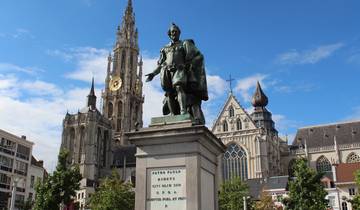
7 days
7 Day Brussels including Antwerp, Battle of the Bulge, Flanders Fields, Ghent, Bruges, Luxemburg & Dinant
- ✓ Comprehensive Belgium tour
- ✓ Expert local guides included
- ✓ All accommodation arranged
- ✓ Transportation provided
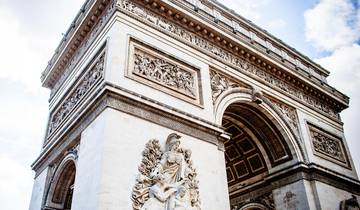
7 days
7 Days Across Paris & Brussels: From Eiffel Tower to Grand Place
- ✓ Comprehensive Belgium tour
- ✓ Expert local guides included
- ✓ All accommodation arranged
- ✓ Transportation provided
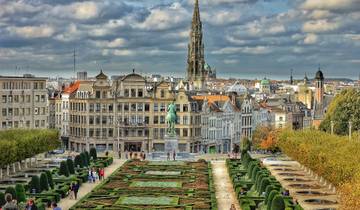
6 days
6 Days of Belgian Charm: Bruges, Ghent, Antwerp, Dinant & Luxembourg
- ✓ Comprehensive Belgium tour
- ✓ Expert local guides included
- ✓ All accommodation arranged
- ✓ Transportation provided

9 days
9 Days in Brussels and Luxembourg by Train: Fairytale Cities, Castles & Culture
- ✓ Comprehensive Belgium tour
- ✓ Expert local guides included
- ✓ All accommodation arranged
- ✓ Transportation provided
Multi-day tour packages powered by TourRadar. Prices and availability subject to change.
Introduction: Why Belgium Deserves Your 2026 Travel Plans
Belgium operates as Europe’s best-kept secret, consistently overlooked by travelers rushing between Paris, Amsterdam, and London. This oversight represents a significant missed opportunity. Within Belgium’s modest borders lies an extraordinary concentration of medieval architecture, artistic heritage, culinary innovation, and cultural diversity that rivals any European destination.
The country’s small size – roughly 30,000 square kilometers – creates unique advantages for travelers. You can breakfast in Brussels’ Grand Place, lunch in Bruges’ medieval center, and dinner in Ghent’s vibrant restaurant scene, all within a single day. No destination requires more than two hours by train from any other, eliminating the exhausting transit times that plague many European itineraries.
Belgium’s 16 UNESCO World Heritage sites demonstrate the country’s historical and cultural significance. These aren’t concentrated in a single region but distributed across Flanders, Wallonia, and Brussels, encouraging exploration beyond typical tourist circuits. The Flemish Béguinages reveal medieval women’s communities, the Major Mining Sites of Wallonia document industrial revolution heritage, Victor Horta’s Art Nouveau townhouses showcase architectural innovation, and the Funerary and Memory Sites of the First World War (added 2023) preserve crucial WWI history.
The trilingual reality – Dutch in Flanders, French in Wallonia, German in the eastern cantons – creates distinct regional identities within one small country. This linguistic division influences everything from architecture and cuisine to cultural attitudes and daily rhythms. Antwerp pulses with fashion-forward Dutch-speaking energy, Liège embraces Walloon francophone traditions, while Brussels blends both languages (officially bilingual) with international EU culture.
Belgian cuisine extends far beyond tourist-targeted waffles and chocolate shops. The country boasts more Michelin-starred restaurants per capita than France, while maintaining approachable brasserie culture where €15-20 buys exceptional local dishes. Beer culture operates at extraordinary sophistication levels – Belgium produces roughly 1,500 different beers, many from small breweries following centuries-old traditions. Trappist monasteries continue brewing some of world’s finest ales using medieval recipes.
The 2026 travel landscape offers particular advantages. The new Train+ discount system (launched October 2025) dramatically reduces rail costs with €4-6 monthly subscriptions providing 40% additional discounts and capped maximum fares. Brussels Card continues offering free access to 49 museums plus public transport options. Many major museums maintain first Sunday or first Wednesday free admission, enabling budget-conscious cultural exploration.
Belgium’s festival calendar provides year-round reasons to visit. Spring brings flower carpet displays in Brussels’ Grand Place (biennial, next 2026), summer festivals celebrate music and beer across multiple cities, autumn harvest events showcase regional products, winter Christmas markets transform city centers into magical wonderlands. Unlike many European destinations where tourism creates artificial atmospheres, Belgian festivals maintain authentic local character while welcoming visitors.
This guide provides comprehensive 2026 planning information covering when to visit, transportation strategies, accommodation options across all budget levels, detailed city guides, UNESCO site exploration, culinary experiences, and practical logistics. Whether planning your first European trip or your fiftieth, Belgium rewards curious travelers with accessible excellence across every category.
Planning Your Belgium Visit 2026
Best Time to Visit Belgium in 2026
Belgium experiences four distinct seasons, each offering unique advantages for different traveler priorities. Understanding seasonal patterns enables strategic planning that maximizes your preferred experiences while managing crowds and costs.
Spring (March-May): Belgium awakens from winter with blooming tulips, warming temperatures, and increasing daylight. March remains chilly (8-12°C) with frequent rain, but Easter weekend brings the first major tourism surge. April offers ideal conditions – mild temperatures (12-16°C), longer days, fewer crowds than summer. May ranks among Belgium’s finest months with comfortable warmth (15-20°C), spring festivals, and outdoor terrace culture beginning.
Spring 2026 highlights include the Brussels Flower Carpet (Grand Place, biennial event, August 2026 – check dates), spring beer festivals in multiple cities, and Easter markets. Museum crowds remain manageable except holiday weekends. Accommodation prices stay reasonable outside Easter and major events.
Summer (June-August): Peak tourism season brings warmest weather (18-25°C), longest days, major festivals, and highest prices. June balances pleasant weather with manageable crowds – excellent for first-time visitors wanting optimal conditions. July intensifies with school holidays, festival season, and maximum tourist presence. August sees many Belgians on vacation, creating quieter cities but reduced restaurant/shop hours.
Summer 2026 events include Gentse Feesten (Ghent, July 18-27), Tomorrowland electronic music festival (Boom, July), Brussels Summer Festival (August), and countless beer festivals. Book accommodation 3-4 months ahead for major festivals, 1-2 months for general summer travel. Expect 20-30% higher hotel rates compared to shoulder seasons.
Fall (September-November): Belgium’s secret best season combines comfortable weather, reduced crowds, harvest festivals, and reasonable prices. September extends summer warmth (16-20°C) with fewer tourists – ideal for photography and UNESCO site exploration. October brings autumn colors, cozy café culture, and Halloween events. November cools significantly (8-12°C) with increasing rain but Christmas market preparation begins.
Fall advantages include lower accommodation costs (15-25% below summer), shorter museum lines, authentic local atmosphere as tourism decreases, and harvest-focused culinary events. The weather requires rain preparation but rewards with dramatic lighting for photography.
Winter (December-February): Cold, sometimes rainy weather (2-8°C) discourages many travelers, creating opportunities for those embracing cozy indoor culture. December through early January transforms cities with Christmas markets, light festivals, and festive atmosphere. Late January-February experiences lowest tourism, rock-bottom prices, but limited daylight (8-9 hours) and frequent gray skies.
Winter 2026 highlights include Christmas markets across all major cities (typically late November through December), Winter Wonders Brussels, ice skating rinks, and New Year’s celebrations. Museums operate normal hours with minimal crowds. Hotel prices drop 30-40% below summer rates outside Christmas market season.
Understanding Belgium’s Regions 2026
Belgium’s federal structure divides into three regions with distinct languages, cultures, and travel characters. Understanding these differences enhances trip planning and sets appropriate expectations.
Flanders (Dutch-speaking North): Home to Belgium’s most visited cities – Bruges, Ghent, Antwerp – Flanders combines medieval heritage with contemporary innovation. Bruges draws massive tourism to its preserved medieval center (UNESCO). Ghent balances historical architecture with university energy and evolving food scenes. Antwerp leads European fashion while maintaining diamond district heritage and exceptional museums.
Flemish culture tends toward reserved politeness, exceptional cleanliness, and Protestant work ethic influences (despite Catholic majority). English proficiency runs high, especially among younger generations and service industry workers. The region claims 11 of Belgium’s 16 UNESCO sites.
Wallonia (French-speaking South): Less touristed than Flanders, Wallonia rewards adventurous travelers with authentic experiences, dramatic Ardennes landscapes, and industrial heritage sites. Liège offers vibrant francophone culture and Sunday markets. Namur combines provincial capital charm with fortress history. The Ardennes provide outdoor recreation – hiking, cycling, kayaking – unavailable in flat Flanders.
Walloon hospitality embraces warmer, more expressive French cultural patterns. English proficiency varies more than Flanders – basic French helps significantly. UNESCO sites include the Major Mining Sites of Wallonia (4 locations), Spa (Great Spa Towns of Europe), and portions of WWI memorial sites.
Brussels-Capital Region (Bilingual): Officially bilingual Dutch-French, Brussels operates primarily in French with significant international influence from EU institutions and NATO headquarters. The cosmopolitan capital combines Grand Place medieval heritage, Art Nouveau districts, European Quarter modernism, and diverse immigrant neighborhoods.
Brussels functions as Belgium’s cultural crossroads – Flemish and Walloon meet international, creating unique hybrid atmosphere. English works throughout tourist areas and international districts. The city claims 3 UNESCO sites: Grand Place, Stoclet House, and Victor Horta’s Major Town Houses.
Transportation in Belgium 2026
Getting to Belgium
By Air: Brussels Airport (BRU) serves as Belgium’s primary international gateway, located 12 kilometers northeast of Brussels city center. Direct flights connect from major North American cities (New York, Washington DC, Chicago, others), Middle Eastern hubs (Dubai, Doha), and European capitals. Brussels Airlines (Star Alliance) operates as the national carrier. Budget airlines including Ryanair use Brussels South Charleroi Airport (CRL), 46 kilometers from Brussels – significantly longer transfer times despite “Brussels” name.
Airport-city connections from Brussels Airport operate via train (direct to Brussels Central, Midi, Nord stations; 15-20 minutes, €9-12), Airport Line bus 12 (to European Quarter, covered by Brussels Card), or taxi (€35-45 to city center). Book advance taxi fares through official channels to avoid overcharging.
By Train: High-speed rail connects Belgium efficiently with neighboring countries. Eurostar links Brussels to London (2 hours), Paris (1.5 hours), and Amsterdam (1.75 hours). Thalys (now Eurostar brand) serves Paris, Amsterdam, Cologne routes. DB ICE trains connect to German cities. Book international trains 2-3 months ahead for best prices, especially summer and holiday periods.
By Car: Belgium’s central European location makes driving access straightforward from France, Netherlands, Germany, Luxembourg. Excellent highway network connects all regions, but urban parking challenges and public transport efficiency make cars unnecessary for city-focused trips. Rental cars benefit Ardennes exploration and rural UNESCO sites.
Belgium Rail System 2026: Train+ Revolution
SNCB (Société Nationale des Chemins de fer Belges / Nationale Maatschappij der Belgische Spoorwegen) operates Belgium’s extensive rail network. The October 2025 fare restructuring introduced Train+, fundamentally changing travel economics for tourists and residents.
Train+ Discount System: This subscription service costs €4 per month or €32 annually for youth under 26, seniors 65+, and preferential reimbursement beneficiaries. Adults ages 26-64 pay €6 monthly or €48 annually. Launch promotion through January 4, 2026 offers 50% discounts – €2-3 monthly subscriptions.
Train+ benefits include 40% additional discount on already-reduced off-peak fares, 40% extra discount on weekend tariffs (cumulative with standard discounts), and capped maximum fares regardless of distance or time (€14 per trip second class for adults, €8.80 for youth/seniors). Off-peak hours: Monday-Friday midnight-6am, 9am-4pm, 6pm-midnight; all day Saturday-Sunday and public holidays.
For tourists visiting 5-7 days and taking 8-10 train journeys, Train+ provides significant savings. Example: Brussels-Bruges round trip plus Brussels-Ghent round trip plus Brussels-Antwerp round trip normally costs €60-80. With Train+ monthly subscription (€6) and discounts, total drops to approximately €35-40. Purchase Train+ through SNCB website, mobile app, or station ticket machines.
Standard Fares Without Train+: Belgium uses distance-based pricing. Minimum fare €2.50 second class. Typical routes: Brussels-Bruges €15-17 one-way, Brussels-Antwerp €8-10, Brussels-Ghent €9-11. First class costs approximately 50% more than second class. Weekend return tickets offer reduced rates for Friday 7pm through Sunday travel.
Booking and Tickets: Purchase tickets through SNCB website (belgiantrain.be), mobile app (NMBS/SNCB), station ticket machines, or ticket counters. International routes require advance booking. Domestic tickets valid any train that day (no seat reservations on regional trains). Digital tickets display in app – no printing required.
Urban Transportation 2026
Brussels: Comprehensive metro (4 lines), tram (extensive network), and bus system operated by STIB/MIVB. Contactless payment introduced 2024 enables pay-as-you-go with bank card or smartphone – €2.40 per 60-minute journey with unlimited transfers, daily cap €8.50. Brussels Card (€32-52 depending on duration) includes unlimited public transport plus museum access.
Brussels transport operates 5:30am-midnight weekdays, reduced weekend hours, night buses Friday-Saturday. Validate contactless payment at yellow readers when boarding. Keep card/phone for exit validation on metro. Walking covers most central attractions within 20-30 minutes.
Bruges: Compact historic center prohibits most vehicles – walking handles 90% of sightseeing. De Lijn operates bus network connecting train station to center (€3 standard fare) and outlying areas. Bicycle rental (€10-15 daily) suits flat terrain. Most visitors require zero public transport beyond train station-center transfer.
Ghent: Similar to Bruges, walkable historic center supplemented by De Lijn tram and bus network. Tram 1 connects train station to city center (€3). Bicycle culture thrives – numerous rental options €8-12 daily. Most attractions cluster within 1-2 kilometer radius of Korenmarkt central square.
Antwerp: De Lijn operates comprehensive tram, bus, and premetro network. Contactless payment available (€3 per journey). Walking handles central diamond district, cathedral area, and Grote Markt. Antwerp Centraal station itself justifies visit – spectacular Art Nouveau architecture.
Accommodation Strategies 2026
Budget Accommodation (€25-60 per night)
Belgium offers excellent budget accommodation across all major cities, with hostels, budget hotels, and vacation rentals providing comfortable options for cost-conscious travelers.
Hostels: Brussels, Bruges, Ghent, and Antwerp maintain quality hostel scenes with dorm beds €25-35 per night, private rooms €50-70. Top options include MEININGER Hotels (multiple locations, modern facilities), Jacques Brel Youth Hostel (Brussels, near Grand Place), St. Christopher’s Inn Bruges (central location, social atmosphere). Book 4-6 weeks ahead for summer and holiday periods.
Budget Hotels: Chains including Ibis Budget, B&B Hotels, and Campanile offer €45-65 double rooms with private bathrooms, WiFi, and breakfast options. Locations often require 10-15 minute public transport from city centers but provide comfortable alternatives to hostels for couples and families. Check booking platforms for current rates as pricing fluctuates significantly by season and events.
Apartment Rentals: Airbnb and Vrbo list budget apartments €50-80 nightly in residential neighborhoods outside tourist centers. Benefits include kitchen facilities (significant food savings), more space than hotel rooms, and authentic neighborhood experiences. Booking 2-3 months ahead secures best selection and prices.
Mid-Range Accommodation (€80-150 per night)
Mid-range hotels provide excellent value in Belgium, combining central locations with quality amenities at prices below many European capitals.
Three-Star Hotels: Independent hotels and chains (NH Hotels, Novotel, Best Western) offer €90-130 double rooms with en-suite bathrooms, breakfast included or available, central locations, and professional service. Brussels averages €100-120, Bruges €110-140 (higher due to limited inventory and strong demand), Ghent €85-110.
Boutique Properties: Converted townhouses and historic buildings house characterful hotels with 10-20 rooms, personalized service, and design-focused interiors. Expect €100-150 nightly for centrally-located boutique hotels with breakfast. Bruges especially offers numerous boutique options in restored medieval buildings.
Apartment Hotels: Citadines, Adagio, and similar brands provide studio/one-bedroom apartments with kitchenettes, combining hotel services with self-catering flexibility. Rates €90-140 nightly work well for families or longer stays where cooking reduces food costs.
Luxury Accommodation (€150-400+ per night)
Belgium’s luxury hotel scene combines international brands with exceptional independent properties, many occupying historic buildings.
Four-Star Plus Hotels: Marriott, Hilton, Radisson properties offer €150-250 double rooms with full-service amenities, fitness centers, restaurants, and prime locations. Brussels European Quarter hosts numerous business-oriented luxury hotels with weekend rate reductions.
Five-Star Icons: Properties including Hotel Amigo Brussels (near Grand Place), The Hotel Brussels (boutique luxury), and Château du Lac (Genval, near Brussels) provide €250-400+ experiences with exceptional dining, spa facilities, and personalized concierge service. Bruges luxury hotels in converted medieval buildings command premium prices €200-350 for unique historic atmosphere.
Historic Properties: Belgium excels at luxury conversions of aristocratic townhouses, convents, and châteaux. These properties emphasize architectural heritage, period details, and exclusive atmosphere over generic luxury branding. Expect €180-300 for exceptional historic hotels outside major cities, €250-400 in Brussels and Bruges.
Booking Strategies 2026
Accommodation booking timing significantly impacts availability and pricing. Brussels offers year-round availability except major events (EU summits, conferences), while Bruges struggles with limited inventory during peak summer and Christmas market periods.
Book 3-4 months ahead for summer travel (June-August), Christmas markets (December), and Easter weekend. Shoulder seasons (April-May, September-October) allow 6-8 week advance booking. Last-minute deals occasionally emerge in Brussels January-February when business travel drops, but Bruges maintains steady demand year-round.
Compare prices across Booking.com, Hotels.com, and direct hotel websites – direct booking sometimes offers better rates or value-adds (breakfast, room upgrades). Read recent reviews focusing on cleanliness, location accuracy, and noise levels. Hotels in popular nightlife districts face weekend noise challenges.
Consider neighborhood selection carefully. Brussels’ Grand Place area maximizes sightseeing convenience but experiences tourist congestion. Sainte-Catherine and Sablon neighborhoods offer central locations with more authentic atmosphere. Bruges accommodation anywhere within historic center provides easy access. Ghent’s Patershol district combines medieval charm with restaurant concentration.
Essential Belgium Cities 2026
Brussels: The Underestimated Capital
Brussels operates as Belgium’s capital, EU headquarters, and underrated cultural destination. Many travelers allocate insufficient time, rushing through Grand Place and Manneken Pis before moving on. This approach misses the city’s sophisticated beer culture, exceptional Art Nouveau architecture, diverse neighborhoods, and world-class museums.
Must-Experience Highlights: Grand Place (UNESCO World Heritage) ranks among Europe’s most beautiful squares – ornate guild houses, impressive Town Hall, daily flower market. Visit early morning or evening to appreciate architecture without extreme crowds. The square hosts biennial Flower Carpet (next August 2026) when hundreds of thousands of begonias create massive colorful design.
Royal Museums of Fine Arts complex houses exceptional collections spanning Old Masters to contemporary art, including world’s largest Magritte collection. Free admission first Wednesday afternoon each month (check official website for current 2026 schedule). Allow 3-4 hours minimum for comprehensive visit.
Art Nouveau architecture district features Victor Horta’s Major Town Houses (UNESCO), including Hôtel Tassel and Hôtel Solvay. Most remain private residences with limited public access, but Horta Museum (former residence) opens regularly. Art Nouveau Pass (check visit.brussels for 2026 pricing and details) provides access to multiple properties with organized tours.
Atomium, Brussels’ iconic 1958 World’s Fair structure, offers panoramic city views and exhibition spaces. Entry €16 (check atomium.be for current official rates as pricing may vary). The structure’s unconventional architecture and unique perspective justify visit for first-timers.
Neighborhood Exploration: Sainte-Catherine district excels for dining – former fish market area now hosts excellent seafood restaurants, trendy cafés, and weekend markets. Sablon combines antique shops, chocolate boutiques (Pierre Marcolini, Wittamer), and upscale atmosphere. EU Quarter provides modern architecture contrast and European Parliament visitor center (free admission).
Beer Culture: Brussels hosts exceptional beer bars including Delirium Café (holds Guinness record for beer selection), Moeder Lambic (specializes in lambic and gueuze), and numerous brewery taprooms. Belgian beer culture emphasizes proper glassware, appropriate temperatures, and knowledgeable service. Expect €3-6 per beer depending on rarity and alcohol content.
Practical Brussels: Allocate minimum 2 full days, ideally 3-4 for thorough exploration including museums. Brussels Card (€32 for 24 hours, €42 for 48 hours, €52 for 72 hours with optional public transport add-on) includes 49 museums and significant attraction discounts. Purchase at visit.brussels desks in Town Hall or rue Royale location.
Bruges: Medieval Masterpiece
Bruges (Brugge in Dutch) operates as Belgium’s tourism superstar – exceptionally preserved medieval center (UNESCO World Heritage) that looks lifted from fairytale illustrations. The city earns its popularity through genuine historical authenticity rather than manufactured Disney-esque recreation. However, extreme summer crowds and tour bus invasions require strategic timing and realistic expectations.
Core Attractions: Historic Centre designation covers entire medieval core – cobbled streets, canal network, merchant houses, churches creating cohesive medieval atmosphere. Markt (Market Square) centers activity with Belfry tower (climb 366 steps for panoramic views, entry approximately €12-15), colorful guild houses, and constant tourist activity.
Burg Square provides quieter alternative with City Hall Gothic architecture and Basilica of the Holy Blood housing venerated relic. Church of Our Lady contains Michelangelo’s Madonna and Child – one of few Michelangelo sculptures outside Italy. Entry free to church, €6 museum section.
Groeningemuseum showcases Flemish Primitive masterpieces including works by Jan van Eyck and Hans Memling. Essential for art enthusiasts. Combined museum tickets (check visitbruges.be for current 2026 pricing) provide savings for multiple visits.
Canal Experiences: Boat tours (€12-15, 30 minutes) provide classic Bruges perspective from water level. Operating March-November weather dependent. Early morning or late afternoon tours avoid midday crowds. Canal walks free and equally scenic – photograph iconic Rozenhoedkaai view.
Strategic Timing: Visit Bruges mid-week April-May or September-October for manageable crowds with good weather. Summer weekends experience overwhelming tourism. Overnight stays enable morning exploration before tour buses arrive (typically 10am-11am) and evening atmosphere after day-trippers depart (after 5pm-6pm). Many visitors day-trip from Brussels – staying overnight provides dramatically different experience.
Beyond Tourism Centers: Explore quieter neighborhoods beyond Markt-Burg axis. Residential areas north and east of center maintain authentic character. Jerusalem Church and English Convent area offer peaceful alternatives to crowded core.
Practical Bruges: One full day covers main highlights but feels rushed. Two days allows museum visits and relaxed canal exploration. Consider Bruges as daytrip from Brussels or Ghent if accommodation proves expensive or fully booked. Train connections hourly, 60-90 minutes from Brussels.
Ghent: The Authentic Alternative
Ghent (Gent in Dutch) provides everything tourists love about Bruges – medieval architecture, canals, historic atmosphere – while maintaining authentic city character rather than tourism monoculture. University population (80,000 students among 265,000 residents) ensures lively nightlife, evolving food scenes, and year-round energy. UNESCO World Heritage Belfry anchors impressive medieval skyline.
Key Attractions: Saint Bavo’s Cathedral houses the Ghent Altarpiece (Adoration of the Mystic Lamb) by Jan and Hubert van Eyck – one of art history’s most significant works. Separate ticket required (€6-8) for altarpiece viewing in climate-controlled chapel. Reserve timed entry during peak periods.
Gravensteen (Castle of the Counts) provides exceptional medieval castle experience with self-guided audio tour, armor displays, and city views from ramparts. Entry approximately €12-15 (check gentinfo.be for current official rates as pricing may vary). Unlike many European castles, Gravensteen maintains original forbidding medieval character rather than later palace conversions.
Graslei and Korenlei waterfront areas feature medieval guild houses lining canal – photograph from St. Michael’s Bridge for classic Ghent composition. The area hosts numerous waterfront restaurants and cafés, though quality varies significantly. Avoid obvious tourist traps, seek recommendations from locals or recent reviews.
Food and Drink: Ghent’s evolving culinary scene emphasizes local ingredients, innovative concepts, and reasonable prices compared to Brussels or Bruges. Patershol neighborhood concentrates excellent restaurants in medieval lanes. The city pioneered “Veggie Thursday” movement, ensuring excellent vegetarian options throughout the week.
Local specialties include Gentse Waterzooi (creamy chicken or fish stew), Cuberdons (cone-shaped purple candies), and Tierenteyn mustard (local production since 1790). Ghent beer scene rivals Brussels with excellent bars including Het Waterhuis aan de Bierkant (canalside location) and Dulle Griet (unusual rituals and massive beer list).
Festival Culture: Gentse Feesten (July 18-27, 2026) transforms city into massive 10-day street festival with music, theater, and celebration. Free events dominate, creating exceptional cultural experience if you tolerate crowds and party atmosphere. Book accommodation 6+ months ahead or stay nearby cities and day-trip.
Practical Ghent: Allocate 2 full days for comprehensive exploration including museums. Ghent works excellently as base for exploring Bruges (30 minutes by train), Brussels (35 minutes), and Antwerp (45 minutes). Accommodation typically costs 15-20% less than Bruges with better availability and more authentic neighborhood options.
Antwerp: Fashion, Diamonds, and Art
Antwerp operates as Belgium’s second-largest city, combining 16th-century Golden Age heritage with contemporary fashion leadership and Europe’s diamond trading hub. The city attracts fashion insiders, architecture enthusiasts, and travelers seeking sophisticated urban experiences beyond typical tourist circuits.
Essential Experiences: Cathedral of Our Lady dominates skyline with Gothic architecture and Rubens paintings including Descent from the Cross. Entry €8-10 for cathedral and treasury. Antwerp Centraal train station itself justifies visit – spectacular Art Nouveau and Neo-Baroque architecture voted among world’s most beautiful railway stations.
MAS (Museum aan de Stroom) provides free rooftop access with panoramic views plus excellent exhibitions on Antwerp history, world cultures, and contemporary issues. Museum entry €10-12, rooftop terrace free. Plantin-Moretus Museum (UNESCO World Heritage) showcases world’s oldest printing presses and Renaissance printing house – essential for book and typography enthusiasts.
Diamond district concentrates along Hoveniersstraat, Pelikaanstraat, and Schupstraat with hundreds of diamond merchants, workshops, and trade facilities. While primarily wholesale business-to-business, some shops welcome retail buyers. Diamond Museum (Koningin Astridplein) explains cutting, trading, and history. Entry approximately €10-12.
Fashion and Design: Antwerp Six – influential 1980s fashion collective including Dries Van Noten, Ann Demeulemeester, Walter Van Beirendonck – established city’s fashion credentials. Contemporary Antwerp continues producing innovative designers through Royal Academy of Fine Arts. ModeMuseum (Fashion Museum, reopening status check current information) documents Belgian fashion history.
Shopping concentrates in Meir (main shopping street), Kloosterstraat/Huidevettersstraat (boutiques), and Nationalestraat (designer shops). Antwerp offers better fashion shopping than Brussels with more concentrated high-end boutiques.
Neighborhood Character: Het Zuid (South District) combines museums, galleries, restaurants, and upscale atmosphere. ‘t Eilandje (Little Island) represents ongoing redevelopment of former docklands with contemporary architecture and MAS museum. Jewish Quarter (around Centraal Station) maintains distinctive character with diamond trade influence.
Practical Antwerp: One full day covers major highlights, 2-3 days allows museum visits and neighborhood exploration. City makes excellent day trip from Brussels (35 minutes by train) or overnight alternative providing different atmosphere from medieval tourism cities. Accommodation costs generally 10-15% below Brussels with wider selection outside major events.
Belgium’s UNESCO World Heritage Sites
Belgium’s 16 UNESCO World Heritage sites demonstrate exceptional concentration of historically and culturally significant locations. These sites span medieval architecture, industrial heritage, Art Nouveau innovation, and WWI commemoration, distributed across all regions.
Major UNESCO Destinations
La Grand-Place, Brussels (1998): Brussels’ central square exemplifies 17th-century municipal and guild architecture after 1695 French bombardment destruction. The square combines ornate Baroque guild houses, Gothic Town Hall, and daily flower market. Visit early morning or evening for photography without extreme crowds. Biennial Flower Carpet (next 2026) creates massive begonia design covering entire square.
Historic Centre of Brugge (2000): Entire medieval core designated UNESCO site represents exceptionally preserved medieval commercial city. Unlike many European destinations where old quarters occupy small districts within modern cities, Bruges maintains coherent medieval character across extensive area including canals, marketplaces, religious buildings, and merchant houses spanning 13th-15th centuries.
Belfries of Belgium and France (1999, extended 2005): Transnational site includes 56 belfries across Belgium and France, with 33 in Belgium. These civic and religious towers symbolized municipal autonomy during medieval period. Accessible belfries include Bruges (Markt Square, 366 steps), Ghent (UNESCO-listed within city), and Tournai. Combined ticket sometimes available – check individual city tourism websites.
Flemish Béguinages (1998): Thirteen béguinages (beguinages) across Flanders represent unique medieval religious communities for women (beguines) who lived semi-monastic lives without taking formal vows. Bruges’ Begijnhof provides most-visited example with preserved architecture and peaceful garden atmosphere. Ghent, Lier, and Mechelen maintain exceptional béguinages with active communities or cultural functions.
Major Town Houses of the Architect Victor Horta, Brussels (2000): Four Art Nouveau masterpieces – Hôtel Tassel, Hôtel Solvay, Hôtel van Eetvelde, and Maison & Atelier Horta (now Horta Museum) – demonstrate architectural innovation introducing Art Nouveau style to domestic architecture. Most remain private residences (limited access), but Horta Museum opens regularly with guided tours. Art Nouveau Pass provides access to multiple properties.
Industrial and Military Heritage
Major Mining Sites of Wallonia (2012): Four coal mining sites – Grand-Hornu, Bois-du-Luc, Bois du Cazier, and Blegny Mine – document 19th-20th century industrial heritage and mining communities. Blegny Mine offers underground mine tours (advance booking recommended). These sites represent industrial revolution’s social and technological impact beyond typical factory preservation.
Funerary and Memory Sites of the First World War (Western Front) (2023): Belgium’s newest UNESCO designation (shared with France) recognizes WWI commemoration sites including cemeteries, memorials, and battlefield landscapes across former Western Front. Belgium locations span Ypres Salient, Passchendaele, and other significant WWI battlefields. In Flanders Fields Museum (Ypres) provides essential historical context.
Architectural and Cultural Sites
Plantin-Moretus House-Workshops-Museum Complex, Antwerp (2005): Only museum designated UNESCO World Heritage, this complex preserves 16th-17th century printing house established by Christophe Plantin. The museum displays world’s oldest printing presses, extensive type collection, and insights into Renaissance book production and distribution. Essential for typography and book history enthusiasts.
Stoclet House, Brussels (1911, UNESCO 2009): Private residence designed by Josef Hoffmann represents Gesamtkunstwerk (total work of art) concept with integrated architecture, furnishings, and decorative arts. Unfortunately remains private residence with no public access – viewable only from exterior. Located in prestigious residential district.
The Architectural Work of Le Corbusier (2016): Belgium contributes Maison Guiette (Antwerp) to this transnational site spanning 17 Le Corbusier buildings across seven countries. The house represents early application of Five Points of Architecture. Limited public access – check current visiting arrangements before planning visit.
Additional UNESCO Sites
Colonies of Benevolence (2021): Transnational site shared with Netherlands recognizes early 19th-century social experiment establishing agricultural colonies for urban poor. Belgium locations include Wortel colony. Represents pioneering social welfare architecture and landscape design.
Great Spa Towns of Europe (2021): Spa, Belgium’s contribution to this transnational site, developed European spa culture from 16th century onward. The town’s name became generic term for therapeutic bathing establishments. Historic thermal baths, gardens, and casino document spa tourism development.
Notre-Dame Cathedral in Tournai (2000): Exceptional example of Romanesque-Gothic transitional architecture with five towers creating distinctive silhouette. Located near French border in Wallonia’s oldest city. Cathedral combines Romanesque nave with Gothic choir demonstrating architectural evolution.
Neolithic Flint Mines at Spiennes (2000): Near Mons, these Neolithic mines represent largest and earliest flint mining complex in Europe (4,300-2,200 BCE). Underground tours available revealing prehistoric mining techniques. Less visually dramatic than architectural sites but significant for archaeological enthusiasts.
Ancient and Primeval Beech Forests of the Carpathians and Other Regions of Europe (2017): Belgium’s Sonian Forest participates in this transnational natural site spanning 18 countries. The forest, located southeast of Brussels, preserves ancient beech forests with hiking trails and cycling paths. Accessible by public transport from Brussels.
Culinary Experiences Beyond Stereotypes
Authentic Belgian Cuisine
Belgian food extends far beyond tourist-targeted waffles and chocolate shops. The country’s culinary identity combines French technique with Flemish heartiness, German influences, and contemporary innovation, creating sophisticated yet approachable food culture.
Essential Dishes: Moules-frites (mussels and fries) represents Belgium’s national dish – fresh mussels steamed with white wine, shallots, and celery, served with crispy fries. Quality varies dramatically – avoid obvious tourist traps near major attractions, seek recommendations from locals. Expect €16-25 for generous portions. Season runs September-April when mussels taste best.
Carbonnade flamande (Flemish beef stew) combines beef braised with beer, onions, and spices, creating rich sweet-savory flavor. Traditional accompaniment includes fries or bread. Find authentic versions in traditional brasseries rather than tourist restaurants. Waterzooi, Ghent’s specialty, features creamy chicken or fish stew with vegetables – comfort food at its finest.
Belgian endive (witloof) appears in numerous preparations – braised with ham and cheese sauce (chicons au gratin), raw in salads, or caramelized. This vegetable originated in Belgium and remains cuisine staple. Stoemp combines mashed potatoes with vegetables (carrots, leeks, Brussels sprouts), typically served with sausages or pork.
Frites Culture: Belgian fries (frites/frieten) differ from standard French fries through double-frying technique creating crispy exterior with fluffy interior. Authentic friteries (frietkot) prepare fresh-cut potatoes fried in beef fat or high-quality oil. Popular sauces include mayonnaise (traditional), Andalouse, Samurai, and curry ketchup. Expect €3-4.50 for regular portion with sauce.
Brussels’ Maison Antoine (near EU institutions) and Friterie Tabora (Place Rouppe) maintain legendary status. Avoid friteries in obvious tourist zones where quality drops and prices inflate. Every Belgian has strong opinions about best friterie – ask locals for recommendations.
Beer Excellence
Belgium produces approximately 1,500 different beers from 400+ breweries, ranging from Trappist monastery operations to modern craft breweries. Beer culture emphasizes proper glassware (each beer should be served in its specific glass), appropriate temperatures, and knowledgeable appreciation rather than quantity consumption.
Beer Styles: Trappist beers come from six Belgian monasteries (Chimay, Orval, Rochefort, Westmalle, Westvleteren, Achel) following centuries-old brewing traditions. These strong ales (6-12% alcohol) feature complex flavors from distinctive yeasts and long aging. Westvleteren 12 routinely ranks among world’s highest-rated beers but requires purchasing directly from monastery with advance reservation.
Lambic beers use spontaneous fermentation from wild yeasts unique to Brussels area, creating sour, complex flavors. Gueuze blends old and young lambics for balanced acidity. Kriek adds cherries during fermentation. Cantillon Brewery (Brussels) offers tours showcasing traditional lambic production. Not all visitors appreciate lambic’s acquired taste – try before ordering full pour.
Abbey beers follow monastic brewing traditions without monastery production. Leffe, Maredsous, Grimbergen represent well-known examples available everywhere. Seek lesser-known abbey beers from smaller breweries for more interesting flavors. Saison beers originated as farmhouse ales for seasonal workers, typically light, refreshing, with complex yeast character.
Where to Drink: Brussels excels for beer bars – Delirium Café (over 2,000 beers, touristy but impressive), Moeder Lambic (excellent selection, knowledgeable staff, two locations), Poechenellekelder (traditional atmosphere near Manneken Pis). Bruges and Ghent maintain numerous excellent beer cafés often in historic buildings.
Brewery visits include Orval (monastery brewery, southern Belgium, advance booking required), Chimay (monastery, advance booking), and numerous smaller operations. Brussels Beer Project represents new-generation craft brewery with taproom. Expect €3-6 per beer depending on rarity, alcohol content, and venue. Trappist and rare beers cost €6-12.
Chocolate and Pralines
Belgian chocolate industry divides between artisanal chocolatiers (praline makers) and tourist-oriented shops. Quality varies dramatically – avoid purchases from obvious tourist traps in Grand Place or Markt areas where prices inflate and quality drops.
Premium Chocolatiers: Pierre Marcolini (Brussels, multiple locations) produces exceptional pralines using South American single-origin cocoa. Prices reflect quality – €40-60 per 500g. Wittamer (Sablon, Brussels) maintains traditional approach with refined pralines and pastries since 1910. Neuhaus invented praline in 1912, continues producing quality chocolates with premium prices.
Mary Chocolatier (Brussels) serves as official supplier to Belgian Royal Court. Laurent Gerbaud (Brussels) emphasizes unusual flavor combinations and ethical sourcing. The Chocolate Line (Bruges, Antwerp) creates adventurous pralines including bacon, wasabi, and Cuban cigar flavors.
Expect €35-55 per 500g for premium pralines, €25-35 for good quality mid-range chocolatiers. Supermarket chocolate (Côte d’Or, Galler) provides decent quality at €3-8 per 100g bars for everyday consumption versus special occasion pralines.
Dining Strategies 2026
Belgian restaurant culture emphasizes leisurely dining – expect 2-3 hours for dinner. Reservations strongly recommended for quality restaurants, especially weekends. Many restaurants close Sundays and/or Mondays – verify hours before planning meals.
Budget Dining (€10-20 per person): Brasseries serve traditional Belgian dishes at reasonable prices – look for €12-18 lunch specials (plat du jour). Friteries provide €3-5 meals. Pita/kebab shops (Turkish/Middle Eastern) offer €6-10 wraps and plates throughout cities. Supermarkets (Delhaize, Carrefour, Colruyt) sell prepared foods and ingredients for self-catering.
Mid-Range Dining (€25-45 per person): Traditional restaurants and modern bistros provide excellent Belgian cuisine at these price points. Expect €15-25 appetizers, €18-35 mains, €8-12 desserts. Wine by glass €5-8, beer €3-6. Brussels’ Sainte-Catherine district, Ghent’s Patershol, Antwerp’s Het Zuid concentrate quality restaurants.
Fine Dining (€60-150+ per person): Belgium boasts numerous Michelin-starred restaurants, many more affordable than equivalents in Paris or London. Lunch menus (€35-65) provide accessible fine dining experiences. Dinner tasting menus range €75-150 at one-star establishments, €120-200+ at two/three-star restaurants. Reserve 4-8 weeks ahead for top restaurants.
Practical Information 2026
Money and Payments
Belgium uses euro (€) with widespread card acceptance in cities. Credit/debit cards work at virtually all hotels, restaurants, museums, and shops in tourist areas. Contactless payment common. Some small cafés, markets, and rural establishments prefer cash.
ATMs abundant in cities – use bank ATMs rather than independent machines to avoid excessive fees. Notify your bank before travel to prevent card blocks. Tipping operates differently from North America – round up bills or add 5-10% for exceptional service. Service charges included in restaurant bills.
Language and Communication
Belgium’s trilingual reality (Dutch, French, German) creates language boundaries but poses minimal practical challenges for English-speaking tourists. Brussels operates officially bilingual (Dutch-French) but French dominates. Northern Flanders speaks Dutch (called Flemish locally). Southern Wallonia speaks French. Small eastern region speaks German.
English proficiency high among younger Belgians (under 40), tourism industry workers, and educated professionals. Older generations, rural areas, and some service workers may speak limited English. Learning basic phrases in local language (French in Brussels/Wallonia, Dutch in Flanders) shows respect and improves interactions.
Essential phrases: “Bonjour” (hello), “Merci” (thank you), “S’il vous plaît” (please) in French areas. “Hallo” (hello), “Dank u” (thank you), “Alstublieft” (please) in Dutch areas. Most Belgians appreciate attempts at local language but switch to English when they detect struggles.
Safety and Health
Belgium ranks among Europe’s safest destinations with low violent crime rates. Petty theft (pickpocketing, bag snatching) occurs in tourist areas, crowded transport, and major train stations. Standard precautions suffice – secure valuables, maintain awareness in crowds, use hotel safes for passports.
Brussels’ certain neighborhoods (some parts of Molenbeek, Anderlecht, Schaerbeek) experience higher crime rates but tourists rarely venture there. Stick to well-lit areas at night, use official taxis or ride-share apps.
Belgian healthcare excellent. EU citizens should carry European Health Insurance Card (EHIC). Non-EU visitors need travel insurance covering medical costs. Pharmacies (pharmacie/apotheek) handle minor health issues – identify by green cross signs. Dial 112 for emergencies (English-speaking operators available).
Internet and Connectivity
WiFi available at most hotels, cafés, restaurants, and museums – usually complimentary. Quality varies – luxury hotels provide reliable fast connections, budget accommodations sometimes struggle. Starbucks, McDonald’s offer reliable free WiFi if accommodation disappoints.
EU visitors use mobile phones without roaming charges (EU roaming regulation). Non-EU visitors should verify international plans or purchase local SIM cards. Proximus, Orange, Base provide prepaid SIM options at €10-25 for 2-4 weeks with data. Most phones sold after 2016 compatible with European networks.
Weather and Packing
Belgium’s maritime climate produces frequent rain, moderate temperatures, changeable weather. Pack layers, waterproof jacket, comfortable walking shoes year-round. Summers (June-August) reach 18-25°C but rain remains possibility. Spring/fall range 8-18°C with more frequent precipitation. Winter drops to 2-8°C with occasional snow.
Belgians dress stylishly casual – avoid extremely casual athletic wear for restaurants and museums. Brussels and Antwerp particularly fashion-conscious. Comfortable walking shoes essential for cobblestone streets. Church visits require modest dress (covered shoulders, no shorts).
Public Holidays and Closures 2026
Belgium observes numerous public holidays when shops, banks, some restaurants close. Museums vary – major institutions often remain open, smaller ones close. Key dates: New Year’s Day (January 1), Easter Monday (April 21), Labour Day (May 1), Ascension Day (May 29), Whit Monday (June 9), Belgian National Day (July 21), Assumption (August 15), All Saints’ Day (November 1), Armistice Day (November 11), Christmas (December 25).
Many businesses close Sunday throughout Belgium. Restaurants and tourist attractions remain open, but shops and services operate limited hours or close entirely. Plan shopping and practical errands for weekdays.
Sample Belgium Itineraries 2026
5-Day First-Time Belgium Itinerary
Day 1 – Brussels Arrival and Orientation: Arrive Brussels, check accommodation, Grand Place exploration, Manneken Pis, Belgian beer at traditional café. Lunch in Sainte-Catherine district, afternoon Royal Museums of Fine Arts or Art Nouveau architecture walk, dinner in Sablon area. Evening Grand Place illumination.
Day 2 – Brussels Museums and Culture: Morning Atomium or Royal Palace area (verify opening schedule), afternoon Horta Museum and Art Nouveau district, evening Brussels food tour or independent restaurant exploration. Alternative: replace museums with day trip to Waterloo battlefield (25 minutes by train).
Day 3 – Bruges Day Trip: Early train to Bruges (60 minutes), morning historic center walking tour including Markt, Burg Square, canals. Midday canal boat tour, lunch overlooking water, afternoon Church of Our Lady (Michelangelo sculpture) and Groeningemuseum. Evening return Brussels or overnight Bruges for next-day continuation.
Day 4 – Ghent: Train to Ghent (35 minutes from Brussels, 30 from Bruges), Saint Bavo’s Cathedral and Ghent Altarpiece, Gravensteen Castle, canal walking including Graslei/Korenlei. Lunch in Patershol district, afternoon shopping and relaxed exploration. Return to Brussels base or continue Bruges overnight.
Day 5 – Antwerp or Flexible: Train to Antwerp (45 minutes from Ghent, 35 from Brussels), Cathedral of Our Lady, Plantin-Moretus Museum, diamond district exploration, MAS rooftop views. Alternative: replace with leisurely Brussels day completing missed attractions or UNESCO site day trips (Mechelin, Leuven, Tournai).
3-Day Weekend Belgium Intensive
Day 1 – Brussels: Arrive early, Grand Place and city center morning exploration, Belgian lunch at traditional brasserie, afternoon museums (choice of Royal Museums, Horta Museum, or BELvue Museum), evening beer bar crawl or chocolate tastings. Maximize time with early arrival.
Day 2 – Bruges Full Day: Early train departure (8am), full day Bruges including major attractions, canal tour, museum visit(s), lunch, shopping, dinner. Late train return Brussels (trains run until 11pm). Alternative: overnight Bruges for evening/morning atmosphere but reduces Brussels time.
Day 3 – Ghent Half Day and Departure: Morning train Ghent, 4-5 hours exploring highlights (Saint Bavo’s Cathedral, Gravensteen, canals), late lunch, afternoon Brussels return for evening departure. Works for Sunday flights/trains – adjust based on departure schedule.
7-Day Comprehensive Belgium
Combines 5-day itinerary with additional time for Wallonia, Ardennes, or deeper city exploration. Days 6-7 options: Liège and Spa (French-speaking culture, thermal baths), Dinant and Ardennes (outdoor activities, caves, castles), Leuven and Mechelin (smaller Flemish cities with UNESCO béguinages), or extended time in favorite city from previous days.
Frequently Asked Questions About Belgium Travel 2026
What is the best city to base yourself in Belgium for 2026?
Brussels provides the optimal base for first-time Belgium visitors combining excellent attractions with strategic central location enabling easy day trips to Bruges (60 minutes), Ghent (35 minutes), Antwerp (35 minutes), and numerous other cities within 90 minutes by train. The capital offers superior accommodation variety and availability compared to Bruges, more dining options than smaller cities, and authentic Belgian atmosphere balancing tourism with local life. Brussels’ Brussels Card (€32-52) and new Train+ rail discounts maximize value. Alternative bases: Ghent for authentic Flemish culture and lower accommodation costs, Bruges for medieval atmosphere if you tolerate tourism intensity and higher prices.
Can you visit Belgium without speaking French or Dutch in 2026?
English-only visitors navigate Belgium successfully with minimal language barriers. English proficiency runs high among Belgians under 50, tourism industry workers, and urban populations in Brussels, Bruges, Ghent, and Antwerp. Restaurant menus, museum information, transportation signage, and tourist attractions consistently provide English options. Google Translate handles remaining situations. Learning basic polite phrases (“Bonjour/Hallo,” “Merci/Dank u”) demonstrates cultural respect and improves interactions, but communication barriers rarely prevent successful travel. Rural Wallonia and older-generation Belgians may speak limited English, but pointing, gestures, and translation apps resolve most issues.
How much does Train+ save tourists visiting Belgium in 2026?
Train+ subscription (€4-6 monthly depending on age) saves significant money for tourists taking 5+ train journeys. Example calculation: Brussels-Bruges round trip (normally €30-34) drops to approximately €18-20 with Train+ off-peak discount. Brussels-Antwerp round trip (normally €16-20) reduces to €10-12. Brussels-Ghent round trip (normally €18-22) decreases to €11-13. Five round trips totaling €80-100 without Train+ cost approximately €50-60 with Train+ subscription plus discounts. Break-even point occurs around 3-4 journeys. Additional benefits include capped maximum fares (€14 second class regardless of distance or time) and weekend extra discounts. Purchase Train+ via SNCB website or app – immediate digital activation.
Are Brussels and Bruges dangerous cities for tourists in 2026?
Both cities rank among Europe’s safest destinations with low violent crime rates. Petty theft (pickpocketing) occurs in tourist areas, crowded public transport, and major attractions – Grand Place Brussels, Markt Bruges, train stations. Standard urban precautions suffice: secure bags in crowds, avoid displaying expensive electronics, use hotel safes for passports. Brussels’ certain residential neighborhoods (not tourist areas) experience higher crime but visitors rarely visit these districts. Bruges’ biggest “danger” involves tourist crowds and overpriced restaurants near major attractions. Evening safety good in both cities – stick to well-lit areas, use official taxis or ride-share apps for late-night transport. Women traveling solo report feeling safe with normal urban awareness.
What makes Belgium different from France and Netherlands in 2026?
Belgium combines influences from larger neighbors while maintaining distinct identity. Unlike France’s centralized Paris-dominated culture, Belgium’s federal structure preserves regional differences – Flemish, Walloon, Brussels identities coexist rather than blend. Belgian cities maintain medieval centers more extensively than Netherlands’ WWII-damaged cities (Rotterdam, Eindhoven) while offering less touristy atmosphere than Amsterdam. Belgian cuisine blends French technique with hearty Flemish traditions, German influences, creating unique food culture. Beer sophistication exceeds both neighbors with Trappist monastery brewing, lambic spontaneous fermentation, and exceptional beer bar culture. Architecture spans medieval (Bruges), Art Nouveau (Brussels), Modernist (Brussels), and industrial heritage (Wallonia) in compact geography. Language boundaries create interesting cultural divisions absent in linguistically uniform Netherlands. Political complexity (federal, regional, community governments) shapes unique European character.
Should I buy Brussels Card or Museum Pass for 2026 Belgium trip?
Choose based on travel style and interests. Brussels Card (€32 for 24 hours, €42 for 48 hours, €52 for 72 hours) works best for intensive Brussels-focused visits including museums, attractions, and public transport. Break-even point occurs at 3-4 museum visits plus transport use. Optional public transport add-on (€8-12) included in higher tiers. Purchase if spending 2+ full days in Brussels visiting multiple museums. Museum Pass Belgium (€64.95 annually) provides year-long access to 250+ museums nationwide including 50+ Brussels museums. Ideal for longer Belgium stays (10+ days), repeat visitors, or residents. Calculate expected museum visits and compare costs. Many major museums offer free admission first Sunday or first Wednesday monthly – plan around free days to eliminate card need for single-city visits.
Can you visit Belgium in winter without Christmas markets in 2026?
Yes – winter Belgium (January-February post-Christmas markets) rewards travelers willing to embrace cold, potentially rainy weather with significant advantages: 30-40% lower accommodation costs compared to summer, minimal museum crowds enabling leisurely art appreciation, authentic local atmosphere as tourism decreases, cozy café culture at its peak with Belgians embracing indoor socializing. Trade-offs include limited daylight hours (8-9 hours), frequent gray skies affecting photography, some restaurants/attractions maintaining reduced hours or closing Mondays-Tuesdays. Pack warm layers, waterproof gear, and adjust expectations for weather – Belgium’s museums, beer bars, chocolate shops, restaurants operate year-round providing excellent indoor experiences regardless of outdoor conditions.
How many UNESCO sites can you realistically visit in one Belgium trip in 2026?
Realistic expectations depend on trip length and focus. Five-day trip covers 4-6 accessible UNESCO sites: Grand Place Brussels (free access), Bruges Historic Centre (free access, city attractions separate tickets), Flemish Béguinage (Bruges, €6-8), Belfries (Bruges Markt, Ghent, €12-15 each), Victor Horta townhouses (Brussels, Horta Museum €12-15). Seven-day trip adds Plantin-Moretus Museum (Antwerp, €10-12), Cathedral of Our Lady (Tournai, day trip from Brussels), additional béguinages (Ghent, Mechelin). Ten-day comprehensive trip enables Wallonia industrial sites (Major Mining Sites including Blegny Mine underground tour), WWI sites (In Flanders Fields Museum Ypres), Great Spa Towns (Spa thermal baths). Some sites require significant travel time from major cities – prioritize based on personal interests versus completionist collecting.
What are biggest mistakes tourists make when visiting Belgium in 2026?
Common errors include: spending only 1-2 days rushing through Belgium – country deserves minimum 5-7 days for proper exploration; allocating entire trip to Brussels-Bruges corridor missing Ghent, Antwerp, Wallonia; visiting Bruges in summer without overnight stay experiencing worst crowds, missing evening/morning atmosphere; eating in obvious Grand Place or Markt tourist trap restaurants paying premium prices for mediocre food; skipping beer culture beyond Stella Artois missing exceptional Trappist, lambic, abbey selections; not purchasing Train+ discount card for multi-city rail travel; failing to verify museum free days potentially missing significant cost savings; expecting constant sunshine in maritime climate – pack rain gear year-round; attempting driving city-to-city when excellent trains eliminate parking headaches; booking accommodation too close to departure for summer/Christmas market periods experiencing limited selection and inflated prices.
Is Belgium suitable for solo travelers in 2026?
Belgium excels for solo travel combining excellent safety, straightforward logistics, compact geography, widespread English, and social opportunities. Solo travelers navigate easily using outstanding public transport, book accommodation across all budget levels (hostels for meeting travelers, hotels for privacy), and explore cities safely day and night with standard urban awareness. Dining solo poses no social stigma – brasseries, cafés, beer bars welcome individual guests. Museum visits, walking tours, and city exploration suit solo travelers perfectly. Hostels in Brussels, Bruges, Ghent provide social atmospheres for meeting fellow travelers if desired. Train+ discount system and Brussels Card maximize solo budgets. Women solo travelers report feeling safe throughout Belgium with normal precautions. The country’s size prevents isolation – multiple cities accessible within short train rides if seeking variety or community.