Belfast Budget Guide 2026: Complete Travel Cost Breakdown
Belfast combines affordability with rich cultural experiences, offering travelers substantial value compared to other UK capitals. Northern Ireland’s capital delivers compelling historical attractions, world-class museums, and authentic pubs at prices significantly lower than London or Edinburgh, with budget travelers managing comfortably on £45-85 daily and mid-range visitors enjoying quality experiences for £135-190 per person.
Key Takeaways: Belfast Budget Essentials 2026
- Daily Budget Ranges: Budget travelers need £45-85 per person daily (two sharing budget accommodation), mid-range travelers spend £135-190 per person daily (two sharing mid-range hotel), and luxury visitors invest £280-430+ per person daily (two sharing luxury hotel)
- Accommodation Sweet Spots: Hostels and budget hotels range £22-58 per room in Cathedral Quarter and University areas, mid-range hotels cost £126-153 per night in city center, while luxury properties command £256-400+ near Titanic Quarter and Botanic Gardens
- Transportation Value: Metro day tickets cost £4 for unlimited travel across Belfast’s compact city center, making public transport the most economical option, while taxis start at £3-5 and contactless payment caps daily bus fares automatically
- Free Attractions Abound: Ulster Museum, Botanic Gardens, City Hall tours, peace wall murals, and St George’s Market (entry free, purchases optional) provide rich cultural experiences without admission fees, supplementing paid attractions like Titanic Belfast at £25
- Seasonal Savings: December through February offers accommodation rates 30-40% below summer peaks, with three-star hotels dropping from £126 to £75-90 nightly, though weather brings rain and shorter daylight hours
- Weekly Cost Planning: Budget travelers spend approximately £315-595 weekly, mid-range travelers £945-1,330 weekly, and luxury travelers £1,960-3,010 weekly, with accommodation representing the largest expense category across all tiers
People Also Ask About Belfast Budget 2026
How much does Belfast cost per day in 2026?
Belfast costs £45-85 per person daily for budget travelers sharing accommodation, £135-190 per person daily for mid-range comfort, and £280-430+ per person daily for luxury experiences. Budget tier includes hostel beds or budget hotel rooms (£11-29 per person for two sharing), meals at cafes and budget restaurants (£28-40), Metro transport (£4), and selective paid attractions (£0-12). Mid-range tier covers three-star hotels (£63-77 per person sharing), restaurant meals (£50-72), mixed transport (£4-8), and major attractions (£20-30). Luxury tier encompasses boutique hotels (£128-200 per person sharing), upscale dining (£98-145), private transport (£15-25), and premium experiences (£40-60). These ranges reflect two people sharing hotel accommodation, with hotel rates divided by two before calculating per-person costs.
Is Belfast cheaper than Dublin for budget travelers in 2026?
Belfast costs approximately 25-35% less than Dublin across accommodation, dining, and attractions in 2026. Three-star Belfast hotels average £126 nightly compared to Dublin’s £180-220, while restaurant meals run £15-25 in Belfast versus £20-35 in Dublin. Budget travelers find Belfast’s £45-85 daily costs significantly more manageable than Dublin’s £65-110 range, with Belfast’s free major museums (Ulster Museum) contrasting sharply with Dublin’s paid attractions. Public transport offers comparable value at £4 daily in both cities, but Belfast’s compact walkable center reduces transport needs. However, Dublin provides superior international flight connections and broader accommodation inventory during peak summer months.
What are the best money-saving strategies for Belfast 2026?
Book accommodation 4-6 weeks in advance for 15-25% savings, particularly for Friday-Saturday stays when walk-in rates surge. Travel December-February for winter rates 30-40% below summer peaks, accepting shorter daylight and frequent rain as tradeoffs. Purchase Metro day tickets (£4) rather than paying cash per ride (£1.80-2.40), and walk the compact 1.5km city center to eliminate transport costs entirely. Prioritize free attractions including Ulster Museum, Botanic Gardens, City Hall tours, and peace wall murals before allocating budget to paid sites. Eat lunch as your main meal when restaurant prices drop 25-40% from dinner menus, and self-cater breakfasts using Tesco Metro or Sainsbury’s Local (£3-5 versus £8-15 cafe breakfasts). Book Titanic Belfast’s early riser tickets (8:30-9:50am entry) for £20 rather than standard £25 admission, and consider the Belfast Visitor Pass (£6.50/day) if visiting multiple paid attractions beyond Titanic Belfast.
How much should I budget for a week in Belfast 2026?
Budget travelers need approximately £315-595 weekly per person (two sharing budget accommodation), mid-range travelers require £945-1,330 weekly, and luxury travelers invest £1,960-3,010 weekly. Weekly budget breakdown for mid-range tier: accommodation £441-539 (£63-77 nightly × 7), meals £350-504 (£50-72 daily × 7), transport £28-56 (£4-8 daily × 7), and attractions £140-210 (£20-30 daily × 7). These figures assume seven nights accommodation, 21 restaurant meals, daily sightseeing activities, and occasional day trips to Giant’s Causeway or Carrickfergus. Budget travelers reduce costs through hostel dormitories (£18-25 per person), self-catered meals (£28-40 daily), and free attractions, while luxury travelers elevate experience through boutique hotels (£128-200 per person sharing), fine dining (£98-145 daily), and private tours. Add £60-90 for Giant’s Causeway day tours or £30-45 for airport transfers if not included in primary calculations.
Extended multi-day tours – 5+ days
Featured Belfast Multi-Day Tour Packages
3 days
Belfast 3-Day Discovery Tour
- ✓ Comprehensive Belfast experience
- ✓ Expert local guides included
- ✓ All accommodation included
- ✓ Transportation provided
5 days
Belfast 5-Day Highlights Experience
- ✓ Comprehensive Belfast experience
- ✓ Expert local guides included
- ✓ All accommodation included
- ✓ Transportation provided

7 days
Belfast 7-Day Cultural Journey
- ✓ Comprehensive Belfast experience
- ✓ Expert local guides included
- ✓ All accommodation included
- ✓ Transportation provided

10 days
Belfast 10-Day Complete Adventure
- ✓ Comprehensive Belfast experience
- ✓ Expert local guides included
- ✓ All accommodation included
- ✓ Transportation provided
Multi-day tour packages powered by TourRadar. Prices and availability subject to change.
Introduction: Understanding Belfast Costs in 2026
Belfast presents exceptional value among UK capital cities, delivering world-class attractions, vibrant cultural experiences, and authentic hospitality at costs 30-45% below London and 20-30% below Edinburgh. The city’s affordability stems from Northern Ireland’s distinct economic position within the United Kingdom, competitive tourism market compared to Republic of Ireland destinations, and substantial regeneration investments that have expanded quality accommodation options across all price tiers. Unlike Dublin 90 miles south where budget pressure forces compromises, Belfast travelers access premium experiences without premium prices.
The 2026 Belfast budget landscape reflects post-pandemic tourism stabilization, with accommodation prices holding steady at 2024-2025 levels rather than continuing upward trajectory seen in 2022-2023. Three-star hotels average £126 nightly, positioning Belfast alongside regional UK cities like Liverpool and Newcastle rather than London’s £180-250 range. Restaurant meals, public transport, and attraction admissions maintain predictable pricing with minimal seasonal variation beyond accommodation, allowing travelers to budget confidently regardless of visit timing. The city’s compact geography concentrates hotels, restaurants, and attractions within 1.5km walking radius, eliminating expensive cross-city transport that inflates costs in sprawling capitals.
Belfast’s value proposition extends beyond headline prices to purchasing power for experiences. Twenty-five pounds admits visitors to Titanic Belfast, the world’s largest Titanic exhibition spanning nine galleries across six floors, while comparable maritime museums in Hamburg or Southampton charge £18-22 for smaller facilities. Ulster Museum, Northern Ireland’s national museum displaying art from Caravaggio to Warhol plus comprehensive Troubles history exhibits, charges nothing for admission. Free attractions including Botanic Gardens’ Victorian Palm House, City Hall’s marble-clad interiors, and political murals documenting 30 years of conflict provide substantive cultural engagement without eroding daily budgets, a stark contrast to London or Paris where major museums command £15-25 entry fees.
Budget tier travelers (£45-85 daily) access Belfast’s essential experiences through hostel accommodation, self-catered breakfasts, lunchtime restaurant specials, and strategic attraction selection prioritizing free sites supplemented by one or two paid admissions weekly. Mid-range travelers (£135-190 daily) enjoy comfortable three-star hotels, restaurant dining for all meals, convenient Metro transport, and comprehensive attraction access including Titanic Belfast, Crumlin Road Gaol, and organized day tours. Luxury tier visitors (£280-430 daily) experience Belfast through boutique hotels, Michelin-recommended restaurants, private Black Taxi tours, and premium experiences including helicopter tours over Giant’s Causeway or whiskey masterclasses at exclusive distilleries. All three tiers deliver satisfying Belfast experiences, differing in comfort level rather than access to the city’s cultural and historical richness.
This guide provides comprehensive 2026 cost breakdowns across accommodation, dining, transportation, and attractions, supplemented by neighborhood-specific pricing analysis, seasonal variation details, and money-saving strategies tested by budget-conscious travelers. All prices reflect verified 2026 rates from official websites and booking platforms, with ranges indicating genuine market spread rather than averaged estimates. Figures assume two travelers sharing accommodation, with hotel rates divided by two before calculating per-person daily costs, following standard budget planning methodology. Currency is British pounds sterling (£) throughout, as Belfast operates within the United Kingdom economic zone despite its Irish island geography.
Accommodation Costs by Tier in Belfast 2026
Belfast accommodation spans from £11 per person nightly in hostel dormitories to £200+ per person sharing luxury suites, with inventory concentrated in Cathedral Quarter, Queen’s University area, and Titanic Quarter. The city’s compact 1.5km center means location premium varies minimally compared to sprawling capitals, with budget properties near Queen’s University delivering equal access to downtown attractions as premium hotels in Cathedral Quarter. Accommodation represents 40-60% of total daily costs depending on tier, making lodging selection the highest-impact budget decision.
Budget Accommodation in Belfast (£22-58 Per Room)
Budget hotels and hostels cluster around Queen’s University area south of city center and Cathedral Quarter north of downtown, providing clean basic accommodation with shared or private facilities. Vagabonds Hostel on University Road offers 4-8 bed dormitories at £18-25 per person including breakfast buffet, lockers, and common kitchen access, positioning it as Belfast’s premier backpacker option with nightly social events and tour booking assistance. Global Village Hostel near Botanic Gardens charges £20-28 per person in mixed dormitories, providing similar amenities in quieter residential setting suited to older budget travelers seeking rest over socializing.
Budget hotels with private rooms serve couples and families avoiding dormitory experiences. Ibis Belfast City Centre on Wellington Place charges £52-68 per room (£26-34 per person sharing) for compact modern rooms with private bathrooms, air conditioning, and reliable WiFi, though breakfast costs additional £9 per person. Travelodge Belfast Central on Brunswick Street runs £45-75 per room depending on advance booking timing, offering no-frills comfort in prime shopping district location. Premier Inn Belfast City Cathedral Quarter lists rooms at £48-82, delivering consistent chain standards with optional £11 breakfast buffet featuring Ulster Fry regional specialty.
Alternative budget options include university accommodation available July-August when students vacate term-time housing. Queen’s University Elms Village offers single rooms with private bathrooms at £35-42 nightly, providing quieter atmosphere than hostels with better space than budget hotel boxes. Airbnb rooms in residential areas like Stranmillis and Malone Road rent £30-50 nightly, though total cost increases when cleaning fees (£20-40) are divided across short stays, making hotels more economical for trips under four nights.
Budget accommodation locations present strategic tradeoffs. Cathedral Quarter properties position travelers amid nightlife and restaurants but sacrifice quiet for convenience, with street noise persisting until 1-2am weekends. Queen’s University area offers residential calm with 15-minute walk to downtown attractions, suiting travelers prioritizing sleep quality over immediate restaurant access. Titanic Quarter budget options like Hampton by Hilton Belfast City Centre (£65-88 per room) deliver modern facilities in regenerated docklands requiring 25-minute walk or £4-6 taxi to downtown dining, ideal for visitors focusing heavily on Titanic Belfast and maritime attractions.
Booking timing dramatically affects budget accommodation rates. Friday-Saturday nights command 40-60% premiums over Monday-Thursday rates across all properties, with Premier Inn jumping from £48 weeknight to £82 weekend. Advance booking 4-6 weeks ahead secures lowest rates, particularly for summer peak July-August when last-minute weekend rooms sell out entirely. December-February winter rates drop 25-35% below summer peaks, with budget hotels falling to £35-48 per room, though shorter daylight hours (8:30am sunset) and frequent rain affect sightseeing conditions.
Mid-Range Accommodation in Belfast (£126-153 Per Night)
Three-star and select four-star hotels dominate mid-range accommodation, providing comfortable rooms, breakfast options, central locations, and reliable service standards. Leonardo Hotel Belfast on Great Victoria Street charges £126-145 per night for modern rooms with king beds, rainfall showers, air conditioning, and complimentary WiFi, positioning itself as reliable business-leisure crossover property 200 meters from Europa Bus Centre and Grand Opera House. Holiday Inn Belfast City Centre lists rooms at £118-142, offering family-friendly amenities including connecting rooms, children-stay-free policies, and included breakfast with hot and continental options.
Maldron Hotel Belfast City in Titanic Quarter commands £132-158 nightly, delivering contemporary four-star comfort in regenerated docklands with 10-minute walk to Titanic Belfast. The 237-room property features fitness center, on-site restaurant, and parking (£10 daily), serving travelers prioritizing Titanic Quarter attractions over downtown nightlife proximity. Europa Hotel Belfast, Northern Ireland’s most famous hotel due to Troubles-era bombing history, charges £138-172 for renovated rooms in Grade A listed building adjacent to Grand Opera House, combining historical significance with modern four-star standards.
Boutique alternatives at mid-range prices include Bullitt Hotel on Victoria Street at £125-152 per night. The design-focused property emphasizes minimalist aesthetic with powerful showers, espresso machines, and rooftop bar overlooking city center, attracting style-conscious travelers accepting compact 15-square-meter rooms as tradeoff for character and location. Ten Square Hotel on Donegall Square charges £145-185, offering Victorian townhouse charm with contemporary interiors 50 meters from City Hall, though upper price range stretches into luxury territory during peak summer weeks.
Mid-range accommodation delivers substantial comfort improvements over budget tier beyond simple room size upgrades. Breakfast inclusion (£10-15 value when purchased separately) benefits travelers avoiding self-catering morning routines, while en-suite bathrooms with rainfall showers and premium toiletries elevate daily experience. Reliable air conditioning matters during July-August when Belfast temperatures reach 18-22°C with high humidity, and in-room safes secure valuables eliminating hostel locker anxiety. On-site restaurants provide convenient dinner options when weather discourages evening walks, particularly valuable during winter’s frequent rain and early darkness.
Location patterns in mid-range accommodation cluster around three distinct zones. Cathedral Quarter properties like Maldron Belfast Cathedral Quarter (£135-165) position travelers in restaurant and nightlife epicenter with some street noise tradeoff. Queen’s Quarter hotels including Malone Lodge Hotel (£122-148) provide quiet residential setting with 20-minute walk to downtown, suiting travelers prioritizing morning rest over immediate evening venue access. Titanic Quarter options concentrate near maritime attractions 1.5km from city center, requiring either committed walking or regular taxi use (£5-8 each way) to access downtown restaurants.
Luxury Accommodation in Belfast (£256+ Per Night)
Belfast’s luxury tier spans boutique townhouses, design hotels, and historic properties, with rates ranging £256-450 per night for superior rooms and suites. The Merchant Hotel on Waring Street commands £285-380 for Victorian luxury in converted bank headquarters, featuring gilded Great Room restaurant with ornate ceilings, rooftop hot tub with city views, and Art Deco cocktail bar ranking among Ireland’s finest drinking establishments. The 62-room property delivers five-star service with 24-hour room service, spa treatments, and nightly jazz performances in Bert’s Bar creating comprehensive luxury experience beyond mere room quality.
Grand Central Hotel on Bedford Street lists rooms at £245-325, offering contemporary five-star comfort in Belfast’s tallest building with 23rd-floor Observatory Bar providing 360-degree city views. Modern rooms feature floor-to-ceiling windows, separate soaking tubs, and bespoke Irish linens, while ground-floor champagne lounge and Seahorse restaurant serve modern Irish cuisine emphasizing local ingredients. The centrally positioned property attracts business travelers and celebrations requiring premium downtown location without historic building constraints affecting some competitors.
The Fitzwilliam Hotel Belfast in Queen’s Quarter charges £235-295 for minimalist design rooms with oversized beds, marble bathrooms, and Egyptian cotton linens. The 146-room property emphasizes contemporary luxury through clean aesthetic rather than Victorian ornamentation, appealing to travelers preferring modern comfort over historical atmosphere. On-site spa, fitness center, and two restaurants including AA Rosette-awarded Grill Room justify premium positioning, though Queen’s Quarter location requires 15-minute walk to Cathedral Quarter nightlife.
Boutique luxury options include Bullitt Hotel’s superior rooms and suites at £185-265, delivering design-focused experience in compact historic building. Ravenhill Townhouse near Queen’s University offers bed-and-breakfast luxury at £156-220 for Victorian townhouse rooms with period details, gourmet breakfast, and personalized host interaction absent from larger hotels. These properties suit travelers prioritizing character and personal service over comprehensive five-star amenities like spas and multiple restaurants.
Luxury accommodation costs include breakfast at most properties, eliminating £15-25 daily expense factored into mid-range budget calculations. However, on-site dining, spa treatments, and premium room service inflate overall costs when utilized. Travelers booking luxury accommodation typically allocate luxury budgets across all categories including £50-75 dinners at Michelin-recommended restaurants, £30-50 private Black Taxi tours, and £80-120 Giant’s Causeway private driver day trips, creating comprehensive premium experience rather than mixing luxury accommodation with budget dining.
Seasonal luxury rates vary less dramatically than budget and mid-range tiers, with winter discounts reaching only 15-20% compared to budget tier’s 30-40% drops. Summer peak rates add 20-30% premiums, pushing Merchant Hotel superior rooms to £380-450 July-August weekends. Spring (April-May) and autumn (September-October) deliver optimal value-season balance, offering luxury rates £40-60 below summer peaks with acceptable weather for sightseeing, though spring’s frequent rain persists from winter patterns.
Food and Dining Costs in Belfast 2026
Belfast dining spans from £3 self-catered breakfasts to £75+ tasting menus at Michelin-recognized restaurants, with robust mid-tier options delivering quality meals at £15-30 per person. The city’s food scene reflects Northern Irish agricultural abundance, providing high-quality ingredients across price points, while competitive restaurant market keeps prices substantially below London and Edinburgh. Meals represent 30-40% of total daily costs for travelers eating primarily in restaurants, making dining strategy second only to accommodation in budget impact.
Budget Dining Strategies for Belfast 2026
Self-catering breakfast using supermarket supplies costs £3-5 daily versus £8-15 cafe equivalents, saving £35-70 weekly for budget-conscious travelers. Tesco Metro on Royal Avenue and Sainsbury’s Local throughout city center stock basics including bread (£1), butter (£1.50), jam (£1.20), orange juice (£1.80), and instant coffee (£3 for week’s supply). Hostels and budget hotels with guest kitchens enable full breakfast preparation, while in-room kettles in hotel-only properties allow continental breakfast assembly without cooking facilities.
Lunch represents optimal value-meal timing as restaurants reduce prices 25-40% from dinner menus while maintaining identical food quality. Cathedral Quarter lunch specials run £8-14 for main courses including soup or side, compared to £18-25 dinner pricing for same dishes. The Merchant Hotel’s lunch menu offers two courses £15 versus dinner’s £35, while Ginger Bistro provides weekday lunch sets at £12 including drink compared to £22-28 dinner mains. Eating lunch as primary meal then assembling light dinner from supermarket supplies (£5-8) reduces daily food costs from £40-50 restaurant-focused budget to £25-35 without sacrificing meal quality.
Budget restaurant options concentrate in university area and city center. Maggie May’s on Botanic Avenue serves traditional Ulster Fry breakfast (£7), massive sandwiches (£6-9), and all-day breakfast specials providing substantial calories for budget travelers prioritizing quantity alongside quality. Established in 1979, the café represents Belfast institution status with locals queuing alongside tourists during weekend breakfast rush. Little Wing Pizzeria on Ann Street offers 12-inch pizzas £9-13, providing shareable portions when combined with side salad (£4), making two-person lunch achievable at £7-9 per person.
Ethnic restaurants deliver exceptional value compared to traditional Irish establishments. Archana on Amelia Street serves South Indian vegetarian thalis at £8-11 including multiple curries, rice, bread, and dessert, representing Belfast’s best per-pound value for quality cooking. Kamakura Japanese on Great Victoria Street provides bento boxes £10-13 at lunch, while Mourne Seafood Bar’s weekday lunch features fresh oysters six for £12 compared to dinner’s £18, demonstrating how strategic timing accesses premium ingredients at budget prices.
Fast food and chain restaurants provide reliable backup options. McDonald’s McMeal costs £7-8, while Subway 6-inch subs run £5-7 with meal deal adding drink and crisps for £8. However, Belfast’s independent cafe culture often matches or undercuts chains with superior quality, making franchise reliance unnecessary outside convenience factors. Boojum burritos on Chichester Street charge £8-10 for massive portions rivaling restaurant mains, positioning it as optimal quick-lunch solution for time-pressed travelers.
St George’s Market operates Friday-Sunday, offering artisan food stalls where £8-15 purchases lunch-worthy portions of global cuisines including Thai curries, Mexican tacos, Spanish paella, and Irish stews. Market atmosphere enhances dining experience beyond mere caloric transaction, though weekend crowds (peak 11am-2pm) create challenging navigation. Eating purchased market food at adjacent open areas avoids cramped indoor seating while people-watching Belfast locals shopping weekend groceries.
Supermarket meal deals match London’s established format: sandwich, crisps, drink for £3-4 at Tesco, Sainsbury’s, and Marks & Spencer locations throughout city center. Meal deals provide emergency budget fallback when restaurant bills accumulate unexpectedly, though nutritional value and satisfaction lag proper restaurant experiences. Budget travelers typically employ meal deals 2-3 times weekly for rushed lunches between morning and afternoon attractions, reserving proper restaurant visits for leisurely dinners.
Mid-Range Dining in Belfast 2026
Mid-range dining encompasses casual restaurants, gastropubs, and bistros charging £15-30 per person for mains, representing Belfast’s strongest restaurant category with competitive quality-to-price ratios. These establishments emphasize Northern Irish ingredients through contemporary preparations, avoiding fussy fine-dining pretension while exceeding chain restaurant predictability. Three daily restaurant meals at mid-range tier cost £50-72 per person including one alcoholic drink with dinner.
Breakfast at mid-range cafes runs £10-15 for full Ulster Fry including sausages, bacon, eggs, potato bread, soda bread, mushrooms, tomatoes, and black pudding. The Barking Dog on Malone Road charges £12 for generous Ulster Fry consistently rated Belfast’s best by locals, while Established Coffee on Hill Street offers refined breakfast plates £9-14 in minimalist setting attracting style-conscious morning diners. Hotel breakfasts at three-star properties cost £10-13 when not included in room rate, providing buffet convenience but rarely matching independent cafe quality-to-price ratios.
Lunch mains at mid-range restaurants range £12-20, with most establishments offering two-course lunch deals £15-18 providing superior value compared to à la carte ordering. The Muddlers Club on Warehouse Lane, Northern Ireland’s only Michelin-starred restaurant, serves three-course lunch £28 (dinner £70), demonstrating how lunch timing accesses premium cooking at mid-range budgets. Coppi in St Anne’s Square provides Italian lunch plates £14-19 including handmade pasta and wood-fired proteins, while Howard Street serves modern Irish cuisine with lunch mains £16-22.
Dinner represents day’s primary meal expense at mid-range tier, with mains ranging £18-28 plus sides £4-6 and desserts £6-8. Ox Cave Hill on Oxford Street charges £22-30 for locally sourced plates emphasizing vegetables alongside proteins, earning acclaim for ingredient quality and innovative preparations without luxury pricing. Mourne Seafood Bar on Bank Street specializes in Ulster coast seafood with mains £20-28, while The Merchant’s two-course pre-theater dinner costs £26 (must dine before 6:45pm), providing five-star hotel dining at gastropub prices through timing optimization.
Gastropubs bridge casual and refined dining, offering quality cooking in relaxed atmosphere with lower overheads than standalone restaurants translated to better value. The Crown Liquor Saloon, Grade A listed Victorian pub with gas lighting and ornate woodwork, serves traditional pub mains £14-22 in historic setting tourists photograph extensively. The Cloth Ear on Upper Queen Street provides modern gastropub menu £16-24 within Merchant Hotel’s ground floor, allowing luxury hotel dining experience without full fine-dining commitment or cost.
Alcoholic drinks add £5-8 per pint of local beer, £6-9 per glass of house wine, and £9-14 per cocktail to meal costs. Most restaurants include modest wine markups (250-300% over retail) compared to London’s 350-400% premiums, making restaurant wine consumption more palatable financially. Budget-conscious drinkers order house pours over premium labels, saving £3-5 per glass while accessing same meal quality, as Belfast restaurants emphasize food rather than beverage profit margins.
Mid-range tier travelers typically eat two restaurant meals daily, self-catering breakfast to control morning costs while enjoying lunch and dinner out. This pattern costs £50-72 daily (breakfast £8-12 cafe/hotel, lunch £14-20, dinner £28-40 including drink), providing satisfying dining experiences across diverse cuisines without constant budget anxiety. One weekly “splurge” dinner at Michelin-level restaurants (£50-70 per person) elevates overall trip experience while maintaining overall mid-range daily averages through preceding budget-conscious days.
Luxury Dining Experiences in Belfast 2026
Belfast’s luxury dining tier encompasses Michelin-starred restaurants, hotel fine dining, and premium tasting-menu experiences charging £50-100+ per person before wine. While lacking London’s depth of Michelin restaurants (Belfast holds one star versus London’s 70+), the city delivers exceptional quality-to-price ratios at luxury tier, with Muddlers Club’s seven-course tasting menu at £85 comparing favorably to £150-200 equivalents in major capitals.
OX Cave Hill leads Belfast’s fine-dining scene with tasting menus £75-95, showcasing hyperlocal ingredient sourcing with 90% of menu items from within 30 miles of restaurant. The refined-casual establishment eschews white-tablecloth formality while maintaining Michelin-caliber cooking standards, earning AA Rosette recognition and consistent ranking among Ireland’s top 20 restaurants. Wine pairings add £55-75, though carefully curated by-the-glass selections (£9-16) allow sampling premium bottles without full pairing commitment.
Muddlers Club in Cathedral Quarter holds Northern Ireland’s only Michelin star, serving tasting menus £70 at lunch and £85 at dinner in intimate 30-seat space emphasizing ingredient provenance and precise technique. The restaurant’s cocktail bar serves pre-dinner drinks £12-16, creating complete fine-dining experience within single venue rather than requiring separate bar visit. Reservations book 4-6 weeks ahead for weekend slots, requiring advanced planning from luxury travelers building Belfast itineraries.
Hotel fine dining provides reliable luxury experiences without independent restaurant’s booking challenges or location uncertainty. The Merchant Hotel’s Great Room serves three courses £65-85 under ornate Victorian ceiling with live piano accompaniment creating theatrical dining atmosphere justifying premium over independent restaurants’ £50-70 equivalents. Grand Central Hotel’s Seahorse restaurant offers tasting menus £75-95 with floor-to-ceiling city views augmenting plate presentations, while The Fitzwilliam’s Grill Room charges £55-70 for three courses emphasizing Irish beef and seafood.
Luxury tier also encompasses premium casual dining where bill totals reach £50-75 per person through multiple courses, premium proteins, and beverage selections rather than tasting-menu formality. James St’s à la carte mains run £28-42 (32oz dry-aged beef £78), creating substantial bills through portion size and premium ingredients rather than elaborate presentations. Buba serves Eastern Mediterranean small plates £8-16 designed for sharing, where comprehensive table ordering reaches £60-80 per person including cocktails and wine.
Wine represents significant luxury dining expense, with restaurants stocking bottles £40-150 matching food quality but creating £80-200 beverage supplements to tasting menus. Luxury travelers typically allocate £30-50 per person for wine at dinner, either through premium by-the-glass selections or sharing bottles between two diners. Craft cocktails (£11-16) provide alternative luxury beverage experiences when wine preferences don’t align with offered selections.
Luxury dining frequency varies by individual preferences, with some travelers eating every meal at premium restaurants (daily cost £98-145) while others reserve fine dining for 2-3 weekly occasions, filling remaining meals with mid-range establishments to control costs without eliminating quality entirely. Lunch at Muddlers Club or OX (£28-35) provides Michelin-level cooking at half dinner prices, allowing budget stretching across more luxury experiences than dinner-only fine dining permits.
Transportation Costs and Strategies in Belfast 2026
Belfast’s compact 1.5km city center makes walking the primary transportation mode for downtown exploration, with public transport supplementing longer journeys to Titanic Quarter, Stormont Estate, and Cave Hill. The city’s size advantage eliminates expensive cross-town transport plaguing larger capitals, allowing budget travelers to allocate minimal funds toward movement while accessing all major attractions. Transport represents 5-10% of total daily costs depending on accommodation location and walking tolerance.
Public Transport in Belfast: Metro and Glider Services
Translink operates Metro bus services throughout Belfast with comprehensive route network covering downtown, university areas, and residential districts. Metro day tickets cost £4 providing unlimited travel across all Metro and Glider routes, representing optimal value for travelers making 3+ journeys daily. Single cash fares to drivers run £1.80-2.40 depending on zone, making day tickets cost-effective for basic movement patterns. Contactless payment cards cap daily spending at £4 automatically, eliminating need for advance ticket purchasing while maintaining day-ticket pricing benefits.
Metro buses operate 15-20 minute frequencies on major routes during daytime hours (7am-7pm), extending to 30-minute intervals evenings and Sundays. Night services run Friday-Saturday until 2:30am on select routes, charging standard day-ticket rates without premium late-night supplements common in other UK cities. Route planning uses Translink mobile app showing real-time arrivals, though Belfast’s straightforward grid layout makes navigating bus system intuitive for travelers familiar with urban transport networks.
Glider bus rapid transit connects east and west Belfast through city center and Titanic Quarter using articulated buses with dedicated lanes enabling faster journey times than standard Metro services. Single Glider fares match Metro pricing at £1.80-2.40, included in £4 day-ticket cap. The service operates 7am-11pm with 6-10 minute frequencies, providing premium transit experience without premium pricing. Glider’s wheelchair accessibility, real-time information displays, and USB charging ports enhance comfort beyond standard Metro buses, though both services deliver reliable downtown access.
Weekly Metro passes cost £15, offering savings for trips exceeding four days when making multiple daily journeys. However, Belfast’s walkability reduces transport frequency below levels justifying weekly passes for most tourists, making daily tickets optimal unless accommodation sits far from downtown (Stormont area, Cregagh, Dunmurry) requiring consistent bus commuting. Three-day passes don’t exist, eliminating middle-ground options between daily and weekly coverage.
Belfast Visitor Pass integrates transport with attraction discounts, costing £6.50 daily (£13 for three days) and including unlimited Metro/Glider travel plus discounts at Titanic Belfast, Crumlin Road Gaol, and select restaurants. The pass delivers value when visiting multiple paid attractions, saving £4-8 on admission fees while providing transport coverage. However, travelers prioritizing free attractions (Ulster Museum, Botanic Gardens, peace walls) find standard £4 day tickets more economical without attraction bundles creating artificial spending pressure.
Walking Belfast: The Free Transport Option
Walking eliminates transport costs entirely while providing intimate neighborhood experiences impossible from bus windows. Downtown concentration places City Hall, Cathedral Quarter, and central shopping within 1km radius manageable in 15 minutes, while Titanic Quarter sits 2km from downtown requiring 25-30 minutes walking along harborfront or through regenerated Laganside areas. Queen’s University and Botanic Gardens lie 1.5km south of downtown, accessible via pleasant 20-minute walk through Victorian townhouse neighborhoods showcasing Belfast’s architectural heritage.
The city’s compact scale suits multiple daily walks without physical strain, allowing travelers to explore diverse districts organically rather than strategically planning transport connections between attractions. Morning walk from Queen’s University area accommodation to downtown for City Hall tour (20 minutes), afternoon stroll to Titanic Quarter (30 minutes from downtown), and evening return to Cathedral Quarter for dinner (25 minutes from Titanic Quarter) totals 75 minutes walking across comprehensive Belfast experience without single pound spent on transport.
Weather significantly impacts walking practicality, with Belfast averaging 160 rain days annually distributed relatively evenly across months. Winter months (December-February) bring near-daily rain requiring waterproof jackets and accepting wet conditions as default rather than exception. Summer (June-August) offers most reliable walking weather with 12-14 hours daylight enabling extended evening exploration, though rain remains possible 40% of days. Quality waterproof jacket proves essential Belfast accessory regardless of season, allowing walk-first transport philosophy without weather-dependent transportation backup planning.
Belfast’s flat topography eliminates climbing challenges affecting walking in Edinburgh or Lisbon, with only Cave Hill Country Park requiring significant elevation gain (2km, 368-meter peak) for panoramic city views. Standard city center walking occurs on level terrain without stamina concerns, suiting travelers of varied fitness levels. Pedestrian infrastructure includes adequate sidewalks throughout downtown and university areas, though some residential districts lack continuous pathways requiring brief roadway walking on quiet streets.
Taxi Services and Ride-Sharing Options
Black taxis operate throughout Belfast with meters starting at £3-5 and charging £2-3 per kilometer, making short city center rides £5-8 and downtown-to-Titanic Quarter journeys £8-12. FonaCab and Value Cabs dominate taxi market, both offering mobile apps for prebooking without street-hailing uncertainty. Taxis prove economical for late-night returns when buses end service (11pm standard routes, 2:30am night services), particularly when splitting costs between two travelers drops per-person expense to £3-5 versus walking 2-3km through unfamiliar nighttime streets.
Private hire taxis require prebooking rather than street-hailing, using same pricing structures as metered black taxis but offering guaranteed availability during peak Friday-Saturday evenings when black taxi supply struggles with demand. Both services accept cash and cards, with apps enabling contactless payment avoiding currency-carrying requirements during evenings out. Tipping isn’t expected though rounding up to nearest pound acknowledges good service, with 10% tips reserved for exceptional assistance with luggage or local recommendations.
Airport taxis from Belfast International Airport (30 minutes north) cost £30-35 to city center using metered black taxis from official rank outside arrivals. George Best Belfast City Airport (10 minutes northeast) charges £10-15 for downtown trips due to shorter distance. Prebooking airport transfers through accommodation often secures £25-28 fixed rates to International Airport, saving £5-7 versus taxi rank pricing while guaranteeing arrival pickup. Budget travelers use Airport Express bus (£8 single, £11 return) from International Airport, reaching Europa Bus Centre in 30-40 minutes with departures every 20 minutes during daytime.
Uber operates in Belfast but lacks market dominance found in other UK cities, with similar pricing to traditional taxis and occasional supply shortages during peak demand. Local taxi apps provide equivalent functionality without technology learning curve, making Uber adoption unnecessary for visitors comfortable using FonaCab or Value Cabs mobile platforms. Bolt operates as Uber alternative with marginally lower prices, though availability varies by time and location.
Day Trip Transportation: Giant’s Causeway and Beyond
Giant’s Causeway sits 60 miles north requiring dedicated transport planning, with options spanning organized tours (£30-45), public transport (£18 return), and rental cars (£35-50 daily). Organized coach tours include transport, admission to visitor center (£13), and 10-12 hours comprehensive North Coast coverage incorporating Carrick-a-Rede Rope Bridge, Dark Hedges, and Dunluce Castle. McComb’s Coach Travel and Allens Tours operate daily departures from Europa Bus Centre at 9am, returning 7-8pm, representing highest-value option when considering included admission and driver commentary.
Public transport to Giant’s Causeway uses Translink’s Goldline express bus to Coleraine (£12 single, 90 minutes) connecting to Causeway Rambler seasonal service (April-September, £6 return) covering final 15 miles along coast road with stops at all major North Coast attractions. Total journey requires 3 hours each way with return bus departures ending 5pm, constraining day trip to tight morning departure and early afternoon return limiting exploration time. Budget-focused solo travelers accept transport limitations for £24 total cost versus £40+ alternatives.
Car rental enables flexible North Coast exploration at £35-50 daily including insurance, fuel adding £12-18 for 160-mile round trip. Belfast’s numerous rental agencies cluster at airports and Europa Bus Centre, offering competitive rates when booking 1-3 weeks advance. Two travelers split rental costs to £18-25 each while maintaining full schedule control, stopping at attractions matching personal interests rather than following group tour timelines. However, parking fees (£5-8 at Giant’s Causeway, £4-6 at Carrick-a-Rede) and attention to left-side driving add stress factors absent from organized tours.
Alternative day trips include Carrickfergus Castle (£6 admission, 20-minute train £5 return), Mount Stewart House and Gardens (£10 admission, 35-minute bus £8 return), and Hillsborough Castle (£15 admission, 25-minute train £7 return), all manageable through public transport without tour requirements. These closer destinations suit travelers seeking historical and cultural experiences over natural scenery, operating year-round without seasonal service variations affecting Giant’s Causeway access.
Attraction Costs and Free Activities in Belfast 2026
Belfast attractions divide cleanly between free cultural sites and paid ticketed experiences, with free options providing substantial historical and cultural value rather than serving as inferior budget alternatives. The city’s attraction strategy emphasizes accessible heritage through complementary free and paid sites, allowing budget and luxury travelers alike to experience Belfast’s cultural richness through different entry points to shared narrative.
Major Paid Attractions in Belfast 2026
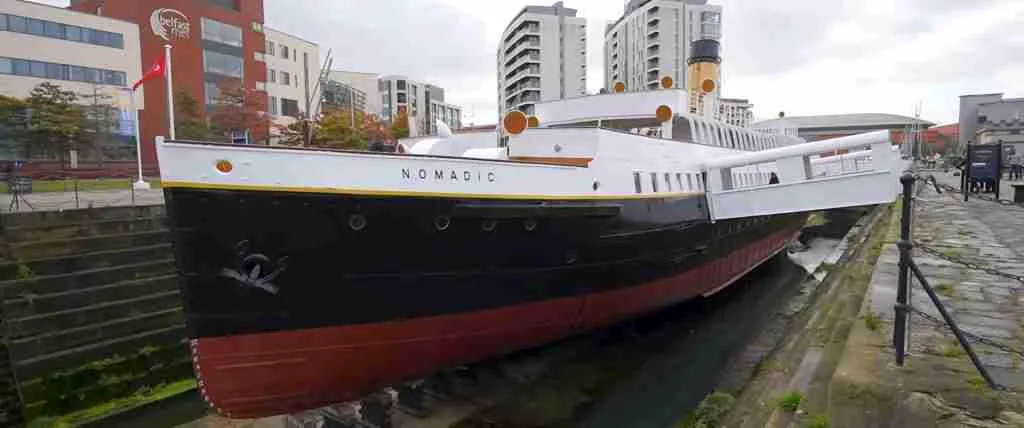
Titanic Belfast commands £25 adult admission (check official website for current rates) for self-guided exploration of nine galleries documenting ship’s construction, launch, voyage, and sinking across 130,000 square feet of exhibition space. The six-story building occupies original Harland & Wolff shipyard where Titanic was built, with exhibition taking 2-3 hours to complete thoroughly. Admission includes SS Nomadic access, Titanic’s original tender ship moored outside main building, adding 30-45 minutes to total visit. Early riser tickets (8:30-9:50am entry April-October) reduce admission to £20, delivering 20% savings for morning-focused travelers willing to start day with museum visit.
Crumlin Road Gaol charges £12-14 for guided tours through Victorian-era prison operating 1845-1996, with tours departing hourly covering execution chamber, underground tunnel to courthouse, and cells holding suffragettes through paramilitaries during Troubles era. The 75-minute guided experience provides essential Troubles historical context absent from mainstream textbook narratives, though intense subject matter suits adults better than children under 12. Evening paranormal tours (Friday-Saturday, £18) add ghost-hunting theatrical element to historical content, appealing to visitors seeking entertainment alongside education.
Botanic Gardens remain free, though Palm House and Tropical Ravine House charge £5 combined admission for Victorian-era glass conservatories housing exotic plants in humid controlled environments. The conservatory ticket enhances free gardens visit through specialized horticulture experience, though outdoor gardens alone provide satisfying visit without admission fee. Seasonal flower displays (spring tulips, summer roses) peak April-September, while winter visits focus more on architectural appreciation of iron-and-glass structures than botanical spectacle.
Belfast Castle sits 400 meters up Cave Hill requiring short uphill walk or bus ride from downtown, charging no admission for castle exterior and gardens while hosting paid wedding receptions inside. The 1870 sandstone castle provides free city views and parkland exploration, with adjacent Cave Hill Country Park trails leading to summit (2km, 90 minutes) offering panoramic vistas across Belfast Lough to Scotland on clear days. Cave Hill walk ranks among Belfast’s best free activities for physically capable visitors, combining exercise, nature, and views in compact half-day experience.
Ulster Museum charges no admission for permanent collections spanning art (Caravaggio to Warhol), natural history (dinosaur skeletons, Irish fauna), and comprehensive Troubles historical exhibits documenting 1968-1998 conflict. Temporary exhibitions occasionally charge £5-8 admission to special galleries, though permanent collection alone justifies 2-4 hour visit. The museum’s free status makes it optimal rainy-day refuge and essential stop for visitors seeking Troubles historical understanding through primary source artifacts and balanced narrative presentations.
Free Cultural Experiences in Belfast 2026
Peace wall murals in Falls Road (Catholic/nationalist area) and Shankill Road (Protestant/unionist area) document Northern Ireland’s political conflict through community-painted artworks evolving across decades. Self-guided walking between murals costs nothing beyond time and physical effort, though Black Taxi tours (£10-12 per person for groups, £40-50 for private taxi) provide historical context and personal narratives enhancing bare visual experience. The physical peace walls separating communities remain standing despite 1998 Good Friday Agreement, presenting jarring contemporary reminder of recent conflict’s ongoing impacts.
Belfast City Hall offers free guided tours Monday-Saturday (advance booking recommended), exploring marble-clad interior halls, Council Chamber with oak paneling, and Titanic Memorial Garden commemorating 1,512 victims including 22 Belfast residents. The 90-minute tour reveals Victorian civic architecture’s grandeur while recounting Belfast’s industrial-era prosperity when shipbuilding dominated global maritime construction. Self-guided exterior walks around grounds cost nothing, photographing Portland stone facade and surrounding formal gardens at personal pace.
St George’s Market operates Friday (6am-3pm variety market), Saturday (9am-3pm city food market), and Sunday (10am-4pm craft and antique market) in Victorian covered market hall built 1890. Entry costs nothing, though food purchases (£5-15) and craft items (£10-100+) tempt visitors among 200+ vendors. Friday’s variety market offers budget grocery shopping alongside tourist crafts, while Saturday’s food focus attracts culinary tourists sampling artisan producers. Sunday craft market emphasizes local artisans over imported goods, suiting travelers seeking authentic Belfast-made souvenirs.
Cathedral Quarter exploration costs nothing beyond cafe and pub expenditures, wandering cobblestone streets admiring street art, galleries, and preserved Victorian architecture. The district’s compact 500-meter radius concentrates Belfast’s creative community, with independent shops, artist studios, and cultural venues clustering around St Anne’s Cathedral (free exterior viewing, £5 interior and spire access). Evening exploration reveals thriving nightlife scene without mandatory spending, street-busker performances providing free entertainment while deciding dinner venue.
Queen’s University campus welcomes visitors for free architectural tours exploring Tudor Gothic main building with clock tower dominating skyline. The red-brick campus opened 1849, featuring Lanyon Building as architectural centerpiece with Great Hall’s hammerbeam roof and Naughton Gallery hosting free rotating art exhibitions. Surrounding Queen’s Quarter neighborhood rewards aimless walking through Victorian residential streets, with bookshops, vintage stores, and student cafes creating intellectual atmosphere distinct from downtown’s commercial energy.
Belfast Attraction Pass Options and Value Analysis
Belfast Visitor Pass costs £6.50 daily (£13 for three days) combining unlimited Metro/Glider transport with attraction discounts including 10% off Titanic Belfast, 20% off Crumlin Road Gaol, and various restaurant offers. The pass delivers value when visiting 2+ paid attractions daily, saving £5-8 on admission fees while providing transport coverage exceeding standard £4 Metro day ticket. However, travelers prioritizing free attractions find standard transport tickets more economical without bundled attraction discounts creating artificial spending pressure toward paid sites.
Individual attraction tickets purchased directly from venues cost less than any third-party combination passes or city cards, as Belfast lacks centralized attraction consortium offering meaningful multi-venue discounts. Titanic Belfast tickets bought online provide slight savings (£1-2) versus walk-up window purchases, though advance booking matters more for securing preferred time slots during July-August peak when afternoon slots sell out by mid-morning. Crumlin Road Gaol and other smaller attractions rarely sell out, making advance booking unnecessary outside Friday-Saturday peak times.
Free attractions provide 60-70% of Belfast’s cultural experience value, meaning budget travelers allocating zero funds toward paid admissions still access rich historical narrative through Ulster Museum Troubles exhibits, peace wall murals, City Hall tours, and Botanic Gardens. Mid-range travelers typically select 2-3 paid attractions weekly (Titanic Belfast essential, Crumlin Road Gaol highly recommended, others optional), spending £20-40 per person weekly on admission fees. Luxury travelers purchase all ticketed experiences without budget consideration, though Belfast’s limited paid attraction inventory (8-10 sites) caps total admission spending at £60-80 even with comprehensive access.
Complete Daily Budget Breakdowns for Belfast 2026
This section presents itemized daily costs across budget, mid-range, and luxury tiers, demonstrating how accommodation, meals, transport, and activities combine into total per-person daily expenditure. All figures assume two people sharing hotel accommodation, with room rates divided by two before adding to per-person costs. Ranges reflect genuine market price variation rather than averaged single-number estimates, acknowledging that travelers never spend exact predicted amounts but rather fall within reasonable cost ranges.
Budget Tier Daily Costs (£45-85 Per Person)
Budget travel in Belfast prioritizes free attractions, self-catered meals where practical, walking over public transport, and hostel or budget hotel accommodation. This tier delivers authentic Belfast experiences through strategic resource allocation rather than deprivation, with travelers accessing identical peace wall murals, Ulster Museum collections, and Botanic Gardens as luxury visitors while choosing budget accommodation and dining alternatives.
Accommodation: Hostel dormitory beds or budget hotel rooms cost £22-58 per room, translating to £11-29 per person when two travelers share. Vagabonds Hostel dormitory at £18-25 per person includes breakfast buffet, while Premier Inn Belfast at £48-82 per room (£24-41 per person sharing) provides private facilities with optional £11 breakfast upgrade.
Breakfast: Self-catering using supermarket supplies costs £3-5, assembling bread, butter, jam, juice, and coffee purchased at Tesco Metro. Alternative budget breakfast at Maggie May’s costs £7 for Ulster Fry providing substantial morning meal, or Established Coffee charges £9-11 for refined breakfast plates in minimalist setting.
Lunch: Budget lunch ranges £8-14 at casual restaurants during lunchtime specials pricing, with Boojum burritos at £8-10, Little Wing pizzeria £9-13, or Archana South Indian vegetarian thali £8-11. Supermarket meal deals (sandwich, crisps, drink) cost £3-4 as emergency backup, though restaurant options deliver better value-for-money at minimal premium.
Dinner: Evening meal costs £15-25 at budget restaurants, ethnic eateries, or gastropubs during early-bird specials. Maggie May’s all-day breakfast special costs £7-9, Crown Liquor Saloon pub mains run £14-22 in historic Victorian setting, or St George’s Market food stalls charge £8-15 Saturday-Sunday for global cuisine plates.
Transport: Walking eliminates transport costs, with Metro day ticket (£4) reserved for rainy days or trips exceeding comfortable walking distance. Budget tier typically spends £0-6 weekly on transport (1-2 bus days), relying primarily on foot travel between downtown, Queen’s University area, and Titanic Quarter.
Attractions: Free attractions (Ulster Museum, Botanic Gardens, City Hall tour, peace walls) dominate budget itinerary, with 0-1 paid admission weekly. Titanic Belfast (£25) represents worthwhile splurge, while Crumlin Road Gaol (£12) fits budget constraints if skipping one restaurant meal that day. Weekly attraction spending totals £0-25 depending on priorities.
Total budget tier daily cost: Hotel £11-29 per person (two sharing), meals £26-45 (mix of self-catered and budget restaurants), transport £0-4, attractions £0-12. Daily range: £45-85 per person.
Mid-Range Tier Daily Costs (£135-190 Per Person)
Mid-range Belfast travel balances comfort with value, enjoying three-star hotels, restaurant dining, convenient transport, and comprehensive attraction access without luxury-tier excess. This tier represents optimal value-maximization point where incremental comfort improvements justify proportional cost increases, delivering consistently satisfying experiences across accommodation, dining, and activities.
Accommodation: Three-star hotels cost £126-153 per night (£63-77 per person sharing), providing comfortable rooms with private bathrooms, breakfast options, and central locations. Leonardo Hotel Belfast at £126-145 offers reliable business-leisure crossover quality, Holiday Inn Belfast includes family-friendly amenities at £118-142, while Europa Hotel Belfast provides historical significance at £138-172.
Breakfast: Hotel breakfast (if not included in room rate) costs £10-13, or mid-range cafes charge £10-15 for full Ulster Fry at establishments like Barking Dog (£12) or Established Coffee (£9-14). Some three-star hotels include breakfast in quoted rates, eliminating separate morning expenditure.
Lunch: Mid-range restaurant lunch ranges £14-22, with most quality establishments offering two-course lunch specials £15-18 representing superior value versus à la carte ordering. Muddlers Club (Michelin-starred) serves three-course lunch £28, Coppi provides Italian plates £14-19, or Mourne Seafood Bar charges £16-24 for fresh catches.
Dinner: Evening restaurant mains cost £18-30 plus sides £4-6, with total per-person dinner expense reaching £28-45 including one alcoholic drink. OX Cave Hill charges £22-30 for locally sourced plates, Merchant’s pre-theater dinner costs £26 for two courses, or gastropubs like Cloth Ear provide quality mains £16-24 in relaxed atmosphere.
Transport: Mixed transport strategy using Metro day tickets (£4) for longer journeys supplemented by occasional taxis (£5-10) totals £4-12 daily depending on activity distribution. Walkers reduce transport spending toward £4 end of range, while taxi users for evening returns push toward £12 upper limit.
Attractions: Mid-range tier visits 2-3 paid attractions weekly, spending £20-35 per person on admission fees. Essential visits include Titanic Belfast (£25) and Crumlin Road Gaol (£12-14), with optional additions like Belfast Castle grounds (free) or Palm House conservatory (£5) rounding out comprehensive cultural program.
Total mid-range tier daily cost: Hotel £63-77 per person (two sharing), meals £52-76 (three restaurant meals), transport £4-12, attractions £20-35. Daily range: £135-190 per person.
Luxury Tier Daily Costs (£280-430 Per Person)
Luxury Belfast travel emphasizes boutique hotels, Michelin-level dining, private transport, and premium experiences creating comprehensive five-star city visit. This tier delivers maximum comfort and convenience while showcasing Belfast’s finest cultural offerings through exclusive access, personalized service, and elevated culinary experiences unavailable at lower tiers.
Accommodation: Four and five-star hotels cost £256-450 per night (£128-225 per person sharing), providing superior rooms, luxury amenities, and premium locations. Merchant Hotel charges £285-380 for Victorian opulence in converted bank headquarters, Grand Central Hotel lists rooms at £245-325 with 23rd-floor observation bar, while The Fitzwilliam runs £235-295 for contemporary minimalist design in Queen’s Quarter.
Breakfast: Luxury hotel breakfast (typically included in room rate) eliminates separate morning expenditure, or premium cafes charge £15-25 for refined breakfast presentations. Merchant Hotel’s breakfast buffet showcases local ingredients with made-to-order station, while Fitzwilliam provides gourmet breakfast plates emphasizing Irish produce.
Lunch: Luxury lunch ranges £25-45 at Michelin-level restaurants or hotel dining rooms, with Muddlers Club three-course lunch at £28 representing entry point to fine dining. OX Cave Hill lunch costs £30-42 for seasonal tasting plates, or hotel restaurants like Great Room charge £35-50 for refined preparations in theatrical Victorian settings.
Dinner: Fine dining tasting menus cost £70-100 before wine, with Muddlers Club at £85 and OX tasting menu at £75-95 delivering Michelin-caliber experiences. À la carte luxury dining reaches £50-80 per person including appetizer, main, dessert, and premium cocktails or wine by glass. Weekly “special occasion” dinners might approach £150-200 per person with tasting menu and wine pairings.
Transport: Private transport using taxis for all movements costs £15-30 daily including morning airport transfers when arriving/departing, cross-town journeys avoiding walking, and late-night returns from restaurants. Private Black Taxi tours charge £40-60 for two-hour political mural tours with personalized narrative beyond group tour capabilities.
Attractions: Comprehensive attraction access including all paid sites costs £40-70 per person weekly, with luxury tier often booking premium experiences like helicopter tours over Giant’s Causeway (£200-300), private Titanic Belfast tours (£150 for two), or exclusive whiskey tastings at premium distilleries (£60-100).
Total luxury tier daily cost: Hotel £128-225 per person (two sharing), meals £100-165 (three premium meals), transport £15-30, attractions £40-70. Daily range: £280-430 per person.
Sample Budget Itineraries for Belfast 2026
This section presents detailed day-by-day budget breakdowns demonstrating how theoretical daily cost ranges manifest in practical trip planning. Sample itineraries show actual attraction sequences, meal timing, transport choices, and cost accumulation patterns across three, five, and seven-day Belfast visits at different budget tiers.
Three-Day Budget Belfast Itinerary
Day 1 – Downtown Belfast Introduction: Morning arrival at Belfast International Airport, Airport Express bus to Europa Bus Centre £8. Check into Vagabonds Hostel dormitory £20 per person. Afternoon walk to City Hall for free guided tour (2 hours), continue to St George’s Market for late lunch at food stalls £12. Evening walk through Cathedral Quarter viewing street art, dinner at Little Wing Pizzeria £13. Day cost: Accommodation £20, meals £12 lunch + £13 dinner, transport £8, attractions free. Total: £53 per person.
Day 2 – Titanic Quarter and Free Museums: Self-catered hostel breakfast £3. Morning walk to Titanic Quarter (30 minutes), Titanic Belfast admission £25 (3 hours including SS Nomadic). Lunch at Titanic Quarter cafe £14. Afternoon Metro bus to Botanic Gardens £2, explore grounds free (90 minutes), Ulster Museum visit free (2 hours). Dinner at Maggie May’s on Botanic Avenue £9. Walk back to hostel 20 minutes. Day cost: Accommodation £20, meals £3 + £14 + £9, transport £2, attractions £25. Total: £73 per person.
Day 3 – Political History and Departure: Hostel breakfast buffet included. Morning Black Taxi political mural tour Falls/Shankill Roads £12 per person in shared taxi (2.5 hours). Lunch at Crown Liquor Saloon £16. Afternoon Crumlin Road Gaol tour £12 (90 minutes). Airport Express bus to Belfast International £8. Day cost: Accommodation £20, meals £16, transport £8 + £12 taxi tour, attractions £12. Total: £68 per person.
Three-day total: £194 per person covering accommodation, meals, local transport, attractions, and airport transfers. Add £35-50 for Giant’s Causeway day tour if extending trip beyond three days.
Five-Day Mid-Range Belfast Itinerary
Day 1 – Arrival and City Center: Taxi from Belfast International Airport £35 (£17.50 per person). Check into Leonardo Hotel Belfast £130 (£65 per person). Hotel breakfast included. Lunch at Coppi Italian £18. Afternoon City Hall free tour, shopping in Victoria Square. Dinner at Ox Cave Hill £42 including wine. Day cost: Accommodation £65, meals £18 + £42, transport £17.50, attractions free. Total: £142.50 per person.
Day 2 – Titanic Quarter Full Day: Hotel breakfast included. Metro day ticket £4. Morning Titanic Belfast £25 (3 hours). Lunch at Titanic Quarter café £20. Afternoon SS Nomadic included with morning ticket, Titanic Dock and Pump House exterior exploration free. Return downtown via Metro. Dinner at Muddlers Club £85 (Michelin-starred tasting menu). Day cost: Accommodation £65, meals £20 + £85, transport £4, attractions £25. Total: £199 per person.
Day 3 – Political History and Culture: Hotel breakfast included. Morning Black Taxi political tour £15 per person (2.5 hours). Lunch at Mourne Seafood Bar £24. Afternoon Crumlin Road Gaol £13, walk through Shankill peace wall murals free (90 minutes). Evening dinner at Merchant Hotel pre-theater special £28 before catching show at Grand Opera House (ticket £35). Day cost: Accommodation £65, meals £24 + £28, transport £15 taxi tour, attractions £13 + £35 show. Total: £180 per person.
Day 4 – North Coast Day Trip: Hotel breakfast included. McComb’s Coach Giant’s Causeway tour £38 including Carrick-a-Rede Rope Bridge, Dark Hedges, and coastal views (10 hours). Lunch included in tour at Bushmills village café. Evening return to Belfast, light dinner at Cathedral Quarter bistro £22. Day cost: Accommodation £65, meals £22, transport £38 (tour includes admission), attractions included in tour. Total: £125 per person.
Day 5 – Botanic Quarter and Departure: Hotel breakfast included. Morning walk through Botanic Gardens free, Palm House £5, Ulster Museum free (3 hours). Lunch at Neill’s Hill Brasserie £20. Afternoon shopping Lisburn Road boutiques, hotel checkout. Taxi to airport £35 (£17.50 per person). Day cost: Accommodation £65, meals £20, transport £17.50, attractions £5. Total: £107.50 per person.
Five-day total: £754 per person covering four-star accommodation, restaurant dining for all meals, comprehensive attractions, Giant’s Causeway day tour, theater ticket, and airport transfers. This mid-range itinerary showcases Belfast’s highlights with consistent quality across all categories.
Seven-Day Luxury Belfast Itinerary
Day 1 – Five-Star Arrival: Private car transfer from Belfast International Airport £60 (£30 per person). Check into Merchant Hotel £340 (£170 per person). Afternoon spa treatments at hotel spa £80 per person. Evening cocktails at Merchant Hotel Cocktail Bar £15, followed by seven-course tasting menu at OX Cave Hill £95 with wine pairing £55. Day cost: Accommodation £170, meals £15 + £95 + £55, transport £30, spa £80. Total: £445 per person.
Day 2 – Titanic Quarter Premium: Hotel breakfast included. Private Titanic Belfast morning tour £75 per person with curator (2 hours). Lunch at James St £48. Afternoon SS Nomadic VIP experience £25, private boat tour of Titanic slipways £40 per person. Evening dinner at Merchant Hotel Great Room £85. Day cost: Accommodation £170, meals £48 + £85, transport £0 (walking), attractions £75 + £25 + £40. Total: £443 per person.
Day 3 – Political History Immersion: Hotel breakfast included. Private Black Taxi political tour with former paramilitary £60 per person (4 hours including extended Falls/Shankill deep dive). Lunch at Cathedral Quarter gastropub £35. Afternoon Crumlin Road Gaol private evening tour £30. Dinner at Muddlers Club tasting menu £85 with premium wine pairing £75. Day cost: Accommodation £170, meals £35 + £85 + £75, transport £60 taxi tour, attractions £30. Total: £455 per person.
Day 4 – Giant’s Causeway Luxury Day: Hotel breakfast included. Private driver Giant’s Causeway full-day tour £240 (£120 per person) including Bushmills Distillery premium tasting £35, Carrick-a-Rede, and coastal castle stops. Lunch at Bushmills Inn £40. Evening return to Belfast, light dinner at hotel Cocktail Bar £45. Day cost: Accommodation £170, meals £40 + £45, transport £120 + £35 distillery, attractions included. Total: £410 per person.
Day 5 – Cultural Deep Dive: Hotel breakfast included. Morning Ulster Museum private curator tour £60 per person (2 hours). Lunch at Fitzwilliam Hotel Grill Room £55. Afternoon Botanic Gardens free with Victorian Palm House £5, followed by Queen’s University campus architectural tour free. Evening dinner at Deanes EIPIC (Michelin-level) £110 tasting menu with wine. Day cost: Accommodation £170, meals £55 + £110, transport £0, attractions £60 + £5. Total: £400 per person.
Day 6 – Countryside Luxury: Hotel breakfast included. Private driver to Mount Stewart House £60 (£30 per person), admission £10, guided tour £15. Lunch at Mount Stewart café £25. Afternoon drive through Ards Peninsula £30 (£15 per person), return via Hillsborough Castle £15 admission with £18 cream tea. Evening dinner at Merchant Hotel Bert’s Jazz Bar with live music £65. Day cost: Accommodation £170, meals £25 + £18 + £65, transport £45, attractions £10 + £15 + £15. Total: £363 per person.
Day 7 – Departure Elegance: Hotel breakfast included. Morning at leisure, hotel spa £70 per person. Lunch at Grand Central Hotel Observatory Bar £45 with city views. Afternoon boutique shopping with packages held at hotel desk. Private car to airport £60 (£30 per person). Day cost: Accommodation £170, meals £45, transport £30, spa £70. Total: £315 per person.
Seven-day total: £2,831 per person covering five-star accommodation, Michelin-level dining, private tours and transport, comprehensive premium attractions, spa treatments, and elevated experiences throughout. This luxury itinerary demonstrates maximum comfort and cultural immersion without budget constraints.
Seasonal Price Variations in Belfast 2026
Belfast accommodation rates fluctuate 30-50% between peak summer and off-season winter months, while restaurant, attraction, and transport prices remain stable year-round. Understanding seasonal patterns enables strategic trip timing balancing cost savings against weather and daylight considerations.
High Season Pricing (June-August 2026)
Summer peak brings highest accommodation rates with three-star hotels reaching £138-165 per night compared to £105-125 spring/autumn rates, representing 25-30% premium. Budget hotels surge from £45-60 weeknight rates to £65-88 summer weekends, squeezing budget travelers toward hostel dormitories at unchanging £18-28 per person. Luxury hotels add moderate 15-20% premiums, with Merchant Hotel superior rooms rising to £340-380 from £285-320 shoulder season rates.
High season advantages include 16-hour daylight June 21 solstice allowing extended evening exploration until 10pm, warmest temperatures averaging 18-22°C creating comfortable walking conditions, and comprehensive attraction hours with Titanic Belfast opening 8:30am-7:30pm versus winter’s 9:45am-5pm. Outdoor festivals concentrate in summer including Cathedral Quarter Arts Festival (May), Belfast Maritime Festival (June), and numerous smaller neighborhood events creating vibrant atmosphere justifying accommodation premiums for culturally engaged travelers.
Disadvantages include tourist crowds at major attractions requiring timed-entry booking at Titanic Belfast weeks in advance, longer restaurant waits particularly Friday-Saturday evenings, and accommodation booking pressures requiring 6-8 weeks advance reservation for preferred properties and room types. Summer prices offer worst value-for-money ratio annually, though optimal weather and cultural calendar density justify premiums for vacation-constrained travelers unable to adjust timing.
Shoulder Season Value (April-May, September-October 2026)
Spring and autumn deliver optimal balance between reasonable prices and acceptable weather, with three-star hotels averaging £105-135 per night representing 15-20% savings below summer peaks while maintaining 25-30% premiums above winter lows. Budget accommodation stabilizes at £45-68 per room without summer weekend surges, allowing couples to access private rooms at budget prices requiring dormitories during peak season.
Weather variability characterizes shoulder months, with April bringing frequent rain (18 days monthly average) balanced by spring flower displays in Botanic Gardens and lengthening daylight (sunrise 6:30am, sunset 8:30pm by late April). September offers most reliable shoulder-season weather with 14-16 rain days monthly and comfortable 15-18°C temperatures, while October transitions toward winter patterns with increasing rain and earlier sunset (7pm by month end). May provides pleasant conditions averaging 16-18°C with 15 rain days, though rain intensity decreases as summer approaches.
Shoulder season advantages include moderate crowds allowing spontaneous attraction visits without advance booking, restaurant availability without week-ahead reservations, and accommodation flexibility booking 2-4 weeks ahead rather than summer’s 6-8 week requirements. Cultural calendar remains active particularly September-October with film festivals, literary events, and restaurant weeks, providing summer-like vibrancy without peak-season premiums.
Low Season Savings (November-March 2026)
Winter brings maximum accommodation discounts with three-star hotels dropping to £75-105 per night, 30-40% below summer peaks, while budget hotels reach £35-52 per room representing best annual value for private accommodation. Luxury hotels offer modest 20-25% winter discounts, with Merchant Hotel superior rooms at £235-295 compared to summer’s £340-380, though luxury pricing remains relatively stable versus dramatic budget/mid-range seasonal swings.
Weather challenges include persistent rain (18-20 days monthly), short daylight hours (8:30am sunrise, 4:30pm sunset in December creating 8-hour sightseeing window), and cold temperatures averaging 4-8°C requiring layered clothing and waterproof outerwear. Wind off Belfast Lough intensifies perceived cold, making November-February walking less pleasant than numerical temperatures suggest. However, occasional crisp sunny winter days deliver spectacular Cave Hill views across snow-dusted landscapes toward Scottish coast.
Low season advantages beyond accommodation savings include authentic local atmosphere with minimal tourists, easier restaurant bookings providing walk-in availability at quality establishments, and indoor attraction focus directing attention toward Ulster Museum, Titanic Belfast, and Crumlin Road Gaol where weather doesn’t affect experience quality. Christmas markets (late November-December) add festive atmosphere partially compensating daylight shortfalls, while New Year brings traditional celebrations including City Hall fireworks.
Winter trip suitability depends on visitor priorities: travelers emphasizing budget optimization, museum-focused cultural programs, and indoor experiences find winter ideal despite weather compromises, while outdoor enthusiasts requiring extensive walking, natural scenery appreciation, and evening exploration should avoid November-February favoring May-September timing regardless of cost penalties.
Money-Saving Strategies for Belfast 2026
Strategic planning reduces Belfast costs 25-40% without sacrificing experience quality through timing optimization, free attraction prioritization, transport strategy, and dining pattern adjustments. These techniques apply across budget tiers, allowing luxury travelers to achieve mid-range costs and budget travelers to extend trip duration or upgrade selective experiences.
Advance Booking and Timing Strategies
Book accommodation 4-6 weeks ahead for 15-25% savings versus last-minute walk-in rates, particularly critical for Friday-Saturday nights when premium surge 40-60% above weekday rates. Three-star hotels booked six weeks advance secure £110-125 rates jumping to £140-165 at two-week window and £160-180 walk-in. Budget hotels demonstrate even steeper curves, with Premier Inn Belfast weeknight rates at £45-52 six weeks out versus £75-95 last-minute Friday-Saturday bookings.
Travel Tuesday-Thursday eliminates weekend accommodation premiums across all tiers, saving £20-60 nightly on identical rooms. Mid-week travelers access premium hotels at budget prices, with Europa Hotel Belfast at £118-138 Tuesday-Thursday versus £165-195 Friday-Saturday. Three-night Tuesday arrival/Friday departure patterns secure two cheap weeknights plus one weekend night, averaging total costs below full weekend stays while providing Friday evening nightlife access.
Winter travel (December-February excluding Christmas-New Year week) delivers 30-40% accommodation savings accepting weather tradeoffs, with three-star hotels £75-105 versus summer’s £138-165. February specifically offers maximum savings with lowest annual tourism yet improving daylight hours (sunset 5:30pm by late February versus 4:30pm December), creating optimal bargain-hunting window for weather-tolerant travelers.
Free Attraction Maximization
Prioritize free attractions before allocating budget to paid admissions, as Belfast’s free offerings provide 60-70% cultural experience value. Ulster Museum alone justifies 3-4 hour visit spanning art collections, natural history, and comprehensive Troubles exhibits rivaling any paid museum elsewhere. Combined with Botanic Gardens (2 hours), City Hall tour (90 minutes), peace wall murals (3 hours including both Falls and Shankill), and St George’s Market (2 hours), free attractions fill entire day with substantive cultural engagement.
Self-guided peace wall exploration using mobile phone maps and free walking tour apps costs nothing versus £10-15 group walking tours or £40-60 private Black Taxi tours, though guided experiences add narrative context and personal stories elevating bare mural viewing. Budget travelers opting self-guided routes should research murals’ historical context beforehand using online resources, maximizing comprehension without guide fees.
City Hall free guided tours (advance booking recommended) rival paid tours at other cities’ civic buildings, with 90-minute explorations of marble halls, Council Chamber, and Titanic Memorial Garden providing architectural appreciation and historical narrative without admission charge. Cathedral Quarter self-exploration costs nothing beyond cafe spending, wandering cobblestone streets viewing street art, galleries, and Victorian architecture creating comprehensive neighborhood understanding.
Dining Cost Management
Eat lunch as main meal exploiting 25-40% price reductions from dinner menus at identical restaurants, with Muddlers Club lunch £28 (dinner £85), Ox Cave Hill lunch £30-42 (dinner £75-95 tasting menu), and Cathedral Quarter bistros offering two-course lunch specials £15-18 versus £25-35 dinner pricing. Quality remains identical across dayparts, with chefs preparing same dishes using same ingredients regardless of meal timing.
Self-cater breakfast using supermarket supplies saving £5-10 daily versus cafe or hotel breakfast, with week-long savings reaching £35-70 per person. Tesco Metro and Sainsbury’s Local throughout city center enable daily provisions purchasing without bulk shopping inconvenience, while hostel kitchens and hotel room kettles provide basic preparation facilities. Budget allocation of morning savings toward evening restaurant upgrades maintains total daily costs while improving dinner quality.
Drink tap water at restaurants eliminating £3-5 bottled water charges, order house wines (£6-7 per glass) over premium labels (£9-14), and share starters/desserts between two diners reducing per-person course counts. Belfast restaurants serve generous portions suiting American appetites, making shared courses adequate without hunger risk. These micro-savings accumulate to £15-25 per restaurant meal across multiple days.
St George’s Market (Friday-Sunday) provides budget-friendly lunch £8-15 from artisan food stalls, matching supermarket meal deal costs (£3-4) while delivering substantially higher quality and variety. Market lunch once-twice weekly injects culinary diversity into dining patterns without budget-breaker restaurant bills, particularly valuable for travelers tiring of repetitive cafe sandwiches.
Transport Optimization
Walk extensively exploiting Belfast’s compact 1.5km center, eliminating £4-8 daily transport costs accumulating to £28-56 weekly savings. Downtown to Titanic Quarter walk takes 25-30 minutes along scenic harborfront, downtown to Queen’s University requires 20 minutes through Victorian neighborhoods, and cathedral Quarter to City Hall covers 8 minutes flat, making most primary tourist movements walkable without physical strain for average fitness travelers.
Purchase Metro day tickets (£4) only when making 3+ journeys daily, as single cash fares £1.80-2.40 total less than £4 cap for 1-2 rides. Contactless payment automatically caps daily spending at £4 eliminating advance planning requirements, though conscious journey counting prevents unnecessary spending. Many travelers discover post-trip they spent £12-20 on transport usable for attraction admissions had walking been prioritized.
Use Airport Express buses (£8 single, £11 return) over taxis from Belfast International Airport, saving £20-25 per person (£40-50 per couple) on airport transfers. The 30-40 minute journey matches private car timing during non-rush periods, with departures every 20 minutes eliminating significant wait-time disadvantages. Budget and mid-range travelers find bus-taxi hybrid strategies optimal: bus arriving when fresh, taxi departing when fatigued with luggage.
Attraction Bundling and Timing
Book Titanic Belfast early riser tickets (8:30-9:50am entry) at £20 versus standard £25, saving 20% through morning timing adjustment. The 8:30am slot suits early risers naturally while avoiding 11am-3pm peak crowds improving exhibition flow, creating dual benefits of cost savings and enhanced experience quality. SS Nomadic access included regardless of ticket tier maintains comprehensive Titanic Quarter visit.
Concentrate paid attractions into single day or two consecutive days when practical, maximizing Belfast Visitor Pass value (£6.50 daily, £13 three-day) combining unlimited transport with attraction discounts. Pass delivers value visiting 2+ paid sites daily, saving £5-8 admission reductions plus transport coverage exceeding standard £4 Metro day ticket. However, travelers prioritizing free attractions find standard transport tickets more economical without pass’s attraction-bundling pressure.
Visit Ulster Museum (free) immediately before or after Palm House/Tropical Ravine (£5 combined) at adjacent Botanic Gardens, creating comprehensive cultural-nature half-day without transport between attractions. Similar geographic clustering includes City Hall tour (free) plus nearby Cathedral Quarter exploration (free) and St George’s Market (free entry), or Titanic Belfast (£25) combined with SS Nomadic (included) and Titanic Dock walking tour (free) creating thematic maritime day.
Hidden Costs and Budget Surprises in Belfast 2026
Several expense categories catch travelers unprepared despite comprehensive pre-trip budgeting, inflating actual costs 10-20% above calculated estimates. Awareness of common financial surprises enables accurate budget padding and eliminates trip-disrupting shortfalls.
Service Charges and Tipping Expectations
Restaurants increasingly add automatic 10-12.5% service charges to bills, particularly upscale establishments and larger groups, though UK law requires servers inform diners before ordering. These charges appear as separate line items distinct from food costs, adding £8-15 to typical £60-80 two-person dinner. Service charges replace traditional tipping, though some diners add additional 5% cash tip for exceptional service, creating potential 15-17.5% total gratuity exceeding American 15-20% norms when automatic charges combine with voluntary tips.
Budget travelers should review bills carefully before adding voluntary tips to meals already including service charges, as double-tipping wastes constrained resources without benefiting servers who receive automatic gratuity regardless. Mid-range and luxury travelers allocate £15-30 daily for combined service charges and voluntary tips across multiple meals, adjusting upward for fine-dining experiences where service charges reach 12.5% of £150-200 bills.
Taxis don’t expect tips beyond rounding to nearest pound (£7.80 fare becomes £8), though 10% tips acknowledge exceptional service including luggage assistance, local recommendations, or accommodation finding help. Airport taxis receiving consistent tips creates expectation pressure, though legally optional nature protects travelers declining tips without service quality concerns.
Card Payment Fees and Currency Exchange
UK merchants increasingly impose card payment surcharges 1.5-3% on credit cards, though debit cards remain fee-free under consumer protection regulations. These surcharges appear as separate line items or embedded in higher “card rates” versus cash pricing, adding £2-5 to typical £60-100 purchases. Budget travelers carrying moderate cash reserves (£100-200) avoid fees on major purchases including accommodation, attraction tickets, and upscale restaurant meals.
Dynamic currency conversion offered at payment terminals converts pounds to home currency using unfavorable exchange rates costing 3-5% premium versus standard bank conversion. Always decline conversion selecting “charge in pounds” option, allowing home bank to convert at superior interbank rates. This simple terminal selection saves £15-30 on £500 total trip spending without any advance preparation beyond awareness.
ATM withdrawal fees vary dramatically by machine operator, with bank-branded ATMs (£2-3 per transaction) undercutting independent operators (£3.50-5) installed in convenience stores and tourist areas. Withdraw larger sums less frequently minimizing fee multiplication, though personal security considerations limit advisable cash carrying to £150-200 in urban environments.
Souvenir and Shopping Temptations
Irish whiskey, linen products, and locally crafted items create souvenir spending pressures adding £30-100+ to trip costs, particularly at artisan markets like St George’s where quality crafts justify premiums over tourist-shop mass production. Budget travelers should allocate £20-40 souvenir funds, focusing on consumables like whiskey miniatures (£8-15) or packaged foods over bulky crafts requiring luggage space and fragile-item packing care.
Cathedral Quarter galleries and boutiques sell original art £50-500+, with watercolors, photographs, and small sculptures tempting art collectors beyond original budgets. Victoria Square shopping center hosts mainstream retail alongside designer brands, creating spending pressure through convenient downtown location during sightseeing downtime. Serious shoppers allocate £100-300 beyond daily budgets, while window-shopping browsers resist impulse purchases maintaining planned spending levels.
Weather-Related Contingency Costs
Persistent rain necessitates waterproof jacket purchases (£40-80) for unprepared travelers arriving with inadequate outerwear, representing avoidable expense through proper packing. Budget £15-25 for umbrella purchases during unexpected downpours, though compact travel umbrellas brought from home eliminate this contingency entirely. Wet-day taxi usage increases when walking becomes unpleasant, adding £10-20 daily transport costs to budgets originally premised on extensive foot travel.
Indoor attraction pivots during multi-day rain increase paid admission spending, with travelers originally planning 60% free attractions shifting to 80% paid sites seeking weather-protected cultural experiences. This pattern adds £15-30 daily attraction costs across weather-compromised trips, requiring budget padding or attraction-quality compromises for cost-constrained travelers. Pre-trip awareness of Belfast’s 160 annual rain days enables realistic budget allocation acknowledging weather’s statistical likelihood rather than optimistic sunny-day assumptions.
Budget Travel Tips for Specific Traveler Types
Different traveler demographics face unique budget challenges and opportunities in Belfast, with families, solo travelers, and seniors requiring tailored strategies beyond general money-saving advice.
Family Budget Strategies for Belfast 2026
Family rooms at mid-range hotels (£145-195 nightly accommodating 4) provide better value than two standard doubles (£252-306 total), saving £100-110 over three nights while maintaining single booking simplicity. Premier Inn and Holiday Inn offer consistent family-room inventory, while boutique hotels rarely accommodate families without expensive suite upgrades. Apartment rentals through Airbnb cost £120-180 nightly for two-bedroom units, adding kitchens enabling breakfast and light-meal preparation reducing restaurant frequency from 21 to 12-15 weekly meals.
Children under 16 receive reduced attraction admission at most sites, with Titanic Belfast charging £11 (ages 5-16) versus £25 adult, and Crumlin Road Gaol offering family tickets (2 adults + 2 children) at £38 versus £48 individual adult pricing. Ulster Museum’s free admission benefits families disproportionately, eliminating £40-60 costs for typical museum family visits elsewhere. Family-focused free attractions including Botanic Gardens, Cave Hill trails, and Belfast Castle grounds provide substantial outdoor entertainment without admission charges.
Children’s menu pricing at restaurants runs £6-9 versus £15-25 adult mains, reducing family dining costs when kids order age-appropriate portions rather than adult dishes. However, Belfast family-friendly restaurants remain limited compared to London or Edinburgh, with fine-dining establishments discouraging under-12 diners through ambiance and lacking children’s options. Families concentrate dining in casual restaurants, gastropubs, and ethnic eateries where kids’ presence causes no disruption and menu pricing accommodates varied budgets.
Solo Traveler Budget Considerations
Single-occupancy hotel rooms command 70-85% of double-occupancy rates, eliminating cost-sharing advantages couples enjoy. Leonardo Hotel Belfast charges £110-125 single versus £126-145 double, representing marginal £15-20 nightly savings for solo travelers absorbing full accommodation costs. Hostel private single rooms (£35-48) or dormitory beds (£18-28) provide budget alternatives, though privacy trade-offs suit younger solos better than mature travelers.
Restaurant dining solo generates social discomfort at upscale establishments where couples dominate dinner slots, though Belfast’s casual dining culture accepts solo diners more readily than formal European capitals. Lunch represents optimal solo dining timing, with business travelers creating normalized solo presence at restaurants where evening solo dining draws more attention. Bar seating at gastropubs facilitates solo dining through built-in conversation opportunities with bartenders and adjacent diners.
Group tours and shared Black Taxi political tours (£10-15 per person) provide solo travelers economical alternatives to private tours (£40-60) requiring full taxi cost absorption. Walking tour groups create social opportunities beyond sightseeing value, connecting solo travelers with others for post-tour pub visits or shared attraction visits. Hostel social events including nightly pub crawls and weekend hikes organize group activities without advance coordination requirements.
Senior Traveler Budget Advantages
Senior discounts (60+ or 65+ depending on venue) reduce attraction admission 10-25%, with Titanic Belfast offering weekday senior rates £22 versus £25 standard, and various museums providing pensioner reductions. However, Belfast’s senior discount availability lags London or Edinburgh where comprehensive transport and attraction discounts create substantial savings, requiring active inquiry at each venue rather than assuming automatic reductions.
Slower travel pace suits Belfast’s compact scale, with 3-4 attractions weekly providing satisfying cultural immersion without rushed daily itineraries driving younger travelers’ packed schedules. Reduced attraction frequency decreases admission spending from budget travelers’ £0-12 daily to £0-8, with luxury toward upscale accommodation compensated through diminished activity costs. Morning City Hall tours, afternoon museum visits, and evening casual dining patterns accommodate senior mobility and energy patterns while controlling costs through strategic activity selection.
Preference for established hotels over hostels increases accommodation baseline costs, though senior travelers typically operate at mid-range or luxury tiers regardless, making hostel-hotel tradeoff irrelevant to actual budget planning. Package tours bundling accommodation, transport, and guided experiences appeal to seniors prioritizing convenience over cost optimization, with comprehensive Belfast packages £600-900 per person for 4 nights including hotel, some meals, and organized sightseeing.
Belfast Cost Comparison: Belfast vs. Other UK Cities 2026
Belfast costs significantly less than London, Edinburgh, and Manchester across accommodation, dining, and attractions, positioning it as exceptional UK value destination for budget-conscious travelers and families seeking quality urban experiences without metropolitan price premiums.
Belfast vs. London Cost Analysis
Belfast accommodation costs 40-55% less than London equivalents, with three-star Belfast hotels £126-153 versus London’s £180-280, and budget Belfast hotels £45-75 compared to London’s £85-140. Luxury Belfast hotels (£256-400) significantly undercut London five-stars (£400-800+), allowing travelers to experience boutique luxury at mid-range London pricing. This gap narrows during Belfast summer peaks and London winter lows but maintains 35-45% Belfast advantage year-round.
Restaurant meals cost 25-35% less in Belfast than London, with casual Belfast dinners £15-25 versus London’s £22-38, and fine dining Belfast tasting menus £70-95 compared to London’s £120-200+. Belfast’s Michelin-starred Muddlers Club charges £85 tasting menu matching London’s mid-tier restaurant pricing, creating Michelin-access opportunities for travelers priced out of London’s three-star restaurants. Pub meals and ethnic restaurants show narrower gaps, with Belfast curry house mains £12-18 versus London’s £14-22.
Transport presents mixed comparison: Belfast Metro day tickets (£4) match London zones 1-2 Tube day cap (£8.10) on per-journey basis, though Belfast’s compact scale reduces daily journey counts from London’s 4-6 typical rides to Belfast’s 1-2 rides, creating £4 daily savings through reduced need rather than cheaper fares. London’s Oyster card convenience and comprehensive network contrast Belfast’s simpler but less extensive Metro system.
Attraction pricing shows moderate Belfast advantages, with Titanic Belfast (£25) comparing to Tower of London (£29.90) and British Museum (free) contrasting Ulster Museum (free). London’s superior attraction depth and museum inventory justify marginally higher costs, though Belfast’s concentrated world-class sites (Titanic Belfast, Crumlin Road Gaol, political murals) create satisfying 3-5 day cultural programs without London’s overwhelming choice.
Overall Belfast delivers 35-45% cost savings versus London for equivalent-quality experiences, with mid-range Belfast travelers (£135-190 daily) enjoying comfort matching London budget tier (£140-180 daily), and luxury Belfast visitors (£280-430 daily) accessing experiences requiring £500-700 daily London budgets. Three-night Belfast trips cost £400-600 per person versus £700-1,100 comparable London weekends.
Belfast vs. Dublin Cost Comparison
Belfast costs 25-35% less than Dublin across most categories, benefiting from Northern Ireland’s distinct economic position and pound sterling versus euro pricing dynamics. Three-star Belfast hotels average £126-153 (€148-180) versus Dublin’s €180-220, while budget Belfast accommodation £45-75 (€53-88) undercuts Dublin’s €75-110 hostel and budget hotel pricing.
Restaurant meals show substantial Belfast advantages, with casual dinners £15-25 (€18-29) versus Dublin’s €25-40, and mid-range mains £18-28 (€21-33) compared to Dublin’s €28-45. Fine dining demonstrates narrower gaps, with Belfast tasting menus £70-95 (€82-111) versus Dublin’s €100-140, though Belfast still maintains 15-25% advantage. Pub meals and fast food show smallest differentials, suggesting commodity food pricing equalizes across island while restaurant labor costs drive Dublin premiums.
Attractions pricing favors Belfast through free Ulster Museum versus Dublin’s paid National Museum complex and cultural sites. Titanic Belfast £25 (€29) matches Temple Bar distillery tours’ pricing, while Crumlin Road Gaol £12-14 (€14-16) undercuts Dublin Castle’s €18 admission. Dublin’s superior attraction quantity and quality justifies marginal premiums, though Belfast’s concentrated excellence creates satisfying shorter visits at lower total costs.
Transport shows comparable pricing, with Belfast Metro day tickets £4 (€4.70) matching Dublin Bus day tickets €7 on journey-count basis, though Belfast’s compact scale reduces daily needs below Dublin’s sprawling geography requiring consistent transport. Both cities’ walkable downtown cores enable extensive foot travel for central attraction access.
Belfast’s 25-35% savings versus Dublin position it as optimal value destination for travelers prioritizing budget without quality compromises, with mid-range Belfast trips (£135-190 daily, €158-223) delivering comfort matching Dublin budget tier (€160-200 daily). Irish island visits combining both cities should allocate 3-4 Belfast nights for every 2-3 Dublin nights, maximizing value while accessing distinct Northern Ireland cultural perspectives impossible in Republic-only itineraries.
Frequently Asked Questions About Belfast Budget 2026
What is the cheapest month to visit Belfast in 2026?
February offers lowest accommodation rates and minimal tourist crowds, with three-star hotels dropping to £75-95 per night compared to summer’s £138-165. January and March tie as secondary budget months at £80-105 nightly, while November-December winter rates reach £85-110. However, February’s improving daylight hours (sunset 5:30pm by late month versus December’s 4:30pm) make it superior to darker winter months when accommodation costs difference narrow to £5-15 nightly. Restaurant, transport, and attraction prices remain stable year-round, making accommodation savings February’s primary budget advantage. Weather brings persistent rain and 4-8°C temperatures requiring warm waterproof clothing, though occasional sunny winter days deliver spectacular Cave Hill views. Budget travelers tolerating weather compromises should book February trips, while comfort-focused visitors should target April-May shoulder season balancing reasonable prices with acceptable conditions.
How much cash should I carry daily in Belfast 2026?
Carry £60-100 cash daily covering meals, transport, and incidental purchases, supplementing larger accommodation and attraction payments with credit/debit cards. Budget travelers spending £45-85 daily need minimal cash reserves as hostel accommodation and major attractions accept cards, though cafe lunches and market purchases favor cash transactions. Mid-range travelers should maintain £100-150 cash buffer covering restaurant meals (£50-75 daily) plus taxi contingencies and market purchases. Luxury travelers requiring £280-430 daily rely primarily on cards for accommodation and fine dining, carrying £80-120 cash for tips, smaller purchases, and venues occasionally requesting cash payment. ATM withdrawal fees (£2-5 per transaction) favor larger withdrawals (£150-200) every 2-3 days over daily small withdrawals, though personal security considerations limit recommended carrying amounts. Many Belfast businesses now prefer contactless payments, making extensive cash carrying unnecessary beyond backup for card-payment failures and small-vendor purchases at markets.
Are there good value multi-day Belfast passes worth buying?
Belfast Visitor Pass costs £6.50 daily (£13 for three days) combining unlimited Metro/Glider transport with 10% off Titanic Belfast, 20% off Crumlin Road Gaol, and various restaurant discounts. The pass delivers value visiting 2+ paid attractions daily, saving £5-8 on admission fees while providing transport coverage exceeding standard £4 Metro day ticket. However, travelers prioritizing free attractions (Ulster Museum, Botanic Gardens, City Hall tour, peace walls) find standard £4 Metro day tickets more economical without pass’s attraction-bundling creating artificial spending pressure toward paid sites. Three-day passes suit comprehensive visitors planning Titanic Belfast (day 1), Crumlin Road Gaol (day 2), and secondary paid attractions (day 3), while casual visitors making 1-2 paid admissions across entire trip should purchase individual tickets and standard transport passes. Calculate personal attraction plan before purchasing pass, as most Belfast visitors discover post-trip they attended insufficient paid attractions justifying pass premium over individual admissions. No other multi-attraction passes exist, eliminating comparison shopping confusion.
How expensive are Giant’s Causeway day trips from Belfast?
Organized coach tours cost £30-45 including transport, Giant’s Causeway visitor center admission (£13), and 10-12 hours North Coast coverage incorporating Carrick-a-Rede Rope Bridge, Dark Hedges, and Dunluce Castle. McComb’s Coach Travel and Allens Tours operate daily departures from Europa Bus Centre at 9am, returning 7-8pm, representing highest value when considering included admission and driver commentary eliminating navigation concerns. Public transport using Goldline to Coleraine (£12 single) plus Causeway Rambler (£6 return April-September) totals £24 but requires 3 hours each way with final departure 5pm, constraining exploration time significantly. Car rental runs £35-50 daily plus £12-18 fuel for 160-mile round trip, suiting two travelers splitting costs to £24-34 each while maintaining schedule flexibility. Private driver tours charge £200-280 for two passengers covering entire North Coast at personal pace, appealing to luxury travelers prioritizing convenience over budget. Budget-focused solo travelers should choose organized tours at £30-45, couples should compare tour pricing (£60-90 total) against rental car costs (£47-68 total), while luxury travelers benefit from private drivers’ personalized pacing and attention.
Can I visit Belfast on less than £50 per day?
Belfast visits at £45-50 per person daily require strategic combinations of hostel dormitory accommodation (£18-25), self-catered breakfasts (£3-5), budget restaurant lunches (£8-12), modest dinners (£15-18), walking-only transport (£0), and free attraction prioritization (£0-5 for selective paid admissions). This budget tier works for young budget travelers comfortable with dormitory accommodation, extensive walking regardless of weather, and primarily free cultural programming supplemented by occasional paid admission to Titanic Belfast or Crumlin Road Gaol. Solo travelers struggle at £50 daily due to single-occupancy premiums on private rooms, requiring dormitory acceptance or budget expansion to £60-75 daily for budget hotel singles. Travelers requiring private accommodation, all restaurant meals, and comprehensive paid attractions need minimum £70-90 daily budget avoiding constant financial anxiety. The £45-50 range represents achievable floor for disciplined budget travelers accepting lifestyle compromises rather than comfortable sustainable baseline, with £60-85 range providing more realistic budget-tier experience without extreme deprivation measures.
What are typical restaurant gratuity expectations in Belfast 2026?
Restaurants increasingly add automatic 10-12.5% service charges to bills, particularly upscale establishments and larger groups (6+ diners), appearing as separate line items distinct from food costs. These automatic charges replace traditional tipping, though some diners add 5% cash tip for exceptional service. Budget travelers should review bills carefully before adding voluntary tips to meals already including service charges, as double-tipping wastes limited resources. When service isn’t included, 10-15% tips acknowledge satisfactory to excellent service, with 10% baseline for adequate service rising to 15% for exceptional experiences exceeding expectations. Casual cafes and counter-service establishments don’t expect tips beyond coin change left in tip jars, though £1-2 cash for table service at casual venues shows appreciation. Luxury travelers typically leave 15-20% total gratuity combining automatic service charges with voluntary cash additions, creating £20-40 nightly tipping across fine-dining experiences. Tipping culture in Northern Ireland follows UK patterns (less aggressive than USA, more generous than much of Europe), with no social stigma for declining voluntary tips when service quality disappoints or automatic charges already compensate servers adequately.
How much does alcohol cost at Belfast pubs and restaurants in 2026?
Pints of local beer (Guinness, Harp, Tennent’s) cost £5-7 at standard pubs, rising to £6-8 at upscale establishments and hotel bars. Craft beers and imported options run £6-9 depending on rarity and alcohol content, while half-pints provide economical £3-4 alternatives for modest consumption. Wine by glass ranges £6-9 for house pours, £9-14 for premium selections, with restaurants markup 250-300% over retail but maintaining lower premiums than London’s 350-400% rates. Cocktails at quality bars charge £9-14, reaching £12-16 at hotel cocktail bars like Merchant Hotel’s award-winning venue. Spirits with mixers run £7-11 for standard brands, £10-15 for premium labels, with doubles adding £3-5 to single-shot pricing. Supermarket alcohol purchases cost £8-12 for wine bottles, £1.50-2.50 per beer can, and £18-30 for spirits bottles, enabling budget drinkers to pre-load at accommodation before pub outings reducing nightly alcohol spending from £25-40 pub-only consumption to £15-25 mixed approach. Minimum unit pricing regulations establish £0.50 per alcohol unit floor, preventing extremely cheap alcohol promotions but maintaining UK’s relatively affordable drinking culture compared to Scandinavian price levels. Budget travelers allocating £10-20 daily for moderate alcohol consumption (2-3 pints or glasses of wine) should adjust upward for cocktail preferences or heavier consumption patterns, while abstainers eliminate this category entirely.
What unexpected costs should I budget for in Belfast?
Service charges on restaurant bills add 10-12.5% to meal costs as automatic line items distinct from food pricing, increasing typical £60-80 two-person dinners by £6-10 without advance awareness. Card payment surcharges (1.5-3% on credit cards) add £2-5 to major purchases including accommodation and attraction tickets, though debit cards remain fee-free under UK consumer protection. Dynamic currency conversion at payment terminals costs 3-5% premium when accepting home-currency conversion rather than paying in pounds, saving £15-30 on £500 total spending through simple terminal selection decline. Waterproof jacket purchases (£40-80) represent avoidable expense through proper packing, while umbrella needs (£15-25) handle unexpected downpours. Weather-driven indoor attraction pivots increase paid admission spending £15-30 daily when persistent rain eliminates walk-focused free attraction plans originally comprising 60% itinerary. Souvenir temptations add £30-100+ especially at St George’s Market artisan stalls, requiring pre-trip allocation or spending discipline avoiding impulse purchases. Luggage storage fees at Irish Tour Tickets (opposite Europa Hotel) cost £5-8 per bag for travelers with checkout-to-departure gaps requiring secure storage. ATM withdrawal fees (£2-5 per transaction) multiply when making frequent small withdrawals rather than larger 2-3 day reserves. Budget padding 15-20% above calculated estimates accommodates these contingencies without mid-trip budget crises, with £450 planned spending requiring £520-540 actual allocation covering surprises and miscellaneous costs resisting advance categorization.
How much should I budget for souvenirs and gifts in Belfast?
Budget travelers allocate £20-40 for consumable souvenirs including Irish whiskey miniatures (£8-15), packaged foods (shortbread £5-8, tea £8-12), and small crafts (magnets £3-5, postcards £1-2). Mid-range travelers spending £50-100 purchase quality linen products (tea towels £12-18, tablecloths £35-60), locally crafted jewelry (£30-80), and artisan food gifts (jam preservations £8-12, smoked salmon £15-25). Luxury travelers budget £150-300+ for original art from Cathedral Quarter galleries (watercolors £80-200, photographs £100-300), bespoke clothing (Irish linen shirts £80-140), and premium whiskey bottles (aged single malts £60-150). St George’s Market offers best artisan value with handcrafted items £15-60 avoiding tourist-shop mass production, though weekend-only operation (Friday-Sunday) limits shopping flexibility. Titanic Belfast gift shop stocks themed merchandise (model ships £25-80, books £12-25, apparel £20-45) at predictable museum pricing without exceptional value or uniqueness. Victoria Square shopping center provides mainstream retail without distinctive Belfast character, suiting travelers seeking familiar brands rather than regional specialties. Budget-conscious gift shoppers focus on edible souvenirs distributing across multiple recipients, with £40 budget covering whiskey miniatures or packaged foods for 4-6 people versus £40 purchasing single craft item for one recipient. Pre-trip souvenir budget allocation prevents overspending temptation at markets and galleries where quality crafts justify premiums but accumulate rapidly toward £200+ totals shocking post-trip credit card statements.
Is Belfast more expensive for solo travelers compared to couples?
Belfast costs 35-45% more per person for solo travelers versus couples sharing accommodation and splitting costs, with single-occupancy hotel rooms commanding 70-85% of double-occupancy rates eliminating cost-sharing advantages. Leonardo Hotel Belfast charges £110-125 single versus £126-145 double (£63-73 per person sharing), forcing solo travelers to absorb near-full accommodation costs at marginal £15-20 savings. Hostel dormitory beds (£18-28 per person) or private single rooms (£35-48) provide budget alternatives, though privacy and comfort trade-offs suit younger solos better than mature travelers preferring private facilities. Restaurant dining, transport, and attraction costs remain identical per-person regardless of travel party size, though couples splitting taxis (£5-8 becomes £2.50-4 per person) and sharing food plates create modest per-person savings unavailable to solo diners. Group tours and shared Black Taxi political tours (£10-15 per person) provide solo travelers economical alternatives to private tours (£40-60) where full taxi cost absorption doubles per-person expense. Solo budget travelers spending £60-95 daily (dormitory accommodation, budget dining, extensive walking, free attractions) experience costs 20-30% above couples’ £45-85 per-person shared rates, while solo mid-range travelers at £160-210 daily face similar premiums versus couples’ £135-190 shared baseline. The solo traveler premium decreases at luxury tier where accommodation represents smaller percentage of total costs, with solo luxury spending £300-450 daily only 7-15% above couples’ £280-430 per-person shared rates.