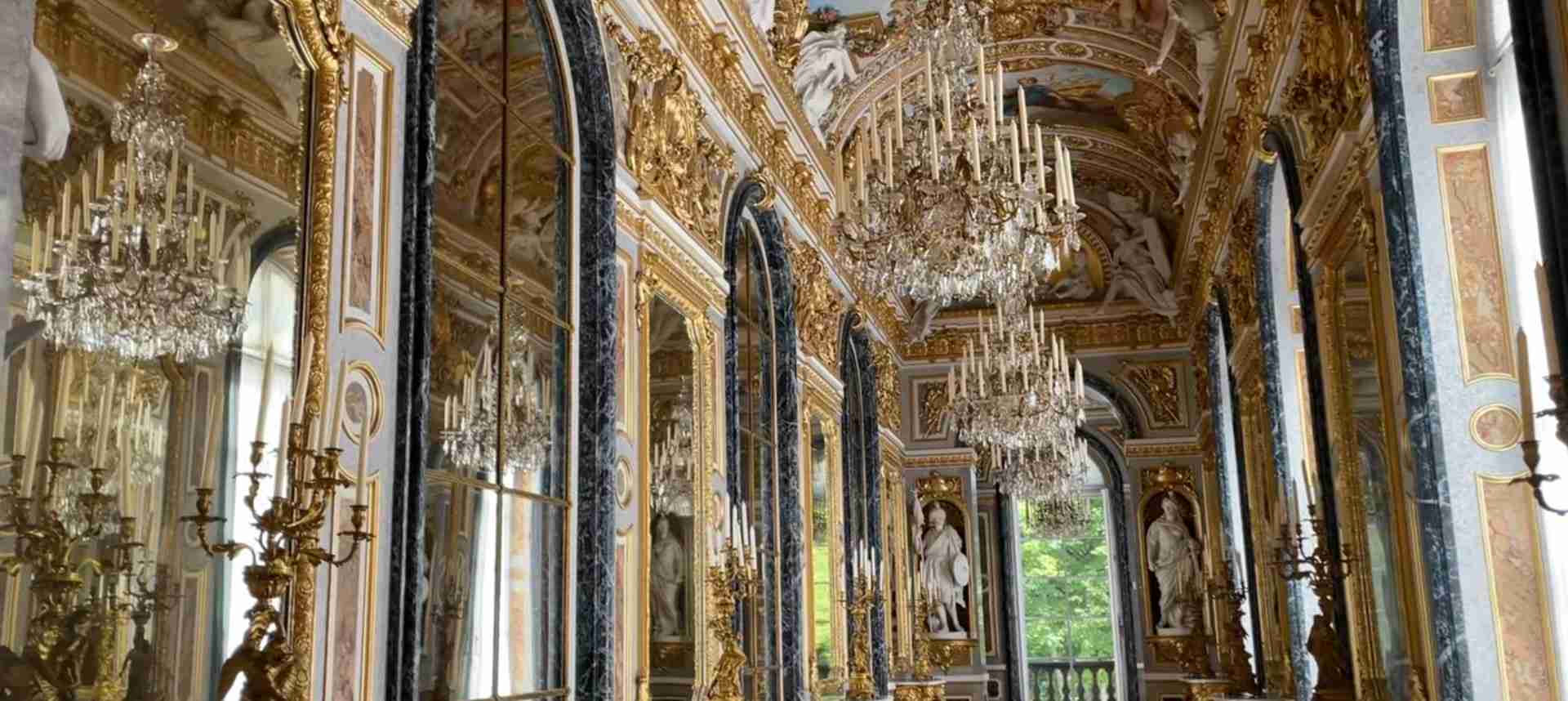
Bavaria Castles Travel Guide 2026: Beyond Neuschwanstein
Key Takeaways:
- Bavaria features over 25,000 castles beyond Neuschwanstein, with Linderhof Palace, Hohenschwangau Castle, and Residenz München offering distinct architectural experiences and significantly smaller crowds in 2026
- Multi-castle passes save €15-25 per person compared to individual tickets, with combined Neuschwanstein-Hohenschwangau tickets at €31 and Bayern-Ticket rail passes providing unlimited regional train travel at €27-59 for groups
- November through March 2026 delivers 60-70% fewer visitors at major castles, with Linderhof Palace experiencing virtually no wait times and Neuschwanstein tours available with just 2-3 days advance booking versus 4-6 weeks in summer
- Eastern Bavarian castles like Burghausen (world’s longest castle) and Prunn Castle remain virtually undiscovered by international tourists despite extraordinary medieval preservation and dramatic hilltop locations
Introduction: Discovering Bavaria’s Castle Kingdom in 2026
While Neuschwanstein Castle attracts 1.4 million visitors annually, Bavaria’s true castle heritage extends across more than 25,000 fortifications, palaces, and royal residences spanning Roman foundations to 19th-century Romantic fantasies. The 2026 travel season presents unprecedented opportunities to explore these lesser-known architectural masterpieces with enhanced transportation connections, revised ticketing systems, and strategic timing that avoids the overwhelming crowds concentrated at King Ludwig II’s most famous creation.
Bavaria’s castle landscape divides into distinct architectural categories: medieval fortress castles perched on defensive positions throughout Franconia and the Bavarian Forest, elaborate Baroque and Rococo palace complexes in Munich and surrounding territories, Renaissance hunting lodges in alpine valleys, and the three Romantic Revival palaces commissioned by Ludwig II between 1869-1886. Each category offers different visitor experiences, accessibility levels, and crowd management dynamics for 2026 planning.
The geographical distribution of Bavaria’s major castles creates natural touring clusters: the Royal Castles Route near Füssen anchoring the southwestern corner, Munich’s palace complex serving as the cultural center, Franconian fortress castles dominating the northern region, and alpine valley palaces scattered throughout the Bavarian Alps. Understanding these regional concentrations allows efficient multi-day itinerary planning with minimized travel time and maximized castle variety across different architectural periods and styles.
Transportation infrastructure improvements for 2026 include expanded Bayern-Ticket validity periods, new express bus routes connecting castle clusters, and enhanced bicycle path networks linking riverside fortifications. These developments make previously difficult-to-reach castles significantly more accessible for independent travelers, reducing reliance on expensive private tours and expanding possibilities for self-guided castle exploration throughout Bavaria’s diverse regions.
People Also Ask About Bavaria Castles 2026
Which Bavaria castles are worth visiting besides Neuschwanstein in 2026?
Linderhof Palace stands as the most rewarding alternative to Neuschwanstein in 2026, offering King Ludwig II’s most intimate and completely finished royal residence with spectacular Rococo interiors, extensive formal gardens, and the extraordinary Grotto of Venus. Located 35 kilometers from Neuschwanstein, Linderhof receives 300,000 annual visitors compared to Neuschwanstein’s 1.4 million, translating to manageable crowds even during peak summer months. Admission costs €10 for palace interiors in 2026, with combination tickets including the gardens and grotto priced at €14.50 (check schloesser.bayern.de for current official rates as pricing may vary). The palace requires 60-75 minutes for complete touring including grounds exploration.
Hohenschwangau Castle, King Ludwig II’s childhood residence located directly opposite Neuschwanstein, provides essential historical context for understanding Ludwig’s later architectural ambitions while offering significantly better availability than its famous neighbor. The neo-Gothic yellow castle features extensively preserved 19th-century royal apartments with original furnishings, family portraits, and the unique swan motif that influenced Ludwig’s design philosophy. Combined Neuschwanstein-Hohenschwangau tickets cost €31 in 2026, saving €2 compared to separate admissions while allowing same-day visits to both castles with coordinated tour times.
Residenz München represents Bavaria’s most significant palace complex, serving as primary residence for Wittelsbach rulers from 1385-1918 and containing 130 exhibition rooms spanning Renaissance, Baroque, Rococo, and Neoclassical periods. The palace museum requires 3-4 hours for comprehensive exploration, with admission at €9 for standard tickets and €13 for combined tickets including the Treasury (Schatzkammer). Located in Munich’s city center, the Residenz offers weather-independent touring options and integrates perfectly with urban exploration, eliminating the transportation challenges associated with alpine castle visits.
Nymphenburg Palace serves as Munich’s summer residence equivalent, featuring extensive Baroque gardens, canal systems, and satellite pavilions including the remarkable Amalienburg hunting lodge with its Hall of Mirrors rivaling Versailles. The palace complex spans 200 hectares, requiring half-day visits for complete exploration. Combination tickets covering the main palace, Marstallmuseum carriage museum, and park pavilions cost €15 in 2026, with individual palace admission at €8. Nymphenburg’s western Munich location connects directly via tram line 17 from the city center.
How much does it cost to visit multiple Bavaria castles in 2026?
Budget planning for multi-castle Bavaria exploration in 2026 depends heavily on transportation choices and accommodation strategies, with total costs ranging €180-450 per person for three-day castle-focused itineraries. Independent travelers using Bayern-Ticket rail passes (€27 for solo travelers, €59 for groups up to five) combined with castle combination tickets achieve the lowest costs, while private tour participants pay €95-180 per person for single-day guided experiences but eliminate logistical planning and transportation coordination challenges.
Individual castle admission prices for 2026 cluster in predictable ranges: major royal palaces (Neuschwanstein, Linderhof, Herrenchiemsee) cost €15-17.50 for standard admission, Munich palace complexes (Residenz, Nymphenburg) range €8-15 for combination tickets, medieval fortress castles (Burghausen, Prunn, Harburg) charge €5-8, and smaller baroque palaces typically cost €6-9. Annual passes covering all Bavarian state palaces cost €65 for individuals and €110 for families, becoming cost-effective when visiting six or more major sites during 2026 travels.
Transportation costs significantly impact overall budgets, with regional train travel between castle destinations costing €12-28 per journey for point-to-point tickets versus unlimited Bayern-Ticket daily travel at €27 (weekdays after 9 AM) or €25 (weekends and holidays). Bus connections to alpine castles add €5-12 per round-trip segment, while rental cars provide maximum flexibility at €45-75 daily plus €15-25 fuel costs for typical castle touring distances. Strategic use of multi-day Bayern-Tickets and advance booking for accommodations in castle gateway towns optimizes budget efficiency.
Accommodation expenses vary dramatically by location and season, with Füssen (Neuschwanstein gateway) offering budget hotels at €70-95 per night in shoulder seasons, mid-range properties at €120-180, and luxury castle-view hotels at €250-450. Munich accommodation costs €90-140 for budget options, €160-240 for mid-range, and €300-550 for luxury properties. Staying in smaller towns between major castle destinations (Landsberg am Lech, Burghausen, Passau) reduces nightly costs by 30-40% while providing authentic Bavarian experiences and better restaurant value compared to primary tourist centers.
When is the best time to visit Bavaria castles in 2026?
November through March 2026 offers the most advantageous conditions for Bavaria castle exploration, combining minimal crowds (60-70% below summer peak), reduced accommodation costs (40-50% lower rates), and enhanced photographic opportunities through dramatic alpine weather and occasional snow coverage that emphasizes castle architecture. Neuschwanstein tours during winter months become available with just 2-3 days advance booking compared to mandatory 4-6 weeks ahead reservation requirements during July-August 2026 peak season.
Early May and late September through October 2026 represent optimal shoulder season timing, balancing favorable weather conditions (average temperatures 12-18°C, lower precipitation probability) with intermediate crowd levels approximately 30-40% below summer peaks. These periods deliver comfortable touring conditions without extreme heat, extended daylight hours (sunrise 5:30-6:30 AM, sunset 8:00-8:45 PM in May), and enhanced autumn foliage around castle grounds that creates spectacular photographic backdrops particularly effective at Linderhof Palace gardens and Herrenchiemsee island approaches.
Christmas market season from late November through December 23, 2026 transforms castle gateway towns into festive destinations, with major markets operating in Füssen, Munich Residenz courtyard, Nymphenburg Palace, and medieval towns throughout Franconia. This timing combines castle touring with authentic Bavarian holiday experiences but requires advance accommodation booking (3-4 months ahead) due to limited availability and 25-35% premium pricing during market periods. Castle interiors maintain full accessibility during this season, with select properties offering special evening tours and holiday decoration displays.
Weekday visits consistently deliver better experiences than weekend timing regardless of season, with Tuesday-Thursday showing lowest crowd densities at major castles. Neuschwanstein tour availability improves dramatically on weekdays, Residenz München rooms feel less congested, and restaurant reservations in castle towns become significantly easier to secure. Planning castle visits for midweek timing while using weekends for Munich urban exploration or alpine hiking optimizes the overall Bavaria experience and reduces tourist infrastructure pressure.
Can you visit Bavaria castles without a car in 2026?
Comprehensive Bavaria castle touring remains completely feasible without private vehicles in 2026, utilizing enhanced regional train networks, coordinated bus services, and strategic accommodation placement in transportation hub towns. The Bayern-Ticket system provides the foundation for car-free castle exploration, offering unlimited regional train and bus travel within Bavaria at €27 for solo travelers weekdays (valid after 9 AM) and €25 weekends, with group tickets covering up to five people at €59-67 total regardless of travel day.
Munich serves as the optimal base for car-free castle touring, providing direct train connections to Füssen (2 hours) for the Royal Castles Route, Garmisch-Partenkirchen (1.5 hours) for Linderhof Palace access, Prien am Chiemsee (1 hour) for Herrenchiemsee, Landshut (45 minutes) for Trausnitz Castle, and Nuremberg (1 hour) for Franconian fortress castles. Regional trains depart every 1-2 hours throughout the day, with first departures around 5:30-6:00 AM allowing early castle arrivals that avoid midday crowds.
Bus services connect train stations to castle entrances, with RVO bus 73 linking Füssen station to Neuschwanstein/Hohenschwangau (10 minutes, €2.60 per segment), bus 9606 connecting Oberammergau to Linderhof Palace (30 minutes, €4.80), and Chiemsee boat services transporting visitors from Prien to Herrenchiemsee island (15 minutes, included in castle combination ticket). These coordinated bus-train connections operate on synchronized schedules designed specifically for castle visitor traffic patterns, with increased frequency during April-October 2026 peak seasons.
Bicycle-train combinations expand car-free possibilities for active travelers, with bikes permitted on regional trains (€6 day pass) and extensive cycling paths connecting riverside castles throughout the Altmühl Valley and Danube regions. The Romantic Road cycling route links multiple castle destinations between Füssen and Würzburg, covering 460 kilometers with waypoint towns offering bike-friendly accommodations and train station access for selective route sections. E-bike rental availability in major castle gateway towns (€25-35 daily) makes previously challenging alpine approaches to properties like Linderhof and Neuschwanstein manageable for moderate fitness levels.
Extended multi-day tours – 5+ days
Featured Bavaria Multi-Day Tour Packages
3 days
Bavaria 3-Day Discovery Tour
- ✓ Comprehensive Bavaria experience
- ✓ Expert local guides included
- ✓ All accommodation included
- ✓ Transportation provided
5 days
Bavaria 5-Day Highlights Experience
- ✓ Comprehensive Bavaria experience
- ✓ Expert local guides included
- ✓ All accommodation included
- ✓ Transportation provided
7 days
Bavaria 7-Day Cultural Journey
- ✓ Comprehensive Bavaria experience
- ✓ Expert local guides included
- ✓ All accommodation included
- ✓ Transportation provided
10 days
Bavaria 10-Day Complete Adventure
- ✓ Comprehensive Bavaria experience
- ✓ Expert local guides included
- ✓ All accommodation included
- ✓ Transportation provided
Multi-day tour packages powered by TourRadar. Prices and availability subject to change.
Essential Planning Information 2026
Current Costs and Pricing Breakdown
Bavaria castle admission prices for 2026 follow the Bavarian Palace Administration’s standardized tier system, with major royal palaces commanding premium rates while smaller fortifications and baroque residences offer more accessible pricing. Neuschwanstein Castle maintains its position as Bavaria’s most expensive single-castle admission at €17.50 for adults, with Herrenchiemsee matching this rate at €11 for palace interiors and €17.50 for combination tickets including the Museum of King Ludwig II (check schloesser.bayern.de for current official rates as pricing may vary).
Multi-castle combination tickets provide substantial savings for visitors planning comprehensive royal palace exploration. The Ludwig II combination ticket covers Neuschwanstein, Linderhof, and Herrenchiemsee at €39.50 compared to €47 for separate admissions, representing 16% savings. Munich palace combination tickets covering Residenz and Nymphenburg cost €18 versus €22 for individual purchases. The Bavaria Palace Annual Pass costs €65 for individuals and €110 for families (two adults plus children under 18), becoming cost-effective when visiting six or more state properties during 2026 travel periods.
Guided tour premiums apply at select castles, with Neuschwanstein and Hohenschwangau requiring mandatory guided visits included in base admission prices. Optional extended tours at Residenz München add €2-4 to standard admission, providing access to restricted areas and specialized thematic focus on treasury collections, ancestral gallery portraits, or architectural restoration projects. English-language tours operate at all major palaces with departures every 20-40 minutes during peak season, eliminating language barriers that previously limited non-German speaker experiences.
Children under 18 receive free admission to all Bavarian state palaces when accompanied by paying adults, creating exceptional value for family travel. Students with valid ID cards pay reduced rates of €6-8 at major palaces, senior citizens (65+) receive 10-15% discounts, and holders of disability identification cards access properties at reduced rates with free admission for required companions. These discount structures make Bavaria castle touring remarkably accessible across demographic groups compared to comparable European palace systems.
Transportation Options and Routes 2026
Regional train infrastructure forms the backbone of Bavaria castle access, with Deutsche Bahn operating extensive networks connecting Munich to all major castle gateway towns. Trains to Füssen (Neuschwanstein/Hohenschwangau) depart Munich Hauptbahnhof hourly throughout the day, requiring 2 hours travel time with typical transfer at Buchloe or direct connections during peak periods. The route costs €28-32 for standard point-to-point tickets, making Bayern-Ticket daily passes (€27 solo weekdays, €25 weekends) dramatically more economical for round-trip journeys.
Bus networks supplement train services for final-mile castle access, with RVO (Regional Bus Oberbayern) operating coordinated connections timed to train arrivals. The Füssen station to Neuschwanstein bus 73 departs every 20 minutes during high season, reducing to hourly service November-March. Buses accept Bayern-Tickets for seamless multi-modal travel, eliminating separate ticket purchases. Real-time bus tracking apps provide accurate arrival predictions, crucial for coordinating castle tour reservations with transportation schedules.
Rental car options provide maximum flexibility for exploring multiple castles across dispersed regions, particularly valuable for accessing remote Franconian fortresses and eastern Bavarian properties with limited public transport. Major rental agencies (Sixt, Europcar, Enterprise) operate at Munich Airport and city locations, with compact vehicles starting at €45-55 daily for week-long rentals, mid-size SUVs suitable for alpine roads at €65-85, and luxury vehicles at €120-180. Automatic transmission vehicles cost €10-15 daily premium over manual options, with comprehensive insurance adding €15-25 daily to base rates.
Organized tour services eliminate transportation logistics entirely, with multiple operators offering day trips from Munich covering various castle combinations. Gray Line, Radius Tours, and Mike’s Bike Tours operate Neuschwanstein day trips at €55-65 including transportation and reserved castle entry (admission ticket costs additional €17.50). Small-group tours limiting capacity to 8-16 participants cost €95-145 but provide superior guide interaction and flexible timing compared to large coach tours carrying 40-50 passengers with rigid schedules.
Bavaria’s Royal Castle Circuit 2026
Linderhof Palace: Ludwig II’s Completed Masterpiece
Linderhof Palace represents King Ludwig II’s only fully completed residence project, offering the most intimate perspective on the monarch’s aesthetic vision and daily life compared to the larger-scale ambitions of Neuschwanstein and Herrenchiemsee. Constructed 1869-1879 in a remote Graswang Valley location 10 kilometers from Oberammergau, the Rococo revival palace features extensively gilded interiors, elaborate ceiling frescoes depicting Bourbon court scenes, and the extraordinary Hall of Mirrors designed explicitly for private theatrical performances Ludwig staged for himself as sole audience member.
The palace grounds extend across 50 hectares of formal French and English-style gardens, terraced water features, and architectural follies including the Moorish Kiosk purchased from the 1867 Paris World Exhibition and the remarkable Venus Grotto. This artificial cave system required 5 years construction using innovative iron framework covered with cement to create stalactite formations, incorporating a lake with wave-generating machinery, waterfall features, and theatrical lighting systems powered by the first electric dynamos installed in Bavaria. The grotto recreated scenes from Wagner’s opera Tannhäuser, allowing Ludwig to row across the lake in a gilded shell-shaped boat while musicians performed in concealed positions.
Visitor access follows timed entry procedures with English-language tours departing every 20-30 minutes during peak season. Morning arrivals before 10:00 AM encounter minimal wait times even during July-August 2026, while afternoon periods 1:00-3:00 PM experience peak crowding requiring 30-45 minute queuing before tour commencement. The palace interior tour requires 30 minutes, with comprehensive grounds exploration adding 60-90 minutes depending on pavilion visits and garden walking preferences.
Transportation to Linderhof involves train connections from Munich to Oberammergau (1 hour 45 minutes, €22 point-to-point or Bayern-Ticket coverage), followed by RVO bus 9606 to the palace (30 minutes, €4.80 each way). Buses coordinate with peak train arrivals but operate limited schedules during November-March winter season, requiring careful timetable consultation. Alternatively, organized day tours from Munich include Linderhof combined with Oberammergau village visits or Neuschwanstein, costing €95-120 with transportation but excluding admission tickets.
Hohenschwangau Castle: Ludwig’s Childhood Home
Hohenschwangau Castle served as primary residence for Crown Prince Ludwig and the Bavarian royal family during summers 1852-1886, providing the formative environment that shaped Ludwig’s later architectural obsessions and Romantic medieval fantasies. King Maximilian II purchased the ruined 12th-century fortress in 1832, commissioning extensive neo-Gothic reconstruction that created the distinctive yellow castle dominating the village below Neuschwanstein’s mountain perch. The castle’s 14 preserved royal apartments feature original 19th-century furnishings, family portraits, and extensive swan motifs that foreshadowed Ludwig’s later design vocabulary.
The Hohenschwangau interior tour emphasizes personal family spaces rather than grand state rooms, offering intimate glimpses of royal domestic life through Ludwig’s childhood bedroom, Queen Marie’s sitting room with preserved piano and needlework, and King Maximilian’s study containing period maps and scientific instruments. Wall frescoes throughout the castle depict German medieval legends, particularly the Lohengrin swan knight story that profoundly influenced Ludwig’s later identification with legendary heroes and knightly ideals reflected in Neuschwanstein’s iconographic program.
Combined ticketing with Neuschwanstein represents optimal value at €31 for both castles versus €17.50 Neuschwanstein and €15 Hohenschwangau separately. Tour reservations occur at the centralized ticket center in Hohenschwangau village, located 1.5 kilometers from both castles with uphill walks of 30-40 minutes to Neuschwanstein or 10-15 minutes to Hohenschwangau. Horse-drawn carriages serve both castles (€8 uphill, €4 downhill to Neuschwanstein; €4.50 round-trip to Hohenschwangau) for visitors preferring transport assistance.
Strategic visit sequencing places Hohenschwangau before Neuschwanstein, providing essential historical context for understanding Ludwig’s later architectural evolution while managing the shorter walking approach and lower overall crowd levels. Morning Hohenschwangau tours at 9:00-10:00 AM followed by late morning or early afternoon Neuschwanstein visits optimize time management, allowing breaks between tours at village restaurants. Evening visits to Hohenschwangau during extended summer hours (open until 5:30 PM, last tour 5:00 PM) create atmospheric experiences with sunset lighting on the castle’s yellow facade.
Herrenchiemsee: Bavaria’s Versailles
Herrenchiemsee Palace represents King Ludwig II’s most ambitious architectural project, conceived as a precise recreation of Versailles Palace demonstrating the monarch’s devotion to Louis XIV’s absolute monarchy ideals and French Baroque aesthetic. Constructed 1878-1885 on Herreninsel island in Lake Chiemsee, Bavaria’s largest lake, the palace required continuous boat access that enhanced theatrical arrival experiences Ludwig designed into the visitor approach. Only the central wing achieved completion before Ludwig’s death and project abandonment, creating the unique circumstance of elaborately finished state rooms (including a Hall of Mirrors exceeding Versailles’ original in length) alongside entirely empty wing sections revealing construction methodologies.
The completed palace sections showcase extraordinary craftsmanship and material expense, with the State Bedchamber requiring over 4 years for completion by 30 craftsmen working on gold-embroidered silk wall coverings alone. The Dining Room featured a “table-laying machine” (Tischlein-deck-dich) allowing complete dining settings to rise through the floor from kitchens below, enabling Ludwig to dine without servant presence. The Hall of Mirrors spans 98 meters compared to Versailles’ 73 meters, containing 52 candelabras with 2,500 candles that illuminate weekly evening concerts during summer 2026 season, recreating 18th-century palace entertainment atmospheres.
Visitor access requires coordinated boat-palace timing, with Chiemsee boat services departing Prien am Chiemsee (Stock) landing every 20-40 minutes during peak season. Boats accept Bayern-Tickets, with point-to-point tickets costing €9.20 round-trip Stock-Herreninsel. The island-palace walk covers 20 minutes from boat landing to palace entrance through gardens designed by Carl von Effner replicating Versailles’ formal parterres. Palace tours last 30 minutes for standard circuits, with extended tours (€2 additional) including the Museum of King Ludwig II documenting the monarch’s life, correspondence, and architectural projects.
Combination tickets covering palace admission, museum access, and boat transportation cost €17.50 for adults, matching Neuschwanstein pricing but providing comprehensive island experiences including the Augustinian monastery at the boat landing with its historic beer hall and brewery museum. May-September 2026 evening concert series (Thursday nights at 8:00 PM) offer unique candlelit Hall of Mirrors experiences with period music performances, requiring advance booking through the palace administration website and costing €25-35 depending on seating category.
Munich’s Palace Complex 2026
Residenz München: Six Centuries of Royal Power
Residenz München served as primary residence and government seat for Bavarian rulers from 1385-1918, accumulating architectural layers across six centuries that created Europe’s most extensive urban palace complex. The 130 exhibition rooms span Renaissance courtyards, Baroque state rooms, Rococo private apartments, and Neoclassical festival halls, requiring 3-4 hours for comprehensive touring that traces Wittelsbach dynasty evolution from medieval dukes to 19th-century kings. The palace Treasury (Schatzkammer) houses extraordinary collections of crown jewels, liturgical objects, and goldsmith masterpieces rivaling Vienna’s imperial collections.
Architectural highlights include the opulent Antiquarium, a Renaissance barrel-vaulted hall spanning 69 meters designed to display Duke Albrecht V’s classical sculpture collection, and the Ancestral Gallery containing 121 dynastic portraits providing comprehensive visual documentation of Wittelsbach lineage. The Stone Rooms (Steinzimmer) preserve original Renaissance grotesque decoration, while the Rich Rooms (Reiche Zimmer) showcase Rococo design at its most extravagant with carved wood paneling, gilded stucco work, and elaborate ceiling frescoes celebrating Bavarian military victories and dynastic achievements.
The Treasury warrants dedicated visit time beyond standard palace touring, containing the Bavarian crown jewels including the 1,200-year-old prayer book of Charles the Bald, Queen Arnulf’s portable altar from 890 CE, and the elaborate crown commissioned by King Ludwig I incorporating 144 diamonds, 45 rubies, 68 pearls, and numerous sapphires and emeralds. Religious reliquaries demonstrate medieval goldsmith skills, with the St. George Equestrian Statue from 1599 incorporating over 2,000 precious stones and pearls in its elaborate mounting system. Treasury admission requires separate ticket purchase (€9) or combination tickets covering palace and treasury at €13.
Strategic visiting timing places Residenz tours during midweek mornings (Tuesday-Thursday, 9:00-11:00 AM arrival) when tour group congestion remains minimal and natural lighting through palace windows optimizes photograph opportunities. Audio guides included with admission provide comprehensive room-by-room explanations in 11 languages, eliminating dependency on German-language guided tours. The palace’s central Munich location (5 minutes walk from Marienplatz) allows integration with urban sightseeing, cathedral visits, and museum exploration within walkable distances.
Nymphenburg Palace and Park
Nymphenburg Palace originated as 1664 summer residence gift from Elector Ferdinand Maria to his wife Adelaide of Savoy, expanding across two centuries into a sprawling Baroque complex spanning 200 hectares of formal gardens, canal systems, and satellite pavilions. The central palace contains Wittelsbach royal apartments, the famous Gallery of Beauties commissioned by King Ludwig I featuring 36 portraits of Munich’s most beautiful women regardless of social status, and the elaborate Festival Hall with rococo stucco work and ceiling frescoes depicting mythological scenes. Four park pavilions (Amalienburg, Badenburg, Pagodenburg, Magdalenenklause) provide specialized architectural experiences ranging from Rococo hunting lodge to Chinese-influenced tea house.
The Amalienburg hunting lodge represents Rococo architecture’s pinnacle achievement, designed by François de Cuvilliés the Elder 1734-1739 with a spectacular Hall of Mirrors creating infinite reflection patterns through curved mirror panels and silver-leaf stucco ornament. The lodge’s compact scale (originally designed for pheasant shooting entertainment) concentrated decorative artistry into remarkably small spaces, with every surface receiving elaborate treatment from floor inlays to ceiling paintings. The contrast between Amalienburg’s jewel-box perfection and the main palace’s grand scale demonstrates Baroque architecture’s versatility across different functional requirements and spatial configurations.
The Marstallmuseum (Carriage Museum) occupies the southern palace wing, displaying extensive collections of royal carriages, sleighs, and riding equipment documenting transportation evolution from 17th-century court processions through Ludwig II’s elaborate state coaches. Highlight pieces include the coronation coach used for Emperor Charles VII’s 1742 Frankfurt coronation and Ludwig II’s ornate sleighs featuring swan and peacock motifs. The museum connects to the Nymphenburger Porcelain Manufactory Museum showcasing products from Bavaria’s premier porcelain producer, established 1747 and continuing production in adjacent factory buildings visible from museum windows.
Park exploration requires 2-3 hours for comprehensive pavilion visits, with bicycle rentals available at the palace entrance (€12-18 for 4 hours) providing efficient touring across the extensive grounds. The central canal system extends 1 kilometer from palace facade to cascade fountain, flanked by French formal gardens near the palace transitioning to English landscape park in outer sections. Summer months deliver optimal conditions for park touring with cafe garden operations at Schlosscafe and Palmenhaus, while winter visits create atmospheric experiences through bare tree frameworks revealing architectural sightlines obscured by summer foliage.
Medieval Fortress Castles 2026
Burghausen: World’s Longest Castle
Burghausen Castle holds the verified Guinness World Record for longest castle complex, extending 1,051 meters along a narrow ridge above the Salzach River on the Austrian border. The fortress developed from 11th-century origins through continuous expansion creating six successive courtyards separated by defensive walls and gates, each courtyard representing different construction periods from medieval fortification through Renaissance residential conversion. The castle’s strategic border location between Bavaria and Austria-Hungary necessitated extraordinary defensive measures that evolved across five centuries, creating remarkably complete documentation of military architecture evolution from crossbow defenses to cannon bastions.
Visitor exploration follows the linear castle layout through successive courtyards, with the first court containing Renaissance ducal apartments now housing the castle museum, state gallery, and photography museum in restored historic spaces. The third courtyard preserves the castle chapel featuring late Gothic painted ceiling vaults and altarpiece, while the fourth and fifth courtyards demonstrate pure military architecture with defensive towers, artillery positions, and barracks structures. Complete castle touring requires 2-3 hours, with the castle walls providing elevated walkways overlooking Burghausen’s old town below and Austrian territory across the river border.
The castle museums offer exceptional value at combined ticket prices of €6 covering all exhibition spaces including the State Gallery’s medieval and Renaissance art collections, photography exhibitions in the converted grain storage buildings, and the castle museum documenting Burghausen’s history as Bavaria’s ducal residence before Munich’s emergence as capital city. Individual courtyard access remains free, allowing budget-conscious visitors to experience the castle’s architectural scale and defensive systems without museum admission while still accessing the remarkable ridge-top views that demonstrate the site’s strategic importance.
Transportation to Burghausen involves regional train connections from Munich to Mühldorf am Inn (1 hour 15 minutes) followed by local train to Burghausen (25 minutes), with total journey time approximately 1 hour 50 minutes and Bayern-Ticket coverage providing economical access. The castle location 10 minutes walk from Burghausen station makes car-free visiting completely practical, while the border town’s authentic Bavarian character (population 18,000) delivers significantly lower accommodation costs than major tourist centers. Budget hotels range €55-75 per night, mid-range properties €85-120, creating cost-effective bases for exploring Bavaria’s southeastern castle concentration including Tittmoning and Altötting pilgrimage basilica.
Prunn Castle: Cliffside Medieval Stronghold
Prunn Castle occupies a dramatic limestone cliff position 70 meters above the Altmühl River valley, representing medieval fortress architecture’s most spectacular natural setting integration in Bavaria. Constructed in the 12th century and continuously inhabited until 1938, the castle preserves remarkably intact medieval spatial organization including great hall, chapel, residential quarters, and defensive towers arranged within the cliff-edge site’s natural constraints. The castle gained literary significance in 1575 when a early version of the Nibelungenlied epic poem was discovered in the castle library, now preserved in Munich’s Bavarian State Library but commemorated through exhibition copies displayed in the castle’s great hall.
Visitor access follows a steep footpath climbing 150 meters from the valley parking area to the castle gate, requiring 15-20 minutes moderate exertion that immediately eliminates casual tourists and creates significantly lower crowd levels compared to easily accessible castles. The climb rewards with extraordinary panoramic views across the Altmühl Valley Nature Park’s forested landscapes and river meanders. Castle tours operate April-October with German-language guided visits departing hourly 9:00 AM-4:00 PM (last tour), English audio guides available for independent exploration during tour intervals. Admission costs €5 for adults.
The castle’s interior preserves medieval spatial character through narrow spiral staircases, low doorways, and small-scale rooms that contrast dramatically with later Baroque palace grandeur. The great hall retains original wooden ceiling beams, stone fireplace, and wall painting fragments, while the chapel features Gothic rib vaulting and original altar furnishings. Window positions optimized for defensive observation and archery create dramatic framing of valley views, demonstrating how military architecture could achieve aesthetic sophistication within purely functional constraints.
Combining Prunn Castle visits with Weltenburg Abbey creates exceptional day trip experiences from Regensburg or Munich, with the abbey located 8 kilometers downstream requiring 45 minutes cycling along dedicated Altmühl Valley bike path. Weltenburg houses Bavaria’s oldest monastery brewery (1050 CE) serving excellent beer in riverside beer gardens, creating perfect lunch stops before or after castle exploration. Regional trains connect Regensburg to Riedenburg (nearest station to Prunn) in 40 minutes with Bayern-Ticket coverage, though rental car access provides superior flexibility for exploring the valley’s multiple castles and abbeys concentrated within 30 kilometers.
Nuremberg Castle: Franconian Imperial Fortress
Nuremberg Castle served as residence for Holy Roman Emperors during imperial assemblies from 1050-1571, making it Germany’s most significant imperial castle north of the Alps and crucial site for understanding medieval imperial politics and ceremony. The fortress complex divides into Kaiserburg (Emperor’s Castle) owned by the Free Imperial City and Burggrafenburg (Burgrave’s Castle) representing the Hohenzollern dynasty’s Franconian stronghold, with distinct architectural characters reflecting their different historical functions. The castle’s elevated position on sandstone rock formations 351 meters above sea level provided commanding views over medieval trade routes while demonstrating imperial power through architectural monumentality.
The Kaiserburg tour includes the Imperial Apartments preserving late Romanesque double chapel construction, Knights Hall with impressive beam ceiling, and the Deep Well demonstrating medieval engineering by reaching 47 meters depth to secure water supply during sieges. The Sinwell Tower provides panoramic Nuremberg views after climbing 113 steps, while museums in the palace structure document the castle’s imperial history through extensive artifact collections, architectural models, and medieval weapons displays. Combination tickets covering castle museums, imperial apartments, and tower access cost €8 for adults.
The castle’s location in Nuremberg’s old town center creates optimal conditions for combining castle visits with comprehensive historic city exploration, including Albrecht Dürer’s preserved house, St. Sebaldus Church, and the German National Museum (Germanisches Nationalmuseum) containing Europe’s largest collection of German art and culture artifacts. The old town sustained 90% destruction during 1945 Allied bombing but underwent extraordinary reconstruction that recreated medieval street patterns and building facades while incorporating modern infrastructure, creating unique combination of authentic architectural fragments and sympathetic post-war rebuilding.
Visit timing optimization places castle tours during morning hours before midday tour group arrivals, with ticket counter opening at 9:00 AM allowing early access to imperial apartments when natural lighting through medieval windows creates optimal photographic conditions. December Christmas market season transforms Nuremberg’s historic squares into one of Germany’s most famous holiday markets (Christkindlesmarkt), with the castle ramparts providing elevated viewpoints over the market’s festive illumination while castle itself maintains full visitor access throughout holiday period. Summer evening concerts in the castle courtyard (June-August select dates) offer atmospheric musical experiences in historic setting.
Budget Planning for 2026 Bavaria Castle Tours
Three-Day Budget Castle Itinerary
Day 1 – Munich Palace Exploration: Begin with 9:00 AM Residenz München opening to tour palace rooms and treasury before midday crowds (3 hours exploration). Combination ticket €13, lunch €12-18 at nearby Hofbräuhaus for authentic beer hall experience, afternoon tram to Nymphenburg Palace €3.70 day ticket, Nymphenburg combination ticket €15, park exploration and Amalienburg visit (3 hours), dinner €15-22 at palace neighborhood restaurant. Munich accommodation €90-140 budget hotel double occupancy. Total day cost: €58.70-71.70 per person (excluding accommodation).
Day 2 – Royal Castles Route: Bayern-Ticket €27 (solo traveler, valid after 9 AM on weekdays), Munich to Füssen train departure 7:00 AM arriving 9:00 AM for reserved 10:30 AM Hohenschwangau tour €15, bus from Füssen station to Hohenschwangau village €2.60, 12:30 PM Neuschwanstein tour €17.50, lunch €15-20 at village restaurant, afternoon return train to Munich arriving 6:00 PM, dinner €18-25. Accommodation €90-140 Munich budget hotel. Total day cost: €95.10-107.10 per person (excluding accommodation).
Day 3 – Linderhof Palace and Alpine Villages: Bayern-Ticket €27 (weekend rate €25 if traveling Saturday/Sunday), Munich to Oberammergau train 8:00 AM departure, bus to Linderhof €4.80 each way, palace combination ticket including grotto €14.50, lunch €15-20 at palace cafe, afternoon Oberammergau village exploration (free woodcarving shop visits, Passion Play Theater exterior), return to Munich 6:00 PM, farewell dinner €20-28. Accommodation €90-140 Munich hotel. Total day cost: €86.10-102.30 per person (excluding accommodation).
Three-day total costs: €239.90-281.10 per person excluding accommodation, €509.90-701.10 including budget accommodation (€270-420 for three nights double occupancy). This itinerary maximizes Bayern-Ticket value, focuses on Bavaria’s most significant royal castles, and maintains manageable daily activity levels without rushing between sites.
Five-Day Comprehensive Castle Circuit
Day 1 – Munich Palace Immersion: Residenz complex morning exploration (3-4 hours) with treasury €13, lunch €12-18, afternoon Nymphenburg extended visit with all park pavilions and museums €15, bike rental for park touring €12, dinner €18-25. Munich accommodation €120-180 mid-range hotel double occupancy. Total day cost: €70-83 per person (excluding accommodation).
Day 2 – Neuschwanstein and Hohenschwangau: Bayern-Ticket €27 (weekday) or €25 (weekend), combined castle tickets €31, bus transfers €5.20 round-trip, horse carriage to Neuschwanstein €8, lunch €15-22, dinner €18-25 in Füssen. Overnight Füssen accommodation €120-180 mid-range hotel avoiding Munich return travel. Total day cost: €104.20-118.20 per person (excluding accommodation).
Day 3 – Linderhof and Wieskirche: Bayern-Ticket €27/25, Oberammergau-Linderhof bus €9.60 round-trip, Linderhof combination ticket €14.50, lunch €15-20, afternoon Wieskirche pilgrimage church visit (free admission, donation encouraged €2-5), return to Munich or continue to Garmisch-Partenkirchen accommodation €100-150 mid-range. Total day cost: €68.10-81.60 per person (excluding accommodation).
Day 4 – Herrenchiemsee and Salzburg Day Trip: Bayern-Ticket €27/25, Chiemsee boat €9.20 round-trip (or included in combination ticket), Herrenchiemsee combination ticket €17.50, lunch €15-22, afternoon option to continue to Salzburg Austria for Sound of Music locations and old town (1.5 hours from Prien, requires separate Austria ticket €15-22 or extended Bayern-Ticket to border), dinner €20-28. Accommodation choice: return to Munich €120-180 or Salzburg overnight €140-220 expanding Austria exploration. Total day cost: €103.70-124.70 per person (excluding accommodation).
Day 5 – Medieval Castles (Nuremberg or Burghausen): Option A Nuremberg – Bayern-Ticket €27/25, Nuremberg Castle €8, lunch €12-18, German National Museum €8, dinner €18-25. Option B Burghausen – Bayern-Ticket €27/25, castle museums €6, lunch €10-15 (smaller town lower prices), Salzach riverside walk (free), dinner €15-22. Munich accommodation €120-180. Total day cost Option A: €73-84 per person, Option B: €58-68 per person (excluding accommodation).
Five-day total costs: €420-490 per person excluding accommodation, €1,020-1,490 including mid-range accommodation (€600-1,000 for five nights double occupancy). This comprehensive circuit covers Bavaria’s full castle diversity from royal palaces through medieval fortresses while balancing transportation efficiency and daily touring intensity.
Sample 2026 Castle Touring Itineraries
Weekend Royal Palaces Circuit from Munich
Saturday Morning-Evening (Linderhof Focus): Depart Munich Hauptbahnhof 6:35 AM regional train to Oberammergau, arrive 8:43 AM, connecting bus 9606 to Linderhof Palace arriving 9:20 AM for 9:30 AM palace opening. First-hour visits deliver empty rooms and optimal photography conditions. Complete palace tour and grotto visit by 11:30 AM, explore formal gardens through 12:30 PM. Lunch at palace cafe €18-25, afternoon return to Oberammergau for village exploration including woodcarving shops, Passion Play Theater exterior photos, and Lüftlmalerei painted house facades throughout the town center. Return train to Munich departing 5:15 PM, arrival 7:15 PM, dinner at Munich restaurant €20-28.
Saturday accommodation €140-200 Munich mid-range hotel (weekend premium rates). Transportation Bayern-Ticket weekend rate €25, palace combination ticket €14.50, lunch €18-25, dinner €20-28, Oberammergau coffee/pastry €6-9. Total Saturday cost: €83.50-101.50 per person (excluding accommodation).
Sunday Morning-Evening (Herrenchiemsee): Depart Munich 8:00 AM regional train to Prien am Chiemsee, arrive 9:05 AM, walk to Stock boat landing (15 minutes), 9:30 AM boat to Herreninsel arriving 9:45 AM. Palace opens 9:00 AM April-October, first tours 9:15 AM allowing crowd-free experiences. Complete palace tour and Museum of King Ludwig II by 11:45 AM, gardens and Augustinian monastery exploration through 1:00 PM. Lunch at monastery brewery restaurant €15-22, afternoon 2:30 PM boat return to Stock, option for lakeside walk or Prien town center before 4:15 PM return train to Munich arriving 5:20 PM. Early dinner €18-25 or evening beer garden visit €12-18.
Sunday transportation Bayern-Ticket €25, Herrenchiemsee combination ticket including boat €17.50, lunch €15-22, dinner €18-25 (or beer garden €12-18). Total Sunday cost: €75.50-89.50 per person (excluding accommodation).
Weekend total: €159-191 per person excluding accommodation, €299-391 including one night mid-range Munich hotel. This concentrated royal palace focus maximizes Ludwig II’s completed residences while maintaining comfortable pacing without exhausting early morning departures or late evening returns.
Four-Day Medieval Fortresses and Baroque Palaces
Day 1 – Nuremberg Imperial Castle and Old Town: Morning train from Munich to Nuremberg (1 hour), 10:00 AM castle opening for imperial apartments and tower climb, castle museums and defensive walls exploration through 1:00 PM. Lunch €15-20 at historic Bratwursthaus, afternoon Albrecht Dürer House visit €7, St. Sebaldus Church (free), German National Museum €8 (allow 2 hours for highlights). Evening exploring old town squares, dinner €20-28 at traditional Franconian restaurant. Nuremberg accommodation €100-150 mid-range hotel. Transportation €22 point-to-point Munich-Nuremberg or Bayern-Ticket €27, castle admission €8, museum tickets €15, lunch €15-20, dinner €20-28. Total day cost: €80-98 per person (excluding accommodation).
Day 2 – Bamberg and Coburg Castle Circuit: Morning train Nuremberg to Bamberg (1 hour), UNESCO World Heritage old town walking tour (free self-guided), Bamberg Cathedral (free, €3 requested donation), Altes Rathaus on bridge island photo stop, lunch €14-19. Afternoon continue to Coburg (1 hour), Veste Coburg fortress tour €6, city palace Ehrenburg €4.50, evening return to Nuremberg or overnight Coburg €85-130 (significantly lower costs than Nuremberg). Bayern-Ticket €27 covers all regional trains, museum admissions €10.50, lunch €14-19, dinner €16-24. Total day cost: €67.50-80 per person (excluding accommodation).
Day 3 – Rothenburg ob der Tauber Medieval Preservation: Train Nuremberg to Ansbach to Steinach to Rothenburg (2 hours with transfers), 10:00 AM arrival for wall walk (free), Medieval Crime Museum €8, town hall tower climb €2.50, St. Jakob’s Church with Riemenschneider altarpiece €3. Lunch €15-22 at historic wine tavern, afternoon Christmas Museum €5 (year-round operation), historic merchant house €6, evening wall walk at sunset (best photography timing). Rothenburg overnight €110-170 mid-range hotel in historic building. Transportation Bayern-Ticket €27, museum admissions €24.50, lunch €15-22, dinner €18-25. Total day cost: €84.50-98.50 per person (excluding accommodation).
Day 4 – Würzburg Residenz and Return Munich: Morning Rothenburg fortress gardens (free), 10:30 AM train to Würzburg (1 hour 15 minutes), Residenz palace tour €9 (UNESCO World Heritage site with Tiepolo ceiling fresco), Court Garden exploration (free), fortress Marienberg across river €3.50, wine tasting at state wine estate €12-18 for flight tasting. Afternoon return to Munich via Würzburg direct train (2 hours). Transportation Bayern-Ticket €27, Residenz €9, fortress €3.50, wine tasting €12-18, lunch €14-20. Total day cost: €65.50-77.50 per person (excluding accommodation, return to Munich).
Four-day medieval castles total: €297.50-354 per person excluding accommodation, €692.50-904 including mid-range accommodation three nights (€395-550 double occupancy). This itinerary emphasizes Bavaria’s medieval fortress preservation and UNESCO World Heritage sites while exploring Franconian wine country and baroque palace architecture diversity.
Transportation Strategies 2026
Maximizing Bayern-Ticket Value
The Bayern-Ticket represents Bavaria’s most valuable public transportation option for castle touring, providing unlimited regional train and bus travel throughout Bavaria for entire calendar days at €27 for solo weekday travel (valid after 9:00 AM) and €25 for weekend and holiday travel (valid from midnight). Group Bayern-Tickets cover up to five travelers at €59 weekdays and €67 weekends regardless of relationships, translating to €11.80-13.40 per person when traveling in maximum groups compared to €27 solo costs. The ticket covers all RVO buses, regional trains (RE, RB, IRE, S-Bahn), and Munich public transport (U-Bahn, trams, buses) within the validation period.
Strategic Bayern-Ticket deployment requires understanding temporal restrictions and journey planning around the 9:00 AM weekday validity start. Early castle visits at Neuschwanstein or Linderhof necessitate either 6:00-7:00 AM departures using point-to-point tickets (€28-32 Munich-Füssen) or weekend travel when unrestricted validity allows full schedule flexibility. Purchasing Bayern-Tickets through DB Navigator mobile app provides immediate digital tickets without station queuing, with payment accepted via credit card, PayPal, or other digital methods. Physical tickets from station machines require cash or German EC card acceptance but avoid potential mobile device or connectivity issues.
Multi-destination optimization calculates whether single Bayern-Ticket covering several locations exceeds value of multiple point-to-point tickets. Example: Munich to Füssen round-trip point-to-point costs €56-64, while Bayern-Ticket at €27 allows adding Oberammergau-Linderhof visits, Garmisch-Partenkirchen exploration, or other stops along routes without additional costs. The ticket’s all-day validity enables spontaneous routing changes, weather-dependent schedule adjustments, and extended village exploration without return ticket time constraints that limit flexibility with advance-purchase point-to-point options.
Group coordination creates dramatic per-person savings, with five-person Bayern-Ticket groups paying €11.80-13.40 each compared to individual tickets at €27-32 per journey. Families with children under 15 travel at exceptional value as children ride free on Bayern-Tickets when accompanied by parents or grandparents, requiring only adult tickets regardless of number of children. Solo travelers can reduce costs by coordinating with other tourists at major stations, though this requires social initiative and flexibility regarding traveling companions and schedules.
Rental Car Versus Public Transport Analysis
Rental car advantages center on schedule flexibility, remote castle access, and multi-passenger cost efficiency when traveling in groups of three or more. Compact car rentals start at €45-55 daily for week-long commitments, mid-size vehicles €65-85, with fuel costs adding €15-25 daily for typical 150-250 kilometer castle touring distances. Parking at castles remains free or minimal (€2-5 daily) at most locations, though Munich city parking costs €3-4 hourly making central Munich accommodation less practical for car renters compared to suburban hotels with free parking.
Insurance requirements add complexity and cost to rental decisions, with basic liability coverage (Haftpflichtversicherung) mandatory and included in base rates. Collision damage waiver (CDW) and theft protection add €15-25 daily to base rates, comprehensive coverage €25-35 daily. US and Canadian driver’s licenses require International Driving Permits (IDP) for Germany, obtainable from AAA/CAA before departure at €20-30. Credit card rental insurance coverage may provide secondary CDW coverage but rarely covers BMW, Mercedes, or luxury vehicles that incur additional premiums regardless of insurance source.
Fuel efficiency calculations demonstrate that modern diesel vehicles (commonly offered by German rental agencies) achieve 4.5-6 liters per 100 kilometers highway driving, translating to €8-11 per 100 kilometers at current diesel prices of €1.70-1.90 per liter. Gasoline vehicles consume 6-8 liters per 100 kilometers at €1.80-2.00 per liter costs, making diesel selection optimal for high-mileage castle circuits. Autobahn unlimited speed sections between castle regions enable rapid transit but significantly increase fuel consumption compared to steady 110-130 km/h cruising speeds that optimize efficiency.
Public transport advantages include zero parking concerns, ability to consume alcohol at castle wine tastings or beer gardens without driving restrictions, and environmental benefits from shared transportation. Bayern-Ticket economics strongly favor public transport for solo and duo travelers, with car rental breaking even financially only for groups of three or more when comparing total transportation costs including fuel, parking, and insurance. The tipping point calculation: Bayern-Ticket €27 solo versus rental car €45 base + €20 fuel + €20 insurance = €85 daily, requiring three passengers to achieve €28 per person car costs versus €27 Bayern-Ticket individual rate.
Money-Saving Strategies for 2026
Annual Pass Economics and Multi-Visit Planning
The Bavaria Palace Annual Pass (Jahreskarte) costs €65 for individuals and €110 for families (two adults plus children under 18), providing unlimited admission to all Bavarian state-owned castles and palaces for one calendar year from purchase date. The pass becomes cost-effective when visiting six or more major palaces at standard €10-17.50 admission rates, achievable through a single comprehensive Bavaria trip or multiple shorter visits throughout the year. Family pass value increases dramatically with children, as standard family admissions cost €31-45 per castle visit while annual pass remains €110 regardless of visit frequency.
Strategic annual pass timing places purchases at the beginning of multi-week Bavaria explorations, allowing unlimited return visits to favorite palaces for different seasonal photography, extended room study, or bringing visiting friends/family to previously visited sites. The pass includes special exhibition access typically requiring additional admission, evening concert events at select palaces, and occasional members-only tour programs providing behind-scenes access or conservation workshop observations. Digital pass cards stored in mobile wallets eliminate physical card carrying and enable spontaneous castle visits without planning around bringing membership documentation.
Coordinating annual pass purchases with shoulder season extended travel creates maximum value extraction, with November-March visits allowing multiple returns to Munich’s Residenz and Nymphenburg for detailed art study while making day trips to alpine palaces on favorable weather days. The pass eliminates admission cost considerations from visit decisions, encouraging exploration of lesser-known properties that might otherwise seem marginal value at €6-8 individual admissions but provide exceptional experiences when cost barriers disappear.
Gift annual passes represent excellent value for Bavaria enthusiasts planning return visits, with calendar-year validity allowing purchases in November-December preceding year for full 13-14 month value when traveling January-December of the pass year. Corporate or institutional purchases may receive volume discounts for groups above 10 passes, creating opportunities for tour operators or academic programs to secure cost-effective admission access across multiple participant groups and visit dates throughout the annual pass validity period.
Accommodation Optimization Beyond Major Tourist Centers
Staying in secondary towns between major castle destinations reduces accommodation costs 30-50% compared to primary tourist centers while often providing superior authentic Bavarian experiences and restaurant value. Landsberg am Lech, positioned halfway between Munich and Füssen, offers mid-range hotels at €85-130 versus Füssen’s €120-180 for comparable quality, with the historic old town providing evening strolling and dining options away from tourist crowds. Murnau am Staffelsee serves as excellent base for Linderhof and alpine castle access at €75-120 mid-range rates while offering lakeside walking and Blue Rider artist colony heritage sites.
Gästehaus and Pension accommodations deliver family-run hospitality at 20-35% below hotel rates, with typical costs €55-85 for comfortable double rooms including generous Bavarian breakfasts. These accommodations concentrate in smaller towns and rural areas near castle destinations, requiring advance booking during July-August peak season but offering excellent spontaneous availability during shoulder periods. Many Gästehaus operators provide local knowledge, restaurant recommendations, and transportation advice that enhances overall travel experiences beyond merely reducing lodging costs.
Apartment rentals through booking platforms enable significant food cost savings for multi-night stays, with kitchen access allowing breakfast preparation (€4-6 per person versus €12-18 hotel breakfast buffets) and picnic lunch assembly for castle day trips (€8-12 versus €18-25 restaurant lunches). A family of four staying four nights saves €160-280 on breakfasts alone through apartment selection, while dinner flexibility allows both cost-effective home cooking and selective restaurant experiences on chosen evenings rather than obligatory dining out for every meal.
Advance booking timing creates variable pricing opportunities, with most properties offering 15-25% early booking discounts for reservations made 90-120 days ahead. Counter-intuitively, last-minute bookings (48-72 hours before arrival) sometimes yield exceptional rates when hotels reduce prices to fill unsold inventory, particularly during shoulder seasons and midweek periods. This strategy requires flexibility regarding specific property selection and backup plans for sold-out scenarios, but regularly produces nightly savings of €30-60 for travelers with adaptable preferences and confirmed transportation already arranged.
Planning Your 2026 Bavaria Castle Journey
Advance Booking Requirements and Timing
Neuschwanstein Castle requires mandatory advance ticket reservations for all visitors regardless of season, with online booking opening 42 days ahead and telephone reservations available 2 days in advance. July-August 2026 peak season tickets sell out 4-6 weeks ahead for desirable mid-morning to early afternoon time slots, while shoulder season (May, September-October) requires 1-2 weeks advance booking. Winter months (November-March) offer comfortable booking windows of 2-3 days ahead, though weekend dates during Christmas market season still benefit from week-ahead reservations. The online system charges €2.50 per ticket booking fee but guarantees entry at reserved times.
Linderhof Palace and Herrenchiemsee operate walk-up admissions throughout most of the year but implement timed entry during peak summer days when visitor volumes exceed capacity management thresholds. These properties benefit from advance online booking during July-August to guarantee preferred visit times, while other months allow spontaneous arrival with minimal to no waiting. The flexibility creates advantages for weather-dependent itinerary adjustment during multi-day castle tours, enabling Linderhof visits on clear days for optimal garden photography while reserving rainy weather for Munich’s indoor palace complexes.
Munich’s Residenz and Nymphenburg never require advance booking, operating open-admission policies with audio guides available for immediate use upon entry. This accessibility makes them ideal anchor points for flexible itineraries, reliable bad-weather alternatives when alpine castle excursions face poor conditions, and convenient fill-in activities when adjusting multi-day schedules based on transportation changes or energy levels. Peak season crowd management uses natural flow control through the extensive room sequences rather than timed entry limitations.
Organized tour bookings for multi-castle day trips from Munich require 7-14 days advance reservation during peak season, though shoulder season availability often extends to 2-3 days notice. Small-group tours limiting capacity to 8-16 participants sell out faster than large coach tours, necessitating earlier booking for premium experiences. Last-minute tour availability occasionally occurs when other travelers cancel, making next-day booking possible through direct company contact rather than online systems that may not reflect real-time cancellation inventory updates.
Seasonal Considerations and Weather Planning
Summer season (June-August 2026) delivers longest daylight hours (sunrise 5:15-5:45 AM, sunset 8:30-9:00 PM), warmest temperatures (average 18-24°C), and highest precipitation probability (40-50% chance daily, typically afternoon thunderstorms). These conditions create optimal visiting windows during morning hours before 1:00 PM when weather remains most stable and crowds haven’t reached peak levels. Alpine castles particularly benefit from early timing as afternoon mountain weather systems frequently bring rain, limiting outdoor photography and garden exploration that represents significant portions of overall palace experiences.
Autumn shoulder season (September-October 2026) provides arguably ideal castle touring conditions, combining moderate temperatures (12-18°C), reduced rainfall probability (25-35% daily chance), spectacular foliage colors particularly effective around Linderhof and Herrenchiemsee, and intermediate crowd levels 40-50% below summer peaks. Photography benefits substantially from autumn light quality and seasonal color enhancement of palace gardens and forest approaches. However, daylight hours compress to 6:45 AM sunrise and 6:30 PM sunset by late October, limiting after-castle exploration time in gateway towns.
Winter season (November-March 2026) creates dramatically different castle experiences through snow coverage, frozen lake surfaces at Herrenchiemsee, and atmospheric winter light quality that emphasizes castle architecture against white landscapes. Interior tours become more comfortable as heating systems maintain pleasant temperatures while outdoor queuing virtually disappears. Tradeoffs include limited daylight (sunrise 7:45 AM, sunset 4:30 PM in December), potential transportation disruptions during heavy snow events, and reduced garden interest when deciduous plants lack foliage. Linderhof’s grotto remains accessible year-round with theatrical lighting creating magical winter ambiance.
Spring emergence (April-May 2026) brings blooming palace gardens, longer daylight hours returning to summer ranges, and growing but still manageable tourist volumes. Alpine castles face higher precipitation during spring months (45-55% daily probability) as weather systems transition from winter to summer patterns, making flexible itinerary planning essential with backup indoor activities prepared. May timing catches palace gardens at peak bloom, particularly spectacular at Nymphenburg’s formal parterres and Linderhof’s terraced flower beds that demonstrate Baroque garden design principles through structured seasonal color displays.
Bavarian Castle Photography Guide 2026
Optimal Timing and Lighting Strategies
Golden hour photography at Bavaria’s castles requires seasonal timing adjustments, with summer sunrise 5:15-5:45 AM creating challenges for sleep-deprived travelers but delivering extraordinary light quality on castle facades before tourist arrivals. Neuschwanstein’s eastern orientation favors morning light from Marienbrücke viewpoint, while afternoon backlighting creates silhouette effects reducing facade detail visibility. Linderhof faces south with morning shadows on main facade giving way to optimal afternoon light 2:00-6:00 PM that illuminates Rococo facade details and creates warm tones on golden decorative elements.
Interior photography faces universal restrictions across all Bavarian state palaces, with photography prohibited inside palace rooms to protect light-sensitive furnishings, tapestries, and artwork while managing tour flow without stopping for photography that delays groups. These restrictions extend to all major properties including Neuschwanstein, Linderhof, Herrenchiemsee, Residenz München, and Nymphenburg interiors, though exterior architecture, gardens, and courtyards remain fully photographable. Attempting covert photography risks immediate tour removal and potential photography equipment confiscation, making compliance essential.
Courtyard and garden photography provides unlimited creative opportunities, with formal Baroque gardens at Nymphenburg and Herrenchiemsee offering geometric compositions, water feature reflections, and seasonal flower bed color patterns. Linderhof’s extensive park structures including fountains, cascades, and pavilions create diverse photographic subjects requiring 2-3 hours comprehensive coverage. Wide-angle lenses (16-35mm full-frame equivalent) prove essential for capturing complete palace facades and garden perspectives, while telephoto zooms (70-200mm) isolate architectural details and compress depth in garden alley compositions.
Weather diversity creates varied photographic opportunities, with overcast conditions providing soft light ideal for architectural detail photography while sunny days deliver dramatic shadow patterns emphasizing facade dimensionality. Storm clearing produces exceptional atmospheric conditions with dramatic cloud formations behind castle silhouettes, requiring weather monitoring and flexible timing to position at optimal viewpoints when breaks occur. Winter snow coverage transforms familiar castle scenes, creating high-contrast compositions emphasizing architectural forms against white landscapes that minimize distracting environmental elements present during green seasons.
Essential Viewpoints Beyond Standard Perspectives
Neuschwanstein’s Marienbrücke viewpoint concentrates 90% of visitor photography but represents only one of multiple valuable perspectives. The Tegelberg cable car summit (1,730 meters) provides elevated overview showing the castle within broader alpine landscape context, requiring 15-minute cable car ascent (€24.50 round-trip) and 20-minute walk to optimal photography ridge positions. This perspective demonstrates castle scale within the mountain environment that ground-level views cannot convey, creating geographical context understanding valuable for landscape-oriented photography.
Hohenschwangau village approaches to both royal castles offer foreground composition elements including alpine meadows, traditional Bavarian houses, and forest edges that frame distant castle views. The path between Hohenschwangau village and castle provides changing perspectives during the 15-minute approach walk, with each curve revealing new angles emphasizing different architectural features. Early morning photography along this route captures mist rising from Alpsee lake below the castles, creating atmospheric layering effects especially dramatic during September-October autumn conditions.
Herrenchiemsee requires boat-based photography planning, with Chiemsee boats offering unique lake-level perspectives approaching the island during 15-minute crossing from Stock landing. The palace facade faces the boat arrival dock, creating symmetrical composition opportunities with lake foreground reflections during calm morning conditions. Circumnavigating the island via paths through English landscape park reveals the palace from multiple angles including garden-side perspectives and canal approach views designed into original Baroque landscape planning as theatrical arrival sequences.
Munich palace photography in Residenz courtyard captures Renaissance architectural details without crowds during early morning arrival before 9:30 AM general tourist influx. Nymphenburg’s central canal creates perfect reflection compositions with palace facade, requiring calm weather conditions typically found during early morning hours before afternoon breeze develops. The canal perspective extends 1 kilometer from palace allowing telephoto compression shots that emphasize facade monumentality against sky backgrounds, particularly effective during sunset golden hour when western light illuminates the palace front.
FAQ Section
Do I need a car to visit Bavaria castles in 2026?
No, comprehensive Bavaria castle touring remains completely feasible without private vehicles using regional train networks and coordinated bus services. The Bayern-Ticket provides unlimited regional transportation at €27 for solo weekday travel (after 9 AM) or €25 weekends, covering trains and buses to all major castle destinations including Neuschwanstein, Linderhof, and Herrenchiemsee. Regional trains connect Munich to gateway towns every 1-2 hours, with RVO buses providing final-mile access from stations to castle entrances. However, rental cars offer advantages for exploring remote Franconian fortresses and creating flexible multi-castle days without train schedule constraints.
Which Bavaria castles can I visit in one day from Munich in 2026?
Single-day castle combinations from Munich depend on geographical clustering and transportation timing. The most popular option combines Neuschwanstein and Hohenschwangau (both near Füssen, 2 hours from Munich) with combined tickets at €31 and coordinated tour times allowing same-day visits. Alternatively, Linderhof Palace combines well with Oberammergau village (2 hour journey from Munich) for a focused day trip. Herrenchiemsee island palace works as standalone full-day experience including boat travel and comprehensive grounds exploration. Munich’s own Residenz and Nymphenburg can pair in a single urban palace day without requiring travel outside the city.
How far in advance should I book Neuschwanstein tickets for 2026?
Neuschwanstein booking windows vary dramatically by season: July-August peak summer requires 4-6 weeks advance reservation for preferred morning-to-early-afternoon time slots, May/June and September shoulder seasons need 1-2 weeks ahead, while November-March winter months allow comfortable 2-3 day advance booking. Online reservations open 42 days ahead through the official ticketing website, charging €2.50 per ticket booking fee but guaranteeing entry at reserved times. Last-minute phone bookings become possible 2 days in advance but face limited availability during popular periods and time slots.
What’s the difference between Neuschwanstein and other Bavaria castles in 2026?
Neuschwanstein represents King Ludwig II’s most famous but never-completed architectural fantasy, receiving 1.4 million annual visitors creating significant crowds year-round. In contrast, Linderhof (Ludwig’s only finished palace) offers equally spectacular Rococo interiors with 300,000 annual visitors translating to manageable crowd levels, while Hohenschwangau (Ludwig’s childhood home) provides intimate royal apartment experiences with neo-Gothic character. Munich’s Residenz spans six centuries of royal history across 130 rooms versus Neuschwanstein’s 19th-century Romantic Revival focus. Medieval fortresses like Burghausen and Prunn deliver authentic defensive architecture experiences rather than romantic palace fantasy, often with minimal tourist presence and significantly lower admission costs.
Can I visit Bavaria castles in winter 2026?
Yes, all major Bavaria castles maintain year-round operations with full interior access during November-March winter months. Winter visits offer 60-70% fewer tourists compared to summer peaks, dramatically reduced wait times (Neuschwanstein bookable just 2-3 days ahead versus 4-6 weeks in summer), and 40-50% lower accommodation costs in gateway towns. Snow coverage creates spectacular photography opportunities emphasizing castle architecture against white landscapes. Tradeoffs include limited daylight hours (sunset 4:30 PM in December), potential transportation disruptions during heavy snow events, and reduced garden interest without summer foliage. Linderhof’s grotto remains accessible with theatrical lighting creating atmospheric winter experiences.
How much does a Bavaria castle trip cost per person in 2026?
Three-day Bavaria castle trips cost €240-280 per person excluding accommodation, or €510-700 including budget lodging, focusing on Munich palaces and the royal castles near Füssen. Five-day comprehensive circuits cost €420-490 per person excluding accommodation, or €1,020-1,490 including mid-range hotels, covering diverse castle types from royal palaces to medieval fortresses. Key cost variables include transportation choices (Bayern-Ticket €27 daily versus rental cars €85+ daily), accommodation level (budget €70-95, mid-range €120-180, luxury €250-450 per night), and dining preferences (€35-65 daily for budget to mid-range restaurant meals). The Bavaria Palace Annual Pass at €65 individual or €110 family becomes cost-effective when visiting six or more major palaces.
What are the best lesser-known Bavaria castles to visit in 2026?
Burghausen Castle (world’s longest at 1,051 meters) offers extraordinary medieval fortress experiences with minimal international tourist presence despite UNESCO consideration status, located 90 minutes from Munich with €6 admission covering multiple museums. Prunn Castle occupies dramatic cliff positions above the Altmühl River, requiring steep 15-minute approaches that naturally limit crowds while delivering spectacular valley views and authentic medieval spatial preservation at €5 admission. Nuremberg Castle provides essential Holy Roman Empire history as imperial assembly site 1050-1571, combining with Nuremberg’s UNESCO old town for comprehensive historical immersion. Coburg’s Veste Coburg represents Germany’s largest preserved fortress complex, rarely visited by non-German tourists despite exceptional art collections and Martin Luther historical connections.
Is the Bavaria Palace Annual Pass worth it for 2026 travel?
The Bavaria Palace Annual Pass (€65 individual, €110 family) becomes cost-effective when visiting six or more major state palaces at standard €10-17.50 admission rates. A typical comprehensive Bavaria trip visiting Neuschwanstein (€17.50), Linderhof (€10), Herrenchiemsee (€17.50), Residenz (€9), Nymphenburg (€8), and one additional property (€5-10) totals €67-72.50 in individual admissions versus €65 annual pass, creating immediate savings plus unlimited return visit flexibility. Family passes deliver exceptional value with children as standard family castle admissions cost €31-45 per visit. The pass includes special exhibitions, evening concerts, and members-only programs, with calendar-year validity allowing November-December purchase for 13-14 month value when traveling the following January-December period.
What should I wear when visiting Bavaria castles in 2026?
Bavaria castle visits require comfortable walking shoes for cobblestone courtyard surfaces, uneven medieval fortress paths, and significant approach walks (30-40 minutes uphill to Neuschwanstein, 15-20 minutes steep climb to Prunn Castle). Layered clothing allows temperature adjustment between outdoor approaches and heated palace interiors, particularly important during spring/fall shoulder seasons when morning-afternoon temperature swings reach 10-15°C. Alpine castle destinations (Neuschwanstein, Linderhof) experience cooler temperatures and higher precipitation probability requiring rain jackets even during summer months. No formal dress codes exist, though overly casual attire (swimwear, offensive graphics) creates palace staff discretion for admission refusal at formal properties like Residenz München.
Can I take photos inside Bavaria castles in 2026?
Photography remains prohibited inside all Bavarian state palace interiors including Neuschwanstein, Linderhof, Herrenchiemsee, Residenz München, and Nymphenburg to protect light-sensitive furnishings, tapestries, and artwork while maintaining tour flow without photography-related delays. These restrictions apply universally regardless of flash usage, camera type, or visitor nationality, with enforcement through tour guide supervision and potential removal from tours for violations. However, exterior architecture, palace courtyards, formal gardens, and park structures remain fully photographable without restrictions. Medieval fortress castles like Burghausen and Prunn generally allow interior photography in most spaces, creating opportunities for architectural documentation impossible at royal palaces.