
Bath Travel Tips 2026: Essential Planning & Practical Advice
Bath combines Roman heritage with Georgian elegance in England’s most architecturally cohesive city, where UNESCO World Heritage status protects 5,000 honey-limestone buildings across just two square miles. This compact city rewards strategic planning—from navigating the Clean Air Zone to timing your Roman Baths visit before the midday rush—with seamless experiences that transform typical tourist obstacles into smooth transitions between thermal springs, Abbey towers, and Royal Crescent terraces.
Key Takeaways
- Book Roman Baths tickets online in advance at £25 for adults to bypass ticket purchase queues and secure timed entry slots, with arrival at 9:00 AM opening or after 4:00 PM providing 50-70% fewer crowds than midday peaks throughout 2026.
- Private cars remain exempt from Bath’s Clean Air Zone charges in 2026, though commercial vehicles face £9-100 daily fees, while emission-based parking charges apply to all vehicles at council car parks based on CO2 output registered with DVLA.
- Public transport provides the most economical city access with single bus fares at £2.40, PlusBus day passes from £4.30 when combined with rail tickets, and free Park & Ride bus services from three peripheral sites operating every 15 minutes until 11:30 PM Monday-Saturday.
- Shoulder season months of May-June and September-October deliver optimal value with accommodation rates 30-40% below summer peaks, pleasant 15-20°C temperatures, and significantly reduced crowds at all major attractions compared to July-August high season.
- Book accommodation 2-3 months ahead for summer visits as Bath’s limited hotel inventory fills rapidly, with mid-range properties ranging £100-250 per night and budget options under £100 concentrated in areas like Oldfield Park slightly outside the compact city center.
- Download the First Bus app before arrival to purchase digital tickets, track live bus locations, view route maps, and access journey planning tools across Bath’s comprehensive bus network operated primarily by First Bus with coverage throughout the urban area.
People Also Ask About Bath Travel 2026
What’s the best way to get around Bath in 2026?
Walking provides the most efficient transportation within Bath’s compact 0.8-square-mile historic center, where all major attractions cluster within 10-15 minutes on foot. The Roman Baths, Bath Abbey, Pulteney Bridge, and Royal Crescent all connect via pedestrian-friendly Georgian streets designed for strolling. For destinations beyond the immediate center or to preserve energy for attraction exploration, the comprehensive First Bus network operates throughout Bath with single fares at £2.40 and day tickets capping at reasonable rates using the Tap On, Tap Off contactless payment system. Park & Ride services from Newbridge, Lansdown, and Odd Down sites deliver passengers to the city center in 10 minutes every 15 minutes, with parking free for bus users and the bus service itself costing £4 return or included with various multi-operator passes valid across the West of England region.
Do I need to pay the Clean Air Zone charge to drive in Bath?
Private cars and motorcycles remain completely exempt from Bath’s Class C Clean Air Zone charges in 2026 regardless of age, fuel type, or emission levels. The zone operates 24 hours daily covering the city center and surrounding areas including Walcot, Bathwick, Widcombe, and Royal Victoria Park, monitored by automatic number plate recognition cameras, but only charges commercial vehicles that fail to meet Euro 6 diesel or Euro 4 petrol standards. Vans, light goods vehicles, taxis, and private hire vehicles face £9 daily charges if non-compliant, while buses and heavy goods vehicles pay £100. Charges run midnight to midnight, meaning vehicles entering before midnight and departing after midnight incur two separate daily charges. Payment processes through the government’s official Clean Air Zone portal at gov.uk/clean-air-zones within six days of travel, with no reminder notices issued. While private cars avoid CAZ charges, council-owned car parks implement emission-based parking fees with higher rates for diesel engines and vehicles exceeding 131 grams per kilometer CO2 emissions, determined automatically when registration plates are entered at payment terminals.
How much does it cost to visit the Roman Baths in 2026?
Advance online tickets for the Roman Baths cost £25 for adults, £23 for students and seniors aged 65+, and £17 for children aged 6-17 in 2026 (check romanbaths.co.uk for current official rates as pricing may vary). Family tickets covering two adults plus up to four children cost £66, saving £34 versus purchasing two adult and two child tickets separately. Children under 6 enter free when accompanied by paying adults. All admission prices include audioguide access in 12 languages with no additional charges for standard self-guided exploration. Combination tickets providing better value bundle the Roman Baths with other Bath attractions—the Bath Attractions Ticket at £45 for adults includes Roman Baths, Fashion Museum, and Victoria Art Gallery, saving £11 compared to separate admissions totaling £45 individually. Guided tours cost £8 per person beyond base admission and run from the Great Bath multiple times daily from 10:00 AM, limited to 16 participants per tour with pre-booking recommended. Comprehensive Roman Baths exploration requires 2-2.5 hours to experience all galleries, thermal springs, and architectural spaces thoroughly, with audioguides providing detailed commentary throughout.
When should I visit Bath to avoid the biggest crowds in 2026?
Visit Bath during shoulder season months of May-June or September-October to experience pleasant weather with significantly fewer tourists than peak summer months. These periods deliver temperatures averaging 15-20°C, perfect for outdoor exploration without the intense heat occasionally affecting July-August visits. Early autumn proves particularly appealing as summer crowds disperse after school term begins, yet warm weather frequently persists through September and into early October. Accommodation rates drop 30-40% compared to July-August peaks, while major attractions like the Roman Baths operate with minimal queues outside school holiday periods. Within any given week, Monday through Thursday see lighter visitor numbers than Friday-Sunday, when weekend breaks from London and Bristol swell Bath’s tourist population. For Roman Baths specifically, arrival at 9:00 AM opening or after 4:00 PM provides the quietest experiences year-round with 50-70% fewer visitors than midday peaks between 11:00 AM and 2:00 PM when tour groups concentrate.
Extended multi-day tours – 5+ days
Featured Bath Multi-Day Tour Packages
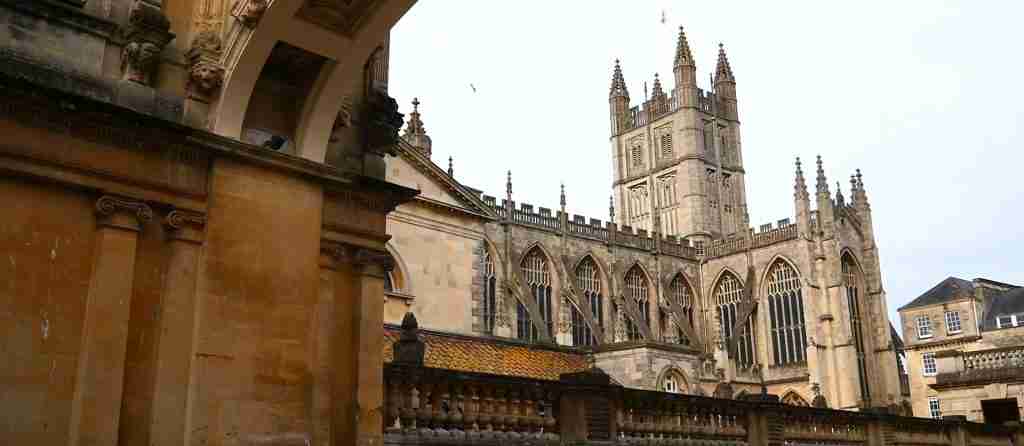
3 days
Bath 3-Day Discovery Tour
- ✓ Comprehensive Bath experience
- ✓ Expert local guides included
- ✓ All accommodation included
- ✓ Transportation provided
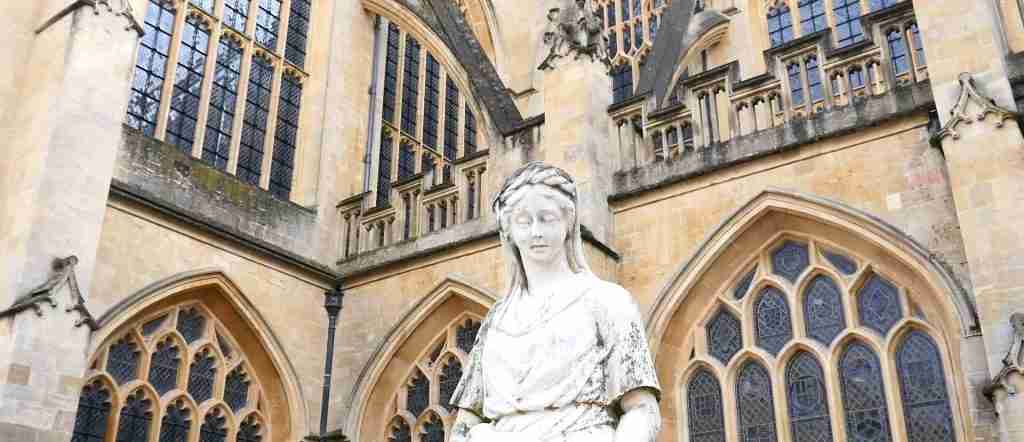
5 days
Bath 5-Day Highlights Experience
- ✓ Comprehensive Bath experience
- ✓ Expert local guides included
- ✓ All accommodation included
- ✓ Transportation provided

7 days
Bath 7-Day Cultural Journey
- ✓ Comprehensive Bath experience
- ✓ Expert local guides included
- ✓ All accommodation included
- ✓ Transportation provided

10 days
Bath 10-Day Complete Adventure
- ✓ Comprehensive Bath experience
- ✓ Expert local guides included
- ✓ All accommodation included
- ✓ Transportation provided
Multi-day tour packages powered by TourRadar. Prices and availability subject to change.
Introduction
Bath’s 18th-century transformation from medieval spa town to Georgian architectural masterpiece created England’s most visually unified city, where thousands of honey-limestone buildings cascade down hillsides in crescents, circuses, and terraces governed by strict planning codes that preserve the UNESCO World Heritage cityscape. Modern visitors navigate this living museum with advantages Roman bath-seekers and Georgian society figures never enjoyed—advance online ticketing that eliminates queues, comprehensive public transport networks connecting peripheral parking to pedestrianized zones, and digital tools tracking bus arrivals in real-time. Yet Bath’s compact two-square-mile center compressed with Roman archaeological sites, medieval abbey towers, Georgian townhouse museums, and contemporary thermal spa facilities demands strategic planning to maximize limited time without exhausting yourself racing between attractions separated by steep gradients and cobblestone streets.
Successful Bath visits in 2026 balance pre-trip research with flexible spontaneity, combining advance bookings for guaranteed Roman Baths entry with leisurely Georgian street wandering that reveals hidden courtyards, artisan workshops tucked behind honey-stone facades, and sudden vista openings onto the Abbey or surrounding Somerset countryside. This guide provides the essential planning framework—transportation strategies, timing recommendations, booking priorities, and practical logistics—that transform Bath from overwhelming heritage site into manageable exploration territory where Roman engineering marvels, Georgian architectural excellence, and Victorian engineering works weave together in walking-accessible density unmatched anywhere in Britain.
Pre-Visit Planning Essentials for 2026
Bath rewards advance planning more than spontaneous arrival, particularly during peak summer months when accommodation scarcity and attraction capacity limits create genuine access problems for unprepared visitors. Book accommodation 8-12 weeks ahead for July-August visits, 4-6 weeks for shoulder season travel in May-June or September-October. Bath’s hotel inventory remains remarkably limited for a city receiving over 5 million annual visitors—fewer than 3,000 hotel rooms serve the entire city, concentrated heavily in the £100-250 mid-range category with budget options genuinely scarce. Properties within 10-minute walking distance of the Roman Baths fill fastest, commanding premium rates for location convenience that eliminates bus dependence or uphill returns to peripheral accommodations.
Purchase Roman Baths tickets online through the official romanbaths.co.uk website at least 48 hours before your intended visit, securing both guaranteed entry and £2 savings versus walk-up prices. Online tickets include timed entry slots reducing queuing time from 30-60 minutes for peak-period walk-ups to essentially zero for pre-booked visitors. Download the Roman Baths audioguide app before arrival to speed entry processing—scanning your booking QR code and collecting physical audioguide devices takes 5-8 minutes less when you’ve pre-loaded the digital content. The app provides identical content to handheld devices in 12 languages, allowing preview during your journey to Bath and eliminating device collection entirely if you prefer using your own headphones.
Research Bath’s layout before arrival using online maps showing the compact historic center’s topography—the city occupies a river valley with significant elevation changes between low-lying areas around the Roman Baths and Abbey, mid-level Georgian terraces like Great Pulteney Street, and upper residential zones approaching Royal Crescent and Royal Victoria Park. Understanding these gradients helps plan daily routes that minimize uphill walking with luggage or after tiring attraction visits. The Skyline Walk encircling Bath via surrounding hilltops provides spectacular views but involves steep ascents and descents unsuitable as transportation between city center attractions.
Download essential apps before departure: First Bus for public transport planning, live bus tracking, and digital ticket purchasing; Google Maps with offline Bath area saved for navigation without data usage; and the official Visit Bath app for attraction information, event calendars, and restaurant recommendations. Car drivers should download the MiPermit app for council car park payment rather than relying on cash or card terminals, while those using Park & Ride services benefit from checking real-time space availability online before driving to potentially full facilities during peak periods.
Getting to Bath in 2026
Bath Spa railway station sits in the city center 800 meters from the Roman Baths, providing the most direct access from London, Bristol, Cardiff, and beyond via Great Western Railway services. Trains from London Paddington reach Bath in 90 minutes with departures every 30 minutes throughout the day, advance single fares starting from £15-25 when booked several weeks ahead versus £50+ for peak-time same-day travel. Bristol Temple Meads connects to Bath in just 11 minutes with trains every 15-30 minutes, while Cardiff Central sits 70 minutes distant with hourly direct services. The station features staffed ticket office, accessible facilities, and direct staircase or lift access to street level, emerging at Dorchester Street 100 meters from the bus station for onward local transport.
National Express operates up to 10 daily coach services from London Victoria to Bath Bus Station with journey times around 2 hours 50 minutes, one-way fares from £5 when booked in advance online. The budget-friendly option suits travelers prioritizing cost savings over speed, particularly for midweek off-peak travel when competition from budget airlines to Bristol Airport creates pressure on coach operators to maintain low prices. Bath Bus Station occupies the same Dorchester Street location adjacent to the railway station, placing coach arrivals within immediate walking distance of city center attractions and accommodation.
Bristol Airport lies 32 kilometers from Bath with direct Air Decker bus service (route A4) operated by Bath Bus Company connecting the airport to Bath Bus Station in 60-75 minutes depending on traffic. Services run every 60-90 minutes throughout the day with advance online fares from £12 single, £18 return versus £16.50/£24 purchased on board. The airport serves destinations across Europe and limited long-haul routes, functioning as the primary air gateway for visitors combining Bath with broader Southwest England itineraries. Larger London airports—Heathrow (134 kilometers), Gatwick (154 kilometers), and Stansted (221 kilometers)—require rail transfers via London Paddington, significantly extending total journey time but providing access to vastly wider international flight networks with competitive pricing.
Drivers approach Bath via the M4 motorway junction 18, then A46 southbound for 16 kilometers into the city outskirts. The Clean Air Zone exempts private cars from charges but emission-based parking fees apply at council car parks, while three Park & Ride sites on the city periphery provide free parking for bus users with services running every 15 minutes into the center. Newbridge Park & Ride (north), Lansdown Park & Ride (north), and Odd Down Park & Ride (south) operate Monday-Saturday until 11:30 PM, Sundays and public holidays until 6:00 PM, with return bus fares £4 for adults, £2 for children. These facilities eliminate city center parking challenges, Clean Air Zone navigation concerns, and the stress of maneuvering along narrow Georgian streets designed for horse-drawn carriages rather than modern vehicles.
Transportation Within Bath 2026
Walking dominates short-distance transportation within Bath’s compact historic center where pedestrian-friendly streets, crossings, and traffic-calmed zones prioritize foot traffic over vehicles. The Roman Baths to Royal Crescent distance measures just 1.2 kilometers via Great Pulteney Street and Pulteney Bridge, traversable in 15-18 minutes at leisurely pace with photo stops. Bath Abbey to the Fashion Museum covers 850 meters, Pulteney Bridge to Bath Assembly Rooms 600 meters, all representing easy walks for visitors with average mobility. However, Bath’s valley topography creates genuine elevation challenges—the climb from river level near Pulteney Bridge to Royal Crescent gains 40 meters in altitude via streets often featuring gradients exceeding 10%, manageable for healthy visitors but potentially taxing in hot weather or when carrying shopping bags.
First Bus operates Bath’s comprehensive public bus network with routes serving the urban area and connections to surrounding towns and villages. Single fares within Bath cost £2.40 for adults, £1 for children using the standardized West of England pricing structure. Day tickets available through the First Bus app or Tap On, Tap Off contactless payment cap at £5 for Bath zone travel, with week tickets at £19 providing better value for extended stays involving frequent bus use. The app displays live bus arrival times at any stop, route maps showing service patterns, and digital ticket purchase eliminating cash handling or queuing at driver payment. Routes operate from approximately 5:30 AM to 11:30 PM Monday-Saturday, with reduced Sunday schedules ending earlier around 10:00 PM for most services.
PlusBus tickets bundled with rail travel provide unlimited bus travel within Bath from £4.30 daily when added to train tickets during online booking or at station ticket offices. This exceptional value suits day-trippers arriving by train who plan multiple movements around Bath using public transport—a single return journey from Bath Spa station to Royal Crescent already costs £4.80 without PlusBus, making the £4.30 unlimited option obviously economical. PlusBus validity extends across most First Bus services and several other operators within the Bath urban boundary, though specific Park & Ride routes carry restrictions detailed in the PlusBus terms.
Taxis provide on-demand transportation for luggage transfers, late evening returns to peripheral accommodation, or accessibility needs preventing public transport use. Rank locations operate outside Bath Spa station, at the Orange Grove near Bath Abbey, and on Manvers Street, though pre-booking via phone or app ensures vehicle availability during busy periods. Expect £8-12 for short city center trips of 2-3 kilometers, £15-20 for transfers from central hotels to Park & Ride sites or peripheral accommodation areas. Uber operates in Bath alongside traditional taxi firms, often providing competitive pricing particularly for advance bookings rather than immediate requests.
Cycling infrastructure remains underdeveloped across much of Bath’s historic center where narrow Georgian streets, steep gradients, and cobblestone surfaces create challenging conditions for recreational cycling. The Bath to Bristol Railway Path provides an excellent traffic-free cycling route following a disused railway line for 21 kilometers, suitable for leisure rides or commutes to Bristol, but doesn’t serve most Bath tourist attractions. Bike rental availability exists but limited compared to Cambridge or Oxford university cities where flat topography and extensive cycle lane networks make cycling the dominant transportation mode. Most visitors find walking or buses more practical for Bath city center exploration.
Accommodation Booking Strategies 2026
Bath’s accommodation market operates in a perpetual supply-demand imbalance where limited hotel inventory confronts enormous visitor numbers, creating pricing pressures and capacity constraints absent in comparably sized cities. Book as far ahead as feasible for summer visits—12 weeks minimum for July-August weekend stays, 8 weeks for weekday summer accommodation. Shoulder season months of May-June and September-October require 4-6 weeks advance booking for good selection, while winter visits outside Christmas market period (late November through December) offer more last-minute flexibility.
Budget accommodation genuinely scarce in Bath city center—expect £60-100 per room for basic properties like YMCA Bath hostel or university guest rooms at University of Bath campus locations during summer vacation periods. The Z Hotel Bath provides compact modern rooms from £90-120 in a central Saw Close location opposite Theatre Royal, representing Bath’s nearest equivalent to budget chain hotels common in other British cities. Travelodge and Premier Inn chains operate Bath properties but typically located in peripheral areas requiring bus connections to reach city center attractions, trading location convenience for lower £50-80 room rates.
Mid-range accommodation dominates Bath’s hotel market with £100-250 per room properties including Georgian townhouse guesthouses, converted pub rooms, and purpose-built hotels across areas like Great Pulteney Street, Henrietta Street, and streets radiating from Queen Square. These properties typically include breakfast, occupy historic buildings with character features like original fireplaces and period details, and position within 10-15 minutes walking of major attractions. Family rooms sleeping four cost £140-200, representing better per-person value than booking two standard doubles. Properties featuring parking command £15-25 nightly premiums given Bath’s severe parking scarcity—consider whether parking justifies this additional cost versus using Park & Ride facilities for £8 daily return bus travel.
Luxury hotels cluster around Royal Crescent, with The Royal Crescent Hotel & Spa and Gainsborough Bath Spa leading the £300-500+ per night category through period building settings, exclusive spa facilities, and fine dining restaurants. The Gainsborough uniquely features natural thermal spa water within a hotel setting, channeling the same springs that supply the Roman Baths and modern Thermae Bath Spa into guest bathing facilities. No.15 Great Pulteney delivers boutique luxury with individually designed rooms, quirky period details, and £250-400 room rates reflecting limited inventory and exceptional location overlooking the Avon River approach to Pulteney Bridge.
Self-catering apartments provide excellent value for families or groups staying 3+ nights, with kitchen facilities reducing daily food costs and living room space preventing the cabin fever affecting small hotel rooms during rainy weather that confines children indoors. Properties range £120-250 per night depending on size, location, and amenities, often sleeping 4-6 guests versus hotel family rooms maxing out at 4 occupants. Weekend minimum stays apply to many apartments, while weekly rentals sometimes offer 10-15% discounts versus nightly rates.
Peripheral neighborhoods like Oldfield Park, Widcombe, and Bear Flat offer better value than city center properties while maintaining 15-25 minute bus connections or 25-35 minute walks to Roman Baths and major attractions. Budget-conscious travelers willing to sacrifice immediate location convenience save £20-40 nightly by selecting guesthouses in these residential areas, reinvesting savings into attraction admissions, dining experiences, or extended trip durations.
Roman Baths Visit Planning 2026
The Roman Baths operate as Bath’s must-see attraction—Britain’s premier Roman archaeological site preserving the only naturally hot springs in the United Kingdom alongside remarkably intact bathing complex remains. Purchase advance online tickets at £25 for adults to secure guaranteed entry and bypass walk-up ticket queues that extend 30-60 minutes during peak summer weekends and school holiday periods. Online booking opens timed entry slots ensuring visitor flow management, though tickets provide flexibility to arrive within your selected time window rather than requiring precise punctuality.
Timing your visit critically affects crowd levels and photography opportunities. Opening time at 9:00 AM delivers quietest experiences year-round with 50-70% fewer visitors than midday peaks. The first 90 minutes from opening until 10:30 AM consistently provide optimal exploration conditions—minimal queues at interactive displays, unobstructed photography of the Great Bath before harsh midday sunlight creates glare off green pool water, and thorough audioguide listening without crowd noise interference. Late afternoon entries after 4:00 PM create secondary quiet periods as tour groups depart and day visitors complete their exploration, though compressed available time before 6:00 PM closing limits how thoroughly you can explore if entering near closing time.
Comprehensive Roman Baths exploration requires 2-2.5 hours minimum to experience all galleries, thermal springs, and architectural spaces thoroughly. The audioguide provides 90 minutes of commentary across 48 stops, though most visitors selectively listen rather than engaging every single narrative section. Rush visits under 90 minutes skip important context or force superficial engagement with complex archaeological interpretation—budget adequate time to appreciate Britain’s most significant Roman remains properly rather than checking a box on hurried itineraries.
New augmented reality features launched in early 2026 overlay digital reconstructions onto physical remains through smartphone cameras, accessed via the Roman Baths app. Point devices at temple pediment fragments to see full-color reconstructions of original painted decoration that adorned the temple facade, or activate Great Bath AR mode showing Roman bathers in period costume within the pool environment. These features enhance understanding without physical alterations to authentic 2,000-year-old remains, providing visualization of how spaces functioned during active use versus today’s empty archaeological presentation.
Extended summer opening hours run through 8:00 PM final entry (9:00 PM closing) from June through August 2026, accommodating evening visitors and reducing daytime congestion by spreading visitor numbers across longer operating windows. Late afternoon and early evening entries create opportunities for dramatic lighting conditions as low-angle sunlight illuminates honey-stone architecture, plus cooler temperatures particularly appealing during hot summer days when afternoon heat makes outdoor exploration uncomfortable. Evening ambiance in the open-air Great Bath delivers distinctly different character than morning visits, worth experiencing if your Bath itinerary includes multiple days.
Money-Saving Strategies for Bath 2026
Bath challenges budget-conscious travelers through premium pricing across accommodation, dining, and attractions that reflect UNESCO heritage status and persistent demand exceeding supply. Strategic planning mitigates these costs without compromising experience quality through timing choices, combination tickets, and intelligent spending allocation between must-see paid attractions and excellent free alternatives.
Visit during shoulder season months of May-June or September-October when accommodation rates drop 30-40% below July-August peaks. A mid-range hotel room costing £180 nightly in peak summer often costs £110-130 in May or September, saving £50+ per night that multiplies across multi-day stays. Airlines and coach operators similarly reduce pricing during these periods when demand softens but weather remains pleasant for outdoor exploration and attraction visits.
Purchase combination tickets bundling multiple attractions when your itinerary includes Bath’s paid museums and historic houses. The Bath Attractions Ticket at £45 for adults includes Roman Baths (£25 alone), Fashion Museum (£11 alone), and Victoria Art Gallery (£9 alone), saving £11 versus separate admissions while encouraging visits to excellent museums that solo travelers might otherwise skip. This ticket particularly suits couples or families planning 2-3 days in Bath with time to visit all three institutions rather than rushing through abbreviated single-day itineraries.
Free attractions deliver exceptional experiences without admission charges, starting with Bath Abbey where £3 suggested donations support building maintenance but entry technically remains free for all visitors. The Abbey Diptych tour climbs 212 steps to tower viewing platforms providing panoramic city vistas across Georgian roofscapes toward surrounding Somerset countryside, worth every step for photography enthusiasts or those seeking Bath’s best free viewpoint. Royal Crescent’s exterior architecture costs nothing to photograph and the adjacent Royal Victoria Park provides free access to botanical gardens, children’s playground, and extensive lawns perfect for picnicking with supermarket provisions rather than expensive restaurant meals.
Pulteney Bridge spans the Avon with shops built into its structure recreating Florence’s Ponte Vecchio concept in Georgian Bath stone, entirely free to walk across and photograph. The riverside paths below the bridge extend along both banks providing pleasant walking routes past weir viewing areas and through parkland without admission charges. Prior Park Landscape Garden charges National Trust entry fees but the surrounding clifftop walking routes deliver similar Somerset countryside views without payment, accessible via public footpaths from various starting points around Bath’s periphery.
Self-catering accommodation with kitchen facilities reduces daily food costs significantly in expensive Bath where restaurant meals easily exceed £15-20 per person for casual lunches, £30-50 for dinner at mid-range establishments. Sainsbury’s supermarket on Green Park Station occupies a convenient city center location for grocery shopping, while Waitrose on High Street and Morrison’s slightly further out provide additional options. Breakfast provisions, sandwich fixings for packed lunches, and simple evening meals cooked in apartment kitchens save £30-50 daily for couples versus three restaurant meals, funds better allocated toward attraction admissions or premium experiences like Thermae Bath Spa thermal bathing.
Bus travel at £2.40 single fares or £5 day tickets costs dramatically less than taxi transfers charging £8-12 for equivalent short journeys. Download the First Bus app for digital ticket purchase, live bus tracking showing exactly when your service arrives, and route planning tools identifying optimal connections. PlusBus additions to rail tickets at £4.30 daily provide unlimited bus travel representing exceptional value for train arrivals planning multiple movements around Bath beyond simple walking range.
Free walking tours operate on tips-based models where guides work for voluntary gratuities rather than fixed fees, providing budget-friendly introduction to Bath’s history, architecture, and hidden corners. These tours typically run 90-120 minutes covering major landmarks with contextual commentary, though guide quality varies and generous tipping (£5-10 per person) is expected etiquette. The Visit Bath tourist information center at Bath Abbey provides free maps, attraction leaflets, and staff advice helping plan efficient itineraries without hiring private guides charging £150-200 for similar services.
Bath Weather and Seasonal Considerations 2026
Bath experiences a temperate oceanic climate typical of Southwest England with mild winters, moderate summers, and rainfall distributed fairly evenly across all months averaging 11-12 rainy days monthly. Understanding seasonal weather patterns helps pack appropriately and set realistic expectations for outdoor versus indoor activity balance throughout your visit.
Summer from June through August delivers Bath’s warmest weather with daytime temperatures averaging 20-23°C, occasionally reaching 26-28°C during heatwaves affecting Southern England. Long daylight hours extend until 9:00-9:30 PM in midsummer, maximizing exploration time and evening dining on outdoor restaurant terraces along streets like Milsom Street and Walcot Street. However, summer coincides with peak tourist season bringing the heaviest crowds, longest attraction queues, and highest accommodation rates. July and August school holidays swell visitor numbers dramatically as families converge on Bath for heritage education combined with entertainment value.
Spring from March through May sees temperatures gradually warming from 9-12°C in March to 15-18°C by late May, with daffodils, crocuses, and tulips blooming across Royal Victoria Park, Prior Park Landscape Garden, and residential garden squares throughout April. May particularly appeals as Bath Spring Festival brings outdoor events, early summer weather arrives without peak season crowds, and accommodation availability remains good. Occasional rain showers occur but rarely persist all day—pack waterproof jacket and umbrella rather than expecting continuous wet weather that would confine you indoors.
Autumn from September through November mirrors spring’s appeal through pleasant temperatures, reduced crowds, and beautiful fall foliage coloring hillside trees surrounding Bath’s valley setting. September often extends summer-like conditions with 18-20°C temperatures perfect for outdoor exploration without the heat occasionally making July-August uncomfortable for extensive walking. October sees temperatures dropping toward 12-15°C with earlier darkness reducing evening activity hours but maintaining comfortable daytime exploration conditions. November transitions toward winter chill with 8-11°C temperatures and increased rainfall, though Bath remains attractive for indoor museum visits, thermal spa experiences, and cozy pub afternoons.
Winter from December through February brings Bath’s coldest weather averaging 7-9°C daytime temperatures, occasionally dropping to -2°C overnight during cold snaps though snowfall remains rare at Bath’s low elevation. December features the famous Bath Christmas Market transforming Abbey Churchyard and adjacent streets into festive wonderland with wooden chalets selling crafts, seasonal foods, and gift items from late November through mid-December. This event attracts enormous crowds competing with summer peaks for hotel capacity and city center congestion, requiring very early booking for accommodation during market dates.
January and February represent Bath’s quietest months with minimal tourist numbers, lowest accommodation rates, and uncrowded attraction visits ideal for travelers prioritizing solitude over guaranteed sunshine. Thermae Bath Spa thermal bathing appeals particularly during winter when steam rises dramatically from outdoor rooftop pool as cold air meets 33.5°C thermal spring water, creating atmospheric bathing experiences unavailable during warmer months. Indoor attractions like Roman Baths, Fashion Museum, and Bath Assembly Rooms function identically regardless of weather, making winter visits perfectly viable for heritage-focused travelers comfortable with cold temperatures and early darkness limiting evening activities.
Navigating Bath’s Clean Air Zone 2026
Bath operates a Class C Clean Air Zone covering the city center and surrounding areas including Walcot, Bathwick, Widcombe, Kingsmead, and Royal Victoria Park, monitored 24 hours daily year-round through automatic number plate recognition cameras positioned at zone entry points. Private cars and motorcycles remain completely exempt from charges regardless of age, fuel type, or emission levels—only commercial vehicles face daily fees if failing to meet minimum emission standards.
Vans, light goods vehicles, pick-up trucks, and motorhomes classified as commercial vehicles pay £9 daily when entering the zone if they don’t meet Euro 6 diesel or Euro 4 petrol emission standards. Taxis and private hire vehicles similarly incur £9 charges when non-compliant. Buses and heavy goods vehicles face £100 daily charges if failing emission standards, though private motorhomes and horseboxes exceeding 3.5 tonnes can register for reduced £9 rates through the council’s MiPermit portal application process taking up to 14 days for approval.
Zone boundaries extend from the A36 corridor in the south through the historic center northward to encompass residential areas approaching the university campus, with clear road signage displaying white cloud symbols in green circles marking entry points. The interactive map on Bath & North East Somerset Council website shows precise boundaries, allowing drivers to verify whether planned routes or accommodation addresses sit within the charging zone requiring payment for commercial vehicle entry.
Payment processes exclusively through the government’s Clean Air Zone website at gov.uk/clean-air-zones, requiring only vehicle registration number to check charging status and make payments. You can pay up to six days in advance, on the actual travel day, or within six days following travel—no reminder notices are issued, making payment entirely the driver’s responsibility. Failure to pay incurs £120 penalty charge notices reduced to £60 if paid within 14 days, plus the outstanding original zone charge still due.
The midnight-to-midnight charging period creates a significant consideration for multi-day zone stays—vehicles entering before midnight and remaining in the zone past midnight into a new calendar day incur separate charges for each day. A commercial van arriving at 11:00 PM Sunday and departing 1:00 AM Monday pays two £9 charges totaling £18 despite just two hours physical presence, simply because the stay crossed into a new charging day. Plan arrival and departure times strategically to minimize daily charge accumulation when staying multiple days at Bath accommodation within the zone.
The Clean Air Zone exempts stationary parked vehicles from charges—commercial vans parked in the zone without driving on public roads avoid daily fees. However, council car park emission-based parking charges apply separately from Clean Air Zone fees, creating potential dual charging where commercial vehicles both pay zone entry fees and elevated parking rates based on emissions. Check whether accommodation properties offer private parking outside council-controlled facilities to avoid these compounded charges.
Parking Solutions and Strategies 2026
Bath’s severe parking scarcity and emission-based charging structure make parking the single most complex logistical challenge for visitors arriving by car. The city center features extremely limited on-street parking with most spaces restricted to residents permit holders, while council car parks implement dynamic pricing based on vehicle emissions checked against DVLA databases when registration plates are entered at payment terminals.
Park & Ride facilities provide the optimal parking solution for most Bath visitors, offering free parking for bus users with £4 adult return bus fares (£2 children) delivering passengers to city center in 10 minutes every 15 minutes Monday-Saturday until 11:30 PM, Sundays and public holidays until 6:00 PM. Three sites operate: Newbridge on the A4 northwest approach, Lansdown on the A46 north approach, and Odd Down on the A367 south approach. Real-time space availability displays on the Visit Bath website and travelwest.info help identify open facilities during busy periods when car parks occasionally reach capacity.
Vehicles parking at Park & Ride but not using the bus service face £4 charges (increasing to £4 from October 2026 based on council proposals), discouraging long-stay parking by those circumventing the system. This charge structure makes Park & Ride economically compelling—£4 return bus travel for two passengers costs identical to parking-only charges while eliminating city center parking fees of £2-3 per hour at council car parks, Clean Air Zone concerns, and navigation stress through narrow Georgian streets congested with delivery vehicles and buses.
Council car parks charge emission-based rates checking vehicle CO2 emissions against DVLA records, with non-diesel vehicles below 131 grams per kilometer paying standard rates while higher-emission vehicles, particularly diesels, face premium charges. Charlotte Street and Avon Street car parks near Bath Spa station provide most convenient city center locations but charge £3-4 hourly with £18-25 daily maximums depending on emissions. The Podium shopping center car park and SouthGate shopping center car park offer similar central access with comparable pricing, all accepting contactless payment at terminals or via the MiPermit app downloaded before arrival.
Blue Badge holders access limited free parking spaces at some council car parks, though availability varies and many bays still require payment despite Blue Badge possession. Specific streets including Abbey Green, Cheap Street, and Upper Borough Walls restrict general traffic but permit Blue Badge holder access—check Bath & North East Somerset Council website for current restricted street listings and access arrangements before attempting entry.
Hotel parking remains scarce with properties charging £15-25 nightly when available, while most Georgian townhouse guesthouses and boutique hotels offer zero on-site parking due to historic building conversion limitations and Georgian street design predating automobile invention. Always confirm parking availability and cost when booking accommodation if arriving by car—Park & Ride usage potentially proves more economical than combined hotel parking fees and city center maneuvering challenges.
Essential Apps and Digital Tools 2026
Smartphone apps transform Bath navigation, ticketing, and planning from frustrating uncertainty into streamlined efficiency, provided you download and configure them before arrival when WiFi availability may be limited to accommodation or cafes rather than available on-demand throughout the city.
First Bus app provides comprehensive public transport support including live bus tracking showing precise arrival times at any stop, complete route maps across Bath’s bus network, digital ticket purchase eliminating cash handling, and journey planning between any two addresses within the service area. The app’s Tap On, Tap Off functionality caps daily spending at £5 for Bath zone travel when using the same contactless card, automatically calculating whether single fares or day ticket rate applies to your actual usage pattern. Download before leaving home, create an account, and add payment method to enable instant bus boarding without queuing at driver windows.
Roman Baths official app delivers audioguide content in 12 languages identical to handheld devices provided at the attraction, plus new augmented reality features overlaying digital reconstructions onto archaeological remains through smartphone cameras. Pre-loading the app during your journey to Bath allows preview of commentary content and familiarity with navigation, speeding entry processing when you arrive and eliminating handheld device collection if you prefer using your own headphones. The app requires initial download on WiFi before offline use within the Roman Baths where cellular signals may be weak in basement archaeological levels.
Visit Bath app consolidates attraction information, event calendars, restaurant recommendations, and walking route maps into a single official source reflecting current operating status rather than outdated printed guidebooks. The app features interactive maps showing your real-time location relative to attractions, self-guided walking tours with narrative commentary at key points, and direct links to attraction booking pages. Push notifications alert users to breaking news like attraction closures, special events, or emergency transport disruptions affecting visitors.
MiPermit app handles council car park payment across Bath’s emission-based charging system, automatically calculating rates based on vehicle registration lookup against DVLA emissions data. The app eliminates queuing at payment terminals, sends expiry alerts before parking time expires, and allows remote session extension without returning to your vehicle. Essential for anyone using council car parks rather than Park & Ride, though parking at Park & Ride and using buses renders this app unnecessary.
Google Maps offline area download provides navigation without cellular data usage, critical when roaming charges apply to international visitors or domestic users exceeding mobile data allowances. Download the Bath area covering city center plus surrounding countryside before departure, enabling turn-by-turn walking directions, public transport route suggestions, and business information searches even when airplane mode or data saving limits internet connectivity. The offline maps update periodically when connected to WiFi, maintaining current accuracy across return visits.
National Rail app or trainline.com app facilitates rail ticket booking, real-time delay notifications, platform information, and journey planning across Britain’s rail network. Book Bath Spa station tickets weeks ahead for advance fare access, add PlusBus for £4.30 unlimited Bath bus travel, and receive live updates if disruptions affect your travel day. The app shows platform assignments typically posted 10-15 minutes before departure, eliminating station display board confusion during busy periods.
Dining and Food Planning 2026
Bath’s dining scene spans from upscale restaurants occupying Georgian townhouses with seasonal British menus to casual cafes, international cuisine, and chain outlets providing familiar options for cautious eaters. Understanding the landscape helps budget appropriately and secure reservations at desired venues during peak dining hours when walk-in availability becomes scarce.
Budget dining options cluster around chains like Pret A Manger, Greggs bakery, and Subway occupying prime city center locations along Cheap Street, Stall Street, and Westgate Street. Expect £5-8 for sandwich meals, £3-5 for coffee and pastry combinations. Independent cafes throughout Bath deliver superior quality and local character at similar pricing—Society Cafe on Kingsmead Square, the Scallop Shell fish and chips on Monmouth Place, and Schwartz Bros burgers on The Corridor all provide excellent casual dining under £12 per person for main courses.
Mid-range restaurants concentrate along Milsom Street, George Street, and streets radiating from Queen Square, serving £15-25 main courses in attractive period settings with attentive service. Italian cuisine dominates this category with numerous trattorias and pizzerias, while Thai, Indian, and contemporary British options provide variety. Reservations recommended for Friday-Saturday dinner service and all summer peak season evenings when walk-in availability proves unreliable. Lunch specials and early bird menus at many restaurants reduce costs 20-30% versus full dinner pricing for identical venues.
Fine dining establishments like the Olive Tree at the Queensberry Hotel, Menu Gordon Jones on Wellsway, and the Pump Room Restaurant above the Roman Baths deliver exceptional experiences at £40-70 per person for three-course meals excluding wine. These restaurants suit special occasions or serious food enthusiasts rather than casual everyday dining, requiring advance reservations particularly for weekend dinner service when many Bath visitors celebrate anniversaries, birthdays, or romantic occasions.
The Pump Room Restaurant provides unique atmosphere in the original Georgian assembly room above the Roman Baths where Bath society gathered for social events in the 18th century. Morning coffee and Bath buns run £8-12, afternoon tea £30-45 per person, dinner mains £20-35. Live classical music performs during morning and afternoon service, creating period ambiance matching the architectural setting. Reservations essential for afternoon tea service, particularly weekends and school holiday periods.
Picnic provisions from supermarkets enable budget-conscious meals in Royal Victoria Park, along Avon riverbanks, or in hotel rooms for self-catering accommodation guests. Sainsbury’s on Green Park Station provides central shopping access, while larger Morrison’s and Tesco stores slightly outside the immediate center offer wider selection and potentially lower pricing. Assembled picnics cost £5-8 per person versus £15-20 restaurant lunches, savings compounding across multi-day stays.
Accessibility Considerations 2026
Bath’s Georgian architecture and hilly topography create genuine accessibility challenges for visitors with mobility limitations, though modern adaptations and strategic planning enable worthwhile experiences for wheelchair users and those requiring mobility aids.
The Roman Baths provide step-free access to most areas via lifts servicing the main levels, though some secondary spaces accessible only by staircases remain off-limits to wheelchair users. The audioguide system includes wheelchair-compatible devices and staff assistance for transfers between areas requiring navigation support. However, the Great Bath viewing terrace reached via staircases from the museum level denies wheelchair access to Bath’s most iconic photographic location, a significant limitation affecting the overall experience quality for mobility-impaired visitors.
Bath Abbey welcomes wheelchair users through the main west entrance with step-free access to nave areas, though tower climbs obviously exclude anyone unable to manage 212 steps. Accessible toilets operate in the Abbey, while volunteer welcomers provide assistance as needed. The Fashion Museum at the Assembly Rooms features lift access to all floors, accessible toilets, and loan wheelchairs for visitors requiring them.
Bath’s streets present variable accessibility depending on location. The flat areas around Bath Abbey, the Roman Baths, and Pulteney Bridge provide relatively easy wheelchair navigation along paved streets with dropped curb crossings. However, approaches to Royal Crescent involve steep hills and some cobblestone street sections creating vibration and navigation difficulties for wheelchair users and those using walking aids. The Skyline Walk encircling Bath on hilltop paths excludes wheelchair access entirely through steep gradients, narrow paths, and stile crossings.
Public buses throughout Bath feature low-floor designs with wheelchair ramps operated by drivers, designated wheelchair spaces, and accessibility features including audio-visual stop announcements. However, narrow Georgian streets sometimes force buses to maneuver around parked vehicles, occasionally creating situations where wheelchair boarding proves impossible until the bus reaches wider stopping areas. First Bus staff receive accessibility training and assist passengers requiring additional support.
Accommodation accessibility varies dramatically between modern purpose-built hotels offering ground-floor rooms, lifts, and adapted bathrooms versus Georgian townhouse conversions where narrow staircases, upper-floor-only rooms, and historic bathroom fixtures create barriers for mobility-impaired guests. Always confirm specific accessibility features when booking—”accessible room” descriptions require verification of actual provisions like roll-in showers, grab rails, and emergency call systems rather than assuming basic compliance.
Blue Badge holders access designated parking bays at council car parks and certain restricted city center streets, though availability varies and many spaces still require payment despite badge possession. The Visit Bath website accessibility page details current provisions, while VisitBritain provides regional accessibility information for Southwest England including Bath-specific guidance for disabled travelers.
Safety and Health Considerations 2026
Bath ranks as one of Britain’s safest cities with extremely low violent crime rates, minimal street harassment, and generally secure environments for solo travelers including women traveling alone. Standard urban precautions apply—secure valuables in hotel safes, maintain awareness in crowded tourist areas where pickpocketing occasionally occurs, and avoid poorly lit areas late at night when returning from evening dining or entertainment.
Emergency services access via 999 or 112 from any phone provides immediate connection to police, ambulance, or fire services. Royal United Hospital Bath on Combe Park operates comprehensive emergency department treating acute medical situations, while Bath city center pharmacies including Boots on Stall Street provide over-the-counter medications and minor ailment treatment advice during extended hours.
Bath’s hilly topography creates genuine physical demands on visitors attempting comprehensive walking itineraries. The climb from Pulteney Bridge to Royal Crescent involves 40 meters elevation gain via streets frequently exceeding 10% gradients, challenging for visitors with cardiovascular conditions, joint problems, or general fitness limitations. Plan realistic daily walking distances accounting for elevation changes, rest breaks, and energy reserves for evening activities rather than exhausting yourself through overambitious daytime schedules.
Hot weather during summer peaks occasionally affects vulnerable visitors unaccustomed to extended outdoor exposure. Carry water bottles for hydration during summer visits, wear sun protection including hats and sunscreen, and schedule midday breaks indoors at museums or cafes during hottest afternoon hours. The Roman Baths underground areas maintain cooler temperatures year-round, providing relief from surface heat during summer exploration.
Thermae Bath Spa thermal bathing facility maintains 33.5°C water temperatures requiring cardiovascular fitness for safe use—visitors with heart conditions, pregnant women, and those with circulation problems should consult physicians before thermal bathing. The spa provides health screening questionnaires at entry, enforces maximum 2-hour bathing durations, and maintains lifeguard supervision across all pool areas.
Special Events and Festivals 2026
Bath’s cultural calendar delivers year-round events from literature festivals to Christmas markets, creating seasonal variation in crowd levels, accommodation availability, and city atmosphere. Understanding major event dates helps either target visits to experience specific festivals or avoid dates when your desired quiet city exploration becomes impossible due to event-driven congestion.
Bath Christmas Market transforms Abbey Churchyard and adjacent streets from late November through mid-December with over 150 wooden chalets selling crafts, seasonal foods, decorations, and gift items. This internationally renowned market attracts enormous visitor numbers competing with July-August summer peaks, requiring very early accommodation booking and tolerance for extreme crowding in city center areas. The market operates daily from approximately 10:00 AM to 7:00 PM with extended Thursday-Saturday hours until 9:00 PM, creating festive atmosphere enhanced by lights, decorations, and live entertainment throughout the historic setting.
Bath Literature Festival in early March brings author readings, panel discussions, writing workshops, and literary events across venues throughout the city. The festival attracts 25,000+ visitors annually with tickets to individual events ranging £8-20, or festival passes providing access to multiple sessions at discounted rates. Accommodation during festival dates fills rapidly with literary enthusiasts, though crowd impacts remain concentrated at specific event venues rather than city-wide congestion affecting general tourism.
Bath Comedy Festival in April-May features stand-up performances, improv shows, and comedy workshops across Bath venues including Theatre Royal, Komedia, and various pubs and smaller spaces. The two-week festival showcases emerging comedians alongside established names, with ticket prices £8-25 depending on performer profiles and venue capacities. Comedy enthusiasts planning Bath visits during festival dates should book show tickets alongside accommodation to secure desired performances.
Bath International Music Festival in late May brings classical music, jazz, opera, and world music performances to Bath venues including Bath Abbey, the Forum, and outdoor spaces across the city. The 17-day festival features 150+ events with tickets £10-50, attracting classical music enthusiasts and creating late May accommodation pressure. Free outdoor events and street performances supplement ticketed concerts, allowing all visitors to experience festival atmosphere without purchasing specific event access.
Jane Austen Festival in September celebrates Bath’s most famous literary resident through period costume events, talks, walking tours, and Regency ball dances. Ten days of programming includes ticketed events £5-35 and free activities like the Grand Regency Costumed Charity Parade through city center streets. Austen enthusiasts wearing period costume receive discounts at participating Bath attractions and restaurants, creating distinctive visual atmosphere throughout the September event dates.
Day Trip Destinations from Bath 2026
Bath’s central Southwest England location provides excellent base for day trips exploring Stonehenge, the Cotswolds, Bristol, and other regional highlights accessible via public transport or car within 60-90 minutes travel time.
Stonehenge lies 64 kilometers south of Bath, reachable via direct Stonehenge Tour Company buses departing Bath Bus Station or by car via A36 and A303 in approximately 60 minutes. The prehistoric stone circle attracts enormous visitor numbers requiring advance ticket booking through English Heritage website, with admission £23 adults, £14 children including audioguide and visitor center access. Allow 2-3 hours total for Stonehenge including visitor center exhibitions explaining archaeological context, though the stones themselves occupy a relatively compact area viewable in 45-60 minutes. Combination tour operators bundle Stonehenge with additional sites like Salisbury Cathedral or Avebury stone circle for fuller day experiences.
The Cotswolds Area of Outstanding Natural Beauty extends northeast from Bath, encompassing honey-stone villages, rolling countryside, and market towns preserving traditional rural English character. Castle Combe sits just 19 kilometers from Bath, frequently cited among England’s prettiest villages with medieval bridge, stone cottages, and utterly car-free village center preserving period atmosphere. Public transport proves challenging for Cotswolds exploration—car hire or organized tours provide most practical access to multiple villages within single-day itineraries. Expect 90-120 minute driving circuits covering 3-4 villages like Castle Combe, Lacock (National Trust property), and Bradford-on-Avon (riverside market town with Saxon church).
Bristol lies just 21 kilometers from Bath with trains every 15-30 minutes covering the distance in 11 minutes, making it Britain’s easiest major city day trip. Bristol’s harbourside development, SS Great Britain historic ship museum, Clifton Suspension Bridge, and street art scene (Banksy’s hometown) provide full-day exploration opportunities with completely different character than heritage-focused Bath. Return train tickets cost £8-12, while combined Bath-Bristol itineraries spreading accommodation across both cities create varied multi-day experiences without single-location stagnation.
Wells Cathedral and the medieval town of Wells sit 32 kilometers south of Bath, accessible via hourly bus services (route 173) taking 75 minutes. Wells features England’s smallest cathedral city with magnificent Gothic cathedral, Bishop’s Palace with moat and swans, and attractive market square surrounded by independent shops and cafes. Allow 3-4 hours for Wells cathedral visit including cloisters, chapter house, and chain bridge to Bishop’s Palace grounds. Combined Wells-Glastonbury day trips prove popular, adding Glastonbury Tor (mystical hill), Glastonbury Abbey ruins, and alternative culture shops to the cathedral city visit.
Longleat Safari Park operates 27 kilometers from Bath, featuring drive-through safari viewing lions, tigers, giraffes, and other species alongside Longleat House (Elizabethan stately home) and extensive gardens. Admission £35-45 depending on season with online advance booking discounts, requiring 5-6 hours minimum for safari drive plus house and grounds exploration. No direct public transport serves Longleat—car hire or organized tour operators provide access for non-drivers.
Photography Tips for Bath 2026
Bath’s honey-limestone architecture photographed in morning or late afternoon light creates the iconic images defining the city’s visual identity, while timing, positioning, and technical approach dramatically affect result quality.
Royal Crescent photographs best from the lawn fronting the 30 Georgian townhouses, where morning light from the east illuminates honey-stone facades before harsh midday sun creates excessive contrast. Arrive before 9:00 AM for crowd-free compositions—later morning and afternoon sees tourist groups congregating for identical photos, forcing patience for gaps in foot traffic. The lawn’s gentle curve requires wide-angle lenses (16-24mm full-frame equivalent) capturing the entire crescent sweep in single frames, while telephoto compression (70-200mm) isolates individual townhouse details and architectural elements.
Pulteney Bridge frames beautifully from Alexandra Park on the south bank below the weir, where morning light sidelights the bridge structure and Avon River flows create foreground interest. Evening golden hour provides warm illumination from the west, though bridge shadow from intervening buildings complicates exposure management. Access Alexandra Park via staircase descents from Grand Parade or Pulteney Gardens, avoiding midday visits when high sun eliminates dimensional modeling that defines architectural photography.
Bath Abbey exterior photographs from Abbey Churchyard require wide angles capturing Gothic perpendicular facade plus surrounding Georgian buildings framing context. Morning through early afternoon provides good illumination, while evening light creates attractive warm tones but reduces detail visibility in shadowed areas. Interior photography inside the Abbey operates without flash restrictions, though tripod usage requires advance permission—shoot handheld using high ISO (1600-3200) and image stabilization to freeze fan vaulting details without disturbing ongoing worship or visitor flows.
The Roman Baths Great Bath photographs dramatically from the terrace level where morning opening time (9:00 AM) before heavy visitor arrivals enables clean compositions without crowds obscuring pool reflections. Green thermal water color intensifies under diffused overcast conditions versus bright sunshine creating surface glare that washes out color saturation. The museum’s underground levels require high ISO settings (3200-6400) and stabilization compensating for dim ambient lighting—flash usage prohibited to protect archaeological artifacts and visitor experience quality.
Skyline views from surrounding hilltops including Alexandra Park, Lansdown Crescent area, and Beechen Cliff walking routes provide panoramic Bath cityscape compositions impossible from within the compact historic center. Golden hour timing (hour after sunrise, hour before sunset) delivers warm light raking across Georgian terraces while defining valley topography through shadow patterns. Tripods stabilize longer exposures capturing dusk light transitions as street lighting activates across the city below your elevated position.
Shopping in Bath 2026
Bath shopping spans from independent boutiques occupying Georgian shopfronts along Milsom Street to covered markets, major retailers, and specialist shops selling everything from antiques to contemporary crafts, with concentration in the walkable city center enabling efficient browsing across multiple retail categories.
Milsom Street functions as Bath’s premium shopping corridor with mix of British high street chains (Anthropologie, Jigsaw, Phase Eight) and independent boutiques occupying elegant Georgian buildings. Parallel streets including George Street and Quiet Street extend the shopping zone with additional fashion, accessories, and homeware retailers. Most shops operate Monday-Saturday 9:00/10:00 AM to 5:30/6:00 PM, with limited Sunday hours 11:00 AM to 4:00/5:00 PM.
SouthGate shopping center provides indoor mall environment housing major retailers like House of Fraser department store, Apple Store, and fashion chains accessible via covered arcade protecting from weather. The center occupies central location near Bath Bus Station and railway station, convenient for pre-departure shopping or rainy day browsing. Opening hours extend Monday-Saturday 9:00 AM to 8:00 PM, Sundays 11:00 AM to 5:00 PM.
Bath Guildhall Market operates Tuesday-Saturday in covered Victorian market hall near Pulteney Bridge, featuring 20+ stalls selling fresh produce, artisan foods, crafts, jewelry, and vintage items. The market’s atmospheric setting and local character contrast sharply with chain store uniformity, appealing to visitors seeking unique souvenirs or specialty food products. Operating hours run Tuesday-Saturday 9:00 AM to 5:00 PM.
Antiques shops cluster along Bartlett Street Antiques Centre and scattered throughout the city center, selling Georgian furniture, Victorian jewelry, porcelain, and collectibles reflecting Bath’s heritage appreciation. Serious antique hunters allocate several hours browsing multiple dealers, while casual browsers enjoy window shopping architectural salvage, vintage fashion, and decorative items even without purchase intent. Prices reflect specialist market positioning rather than bargain basement appeal.
Independent bookshops including Topping & Company on York Street and Mr B’s Emporium on John Street provide curated selections emphasizing literary fiction, local interest titles, and book lover atmosphere with reading areas and author event programs. Bath’s literary heritage (Jane Austen residence) and contemporary cultural scene support these specialist retailers despite Amazon competition eroding bookshop viability in less cultured cities.
Frequently Asked Questions About Bath Travel 2026
How many days do I need in Bath?
Two full days provide comfortable time to visit major attractions including the Roman Baths, Bath Abbey, Royal Crescent, and one additional museum or activity without rushing between sites. This duration allows evening restaurant experiences, leisurely Georgian street wandering, and flexibility for weather-dependent outdoor activities. Three days enable deeper exploration adding Thermae Bath Spa thermal bathing, multiple museum visits, day trip to nearby Cotswolds villages or Stonehenge, or participation in seasonal events and festivals. Single overnight visits feel rushed requiring strict prioritization between competing attractions—arrive early, visit Roman Baths at 9:00 AM opening, explore Abbey and central area through afternoon, perhaps evening meal before overnight departure next morning. Extended stays beyond three days suit Bath residents more than tourists, as attraction inventory and activity variety becomes limiting compared to larger cities offering broader entertainment and cultural options across week-long visits.
Is Bath expensive to visit?
Bath costs more than average British cities through premium accommodation pricing, expensive restaurant meals, and paid attractions charging £15-25 admission fees. However, strategic planning mitigates expenses through shoulder season travel reducing accommodation 30-40%, free attractions including Bath Abbey and Royal Crescent, self-catering provisions from supermarkets versus restaurant meals, and public transport at £2.40 single bus fares versus £8-12 taxis. Budget-conscious travelers visiting during May-June or September-October, staying in peripheral neighborhoods with bus connections, picnicking in Royal Victoria Park, and selectively choosing 2-3 paid attractions versus attempting comprehensive museum visits manage Bath experiences for £60-90 per person daily including accommodation, meals, and attraction admissions. Mid-range comfort with central hotels, restaurant meals, and multiple paid attractions costs £150-220 per person daily, while luxury visitors in spa hotels with fine dining and premium experiences easily exceed £300-400 daily per person.
Can I visit Bath without a car?
Bath functions excellently without car ownership through compact walkable city center where all major attractions cluster within 15-minute walking radius, comprehensive bus network serving peripheral areas, and excellent train connections to London, Bristol, Cardiff, and regional destinations. Arriving by train at Bath Spa station places you 800 meters from the Roman Baths with level walking or short bus ride eliminating car rental costs, parking challenges, and Clean Air Zone navigation. Day trips to Stonehenge operate via dedicated tour buses from Bath Bus Station, while Bristol reaches in 11 minutes by frequent trains for varied urban exploration. The Cotswolds presents the primary car-advantaged destination, though organized tours bundle multiple villages without requiring rental vehicles. Visitors planning Bath-only stays without regional touring save money and stress avoiding car rental entirely, using public transport and occasional taxis for any movements beyond comfortable walking range.
What should I pack for Bath in different seasons?
Summer visits require lightweight clothing for 20-23°C temperatures, comfortable walking shoes for extensive pavement pounding across Bath’s hilly topography, sun protection including hat and sunscreen for outdoor exploration, and compact umbrella plus light waterproof jacket for occasional showers affecting Southwest England throughout warm months. Spring and autumn demand layering capability with mid-weight jacket, long trousers, and warmer tops for 12-18°C temperatures, plus waterproof protection for more frequent rainfall than summer periods. Winter packing includes warm coat, hat, gloves, and layers for 7-9°C daytime temperatures occasionally dropping below freezing overnight, though heavy winter gear proves unnecessary for Bath’s mild maritime climate avoiding Continental European temperature extremes. All seasons benefit from comfortable broken-in walking shoes rather than new footwear causing blisters—Bath’s cobblestone streets, stone pavements, and hilly gradients punish inadequate footwear choices through painful foot problems limiting exploration capability.
Are there any good free things to do in Bath?
Bath Abbey technically charges no admission though £3 suggested donations support building maintenance, providing free access to magnificent Gothic perpendicular architecture, intricate fan vaulting, and Victorian stained glass windows among Britain’s most impressive church interiors. The Abbey Diptych tower tour climbs 212 steps to viewing platforms for £8, but Abbey ground level exploration costs nothing. Royal Crescent exterior photography, Royal Victoria Park botanical gardens and lawns, Pulteney Bridge walking and riverside paths, and Georgian street architecture appreciation throughout the city center all deliver excellent experiences without admission charges. Free walking tours operate on tips-based models where guides work for voluntary gratuities (£5-10 suggested) rather than fixed fees, providing 90-120 minute introductions to Bath’s history and architecture. The Visit Bath tourist information center supplies free maps and advice, while numerous Georgian street perspectives, hidden alleyways, and architectural details reward aimless wandering without requiring purchased attraction access.
How do I get from Bath to London?
Direct trains from Bath Spa to London Paddington operate every 30 minutes throughout the day with 90-minute journey times, representing the fastest and most convenient connection between the cities. Advance purchase tickets booked several weeks ahead cost £15-25 single versus £50-70 for same-day peak-time travel, making early booking financially compelling. The trains run frequently enough that missing one departure simply means waiting 30 minutes for the next service without significant schedule disruption. National Express coaches provide budget alternative with 2 hour 50 minute journeys from Bath Bus Station to London Victoria Coach Station, one-way fares from £5 when booked in advance online. Coaches suit extremely price-sensitive travelers or those with flexible schedules accepting longer journey times for cost savings, though train travel’s speed and frequency advantages generally justify the moderate price premium for most visitors valuing time efficiency.
What’s the best area to stay in Bath for first-time visitors?
The city center within 10-minute walking distance of the Roman Baths provides optimal first-visit locations through immediate access to major attractions, restaurants, and Georgian architecture without requiring bus navigation or uphill returns to peripheral accommodation. Great Pulteney Street, Henrietta Street, and streets around Queen Square offer attractive mid-range guesthouses and boutique hotels in period buildings, typically £100-200 per night balancing location convenience against affordability. These areas place you within 5-10 minutes walk of Roman Baths, Bath Abbey, Thermae Bath Spa, and Pulteney Bridge while occupying quieter residential streets versus intensely commercial zones around Abbey Churchyard. Budget-conscious travelers accepting 15-20 minute bus rides or 25-30 minute walks save £20-40 nightly by selecting Oldfield Park or Widcombe neighborhoods offering good public transport connections while trading immediate location convenience for lower accommodation costs reinvested in attraction admissions or dining experiences.
Is Bath good for families with children?
Bath suits families with children aged 8+ who appreciate historical sites and can manage extensive walking across hilly terrain, though younger children may find heritage-focused attractions less engaging than activity-oriented destinations featuring play areas, interactive exhibits, or outdoor adventure elements. The Roman Baths fascinates history-interested children through audioguide storytelling and ancient engineering marvels, while Victoria Art Gallery and Fashion Museum prove less appealing to most young visitors preferring active experiences over museum browsing. Royal Victoria Park provides excellent playground facilities, open lawns for running and games, and botanical garden exploration appealing across age ranges, while boat trips on the Avon offer relaxing breaks from walking-intensive sightseeing. Family-friendly restaurants throughout Bath accommodate children with dedicated menus and casual atmospheres, though Bath’s refined character attracts fewer families than beach resorts or theme park destinations designed primarily for child entertainment. Families visiting Bath typically integrate it within broader touring itineraries including more child-focused destinations like Longleat Safari Park (27 kilometers distant) or Bristol’s harbourside attractions rather than Bath-exclusive holidays.
Can I drink the thermal spring water in Bath?
Never drink the thermal spring water accessible at the Roman Baths or flowing through the Thermae Bath Spa facility—the water contains minerals and bacteria making it unsafe for consumption despite historical Georgian-era practices where drinking the waters formed an integral spa treatment ritual. The only safe thermal water drinking occurs at the modern Pump Room Restaurant fountain where filtered and treated thermal water dispenses for visitor sampling, providing authentic thermal spring experience without health risks associated with untreated source water. The fountain water tastes distinctly mineral-rich with warm temperature and slight metallic character reflecting iron and sulfate content that Romans and Georgians believed delivered therapeutic benefits. Modern understanding recognizes thermal bathing’s relaxation and circulation benefits while rejecting ingestion claims lacking scientific validation, making Thermae Bath Spa’s bathing pools the recommended thermal water experience versus drinking practices abandoned for health safety reasons.
What is Bath famous for?
Bath achieved fame through three distinct historical periods creating today’s UNESCO World Heritage cityscape. Romans established Britain’s premier bathing complex around naturally hot springs in 60-70 AD, constructing elaborate temple and bathing facilities that operated continuously for 300+ years until Roman withdrawal from Britain. These remarkably preserved remains now constitute the Roman Baths museum and Bath’s original claim to international significance. Georgian society in the 18th century transformed Bath into Britain’s most fashionable spa resort where aristocracy and emerging middle classes gathered for social season activities centered around thermal bathing, assembly room balls, and polite society rituals. This Georgian development created Bath’s distinctive honey-limestone architecture—the Royal Crescent, Circus, and thousands of terraced townhouses representing Britain’s finest Georgian urban planning. Literary associations add further renown through Jane Austen’s Bath residence from 1801-1806 inspiring settings in Persuasion and Northanger Abbey, while contemporary Bath serves as filming location for period dramas including Bridgerton, Les Misérables, and Vanity Fair capitalizing on authentic Georgian streetscapes unavailable elsewhere in Britain.