
Bath to Stonehenge Day Trip 2026: How to Visit Both UNESCO Sites
Key Takeaways
- Combined Bath-Stonehenge visits work perfectly as day trips from London or as multi-day explorations from Bath base
- Direct bus service connects Bath and Stonehenge in 90 minutes, making independent travel straightforward and cost-effective
- Advance booking saves £8-12 per person on Stonehenge tickets and guarantees entry during peak summer months
- Morning departure from Bath allows 2-3 hours at Stonehenge with return by late afternoon for Bath evening exploration
- Total day cost ranges £65-95 per person for independent travelers, £85-130 with organized tours including transportation
- Both sites complement each other perfectly: Roman Bath’s urban heritage contrasts with Stonehenge’s prehistoric mystique
Planning Your Bath to Stonehenge Day Trip in 2026
Bath and Stonehenge represent two of England’s most extraordinary UNESCO World Heritage sites, separated by just 40 kilometers of Wiltshire countryside. This proximity creates exceptional opportunities for combined visits, whether you’re staying in Bath, London, or exploring the southwest England heritage circuit. The 2026 travel season brings enhanced visitor facilities at both locations, improved transportation connections, and sophisticated booking systems that reward advance planning.
The Roman Baths stand as testament to Britain’s Roman occupation, with remarkably preserved pools, temples, and engineering systems dating from 60-70 CE. Stonehenge predates this by millennia, its massive sarsen stones erected around 2500 BCE in configurations that continue to fascinate archaeologists and visitors worldwide. Combining these sites in a single day offers chronological perspective spanning over 4,000 years of human achievement on British soil.
Independent travelers benefit from straightforward public transportation connections between Bath and Stonehenge, with dedicated bus services operating year-round. Organized tours provide comprehensive experiences with expert guides, though independent visits offer flexibility for personal exploration pace and interests. The 2026 season sees expanded tour options, including small-group experiences focusing on archaeological interpretation and photography-specific itineraries timed for optimal lighting conditions.
Successful combined visits require strategic timing decisions. Morning departures from Bath reach Stonehenge before midday crowds peak, allowing 2-3 hours of exploration before returning to Bath for late afternoon and evening activities. Alternative schedules prioritize Bath morning visits with afternoon Stonehenge trips, though summer heat intensifies at the stone circle during midday hours. Spring and autumn months offer comfortable temperatures for both sites, while winter visits provide dramatic atmospheric conditions with fewer fellow travelers.
People Also Ask About Bath to Stonehenge Day Trips 2026
How much does a Bath to Stonehenge day trip cost in 2026?
Independent day trips from Bath to Stonehenge cost £65-95 per person in 2026, including transportation, site admissions, and meals. Stonehenge admission costs £25.40 for adults when booked online in advance, £28.50 at the gate (check english-heritage.org.uk for current official rates as pricing may vary). The Stonehenge Tour bus service from Bath costs £18-22 return depending on season and advance booking. Roman Baths admission adds £25-28 for combined-day visitors. Budget £15-20 for lunch near Stonehenge or packed provisions, £8-12 for coffee and snacks. Organized tours from Bath range £85-130 per person with transportation and admissions included, plus guide services and sometimes lunch provisions.
What’s the best way to get from Bath to Stonehenge in 2026?
The Stonehenge Tour bus provides direct service from Bath city center to Stonehenge visitor center, departing 10:00 AM and 2:00 PM daily during peak season (April-October), with 10:00 AM only service November-March. Journey time runs 90 minutes each direction. Buses depart from Bath Bus Station (behind Bath Spa train station) and return 2.5 hours later, allowing ample exploration time. Advance booking through stonehengetour.info secures seats and saves £3-4 versus on-board payment. Private car hire offers maximum flexibility, with the 25-mile journey taking 45-55 minutes via A36 and A303 routes. Organized tour coaches provide door-to-door service from Bath hotels with added commentary and multi-site itineraries.
Can you visit Bath and Stonehenge in one day from London in 2026?
Yes, Bath and Stonehenge combine successfully in ambitious day trips from London, though this creates a full 12-14 hour day with significant transit time. Direct trains from London Paddington reach Bath Spa in 90 minutes, departing every 30 minutes throughout the day. The earliest 7:00 AM departure arrives Bath 8:30 AM, allowing the 10:00 AM Stonehenge Tour bus connection. This schedule provides 2 hours at Stonehenge (return bus arrives Bath 3:30 PM) and 2-3 hours for Bath evening exploration before 7:00-8:00 PM London return trains. Organized day tours from London handle all logistics, departing 8:00-8:30 AM and returning 7:00-8:00 PM, visiting both sites with guided commentary. Independent travel costs £95-130 per person; organized tours run £110-165 with transportation and admissions included.
Is Stonehenge worth visiting in 2026, or should I focus only on Bath?
Stonehenge delivers extraordinary experiences that complement rather than compete with Bath’s attractions. The stone circle’s scale, mystery, and landscape setting create profound impacts impossible to convey through photographs or descriptions. The 2026 visitor experience includes enhanced exhibition spaces exploring Neolithic life, astronomical alignments, and ongoing archaeological discoveries. Stone circle access allows close approach to megaliths, revealing construction techniques and weathering patterns invisible from perimeter viewing. The surrounding landscape, managed as protected archaeological terrain, demonstrates prehistoric settlement patterns and ceremonial pathways. Bath focuses on Roman engineering, Georgian architecture, and urban cultural heritage, while Stonehenge provides prehistoric context and landscape immersion. Visitors interested in comprehensive British heritage appreciation benefit from experiencing both sites’ distinct chronological and environmental characters.
Extended multi-day tours – 5+ days
Featured Bath Multi-Day Tour Packages
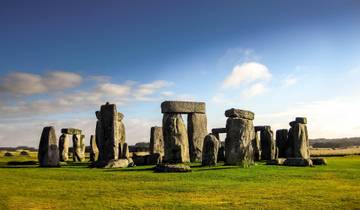
2 days
Windsor, Stonehenge, Bath & Oxford from London – 2 Days
- ✓ Comprehensive Bath tour
- ✓ Expert local guides included
- ✓ All accommodation arranged
- ✓ Transportation provided
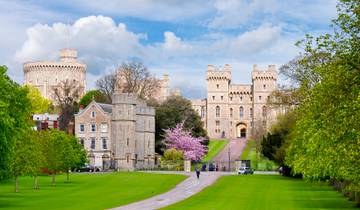
5 days
Classic England – 5 Days
- ✓ Comprehensive Bath tour
- ✓ Expert local guides included
- ✓ All accommodation arranged
- ✓ Transportation provided
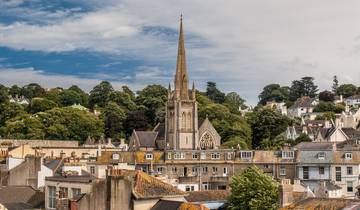
5 days
5 Day London and Bath
- ✓ Comprehensive Bath tour
- ✓ Expert local guides included
- ✓ All accommodation arranged
- ✓ Transportation provided
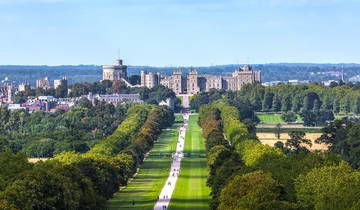
4 days
London Mini Break (4 Days)
- ✓ Comprehensive Bath tour
- ✓ Expert local guides included
- ✓ All accommodation arranged
- ✓ Transportation provided
Multi-day tour packages powered by TourRadar. Prices and availability subject to change.
Essential Planning Information for 2026
Understanding 2026 Season Patterns and Timing
The 2026 travel season brings significant visitor volume to both Bath and Stonehenge, with peak crowds concentrated May through September. Summer solstice (June 20-21, 2026) creates exceptional Stonehenge demand, with special access arrangements and advance booking requirements announced 3-4 months prior. Bath experiences consistent year-round visitation due to indoor attractions and city infrastructure, though summer months intensify crowding at Roman Baths and major architectural sites.
Spring months (March-May 2026) offer optimal conditions for combined visits: moderate temperatures, extended daylight hours, and manageable crowd levels. Wildflower blooms enhance Stonehenge landscape views, while Bath’s parks and gardens reach peak beauty. Autumn (September-November) provides similar advantages with dramatic light quality favoring photography at both locations. Winter visits reward hardy travelers with atmospheric conditions and minimal crowds, though shortened daylight limits exploration time and weather unpredictability requires flexible planning.
Weekday visits encounter fewer crowds than weekends at both sites. Tuesday-Thursday represents the sweet spot for tranquil experiences, particularly at Stonehenge where stone circle access paths show less wear from weekend traffic. Bath city center remains busy throughout the week due to resident population and regional visitors, but Roman Baths and major attractions operate with better flow on weekdays.
Current Costs and Pricing Breakdown for 2026
Stonehenge admission costs £25.40 for adults when booked online in advance, £28.50 at the gate, with family tickets (2 adults + 3 children) at £66.00. Check english-heritage.org.uk for current official rates as pricing may vary. English Heritage members enter free after membership costs of £60 annually for individuals, worthwhile for visitors planning multiple heritage site visits during UK trips. Audio guide devices come included with admission, providing multilingual interpretation (English, French, German, Spanish, Italian, Japanese, Mandarin).
Roman Baths admission in Bath runs £25-28 for adults depending on season and booking timing, with advance online booking saving £2-3 versus gate rates. Combined tickets with Bath Fashion Museum cost £32-35, offering value for visitors interested in Georgian-era social history. Audio guides include admission price, with additional paid upgrades for specialist archaeology or architecture tours.
Transportation between Bath and Stonehenge via Stonehenge Tour bus costs £18-22 return, with advance booking through stonehengetour.info securing lower prices and guaranteed seats. Single journey tickets cost £12-14 if return travel uses alternative methods. Private taxi services charge £80-120 for return trips including waiting time, cost-effective for groups of 3-4 splitting expenses. Car rental from Bath costs £45-65 daily for compact vehicles, plus fuel (£8-12 for the Bath-Stonehenge return journey).
Organized tour packages from Bath range widely: standard coach tours cost £85-110 per person with site admissions and transportation included; small-group experiences (maximum 16 participants) run £115-145; private tours for 2-6 people cost £160-220 per person; photography-focused tours with sunset timing charge £135-175. These prices include transportation, admission tickets, and guide services, with some tours providing lunch provisions or cream tea experiences.
Transportation Options for 2026 Day Trips
Stonehenge Tour Bus Service from Bath
The Stonehenge Tour operates dedicated bus service connecting Bath city center with Stonehenge visitor center year-round. During peak season (April-October 2026), two daily departures leave Bath Bus Station at 10:00 AM and 2:00 PM, with return services departing Stonehenge at 12:30 PM and 4:30 PM respectively. This schedule allows 2 hours 30 minutes at the stone circle, sufficient time for exhibition exploration, shuttle bus transfer to stones, close-approach walking, and visitor center facilities.
Winter schedule (November-March 2026) operates single daily service departing Bath 10:00 AM, returning from Stonehenge 1:00 PM. This provides 2 hours at the site, tight but manageable for focused visits. Journey time runs 90 minutes each direction via A36 and A303 routes, with onboard commentary providing regional context and site introduction. Buses feature comfortable seating, restrooms, and luggage storage for travelers combining day trips with accommodation changes.
Advance booking through stonehengetour.info or Bath Bus Station saves £3-4 per person versus on-board payment and guarantees seats during busy periods. Online booking allows schedule selection and provides email confirmation with boarding instructions. Tickets remain flexible for date changes up to 24 hours before departure, accommodating weather-dependent plans or itinerary adjustments. The service operates reliably with minimal cancellations, though severe weather occasionally affects winter schedule.
Train Connections and Regional Transportation
Bath Spa station connects directly to London Paddington with Great Western Railway services departing every 30 minutes throughout the day. Journey time runs 90 minutes for express services, 2 hours for stopping trains. Advance booking through gwr.com saves 40-60% versus same-day tickets, with off-peak returns from London costing £45-65 when booked 1-2 weeks ahead. Peak services (departing London before 9:30 AM) cost £85-120 return, though super off-peak tickets drop to £35-45 for flexible travelers avoiding Friday afternoons and Sunday evenings.
Regional trains connect Bath with Bristol (15 minutes, £8-12), Cardiff (70 minutes, £18-28), and southwest England destinations. Visitors combining Bath-Stonehenge trips with broader England exploration benefit from Great Western Railway’s regional day passes (£25-35) allowing unlimited travel within defined zones. The Southwest England pass covers Bath, Bristol, Salisbury (nearest station to Stonehenge at 10 miles), and coastal destinations.
Salisbury station provides alternative Stonehenge access via dedicated Stonehenge Tour buses departing hourly 10:00 AM to 4:00 PM during peak season. This option suits travelers approaching from London via South Western Railway (90 minutes from Waterloo station, £35-55 advance return) or Portsmouth coastal routes. Combined Bath-Salisbury-Stonehenge itineraries create comprehensive Wiltshire heritage circuits, though this expands to 2-3 day plans rather than single-day trips.
Private Car and Self-Drive Options
Independent driving from Bath to Stonehenge covers 25 miles via A36 south to A303 junction, then west toward Amesbury. Journey time runs 45-55 minutes outside peak traffic periods, extending to 70-90 minutes during summer weekend afternoons when A303 experiences heavy flow. Navigation proves straightforward with clear signage for “Stonehenge” appearing 5 miles before the site. The visitor center car park charges £7 for stays under 3 hours, £10 for full-day parking, with payment via contactless card or coins.
Car rental in Bath costs £45-65 daily for compact vehicles from major providers (Enterprise, Hertz, Europcar) with offices near Bath Spa station. Advance booking secures better rates and vehicle availability, particularly during peak summer months. Fuel costs add £8-12 for the Bath-Stonehenge return journey in efficient vehicles. Insurance coverage options range from basic third-party (included in rental) to comprehensive packages adding £15-25 daily, with personal auto policies sometimes covering UK rentals when verified in advance.
Self-drive provides maximum flexibility for Stonehenge timing, avoiding fixed bus schedules and allowing extended stays during optimal lighting conditions. The A303 route passes through classic English countryside with traditional villages, offering scenic detours to Longleat House (safari park and stately home) or Salisbury Cathedral (Britain’s tallest spire at 404 feet). These additions transform day trips into full-day explorations, though time management becomes critical for visitors returning to Bath or London evening commitments.
Organized Tour Services from Bath in 2026
Bath-based tour operators offer comprehensive Stonehenge day trips with varying formats, group sizes, and experiential focuses. Standard coach tours accommodate 40-50 participants, departing Bath 9:00-9:30 AM and returning 5:00-6:00 PM. These services include Stonehenge admission, transportation, and guide commentary, with some operators adding Salisbury visits or Cotswolds village stops. Prices run £85-110 per person, representing cost-effective options for solo travelers or couples prioritizing value.
Small-group tours limit participants to 16 maximum, operating in comfortable minibuses with increased guide interaction and flexible timing. These experiences cost £115-145 per person, departing Bath 9:00 AM with 6-7 hour durations. Enhanced access allows photograph stops at scenic viewpoints, extended Stonehenge exploration time, and occasional “hidden gems” visits to lesser-known megalithic sites near the stone circle. Participants appreciate intimate group dynamics and opportunities for detailed questioning of knowledgeable guides.
Private tours serve 2-6 people in luxury vehicles with dedicated guides, costing £160-220 per person depending on group size and itinerary customization. Departures coordinate with client preferences, allowing sunrise Stonehenge visits, sunset photography sessions, or mid-day explorations timed for optimal conditions. Private experiences include flexible itineraries accommodating additional sites, extended lunch stops at country pubs, or specialized interests in archaeology, astronomy, or prehistoric British culture. These tours book 2-4 weeks ahead during peak season, with last-minute availability increasing outside July-August.
Specialized tour offerings for 2026 include photography-focused experiences timed for golden hour lighting, archaeology expert-led tours emphasizing recent discoveries and excavation findings, and family-friendly formats with interactive educational components for children. Sunset tours (operating May-August) depart Bath 4:00-5:00 PM, arriving Stonehenge for dramatic late-afternoon light and reduced crowds, though these require return train bookings to London 9:00-10:00 PM for day-trippers from the capital.
Best Time to Visit Both Sites in 2026
Seasonal Considerations for Combined Bath-Stonehenge Trips
Spring months (March-May 2026) deliver ideal conditions for Bath-Stonehenge combinations: temperatures range 10-18°C (50-64°F), daylight extends to 7:00-8:00 PM by May, and crowd levels remain moderate compared to summer peaks. Stonehenge landscape displays wildflower blooms across surrounding grasslands, while Bath’s parks and Georgian squares showcase spring plantings. Occasional rain showers require waterproof layers, though precipitation tends toward brief intervals rather than day-long systems.
Summer season (June-August 2026) brings maximum daylight hours and warmest temperatures (15-25°C / 59-77°F), perfect for extended outdoor exploration at Stonehenge. Crowds intensify significantly, with stone circle paths congested 11:00 AM to 4:00 PM daily. Summer solstice (June 20-21) creates exceptional demand requiring advance arrangements made 3-4 months prior. Bath city center experiences peak tourism, with Roman Baths operating extended hours (9:00 AM to 10:00 PM July-August) to accommodate demand. Morning starts become critical for comfortable experiences before midday heat at Stonehenge’s exposed landscape.
Autumn months (September-November 2026) rival spring for optimal visiting conditions: comfortable temperatures (8-16°C / 46-61°F), dramatic light quality enhancing photography opportunities, and reduced crowds after school term resumption. September maintains summer-like conditions with better availability and lower accommodation costs. October brings autumn color to surrounding countryside, though daylight shortens rapidly (sunset moves from 7:00 PM early September to 4:30 PM late October). November introduces unpredictable weather requiring flexible plans and layered clothing.
Winter visits (December-February 2026) reward hardy travelers with atmospheric conditions and minimal crowds. Stonehenge appears hauntingly beautiful under grey skies or occasional snow, with winter solstice (December 21) attracting smaller ceremonial gatherings than summer equivalent. Shortened daylight (sunset 4:00-4:30 PM) limits combined-site visits unless using organized tours with carefully timed schedules. Bath’s indoor attractions (Roman Baths, museums, historic buildings) suit winter exploration, while thermal spa experiences feel particularly appealing in cold weather. Accommodation and tour prices drop 30-40% compared to summer rates.
Daily Timing Strategies for 2026 Visits
Morning departure strategies optimize combined Bath-Stonehenge experiences for independent travelers. The 10:00 AM Stonehenge Tour bus from Bath arrives at the stone circle 11:30 AM, allowing 2 hours 30 minutes exploration before 2:00 PM return bus. This schedule suits travelers staying overnight in Bath who explore the city morning hours (Roman Baths open 9:00 AM), take midday Stonehenge trip, and return Bath for evening activities. Alternatively, visitors depart Bath accommodation by 8:00 AM for independent driving, reaching Stonehenge 9:00-9:30 AM before crowds peak, then returning Bath by 2:00 PM for afternoon city exploration.
Afternoon departure options work well for travelers prioritizing Bath morning activities. The 2:00 PM Stonehenge Tour bus provides leisurely Bath mornings with Roman Baths visits, Georgian architecture walks, and lunch at Sally Lunn’s Historic Eating House or other city center establishments. Stonehenge arrival at 3:30 PM encounters lighter crowds than midday periods, with return to Bath 6:00-6:30 PM allowing evening dining and accommodation check-in. This timing suits visitors beginning multi-day Bath stays rather than day-trippers requiring London return trains.
Day trips from London require early starts for comprehensive experiences. Departing London Paddington 7:00 AM reaches Bath Spa 8:30 AM, connecting with 10:00 AM Stonehenge bus for 11:30 AM arrival at stones. Return bus reaches Bath 3:30 PM, allowing 2-3 hours Bath exploration before 6:30-7:30 PM London trains arrive Paddington 8:00-9:00 PM. This creates full 14-hour days but captures both UNESCO sites thoroughly. Organized day tours from London depart 8:00-8:30 AM, visiting Stonehenge 11:00 AM to 1:00 PM and Bath 2:30-5:00 PM before London return by 7:30-8:00 PM.
Sunset timing opportunities (May-August 2026) offer dramatic Stonehenge photography conditions. Sunset occurs 8:30-9:00 PM during peak summer, with specialized tours departing Bath 4:00-5:00 PM for golden hour stone circle arrival. This timing requires overnight Bath accommodation or very late London returns (10:00-11:00 PM trains), limiting practical application for day-trippers. Independent drivers enjoy maximum flexibility, arriving Stonehenge 6:00-7:00 PM for crowd-free experiences and exceptional light, though visitor center exhibition spaces close 5:00-6:00 PM depending on season.
Accommodation Strategies Near Bath for 2026 Multi-Day Visits
Bath City Center Hotels and Guest Houses
Bath city center accommodation places visitors within walking distance of Roman Baths, Georgian architecture, and Stonehenge Tour bus departure points. Luxury hotels occupy Georgian townhouses and historic buildings, charging £180-320 per night for double rooms with breakfast included. The Royal Crescent Hotel & Spa and Gainsborough Bath Spa represent premium options with period features, thermal spa access, and concierge services arranging Stonehenge transportation. The Francis Hotel Bath and Abbey Hotel Bath provide central locations at £140-220 nightly with traditional English breakfast and character rooms.
Mid-range hotels and guest houses cost £85-140 per night for doubles, offering comfortable bases without luxury amenities. SACO Bath St James Parade serviced apartments provide kitchenettes useful for light meal preparation, reducing dining expenses. Apex City of Bath Hotel and Holiday Inn Express Bath combine modern facilities with reasonable pricing (£90-130 nightly), including breakfast and free WiFi. These properties book 6-8 weeks ahead during peak summer months, with last-minute availability increasing March-April and September-October.
Budget accommodation includes Travelodge Bath Central (£55-85 nightly) and Premier Inn Bath City Centre (£65-95), providing clean, functional rooms without breakfast or character features. YHA Bath hostel offers dormitory beds at £28-38 per person or private rooms £75-95 for two, with shared kitchen facilities and social common areas. Bath Backpackers Hostel provides central location (£25-35 dormitory beds) near train station and bus departure points, ideal for solo travelers prioritizing budget over comfort.
Alternative Accommodation in Surrounding Villages
Countryside accommodation 5-15 miles from Bath offers peaceful settings and often lower costs than city center properties. Traditional pubs with rooms charge £75-120 nightly for doubles with breakfast, authentic English country atmosphere, and excellent dining. The Wheatsheaf Combe Hay (6 miles south) and The Tollgate Inn Holt (8 miles east) exemplify quality countryside pubs with comfortable accommodation and gastropub dining. These locations require personal transportation for Bath and Stonehenge access, though many hosts arrange taxi services or tour pickups.
Farm stays and rural B&Bs provide genuine English countryside experiences at £70-110 per night with generous breakfasts featuring local ingredients. Properties typically occupy converted stone cottages or farm buildings with period character and modern bathroom facilities. Hosts often share local knowledge about hidden attractions, walking routes, and optimal Stonehenge visiting strategies based on years of regional living. Rural accommodation requires advance booking during peak season, with many small properties offering just 2-4 guest rooms limiting availability.
Self-catering cottages suit groups or families planning 3+ night stays, costing £450-800 weekly for 2-3 bedroom properties (£65-115 daily equivalent). Vrbo and Airbnb list hundreds of Bath area cottages with full kitchens, living spaces, and often garden access. Weekly rentals prove cost-effective for groups of 4-6 splitting costs and preparing some meals independently. Properties within 10 miles of Bath provide easy access to both city attractions and Stonehenge day trips while enjoying residential neighborhood settings.
Sample 2026 Itineraries for Combined Visits
Day Trip from London: Bath and Stonehenge in One Day
7:00 AM: Depart London Paddington on Great Western Railway express service to Bath Spa. Grab coffee and pastries at station before boarding for 90-minute journey through Berkshire and Wiltshire countryside. Advance-booked off-peak return tickets cost £45-65 per person.
8:30 AM: Arrive Bath Spa station. Walk 3 minutes to Bath Bus Station behind the rail terminal. Purchase Stonehenge Tour bus tickets if not pre-booked (advance booking saves £3-4 and guarantees seats). Brief walk around Bath city center provides Georgian architecture glimpses before bus departure.
10:00 AM: Board Stonehenge Tour bus from Bath to Stonehenge. 90-minute journey includes driver commentary about regional history, landscape features, and Stonehenge background. Relax and enjoy Wiltshire countryside views before arrival.
11:30 AM: Arrive Stonehenge visitor center. Collect pre-booked tickets or purchase admission (£25.40 advance online, £28.50 gate price). Visit exhibition spaces exploring Neolithic life, astronomical theories, and construction techniques. Interactive displays engage all ages with touchable stone samples and reconstruction models.
12:00 PM: Board shuttle bus for 10-minute transfer to stone circle (included in admission). Shuttle departs every 10-15 minutes throughout operating hours. Walk 400-meter path approaching stones with audio guide interpretation providing historical context and archaeological findings.
12:15-1:45 PM: Explore Stonehenge stone circle perimeter path allowing close approach to megaliths. Examine construction details, sarsen stone textures, and bluestones transported from Wales. Photography opportunities capture different angles and perspectives around complete circle circuit. Audio guide enhances understanding of site phases, astronomical alignments, and cultural significance. Allow 90 minutes for thorough exploration and multiple circuit walks.
1:45 PM: Return shuttle bus to visitor center. Quick lunch at visitor center café (sandwiches £8-12, salads £9-13, hot meals £12-16) or packed lunch brought from London. Gift shop offers books, replicas, and heritage souvenirs.
2:00 PM: Board return Stonehenge Tour bus to Bath, arriving 3:30 PM Bath Bus Station.
3:45-6:00 PM: Explore Bath highlights during 2+ hours city time. Priority visits include Roman Baths (allow 90 minutes for full exploration including audio guide), Bath Abbey exterior and interior (free admission, donations encouraged), and Pulteney Bridge walk with Parade Gardens river views. Alternative: visit No. 1 Royal Crescent museum showcasing Georgian life, or walk Royal Crescent and Circus architecture highlights. Quick afternoon tea or coffee at Sally Lunn’s Historic Eating House or traditional tea rooms.
6:30 PM: Walk to Bath Spa station (5 minutes from city center). Board London Paddington return train departing 6:45 or 7:15 PM, arriving Paddington 8:15-8:45 PM.
Day Cost Summary: London-Bath return train £45-65, Stonehenge bus Bath return £18-22, Stonehenge admission £25.40-28.50, lunch £10-15, Roman Baths admission £25-28, afternoon tea/coffee £8-12, incidentals £10-15. Total day cost: £141-185 per person.
Independent Bath-Based Two-Day Heritage Circuit
Day 1 – Bath City Exploration: Check into Bath accommodation mid-morning. Spend full day exploring Bath UNESCO heritage: Roman Baths (2 hours), Bath Abbey (45 minutes), Royal Crescent and Circus walk (90 minutes), Assembly Rooms and Fashion Museum (90 minutes), Prior Park Landscape Garden (2 hours). Evening includes dinner at Bath gastropub or restaurant followed by walking tour of illuminated Georgian architecture. Roman Baths £25-28, Fashion Museum £12-15, Prior Park £9-12, lunch £15-22, dinner £35-50, snacks £10-15. Total day cost: £106-142 per person excluding accommodation.
Day 2 – Stonehenge Day Trip: Early independent driving departure 8:00-8:30 AM reaches Stonehenge 9:00-9:30 AM before crowds intensify. Three hours on-site allows comprehensive exhibition exploration, extended stone circle visits with multiple audio guide sections, and photography in optimal morning light. Lunch at visitor center café or nearby village pub (Amesbury 2 miles north offers several options). Return Bath early afternoon for Thermae Bath Spa visit (Britain’s only natural thermal spa, £40-48 for 2-hour session) or additional city exploration. Alternative: visit American Museum in Britain (3 miles southeast, £14 admission) showcasing American decorative arts and history. Stonehenge admission £25.40-28.50, fuel £8-12, lunch £15-22, optional spa £40-48, dinner £35-50. Total day cost: £123-160 per person excluding accommodation.
Two-Day Cost Summary: Accommodation £85-220 per night (2 nights), car rental £45-65 daily (1 day), attraction admissions £71-103, meals £110-159, incidentals £20-30. Total two-day cost: £531-922 per person depending on accommodation choice.
Organized Tour Package from Bath: Stress-Free Experience
8:45 AM: Hotel pickup by small-group tour operator (pre-arranged for city center Bath hotels). Board comfortable Mercedes minibus with maximum 16 participants, meeting guide and fellow travelers. Guide provides Bath architectural overview during departure through Georgian streets.
9:00-10:15 AM: Journey to Stonehenge with guide commentary covering Wiltshire landscape, prehistoric Britain, and current archaeological understanding. Photo stops at scenic viewpoints showcase English countryside before stone circle arrival. Minibus comfort and small group size encourage questions and discussion.
10:30 AM-1:00 PM: Stonehenge exploration with 2.5 hours on-site. Guide leads initial orientation tour explaining construction phases, astronomical features, and cultural theories. Free time allows independent exploration, photography, and exhibition visits at personal pace. Group reconvenes for questions session before departure. Pre-arranged admission tickets eliminate queuing.
1:15-2:15 PM: Lunch stop at traditional country pub 5 miles from Stonehenge. Two-course lunch included in tour price features local ingredients and regional specialties. Vegetarian and dietary requirement accommodations arranged at booking. Pub atmosphere provides authentic English countryside experience.
2:30-4:00 PM: Extended Stonehenge return route passes through additional Wiltshire heritage sites. Guide explains neolithic landscape features, discusses lesser-known stone circles and barrows visible from roadside, and shares stories of archaeological discoveries. Alternative routing via Salisbury allows cathedral exterior viewing (time permitting) showcasing Britain’s tallest spire and medieval architecture.
4:30 PM: Return Bath with hotel drop-off service. Evening free for independent Bath exploration, dining, or relaxation. Tour experience provides comprehensive Stonehenge understanding without logistics stress or transportation concerns.
Tour Cost: £115-145 per person including transportation, guide services, Stonehenge admission, and lunch. Additional evening meal and Bath activities at personal discretion add £40-70. Total day cost: £155-215 per person.
Money-Saving Strategies for 2026 Trips
Advance Booking Benefits and Timing
Stonehenge admission purchased online through english-heritage.org.uk costs £25.40 versus £28.50 gate price, saving £3.10 per person. Family tickets (2 adults + 3 children) save even more: £66.00 online versus £74.00 at gate. Booking 2-4 weeks ahead guarantees entry during peak summer months when same-day capacity limits create disappointments for spontaneous visitors. October-March offers relaxed booking timelines, with same-week advance purchases sufficient for guaranteed admission.
Train tickets from London to Bath drop 40-60% when booked 1-2 weeks ahead versus same-day purchases. Off-peak return tickets cost £45-65 advance versus £85-105 same-day. Super off-peak tickets (avoiding Friday afternoons and Sunday evenings) drop to £35-45 when booked early. The GWR website and app provide price calendars showing cheapest travel dates, helping flexible travelers optimize costs. Split-ticketing (purchasing separate tickets for segments of single journey) sometimes saves £10-20, with websites like splitticketing.com automating this process.
Bath accommodation prices vary dramatically by booking timing. Hotels booked 2-3 months ahead cost 25-35% less than last-minute reservations during peak summer months. Booking.com and Hotels.com offer “pay at property” options allowing price monitoring and rebooking if rates drop. Midweek stays (Sunday-Thursday nights) cost 20-30% less than Friday-Saturday nights across all seasons. Package deals combining 2+ night stays with breakfast included often match best available rates while adding value.
Transportation Cost Optimization
Stonehenge Tour bus advance booking through stonehengetour.info saves £3-4 per person versus on-board payment while guaranteeing seats during busy periods. Return tickets cost £18-22 versus single journey pricing at £12-14, making returns better value unless alternative arrangements exist. Groups of 3-4 consider taxi sharing: Bath to Stonehenge taxis charge £80-120 return with waiting time, splitting to £20-40 per person when shared, competitive with bus service while providing flexibility.
Car rental becomes cost-effective for groups of 3-4 splitting daily rates (£45-65) and fuel (£8-12). Two couples sharing rental saves £15-20 per person versus bus service while enabling countryside detours, flexible timing, and additional site visits. Advanced booking secures better rates and vehicle availability, with consolidator sites like Kayak.com comparing multiple providers. Excess insurance through third-party providers costs £5-8 daily versus £15-25 through rental companies, saving £30-50 on week-long rentals.
Rail passes suit visitors combining Bath-Stonehenge trips with broader England exploration. The Great Western Railway Southwest pass (£25-35 daily) allows unlimited regional travel including Bath, Bristol, Salisbury, and southwest coastal destinations. Visitors planning 3+ regional journeys during single days save 30-50% versus individual ticket purchases. BritRail passes for international visitors provide week-long unlimited travel (£250-350) across England, Wales, and Scotland, worthwhile for 2+ week trips including multiple heritage site visits.
Meal and Dining Cost Management
Stonehenge visitor center café charges premium prices: sandwiches £8-12, salads £9-13, hot meals £12-16. Packed lunches prepared at Bath accommodations or purchased from Tesco Metro (£4-7 for sandwich, drink, snacks) save £5-10 per person. The visitor center allows outside food consumption in designated picnic areas with shelter and seating, making packed provisions practical even during uncertain weather.
Bath dining costs vary dramatically by venue choice. Traditional pubs serve substantial meals at £12-18 for mains versus £25-35 at tourist-focused restaurants in Roman Baths vicinity. Walking 5-10 minutes from main tourist zones finds excellent gastropubs like The Chequers (£14-20 mains) or The Raven (£12-18 mains) serving quality food without location premiums. Lunch specials at many restaurants offer 2-course meals £12-16 (Monday-Friday, pre-6:00 PM), half the price of evening à la carte equivalents.
Tesco Express, Sainsbury’s Local, and M&S Food Hall stores throughout Bath city center sell breakfast provisions (cereal, milk, yogurt, fruit) at fraction of hotel breakfast costs. Accommodations without included breakfast often provide microwaves and small refrigerators in rooms, enabling self-catered breakfast savings of £8-15 daily per person. Budget £4-7 for supermarket breakfast provisions versus £12-20 restaurant equivalents.
Free and Low-Cost Bath Attractions
Bath offers numerous free experiences complementing paid heritage sites. Walking the Georgian architecture showcase costs nothing: Royal Crescent, The Circus, Pulteney Bridge, and Assembly Rooms exterior views provide Instagram-worthy photography and architectural appreciation without admission fees. Free walking tours depart daily from Bath Abbey (10:30 AM and 2:00 PM, tips appreciated but optional) providing excellent city orientation and hidden gem discoveries.
Bath Abbey requests £5 suggested donation versus £25-28 Roman Baths mandatory admission, offering equally impressive interior architecture and religious history. The Victoria Art Gallery displays British art collections with free admission (donations encouraged), occupying prime location near Pulteney Bridge. Parade Gardens (£2 admission April-September, free October-March) provide riverside relaxation and Roman Bath exterior views at minimal cost.
Free Bath experiences include: Prior Park Landscape Garden National Trust property (free for members, £9-12 non-members), offering Palladian bridge views and 18th-century designed landscapes; Sydney Gardens, Bath’s original pleasure gardens with Kennet and Avon Canal walks; and Alexandra Park hilltop views overlooking Bath cityscape. These combine with paid attractions creating balanced budgets and diverse experiences.
Booking and Reservations for 2026 Visits
Official Booking Channels and Procedures
Stonehenge tickets require advance online booking through english-heritage.org.uk, the only official admission platform. The website provides calendar availability showing busiest days (typically weekends May-September) and quieter periods (weekdays October-April). Booking process takes 5 minutes: select date, choose time slot (operating hours vary by season: 9:30 AM-7:00 PM summer, 9:30 AM-5:00 PM winter), add audio guide (included), and complete payment. Confirmation emails arrive immediately with QR codes for contactless entry at visitor center.
English Heritage membership (£60 annually for individuals, £103 for families) grants free Stonehenge admission plus access to 400+ historic sites across England. Membership pays for itself with 2-3 heritage site visits during UK trips, while providing priority access and free guest tickets during special promotional periods. The organization operates substantial sites including Dover Castle, Tintagel Castle, and Hadrian’s Wall forts, making membership valuable for comprehensive heritage travelers.
Roman Baths booking proceeds through romanbaths.co.uk, offering timed entry tickets reducing queuing and crowding. Peak season (July-August) booking 2-4 weeks ahead ensures preferred timing, while off-season allows same-week reservations. Combined tickets with Bath Fashion Museum (£32-35 versus £37-40 separate) save £5-7 while exploring complementary aspects of Bath heritage. Audio guides include admission, with specialist archaeology and architecture tours bookable as upgrades.
Tour Operator Selection and Booking
Bath-based tour operators maintain different operational focuses and quality standards. Research TripAdvisor and Google reviews focusing on recent feedback (within 6 months) regarding guide knowledge, time management, group sizes, and value for money. Highly-rated operators like Mad Max Tours, Scarper Tours, and Lion Tours consistently receive 4.5-5 star ratings with specific praise for guide expertise and small group experiences.
Booking directly through operator websites typically costs same as third-party platforms (Viator, GetYourGuide) while establishing direct communication for questions, special requests, or itinerary clarifications. Operators’ websites clearly state maximum group sizes, typical tour durations, and included services (admissions, meals, transportation). Many offer “best price guarantees” matching competitor rates when presented with lower equivalent quotes.
Tour deposits typically require 25-50% at booking with balance due 7-14 days before departure. Cancellation policies vary: most allow full refunds for cancellations 2+ weeks ahead, 50% refunds for 7-14 days notice, and no refunds for shorter notice unless rebooking alternative dates. Travel insurance covering trip cancellation costs £25-45 for week-long UK visits, worthwhile for expensive tour commitments made months ahead.
Accommodation Booking Strategies
Bath accommodation booking 2-3 months ahead secures best selection and pricing during peak season (May-September). Booking.com and Hotels.com dominate online platforms, offering “free cancellation” options on most properties allowing booking flexibility if plans change. Direct booking through hotel websites sometimes provides additional perks (room upgrades, breakfast inclusion, late checkout) not available through intermediaries, worth checking after finding properties on booking platforms.
Comparison shopping across multiple platforms proves essential: Expedia, Booking.com, Hotels.com, and official hotel websites sometimes show £20-50 price variations for identical rooms and dates. Price-tracking tools like Kayak.com and Google Hotels monitor rate changes, sending alerts when prices drop for saved properties. Properties offering “pay at property” options rather than advance payment provide most flexibility for uncertain plans.
Alternative accommodation platforms include Vrbo for self-catering cottages and apartments, Hostelworld for budget dormitory and private room options, and Airbnb for unique stays in Georgian townhouses or rural cottages. These platforms often provide better value than hotels for groups, families, or extended stays, though location verification proves essential for easy access to Bath attractions and Stonehenge transportation departure points.
Planning Your 2026 Combined Heritage Experience
Understanding Site Significance and Complementary Nature
Bath and Stonehenge represent complementary chronological bookends of British heritage spanning 4,000+ years. Stonehenge’s construction around 2500 BCE demonstrates sophisticated Neolithic engineering, astronomical knowledge, and social organization creating monuments still impressive today. The sarsen stones, each weighing 25+ tons, traveled from Marlborough Downs 20 miles north through landscape lacking wheeled transport or metal tools. Bluestones originated 150 miles west in Wales’ Preseli Hills, transported through combination of water and overland routes demonstrating remarkable prehistoric logistics.
The Roman Baths, constructed 60-70 CE following Emperor Claudius’s Britain invasion, showcase Roman engineering mastery: hot springs channeled through lead-lined conduits, hypocaust heating systems, and sophisticated drainage managing 250,000 gallons daily spring flow. The temple complex dedicated to Sulis Minerva (Celtic-Roman goddess fusion) demonstrates cultural synthesis between Roman occupiers and British natives. The baths functioned continuously until late 5th century CE, with medieval and Georgian construction eventually burying then rediscovering these remarkable remains.
Experiencing both sites in close succession provides unique chronological perspective. Stonehenge’s prehistoric mystique contrasts with Roman Bath’s urban sophistication and documented historical context. Where Stonehenge prompts questions about unknown builders, uncertain purposes, and lost ceremonies, Bath answers detailed questions about Roman daily life, religious practices, and social structures through extensive archaeological evidence and contemporary written records. Together they frame British heritage’s remarkable depth and diversity.
Photography Preparation and Equipment
Stonehenge photography requires wide-angle lenses (16-35mm equivalent) capturing complete stone circle contexts within limited perimeter path space. Standard kit lenses (18-55mm) function adequately, though wider perspectives allow more creative compositions. Telephoto lenses (70-200mm) compress perspectives isolating specific stone arrangements against skylines, though limited viewing distances restrict extreme telephoto utility. Tripods are permitted but impractical during busy periods when steady flow around perimeter path prevents long exposures.
Optimal Stonehenge lighting occurs during golden hours: 1-2 hours after sunrise and before sunset. Summer golden hours (7:00-8:30 AM and 8:00-9:30 PM) coincide with extended site hours but require special timing coordination. Spring and autumn golden hours fall within standard operating periods, offering dramatic sidelighting without special arrangements. Overcast conditions provide even lighting eliminating harsh shadows, excellent for detailed stone texture photography. Clear skies create challenging high-contrast situations requiring exposure bracketing or graduated neutral density filters.
Roman Baths photography challenges include indoor lighting conditions (ISO 1600-3200 required without flash, which is prohibited), reflections in bath waters, and crowded conditions limiting composition options. Wide-angle lenses (16-35mm) capture architectural contexts, while normal lenses (35-50mm) isolate details like carved stone decorations, Roman statuary, and mosaic fragments. Bath Abbey and Georgian architecture photography benefits from morning light (eastern facades) or afternoon/evening light (western facades), with cloudy conditions providing soft illumination reducing harsh shadows in Bath stone’s cream tones.
Family Considerations and Child-Friendly Adaptations
Stonehenge engages children through scale, mystery, and hands-on exhibition elements at visitor center. Neolithic house reconstructions allow interior exploration demonstrating prehistoric living conditions. Audio guides include children’s versions with simplified explanations, story-based narratives, and interactive questions maintaining engagement during stone circle walks. The surrounding landscape provides open space for energetic children to move freely after confined bus journeys, though perimeter path requires supervision preventing barrier crossing or stone touching.
Combined Bath-Stonehenge days prove long for young children (under 8): 6-8 hours of structured activity plus transit time challenges attention spans. Consider splitting experiences across two days with Bath Thermal Bath Spa visit (family-friendly Minerva Bath admits children) or Parks (Royal Victoria, Sydney Gardens) providing active play opportunities. Alternatively, one parent handles Stonehenge trip while the other explores Bath with children, reconvening for shared evening activities.
Family tour options include activity workbooks, treasure hunt formats, and interactive guide approaches maintaining children’s engagement. Some operators provide reduced pricing for family groups (2 adults + 2-3 children) saving 20-30% versus individual adult tickets. Private family tours allow itinerary adaptation for rest breaks, meal timing, and interest focuses without group schedule pressure. Bath accommodation with pools or play areas provides evening downtime after full heritage days.
2026 Updates and Current Information
Enhanced Visitor Facilities and Services
The 2026 season sees continued improvements to both UNESCO sites’ visitor infrastructure. Stonehenge visitor center maintains recently upgraded exhibition spaces with digital displays, virtual reality reconstruction experiences, and expanded artifact collections from nearby archaeological excavations. The center features improved café facilities with extended menu options emphasizing local ingredients and sustainable sourcing. Restroom facilities accommodate increased visitor volumes with accessible options throughout the complex.
English Heritage’s ongoing Stonehenge management plan focuses on sustainable tourism balancing site protection with access. The organization implements timed ticketing refining crowd flow around stone circle perimeter, with busiest summer periods operating 15-minute entry windows preventing overcrowding. Shuttle bus service increases frequency during peak periods (every 5-10 minutes versus standard 10-15 minutes) reducing wait times and improving visitor experience.
Roman Baths continue restoration projects revealing additional chambers, mosaics, and architectural features for public viewing. The 2026 season features expanded evening opening hours (until 10:00 PM July-August) with atmospheric torchlight viewing opportunities recreating Roman nocturnal bathing experiences. Audio guide systems receive regular updates incorporating latest archaeological findings and historical research, ensuring interpretation reflects current scholarly understanding.
Digital Resources and Planning Tools
English Heritage mobile app provides comprehensive Stonehenge information including: real-time crowd level indicators, optimal viewing locations based on sun position and photography interests, extended audio guide content, and augmented reality features overlaying reconstruction visualizations onto current landscape. The app works offline after initial download, valuable given limited mobile signal in Stonehenge’s rural location. Users create personal itineraries syncing with calendar apps for visit reminders and transportation timing.
Bath’s official tourism website (visitbath.co.uk) offers interactive mapping tools highlighting Georgian architecture walking routes, free attraction locations, and dining options filtered by cuisine and budget. The site provides updated information on temporary closures, special events, and seasonal activities affecting site access or operating hours. Newsletter subscription delivers monthly updates on Bath happenings, accommodation deals, and heritage site developments useful for advance planning.
Transportation apps including Trainline (UK rail booking) and Rome2rio (multi-modal route planning) simplify logistics for independent travelers. These platforms compare journey options, display real-time pricing, and provide booking capabilities directly through mobile interfaces. Google Maps now includes public transportation timing for Bath-Stonehenge connections via bus services, though schedules require verification against operator websites for seasonal variations.
Sustainable Tourism and Conservation Efforts
Both UNESCO sites prioritize sustainable tourism practices protecting heritage assets while maintaining accessibility. Stonehenge’s surrounding archaeological landscape receives ongoing conservation protecting burial mounds, settlements, and ceremonial features within managed grassland environment. The National Trust and English Heritage collaborate on landscape management balancing ecological preservation with archaeological protection, resulting in remarkable wildflower displays and traditional sheep grazing maintaining historical grassland character.
Bath addresses overtourism challenges through visitor dispersal strategies highlighting lesser-known attractions beyond Roman Baths and Royal Crescent. The city promotes off-peak visiting (October-April) through reduced accommodation rates and special events timing. Bath Tourism Plus scheme channels visitor revenue toward heritage conservation, with visitor contributions supporting ongoing restoration projects and archaeological research.
Visitors support conservation through responsible site behavior: staying on designated paths at Stonehenge, respecting photography restrictions at Roman Baths, and choosing sustainable transportation options. Public transport use between Bath and Stonehenge reduces parking pressure and traffic impacts on rural roads. Visitor center shopping at both sites purchases support site maintenance and conservation programs through merchandise sales and donations.
Frequently Asked Questions About Bath to Stonehenge Day Trips 2026
How far is Stonehenge from Bath?
Stonehenge lies 40 kilometers (25 miles) south of Bath, with journey times of 45-55 minutes by car via A36 and A303 routes. The Stonehenge Tour bus service covers the distance in 90 minutes including intermediate stops and route configuration avoiding motorways. Direct driving distance between Bath city center and Stonehenge visitor center measures exactly 38 kilometers following optimal routing. Bicycle routes covering 42-45 kilometers suit experienced cyclists comfortable with 3-4 hour rides through Wiltshire countryside, though traffic on A36 sections requires caution and appropriate safety equipment.
Can I visit Stonehenge without a car in 2026?
Yes, the Stonehenge Tour bus provides dedicated service from Bath city center to Stonehenge visitor center year-round without car requirement. The service operates two daily departures (10:00 AM and 2:00 PM) during peak season, one departure (10:00 AM) during winter months, with return services timed for 2-2.5 hour site visits. Alternative access via train to Salisbury (15 miles from Stonehenge) connects with Stonehenge Tour buses departing Salisbury hourly 10:00 AM to 4:00 PM peak season. Organized day tours from Bath provide comprehensive car-free experiences including transportation, admission, and guide services. Public transportation combinations work successfully for independent travelers prioritizing sustainable travel and cost savings over driving flexibility.
Is one day enough for both Bath and Stonehenge?
One day suffices for meaningful experiences at both sites when properly planned, though visits remain necessarily abbreviated compared to dedicated full-day explorations of each location individually. Day trips from London allow 2-3 hours Bath exploration and 2-2.5 hours at Stonehenge, covering essential highlights without comprehensive depth. Bath-based travelers using morning Stonehenge bus trips return early afternoon for extended Bath exploration. Organized tours from London visit both sites with 2-2.5 hours allocated to each, providing guided interpretation compensating for limited independent exploration time. Visitors seeking in-depth experiences, photography opportunities, or leisurely pacing benefit from dedicating separate full days to each site or planning 2-3 day Bath-based stays allowing multiple site visits without pressure.
What should I bring for a day trip to Stonehenge in 2026?
Essential items include: weather-appropriate clothing (layering recommended year-round as Stonehenge landscape experiences exposed conditions), sturdy walking shoes for grass and gravel paths, sun protection (hat, sunscreen, sunglasses) during summer visits, rain jacket or umbrella regardless of season, reusable water bottle (refill stations at visitor center), camera with charged batteries and memory cards, portable power bank for mobile devices, and snacks or packed lunch if avoiding café premium pricing. Stonehenge audio guides come included with admission, though personal headphones improve audio quality. Small backpacks or daypacks carry essentials comfortably during site exploration. Winter visits require additional warmth layers as exposed landscape offers minimal wind protection. Binoculars enhance distant stone detail viewing, though not essential given close perimeter path approach.
Are there toilets and facilities at Stonehenge?
Stonehenge visitor center provides comprehensive facilities including modern restrooms, accessible toilets, baby changing areas, and family-friendly facilities. The café serves hot and cold meals, beverages, and snacks throughout operating hours with indoor and outdoor seating accommodating 100+ visitors. Free WiFi operates throughout visitor center allowing photo uploads and social media sharing. Luggage storage lockers accept small bags and backpacks (£1-2 coin-operated), though large suitcases require alternative arrangements at Bath accommodation before day trips. The gift shop stocks heritage books, replicas, jewelry, and Stonehenge-themed merchandise with proceeds supporting site conservation. Restrooms do not exist at stone circle itself, requiring visitor center facilities use before shuttle bus transfer.
Can you touch the stones at Stonehenge?
Standard admission restricts visitors to perimeter path circling stone circle at 10-meter distance, preventing direct stone contact. This protection preserves fragile surfaces from erosion caused by millions of annual visitor touches. Special access experiences operate outside standard hours offering closer stone approach and limited supervised touching opportunities. These experiences require separate booking months in advance, cost £48-60 per person, and operate early morning (pre-opening) or evening (post-closing) with group sizes limited to 30 participants. Stone Circle Experience sessions last 60 minutes, providing intimate encounters with megaliths under guidance preventing damage to protected surfaces. Standard visitors achieve satisfying experiences from perimeter viewing, with audio guides and exhibition information compensating for physical distance restrictions.
Is Bath or Stonehenge better for a day trip from London?
Bath and Stonehenge serve different interests and preferences, making “better” subjective to traveler priorities. Bath offers comprehensive urban heritage experiences: Roman engineering, Georgian architecture, Jane Austen literary connections, and functioning city atmosphere with dining, shopping, and contemporary culture alongside historical attractions. The city works well for travelers preferring structured indoor environments, detailed interpretation, and weather-protected activities. Stonehenge provides unique prehistoric monument encounters, landscape immersion, and mystical atmosphere appealing to visitors prioritizing ancient history, outdoor experiences, and archaeological wonder. Iconic status and global recognition make Stonehenge unmissable for many international visitors despite limited site size and relatively brief visit duration compared to full-day Bath explorations. Travelers interested in both aspects of British heritage benefit from combined visits across 1-2 days rather than choosing one over the other.
What is the best month to visit Bath and Stonehenge?
May and September represent optimal visiting months combining favorable weather, moderate crowds, and reasonable accommodation pricing. May temperatures range 12-18°C (54-64°F) with extended daylight hours (sunset 8:30 PM), spring wildflower displays at Stonehenge, and Bath gardens reaching peak beauty. September maintains summer-like conditions (13-19°C / 55-66°F) with reduced crowds after school term resumption and excellent light quality for photography. Both months offer advance booking advantages 4-8 weeks ahead versus 3-4 month requirements for July-August peak season. October provides autumn atmosphere and dramatic lighting at both sites, though unpredictable weather and shortened daylight (sunset 5:30-6:30 PM) require flexible planning. April combines spring conditions with lower prices, though variable weather brings frequent rain showers necessitating waterproof clothing and backup indoor activity plans.
Do I need to book Stonehenge tickets in advance for 2026?
Yes, advance booking through english-heritage.org.uk proves essential during peak season (May-September) when site capacity limits create same-day access difficulties. Summer weekends and school holiday periods (Easter, summer, half-terms) reach capacity regularly, turning away visitors without pre-booked timed entries. Advance booking also saves £3.10 per person (£25.40 online versus £28.50 gate price) while allowing preferred time slot selection optimizing photography lighting or crowd avoidance. Off-season months (October-April) offer more flexible booking timelines, with same-week reservations generally successful except during special events (winter solstice December 21-22) requiring 2-3 month advance arrangements. Online booking takes 5 minutes, provides immediate confirmation with QR code entry, and establishes cancellation protection under English Heritage policies.
What tours combine Bath and Stonehenge from London?
Multiple tour operators offer full-day London departures visiting both Bath and Stonehenge with various formats and quality levels. Premium small-group tours (maximum 16 participants) cost £110-165 per person, operating in Mercedes minibuses with expert guides, typical itinerary visiting Stonehenge 11:00 AM to 1:30 PM and Bath 2:30 PM to 5:30 PM. Standard coach tours accommodate 40-50 passengers at £85-110 per person, following similar schedules with less guide interaction. Luxury private tours serve 2-8 people in premium vehicles at £180-280 per person, offering customized itineraries, flexible timing, and personal guide attention. Most tours include all transportation, site admissions, and guide services, with some adding lunch provisions. Tours typically depart London 8:00-8:30 AM, returning 7:30-8:30 PM. Booking through GetYourGuide, Viator, or direct operator websites provides reviews, cancellation policies, and special offer pricing.