
Bath Photography Guide: Best Spots for Stunning Shots
Bath stands as Britain’s only UNESCO World Heritage city, where honey-colored Georgian architecture and Roman engineering create one of Europe’s most photogenic urban landscapes. The city’s distinctive Bath stone glows golden in natural light, transforming ordinary compositions into extraordinary images across every season and time of day. This guide reveals the exact locations, camera settings, and lighting techniques that professional photographers use to capture Bath’s architectural magnificence and hidden corners.
Key Takeaways: Essential Photography Knowledge for Bath
- Unique Architecture: Bath’s honey-colored Bath stone creates a distinctive golden glow during golden hour (45-60 minutes after sunrise and before sunset), with warm tones intensifying as the sun sits low on the horizon at 6° above to 6° below.
- Iconic Locations: The Royal Crescent, Roman Baths with Bath Abbey backdrop, Pulteney Bridge, and The Circus represent Bath’s most photographed spots, each requiring different vantage points and compositions to avoid repetitive tourist angles.
- Hidden Photography Gems: Prior Park’s Palladian Bridge, Paragon Steps featured in recent films, Hot Bath Street’s Georgian architecture, and Alexandra Park’s elevated cityscape views offer distinctive perspectives away from crowded tourist hotspots.
- Optimal Lighting Windows: Early morning (6-8 AM) provides empty streets and soft directional light, while evening golden hour (approximately one hour before sunset depending on season) delivers warmer, redder tones that enhance Bath stone’s natural color.
- Technical Camera Settings: Use f/2.8-f/4 for architectural details with shallow depth, f/8-f/14 for sharp cityscape panoramas, ISO 100-400 during daylight, rising to ISO 1600-3200 during blue hour when maintaining fast shutter speeds becomes critical.
- Seasonal Variations: Autumn foliage in Queen Square and Sydney Gardens adds copper and amber foreground elements, winter provides dramatic lighting with shorter golden hours, spring offers empty parks after 6 AM, and summer extends shooting windows but increases tourist crowds at iconic locations.
People Also Ask About Bath Photography
What are the best times to photograph Bath’s architecture?
Golden hour delivers Bath’s most stunning architectural photography, occurring roughly 45-60 minutes after sunrise and before sunset when the sun sits between 6° above and 6° below the horizon. Bath’s honey-colored stone glows warmly during these windows, with morning light providing softer, pinker tones and evening light offering warmer, redder hues. Early morning sessions between 6-8 AM combine optimal lighting with empty streets at major landmarks including the Royal Crescent and Roman Baths, while evening sessions capture the transition into blue hour when city lights activate and the sky takes on deep cobalt tones. Midday shooting remains viable when clouds diffuse harsh overhead sun, or when focusing on architectural details in naturally shaded areas like abbey cloisters and narrow Georgian lanes.
Where can I photograph the Royal Crescent from the best angle?
The Royal Crescent is one of the most photographed hotspots in Bath, with the classic frontal view captured from the lawn approximately 30-50 meters back from the crescent’s center, allowing the 30-house curve to fill the frame. Alternative compositions include positioning at either end and shooting along the crescent’s length to emphasize its architectural curve, incorporating autumn foliage from central lawn trees as foreground elements, or climbing to Alexandra Park’s elevated vantage points for aerial perspectives showing the crescent within Bath’s broader cityscape. The western end receives better afternoon light, while the eastern end captures morning sun. Standing further back enables wide-angle shots incorporating both the crescent and surrounding parkland, while moving closer with telephoto lenses isolates individual architectural details including Ionic columns and honey-stone facades.
What camera settings work best for Bath’s golden hour photography?
Start with aperture f/2.8-f/4 for portraits or isolated architectural details where shallow depth of field creates soft background bokeh, or f/8-f/14 for cityscape panoramas requiring sharp foreground-to-background clarity. Set ISO to 100-400 during golden hour’s peak light, raising to ISO 800-1600 as the sun approaches the horizon and light drops rapidly. White balance at 6000K-6500K preserves Bath stone’s warm golden tones without allowing auto white balance to neutralize them. Shutter speed depends on aperture choice and available light, typically ranging from 1/250-1/500 at golden hour’s brightest moments to 1/60-1/125 as light fades. Shoot RAW format for maximum post-processing flexibility, enabling recovery of shadow detail in underexposed areas and highlight preservation in bright sky zones. During blue hour’s final 20-30 minutes when city lights balance sky luminosity, push ISO to 1600-3200 while maintaining shutter speeds fast enough to freeze architectural details without tripod-induced softness.
Are there photography restrictions at Bath’s major landmarks?
Photography inside the Roman Baths museum requires purchased admission tickets, with professional equipment including tripods requiring advance permission from site management. Bath Abbey permits interior photography for personal use without flash, though commercial shoots and tripod usage require written permission and potential fees. Pulteney Bridge shops are privately owned, making interior photography subject to individual merchant approval. Prior Park Landscape Garden operated by the National Trust allows personal photography throughout the grounds but restricts commercial photography and drone usage without specific permits. Street photography from public footpaths and viewing areas remains unrestricted, including shots of the Royal Crescent, The Circus, Pulteney Bridge exteriors, and cityscape views from public parks. The Bath Skyline Walk and all public parks including Alexandra Park, Parade Gardens, Royal Victoria Park, and Sydney Gardens permit photography without restrictions. Always respect private property boundaries and avoid photographing residential interiors even when visible from public vantage points.
Extended multi-day tours – 5+ days
Featured Bath Multi-Day Tour Packages
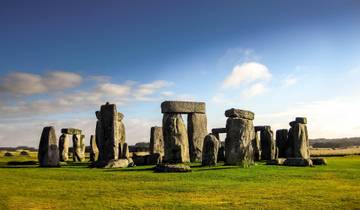
2 days
Windsor, Stonehenge, Bath & Oxford from London – 2 Days
- ✓ Comprehensive Bath tour
- ✓ Expert local guides included
- ✓ All accommodation arranged
- ✓ Transportation provided
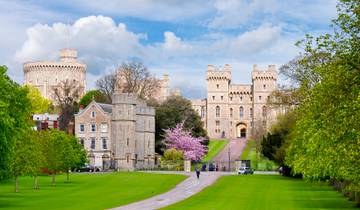
5 days
Classic England – 5 Days
- ✓ Comprehensive Bath tour
- ✓ Expert local guides included
- ✓ All accommodation arranged
- ✓ Transportation provided
5 days
5 Day London and Bath
- ✓ Comprehensive Bath tour
- ✓ Expert local guides included
- ✓ All accommodation arranged
- ✓ Transportation provided
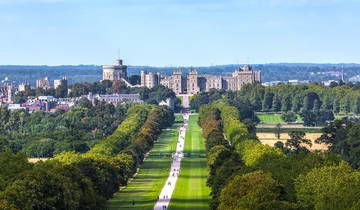
4 days
London Mini Break (4 Days)
- ✓ Comprehensive Bath tour
- ✓ Expert local guides included
- ✓ All accommodation arranged
- ✓ Transportation provided
Multi-day tour packages powered by TourRadar. Prices and availability subject to change.
Introduction: Photography in Britain’s UNESCO World Heritage City
Bath is a double-inscribed World Heritage Site, as the City of Bath in 1987 and then as part of The Great Spa Towns of Europe in 2021. This exceptional status reflects the city’s unique combination of Roman archaeological remains, Georgian architectural mastery, and deliberately integrated landscape setting. The entire urban area holds UNESCO designation, creating a comprehensive photographic subject where every street, square, and vista contributes to a unified aesthetic vision.
Bath’s photographic appeal stems from its distinctive building material. Local Bath stone, a honey-colored oolitic limestone quarried from nearby Combe Down and Bathampton Down, provides visual cohesion across two millennia of construction. This stone’s warm golden hue responds dramatically to natural light changes throughout the day, glowing amber during golden hour, appearing cool gray under overcast skies, and taking on peachy tones during summer sunsets.
The city’s grandiose Neo-classical Palladian crescents, terraces and squares spread out over the surrounding hills and set in its green valley demonstrate the integration of architecture, urban design and landscape setting. Photographers working in Bath capture not merely individual buildings but an entire urban composition where structures, open spaces, and natural topography function as elements in a deliberate aesthetic creation. The Georgian architects who redesigned Bath in the 18th century understood sight lines, proportion, and the interplay between built environment and landscape—principles that translate directly into photographic composition.
This guide addresses both iconic locations where every Bath visitor photographs and lesser-known spots that reward exploration. Understanding lighting conditions specific to Bath’s geography and stone becomes crucial for elevating photography from tourist snapshots to images that convey the city’s distinctive character. The sections that follow provide exact vantage points, optimal lighting windows, technical camera settings, and composition strategies for capturing Bath’s architectural heritage across all seasons and times of day.
Understanding Bath Stone and Natural Light Characteristics
Bath stone’s photographic properties differ from the limestone and sandstone found in other British cities. This oolitic limestone contains tiny spherical grains formed in warm Jurassic seas, creating a fine-grained texture that reflects and diffuses light in distinctive ways. The stone’s honey-gold color results from iron oxide content, producing warm tones that intensify under angled sunlight and cool slightly under diffused overcast light.
During golden hour when the sun sits 6° above to 6° below the horizon, Bath stone appears to glow from within as low-angled sunlight enhances the iron oxide’s warm tones. This effect reaches maximum intensity during the 15-20 minutes immediately before sunset when the sun’s rays travel through maximum atmospheric distance, filtering out blue wavelengths and saturating reds, oranges, and yellows. Morning golden hour produces softer, pinker tones as atmospheric conditions differ from evening, with the stone appearing more cream than amber.
Midday overhead sun creates harsh contrast on Bath stone facades, producing deep shadows in columns, doorways, and architectural details while overexposing lighter stone surfaces. This lighting proves challenging for photography but serves specific purposes when dramatic shadow patterns become the compositional focus. Cloud cover transforms midday shooting by diffusing harsh sunlight, eliminating extreme contrast, and revealing subtle surface textures invisible in direct sun.
Blue hour arrives 20-30 minutes after sunset when the sun drops 4°-6° below the horizon. During this window, Bath stone loses its golden warmth and appears neutral gray or slightly blue, while the sky transitions through deep cobalt, indigo, and purple tones. City lights activate during blue hour, creating opportunities for architectural photography where building illumination balances darkening sky luminosity. This balance lasts only 10-20 minutes before the sky becomes fully dark and artificial lighting dominates.
Seasonal variations affect Bath stone’s photographic characteristics. Summer’s longer days extend golden hour duration, providing more shooting time but with lighter, less saturated tones. Winter’s shorter days compress golden hour into intense 30-40 minute windows where the sun’s lower arc produces richer colors. Spring and autumn offer moderate golden hour durations with the added benefit of seasonal vegetation providing contrasting colors against stone backgrounds—vibrant greens in spring, copper and amber foliage in autumn.
Photographers shooting Bath architecture should meter for the stone itself rather than bright skies or dark shadows, ensuring proper stone exposure while accepting some highlight or shadow clipping. Shooting RAW format enables recovery of shadow detail in post-processing, particularly important when capturing buildings with both sunlit facades and shaded architectural details in the same frame.
The Royal Crescent: Composition Strategies and Vantage Points
The Royal Crescent is one of the greatest examples of Georgian architecture in the United Kingdom, and one of the most photographed hotspots in Bath. Built between 1767 and 1774 to designs by John Wood the Younger, this sweeping arc of 30 terraced houses creates a 150-meter curve overlooking Royal Victoria Park. The crescent’s photographic challenge lies in capturing its architectural grandeur without producing generic tourist images.
The classic frontal composition positions the photographer on the central lawn approximately 40-60 meters from the crescent’s midpoint. This distance allows a 24-35mm lens (full-frame equivalent) to frame the entire curve while maintaining proper perspective. Shooting too close with ultra-wide lenses distorts the architectural proportions, while standing too far reduces the crescent’s visual impact. The central lawn provides level ground for tripod placement and enables precise composition adjustments.
Alternative perspectives include positioning at the crescent’s western or eastern ends and shooting along its length. This composition emphasizes the curve’s sweeping arc and reveals the building’s depth, showing how each house steps back to form the crescent shape. A 50-85mm lens works well for these angled shots, compressing the perspective and stacking the houses visually. The western end receives better light during afternoon and evening golden hour, while the eastern end captures morning light.
Elevated vantage points provide aerial perspectives impossible from ground level. Alexandra Park’s paths, located a 20-minute uphill walk from Bath Spa station, offer views showing the Royal Crescent within Bath’s broader urban context. These elevated shots reveal the crescent’s relationship to surrounding Georgian squares, the city’s bowl-shaped valley setting, and distant hills framing the scene. A 70-200mm telephoto lens allows isolation of the crescent from this distance while compressing the cityscape layers.
Foreground elements strengthen Royal Crescent compositions. The central lawn’s mature trees provide framing opportunities during spring (fresh green foliage) and autumn (amber, copper, and gold leaves). Positioning a low-hanging branch or autumn leaves in the foreground’s lower third creates depth while directing viewer attention toward the crescent. Winter’s bare branches offer delicate linear elements against stone facades. Summer’s full foliage can overwhelm compositions unless carefully positioned.
Lighting considerations determine optimal shooting times. Morning light (7-9 AM depending on season) illuminates the crescent’s eastern section while leaving the western end in shadow, creating tonal gradation across the curve. This lighting reveals architectural details on illuminated sections while maintaining subtle shadow areas. Evening golden hour (approximately one hour before sunset) provides warmer, more dramatic light on the western section, with the golden Bath stone appearing to glow against darkening eastern shadows.
Detail shots capture the Royal Crescent’s architectural elements. Ionic columns at each doorway, decorative fanlights above entrances, wrought iron railings, and honey-stone quoins (corner blocks) provide compositional subjects for 50-100mm macro work. These details photograph best during soft morning or evening light that reveals stone texture without harsh midday contrast.
Crowd management affects Royal Crescent photography significantly. Summer afternoons bring tour groups and individual visitors, making empty lawn shots nearly impossible between 11 AM and 5 PM. Early morning sessions before 8 AM provide empty scenes, particularly valuable for architectural photography where human presence distracts from building focus. Winter months offer fewer crowds throughout the day, though shorter daylight windows compress shooting opportunities.
Roman Baths and Bath Abbey: Capturing Iconic Architectural Combinations
The Roman Baths are the city’s oldest Instagram hotspot, with ancient baths that are picture-perfect from any angle. The complex combines Roman engineering with Georgian additions, creating layered compositions where ancient foundations support later architectural elements. The classic shot positions the Great Bath’s steaming green water in the foreground with Bath Abbey’s Gothic towers rising behind, composing elements from two distinct architectural periods into a unified image.
This signature composition requires purchased admission to the Roman Baths museum. The terrace surrounding the Great Bath provides the primary vantage point, with the western side offering the best angle to include both bath and abbey. A 24-35mm wide-angle lens captures the full scene, while a 50mm normal lens tightens the composition on the relationship between Roman columns and Gothic towers. Shooting during midday when natural light illuminates the bath’s interior presents balanced exposure challenges, requiring careful metering to prevent blown-out sky behind the abbey.
Early morning admission (when available) provides advantages beyond reduced crowds. Low-angled morning sun creates dramatic side-lighting on the Great Bath’s Corinthian columns and statues, revealing stone texture and casting defined shadows. The bath’s green water—tinted by algae growth in the mineral-rich thermal water—appears more vibrant under direct sunlight than diffused overcast conditions. Steam rising from the 46°C thermal water shows most dramatically in cool morning air, adding atmospheric elements to compositions.
Bath Abbey alone provides extensive photography opportunities both exterior and interior. The west facade’s sculptural detail includes angels climbing stone ladders to heaven on either side of the great window, a unique iconographic element found nowhere else in British cathedral architecture. The Abbey has stunning details to look out for, including the beautiful stained glass windows and the sculptures of angels climbing up stone ladders to heaven on the west front. Photographing these angels requires a telephoto lens (70-200mm) to isolate individual figures against sky backgrounds, with soft overcast light providing even illumination without harsh shadows.
The York Street archway creates a natural frame for Bath Abbey’s west front. This composition positions the arch’s stone edges in the foreground while the abbey fills the background, creating layered depth. The archway’s shadow provides foreground interest while directing attention toward the illuminated abbey beyond. Morning and evening light work equally well for this shot, though morning light illuminates the west front more directly.
Interior abbey photography requires attention to extreme dynamic range between bright stained glass windows and dark stone walls. Modern cameras’ high dynamic range capabilities handle this contrast better than earlier equipment, though shooting multiple exposures for HDR processing remains an option for difficult lighting conditions. The abbey permits photography for personal use without flash, making high ISO capability essential. ISO 1600-3200 enables hand-held shooting at 1/60-1/125 shutter speeds with f/2.8-f/4 lenses, preventing camera shake while maintaining reasonable image quality.
The abbey’s fan-vaulted ceiling photographs best from the nave’s central aisle looking toward the altar, using a 16-24mm ultra-wide lens to capture the ceiling’s full expanse while keeping vertical lines relatively straight. Some perspective correction in post-processing typically proves necessary for architectural accuracy.
Abbey Tower Tours offer elevated photography opportunities, providing rooftop access with views across Bath’s UNESCO cityscape. Tours run Monday through Saturday and include perspectives overlooking the Roman Baths, Thermae Bath Spa’s rooftop pool, and cityscape views toward the Royal Crescent. These elevated positions enable architectural photography showing the spatial relationships between Bath’s key landmarks, with telephoto lenses isolating specific buildings while compressing the urban landscape.
Pulteney Bridge: Multi-Angle Photography of a Unique Structure
Pulteney Bridge is one of only a handful of bridges with shops, built by Robert Adam in 1769. This architectural rarity combines bridge engineering with commercial development, creating a photogenic structure whose appearance changes dramatically depending on viewing angle. The bridge’s photographic appeal stems from its three-arched span across the River Avon, shop-lined facade facing Grand Parade, and contrasting plain rear elevation.
The classic Pulteney Bridge shot captures the structure from Parade Gardens, positioned on the riverbank approximately 50-80 meters downstream. This vantage point shows the bridge’s three arches, shop facades, decorative elements, and the weir’s crescent shape below. A 35-50mm lens frames the entire composition, while a 70-100mm lens isolates the bridge against sky and water backgrounds. This location photographs best during afternoon and evening when western light illuminates the bridge’s upstream face.
North Parade Bridge provides an alternative elevated perspective looking upstream toward Pulteney Bridge. This angle shows the bridge within the River Avon’s broader context, incorporating riverside buildings, tree-lined banks, and distant architectural elements. Early morning light works well from this position, with the rising sun illuminating Pulteney Bridge’s eastern side. A 24-70mm zoom lens offers compositional flexibility, allowing both wide contextual shots and tighter bridge-focused compositions.
The bridge’s rear elevation presents a dramatically different character. You can get an alternative view of the hotchpotch back of the bridge by climbing down the steps next to the back of the Podium. This rear face shows unadorned utilitarian architecture supporting the shop facades, with irregular window placements, exposed structural elements, and organic growth patterns creating picturesque imperfection. This view photographs best during morning when eastern light reveals texture and detail on the otherwise plain stonework.
Ground-level perspectives from the bridge itself offer different compositional opportunities. Standing on the bridge and shooting along its shop-lined length creates symmetrical compositions emphasizing architectural repetition. Wide-angle lenses (16-24mm) exaggerate perspective, making the shop fronts appear to recede rapidly. Normal to short telephoto lenses (35-85mm) provide more natural perspective while compressing the row of shops.
The weir below Pulteney Bridge adds dynamic water elements to compositions. During periods of high flow, water cascading over the crescent weir creates white water effects that balance the static architecture. Long exposures (1-4 seconds using neutral density filters) smooth water flow into silky streaks, while fast shutter speeds (1/500-1/1000) freeze water droplets and splash patterns. The weir photographs best from Grand Parade’s riverside walkway, using the water as foreground leading to the bridge beyond.
Seasonal variations affect Pulteney Bridge photography significantly. Spring brings fresh green vegetation along the riverbanks, summer provides maximum foliage but also peak tourist crowds, autumn offers amber and copper leaf colors contrasting with honey stone, and winter’s bare trees reveal architectural details obscured by summer foliage. Each season demands different compositional approaches to maximize seasonal characteristics.
Blue hour photography transforms Pulteney Bridge when building lights illuminate shop windows and street lamps activate. The 20-30 minutes after sunset when artificial lights balance twilight sky create atmospheric scenes impossible during daylight. This shooting window requires elevated ISO (1600-3200) to maintain reasonable shutter speeds, or tripod use for longer exposures capturing both illuminated architecture and ambient twilight.
The Circus: Photographing Circular Georgian Architecture
The Circus is made up of Georgian townhouses in a circle that’s 318 feet in diameter. This architectural composition presents unique photographic challenges due to its circular form and central tree cluster. Unlike the Royal Crescent’s sweeping curve viewable from external vantage points, The Circus surrounds visitors, making comprehensive single-shot coverage nearly impossible without aerial perspectives.
Ground-level photography at The Circus focuses on capturing segments of the circular composition rather than attempting the entire structure. Standing at one of three entry points and shooting across the circular space toward the opposite segment provides the widest possible view, showing approximately one-third of the circle’s circumference. A 24-35mm lens captures this segment with proper architectural proportions, while ultra-wide lenses introduce perspective distortion that compromises the building’s classical proportions.
The Circus’s architectural details reward close examination. The stonework features intricate details with emblems such as serpents, acorns and masonic symbols, perfect for a close-up shot. These decorative elements appear on three levels corresponding to classical Doric, Ionic, and Corinthian orders stacked vertically. Photographing these details requires 70-200mm telephoto lenses that compress perspective and isolate individual elements against stone backgrounds. Soft diffused light reveals stone texture without harsh shadows that might obscure fine carving.
The central tree cluster provides foreground elements and seasonal color variation. Spring’s fresh green leaves create vibrant natural frames, summer’s full foliage can overwhelm compositions unless carefully positioned, autumn delivers copper and amber tones contrasting beautifully with honey-stone facades, and winter’s bare branches offer delicate linear patterns. Low-angle shots (camera positioned 0.5-1 meter above ground) use tree trunks as strong vertical foreground elements leading viewer attention toward architecture beyond.
Lighting conditions at The Circus vary throughout the day due to the circular form’s orientation. Morning sun illuminates the eastern segment while western sections remain in shadow, creating dramatic tonal contrast across the circle. Midday overhead sun provides relatively even illumination but produces harsh shadows under architectural elements. Evening golden hour illuminates western segments with warm light while eastern sections fall into shadow. No single time provides uniform lighting across the entire structure, making segment-focused photography more practical than attempting comprehensive coverage.
Elevated perspectives from surrounding streets occasionally offer slightly raised vantage points, though true aerial views require drone photography (subject to local regulations and permissions). The elevated position reveals The Circus’s perfect circular geometry and symmetrical composition invisible from ground level. However, drone use within Bath’s UNESCO World Heritage area requires specific permissions and adherence to Civil Aviation Authority regulations.
Crowd management affects Circus photography similarly to Royal Crescent shooting. Peak tourist seasons bring constant foot traffic through the space, particularly midday when tour groups converge. Early morning (before 8 AM) provides quieter conditions, though residential parking and local residents walking dogs remain present. Winter months offer reduced crowds throughout the day, making architectural photography without human interference more feasible.
Night photography at The Circus creates different atmospheric effects. Building lights illuminate facades while street lamps cast warm pools of light on cobblestones. The combination requires long exposures (4-15 seconds) for proper ambient light recording, mandating tripod use. Blue hour offers a compromise window when sufficient natural light remains to show architectural detail while artificial lighting begins contributing to the scene.
Prior Park Landscape Garden: Palladian Bridge and Panoramic City Views
Prior Park Landscape Garden is home to one of just four Palladian Bridges in the world. This National Trust property combines 18th-century landscape design with dramatic city vistas, providing photography opportunities ranging from intimate garden scenes to sweeping urban panoramas. The estate’s hilltop position overlooking Bath creates elevated perspectives impossible from city-center locations.
The Palladian Bridge represents Prior Park’s iconic photographic subject. This ornamental bridge spanning a small lake reproduces Andrea Palladio’s classical architectural principles in miniature form, with covered colonnades, temple-like proportions, and perfect symmetrical composition. Multiple vantage points reveal different aspects of the structure. The lower path approaching from the valley provides the classic frontal view with Ralph Allen’s mansion visible beyond, while upper paths offer elevated angles showing the bridge’s roofline relationship to surrounding landscape.
Morning light illuminates the Palladian Bridge’s eastern facade, revealing stonework detail and creating reflections on the lake’s surface. Still conditions produce mirror-like reflections doubling the bridge’s visual presence, while gentle breezes create rippled patterns that break symmetrical compositions. Polarizing filters reduce water surface reflections, revealing underwater detail, or intensify reflections depending on filter rotation and sun angle.
Seasonal variations dramatically affect Prior Park photography. Spring brings wildflower displays and fresh green foliage, summer provides maximum vegetation but can overwhelm architectural subjects, autumn delivers the most photogenic conditions with red and orange foliage creating breathtaking scenes, and winter reveals landscape structure obscured by summer growth. Autumn photography at Prior Park requires timing visits to peak foliage color, typically occurring in mid-to-late October though exact timing varies annually.
The estate’s elevated paths provide panoramic Bath views impossible from city-center vantage points. These overlooks show the entire UNESCO cityscape spread across the valley floor, with key landmarks including Bath Abbey, the Royal Crescent, and surrounding hills forming compositional layers. A 24-70mm zoom lens offers compositional flexibility, enabling both wide panoramic captures and tighter compositions isolating specific architectural elements.
Bath Skyline Walk passes through Prior Park’s boundaries, connecting the estate to broader hilltop paths circling the city. The Bath Skyline Walk is famed for its wildflowers and elevated views. This six-mile circuit provides multiple photography opportunities beyond Prior Park’s formal gardens, including wildflower meadows in late spring and summer, woodland paths offering dappled light conditions, and additional city overlooks from different compass directions.
Access limitations affect Prior Park photography. The estate prohibits vehicle access, requiring visitors to walk approximately 15-20 minutes uphill from the nearest parking areas. This limits equipment loads, making lightweight gear selections practical. The National Trust permits personal photography throughout the property but restricts commercial photography and drone usage without advance written permission. Tripod use receives general permission for personal photography but should avoid blocking narrow paths during busy periods.
Prior Park’s landscape architecture creates natural compositional elements. Designed with advice from Lancelot “Capability” Brown and Alexander Pope, the estate employs classical landscape principles including borrowed scenery (incorporating distant views into designed composition), carefully positioned specimen trees, serpentine paths creating sequential reveals, and strategic clearings opening dramatic vistas. Understanding these design principles helps photographers recognize and utilize intended viewpoints rather than struggling to find compositions against the designer’s intentions.
Hidden Photography Locations: Lesser-Known Perspectives
Bath’s photographic opportunities extend far beyond iconic landmarks familiar from postcards and tourist guides. Hidden locations provide distinctive perspectives rewarding those who explore beyond primary attractions. These lesser-known spots often deliver superior photography opportunities through reduced crowds, unusual vantage points, or architectural subjects ignored in standard tourist itineraries.
Hot Bath Street is a lesser-known but incredibly charming spot for photography in Bath, lined with beautiful Georgian architecture. This quiet cobbled street connects the city center to Thermae Bath Spa and Cross Bath, two historic thermal establishments representing Bath’s spa heritage. The street’s architectural homogeneity creates strong linear perspective, with honey-stone buildings forming corridor walls leading toward the street’s termination point. Wide-angle lenses (16-24mm) exaggerate this perspective, making the street appear to narrow dramatically, while normal lenses (35-50mm) provide more natural proportions.
The Paragon Steps represent Bath’s secret architectural gem recently featured in film productions including Wonka. Known as the Paragon Steps, these hidden stairs are a favourite among photographers and filmmakers alike, framed by classic Bath stone buildings. The steps connect upper and lower city sections, creating dramatic vertical compositions emphasizing Bath’s hillside topography. Shooting from street level looking upward creates imposing perspectives showing stone walls rising on both sides, while descending views show steps vanishing toward lower city areas with architectural layers stacking visually.
Great Pulteney Street creates one of Europe’s grandest boulevards, though tourists often overlook it when prioritizing the Royal Crescent and Circus. Great Pulteney Street is an astounding example of Georgian architecture, photographed from Laura Place fountain with the Holburne Museum visible in the distance. This composition shows the street’s impressive length and architectural consistency, with matching townhouses creating rhythmic repetition leading toward the classical museum facade. Early morning light illuminates the street’s eastern facades, while evening light highlights western buildings. Symmetrical composition from the street’s center emphasizes architectural uniformity and urban planning sophistication.
Alexandra Park’s elevated position provides panoramic city views rarely photographed despite their quality. The 20-minute uphill walk from Bath Spa station deters many visitors, leaving the park relatively empty even during peak tourist seasons. The climb is worth it for stunning shots from elevated positions. Multiple viewpoints throughout the park offer different compass perspectives on Bath’s UNESCO cityscape, with early morning and evening golden hour providing optimal lighting conditions. Telephoto lenses (70-200mm) compress urban landscape layers, stacking Georgian terraces, abbey towers, and distant hills into cohesive compositions.
Sydney Gardens represents Bath’s oldest public park, with Kennet and Avon Canal bridges creating distinctive compositional elements. Walking to one of the bridges of the Kennet and Avon Canal running through the Georgian pleasure gardens provides perfect shots. These ornamental bridges offer symmetrical compositions with canal water creating reflections and leading lines. Autumn transforms Sydney Gardens through leaf color changes, while spring delivers fresh green growth and flowering plants. The park’s mature trees provide natural framing elements and dappled light conditions softening harsh midday sun.
Queen Square’s western corner features a townhouse entirely covered in ivy, creating striking seasonal photography opportunities. In autumn the leaves turn completely red, a spectacular sight
Thermae Bath Spa’s rooftop pool provides one of Bath’s most distinctive modern photography subjects. The open-air pool combines contemporary architecture with historic city views, creating juxtapositions between 21st-century spa facilities and Georgian urban fabric. Access requires spa admission, limiting this photography opportunity to paying visitors. The rooftop perspective shows Bath Abbey and surrounding architecture from an unusual elevated position unavailable elsewhere, with steam rising from the thermal pool adding atmospheric elements during cooler weather.
Seasonal Photography: Maximizing Bath’s Year-Round Appeal
Bath’s temperate maritime climate creates distinct seasonal characteristics affecting photography opportunities, lighting conditions, and compositional elements. Understanding these seasonal variations enables photographers to plan shoots capitalizing on each period’s unique advantages while avoiding seasonal limitations.
Spring photography in Bath begins as early as March when daffodils and crocuses emerge in Royal Victoria Park and other green spaces. Fresh green leaf growth appears by late April, transforming bare winter branches into vibrant canopies. Spring offers several photographic advantages including empty early morning parks (sunrise occurs around 6-6:30 AM in April-May), moderate temperatures enabling comfortable extended shooting sessions, and dramatic cloud formations during transitional weather periods. Spring wildflowers along the Bath Skyline Walk peak in May and June, creating colorful meadow compositions contrasting with urban architecture visible from elevated viewpoints.
Summer extends golden hour windows significantly, with sunset occurring around 9-9:30 PM in June and July. This late light creates challenges for evening photography requiring specific timing commitments but provides extensive shooting opportunities. Summer’s full foliage can overwhelm architectural subjects unless photographers carefully position vegetation as compositional elements rather than distractions. Peak tourist season brings maximum crowds to iconic locations, making early morning (before 8 AM) the only viable window for crowd-free architectural shots at the Royal Crescent, Circus, and Roman Baths area. Summer’s generally stable weather provides reliable shooting conditions, though occasional heat haze can reduce distant view clarity during afternoon hours.
Autumn delivers Bath’s most photogenic season for many photographers. Leaf color changes begin in early October, peak during mid-to-late October, and conclude by early November, though exact timing varies annually based on temperature patterns and rainfall. Queen Square’s trees and Sydney Gardens provide the city’s best autumn color displays, while Prior Park Landscape Garden offers spectacular fall foliage within designed landscape settings. Autumn colors create bursts of amber, copper and golden tones throughout Bath’s parks and gardens. Autumn light gains warmth and color saturation as the sun’s angle lowers compared to summer months, with golden hour occurring at more accessible evening times (around 5-6 PM in October). Shorter days compress shooting windows but deliver more dramatic lighting quality.
Winter photography in Bath requires managing shorter daylight hours (sunrise around 8 AM, sunset around 4 PM in December) and higher probability of overcast conditions. However, winter offers significant advantages including minimal tourist crowds at iconic locations throughout the day, dramatic lighting during compressed golden hour windows that deliver intense color saturation, potential for frost and occasional snow creating rare atmospheric conditions, and bare vegetation revealing architectural details obscured by summer foliage. Winter’s low sun angle creates long shadows even during midday hours, providing directional lighting throughout the day rather than just morning and evening periods. Blue hour and night photography opportunities expand as early sunset (4 PM) enables evening shooting at more accessible times.
Weather variability affects Bath photography across all seasons. The city’s position in southwest England creates maritime climate characteristics including frequent cloud cover, regular rainfall, and rapid weather changes. Overcast conditions transform harsh midday lighting into soft diffused illumination ideal for architectural detail photography, though gray skies can appear dull in wide shots including significant sky areas. Rain creates reflective surfaces on cobblestones and pavements, enabling wet-street photography techniques that transform ordinary scenes through mirror-like reflections. Post-rain conditions often deliver the clearest atmospheric conditions and most dramatic cloud formations, making the period immediately following rainfall particularly valuable for cityscape photography.
Technical Camera Settings: Optimizing Equipment for Bath Photography
Bath’s distinctive architecture and lighting conditions demand specific technical approaches to achieve optimal results. Understanding camera settings appropriate for different subjects, lighting conditions, and creative intentions enables photographers to capture Bath’s character rather than merely recording its appearance.
Aperture selection depends primarily on creative intention and subject type. Architectural photography emphasizing building facades, street scenes, and cityscape panoramas typically requires deep depth of field maintaining sharpness from foreground to distant background. Aperture settings of f/8-f/14 achieve this extensive focus range, with f/8 providing slightly sharper optics in most lenses compared to f/11-f/14 where diffraction begins reducing sharpness slightly. These narrow apertures work well during golden hour’s peak brightness and throughout daylight hours under adequate lighting.
Shallow depth of field techniques using wide apertures (f/1.8-f/4) create selective focus isolating architectural details, doorway elements, or decorative features against softly blurred backgrounds. This approach transforms repetitive architectural elements into artistic studies emphasizing texture, pattern, and form rather than documentary recording. Wide apertures prove essential during blue hour and interior photography when light levels drop significantly, enabling faster shutter speeds that reduce camera shake risk during hand-held shooting.
ISO settings balance image quality against available light conditions. Modern full-frame cameras produce clean results at ISO 100-400 during daylight hours, making these settings ideal for golden hour and bright overcast conditions. As light levels drop during late golden hour and early blue hour, raising ISO to 800-1600 maintains reasonable shutter speeds without introducing excessive image noise. During blue hour’s darkest moments and interior abbey photography, ISO 1600-3200 becomes necessary for hand-held shooting, though image quality degrades through increased noise and reduced dynamic range. Shooting RAW format enables more aggressive noise reduction in post-processing compared to JPEG files where noise reduction bakes permanently into the image.
Shutter speed requirements vary dramatically based on focal length and stabilization systems. The traditional rule suggesting minimum shutter speed equals 1/focal-length (1/50 for 50mm lens, 1/200 for 200mm lens) provides conservative guidance for sharp hand-held shooting. Modern in-body and lens-based stabilization systems enable slower speeds, often allowing 2-4 stops reduction (shooting 1/15 instead of 1/50 with a 50mm lens). However, stabilization cannot compensate for moving subjects, making faster shutter speeds essential when photographing people in street scenes or wind-blown vegetation.
During golden hour’s peak brightness, shutter speeds of 1/250-1/500 at f/8-f/11 and ISO 100-200 prove typical. As light drops toward sunset, maintaining f/8 requires raising ISO to 400-800 and accepting slower shutter speeds around 1/60-1/125. During blue hour, practical hand-held shooting typically demands f/2.8-f/4 apertures, ISO 1600-3200, and shutter speeds around 1/60-1/125. Tripod use eliminates shutter speed constraints, enabling long exposures at base ISO for maximum image quality, though requires more deliberate shooting approach and limits spontaneous composition adjustments.
White balance selection significantly affects Bath stone’s rendered color. Auto white balance attempts to neutralize color casts, often cooling golden hour’s warm tones or warming blue hour’s cool tones in ways that reduce atmospheric effect. Manual white balance settings between 6000K-6500K preserve golden hour warmth without exaggeration, while 4000K-5000K settings maintain blue hour’s cool tones. The “Cloudy” white balance preset (typically around 6000K) works well for golden hour shooting, preserving warm tones that characterize this lighting period. Shooting RAW enables complete white balance adjustment in post-processing without image degradation, allowing experimentation with different color interpretations from a single exposure.
Exposure metering modes affect how cameras interpret scenes containing bright skies and darker stone buildings. Evaluative or Matrix metering analyzes the entire frame, producing generally balanced exposures though sometimes resulting in overexposed skies or underexposed architecture. Center-weighted metering emphasizes the frame’s central area, working well when the primary subject occupies the composition’s middle. Spot metering reads from a tiny central zone, enabling precise exposure decisions by metering directly from Bath stone surfaces and accepting that bright skies may overexpose or dark shadows may underexpose.
Exposure compensation provides quick adjustments to camera-determined exposure. Scenes containing large bright sky areas often require -0.7 to -1.0 EV compensation preventing blown highlights, while darker stone walls in shadow may need +0.7 to +1.0 EV compensation maintaining detail. Bracketing exposures (shooting three frames at different exposure values) provides safety insurance for challenging lighting conditions, enabling selection of the best exposure or combining multiple exposures through HDR processing.
Focus techniques for architectural photography prioritize sharpness across the entire frame. Single-point autofocus placing the focus point on the primary subject works reliably for most compositions. The hyperfocal distance technique maximizes depth of field by focusing at a distance where everything from half that distance to infinity appears acceptably sharp. Online hyperfocal distance calculators provide exact focusing distances based on focal length, aperture, and sensor size. Manual focus offers precision for critical architectural work, particularly when using tripods enabling careful focus verification through magnified live view.
Compositional Techniques: Applying Design Principles to Bath Architecture
Bath’s Georgian architecture embodies classical design principles that translate directly into photographic composition strategies. Understanding the architectural intentions that shaped Bath’s urban design helps photographers create images that honor and reveal these deliberate aesthetic choices rather than working against them.
Symmetry dominates Georgian architectural design, with facades organized around central axes and balanced element placement. Photographing symmetrical architecture requires careful alignment placing the central axis precisely in the frame’s center or deliberately offset for creative effect. Even minor deviations from perfect symmetry create visual tension that appears accidental rather than intentional. Using gridlines or electronic levels ensures horizontal and vertical alignment, while tethered shooting to tablets or laptops enables precise composition review impossible on small camera displays.
The rule of thirds applies to Bath photography when compositional elements align naturally with grid intersections. However, Bath’s strong architectural symmetry often demands centered compositions that violate thirds principles but honor the building’s inherent design. Photographers must recognize when classical compositional rules enhance versus compromise architectural subjects, applying appropriate approaches for each situation rather than forcing every composition into predetermined formulas.
Leading lines guide viewer attention through compositions toward intended focal points. Bath’s streets, building alignments, stone courses, rooflines, and decorative elements create numerous linear features exploitable for compositional purposes. Pulteney Bridge’s arch outlines, The Circus’s curving facades, Royal Crescent’s sweeping arc, and Great Pulteney Street’s perspective convergence all provide strong leading lines directing visual flow. Recognizing and positioning these elements strategically strengthens compositional impact.
Framing techniques use foreground elements to create frames-within-frames directing attention toward primary subjects. Archways, doorways, tree branches, and architectural elements serve as natural frames surrounding distant subjects. The York Street archway framing Bath Abbey exemplifies this technique, creating layered compositions where multiple depth planes contribute to overall impact. Effective framing requires careful positioning ensuring the frame element enhances rather than obscures the subject it surrounds.
Repetition and pattern emerge from Bath’s architectural consistency, where identical townhouses repeat along crescents and terraces creating rhythmic visual sequences. Emphasizing this repetition through tight cropping or telephoto compression reveals design patterns invisible in wider views showing entire structures. Isolating segments of The Circus or Royal Crescent showing 4-6 identical house units creates pattern studies demonstrating Georgian urban design principles.
Negative space—empty areas surrounding primary subjects—provides compositional breathing room and emphasizes subject isolation. Bath’s open squares, parks, and sky areas create negative space opportunities when used deliberately rather than accidentally. Positioning Bath Abbey against clear sky rather than cluttered backgrounds uses negative space to simplify compositions and emphasize architectural form. However, excessive negative space can diminish subject presence, requiring careful balancing between isolation and impact.
Foreground interest strengthens depth perception in architectural photography, particularly important when photographing two-dimensional building facades. Including foreground elements—cobblestones, street furniture, vegetation, water features—creates three-dimensional space in two-dimensional images. Low camera positions emphasize foreground elements through perspective exaggeration, while elevated positions minimize foreground presence. Varying camera height dramatically affects foreground-subject relationships and overall compositional balance.
Vertical versus horizontal orientation affects how architectural subjects fill frames. Horizontal orientation suits wide scenes including multiple buildings, street perspectives, and landscape contexts, while vertical orientation better frames tall facades, abbey towers, and subjects with dominant vertical emphasis. Bath Abbey’s west front demands vertical composition to include the full tower height, while the Royal Crescent’s sweeping curve requires horizontal framing. Some subjects work equally well in both orientations, providing compositional choices based on surrounding elements and intended use.
Perspective control prevents converging verticals where vertical building lines appear to lean inward when photographed looking upward with wide-angle lenses. Tilt-shift lenses mechanically correct this convergence by shifting the lens parallel to the sensor, maintaining vertical lines truly vertical. Alternatively, positioning cameras parallel to building facades prevents convergence though requires elevated shooting positions for tall buildings. Post-processing software enables digital perspective correction, though extreme corrections crop significant image areas and may reduce image quality. Professional architectural photography typically demands either tilt-shift lens use or careful camera positioning preventing convergence initially.
Street Photography in Bath: Capturing Urban Life
Bath’s status as UNESCO World Heritage site and major tourist destination creates unique street photography opportunities where historical architecture provides backdrop for contemporary human activity. The juxtaposition between timeless architecture and transient human moments generates dynamic tension characterizing effective street photography.
Legal and ethical considerations govern street photography in public spaces. UK law permits photography in public areas including streets, parks, and publicly accessible spaces, with no legal requirement to obtain permission from people appearing in images taken in public contexts. However, ethical street photography respects subject dignity, avoids exploitative imagery, and considers how subjects might react to their public representation. Photographing children requires particular sensitivity given heightened safeguarding concerns, with many street photographers avoiding minor subjects entirely to prevent misunderstandings.
Abbey Churchyard and the surrounding pedestrian area concentrate foot traffic, creating opportunities for candid human moments against architectural backdrops. The space’s open plaza configuration enables photographers to work from plaza edges using telephoto lenses (70-200mm) that compress perspective and isolate individual subjects without intrusive close proximity. This working method reduces subject awareness of being photographed, resulting in more natural expressions and gestures compared to obvious close-range photography triggering self-conscious behavior.
Market days transform certain Bath locations into temporarily different environments. The Saturday farmers market near the Guildhall creates concentrated activity, colorful product displays, and vendor-customer interactions providing street photography subjects. Early morning arrival captures market setup activity, midday brings peak crowding and energy, while late afternoon shows the breakdown process. These cyclical patterns offer different photographic opportunities within the same location across several hours.
Street performer activity concentrates near the Roman Baths entrance and Abbey Churchyard, where tourist foot traffic provides audience and income potential. These performers create dynamic compositional elements—human figures in period costume, musicians with instruments, living statues maintaining poses—that contrast with static architecture. Photographing performers raises different ethical considerations than candid street photography, as performers choose to occupy public space for attention and income. However, professional courtesy suggests providing some compensation when creating extensive photographic documentation of individual performers’ work.
Weather conditions dramatically affect street photography opportunities and results. Rain creates reflective pavement surfaces mirroring architecture and people, umbrellas add color pops and geometric shapes to compositions, and reduced crowds provide cleaner background contexts isolating individual subjects. Immediately post-rain periods often deliver the best conditions—wet reflective surfaces persist while weather clears and foot traffic resumes, combining advantages of multiple conditions.
Seasonal events including Christmas markets, Bath festivals, and special celebrations create temporary photography opportunities unavailable during standard periods. The Christmas market transforms the Abbey Churchyard area with wooden chalets, festive lighting, and concentrated evening activity. These events require different technical approaches—low light demands high ISO capability (1600-3200), artificial lighting creates mixed color temperatures requiring careful white balance decisions, and crowds necessitate patience waiting for compositional clearings or embracing density as documentary element.
Technical settings for Bath street photography balance shutter speed requirements for freezing human movement, depth of field needs for subject isolation, and ISO limits for acceptable image quality. Aperture priority mode at f/2.8-f/5.6 provides shallow depth isolating subjects from backgrounds while maintaining reasonable depth across the primary subject. Shutter speeds of 1/250-1/500 freeze most walking movement, while 1/500-1/1000 captures faster gestures and children’s running. Auto ISO with maximum limits set around 3200 maintains proper exposure across changing light conditions as photographers move between sunny and shaded areas.
Blue Hour and Night Photography: Bath After Dark
Blue hour—the 20-40 minutes after sunset when the sun sits 4°-6° below the horizon—creates Bath’s most atmospheric photography conditions. During this transitional period, natural twilight balances artificial building and street lighting, producing scenes impossible to capture during full daylight or complete darkness. Understanding blue hour timing and technical requirements enables photographers to capitalize on this brief but valuable shooting window.
Blue hour timing varies by season, latitude, and atmospheric conditions. Online calculators including PhotoPills, The Photographer’s Ephemeris, and similar tools provide precise blue hour start and end times for specific locations and dates. Bath’s position at approximately 51.4° north latitude creates blue hour durations around 30-40 minutes during summer (June-August) when twilight extends longer, shortening to 20-25 minutes during winter (December-February) when darkness arrives more rapidly after sunset.
The critical balance point occurs roughly 15-20 minutes after sunset when sky luminosity approximately matches building and street lighting intensity. Earlier in blue hour, the sky remains brighter than artificial lights, creating high contrast scenes requiring exposure compromise between bright sky and dark buildings. Later in blue hour, artificial lights dominate increasingly dark skies, approaching night photography conditions where sky detail disappears entirely. The sweet spot delivers balanced luminosity enabling single exposures capturing both architectural detail and sky color without severe clipping.
Technical settings during blue hour demand higher ISO than golden hour photography. Starting ISO around 800-1600 enables reasonable shutter speeds during blue hour’s brightest moments, rising to 1600-3200 as twilight deepens. Aperture selection balances depth of field requirements against light-gathering needs—f/2.8-f/4 gathers maximum light for hand-held shooting, while f/5.6-f/8 provides greater depth when using tripods for longer exposures. Shutter speeds during hand-held blue hour work typically fall around 1/60-1/125, requiring careful camera support and shooting technique to prevent blur.
Tripod use transforms blue hour photography by eliminating shutter speed constraints. Long exposures of 1-8 seconds at base ISO (100-200) deliver maximum image quality while smoothing water movement, blurring pedestrian traffic into ghostly streaks, and enabling smaller apertures (f/8-f/11) for comprehensive depth of field. Timed shutter release or cable releases prevent camera shake from pressing the shutter button. Mirror lockup (on DSLR cameras) eliminates vibration from mirror movement during exposure.
White balance during blue hour profoundly affects rendered atmosphere. Auto white balance often neutralizes blue hour’s characteristic cool tones, warming the scene toward neutral gray. Manual settings around 4000K-5000K preserve the deep blue sky tones that define this period’s character. Tungsten white balance (around 3200K) intensifies blue tones dramatically, creating stylized interpretations emphasizing coolness. Shooting RAW enables complete white balance adjustment in post-processing without committing to specific color interpretations during capture.
Composition during blue hour emphasizes relationships between illuminated architecture and colored sky. Buildings with exterior lighting show particular prominence—Bath Abbey’s floodlit facades, illuminated building fronts along major streets, and spotlit architectural features become primary subjects rather than merely contextual elements. The transition from blue hour into full night creates sequential opportunities as building lights gain increasing prominence against darkening skies.
Pulteney Bridge during blue hour combines illuminated shop windows, reflected lights in River Avon water, and blue sky creating multi-colored compositions impossible during daylight. The weir below the bridge requires longer exposures (2-8 seconds) to smooth water flow into silky cascades contrasting with static architecture. Shooting from positions along Grand Parade provides both bridge and water elements within the same composition.
The Roman Baths courtyard illumination creates dramatic night photography subjects, though access requires purchased admission during special evening openings when available. The combination of floodlit Roman columns, torchère lighting, and steaming thermal water creates atmospheric scenes emphasizing the site’s ancient origins. Bath Abbey’s exterior floodlighting intensifies during evening hours, with the west front’s angel sculptures and Gothic details revealed through upward-directed spotlights creating dramatic shadow play.
Christmas illumination extends Bath’s night photography season, with temporary lighting installations transforming regular scenes into festive subjects. The Christmas market’s concentration of string lights, illuminated stalls, and decorative elements creates high-energy scenes requiring different technical approaches than architectural photography. The abundance of artificial lighting enables lower ISO settings (800-1600) compared to standard blue hour work, though color temperature varies wildly between warm tungsten, cool LED, and colored decorative lights creating complex white balance challenges best addressed through RAW capture and selective post-processing adjustment.
Equipment Recommendations: Optimizing Gear for Bath Photography
Bath photography demands versatile equipment handling diverse subjects from sweeping architectural vistas to intimate detail studies. Understanding which equipment proves essential versus merely useful enables photographers to balance comprehensive capability against practical weight and cost constraints.
Camera body selection prioritizes several characteristics. Full-frame sensors provide advantages including better high-ISO performance critical for blue hour and interior photography, wider angle of view with any given lens (24mm on full-frame delivers true 24mm perspective versus equivalent 36mm on APS-C sensors), and superior dynamic range enabling better shadow recovery in high-contrast scenes. However, modern APS-C cameras deliver excellent results at lower cost and weight, making them viable alternatives particularly for photographers prioritizing portability. Micro Four Thirds systems provide maximum portability though sacrifice some low-light capability and dynamic range compared to larger sensors.
Lens selection determines photographic flexibility and creative capability. A versatile three-lens kit includes: 16-35mm wide-angle zoom (full-frame equivalent) for architectural interiors, street scenes, and environmental contexts; 24-70mm or 24-105mm standard zoom covering most general photography needs; and 70-200mm telephoto zoom for architectural details, compressed perspective cityscape shots, and distant subject isolation. This three-lens combination handles virtually all Bath photography situations though weighs approximately 2-3 kilograms combined with camera body.
Prime lenses offer alternatives to zoom convenience, providing wider maximum apertures (f/1.4-f/2.0 versus f/2.8-f/4 in zooms) enabling better low-light performance and shallower depth of field effects. A 35mm f/1.4 or f/1.8 lens works well for environmental architectural shots, street photography, and general work, while a 50mm f/1.4 or f/1.8 provides classic perspective for detail studies and selective-focus work. An 85mm f/1.8 delivers beautiful architectural detail isolation and compression effects at lower cost and weight than 70-200mm f/2.8 zooms, though sacrifices zoom flexibility.
Tilt-shift lenses enable perspective control preventing converging vertical lines when photographing tall buildings. These specialized lenses allow lens shifting parallel to the sensor, maintaining vertical building lines truly vertical regardless of camera angle. Canon and Nikon offer 17mm, 24mm, and 45mm tilt-shift options at premium prices (£1500-2500 per lens), while Samyang and Venus Optics provide more affordable alternatives (£500-800) sacrificing some optical quality and functionality. Tilt-shift lenses prove essential for professional architectural photography though represent specialized tools unnecessary for most general work.
Tripods transform photography by eliminating camera shake, enabling long exposures, and facilitating precise composition refinement. Travel tripods balance portability against stability, typically supporting 3-6 kilogram loads while folding to 35-45 centimeters and weighing 1-2 kilograms. Carbon fiber construction reduces weight compared to aluminum while increasing cost by approximately 50-100%. Ball heads provide quick composition adjustment in any direction, while three-way pan-tilt heads offer precise independent axis control preferred for architectural work. Tripod selection should match the photographer’s heaviest lens-camera combination weight, with support capacity approximately double the actual equipment weight ensuring adequate stability.
Filters modify light reaching the sensor, serving specific creative purposes. Circular polarizing filters reduce reflections from water and glass surfaces, deepen blue skies, and reduce atmospheric haze, though require 1-2 stop exposure compensation and prove ineffective when shooting toward or away from the sun. Neutral density filters reduce light transmission enabling long exposures during bright conditions, useful for smoothing water flow at the Pulteney Bridge weir or creating intentional motion blur in pedestrian areas. Graduated neutral density filters balance bright skies against darker landscapes, though digital blending and HDR techniques increasingly replace filter-based approaches. UV filters provide lens protection though add glass elements potentially degrading image quality in flare-prone situations.
Camera bags and support equipment affect practical shooting efficiency. Backpack-style camera bags distribute weight comfortably for extended walking sessions required when exploring Bath’s hillside topography, though prove inconvenient when requiring frequent equipment access. Shoulder bags provide quicker access but concentrate weight asymmetrically becoming uncomfortable during extended carrying. Sling bags offer compromise between access speed and carrying comfort. Weather protection proves valuable given Bath’s maritime climate and frequent rainfall—integrated rain covers or waterproof bag construction protects equipment during unexpected showers.
Accessories enhancing Bath photography include: spare batteries (cold weather and long exposure work drain batteries faster than normal shooting), large-capacity memory cards (shooting RAW generates large file sizes), lens cleaning cloths (Bath’s soft humid air creates lens condensation when moving between temperature zones), cable releases or wireless triggers (enabling vibration-free long exposures), bubble levels or electronic levels (ensuring horizontal and vertical alignment), and portable reflectors (filling shadows during portrait or detail photography).
Post-Processing Workflow: Optimizing Bath Images
Post-processing transforms RAW captures into finished images realizing creative vision while correcting technical limitations inherent in camera sensors. Understanding effective workflow procedures and specific adjustments suited to Bath photography enables consistent high-quality results.
RAW versus JPEG capture determines post-processing flexibility. RAW files preserve complete sensor data, enabling extensive adjustment latitude for exposure, white balance, highlight recovery, shadow lifting, and noise reduction without image degradation. JPEG files apply in-camera processing including white balance, sharpening, contrast, and color adjustments, permanently baking these decisions into files with reduced modification tolerance. Bath’s high-contrast lighting conditions during golden and blue hour benefit significantly from RAW’s extended dynamic range and adjustment flexibility, making RAW capture strongly recommended despite larger file sizes and mandatory post-processing requirements.
Import workflow organization establishes efficient file management preventing image loss and enabling rapid location of specific images. Organizing imports by date and location creates hierarchical folder structures (2024 > May > Bath) enabling chronological browsing, while keyword tagging (Bath, Royal Crescent, Architecture, Golden Hour) enables search-based retrieval. Most photographers develop consistent organizational systems applied across all work rather than varying approaches per project, building familiarity that speeds navigation and reduces organizational cognitive load.
Initial RAW adjustments address global image characteristics before localized refinement. Exposure correction compensates for intentional underexposure protecting highlights or overexposure recovering shadows. White balance adjustment sets overall color temperature—warming images increases yellow-orange tones appropriate for golden hour enhancement, while cooling increases blue tones suitable for blue hour intensification. Contrast adjustment affects tonal separation between highlights and shadows, with increased contrast creating dramatic impact and reduced contrast producing softer atmospheric effects.
Highlight and shadow recovery utilizes RAW file’s extended dynamic range. The highlights slider in programs like Lightroom and Capture One reduces luminosity in bright areas, recovering detail in skies and bright stone surfaces approaching clipping. The shadows slider raises luminosity in dark areas, revealing detail in architectural recesses and shaded building faces. Excessive highlight recovery creates dull gray skies lacking visual interest, while aggressive shadow lifting introduces noise and reduces image depth, requiring balanced application maintaining tonal contrast while preserving detail.
Lens corrections compensate for optical characteristics including distortion, vignetting, and chromatic aberration. Most post-processing programs include lens profiles automatically correcting known optical issues for specific lens models. Distortion correction straightens lines curved by wide-angle lenses, vignetting correction brightens darkened frame corners, and chromatic aberration removal eliminates colored fringing along high-contrast edges. These corrections prove particularly important for architectural photography where distorted lines compromise professional appearance.
Perspective correction addresses converging verticals where building walls appear to lean inward, common when photographing tall structures with wide-angle lenses pointed upward. The vertical perspective slider in Lightroom and similar tools straightens converging lines, though crops image areas in the correction process. Extreme corrections crop significant portions requiring either acceptance of some remaining convergence or original composition allowing cropping space. Professional architectural photography typically addresses perspective through careful camera positioning or tilt-shift lens use during capture rather than attempting severe post-processing corrections.
Localized adjustments target specific image areas without affecting the entire frame. Graduated filters darken bright skies while leaving foreground architecture unaffected, radial filters create vignetting or spotlight effects drawing attention to primary subjects, and adjustment brushes enable free-form painting of selective corrections. These tools prove valuable when overall global adjustments create undesirable effects in specific areas—for example, increasing overall exposure to brighten architecture simultaneously overexposes sky areas, requiring graduated filter application darkening sky while leaving architecture adjusted.
Color grading establishes overall image color palette and mood. Split toning adds color casts to highlights and shadows independently, enabling techniques like warm golden highlights with cool blue shadows creating depth separation. HSL (Hue, Saturation, Luminance) adjustments modify specific color channels—reducing orange saturation subdues Bath stone’s warmth, increasing blue saturation intensifies skies, and shifting yellow hues toward orange warms golden hour tones further. Color grading proves powerful for establishing consistent visual style across image series though requires restraint preventing oversaturated unrealistic results.
Noise reduction balances image smoothness against detail preservation. High ISO shooting during blue hour and interior photography introduces luminance noise (random brightness variations) and color noise (random color speckles). Noise reduction algorithms smooth these variations though simultaneously reduce fine detail, requiring balanced application maintaining acceptable sharpness. Modern AI-powered noise reduction tools including Topaz DeNoise and Adobe’s neural filters deliver superior results compared to traditional algorithms, though require additional software investment.
Sharpening enhances edge definition and apparent detail. Most RAW files appear soft straight from camera, requiring sharpening to achieve optimal crispness. The amount slider controls sharpening intensity, radius determines how far from edges the effect extends, and detail controls fine versus coarse feature emphasis. Proper sharpening enhances architecture’s linear edges and stone texture without creating visible halos or grain. Viewing at 100% magnification while adjusting sharpening reveals effects invisible in full-frame view, preventing insufficient or excessive application.
Export settings balance file size against image quality for different end uses. Web display typically requires JPEG files at 2000-3000 pixels on the long edge, sRGB color space, and quality settings around 80-90%, producing files around 1-3 megabytes suitable for fast website loading. Print output demands maximum quality JPEG or TIFF files at full resolution, Adobe RGB or ProPhoto RGB color space preserving maximum color gamut, and quality settings at 90-100%. Social media platforms apply additional compression, making excessive export quality unnecessary—Instagram displays images at maximum 1080 pixels regardless of upload size, rendering higher resolution files wasteful.
Frequently Asked Questions About Bath Photography
Can I use a drone for aerial photography in Bath?
Drone use in Bath requires compliance with UK Civil Aviation Authority regulations and local restrictions within the UNESCO World Heritage area. Standard CAA regulations mandate drone registration for devices over 250 grams, operator competency certificates for commercial use, maintaining visual line of sight, and staying below 400 feet altitude. Bath’s city center falls within several restricted zones including proximity to buildings, people, and vehicles requiring additional operational permissions. The UNESCO designation adds heritage protection considerations making unauthorized commercial drone photography problematic. Recreational drone use technically remains legal when following CAA regulations and avoiding privacy violations, though many central locations including Bath Abbey, Roman Baths area, and major squares concentrate sufficient pedestrian traffic to violate people-proximity regulations. Prior coordination with local authorities proves advisable for any serious drone photography work, while casual recreational flying in congested central areas risks regulatory violations and public relations problems.
What photography workshops or guided photo walks operate in Bath?
Several local photographers and tourism organizations offer Bath photography workshops and guided walks, though specific operators, schedules, and pricing vary seasonally. The Bath Tourism Plus office provides information about current photography-focused offerings including evening photography walks during blue hour and golden hour sessions at iconic locations. Local camera clubs occasionally organize group photo walks open to visitors, typically announced through social media and community notice boards. Independent professional photographers based in Bath offer private tuition and location guidance customized to specific interests ranging from architectural photography to street photography techniques. Checking Visit Bath’s official website and local photography group social media channels reveals current offerings, as operators and schedules change more frequently than can be reliably documented in evergreen guides. International photography tour companies occasionally include Bath in broader UK itineraries, combining Bath shooting with locations like the Cotswolds, Stonehenge, and London for comprehensive photography-focused trips.
Where can I find the best autumn color photography in Bath?
Queen Square’s mature trees deliver Bath’s most accessible autumn color displays within the city center, with the square’s western corner townhouse covered entirely in ivy creating dramatic red foliage during peak autumn weeks in mid-to-late October. Sydney Gardens, Bath’s oldest public park, offers extensive autumn photography opportunities with mature trees lining the Kennet and Avon Canal and throughout the Georgian pleasure gardens. Prior Park Landscape Garden provides the most spectacular autumn scenery combining designed landscape architecture with natural woodland, though requires a 15-20 minute uphill walk from the nearest parking. Royal Victoria Park’s botanical gardens section includes diverse tree species providing varied autumn colors rather than uniform foliage changes. The Bath Skyline Walk passes through mixed woodland exhibiting natural autumn progression, with elevated sections offering colored foliage foregrounds framing city views. Peak autumn color timing varies annually based on temperature patterns and rainfall, typically occurring mid-to-late October though shifting earlier or later depending on seasonal conditions. Local weather patterns affect color intensity—wet autumns produce less vibrant colors while dry cool autumns deliver maximum saturation.
How do I photograph Bath Abbey’s interior stained glass windows?
Bath Abbey’s interior stained glass photography presents extreme dynamic range challenges between bright illuminated windows and dark stone walls. The abbey permits personal photography without flash, requiring high ISO capability for hand-held shooting. Start by exposing for the stained glass windows themselves, accepting that surrounding stone walls will appear very dark or black. Meter directly on the window area using spot metering mode, or use manual exposure setting shutter speed and aperture to properly expose window detail. ISO 1600-3200 enables reasonable shutter speeds around 1/60-1/125 at aperture f/2.8-f/4 when metering for windows. Shooting multiple exposures—one properly exposing windows, another exposing stone surrounds—enables HDR blending in post-processing creating images showing detail throughout the scene. Tripod use (with abbey permission) enables longer exposures at base ISO delivering maximum image quality, though requires completely still shooting during exposure and restricts spontaneous composition adjustments. The best window photography occurs during overcast conditions when exterior sky luminosity reduces slightly, decreasing the dynamic range gap between bright windows and dark interior. Direct sunshine creates extremely bright window areas approaching or exceeding sensor dynamic range even in RAW files. Late afternoon light when the sun approaches the horizon reduces window brightness making balanced exposure slightly more feasible than midday conditions.
What are the legal restrictions on selling Bath photography?
Selling photography taken in Bath’s public spaces raises several legal considerations. Images captured from public footpaths, streets, parks, and publicly accessible areas generally receive legal protection under freedom of panorama provisions allowing commercial use without property owner permissions. However, this applies to permanent architectural features visible from public vantage points—temporary installations, interior spaces, and private property require additional considerations. The Roman Baths interior requires admission ticket purchase and technically restricts commercial photography without explicit permission, though enforcement focuses on obvious professional shoots with extensive equipment rather than casual visitors occasionally selling images. Bath Abbey permits personal photography but requests permission for commercial work including image licensing and sales. Prior Park Landscape Garden operated by the National Trust permits personal photography but restricts commercial use without advance agreement. Trademarked elements including business signs and distinctive logos may require trademark holder permission for commercial use, particularly when products or services are marketed using trademarked imagery. People appearing recognizably in photographs create potential privacy and personality rights issues, though UK law generally permits commercial use of photographs taken in genuinely public contexts where subjects lack reasonable privacy expectations. Professional photographers typically maintain public liability insurance and obtain property releases for extensive commercial shoots on private property, while casual photographers selling occasional images through stock photography platforms typically operate within public photography freedoms without additional permissions.
Which Instagram location tags work best for Bath photography?
Instagram location tags increase photograph visibility within the platform’s location-based discovery features. The most followed Bath location tags include #Bath (general city tag used across all Bath content), #BathUK and #BathEngland (distinguishing from Bath locations in other countries), #VisitBath (official tourism tag actively monitored by Bath tourism organizations), and #BathSomerset (including county designation). Specific landmark tags including #RoyalCrescent, #BathAbbey, #RomanBaths, #PulteneyBridge, and #TheCircusBath direct images to location-specific feeds followed by people researching these sites. UNESCO-related tags including #UNESCOWorldHeritage and #UNESCOSite connect Bath photography to the broader world heritage community. Photography technique tags like #ArchitecturalPhotography, #GoldenHourPhotography, and #StreetPhotography attract audiences interested in specific approaches rather than just Bath locations. Seasonal tags including #AutumnInBath, #BathChristmas, and #SpringBath organize content by temporal characteristics. General UK photography tags such as #UKPhotography, #BritishArchitecture, and #GeorgianArchitecture reach broader audiences interested in British subjects beyond Bath specifically. Community tags including #IGERSBath and local photography collective tags connect with active Bath photography communities. Using 8-12 relevant tags balances discovery potential against appearing spammy, with most successful Bath photography posts combining location-specific tags, photography technique tags, and broader discovery tags attracting diverse audiences.
What time does sunrise and sunset occur in Bath across different seasons?
Bath’s position at 51.4° north latitude creates significant seasonal variation in daylight hours and sun position. Summer solstice (late June) brings sunrise around 4:45 AM and sunset around 9:25 PM, providing approximately 16 hours 40 minutes of daylight with extended golden hour windows. Winter solstice (late December) produces sunrise around 8:05 AM and sunset around 4:00 PM, creating just under 8 hours of daylight with compressed golden hour periods delivering more intense color saturation due to lower sun angles. Spring and autumn equinoxes (late March and late September) fall midway with sunrise around 6:30 AM, sunset around 6:45 PM, and moderate 12-hour daylight periods. These times shift approximately 2-3 minutes daily during seasonal transitions, creating noticeable week-to-week changes particularly during spring and autumn when daylight hours change most rapidly. Practical photography implications include summer’s late sunsets enabling evening shooting at accessible times but requiring very early rises for sunrise photography, while winter’s early sunsets facilitate evening work at convenient times but compress overall shooting windows. Autumn and spring offer balanced timing with sunrise and sunset occurring at moderately accessible hours. Online tools including timeanddate.com provide precise sunrise and sunset times for specific dates and locations, while photography planning apps like PhotoPills and The Photographer’s Ephemeris calculate golden hour, blue hour, and sun position for comprehensive shooting schedule planning.
Are there any photography competitions focused on Bath?
Several photography competitions accept Bath-focused submissions though few remain exclusively Bath-centered. The annual Bath in Fashion photography competition organized during Bath’s fashion festival accepts images combining fashion and Bath architecture, emphasizing creative interpretations beyond straight architectural documentation. Historic England’s annual photography competition occasionally features Bath entries when submissions demonstrate outstanding heritage photography, though acceptance spans all UK heritage sites rather than Bath exclusively. Local camera clubs including Bath Photographic Society organize internal competitions where Bath subjects frequently appear, though these remain member-focused rather than broadly public opportunities. Visit Bath occasionally runs Instagram competitions encouraging tagged Bath photography using campaign-specific hashtags, though these operate irregularly rather than maintaining consistent annual schedules. National architectural photography competitions including the Architectural Photography Awards accept Bath entries alongside global architectural subjects, providing opportunities for exceptional Bath architectural photography reaching international audiences. The Royal Photographic Society’s various competitions across multiple genres potentially accept Bath photography depending on specific competition themes and categories. Most photographers pursue broader competition opportunities rather than limiting submissions to Bath-specific contests, entering architectural, landscape, travel, and street photography competitions where strong Bath images compete effectively against global submissions.
What mobile photography apps enhance Bath architectural photography?
Several mobile applications specifically support architectural photography planning and execution beyond standard camera apps. PhotoPills provides comprehensive sun and moon position prediction, golden hour and blue hour timing, augmented reality visualization showing sun path overlaid on camera view, and planning tools determining optimal shooting times for specific locations and effects. The Photographer’s Ephemeris offers similar sun position visualization and timing tools with particularly strong map integration showing terrain shadows affecting light availability. Sun Surveyor combines sun position tracking with street view integration, enabling virtual location scouting determining exact shooting positions and angles before physical visits. VSCO offers powerful mobile editing with film-inspired presets particularly suited to architectural photography, providing more sophisticated processing than standard phone editing tools. Snapseed delivers professional-level editing including perspective correction, selective adjustments, and HDR capabilities rivaling desktop software for many editing tasks. Lightroom Mobile provides mobile access to Adobe’s professional editing tools with cloud synchronization enabling seamless workflow between mobile capture, mobile editing, and desktop refinement. ProCamera and Halide provide manual exposure control, RAW capture, and professional shooting features exceeding standard iOS camera capabilities. These specialized apps complement rather than replace standard camera apps, serving specific purposes during planning, capture, and editing phases rather than attempting comprehensive end-to-end functionality.
How can I improve my architectural photography composition in Bath?
Improving architectural photography composition requires understanding both general compositional principles and Bath’s specific architectural characteristics. Study classical compositional rules including rule of thirds, leading lines, symmetry, and framing while recognizing when Bath’s strong architectural symmetry demands centered compositions violating thirds principles. Analyze successful Bath photography by established photographers, identifying compositional decisions including camera position, perspective choice, foreground element inclusion, and lighting direction. Practice deliberate composition variation photographing the same subject from multiple positions, heights, and angles, reviewing results identifying which approaches effectively convey architectural character. Understand architectural design principles informing Bath’s Georgian development—symmetry, proportion, classical orders, Palladian influence—enabling composition decisions that honor rather than work against inherent design intentions. Utilize environmental elements including seasonal vegetation, atmospheric conditions, and human presence as compositional tools rather than distractions. Develop location awareness recognizing which vantage points reveal architectural relationships invisible from other positions, often requiring exploration beyond immediately obvious tourist viewpoints. Study how natural light affects Bath stone across different times and conditions, planning shoots during optimal lighting rather than accepting whatever conditions prevail during casual visits. Experiment with perspective control either through tilt-shift lenses or careful camera positioning, understanding how maintaining vertical lines affects architectural photograph professionalism. Review and critically evaluate your own work, identifying successful elements worth repeating and weaknesses requiring technical or compositional adjustment. Consider joining photography workshops or photo walks providing expert guidance on Bath-specific photographic opportunities and techniques, accelerating learning through directed instruction rather than purely independent experimentation.