Bath Day Trips 2026: Stonehenge, Cotswolds & Castle Combe Excursions
Bath’s central location in Southwest England makes it an exceptional base for exploring three of the region’s most captivating destinations. Within an hour’s journey, travelers can stand among prehistoric stones at Stonehenge, wander honey-colored Cotswolds villages, and discover Castle Combe’s storybook charm. This guide provides complete planning details for organizing memorable day trips from Bath in 2026.
Key Takeaways for Bath Day Trips 2026
- Stonehenge Access 2026: Adult entry tickets £23-28 depending on season and day of week, with timed slots mandatory and advance booking essential during peak summer months to guarantee access to Britain’s most famous prehistoric monument.
- Tour Cost Ranges: Budget travelers spend £50-65 per person using public transport and self-guided exploration, mid-range small group tours cost £75-140 per person including transport and guide services, while private luxury experiences reach £155-200 per person with exclusive access and personalized itineraries.
- Castle Combe Parking Strategy: The village car park fills by 10 AM on weekends and holidays, making weekday visits or early morning arrivals essential for stress-free parking at £1 for two hours or 80p for all-day Sunday rates.
- Multi-Destination Tours: Full-day combined tours visiting Stonehenge plus Cotswolds villages provide the most efficient way to see multiple sites, with tours operating daily from Bath at £95-120 per person including professional guides and comfortable transport.
- Transportation Options 2026: Bath offers excellent rail connections to Salisbury for Stonehenge access, direct small-group tour operators with morning and afternoon departures, and rental car flexibility for independent travelers wanting to combine multiple destinations in a single day.
- Seasonal Timing Advantages: Spring and autumn provide optimal conditions with smaller crowds, pleasant weather, and lower accommodation costs for overnight Cotswolds stays, while avoiding summer bank holiday weekends prevents parking frustrations and crowded attractions.
People Also Ask About Bath Day Trips 2026
How much does a day trip from Bath to Stonehenge cost in 2026?
A self-guided day trip from Bath to Stonehenge costs £50-65 per person in 2026, including train fare to Salisbury £15-20 return, Stonehenge Tour Bus £18-20 return, and monument entry £23-25 for adults. Organized small-group tours from Bath cost £75-100 per person for half-day excursions including round-trip transport and professional guide services, with Stonehenge entry tickets £23-25 paid separately to your guide on tour day. Full-day tours combining Stonehenge with Cotswolds villages or Avebury Stone Circle range £95-140 per person including transport and guide, plus separate entry fees. Private tour experiences start from £155 per person when splitting costs among four travelers, offering personalized itineraries and flexible timing throughout the day.
Can you visit Stonehenge, Cotswolds and Castle Combe in one day from Bath?
Yes, visiting all three destinations in one day from Bath is achievable but requires careful planning and an early start around 8 AM. The most practical approach uses organized full-day tours like Mad Max Tours’ Stonehenge and Cotswolds itinerary, which visits Castle Combe, Lacock, Avebury, and Stonehenge with approximately 35 minutes at Castle Combe, 1 hour at Avebury, 1 hour 40 minutes at Lacock, and 1 hour 40 minutes at Stonehenge, returning to Bath around 5:30 PM. Self-driving allows maximum flexibility with a suggested route: Castle Combe 9-11 AM (10 miles from Bath, 25 minutes), Cotswolds villages 11 AM-2 PM covering Lacock and one additional village, and Stonehenge 3-5 PM (27 miles from Lacock, 35 minutes) for afternoon timed entry when crowds thin. This ambitious itinerary covers approximately 70 miles total driving and provides meaningful time at each location without feeling rushed, though splitting into two separate day trips allows deeper exploration.
What’s the best way to get to Castle Combe from Bath in 2026?
Driving remains the most practical option for reaching Castle Combe from Bath in 2026, covering 10 miles via A4 and B4039 in approximately 25 minutes to the visitor car park on Dunns Lane in Upper Castle Combe. Public transport requires taking a train from Bath Spa to Chippenham station (15 minutes, £8-12 return), then the Faresaver 95 or 95A bus from Chippenham to Castle Combe Market Cross (20 minutes, £4-6 return), with buses running 4-5 times daily Monday-Saturday and hourly on Sundays April-August. Organized tours from Bath include Castle Combe as part of Cotswolds itineraries, with Mad Max Tours and other operators providing round-trip transport and spending 35-45 minutes in the village, allowing stress-free visits without parking concerns. Taxi services from Bath cost £35-50 one-way but become economical when split among groups of 3-4 travelers, offering door-to-door convenience and flexible departure times throughout the day.
Are Stonehenge tours from Bath worth the money in 2026?
Organized Stonehenge tours from Bath provide excellent value in 2026 for travelers without rental cars or those wanting expert interpretation, with half-day tours costing £75-100 per person including round-trip transport and professional guide commentary about the monument’s 5,000-year history and latest archaeological discoveries. Tours eliminate the logistics of coordinating train schedules to Salisbury, the Stonehenge Tour Bus timetable, and timed entry slot booking, which can consume 90 minutes of travel planning and coordination. The cost premium above self-guided visits (approximately £25-35 extra per person) buys stress-free door-to-door service from your Bath accommodation, insider knowledge from local guides who share stories beyond the audio guide content, and guaranteed coordination of all moving parts. Full-day tours offering Stonehenge plus Cotswolds villages, Avebury, or Salisbury Cathedral deliver exceptional value at £95-140 per person, visiting 3-4 UNESCO World Heritage Sites and picturesque villages in a single day with all transport, routing, and timing professionally managed throughout the 9-hour experience.
Extended multi-day tours – 5+ days
Featured Bath Multi-Day Tour Packages
2 days
Windsor, Stonehenge, Bath & Oxford from London – 2 Days
- ✓ Comprehensive Bath tour
- ✓ Expert local guides included
- ✓ All accommodation arranged
- ✓ Transportation provided
5 days
Classic England – 5 Days
- ✓ Comprehensive Bath tour
- ✓ Expert local guides included
- ✓ All accommodation arranged
- ✓ Transportation provided

5 days
5 Day London and Bath
- ✓ Comprehensive Bath tour
- ✓ Expert local guides included
- ✓ All accommodation arranged
- ✓ Transportation provided
4 days
London Mini Break (4 Days)
- ✓ Comprehensive Bath tour
- ✓ Expert local guides included
- ✓ All accommodation arranged
- ✓ Transportation provided
Multi-day tour packages powered by TourRadar. Prices and availability subject to change.
Introduction: Bath’s Strategic Location for Southwest England Exploration 2026
Bath’s position in the UNESCO-designated West of England region creates unparalleled access to some of Britain’s most treasured landscapes and historical sites. The city sits at the intersection of major routes connecting the Cotswolds’ rolling limestone hills to the north, Wiltshire’s prehistoric monuments to the south, and Somerset’s dramatic gorges to the west. This geographic advantage, combined with excellent rail connections and a thriving tour industry, has established Bath as the premier base for day trip exploration in Southwest England.
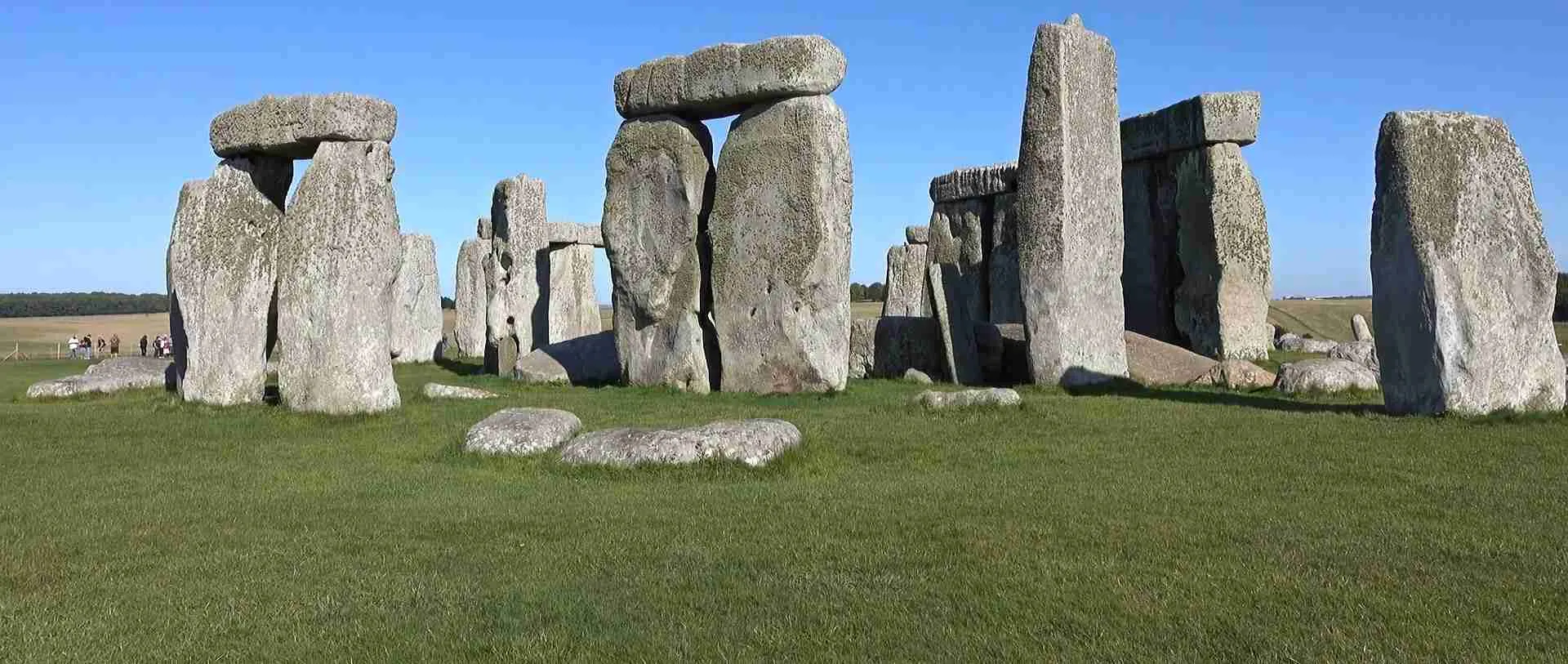
The three destinations featured in this guide represent distinct facets of English heritage and landscape. Stonehenge stands as humanity’s most iconic prehistoric monument, its massive sarsen stones aligned with solstice sunrises and surrounded by a landscape rich with burial mounds and ancient pathways. The monument attracts over one million visitors annually, yet careful timing and advance planning ensure rewarding visits even during busy summer months. Located 40 miles south of Bath near Salisbury, Stonehenge requires approximately one hour’s journey by car or 90 minutes via public transport, with multiple tour operators offering daily departures from Bath city center.
The Cotswolds, designated an Area of Outstanding Natural Beauty, stretches across 800 square miles of quintessentially English countryside characterized by honey-colored limestone villages, medieval wool churches, and gently rolling hills. Villages like Castle Combe, Lacock, Bibury, and the Slaughters preserve architectural heritage spanning six centuries, with many serving as filming locations for productions from Harry Potter to Downton Abbey. The southern Cotswolds lie within 15 miles of Bath, making them ideal for half-day excursions or leisurely full-day tours visiting multiple villages. Unlike Stonehenge’s single-point destination, Cotswolds exploration benefits from strategic routing between villages, rewarding visitors who invest time in planning efficient itineraries or joining expert-led tours.
Castle Combe occupies a special place in this trio, frequently cited as “England’s prettiest village” and serving as the archetypal Cotswolds destination. Nestled in a steep valley carved by the By Brook, the village’s 14th-century market cross, stone bridge, and perfectly preserved weavers’ cottages create the storybook scene that draws photographers from around the world. The village’s popularity brings challenges, with limited parking frequently reaching capacity by mid-morning during peak season, making strategic timing essential for enjoyable visits. Castle Combe’s compact size means most visitors spend 60-90 minutes exploring the main street, photographing the iconic bridge view, and enjoying refreshments at traditional tearooms before continuing to nearby attractions.
Planning successful day trips from Bath in 2026 requires understanding seasonal patterns, transportation logistics, and ticket booking requirements. Summer weekends between June and August bring peak crowds to all three destinations, with Stonehenge timed entry slots selling out weeks in advance and Castle Combe’s car park filling before 10 AM on sunny Saturdays. Spring (April-May) and autumn (September-October) offer optimal conditions: pleasant weather, thinner crowds, and vibrant seasonal landscapes without the congestion that can diminish summer experiences. Winter visits reward hardy travelers with serene, crowd-free encounters at Stonehenge and Cotswolds villages, though shorter daylight hours limit itinerary options.
Transportation choices fundamentally shape day trip experiences and costs. Self-guided travelers using public transport pay the lowest fares but invest significant time coordinating train schedules, bus connections, and walking between stations and attractions. Rental cars provide maximum flexibility for combining multiple destinations and exploring lesser-known villages, but require navigating narrow country lanes, finding parking in historic village centers, and managing driving on Britain’s left-side roads. Organized tours eliminate all logistics while adding professional interpretation and insider access, with small-group experiences (8-16 passengers) offering the optimal balance between personal attention and cost efficiency.
This comprehensive guide walks through every aspect of planning Bath day trips in 2026, from choosing between self-guided and tour options to booking Stonehenge entry slots, selecting the best Cotswolds villages for your interests, and avoiding Castle Combe’s parking frustrations. Whether you’re spending a single day exploring one destination in depth or attempting an ambitious three-site itinerary, the practical advice, current pricing, and strategic timing recommendations ensure your Southwest England exploration delivers memorable experiences without unnecessary stress or expense.
Understanding Bath’s Day Trip Geography 2026
Bath’s location within the West of England creates a natural hub for reaching diverse destinations within 30-60 minutes’ drive. The city sits in the Avon Valley, with the Cotswolds stretching northward across Gloucestershire and Wiltshire, Stonehenge positioned 40 miles south on Salisbury Plain, and Somerset’s attractions spreading westward toward the Bristol Channel. Major roads radiate from Bath in all directions, with the A4 providing the primary eastern corridor toward London, the A46 connecting northward to the M4 motorway and Cotswolds access, and the A36 running south toward Salisbury and Stonehenge.
Distance and travel time relationships prove crucial for planning realistic day trip itineraries. Castle Combe sits just 10 miles north of Bath via the A4 and B4039, requiring 25-30 minutes’ driving under normal conditions. The journey passes through the village of Box, known for its extensive railway tunnel and stone quarries, before climbing onto the Cotswolds escarpment and descending into Castle Combe’s sheltered valley. This short distance makes Castle Combe ideal for half-day excursions, morning departures before continuing to other Cotswolds villages, or afternoon visits after morning activities in Bath.
Lacock, another Cotswolds gem famous for its National Trust village and abbey, lies 12 miles from Bath via the A4 and A350, requiring approximately 30 minutes’ drive. The village’s extensive filming history (Harry Potter, Pride and Prejudice, Downton Abbey) and well-preserved medieval streets justify 90-minute stops for thorough exploration. Bibury, proclaimed by William Morris as “the most beautiful village in England,” sits 30 miles north of Bath via A46 and A433, requiring about 50 minutes’ drive through increasingly rural landscape. The famous Arlington Row weavers’ cottages and trout farm create photogenic stops worth 45-60 minutes, though the village’s tourism popularity means summer weekends bring coach parties and crowded tearooms.
Stonehenge’s location 40 miles south of Bath near Amesbury creates the longest single journey in this guide, requiring 60-75 minutes’ drive via A36 and A303 under normal traffic conditions. The route crosses increasingly open landscape as roads climb onto Salisbury Plain, with military training areas visible to the east and the distinctive outline of earthwork enclosures punctuating rolling chalk downland. Salisbury, positioned 5 miles east of Stonehenge via A303 and A345, offers additional attractions including Britain’s tallest cathedral spire and one of four surviving original Magna Carta manuscripts, making it a natural combination for Stonehenge day trips when time permits.
Public transport connections between these destinations vary significantly in frequency and convenience. Bath Spa railway station provides regular services to Chippenham (15 minutes, 4 trains hourly) for Castle Combe bus connections, and to Salisbury (60-75 minutes, hourly departures) for Stonehenge access via the dedicated Stonehenge Tour Bus. Direct rail connections between Cotswolds villages do not exist, making bus services the only public transport option for village-hopping itineraries. The Faresaver 95 and 95A buses connect Chippenham with Castle Combe 4-5 times daily Monday-Saturday, with Sunday service increasing to hourly frequency April-August to accommodate weekend tourism demand.
Regional road network characteristics influence route planning and journey times throughout the year. The A4 Bath-to-Chippenham corridor carries moderate traffic volumes with rush hour congestion between 7:30-9 AM and 5-6:30 PM on weekdays, though weekend travel generally flows smoothly. The B4039 final approach to Castle Combe narrows to single-lane sections requiring careful navigation, with passing places allowing vehicles traveling in opposite directions to yield appropriately. The A36 Bath-to-Salisbury route handles higher traffic volumes including commercial vehicles, with the A303 section near Stonehenge experiencing significant congestion during summer weekends when visitors converge on the monument and continue westward toward Cornwall and Devon vacation destinations.
Seasonal and event-based factors add complexity to journey planning during specific periods. The Badminton Horse Trials, held annually in early May just 5 miles from Castle Combe, generate severe traffic congestion throughout the area during the multi-day event, making that weekend unsuitable for Castle Combe or northeastern Cotswolds visits. Summer bank holiday Mondays (first Monday in May, last Monday in August) bring exceptional traffic volumes on all routes, with journey times potentially doubling on major corridors. Winter snow occasionally affects Cotswolds routes, particularly the higher-elevation B-roads, though major routes like the A4 receive priority gritting and generally remain passable throughout cold snaps.
Understanding these geographic relationships allows realistic itinerary construction. A morning Castle Combe visit (9-11 AM) followed by afternoon Stonehenge exploration (2-4 PM) requires approximately 40 miles of driving between sites via A4 east to Corsham, A350 south to A36, then A36 and A303 to Stonehenge, consuming 50-60 minutes of driving time plus fuel costs around £8-10. Combining Castle Combe with additional Cotswolds villages (Lacock, Bradford-on-Avon, Corsham) creates a more cohesive day with shorter inter-site distances and thematic consistency, while dedicating full days to either Stonehenge (with Salisbury) or Cotswolds village circuits prevents the rushing that diminishes multi-destination itineraries attempted with unrealistic timing expectations.
Stonehenge Day Trips from Bath 2026: Complete Planning Guide
Stonehenge stands as one of humanity’s most enigmatic achievements, with its massive sarsen stones and smaller bluestones arranged in configurations that demonstrate sophisticated astronomical knowledge dating to approximately 2500 BCE. The monument’s location on Salisbury Plain, surrounded by burial mounds, processional avenues, and ritual landscapes, creates one of Europe’s most significant prehistoric archaeological complexes. For visitors based in Bath, Stonehenge represents a compelling day trip destination combining convenient access with world-class heritage.
Adult admission to Stonehenge costs £23 for weekday visits and £26 for weekend visits in 2026, with entry requiring advance booking for specific 30-minute time slots (check official English Heritage website for current rates as pricing varies seasonally). Children aged 5-17 pay £14 weekdays and £16 weekends, while family tickets covering two adults and three children start from £44. English Heritage members enter free but must still reserve time slots through the online booking system. The admission fee includes the shuttle bus between the visitor center and stones (approximately 1.5 miles), multilingual audio guides available via smartphone app download or on-site devices, and access to the extensive visitor center exhibitions showcasing artifacts, reconstructed Neolithic houses, and interpretive displays explaining current archaeological understanding of the monument’s construction and purpose.
Time slot reservations operate in 30-minute windows (9:30 AM, 10:00 AM, 10:30 AM, and so forth through the day) with the final entry occurring two hours before closing time. Visitors who book the 10:30 AM slot must arrive at the visitor center between 10:30-10:59 AM to guarantee entry, though staff accommodate late arrivals when space permits. The visitor center located approximately 1.5 miles from the stones creates a deliberate separation preserving the monument’s landscape setting while providing modern amenities including café, gift shop, restrooms, and exhibition galleries. Most visitors spend 2-2.5 hours total for the complete experience: 30-45 minutes at the visitor center exhibitions, 10 minutes riding the shuttle bus to the stones, 60-75 minutes walking the pathway around the monument while listening to the audio guide, 10 minutes returning via shuttle, and 15-20 minutes at the gift shop and café.
The Stone Circle Experience offers exclusive after-hours access inside the stone circle for £70 adults and £40 children aged 5-17, with sessions occurring early morning before normal opening hours or evening after closure. These special access visits accommodate maximum 52 people per session split into two groups of 26, with English Heritage guides providing detailed tours inside the circle and across the surrounding ritual landscape including the Slaughter Stone and Heel Stone. Booking opens months in advance with sessions selling rapidly, making early reservation essential for travelers wanting this intimate encounter with the monument. The hour-long experience creates profoundly different perspectives compared to standard visits viewing stones from the perimeter pathway, allowing close examination of tool marks, bluestone textures, and spatial relationships between standing stones and fallen fragments.
Transportation Options from Bath to Stonehenge 2026
Four primary transportation methods connect Bath with Stonehenge, each offering distinct advantages in cost, convenience, and overall experience. Public transport using train and bus connections provides the most economical option for solo travelers and couples, with total round-trip fares around £33-45 per person including all segments. Trains depart Bath Spa station for Salisbury hourly throughout the day (journey time 60-75 minutes), with return fares £15-20 when booked in advance through GWR website or app. From Salisbury station forecourt, the Stonehenge Tour Bus operates dedicated service to the monument approximately hourly, with adult return fares £18-20 and journey time 30-35 minutes each direction.
The Stonehenge Tour Bus, despite its name suggesting guided interpretation, functions primarily as a hop-on hop-off shuttle service providing transportation and basic recorded commentary during the journey. The service visits Stonehenge, Old Sarum (Salisbury’s original Iron Age and medieval settlement site), and Salisbury Cathedral on a circuit route, allowing passengers to explore all three attractions or focus solely on Stonehenge depending on time availability and interests. Buses depart Salisbury railway station forecourt, stopping at the adjacent bus station before heading to Stonehenge visitor center, with the full circuit requiring approximately 2 hours if riding without disembarking. Advance online booking through the Stonehenge Tour Bus website costs less than buying tickets on board and guarantees seats during busy summer periods when bus capacity limits can delay walk-up passengers.
Self-driving from Bath to Stonehenge offers maximum flexibility in timing and routing, allowing early morning arrivals before coach tours descend or late afternoon visits when crowds thin and dramatic side-lighting enhances the stones’ visual impact. The 40-mile journey via A36 and A303 requires 60-75 minutes under normal traffic conditions, with parking at Stonehenge visitor center costing £3 (not included in entry ticket price but refundable upon ticket purchase). Rental cars in Bath cost £35-60 per day depending on vehicle size and booking advance, with major providers (Enterprise, Europcar, Hertz) maintaining offices within walking distance of Bath Spa station. Fuel costs approximately £8-10 for the round-trip journey at current petrol prices, bringing total driving costs to £46-73 for the day including rental, parking, and fuel, economical when split among three or four passengers but expensive for solo travelers.
Organized half-day tours from Bath provide door-to-door convenience and professional guide services, operating morning and afternoon departures daily throughout the year. Scarper Tours operates the only direct Bath-to-Stonehenge service, with small-group tours (maximum 16 passengers) departing Bath city center at scheduled times for the scenic one-hour journey with commentary about the landscape, archaeology, and history along the route. The tour provides approximately 2 hours at Stonehenge allowing thorough exploration of the visitor center and monument, with total tour duration 4 hours including round-trip transport. Tour prices around £40-55 per person do not include Stonehenge entry tickets (£23-25 additional, paid separately to guide), bringing total costs to £63-80 per person for the complete half-day experience.
Full-day tours combining Stonehenge with additional destinations deliver exceptional value for travelers wanting comprehensive Southwest England exploration in a single outing. Mad Max Tours’ Stonehenge and Cotswolds itinerary spends 1 hour 40 minutes at Stonehenge, visits Avebury Stone Circle (1 hour), explores Lacock village (1 hour 40 minutes), and stops at Castle Combe (35 minutes), departing Bath at 8:25 AM and returning approximately 5:30 PM. Tour costs £80-95 per person plus Stonehenge entry £23-25 paid to guide, totaling £103-120 per person for the 9-hour experience visiting four distinct locations. Other operators offer similar multi-site itineraries pairing Stonehenge with Salisbury Cathedral, Avebury, or Bath city tour for visitors wanting varied experiences beyond single-destination focus.
Optimal Timing Strategies for Stonehenge Visits 2026
Stonehenge experiences dramatic visitor volume fluctuations throughout days, weeks, and seasons, with strategic timing transforming visits from crowded shuffles along pathways to serene encounters allowing contemplative monument appreciation. Summer months (June-August) bring peak visitation with 8,000-10,000 daily visitors during weekends and holidays, while spring (April-May) and autumn (September-October) see more manageable 4,000-6,000 daily visitors allowing easier photography and audio guide listening without crowd noise. Winter months (November-March) reduce volumes further to 2,000-3,000 daily visitors, though shorter daylight hours (site closes 5 PM December-February) and unpredictable weather bring different challenges.
Within individual days, the 9:30-10:30 AM opening hour attracts fewer visitors than the 11 AM-2 PM peak period when coach tours and day-trippers from London converge on the site. Early entry slots (9:30 AM, 10:00 AM) reward early risers with quieter conditions and better light for photography, particularly during summer when sun angles remain low across the monument’s eastern face. Late afternoon slots (3:30 PM onward April-September when site stays open until 6 PM or 7 PM) provide the day’s second optimal window, with departing visitors thinning crowds and westward sun creating dramatic long shadows emphasizing the stones’ three-dimensional forms against the open downland backdrop.
Weekday visits Monday-Thursday consistently show 30-40% lower visitor numbers than weekends throughout the year, with particularly notable differences during school term times when family groups concentrate their visits on Saturdays and Sundays. Bank holiday Mondays (first Monday in May, last Monday in August) generate weekend-level or higher crowds despite weekday designation, making them among the year’s busiest days alongside weekends surrounding summer solstice (June 20-21, 2026) when free-access celebration brings thousands to witness sunrise alignment.
Seasonal weather patterns influence optimal visit timing beyond crowd considerations. Summer brings the longest daylight hours and warmest temperatures but also the highest rainfall probability during July-August when Atlantic weather systems track across southern England. Spring months April-May deliver increasingly reliable sunshine with wildflowers blooming across Salisbury Plain, creating colorful foregrounds for monument photography. Autumn September-October provides crisp visibility and dramatic cloud formations typical of transitional seasons, though visitors should prepare for variable conditions with layered clothing and rain protection. Winter visits reward hardy travelers with otherworldly atmosphere when fog or frost transforms the landscape, though wind across the exposed plain can make extended outdoor time uncomfortable without proper protection.
Summer solstice (June 20-21, 2026) represents Stonehenge’s most significant annual event when the monument’s astronomical alignment with sunrise becomes visible and English Heritage provides free entry allowing thousands to gather inside the stone circle for all-night celebration. The solstice experience differs fundamentally from standard visits, combining spiritual observance, party atmosphere, and rare access inside the normally prohibited stone circle area. Visitors planning solstice attendance should expect massive crowds (20,000+ people), limited facilities, all-night schedules (site opens evening of June 20, sunrise occurs approximately 4:50 AM June 21), and challenging transportation with road closures and parking restrictions throughout the area. This bucket-list experience appeals to specific travelers willing to endure logistical challenges for unique access, while others might deliberately avoid the solstice weekend to experience the monument under normal conditions.
Cotswolds Day Trips from Bath 2026: Village Selection and Routing
The Cotswolds’ 800 square miles contain hundreds of villages built from honey-colored oolitic limestone quarried locally for six centuries, with architectural consistency creating the region’s distinctive aesthetic. Southern Cotswolds villages nearest Bath share this building tradition while offering diverse characters ranging from Castle Combe’s picture-perfect tourist magnet to Bradford-on-Avon’s working town with significant Saxon heritage. Planning successful Cotswolds day trips requires selecting complementary villages aligned with personal interests, constructing efficient routes minimizing backtracking, and allocating realistic time for exploration balancing photography stops, historical investigation, and relaxed village atmosphere appreciation.
Castle Combe anchors most Bath-area Cotswolds itineraries with its uncontested claim as “England’s prettiest village” based on frequent magazine polls and social media rankings. The village occupies a steep-sided valley carved by the By Brook, with a single main street descending from the 14th-century market cross past weavers’ cottages toward the medieval bridge creating the iconic photographic composition published in countless guidebooks. The compact settlement allows thorough exploration in 60-90 minutes: photographing the bridge and market cross, visiting the 13th-century St Andrew’s Church with its famous faceless clock (one of Britain’s oldest working timepieces), browsing the Old Stables Coffee Shop or White Hart pub for refreshments, and walking the public footpath alongside the brook to the Manor House Hotel’s parkland boundary.
Castle Combe’s tourism popularity creates significant challenges during peak season, with the village’s single car park on Dunns Lane filling to capacity by 10 AM most summer weekends and all bank holidays. The car park accommodates approximately 100 vehicles with payment via mobile phone app or on-site machines at rates starting £1 for two hours, 80p for all-day Sunday parking. Blue Badge holders park free. The 10-minute walk from car park to village center follows a steep downhill path (requiring uphill return), creating accessibility challenges for visitors with limited mobility. Village residents have implemented aggressive parking enforcement to prevent tourists blocking driveways, narrow lanes, and the fire station access, with penalty notices issued quickly for vehicles parked outside designated areas. These constraints make weekday visits (particularly Tuesday-Thursday), early morning arrival before 9 AM, or organized tour participation the most stress-free approaches to Castle Combe exploration.
Lacock village and abbey, positioned 12 miles from Bath via A4 and A350, represents the Cotswolds’ most significant historical asset within easy reach of Bath. The entire village operates under National Trust ownership and preservation, with medieval street patterns, timber-framed buildings, and stone cottages creating the authentic period setting that attracted film and television productions including Harry Potter (several scenes filmed at Lacock Abbey), Pride and Prejudice (the 1995 BBC adaptation used village locations extensively), Downton Abbey, and numerous other period dramas. The abbey, originally founded as an Augustinian nunnery in 1232 and converted to private residence following the Dissolution of the Monasteries, houses the Fox Talbot Museum of Photography commemorating William Henry Fox Talbot’s pioneering photographic experiments conducted at Lacock in the 1830s and 1840s.
Lacock exploration requires 90-120 minutes for thorough village walking, abbey tours, and museum visits, with National Trust admission tickets £16 for adults, £8 for children aged 5-17, and free entry for National Trust members. The village center remains traffic-free with parking in designated areas outside the medieval core, creating pedestrian-friendly exploration along Church Street, High Street, and East Street where historic inns, tearooms, and artisan shops occupy centuries-old buildings. Wednesday and Saturday markets add local character during summer months, while the abbey’s seasonal opening hours (closed November-February except weekends) influence visit timing for travelers wanting complete site access.
Bradford-on-Avon, technically positioned on the Cotswolds’ southwestern edge rather than deep within the region, offers significant Saxon heritage rarely found in neighboring villages. The town’s Saxon church of St Laurence, rediscovered in the 19th century after centuries serving as cottage housing, ranks among England’s most complete pre-Norman buildings with original sculptures and architectural details intact. The 14th-century tithe barn, measuring 168 feet long with massive stone walls and timber roof structure, demonstrates medieval agricultural architecture at monumental scale. Bradford’s working town character with regular shops, cafes, and residential neighborhoods creates different atmosphere than tourist-focused villages, appealing to travelers wanting authentic local life observation alongside historical exploration.
Organized Cotswolds tours from Bath provide expert routing, insider access, and professional interpretation while eliminating navigation stress and parking challenges. Mad Max Tours operates the region’s most popular small-group Cotswolds day tour, visiting four villages (Castle Combe, Lacock, and two others selected based on seasonal conditions and group preferences) with morning departure from Bath at 8:25 AM and return approximately 5:30 PM. Tour costs £65-80 per person including transport and guide services, with villages selected to demonstrate diverse Cotswolds character rather than concentrating only on the most famous locations. The small-group format (maximum 16 passengers) allows personalized attention, stops at scenic viewpoints for photography, and flexible timing when groups show particular interest in specific locations.
Self-Guided Cotswolds Itinerary Strategies 2026
Independent travelers using rental cars or private vehicles gain maximum flexibility constructing Cotswolds itineraries aligned with personal interests, whether prioritizing filming locations, architectural photography, garden visits, or village pub lunches. Half-day morning itineraries (4-5 hours total) allow combination with afternoon Bath activities or evening city dining, while full-day circuits (8-10 hours) permit deeper exploration visiting 4-5 villages plus countryside drives connecting sites through scenic routes rather than fastest roads.
A focused half-day northern loop from Bath visits Castle Combe and Lacock in logical sequence with minimal backtracking. The route departs Bath via A4 eastbound toward Chippenham, turning north on B4039 after 9 miles to reach Castle Combe (25 minutes total driving from Bath city center). After 60-75 minutes exploring Castle Combe (arriving before 10 AM avoids parking stress), continue east via B4039 and minor roads 6 miles to Lacock (15 minutes’ driving), spending 90 minutes touring village, abbey, and museum before returning to Bath via A350 and A4 (30 minutes). This compact 38-mile circuit requires approximately 70 minutes total driving plus 2.5-3 hours site exploration, fitting comfortably into a morning schedule finishing by 1-2 PM.
Extended full-day itineraries build upon the Castle Combe-Lacock core by adding northeastern Cotswolds destinations accessible via A420 and A429 corridors. After morning Castle Combe and Lacock visits, continue northeast via A4 and A429 to Malmesbury (15 miles from Lacock, 25 minutes’ drive), spending 60 minutes exploring the abbey ruins and historic market square before proceeding north via A429 to Tetbury (12 miles, 20 minutes). Tetbury, a thriving market town known for antique shops and the Georgian Market House, justifies 60-75 minutes including lunch at one of several traditional pubs. The return to Bath via A433 and A46 (30 miles, 45 minutes) passes through increasingly rural landscape with opportunities for spontaneous stops at villages like Doughton or Pennsylvania discovered along the route. This ambitious 95-mile circuit requires 2.5-3 hours total driving plus 4-5 hours village exploration, consuming a full day from 9 AM departure to 6-7 PM return.
Private guided tours offer the ultimate flexibility with personalized itineraries, expert local knowledge, and luxury vehicle transport. Companies like Galahad Tours and Best Cotswold Tours provide full-day private experiences from £625 per day for groups up to 6-8 passengers (£78-104 per person when splitting costs among eight), visiting villages selected specifically for client interests whether film locations, gardens, antiques, or photography opportunities. These bespoke tours include hotel pickup in Bath, comfortable Mercedes Viano or similar vehicle transport, professional guide services throughout the day, and lunch recommendations at carefully selected country pubs or tearooms chosen for quality and atmosphere rather than tourist convenience.
Combining Multiple Destinations: Multi-Site Day Trip Strategies 2026
Ambitious travelers often attempt visiting Stonehenge, Castle Combe, and additional Cotswolds locations in single day trips from Bath, seeking to maximize their Southwest England experiences during limited vacation time. While logistically feasible with careful planning and realistic expectations, these multi-destination itineraries require early starts, efficient routing, and acceptance that time at each location will be shorter than single-destination days allow. The fundamental question travelers must answer involves whether seeing multiple sites briefly provides more satisfaction than exploring one or two destinations thoroughly, with personal travel styles and priorities determining optimal approaches.
The most practical three-site itinerary follows a northeastern loop combining Castle Combe morning visit, Cotswolds village midday exploration, and Stonehenge afternoon tour before returning to Bath. An 8 AM departure from Bath reaches Castle Combe by 8:30 AM before parking fills, allowing 90 minutes village exploration (8:30-10 AM) during the quiet morning period when sunlight illuminates the valley and few tourists crowd the bridge viewpoint. Continue via B4039 and A350 to Lacock (15 minutes’ drive), spending 10 AM-12:30 PM touring the village and abbey (2.5 hours providing adequate time for thorough exploration). Drive south via A350, A36, and A303 to Stonehenge visitor center (35-40 minutes, arriving by 1:15 PM), with pre-booked 1:30 PM or 2 PM entry slot allowing 2-2.5 hours for visitor center exhibitions and monument walk (finishing by 4 PM). Return to Bath via A303 and A36 requires 60-75 minutes, arriving back by 5:15-6 PM for total day duration approximately 10 hours and 70 miles total driving.
This itinerary succeeds when travelers book Stonehenge tickets for early afternoon slots (1:30-2:30 PM range) allowing morning Cotswolds visits to proceed without rush, accept that Lacock abbey interior tour may be abbreviated or skipped to maintain schedule, and remain flexible about lunch timing either grabbing quick bites at Castle Combe’s tearooms before 10 AM closing or Lacock’s pubs around noon, or delaying lunch until after Stonehenge visit upon return to Bath. The routing proves efficient with minimal backtracking, though successful execution requires discipline about departure times from each location and realistic assessment of how long exploration actually requires rather than optimistic estimates that create schedule pressure.
Full-day organized tours provide the most stress-free approach to multi-site itineraries, with professional operators managing all timing, routing, and logistics while passengers enjoy scenery and guide commentary. Mad Max Tours’ Stonehenge and Cotswolds day tour visits Castle Combe (35 minutes), Lacock (1 hour 40 minutes), Avebury Stone Circle (1 hour), and Stonehenge (1 hour 40 minutes) on a carefully planned circuit departing Bath 8:25 AM and returning approximately 5:30 PM. The tour costs £80-95 per person plus Stonehenge entry £23-25 paid to guide (total £103-120 per person), eliminating rental car costs, parking fees, fuel expenses, and navigation stress while visiting four distinct locations in comfort.
Alternative multi-site strategies focus exclusively on Cotswolds village circuits without Stonehenge, allowing more relaxed pacing and deeper village exploration. A full Cotswolds day might visit Castle Combe (9-10:30 AM), Lacock (11 AM-1 PM including lunch), Bibury (2-3 PM after 50-minute scenic drive via A429 and A433), and Lower Slaughter or Bourton-on-the-Water (3:30-5 PM) before returning to Bath via A429 and A46. This 100-mile circuit provides 5-6 hours actual village time across four locations plus 2.5-3 hours driving, creating full-day immersion in quintessential Cotswolds landscape and architecture without the historical intensity Stonehenge adds to mixed itineraries.
Seasonal Considerations for Bath Day Trips 2026
Southwest England experiences temperate maritime climate with moderate year-round temperatures, regular precipitation distributed across all seasons, and variable conditions requiring flexible planning and appropriate preparation. Understanding seasonal patterns for Bath day trip destinations helps travelers optimize timing for weather advantages, avoid peak crowds, and capitalize on seasonal events or natural phenomena enhancing specific locations during particular months.
Spring (March-May) emerges as one of two optimal periods for Bath day trips, combining improving weather, manageable crowds outside school holidays, and natural landscapes transitioning from winter dormancy to full bloom. March remains cool with average daily highs 10-12°C (50-54°F) and frequent rain showers requiring waterproof layers, but daffodils carpet roadsides and village greens creating colorful scenes by month’s end. April delivers increasingly reliable sunshine with temperatures climbing toward 13-15°C (55-59°F), though Easter school holidays (dates vary yearly, typically early-to-mid April) bring temporary crowd surges at major attractions. May provides near-ideal conditions with 16-18°C (61-64°F) temperatures, longest daylight hours, and wildflower meadows reaching peak bloom across Cotswolds hillsides and Salisbury Plain downlands surrounding Stonehenge.
Spring travel advantages include 30-40% lower accommodation costs compared to summer peak season, easier Stonehenge ticket availability for preferred time slots, and Castle Combe parking accessible later in mornings before 10:30-11 AM rather than the 9:30 AM cutoff necessary during July-August. The Badminton Horse Trials, held annually during first weekend of May within 5 miles of Castle Combe, creates severe local traffic congestion making that specific weekend unsuitable for northeastern Cotswolds visits, though the event adds color and atmosphere for equestrian enthusiasts willing to build itineraries around it.
Summer (June-August) combines longest daylight hours, warmest temperatures averaging 19-22°C (66-72°F), and highest rainfall probability with July traditionally the wettest month across Southwest England. Tourist volumes peak during school summer holidays (mid-July through August) when families concentrate their vacation travel, with Stonehenge selling out popular time slots weeks in advance and Castle Combe’s car park filling by 9:30 AM most days. Summer solstice (June 20-21, 2026) brings exceptional crowds to Stonehenge for free-access celebration, while Cotswolds villages host summer fêtes, garden tours, and outdoor events adding local character during weekends throughout the season.
Summer travel requires accepting crowds at major destinations, booking accommodations well in advance (particularly Cotswolds B&Bs and country hotels), and maintaining flexible schedules when weather deteriorates. The season’s advantages include extended site opening hours (Stonehenge remains open until 7 PM during peak summer), multiple daily tour departures providing scheduling flexibility, and vibrant village atmosphere with outdoor dining, market stalls, and seasonal attractions operating at full capacity. Photographers benefit from long evening light extending until 9 PM or later, creating golden-hour opportunities for monument and village photography during times when day-trippers have departed.
Autumn (September-October) rivals spring as optimal season for Bath day trips, delivering crisp visibility, dramatic cloud formations, and turning foliage creating warm color palettes across beech woodlands framing Cotswolds valleys. September maintains summer’s warmth (17-19°C/63-66°F averages) with significantly reduced crowds after school terms resume, while October cools toward 13-15°C (55-59°F) with increasing precipitation probability but gorgeous autumn light when clear days occur. Autumn brings harvest-time atmosphere to Cotswolds villages with farmers markets showcasing seasonal produce, while Stonehenge experiences fewer visitors and easier ticket booking compared to summer chaos.
Winter (November-February) presents Southwest England’s challenging season with shortest daylight hours (sunset occurs 4-4:30 PM during December-January), coolest temperatures averaging 7-9°C (45-48°F), and frequent rain occasionally mixing with sleet at higher elevations. Winter travel rewards hardy visitors with near-empty attractions, lowest accommodation costs (30-50% below summer rates), and atmospheric conditions when fog, frost, or rare snow transforms Stonehenge and Cotswolds villages into otherworldly scenes. Stonehenge closes at 5 PM throughout winter, requiring afternoon visits to complete before darkness, while some Cotswolds attractions reduce hours or close entirely November-March.
Winter advantages include serene, contemplative monument encounters without crowds, authentic village life observation when tourism pauses, and opportunities for weather-watching where dramatic storms rolling across Salisbury Plain or Cotswolds escarpment create memorable skies and lighting. Visitors should verify attraction opening hours carefully, particularly for Lacock Abbey and smaller museums that maintain limited winter schedules, and prepare comprehensive wet-weather gear including waterproof layers, warm base layers, and sturdy waterproof footwear for muddy paths.
Budget Planning for Bath Day Trips 2026
Day trip costs from Bath vary dramatically based on transportation choices, organized tour participation, and dining preferences, with budget-conscious travelers spending £50-65 per person for self-guided Stonehenge visits using public transport, while mid-range tour participants invest £75-140 per person for small-group guided experiences, and luxury seekers reach £155-200+ per person for private tours with premium services. Understanding cost structures and available discounts helps travelers construct itineraries matching budget constraints without sacrificing experience quality.
Self-guided Stonehenge day trips using public transport cost £50-65 per person including Bath-Salisbury return train fare £15-20 (advance purchase through GWR website secures lowest prices), Stonehenge Tour Bus £18-20 return, Stonehenge entry £23-25 for adults, and basic lunch/snacks £10-15. This economical approach suits solo travelers and couples for whom rental car costs exceed public transport savings, with travel time approximately 4-5 hours total including 60 minutes Bath-Salisbury train, 35 minutes Salisbury-Stonehenge bus each direction, and waiting time for connections. The main trade-off involves schedule inflexibility tied to fixed departure times rather than self-driven spontaneity, with careful timetable coordination required to avoid extended waiting periods between connections.
Mid-range travelers joining organized small-group tours pay £75-100 per person for half-day Stonehenge excursions including round-trip transport from Bath city center and professional guide services, plus £23-25 Stonehenge entry paid separately to guide, totaling £98-125 per person for the complete 4-hour experience. Full-day tours combining Stonehenge with Cotswolds villages cost £95-120 per person for tour service plus £23-25 Stonehenge entry, totaling £118-145 per person for 9-hour multi-site itineraries visiting four distinct locations. These mid-range options eliminate logistics stress while adding expert interpretation and insider knowledge worth the £25-45 premium over self-guided travel for travelers valuing convenience and educational enhancement.
Luxury travelers booking private tours invest £625-850 per full day for exclusive vehicle and guide services, translating to £78-106 per person when costs split among eight passengers or £155-212 per person for couples wanting private experiences. Private tours provide ultimate flexibility with personalized itineraries, luxury vehicle comfort, and one-on-one guide interaction, appealing to travelers for whom premium service justifies higher costs. The Stone Circle Experience at Stonehenge (£70 adults, £40 children) adds another luxury option allowing after-hours access inside the stone circle, though availability remains extremely limited requiring booking months in advance.
Family cost calculations require special attention to child pricing and multi-person discounts. A family of four (two adults, two children aged 8 and 12) taking organized full-day Stonehenge and Cotswolds tour pays approximately £400-480 total: adult tours £95 × 2 = £190, child tours £65-75 × 2 = £130-150, adult Stonehenge entry £25 × 2 = £50, child entry £15 × 2 = £30, totaling £400-420 excluding lunch. Self-driving reduces costs to £325-375 total: rental car £45, fuel £10, parking £3, adult Stonehenge entry £50, child entry £30, meals £35-45 per person × 4 = £140-180, demonstrating the 15-25% savings self-driving provides for groups of three or more compared to tour participation.
Money-Saving Strategies for Bath Day Trips 2026
Strategic planning and advance booking unlock significant savings across all Bath day trip categories. Stonehenge tickets booked through English Heritage website cost 15% less than gate prices, with the savings difference (approximately £3-4 per adult ticket) funding parking fees or refreshments. GWR train tickets purchased 2-3 weeks ahead via advance single fares cost £8-12 compared to £18-22 for same-day purchases, creating £20-25 savings for couples that offset tour premium costs. Small-group tours booked directly through operator websites (Mad Max Tours, Scarper Tours) avoid third-party booking platform fees adding £5-10 per person, while multi-day bookings or off-season visits sometimes qualify for 10-15% discounts advertised on operator Facebook pages or email newsletters.
English Heritage annual membership (£60 individual, £105 family) provides free Stonehenge entry plus access to 400+ historic sites nationwide, paying for itself after three Stonehenge visits (three adult tickets × £25 = £75, exceeding individual membership cost). National Trust membership (£78 individual, £129 family) grants free entry to Lacock Abbey plus 500+ properties across England, Wales, and Northern Ireland, becoming cost-effective for travelers planning multiple historic house visits during UK vacations. Both organizations offer direct debit monthly payment options spreading costs across the year rather than requiring lump-sum annual payments.
Accommodation timing dramatically affects total trip costs for visitors basing themselves in Bath for multiple nights of day trip exploration. Weekday nights (Sunday-Thursday) cost 20-30% less than Friday-Saturday throughout the year, with Bath’s business hotel inventory pricing aggressively for leisure travelers filling mid-week vacancies. Booking accommodations 60-90 days ahead secures lowest rates before last-minute demand pushes prices upward, while shoulder season visits (March-April, September-October) combine better weather than winter with 25-40% lower accommodation costs versus June-August peaks.
Dining strategy significantly impacts daily expenditures, with packed lunches from supermarkets (£5-8 per person) replacing pub or restaurant meals (£15-25 per person) saving £10-17 per person daily. Castle Combe’s Old Stables Coffee Shop serves excellent cream teas £8-12 providing substantial afternoon refreshment at half the cost of full restaurant lunches, while Lacock’s tearooms offer similar value. Cotswolds village pubs typically provide better food quality and value than tourist-oriented restaurants in the most famous locations, with local favorites like the White Hart at Ford or Red Lion at Lacock delivering hearty meals £12-18 compared to £18-25 at more prominent establishments.
Practical Logistics for Bath Day Trips 2026
Successful day trip execution requires attention to practical details beyond route planning and ticket booking. Morning departure timing fundamentally shapes day trip experiences, with 8-8:30 AM starts from Bath city center providing optimal balance between early arrival at destinations (avoiding parking and crowding challenges) and reasonable wake-up times for vacation travelers. Earlier 7-7:30 AM departures suit photographers seeking dawn light at Stonehenge or Castle Combe but create schedule pressure for visitors wanting breakfast at Bath accommodations before departing.
Parking strategies vary by destination and travel timing. Castle Combe’s Dunns Lane visitor car park (capacity approximately 100 vehicles) fills between 9:30-10 AM most summer weekends, making arrival before 9 AM essential or alternative timing choosing Tuesday-Thursday visits when crowds thin substantially. The car park accepts payment via mobile phone app (RingGo) or on-site machines, with rates £1 for two hours, 80p all-day Sunday, typical visit duration 60-90 minutes. Lacock’s National Trust car park provides ample capacity with easier access throughout the day, though Saturday and Sunday afternoons during July-August occasionally reach capacity. Stonehenge visitor center parking costs £3 payable at ticket desk, with hundreds of spaces rarely filling except during extraordinary events like summer solstice weekend.
Weather preparation proves essential given Southwest England’s changeable maritime climate where morning sunshine frequently yields to afternoon showers regardless of season. Layered clothing allowing adjustment as temperatures rise through the day, waterproof outer layers (jacket with hood preferred over umbrella for exposed sites like Stonehenge and Castle Combe where wind renders umbrellas ineffective), and sturdy waterproof walking shoes or boots suitable for muddy paths create the foundation for comfortable day trips. Stonehenge’s exposed Salisbury Plain location experiences stronger winds than sheltered Cotswolds valleys, making windproof layers valuable during cooler months. Summer months require sunscreen, sunglasses, and sun hats for prolonged outdoor exposure when clouds clear and UV intensifies across open downland.
Mobile phone connectivity across Southwest England generally proves excellent along major routes and in villages, though isolated rural areas between destinations occasionally experience weak signals. Downloading offline maps via Google Maps or Apple Maps before departing ensures navigation capability when cellular coverage lapses, while pre-loading audio guides, booking confirmations, and attraction information prevents frustration when internet access fails. Portable phone chargers maintain device functionality throughout long days involving extensive photography, navigation, and information lookup draining batteries faster than typical usage patterns.
Restroom facilities availability varies significantly between destinations, with Stonehenge visitor center providing ample clean facilities but the monument site itself offering no facilities during the 1.5-mile walk around the stones. Visitors should use visitor center restrooms before boarding shuttle buses to stones, as the round-trip journey plus monument walk requires 75-90 minutes without facility access. Castle Combe offers very limited public facilities, with village pubs and tearooms providing the only options and typically restricting access to paying customers. Lacock’s National Trust visitor facilities at the car park and abbey entrance provide reliable access throughout operating hours. Planning restroom stops into itineraries prevents discomfort and schedule disruption when urgent needs arise in locations with limited facilities.
Photography Considerations for Bath Day Trips 2026
Photography opportunities rank among primary motivations for Bath day trip participation, with Stonehenge’s iconic silhouette and Cotswolds villages’ picture-perfect scenes attracting photographers from casual smartphone users to serious enthusiasts with professional equipment. Understanding optimal lighting conditions, crowd management for clean compositions, and site-specific restrictions ensures successful photography experiences alongside practical travel considerations.
Stonehenge photography benefits from extreme wide-angle perspectives capturing the monument in its landscape context or moderate telephoto compression emphasizing stone groupings against sky. The perimeter pathway maintains approximately 30-meter distance from stones, preventing extreme close-ups but allowing excellent vantage points from all cardinal directions as the circular route progresses. Morning light (9:30-11 AM time slots) illuminates the northeastern faces of stones with warm directional light during spring and summer, while afternoon slots (3-5 PM) create dramatic backlighting opportunities when sun positions westward behind the stone circle. Overcast days provide soft even lighting ideal for capturing stone textures and subtle color variations often lost in harsh direct sunlight.
Crowd management at Stonehenge requires patience and strategic positioning, with popular eastern and southern viewpoints attracting clusters of visitors photographing the classic stone arrangements. Walking to the western and northern sections of the pathway often reveals temporarily empty viewpoints allowing clean compositions without other visitors in frame, while waiting 2-3 minutes at busy spots frequently creates brief windows when groups move onward revealing clear sight lines. Smartphone photographers benefit from patience rather than expensive equipment, as the controlled viewing distance limits telephoto advantages and smartphone panorama modes effectively capture the monument’s sweeping landscape setting.
Castle Combe’s iconic bridge view photographs best during early morning (8-10 AM) when sunlight illuminates the honey-colored cottages and reflections appear in the By Brook below, while harsh midday sun creates excessive contrast and deep shadows obscuring architectural details. The market cross and main street also favor morning light, with late afternoon providing secondary opportunity as westward sun angles illuminate building facades. Tripods prove acceptable but cumbersome given the village’s compact size and pedestrian traffic, with handheld shooting or small travel tripods providing adequate stability for most conditions. Drone photography faces severe restrictions given the village’s confined valley location, historic building density, and resident privacy concerns, with aerial perspectives better left to professional licensing rather than amateur attempts risking expensive equipment confiscation or fines.
Lacock village offers remarkable architectural photography opportunities with timber-framed medieval buildings, narrow alleyways, and the abbey’s Gothic and Tudor architecture providing diverse subjects within compact walking distance. The village’s National Trust protection ensures building authenticity and period accuracy, creating consistent visual character without modern intrusions like satellite dishes or PVC windows disrupting compositions. Interior photography at Lacock Abbey requires respecting National Trust policies typically allowing photography without flash or tripods in most areas, though specific room restrictions apply for conservation reasons or when housing particularly light-sensitive artifacts.
Family-Friendly Bath Day Trips 2026
Families traveling with children face specific considerations planning Bath day trips, balancing educational value with engagement levels sustaining interest across age groups, managing practical challenges like restrooms and refreshment timing, and constructing realistic itineraries acknowledging children’s stamina limitations and attention spans. Stonehenge particularly appeals to families given its instantly recognizable profile from children’s books and media, tangible prehistoric scale capturing imaginations, and relatively short visit duration (2-2.5 hours total) suitable for younger children with limited patience for extended museum tours or historic house visits.
The Stonehenge visitor center provides excellent family facilities including spacious restrooms with baby-changing stations, café offering children’s menu options and high chairs, outdoor picnic areas with grass space for running and playing, and reconstructed Neolithic houses allowing hands-on exploration of dwelling interiors furnished with replica tools, furniture, and household items. The audio guide available via free smartphone app includes child-friendly content explaining monument construction, prehistoric daily life, and current archaeological theories using accessible language and engaging narratives pitched appropriately for 7-12 year old comprehension levels.
Organized family tours modify standard itineraries accommodating children’s needs with more frequent stops, activity breaks preventing restlessness, and guide pacing adjusted for family groups. Some operators offer dedicated family departures during school holidays with entertainment during driving segments and interactive elements maintaining engagement beyond passive sightseeing. Private family tours provide ultimate flexibility allowing spontaneous schedule adjustments when children need extra time at particular locations, earlier-than-planned refreshment breaks, or abbreviated visits when fatigue sets in unexpectedly.
Cotswolds village exploration suits families with school-age children (6-12 years) capable of moderate walking and interested in historical settings, while challenging for families with toddlers requiring strollers or frequent carrying. Castle Combe and Lacock offer relatively flat terrain once descended from car parks to village centers, though the uphill return walks prove tiring for younger children accustomed to urban environments. Lacock’s filming location status appeals to Harry Potter fans, with recognizable scenes from multiple films shot around the village and abbey creating excitement for children familiar with the movies. The village tearooms and ice cream shops provide well-timed refreshment stops breaking up walking with treats maintaining enthusiasm.
Practical family considerations include securing car seats for rental vehicle use (£10-15 per seat per rental day when ordered with vehicle booking), packing entertainment for children during driving segments between destinations (tablet devices with downloaded content, activity books, travel games), and building buffer time into schedules acknowledging that family groups move more slowly than adult-only travel with frequent pauses for restroom breaks, refreshments, and attention-restoration activities. Realistic family itineraries typically visit 2-3 destinations daily rather than ambitious 4-5 site circuits adult groups attempt, accepting that quality engagement at fewer locations surpasses rushed exhaustion attempting comprehensive coverage.
Accessibility Considerations for Bath Day Trips 2026
Travelers with mobility limitations, wheelchair users, and visitors with other accessibility requirements face varying challenges and accommodations across Bath day trip destinations. Understanding each site’s specific accessibility features, limitations, and alternative options enables realistic planning ensuring enjoyable experiences rather than frustrating encounters with unexpected barriers.
Stonehenge provides excellent wheelchair access throughout the visitor center including exhibitions, café, shop, and restroom facilities with level flooring, wide doorways, and accessible design throughout the modern 2013 building. The shuttle bus connecting visitor center to stones accommodates wheelchairs via rear ramp access with designated securing areas, though limited capacity means wheelchair users should inform staff upon arrival to ensure appropriate bus assignment. The pathway around the stones features hard-packed crushed stone surface suitable for wheelchair navigation under dry conditions, though wet weather creates some surface deterioration potentially challenging for manual wheelchair users. The complete circuit around stones measures approximately 1.5 miles with gentle gradients, achievable for most wheelchair users with reasonable upper-body strength or companions providing pushing assistance.
Alternative Stone Circle Experience tours provide closer access inside the normally prohibited inner circle area, though the grass surface and uneven ground created by centuries of visitor wear create accessibility challenges for wheelchair users. English Heritage staff can arrange special access accommodations with advance notice for visitors requiring closer views than the perimeter pathway provides but unable to participate in standard Stone Circle Experience tours, demonstrating organizational commitment to inclusive access despite genuine physical constraints presented by the ancient monument’s setting.
Castle Combe presents significant accessibility challenges given its steep valley location, narrow medieval streets without sidewalks, and 10-minute downhill walk from car park to village center requiring uphill return. The car park-to-village path features irregular stone surfaces, steps at several points, and gradients exceeding 10% in sections, effectively preventing wheelchair access unless users possess exceptional strength or companions willing to manage challenging terrain. Blue Badge parking at the village car park allows disabled visitors shorter distances to manage, though the path challenges remain unsuitable for most wheelchair users. Visitors with limited mobility but capable of walking short distances on uneven surfaces can experience Castle Combe by driving to the village entrance (though parking extremely limited), descending carefully to the bridge viewpoint (200 meters from upper entrance), and returning uphill after short visits focusing on the most photogenic core area.
Lacock provides better accessibility with relatively flat village streets once descended from the car park, wide central thoroughfares allowing wheelchair navigation, and several accessible tearooms and pubs with step-free entrance and accessible restrooms. The car park itself offers Blue Badge spaces near the accessible route to village center, with National Trust staff providing assistance information and route guidance for wheelchair users. Lacock Abbey presents more limitations with medieval architecture including steps, uneven floor levels, narrow doorways, and upstairs rooms inaccessible to wheelchair users, though ground-floor areas including the atmospheric cloisters remain viewable with some assistance navigating the historic entrance sequence.
Weather Contingency Planning for Bath Day Trips 2026
Southwest England’s maritime climate creates weather variability requiring flexible planning and contingency strategies ensuring rewarding experiences regardless of conditions encountered. Rather than canceling day trips when forecasts predict rain, savvy travelers modify itineraries emphasizing indoor attractions during precipitation while maintaining outdoor components during brief clear windows typical of showery weather patterns.
Rainy day alternatives within planned routes allow itinerary salvage without complete abandonment. A Stonehenge day trip encountering heavy rain shifts emphasis toward the extensive indoor visitor center exhibitions (easily consuming 60-90 minutes rather than the 30-minute glance most visitors provide on sunny days), followed by brief monument viewing during shower breaks rather than full circuit walks. Salisbury Cathedral, positioned 5 miles from Stonehenge, provides magnificent indoor attraction with Britain’s tallest spire, 13th-century architecture, and one of four surviving original Magna Carta manuscripts displayed in the Chapter House. The combined Stonehenge visitor center plus Salisbury Cathedral itinerary delivers rich historical experiences during persistent rain when outdoor monument appreciation proves uncomfortable.
Cotswolds village tours adapt weather contingencies by shifting timing and emphasis toward indoor attractions during heaviest rainfall. Lacock Abbey’s atmospheric interiors including the medieval cloisters, Tudor great hall, and Fox Talbot Museum provide 90-120 minutes of indoor exploration, while village pubs and tearooms offer additional sheltered time. Bradford-on-Avon’s magnificent tithe barn allows architectural appreciation without weather exposure, with its 168-foot-long interior creating dramatic space regardless of outdoor conditions. Museum visits including Chippenham Museum (near Castle Combe) or Corsham Court (between Bath and Castle Combe) provide alternative indoor activities when original outdoor-focused itineraries prove unpleasant in heavy rain.
Severe weather occasionally requires complete itinerary cancellation or postponement, particularly during winter storms bringing high winds across exposed Salisbury Plain making Stonehenge visits genuinely unpleasant or potentially unsafe. Most tour operators maintain flexible policies allowing free rescheduling when severe weather warnings affect planned departure dates, while independent travelers with rental cars simply shift plans to alternative days when multi-night Bath stays provide schedule flexibility. Checking weather forecasts 2-3 days ahead rather than morning-of departure allows proactive rescheduling preventing wasted driving or miserable experiences battling gales and horizontal rain at exposed outdoor monuments.
Extending Day Trips: Overnight Cotswolds Stays 2026
Some travelers transform single-day Cotswolds excursions into overnight experiences, allowing deeper exploration of northern and eastern Cotswolds villages beyond reasonable day trip range from Bath while experiencing village atmosphere after day-trippers depart and before morning tour buses arrive. Overnight stays particularly appeal to photography enthusiasts wanting dawn and dusk golden-hour light, travelers seeking slower-paced village immersion beyond rushed day trip schedules, and couples wanting romantic country hotel or inn experiences in quintessential English settings.
The most strategic overnight approach departs Bath mid-morning visiting Castle Combe and Lacock before continuing north via A429 to Cotswolds heartland villages like Stow-on-the-Wold, Moreton-in-Marsh, or Chipping Campden, checking into country B&Bs or boutique hotels mid-afternoon. The evening provides relaxed village walking during quiet hours when locals reclaim streets from tourists, followed by dinner at village pubs serving locally-sourced seasonal menus accompanied by Cotswolds brewery ales. The following morning allows early photography sessions capturing mist-filled valleys and sunrise light before most tourists arrive, then leisurely return to Bath via different routes exploring additional villages like Bourton-on-the-Water, the Slaughters, or Cirencester.
Accommodation options span £80-120 per room nightly for comfortable village B&Bs providing ensuite rooms and full English breakfast, £140-220 for boutique country hotels offering restaurant dining and enhanced amenities, and £200-400+ for luxury manor house hotels delivering spa facilities, fine dining, and exceptional period architecture. Booking 4-6 weeks ahead secures best availability and rates, while last-minute weekend availability proves challenging during summer months when advance bookings fill village accommodation capacity.
Frequently Asked Questions About Bath Day Trips 2026
How far is Stonehenge from Bath and how long does it take to get there?
Stonehenge sits 40 miles south of Bath requiring approximately 60-75 minutes by car via A36 and A303 under normal traffic conditions, or 90-120 minutes using public transport connecting Bath-Salisbury by train (60-75 minutes) then Stonehenge Tour Bus from Salisbury station (30-35 minutes each direction). Summer weekend traffic occasionally extends driving times to 90 minutes when congestion builds on A303 near Stonehenge as visitors converge on the monument and continue westward toward Cornwall vacation destinations. Organized tours from Bath manage this journey efficiently with direct routing and experienced drivers navigating traffic patterns, departing Bath city center and arriving Stonehenge approximately 60 minutes later.
Can you visit Stonehenge without a tour from Bath?
Yes, independent travelers easily reach Stonehenge from Bath using Great Western Railway trains to Salisbury (hourly departures, 60-75 minutes journey time, £15-20 return when booked in advance) followed by the Stonehenge Tour Bus from Salisbury station forecourt to the monument visitor center (£18-20 return adult fare, approximately 30 minutes each direction with departures roughly hourly). Advance booking for Stonehenge entry tickets remains essential as timed slots sell out during busy periods, with tickets purchased through English Heritage website guaranteeing access at selected times. Self-drivers reach Stonehenge via A36 and A303 in 60-75 minutes from Bath with parking at the visitor center costing £3, providing maximum scheduling flexibility for early morning or late afternoon visits when crowds thin and lighting improves for photography.
What’s the best time of day to visit Castle Combe?
Early morning visits between 8-10 AM provide optimal Castle Combe experiences combining beautiful light illuminating honey-colored stone buildings, near-empty streets before tour buses arrive around 10:30 AM, and parking availability in the Dunns Lane visitor car park which fills to capacity by 10 AM most summer weekends and bank holidays. Weekday mornings Tuesday-Thursday reduce crowds further compared to weekend visits, while Sunday all-day parking rates of 80p (versus £1 for two hours other days) offer modest savings for budget-conscious travelers. Late afternoon visits 4-6 PM create secondary opportunities after most day-trippers depart, though western sun angles during spring and summer create harsh lighting compared to morning’s gentler illumination of building facades.
Are there guided tours that combine Stonehenge and the Cotswolds in one day?
Yes, several operators offer full-day tours from Bath visiting both Stonehenge and multiple Cotswolds villages in carefully planned 9-hour itineraries. Mad Max Tours’ Stonehenge and Cotswolds day tour represents the most popular option, departing Bath 8:25 AM and visiting Castle Combe (35 minutes), Lacock (1 hour 40 minutes), Avebury Stone Circle (1 hour), and Stonehenge (1 hour 40 minutes) before returning to Bath approximately 5:30 PM. Tour costs £80-95 per person plus Stonehenge entry £23-25 paid separately to guide on tour day (total £103-120 per person), providing exceptional value visiting four UNESCO World Heritage Sites and significant locations in a single day with all transport, routing, and timing professionally managed in comfortable small-group format with maximum 16 passengers.
Do I need to book Stonehenge tickets in advance for 2026?
Yes, advance booking proves essential for Stonehenge visits during peak summer months (June-August) when popular mid-morning and early afternoon time slots sell out weeks ahead, and highly recommended year-round ensuring guaranteed access at preferred times rather than accepting whatever slots remain available for same-day purchase. Tickets booked through English Heritage website cost 15% less than gate prices (approximately £3-4 savings per adult ticket), with the booking process requiring specific 30-minute entry window selection (9:30 AM, 10:00 AM, 10:30 AM, etc.). Visitors arriving outside their booked window may face entry delays or denial if the site reaches capacity, making schedule adherence important. English Heritage members enter free but must still reserve time slots through the online booking system to guarantee access.
What should I wear and bring for a day trip to Stonehenge and the Cotswolds?
Comfortable walking shoes with good traction prove essential given Stonehenge’s crushed stone pathways and Cotswolds villages’ uneven stone streets, while layered clothing allows temperature adjustment as conditions change throughout the day from cool early morning to warm afternoon and back to cool evening. Waterproof outer layers (jacket with hood preferred over umbrella) protect against Southwest England’s frequent showers regardless of season, with Stonehenge’s exposed Salisbury Plain location experiencing stronger winds than sheltered Cotswolds valleys making windproof layers valuable during cooler months. Summer visits require sunscreen, sunglasses, and sun hats for prolonged outdoor exposure when clouds clear, while water bottles, snacks, and phone portable chargers maintain comfort and functionality throughout long days involving extensive walking, photography, and navigation draining batteries faster than typical usage patterns.
Are Castle Combe and the Cotswolds suitable for young children?
Cotswolds village visits suit families with school-age children (6-12 years) capable of moderate walking on uneven surfaces and interested in historical settings, though presenting challenges for families with toddlers requiring strollers given narrow streets, irregular stone paving, and frequent steps. Castle Combe’s 10-minute downhill walk from car park to village center (requiring uphill return) proves tiring for younger children, while the village’s compact size means 60-90 minute visits provide adequate exploration time before restlessness sets in. Lacock offers flatter terrain, broader streets more suitable for stroller navigation, and Harry Potter filming location appeal exciting children familiar with the movies, plus ice cream shops and tearooms providing well-timed refreshment breaks. Families achieve best results visiting 2-3 destinations daily rather than ambitious 4-5 site circuits, accepting that quality engagement at fewer locations surpasses rushed exhaustion attempting comprehensive coverage that leaves everyone frustrated and overtired.
How much does a full day Cotswolds tour from Bath cost in 2026?
Full-day small-group Cotswolds tours from Bath cost £65-80 per person including round-trip transport and professional guide services, visiting 4-5 villages over approximately 9 hours with departures around 8:30 AM and returns by 5:30-6 PM. Tours like Mad Max’s Cotswolds day visit Castle Combe, Lacock, and additional villages selected based on seasonal conditions and group interests, with lunch at village pubs or tearooms costing additional £12-18 per person. Combined Stonehenge and Cotswolds tours increase to £95-120 per person for tour service plus £23-25 Stonehenge entry paid separately to guide (total £118-145 per person), providing exceptional value visiting both prehistoric monuments and medieval villages in single comprehensive day. Private tours range £625-850 per day for groups up to 8 passengers, translating to £78-106 per person when splitting costs among eight or £155-212 per person for couples wanting exclusive experiences.
Can I visit Castle Combe, Lacock, and Stonehenge in one day without a car?
Public transport connections between these three destinations prove extremely challenging without rental car or organized tour participation, as no direct bus routes link Cotswolds villages with Stonehenge and attempting coordination of multiple bus connections consumes excessive time with long waiting periods between infrequent services. The most practical approach for car-free travelers combines organized full-day tours visiting all three locations with professional management of routing, timing, and logistics, such as Mad Max Tours’ Stonehenge and Cotswolds itinerary spending 35 minutes at Castle Combe, 1 hour 40 minutes at Lacock, and 1 hour 40 minutes at Stonehenge for total tour cost £80-95 per person plus £23-25 Stonehenge entry (£103-120 per person total). This eliminates all transportation coordination stress while providing expert guide interpretation and comfortable small-group experience visiting all three destinations without rushed pacing or schedule anxiety.
What are the parking costs and challenges at Cotswolds villages in 2026?
Castle Combe presents the most significant parking challenges with limited visitor car park capacity (approximately 100 spaces) on Dunns Lane filling by 10 AM most summer weekends and all bank holidays, requiring early arrival before 9 AM or weekday visits Tuesday-Thursday when crowds thin substantially. Parking costs £1 for two hours or 80p all-day on Sundays via mobile phone app payment or on-site machines, with Blue Badge holders parking free. Lacock’s National Trust car park provides ample capacity (200+ spaces) with easier access throughout the day except occasional Saturday-Sunday afternoons during July-August peak periods, charging standard National Trust parking rates £4-6 for non-members (free for National Trust members). Bradford-on-Avon offers town center car parks with typical rates £1-2 per hour, while Stonehenge visitor center parking costs £3 (not included in entry tickets) with hundreds of spaces rarely filling except during extraordinary events like summer solstice weekend.