
Basque Country Travel Guide 2026: Complete Region Planning
Key Takeaways
- Basque Country delivers exceptional value across budget ranges in 2026: €60-90 daily for budget travelers, €120-180 for mid-range comfort, €250-400+ for luxury experiences with world-class Michelin-starred dining
- San Sebastián concentrates more Michelin-starred restaurants than Manhattan, while Bilbao offers similar quality pintxos at 30-40% lower costs than coastal San Sebastián
- Summer months June-September provide optimal weather with temperatures 22-26°C, but spring (April-May) and fall (September-October) deliver better value with hotel rates 40-50% below peak season
- Guggenheim Bilbao admission costs €18 for adults in 2026, with free entry for under-18s and reduced rates for students (check guggenheim-bilbao.eus for current official rates)
- United Airlines launched direct flights from New York to Bilbao in June 2025, eliminating Madrid connections and reducing travel time for North American visitors
- The three-city triangle of San Sebastián (beaches, gastronomy), Bilbao (art, architecture), and Vitoria-Gasteiz (medieval charm, 2026 solar eclipse viewing) creates comprehensive Basque cultural immersion within 60-kilometer radius
Planning Your Basque Country Adventure in 2026
Spain’s Basque Country stands as one of Europe’s most distinctive cultural regions, where ancient traditions merge seamlessly with avant-garde innovation. Known as Euskadi in the unique Basque language—an isolate unrelated to any other European tongue—this autonomous community in northern Spain edges the French border eastward and overlooks the Bay of Biscay’s dramatic Atlantic coastline. The region earned National Geographic’s recognition as one of the Best Places to Visit in 2026, highlighting both Bilbao and Vitoria-Gasteiz as prime viewing locations for the August 2026 solar eclipse.
The Basque Country’s cultural identity permeates every experience. Streets display dual-language signage in Euskara and Spanish. Traditional sports like pelota (handball) fill local courtyards. The distinctive red and white ikurriña flag waves from balconies. This fierce cultural pride extends particularly to gastronomy, where the region claims more Michelin stars per capita than almost anywhere globally. San Sebastián alone concentrates 16 Michelin stars across multiple restaurants, surpassing Manhattan’s density.
Three principal cities form the Basque triangle, each offering distinct character within easy reach. San Sebastián (Donostia in Basque) captivates with belle époque elegance, sweeping La Concha Beach, and the world’s highest concentration of pintxos bars. Bilbao transformed from industrial port to cultural powerhouse following the 1997 Guggenheim Museum opening, now showcasing contemporary art alongside revitalized waterfront districts. Vitoria-Gasteiz, the often-overlooked regional capital, preserves medieval architecture in its hilltop Old Town while maintaining designation as European Green Capital.
Beyond urban centers, the coastline presents fishing villages, surfing beaches, and geological wonders including Gaztelugatxe’s dramatic islet (Game of Thrones’ Dragonstone filming location). The interior reveals rolling green hills, traditional cider houses, txakoli vineyards, and mountain villages where Basque traditions remain strongest. This compact region delivers remarkable diversity—travelers navigate from beach to mountain, medieval quarter to titanium-clad museum, traditional cider house to three-Michelin-star restaurant within minutes.
People Also Ask About Basque Country 2026
How much does a Basque Country trip cost in 2026?
Budget travelers spend €60-90 daily in 2026, covering hostel accommodation (€25-40), menu del día lunches (€12-18), affordable pintxos dinners (€15-25), and public transportation. Mid-range travelers allocate €120-180 daily for comfortable hotels (€70-120), quality restaurant meals (€35-60), occasional taxis, and attraction entries. Luxury travelers budget €250-400+ daily for boutique hotels (€180-300), Michelin-starred dining experiences (€150-250 per tasting menu), private tours, and premium wine tastings. Regional price variations significantly impact budgets—Bilbao costs average 30-40% below San Sebastián for equivalent quality.
What is the best time to visit Basque Country in 2026?
Summer months June-September deliver optimal weather for beach activities and outdoor exploration, with temperatures 22-26°C and minimal rainfall. Peak season July-August sees maximum crowds and highest accommodation rates. Spring (April-May) and fall (September-October) offer compelling alternatives with mild temperatures 18-22°C, reduced tourist numbers, and hotel rates 40-50% below summer peaks. Winter months December-February bring cooler temperatures 10-15°C and frequent rain, but provide authentic local experiences and lowest costs. The August 2026 solar eclipse creates exceptional demand for Bilbao and Vitoria-Gasteiz accommodation—book 6-9 months ahead for eclipse viewing dates.
Do I need advance bookings for Basque Country attractions in 2026?
Guggenheim Bilbao requires advance online booking during peak summer months and weekends to guarantee entry—walk-up access remains limited. San Sebastián Michelin-starred restaurants (Arzak, Martín Berasategui, Akelarre) require reservations 2-3 months ahead for dinner service. Gaztelugatxe island access needs free timed-entry reservations between Easter and mid-September via official Bizkaia provincial website. Popular pintxos bars operate first-come basis without reservations—arrive by 7:30 PM to secure bar space in San Sebastián’s Parte Vieja. Standard hotels in Bilbao and Vitoria-Gasteiz accept bookings 1-2 months ahead, but San Sebastián beachfront properties require 3-4 months advance booking for summer stays.
How do I get around Basque Country in 2026?
Public transportation connects all major cities efficiently in 2026. Bilbao-San Sebastián trains run hourly via RENFE and Euskotren, covering 100 kilometers in 1-2 hours for €10-15. Metro systems operate in Bilbao (Lines 1-2) with €1.70 single fares, while San Sebastián relies on comprehensive bus networks (€1.85 per ride). Vitoria-Gasteiz remains walkable from city center to medieval quarter. Car rentals benefit countryside exploration—coastal villages, wine regions, and mountain areas lack efficient public transit. Expect €35-55 daily for compact cars from Bilbao Airport. Parking costs €20-30 daily in city centers, while coastal villages offer free street parking. Taxis charge €20-35 for airport-city transfers versus €3-5 for airport buses.
Extended multi-day tours – 5+ days
Featured Basque Country Multi-Day Tour Packages
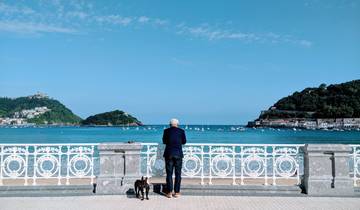
5 days
Bilbao: Gateway to the Basque Country
- ✓ Booking needs min. 2 travelers
3 days
San Sebastian: Surf & Party Hostel, 3 Days
- ✓ Comprehensive Basque Country tour
- ✓ Expert local guides included
- ✓ All accommodation arranged
- ✓ Transportation provided
11 days
San Sebastian: Surf & Party Hostel, 11 Days
- ✓ Comprehensive Basque Country tour
- ✓ Expert local guides included
- ✓ All accommodation arranged
- ✓ Transportation provided
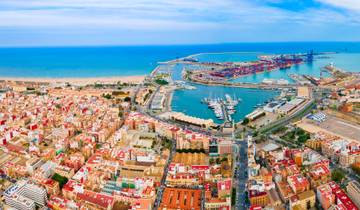
9 days
Basque Country, Lourdes, Provence and Barcelona
- ✓ Comprehensive Basque Country tour
- ✓ Expert local guides included
- ✓ All accommodation arranged
- ✓ Transportation provided
Multi-day tour packages powered by TourRadar. Prices and availability subject to change.
Essential Planning Information for 2026
When to Visit Basque Country in 2026
Basque weather patterns differ markedly from Mediterranean Spain. Atlantic influences bring year-round precipitation and moderate temperatures. Summer months June-September provide driest conditions with 8-12 rainy days monthly versus 15-18 days in winter months. Temperature ranges remain moderate—summer peaks 25-28°C, winter lows 8-12°C, spring/fall averages 18-22°C. The region never experiences extreme heat, making summer exploration comfortable without overwhelming temperatures.
Peak tourist season July-August concentrates crowds along San Sebastián’s beaches and Bilbao’s museums. La Concha Beach fills with Spanish and European vacationers. Pintxos bars overflow into streets by 8 PM. Hotel rates peak 50-70% above shoulder season. Major festivals intensify crowds—San Sebastián’s Semana Grande (mid-August week) sees maximum density, while Bilbao’s Aste Nagusia (late August) packs streets with celebrations, fireworks, and traditional giant puppet parades.
Spring months April-May deliver excellent conditions for Basque exploration. Green hills reach maximum lushness from winter rains. Temperatures warm to 18-22°C—ideal for city walking and coastal hikes. Crowds remain manageable outside Easter week. Hotel availability improves with rates 40-50% below summer. Wild flowers blanket countryside and coastal paths. Cider season peaks as traditional sagardotegis (cider houses) open for seasonal menus featuring chorizo, cod omelet, and grilled beef paired with unlimited cider drawn directly from barrels.
Fall months September-October extend comfortable weather with reduced crowds. September maintains summer warmth 22-25°C with calmer beaches as schools resume. October brings autumn colors to mountain regions and wine harvest celebrations in Rioja Alavesa vineyards. Seafood quality peaks as fishing fleets return from summer Atlantic grounds. Restaurant reservations become easier while maintaining full service menus. Rates drop 30-40% from summer peaks by mid-September.
Winter months November-March present authentic Basque life with minimal tourists. Rain increases frequency but rarely lasts full days—Atlantic storms pass quickly. Museums, galleries, and indoor attractions maintain full schedules. Christmas markets activate Bilbao and San Sebastián plazas December-January. Three Kings parade (January 5) showcases traditional celebrations. Hotel rates reach annual lows—luxury properties drop 50-60% from summer rates. This season suits travelers prioritizing culture, gastronomy, and local immersion over beach activities.
The August 12, 2026 solar eclipse creates exceptional circumstances. Total eclipse visibility extends across Bilbao and Vitoria-Gasteiz (4 minutes totality), while San Sebastián experiences deep partial eclipse. Accommodation demand surges dramatically—hotels within eclipse path report advance bookings 6-9 months ahead. Consider booking by January 2026 for August eclipse viewing. Alternative strategy: base in San Sebastián (easier availability) and travel to Bilbao for eclipse day via hourly trains.
Budget Planning for 2026 Basque Country Trips
Basque Country delivers exceptional value compared to Barcelona or Madrid while maintaining world-class cultural and culinary experiences. Regional price variations create strategic opportunities—Bilbao averages 30-40% lower costs than San Sebastián for equivalent quality accommodation and dining. Vitoria-Gasteiz undercuts both coastal cities by 20-30% while offering comparable medieval architecture and gastronomy. Smart travelers balance San Sebastián’s undeniable beach and food appeal with Bilbao stays to optimize budgets.
Accommodation costs span wide ranges reflecting property types and locations. Budget travelers find hostel beds €25-40 in Bilbao’s Casco Viejo and San Sebastián’s Gros neighborhood. Pensions and basic hotels charge €50-70 for double rooms with private bath. Mid-range travelers access comfortable hotels €90-140 for doubles in Bilbao, while San Sebastián equivalent properties command €120-180. Luxury boutique hotels in Bilbao’s Abando district cost €180-250, while San Sebastián beachfront palaces like Hotel Maria Cristina reach €300-450 nightly. Summer months July-August see rates increase 40-60% above spring/fall shoulder seasons. Weekend rates typically add €20-40 above midweek pricing. Consider Airbnb for groups—entire apartments cost €100-160 nightly for 4-6 guests in both cities.
Dining expenses vary dramatically based on approach. Budget strategy combines supermarket breakfasts (€3-5), menu del día lunches (€12-18 for three courses with wine), and affordable pintxos dinners (€15-25 for 5-7 pintxos with drinks). Mid-range dining allocates €35-60 for quality restaurant dinners, €20-30 for casual lunches, and €8-12 for breakfast café service. Luxury dining targets Michelin-starred restaurants—one-star establishments charge €60-90 tasting menus, two-star restaurants €120-180, three-star temples like Martín Berasategui €220-280. Wine adds significantly—house wines cost €3-5 glasses, quality Rioja bottles €25-40, premium selections €60-150+. The celebrated pintxos culture enables excellent eating at moderate costs—one pintxo €2.50-4.50, typical dinner requires 5-7 pintxos plus 2-3 drinks for €20-30 total.
Transportation costs remain reasonable across budget levels. Single metro/bus fares €1.70-1.85 in Bilbao and San Sebastián. Multi-ride cards (10 trips) reduce per-ride costs to €1.40-1.60. Bilbao-San Sebastián trains €10-15 one-way, with advance online booking sometimes offering €7-9 promotional fares. Taxis charge €1.50 flag fall plus €1.15-1.35 per kilometer—typical Bilbao airport-city transfer €25-30. Rental cars cost €35-55 daily for economy models, €55-75 for automatics, plus €1.50-1.70 per liter gasoline. Parking adds €20-30 daily in city centers, though coastal villages offer free street parking. Budget travelers minimize taxi use and rely on excellent public transit. Mid-range travelers mix public transport for cities with occasional taxis for convenience. Luxury travelers utilize private transfers €60-90 between cities and valet parking services.
Attraction costs impact budgets moderately. Guggenheim Bilbao costs €18 for adults in 2026, with free admission for visitors under 18 (check guggenheim-bilbao.eus for current official rates as pricing may vary). Bilbao Fine Arts Museum charges €10 admission, or purchase joint Guggenheim-Fine Arts tickets for €24. San Sebastián’s Aquarium costs €13 adults, €6.50 children. Monte Igueldo funicular charges €3.25 roundtrip for panoramic views. Many churches, plazas, beaches, and architectural landmarks remain free. Guided walking tours cost €15-25 per person for 2-3 hours. Pintxos tours with food/drink included charge €65-95 per person. Cooking classes with lunch run €85-120. Wine tours in Rioja Alavesa cost €45-75 including tastings and transportation.
Accommodation Strategies for 2026
Where to Stay in San Sebastián
San Sebastián’s compact layout concentrates neighborhoods within walking distance. Parte Vieja (Old Town) puts travelers amid pintxos bar density and medieval architecture. This medieval quarter between La Concha Beach and Mount Urgull features narrow pedestrian lanes, Plaza de la Constitución, and unmatched food access. Properties here deliver authentic atmosphere but experience maximum noise Friday-Saturday nights as bars operate until 2 AM. Budget options include pensions €50-70, while boutique hotels charge €140-200. Location trades quiet for convenience—light sleepers should consider ear plugs or alternative neighborhoods.
Centro/Romantic Zone extends from La Concha Bay promenade inland toward Gros district. This belle époque district showcases elegant 19th-century architecture, wide boulevards, upscale shopping, and beachfront access. Hotel Maria Cristina anchors luxury segment at €300-450 nightly—this 1912 palace faces Urumea River with Michelin-starred dining and historic grandeur. Mid-range hotels €120-180 offer contemporary comfort in restored buildings. The neighborhood provides quieter nights than Parte Vieja while maintaining 10-minute walks to Old Town pintxos bars. Direct beach access and sophisticated ambiance suit couples and mature travelers.
Gros district northeast across Zurriola Bridge attracts surf culture and younger crowds. This working-class neighborhood gentrified over recent decades while retaining authentic character. Zurriola Beach appeals to surfers with consistent Atlantic swells. Affordable hotels and hostels €60-100 serve budget and mid-range travelers. The district offers excellent pintxos bars frequented by locals rather than tourists, quality breakfast cafés, and relaxed atmosphere. Public buses connect to Centro and Parte Vieja in 10 minutes. Consider Gros for authentic experiences at lower costs than beachfront properties.
Ondarreta neighborhood west along the coast provides residential tranquility. This upscale area extends from La Concha’s western end toward Igueldo mountain. Families favor this zone for calmer beaches, park access, and distance from nightlife intensity. Properties here cost €140-220 for quality hotels with typically larger rooms than Old Town equivalents. The location requires 20-minute walks or short bus rides to reach Parte Vieja pintxos concentration. Travelers prioritizing peace over convenience benefit from Ondarreta’s residential character.
Where to Stay in Bilbao
Bilbao’s accommodation concentrates around three distinct zones. Casco Viejo (Old Quarter) delivers medieval atmosphere with pintxos bar density matching San Sebastián. This right-bank district preserves 15th-century street patterns, Plaza Nueva arcades, and Gothic cathedral. Budget hostels €30-50 and pensions €60-85 cluster along narrow lanes. Mid-range hotels €90-140 occupy renovated historic buildings. Maximum walkability to museums, markets, and restaurants offsets occasional street noise. The neighborhood suits travelers prioritizing culture and gastronomy over modern comforts.
Abando district surrounding Guggenheim Museum represents Bilbao’s contemporary transformation. This left-bank zone showcases Frank Gehry’s titanium masterpiece, riverside promenades, and post-industrial regeneration. The Artist Grand Hotel of Art faces Guggenheim directly—this design hotel by Javier Mariscal charges €180-280 with museum views, rooftop spa, and contemporary art throughout. Multiple mid-range hotels €110-160 provide comfortable bases within 5-minute walks of Guggenheim and Nervión riverfront. The area combines culture with dining options and modern infrastructure. Metro stations (Moyua, Abando) connect to other districts in minutes.
Indautxu neighborhood northeast of Abando balances central location with residential character. This business district features wider streets, department stores, and efficient metro connections. Hotels here cost €80-140 for quality properties—rates run 20-30% below Abando equivalents. The area provides authentic Bilbao life outside tourist zones while maintaining 15-minute walks to Guggenheim and 10 minutes to Casco Viejo. Consider Indautxu for value-conscious travelers who appreciate neighborhoods over monuments.
Where to Stay in Vitoria-Gasteiz
Vitoria-Gasteiz concentrates accommodation around medieval Casco Viejo and modern Ensanche districts. The hilltop Old Town preserves Gothic cathedral, medieval alleys, and historic palaces. Limited hotel options include boutique properties €90-130 in restored buildings. This compact area enables walking to all attractions but experiences some street noise on weekend nights. The medieval atmosphere and architectural significance justify premium rates for location enthusiasts.
Ensanche (expansion) district extends south from Old Town in orderly 19th-century grid pattern. This zone contains most hotel inventory—comfortable 3-4 star properties €70-120 serve business and leisure travelers. La Florida Park anchors the district with elegant gardens. Properties here provide modern amenities and quiet nights while maintaining 10-minute walks to medieval quarter. Hotel NH Canciller Ayala exemplifies this category—contemporary rooms €90-140 facing park with Old Town access. The district balances convenience with value, making it the practical base for most Vitoria visits.
Transportation Options for 2026
Getting to Basque Country in 2026
Bilbao Airport serves as the primary international gateway for Basque Country. United Airlines launched direct flights from New York Newark in June 2025—this new route eliminates Madrid connections and reduces North American travel time significantly. European carriers including Iberia, Vueling, and Air Europa connect Bilbao to major Spanish cities plus London, Paris, Brussels, and Frankfurt. The airport lies 12 kilometers north of Bilbao city center. Bizkaibus A3247 operates airport-city service every 30 minutes, covering the route in 25 minutes for €3. Taxis charge €25-30 for same journey. Rental car companies (Avis, Europcar, Hertz, Enterprise) maintain airport desks—advance online booking secures better rates €35-55 daily for economy vehicles.
San Sebastián Airport operates limited service, primarily connecting to Madrid and Barcelona. Most international travelers access San Sebastián via Bilbao Airport followed by 100-kilometer ground transfer. PESA bus company runs direct Bilbao Airport-San Sebastián service hourly, completing the journey in 1 hour 15 minutes for €17. Alternatively, travelers take airport bus to Bilbao Termibus station, then connect via ALSA or PESA buses to San Sebastián (€8-12, hourly departures, 70 minutes). Train connections require taxi/bus to Bilbao Abando station first—this option takes longer but showcases Basque countryside.
High-speed and regional trains connect Basque Country to Spanish network. RENFE operates Madrid-Vitoria-Gasteiz service in 4 hours 30 minutes via high-speed AVE trains (€40-70 depending on advance booking). Euskotren regional trains link Bilbao-San Sebastián with hourly departures throughout day—this scenic coastal route takes 2 hours 30 minutes for €10-12. RENFE also runs Bilbao-San Sebastián service in 2 hours for €12-18. All trains depart Bilbao Abando station and arrive San Sebastián Amara station. Book tickets advance online at renfe.com or euskotren.eus for best rates and guaranteed seats during peak summer season.
Long-distance buses provide economical alternatives. ALSA operates extensive network connecting Basque cities to Madrid (6 hours, €25-35), Barcelona (7 hours, €35-50), and French border towns. PESA dominates regional routes between Bilbao, San Sebastián, and coastal villages. Buses depart Bilbao Termibus station and San Sebastián bus station. Advance booking recommended for summer weekends and holidays. Modern coaches feature air conditioning, WiFi, and reclining seats. Budget travelers save 40-60% compared to trains while sacrificing some journey time and comfort.
Driving to Basque Country offers flexibility for countryside exploration. Autopista A-8 (toll motorway) connects Bilbao-San Sebastián in 1 hour 15 minutes—tolls cost €8-12 one-way. Alternative N-634 coastal road provides free scenic route taking 2 hours. From Madrid, A-1/AP-1 motorways reach Vitoria-Gasteiz in 3 hours 30 minutes with €20-30 tolls. Parking in city centers costs €20-30 daily in public garages, though street parking with time limits exists in neighborhoods. Bilbao’s “zona azul” blue-line streets charge €1-2 hourly 9 AM-2 PM and 4-8 PM weekdays, with free weekend parking after 2 PM Saturdays. San Sebastián implements similar systems. Consider leaving cars in hotel parking or peripheral garages when exploring city centers—public transport and walking prove more efficient than navigating one-way streets and limited parking.
Getting Around Within Basque Country
Bilbao Metro operates two lines (L1 and L2) designed by Norman Foster, serving city and suburbs with distinctive station architecture. Single tickets cost €1.70, 10-ride Barik cards reduce costs to €1.40 per journey. Trains run every 5-10 minutes during daytime hours. Moyua and Abando stations provide closest access to Guggenheim Museum area. Metro extends to beaches at Plentzia and Sopelana—useful for summer day trips. The system operates clean, safe, and efficient service making it the preferred option for Bilbao movement.
Bilbao’s tram network (Euskotren Tranbia) connects Atxuri station in Casco Viejo through city center to Basurto, passing near Guggenheim Museum. Single fares €1.85, multi-ride cards available. Trams operate every 10-15 minutes. This modern system complements metro for accessing specific destinations along its limited route. Bilbizkai bus network blankets city and metropolitan area—single fares €1.70-2.50 depending on distance. Night buses (called “Gautxori”) operate limited routes after metro closes around midnight.
San Sebastián relies primarily on Dbus municipal bus system—comprehensive network covers all neighborhoods. Single fares €1.85, rechargeable Mugi card reduces per-ride costs and enables transfers. Buses run frequently 6 AM-11 PM. Key routes include Line 16 (Parte Vieja-Ondarreta), Line 5 (city center-Igueldo), and Lines 28-31 connecting suburbs. The compact city center enables walking for most central destinations—Parte Vieja to La Concha takes 10 minutes on foot, Centro to Gros 15 minutes. Consider buses primarily for reaching Ondarreta, Igueldo funicular, or distant neighborhoods.
Vitoria-Gasteiz maintains walkable scale—medieval Old Town to modern city center covers 15 minutes on foot. Tuvisa local buses serve outlying residential areas and business parks but provide limited utility for tourists. The flat topography and comprehensive pedestrian zones encourage walking as primary transport mode. Bicycle infrastructure includes extensive bike lanes and public bike-sharing system Bizi with €4 daily passes enabling unlimited 30-minute trips.
Taxis operate from stands at key locations (train stations, plazas, hotels) and via phone/app booking. Bilbao taxis charge €1.50 flag fall plus €1.20-1.35 per kilometer. Typical Centro-Guggenheim trip costs €6-8, Abando station-Casco Viejo €7-10, Airport-city €25-30. San Sebastián rates similar—Parte Vieja to Ondarreta €8-10, station to La Concha €7-9. Uber operates in both cities offering competitive rates to traditional taxis. Apps like Cabify and Free Now facilitate booking. Taxis prove most economical for groups (4 passengers sharing costs) or trips with luggage.
Sample 2026 Itineraries
Four-Day Basque Country Highlights 2026
Day 1 – Bilbao: Arrive Bilbao Airport, take bus to city center, check into Abando district hotel. Walk to Guggenheim Museum for afternoon visit. The titanium-clad building alone justifies the visit, while interior galleries showcase rotating contemporary exhibitions plus permanent collection featuring Richard Serra’s monumental steel sculptures, Mark Rothko’s color field paintings, and Jeff Koons’ “Puppy” flower sculpture outside. Allocate 2-3 hours for comprehensive exploration. Walk riverfront Nervión promenade viewing Zubizuri Bridge and Isozaki Towers. Cross to Casco Viejo for evening pintxos crawl—target Plaza Nueva arcades for concentrated bar options. Try gildas (anchovy-olive-pepper pintxos), bacalao al pil pil (salt cod), and txangurro (spider crab). Guggenheim €18, pintxos dinner €20-30, drinks €8-12, metro €1.70. Total day cost: €48-62 per person (excluding accommodation €90-140).
Day 2 – Bilbao to San Sebastián: Morning visit to Bilbao Fine Arts Museum featuring Basque and Spanish masters—allocate 90 minutes. Walk through Doña Casilda Iturrizar Park viewing duck pond and landscaped gardens. Check out hotel, take Euskotren coastal train to San Sebastián (2.5 hours, €10-12). Check into Gros district hotel. Afternoon stroll La Concha promenade, then climb Monte Urgull for panoramic bay views from Castillo de la Mota battlements. Evening pintxos exploration in Parte Vieja—concentrate on Calle Fermín Calbetón and adjacent streets. Essential bars include Bar Txepetxa (anchovies), La Cuchara de San Telmo (hot pintxos), and Gandarias (grilled specialties). Fine Arts Museum €10, train €12, pintxos dinner €25-35, drinks €10-15. Total day cost: €57-72 per person (excluding accommodation €100-150).
Day 3 – San Sebastián: Morning Monte Igueldo ascent via funicular (€3.25 roundtrip) for spectacular Concha Bay panoramas. Walk Ondarreta Beach examining Eduardo Chillida’s “Peine del Viento” (Wind Comb) sculptures where waves crash against volcanic rocks. Lunch at seafood restaurant overlooking beach—grilled turbot, hake cheeks, or percebes (gooseneck barnacles) showcase local fishing traditions. Afternoon beach time at La Concha or shopping in Centro district boutiques. Evening reserve table at quality restaurant for sit-down Basque cuisine—try marmitako (tuna stew), kokotxas (hake throat), or txuletón (bone-in beef steak) paired with Txakoli white wine. Funicular €3.25, lunch €30-45, beach chair rental €8, dinner €45-70, wine €25-35. Total day cost: €111-158 per person (excluding accommodation).
Day 4 – San Sebastián Day Trip: Morning excursion to coastal villages. Take bus to Getaria (30 minutes, €3) to visit Balenciaga Museum showcasing fashion designer’s legacy—admission €12. Lunch at Elkano restaurant (Michelin-starred, reserve ahead) specializing in whole grilled turbot prepared over charcoal—expect €70-90 per person. Afternoon continue to Hondarribia, medieval walled town near French border, via bus (45 minutes, €4). Explore colorful houses, Charles V castle, and marina. Return San Sebastián for final pintxos dinner focusing on bars missed previous nights. Bus transport €14, museum €12, lunch €75-95, pintxos dinner €20-30. Total day cost: €121-151 per person (excluding accommodation).
Week-Long Basque Country Deep Dive 2026
Day 1 – Arrival Bilbao: Afternoon/evening arrival schedule. Transfer airport to hotel. Evening orientation walk through Casco Viejo ending with pintxos dinner sampling local specialties. Airport bus €3, pintxos/drinks €25-35. Total: €28-38 per person (excluding accommodation €90-140).
Day 2 – Bilbao Culture: Morning Guggenheim Museum visit (arrive 10 AM opening for smaller crowds). Lunch at Mercado de la Ribera exploring Europe’s largest covered food market—purchase ingredients for picnic lunch from vendors. Afternoon Bilbao Fine Arts Museum visit followed by walk through Doña Casilda Park. Evening pintxos crawl in Plaza Nueva. Guggenheim €18, market lunch €12-18, Fine Arts Museum €10, pintxos dinner €20-30. Total: €60-76 per person (excluding accommodation).
Day 3 – Bilbao to Vitoria-Gasteiz: Morning check out, ALSA bus to Vitoria (1 hour, €8-12). Store luggage hotel, guided walking tour of medieval Casco Viejo including Gothic Cathedral of Santa Maria (€12 entry). Lunch at traditional restaurant trying regional dishes. Afternoon Fournier Playing Card Museum visit (unique collection, €3 entry). Evening explore modern Ensanche district and park areas. Bus €10, cathedral €12, lunch €25-35, museum €3, dinner €30-40. Total: €80-100 per person (excluding accommodation €70-120).
Day 4 – La Rioja Wine Region: Day trip to Laguardia, medieval wine town (rent car €45 or join organized tour €75). Morning winery visit at bodegas like Ysios or Marqués de Riscal with cave tours and tastings (€25-35 per person). Lunch at vineyard restaurant overlooking rows. Afternoon second winery visit. Return Vitoria evening. Car rental €45 (split), gas €12, winery visits €60, lunch €35-50. Total: €90-105 per person (excluding accommodation).
Day 5 – Vitoria to San Sebastián: Morning bus to San Sebastián (2 hours, €10-15). Check into hotel, afternoon La Concha Beach time. Monte Igueldo funicular ascent for sunset panoramas. Evening Parte Vieja pintxos exploration with strategic bar selection. Bus €12, funicular €3.25, beach chair €8, pintxos dinner €25-35. Total: €48-58 per person (excluding accommodation €120-180).
Day 6 – San Sebastián Gastronomy: Morning cooking class learning pintxos preparation with lunch included (€85-110). Afternoon Naval Museum visit (€3) and Aquarium tour (€13). Evening reservation at quality restaurant for comprehensive Basque tasting menu. Cooking class €95, museums €16, dinner €60-85. Total: €171-196 per person (excluding accommodation).
Day 7 – Coastal Exploration: Full-day coastal drive or bus tour to Gaztelugatxe (Game of Thrones location), Bermeo fishing port, and Mundaka surf village. Gaztelugatxe climb (241 steps) to hermitage offers dramatic Bay of Biscay views. Seafood lunch at Bermeo port restaurant. Return San Sebastián evening. Car rental €50 (split), gas €15, lunch €35-50, parking €8. Total: €65-80 per person (excluding accommodation).
Money-Saving Strategies for 2026
Accommodation Cost Optimization
Book accommodations 2-4 months ahead for optimal rates and selection. Early bookers secure 20-30% discounts compared to last-minute pricing, particularly important for summer high season July-August. Flexibility with dates enables targeting mid-week stays—Monday-Thursday rates average €20-40 below Friday-Sunday pricing in same properties. Consider shoulder seasons April-May and September-October when hotel rates drop 40-50% from peak summer while weather remains excellent for sightseeing.
Balance city time between expensive San Sebastián and affordable Bilbao. Allocate 2-3 nights San Sebastián for beach/pintxos experience, then base remaining days in Bilbao where equivalent-quality hotels cost 30-40% less. This strategy maintains full Basque experience while significantly reducing accommodation expenses. Alternatively, stay entirely in Bilbao and day-trip San Sebastián via hourly trains (€10-15, 1-2 hours)—viable for budget-conscious travelers willing to sacrifice San Sebastián evening pintxos immersion.
Apartment rentals through Airbnb or Vrbo benefit groups and families. Entire apartments cost €100-160 nightly for 4-6 guests—when divided per person, rates drop below individual hotel rooms while providing kitchen facilities for breakfast/lunch preparation. Kitchen access enables supermarket shopping versus restaurant meals, saving €20-30 daily per person. Markets like Mercado de la Bretxa (San Sebastián) and Mercado de la Ribera (Bilbao) sell exceptional produce, cheese, cured meats, and prepared foods at reasonable prices.
Dining Cost Management
Menu del día lunch menus deliver exceptional value throughout Basque Country. These fixed-price meals offer starter, main course, dessert, bread, and beverage (wine or soft drink) for €12-18. Quality ranges from simple to sophisticated—even mid-range restaurants participate in this Spanish tradition. Timing proves critical—menus operate only during lunch service approximately 1-4 PM weekdays. Capitalize on menu del día for primary daily meal, then supplement with lighter pintxos dinner or supermarket provisions for breakfast.
Strategic pintxos consumption reduces costs compared to sit-down restaurants. Standing at bars ordering individual pintxos €2.50-4.50 each, with 5-7 pintxos plus 2-3 drinks totaling €20-30, provides satisfying dinner at 40-50% below restaurant equivalents. Avoid touristy bars with elaborate displays where prices inflate €4-6 per pintxo. Seek neighborhood spots where locals congregate—prices drop €1-2 per pintxo while quality often improves. Peak pintxos quality appears freshly prepared around 7:30-8:30 PM before evening crowds consume best offerings.
Supermarket provisions drastically cut food expenses. Major chains (Eroski, Carrefour, Dia) sell breakfast supplies—yogurt, fruit, pastries, coffee—for €3-5 versus €8-12 at cafés. Prepare picnic lunches combining local cheese €6-10, cured meats €8-15, crusty bread €2, wine €5-8, and fresh produce €5-10 from market vendors. Total picnic cost €26-45 feeds 2-3 people versus €60-90 at restaurants. This strategy works particularly well for Day 2-3 when initial pintxos enthusiasm diminishes and budget consciousness returns.
House wines and Txakoli offer quality at reasonable prices. House selections cost €3-5 glasses, €12-18 bottles—perfectly drinkable for accompaniment to pintxos or casual meals. Local Txakoli white wine runs €15-25 bottles and pairs excellently with seafood. Reserve premium Rioja or international wines for special dinners where quality justifies expense. Avoid marked-up water (€2-4 bottles) by requesting tap water (agua del grifo)—Basque tap water maintains high quality and restaurants legally must provide it free.
Attraction and Activity Savings
Free attractions provide substantial Basque experiences without costs. Beaches (La Concha, Zurriola, Ondarreta) remain free with optional equipment rentals. Architectural walking tours cost nothing—admire Guggenheim exterior, Kursaal Center, belle époque San Sebastián buildings, medieval quarters. Churches including Gothic cathedrals permit free entry outside mass times. Coastal hiking paths like San Sebastián’s Paseo Nuevo or Bilbao’s riverside promenade offer spectacular views without admission fees. Markets (La Ribera, La Bretxa) enable cultural immersion and food sampling free beyond purchases.
Museum discount days reduce entry costs. Guggenheim implements 50% discounts from 4-7 PM on final days of exhibitions—check website calendar for specific dates. Free admission operates for visitors under 18 always. Student and senior discounts (valid ID required) cut costs 50%. Consider joint tickets like Guggenheim-Bilbao Fine Arts Museum combination (€24 versus €28 separately) when visiting both attractions.
Free walking tours operate in both Bilbao and San Sebastián through companies like GuruWalk or Free Walking Tours. Guides work for tips—contribute €5-10 per person for 2-hour tours covering major sights and local history. This tip-based model costs 50-60% less than standard commercial walking tours (€20-25) while often providing comparable or superior quality through enthusiastic local guides. Book through websites advance to guarantee English-language options.
DIY coastal exploration saves on organized tour costs. Public buses connect Bilbao and San Sebastián to coastal villages for €3-6 per journey—create custom itinerary visiting Getaria, Zarautz, Bermeo, and Gaztelugatxe at your pace. Bus schedules require planning (check Bizkaibus and Lurraldebus websites) but flexible timing enables spending desired duration each location. Packed lunches from supermarkets further reduce costs versus restaurants. Total transport €15-20 versus €65-95 for organized coastal tours—savings approach €50 per person while maintaining equivalent experiences and added flexibility.
Basque Gastronomy Guide for 2026
Understanding Pintxos Culture
Pintxos represent the pinnacle of Basque culinary identity—miniature gastronomic creations served on crusty bread slices and held together by toothpicks (pintxo means “spike” in Euskara). Unlike Andalusian tapas typically shared among groups, pintxos function as individual servings enabling personalized selection. This Basque tradition evolved from simple bar snacks into sophisticated cuisine, with annual competitions crowning champion pintxos and bars regularly innovating new combinations.
Pintxos divide into two categories. Cold pintxos (pintxos fríos) line bar counters on display platters—grab plates and self-select desired items. Classics include gilda (anchovy-olive-guindilla pepper), tortilla española (potato omelet slices), gambas (prawns with garlic), and croquetas (ham or salt cod bechamel). Hot pintxos (pintxos calientes) require ordering from bartender—these elaborate preparations showcase cooking skill. Prime examples include solomillo (beef tenderloin with foie gras), kokotxas (hake throat in garlic emulsion), and chipirones (baby squid in ink sauce). Most bars specialize in particular pintxos—research beforehand or follow local crowds.
Pintxos consumption follows unwritten protocols. Enter bar, survey counter selection, grab small plate, use tongs or napkins (never bare hands) selecting desired cold pintxos. Approach bar with plate, order hot pintxos and drinks. Bartender tracks consumption by counting toothpicks on your plate—honor system prevails. Standing at bar rather than sitting at tables represents traditional approach and often costs less (some establishments charge €1-2 seat premium). Payment occurs at conclusion when declaring items consumed. Typical evening involves visiting 3-5 different bars, sampling 1-2 pintxos each stop, moving frequently to experience various specialties.
Pintxos prices range €2.50-4.50 per piece, with elaborate hot preparations reaching €5-6. Drinks add €2-4 for wine, beer, or soft drinks. Budget €20-30 for satisfying dinner comprising 5-7 pintxos plus 2-3 drinks. Premium tourist bars in San Sebastián’s Parte Vieja charge inflated prices €4-6 per pintxo—seek neighborhood spots where locals congregate for better value. Peak freshness occurs 7:30-8:30 PM when evening preparations emerge from kitchens—arrive too late and selections diminish as popular items sell out.
Essential Basque Dishes Beyond Pintxos
Basque cuisine centers on exceptional ingredients prepared with technical precision. Atlantic fishing provides seafood anchoring most menus. Bacalao (salt cod) appears in numerous preparations—al pil pil features cod in emulsified garlic-olive oil sauce, a la vizcaína combines red pepper sauce, while kokotxas utilize the prized throat portion in garlic sauce. Fresh fish grilled over charcoal exemplifies Basque simplicity—turbot (rodaballo), sea bream (besugo), and hake (merluza) need only quality fish, fire, olive oil, and salt. Getaria’s Elkano restaurant achieved Michelin star serving single dish: whole turbot grilled and filleted tableside.
Meat dishes showcase interior agricultural traditions. Txuletón refers to massive bone-in beef steaks, typically from old milk cows, grilled rare over charcoal—weight ranges 1-2 kilos shared among diners. Chuletillas de cordero (lamb chops) receive similar charcoal treatment. Stews like marmitako (tuna with potatoes and peppers) and ttoro (fish soup) warm autumn and winter menus. Idiazábal cheese, produced from Latxa sheep milk in mountains, provides sharp, smoky flavors ideal for pintxos or dessert courses paired with quince paste.
Cider culture dominates rural inland areas during January-May cider season. Traditional sagardotegis (cider houses) serve fixed menus including grilled chorizo, cod omelet, grilled steak, walnuts, and cheese—all accompanied by unlimited cider drawn directly from barrels. Diners shout “txotx!” signaling barrel-opening, then queue with glasses to catch cider streams. This communal ritual creates convivial atmosphere pairing exceptional food with slightly sparkling, tart local cider. Expect €35-45 per person for full sagardotegi experience including unlimited cider—reserve ahead as popularity demands booking weeks in advance.
Txakoli wine production concentrates along coast near Getaria and Bakio. This slightly effervescent white wine features high acidity and low alcohol (10-11%), making it perfect seafood accompaniment. Production methods involve early harvest and cool fermentation preserving freshness. Servers traditionally pour from height creating aeration and bubbles. Bottles cost €15-25 at restaurants, with quality producers like Txomin Etxaniz and Ameztoi available for winery visits and tastings. Pair with oysters, anchovies, grilled fish, or pintxos for authentic Basque combination.
Michelin-Starred Dining Experience
Basque Country concentrates Spain’s highest density of Michelin-starred restaurants. San Sebastián alone claims 16 stars across multiple establishments—more stars per capita than Manhattan. Three-star temples include Martín Berasategui (Lasarte, €220-280 tasting menu), Arzak (San Sebastián, €240-300), and Akelarre (San Sebastián, €195-240). These gastronomic temples require reservations 2-3 months advance for dinner service—lunch sometimes offers easier availability with slightly lower pricing.
One-star restaurants provide more accessible Michelin experiences. Asador Etxebarri near Axpe specializes in charcoal grilling, earning global acclaim and ranking #2 in World’s 50 Best Restaurants 2025 list—tasting menu €130-160. Kokotxa in San Sebastián’s Old Town delivers contemporary Basque cuisine €85-110 tasting menus in intimate setting. Nerua inside Guggenheim Museum combines art with gastronomy €100-135 for lunch or dinner overlooking museum atrium. These establishments maintain Michelin standards while charging 40-50% below three-star prices.
Michelin dining protocols require understanding. Reservations essential—phone or email 2-3 months ahead for summer dinner bookings. Lunch service often provides easier availability and lower menu pricing while maintaining identical quality. Tasting menus dominate—à la carte ordering rare or nonexistent. Wine pairings add €50-100 depending on selections. Service charge included but additional tip 5-10% appreciated for exceptional service. Dress code varies—three-star restaurants expect business casual or better, while one-star establishments accept smart casual attire. Dinner service begins 8:30-9 PM lasting 3-4 hours—plan accordingly.
Planning Your 2026 Visit
Practical Tips for 2026 Travelers
Language considerations simplify with widespread English in tourism sectors. Hotels, restaurants, museums, and tour operators employ English-speaking staff. Street signage appears in Basque (Euskara) and Spanish—neither resembles English, creating navigation challenges. Download offline maps (Google Maps, Maps.me) enabling GPS navigation without data plans. Learn basic Basque phrases—”kaixo” (hello), “eskerrik asko” (thank you), “agur” (goodbye)—locals appreciate linguistic efforts despite English fluency.
Weather preparation requires layering approach. Atlantic climate brings variable conditions—rain showers pass quickly followed by sunshine. Pack waterproof jacket regardless of season. Summer temperatures 22-26°C need light clothing plus sweater for evening coastal breezes. Spring/fall 18-22°C demands medium layers and waterproof footwear. Winter 10-15°C requires winter coat but rarely extreme cold gear. Comfortable walking shoes essential—Basque cities involve hills, cobblestones, and extensive walking. Beach visits need swimsuit, towel, sunscreen—Mediterranean-style beach clubs don’t exist, plan accordingly.
Electrical outlets use European standard (Type C/F) with 230V power. North American devices require adapter plugs plus voltage converter for non-dual-voltage items. Purchase adapters before departure or at airport shops—city electronics stores charge premium prices. Most modern phone chargers and laptops operate 100-240V (check device specifications) requiring only plug adapters without voltage conversion.
WiFi access pervades accommodation and hospitality sectors. Hotels provide free WiFi standard. Most pintxos bars and restaurants offer password-protected networks—request access codes at counter. Public WiFi exists in plazas and stations but quality varies. Consider purchasing Spanish SIM card for cellular data—Orange, Vodafone, and Movistar sell prepaid plans €15-25 for 10-20GB monthly data with EU roaming included. This enables GPS navigation, restaurant research, and photo sharing without WiFi dependency.
Meal timing follows Spanish schedule. Breakfast operates 8-10 AM (simple—coffee, toast, pastry). Lunch runs 2-4 PM representing main daily meal—restaurants offer menu del día during these hours. Dinner service begins 8:30-9 PM, though many restaurants open 8 PM for tourists. Pintxos bars activate 7:30 PM with peak activity 8-10 PM. Adjust North American eating schedule or face closed restaurants during 5-7 PM gap when Spanish neither lunch nor dine.
Cash versus card usage varies by establishment. Major hotels, restaurants, and shops accept credit cards universally. Smaller pintxos bars and markets prefer cash—maintain €50-100 daily for bar hopping and market purchases. ATMs (cajeros automáticos) appear frequently in city centers. Notify banks before departure to avoid card blocks. Spanish banks (BBVA, Santander, CaixaBank) provide most reliable ATM network with reasonable foreign transaction fees €2-4 per withdrawal. Withdraw larger amounts reducing per-transaction costs.
Safety and Health Considerations
Basque Country maintains excellent safety record with low violent crime rates. Pickpocketing represents primary concern in tourist-dense areas—San Sebastián’s La Concha promenade and Bilbao’s Guggenheim surroundings attract opportunistic thieves. Secure valuables in front pockets or internal bag compartments. Avoid displaying expensive cameras, jewelry, or large cash amounts. Most Basque residents exhibit helpful nature—request assistance without concern for scams common in larger Spanish cities like Barcelona or Madrid.
Healthcare quality matches Western European standards. European Health Insurance Card (EHIC) holders access Spanish public healthcare network. Non-EU travelers require private travel insurance—medical costs prove expensive without coverage. Pharmacies (farmacias) identified by green cross signs operate throughout cities, dispensing many medications over-counter that require prescriptions elsewhere. Pharmacists often speak English in tourist areas and provide minor medical advice.
Tap water meets high safety standards—drink confidently from taps throughout region. Bottled water purchases represent unnecessary expense unless preferring mineral water taste. Summer sun requires sunscreen protection—Atlantic location creates deceptive conditions where cooler temperatures mask UV intensity. Apply SPF 30+ for beach or mountain activities.
2026 Updates and Current Information
The August 12, 2026 solar eclipse represents the region’s most significant 2026 event. Total eclipse visibility extends across Bilbao, Vitoria-Gasteiz, and inland areas, with totality lasting approximately 4 minutes. San Sebastián experiences deep partial eclipse (95% coverage). Eclipse timing occurs mid-morning 8:30-9 AM local time. Hotels within total eclipse path report unprecedented advance bookings—secure accommodation by January-February 2026 for eclipse viewing. Alternative strategy involves basing in less-affected San Sebastián (easier availability) and traveling to Bilbao eclipse morning via hourly trains departing 6-7 AM. Expect crowds, sold-out accommodations, and premium pricing for eclipse period August 11-13, 2026.
United Airlines’ new direct New York Newark-Bilbao route launched June 2025 transforms North American access. Three weekly flights eliminate Madrid connections, reducing total travel time by 3-4 hours. This route positions Basque Country as primary Northern Spain gateway rather than secondary Barcelona/Madrid destination. Anticipate increased American tourism presence and gradual English-language hospitality improvements responding to direct flight market.
San Sebastián restaurant Etxebarri maintains #2 position on World’s 50 Best Restaurants 2025 list, solidifying Basque gastronomic supremacy. This charcoal-focused restaurant in Axpe village between Bilbao and San Sebastián draws international food enthusiasts. Reservations require months advance booking—attempt 3-4 months ahead for dinner availability. This recognition elevates overall Basque dining profile and increases demand for Michelin-starred experiences across region.
Gaztelugatxe’s Game of Thrones fame continues driving visitor increases. The iconic 241-step islet near Bermeo experiences 300% tourism growth since Season 7 filming. Free timed-entry reservations mandatory June-September via Bizkaia provincial website—book 2-4 weeks ahead for summer weekends. Weekday visits provide easier access with shorter reservation windows. The site’s popularity creates parking challenges—arrive by 9 AM or use public buses from Bilbao/Bermeo avoiding parking stress.
Sustainable tourism initiatives expand across region. Vitoria-Gasteiz maintains European Green Capital designation with comprehensive bike lane network and pedestrian zones. San Sebastián implements beach capacity limits during summer peak—early arrival recommended. Bilbao’s Metro expansion serves suburbs reducing car dependency. These environmental commitments enhance visitor experience through reduced congestion and improved air quality while supporting responsible tourism practices.
Conclusion: Making the Most of Your 2026 Basque Country Visit
Basque Country delivers unmatched combination of cultural authenticity, culinary excellence, architectural innovation, and natural beauty within remarkably compact geography. The three-city triangle of San Sebastián, Bilbao, and Vitoria-Gasteiz enables experiencing diverse attractions—belle époque beaches, contemporary art museums, medieval quarters, Michelin-starred restaurants, traditional pintxos bars—within 60-kilometer radius. This density creates exceptional efficiency for visitors maximizing experiences against limited vacation time.
Strategic planning optimizes Basque experiences in 2026. Balance expensive San Sebastián beach/dining appeal with affordable Bilbao cultural immersion to manage budgets effectively. Target shoulder seasons April-May or September-October for 40-50% accommodation savings while maintaining excellent weather and reduced crowds. Leverage menu del día lunches and pintxos dinners to experience world-class cuisine at reasonable costs. Utilize comprehensive public transportation minimizing car rental expenses within cities while reserving vehicles for coastal/countryside exploration.
The region’s fierce cultural identity provides authentic Spanish experience distinct from Catalonia, Andalusia, or Castile. Basque language, traditions, sports, and pride create unique atmosphere found nowhere else. This authenticity attracts travelers seeking deeper cultural engagement beyond conventional tourist circuits. The Guggenheim effect transformed Bilbao while maintaining soul—industrial heritage coexists with contemporary culture, creating compelling urban narrative.
Gastronomy justifies Basque visits alone. The pintxos culture, Michelin concentration, fresh Atlantic seafood, traditional cider houses, and Txakoli wine deliver continuous culinary discovery. Food enthusiasts find paradise whether targeting three-star temples or neighborhood bars. Even budget travelers access exceptional cuisine through menu del día lunches and affordable pintxos—quality permeates all price points.
The August 2026 solar eclipse creates once-in-lifetime opportunity. Four-minute totality over Bilbao and Vitoria-Gasteiz combines astronomical phenomenon with cultural exploration. Early booking proves essential—accommodation within eclipse path sells out 6-9 months ahead. This event positions 2026 as exceptional year for Basque Country visits, attracting international eclipse chasers alongside conventional tourists.
Natural attractions complement urban experiences. La Concha Beach ranks among Europe’s most beautiful urban beaches. Gaztelugatxe’s dramatic islet captivates Game of Thrones fans and nature enthusiasts equally. Coastal villages preserve fishing traditions and maritime character. Green interior mountains shelter traditional Basque culture away from tourist influence. This natural diversity enables varied itineraries balancing cultural immersion with outdoor activities.
Practical considerations enhance visits. United Airlines’ direct New York flights eliminate connection hassles. Excellent public transportation reduces car dependency stress. Widespread English in tourism sectors simplifies logistics. Compact geography enables comprehensive exploration within 4-7 day timeframes—shorter than Italy or France circuits requiring constant movement between distant regions.
Basque Country rewards planning and research. Reading restaurant reviews, mapping pintxos bar locations, booking Guggenheim tickets advance, reserving Michelin tables months ahead, securing eclipse accommodation early—these efforts multiply experience quality and value. Spontaneous travel works but strategic preparation unlocks maximum regional potential.
The region continues evolving while preserving traditions. New restaurants open maintaining culinary innovation. Museums expand collections and exhibitions. Infrastructure improvements enhance visitor experiences. Yet essential character remains—Basque language, pintxos traditions, fishing heritage, cultural pride persist unchanged. This balance between innovation and tradition defines Basque Country’s appeal for 2026 and beyond.
Frequently Asked Questions About Basque Country 2026
Is Basque Country safe for solo travelers in 2026?
Basque Country maintains excellent safety record with low violent crime rates. Solo travelers, including women traveling alone, report comfortable experiences throughout San Sebastián, Bilbao, and Vitoria-Gasteiz. Petty theft represents primary concern in tourist-dense areas—La Concha promenade, Guggenheim surroundings—where pickpockets target distracted visitors. Secure valuables in front pockets, use money belts for passports, and maintain awareness in crowded spaces. Late-night pintxos bar hopping proves safe in well-lit Old Town areas. Trust instincts avoiding isolated areas after dark. Overall safety levels match or exceed most Western European destinations.
Can I visit Basque Country without speaking Spanish in 2026?
English proficiency pervades tourism sectors in 2026. Hotels, restaurants, museums, tour operators, and transportation staff communicate effectively in English. San Sebastián and Bilbao experience substantial international tourism creating strong English-language infrastructure. Smaller villages and traditional establishments may require basic Spanish or translation apps. Download Google Translate offline for emergency communication. Basque (Euskara) appears on signage but locals speak Spanish fluently—learning Spanish phrases proves more practical than Basque for short visits. Most menus provide English translations or staff explain options. Overall, monolingual English speakers navigate Basque Country successfully with minimal language stress.
What should I pack for Basque Country in different 2026 seasons?
Summer June-September: Light clothing, shorts, swimsuit, beach sandals, sunscreen SPF 30+, sunglasses, light rain jacket (showers pass quickly), comfortable walking shoes, evening sweater for coastal breezes. Winter December-March: Winter coat, warm layers, waterproof boots, umbrella, scarf/gloves, indoor comfortable shoes (hotels maintain heating). Spring/Fall April-May, September-October: Medium layers enabling adding/removing based on temperature variations, waterproof jacket, comfortable walking shoes, long pants, light sweater. All seasons: Comfortable walking shoes essential—cities involve cobblestones, hills, extensive walking. Europeans dress stylishly—avoid gym clothes and athletic shoes for evening dining.
How many days do I need for Basque Country in 2026?
Minimum 3-4 days covers highlights: 1 day Bilbao (Guggenheim, Casco Viejo), 2 days San Sebastián (beaches, pintxos, Monte Igueldo), possible day trip to coastal village or Gaztelugatxe. Ideal duration 5-7 days enables deeper exploration: add Vitoria-Gasteiz day trip, La Rioja wine region excursion, multiple coastal villages, relaxed pace without constant movement. Week-long stays provide time for cooking classes, Michelin restaurant experiences, countryside exploration, and spontaneous discoveries. The compact geography means even 3-day visits access substantial attractions, while week-long stays enable comprehensive regional understanding without rushed schedules.
What is the Basque Country’s currency and payment methods in 2026?
Spain uses euro (€) currency. ATMs (cajeros automáticos) appear throughout cities dispensing euros with credit/debit cards—notify banks before travel avoiding card blocks. Spanish banks (BBVA, Santander, CaixaBank) provide reliable networks with €2-4 foreign transaction fees per withdrawal. Credit cards accepted widely at hotels, restaurants, shops, museums. Visa and Mastercard dominate, American Express less common. Smaller pintxos bars and markets prefer cash—maintain €50-100 daily for bar hopping and fresh produce purchases. Contactless payments function normally. Exchange rates fluctuate—check current rates at xe.com before travel. Avoid currency exchange offices charging excessive commissions—ATMs provide better rates.
Are beaches crowded in Basque Country during summer 2026?
La Concha Beach in San Sebastián experiences significant summer crowds, particularly July-August weekends when Spanish families vacation. Expect packed sands requiring early arrival (before 10 AM) securing good spots. Zurriola Beach attracts surfers with slightly less density. Ondarreta Beach maintains calmer family atmosphere. Bilbao’s nearby beaches (Sopelana, Plentzia) accessible via metro provide alternatives with fewer tourists. Coastal villages like Getaria and Zarautz offer excellent beaches with manageable crowds. Weekdays prove less congested than weekends throughout summer. Shoulder seasons June and September deliver optimal balance—good weather, swimmable water, reduced crowds. San Sebastián implements capacity limits during peak periods—arrive early avoiding access restrictions.
What are the best day trips from Bilbao and San Sebastián in 2026?
From Bilbao: Gaztelugatxe (Game of Thrones location, 1 hour north), Bermeo fishing port, Mundaka surf village, Gernika historic town. From San Sebastián: Getaria (Balenciaga Museum, grilled fish restaurants), Hondarribia (medieval walled town near French border), Pasaia (colorful fishing port), French Basque Country (Biarritz, Saint-Jean-de-Luz cross-border trips). Both cities: La Rioja wine region (Laguardia medieval town, winery visits), Vitoria-Gasteiz (regional capital, medieval quarter). Public buses connect most destinations €3-8 one-way. Car rentals enable flexible multi-stop itineraries. Full-day excursions recommended for wine regions and distant coastal villages—half-day trips suit nearby towns.
Is Basque Country suitable for families with children in 2026?
Basque Country welcomes families with strong child-friendly infrastructure. Beaches provide safe swimming with lifeguard supervision during summer. San Sebastián Aquarium (€13 adults, €6.50 children) showcases marine life. Monte Igueldo amusement park offers vintage rides and panoramas. Bilbao’s riverside parks feature playgrounds and green spaces. Museums including Guggenheim engage children through interactive exhibits and family programs. Pintxos bars accommodate families during early evening hours (7-9 PM) before adult drinking intensifies. Menu del día lunches provide affordable family meals. Walking cities minimize car seat and stroller logistics. Spanish culture embraces children—restaurants welcome families unlike some European destinations. Consider shoulder seasons avoiding overwhelming summer crowds and heat.
Can I drink tap water in Basque Country in 2026?
Basque Country tap water meets high European safety standards throughout region. Drink confidently from taps in hotels, restaurants, and public facilities. Water quality equals or exceeds bottled water sold commercially. Requesting tap water (agua del grifo) at restaurants is legal and free—establishments must provide it upon request. Bottled water purchases represent unnecessary expense unless preferring mineral water taste. Some visitors experience minor adjustment to water mineral content during first days, but this passes quickly. Filling reusable bottles from taps reduces plastic waste and saves money. In rare cases of very old buildings, brief brown water occurs when pipes disturbed—run taps momentarily until clearing.
What are the tipping customs in Basque Country in 2026?
Spanish tipping differs from North American practices. Service charges appear included in bills—additional tips optional not obligatory. At pintxos bars, locals round up bills or leave small coins (€1-2) rather than percentage-based tips. Sit-down restaurants appreciate 5-10% for exceptional service—€5-10 on €50-100 bills considered generous. Taxi drivers receive rounded-up fares or €1-2 for luggage assistance. Hotel porters earn €1-2 per bag, housekeeping €2-3 daily. Tour guides receive €5-10 per person for excellent service. Michelin-starred restaurants automatically include service—additional €10-20 tip optional for extraordinary experiences. Never feel obligated matching American 15-20% standards—modest tips express appreciation without financial pressure.