
Basel Budget Guide 2026: Complete Travel Cost Breakdown
Basel sits at the convergence of Switzerland, France, and Germany, offering exceptional cultural richness alongside Switzerland’s characteristic high prices. Understanding Basel’s costs helps travelers maximize this border city’s unique advantages while navigating one of Europe’s pricier destinations with confidence and realistic financial planning.
Key Takeaways: Basel Budget Essentials 2026
- Budget Travel 2026: Expect CHF 80-110 ($100-140) per person daily for hostel accommodation, self-catered meals, and free cultural activities. Weekly costs range CHF 560-780 ($700-980) per person.
- Mid-Range Comfort 2026: Plan for CHF 160-220 ($205-280) per person daily assuming two sharing hotel accommodation. This covers 3-star hotels, restaurant dining, and museum visits with Basel Card discounts. Weekly budgets run CHF 1,130-1,540 ($1,435-1,960) per person.
- Luxury Experience 2026: Allocate CHF 310-445 ($395-565) per person daily for 4-5 star hotels, fine dining, and premium cultural experiences. Week-long stays require CHF 2,170-3,115 ($2,765-3,955) per person.
- Basel Card Advantage: Every hotel guest receives a free Basel Card providing unlimited public transport and 50% museum discounts, eliminating transport costs for all overnight visitors and significantly reducing attraction expenses.
- Cross-Border Savings: Basel’s trinational location enables substantial dining savings in nearby Germany and France, where restaurant prices drop by 30-40% compared to Swiss establishments.
- Seasonal Variation 2026: Art Basel week in mid-June sees hotel rates surge 150-200%, while winter months offer accommodation discounts of 35-45% below summer peak pricing.
People Also Ask About Basel Budget 2026
How much does Basel cost per day in 2026?
Basel costs CHF 80-110 ($100-140) per person daily for budget travelers staying in hostels, CHF 160-220 ($205-280) for mid-range comfort with two sharing hotel accommodation, and CHF 310-445 ($395-565) for luxury experiences. The free Basel Card provided to all hotel guests eliminates public transport costs and reduces museum admission by half, significantly impacting daily budgets compared to other European cities.
Is Basel more expensive than other Swiss cities in 2026?
Basel sits in the middle tier of Swiss city costs. Zurich and Geneva command 15-25% higher accommodation and dining prices, while Basel costs approximately 20-30% more than Bern or Lucerne. However, Basel’s unique Basel Card benefit and proximity to cheaper France and Germany create opportunities for significant savings unavailable in landlocked Swiss cities.
What’s the best way to save money in Basel in 2026?
Maximize the free Basel Card for unlimited transport and 50% museum discounts. Cross the border to Weil am Rhein (Germany) or Saint-Louis (France) for grocery shopping and dining where prices drop 30-40%. Visit museums during free evening hours on Tuesdays, Thursdays, and the first Sunday monthly. Self-cater breakfast and lunch using Migros or Coop supermarkets, reserving restaurant budgets for dinner when lunch specials aren’t available.
How much should I budget for a week in Basel in 2026?
A week in Basel requires CHF 560-780 ($700-980) per person for budget travel, CHF 1,130-1,540 ($1,435-1,960) for mid-range comfort, or CHF 2,170-3,115 ($2,765-3,955) for luxury experiences. These ranges assume two people sharing accommodation, with hotel rates divided by two before calculating per-person totals. Solo travelers add the full single room supplement to their budget.
Extended multi-day tours – 5+ days
Featured Basel Multi-Day Tour Packages
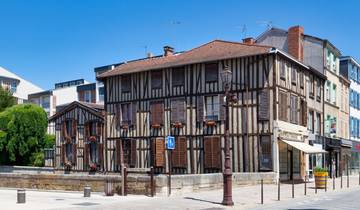
7 days
France and Switzerland with enchanted Alsace
- ✓ Comprehensive Basel tour
- ✓ Expert local guides included
- ✓ All accommodation arranged
- ✓ Transportation provided
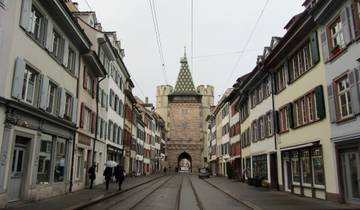
7 days
Frankfurt, Freiburg and Basel in a Week
- ✓ Comprehensive Basel tour
- ✓ Expert local guides included
- ✓ All accommodation arranged
- ✓ Transportation provided
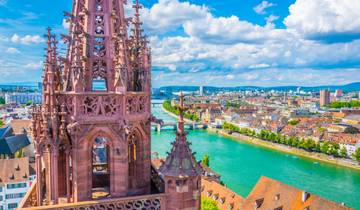
4 days
Magical Christmas extravaganzas in Switzerland and Alsace along the Rhine (port-to-port cruise)
- ✓ Comprehensive Basel tour
- ✓ Expert local guides included
- ✓ All accommodation arranged
- ✓ Transportation provided

4 days
Magical Christmas extravaganzas in Switzerland and Alsace along the Rhine (port-to-port cruise) – GERARD SCHMITTER
- ✓ Comprehensive Basel tour
- ✓ Expert local guides included
- ✓ All accommodation arranged
- ✓ Transportation provided
Multi-day tour packages powered by TourRadar. Prices and availability subject to change.
Introduction: Understanding Basel’s Cost Structure in 2026
Basel presents a fascinating cost paradox among European destinations. As Switzerland’s third-largest city, it commands premium Swiss pricing on most goods and services, yet its trinational border location at the meeting point of Switzerland, Germany, and France creates unique opportunities for budget-conscious travelers willing to cross international boundaries for meals and groceries. The city’s cultural prestige as home to Art Basel, over 40 museums, and a UNESCO-recognized carnival tradition attracts affluent visitors year-round, sustaining high-end dining and accommodation while simultaneously supporting a robust budget travel infrastructure serving students from the University of Basel and backpackers exploring the Rhine corridor.
Understanding Basel’s 2026 cost structure requires recognizing three fundamental factors that distinguish it from other European cities. First, every overnight guest automatically receives the Basel Card upon hotel check-in, providing unlimited public transport within zone 10 and 50% discounts on museum admission. This universal benefit eliminates transport expenses and halves cultural costs for all visitors regardless of budget tier, creating more price parity between budget and luxury travelers than found in cities charging separately for transit passes. Second, Basel’s location allows strategic cross-border shopping and dining in Germany and France where identical products cost 30-40% less than Swiss equivalents. A mid-range dinner in Weil am Rhein costs €25-35 ($27-38) compared to CHF 40-60 ($50-76) in Basel proper. Third, seasonal price variation exceeds most European destinations, with Art Basel week in June commanding hotel rates 150-200% above winter lows, creating dramatic budget implications depending on travel dates.
This guide provides comprehensive 2026 cost breakdowns across accommodation, dining, transportation, attractions, and hidden expenses. All prices reflect current market research from official sources including hotel booking platforms, restaurant websites, and Basel Tourism official publications, with future estimates based on Switzerland’s 1.2% projected inflation rate for 2026. Currency conversions use the current exchange rate of 1 CHF = $1.27 USD, with all figures rounded to nearest whole franc or dollar for practical budgeting. The guide employs cost ranges rather than single figures throughout, recognizing that travelers spending the low end versus high end of each category component experience substantially different total daily costs. Hotel rates appear as per-person costs assuming two sharing accommodation, with room rates divided by two before inclusion in daily budget calculations.
Accommodation Costs in Basel 2026: Complete Pricing by Category
Accommodation represents the largest single expense for most Basel visitors, consuming 40-50% of total daily budgets across all price tiers. Basel’s 2026 hotel market spans from CHF 30 ($38) hostel dormitory beds to CHF 800+ ($1,016+) luxury suites, with pricing heavily influenced by location relative to Basel SBB train station and the Rhine riverfront, seasonal demand during major events, and inclusion of breakfast in quoted rates. Understanding neighborhood price differentials and seasonal fluctuation patterns enables strategic booking decisions that dramatically impact overall trip costs.
Budget Accommodation Options 2026 (CHF 30-100 / $38-127 Per Person)
Basel’s budget accommodation sector serves backpackers, students, and cost-conscious travelers through hostels concentrated near Basel SBB station and in the Kleinbasel district across the Rhine. Dormitory beds in 6-8 person shared rooms cost CHF 30-40 ($38-51) per night at established hostels including Basel Backpack on Dornacherstrasse and HYVE Hostel near the train station. These rates include linens, lockers, shared bathroom facilities, and communal kitchens enabling self-catered meals. Private rooms at the same hostels command CHF 80-110 ($102-140) nightly, offering budget privacy without hotel amenities.
Budget hotels in the CHF 75-100 ($95-127) range per room occupy older buildings in residential neighborhoods 15-20 minutes from city center by tram. Ibis Budget Basel City on Grosspeterstrasse and similar chain properties deliver clean, compact rooms with private bathrooms, basic breakfast, and free Basel Card but minimal atmosphere or additional services. Solo travelers face single supplements adding CHF 20-30 ($25-38) to double room rates, making hostel dormitories substantially more economical for individual visitors. All budget accommodations provide the Basel Card, making transport costs identical across budget and luxury tiers.
Booking timing critically impacts budget hotel availability and pricing. Summer advance reservations 3-4 months ahead secure the lowest rates, while last-minute bookings within two weeks typically face sold-out budget properties or inflated prices. Art Basel week in mid-June sees even budget hostels commanding premium rates or implementing minimum stay requirements, making this period exceptionally challenging for budget travelers. Winter months November through February offer the strongest budget hotel values with rates dropping 25-35% below summer peaks.
Mid-Range Hotels 2026 (CHF 140-220 / $178-280 Per Room)
Mid-range hotels occupy the sweet spot of Basel accommodation, delivering reliable comfort, central locations, and professional service at prices substantially below luxury properties. Three-star hotels charging CHF 140-180 ($178-229) per room cluster around Barfüsserplatz and along Steinengraben, providing 10-15 minute walks to major museums and Old Town attractions. Properties including Hotel Spalentor, Steinenschanze Stadthotel, and similar establishments offer rooms of 18-22 square meters with modern bathrooms, air conditioning, flat-screen TVs, complimentary WiFi, breakfast buffets, and Basel Card inclusion.
Upper mid-range four-star hotels in the CHF 180-220 ($229-280) bracket add contemporary design, riverside locations, on-site dining, and business amenities attracting conference attendees and upscale leisure travelers. Hotel Krafft on Rheingasse and similar properties feature 25-30 square meter rooms, upgraded bedding and toiletries, fitness facilities, and attentive concierge services. Breakfast at this tier expands beyond Continental spreads to include hot dishes, fresh juice, and premium coffee, though travelers can opt for room-only rates saving CHF 18-25 ($23-32) daily by breakfasting at nearby cafes.
Neighborhood selection within mid-range tier significantly impacts value perception. Altstadt properties command premium rates for immediate proximity to Basel Minster and Old Town lanes but may occupy older buildings with smaller rooms and pedestrian noise. Kleinbasel hotels across the Rhine offer larger, quieter rooms at CHF 20-30 ($25-38) lower nightly rates while remaining within 15 minutes of major attractions via included Basel Card tram access. Properties near Messe Basel convention center provide business traveler amenities at leisure-friendly prices outside major trade fair periods.
Luxury Accommodations 2026 (CHF 260-450+ / $330-572+ Per Room)
Basel’s luxury hotel sector targets international art collectors, pharmaceutical executives, and affluent travelers seeking exceptional comfort and service. Five-star properties including Grand Hotel Les Trois Rois on the Rhine, Der Teufelhof Basel in Altstadt, and Basel Marriott near Messe Basel charge CHF 260-350 ($330-445) for standard rooms and CHF 450-650+ ($572-826+) for suites during regular periods, with rates escalating to CHF 500-800 ($635-1,016) during Art Basel week when many properties implement minimum three-night stays.
Luxury room features include 35-45 square meter minimum sizes, Nespresso machines, premium bedding and linens, marble bathrooms with separate tubs and showers, twice-daily housekeeping, 24-hour room service, turndown service, and curated minibars. On-site facilities span Michelin-quality restaurants, full-service spas, state-of-the-art fitness centers, indoor pools, concierge services handling restaurant reservations and cultural bookings, and valet parking. Breakfast at luxury properties commands CHF 35-48 ($44-61) additional when not included, featuring à la carte options alongside expansive buffets.
Heritage luxury properties including Les Trois Rois, dating to 1844, and Der Teufelhof’s art-focused rooms curated by contemporary artists justify premium pricing through unique character unavailable at international chain hotels. Location advantages at luxury tier include Rhine-view rooms overlooking the flowing river and Switzerland’s oldest pedestrian bridge, immediate access to high-end shopping along Freie Strasse, and positioning within minutes of Kunstmuseum Basel and Fondation Beyeler. Business travelers appreciate executive lounges, meeting facilities, and efficient conference services at Marriott and similar properties catering to Basel’s pharmaceutical and banking industries.
Seasonal Accommodation Price Variations 2026
Basel hotel pricing fluctuates more dramatically than most European cities due to concentrated demand during major cultural events. Art Basel in mid-June represents peak pricing across all categories, with budget hostels adding CHF 20-30 ($25-38) to dormitory beds, mid-range hotels increasing rates 60-80%, and luxury properties doubling or tripling standard pricing while requiring 3-5 night minimum stays. Advance booking 8-12 months ahead secures better Art Basel week rates, though even early reservations face significant premiums. Basel Carnival in late February/early March creates a secondary peak with 30-50% rate increases and multi-night minimums, particularly impacting budget accommodation nearest parade routes.
Summer high season from June through September maintains elevated pricing 25-40% above winter levels across mid-range and luxury tiers, driven by tourism, conferences, and favorable Rhine weather. Budget hostels see minimal seasonal variation given consistent student and backpacker demand year-round. Shoulder seasons in April-May and October command moderate pricing 15-25% below summer peaks while offering excellent weather and fewer crowds at major attractions. Winter months November through February deliver optimal accommodation values with discounts reaching 35-45% below summer rates, particularly during January’s post-holiday lull when even luxury properties offer promotional packages.
Weekend versus weekday pricing patterns favor leisure travelers, with Friday-Saturday nights commanding CHF 30-60 ($38-76) premiums above Sunday-Thursday rates at business-oriented hotels near Messe Basel and the pharmaceutical district. Conversely, Altstadt boutique properties catering to tourists maintain flat weekend pricing or slight reductions midweek. Booking direct with hotels occasionally yields better rates than third-party platforms, particularly for extended stays of 5+ nights when properties may offer 5-10% corporate or loyalty member discounts.
Food and Dining Costs in Basel 2026: Restaurant Pricing and Strategies
Dining constitutes Basel’s second-largest travel expense after accommodation, with restaurant pricing reflecting Switzerland’s high labor costs, premium ingredient sourcing, and service-inclusive Swiss dining culture where tipping remains optional rather than expected. Understanding Basel’s diverse dining landscape from budget cafeterias to Michelin-starred establishments, combined with strategic cross-border meal options, enables travelers to balance culinary experiences against budgetary constraints while sampling local specialties including Basler Läckerli honey cookies, Basler Mehlsuppe flour soup traditionally served during Fasnacht carnival, and innovative contemporary Swiss-German fusion cuisine.
Budget Dining Options 2026 (CHF 12-25 / $15-32 Per Meal)
Self-catering using Basel’s supermarket network delivers the strongest budget dining value. Migros and Coop stores throughout the city center and residential neighborhoods stock fresh bread, cheese, produce, and prepared foods at prices CHF 8-15 ($10-19) for substantial breakfast or lunch components. A typical budget breakfast combining bakery rolls, cheese, fruit, and coffee totals CHF 8-12 ($10-15) from supermarket purchases versus CHF 18-28 ($23-36) at cafes. Hostel and budget hotel guests with kitchen access prepare simple dinners for CHF 15-20 ($19-25) using supermarket ingredients, reducing daily food costs to CHF 35-50 ($44-64) when self-catering all meals.
Cafeteria-style restaurants including Manora on Greifengasse and similar department store dining halls serve complete meals with salad bar, main course, and beverage for CHF 15-22 ($19-28). These self-service establishments cater to locals seeking quick, affordable lunches, offering daily specials featuring traditional Swiss dishes alongside international options. Quality exceeds typical cafeteria expectations, with fresh ingredients and proper cooking techniques producing satisfying meals at half the cost of full-service restaurants. Seating areas provide pleasant dining environments despite self-service format, and locations throughout central Basel make cafeterias convenient budget options.
Kebab shops, Asian takeaway counters, and pizza slices deliver portable budget meals CHF 12-18 ($15-23) ideal for eating along the Rhine promenade or in public squares. Markthalle near Basel SBB station houses international street food vendors offering Thai, Indian, Mexican, and Middle Eastern dishes CHF 15-20 ($19-25) in bustling market atmosphere. Turkish döner kebab costs CHF 12-15 ($15-19), Vietnamese pho bowls run CHF 16-20 ($20-25), and fresh pizza slices sell for CHF 8-12 ($10-15) providing filling, flavorful budget options beyond traditional Swiss fare.
Mid-Range Restaurant Dining 2026 (CHF 25-60 / $32-76 Per Person)
Mid-range dining in Basel centers on Swiss-German brasseries, Italian trattorias, and contemporary bistros charging CHF 25-40 ($32-51) for main courses at lunch and CHF 35-50 ($44-64) at dinner. Traditional Swiss restaurants serving rösti potato dishes, sausages, and local specialties occupy wood-paneled spaces in Altstadt, delivering authentic regional cuisine in historic settings. Pizzerias scattered throughout residential neighborhoods offer Neapolitan-style pies CHF 22-32 ($28-41) providing reliable, satisfying dinners at moderate prices. Asian restaurants including Thai, Vietnamese, and Japanese establishments charge CHF 28-42 ($36-53) for main courses, offering variety from Swiss-heavy menus.
Lunch specials at mid-range establishments represent significant value, with many restaurants offering prix-fixe menus CHF 20-28 ($25-36) including starter, main course, and coffee from Monday through Friday. These business lunch offerings allow sampling higher-quality restaurants at nearly budget pricing, making midday the strategic meal for experiencing Basel’s culinary scene. Evening dining requires CHF 45-70 ($57-89) per person including appetizer, main course, and beverage, with wine adding CHF 8-15 ($10-19) per glass from house selections. Complete dinners for two at mid-range restaurants total CHF 90-140 ($114-178) including modest wine consumption and no additional tipping required given Swiss service-inclusive pricing.
Riverfront restaurants along the Rhine command location premiums CHF 5-10 ($6-13) per dish for terrace seating overlooking the water and Old Town views. Summer dining on outdoor terraces enhances the Basel experience, with locals filling Rhine-side establishments on warm evenings for post-work drinks and dinner. Winter months see restaurants rotating menus toward heartier fare including fondue and raclette, with cheese-based dishes commanding CHF 35-48 ($44-61) per person at traditional Swiss establishments. Fondue requires minimum two diners, making it unsuitable for solo travelers unless ordering half portions where available.
Fine Dining and Luxury Restaurants 2026 (CHF 80-150+ / $101-190+ Per Person)
Basel’s fine dining scene includes Michelin-starred restaurants and high-end establishments frequenting Art Basel attendees and pharmaceutical industry executives. Cheval Blanc at Grand Hotel Les Trois Rois holds two Michelin stars, with tasting menus CHF 260-380 ($330-483) presenting innovative contemporary European cuisine in elegant Rhine-view setting. Stucki Bruderholz, another Michelin-starred property, offers similarly priced tasting experiences focusing on seasonal Swiss ingredients and modern techniques. These pinnacle dining experiences require reservations weeks or months in advance during peak season, with wine pairings adding CHF 120-180 ($152-229) to meal costs.
High-end restaurants without Michelin stars but maintaining exceptional standards charge CHF 80-120 ($101-152) for three-course dinners, delivering premium ingredients, refined techniques, and sophisticated service in contemporary or historic settings. Restaurant Kunsthalle, Der Teufelhof’s in-house dining, and similar establishments attract locals celebrating special occasions alongside tourists seeking memorable meals. Wine lists at this tier emphasize Swiss vintages from Valais and international selections, with bottles starting CHF 60 ($76) for basic options and extending to CHF 300+ ($381+) for premium producers. Sommelier-selected pairings enhance tasting menu experiences, introducing regional wines rarely exported beyond Switzerland.
Fine dining dress codes remain relaxed compared to European capitals, with smart casual attire acceptable at all but the most formal establishments. Reservations prove essential for weekend dinners and any evening during Art Basel week, when top restaurants fill weeks in advance. Lunch at fine dining restaurants occasionally offers tasting menus at reduced CHF 80-120 ($101-152) pricing versus dinner’s CHF 150-200 ($190-254), providing access to Michelin-quality cooking at more approachable costs. Vegetarian and dietary restriction accommodations have improved significantly, with most upscale restaurants now offering dedicated vegetarian tasting menus and handling allergies professionally.
Cross-Border Dining Cost Savings 2026
Basel’s trinational position creates unique opportunities for substantial dining savings by crossing into Germany or France. Weil am Rhein, Germany sits 10 minutes from Basel city center via tram 8, with restaurant main courses CHF 18-28 ($23-36) compared to CHF 35-50 ($44-64) for equivalent quality in Basel. German supermarkets including Rewe and Edeka offer groceries 30-35% cheaper than Swiss equivalents, with identical products frequently bearing lower prices due to different VAT rates and market competition. A weekly grocery shop in Germany saves budget travelers CHF 40-60 ($51-76) compared to Swiss supermarket purchases.
Saint-Louis, France lies 8 minutes from Basel city center via tram 3, delivering similar savings on dining and groceries. French restaurants serve three-course menus €22-32 ($24-35) compared to CHF 45-60 ($57-76) in Basel for comparable quality. French supermarkets stock excellent cheeses, wines, and prepared foods at prices 25-35% below Swiss levels, making strategic cross-border shopping worthwhile for travelers staying multiple days. The minor inconvenience of tram rides to Germany and France yields material budget benefits, particularly for travelers preparing some meals in accommodations with kitchen facilities.
Border crossings present no practical impediments for EU and many international travelers, with Swiss border checks rare for individuals on public transport. Customs limits permit personal-use grocery quantities without declaration, though purchasing excessive alcohol or tobacco quantities may trigger questions. The psychological barrier of “leaving Switzerland” deters some visitors from maximizing cross-border savings, but locals routinely shop in Germany and France, making this strategy entirely normal rather than budget travel improvisation. Time invested crossing borders returns significant savings, particularly for week-long stays when multiple cross-border trips accumulate material cost reductions.
Transportation Costs in Basel 2026: Public Transit and Getting Around
Basel’s comprehensive public transport network operated by Basler Verkehrs-Betriebe (BVB) provides efficient tram and bus service throughout the city and into neighboring suburbs, with the remarkable benefit that every hotel guest receives unlimited transport access through the free Basel Card. This universal benefit fundamentally alters Basel’s transportation cost structure compared to most European cities, eliminating per-ride tickets and daily passes as budget considerations while ensuring all visitors regardless of accommodation tier enjoy identical mobility.
Basel Card: The Game-Changing Free Transit Benefit 2026
The Basel Card represents one of Europe’s most valuable automatic tourist benefits, provided free to all overnight guests upon hotel check-in regardless of accommodation category or nightly rate. The card grants unlimited travel on BVB trams, buses, and Rhine ferries within tariff zone 10 covering Basel city center, immediate suburbs, and EuroAirport connections. Additionally, the Basel Card delivers 50% discounts on museum admission, zoo entry, theater tickets, and walking tours, substantially reducing cultural costs beyond its transport value. The card remains valid from check-in day through checkout day plus the day of departure, ensuring coverage for arrival and departure travel.
Without the Basel Card, single tram tickets cost CHF 2.00-2.60 ($2.50-3.30) depending on zones, with day passes CHF 8 ($10) for unlimited zone 10 travel. A typical three-day Basel visit without hotel accommodation would require CHF 24 ($30) in day passes, plus individual tickets for any arrival/departure transit. The automatic Basel Card provision eliminates these costs entirely, creating transport parity across budget hostels and luxury hotels while removing the mental overhead of ticket purchase and validation before each journey. Visitors should collect Basel Cards from hotel reception immediately upon check-in rather than assuming automatic distribution, as some properties require explicit card requests.
Basel Card benefits extend beyond basic transport to include the four Rhine ferries crossing between Grossbasel and Kleinbasel via traditional cable-guided boats. These historic ferries operated by current-driven cable systems provide charming river crossings CHF 2 ($2.50) for regular passengers but free for Basel Card holders. The card’s museum discount halves admission at over 40 institutions including Kunstmuseum Basel, Museum Tinguely, and Fondation Beyeler, creating CHF 12-20 ($15-25) savings per museum visit that quickly offset any accommodation cost differences between properties. Walking tour discounts reduce guided Old Town tours from CHF 20 ($25) to CHF 10 ($13), enhancing the card’s comprehensive value proposition.
Using Basel’s Tram and Bus System 2026
Basel’s green BVB trams and yellow BLT interurban trams form the transport backbone, with 11 lines crisscrossing the city on frequent schedules from 5:30 AM until midnight weekdays and until 2:00 AM Friday-Saturday nights. Trams run every 7-10 minutes during daytime hours and every 15 minutes evenings, providing reliable service without requiring schedule consultation for spontaneous travel. Major lines including tram 1 connecting Basel SBB station to Badischer Bahnhof and tram 2 serving Kunstmuseum and city center handle most tourist movement, with comprehensive network coverage ensuring virtually all attractions sit within 5-10 minutes of tram stops.
Real-time departure information displays at tram stops and the BVB mobile app enable precise journey planning, showing next tram arrivals and service disruptions. The SBB Mobile app covers both trains and local trams, providing unified journey planning across Switzerland’s integrated transport network. Trams feature low floors enabling easy boarding with luggage or strollers, designated spaces for bicycles during off-peak hours, and announcements in German with visual displays showing upcoming stops. Visitors should board promptly when trams arrive as doors close quickly, though drivers reopen for obviously hurrying passengers.
Bus routes supplement trams in residential areas and neighborhoods lacking tram infrastructure, following similar frequency patterns and accepting Basel Card coverage. Night bus services designated ‘N’ routes operate limited frequencies after midnight, maintaining connectivity when regular trams cease operations. Basel Card validity on night buses ensures late-evening cultural events and dining don’t strand visitors requiring expensive taxis back to accommodation. The integrated tram-bus-ferry network’s simplicity and comprehensive coverage makes rental cars unnecessary for city exploration, eliminating parking costs, navigation stress, and vehicle expense from Basel budgets.
Airport and Intercity Transportation Costs 2026
EuroAirport Basel-Mulhouse-Freiburg serves as Basel’s primary airport, located 8 km from city center straddling the Swiss-French border with distinct Swiss and French sides. Bus 50 connects the Swiss airport entrance to Basel SBB station in 20 minutes, running every 10-15 minutes throughout the day. This airport bus requires a separate ticket CHF 4.60 ($5.80) since it operates beyond Basel Card’s zone 10 coverage, though visitors arriving before hotel check-in can purchase single tickets from automated machines. Hotel guests can use Basel Cards for return airport journeys on checkout day, saving the CHF 4.60 fare for departure transfers.
Taxis from EuroAirport to Basel city center cost CHF 40-55 ($51-70) depending on destination and traffic, making shared rides economical for groups of three-four travelers splitting costs but excessive for solo budget travelers. Ride-sharing services operate sporadically in Basel with limited availability, failing to provide reliable alternative to official taxis. The bus 50 connection’s frequency and directness make taxis unnecessary except for travelers with excessive luggage or mobility limitations justifying the premium cost.
Train connections from Basel SBB to major Swiss cities including Zurich (1 hour, CHF 34/$43 second class), Bern (1 hour, CHF 36/$46), and Geneva (2.75 hours, CHF 81/$103) enable easy day trips or continued Swiss travel. The Swiss Travel Pass covering unlimited train, bus, and boat travel throughout Switzerland costs CHF 272 ($345) for three consecutive days or CHF 417 ($530) for eight days, proving economical for visitors exploring multiple Swiss destinations but unnecessary for Basel-focused trips given the free Basel Card coverage. International trains reach Freiburg, Germany (45 minutes, €20) and Strasbourg, France (90 minutes, €25) for cross-border excursions from Basel’s Badischer Bahnhof or SNCF platforms.
Attraction and Activity Costs in Basel 2026: Museums, Tours, and Entertainment
Basel’s cultural landscape encompasses over 40 museums ranging from world-class art institutions to specialized collections, alongside architectural heritage, Rhine riverfront activities, and seasonal events that define the city’s character. Strategic use of the Basel Card’s 50% museum discount, free admission windows, and thoughtful attraction selection allows visitors to experience Basel’s cultural depth while managing costs across budget tiers.
Museum Admission Costs and Discount Strategies 2026
Kunstmuseum Basel, housing the world’s oldest public art collection with masterpieces from Holbein to Picasso, charges CHF 25 ($32) for standard admission covering the main building, new building, and temporary exhibitions. Basel Card holders pay CHF 12.50 ($16), halving costs for this premier attraction. Museum Tinguely, dedicated to kinetic artist Jean Tinguely, costs CHF 18 ($23) regular admission or CHF 9 ($11) with Basel Card. Museum der Kulturen presenting ethnographic collections from worldwide cultures charges CHF 16 ($20) regular or CHF 8 ($10) with Basel Card discount. These flagship institutions represent must-see Basel experiences where Basel Card savings of CHF 8-12 ($10-15) per museum visit quickly accumulate.
Free admission periods substantially reduce cultural costs for budget-conscious visitors. Kunstmuseum Basel opens free Tuesday and Thursday-Friday 5-6 PM, Wednesday 5-8 PM, and the first Sunday of each month. Museum Tinguely offers free admission Tuesday-Saturday last hour before closing and first Sunday monthly. These free windows enable experiencing major collections without cost, though crowding increases during popular free periods and some temporary exhibitions may require separate fees regardless of timing. Visitors can structure itineraries to maximize free museum hours, visiting multiple institutions during free evening slots across several days to eliminate admission costs entirely.
The Museums-PASS-Musées covering 345 museums across Switzerland, France, and Germany costs CHF 132 ($168) for adults annually or CHF 80 ($102) for young adults 15-26, proving economical only for visitors planning intensive museum exploration across multiple cities. For Basel-focused trips, individual admission fees with Basel Card discounts deliver better value than purchasing a regional museum pass. Children under 16 enter most Basel museums free, making family travel particularly economical for cultural activities. Student discounts reduce admission CHF 3-8 ($4-10) at major institutions with valid student ID presentation.
Tours and Guided Experiences 2026
Walking tours exploring Basel’s Old Town, architectural heritage, and historical significance operate through Basel Tourism and independent operators charging CHF 20-30 ($25-38) for 90-minute to two-hour guided experiences. Basel Card reduces these tours to CHF 10-15 ($13-19), making professional local guides affordable additions to self-guided exploration. Tours departing from Stadtcasino am Barfüsserplatz cover Basel Minster, medieval guild houses, contemporary Herzog & de Meuron architecture including Roche Tower, and Rhine-side neighborhoods providing historical and cultural context enhancing appreciation of visible landmarks.
Specialized tours focusing on Art Basel locations, architectural innovation, or Rhine river ecology command premium CHF 35-50 ($44-64) pricing without Basel Card discounts, targeting enthusiasts seeking deeper expertise beyond general historical overviews. Private tours accommodating specific interests or flexible schedules cost CHF 150-250 ($190-318) for small groups, proving economical for families or friend groups of 4-6 people splitting costs. Audio guides available at major museums cost CHF 5-7 ($6-9), providing self-paced alternative to guided tours while delivering professional narration covering collection highlights and artistic context.
Rhine river cruises departing from Schifflände pier operate hourly during summer months, charging CHF 24-32 ($30-41) for one-hour circular routes passing under Basel’s bridges while showcasing riverside architecture from water level. These recreational cruises lack Basel Card coverage, representing discretionary expenses enhancing but not essential to Basel experience. Sunset cruises command premium pricing CHF 38-45 ($48-57) for enhanced ambiance during golden hour light. Winter scheduling reduces significantly, limiting cruise availability November through March when Rhine water levels and weather conditions make regular departures impractical.
Free and Low-Cost Attractions 2026
Basel Minster, the city’s Gothic cathedral featuring Romanesque elements and burial place of Renaissance humanist Erasmus, provides free entry to main church areas while charging CHF 5 ($6) for tower climb delivering panoramic city views from 62-meter height. The Minster’s red sandstone facade, colorful roof tiles, and riverside terrace create Basel’s most photographed monument available without admission cost. Town Hall courtyard featuring elaborate Renaissance frescoes opens free during business hours, allowing appreciation of civic architecture without interior tour fees. Rhine riverfront promenades from Mittlere Brücke to Wettsteinbrücke provide kilometers of scenic walking observing river traffic, architectural diversity, and local life at no cost.
Marktplatz farmers market operating Monday-Saturday mornings presents regional produce, flowers, and artisanal products in historic plaza setting, creating atmospheric free experience showcasing local commerce and social interaction. While purchasing market goods costs money, browsing and experiencing market culture requires no expenditure. Tinguely Fountain (Fasnachtsbrunnen) near theater features kinetic water sculptures by Jean Tinguely, providing free access to iconic Basel artwork illustrating the artist’s mechanical creativity. Basel’s numerous public squares including Barfüsserplatz and Petersplatz host occasional free concerts, outdoor cinema, and seasonal markets enhancing cultural calendar without additional costs.
University of Basel Botanical Garden in Spalengraben opens free daily, displaying over 7,500 plant species across outdoor gardens and greenhouses covering Alpine flora, tropical plants, and medicinal herbs. This peaceful oasis provides respite from urban exploration while educating about botanical diversity. Self-guided architectural walks identifying contemporary masterpieces by Basel-based Herzog & de Meuron including Messe Basel hall, Toni-Areal Zurich visible from Basel, and Signal Box auf dem Wolf require only observation skills and transportation via free Basel Card trams to appreciate world-class modern architecture at no admission cost.
Daily Budget Breakdowns by Travel Style 2026
Understanding complete daily cost structures across budget tiers enables realistic trip planning accounting for all expense categories rather than isolated component costs. The following comprehensive breakdowns detail per-person daily costs assuming two travelers sharing hotel accommodation, with room rates divided by two before inclusion in calculations. Solo travelers add full single supplement to accommodation costs while maintaining meal, transport, and attraction expenses at stated levels.
Budget Traveler Daily Costs 2026: CHF 80-110 ($100-140) Per Person
Budget travel in Basel requires disciplined spending across all categories, emphasizing hostel dormitories, self-catered meals, free cultural activities, and strategic cross-border shopping. Accommodation in 6-8 person dormitory beds costs CHF 30-40 ($38-51) per person, providing secure sleeping facilities, shared bathrooms, communal kitchens, and automatic Basel Card inclusion. Breakfast assembled from supermarket purchases including bakery rolls, cheese, fruit, and instant coffee totals CHF 8-12 ($10-15). Lunch combining fresh bread, deli meats, vegetables, and yogurt from Migros or Coop runs CHF 12-18 ($15-23). Dinner prepared in hostel kitchen using supermarket ingredients costs CHF 20-28 ($25-35), with weekly grocery shopping in Germany reducing costs CHF 8-12 ($10-15) compared to Swiss supermarkets.
Transportation remains free via Basel Card provided with hostel accommodation, eliminating transit expenses entirely. Attractions focus on free museum evening hours, self-guided walking tours, and Rhine riverfront activities, with one paid museum visit using Basel Card discount costing CHF 8-12 ($10-15) daily. Miscellaneous expenses including water, snacks, and occasional coffee add CHF 8-12 ($10-15). Complete budget daily breakdown per person: dormitory accommodation CHF 30-40 ($38-51), meals CHF 40-58 ($51-74), transport CHF 0 (Basel Card), attractions CHF 8-12 ($10-15), miscellaneous CHF 8-12 ($10-15). Total: CHF 80-110 ($100-140) per person daily.
Budget travelers maximize savings through cross-border grocery shopping in German supermarkets, consistent self-catering rather than restaurant meals, strategic use of free museum hours, and walking rather than unnecessary tram rides despite free Basel Card access. Week-long budget stays require CHF 560-770 ($710-978) per person covering all expenses from accommodation through activities. Budget baseline assumes disciplined adherence to self-catering and free/discounted activities, with any restaurant meals, paid tours, or premium attractions increasing costs beyond stated range.
Mid-Range Traveler Daily Costs 2026: CHF 160-220 ($205-280) Per Person
Mid-range travel balances comfort and experience, featuring 3-star hotels, mix of restaurant and self-catered meals, comprehensive museum visits, and occasional guided tours. Accommodation in 3-star hotel private room costs CHF 140-180 ($178-229) per room, divided by two for per-person cost of CHF 70-90 ($89-114). Breakfast at hotel buffet or nearby cafe runs CHF 15-20 ($19-25). Lunch at mid-range restaurant or cafeteria costs CHF 25-35 ($32-44), taking advantage of weekday lunch specials where available. Dinner at mid-range brasserie or trattoria totals CHF 35-50 ($44-64) including main course, starter or dessert, and beverage.
Transportation remains free via hotel-provided Basel Card covering all urban tram, bus, and ferry travel. Attractions budget includes one major museum daily using Basel Card 50% discount at CHF 9-16 ($11-20), plus occasional walking tours at discounted CHF 10-15 ($13-19) rates. Miscellaneous costs covering coffee breaks, ice cream, bottled water, and small purchases total CHF 12-18 ($15-23) daily. Complete mid-range breakdown per person: hotel accommodation CHF 70-90 ($89-114), meals CHF 75-105 ($95-133), transport CHF 0 (Basel Card), attractions CHF 19-31 ($24-39), miscellaneous CHF 12-18 ($15-23). Total: CHF 160-220 ($205-280) per person daily.
Mid-range travelers enjoy comfortable hotels, restaurant dining for most meals, comprehensive cultural programming, and flexibility for spontaneous activities without budget stress. Week-long mid-range visits cost CHF 1,120-1,540 ($1,422-1,956) per person encompassing accommodation, all meals, attractions, and activities. This tier provides excellent Basel experience balancing quality and cost, appealing to travelers prioritizing comfort and cultural immersion while maintaining spending awareness.
Luxury Traveler Daily Costs 2026: CHF 310-445 ($395-565) Per Person
Luxury travel emphasizes exceptional accommodation, fine dining, private tours, and premium cultural experiences without budget constraints. Accommodation in 4-5 star hotel costs CHF 260-350 ($330-445) per room, divided by two for per-person CHF 130-175 ($165-222). Breakfast at upscale hotel or renowned cafe totals CHF 25-35 ($32-44). Lunch at high-end bistro or quality restaurant costs CHF 45-65 ($57-83). Dinner at fine dining establishment or Michelin-quality restaurant runs CHF 80-120 ($102-152) including wine, covering three courses with premium ingredients and refined service.
Transportation utilizes free Basel Card for trams plus occasional taxis for convenience or late-night returns, adding CHF 15-25 ($19-32) daily. Attractions include multiple museums at full admission without timing constraints around free hours, special exhibitions, private tours, and cultural events totaling CHF 30-50 ($38-64) daily. Miscellaneous expenses covering upscale cafe stops, boutique shopping, and premium beverages run CHF 25-40 ($32-51). Complete luxury breakdown per person: hotel accommodation CHF 130-175 ($165-222), meals CHF 150-220 ($190-280), transport CHF 15-25 ($19-32), attractions CHF 30-50 ($38-64), miscellaneous CHF 25-40 ($32-51). Total: CHF 310-445 ($395-565) per person daily.
Luxury travelers prioritize experience quality over cost optimization, selecting finest hotels, premier restaurants, and exclusive cultural access. Week-long luxury Basel stays require CHF 2,170-3,115 ($2,755-3,956) per person delivering exceptional comfort, culinary excellence, and comprehensive cultural immersion. This tier suits travelers valuing refinement, personalized service, and stress-free travel where budget constraints never compromise desired experiences.
Sample Multi-Day Itineraries with Detailed Cost Breakdowns 2026
Practical itineraries demonstrating realistic daily expenditure across budget tiers provide concrete planning frameworks showing how theoretical cost ranges translate into actual daily spending patterns. The following three-day itineraries detail specific activities, meals, and costs illustrating typical Basel visits for different traveler profiles.
Budget Three-Day Basel Itinerary 2026: CHF 240-330 ($305-419) Total
Day 1 – Arrival and Old Town Exploration: Hostel dormitory CHF 35 ($44), supermarket breakfast CHF 10 ($13), Turkish kebab lunch CHF 14 ($18), self-cooked hostel dinner CHF 24 ($30), free walking tour of Altstadt, Basel Minster visit (free), Rhine promenade walk (free). Day cost: CHF 83 ($105).
Day 2 – Museum Circuit: Hostel dormitory CHF 35 ($44), supermarket breakfast CHF 10 ($13), Manora cafeteria lunch CHF 18 ($23), self-cooked dinner CHF 26 ($33), Kunstmuseum Basel free evening admission 5-6 PM (free), Museum Tinguely free last hour (free), Marktplatz market browsing (free). Day cost: CHF 89 ($113).
Day 3 – Cross-Border Day and Departure: Hostel dormitory CHF 30 ($38), supermarket breakfast CHF 8 ($10), German restaurant lunch in Weil am Rhein CHF 20 ($25), pizza slice dinner CHF 12 ($15), Rhine ferry ride with Basel Card (free), Museum der Kulturen with Basel Card discount CHF 8 ($10), departure. Day cost: CHF 78 ($99).
Three-day budget total: CHF 250 ($318) per person including two nights accommodation, all meals, cultural activities, and transport. This demonstrates achieving comprehensive Basel experience within strict budget constraints through strategic free admission timing, self-catering, and cross-border meal options.
Mid-Range Five-Day Basel Itinerary 2026: CHF 800-1,100 ($1,016-1,397) Total
Day 1 – Arrival and City Introduction: 3-star hotel CHF 75 ($95) per person, hotel breakfast CHF 18 ($23), Rhine-side lunch CHF 32 ($41), brasserie dinner CHF 48 ($61), Basel Card walking tour CHF 12 ($15), evening Rhine stroll (free). Day cost: CHF 185 ($235).
Day 2 – Cultural Immersion: Hotel CHF 75 ($95), breakfast CHF 18 ($23), cafeteria lunch CHF 22 ($28), Italian dinner CHF 42 ($53), Kunstmuseum Basel with Basel Card CHF 13 ($16), Museum Tinguely with Basel Card CHF 9 ($11), coffee stop CHF 8 ($10). Day cost: CHF 187 ($237).
Day 3 – Architecture and Design: Hotel CHF 75 ($95), breakfast CHF 18 ($23), restaurant lunch CHF 28 ($36), Swiss restaurant dinner CHF 52 ($66), Vitra Design Museum day trip (included in transport), Herzog & de Meuron architectural walk (free), ice cream CHF 6 ($8). Day cost: CHF 179 ($227).
Day 4 – Rhine and Markets: Hotel CHF 75 ($95), breakfast CHF 18 ($23), Markthalle food stalls lunch CHF 24 ($30), riverside dinner CHF 45 ($57), Rhine cruise CHF 28 ($36), Marktplatz market shopping CHF 15 ($19), evening drinks CHF 12 ($15). Day cost: CHF 217 ($276).
Day 5 – Final Museums and Departure: Hotel CHF 70 ($89), breakfast CHF 15 ($19), quick lunch CHF 18 ($23), Museum der Kulturen with Basel Card CHF 8 ($10), Fondation Beyeler trip with admission CHF 24 ($30), departure snacks CHF 8 ($10). Day cost: CHF 143 ($182).
Five-day mid-range total: CHF 911 ($1,157) per person including four nights accommodation, all meals, comprehensive museums, tours, and activities. This illustrates balanced approach combining comfort, cultural depth, and dining variety within mid-range budget parameters.
Luxury Three-Day Basel Weekend 2026: CHF 930-1,335 ($1,181-1,696) Total
Day 1 – Arrival and Fine Dining: 5-star hotel CHF 150 ($190) per person, upscale breakfast CHF 32 ($41), high-end lunch CHF 58 ($74), Michelin-quality dinner CHF 115 ($146), private walking tour CHF 60 ($76), cocktails at Les Trois Rois bar CHF 28 ($36). Day cost: CHF 443 ($563).
Day 2 – Cultural Immersion: Hotel CHF 150 ($190), breakfast CHF 32 ($41), quality bistro lunch CHF 52 ($66), fine dining dinner CHF 105 ($133), Kunstmuseum Basel full admission CHF 25 ($32), Fondation Beyeler admission CHF 28 ($36), art gallery browsing (free), wine tasting CHF 35 ($44). Day cost: CHF 427 ($542).
Day 3 – Leisure and Departure: Hotel CHF 140 ($178), breakfast CHF 28 ($36), upscale brunch CHF 48 ($61), Rhine cruise CHF 32 ($41), Museum Tinguely admission CHF 18 ($23), taxi to airport CHF 45 ($57), departure. Day cost: CHF 311 ($395).
Three-day luxury total: CHF 1,181 ($1,500) per person including two nights premium accommodation, fine dining, private tours, comprehensive cultural access, and convenience transport. This demonstrates luxury Basel experience prioritizing exceptional quality, personalized service, and cultural depth without budget constraints.
Seasonal Price Variations and Optimal Timing 2026
Basel’s seasonal pricing patterns exhibit more dramatic fluctuation than typical European cities due to concentrated demand during major cultural events and Switzerland’s high-low season pricing philosophy where properties aggressively adjust rates matching demand rather than maintaining consistent year-round pricing. Understanding seasonal cost variations enables substantial savings through strategic timing, particularly for travelers with flexible schedules who can avoid peak periods while still enjoying favorable weather and cultural programming.
Peak Season Pricing: Art Basel Week and Summer 2026
Art Basel week in mid-June represents absolute peak pricing across all expense categories. Hotels implement minimum 3-5 night stays and increase rates 150-250% above standard levels, with budget hostels commanding CHF 60-80 ($76-102) for dormitory beds normally priced CHF 30-40 ($38-51), mid-range hotels escalating from CHF 140-180 ($178-229) to CHF 280-350 ($356-445), and luxury properties doubling from CHF 260-350 ($330-445) to CHF 500-700+ ($635-889+). Restaurants near exhibition venues raise prices 15-25%, with some implementing prix-fixe menus replacing à la carte options. Cultural attractions maintain standard admission but experience severe crowding as 95,000+ Art Basel visitors converge alongside regular tourism.
General summer season June through September sustains elevated pricing 25-40% above winter baseline without Art Basel’s extreme premiums. Mid-range hotel rates CHF 160-200 ($203-254) during summer months drop to CHF 120-140 ($152-178) in winter for identical rooms, representing CHF 280-420 ($356-533) weekly savings for summer-to-winter timing shifts. Restaurant pricing remains relatively stable year-round given local customer base, though tourist-heavy establishments raise prices slightly during peak months. The Rhine riverfront comes alive in summer with outdoor dining, ferry activity, and extended cultural event programming justifying premium pricing through enhanced experience unavailable in colder months.
Advance booking requirements intensify during peak season, with Art Basel week properties filling 8-12 months ahead and summer accommodation requiring 2-4 month advance reservations for optimal selection and rates. Last-minute summer bookings face severely limited availability and inflated prices as remaining inventory commands premium rates. Budget travelers should avoid Art Basel week entirely unless specifically attending the fair, as accommodation costs alone consume 3-4 days of normal budget allocation. Mid-range and luxury travelers attending Art Basel must factor extraordinary accommodation premiums into trip budgets, potentially requiring CHF 400-600 ($508-762) additional cost per person for multi-night Art Basel week stays versus identical visits other periods.
Shoulder Season Value: Spring and Fall 2026
Shoulder seasons in April-May and September-October deliver optimal balance of favorable weather, manageable crowds, and moderate pricing. Hotels reduce rates 15-25% below summer peaks while maintaining full services and amenities, with mid-range properties charging CHF 130-160 ($165-203) versus summer’s CHF 160-200 ($203-254). Cultural programming continues at full strength, museums operate regular hours without summer crowding, and restaurants serve complete menus without peak-season modifications. Rhine weather remains pleasant for outdoor activities through late October, with spring temperatures reaching comfortable levels by mid-April.
Spring shoulder season benefits from blooming riverside parks, outdoor cafe reopenings, and ascending tourist energy following winter dormancy. Major museums mount special exhibitions in April-May preparing for summer visitors, providing access to temporary shows without peak-season crowds. September-October shoulder period offers harvest season advantages including wine festivals in nearby Swiss regions, autumn colors in Rhine valley, and comfortable temperatures ideal for extensive walking tours. Both shoulder periods require less advance booking than summer, with 3-6 week reservations typically securing quality accommodation at reasonable rates.
Festival Basel classical music event spanning late August through early September creates a mini-peak within shoulder season, with moderate hotel rate increases 20-35% and multi-night minimums at properties near Stadtcasino and congress facilities. This represents significantly milder impact than Art Basel, with budget travelers still finding reasonable accommodation and mid-range properties remaining accessible. Basel Fasnacht carnival in late February/early March straddles winter and shoulder seasons, creating concentrated demand for three days of celebrations with hotel premiums 30-50% above winter lows but still well below summer levels.
Winter Low Season Bargains: November-March 2026
Winter months November through February deliver Basel’s most aggressive accommodation discounts, with hotels reducing rates 35-50% below summer peaks to maintain occupancy during slower tourism periods. Budget hostels offering CHF 30-40 ($38-51) dormitory beds year-round see minimal winter adjustment, but budget hotels drop from summer CHF 90-110 ($114-140) to winter CHF 60-75 ($76-95) for identical rooms. Mid-range hotels implement dramatic winter discounts, charging CHF 100-130 ($127-165) for rooms commanding CHF 160-200 ($203-254) in summer, creating CHF 420-490 ($533-622) weekly savings motivating winter visits for budget-conscious travelers.
Cultural programming continues at full strength throughout winter with museums maintaining regular hours, special exhibitions, and free admission windows. Theater, symphony, and performing arts seasons peak during winter months, providing enhanced cultural offerings compensating for reduced outdoor activity options. Christmas markets in December transform central squares with seasonal atmosphere, though Basel’s markets remain smaller and less commercial than German counterparts across the border. Indoor attractions including Kunstmuseum Basel, Museum Tinguely, and Fondation Beyeler deliver identical experiences regardless of season, making winter particularly attractive for museum-focused visits prioritizing cost savings over outdoor activities.
Weather considerations require realistic expectations, with January temperatures averaging 2-7°C (36-45°F), occasional Rhine fog reducing visibility, and reduced daylight hours limiting afternoon exploration windows. However, Swiss heating standards ensure warm, comfortable indoor environments, and weather-appropriate clothing enables enjoyable walking tours between museum visits. Restaurant costs remain identical year-round given local clientele, making food expenses stable across seasons. The combination of dramatic accommodation discounts, comprehensive cultural programming, and minimal crowding makes winter compelling for travelers prioritizing museums, indoor cultural activities, and budget optimization over outdoor Rhine experiences and summer weather.
Money-Saving Strategies and Hidden Costs 2026
Maximizing Basel Card benefits, strategic cross-border spending, and awareness of hidden costs separate informed travelers from those paying unnecessary premiums. The following strategies demonstrate practical approaches reducing expenses across all budget tiers while avoiding unexpected charges that inflate final trip costs beyond initial estimates.
Maximizing Basel Card Value Throughout Your Stay
Collecting Basel Card immediately upon hotel check-in rather than waiting until first planned outing ensures full validity period utilization. The card activates upon issue and remains valid through checkout day plus departure day, enabling arrival day transport from Basel SBB station to hotel via tram using the card rather than purchasing separate tickets. Strategic museum planning around Basel Card’s 50% discount converts CHF 25 ($32) Kunstmuseum admission to CHF 12.50 ($16), saving CHF 12.50 per visit and enabling multiple museum days without budget strain. Visiting 3-4 major museums weekly generates CHF 35-50 ($44-64) savings from discounts alone, equivalent to free accommodation upgrade from budget hostel to mid-range hotel.
Rhine ferry rides using Basel Card provide atmospheric river crossings while avoiding pedestrian bridge walks, adding transportation variety at no additional cost. The four cable-guided ferries operate year-round in good weather, offering unique Basel experience accessible only via boat. Walking tour discounts through Basel Card reduce guided Old Town explorations from CHF 20 ($25) to CHF 10 ($13), making professional guides affordable additions enhancing historical understanding beyond self-guided exploration. Zoo Basel admission falls to CHF 12 ($15) from CHF 24 ($30) with Basel Card, creating family savings for travelers with children.
Extending Basel visits to maximize Basel Card value makes financial sense when card benefits offset additional accommodation costs. A three-night stay generating CHF 75-100 ($95-127) in transport and museum savings through Basel Card versus purchasing individual tickets and full-price admissions effectively reduces net accommodation cost by one night’s lodging. This calculation favors longer stays over brief visits where Basel Card benefits don’t fully materialize before departure.
Cross-Border Shopping and Dining Economics
Systematic cross-border shopping in German supermarkets produces material savings for travelers staying 4+ nights with accommodation kitchen access. Weekly groceries costing CHF 120-150 ($152-190) at Basel Migros or Coop drop to €70-85 ($76-92) at Weil am Rhein Rewe or Edeka, saving CHF 40-60 ($51-76) weekly on identical products. The 10-minute tram 8 ride from Basel to Weil am Rhein costs nothing using Basel Card, making cross-border grocery trips free transportation-wise. German supermarkets stock excellent bread, cheese, produce, and prepared foods enabling quality self-catered meals without sacrificing culinary standards.
Restaurant meals in Weil am Rhein or Saint-Louis, France deliver 30-40% savings versus equivalent Basel establishments. A mid-range German restaurant main course costs €18-25 ($20-27) compared to CHF 35-50 ($44-64) in Basel for comparable quality and portion sizes. French restaurants serve three-course menus €22-32 ($24-35) versus CHF 45-60 ($57-76) in Switzerland. Crossing borders for 2-3 dinners weekly generates CHF 60-90 ($76-114) savings, funding additional cultural activities or accommodation upgrades within overall budget. The minor inconvenience of 15-20 minute tram rides to border destinations provides tangible financial benefits justifying the modest time investment.
German and French wine prices significantly undercut Swiss equivalents, with decent table wines €6-12 ($6-13) in French supermarkets versus CHF 15-25 ($19-32) for comparable bottles in Basel. Travelers purchasing wine for apartment consumption save CHF 10-15 ($13-19) per bottle through cross-border shopping. Swiss customs regulations permit personal-use alcohol imports without declaration, making strategic wine purchases legal and practical. Budget and mid-range travelers maximizing cross-border opportunities reduce total trip costs 15-25% compared to exclusively Swiss spending, creating material budget benefits compounding across week-long stays.
Avoiding Hidden Costs and Fee Surprises
Restaurant water charges surprise many visitors accustomed to complimentary tap water. Swiss restaurants charge CHF 3-6 ($4-8) for bottled water or CHF 2-4 ($3-5) for tap water, adding unexpected costs to meals. Requesting tap water as “Leitungswasser” rather than bottled water reduces charges while providing perfectly safe drinking water meeting Swiss quality standards. Some budget establishments provide free tap water upon request, though this varies by restaurant policy. Carrying refillable water bottles and utilizing public fountains throughout Basel eliminates water purchase costs entirely while supporting environmental sustainability.
Hotel breakfast pricing requires careful evaluation of included-versus-optional structures. Many mid-range and all luxury hotels include breakfast in quoted rates, but some properties charge CHF 18-35 ($23-44) additional for breakfast buffets not automatically included. Reviewing booking confirmations for breakfast inclusion prevents unexpected charges at checkout and enables informed decisions about dining out versus hotel breakfast based on actual costs. Budget travelers frequently save money breakfasting at nearby bakeries where fresh pastries, coffee, and fruit cost CHF 8-15 ($10-19) versus hotel buffet supplements approaching CHF 25-35 ($32-44).
ATM withdrawal fees and dynamic currency conversion charges erode budgets through cumulative small charges. Swiss ATMs typically charge CHF 5 ($6) per withdrawal, making large infrequent withdrawals more economical than small frequent cash needs. Dynamic currency conversion offering charges in home currency rather than Swiss francs imposes 3-5% markups over actual exchange rates, making CHF selection at ATMs and card terminals financially superior. Credit cards with no foreign transaction fees eliminate 2-3% charges applied by many cards on international purchases, saving CHF 20-60 ($25-76) on CHF 1,000-2,000 ($1,270-2,540) charged expenses across week-long trips.
Practical Budgeting Tips for Different Traveler Types 2026
Different traveler profiles require customized budgeting approaches accounting for specific needs, constraints, and priorities. The following targeted strategies address unique considerations for families, solo travelers, and seniors visiting Basel in 2026.
Family Travel Budget Strategies
Family accommodation in Basel benefits from hotel room configurations accommodating 3-4 people, with many mid-range properties offering family rooms CHF 200-280 ($254-356) sleeping two adults and two children. This compares favorably to booking separate rooms or apartments, though families requiring two bathrooms may prefer apartment rentals in residential neighborhoods offering more space at CHF 180-260 ($229-330) nightly. Kitchen facilities in apartments enable family meal preparation reducing restaurant costs, particularly beneficial for families with young children requiring flexible dining schedules or dietary restrictions challenging in Swiss restaurants.
Children under 16 enter most Basel museums free, eliminating cultural costs for junior family members and creating significant savings families with multiple children. Basel Zoo charges reduced children’s admission, with family tickets providing bundled discounts for two adults plus children. Playgrounds throughout Basel’s riverside parks provide free entertainment for young children between cultural activities, extending engagement without additional costs. Rhine swimming areas in summer months offer supervised river bathing opportunities at no charge, creating memorable family experiences without expense.
Family restaurant dining leverages children’s menus offering reduced portions at CHF 12-18 ($15-23) versus adult main courses CHF 28-45 ($36-57). However, Swiss restaurants rarely provide free children’s meals common in some countries, making self-catering partial meals economically attractive for families. Supermarket picnics along Rhine promenades or in Basel’s parks deliver enjoyable family dining experiences at fraction of restaurant costs while providing children freedom unavailable in formal dining settings. Families balancing restaurant experiences with self-catered meals control costs while maintaining dining variety throughout Basel stays.
Solo Travel Cost Considerations
Solo travelers face single room supplements adding CHF 20-50 ($25-64) to per-person accommodation costs across mid-range and luxury tiers, making hostels particularly attractive for budget-conscious solo visitors. Private hostel rooms CHF 80-110 ($102-140) offer solo privacy without paying full double room rates charged at hotels, though amenities remain hostel-standard rather than hotel-quality. Mid-range hotels implement variable single supplement policies, with some properties charging 75-85% of double room rates for singles while others apply minimal CHF 20-30 ($25-38) supplements, making rate comparison essential during booking research.
Restaurant dining as solo traveler in Switzerland carries no social stigma, with locals frequently dining alone particularly at lunch. However, some restaurant portions sized for sharing leave solo diners with excess food, making single-portion establishments or cafeterias more practical choices. Coffee shops and bakery cafes provide welcoming solo dining environments for breakfast and light meals, with counter seating eliminating awkwardness some travelers feel occupying tables alone. Solo travelers should embrace Basel’s cafe culture for meal occasions, enjoying Rhine-side terraces and people-watching opportunities enhancing solo travel experiences.
Walking tours and museum visits suit solo travel perfectly, with Basel Card discounts applying regardless of group size and cultural attractions providing engaging experiences independent of traveling companions. Solo travelers can structure flexible itineraries impossible with groups, visiting museums during free evening hours, exploring neighborhoods spontaneously, and adjusting daily plans based on weather and energy levels without coordination complexities. The additional accommodation cost solo travelers incur compared to couples sharing rooms gets partially offset by greater flexibility enabling optimal timing of activities, meals, and expenditures matching individual preferences and budget constraints.
Senior Travel Advantages and Discounts
Swiss travel culture respects seniors, with reduced transit fares, museum discounts, and accommodation considerations enhancing affordability and comfort for older travelers. SBB trains offer Senior travelcard discounts for passengers over 65, though Basel’s free Basel Card provides unlimited local transit rendering senior train discounts relevant only for longer Swiss rail journeys beyond Basel. Some Basel museums implement senior discounts reducing admission CHF 3-5 ($4-6) beyond standard Basel Card 50% reduction, though policies vary by institution and explicit inquiry at ticket counters ensures available discounts get applied.
Accommodation preferences shift toward elevator access, ground-floor rooms, and central locations minimizing walking distances, priorities many mid-range and all luxury Basel hotels accommodate routinely. Budget hostels in older buildings may lack elevators, making upper-floor dormitories challenging for seniors with mobility limitations. Hotel staff assistance with luggage, accessible bathrooms with grab bars, and quiet room locations away from street noise improve senior travel comfort, considerations worth discussing during booking process to ensure suitable room assignments upon arrival.
Walking tour pacing and museum stamina require realistic daily activity planning, with seniors benefiting from morning cultural activities followed by afternoon rest periods rather than continuous all-day touring. Basel’s compact central area enables returning to hotels for midday breaks before evening activities, a luxury unavailable in sprawling cities requiring extensive transport between accommodation and attractions. Rhine riverfront benches and park seating throughout Basel provide rest opportunities during walking tours, and museums universally offer seating in galleries enabling relaxed viewing rather than continuous standing during cultural visits.
Neighborhood Price Comparisons: Where to Stay and Save 2026
Basel’s neighborhood distinctions significantly impact accommodation and dining costs while influencing visitor experiences through varying architectural character, cultural access, and local atmosphere. Understanding geographic price differentials enables strategic location selection balancing budget priorities against convenience and ambiance preferences.
Altstadt (Old Town): Premium Pricing for Historic Character
Altstadt accommodation commands highest Basel prices, with mid-range hotels CHF 180-250 ($229-318) nightly and luxury properties CHF 300-500+ ($381-635+) reflecting immediate proximity to Basel Minster, Marktplatz, and pedestrian lanes filled with boutiques and cafes. The historic district’s charm includes medieval guild houses, cobblestone streets, and Rhine riverside positioning creating postcard-perfect Basel experience justifying premium rates for travelers prioritizing atmospheric settings and minimal walking to major attractions. However, Altstadt’s pedestrian zones mean parking costs CHF 35-50 ($44-64) daily at public garages for visitors arriving by car, adding significant expense to vehicle-based travel.
Dining in Altstadt reflects tourist-area pricing with restaurant main courses CHF 35-55 ($44-70) compared to CHF 28-45 ($36-57) in residential neighborhoods for equivalent quality. The concentration of tourists and business diners supports premium pricing, though weekday lunch specials occasionally approach residential area costs. Altstadt’s compact walkability eliminates transport needs between hotel and attractions, making Basel Card’s free tram access less relevant than in peripheral neighborhoods requiring frequent tram rides to reach cultural sites. Travelers valuing historic immersion and centrality over cost savings find Altstadt location worth premium pricing, while budget-conscious visitors save substantially selecting accommodations beyond Old Town boundaries.
Kleinbasel: Value Across the Rhine
Kleinbasel, the Rhine’s northern bank, offers superior accommodation value with comparable quality hotels charging CHF 120-180 ($152-229) versus CHF 180-250 ($229-318) for equivalent Altstadt properties. The 10-15 minute walk or brief tram ride across Mittlere Brücke to Old Town attractions represents minimal inconvenience offset by nightly savings CHF 40-80 ($51-102) adding to CHF 280-560 ($356-711) weekly budget reductions. Kleinbasel neighborhoods including Klybeck and St. Johann feature authentic residential character with local restaurants, neighborhood bakeries, and Rhine-side promenades providing genuine Basel atmosphere beyond tourist-focused Altstadt.
Restaurant pricing in Kleinbasel runs CHF 25-42 ($32-53) for main courses at quality establishments, saving CHF 8-15 ($10-19) per meal compared to Altstadt equivalents. The lower tourist density ensures restaurants cater primarily to local residents, maintaining competitive pricing and authentic Swiss-German menus emphasizing regional specialties over international tourist fare. Kleinbasel’s working-class heritage creates more diverse socioeconomic character than wealthy Altstadt, with immigrant communities contributing international dining options including Turkish, Asian, and Middle Eastern restaurants at budget-friendly prices.
Budget travelers particularly benefit from Kleinbasel’s hostel concentration, with Basel Backpack and other backpacker properties offering dormitory beds CHF 30-40 ($38-51) in safe, accessible locations near tram stops providing easy Basel Card transit to all city attractions. The northern bank’s industrial heritage means fewer historic buildings but more modern construction providing better sound insulation and contemporary amenities at budget properties compared to converted historic structures housing Altstadt budget options.
Basel SBB Station Area: Transit Convenience
Hotels near Basel SBB station cluster along Centralbahnstrasse and surrounding blocks, offering transportation convenience for travelers utilizing Switzerland’s rail network for day trips or continued journeys. Mid-range hotels CHF 140-200 ($178-254) in this district provide immediate station access eliminating luggage transport concerns and simplifying arrival/departure logistics. The station area lacks historic character and atmospheric appeal, compensated by modern hotel stock, abundant dining options from budget to upscale, and direct tram connections to all Basel attractions via multiple lines departing station plaza.
Business hotel prevalence near the station creates weekday-weekend pricing patterns, with Friday-Saturday rates dropping 15-25% as corporate travelers depart and leisure visitors face reduced competition. Budget hostels in station vicinity charge identical CHF 30-40 ($38-51) dormitory rates as other locations, providing convenient bases for backpackers and rail pass travelers prioritizing transport access over neighborhood atmosphere. Restaurant density around station spans all price tiers, from Migros and Coop supermarkets for budget self-catering to station-adjacent cafes, international chains, and upscale establishments catering to business diners and departing travelers seeking quality meals before journeys.
Special Considerations: Festivals, Events, and Extended Stays 2026
Basel’s cultural calendar creates concentrated demand periods fundamentally altering cost structures and availability, while extended stays beyond typical 3-5 night tourist visits enable negotiated rates and cost optimizations unavailable to short-term visitors. Understanding these special circumstances enables better planning for travelers attending specific events or considering longer Basel residences.
Art Basel Week Planning and Budgets
Art Basel week June 18-21, 2026 represents Basel’s most challenging and expensive accommodation period, with hotel availability requiring 8-12 month advance reservations and pricing escalating 150-250% above standard rates. Budget hostels commanding CHF 30-40 ($38-51) normally charge CHF 60-80 ($76-102) during Art Basel, mid-range hotels increase from CHF 140-180 ($178-229) to CHF 280-350 ($356-445), and luxury properties double from CHF 260-350 ($330-445) to CHF 500-700+ ($635-889+). Minimum stay requirements of 3-5 nights compound costs, forcing visitors attending only specific days to pay for unused nights or seek accommodation in neighboring cities requiring 30-60 minute commutes.
Alternative accommodation strategies include Weil am Rhein, Germany hotels 10 minutes from Basel by tram, commanding German pricing without Swiss premiums and maintaining reasonable Art Basel week rates. Mulhouse, France situated 30 minutes from Basel via train, offers additional inventory at French pricing substantially below Basel costs during peak demand. Airbnb private apartments in Basel residential neighborhoods occasionally provide better value than hotels during Art Basel, though prices still escalate significantly above normal periods. Budget travelers should avoid Art Basel week entirely unless specifically attending the fair, as accommodation costs alone consume 3-4 days of normal budget allocation making Basel prohibitively expensive during this concentrated period.
Restaurant pricing increases moderately 10-20% during Art Basel week at establishments near convention center and Altstadt, with some implementing prix-fixe menus replacing à la carte options to manage intense demand from 95,000+ fair visitors. Museum crowding intensifies as Art Basel attendees visit Basel collections between fair sessions, though admission prices remain stable. The city’s infrastructure handles influx efficiently, but trams become crowded during peak commute times as visitors, locals, and exhibitors share public transport. Travelers attending Art Basel should budget CHF 400-600 ($508-762) additional per person beyond normal Basel costs for multi-night stays during fair week.
Basel Fasnacht Carnival Logistics
Basel Fasnacht carnival spanning three days in late February or early March creates unique accommodation and cultural experience requiring specialized planning. Hotels implement 3-night minimum stays and increase rates 30-50% above winter baselines, significantly milder than Art Basel premiums but still material. The carnival’s Monday 4 AM start with traditional Morgenstreich lantern parade through pitch-dark streets demands strategic accommodation in Altstadt or Kleinbasel enabling participation without navigating unfamiliar neighborhoods at night. Budget accommodation becomes particularly scarce as local families host international visitors and hotels fill with carnival enthusiasts returning annually for celebrations.
Fasnacht dining involves street food from festival stalls selling traditional flour soup, onion tart, and bratwurst at moderate CHF 8-15 ($10-19) prices, supplementing restaurant meals with atmospheric carnival fare. Restaurants maintain normal pricing but experience intense demand during carnival period, requiring reservations for table service and acceptance of reduced menu selections focusing on quickly prepared items managing high-volume service. The festive atmosphere creates tolerance for crowding and slightly compromised service quality during carnival days, expectations visitors should adjust recognizing restaurants operate under extraordinary demand.
Costume culture at Basel Fasnacht encourages visitor participation, with costume rentals CHF 80-150 ($102-190) or simple mask purchases CHF 20-40 ($25-51) enabling engagement in carnival tradition without extensive preparation. Photography enthusiasts find exceptional opportunities documenting elaborate costumes, traditional Guggenmusik brass bands, and carnival processions throughout three-day celebration. The winter timing means cold weather preparations essential, with warm layering under costumes and waterproof footwear managing potential rain or snow during outdoor carnival activities.
Extended Stay and Monthly Rental Economics
Extended Basel stays exceeding two weeks enable negotiated accommodation rates substantially below nightly pricing, with serviced apartments and monthly rentals providing superior value for digital nomads, academics, or travelers using Basel as Swiss exploration base. Furnished studio apartments in residential neighborhoods rent CHF 1,800-2,800 ($2,286-3,556) monthly compared to CHF 3,600-5,400 ($4,572-6,858) accumulating 30 nights at CHF 120-180 ($152-229) hotel rates, creating 40-50% monthly savings alongside kitchen access enabling consistent self-catering reducing food costs.
Monthly rentals include utilities, WiFi, and typically weekly cleaning service, providing apartment living with some hotel service elements at intermediate pricing between pure rental and serviced hotels. Neighborhoods including Gundeldingen and Bachletten south of city center offer excellent monthly rental availability in authentic residential areas 15-20 minutes from Altstadt by tram. Basel Card benefit extends to monthly stays as hotels and serviced apartments provide cards for extended guests, maintaining free transport advantage throughout longer residences.
Extended stays enable deeper Basel integration including farmers market familiarity for weekly provisioning, neighborhood restaurant relationships potentially yielding informal discounts for regular patrons, and thorough cultural exploration visiting museums during free hours without rushed itineraries. University semester timing creates monthly rental availability cycles, with student departures in June-July and December-January opening inventory while autumn semester starts September-October compress availability. Digital nomads working remotely appreciate Basel’s excellent internet infrastructure, numerous cafes with workspace-friendly atmospheres, and European timezone alignment facilitating business coordination with European and North American contacts.
Frequently Asked Questions: Basel Budget 2026
Is Basel affordable for budget travelers in 2026?
Basel enables budget travel through strategic planning despite Switzerland’s high costs. Hostel dormitories CHF 30-40 ($38-51) nightly, self-catered meals from supermarkets, free Basel Card transport, and free museum evening hours create daily budgets CHF 80-110 ($100-140) per person. Cross-border shopping in Germany and France reduces costs 30-40% on groceries and dining compared to Swiss pricing, while Basel Card’s automatic inclusion with all accommodation eliminates transport expenses affecting other European cities. Budget travelers willing to self-cater, use free cultural opportunities strategically, and accept hostel accommodations experience comprehensive Basel visits within constrained budgets.
How much cash versus credit cards should I bring to Basel?
Basel’s highly cashless society accepts cards universally at hotels, restaurants, museums, and shops, minimizing cash requirements. Carrying CHF 100-200 ($127-254) cash covers occasional vendors preferring cash, small purchases at markets, and backup for rare card system failures. Credit cards with no foreign transaction fees eliminate 2-3% international charges, saving CHF 20-60 ($25-76) on CHF 1,000-2,000 ($1,270-2,540) charged expenses across week-long stays. ATMs throughout Basel provide CHF withdrawals with typical CHF 5 ($6) fees per transaction, making large infrequent withdrawals more economical than multiple small cash needs. Contactless payment widespread acceptance makes small purchases under CHF 40 ($51) seamless without PIN entry.
What’s not included in typical Basel budget estimates?
Standard budget breakdowns exclude international flight costs to Basel, travel insurance premiums, pre-trip visa fees where applicable, excess baggage charges, and souvenirs or shopping beyond essential purchases. Restaurant water costs CHF 3-6 ($4-8) per meal add unexpected charges for visitors accustomed to complimentary water. Some hotels charge separately for breakfast not included in room rates, adding CHF 18-35 ($23-44) daily when assumed complimentary. Laundry services at hotels or laundromats cost CHF 8-15 ($10-19) per load for extended stays requiring clothing refresh. Optional activities including Rhine cruises CHF 24-32 ($30-41), premium museum exhibitions beyond standard admission, and guided food tours CHF 60-90 ($76-114) represent discretionary expenses varying by individual interests.
Can I use euros in Basel or do I need Swiss francs?
Major Basel establishments including hotels, larger restaurants, and tourist-oriented shops accept euros at discretion, but exchange rates applied typically disadvantage customers 5-10% below official rates making euro payment economically inferior to Swiss franc transactions. Smaller restaurants, cafes, supermarkets, and local businesses prefer or require Swiss francs, limiting euro utility for everyday purchases. ATM withdrawals in Swiss francs using debit cards with reasonable foreign transaction fees provide better exchange rates than currency exchange kiosks charging 3-5% commissions. Credit card payments in Swiss francs avoid dynamic currency conversion markups of 3-5% versus accepting charges in home currency at point of sale. Budget travelers should obtain Swiss francs for Basel visits rather than relying on euro acceptance or unfavorable exchange rates.
How does Basel compare cost-wise to other major Swiss cities?
Basel occupies middle tier of Swiss city costs, pricing 15-25% below Zurich and Geneva while 20-30% above Bern and Lucerne. The free Basel Card benefit providing unlimited transport and 50% museum discounts creates unique value proposition unavailable in other Swiss cities charging separately for transit passes and cultural access. Basel’s proximity to Germany and France enables cross-border shopping and dining unavailable to landlocked cities, potentially reducing total trip costs 15-25% for travelers maximizing border opportunities. Accommodation in Basel runs comparable to Zurich and Geneva during non-peak periods but escalates dramatically during Art Basel week when rates temporarily exceed all other Swiss cities. Overall Basel delivers mid-range Swiss city pricing with superior border-shopping opportunities and Basel Card benefits offsetting some of Switzerland’s inherent high costs.
What credit cards work best in Switzerland?
Switzerland accepts all major credit card networks including Visa, Mastercard, and American Express, though Visa and Mastercard enjoy widest acceptance at smaller merchants while American Express faces occasional limitations. Cards charging no foreign transaction fees deliver strongest value, eliminating 2-3% international charges applied by many standard cards on all Swiss purchases. Chip-and-PIN cards function optimally in Switzerland’s payment infrastructure, with contactless payments under CHF 40 ($51) requiring no PIN entry streamlining small purchases. Debit cards with reasonable ATM withdrawal fees and no foreign transaction charges provide cash access at favorable exchange rates versus currency exchange kiosks. Travel-specific credit cards offering points or miles on international spending can offset some Swiss costs through rewards, though high Swiss pricing means substantial spending required for meaningful point accumulation.
Should I buy travel insurance for a Basel trip?
Travel insurance covering medical emergencies, trip cancellation, and baggage loss provides valuable protection particularly given Switzerland’s high healthcare costs. Medical treatment in Switzerland ranks among world’s most expensive, with emergency room visits potentially costing CHF 500-2,000 ($635-2,540) and hospital stays reaching CHF 2,000-5,000+ ($2,540-6,350+) daily. Comprehensive travel insurance typically costs 4-8% of total trip cost, covering medical emergencies, trip cancellation for covered reasons, baggage delay or loss, and emergency evacuation if required. The Art Basel week premium accommodation pricing and multi-night minimum stays create significant prepaid non-refundable costs warranting trip cancellation coverage protecting these investments against covered interruptions. Basic health insurance from home countries may provide limited or no coverage in Switzerland, making specific travel medical insurance essential for adequate protection.
How much should I tip in Basel restaurants?
Swiss service charges automatically include in restaurant prices eliminate mandatory tipping, with 15% service component built into menu pricing. Optional rounding up bills or leaving 5-10% additional for exceptional service represents appreciated but not expected gesture. Rounding CHF 47 bills to CHF 50 or leaving CHF 5-8 on CHF 80-100 restaurant bills represents typical Swiss practice for satisfied customers. Credit card payment systems rarely include tip line fields as tipping occurs through cash left on table or verbal instruction when paying. Taxi drivers appreciate rounding fares up to nearest CHF 5-10, while hotel porters value CHF 2-5 per bag for luggage assistance. The absence of tipping pressure creates more predictable restaurant costs compared to cultures with mandatory 15-20% tips, reducing mental calculation overhead and final meal costs.
What’s the best time to visit Basel for value in 2026?
November through February winter months deliver optimal value with accommodation discounts 35-50% below summer peaks, full museum programming, and minimal crowding creating relaxed cultural experiences. January specifically offers maximum savings as post-holiday lull drives aggressive hotel discounting while all attractions maintain regular schedules. Shoulder seasons April-May and September-October balance favorable weather with 15-25% lower costs versus summer peaks and reduced crowds. Avoid Art Basel week in mid-June when costs escalate 150-250% across accommodation and multi-night minimums compress availability. Christmas markets in December add seasonal atmosphere but increase rates moderately versus November-January low season baseline. Budget travelers prioritizing savings over summer weather find January-February optimal months, while value-conscious visitors seeking weather balance choose April-May or September-October shoulder periods.
Can I visit Basel on a day trip to avoid accommodation costs?
Day trips from Zurich (1 hour train, CHF 34/$43 round trip) or Freiburg, Germany (45 minutes, €40/$43 round trip) enable Basel cultural visits without accommodation costs, though missing Basel Card benefits significantly impacts economics. Without hotel-provided Basel Card, day visitors pay CHF 8 ($10) for transport day pass plus full museum admission CHF 16-25 ($20-32) per institution versus Basel Card’s 50% discounts. The CHF 30-40 ($38-51) additional cost from lost Basel Card benefits combined with CHF 34-40 ($43-51) round-trip train fares totals CHF 64-80 ($81-102), approaching budget hostel dormitory costs while eliminating evening cultural opportunities and Rhine atmosphere after day-trip trains depart. Overnight stays provide superior value through Basel Card benefits, evening museum hours, nighttime Basel Minster and Rhine views, and relaxed exploration impossible in compressed day-trip timelines.