Bari Photography Guide: Mastering Iconic & Hidden Perspectives
Key Takeaways
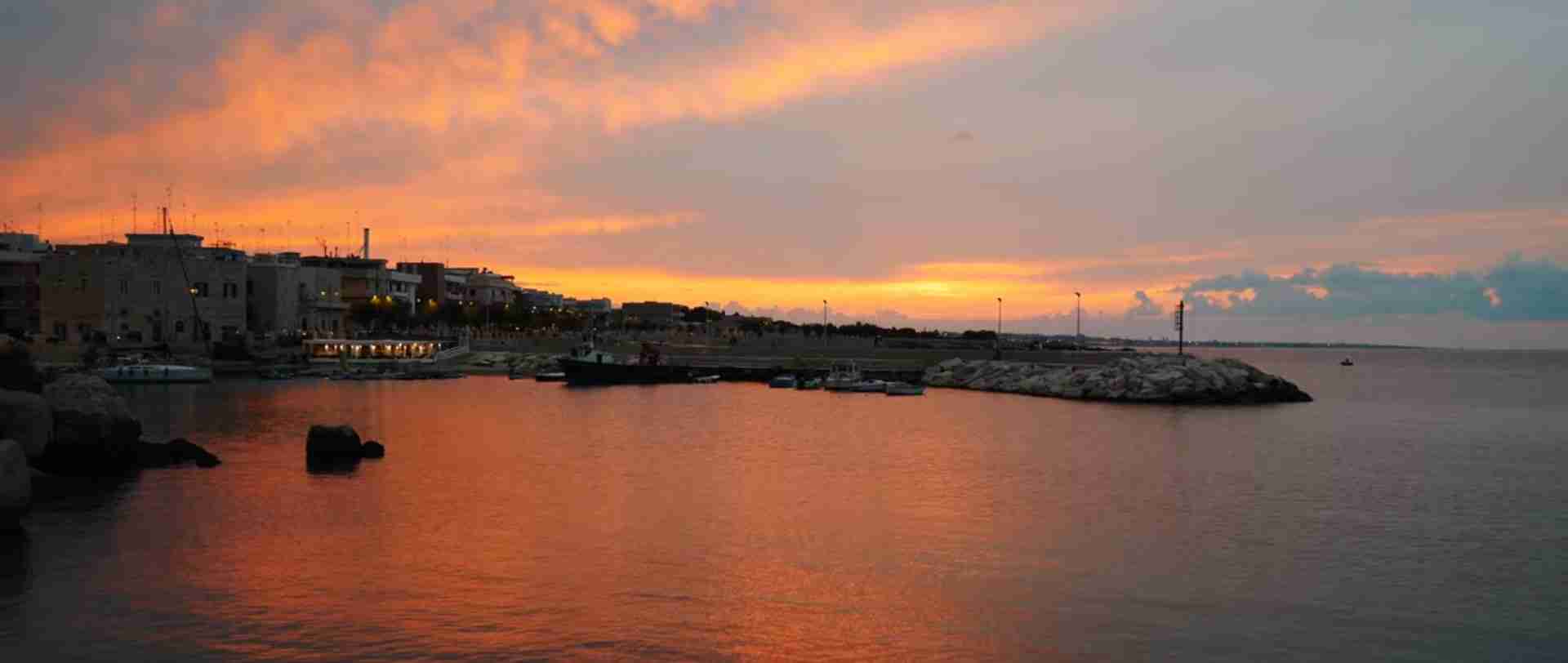
- Bari’s Adriatic light creates exceptional golden hour conditions from April through October, with the eastern orientation producing dramatic sunrise photography opportunities along the waterfront between 5:30-7:00 AM
- The medieval labyrinth of Bari Vecchia offers 40+ distinct photographic zones, from the monumental Basilica di San Nicola to intimate courtyard scenes where elderly residents create authentic street life moments throughout the day
- Successful Bari photography requires balancing iconic architectural shots (Romanesque basilicas, Norman castle) with hidden perspective discoveries in the 100+ narrow vicoli that reveal daily Puglian life, local craft traditions, and unexpected compositional opportunities
- Technical mastery demands understanding harsh Mediterranean midday light (avoid 11 AM-3 PM for most subjects), managing high contrast ratios in shadowed alleyways, and capturing the distinctive white limestone that reflects intense light requiring -0.7 to -1.0 EV exposure compensation
- The waterfront Lungomare provides versatile shooting locations spanning 5 kilometers, offering sunset silhouettes of fishing boats, long exposure opportunities with Adriatic wave patterns, and elevated perspectives from the city walls for comprehensive cityscape compositions
- Cultural sensitivity remains essential when photographing Bari’s living neighborhoods—residents appreciate respectful engagement, avoiding intrusive documentation during private moments, religious ceremonies, and family gatherings while embracing opportunities to capture the city’s vibrant social fabric
Introduction: Understanding Bari’s Photographic Appeal
Bari presents photographers with a compelling visual narrative where Adriatic coastal light, Romanesque architectural grandeur, and authentic southern Italian street life converge within a UNESCO World Heritage framework. The city’s photographic richness emerges from its dual character—the monumental heritage structures of Bari Vecchia contrasting with intimate neighborhood scenes where daily Puglian traditions unfold in narrow medieval alleyways. This guide explores comprehensive techniques for capturing both Bari’s iconic landmarks and the hidden perspectives that reveal the city’s authentic character, providing technical strategies for mastering the distinctive Mediterranean light conditions and compositional approaches that distinguish exceptional Bari photography from conventional tourist snapshots.
The photographic journey through Bari encompasses multiple distinct zones, each offering unique visual opportunities. The Basilica di San Nicola dominates the heritage landscape with its austere Romanesque facade and intricate interior spaces, while the adjacent network of vicoli creates an organic labyrinth where architectural fragments, street vendors, and residential life compose spontaneous visual stories. The Lungomare waterfront establishes dramatic coastal perspectives, the Castello Normanno-Svevo provides elevated vantage points for cityscape compositions, and the working port areas reveal contemporary maritime activity against medieval backdrop. Understanding how these diverse photographic territories interact with Bari’s distinctive light patterns—intense summer brilliance, gentle spring luminosity, dramatic winter storms—enables photographers to develop comprehensive visual documentation that transcends simple landmark recording.
Successful Bari photography demands technical preparation for challenging Mediterranean conditions. The city’s intense sunlight creates extreme contrast ratios between shadowed alleyways and sunlit piazzas, requiring careful exposure management and potentially graduated neutral density filters for balanced compositions. The predominant white and cream limestone architecture reflects substantial light, often necessitating exposure compensation to prevent blown highlights while preserving architectural detail. Wind conditions along the waterfront influence long exposure photography, requiring sturdy tripod support for seascape compositions. The narrow medieval streets restrict available light in many locations, demanding higher ISO capabilities or wide aperture lenses for handheld photography. These technical considerations, combined with cultural sensitivity when photographing residents and religious sites, establish the foundation for creating compelling imagery that respects Bari’s living heritage while achieving professional-quality results.
People Also Ask About Bari Photography
What makes Bari architecturally significant for photographers?
Bari’s architectural significance for photographers stems from its exceptional concentration of Romanesque religious structures, most notably the Basilica di San Nicola (constructed 1087-1197), which established the Apulian Romanesque style that influenced ecclesiastical architecture throughout southern Italy. The basilica’s austere stone facade features minimal ornamentation compared to northern Italian Romanesque examples, creating powerful geometric compositions through repetitive blind arcading, twin bell towers, and the distinctive three-portal entrance system. Photographers capture these elements through careful framing that emphasizes the building’s monumental proportions against the typically clear Adriatic sky, often employing wide-angle perspectives that convey the structure’s imposing presence while maintaining architectural accuracy.
The Cattedrale di San Sabino presents complementary photographic opportunities with its 12th-century origins and subsequent baroque modifications, creating visual tension between Romanesque structural purity and ornate later additions. The cathedral’s crypt preserves Byzantine-influenced decorative elements including intricate floor mosaics and carved capitals that reward macro photography approaches. The adjacent episcopal palace and archaeological excavations beneath the cathedral provide contextual elements for comprehensive architectural documentation. Successful photography of these religious structures requires understanding how raking light reveals stone texture and architectural relief, particularly during morning and late afternoon hours when angled sunlight creates dramatic shadows that accentuate carved details and structural elements.
Beyond religious architecture, Bari’s Castello Normanno-Svevo demonstrates successive architectural layers from Byzantine foundations through Norman reconstruction (12th century) and Swabian fortifications (13th century). The castle’s massive corner towers, defensive ramparts, and interior courtyard offer diverse compositional opportunities ranging from detail studies of Norman masonry techniques to wide-angle contextual shots incorporating surrounding urban fabric. The castle’s elevated position enables cityscape photography that positions Bari Vecchia’s dense medieval texture against the Adriatic backdrop. Photographing this structure effectively requires multiple visits to capture varying light conditions and seasonal atmospheric effects that transform the fortress appearance from austere military functionality to romantic historical monument.
What are the best times and locations for capturing Bari’s golden hour light?
Bari’s eastern coastal orientation creates distinctive golden hour conditions that differ substantially from western-facing Mediterranean cities. Sunrise photography along the Lungomare waterfront produces exceptional results from April through October, with first light appearing between 5:30-6:30 AM depending on season. The optimal shooting window spans approximately 45-60 minutes, during which warm light illuminates the city’s white limestone architecture while the Adriatic remains relatively calm, enabling reflection photography from the seawall. Photographers position themselves along the northern sections of the Lungomare to capture the Basilica di San Nicola and cathedral domes silhouetted against the rising sun, or move to southern positions near the port for fishing boat compositions with warm light painting vessel hulls and rigging.
Sunset conditions prove more complex due to Bari’s eastern orientation, with the city itself positioned opposite the setting sun. The optimal sunset strategy involves elevated positions within Bari Vecchia or atop the Castello Normanno-Svevo walls, shooting westward to capture the city bathed in warm late afternoon light against deepening blue sky. The hour preceding sunset (varying from 6:30 PM in winter to 8:30 PM in summer) creates ideal conditions as raking light emphasizes architectural texture throughout the medieval quarter while residents emerge for evening passeggiata, adding human elements to street compositions. The narrow vicoli running east-west channel golden hour light deep into the urban fabric, creating dramatic contrasts between illuminated building facades and shadowed opposite walls.
Seasonal variations significantly impact golden hour photography potential. Summer months (June-August) offer extended shooting windows with civil twilight lasting 30-40 minutes beyond sunset, enabling blue hour photography that captures illuminated building facades against deepening indigo sky. Spring and autumn provide more concentrated golden hour periods with clearer atmospheric conditions and less tourist presence, facilitating unobstructed architectural photography. Winter golden hours compress into shorter timeframes but offer dramatic storm light opportunities when weather systems moving across the Adriatic create spectacular cloudscapes and intensely saturated light conditions. Successful golden hour photography requires advance location scouting to identify specific vantage points, compositional elements, and optimal shooting directions for seasonal sun angles.
How do you photograph the narrow streets of Bari Vecchia effectively?
Photographing Bari Vecchia’s narrow streets demands technical adaptation to challenging light conditions and spatial constraints. The medieval vicoli range from 2-5 meters wide, with buildings rising 3-4 stories to create canyon-like environments where direct sunlight penetrates only during specific hours when sun angles align with street orientation. Successful photography requires understanding individual street light patterns—north-south oriented vicoli receive brief midday illumination, while east-west streets experience longer morning or afternoon light depending on precise alignment. Photographers scout locations during different times to identify optimal shooting windows when soft indirect light fills the narrow spaces or dramatic raking light creates strong compositional contrasts between illuminated and shadowed building facades.
Wide-angle lenses (16-35mm range on full-frame cameras) prove essential for capturing environmental context within confined spaces, enabling compositions that incorporate architectural details, street furniture, resident activity, and atmospheric depth within single frames. However, these focal lengths require careful compositional discipline to avoid excessive distortion of architectural elements. Photographers position themselves at street intersections where multiple vicoli converge, creating visual depth through layered architectural planes and organic street patterns. Elevated shooting positions from balconies or upper-story windows provide alternative perspectives that reveal the organic geometry of Bari Vecchia’s urban fabric, though obtaining appropriate access requires respectful negotiation with residents and property owners.
The high dynamic range between bright sky visible through street openings and shadowed building facades creates exposure challenges requiring careful metering and potentially multiple exposures for HDR processing. Spot metering on midtone architectural elements prevents underexposure of shadow details while avoiding blown highlights in bright sky areas. Many successful Bari Vecchia street photographers embrace high contrast as artistic element rather than technical limitation, creating dramatic chiaroscuro effects that emphasize the medieval atmosphere. Including human elements—residents conversing in doorways, children playing, artisans working, elderly women preparing vegetables—transforms architectural documentation into compelling street photography that captures authentic Puglian daily life while respecting privacy and avoiding exploitative approaches to local culture.
What cultural and religious photography etiquette should visitors observe in Bari?
Photography within Bari’s active religious sites requires adherence to specific protocols that respect ongoing worship and sacred space sanctity. The Basilica di San Nicola maintains the relics of Saint Nicholas, attracting continuous pilgrim visitation and regular religious services throughout the day. Photography is permitted during non-service hours, but flash photography, tripods, and disruptive behavior are prohibited. Photographers enter quietly, dress modestly (covering shoulders and knees), and avoid photographing individuals in prayer or religious devotion without explicit permission. The crypt containing Saint Nicholas’s tomb particularly demands respectful behavior, with many photographers choosing to observe rather than photograph this intensely sacred space where pilgrims maintain centuries-old devotional traditions.
The distinction between photographing architecture and photographing worshippers requires cultural sensitivity. Capturing architectural elements, artistic details, and spatial qualities of religious interiors respects the buildings’ heritage significance while avoiding intrusive documentation of personal religious experience. During major religious festivals including the Festa di San Nicola (May 7-9) and other celebrations, photography becomes more complex as ceremonial processions, special masses, and traditional observances attract both participants and spectators. Photographers position themselves as respectful observers rather than intrusive documentarians, avoiding blocking participant views, disrupting processional routes, or treating sacred ceremonies as mere visual spectacle. Local residents appreciate photographers who demonstrate genuine interest in religious and cultural traditions rather than extracting superficial images without contextual understanding.
Street photography throughout Bari Vecchia requires balancing documentary authenticity with personal privacy respect. The neighborhood functions as living residential area where families maintain multi-generational homes, daily routines, and private spaces within the public medieval fabric. Photographing building exteriors, architectural details, street scenes, and general environmental context poses no concerns, but photographing individuals requires cultural awareness. Elderly residents often appreciate friendly engagement before photography—a smile, greeting in Italian, or simple request “posso fare una foto?” establishes respectful interaction. Avoid photographing children without parental permission, private courtyard spaces visible through doorways, or intimate family moments. The local photography culture values genuine cultural exchange over voyeuristic documentation, with residents more welcoming to photographers who demonstrate authentic interest in Bari’s living traditions rather than treating the neighborhood as an exotic visual backdrop for social media content.
Extended multi-day tours – 5+ days
Featured Bari Multi-Day Tour Packages
7 days
7-Day Puglia & Matera Explorer (Age 21 To 41)
- ✓ Comprehensive Bari tour
- ✓ Expert local guides included
- ✓ All accommodation arranged
- ✓ Transportation provided

6 days
The Best of Apulia, Private Tour from Bari
- ✓ Booking needs min. 2 travelers
5 days
5-Day Puglia & Matera Small-Group Tour from Bari (Max 8)
- ✓ Comprehensive Bari tour
- ✓ Expert local guides included
- ✓ All accommodation arranged
- ✓ Transportation provided
5 days
Matera & Apulia Private 5 Day Tour
- ✓ Comprehensive Bari tour
- ✓ Expert local guides included
- ✓ All accommodation arranged
- ✓ Transportation provided
Multi-day tour packages powered by TourRadar. Prices and availability subject to change.
Essential Photography Equipment for Bari
The optimal camera equipment for Bari photography balances technical capability with practical portability for extended walking through medieval streets and waterfront areas. Full-frame mirrorless or DSLR cameras provide superior low-light performance essential for interior religious architecture photography and shadowed vicoli compositions, with contemporary sensors delivering clean images at ISO 3200-6400 enabling handheld photography in challenging lighting conditions. Cameras with robust dynamic range (14+ stops) facilitate exposure management when photographing high-contrast scenes common throughout Bari’s sun-drenched architecture against deep shadows. Weather sealing protects equipment during occasional rain showers and coastal spray along the Lungomare, though Bari’s Mediterranean climate generally provides favorable dry conditions for outdoor photography.
Lens selection determines compositional range and creative possibilities. A versatile 24-70mm f/2.8 zoom serves as foundational lens covering architectural wide-angle needs through portrait focal lengths for street photography, with fast f/2.8 aperture enabling handheld shooting in dimmer interior spaces. Wide-angle options (16-35mm or prime 20mm/24mm lenses) prove invaluable for capturing Bari’s grand religious interiors, expansive cityscape views from elevated positions, and environmental context within narrow streets. Telephoto capabilities (70-200mm) enable architectural detail photography, compressed perspective compositions that layer medieval buildings, and respectful candid street photography from non-intrusive distances. Prime lenses in the 35mm and 50mm range offer exceptional optical quality, compact dimensions, and wide apertures (f/1.4-f/1.8) ideal for low-light street photography and achieving shallow depth of field for isolating architectural details against softened backgrounds.
Support equipment enhances compositional control and technical quality. A lightweight travel tripod enables long exposure photography for waterfront seascapes, blue hour cityscape compositions, and interior architectural photography where camera shake would compromise sharpness at slower shutter speeds. Circular polarizing filters reduce reflections from limestone surfaces, deepen sky saturation, and manage glare from the Adriatic when photographing coastal scenes. Graduated neutral density filters balance exposure between bright Mediterranean sky and shadowed foreground elements in landscape-oriented compositions. Multiple batteries prove essential for extended shooting sessions, particularly in cold winter months when battery performance diminishes. High-capacity memory cards (64GB+) accommodate both RAW file storage for post-processing flexibility and redundancy through dual card slots for backup of critical imagery.
Practical accessories facilitate comfortable shooting throughout Bari’s diverse environments. A weather-resistant camera bag with customizable internal dividers protects equipment while providing comfortable carrying for extended walking sessions through the city. Lens cleaning supplies (microfiber cloths, air blower, cleaning solution) maintain optical quality in dusty urban environments and when sea spray contacts glass elements. A rain cover protects equipment during unexpected weather changes, though Bari’s climate proves generally cooperative for outdoor photography. Remote shutter release or cable release prevents camera shake during long exposure photography on tripod. A small LED light panel or reflector assists with interior photography in dimly lit religious spaces or when photographing architectural details in shadowed locations. Smartphone apps including sun position calculators (PhotoPills, The Photographer’s Ephemeris) and weather forecasting tools enable precise planning for optimal light conditions and compositional opportunities based on seasonal sun angles and predicted atmospheric conditions.
Mastering Bari’s Distinctive Light Conditions
Bari’s Mediterranean coastal location creates distinctive light characteristics that fundamentally shape photographic possibilities throughout the day and across seasons. The intense southern latitude sun produces powerful illumination with high color temperature during midday hours, creating extreme contrast between sunlit surfaces and deep shadows that challenges dynamic range capabilities. The predominant white and cream limestone architecture reflects substantial light, often appearing overexposed in uncorrected exposures and requiring negative exposure compensation (-0.7 to -1.0 EV) to preserve highlight detail and stone texture. This reflected light also produces strong fill illumination in shadowed areas beneath archways and within partially enclosed courtyards, reducing overall scene contrast compared to similar architectural settings constructed in darker stone materials.
Seasonal variations dramatically alter Bari’s photographic light palette. Summer months (June-August) deliver brilliant, harsh light with minimal atmospheric softening, creating challenging midday conditions that most photographers avoid in favor of morning, late afternoon, and extended twilight opportunities. The summer sun reaches high angles overhead, producing minimal architectural shadow relief that flattens three-dimensional building forms in overhead light. Conversely, winter months (December-February) offer lower sun angles throughout the day, creating longer shadow patterns that emphasize architectural texture and relief even during midday hours. Winter light demonstrates warmer color temperatures and greater atmospheric diffusion from increased humidity and occasional weather systems crossing the Adriatic, producing softer overall illumination ideal for architectural photography across extended daily shooting windows.
Spring (March-May) and autumn (September-November) represent optimal seasons for Bari photography, balancing comfortable ambient temperatures with favorable light quality. These transitional seasons offer moderate sun angles that create dimensional architectural relief without extreme contrast ratios, clearer atmospheric conditions than summer heat haze, and extended golden hour periods with saturated warm light and spectacular cloud formations. The Adriatic’s influence moderates temperature extremes and contributes distinctive atmospheric effects—sea mist during early morning hours creates ethereal softness ideal for romantic architectural interpretations, while crystal-clear post-storm conditions deliver exceptional sharpness and color saturation. Successful photographers monitor weather patterns, adapting shooting schedules to capitalize on dynamic atmospheric conditions rather than pursuing photography exclusively during conventionally “good” weather characterized by cloudless blue skies.
Understanding directional light behavior throughout Bari’s architectural environment enables strategic composition planning. East-facing building facades receive direct morning illumination, ideal for capturing fresh warm light on limestone surfaces while the sun remains at moderate angles (7:00-10:00 AM). West-facing structures experience optimal late afternoon light (4:00-7:00 PM depending on season) when warm tones saturate stone surfaces and raking angles reveal textural detail. North-facing facades maintain relatively consistent indirect light throughout the day, useful for shooting architectural details without dramatic shadow transitions or managing contrast in already-shadowed narrow streets. South-facing walls receive maximum sun exposure, often becoming overlit during midday hours but offering spectacular conditions during winter months when lower sun angles create beautiful side-lighting throughout extended periods. Strategic positioning relative to sun direction transforms ordinary architectural subjects into compelling compositions through thoughtful light quality management.
Photographing the Basilica di San Nicola
The Basilica di San Nicola stands as Bari’s most significant architectural monument and presents diverse photographic challenges requiring technical precision and compositional creativity. The exterior facade exhibits austere Romanesque character, with its massive limestone walls rising in three horizontal registers punctuated by blind arcading, three entrance portals, and flanking bell towers. Successful exterior photography requires careful timing to manage harsh Mediterranean sun—early morning light (7:00-9:00 AM) creates dimensional relief as raking angles emphasize carved details, stone coursing patterns, and the subtle variations in limestone coloration. Late afternoon light (5:00-7:00 PM) produces similar effects from the opposite angle, though photographers must manage tourist presence that peaks during these conventional golden hour periods.
Wide-angle perspectives capture the basilica’s monumental scale and urban context, positioning the structure against the surrounding Bari Vecchia medieval fabric and Mediterranean sky. Shooting from the Piazza San Nicola provides standard frontal perspectives, though more compelling compositions emerge from oblique angles that incorporate the surrounding urban environment—narrow streets channeling views toward the facade, adjacent buildings providing scale reference, or elevated positions revealing the basilica’s relationship to neighboring architecture. The twin bell towers create strong vertical elements for compositional structure, while the tripartite facade division suggests natural thirds-based framing strategies. Photographers avoid centering the building within frame in favor of dynamic off-center positioning that creates visual tension and enables incorporation of contextual environmental elements.
Interior photography within the basilica demands adaptation to low ambient light levels and restrictions on tripod usage and flash photography. The nave features Romanesque spatial proportions with relatively limited natural light entering through small clerestory windows and modest side openings, creating atmospheric dimness that enhances the sacred character but challenges photographic exposure. Modern cameras with high ISO capabilities (6400-12800) enable handheld shooting at practical shutter speeds (1/60-1/125 second), though photographers must manage noise in shadow areas during post-processing. The ciborium altar canopy, ornate episcopal throne (cattedra), and Byzantine-influenced decorative elements reward careful compositional framing that isolates these artistic features against simplified backgrounds, using selective focus to emphasize intricate carved details while allowing peripheral elements to soften into atmospheric context.
The crypt containing Saint Nicholas’s relics presents unique photographic and ethical considerations. This sacred underground space maintains active pilgrimage significance, with devotees continuously visiting to pray before the saint’s tomb. Photography is permitted with appropriate reverent behavior, but the intense sacred atmosphere and ongoing worship demand respectful discretion. Photographers capture the crypt’s architectural qualities—forest of ancient columns supporting the vaulted ceiling, medieval frescoes, and the silver altar protecting the relics—while carefully avoiding intrusive documentation of individual pilgrims’ private devotional moments. The crypt’s extremely low light levels require maximum ISO settings and wide apertures, producing images with pronounced grain and shallow depth of field that can enhance the spiritual atmosphere when embraced as aesthetic qualities rather than technical limitations. Many thoughtful photographers ultimately choose to experience the crypt primarily as sacred space rather than photographic subject, capturing a few respectful architectural compositions while prioritizing the location’s religious significance over comprehensive visual documentation.
Capturing Bari Vecchia’s Medieval Character
Bari Vecchia’s medieval quarter presents photographers with an organic labyrinth of approximately 40 hectares containing over 100 narrow streets (vicoli), creating infinite compositional opportunities that reveal the neighborhood’s authentic character. The district’s irregular medieval street pattern defies conventional urban photography approaches based on geometric order and predictable sight lines, instead rewarding exploratory wandering that discovers unexpected visual juxtapositions, spontaneous human moments, and architectural fragments that compose authentic southern Italian narrative. Successful photography emerges from repeated visits that build familiarity with the quarter’s rhythms—morning market activity in Piazza del Ferrarese, midday quiet when residents retreat indoors during summer heat, late afternoon passeggiata when neighbors socialize in doorways and courtyards, evening vitality as restaurants prepare for service.
The architectural fabric combines medieval foundations with baroque modifications and contemporary adaptations, creating visual complexity that rewards detailed observation. Photographers capture this layered history through careful framing that incorporates architectural fragments—medieval stone doorways with baroque wooden doors, ancient column fragments repurposed as building elements, Renaissance windows inserted into medieval walls, contemporary satellite dishes and air conditioning units juxtaposed against centuries-old structures. These anachronistic elements compose honest documentation of living heritage rather than idealized historical reconstruction, acknowledging Bari Vecchia’s continued evolution as functioning residential neighborhood rather than preserved museum district. Wide environmental shots establish urban context, while detail compositions isolate specific architectural elements, decorative features, or human-scale objects that reveal character through accumulated small observations.
Street life photography throughout Bari Vecchia captures authentic Puglian daily culture through respectful documentation of public space activities. Elderly women preparing vegetables in doorways represent timeless domestic scenes unchanged across generations, though photographers must recognize these as personal rather than performative moments, approaching documentation with cultural sensitivity. Street vendors selling fresh produce, seafood, and prepared foods create colorful compositional opportunities during morning market hours. Artisan workshops where skilled craftspeople maintain traditional trades—pasta makers, basket weavers, ceramic artists—offer glimpses into disappearing knowledge traditions. Children playing in the car-free medieval streets, teenagers socializing in piazzas, and elderly men conversing on benches compose the neighborhood’s continuous social fabric. Successful street photography balances documentary authenticity with privacy respect, capturing environmental truth while avoiding exploitative or voyeuristic approaches to local residents’ daily lives.
The distinctive residential courtyards (corti) scattered throughout Bari Vecchia provide intimate architectural subjects visible through archways and partially open doors. These semi-private communal spaces feature shared wells, potted plants, laundry lines, and informal seating areas where residents gather, representing the neighborhood’s traditional social organization. Photographing courtyards requires sensitivity to private space boundaries—shooting from public streets through doorways respects privacy while capturing architectural character, whereas entering courtyards without permission violates resident space. Many courtyard owners welcome respectful photographers who engage personally and explain their interest, potentially granting access for architectural documentation. The dappled light filtering through overhead vines, weathered stone walls, and accumulated domestic objects create compelling compositional elements that reveal the neighborhood’s authentic lived character beyond the monumental heritage structures that dominate conventional Bari photography.
Waterfront and Coastal Photography Along the Lungomare
Bari’s Lungomare waterfront promenade extends approximately 5 kilometers along the Adriatic coast, providing diverse photographic opportunities that range from maritime activity documentation to long exposure seascape compositions and coastal cityscape perspectives. The northern sections near the Porto Vecchio (old port) feature traditional fishing boats, maritime infrastructure, and working port activity that creates authentic connection to Bari’s centuries-long relationship with Adriatic trade and fishing industries. Photographers capture colorful fishing vessels moored in the harbor, weather-worn equipment and nets creating textural elements, and fishermen maintaining their boats or preparing for departure. Early morning hours (5:30-7:30 AM) offer optimal conditions when fishing boats return with catches and soft golden light illuminates maritime scenes with warm saturation.
The central Lungomare sections feature the modernized waterfront promenade with pedestrian walkways, cycling paths, and recreational areas popular among Bari residents during evening hours. This zone provides elevated perspectives looking back toward the city, with Bari Vecchia’s dense medieval texture, cathedral domes, and the Basilica di San Nicola bell towers creating distinctive skyline compositions against Mediterranean sky. Sunset photography positions the city bathed in warm late afternoon light, while blue hour conditions enable illuminated building photography against deepening twilight. Long exposure techniques (30-120 seconds) using neutral density filters transform pedestrian and vehicle movement along the waterfront into ethereal motion blur while maintaining sharpness in architectural elements, creating dynamic urban landscape compositions that balance static heritage structures with contemporary urban vitality.
Seascape photography along the Lungomare capitalizes on the Adriatic’s distinctive color palette—brilliant turquoise in shallow areas shifting to deep blue in offshore zones, punctuated by white-capped waves during breezy conditions. The limestone seawall provides solid positioning for long exposure photography using neutral density filters to create smooth, milky water effects that contrast with sharp architectural elements and rocky coastal features. Wave photography requires faster shutter speeds (1/500-1/1000 second) to freeze spray patterns and water dynamics, particularly compelling during winter storms when dramatic weather systems cross the Adriatic generating spectacular wave action and atmospheric conditions. Circular polarizing filters enhance color saturation in the water, reduce surface reflections, and deepen sky tones, though care must be taken to avoid over-polarization that creates unnaturally dark skies in the Mediterranean’s brilliant light conditions.
Sunrise photography along the Lungomare delivers Bari’s most spectacular light conditions, with the eastern coastal orientation positioning photographers to capture the sun emerging directly from the Adriatic. The shooting window spans approximately 30 minutes before to 45 minutes after sunrise, during which warm light progressively illuminates the waterfront while the sea maintains relative calm before daily breezes develop. Silhouette compositions position fishing boats, seawall structures, or urban architecture against the brilliant sunrise colors, while reflected light creates shimmering patterns on calm water surfaces. Cloud conditions dramatically impact sunrise quality—scattered clouds create spectacular color displays as they catch and reflect warm light, while clear conditions produce more subtle gradual illumination. Successful sunrise photography requires advance scouting to identify specific compositional elements, weather monitoring to anticipate optimal conditions, and commitment to pre-dawn arrival ensuring preparation before light quality peaks.
Architectural Detail and Close-up Photography
Bari’s architectural heritage rewards detailed photographic study that moves beyond establishing wide shots to examine the intricate craftsmanship, decorative elements, and construction techniques that define the city’s built environment. Romanesque carved capitals atop columns in the Basilica di San Nicola and Cattedrale di San Sabino feature complex zoomorphic and vegetative motifs that demonstrate medieval stoneworking mastery, with individual capitals displaying unique compositions rather than repetitive standardized designs. Macro photography using 90mm-105mm focal length lenses enables isolation of these intricate carvings, capturing the three-dimensional relief, weathering patterns, and artistic sophistication while compressing perspective to emphasize sculptural qualities against simplified backgrounds.
Medieval doorways throughout Bari Vecchia exhibit diverse architectural styles and construction periods, with Romanesque stone portals, gothic arched entrances, and baroque decorated frames coexisting within the compressed urban fabric. Detail photography captures these transitions through careful framing that includes sufficient architectural context to communicate style while emphasizing distinctive features—carved stone lintels, decorative keystones, ornate ironwork, and weathered wooden doors. The interplay between hard stone materials and softer wooden elements, between medieval structural forms and later decorative additions, composes visual narrative about the neighborhood’s continuous architectural evolution. Photographers position themselves to manage shadow transitions between recessed doorways and sunlit surrounding walls, using exposure compensation or fill light to preserve detail throughout tonal range while maintaining naturalistic lighting character.
Window compositions reveal both architectural diversity and residential life throughout Bari’s historic neighborhoods. Medieval window openings with simple stone surrounds contrast against elaborate baroque frames with carved ornamentation and decorative pediments. Contemporary additions—window boxes with flowering plants, laundry hung to dry, religious icons displayed in windows, residents visible through open shutters—transform architectural documentation into environmental portraiture that captures the neighborhood’s living character. Photographers balance aesthetic composition with privacy respect, avoiding intrusive documentation of private interior spaces while capturing the visual elements that communicate authentic residential atmosphere. The play of light through window openings creates strong compositional elements—shafts of sunlight penetrating darkened interiors, reflected light bouncing from interior walls, or silhouetted figures visible against bright backgrounds.
Textural studies focusing on weathered surfaces, aged materials, and accumulated patina provide abstract compositional opportunities that emphasize Bari’s material character. Limestone walls display subtle color variations, weathering patterns, and surface textures that reward close observation and careful photographic rendering. Peeling paint reveals layers of previous colors and surface treatments, composing unintentional abstract compositions that document time’s passage. Cobblestone streets demonstrate wear patterns from centuries of foot traffic, creating geometric patterns and reflective surfaces when wet. Ironwork elements—decorative grilles, door hardware, balcony railings—exhibit oxidation, wear, and craftsmanship details visible only through attentive observation. These detail studies complement monumental architectural photography by revealing the accumulation of small elements that collectively compose Bari’s authentic heritage character beyond the iconic landmarks featured in conventional tourism photography.
Seasonal Photography Opportunities and Considerations
Spring photography in Bari (March-May) offers exceptional conditions combining favorable weather, manageable tourist levels, and vibrant atmospheric qualities. The moderate temperatures encourage comfortable extended shooting sessions without summer’s oppressive heat, while spring vegetation adds green accents to the predominantly stone urban environment—flowering trees in parks and gardens, potted plants decorating residential balconies and courtyards, and seasonal produce at markets creating colorful compositional elements. Light quality during spring months balances clarity with occasional atmospheric softening from passing weather systems, producing varied photographic conditions that range from brilliant blue-sky days ideal for saturated color photography to overcast periods creating soft, even illumination perfect for architectural detail work and street photography without harsh shadows.
Spring cultural events provide documentary photography opportunities capturing Bari’s religious and social traditions. The Festa di San Nicola (May 7-9) represents the city’s most significant annual celebration, featuring religious processions, maritime ceremonies, and traditional observances that honor the saint whose relics reside in the basilica. Photographers document the ceremonial boat procession carrying a statue of Saint Nicholas through the port, elaborately decorated religious imagery, participants in traditional costume, and crowds of local residents maintaining centuries-old devotional practices. Easter celebrations include special masses, processions, and traditional foods that compose cultural documentation opportunities. These events demand respectful photographic approaches that prioritize ceremony significance over intrusive image capture, positioning oneself as observant participant rather than detached documentarian.
Summer photography (June-August) confronts challenging light conditions but rewards early morning and late evening dedication. The intense Mediterranean sun creates harsh midday conditions (11 AM-4 PM) that most serious photographers avoid, instead concentrating efforts during extended golden hours and blue hours when warm light saturates architecture and cooler twilight conditions enable long exposure urban landscape photography. Summer brings peak tourist presence that complicates architectural photography requiring unobstructed building views, though crowds themselves compose authentic documentation of the city’s contemporary tourism reality. The season’s extended daylight hours (sunrise around 5:30 AM, sunset approaching 9:00 PM) provide prolonged shooting opportunities, though the intense heat encourages midday breaks in air-conditioned cafes while reviewing morning captures and planning evening sessions.
Autumn (September-November) rivals spring as an optimal photography season, offering clear atmospheric conditions following summer’s heat haze, comfortable shooting temperatures, and spectacular light quality as lower sun angles create dimensional architectural relief throughout extended daily periods. Post-storm conditions deliver crystal-clear air that enhances sharpness and color saturation, while dramatic cloud formations provide dynamic sky elements that elevate compositions beyond conventional blue-sky backgrounds. Autumn’s harvest season brings seasonal foods to markets—grapes, olives, mushrooms, chestnuts—creating cultural documentation opportunities that connect to Puglia’s agricultural traditions. The decreasing tourist presence enables more contemplative architectural photography without crowd management complications, while autumn festivals and events provide cultural subjects beyond purely architectural documentation.
Winter photography (December-February) presents unique opportunities that contradict conventional assumptions about Mediterranean destinations. Lower sun angles create beautiful raking light throughout the day, with even midday hours offering dimensional architectural relief rather than flat overhead illumination. Winter storms crossing the Adriatic generate spectacular atmospheric conditions—dramatic cloudscapes, intense light during storm breaks, and powerful wave action along the waterfront that rewards seascape photography. The cooler temperatures encourage Bari residents to linger in sunny piazzas and sheltered courtyards, creating different patterns of social activity than summer’s heat-driven indoor retreat. Winter’s minimal tourist presence enables architectural photography without crowd complications, though some attractions may maintain reduced operating hours. The season’s occasional rain showers transform the city’s appearance—wet cobblestones create reflections, limestone surfaces develop rich saturation, and atmospheric softness produces moody environmental conditions distinct from summer’s brilliant clarity.
Night Photography and Blue Hour Compositions
Night photography in Bari capitalizes on the atmospheric transformation that occurs as natural light fades and artificial illumination defines the urban environment. Blue hour—the period approximately 20-40 minutes after sunset when residual daylight creates deep blue sky while artificial lights become visible—offers optimal conditions for architectural photography that balances ambient twilight with building illumination. The Basilica di San Nicola and Cattedrale di San Sabino receive architectural lighting that emphasizes their monumental forms against the darkening sky, creating dramatic compositions unavailable during daylight hours. Photographers position tripods to capture these illuminated structures with sufficient exposure time (4-20 seconds) to balance sky tonality with building lights while maintaining detail throughout the composition.
The Lungomare waterfront provides extensive night photography opportunities combining illuminated promenade infrastructure, city lights reflected on the Adriatic surface, and passing maritime traffic creating light trails through long exposure. The seawall’s elevated position enables compositions that incorporate foreground architectural elements—decorative railings, lampposts, seating areas—against the illuminated cityscape and dark sea beyond. Long exposures (30-120 seconds using neutral density filters if necessary) transform wave movement into smooth ethereal textures while vehicle traffic along the coastal road creates dynamic light trail patterns. The challenge involves managing the extreme contrast between brightly lit walkway areas and the dark sea, often requiring graduated neutral density filters or exposure blending techniques in post-processing to maintain detail throughout the tonal range.
Bari Vecchia’s narrow streets create intimate night photography scenarios distinct from the monumental night architecture compositions. Limited street lighting produces pools of warm illumination punctuated by deep shadows, creating dramatic chiaroscuro effects in the medieval alleys. Residents gathering in doorways, restaurants with outdoor seating, and small shops illuminated from within compose human-scale night scenes that capture the neighborhood’s authentic nocturnal character. The technical challenges include managing extreme contrast ratios between bright shop windows or restaurant interiors and surrounding darkness, requiring careful exposure decisions about highlight and shadow priority. High ISO capabilities (6400-12800) enable handheld night street photography capturing spontaneous moments, though tripod-based longer exposures produce cleaner image quality when documenting static architectural subjects.
The Castello Normanno-Svevo receives dramatic illumination during evening hours, with architectural lighting emphasizing the massive stone walls and corner towers against the night sky. The castle’s elevated position enables night cityscape photography looking across Bari Vecchia toward the illuminated religious structures and beyond to the Adriatic coast. These elevated perspectives require sturdy tripod support for multi-second exposures and careful composition balancing illuminated architectural elements with dark sky areas. The surrounding moat and walls create foreground compositional elements that add depth to night cityscape compositions, while strategic positioning can incorporate both the castle’s illuminated fortifications and the city’s heritage core within unified frames. Night photography at the castle requires awareness of security protocols and access restrictions, with public areas along the exterior walls providing viable shooting positions even when interior access remains limited during evening hours.
Post-Processing Strategies for Bari Photography
Post-processing workflow for Bari photography begins with comprehensive RAW file organization and initial culling to identify strongest compositions worthy of detailed editing attention. The city’s distinctive white and cream limestone architecture demands careful highlight management to preserve textural detail that easily disappears in overexposed areas, requiring exposure adjustments that typically involve reducing highlights (-30 to -60 in Lightroom-style editors) while carefully recovering shadow detail without introducing excessive noise. The extreme contrast between bright limestone surfaces and deep shadows in narrow streets often benefits from localized adjustments using gradient filters or radial adjustments to balance exposure across the compositional field without creating obviously manipulated appearance.
Color correction addresses the blue cast that Mediterranean coastal light often introduces to limestone surfaces, particularly during midday hours under clear skies. Adjusting white balance toward warmer temperatures (5800-6200K range) restores the cream and ochre tones inherent in Bari’s stone architecture while avoiding excessive warmth that creates unrealistic golden casts. Selective color adjustments targeting specific hue ranges enable fine-tuning of architectural color rendering—reducing blue luminance can deepen Mediterranean skies without affecting limestone surfaces, while adjusting orange and yellow saturation impacts stone color vibrancy. The polarizing filter effects applied during capture may require post-processing compensation if sky tones appear unnaturally dark or color saturation becomes excessive, maintaining naturalistic appearance that respects the scene’s authentic atmospheric character.
Sharpening and clarity adjustments emphasize architectural detail and stone texture without creating artificial over-processed appearance. Moderate clarity increases (+20 to +40) enhance midtone contrast that reveals architectural relief and surface texture, particularly effective for limestone detail and weathered building surfaces. Sharpening applied during RAW processing focuses on architectural edges and fine details, with amount and radius calibrated to sensor resolution and final output size. Noise reduction becomes necessary for higher ISO interior photography and night work, balancing luminance noise suppression against detail preservation—modern noise reduction algorithms effectively manage grain while maintaining sharpness in architectural elements, though excessive application creates plasticky artificial appearance that eliminates desirable film-like quality some photographers prefer retaining in heritage photography.
Perspective correction addresses the convergence of vertical lines that results from tilting the camera upward when photographing tall buildings from ground level. Software tools including Lightroom’s transform adjustments or specialized perspective correction applications straighten architectural verticals to match how human vision perceives buildings as having parallel vertical edges. While moderate perspective correction maintains architectural accuracy, excessive correction can create unnatural appearance or crop away significant compositional elements, requiring judgment about balancing technical accuracy with artistic vision. Some architectural situations benefit from embracing convergence as dynamic compositional element rather than technical flaw, particularly when dramatic upward angles emphasize monumental scale or create energetic visual tension. Final output preparation includes sharpening for specific display medium (web, print), color space conversion appropriate to output destination (sRGB for web, Adobe RGB or ProPhoto RGB for fine art printing), and resolution adjustment matching intended use.
Creating Cohesive Photo Stories and Series
Developing cohesive photographic narratives about Bari requires strategic planning that moves beyond random landmark collection toward intentional storytelling through curated image sequences. A successful Bari photo story might trace the city’s relationship with the Adriatic across time—ancient maritime trade through contemporary fishing activity—combining historical architectural elements with documentary photographs of working port scenes and environmental seascape compositions. Another narrative approach explores the contrast between monumental religious architecture and intimate residential life, sequencing grand interior photography of the Basilica di San Nicola with street-level observations of daily neighborhood routines in surrounding vicoli. These thematic frameworks provide organizational structure that transforms disparate images into coherent visual narrative with beginning, development, and conclusion.
Series photography focusing on specific subjects or themes builds comprehensive documentation that reveals nuanced understanding beyond superficial observation. A door series throughout Bari Vecchia captures architectural evolution through dozens of examples spanning medieval simple openings through baroque decorated portals, arranged to demonstrate historical progression or geographic distribution patterns. A window series examines this ubiquitous architectural element across variation in style, period, material, and decoration while incorporating glimpses of interior life and exterior ornamentation. A light study series documents how specific locations transform across the daily cycle from pre-dawn darkness through golden hours to twilight and night, revealing the temporal dimension that single-moment photography cannot communicate. These focused approaches demonstrate sustained observation and analytical thinking that elevates photography beyond casual documentation.
Seasonal comparison series document how specific locations transform across the annual cycle, returning to identical viewpoints during different seasons to capture variations in light quality, vegetation, atmospheric conditions, and human activity patterns. A year-long project photographing the Lungomare waterfront from a consistent viewpoint reveals summer’s brilliant azure seas and crowded promenades, autumn’s dramatic storm conditions, winter’s solitary atmosphere and moody gray Adriatic, and spring’s fresh green emergence and moderate crowds. This long-term commitment demonstrates dedication to place-based understanding that transcends typical tourism photography’s surface-level engagement. The series format also enables exploration of photographic variables—maintaining consistent framing while experiencing variations in light, weather, and seasonal elements—that teaches valuable lessons about how environmental conditions impact photographic results.
Personal projects might explore contemporary Bari beyond its historical heritage focus, documenting the modern city’s commercial districts, suburban development, contemporary architecture, or specific communities and subcultures. A project on Bari’s markets examines the daily ritual of fresh food commerce—fish vendors in the morning, vegetable sellers, cheese mongers, the social interactions between vendors and regular customers, and the sensory abundance of Mediterranean ingredients. Another project might document particular artisan trades maintaining traditional crafts—pasta makers, olive wood carvers, ceramic artists—preserving visual records of disappearing knowledge traditions. These personal projects benefit from sustained engagement over extended periods rather than brief visits, developing relationships with subjects that enable deeper access and more authentic documentation than superficial stranger photography permits. The resulting work contributes original visual perspectives on Bari that complement but don’t duplicate the extensive existing photography focusing on monumental heritage architecture.
Conservation and Ethical Photography Practices
Responsible photography in Bari’s UNESCO World Heritage context requires awareness of conservation principles and ethical obligations toward both the built environment and local communities. Physical interaction with heritage structures must minimize impact—avoiding climbing on monuments, touching fragile decorative elements, or placing equipment against delicate surfaces that might cause abrasion or damage. The Basilica di San Nicola’s carved capitals, medieval frescoes, and ornamental elements demonstrate age-related fragility requiring careful distance maintenance during detail photography rather than direct contact for stabilization or cleaning to improve photographic results. Tripod usage in interior spaces requires attention to floor surfaces, avoiding dragging equipment that might scratch historic pavement or positioning legs against wall bases in ways that could cause damage through pressure or vibration.
Drone photography has become increasingly popular for aerial perspectives but faces strict regulations in Bari’s historic center due to safety concerns, privacy considerations, and the protected status of heritage areas. Operating drones near religious structures, over residential neighborhoods, or within the old city generally requires specific permissions from municipal authorities and must comply with Italian aviation regulations governing unmanned aircraft in urban environments. Many compelling aerial perspectives can be achieved through elevated ground-based positions—the Castello Normanno-Svevo walls, building rooftops (with permission), or natural elevated terrain—that provide high vantage points without the regulatory complications, safety risks, or privacy invasions associated with drone operations over inhabited areas.
Digital ethics encompass honest representation in post-processing and accurate captioning in published work. While technical adjustments to optimize exposure, color, and sharpness represent standard photographic practice, substantial manipulation that alters scene reality—removing significant architectural elements, adding sky replacements that misrepresent actual atmospheric conditions, or compositing multiple exposures to create scenes that never existed—compromises documentary integrity. Photographers working in heritage contexts have responsibility to represent sites accurately, avoiding misleading processing that creates false impressions about historical structures, their condition, or their contexts. Caption accuracy ensures that published photographs include correct location identification, architectural attribution, and temporal information that enables viewers to understand what they’re seeing and when it was photographed.
Community engagement transforms photographers from extractive visitors into respectful participants in Bari’s ongoing cultural life. This involves patronizing local businesses rather than treating the city purely as photographic backdrop, learning basic Italian phrases to facilitate genuine interaction, respecting privacy and personal space when photographing residents, obtaining permission for portraits or private property photography, and sharing final work with subjects when appropriate. Photographers might contribute to local cultural documentation by donating select images to community archives, collaborating with local heritage organizations on documentation projects, or creating work that serves community interests beyond personal portfolio development. This engaged approach recognizes that Bari’s heritage value resides not only in medieval stones but in the living community that maintains, inhabits, and gives meaning to the historic urban fabric, deserving respect as active participants rather than passive subjects in the photographic encounter.
Building a Distinctive Bari Photography Portfolio
Developing a distinctive Bari photography portfolio requires moving beyond reproduction of widely circulated iconic images toward personal visual interpretation rooted in sustained observation and creative exploration. While photographing Bari’s major monuments represents an important foundation, portfolio differentiation emerges through discovering unique perspectives on familiar subjects—unconventional viewpoints that reveal fresh compositional possibilities, unusual atmospheric conditions that transform well-known locations, or integration of contextual elements that create new narrative relationships. The Basilica di San Nicola photographed during a dramatic thunderstorm, from an adjacent rooftop at dawn, or through the frame of medieval archways creates visual interest beyond standard frontal elevation documentation. This creative approach demands flexibility to exploit unexpected opportunities and willingness to revisit locations multiple times under varying conditions rather than accepting first-attempt results.
Balancing iconic landmarks with hidden discoveries creates portfolio depth that demonstrates both comprehensive destination knowledge and photographic exploration instinct. For every image of the Basilica di San Nicola or Castello Normanno-Svevo, the portfolio might include intimate courtyard scenes, architectural detail studies, or candid street photography capturing authentic Puglian culture. This balance signals photographic maturity—understanding what subjects audiences expect while providing fresh content that expands beyond predictable tourism photography. Hidden stairways descending through the medieval quarter, vendor interactions at the fish market, elderly residents conversing in afternoon sun, or abstract compositions of weathered architectural textures compose the portfolio’s character images that distinguish personal vision from generic destination coverage.
Consistent aesthetic approach across portfolio creates visual coherence that strengthens overall impact beyond individual image quality. This might involve black and white conversion emphasizing tonal relationships and architectural form without color distraction, muted earth-tone color palettes that emphasize Bari’s limestone architecture and Mediterranean light, or high-key approaches that celebrate the city’s bright reflective surfaces. Alternatively, photographers might embrace Bari’s intense color contrasts—brilliant blue Adriatic against cream limestone, vibrant market produce against weathered stone walls, sunset’s warm light saturating medieval buildings. The consistency demonstrates intentional artistic vision rather than haphazard technical execution, though within the chosen aesthetic framework, images should demonstrate range spanning grand architectural compositions, intimate human moments, and abstract detail studies.
Portfolio sequencing controls narrative flow and viewer experience, thoughtfully ordering images to create visual rhythm, thematic development, and emotional progression. An opening sequence might establish geographic and cultural context through wide environmental shots before moving to intimate close-up observations, or begin with pre-dawn atmospheric images building toward brilliant midday architectural compositions and concluding with contemplative twilight scenes. Pacing varies image scale, subject matter, and compositional complexity to maintain viewer engagement—following a complex multi-layered street scene with a simple architectural detail provides visual rest before building again toward more demanding compositions. The portfolio’s conclusion should provide satisfying closure rather than simply ending—perhaps returning to a location featured earlier under different conditions, or presenting a contemplative image that invites reflection on the visual journey just completed. This thoughtful sequencing transforms a collection of individual images into cohesive photographic statement about Bari’s character and significance.
FAQ: Bari Photography Guide
What is the best focal length for Bari architecture photography?
A versatile 24-70mm zoom serves as the optimal foundation for Bari architecture photography, covering wide-angle needs for monumental structures and interior spaces (24-35mm range) through moderate telephoto for detail work and compressed perspective compositions (50-70mm). The 24mm end captures the Basilica di San Nicola facade with sufficient context showing surrounding urban fabric, while the 70mm enables isolated detail photography of carved capitals, decorative elements, and architectural fragments. For comprehensive coverage, supplement the standard zoom with a dedicated wide-angle prime (20mm or 24mm f/1.4-f/1.8) for superior optical quality in important interior architecture photography and a moderate telephoto (85-135mm) for compressed cityscape compositions that layer medieval buildings across depth. The narrow streets of Bari Vecchia favor wider focal lengths (16-35mm) that provide adequate field of view within confined spaces, though these require careful management of edge distortion when photographing buildings. Ultimately, successful Bari photography depends less on specific focal lengths than on understanding how different perspectives render architectural subjects and developing vision that exploits each lens’s distinctive characteristics.
Do I need special permits to photograph inside Bari’s churches?
The Basilica di San Nicola and Cattedrale di San Sabino permit photography for personal use without formal permits, though several important restrictions apply. Flash photography, tripods, and video recording remain prohibited during all hours to protect fragile interior elements and avoid disrupting worship or tourist experience. Visitors must maintain respectful behavior including modest dress (shoulders and knees covered), quiet movement, and avoidance of photography during active religious services when masses, ceremonies, or special observances take priority over tourism. Commercial photography requiring formal permits involves contacting the diocese administrative offices well in advance and likely incurs fees with specific usage restrictions. Interior photography benefits from high ISO capabilities (3200-6400) enabling handheld shooting at practical shutter speeds given the limited natural light in these Romanesque spaces. The crypt containing Saint Nicholas’s relics particularly demands reverent discretion, with many photographers choosing to minimize photography in this intensely sacred space where continuous pilgrimage activity creates private devotional moments deserving respect. When uncertain about specific photography permissions in religious contexts, visitors should inquire with church staff before beginning photography rather than assuming permission and potentially causing offense or disruption.
What is the best season for photographing Bari?
Spring (April-May) and autumn (September-October) offer optimal conditions for Bari photography, balancing favorable weather, manageable crowds, excellent light quality, and comfortable shooting temperatures. These shoulder seasons provide moderate sun angles creating dimensional architectural relief throughout extended daily periods without summer’s extreme overhead light or winter’s limited daylight hours. Atmospheric clarity improves compared to summer’s heat haze while occasional weather systems generate spectacular cloud formations and dramatic post-storm light conditions unavailable during summer’s stable high pressure dominance. Tourist presence decreases substantially outside peak summer months, facilitating architectural photography requiring unobstructed building views and enabling more authentic street photography capturing local daily life without overwhelming visitor crowds. Cultural events including the Festa di San Nicola (early May) add documentary opportunities during the spring season. However, each season offers distinctive photographic possibilities—summer’s extended golden hours and blue hours, winter’s dramatic storm light and low sun angles, spring’s fresh vegetation and cultural festivals, autumn’s crystal-clear post-storm conditions. Dedicated photographers might plan multiple visits across different seasons to document how Bari’s character transforms with seasonal variations in light, weather, vegetation, and human activity patterns.
Where can I find the best sunrise photography locations in Bari?
The Lungomare waterfront provides Bari’s premier sunrise photography locations given the city’s eastern Adriatic coastal orientation. Position along the northern sections near Porto Vecchio to capture fishing boats silhouetted against the rising sun with the Basilica di San Nicola and cathedral domes visible in compositions, or move to southern waterfront areas for maritime industry elements including commercial port activity and vessel traffic. The seawall offers stable elevated positioning for long exposure photography capturing calm pre-sunrise water reflections and the progressive illumination as warm light spreads across the cityscape. Sunrise timing varies seasonally from approximately 5:30 AM in summer to 7:00 AM in winter, with optimal shooting windows beginning 20-30 minutes before sunrise and extending 45-60 minutes after, during which warm golden light saturates the city’s white limestone architecture. Interior Bari Vecchia locations prove less effective for direct sunrise photography due to building obstruction, though the narrow east-west oriented vicoli occasionally channel dramatic first light deep into the medieval quarter creating atmospheric street scenes. The Castello Normanno-Svevo’s elevated walls potentially offer sunrise cityscape perspectives looking east across Bari Vecchia toward the Adriatic, though verify public access during early morning hours before planning shoots dependent on castle positioning. Successful sunrise photography demands advance location scouting, weather monitoring to identify clear conditions, and commitment to pre-dawn arrival ensuring complete preparation before light quality peaks.
How do I photograph Bari Vecchia’s narrow streets with limited light?
Photographing Bari Vecchia’s narrow medieval streets requires technical adaptation to challenging light conditions where tall buildings create canyon-like environments with limited natural illumination. Modern cameras with strong high ISO performance (clean images at 3200-6400) enable handheld shooting at practical shutter speeds (1/60-1/125 second) even in dimmer alleyways, though noise reduction during post-processing becomes necessary to maintain professional image quality. Wide aperture lenses (f/1.4-f/2.8) gather maximum available light while creating shallow depth of field that can artistically isolate subjects against softened backgrounds in environmental portraits or detail compositions. Understanding individual street light patterns proves crucial—scout locations during different hours to identify when specific vicoli receive brief direct sunlight as sun angles align with street orientation, creating dramatic raking light that emphasizes architectural texture and creates strong compositional contrasts between illuminated and shadowed building facades. Alternatively, embrace the high contrast as aesthetic element rather than technical limitation, creating chiaroscuro effects that emphasize medieval atmosphere through dramatic tonal relationships. Tripod usage enables longer exposures for stationary architectural subjects, though the narrow pedestrian streets and continuous foot traffic create practical challenges for extended tripod positioning. Many successful street photographers working in Bari Vecchia prefer handheld approaches using image stabilization, higher ISO settings, and composition strategies that work with available light rather than attempting to technically overcome the inherent low-light conditions through equipment-intensive solutions.
What cultural sensitivity should I observe when photographing Bari residents?
Photographing Bari residents demands cultural awareness balancing documentary authenticity with privacy respect and human dignity. Elderly residents particularly deserve considerate treatment—many appreciate friendly engagement before photography including basic greetings in Italian, smile, or simple permission requests (“posso fare una foto?”) that acknowledge them as individuals rather than anonymous exotic subjects. Avoid photographing children without clear parental permission and never photograph private family moments, intimate conversations, or domestic activities visible through open doorways and courtyard entrances without explicit consent. The distinction matters between documenting public street life (markets, festivals, casual socializing in piazzas) versus intruding upon private moments occurring in public spaces (personal conversations, family interactions, private courtyard activities). Successful street photographers often spend extended time in specific neighborhoods building familiarity with regular residents, casual friendships developing through repeated cordial encounters that eventually enable more intimate documentary access granted through established trust. Share contact information and offer to send final photographs when appropriate, transforming the photographic encounter from extractive transaction into genuine cultural exchange. Residents generally welcome photographers demonstrating authentic interest in Bari’s culture and daily life traditions rather than treating the neighborhood as merely decorative backdrop for social media content. When uncertain whether photography might cause discomfort, default toward not photographing rather than risking offense, recognizing that countless other compelling subjects exist throughout Bari beyond any specific individual who might prefer not being photographed.
What post-processing techniques work best for Bari’s white limestone architecture?
Post-processing Bari’s distinctive white limestone architecture requires careful highlight management to preserve stone texture that easily disappears in overexposed areas. Begin with exposure adjustments reducing highlights (-40 to -70 in Lightroom-style editors) while carefully recovering shadow detail to balance the extreme contrast between bright sunlit limestone surfaces and dark shadowed areas common throughout the medieval quarter. The blue color cast that Mediterranean coastal light often introduces requires white balance adjustment toward warmer temperatures (5800-6400K) restoring the cream and subtle ochre tones natural to Bari’s stone while avoiding excessive warmth creating unrealistic golden casts. Moderate clarity increases (+25 to +40) enhance midtone contrast that reveals architectural relief and surface texture without creating artificial over-processed appearance, particularly effective for emphasizing weathered stone surfaces and carved architectural details. Sharpening focuses on architectural edges while avoiding excessive application that creates harsh unnatural appearance—modern sharpening algorithms targeting edges specifically prevent overall image crispness that makes photographs appear digitally processed rather than photographically captured. Perspective correction straightens vertical lines that converge when photographing tall buildings, though moderate application maintains natural appearance while excessive correction creates distorted unrealistic results. Many photographers working with Bari’s limestone architecture prefer subtle processing that emphasizes the stone’s natural beauty and texture rather than heavily manipulated approaches that sacrifice authentic character for dramatic visual impact, recognizing that the architecture’s inherent qualities provide sufficient visual interest without requiring artificial enhancement through aggressive post-processing techniques.
Can I use a drone for aerial photography in Bari’s historic center?
Drone photography in Bari’s UNESCO World Heritage historic center faces strict regulatory restrictions due to safety concerns, privacy considerations, and protected heritage status. Italian aviation regulations prohibit drone operations over crowds, near religious structures, and in many urban environments without specific permits from aviation authorities and potentially local government offices. The dense medieval fabric of Bari Vecchia with narrow streets, tall buildings, and concentrated residential population creates particularly challenging operational environment where drone flight poses safety risks to pedestrians and property. Privacy concerns emerge when aerial photography enables viewing into private courtyards, residential balconies, and other spaces that residents reasonably expect remain unobserved from above. Commercial drone photography requires comprehensive permitting including liability insurance, operator certification, and authorization from multiple governmental entities—processes that prove time-consuming and potentially expensive for casual photography purposes. Alternative approaches for elevated perspectives include accessible high vantage points throughout Bari—the Castello Normanno-Svevo walls provide legal elevated photography positions overlooking the old city, tall buildings with roof access (obtained through appropriate permissions) offer aerial-style perspectives, and the hills surrounding Bari enable telephoto cityscape photography from elevated terrain outside the historic center restrictions. These ground-based elevated positions provide compelling high-angle compositions without the regulatory complications, safety risks, privacy invasions, or potential legal consequences associated with unauthorized drone operations in protected heritage zones. Photographers determined to pursue drone aerial work should contact Bari’s municipal authorities and Italian aviation offices well in advance to understand current regulations and permit requirements before traveling with drone equipment.
What are the most photogenic hidden locations in Bari Vecchia?
Bari Vecchia’s most photogenic hidden locations require exploratory wandering through the medieval quarter’s organic labyrinth rather than guidebook navigation to predetermined spots. The Strada delle Orecchiette presents authentic artisan activity as elderly women hand-craft traditional pasta outside their doorways, creating compelling cultural documentation opportunities during morning hours when production activity peaks. The Arco Alto archway and surrounding vicoli demonstrate classic medieval character with stone passages, worn steps, and intimate courtyard glimpses representing the neighborhood’s layered residential history. The area around Largo Albicocca reveals quieter residential zones where authentic daily life unfolds away from tourist-concentrated routes—residents conversing in doorways, children playing in car-free medieval streets, domestic activities creating spontaneous street photography opportunities. The Piazza San Pietro represents a hidden neighborhood gathering space surrounded by medieval buildings where local residents socialize away from the more tourist-oriented Piazza del Ferrarese. The waterfront side of Bari Vecchia along Via Venezia offers perspectives combining medieval architecture against the Adriatic backdrop, fishing boats moored along ancient walls, and maritime working life continuing in spaces that appear unchanged across centuries. However, the true hidden photographic discoveries emerge through unguided exploration—unexpected courtyard views through partially open doors, perfect light penetrating a specific alley at particular times, architectural fragments and details revealing the neighborhood’s accumulated historical layers, spontaneous human moments occurring in the continuous flow of neighborhood daily life. These discoveries cannot be mapped or scheduled but reward photographers who invest time wandering attentively through Bari Vecchia’s medieval fabric, developing personal relationships with specific locations through repeated visits rather than attempting comprehensive coverage through single rushed exploration.
What camera settings work best for Bari’s bright Mediterranean light?
Bari’s intense Mediterranean light requires exposure strategies that preserve highlight detail in the city’s predominant white limestone architecture while maintaining dimensional relief through controlled shadow rendering. Manual or aperture priority modes provide necessary exposure control, with negative exposure compensation (-0.7 to -1.0 EV) often required to prevent the camera’s meter from overexposing bright limestone surfaces that reflect substantial light. Evaluative or matrix metering generally performs well, though spot metering on specific architectural midtones enables precise exposure control when photographing high-contrast scenes combining bright sunlit walls and deep shadows. ISO 100-200 provides optimal image quality during abundant daylight conditions, maintaining maximum dynamic range and minimal noise for architectural photography demanding fine detail rendering throughout tonal scale. Aperture selection balances depth of field needs with optimal lens performance—f/8-f/11 provides extensive depth of field for architectural photography requiring sharpness throughout the compositional field while maintaining lenses within their sharpest aperture range, though wider apertures (f/2.8-f/5.6) enable creative selective focus for detail studies and environmental portraits with softened backgrounds. Shutter speeds adjust to maintain proper exposure at chosen aperture and ISO combinations, ranging from 1/125-1/500 second for handheld architectural photography to extended multi-second exposures for tripod-mounted long exposure seascape or night photography. Circular polarizing filters reduce reflections from limestone surfaces, deepen sky saturation, and manage glare from the Adriatic, though require careful rotation adjustment avoiding over-polarization that creates unnaturally dark skies or eliminates desirable reflections entirely. The extreme midday light (11 AM-3 PM) often exceeds optimal photographic conditions despite technical exposure capability—many experienced photographers avoid these harsh hours in favor of morning, late afternoon, and extended twilight periods when more favorable sun angles create dimensional architectural relief and warm saturated light transforms ordinary limestone buildings into compelling photographic subjects.