
Bari Day Trips 2026: Best Excursions & Planning
This comprehensive guide covers eight exceptional day trip destinations from Bari, providing detailed transportation instructions, realistic cost breakdowns, and strategic planning advice for 2026 visitors. Whether you’re interested in UNESCO World Heritage architecture, coastal beauty, cave settlements, or baroque town centers, you’ll find practical information to help you select, plan, and execute perfect day trips that complement your Bari stay. The guide prioritizes independent travel options while also highlighting when organized tours provide better value or access, ensuring you can make informed decisions based on your budget, interests, and travel style.
Key Takeaways
- Alberobello’s trulli district sits 55 km from Bari with trains departing every 1-2 hours for €5.10 each way, making it the most accessible UNESCO World Heritage day trip
- Castel del Monte requires combined transportation (train to Andria €5.80 + bus €3-5) but rewards visitors with Frederick II’s architectural masterpiece and minimal crowds
- Matera day trips cost €90-140 per person including organized tours with transportation, while independent travel saves 40% but requires 90-minute train connections
- Polignano a Mare combines beach relaxation with clifftop dining just 30 minutes from Bari by regional train for €3.70, perfect for afternoon excursions
- Multi-day trip passes for Puglia regional trains cost €25-35 and provide unlimited travel across all destinations, offering significant savings for visitors planning 3+ day trips
- Summer 2026 advance bookings for guided tours open January-February with early-bird discounts of 15-20% available through March
Introduction: Discovering Puglia’s Treasures from Bari in 2026
Bari serves as the perfect base for exploring Puglia’s UNESCO World Heritage sites, medieval castles, coastal gems, and unique architectural wonders. The city’s strategic location on the Adriatic coast places you within 90 minutes of some of southern Italy’s most extraordinary destinations. From the conical trulli houses of Alberobello to the octagonal perfection of Castel del Monte, from the ancient cave dwellings of Matera to the dramatic cliffs of Polignano a Mare, Bari’s surrounding region offers day trip experiences that span millennia of history and showcase landscapes found nowhere else in Italy.
Planning day trips from Bari in 2026 requires understanding the regional transportation network, which combines frequent train services along the coast with less frequent connections to inland destinations. The Ferrovie del Sud Est (FSE) and Trenitalia networks provide the backbone of public transportation, while organized tour operators offer convenient alternatives for destinations with challenging public transport access. The region’s compact geography means most major attractions sit within 60-90 minutes of Bari’s central station, allowing comfortable morning departures and evening returns while maximizing time at each destination.
People Also Ask About Bari Day Trips 2026
What is the best day trip from Bari in 2026?
Alberobello represents the best overall day trip from Bari for most visitors in 2026, combining UNESCO World Heritage significance, excellent public transportation access, and reasonable costs. Trains depart Bari Centrale every 1-2 hours for the 55 km journey, taking 90 minutes and costing €5.10 each way. The trulli district requires 3-4 hours to explore properly, with the Rione Monti and Aia Piccola neighborhoods offering over 1,500 conical limestone dwellings that create one of Italy’s most photographically distinctive townscapes. Entry to the trulli district itself remains free, though museum trulli charge €1.50-3 for interior access. The town supports comfortable half-day or full-day visits, with excellent restaurant options serving traditional Pugliese cuisine at €25-40 per person for lunch. Return trains run until evening, providing flexibility for your exploration schedule. The combination of cultural significance, ease of access, and moderate costs makes Alberobello the most reliable choice for first-time Bari visitors planning day trips in 2026.
How much does a day trip from Bari cost in 2026?
Day trip costs from Bari range €40-140 per person in 2026 depending on destination and travel method. Independent trips to Alberobello cost €40-65 including round-trip train tickets at €10.20, museum entries at €3-5, lunch at €25-35, and snacks at €5-10. Check trenitalia.com for current train fares as pricing may vary. Polignano a Mare trips run €35-55 with €7.40 for trains, €20-30 for lunch, and €8-12 for gelato and drinks. Castel del Monte independent visits cost €50-70 including train to Andria €11.60, bus connections €6-10, castle admission €10, and meals €25-35. Organized tours increase costs but simplify logistics: Matera full-day tours cost €90-140 per person including transportation and guide services, while Castel del Monte tours run €75-95. Multi-destination tours combining Alberobello and Polignano a Mare cost €85-110 per person. Budget-conscious travelers save 30-50% choosing independent travel and packed lunches, while those prioritizing convenience and expert commentary find organized tours worth the premium. Transportation represents the largest variable cost, with regional train passes at €25-35 for 3-day unlimited travel offering substantial savings for visitors planning multiple day trips during their Bari stay.
Can you visit Matera from Bari in one day in 2026?
Yes, Matera works perfectly as a day trip from Bari in 2026, sitting just 65 km away with multiple transportation options. Direct FAL trains depart Bari Centrale 5-6 times daily, taking 90 minutes and costing €5 each way. Morning departures at 8:10 AM and 9:40 AM allow arrival in Matera by 10:30-11:15 AM, providing 6-7 hours of exploration time before return trains at 5:45 PM or 7:15 PM. This schedule works well for visiting the Sassi cave dwellings, exploring cave churches, enjoying lunch in a historic district restaurant, and experiencing the ancient settlement’s unique atmosphere. Organized day tours offer an alternative at €90-140 per person, including round-trip minibus transportation, guided walks through the Sassi districts, cave church visits, and sometimes lunch. These tours depart Bari 9-9:30 AM and return 6-7 PM. Independent travelers gain flexibility in exploration pace and restaurant choice, while tour participants benefit from expert historical context and guaranteed transportation. The Sassi di Matera’s UNESCO designation and extraordinary visual impact make it one of southern Italy’s most rewarding day trips, easily accomplished from Bari within a standard day-trip timeframe in 2026.
Do you need advance bookings for Bari day trips in 2026?
Advance bookings benefit most organized tours but remain optional for independent day trips to Puglia destinations in 2026. Train tickets for Alberobello, Polignano a Mare, and regional destinations sell at stations on travel day without capacity issues, though purchasing tickets 1-2 days ahead through Trenitalia or FSE websites avoids queues during peak summer mornings. Castel del Monte admission tickets can be purchased on-site, but the UNESCO site experiences afternoon crowds during July-August when pre-booking through coopculture.it saves 15-30 minute entry wait times. Organized tours to Matera, Alberobello, and multi-destination excursions require advance booking, particularly for June-September travel when popular tours fill 2-4 weeks ahead. Book through GetYourGuide, Viator, or local operators by late May for peak summer dates. Restaurant reservations help for specific establishments in Polignano a Mare and Alberobello during summer weekends but aren’t necessary for most dining options. The Grotte di Castellana cave tours sell tickets on-site, though morning time slots fill faster during summer weekends when arrival before 10:30 AM secures preferred tour times. Overall, 2026 day trips from Bari work well with minimal advance planning except for organized tours and peak-season cave visits where booking 2-4 weeks ahead provides peace of mind and preferred schedules.
Extended multi-day tours – 5+ days
Featured Bari Multi-Day Tour Packages
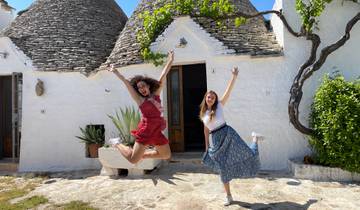
7 days
7-Day Puglia & Matera Explorer (Age 21 To 41)
- ✓ Comprehensive Bari tour
- ✓ Expert local guides included
- ✓ All accommodation arranged
- ✓ Transportation provided

6 days
The Best of Apulia, Private Tour from Bari
- ✓ Booking needs min. 2 travelers
5 days
5-Day Puglia & Matera Small-Group Tour from Bari (Max 8)
- ✓ Comprehensive Bari tour
- ✓ Expert local guides included
- ✓ All accommodation arranged
- ✓ Transportation provided
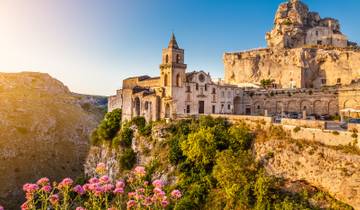
5 days
Matera & Apulia Private 5 Day Tour
- ✓ Comprehensive Bari tour
- ✓ Expert local guides included
- ✓ All accommodation arranged
- ✓ Transportation provided
Multi-day tour packages powered by TourRadar. Prices and availability subject to change.
Essential Planning Information 2026
Understanding Bari’s Day Trip Geography and Transportation Network
Bari’s position on the central Adriatic coast creates a hub-and-spoke pattern for day trips, with destinations radiating in three main directions. Coastal destinations like Polignano a Mare, Monopoli, and Trani sit along the Adriatic shoreline served by frequent Trenitalia regional trains. Inland UNESCO sites including Alberobello and Castel del Monte require FSE (Ferrovie del Sud Est) trains that follow different routes and schedules from the main Trenitalia network. Matera sits southwest in the Basilicata region, accessible via FAL (Ferrovie Appulo Lucane) trains from a dedicated terminal at Bari Centrale. Understanding these three distinct rail networks helps explain why some destinations connect easily while others require more planning and potentially combined transportation methods.
Train frequencies vary significantly by destination and day of week. Trenitalia regional trains to Polignano a Mare and Monopoli run every 30-60 minutes throughout the day with increased frequency during summer months. FSE trains to Alberobello depart every 1-2 hours with reduced service on Sundays and holidays. FAL trains to Matera operate 5-6 times daily with fixed schedules that require careful planning for comfortable day trips. This variation means coastal destinations offer maximum flexibility for spontaneous day trips, while inland and distant destinations benefit from advance schedule checking and trip timing around specific departures. Most visitors find that planning inland trips for midweek days and saving flexible coastal trips for weekends optimizes the balance between structure and spontaneity during their Bari stay.
Current Costs and Pricing Breakdown for 2026 Day Trips
Transportation costs form the foundation of day trip budgeting from Bari. Regional train tickets to Alberobello cost €5.10 each way, to Polignano a Mare €3.70 each way, and to Monopoli €4.20 each way in 2026. Check trenitalia.com and fseonline.it for current official rates as pricing may vary. Matera trains cost €5 each way, while Castel del Monte requires combined train to Andria at €5.80 plus connecting bus service at €3-5. Multi-day regional rail passes provide significant value for visitors planning multiple trips: 3-day passes cost €25-35 and 7-day passes €45-60, offering unlimited travel on participating regional services. These passes pay for themselves after 3-4 one-way journeys and eliminate the hassle of individual ticket purchases for each trip.
Site admission fees vary from free access to modest charges for specific attractions. Alberobello’s trulli district requires no entry fee, though museum trulli charge €1.50-3 for interior visits. Castel del Monte admission costs €10 for adults with reduced rates at €2 for EU citizens aged 18-25. The Sassi di Matera cave churches charge €3-7 each for entry, with combination tickets for multiple sites at €12-15 offering better value. Grotte di Castellana cave tours cost €16 for the full route and €10 for the shorter route. Polignano a Mare beach access remains free. Restaurant meals range €20-30 for lunch in smaller towns to €30-45 in more touristy Polignano a Mare and Matera. Gelato and coffee breaks add €3-6 per stop. A complete independent day trip including transportation, admission fees, meals, and incidental costs runs €40-70 for most destinations, while organized tours with guides and transportation cost €75-140 depending on destination and inclusions.
Top Day Trips from Bari 2026
Alberobello: UNESCO Trulli Village Experience
Alberobello’s extraordinary trulli district creates Italy’s most distinctive architectural landscape, with over 1,500 conical limestone dwellings clustered in the Rione Monti and Aia Piccola neighborhoods. These traditional Pugliese structures feature whitewashed cylindrical bases topped with grey conical roofs built without mortar, originally constructed in the 15th-17th centuries using a dry-stone technique that allowed rapid dismantling to avoid taxation. The UNESCO World Heritage designation in 1996 recognized both the unique construction method and the remarkably preserved urban fabric that continues to function as a living community rather than an outdoor museum. Walking through the narrow lanes reveals trulli in various states – some maintained as private homes, others converted to shops, restaurants, and small museums that showcase traditional interiors and explain construction techniques.
The Rione Monti forms the larger and more commercial trulli district, with hundreds of conical structures lining stone-paved alleys that climb the hillside. This area concentrates most tourist-oriented shops selling local products including wine, olive oil, and textiles alongside restaurants offering traditional orecchiette pasta and other Pugliese specialties. The Trullo Sovrano museum provides the best interior access, showing how families adapted these small circular spaces for domestic life. The Aia Piccola neighborhood offers a quieter, more residential atmosphere with fewer commercial establishments but better photography opportunities of trulli in their original context. The district requires 3-4 hours for thorough exploration, allowing time to wander both main tourist zones, visit museum interiors, enjoy a leisurely lunch, and find quieter streets for photography away from peak-hour crowds.
Practical details for visiting Alberobello from Bari work smoothly with regional trains. FSE trains depart Bari Centrale approximately every 1-2 hours from 6:30 AM through 8 PM, taking 90 minutes for the journey. Morning departures at 8:40 AM or 10:10 AM allow arrival before midday crowds intensify. The train station sits 10 minutes downhill from the trulli district by foot, with clear signage directing visitors uphill through newer town sections to the historic core. Return trains depart until 8 PM, providing flexibility for half-day visits (3-4 hours in town) or full-day experiences including extended lunch and more thorough exploration. Summer heat makes morning or late afternoon visits more comfortable, with midday best spent in shaded alleyways or restaurant interiors. Winter visits encounter fewer tourists but some businesses operate reduced hours November-March. The combination of easy train access, compact walkable district, and flexible timing makes Alberobello the most straightforward day trip from Bari for visitors in 2026.
Castel del Monte: Frederick II’s Architectural Mystery
Castel del Monte stands alone on a hilltop 18 km south of Andria, its perfect octagonal form rising from the Murge plateau with geometrical precision that has fascinated visitors since Frederick II of Hohenstaufen commissioned its construction around 1240. The castle’s mathematical perfection – eight octagonal towers surrounding an octagonal courtyard with eight rooms per floor – reflects medieval interest in geometry, astronomy, and Islamic architectural influence. The structure served no clear military purpose given its isolated location and absence of defensive features like moats or surrounding walls. Theories about its function range from hunting lodge to astronomical observatory to symbolic political statement embodying Frederick’s sophisticated cultural vision. The UNESCO World Heritage designation in 1996 recognized both the architectural achievement and the building’s representation of medieval cultural exchange between Northern European, Islamic, and Classical traditions.
Interior visits reveal the castle’s sophisticated design through remaining architectural details. The octagonal rooms on both floors feature ribbed vaulting, pointed arches, and window placements that create specific light effects during solstices and equinoxes. The main floor preserves fragments of decorative elements including marble column capitals and mosaic floor sections that hint at the original lavish interior decoration. The upper floor provides access to the rooftop terrace offering panoramic views across the Murge countryside extending to the Adriatic on clear days. Information panels throughout the castle explain the architectural features, historical context, and various theories about Frederick II’s intentions for the building. Audio guides available in multiple languages provide 45-60 minute commentary covering the castle’s construction, Federico II’s reign, and the structure’s influence on later architecture. The visit requires 90 minutes for a comprehensive exploration including rooftop access and time to appreciate the exterior proportions from various angles around the hilltop platform.
Reaching Castel del Monte from Bari requires combined transportation that adds complexity but remains manageable. Trenitalia regional trains depart Bari Centrale for Andria every 1-2 hours, taking 50 minutes and costing €5.80 each way. From Andria station, a dedicated shuttle bus operates April-October, departing approximately every 90 minutes and costing €3-5 for the 25-minute journey to the castle. Off-season (November-March), the shuttle reduces frequency to 2-3 departures daily or suspends service entirely, making rental cars or organized tours more practical for winter visits. The shuttle schedule coordinates loosely with popular train arrivals, though timing isn’t perfectly synchronized, so allow buffer time between connections. Alternatively, organized tours from Bari cost €75-95 per person including round-trip transportation, admission, and guided tours, eliminating transfer complications while providing expert historical commentary. Independent visits work well April-October for travelers comfortable navigating multiple connections, while organized tours better serve those prioritizing convenience or visiting during off-season months when public transportation options decrease.
Matera: Ancient Sassi Cave Dwellings
Matera’s Sassi districts create one of the world’s most extraordinary urban landscapes, with cave dwellings, rock churches, and stone structures carved into and built upon limestone gorges on the edge of the Gravina ravine. Human habitation in these caves extends back 9,000 years, making Matera one of the world’s oldest continuously inhabited settlements. The distinctive architecture evolved over millennia as residents carved rooms deeper into the soft tufa stone while building stone facades to close cave entrances, creating a layered cityscape that blends natural caves with constructed elements. The Sassi reached peak population in the 18th-19th centuries when thousands lived in conditions of extreme poverty, often sharing cave spaces with livestock. Government relocations in the 1950s-60s moved residents to modern housing, leaving the Sassi abandoned until the 1980s when restoration efforts began transforming caves into hotels, restaurants, and museums. UNESCO recognition in 1993 validated the site’s significance as both an archaeological treasure and an example of human adaptation to challenging environments.
The two main Sassi districts require separate exploration for comprehensive understanding. Sasso Caveoso occupies the ravine’s southern slope, characterized by denser cave construction and more primitive dwellings that showcase original habitation patterns. This district contains important rock churches including Madonna de Idris perched atop the highest point, offering exceptional views across the gorge. Casa Grotta di Vico Solitario museum recreates typical 1950s cave dwelling life with period furnishings and tools explaining how families lived in these challenging spaces. Sasso Barisano on the northern slope shows more architectural sophistication with elaborate baroque church facades and larger constructed elements complementing the cave cores. The district underwent more extensive renovation and now concentrates many hotels and restaurants occupying restored cave spaces. The Museo della Civiltà Contadina provides deeper context on agricultural life and traditional culture. Plan 5-6 hours minimum to explore both districts thoroughly, visit key cave churches, enjoy lunch, and appreciate the views from multiple vantage points including the Belvedere overlook on the opposite ravine edge.
Transportation options between Bari and Matera divide between independent train travel and organized tours, each offering distinct advantages. FAL trains depart from a dedicated terminal at Bari Centrale, operating 5-6 times daily with morning departures at 8:10 AM, 9:40 AM, and 11:40 AM. The journey takes 90 minutes, costs €5 each way, and arrives at Matera Centrale station about 1 km from the Sassi districts. Return trains depart at 3:45 PM, 5:45 PM, and 7:15 PM, with the middle departure allowing 6 hours in Matera for thorough exploration. Walk from the station to Sassi entrances takes 15-20 minutes uphill, or local buses provide connections for €1.50. This independent option costs approximately €30-50 total including trains, museum entries at €3-7 each, lunch at €25-35, and incidentals. Organized day tours cost €90-140 per person including round-trip minibus transportation, English-speaking guides, walking tours through both Sassi districts, cave church visits, and sometimes lunch. Tours depart Bari 9-9:30 AM and return 6-7 PM. The guided option provides rich historical context and eliminates navigation challenges in the complex Sassi layout, while independent travel offers flexibility in pacing and dining choices. Both approaches work well for 2026 visitors based on budget priorities and preferences for structured versus self-directed exploration.
Polignano a Mare: Clifftop Beauty and Beach Culture
Polignano a Mare occupies a dramatic limestone promontory jutting into the Adriatic, with the old town center perched on cliffs 20 meters above crystal-clear waters. The town’s signature feature appears in the natural sea arch beneath the historic center, creating a scenic beach (Lama Monachile) framed by cliff walls and accessible via stairs from the town above. The clifftop position provides spectacular views along the coast while protecting the medieval center from direct sea exposure. Walking through the whitewashed old town reveals narrow alleys, clifftop terraces, and cave openings in limestone walls that once served as storage or shelter. The town gained international fame through Red Bull Cliff Diving competitions held annually at the dramatic rocky promontory, attracting attention to its scenic beauty and cliffside dining opportunities.
Beyond the photogenic clifftop views, Polignano offers excellent beach access, outstanding seafood restaurants, and a relaxed coastal atmosphere distinct from Bari’s urban energy. Lama Monachile beach provides swimming access with dramatic cliff backdrop, though the small sand/pebble beach fills quickly during summer weekends when arriving before 10 AM secures better positioning. Additional beach access exists at Cala Porto and nearby coves requiring scrambles over rocks or short walks from town. The restaurant scene centers on seafood, with establishments along Via Roma offering clifftop dining with sunset views. Grotta Palazzese operates inside a natural cave opening directly onto the sea, creating Italy’s most spectacular restaurant setting, though reservations require booking months ahead and meals cost €150-250 per person. More accessible options along the cliffs provide excellent seafood at €35-55 per person with equally impressive views. The town supports comfortable half-day visits for quick clifftop walks and lunch, or full-day trips combining beach time, extended dining, and leisurely town exploration.
Reaching Polignano a Mare from Bari ranks among the easiest day trips, with frequent train connections throughout the day. Trenitalia regional trains depart Bari Centrale every 30-60 minutes, taking 30-35 minutes and costing €3.70 each way. The train station sits just 5 minutes from the old town center by foot, with clear signage and a straightforward uphill walk to the clifftop historic district. Morning departures at 9-10 AM allow arrival before beach crowds intensify, while afternoon departures at 2-3 PM work well for combining late lunch with sunset viewing. Return trains operate until late evening, providing maximum flexibility for visit duration. The frequent service means missed connections create minimal inconvenience, and the short journey time allows easy combination with other activities in Bari on the same day. Total visit costs run €35-55 including round-trip trains at €7.40, lunch at €25-35, gelato and drinks at €5-10, with beach access free. This combination of easy access, modest costs, and spectacular scenery makes Polignano a Mare the perfect complement to inland cultural trips, offering coastal beauty and relaxation without the complexity of more distant destinations.
Monopoli: Working Port Town and Beaches
Monopoli functions as a working fishing port and commercial center rather than a tourist-focused destination, providing authentic Pugliese coastal town atmosphere just 40 km south of Bari. The walled old town center preserves medieval street patterns, baroque churches, and a compact historic core built around the small harbor where fishing boats still dock daily. Unlike more famous Polignano a Mare, Monopoli experiences lower tourist volumes while offering similar clifftop old town character with better beach access and less crowded restaurants. The town’s working-port identity means seafood restaurants source directly from daily catches, and local life continues independent of tourist seasons. This authenticity appeals to visitors seeking genuine Pugliese coastal culture without the polish and prices of more famous destinations.
The old town requires 90 minutes for walking exploration, visiting the Cathedral of Santa Maria della Madia, walking the seaside promenade along clifftop fortifications, and exploring the small harbor area. The town’s main appeal extends beyond the historic center to excellent beaches within walking distance. Cala Porta Vecchia provides the most accessible swimming spot directly adjacent to old town, while Porto Ghiacciolo and Porto Rosso offer better sand beaches 10-15 minutes south by foot along the coastal path. These beaches maintain local character with minimal development, beach clubs charging €10-15 for umbrella and chair rental, and clear shallow water ideal for swimming. Combined with the old town exploration, beach time creates satisfying half-day or full-day visits focused on relaxation and authentic coastal atmosphere rather than tourist attractions or iconic photography spots.
Trains from Bari to Monopoli operate on the same Trenitalia regional line serving Polignano a Mare, with departures every 30-60 minutes, 40-minute journey time, and €4.20 each way cost. The station sits 10 minutes from the old town center by foot, with straightforward navigation to the harbor and beach areas. This easy access combined with modest costs makes Monopoli an excellent option for visitors seeking beach time with old town atmosphere but wanting to avoid Polignano’s summer crowds. The town works particularly well for Tuesday-Thursday visits when weekend crowds haven’t arrived, and restaurant reservations remain unnecessary even in summer. Budget-conscious travelers appreciate lower meal costs compared to Polignano (€20-30 for excellent seafood lunches versus €35-55), while the working-port character provides cultural interest beyond beach relaxation. Consider Monopoli for combining morning cultural exploration in Bari with afternoon beach time, or as a full-day alternative to more famous coastal destinations when seeking authentic atmosphere over tourist infrastructure.
Trani: Seaside Cathedral and Medieval Port
Trani presents one of Puglia’s most beautiful cathedral settings, with the Romanesque Cathedral of San Nicola Pellegrino built directly on the Adriatic shoreline with foundations descending to sea level. The pale limestone structure gleams against blue water, creating the region’s most photographed cathedral exterior. Construction began in 1099 and continued through the 12th-13th centuries, producing a masterpiece of Apulian Romanesque architecture with clean geometric forms, a towering campanile, and three distinct levels including the upper church, a lower church, and a crypt at water level. The seaside position meant the cathedral served both religious and navigational purposes, with the campanile functioning as a landmark for ships approaching the medieval port. Interior visits reveal beautiful apses, rose windows, and the remarkable crypt with its forest of columns supporting the structure above the waterline.
Beyond the cathedral, Trani’s medieval port and old town reward exploration. The harbor preserves its working character with fishing boats alongside pleasure craft, surrounded by restaurants and cafes occupying historic buildings. The Castello Svevo guards the harbor entrance, a 13th-century fortress built by Frederick II that now hosts cultural exhibitions. The old town’s narrow streets contain beautiful palazzi, additional medieval churches, and a relaxed atmosphere that encourages leisurely walking and cafe sitting. The Villa Comunale public gardens provide shaded green space along the seafront, while the fishing port area offers excellent seafood restaurants at more moderate prices than tourist-focused establishments near the cathedral. Plan 3-4 hours for comprehensive exploration including cathedral visit, harbor walk, lunch, and old town wandering, or extend to half-day with beach time at nearby Colonna beach 15 minutes south of center.
Trains from Bari to Trani run frequently on the main Trenitalia coastal line heading toward Barletta and Foggia, with departures every 30-60 minutes, 40-50 minute journey time, and €5.30 each way cost. The station sits 10-15 minutes from the cathedral and harbor by foot, with straightforward routes through the newer town sections to the historic waterfront. This accessibility makes Trani an excellent morning or afternoon excursion from Bari, easily combined with other activities in the same day or extended to full-day visits with beach time. The town attracts fewer international tourists than Polignano or Alberobello, maintaining more authentic local character while offering equally beautiful architecture and superior seafood value. Consider Trani for visits prioritizing architectural photography, cathedral art, relaxed port atmosphere, and excellent seafood dining over beach time or UNESCO World Heritage sites. The combination of dramatic cathedral setting, working port charm, and easy train access creates a rewarding day trip that showcases Puglia’s coastal Romanesque architecture in its most spectacular setting.
Grotte di Castellana: Underground Cave System
The Grotte di Castellana cave system extends 3 km beneath the Murge plateau, featuring spectacular stalactite and stalagmite formations developed over millions of years in Italy’s longest tourist-accessible cave complex. The caves descend to 70 meters depth through a series of caverns showcasing varied geological formations including the White Cave (Grotta Bianca), considered one of the world’s most beautiful alabaster caves with pure white calcite crystals covering walls and ceilings. The dramatic Grave (main cavern) creates a cathedral-like space 60 meters deep where natural light penetrates from the surface opening, creating ethereal lighting effects. Guided tours follow paved paths with strategic lighting that highlights formations while preserving the mysterious underground atmosphere that has fascinated visitors since the caves’ systematic exploration in the 1930s.
Two tour options provide different levels of cave exploration. The shorter 50-minute tour covers approximately 1 km, visiting the main Grave cavern and several impressive chambers with varied formations, costing €10 per person. The full 100-minute tour extends 3 km through the entire accessible system including the spectacular White Cave, costing €16 per person. Most visitors find the full tour worthwhile given the relatively small price difference and the White Cave’s exceptional beauty. Tours depart throughout the day from 9 AM-6 PM during peak season (April-October) with reduced schedules November-March. The underground temperature remains constant at 16-18°C (61-64°F) year-round, making light jackets advisable even during summer visits. Comfortable walking shoes with good grip help navigate wet sections of the cave paths. Photography without flash is permitted, and the dramatic formations provide excellent subjects for visitors comfortable with low-light shooting techniques or willing to increase ISO settings.
The caves sit near Castellana Grotte town, 40 km southeast of Bari on the FSE rail line. Trains from Bari Centrale depart approximately every 1-2 hours, taking 60 minutes and costing €4.50 each way. From Castellana Grotte station, the caves lie 1.5 km away, walkable in 20 minutes or accessible by local bus/taxi for €3-5. Alternatively, organized tours from Bari combine the caves with Alberobello visits, costing €70-90 per person including transportation, cave admission, and Alberobello time. This combination works well given the proximity of the two attractions (15 km apart) and complementary character – underground geological formations versus above-ground architectural uniqueness. Independent visits to caves only make sense when combining with Alberobello on the same day trip or when staying in the Castellana Grotte area. Most Bari-based visitors find organized combo tours the most time-efficient approach, while those with rental cars gain flexibility to visit caves and Alberobello in self-directed sequences with lunch stops at traditional Pugliese restaurants in smaller towns between the attractions.
Transportation Options for 2026 Day Trips
Regional Train Networks and Schedules
Understanding Bari’s three distinct regional rail networks helps optimize day trip planning and avoid confusion when booking tickets or finding departure platforms. Trenitalia operates the main coastal rail line connecting Bari with Polignano a Mare, Monopoli, Fasano, Brindisi, Lecce (south) and Molfetta, Trani, Barletta (north). These trains depart from Bari Centrale’s main platforms, tickets purchase at standard Trenitalia counters or machines, and services run frequently throughout the day with reduced schedules on Sundays. FSE (Ferrovie del Sud Est) operates separate lines to inland destinations including Alberobello, Locorotondo, and Martina Franca, departing from dedicated FSE platforms at Bari Centrale (follow signs to “FSE” or “Sud-Est”). FSE tickets require purchase at FSE-specific counters or the FSE ticket office, and don’t work on Trenitalia services or vice versa. FAL (Ferrovie Appulo Lucane) operates the third network connecting Bari with Matera, departing from the separate Bari Centrale FAL terminal adjacent to the main station. FAL requires separate tickets from a dedicated counter.
This seemingly confusing three-network system actually functions smoothly once you understand which destinations use which service. Coastal destinations = Trenitalia. Alberobello and inland towns = FSE. Matera = FAL. All three networks share the Bari Centrale complex but operate independently with separate ticketing. Smartphone apps help track schedules: Trenitalia has its own app, FSE publishes schedules on fseonline.it, and FAL provides timetables on ferrovieappulolucane.it. Google Maps generally identifies the correct train network for each destination and shows approximate schedules, though booking requires going to the specific operator’s website or ticket counter. This multi-network system reflects southern Italy’s historical railway development with different companies serving different regions, now maintained as separate operations despite sharing some infrastructure at major stations like Bari Centrale.
Multi-Day Regional Train Passes and Savings
Regional train passes provide significant savings for visitors planning multiple day trips during their Bari stay. Trenitalia offers regional day passes covering unlimited travel within Puglia for €12-15 per day, though these passes don’t include FSE or FAL networks. FSE operates its own pass system with 3-day passes at €25-35 providing unlimited travel on FSE routes to Alberobello, Locorotondo, and other inland destinations. These passes pay for themselves after three one-way journeys (€5.10 each way to Alberobello = €10.20 round-trip = 2.5 round-trips to break even). The passes also eliminate the hassle of buying individual tickets for each journey, allowing spontaneous trips without queuing at ticket counters. Purchase passes at the respective rail network ticket offices at Bari Centrale, bringing passport for registration when required.
Combined with smart planning, these passes maximize value. A 3-day FSE pass allows day trips to Alberobello on day one, Locorotondo and Martina Franca on day two, and Grotte di Castellana on day three, providing three full days of inland exploration for €25-35 total versus €35-45 buying individual tickets. Similarly, a Trenitalia day pass enables morning in Trani, afternoon in Polignano a Mare, and sunset in Monopoli all on one day for €12-15 versus €26 in individual tickets. The passes work best for travelers spending 4-7 days in Bari with interests in multiple destinations, while visitors making just 1-2 day trips save money buying individual tickets. Check current pass prices and terms at rail network ticket offices or websites, as offerings and pricing update periodically and seasonal promotions sometimes appear during shoulder season months when operators encourage regional tourism.
Organized Tour Options and When They Make Sense
Organized day tours from Bari serve specific situations where they provide better value or access than independent travel. Matera tours work particularly well given the distance, limited train schedule, and the value of expert commentary on the complex Sassi history. Tours cost €90-140 per person versus €30-50 independent travel, but the €60-90 premium buys round-trip comfortable transportation, 2-3 hours of guided walking with historical context, cave church access with explanation, and streamlined logistics that maximize Matera time. For first-time visitors who want to understand Sassi significance rather than just walk through caves, the guided option delivers substantially better educational experience. Multi-destination tours combining Alberobello and Polignano a Mare cost €85-110 per person, saving time connecting between destinations while providing context on trulli architecture and Pugliese culture. These tours work well for visitors with limited time in Bari who want to see multiple highlights in single day trips.
Conversely, some destinations don’t benefit from organized tours. Polignano a Mare’s compact size, frequent train connections, and straightforward layout make independent visits clearly superior for most travelers. The town requires no historical context beyond basic appreciation of clifftop beauty, beach access needs no guidance, and restaurant selection benefits from personal choice rather than tour group dining. Similarly, Trani’s cathedral and harbor reward self-paced exploration more than group tours, and the frequent train connections eliminate transportation advantages of tour buses. Castel del Monte represents a middle case – the castle benefits from expert architectural commentary available via audio guides, but the challenging public transportation access (train + shuttle bus) makes organized tours appealing for visitors uncomfortable with connections or visiting during off-season when shuttle service reduces. Evaluate tour options based on destination complexity, transportation challenges, and value of expert historical context versus independent exploration freedom.
Rental Car Considerations for Puglia Exploration
Rental cars provide maximum flexibility for Puglia day trips but create challenges in Bari itself due to traffic, limited parking, and ZTL (limited traffic zone) restrictions in the old town. Cars make most sense for visitors staying in suburban Bari accommodations with parking, planning 3+ day trips to diverse destinations, or traveling as families/groups where per-person car costs become competitive with train tickets. Rental costs run €30-50 per day for compact cars, €50-75 for larger vehicles, with fuel adding €15-25 per day trip depending on distances. Parking in destination towns costs €1-2 per hour in paid lots, free in peripheral areas requiring 10-15 minute walks to historic centers. The combination of rental, fuel, and parking brings total car costs to €50-80 per day, comparable to organized tour prices but providing complete schedule control and ability to visit multiple destinations in custom sequences.
Cars excel for specific itineraries that combine destinations difficult to connect by public transport. A day trip visiting Castel del Monte, Trani Cathedral, and sunset in Polignano a Mare works beautifully by car but proves nearly impossible by public transport given conflicting schedules. Similarly, combining Alberobello with nearby Locorotondo and Martina Franca allows comprehensive Valle d’Itria exploration in one long day, while trains require separate day trips. Cars also enable visits to smaller destinations with limited or no public transport, countryside masserie (traditional farmhouses) offering authentic Pugliese lunch experiences, and beaches beyond main town centers. The main downsides include Bari parking hassles, navigation in medieval town centers with GPS sending drivers down pedestrian-only lanes, and the stress of Italian driving culture for visitors from calmer traffic environments. Families with children find car convenience often outweighs these hassles, while solo travelers and couples generally find trains provide better value and relaxation given Puglia’s decent regional rail coverage to major destinations.
Budget Planning for 2026 Day Trips
Cost Comparison Across Different Day Trip Options
Breaking down full-day costs helps compare destinations and choose trips matching your budget. A budget-conscious independent day trip to Alberobello costs approximately €40-50 per person including round-trip FSE train tickets €10.20, museum trulli admission €3-5, simple lunch at neighborhood trattoria €18-25, coffee and snack €5-8. Extending to full-day with nicer restaurant lunch and additional museum visits brings total to €55-70. Polignano a Mare independent trips run €35-55 including round-trip Trenitalia tickets €7.40, beach club umbrella/chair rental €10-15 (optional), cliffside restaurant lunch €25-35, gelato and drinks €8-12. Monopoli similarly costs €40-60 with trains €8.40, beach rental €10-15, lunch €20-30, incidentals €8-12. These coastal destinations provide the most economical day trip options while delivering memorable experiences.
Mid-range independent trips to destinations requiring more complex transportation cost slightly more. Trani visits run €45-65 including trains €10.60, cathedral/castle entries €8-12, quality seafood lunch €30-40, coffee and gelato €6-10. Castel del Monte independent visits cost €50-70 with train to Andria €11.60, shuttle bus €6-10, castle admission €10, lunch in Andria €25-35, snacks €8-10. Matera independent trips range €50-75 including FAL trains €10, cave church admissions €12-15, lunch in Sassi district €30-40, museum entry €5-8, incidentals €8-12. The Grotte di Castellana excursion costs €45-65 with FSE train €9, full cave tour €16, lunch €20-30, incidentals €5-10. These destinations involve higher base costs but deliver extraordinary cultural experiences justifying the additional investment.
Organized tours shift the cost structure upward while providing different value. Matera full-day tours at €90-140 per person eliminate train tickets and admissions from separate calculation but add guide services, comfortable transportation, and structured itineraries. Multi-destination tours combining Alberobello and Polignano a Mare at €85-110 cost more than independent visits to either single destination but less than two separate day trips, while saving time on transportation between locations. Castel del Monte tours at €75-95 make sense when compared to independent visit costs of €50-70 plus the hassle of train/bus connections. The tour premium typically runs €40-60 over independent costs but delivers expert commentary, guaranteed transportation, and time savings that many visitors find worthwhile. Budget-conscious travelers prioritize independent trips to easy destinations like Polignano and Alberobello, splurging on organized tours for complex destinations like Matera where the guided experience adds substantial educational value beyond just access.
Money-Saving Strategies for Multiple Day Trips
Regional train passes provide the foundation of day trip savings for visitors planning multiple excursions. A 3-day FSE pass at €25-35 covers unlimited travel to Alberobello, Castellana Grotte, Locorotondo, and other inland destinations – paying for itself after two round-trips while enabling additional spontaneous trips without per-journey costs. Combined with a Trenitalia day pass at €12-15 for coastal destinations, active explorers can complete 5-6 day trips over a week for €40-50 in transportation costs versus €60-80 buying individual tickets. This pass strategy works best for visitors dedicating substantial time to day trips rather than balancing with extended Bari exploration. Purchase passes at the start of your trip to maximize flexibility for weather-dependent coastal visits or schedule changes without worrying about wasted individual tickets.
Meal planning significantly impacts daily budgets. Lunches at tourist-focused restaurants in Polignano a Mare, Matera Sassi, and central Alberobello cost €30-45 per person, while neighborhood trattorias in residential areas charge €18-25 for comparable quality. Walking 5-10 minutes beyond main tourist zones typically reveals excellent family-run restaurants with local clientele paying local prices. Alternatively, picnic supplies from local markets create memorable experiences at minimal cost – fresh focaccia, local cheese, salumi, fruit, and wine from alimentari shops total €12-18 per person for excellent impromptu lunches in scenic spots. Many destinations offer beautiful picnic settings: rocky outcrops near Castel del Monte, quiet corners of Alberobello’s Aia Piccola, beachfront rocks in Polignano, Matera’s Belvedere overlook. This approach cuts lunch costs 50-70% while often delivering better experiences than crowded restaurants during peak-hour rushes.
Strategic timing creates additional savings. Visiting destinations Tuesday-Thursday avoids weekend crowds and associated premium pricing at beach clubs, restaurants, and some attractions. Early morning departures on first trains secure best beach positioning without paying for umbrella/chair rental – arriving at Polignano’s Lama Monachile by 9:30 AM allows free towel spreading versus €12-15 for beach club services. Museum and site admissions occasionally offer reduced rates during shoulder season (April-May, October-November) or early morning time slots. Free walking explorations provide rich experiences at zero cost: Alberobello’s streets require no admission fees for exterior appreciation, Polignano’s clifftop walks remain freely accessible, Trani’s harbor and exterior cathedral views cost nothing. Combining free exploration with selective paid admissions for most significant interiors (Castel del Monte interior, specific Matera cave churches, one museum trullo in Alberobello) delivers comprehensive experiences while controlling costs to €10-15 per day on admissions versus €30-40 entering everything available.
Sample 2026 Itineraries
Classic Culture Day Trip: Alberobello and Locorotondo
This classic Valle d’Itria combination showcases Puglia’s most distinctive architecture and beautiful hilltop towns in a single rewarding day. Depart Bari Centrale on the 8:40 AM FSE train to Alberobello, arriving 10:10 AM for exploration before midday heat intensifies. Spend 3 hours exploring both trulli districts – start with the larger Rione Monti for tourist-oriented areas and shop browsing, visit Trullo Sovrano museum for interior understanding (€1.50, 30 minutes), then walk to quieter Aia Piccola for better photography and residential atmosphere. Exit the main tourist zone to find neighborhood trattorias where locals eat, enjoying orecchiette with cime di rapa and other Pugliese specialties for €20-25. After lunch, catch the 2:15 PM FSE train for the 15-minute journey to Locorotondo.
Locorotondo occupies a circular hilltop with concentric streets creating its distinctive round plan visible from approaching trains. The compact historic center requires 90 minutes for thorough exploration, walking the circular perimeter for 360-degree views across Valle d’Itria trulli-dotted countryside, visiting the Chiesa Madre with its baroque interior, and wandering narrow whitewashed streets lined with flower-filled balconies. The town experiences far fewer tourists than Alberobello despite equal charm, providing authentic small-town atmosphere. Stop for afternoon coffee and pasticciotto pastry at a local cafe (€4-6), then catch the 5:20 PM FSE train back to Bari, arriving 6:45 PM. Total costs run €40-55 per person including FSE round-trip tickets €10.20, Trullo Sovrano €1.50, lunch €20-25, coffee/pastry €4-6, incidentals €5-8. The combination delivers comprehensive Valle d’Itria cultural experience showcasing both famous architectural attractions and authentic hilltop town character.
Coastal Beauty Day Trip: Polignano a Mare and Monopoli
This coastal double-header combines Puglia’s most photographed clifftop town with an authentic working port, offering beach time, architectural beauty, and excellent seafood in a relaxed full-day itinerary. Depart Bari Centrale on a 9:00 AM Trenitalia regional train to Polignano a Mare, arriving 9:35 AM before peak beach crowds. Walk directly to Lama Monachile beach for 2-3 hours of swimming and sunbathing with the dramatic sea arch and cliff backdrop. The small beach fills by 11 AM during summer, so early arrival secures good positioning. After beach time, shower at public facilities and explore the clifftop old town, walking the scenic terraces and finding photographic angles of the caves and arches. Enjoy late lunch at a cliffside restaurant serving excellent seafood – grilled fish, sautéed mussels, risotto ai frutti di mare for €35-45 per person with spectacular views included.
After lunch, catch a 3:15 PM train for the 15-minute connection to Monopoli, arriving mid-afternoon for exploration during cooler hours. Walk through the old town’s medieval streets, visit the cathedral, explore the small harbor where evening fishing boats return with daily catches. Continue to Porto Ghiacciolo or Porto Rosso beaches for late afternoon swimming, or find a waterfront cafe for Aperol Spritz and people-watching as the town transitions to evening mode. Enjoy early dinner at a harbor-side trattoria where fishermen eat, with exceptional seafood at more moderate prices than Polignano – €25-35 for complete meals. Return trains to Bari depart through evening with final connections around 9-10 PM. Total costs run €50-75 per person including round-trip trains €11.10, beach club rental €10-15 (optional), lunch in Polignano €35-45, dinner in Monopoli €25-35, gelato/drinks €8-12. This itinerary maximizes coastal beauty, beach time, and seafood dining while showcasing two distinct seaside characters.
UNESCO Heritage Day Trip: Castel del Monte and Trani
This combination pairs Frederick II’s geometric masterpiece with Puglia’s most beautiful seaside cathedral, delivering architectural excellence and coastal charm in a cultural-focused day trip. Depart Bari Centrale on the 8:45 AM Trenitalia train to Andria, arriving 9:35 AM to connect with the 10:15 AM shuttle bus to Castel del Monte (verify shuttle times day before as schedules vary seasonally). Arrive at the castle by 10:45 AM for 2 hours of exploration including exterior appreciation, interior rooms, rooftop access, and time to walk the hilltop platform for views. The isolated position and morning timing provide quieter experience before afternoon tour groups arrive. Audio guides enhance understanding of the architectural significance and Frederick II’s vision. Descend on the 12:45 PM shuttle, catching the 1:30 PM train back toward Bari but exiting at Trani (35-minute journey).
Arrive in Trani by 2:15 PM for late lunch near the harbor, choosing from excellent seafood restaurants with local clientele paying reasonable prices – €28-38 for multi-course meals with fresh catch and local wine. After lunch, visit the Cathedral of San Nicola Pellegrino for 45-60 minutes, exploring the upper church, lower church, and waterline crypt while appreciating the seaside architectural setting. Walk the harbor promenade, visit Castello Svevo if time permits (€4 admission), and explore old town streets before finding a seafront cafe for late afternoon coffee with harbor views. Evening trains back to Bari depart regularly through 8-9 PM, providing flexibility for extended cathedral area photography during golden hour or earlier return. Total costs run €60-80 per person including Bari-Andria-Trani-Bari trains €17.20, castle shuttle €6-10, Castel del Monte admission €10, Castello Svevo €4, lunch €28-38, coffee/pastry €5-8, incidentals €8-12. This itinerary delivers exceptional architectural experiences spanning medieval military, Romanesque religious, and Renaissance geometrical masterpieces in one comprehensive cultural day trip.
Complete Sassi Experience: Full-Day Matera
Matera deserves dedicated full-day attention to properly appreciate the Sassi’s complexity, explore key cave churches, and understand the site’s extraordinary evolution from ancient settlement to abandoned slum to UNESCO treasure. Depart Bari Centrale on the 8:10 AM FAL train, arriving Matera Centrale 9:40 AM. Walk or take local bus to Sassi Caveoso district, beginning exploration in the ravine’s southern section. Visit Casa Grotta di Vico Solitario museum recreating 1950s cave dwelling life (€3, 45 minutes), then climb through Caveoso’s layered streets appreciating the cave-construction integration. Ascend to Madonna de Idris rock church perched on the district’s high point for exceptional ravine views and preserved frescoes (€5, 30 minutes).
Walk across to Sassi Barisano district for lunch at a cave restaurant serving traditional Lucanian cuisine – orecchiette with crunchy breadcrumbs, cruschi peppers, lamb dishes – in atmospheric stone-vaulted spaces carved from ancient caves (€30-40 per person). After lunch, explore Barisano’s more elaborate baroque facades and sophisticated cave architecture, visit the Museo della Civiltà Contadina for agricultural culture context (€5, 45 minutes), and walk the district’s upper reaches for different ravine perspectives. Mid-afternoon, cross the Gravina ravine via the road bridge to reach the Belvedere viewpoint on the opposite side, providing the classic panoramic Sassi photography with both districts visible across the gorge. Return to Sassi for final explorations, late afternoon cafe stop, perhaps visiting MUSMA contemporary art museum if time remains (€7). Catch the 7:15 PM FAL train back to Bari, arriving 8:45 PM. Total costs run €55-80 per person including round-trip FAL trains €10, cave church admissions €12-15, museums €8-10, lunch €30-40, coffee/snacks €8-10, incidentals €5-8. The full day allows comprehensive Sassi understanding impossible to achieve in rushed half-day visits, delivering one of southern Italy’s most memorable UNESCO heritage experiences.
Booking Strategies for 2026 Season
When to Book Organized Tours and Transportation
Organized day tours from Bari require different booking timelines depending on season and destination. Summer tours (June-September) to popular destinations like Matera and Alberobello-Polignano combinations fill 2-4 weeks ahead, particularly for weekend departures when both tourists and Italian domestic travelers seek day trip options. Book these tours by late May for June travel, by early June for July-August travel. Check availability on GetYourGuide, Viator, TripAdvisor, and local operator websites, comparing prices and inclusions as offerings vary significantly. Spring (April-May) and fall (October-November) shoulder seasons provide more flexibility, with tours bookable 1-2 weeks ahead though popular operators still fill weekend slots early. Winter (December-March) sees reduced tour schedules with some operators suspending day trips entirely, making advance checking of availability essential before planning winter visits that rely on organized tours.
Regional train tickets don’t require advance booking for most routes except during peak holiday periods (Easter week, August 15, Christmas-New Year). Purchase tickets at stations on travel day or 1-2 days ahead through operator websites to avoid morning queues. The main exception involves weekend trains to coastal destinations during July-August when standing-room-only conditions occasionally occur on popular routes. For these peak-season beach trips, buying tickets 2-3 days ahead guarantees seats though standing remains possible if you miss your ticketed departure and take a later train. Train pass purchases benefit from early buying to maximize usage days – purchase 3-day FSE passes on your first inland day trip to cover subsequent visits, not on your last trip when days remain unused. FAL Matera trains operate with sufficient capacity that advance tickets provide no advantage beyond saved counter time, though verifying current schedules online before departure day prevents surprises about reduced service on Sundays or holidays.
Restaurant Reservations and Beach Club Bookings
Restaurant reservations create different requirements across destinations and seasons. Grotta Palazzese in Polignano a Mare requires reservations months ahead for summer dinner slots (April bookings for July-August dates), though the spectacular cave setting and €150-250 per person costs target special occasion dining rather than typical day trip meals. Standard cliffside restaurants in Polignano benefit from reservations during summer weekends but accept walk-ins on weekdays or with flexibility about dining times (2 PM rather than 1 PM). Matera Sassi restaurants rarely require reservations except for specific sought-after establishments during peak summer weekends. Monopoli and Trani harbor restaurants operate on walk-in basis year-round given their working-port orientation toward local diners rather than tourist reservations.
Beach club reservations matter primarily in Polignano a Mare during July-August weekends when Lama Monachile beach clubs fill by mid-morning. Some establishments accept telephone reservations for umbrella/chair sets (€12-15) though most operate first-come basis. The solution involves early arrival (before 9:30 AM) rather than reservations. Monopoli beaches rarely require reservations with more available space and lower tourist volumes. Beach clubs in smaller destinations like Torre Canne or coastal areas outside main towns operate walk-in basis except during August 15 (Ferragosto) holiday week when all coastal Puglia experiences maximum crowding. Overall, beach and restaurant reservations help for specific high-demand situations but aren’t necessary for most day trip dining and beach access when traveling midweek or arriving at strategic times that avoid peak crowds.
Advance Ticket Purchasing for Attractions
Most Puglia day trip attractions operate smooth on-site ticket sales without advance purchase requirements, though a few situations benefit from pre-booking. Castel del Monte admission tickets can be purchased online through coopculture.it, saving 15-30 minutes during peak afternoon hours (2-4 PM) when tour groups arrive and entrance queues develop. The €10 admission price remains identical online or on-site, so pre-booking provides only time savings without cost incentives. Grotte di Castellana cave tours rarely require advance booking except during Easter week and August when weekend morning tours fill faster. The caves post current availability on their website, making day-before checking useful for summer weekend visits though weekday visits almost never encounter capacity issues.
Matera cave churches and museums operate independent ticketing with no advance purchase options for most sites. The MUSMA contemporary art museum and Casa Grotta museum sell tickets only on-site. Some combination tickets covering multiple Matera attractions offer modest savings (€12-15 for sites that would cost €18-22 separately) and sell at major museum entrances, though these aren’t bookable online. Church entries in Trani, museum trulli in Alberobello, and other minor attractions across destinations function exclusively on walk-up ticket sales. The general principle holds that advance tickets help only at the few highly-visited attractions during peak summer months, while the vast majority of Puglia day trip experiences work perfectly well with spontaneous on-site purchases that maintain flexibility for weather-dependent schedule changes or interest-based decisions about which interiors merit paid admission versus exterior appreciation.
Planning Your 2026 Day Trips from Bari
Combining Day Trips with Bari Exploration
Balancing day trips with Bari exploration requires strategic scheduling to avoid exhaustion while maximizing your Puglia experience. A typical week-long Bari stay accommodates 3-4 full-day trips comfortably while leaving days for Bari’s old town, waterfront, and local experiences. Consider alternating day trip days with Bari exploration days to maintain energy levels and allow laundry, rest, and unhurried local neighborhood exploration. Morning-only or afternoon-only half-day trips to nearby coastal destinations like Polignano a Mare (30 minutes) or Monopoli (40 minutes) combine well with Bari mornings or afternoons, creating variety without the fatigue of consecutive full-day excursions. For example: morning exploring Bari Vecchia’s churches and castle, afternoon train to Polignano for clifftop sunset and dinner, return to Bari by 9 PM.
Prioritizing day trips depends on interests and weather. Cultural enthusiasts prioritize Alberobello, Castel del Monte, and Matera regardless of weather since architecture and caves don’t require sunshine. Beach and coastal fans time Polignano, Monopoli, and Trani visits for warmest, clearest days when swimming appeals and photography benefits from blue skies. This flexibility requires monitoring weather forecasts at trip beginning and adjusting the week’s schedule to match conditions – saving coastal trips for predicted sunny days while visiting inland cultural sites during cloudier periods. The compact geography of Puglia’s day trip destinations means last-minute schedule changes work smoothly, with morning weather assessment allowing same-day decisions about destinations without complicated advance planning disruption.
Seasonal Timing Considerations for 2026 Visits
Summer (June-September) provides peak weather for beaches and coastal destinations with daily temperatures 28-35°C (82-95°F), but creates afternoon heat challenges for cultural sites lacking shade like Castel del Monte. Crowds peak July-August at all destinations, with Alberobello, Polignano a Mare, and Matera experiencing their busiest periods. Despite crowds, summer offers longest daylight for extended explorations and most reliable weather for beach-dependent coastal trips. Book accommodations and popular tours well ahead for July-August visits. Shoulder seasons (April-May, October-November) deliver ideal conditions for cultural day trips with temperatures 18-25°C (64-77°F), fewer crowds, and lower prices at restaurants and hotels. Beach swimming remains possible in May and through September though water temperatures cool in spring and fall. These months provide the sweet spot for visitors prioritizing cultural experiences over beach focus, with pleasant walking weather and authentic local atmosphere as tourist numbers decrease.
Winter (December-March) brings challenges but opportunities for visitors seeking very quiet experiences and rock-bottom prices. Temperatures range 8-15°C (46-59°F) with occasional rain, making beaches unappealing but cultural sites perfectly accessible. Some services reduce schedules including Castel del Monte shuttle buses and organized day tours. However, winter provides extraordinary photographic opportunities with dramatic lighting, chance of snow at Castel del Monte creating rare spectacular scenes, and nearly empty sites allowing private contemplation of architecture and landscapes. Restaurant and hotel prices drop 30-50% compared to summer, and locals have more time for unhurried conversations with rare winter visitors. Consider winter visits for photographers seeking unique conditions, budget travelers willing to accept weather uncertainty, and those specifically wanting to experience Puglia without tourist infrastructure – accepting trade-offs of reduced services for substantial savings and authentic encounters.
Creating Personalized Day Trip Itineraries
Designing optimal day trip sequences from Bari starts with identifying your primary interests. Architecture and history enthusiasts build itineraries around Alberobello, Castel del Monte, Matera, and Trani Cathedral, potentially adding Locorotondo and Lecce (90 minutes south) for comprehensive historical architecture coverage. Beach and coastal beauty seekers focus on Polignano a Mare, Monopoli, and coastal destinations, possibly extending to Ostuni (60 minutes) for its white hilltop town character. Photography specialists prioritize dramatic settings: Castel del Monte isolation, Polignano clifftops, Matera Sassi complexity, Alberobello trulli patterns. Food-focused travelers emphasize destinations with strong culinary traditions: Monopoli and Trani for authentic seafood, Alberobello for traditional Pugliese pasta, Matera for Lucanian specialties, building day trips around memorable meal experiences as much as sightseeing.
Time constraints shape realistic expectations. A 3-day Bari visit accommodates two full-day trips plus Bari exploration, making choices necessary – perhaps Alberobello for trulli architecture plus Polignano a Mare for coastal beauty as the most efficient UNESCO + beach combination. A week allows comprehensive coverage with 4-5 day trips mixing cultural and coastal destinations while maintaining comfortable pacing. Two weeks enables deep Puglia exploration including minor destinations, multiple visits to favorites, and time for spontaneous discoveries. Match ambitions to available time, recognizing that attempting excessive day trips creates transportation fatigue and reduces enjoyment of both trips and Bari itself. Quality trumps quantity – thorough exploration of 3-4 carefully chosen destinations creates richer experiences than rushed visits to everything possible, leaving room for the spontaneous cafe stops, random conversations, and unhurried wandering that often produce travel’s most memorable moments.
Frequently Asked Questions About Bari Day Trips 2026
Can you do Bari day trips without a car?
Yes, excellent day trips from Bari work perfectly using regional trains and organized tours without rental cars. Trenitalia regional trains provide frequent service to coastal destinations including Polignano a Mare, Monopoli, and Trani with departures every 30-60 minutes, 30-50 minute journey times, and €3.70-5.30 tickets. FSE trains reach Alberobello every 1-2 hours in 90 minutes for €5.10, while FAL trains connect to Matera 5-6 times daily in 90 minutes for €5. These public transport options deliver comfortable, affordable access to Puglia’s most significant day trip destinations. The few attractions requiring complex connections like Castel del Monte work better with organized tours (€75-95) that eliminate transfer hassles while providing historical context. Overall, car-free travelers access 90% of worthwhile day trips through reliable public transportation, saving rental costs, parking hassles, and navigation stress while traveling more sustainably.
What is the closest UNESCO site to Bari?
Castel del Monte represents the closest UNESCO World Heritage site to Bari at approximately 55 km distance, though reaching it requires train to Andria plus connecting shuttle bus. Alberobello’s trulli district, also 55 km from Bari, provides easier UNESCO access via direct FSE trains without transfers. For practical purposes, Alberobello functions as the most accessible UNESCO day trip with straightforward 90-minute train connections every 1-2 hours. Castel del Monte rewards the extra transportation complexity with Frederick II’s extraordinary octagonal castle, while Alberobello delivers unique trulli architecture in a walkable district requiring no special access arrangements. Both qualify as closest UNESCO sites by distance, but differ significantly in transportation ease and on-site experience character.
How many days should I spend in Bari for day trips?
Five to seven days in Bari provides optimal balance for experiencing the city while completing 3-4 comprehensive day trips to surrounding destinations. This timeframe allows one day for Bari Vecchia exploration, one for waterfront and modern Bari, and 3-4 days for excursions to combinations like: Alberobello, Polignano a Mare, Matera, plus either Castel del Monte or coastal towns. Three days minimum enables Bari basics plus two quality day trips (typically Alberobello and Polignano a Mare or Matera). Ten days or longer supports deeper exploration including minor destinations, repeated visits to favorites, and comfortable pacing without daily rushes. Match duration to day trip priorities – cultural enthusiasts wanting Alberobello, Castel del Monte, Matera, Lecce, and Trani need 7-10 days, while visitors focusing on Bari with selective day trips function well with 4-5 days.
Is Matera worth visiting from Bari?
Absolutely – Matera ranks among southern Italy’s most extraordinary destinations and works perfectly as a Bari day trip despite sitting in the adjacent Basilicata region. The Sassi cave dwellings create unique urban landscapes found nowhere else in Europe, with 9,000 years of continuous habitation producing layered architecture that blends natural caves with constructed elements. UNESCO designation recognizes both the archaeological significance and the remarkable preservation of ancient settlement patterns. The combination of visual drama (stunning ravine setting), historical depth (millennia of human adaptation), and comfortable day trip logistics (90-minute trains, 5-6 daily departures) makes Matera essential for visitors to Puglia. The site delivers world-class heritage experiences comparable to famous Italian destinations while requiring just a day trip from Bari, representing exceptional value for time invested.
Can you swim in Polignano a Mare?
Yes, Polignano a Mare offers excellent swimming at Lama Monachile beach directly below the old town cliffs, plus additional beaches at Cala Porto, Porto Ghiacciolo, and Porto Rosso within walking distance of the town center. Lama Monachile provides the most dramatic setting with the natural sea arch and cliff walls creating a unique beach environment, though the small size (about 30 meters of sand/pebbles) means crowding during summer. The Adriatic water remains clear with typical temperatures of 24-26°C (75-79°F) in July-August, 22-24°C (72-75°F) in June and September. Rocky areas beyond the main beach allow swimming access for those comfortable with rock scrambling and deeper water entry. Beach clubs rent umbrellas and chairs for €10-15, or arrive early (before 9:30 AM) for free towel space. Swimming quality matches anywhere along Puglia’s Adriatic coast, with the added benefit of combining beach time with clifftop town exploration and excellent seafood dining in a compact, train-accessible location.
What should I bring on day trips from Bari?
Day trip essentials include comfortable walking shoes (you’ll cover 8-12 km on most trips), sun protection (hat, sunscreen, sunglasses – Puglia sun intensifies from May-September), refillable water bottle (reduce plastic waste and costs), light layers (trains and caves can be cool despite outside heat). For beach trips to Polignano a Mare or Monopoli, pack swimwear, beach towel, and waterproof phone case. Bring small daypack for purchases, layers, and water rather than larger bags that complicate train boarding and site navigation. Cash remains useful in smaller destinations where card acceptance varies, though major restaurants and attractions accept cards. Photography equipment benefits from microfiber cloth for cleaning lenses in dusty conditions, extra battery for extended shooting days. Light rain jacket makes sense April-May and October-November when showers occur unpredictably. Skip umbrellas (unwieldy on trains and in medieval streets) in favor of packable rain jackets.
Are guided tours better than independent day trips?
The choice between guided tours and independent trips depends on destination complexity, your comfort with navigation, and value placed on expert commentary. Matera strongly benefits from guided tours given the Sassi’s confusing layout and the substantial historical context needed to appreciate the site’s significance – the €90-140 tour premium over €30-50 independent costs delivers meaningful educational value. Castel del Monte tours make sense during off-season when public transport reduces, though summer visitors comfortable with train/bus connections save money traveling independently while using on-site audio guides. Conversely, destinations like Polignano a Mare, Monopoli, Trani, and Alberobello work beautifully for independent exploration – the sites require minimal historical knowledge to appreciate, navigation remains straightforward, and personal pacing allows spontaneous discoveries unavailable on group tours. Consider guided tours for historical complexity and transport challenges, independent travel for beaches, compact towns, and when schedule flexibility matters more than expert commentary.
What is the best first day trip from Bari?
Alberobello serves as the ideal first day trip for most Bari visitors, combining straightforward logistics, moderate costs, unique visual appeal, and UNESCO World Heritage significance. The FSE train connection requires no transfers, operates frequent enough for flexible timing, and delivers you directly to a compact, walkable destination needing no additional transportation. The trulli architecture provides instantly recognizable “you’re in Puglia” experiences perfect for first regional explorations. The 3-4 hour visit duration allows comfortable half-day or full-day trips matching various schedules. Compared to Matera (more complex historically, benefits from guides), Castel del Monte (challenging transport), or coastal towns (better for beach days later in trip), Alberobello delivers maximum cultural impact with minimum logistical complexity, building confidence for subsequent more ambitious day trips while immediately showcasing Puglia’s distinctive character through its extraordinary architecture.
How much does lunch cost on day trips?
Lunch costs vary significantly by destination and restaurant type. Budget trattorias in residential neighborhoods of Alberobello, Monopoli, and smaller towns charge €18-25 per person for complete meals including pasta course, main course, side, wine, and coffee. Tourist-oriented restaurants in prime locations – Polignano cliffside, Matera Sassi, Alberobello main streets – cost €30-45 for comparable meals. Exceptional dining experiences like cliff-edge seafood in Polignano or cave restaurants in Matera reach €40-55 per person. Simple lunch options including focaccia, panini, or pizza by the slice from bakeries and takeaway spots run €8-12. Picnic supplies from local markets create excellent impromptu lunches for €12-18 per person with superior quality to tourist restaurant offerings. Strategic restaurant choices significantly impact daily budgets – walking 5-10 minutes beyond main tourist zones to find neighborhood spots where locals eat typically cuts lunch costs 30-40% while often delivering better food and more authentic atmospheres than centrally-located tourist establishments.
Can you visit multiple destinations in one day?
Yes, certain destination combinations work well for multi-stop day trips when planned around compatible train schedules and manageable distances. The coastal route allows easy combinations: morning in Trani (cathedral and harbor), afternoon in Polignano a Mare (cliffs and beach), with 40-minute train connections between destinations and frequent service. Alberobello and Locorotondo sit 15 minutes apart by FSE train, creating natural combinations for Valle d’Itria exploration. Monopoli and Polignano a Mare lie just 15 minutes apart, supporting beach-focused days visiting both towns. The key to successful multi-destination trips involves realistic time allocation – each stop needs minimum 2-3 hours for meaningful experiences, meaning two-destination days work well while three-stop days create excessive rushing. Compare carefully to single-destination days that allow deeper exploration, extended meals, and spontaneous discoveries versus efficient but surface-level multi-stop itineraries. Multi-destination trips excel when combining complementary experiences (beach + clifftop town, trulli + hilltop town, castle + cathedral) rather than attempting to maximize sight accumulation at the expense of actual enjoyment.