
Barcelona Walking Tours & Routes 2026: Self-Guided Walks
This comprehensive guide provides detailed self-guided walking routes for 2026, complete with precise timing, navigation instructions, strategic rest stops, cost considerations, and seasonal recommendations. Each route balances major attractions with hidden discoveries, creating rich walking experiences that reveal Barcelona’s architectural evolution, cultural traditions, and contemporary urban vitality through systematic pedestrian exploration.
Key Takeaways
- Barcelona offers 12+ distinct self-guided walking routes covering Gothic Quarter, Modernisme architecture, waterfront promenades, and Gràcia neighborhoods, each requiring 2-5 hours to complete in 2026
- Free walking routes provide exceptional value, while paid audio tours cost €8-15 and guided group walks range €20-35 per person for enhanced historical context throughout 2026
- Optimal walking seasons are March-May and September-November 2026, with morning starts (8-10 AM) recommended to avoid midday heat and afternoon crowds at major monuments
- Essential walking equipment includes comfortable footwear, metro cards (€11.35 for T-Casual 10-journey passes), water bottles, and offline maps downloaded before exploring Barcelona’s pedestrian-friendly districts in 2026
Planning Your Barcelona Walking Adventures in 2026
Barcelona reveals its architectural splendor, cultural richness, and urban charm most intimately through pedestrian exploration. The city’s compact historic center, extensive pedestrian zones, and interconnected neighborhoods create ideal conditions for self-guided walking tours that allow travelers to discover Gaudí’s masterpieces, Gothic treasures, Mediterranean waterfronts, and bohemian districts at their own pace throughout 2026.
The Catalan capital’s walkability extends beyond simple convenience into purposeful urban design. The Eixample district’s grid pattern facilitates navigation, while the Gothic Quarter’s medieval lanes create atmospheric exploration opportunities. Wide pedestrian boulevards like La Rambla and Passeig de Gràcia function as open-air museums, connecting major attractions through continuous walking experiences that eliminate transportation gaps between cultural highlights.
Self-guided walking in Barcelona offers distinct advantages for 2026 visitors: complete schedule flexibility, personalized pacing for photography and refreshment stops, cost efficiency compared to organized tours, and deeper neighborhood immersion beyond standard tourist circuits. The city’s excellent signage, widespread English availability, and comprehensive tourist infrastructure support independent exploration while maintaining safety and orientation throughout extended walking sessions.
Strategic route planning maximizes Barcelona’s pedestrian potential. Morning walks capture optimal lighting for architectural photography and comfortable temperatures before midday heat intensifies. Afternoon routes focus on shaded areas and indoor attractions during peak sun hours. Evening promenades along the waterfront and through illuminated Gothic lanes provide atmospheric conclusions to full-day explorations, with tapas stops naturally integrated into walking itineraries across Barcelona’s diverse districts.
People Also Ask About Barcelona Walking Tours 2026
How much do walking tours cost in Barcelona in 2026?
Free self-guided walks cost nothing beyond attraction admission fees, with major monuments charging €15-30 per site in 2026. Audio guide apps cost €8-15 for comprehensive city tours, while organized free walking tours operate on tip-based models with suggested contributions of €10-15 per person. Paid guided walking tours range €20-35 for 2-3 hour group experiences and €150-250 for private tours with expert guides. Check tour operator websites for current rates as pricing varies by season and group size. The most cost-effective approach combines free self-guided routes with selective paid tours for complex historical sites requiring expert interpretation.
What is the best walking route in Barcelona for first-time visitors in 2026?
The Gothic Quarter to Sagrada Família route provides optimal introduction to Barcelona, covering 5 kilometers over 3-4 hours with stops at Cathedral, Plaça Sant Jaume, La Rambla, Passeig de Gràcia, Casa Batlló, and culminating at Gaudí’s masterpiece. This route combines medieval heritage, Modernisme architecture, and contemporary urban life while remaining entirely walkable on clearly marked pedestrian paths. Start at Barcelona Cathedral at 9 AM to complete the route before afternoon crowds intensify at major monuments, allowing time for refreshment stops and photography at each landmark throughout the morning exploration.
Is Barcelona safe for walking tours in 2026?
Barcelona maintains high safety standards for pedestrian tourism in 2026, with well-lit streets, regular police presence in tourist areas, and comprehensive emergency services available throughout the city. Pickpocketing remains the primary concern in crowded areas like La Rambla and metro stations, requiring vigilant bag security and avoiding distraction techniques. Walking during daylight hours presents minimal safety concerns in all major tourist districts, while evening walks remain safe in well-traveled areas including Gothic Quarter, Eixample, and waterfront promenades. Emergency services respond rapidly through the 112 universal emergency number for any incidents requiring assistance.
How long does it take to walk between major Barcelona attractions in 2026?
Walking times between Barcelona’s major attractions range from 10-30 minutes: Gothic Quarter to Sagrada Família requires 40 minutes (3.2 km), Barceloneta Beach to Park Güell takes 50 minutes (4 km), La Rambla end-to-end spans 20 minutes (1.2 km), and Passeig de Gràcia from Plaça Catalunya to Diagonal covers 25 minutes (1.8 km). Metro connections reduce these times to 10-15 minutes when walking exceeds comfortable distances, with T-Casual 10-journey cards at €11.35 providing flexible transportation supplements to walking routes throughout 2026 explorations.
Extended multi-day tours – 5+ days
Featured Barcelona Multi-Day Tour Packages
3 days
Barcelona 3-Day Discovery Tour
- ✓ Comprehensive Barcelona experience
- ✓ Expert local guides included
- ✓ All accommodation included
- ✓ Transportation provided

5 days
Barcelona 5-Day Highlights Experience
- ✓ Comprehensive Barcelona experience
- ✓ Expert local guides included
- ✓ All accommodation included
- ✓ Transportation provided

7 days
Barcelona 7-Day Cultural Journey
- ✓ Comprehensive Barcelona experience
- ✓ Expert local guides included
- ✓ All accommodation included
- ✓ Transportation provided

10 days
Barcelona 10-Day Complete Adventure
- ✓ Comprehensive Barcelona experience
- ✓ Expert local guides included
- ✓ All accommodation included
- ✓ Transportation provided
Multi-day tour packages powered by TourRadar. Prices and availability subject to change.
Essential Planning Information for 2026 Walking Tours
Understanding Barcelona’s Walkability Infrastructure in 2026
Barcelona’s pedestrian infrastructure ranks among Europe’s finest, with 200+ kilometers of dedicated pedestrian zones, extensive sidewalk networks, and continuous accessibility improvements completed throughout recent years. The Ciutat Vella (Old City) district enforces restricted vehicle access, creating pedestrian-priority zones ideal for uninterrupted walking exploration. Eixample’s wide sidewalks accommodate high foot traffic while maintaining comfortable passage, and strategic pedestrian bridges connect districts across major roadways without requiring street-level crossings.
Wayfinding systems support independent navigation through multilingual street signs, tourist information panels at major intersections, and clearly marked pedestrian routes connecting primary attractions. The city maintains detailed walking maps available at tourist offices and online platforms, with downloadable GPS-enabled routes providing turn-by-turn navigation without requiring mobile data connections during walks.
Seasonal Considerations for 2026 Walking Tours
Spring months (March-May 2026) provide optimal walking conditions with temperatures ranging 15-22°C, moderate tourist crowds, and extended daylight hours supporting longer exploration sessions. Summer (June-August) brings intense heat with afternoon temperatures exceeding 30°C, requiring early morning or evening walking schedules and frequent hydration breaks. Autumn (September-November) mirrors spring conditions with comfortable temperatures, reduced crowds after peak summer tourism, and stable weather patterns favoring full-day walking itineraries.
Winter walking in Barcelona (December-February 2026) remains viable with mild temperatures averaging 10-15°C, though occasional rain requires waterproof footwear and packable rain gear. Winter offers shortest daylight periods but compensates with minimal crowds at outdoor attractions, reduced accommodation costs, and atmospheric lighting for photography during golden hour periods. Festival seasons including La Mercè (September) and Sant Jordi (April) enhance walking experiences with street celebrations, though crowd density increases in historic center areas during major events.
Technology and Tools for 2026 Self-Guided Tours
Offline map applications eliminate data roaming costs while providing reliable navigation throughout Barcelona walks. Google Maps offline functionality downloads complete city maps for GPS navigation without internet connectivity, while Maps.me and Citymapper apps offer specialized walking route optimization and public transport integration. Audio guide apps including Rick Steves Audio Europe and Barcelona Audio Tours provide free historical commentary synchronized to specific walking routes through GPS-triggered narration.
Photography apps enhance documentation with location tagging, architectural framing guides, and optimal timing recommendations for monument lighting. Mobile payment systems including Apple Pay and Google Pay function across Barcelona’s cafés, museums, and shops, reducing cash carrying requirements during extended walks. Portable battery packs ensure device functionality throughout full-day exploration sessions, with charging capacities of 10,000+ mAh supporting multiple device recharges during lengthy walking itineraries.
Gothic Quarter Walking Route 2026: Medieval Barcelona
Route Overview and Navigation for 2026
The Gothic Quarter walk covers 3 kilometers over 2.5-3 hours, beginning at Barcelona Cathedral and winding through medieval lanes to Plaça Reial. This route explores Roman foundations, Gothic architecture, hidden squares, and atmospheric passageways that reveal Barcelona’s pre-Modernisme urban character. The completely pedestrianized circuit requires no metro transfers, though Jaume I metro station (L4) provides convenient starting and ending access for travelers arriving from other districts.
Start at Cathedral of Barcelona (Plaça de la Seu) at 8:30 AM to photograph the Gothic façade in morning light before tourist crowds arrive. Entry to the cathedral costs €9 including rooftop access, with choir stalls and cloister requiring separate €4 admission. Allocate 45 minutes for cathedral exploration, focusing on the cloister’s Gothic arches, central fountain, and resident geese that maintain centuries-old traditions within the sacred space.
Key Stops and Timing Along the Gothic Quarter Route
From the cathedral, walk five minutes to Plaça Sant Jaume, the political heart of Barcelona containing City Hall and Palau de la Generalitat. Both buildings offer limited public access during specific hours, with free entry on Sundays for interior courtyard visits. Continue through narrow Carrer del Bisbe, pausing at the neo-Gothic bridge connecting government buildings—a popular photography spot despite its 1913 construction rather than medieval origin.
Navigate to Plaça del Rei (10-minute walk), surrounded by Royal Palace buildings housing the Barcelona City History Museum (MUHBA). Museum admission costs €7 and includes underground Roman ruins extending beneath the Gothic Quarter, revealing Barcelona’s 2,000-year urban evolution through preserved archaeological layers. Allocate 60 minutes for museum exploration, particularly the subterranean sections showing Roman streets, workshops, and early Christian sites beneath medieval foundations.
Walk to nearby Santa Maria del Pi church (5 minutes), an austere Catalan Gothic structure with magnificent rose window and separate bell tower access. Free church entry contrasts with €4 tower climb fee, rewarded with Gothic Quarter overview perspectives from 54-meter height. Continue to Plaça Reial (8-minute walk), Barcelona’s most elegant square featuring Gaudí’s early lamp designs, palm-lined arcades, and outdoor café terraces perfect for refreshment breaks during route midpoint.
Hidden Discoveries in the Gothic Quarter for 2026 Visitors
Venture off main routes to discover Carrer Petritxol, a narrow lane housing traditional chocolate shops and art galleries maintaining centuries-old commercial traditions. The street connects to Plaça Sant Josep Oriol, a bohemian square hosting weekend artists and street musicians in atmospheric settings removed from La Rambla’s tourist intensity.
Explore the Call, Barcelona’s medieval Jewish quarter, through interconnected lanes revealing architectural remnants of the community expelled in 1492. Synagogue Major (Major Synagogue) operates as small museum with €3.50 admission, displaying archaeological findings and interpretive exhibits about Jewish Barcelona’s historical significance. The intimate quarter requires careful navigation through unmarked lanes, where traditional residences maintain medieval proportions and architectural details invisible from major thoroughfares.
Practical Logistics for Gothic Quarter Walks in 2026
Comfortable walking shoes with supportive soles prove essential for cobblestone navigation throughout the Gothic Quarter’s uneven medieval surfaces. The completely shaded route through narrow lanes provides natural sun protection during midday exploration, though cooling fountains remain scarce, requiring carried water bottles for hydration. Public restrooms cluster around major squares (€0.50-1 per use), while cafés along Plaça Reial and Carrer Avinyó offer restroom access with beverage purchases.
Free WiFi availability remains limited in Gothic Quarter lanes, making pre-downloaded offline maps essential for independent navigation. Tourist information offices at Cathedral and Jaume I metro station provide free printed maps and route suggestions, though English-speaking staff support clarifies complex navigation questions throughout the walk. The circuit concludes at Plaça Reial, positioned 5 minutes walk from La Rambla and Las Ramblas metro station for onward connections to other Barcelona districts.
Modernisme Architecture Route 2026: Gaudí and Beyond
The Essential Eixample Modernisme Walk for 2026
The Modernisme route spans 4 kilometers over 3-4 hours, showcasing Barcelona’s architectural revolution through Gaudí, Domènech i Montaner, and Puig i Cadafalch masterpieces concentrated along Passeig de Gràcia. This linear route begins at Plaça Catalunya and extends to Park Güell, offering continuous architectural revelation through one of the world’s greatest concentrations of Art Nouveau buildings. Morning starts between 9-10 AM capture optimal photography lighting on ornate façades while avoiding afternoon tourist congestion at major monuments.
Begin at Casa Amatller (Passeig de Gràcia 41), a Puig i Cadafalch creation featuring stepped gable and decorative ceramics representing Catalan Modernisme’s Northern European influences. Public courtyard access remains free, while interior tours cost €24 with advance booking recommended. Proceed next door to Casa Batlló (Passeig de Gràcia 43), Gaudí’s undulating masterpiece requiring €35 admission with smart guide included (check casabatllo.es for current rates). Allocate 90 minutes for Casa Batlló’s immersive experience, exploring Noble Floor, loft spaces, and rooftop terrace with dragon-back chimneys overlooking Eixample’s grid pattern.
Block of Discord and Casa Milà in 2026
Walk 500 meters along Passeig de Gràcia to view Manzana de la Discòrdia (Block of Discord), where three Modernisme giants competed in adjacent buildings. Casa Lleó Morera (Domènech i Montaner) displays floral decorations and curved balconies, while Casa Amatller and Casa Batlló complete the trio. Photography opportunities abound from street level, capturing façade details without admission costs, though interior access to Casa Lleó Morera requires €18 guided tours available specific days only.
Continue to Casa Milà (La Pedrera) at Passeig de Gràcia 92, Gaudí’s final secular commission featuring wavelike stone façade and innovative ventilation systems. Admission costs €25 for standard daytime visits or €34 for evening rooftop experiences with projections and refreshments. The self-guided route through apartments, attic exhibitions, and sculptural rooftop requires 60-90 minutes, revealing Gaudí’s organic architectural philosophy and technical innovations supporting his distinctive aesthetic vision.
Completing the Modernisme Circuit to Sagrada Família
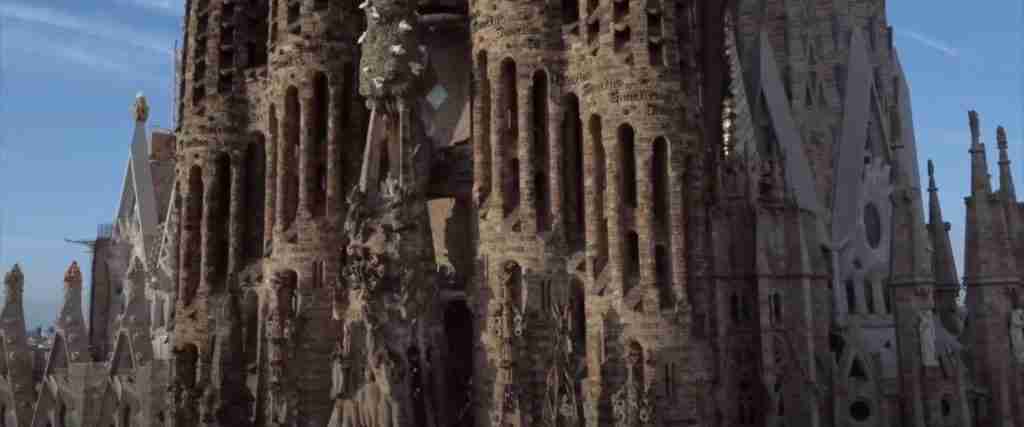
From Casa Milà, walk 15 minutes (1.2 km) or take metro L3/L5 from Diagonal to Sagrada Família station, concluding the Modernisme route at Gaudí’s unfinished cathedral. The basilica requires advance online booking with entry fees starting at €26 for basic access and €36 including tower elevator rides (check sagradafamilia.org for official rates). Morning time slots between 9-11 AM provide optimal interior lighting through stained glass windows, creating kaleidoscopic color effects across Gaudí’s forest-inspired columns and organic architectural forms.
Allow 2 hours minimum for comprehensive Sagrada Família exploration, including Nativity and Passion façades, interior basilica, museum exhibitions, and optional tower ascents. Audio guides included with admission provide detailed architectural explanations, construction history, and symbolic interpretations throughout the complex interior spaces. The surrounding Plaça Gaudí offers perspective views for exterior photography, particularly from northeast corners capturing multiple façades simultaneously against Barcelona’s urban backdrop.
Extended Modernisme Route to Park Güell in 2026
For dedicated architecture enthusiasts, extend the route to Park Güell (2 km from Sagrada Família, 30-minute walk uphill). The park requires timed-entry tickets costing €10 for Monumental Zone access where Gaudí’s ceramic work, serpentine bench, and hypostyle hall showcase his organic design philosophy applied to landscape architecture. Free surrounding areas provide city views and forest walks without ticketed access restrictions, though major architectural features require paid admission.
The uphill walk to Park Güell gains 100 meters elevation through residential neighborhoods, recommended only for energetic walkers comfortable with sustained climbing. Alternative transportation includes bus V19 from Sagrada Família or taxi rides costing €8-12, preserving energy for park exploration rather than approach walk. Park visits require 90-120 minutes for comprehensive Monumental Zone exploration plus surrounding forest trails offering peaceful retreats from central Barcelona’s urban intensity.
Barcelona Waterfront Walking Route 2026: Mediterranean Promenade
Barceloneta Beach to Port Olímpic Walk for 2026
The waterfront route extends 5 kilometers over 2-3 hours, following Barcelona’s Mediterranean coastline from Barceloneta Beach to Port Olímpic and beyond to Forum area. This flat, accessible walk offers sea breezes, beach access, seafood dining opportunities, and modern urban development contrasting with Gothic Quarter’s historic atmosphere. Afternoon timing between 3-6 PM provides optimal conditions when sea breezes moderate temperature and golden hour lighting enhances photography along the palm-lined promenade.
Start at Barceloneta metro station (L4), walking five minutes to Barceloneta Beach, Barcelona’s most popular urban beach featuring 1.1 kilometers of sand, beach services, and Mediterranean access. The pedestrian promenade runs parallel to beaches, separating foot traffic from cycling lanes marked with distinct pavement colors and boundary lines. Beach entry remains free year-round, with summer lifeguard services, shower facilities, and beach chair rentals (€7-10 per day) available during peak season months from June through September 2026.
Port Olímpic and Marina District Exploration
Continue walking northeast toward Port Olímpic, the marina district developed for 1992 Olympics featuring contemporary architecture, yacht harbors, and waterfront dining concentration. The walk from Barceloneta to Port Olímpic spans 1.5 kilometers on dedicated pedestrian paths separated from vehicle traffic, passing beach volleyball courts, outdoor gym equipment, and sculptural installations including Rebecca Horn’s “Wounded Shooting Star” at Sant Miquel Beach.
Port Olímpic area hosts 40+ restaurants specializing in seafood, Mediterranean cuisine, and international options ranging from casual tapas bars to upscale dining establishments. Lunch costs range €15-25 for menu del día options at mid-range restaurants, with seafood specialties including paella (€16-22 per person), grilled fish (€18-28), and mixed seafood platters (€25-40) at establishments along the marina promenade. The twin towers (Hotel Arts and Torre Mapfre) provide distinctive skyline landmarks visible throughout the waterfront walk.
Extended Walk to Forum and Diagonal Mar in 2026
Extend the waterfront route an additional 2 kilometers to Parc del Fòrum, a contemporary urban space hosting concerts, festivals, and the blue-tiled Edifici Fòrum with distinctive triangular architecture. This section traverses newer residential areas through Diagonal Mar neighborhood, offering insights into Barcelona’s 21st-century urban expansion beyond historic and Olympic districts. The route remains completely flat on paved surfaces suitable for all mobility levels, with beach access points, rest areas, and public facilities maintained throughout the extended promenade.
Return options include walking back along the same route for 5-kilometer round trip, taking bus V27 or V29 from Forum to Barceloneta (€2.55 per ride), or using Selva de Mar metro station (L4) for return connections to central Barcelona. The waterfront walk pairs excellently with morning Gothic Quarter or afternoon Modernisme routes, providing temperature relief during hot summer days when shaded historic center becomes less comfortable for extended pedestrian exploration.
Gràcia Neighborhood Walking Route 2026: Bohemian Barcelona
Discovering Gràcia’s Village Character in 2026
The Gràcia walking route covers 3 kilometers over 2-3 hours, exploring Barcelona’s most bohemian neighborhood through interconnected squares, artisan shops, local cafés, and residential streets maintaining distinct village identity despite urban integration. Start at Fontana metro station (L3) and wind through Plaça del Sol, Plaça Virreina, and Plaça de la Revolució, experiencing authentic Barcelona neighborhood life removed from central tourist circuits.
Gràcia maintains independent character through car-free squares, pedestrian-priority streets, and local commerce serving residents rather than tourists. The neighborhood hosted separate municipality status until 1897 annexation, and this historical independence persists through cultural identity, alternative lifestyle concentrations, and the annual Festa Major de Gràcia (August) when residents decorate streets with elaborate themed installations competing for neighborhood prizes.
Plaça del Sol and Main Square Circuit
Walk from Fontana metro to Plaça del Sol (5 minutes), Gràcia’s social hub featuring outdoor terraces, nightlife concentration, and neighborhood gathering space. Morning coffee culture transforms into evening aperitif scene, with café terraces filled with locals engaging in animated conversations characteristic of Barcelona’s social street culture. Free WiFi availability at many cafés supports extended stays, with coffee prices (€1.80-2.50) and beer (€2.50-3.50) remaining noticeably lower than Gothic Quarter or Eixample tourist zones.
Continue to Plaça de la Virreina (8-minute walk), the neighborhood’s largest square hosting weekend markets, children’s play areas, and the distinctive clock tower serving as Gràcia’s most recognizable landmark. The square functions as community center with regular cultural events, outdoor cinema screenings during summer months, and spontaneous neighborhood gatherings maintaining Gràcia’s reputation as Barcelona’s most socially engaged district.
Park Güell Approach and Modernisme Details
Gràcia’s northern edges approach Park Güell through steep residential streets showcasing smaller-scale Modernisme architecture including Casa Vicens, Gaudí’s first major commission featuring Mudéjar influences and colorful ceramic tiles. Casa Vicens now operates as museum with €18 admission, though exterior photography from public streets captures the building’s distinctive checkerboard patterns and ornamental ironwork without entry fees.
The walk from Gràcia center to Park Güell entrance requires 15-20 minutes uphill on progressively inclining streets, gaining 60 meters elevation through residential areas with limited commercial services. Many visitors prefer exploring Gràcia as separate route from Park Güell rather than attempting combined walking circuit, allowing focus on neighborhood atmosphere without elevation-gain challenges typical of approaches to Gaudí’s hilltop park.
Shopping and Dining in Gràcia for 2026
Gràcia specializes in independent boutiques, vintage shops, and artisan workshops along Carrer Verdi and surrounding lanes. Shopping options emphasize locally designed clothing, handmade jewelry, vinyl records, and alternative bookshops creating distinct retail character compared to chain-dominated Passeig de Gràcia commercial corridors. Prices remain moderate, with independent shop items ranging €20-80 for accessories and clothing pieces not available in mainstream Barcelona shopping districts.
Dining options reflect neighborhood diversity with traditional Catalan restaurants, international cuisine, vegetarian specialists, and contemporary fusion establishments serving resident population rather than tourist demographics. Menu del día options cost €11-15 at neighborhood restaurants, providing three-course lunches including wine or water. Verdi cinema district concentrates café culture and evening dining, with outdoor terraces extending opening hours during warm weather months supporting Gràcia’s distinctive late-night neighborhood social patterns.
Practical Tips for Self-Guided Walking Tours 2026
Footwear and Physical Preparation for Barcelona Walks
Comfortable walking shoes with cushioned soles and arch support prove essential for extended Barcelona exploration on varied surfaces including cobblestones, marble pavements, and uneven medieval lanes. Break in shoes before travel to prevent blisters during multi-hour walks, and consider bringing two pairs for rotation between walking days. Athletic shoes, cushioned sneakers, or lightweight hiking shoes provide appropriate support, while fashion sandals, dress shoes, and new footwear create discomfort during extended urban walking sessions.
Physical preparation enhances walking tour enjoyment, particularly for routes involving elevation gains like Park Güell approaches. Building walking stamina through regular 5-7 kilometer walks before Barcelona arrival ensures comfortable pacing during full-day explorations. Stretching before and after walking days reduces muscle soreness, particularly calf and foot fatigue from sustained pavement walking. Most Barcelona routes remain suitable for average fitness levels, though extended itineraries combining multiple routes require above-average endurance and proper pacing strategies.
Hydration, Sun Protection, and Health Considerations
Carry refillable water bottles (500ml minimum capacity) for hydration throughout walks, particularly during warm weather months when Mediterranean climate creates dehydration risks during sustained outdoor activity. Public drinking fountains appear intermittently throughout Barcelona, marked with “Aigua Potable” signs indicating safe drinking water. Supplement fountain access with café water purchases (€1-2 for bottled water) during rest stops at strategic intervals along extended routes.
Sun protection becomes critical during summer months when UV index reaches high levels throughout midday hours. Broad-spectrum sunscreen (SPF 30+), wide-brimmed hats, and sunglasses protect against excessive exposure during multi-hour outdoor walking sessions. Lightweight, breathable clothing in light colors reflects rather than absorbs heat, improving comfort during warm-weather exploration. Schedule indoor attractions during peak heat hours (2-5 PM) when outdoor walking becomes less comfortable, returning to outdoor routes during cooler evening periods.
Safety and Security During Barcelona Walking Tours
Maintain awareness of surroundings particularly in crowded tourist areas where pickpockets operate using distraction techniques including map requests, petition signing approaches, and artificial commotions. Secure bags with cross-body straps positioned in front rather than hanging freely at sides or behind. Keep wallets, phones, and valuable items in front pockets or secure internal bag compartments rather than easily accessible external pockets or open handbags.
Pedestrian traffic signals require attention at busy intersections despite Barcelona’s walkable character. Spanish drivers legally maintain right-of-way unless pedestrian signals specifically indicate safe crossing. Stay alert for bicycles and scooters sharing pedestrian zones, particularly along La Rambla and waterfront promenades where cycling traffic moves quickly through walking areas. Emergency services respond through universal 112 number, with English-speaking operators available for tourist emergencies including medical issues, theft reports, or immediate assistance requirements.
Photography Etiquette and Best Practices for 2026
Respect photography restrictions inside religious buildings, museums, and private spaces where signage prohibits image capture. Many churches allow exterior and general interior photography but prohibit flash usage and photography during religious services. Gaudí buildings including Sagrada Família, Casa Batlló, and Casa Milà permit photography in most areas though restrictions apply to specific sections—follow posted guidance and staff instructions regarding photo policies.
Street photography of residents requires sensitivity to privacy concerns, particularly when photographing individuals directly rather than general street scenes. Request permission before photographing street performers or market vendors who may expect tips for posed photographs. Optimal photography timing occurs during golden hours (first hour after sunrise, last hour before sunset) when low-angle lighting enhances architectural details and reduces harsh shadows typical of midday Mediterranean sunshine.
Rest Stops and Refreshment Strategy for Extended Walks
Plan rest stops every 60-90 minutes during extended walking tours, allowing physical recovery and hydration while preventing fatigue accumulation. Strategic rest locations include major squares (Gothic Quarter plazas, Plaça Catalunya), parks (Parc de la Ciutadella, Barceloneta Beach), and café terraces along walking routes. Coffee or beverage purchases (€1.50-3) justify extended seating at café terraces, providing rest opportunities without obligation for full meal orders.
Museum visits integrate naturally into walking routes as climate-controlled rest opportunities during midday heat or afternoon fatigue periods. Museums including Picasso Museum, MUHBA (City History), and MACBA (Contemporary Art) provide air-conditioned environments, seating areas, and café facilities supporting extended breaks within walking itineraries while maintaining cultural engagement rather than pure rest focus. Budget €7-15 for museum admissions when incorporating these strategic stops into comprehensive walking plans throughout 2026.
Budget Planning for Barcelona Walking Tours 2026
Cost Breakdown for Self-Guided Walking Days
Free walking routes exploring public spaces, streets, and exterior architecture create zero-cost base for Barcelona exploration. Monument admissions add €15-35 per major site, with Barcelona Cathedral at €9, Casa Batlló at €35, Casa Milà at €25, and Sagrada Família starting at €26 (check official websites for current rates as pricing varies). Combined monument visits during full-day walks total €50-100 depending on attraction selection and advance booking discounts available through official websites rather than third-party resellers.
Transportation costs remain minimal with metro T-Casual cards at €11.35 providing 10 journeys usable across multiple days and shareable among travel groups. Walking routes minimize metro requirements, though strategic one-way trips preserve energy during extended itineraries. Refreshment costs include morning coffee (€1.80-2.50), lunch menu del día (€12-18), afternoon snacks (€5-8), and dinner (€15-30), totaling €35-60 for complete daily dining depending on restaurant selection and dining formality preferences.
Money-Saving Strategies for 2026 Walking Tours
Advance online booking at major monuments provides 5-15% discounts compared to on-site purchases while guaranteeing entry during preferred time slots. Barcelona Card tourist passes include public transport and museum discounts, though careful cost-benefit analysis confirms actual savings based on planned itinerary rather than assumed value. Purchase 72-hour or 96-hour Barcelona Cards (€55-62) only when visiting multiple paid attractions daily—casual walkers focusing on free routes and selective monument entries save money through individual ticket purchases rather than comprehensive passes.
Free walking tour companies operate throughout Barcelona on tip-based models, providing 2-3 hour guided experiences with suggested contributions of €10-15 per person rather than mandatory fixed fees. These tours offer valuable orientation and historical context during initial Barcelona days, complementing subsequent independent walking explorations. Combine free tours with self-guided routes to balance cost efficiency with expert guidance, maximizing knowledge acquisition while controlling total touring expenditures throughout 2026 visits.
Sample Daily Walking Budgets for Different Travel Styles
Budget walking day: Free walking routes, metro T-Casual card (€1.14 per journey), supermarket breakfast (€3-5), menu del día lunch (€12-14), grocery snacks (€4-6), casual dinner (€12-15), selective monument entry (€15-20). Total: €48-62 per person daily excluding accommodation.
Mid-range walking day: Self-guided routes with audio guide app (€8-15 one-time cost), café breakfast (€6-9), restaurant lunch (€18-25), afternoon café stop (€6-8), quality restaurant dinner (€25-35), two major monument admissions (€50-70). Total: €115-150 per person daily excluding accommodation.
Premium walking day: Private guided walking tour (€150-200 split among 2-4 people), upscale breakfast (€12-18), quality lunch with wine (€30-45), afternoon refreshment (€10-15), fine dining dinner (€45-70), priority monument access including Casa Batlló and Sagrada Família (€70-90). Total: €200-280 per person daily excluding accommodation.
Seasonal Optimization Strategies for 2026 Walking Tours
Spring Walking Conditions March-May 2026
Spring provides ideal walking weather with average temperatures of 15-22°C, moderate rainfall primarily occurring early spring, and extended daylight supporting full-day exploration schedules. March brings occasional cool winds requiring light jacket layers, while April and May offer increasingly warm conditions perfect for all-day outdoor walking without excessive heat concerns. Tourist crowds remain moderate compared to summer peaks, allowing comfortable navigation through popular areas without persistent congestion typical of June-August periods.
Spring festivals enhance walking experiences through Sant Jordi Day (April 23) when La Rambla fills with book stalls and rose vendors, and early summer festivals begin emerging in late May. Accommodation costs remain moderate during spring months, positioned between winter low season and summer peak pricing, offering value for budget-conscious travelers seeking optimal walking conditions without premium seasonal rates. Book popular walking tour slots 2-4 weeks ahead during spring months when organized tours begin capacity constraints without reaching summer’s advance booking requirements.
Summer Considerations June-August 2026
Summer brings peak tourist season with maximum temperatures exceeding 30°C during afternoon hours, requiring morning (before 11 AM) and evening (after 6 PM) walking schedules for comfortable exploration. Midday heat creates challenges for sustained outdoor walking, making indoor attraction visits strategically necessary during 2-5 PM periods when temperatures and sun intensity peak. Beach route timing becomes optimal during summer months when Mediterranean swimming and waterfront dining integrate naturally into hot-weather walking itineraries.
Summer crowds intensify at major monuments, requiring advance booking 4-8 weeks ahead for guaranteed admission during preferred time slots. La Rambla, Gothic Quarter, and Sagrada Família experience maximum pedestrian density, creating slower walking paces and photography challenges during peak morning and late afternoon hours. Benefits include maximum daylight (sunrise 6:15 AM, sunset 9:30 PM in June) supporting extended exploration schedules, lively street atmosphere, and complete availability of seasonal services including beach facilities, outdoor dining, and festival programming throughout summer 2026.
Autumn Advantages September-November 2026
Autumn mirrors spring’s excellent walking conditions with comfortable temperatures of 16-24°C in September declining to 12-18°C by November, reduced crowds following summer peak season, and stable weather patterns supporting reliable outdoor planning. September maintains warm Mediterranean conditions ideal for beach route walking while offering improved monument access compared to summer congestion. October and November bring occasional rainfall requiring flexible scheduling and rain gear, though dry periods dominate autumn weather patterns supporting consistent walking opportunities.
Cultural calendar highlights autumn including La Mercè festival (September 24) with street parades, giants, and fireworks creating enhanced walking experiences through festive city atmosphere. Photography benefits from autumn light angles creating warmer tones during golden hours, while reduced summer haze improves long-distance visibility from elevated viewpoints including Park Güell, Montjuïc, and Casa Milà rooftop. Autumn booking requirements moderate compared to summer peaks, allowing 1-3 week advance planning for most attractions and tours throughout September-November 2026 visits.
Winter Walking Opportunities December-February 2026
Winter walking remains viable throughout Barcelona’s mild winter climate with temperatures averaging 10-15°C, minimal snow (virtually nonexistent at sea level), and occasional rain requiring waterproof footwear and packable rain jacket. Tourist crowds reach annual minimums during winter months, creating uncongested monument access, shorter entry queues, and peaceful walking experiences through typically busy areas. Photography benefits from low-angle winter sun creating dramatic architectural lighting, though shorter daylight periods (sunset around 5:30 PM) compress available outdoor exploration time compared to summer’s extended hours.
Winter advantages include significant accommodation cost reductions of 30-50% compared to summer rates, immediate monument ticket availability without advance booking requirements, and atmospheric Christmas markets along La Rambla and Cathedral area during December. Winter walking requires morning starts to maximize limited daylight, with indoor attraction visits naturally shifting to afternoon hours when daylight declines. Weather variability requires flexible planning allowing indoor alternatives during rainy periods, though dry spells support excellent walking conditions enhanced by crisp air clarity and comfortable temperature ranges preventing overheating during sustained physical activity.
Combining Routes for Multi-Day Walking Itineraries 2026
Three-Day Barcelona Walking Program
Day 1 focuses on Gothic Quarter route (morning 9 AM-12 PM) followed by La Rambla stroll and Barceloneta waterfront walk (afternoon 3-6 PM), covering historic core and Mediterranean access in single day. Total walking distance reaches 8 kilometers over 6 hours including rest stops, museum visits, and lunch break. Day 1 costs include Barcelona Cathedral admission (€9), MUHBA archaeological museum (€7), lunch menu del día (€14-18), and dinner at Port Olímpic (€25-35), totaling €55-69 per person excluding accommodation.
Day 2 dedicates to Modernisme route from Casa Amatller through Casa Batlló, Casa Milà, concluding at Sagrada Família (9 AM-3 PM). Combined admission fees reach €85-95 for all major monuments with advance booking, requiring early start times to complete comprehensive interior visits before afternoon fatigue. Afternoon rest follows intensive monument morning, with optional evening Gràcia neighborhood exploration providing relaxed contrast to architectural focus. Day 2 budget totals €120-150 including monument admissions, meals, and transportation.
Day 3 explores Gràcia neighborhood morning walk (10 AM-1 PM) followed by Park Güell afternoon visit (3-5 PM) with strategic midday rest avoiding hottest periods and preserving energy for uphill park approach. Alternative Day 3 itinerary substitutes Montjuïc walking route including castle, Olympic facilities, and Magic Fountain evening show. Day 3 costs remain moderate at €30-50 with Park Güell admission (€10), meals, and selective additional attractions based on energy levels and remaining interests.
Five-Day Comprehensive Walking Coverage
Five-day itineraries allow thorough Barcelona exploration without daily rushing, incorporating rest periods, deeper neighborhood immersion, and day trip possibilities. Standard five-day program includes: Day 1 Gothic Quarter and waterfront, Day 2 Modernisme architecture, Day 3 Gràcia and Park Güell, Day 4 Montjuïc and contemporary Barcelona, Day 5 Poblenou neighborhood or Tibidabo mountain depending on weather and energy levels remaining after intensive exploration days.
Extended itineraries permit specialized focus days including dedicated food walking tours through markets and tapas districts, shopping-focused routes through Eixample boutiques and El Raval vintage shops, or museum marathon days combining Picasso Museum, MACBA, and MNAC art collections. Five-day programs balance active walking days with moderate-intensity exploration days, preventing fatigue accumulation while maintaining consistent Barcelona engagement throughout extended visit period.
Week-Long Walking Immersion Program
Week-long stays enable comprehensive Barcelona coverage including all standard routes plus day trips to nearby heritage sites. Additional walking opportunities include Sant Pau Modernisme site, Pedralbes monastery and gardens, Collserola natural park hiking trails, and repeated visits to favorite areas discovered during initial exploration days. Weekly programs incorporate rest days for beach relaxation, extended museum visits, or catching up on photo organization and trip documentation between active walking sessions.
Weekly itineraries support deeper neighborhood immersion beyond primary tourist circuits, exploring residential districts including Sants, Sant Martí, and Horta where authentic daily Barcelona life unfolds away from tourism concentration zones. Local market visits (La Boqueria, Santa Caterina, Sant Antoni) integrate into weekly programs as cultural experiences rather than rushed tourist activities, allowing gradual Barcelona understanding through sustained exposure to urban rhythms, local customs, and neighborhood character variations throughout the metropolitan area.
Frequently Asked Questions About Barcelona Walking Tours 2026
Do I need to book walking tours in advance for Barcelona 2026?
Self-guided walks require no advance booking, allowing complete schedule flexibility throughout your Barcelona stay. Organized group walking tours benefit from 3-7 day advance reservations during peak season (June-August) when popular tours reach capacity, though many tours accept walk-up participants during moderate season months. Monument admissions require advance online booking for guaranteed entry at preferred times, particularly Sagrada Família, Casa Batlló, and Casa Milà where same-day tickets often sell out during high season. Book popular monuments 2-4 weeks ahead during spring and autumn, extending to 4-8 weeks during summer peak season for optimal time slot availability.
Are Barcelona’s walking tours accessible for people with mobility limitations?
Waterfront routes provide completely flat, paved surfaces suitable for wheelchairs, strollers, and mobility devices with zero elevation changes along 5-kilometer beach promenade. Eixample district’s wide sidewalks, grid pattern, and flat terrain support accessible exploration of Modernisme architecture along Passeig de Gràcia and surrounding blocks. Gothic Quarter presents challenges with cobblestone surfaces, narrow lanes, and stairs at some monuments, though major attractions including Cathedral provide accessible entrances and interior navigation. Park Güell requires sustained uphill approaches reaching 60-100 meters elevation gain through steep residential streets, making accessibility challenging without vehicle transportation to entrance areas. Most major monuments offer elevator access, though specific inquiries to attraction websites clarify detailed accessibility provisions for individual mobility requirements.
What is the best time of day to start Barcelona walking tours in 2026?
Morning starts between 8:30-9:30 AM provide optimal conditions for most routes, capturing comfortable temperatures before midday heat, excellent photography lighting on architectural façades, and minimal crowds at monuments during opening hours. Gothic Quarter walks benefit from early starts before 10 AM when narrow lanes remain relatively quiet and morning light illuminates cathedral façade and medieval details. Summer months require earlier starts around 8 AM for comfortable walking before temperatures exceed 28°C, while winter allows flexible timing throughout morning hours without temperature concerns. Evening walks between 6-8 PM suit waterfront routes when golden hour lighting enhances Mediterranean views and sea breezes provide cooling effects during warm weather months.
Can I do walking tours in Barcelona if I don’t speak Spanish or Catalan?
Barcelona’s tourism infrastructure operates extensively in English, with major monuments providing English audio guides, signage, and staff assistance without language barriers for independent walking exploration. Printed walking maps available at tourist offices include English versions, while smartphone navigation apps function in any language through GPS guidance rather than text-heavy instructions. Restaurant menus in tourist areas typically include English translations, with staff familiar with basic English phrases for ordering assistance. Street navigation requires minimal language skills through numbered addresses, landmark recognition, and metro system maps using universal symbols and color coding rather than language-dependent information. Learning basic Catalan phrases (bon dia for hello, gràcies for thank you) enhances local interactions though remains optional rather than necessary for successful independent walking tours throughout Barcelona’s tourist districts.
How do Barcelona’s walking routes compare to other European cities in 2026?
Barcelona offers exceptional walkability compared to European peers through compact historic center, extensive pedestrian zones, relatively flat terrain in central districts, and concentrated attraction density allowing multiple landmarks within single walking sessions. The city compares favorably to Rome’s hills, Paris’s expansive distances between monuments, and London’s river-divided geography requiring more transportation supplements between walking areas. Barcelona’s Mediterranean climate extends comfortable walking seasons beyond northern European cities where cold winters and frequent rain limit outdoor exploration months. Architectural density along Barcelona’s Modernisme routes exceeds most European cities’ art nouveau concentrations, providing continuous visual interest throughout walking sessions rather than isolated monuments connected through generic urban fabric.
What should I do if I get lost during a self-guided walking tour in Barcelona?
Download offline maps before walks to maintain GPS navigation without mobile data requirements, allowing position verification and route recalculation when disoriented in Gothic Quarter’s maze-like lanes. Most confusion occurs in Gothic Quarter’s medieval streets where similar lanes create navigation challenges—orient toward major landmarks (Cathedral, La Rambla, waterfront) visible from slight elevation or at lane intersections to reestablish directional sense. Metro stations appear every 400-800 meters throughout central Barcelona, providing clear reference points and staff assistance when requiring navigation help or alternative transportation to known locations. Tourist information offices at Plaça Catalunya, Cathedral area, and Jaume I metro station offer free maps and English-speaking staff assistance for route clarification. Barcelona’s grid pattern in Eixample district prevents serious disorientation outside Gothic Quarter’s irregular medieval layout—perpendicular streets always lead to major avenues providing clear orientation references.
Are there guided walking tour alternatives to self-guided routes in 2026?
Free walking tour companies including Runner Bean Tours, SANDEMANs, and Free Walking Tour Barcelona operate daily departures from Plaça Reial and Plaça Catalunya covering Gothic Quarter, Modernisme architecture, and thematic topics through 2-3 hour guided experiences on tip-based models. Paid small-group tours (€20-35 per person) provide deeper expertise through specialized guides, limited group sizes, and access to specific topics including Civil War history, food and market tours, or architectural focus walks examining Gaudí and Modernisme in technical detail. Private tours (€150-250 for 2-4 people) offer customized routes, flexible pacing, and personalized attention ideal for specific interests, photography focus, or families with children requiring adapted touring approaches. Audio guide apps including Rick Steves Audio Europe (free) and GPSmyCity (€5-10 per route) provide middle-ground between completely independent walks and live guided experiences through narrated smartphone content synchronized to walking routes.
How much walking is too much for a single day in Barcelona?
Most visitors comfortably manage 8-12 kilometers (5-7.5 miles) daily through Barcelona’s walkable districts when maintaining moderate pace with regular rest stops, hydration breaks, and strategic indoor attraction visits providing seated recovery periods. Sustained walking exceeding 15 kilometers strains untrained walkers, creating foot fatigue, muscle soreness, and reduced enjoyment during latter portions of extended days. Monitor physical signals throughout walks, taking breaks every 60-90 minutes to prevent fatigue accumulation rather than pushing through discomfort until exhaustion necessitates complete walking cessation. Consider splitting ambitious routes across multiple days rather than attempting comprehensive coverage in single marathon sessions—Barcelona’s compact layout permits returning to partially completed routes without significant transportation costs or time investments for continuation days. Most visitors find alternating intensive walking days with moderate exploration days optimizes overall trip enjoyment while maintaining sustainable physical activity levels throughout multi-day Barcelona stays.
What are the best apps for Barcelona self-guided walking tours in 2026?
Google Maps offline mode provides essential base navigation, requiring WiFi pre-download of Barcelona map before offline walking enables GPS tracking, route planning, and point-of-interest discovery without mobile data usage. Maps.me app offers detailed offline maps with walking route optimization, hiking trail inclusion for Park Güell and Montjuïc areas, and user-contributed points of interest beyond standard tourist attractions. Citymapper excels for combined walking-transit routing, showing optimal metro supplements to walking routes and real-time public transport schedules supporting flexible route adaptations. GPSmyCity provides narrated walking tour routes (€5-10 each) with detailed explanations of monuments, architectural features, and historical context delivered through GPS-triggered audio commentary synchronized to physical location along predefined routes. Rick Steves Audio Europe offers free walking tour audio guides for Barcelona covering major districts with conversational historical and cultural commentary from trusted travel authority perspective.
Can I safely walk alone in Barcelona at night in 2026?
Barcelona maintains safe nighttime walking conditions in major tourist districts including Gothic Quarter, Eixample, and waterfront areas where street lighting, pedestrian traffic, and police presence continue throughout evening hours until midnight and beyond. La Rambla and surrounding Gothic Quarter lanes remain active with restaurants, bars, and tourists creating natural surveillance and safety through numbers until late evening. Waterfront promenades along Barceloneta Beach maintain lighting and regular patrol presence supporting safe evening walks with reasonable awareness of surroundings and basic urban safety practices. Avoid isolated parks, beach areas far from commercial zones, and poorly lit residential streets when walking alone after dark, particularly after midnight when pedestrian traffic diminishes significantly. Solo walkers should maintain awareness of surroundings, keep valuable items secure, avoid distraction from smartphones while navigating, and trust instincts about uncomfortable situations by seeking well-populated areas when feeling uncertain about specific locations or circumstances.