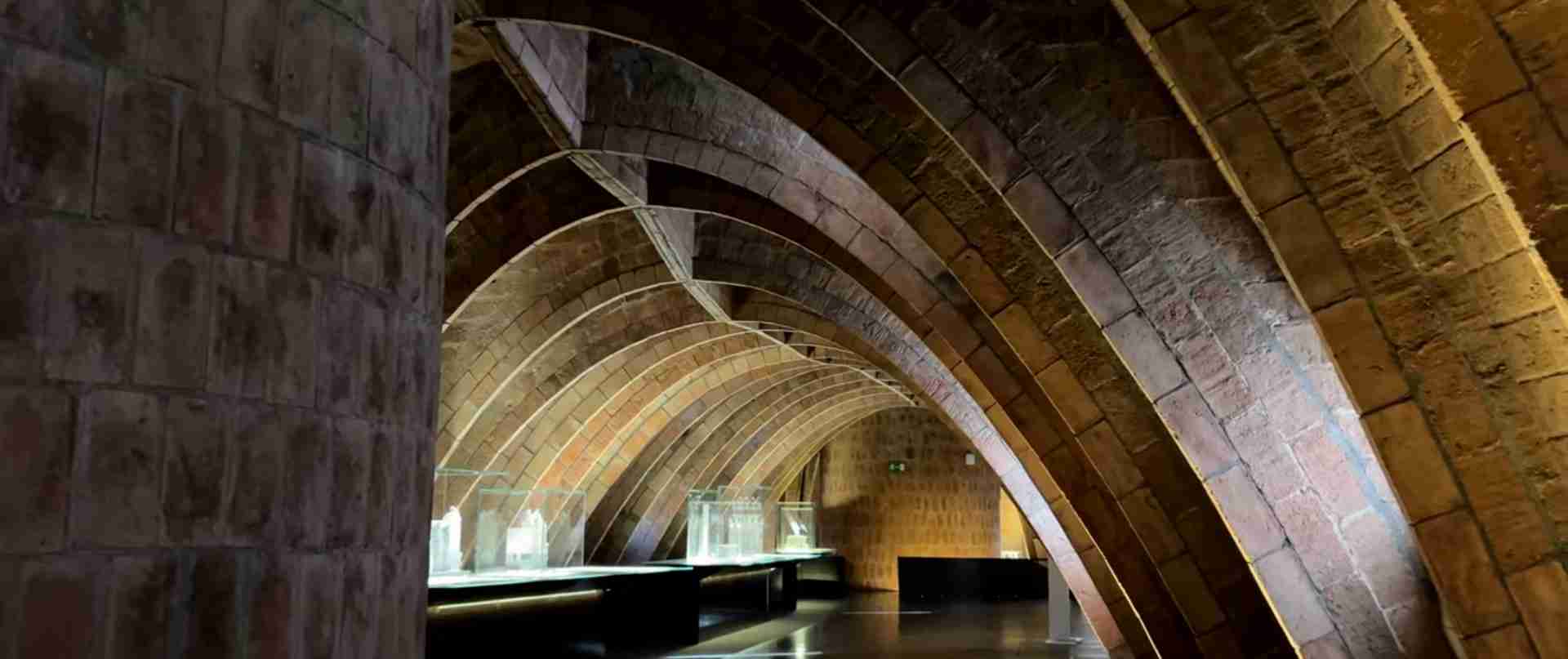
Barcelona Photography Guide: Mastering Gaudi & Mediterranean Light
Key Takeaways
- Mediterranean Light Mastery: Barcelona’s crystalline coastal light creates exceptional clarity and color saturation, with blue hour producing magical twilight tones and golden hour illuminating modernist facades with warm amber glow
- Gaudi Architecture Challenges: Photographing Casa Batlló, La Pedrera, and Sagrada Família requires wide-angle lenses (16-24mm), perspective control techniques, and strategic timing to manage extreme dynamic range and intricate surface details
- Gothic Quarter Technical Demands: Narrow medieval streets require high ISO capabilities (3200-6400), fast prime lenses (f/1.4-f/2.8), and careful white balance management for mixed artificial and natural lighting conditions
- Street Photography Opportunities: Las Ramblas, Born district markets, and beach promenades offer exceptional candid photography with strong Mediterranean light, vibrant street culture, and architectural backdrops requiring respectful approach and quick reflexes
- Bunker del Carmel Panoramas: This abandoned anti-aircraft battery provides 360-degree city views requiring panoramic stitching techniques, graduated neutral density filters, and careful timing to balance sky and urban foreground exposures
- Seasonal Light Variations: Summer’s harsh midday light demands early morning or late evening shoots, while winter’s lower sun angle provides all-day photography opportunities with dramatic shadows and directional lighting on architectural details
Understanding Barcelona’s Photographic Appeal
Barcelona presents photographers with a rare confluence of architectural masterpieces, Mediterranean coastal light, and vibrant urban culture that creates exceptional visual opportunities across genres from architectural documentation to street photography. The city’s UNESCO World Heritage sites—including seven Gaudí buildings and the Hospital de Sant Pau—provide subjects of international significance, while neighborhoods like the Gothic Quarter offer labyrinthine medieval streets where light and shadow create dramatic chiaroscuro effects. The Mediterranean climate produces crystalline atmospheric clarity that distinguishes Barcelona’s light quality from northern European cities, with minimal atmospheric haze allowing exceptional sharpness and color saturation in landscape and architectural photography.
Understanding Barcelona’s photographic potential requires grasping how architectural styles, urban topography, and light conditions interact to create distinct visual challenges and opportunities. Modernist buildings by Gaudí, Domènech i Montaner, and Puig i Cadafalch feature organic curves, intricate surface patterns, and colorful ceramic tile work that demand specific technical approaches for accurate representation. The city’s grid-pattern Eixample district creates geometric compositions with strong perspective lines, while the Gothic Quarter’s irregular medieval streets offer more spontaneous, discovery-based photography. Barcelona’s position between mountains and sea creates dramatic elevated viewpoints like Parc Güell, Montjuïc Castle, and Bunker del Carmel that provide panoramic perspectives for wide landscape photography. The city’s active street life—from market scenes to beach culture—sustains rich opportunities for candid documentary photography that captures authentic Mediterranean urban experience.
Successful Barcelona photography requires balancing technical precision with creative vision, managing challenging lighting conditions while capturing the emotional essence of one of Europe’s most photogenic cities. The high contrast between brilliant sunlight and deep architectural shadows demands understanding of exposure techniques like HDR bracketing and graduated filters. The reflective surfaces of mosaic tile and stained glass create complex lighting situations requiring careful metering and post-processing strategies. This guide provides the technical foundation and creative strategies necessary for photographing Barcelona’s architectural treasures, urban landscapes, and street scenes with professional results, whether shooting for travel documentation, fine art projects, or architectural portfolio development.
People Also Ask About Barcelona Photography
What camera equipment do you need for Barcelona photography?
A versatile Barcelona photography kit includes a full-frame or APS-C camera body with good dynamic range (14+ stops) and high ISO performance for low-light Gothic Quarter work. Essential lenses include an ultra-wide zoom (16-35mm full-frame equivalent) for Sagrada Família interiors and architectural exteriors, a standard zoom (24-70mm) for general street photography and architectural details, and optionally a fast prime (35mm f/1.4 or 50mm f/1.8) for available light situations and selective focus effects. A sturdy tripod proves essential for blue hour long exposures, interior photography, and panoramic stitching work. Graduated neutral density filters help balance sky exposure in landscape shots from viewpoints, while a circular polarizer reduces reflections on glass and water while increasing sky saturation. Additional useful gear includes a remote shutter release for eliminating camera shake during long exposures, extra batteries for cold weather and extended shooting sessions, and high-capacity memory cards for RAW file storage during intensive shooting days.
When is the best light for photographing Gaudi buildings?
Golden hour (the hour after sunrise and before sunset) provides optimal light for Gaudí architecture, with warm directional lighting that enhances the three-dimensional textures of trencadís mosaics and reveals surface modeling. The specific timing depends on the building’s orientation: Casa Batlló faces east and receives beautiful morning light, while La Pedrera’s Passeig de Gràcia facade faces northwest and glows during evening golden hour. Sagrada Família benefits from both morning light on the Nativity Facade (east) and afternoon light on the Passion Facade (west), though the building’s massive scale and complexity reward multiple visits at different times. Blue hour (the twilight period after sunset when the sky retains deep blue color) offers magical opportunities to photograph illuminated Gaudí buildings against saturated blue skies, creating dramatic contrasts between artificial building lights and natural sky tones. Interior photography benefits from midday when natural light floods through stained glass, though this requires advanced exposure bracketing to manage extreme dynamic range.
How do you photograph the Sagrada Família interior effectively?
Photographing Sagrada Família’s interior requires wide-angle lenses (14-24mm full-frame equivalent) to capture soaring columns and vaulted ceilings, with careful attention to vertical line control to avoid perspective distortion that makes columns appear to lean. Exposure bracketing (typically 5-7 frames spanning -3 to +3 EV) captures the extreme dynamic range between brilliantly lit stained glass windows and shadowed stone, which you later blend in post-processing using HDR techniques or luminosity masks. Midday provides optimal stained glass illumination when direct sunlight activates the colored glass, creating jewel-toned light patterns across white stone surfaces. Tripod use is prohibited, necessitating high ISO (1600-3200) and image stabilization, with careful handheld technique or monopod use as alternative. Composition strategies include shooting upward to emphasize vertical space, using columns as foreground framing elements, and capturing light patterns cast by stained glass on stone surfaces. The crowds present constant challenges, requiring patience to wait for clear sightlines or deliberately incorporating people to provide scale reference that emphasizes the building’s monumentality.
What are the best viewpoints for Barcelona cityscape photography?
Bunker del Carmel (Turó de la Rovira) provides the premier 360-degree panoramic viewpoint encompassing Sagrada Família, the Mediterranean coast, and surrounding mountains, accessible via steep hiking trails with no entrance fee but requiring attention to safety on the abandoned concrete bunker structures. Park Güell’s terraces offer elevated perspectives combining Gaudí architecture with city views, though the €10 entrance fee and strict photography regulations within the monumental zone require planning. Montjuïc Castle and Mirador del Alcalde provide southern perspectives emphasizing the port area and Mediterranean, with easier vehicle access suitable for transporting tripods and equipment. Hotel rooftops like Hotel Avenida Palace and the W Barcelona offer legal, comfortable shooting platforms, though public access may be limited to hotel guests or restaurant patrons. Tibidabo mountain summit provides the highest elevation viewpoint with amusement park and church creating foreground interest, accessible via historic funicular. Each viewpoint requires different optical approaches: Bunker del Carmel suits wide landscape panoramas, Park Güell enables architectural detail photography, and Montjuïc positions work best for telephoto compression of distant Sagrada Família against urban context.
Extended multi-day tours – 5+ days
Featured Barcelona Multi-Day Tour Packages
2 days
Montserrat, Girona and Costa Brava in 2 days from Barcelona
- ✓ Comprehensive Barcelona tour
- ✓ Expert local guides included
- ✓ All accommodation arranged
- ✓ Transportation provided

5 days
Best of Catalonia, Self-drive
- ✓ Comprehensive Barcelona tour
- ✓ Expert local guides included
- ✓ All accommodation arranged
- ✓ Transportation provided

7 days
Lisbon, Madrid and Barcelona
- ✓ Comprehensive Barcelona tour
- ✓ Expert local guides included
- ✓ All accommodation arranged
- ✓ Transportation provided
5 days
Trip to Barcelona in 5 Days
- ✓ Comprehensive Barcelona tour
- ✓ Expert local guides included
- ✓ All accommodation arranged
- ✓ Transportation provided
Multi-day tour packages powered by TourRadar. Prices and availability subject to change.
Essential Camera Equipment and Technical Setup
Building an optimal equipment kit for Barcelona photography begins with selecting a camera body with strong dynamic range capabilities, essential for managing the extreme contrast between brilliant Mediterranean sun and deep architectural shadows. Full-frame sensors provide advantages in dynamic range, high-ISO performance, and wide-angle lens options, though modern APS-C sensors offer excellent image quality at lower cost and weight. Prioritize cameras with 14+ stops of dynamic range to capture detail in both highlight and shadow areas of high-contrast architectural scenes. In-body image stabilization (IBIS) helps compensate for Barcelona’s prohibition of tripods at many tourist sites, enabling handheld shooting at slower shutter speeds. Weather sealing protects equipment during occasional Mediterranean storms and humid coastal conditions, while dual card slots provide backup security for irreplaceable travel photographs.
Lens selection determines your photographic possibilities and technical approach to Barcelona’s diverse subjects. An ultra-wide zoom (16-35mm full-frame equivalent or 10-24mm APS-C) handles the architectural challenge of photographing large buildings in confined urban spaces, particularly essential for Sagrada Família interiors, Gothic Quarter streets, and panoramic viewpoint work. The widest apertures (f/2.8 constant) provide low-light capability and premium optical quality, though f/4 versions offer significant weight and cost savings with minimal practical disadvantage for architectural work. A standard zoom (24-70mm f/2.8 or 24-105mm f/4) serves as workhorse lens for general street photography, architectural details, and travel documentation, balancing versatility with image quality. Fast prime lenses (35mm f/1.4, 50mm f/1.8) excel for available-light photography in Gothic Quarter taverns, market interiors, and evening street scenes where their large maximum apertures enable ambient light photography without flash. Tilt-shift lenses (17mm or 24mm) provide ultimate architectural control through perspective correction and focus plane manipulation, though their specialized nature, high cost, and steep learning curve limit their appeal to dedicated architectural photographers.
Support equipment and accessories enhance technical capabilities and protect valuable gear. A sturdy travel tripod (carbon fiber for weight reduction) enables long exposure work during blue hour, HDR bracketing for interior photography, and multi-row panoramic stitching from elevated viewpoints. Ball heads provide quick, intuitive positioning for architectural and landscape work, while geared heads offer precise adjustments for formal architectural documentation. An L-bracket attached to the camera body facilitates rapid switching between horizontal and vertical orientations while maintaining tripod balance. Graduated neutral density filters (2-stop and 3-stop) balance sky exposure in landscape photography from hilltop viewpoints, though digital blending techniques often provide superior results with more control. Circular polarizing filters reduce reflections on glass windows, increase sky saturation, and cut atmospheric haze, proving particularly valuable for exterior architectural photography and coastal scenes. Remote shutter releases eliminate camera shake during exposures longer than 1/60 second, while intervalometers enable time-lapse photography of changing light conditions on architectural facades. Carry extra batteries, as Barcelona’s winter cold and intensive LCD use for image review drain power quickly, and bring high-capacity memory cards (64GB or larger) to accommodate large RAW files during full-day shooting sessions.
Understanding Mediterranean Light and Seasonal Variations
Barcelona’s Mediterranean climate creates distinctive light quality characterized by exceptional atmospheric clarity, strong color saturation, and dramatic seasonal variations in sun angle and intensity. The coastal location between mountains and sea produces crystalline air quality with minimal industrial haze, allowing extraordinary sharpness and color purity in landscape and architectural photography. Summer months bring intense midday sun that creates harsh shadows and blown highlights challenging for balanced exposure, with the sun reaching near-vertical angles at noon that eliminate architectural texture through flat frontal lighting. These conditions favor early morning shoots (6-10 AM) when low sun angles create directional lighting that reveals surface textures and modeling, or evening sessions (6-9 PM) when warm golden hour light transforms modernist facades into glowing studies in amber and orange tones.
Golden hour in Barcelona offers particularly spectacular photographic opportunities due to the interaction between Mediterranean coastal light and modernist architectural surfaces. The warm directional light enhances the three-dimensional relief of Gaudí’s organic facades, with low-angle illumination creating long shadows that emphasize texture and depth. Trencadís mosaics sparkle with intensified color as warm light activates the glazed ceramic surface, while stained glass windows glow with internal illumination when backlit. Calculate golden hour timing using applications like PhotoPills or The Photographer’s Ephemeris, accounting for Barcelona’s longitude (2.17°E) and latitude (41.39°N) which produce variable golden hour durations across seasons. Summer golden hours last approximately 45-60 minutes with sunset occurring 9-9:30 PM, while winter’s lower sun angle extends golden hour to 90 minutes with 5:30 PM sunsets. Pre-visualize specific shots by noting sun position relative to building orientations, remembering that east-facing Casa Batlló catches morning light while northwest-facing elements of La Pedrera glow in evening.
Blue hour—the twilight period when the sun lies 4-8° below the horizon—produces Barcelona’s most magical urban photography opportunities. The deep saturated blue sky provides perfect color complement to warm-toned artificial building lights, creating vivid color contrasts in architectural night photography. This brief window lasts only 20-40 minutes depending on season and atmospheric conditions, demanding efficient shooting and pre-planned compositions. During blue hour, illuminated Sagrada Família glows against deep blue skies, modernist buildings activate interior and exterior lighting, and the cityscape transforms into a tapestry of light. Exposure strategy requires careful balancing between retaining sky color detail (which darkens quickly) and capturing building illumination (which remains constant). Bracket exposures widely (minimum 5 frames spanning 3-4 stops) to ensure capturing full tonal range for later blending. Winter blue hours occur at commuter-friendly times (5:00-6:00 PM), while summer blue hours happen after 9:30 PM when tourist crowds have diminished. The extended Mediterranean twilight creates longer blue hour periods than northern European cities, providing more working time for complex compositions and multiple location shoots.
Photographing Gaudí’s Architectural Masterpieces
Gaudí’s architecture presents unique photographic challenges due to organic forms, intricate surface patterns, extreme dynamic range, and restricted shooting locations that demand specific technical approaches for successful documentation. The buildings’ curves and three-dimensional relief make perspective control critical, as wide-angle lenses introduce distortion that can distort Gaudí’s carefully calculated forms. Shooting perpendicular to facades minimizes perspective distortion, though the urban context often prevents achieving optimal camera positions. When distortion is unavoidable, use lens correction profiles in post-processing and carefully position prominent vertical elements along the central image axis where distortion is minimal. Tilt-shift lenses eliminate perspective distortion through physical lens movements, though their cost and complexity limit their practicality for casual photography.
Casa Batlló’s facade combines undulating stone, colorful ceramic mosaic, skeletal balconies, and dragon-scale roof tiles in a composition that rewards multiple photographic approaches. Shoot from Passeig de Gràcia’s eastern sidewalk during morning golden hour (approximately 7-9 AM depending on season) when low-angle sun rakes across the three-dimensional facade, revealing texture and depth. The narrow street prevents capturing the full building in a single frame without extreme wide-angle lenses (16mm or wider), which introduce perspective distortion best corrected in post-processing. Detail photography isolates specific elements like balcony railings, mosaic patterns, or sculptural chimneys, using longer focal lengths (70-200mm) to compress perspective and abstract forms from architectural context. The building’s interior presents extreme dynamic range challenges as brilliant stained glass windows contrast with shadowed rooms, requiring 5-7 frame exposure brackets for HDR processing or careful graduated exposure adjustment in RAW processing.
La Pedrera (Casa Milà) demands different photographic strategies due to its massive scale, corner location, and famous rooftop. The building occupies an entire city block at Passeig de Gràcia and Carrer de Provença, with different facades receiving optimal light at different times. The Passeig de Gràcia facade faces northwest, glowing during evening golden hour, while the side streets receive morning light. The undulating stone facade creates shadow patterns that change dramatically with sun angle, rewarding multiple visits across seasons and times. The rooftop sculpture garden of chimneys and ventilation towers requires ultra-wide lenses (14-24mm) to capture grouped compositions while managing tourists in the frame. Compositional strategies include using chimney forms as foreground framing elements for cityscape backgrounds, isolating individual sculptural forms against sky, or creating abstract studies of curves and shadows. The rooftop’s elevated position provides views toward Sagrada Família, enabling telephoto compositions that connect Gaudí’s works across the cityscape.
Sagrada Família represents the ultimate Barcelona photography challenge due to its massive scale, intricate detail, extreme dynamic range interiors, and constant crowds. External photography requires wide-angle lenses (16-24mm) to capture the full facade, with optimal viewpoints across the pond in the adjacent park providing clear sightlines and reflection opportunities. The Nativity Facade faces east and receives beautiful morning light, while the Passion Facade faces west and benefits from afternoon and sunset illumination. Detail photography isolates specific sculptural elements, requiring telephoto lenses (70-200mm) to compress perspective and fill the frame with intricate carving. Interior photography demands careful exposure management as brilliant stained glass creates highlight areas many stops brighter than shadowed stone. Shoot 5-7 frame exposure brackets spanning -3 to +3 EV, later blending exposures using HDR software or manual luminosity masking. Vertical compositions emphasize the soaring columns and vaulted ceilings, while horizontal frames capture the overall spatial experience. The prohibition on tripods necessitates high ISO settings (1600-3200) and fast shutter speeds, with image stabilization helping achieve sharp results.
Gothic Quarter and Medieval Architecture Photography
The Gothic Quarter’s narrow medieval streets create distinctive photographic challenges and opportunities requiring different technical approaches than modernist architecture. Tight lanes often measure only 3-5 meters wide, making wide-angle lenses essential (16-24mm) while simultaneously creating severe perspective distortion that causes buildings to lean dramatically. Embrace this distortion as characteristic of the Gothic Quarter photographic aesthetic, or correct it in post-processing using lens profile corrections and perspective transformation tools. The narrow streets create deep shadows even during midday, producing high-contrast lighting situations with bright sky visible between buildings and dark shadowed streets below. Expose for shadow detail to preserve architectural information, accepting that sky areas will blow out, or bracket exposures for later blending.
Low-light conditions throughout the Gothic Quarter demand high ISO capabilities and fast lenses for handheld photography. Modern cameras with excellent high-ISO performance (usable through ISO 6400) enable ambient light photography without flash that preserves authentic atmospheric quality. Fast prime lenses (35mm f/1.4, 50mm f/1.8) gather more light than standard zooms while providing shallower depth of field for selective focus effects that isolate subjects from busy backgrounds. The mixed lighting from tungsten street lamps, fluorescent shop lights, and daylight requires careful white balance management. Shoot in RAW format to retain maximum flexibility for white balance adjustment in post-processing, or set custom white balance for dominant light source in each scene. The auto white balance performs adequately in most situations, though it can produce inconsistent color across a series of photographs shot under varying light conditions.
The Cathedral of Barcelona (La Seu) presents specific photographic opportunities within the Gothic Quarter context. The main facade faces southeast, receiving morning light that illuminates the gothic architectural details and rose window. The interior’s soaring vaulted nave and cloister garden offer contrasting spatial experiences requiring different photographic approaches. Inside the cathedral, available light photography requires high ISO (3200-6400) and wide apertures (f/2.8-f/4) to achieve adequate shutter speeds for handheld shooting. Tripods are not permitted during visiting hours, though early morning before tourist hours may allow more flexible shooting conditions. The cloister garden provides a serene interlude where dappled light filters through palm trees onto medieval stone, creating subtle tonal gradations perfect for black and white photography. Position yourself to include both architectural elements and garden vegetation in single compositions that convey the cloister’s liminal quality between interior and exterior space.
Street Photography and Urban Documentary
Barcelona’s vibrant street culture provides exceptional opportunities for candid documentary photography capturing authentic Mediterranean urban life. Las Ramblas functions as the city’s primary pedestrian thoroughfare, with human statues, flower vendors, street performers, and diverse crowds creating constant visual interest. Successful street photography here requires balancing respect for subjects with decisive moment capture, using moderate wide-angle or standard focal lengths (28-50mm) that allow environmental context while maintaining intimate connection to subjects. Fast autofocus and continuous shooting modes help capture fleeting expressions and interactions, while manual focus with zone focusing techniques work well for anticipated action in predictable locations. The bright Mediterranean light permits fast shutter speeds (1/500-1/1000 second) that freeze motion, though occasional panning at slower speeds (1/30-1/60 second) creates dynamic blur that conveys movement energy.
Market photography at La Boqueria, Santa Caterina, and neighborhood markets captures the sensory experience of Barcelona’s food culture through vibrant colors, textures, and human interactions. The markets’ covered structures create mixed lighting combining daylight from skylights with tungsten or fluorescent artificial light, requiring careful white balance management to render food colors accurately. Wide apertures (f/2.8-f/4) create selective focus that isolates colorful produce displays from busy backgrounds, while moderate depth of field (f/5.6-f/8) maintains sufficient sharpness across full vendor stalls. Arrive early before tourist crowds overwhelm the markets, when vendors arrange displays and morning light creates optimal illumination. Respect vendor businesses by purchasing items from stalls you photograph, building rapport before requesting portraits, and avoiding flash photography that disturbs commercial operations. Detail shots of stacked fruit, hanging ham legs, or seafood arrangements provide graphic compositions emphasizing pattern, texture, and color.
Beach and waterfront photography along Barceloneta captures the Mediterranean lifestyle with opportunities for environmental portraits, activity photography, and urban beach culture documentation. The open beach environment provides excellent light throughout the day, with morning and evening golden hours creating warm directional lighting for portrait work. Shoot from low angles to emphasize the relationship between beach activities and urban skyline background, or use elevated positions from promenade walls to create overhead perspectives compressing multiple planes of action. The W Hotel’s distinctive sail shape provides a recognizable architectural landmark for compositional reference. Street photography along the beach promenade captures joggers, cyclists, fishermen, and sunbathers engaged in activities that define contemporary Barcelona beach culture. Telephoto lenses (70-200mm) enable candid shooting from distance, isolating subjects without obvious intrusion while compressing the visual space to create layered compositions.
Cityscape Photography from Elevated Viewpoints
Bunker del Carmel (Turó de la Rovira) provides Barcelona’s premier panoramic viewpoint combining 360-degree city views with dramatic foreground interest from abandoned concrete bunker structures. This former anti-aircraft battery site sits at 262 meters elevation, offering unobstructed sightlines across the entire city from mountains to sea. Access via steep hiking trails (30-40 minutes from nearest bus stop) requires carrying equipment in comfortable backpacks, with sturdy footwear necessary for navigating rough concrete and gravel paths. The exposed summit location lacks weather protection, demanding attention to forecast and wind conditions that can knock over tripods or damage equipment. Sunset shoots attract crowds that complicate composition and require early arrival for position selection, though sunrise offers solitary shooting opportunities with fewer visitors willing to hike in darkness.
Panoramic photography from Bunker del Carmel requires specific technical approaches for successful execution. Wide-angle lenses (16-24mm) capture broad city views in single frames, though the elevated position and extreme distance to subjects can make compositions feel empty without strong foreground elements. Use the concrete bunker structures as foreground anchors that provide scale reference and visual interest while leading the eye toward distant cityscape. Multi-row panoramic stitching techniques create ultra-high-resolution images capturing extraordinary detail across the entire vista. Shoot in portrait orientation, overlapping frames by 30-40%, across multiple rows from foreground to sky. Use manual exposure mode to maintain consistent exposure across all frames, basing settings on midtone metering of the cityscape (not the bright sky or dark foreground shadows). A panoramic head helps maintain precise alignment, though careful handheld technique works adequately if tripod positioning isn’t optimal.
Exposure management at elevated viewpoints requires balancing bright sky with darker urban foreground, creating dynamic range challenges similar to landscape photography. Graduated neutral density filters darken the sky portion while maintaining foreground exposure, though they perform poorly with irregular horizon lines like the Sagrada Família’s spires protruding into the sky zone. Digital blending techniques provide superior results: shoot exposure brackets (3-5 frames) at each panorama position, later blending exposures using luminosity masks or HDR software before stitching panorama segments. This workflow maximizes dynamic range and detail across all tonal zones. Time your shoots for blue hour when the city lights activate and the sky retains deep color, creating dramatic contrasts between warm orange street lights and cool blue twilight. The rapid light changes during blue hour demand efficient shooting, with pre-composed panorama positions and exposure settings determined before the brief optimal moment arrives.
Park Güell Photography Techniques and Regulations
Park Güell combines Gaudí architecture with landscape design in a terraced hillside setting providing multiple photographic opportunities and challenges. The park divides into a free-access area and a Monumental Zone requiring purchased tickets with timed entry and photography restrictions. The Monumental Zone contains the famous mosaic dragon fountain, the serpentine bench with trencadís tile work, and the Hypostyle Hall with its distinctive columns, all requiring entrance fees and subject to regulations limiting commercial photography. Personal photography for non-commercial purposes is permitted, though tripods and professional equipment may draw security attention. Plan shots in advance to maximize the limited time within the Monumental Zone, arriving at your scheduled entry time to avoid forfeiting tickets.
The serpentine bench creates the park’s most iconic compositions, with undulating curves decorated in colorful broken tile mosaics photographed against Barcelona cityscape backgrounds. Wide-angle lenses (16-24mm) capture the full sweep of the bench’s curves while including distant Sagrada Família in background compositions that connect Gaudí’s works across the city. Detail photography isolates specific mosaic sections, using moderate telephoto lenses (70-100mm) to compress perspective and create abstract studies of pattern and color. The east-facing terrace receives beautiful morning light that illuminates the mosaic tiles while keeping the cityscape background properly exposed. Afternoon shooting creates challenging backlighting situations with the sun behind the city, though this can be used creatively for silhouette effects or controlled with careful exposure compensation and RAW post-processing.
The Hypostyle Hall’s forest of Doric columns creates dramatic interior architectural photography opportunities with dappled light filtering through the terrace floor above. Wide-angle lenses exaggerate the perspective of the repeating columns, creating depth and emphasis on the architectural rhythm. Position the camera to align columns in receding rows that lead the eye deep into the space, using selective focus to draw attention to foreground columns while allowing background elements to soften. The ceiling features colorful mosaic medallions requiring upward compositions that must be balanced carefully to avoid uncomfortable neck strain from other visitors and falling hazards. The restricted lighting from filtered daylight necessitates higher ISO settings (800-1600) for handheld shooting or slower shutter speeds (1/30-1/60 second) that require careful bracing or image stabilization. The free-access areas outside the Monumental Zone provide alternative compositions including terraced paths, structural viaducts, and panoramic city views without entrance fees or time restrictions.
Blue Hour and Night Photography Strategies
Barcelona’s illuminated architecture and vibrant evening street life create exceptional opportunities for blue hour and night photography that capture the city’s nocturnal character. Blue hour—the twilight period after sunset when the sky retains deep blue color—provides optimal conditions for urban night photography, with the saturated blue sky serving as perfect color complement to warm-toned artificial lights. This brief window lasts only 20-40 minutes depending on season, demanding efficient pre-planned shooting and rapid execution. Calculate precise blue hour timing using applications like PhotoPills or The Photographer’s Ephemeris, noting that Barcelona’s western longitude within its time zone produces relatively late blue hours, especially during summer daylight saving time when usable blue hour light persists until after 10 PM.
Exposure strategy during blue hour requires careful balancing between rapidly darkening sky and constantly illuminated artificial lights. Meter for midtone exposure that preserves sky color detail while maintaining highlight detail in illuminated building facades, accepting that deep shadow areas will block up. This typically results in exposures of 1-4 seconds at ISO 400-800 and f/8-f/11, though specific settings vary with ambient light levels and desired depth of field. Shoot continuous brackets spanning 2-3 stops to ensure capturing full tonal range, as the rapid light changes during blue hour make preview screen assessment unreliable. As twilight progresses, the sky darkens and artificial lights remain constant, requiring progressive exposure increases to maintain proper sky rendering. The optimal blue hour moment occurs when sky and artificial lights balance at equal luminance, creating vivid color contrasts without either element dominating.
Full night photography after blue hour ends requires different technical approaches as the black sky provides no color interest and compositions depend entirely on artificial lighting. Extended exposure times (10-30 seconds) capture light trails from vehicle traffic, creating dynamic energy in urban scenes. Use minimal ISO (100-400) to maximize image quality and long exposure times that accumulate light trails. The Ramblas and major boulevards provide opportunities for light trail photography, though requires positioning yourself safely away from traffic while maintaining interesting composition. Long exposures also smooth out tourist crowds through motion blur that renders moving people semi-transparent or invisible, cleaning architectural shots of unwanted figures. Calculate exposure times based on crowd density and movement speed: 10-15 seconds begins showing motion blur effects, while 30-60 seconds renders all but stationary figures invisible. Neutral density filters extend exposure times even with bright artificial lighting, creating ghostly crowd effects during blue hour when ambient light would otherwise force shorter exposures.
Post-Processing Workflow for Barcelona Photography
Effective post-processing transforms raw captures into finished photographs that accurately represent Barcelona’s architectural splendor and atmospheric quality. Establish a systematic workflow beginning with image ingestion, backup, and culling, followed by global adjustments, local refinements, and final output optimization. Import RAW files into Adobe Lightroom, Capture One, or similar RAW processing software, immediately creating backup copies to separate hard drives before editing commences. Apply lens correction profiles that automatically compensate for distortion, vignetting, and chromatic aberration characteristic of each lens, particularly critical for wide-angle architectural photography where uncorrected distortion severely degrades image quality. The built-in profiles for major lenses provide excellent results, while custom lens profiles can be created using specialized software for uncommon lenses.
Global adjustments establish the overall tonal and color foundation for the image. Adjust exposure to position key tones appropriately on the histogram, avoiding clipped highlights in important architectural detail while maintaining adequate shadow density. The Mediterranean light often creates high-contrast scenes requiring shadow lifting and highlight recovery to reveal detail across the full tonal range. Use highlights slider to recover blown highlight detail in bright sky areas, while shadows slider opens up dark architectural detail without creating unnatural flat lighting. White balance adjustment corrects color casts, particularly important for mixed lighting situations in Gothic Quarter streets. The calibrated white balance for Barcelona’s Mediterranean light typically falls around 5500-6000K during midday, warmer during golden hour (3000-4000K), and cooler during blue hour (7000-10000K). Adjust white balance to achieve neutral gray rendering in architectural stone, or push toward warmer tones for golden hour shots that emphasize the emotional quality of the light.
Local adjustments refine specific image areas that require independent treatment. Graduated filters darken bright skies in landscape and architectural photography, mimicking the effect of physical graduated ND filters with more control and non-destructive flexibility. Radial filters create localized dodging and burning, drawing attention to primary subjects while de-emphasizing distracting elements. Brushed adjustments enable precise selective editing, darkening blown highlights in small areas, brightening faces in shadowed architecture, or increasing saturation in specific color regions like blue Mediterranean sky or colorful Gaudí mosaics. When processing exposure-bracketed images for high dynamic range scenes, blend multiple exposures using HDR software (Photomatix, Aurora HDR) or manual luminosity masking in Photoshop. Avoid the hyperreal tone-mapped aesthetic that characterized early HDR photography, instead using subtle blending that appears natural while expanding tonal range beyond single-exposure capabilities. For panoramic images, stitch individual frames using panorama software (PTGui, Adobe Lightroom) that aligns and blends frames while correcting for exposure variations and perspective distortion.
Seasonal Photography Planning and Weather Considerations
Barcelona’s Mediterranean climate creates distinct seasonal photography conditions that influence optimal shooting times, technical requirements, and subject accessibility. Summer (June-September) brings intense heat and brilliant sun with midday temperatures reaching 30-35°C, creating harsh lighting conditions from 11 AM – 5 PM when contrast is extreme and shadows are dense. The near-vertical sun angle at summer noon produces flat frontal lighting that eliminates architectural texture and modeling. Restrict intensive shooting to early morning (6-10 AM) and evening (6-10 PM) sessions when lower sun angles create directional light revealing form and texture. The extended summer daylight (sunrise 6:30 AM, sunset 9:30 PM) provides long golden hours but pushes blue hour photography to after 10 PM when jet lag may affect visiting photographers.
Winter (December-March) offers advantages for photography including lower sun angles throughout the day that create dramatic shadows and directional lighting even at noon, cooler temperatures enabling comfortable all-day shooting, fewer tourists reducing crowds at popular locations, and lower accommodation costs. The winter sun reaches maximum altitude of only 30-35° above the horizon, producing sidelight that emphasizes architectural relief and texture across all times of day. Golden hour extends to 90+ minutes with warm light lasting from 4:30-6:00 PM, while blue hour occurs at commuter-friendly times (5:30-6:30 PM) allowing extended blue hour photography without extreme late evening sessions. Winter weather occasionally brings rain that creates wet streets for dramatic reflections, though extended rainy periods (rare in Barcelona) can disrupt multi-day photography plans. Pack weather-sealed equipment or rain covers for occasional showers, and embrace the dramatic cloud formations that add interest to cityscape compositions.
Spring (April-May) and autumn (October-November) represent optimal photography seasons combining moderate temperatures, good light conditions, and manageable tourist crowds. These shoulder seasons provide versatility across shooting times with reasonable sun angles throughout the day and comfortable outdoor temperatures. Spring brings occasional rain showers that clear quickly, leaving dramatic cloud formations and saturated colors in clean atmosphere. Autumn offers particularly clear air with excellent visibility for elevated viewpoint photography, as summer haze dissipates and winter storm systems haven’t yet arrived. The moderate crowds at these times allow more flexible shooting at popular locations like Sagrada Família and Park Güell without overwhelming tourist presence in every frame. Hotel rates and tourism demand fall below summer peaks, enabling longer stays and repeat visits to locations at different times and light conditions. These seasons represent the optimal balance between technical photography conditions, practical logistics, and cost considerations for dedicated Barcelona photography projects.
Photography Ethics and Respectful Practice
Ethical photography practice in Barcelona requires balancing creative ambitions with respect for residents, private property, and cultural sites. The city’s tourist saturation creates tensions between photography opportunities and resident quality of life, with some neighborhoods implementing restrictions on tourist activities including photography. Street photography follows ethical principles of capturing candid scenes without invading privacy or dignity, avoiding photographs of children, vulnerable populations, or situations where subjects have reasonable privacy expectations. The Spanish privacy law provides stronger protections than American First Amendment traditions, with potential legal consequences for photographs that invade privacy or present subjects in false or unflattering contexts without permission. While general street scenes documenting public life receive protection, identifiable individuals photographed in ways that could be considered invasive may have grounds for complaint.
Commercial photography requires understanding property rights and obtaining necessary permissions. Buildings and public spaces can be photographed from public vantage points for editorial and artistic purposes, though commercial use of recognizable private properties may require property releases. Gaudí buildings owned by private foundations control interior photography rights and may restrict tripod use, commercial photography, or photo distribution without permission. Museums and cultural institutions typically prohibit flash photography that damages sensitive artworks, restrict tripod use that impedes other visitors, and forbid commercial photography without advance authorization and fees. Always review and respect posted photography regulations at heritage sites, understanding that conservation needs and visitor management concerns justify these restrictions. Some locations like Casa Vicens now charge photography fees even for personal use, reflecting growing tensions between tourism economy and heritage site preservation.
Respectful practice extends to interactions with local residents and business owners. Market vendors tolerate casual photography but resent photographers treating their workplaces as open studios without commercial consideration, so make purchases from stalls you photograph and request permission for obvious close-range shots. Restaurant interiors should be photographed with owner permission, particularly if using flash or tripod equipment that affects other diners’ experience. Residents in heavily touristed neighborhoods like Barceloneta express frustration with constant photography of daily life, demanding respect for their home environment beyond its tourism function. Avoid photographing private interior spaces visible through windows, residents in intimate moments, or situations where your presence with camera creates discomfort. Consider whether each photograph contributes meaningfully to documenting Barcelona’s character or merely satisfies personal collection-building at others’ expense. Ethical photography practice recognizes that residents’ right to live normal lives in their city supersedes visitors’ desire for unlimited photographic access to every aspect of urban life.
Frequently Asked Questions: Barcelona Photography
Can you use drones for aerial photography in Barcelona?
Drone photography faces significant restrictions in Barcelona due to airport proximity, dense urban development, and privacy regulations. Barcelona-El Prat Airport’s control zones extend over much of the city, prohibiting drone flights without special authorization. Urban areas require maintaining 150-meter distance from people and buildings, effectively impossible in Barcelona’s dense urban core. The Spanish Aviation Safety Agency (AESA) requires drone operator certification and liability insurance for commercial operations, with violation penalties including substantial fines. Some elevated natural areas outside the restricted zones permit recreational drone flight, though locations near the city typically fall under some form of flight restriction. Obtaining proper authorization for commercial drone photography requires advance applications demonstrating flight safety plans and insurance coverage, a process taking weeks or months. For most photographers, elevated viewpoint photography from accessible hilltop locations like Bunker del Carmel provides superior results without the regulatory complexity and risk of drone photography.
What photo editing techniques work best for Gaudi architecture?
Gaudí architecture benefits from post-processing that emphasizes the colorful mosaics, organic forms, and intricate details while maintaining natural appearance. Increase vibrance and saturation moderately to enhance the ceramic tile colors without creating oversaturated garish results—Gaudí’s actual colors are brilliant and require less enhancement than typical architectural photography. Clarity and texture adjustments bring out surface detail in the trencadís mosaics and sculptural elements, though excessive clarity creates unnatural crispy artifacts. Lens correction and perspective adjustment corrects wide-angle distortion, particularly important for making organic curves appear correct rather than distorted by lens optics. For interior shots with extreme dynamic range, use exposure blending to combine properly exposed sky/window frames with adequately lit interior stone, avoiding HDR tone mapping that creates artificial-looking results. Consider converting some architectural detail shots to black and white, which emphasizes form and texture while eliminating the potential distraction of bright colors. Dodging and burning techniques selectively lighten shadowed architectural details while controlling bright highlights that draw attention away from important elements.
How do you photograph Barcelona without tourists in the frame?
Minimizing tourist presence in Barcelona photographs requires strategic timing, location selection, and technical approaches. Arrive at popular sites during early morning (7-8 AM) before tour bus arrivals, when local residents constitute the primary pedestrian traffic. Sagrada Família’s exterior can be photographed from the adjacent park before crowds arrive, while Gothic Quarter streets remain relatively empty until 9 AM. Use long exposures (20-60 seconds) with neutral density filters to blur moving people into ghostly transparency or invisibility while maintaining sharp architecture, though this requires tripods and works only with moving subjects. Elevated viewpoints like Bunker del Carmel photograph the cityscape from distances where individual tourists become insignificant dots rather than compositional distractions. Architectural detail photography using telephoto lenses (70-200mm) isolates specific building elements above street level, excluding ground-level crowds. Accept tourists as authentic elements of contemporary Barcelona, incorporating them deliberately into compositions that document the reality of mass tourism’s impact on the city. Winter shoulder season (January-March excluding holidays) brings lower tourist numbers while maintaining acceptable weather conditions for photography.
What are the best photography workshops and tours in Barcelona?
Barcelona offers specialized photography workshops and tours led by local photographers who provide location knowledge, technical instruction, and access to optimal shooting positions. Photo walks through Gothic Quarter and Born districts teach street photography techniques, composition strategies, and lighting approaches specific to Barcelona’s urban environment. Architectural photography workshops focus on Gaudí buildings and modernist architecture, covering specialized techniques for photographing curved forms, managing dynamic range, and capturing intricate details. Sunrise and sunset photography tours position you at optimal viewpoints during golden and blue hours, with local guides handling logistics and location access. Some workshops combine photography instruction with cultural insights about Catalan history and architectural significance, enriching your understanding of subjects beyond purely technical concerns. Private photography tours offer customized itineraries matching your specific interests, skill level, and available time. When selecting workshops, research instructor credentials, review sample images from previous tours, and verify that instruction level matches your current abilities—some workshops target advanced photographers while others accommodate beginners. The investment in guided photography instruction accelerates your learning curve, provides access to locations and timing you might not discover independently, and creates opportunities for meaningful interaction with local photography community.
How do you protect camera equipment in Barcelona’s climate?
Barcelona’s Mediterranean climate presents moderate equipment challenges including occasional rain, high summer heat, salty coastal air, and intense UV exposure. Pack rain covers or plastic bags for protecting equipment during unexpected showers, as summer thunderstorms arrive suddenly and produce intense but brief rainfall. The coastal environment creates corrosive salt air that can damage unprotected metal components over extended exposure, so clean equipment regularly with slightly damp microfiber cloths and store cameras in sealed containers with silica gel desiccant packets. Summer heat in enclosed vehicles can reach extreme temperatures that damage electronics and adhesives in lens construction, so never leave equipment in parked cars during summer months. The intense Mediterranean sun creates powerful UV exposure that can damage sensor coatings during extended exposures, though modern sensors resist UV damage better than film emulsions. Use quality UV filters on all lenses for physical protection against bumps, scratches, and salt spray while providing minimal UV filtration benefits for digital sensors. Consider insurance coverage that protects equipment against theft, a significant concern in Barcelona’s tourist areas where equipment theft targets distracted photographers. Keep expensive gear concealed in non-obvious camera bags, avoid displaying equipment conspicuously when not actively shooting, and maintain awareness of surroundings particularly in crowded tourist areas and on public transportation where pickpockets operate.
What prime lenses work best for Barcelona photography?
The optimal prime lens selection for Barcelona depends on your photographic priorities and willingness to change lenses frequently. A 24mm f/1.4 or f/2.8 prime serves as versatile choice for architectural exteriors, street photography, and interior work, providing wide coverage without extreme distortion while offering excellent low-light capability. The 35mm f/1.4 or f/1.8 focal length approximates natural human perspective and works beautifully for environmental portraits, street scenes, and architectural photography that includes significant context around buildings. A 50mm f/1.8 or f/1.4 provides affordable excellence for portraits, detail photography, and available-light situations where the large maximum aperture enables shooting without flash. Specialized choices include 14mm or 16mm ultra-wide primes for extreme architectural photography and Sagrada Família interior work, or 85mm portrait lenses for isolating architectural details and environmental portraits with compressed perspective. Fast apertures (f/1.4-f/2) provide advantages beyond low-light capability, creating beautiful bokeh that isolates subjects from busy backgrounds and drawing attention through selective focus. The prime lens approach sacrifices zoom convenience for superior optical quality, faster maximum apertures, and lighter weight, rewarding photographers who embrace pre-visualization and physical positioning rather than zoom-based composition.
How do you capture the atmosphere of Barcelona in photographs?
Capturing Barcelona’s atmospheric essence transcends technical proficiency to encompass emotional resonance, cultural understanding, and visual storytelling that conveys the city’s unique character. Photograph the interplay between architectural heritage and contemporary street life, showing how residents and visitors interact with historic spaces. Capture the golden Mediterranean light that defines Barcelona’s visual quality, shooting during optimal times when warm light transforms modernist facades and creates long shadows. Document the social life that fills public spaces—sardana dancers in Cathedral plaza, market vendors arranging produce, evening paseos along the Ramblas. Include contextual details that locate photographs specifically in Barcelona rather than generic European cities: Gaudí’s distinctive architectural forms, Catalan language signage, FC Barcelona jerseys, regional food specialties. Seek moments that reveal Barcelona’s dual identity as both historic Mediterranean port and contemporary cosmopolitan capital, photographing traditional fishermen against modern W Hotel backdrop or centuries-old markets serving smartphone-using customers. Work slowly and attentively rather than rushing through a checklist of tourist sites, allowing time for observation and connection to places. Return to locations multiple times to understand how light, crowds, and activity patterns change across times and seasons. Study work by photographers who have deeply documented Barcelona—Raymond Depardon, Joan Colom—to understand visual approaches that successfully convey the city’s essence beyond mere architectural documentation.
What photography gear can you rent in Barcelona?
Barcelona hosts several professional camera rental houses that provide access to high-end equipment without the expense and travel burden of ownership. Rental facilities offer current camera bodies from Canon, Nikon, Sony, and Fujifilm, including flagship professional models with advanced capabilities. Extensive lens inventories span ultra-wide through super-telephoto ranges, including specialized optics like tilt-shift lenses for architectural photography and fast exotic telephotos for sports and wildlife work. Support equipment including professional tripods, lighting systems, and grip gear enables studio-quality production. Rental periods range from daily to weekly rates, with multi-day rentals offering proportional discounts. Reserve equipment in advance, particularly during peak tourist season (April-October) when demand exceeds supply for popular items. Rental transactions require deposits (credit card hold) and identification, with equipment pick-up at rental facility locations. Test rented equipment immediately upon receipt to verify proper function before leaving the rental facility, as you may be liable for pre-existing damage discovered later. Insurance coverage protects against theft or damage during rental period, highly recommended for expensive equipment. Rental options enable experimentation with gear before purchase, access to specialized equipment needed only occasionally, and backup redundancy if your equipment fails during critical shoots.
Can you photograph inside Barcelona’s churches and cathedrals?
Photography policies in Barcelona’s churches and cathedrals vary by institution, with regulations balancing cultural documentation against conservation needs and worship space respect. The Cathedral of Barcelona (La Seu) permits non-flash photography for personal use during visiting hours, though tripods are prohibited and commercial photography requires advance permission. Sagrada Família allows photography throughout the basilica without flash, though the prohibition on tripods and large camera bags constrains technical approaches. Santa Maria del Mar permits quiet photography that doesn’t disturb worship or other visitors, with flash and tripod prohibited. Smaller parish churches may prohibit all photography, particularly during religious services when worship takes precedence over tourist access. Always verify current photography policy at entrance, as regulations change and differ between visiting hours and mass times. Even where photography is permitted, ethical practice requires discretion and respect: disable shutter sounds and chimping LCD screens during quiet services, avoid blocking other visitors’ sightlines, refrain from using flash that distracts worshippers, and decline photography if your presence creates disruption. Remember that churches function primarily as active worship spaces for religious communities, with tourist access representing a secondary accommodation rather than primary institutional purpose. Photography that respects these priorities contributes to positive relationships between tourists and religious institutions, while disrespectful behavior contributes to access restrictions that harm all photographers.
What Instagram locations in Barcelona offer unique photography opportunities?
While Instagram-driven location tourism creates concerns about overcrowding and photography clichés, several Barcelona locations offer genuinely exceptional visual opportunities. Hospital de Sant Pau’s modernist pavilions and gardens provide architectural photography in a UNESCO site that sees fewer visitors than Gaudí landmarks, with art nouveau details and colorful tilework creating richly textured compositions. The bunker del Carmel sunrise viewpoint delivers dramatic cityscape panoramas with foreground interest from abandoned concrete structures, though increasing Instagram popularity creates weekend crowds. Palau de la Música Catalana’s concert hall features an extraordinary stained-glass skylight creating jewel-toned interior lighting, though photography requires concert ticket purchase or guided tour participation. The beachside W Hotel’s sail shape creates distinctive architectural landmark perfect for sunset silhouettes and modern architecture photography. Street art in El Raval and Poblenou neighborhoods offers colorful urban backdrops constantly evolving as new murals replace old works. The Teatre-Museu Dalí in nearby Figueres (90 minutes from Barcelona) provides surrealist architectural photography in Dalí’s final masterwork. Rather than simply recreating Instagram images you’ve seen, use popular locations as starting points for developing your unique vision and compositional approach. Scout locations at different times and seasons than typically shown, explore unusual angles that break from conventional compositions, and combine multiple locations into projects that tell broader stories about Barcelona rather than producing isolated images disconnected from context.