
Bangkok Food Guide: Street Food, Night Markets & Cooking Classes
Bangkok’s food culture represents one of Southeast Asia’s most vibrant and accessible culinary landscapes, where centuries-old cooking traditions meet contemporary urban energy through thousands of street vendors, night markets, and cooking schools preserving authentic Thai flavors. From roadside carts serving pad Thai for less than two dollars to immersive cooking classes revealing the secrets behind balanced Thai cuisine, the city offers complete food experiences that transform casual dining into cultural education and lasting culinary skills.
Key Takeaways: Essential Bangkok Food Culture Knowledge
- Street Food Affordability and Quality: Bangkok street food delivers authentic Thai cuisine at remarkable value, with most dishes priced 30-100 THB ($1-3), including classics like pad Thai, green curry over rice, boat noodles, and grilled pork skewers—quality remains exceptional despite low prices as vendors compete through taste rather than location premiums
- The Five Fundamental Flavor Balance: Thai cuisine achieves its distinctive character through harmonious balance of sweet, sour, salty, spicy, and umami flavors present in every dish, with ingredients like palm sugar, tamarind, fish sauce, chilies, and fermented shrimp paste providing these elements in carefully calibrated proportions that create complex taste profiles
- Night Market Diversity Beyond Shopping: Bangkok’s major night markets—Yaowarat Chinatown, Jodd Fairs, Chatuchak, and Rot Fai Srinakarin—function as comprehensive food destinations offering hundreds of vendor stalls serving regional Thai specialties, innovative fusion dishes, and traditional desserts alongside shopping and entertainment from early evening until midnight
- Cooking Class Value and Structure: Thai cooking classes in Bangkok range 1,000-3,800 THB for half-day programs including market tours, hands-on preparation of 4-6 dishes, recipe booklets, and consumed meals, with instruction covering knife skills, curry paste grinding, wok techniques, and ingredient substitutions for home cooking adaptation
- Regional Cuisine Concentration in Urban Setting: Bangkok’s street food scene concentrates dishes from Thailand’s four culinary regions—Central Plains’ balanced curries, Northern khao soi, Northeastern som tam and larb, and Southern curry pastes—creating unique opportunities to experience complete Thai culinary diversity without regional travel
- Food Safety Through Vendor Selection: Street food safety in Bangkok reaches high standards when selecting vendors with visible fresh ingredients, high customer turnover indicating rapid food rotation, proper cooking temperatures, and clean utensil handling—busy stalls frequented by locals provide the most reliable quality indicators
People Also Ask About Bangkok Food Culture
What Makes Thai Food Different from Other Asian Cuisines?
Thai cuisine distinguishes itself through mandatory five-flavor balance present in every dish, combining sweet, sour, salty, spicy, and umami elements simultaneously rather than emphasizing single dominant flavors. This complexity arises from ingredient combinations like palm sugar balanced against lime juice or tamarind, fish sauce providing salt and umami depth, fresh chilies delivering heat, and fermented shrimp paste adding earthy undertones. The cooking philosophy views meals as complete flavor experiences requiring all taste receptors to engage simultaneously, creating satisfaction that extends beyond simple hunger fulfillment.
Fresh herb usage separates Thai cooking from East Asian traditions favoring dried spices, with Thai basil, cilantro, sawtooth coriander, mint, and kaffir lime leaves added raw as garnishes or at final cooking moments to preserve aromatic compounds. The prominence of coconut milk in curries and desserts reflects tropical geography, while lemongrass, galangal, and turmeric contribute distinctive Southeast Asian flavor profiles absent from Chinese or Japanese cuisines. Rice serves as the meal foundation rather than accompaniment, with Thai jasmine rice’s fragrance and texture specifically cultivated to complement bold curry and stir-fry flavors without competing for taste dominance.
How Do You Identify Safe Street Food Vendors?
Safe street food vendors demonstrate several observable indicators that travelers can assess before ordering. High customer volume, particularly Thai locals eating at the stall, signals food quality and rapid ingredient turnover preventing spoilage. Fresh ingredients displayed visibly—whole vegetables awaiting preparation, raw meats stored on ice, herbs in water—indicate proper sourcing rather than pre-cooked inventory sitting at ambient temperature. Cooking occurs to order over high heat, with woks reaching smoking temperatures that eliminate pathogens, while grilled items show char marks confirming thorough cooking rather than warming of pre-cooked food.
Vendor cleanliness extends beyond personal hygiene to utensil handling and workspace organization. Vendors using separate utensils for raw ingredients versus cooked food, washing cutting boards between uses, and maintaining organized cooking stations demonstrate food safety awareness. Payment handling separated from food preparation—one person cooking while another collects money—prevents cross-contamination. Avoid vendors with food sitting uncovered for extended periods, stalls with flies accumulating on ingredients, or cooking surfaces showing grease buildup suggesting infrequent cleaning. Ice used in beverages should be factory-produced cylindrical ice with center holes rather than irregularly shaped ice blocks that may originate from untreated water sources.
Can Vegetarians and Vegans Find Options in Bangkok Street Food?
Bangkok street food accommodates vegetarian and vegan diets though requires specific communication and vendor selection since standard Thai dishes incorporate fish sauce, shrimp paste, or oyster sauce as foundational flavoring elements. Learning the Thai phrase “jay” (vegetarian/vegan) helps communicate dietary requirements, though even “jay” dishes may include eggs or dairy depending on vendor interpretation. Requesting “mai sai nam pla” (no fish sauce) and “mai sai kapi” (no shrimp paste) clarifies plant-based requirements, though some vendors cannot accommodate requests as their curry pastes and sauces contain these ingredients in pre-prepared forms.
Fresh fruit vendors throughout Bangkok provide guaranteed vegan options, offering pre-cut pineapple, mango, papaya, dragon fruit, and seasonal specialties at 40-80 THB per portion. Vegetable vendors at markets sell raw produce for those preparing their own meals, while dedicated vegetarian restaurants marked with yellow “jay” flags during Buddhist festivals offer completely plant-based Thai dishes. Certain street foods naturally accommodate vegan diets including fresh spring rolls (avoiding fish sauce dipping sauce), corn on the cob, roasted chestnuts, and mango sticky rice (requesting without egg if present). Communicating dietary needs clearly and accepting that some dishes cannot be modified prevents frustration while enabling successful plant-based eating throughout Bangkok’s food landscape.
What Should First-Time Visitors Try First?
First-time Bangkok visitors benefit from starting with iconic Thai dishes that demonstrate flavor balance principles while remaining accessible to Western palates unfamiliar with extreme spice or unusual textures. Pad Thai represents Thailand’s most internationally recognized dish, featuring stir-fried rice noodles with tamarind sauce balancing sweet and sour notes, crushed peanuts adding texture, and protein options from shrimp to tofu accommodating dietary preferences. The dish’s mild spice level and familiar noodle format create comfortable introduction to Thai cooking techniques, with street vendor versions costing 40-70 THB delivering authentic quality matching upscale restaurants.
Tom yum soup showcases Thai cuisine’s aromatic complexity through hot and sour broth infused with lemongrass, galangal, kaffir lime leaves, and chilies, typically featuring shrimp though chicken and vegetarian versions exist. The soup demonstrates how fresh herbs create layers of flavor beyond simple spice heat, with lime juice providing sourness and fish sauce contributing salt and umami depth. Khao man gai (Hainanese chicken rice) offers approachable comfort food consisting of poached chicken over fragrant rice cooked in chicken stock, served with ginger-soy dipping sauce and clear chicken broth, providing exposure to Thai rice cooking methods and sauce balancing at gentle spice levels suitable for spice-sensitive eaters.
Extended multi-day tours – 5+ days
Featured Bangkok Multi-Day Tour Packages

4 days
4 Day Bangkok City Break including Amphawa Floating Market & Erawan National Park
- ✓ Comprehensive Bangkok tour
- ✓ Expert local guides included
- ✓ All accommodation arranged
- ✓ Transportation provided
1 days
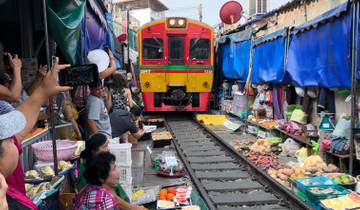
Small Group: Damnoen Floating market & Train market
- ✓ Comprehensive Bangkok tour
- ✓ Expert local guides included
- ✓ All accommodation arranged
- ✓ Transportation provided

3 days
Central Thailand Highlights in a Loop 3 Days, Private Tour
- ✓ Comprehensive Bangkok tour
- ✓ Expert local guides included
- ✓ All accommodation arranged
- ✓ Transportation provided
4 days
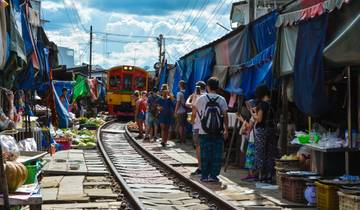
Bangkok Basics, City Break, Small Group Tour
- ✓ Comprehensive Bangkok tour
- ✓ Expert local guides included
- ✓ All accommodation arranged
- ✓ Transportation provided
Multi-day tour packages powered by TourRadar. Prices and availability subject to change.
Introduction: Understanding Bangkok’s Food Culture Landscape
Bangkok’s food scene operates on fundamentally different principles than Western restaurant-centric dining cultures, with street food and market vendors forming the backbone of how Bangkok residents eat daily rather than representing occasional casual alternatives to sit-down establishments. The distinction between street food and restaurant food in Bangkok reflects economic accessibility more than quality differences, with vendors operating from portable carts or market stalls producing dishes that require identical skills and achieve flavors matching or exceeding restaurant equivalents. This democratization of cuisine quality means that exceptional Thai cooking exists at every price point, with the city’s best pad Thai or boat noodles often served from humble street-side locations rather than air-conditioned dining rooms.
The prevalence of outdoor cooking in tropical Bangkok creates constant opportunities for spontaneous eating, with vendors appearing in office districts during lunch hours, residential neighborhoods in evenings, and designated night market zones after sunset. This temporal and geographic distribution means visitors encounter food options continuously rather than requiring planned restaurant reservations or specific destination travel. Understanding Bangkok food culture therefore involves recognizing that eating well requires minimal effort or expense, with outstanding dishes available within walking distance of virtually any location in the capital at any hour through the city’s estimated 20,000-40,000 street food vendors serving an estimated 40% of Bangkok residents’ daily meals.
Thai cuisine’s regional diversity concentrates in Bangkok as migrants from Northern, Northeastern, Southern, and Central Thailand establish specialized vendor operations serving their home region’s distinctive dishes. This convergence creates unique opportunities for comprehensive Thai culinary exploration without leaving the capital, as a single night market may feature Northern khao soi curry noodles, Northeastern som tam papaya salad, Southern massaman curry, and Central Thailand’s green curry within meters of each other. Each region’s cuisine reflects different geographic and cultural influences—Northern dishes showing Burmese and Chinese influences, Northeastern food incorporating Lao flavors and fermentation techniques, Southern cooking emphasizing coconut and turmeric from Malay traditions, and Central Plains balancing all elements in refined court cuisine origins.
Cooking classes emerged as significant Bangkok tourism offerings as international visitors recognized opportunities to learn authentic techniques from Thai chefs rather than simply consuming finished dishes. These educational experiences range from single-day market tours and hands-on cooking sessions to intensive multi-week professional programs, all sharing focus on demystifying Thai cooking’s apparent complexity by revealing systematic approaches to flavor balancing, ingredient substitution, and technique mastery. The cooking class phenomenon transformed Bangkok from pure food tourism destination into culinary education center, with students gaining skills applicable to home cooking worldwide while developing deeper appreciation for Thai cuisine’s sophistication and cultural significance.
Iconic Bangkok Street Food Dishes: Complete Guide
Bangkok street food encompasses dozens of distinct dishes spanning breakfast items, lunch staples, evening snacks, and late-night comfort foods, each reflecting specific cooking techniques, regional origins, and flavor profiles. Understanding signature dishes and their typical preparation helps visitors make informed ordering decisions while appreciating the culinary diversity concentrated in Bangkok’s street food landscape.
Pad Thai: Thailand’s Iconic Noodle Dish
Pad Thai achieved international fame representing Thai cuisine globally despite originating as 20th-century nationalist promotion rather than ancient tradition. Prime Minister Phibun Songkhram popularized the dish in the 1930s-1940s as part of Thai identity campaigns, with the standardized recipe combining thin rice noodles, tamarind sauce, palm sugar, fish sauce, dried shrimp, tofu, eggs, bean sprouts, garlic chives, and crushed peanuts creating accessible flavor profile appealing to both Thai and international palates. The dish demonstrates stir-frying techniques requiring intense wok heat and rapid ingredient sequencing, with proper pad Thai achieving slight char on noodles (“wok hei”) while maintaining tender rather than mushy texture.
Street vendor pad Thai costs 40-70 THB depending on protein additions, with shrimp commanding premium pricing over chicken or plain versions. Quality indicators include vendors cooking individual portions to order rather than from pre-cooked noodle batches, fresh rather than wilted bean sprouts available as garnish, and visible tamarind paste suggesting house-made sauce rather than bottled commercial versions. The dish should arrive with lime wedges, dried chili flakes, sugar, and fish sauce on the side allowing personal flavor adjustment, as individual spice and sweetness tolerance varies significantly.
Tom Yum Goong: Hot and Sour Shrimp Soup
Tom yum goong represents Thailand’s most internationally recognized soup, featuring clear or coconut milk-enriched broth infused with lemongrass, galangal, kaffir lime leaves, Thai chilies, fish sauce, lime juice, and fresh shrimp. The soup demonstrates Thai cuisine’s layering approach, with aromatic herbs simmered to release essential oils, acids added near completion to preserve brightness, and raw herbs garnishing finished soup contributing fresh aromatics. Two primary versions exist—tom yum nam sai uses clear broth emphasizing herb and acid flavors, while tom yum nam khon incorporates coconut milk and chili paste creating creamy, less sharp profile popular internationally.
Pricing ranges 60-120 THB at street stalls depending on shrimp size and quantity, with larger prawns justifying higher costs. The soup appears on virtually every Thai restaurant and street vendor menu, though quality varies dramatically based on ingredient freshness and proper technique application. Superior versions balance heat and sourness without overwhelming either element, maintain distinct lemongrass and galangal aromatics rather than generic spiciness, and feature firm shrimp indicating proper cooking rather than rubbery texture from overheating.
Som Tam: Green Papaya Salad
Som tam originated in Northeastern Thailand (Isaan) as rustic farmer food before spreading nationwide and achieving international popularity through its refreshing qualities ideal for tropical climates. The dish consists of shredded unripe green papaya pounded in large mortars with garlic, chilies, long beans, tomatoes, dried shrimp, peanuts, lime juice, fish sauce, and palm sugar, creating explosive flavor combining sweet, sour, salty, and spicy elements in crunchy textured salad. Regional variations include som tam Thai (Central Thai version with peanuts and dried shrimp), som tam Lao (Northeastern style with fermented fish sauce creating pungent flavor), and som tam poo (with pickled crab adding funky fermented notes).
Street vendor som tam costs 40-80 THB per portion, with vendors preparing each order individually by pounding ingredients in mortors visible to customers. Spice levels range from mild to extremely hot depending on chili quantity, with vendors asking “pet mai” (spicy or not) to gauge heat preferences. First-time eaters should request minimal chilies (“pet nit noi” – little spicy) as Northeastern Thai heat levels exceed most Western tolerances. The dish pairs traditionally with sticky rice rather than jasmine rice, with the glutinous texture providing cooling contrast to acidic, spicy salad.
Khao Man Gai: Hainanese Chicken Rice
Khao man gai represents Bangkok’s adaptation of Hainanese chicken rice introduced by Chinese immigrants, featuring poached chicken served over rice cooked in chicken stock and served with ginger-soy-chili sauce and clear chicken broth. The dish’s deceptive simplicity masks sophisticated technique, as properly poached chicken remains moist throughout rather than drying during cooking, fragrant rice absorbs maximum chicken flavor without becoming greasy, and sauce achieves perfect sweet-salty-spicy balance complementing subtle chicken and rice flavors. Popular vendors often specialize exclusively in khao man gai, perfecting single-dish mastery rather than offering diverse menus.
Pricing remains consistently 40-60 THB across Bangkok vendors, with dish affordability making it popular lunch option for office workers and students. Quality assessment focuses on chicken texture (moist, tender, not stringy), rice fragrance (chicken stock aroma, not plain water-cooked), and sauce balance (ginger bite, soy depth, chili heat harmonized). Many stalls offer both regular and premium portions, with premium including additional chicken pieces justifying 10-20 THB upcharge. The dish demonstrates Thai adoption of immigrant cuisines, with the Thai version incorporating palm sugar in sauce and different ginger treatment than original Hainanese preparation.
Moo Ping: Grilled Pork Skewers
Moo ping consists of marinated pork skewers grilled over charcoal, served typically with sticky rice as portable breakfast or snack food throughout Bangkok. The marinade combines fish sauce, oyster sauce, palm sugar, white pepper, garlic, and coriander root, with overnight marination allowing flavor penetration before grilling over coconut shell charcoal providing distinctive smoky sweetness. Proper moo ping achieves caramelized exterior char while maintaining juicy interior through careful heat management, with pork shoulder or jowl cuts chosen for adequate fat content preventing drying during high-heat cooking.
Street vendors sell moo ping for 10-15 THB per skewer, with customers typically purchasing 3-5 skewers creating 40-60 THB breakfast portion. The dish appears prominently at morning markets and BTS station entrances during commute hours, providing quick protein-rich breakfast for Bangkok workers. Quality variations depend on marinade balance (sweet-salty without excessive sugar), meat tenderness (requiring proper cuts and cooking), and char development (adding flavor without burning). Fresh grilling to order ensures optimal temperature and texture, while pre-grilled skewers held warm lose juiciness and char benefits.
Essential Thai Flavors and Ingredients: Foundation Knowledge
Thai cuisine’s distinctive character emerges from specific ingredients that create the five-flavor balance central to all dishes. Understanding these fundamental components and their flavor contributions enables appreciation of how Thai cooking achieves complexity and explains why authentic Thai food requires particular ingredient sourcing.
Fish Sauce: Salt and Umami Foundation
Fish sauce (nam pla) functions as Thai cuisine’s primary salt source while simultaneously providing deep umami flavors that Western cooking typically derives from meat stocks or aged cheeses. Production involves fermenting anchovies or other small fish with salt for months to years, creating amber liquid with intensely savory, slightly funky aroma that mellows during cooking integration. Quality fish sauce grades exist similar to wine classifications, with first-press premium versions offering clear color and refined flavor while lower grades show darker appearance and stronger odors.
Every Thai savory dish incorporates fish sauce in some form, either as direct seasoning during cooking or in accompanying sauces and dips. The ingredient’s intensity requires careful dosing, with tablespoon quantities sufficient for entire dishes serving multiple people. First-time users often find raw fish sauce’s smell off-putting, though cooked applications transform pungent aromatics into subtle savory depth underlying dishes without overt fishiness. Vegetarian and vegan adaptations substitute soy sauce though cannot replicate fish sauce’s particular umami character, requiring additional adjustments to achieve flavor balance.
Coconut Milk: Richness and Sweetness
Coconut milk extracted from grated mature coconut flesh provides creamy richness and subtle sweetness fundamental to Thai curries, soups, and desserts. Two coconut milk grades exist—thick coconut cream from first pressing used for curry pastes and rich sauces, and thin coconut milk from subsequent extractions used for soup bases and rice cooking. Fresh coconut milk requires pressing day-of-use to prevent spoilage and flavor degradation, though canned coconut milk provides acceptable substitutes when shaken to redistribute separated cream and liquid portions.
Coconut’s prominence in Thai cuisine reflects tropical geography where coconut palms grow abundantly, providing both culinary fat source and economic crop. The ingredient contributes sweetness without sugar, tempers chili heat through fat coating mouth tissues, and creates velvety textures distinguishing Thai curries from Indian dry curries or Western cream-based sauces. Proper curry preparation involves frying curry paste in coconut cream until oil separates before adding remaining liquid, activating spice compounds through fat contact similar to blooming dried spices in oil for maximum flavor extraction.
Fresh Herbs: Aromatic Complexity
Thai cuisine employs fresh herbs more extensively than any other major cuisine tradition, with basil, cilantro, mint, sawtooth coriander, and Asian celery appearing as both cooked ingredients and raw garnishes. Thai basil differs from Italian sweet basil through licorice notes and sturdier leaves withstanding cooking heat, while holy basil (bai grapow) provides peppery bite essential to pad krapow. Fresh herb additions occur throughout cooking—aromatic bases include crushed garlic and coriander root, mid-cooking stages incorporate lemongrass and galangal, and raw herb garnishes finish completed dishes contributing fresh aromatics.
The preference for fresh over dried herbs reflects Thai cooking philosophy valuing brightness and immediate sensory impact rather than concentrated essence achieved through drying and long simmering. Many Thai herbs lose character significantly when dried, making fresh sourcing essential for authentic results. Bangkok markets display herbs in water-filled containers maintaining freshness, while home cooks purchase daily ensuring peak quality. Understanding which herbs cook and which garnish prevents flavor loss from improper application—kaffir lime leaves and lemongrass release aromatics during simmering, while basil and cilantro wilt and lose impact if added too early.
Chili Peppers: Heat and Flavor
Thai chilies range from large mild banana peppers used as vegetables to tiny bird’s eye chilies (prik kee noo) delivering intense heat in dishes requiring significant spiciness. Chili capsaicin concentration varies by variety, ripeness, and growing conditions, with smaller peppers generally containing higher capsaicin levels per weight than larger varieties. Thai cuisine incorporates chilies fresh, dried, and as chili pastes, each application providing different heat delivery and flavor—fresh chilies contribute bright heat and vegetable notes, dried chilies add smoky depth, while fermented chili pastes provide complex funky heat.
Spice tolerance varies dramatically between individuals, with Thai palates generally tolerating significantly higher heat levels than Western eaters. Vendors accommodate spice preferences by asking customers desired heat levels, though “mild” by Thai standards often exceeds Western expectations. Capsaicin’s fat-soluble nature means water provides no relief from excessive heat, while rice, coconut milk, or sugar effectively neutralize burning sensations. Understanding personal spice tolerance and communicating clearly with vendors prevents unpleasant over-spiced experiences while allowing gradual tolerance building through repeated exposure.
Bangkok Night Markets: Complete Culinary Destinations
Bangkok night markets function as comprehensive evening entertainment combining food, shopping, and cultural immersion in outdoor settings that come alive after sunset. Each major market develops distinctive character through vendor composition, location demographics, and physical layout, creating varied experiences despite shared night market fundamentals.
Yaowarat Chinatown: Traditional Street Food Haven
Yaowarat Road transforms into Bangkok’s premier street food destination nightly as traffic restrictions allow vendor carts to occupy the street from early evening until late night. The area specializes in Thai-Chinese fusion dishes reflecting centuries of Chinese immigration and culinary integration, with vendors serving roast duck noodles, dim sum variations, oyster omelets, bird’s nest soup, shark fin alternatives, and Chinese herb desserts alongside standard Thai offerings. The market’s fame attracts both international tourists and Thai families seeking weekend evening entertainment, creating energetic atmosphere with neon signs, sizzling woks, and constant movement.
Food pricing at Yaowarat runs 40-150 THB per dish, with seafood and specialty items commanding premium rates while noodle dishes and standard stir-fries remain economical. The market operates primarily 6:00 PM-midnight with peak crowds 8:00-10:00 PM. Transportation via MRT to Wat Mangkon station provides easiest access, though the area’s walking-friendly layout encourages exploration on foot once arrived. Notable vendors include T&K Seafood for crab curry and other seafood preparations, Nai Mong Hoi Tod for crispy oyster omelets, and Jek Pui curry rice shop offering traditional Bangkok-style curry over rice from metal trays.
Jodd Fairs: Modern Market with Trendy Food
Jodd Fairs emerged as Bangkok’s trendiest night market destination after relocating to Ratchada from its original Rama 9 location, featuring modern design with white tent structures, container bars, live music stages, and extensive food vendor concentration. The market targets younger demographics through Instagram-worthy aesthetics, innovative Thai fusion dishes, international food options from Korean to Japanese, and craft beer bars complementing traditional Thai street food. Over 1,000 stalls create comprehensive shopping and eating destination with particular emphasis on creative food presentations and novel flavor combinations alongside classic dishes.
Operating hours run daily 5:00 PM-midnight with heaviest crowds Friday-Sunday evenings. Location near MRT Thailand Cultural Centre (Blue Line) provides convenient access via public transportation. Food pricing ranges 50-200 THB per item depending on complexity and specialty ingredients, with premium creative dishes costing more than traditional street food equivalents. Signature offerings include oversized seafood platters, cheese-pull creations, cannabis-infused foods following legalization, giant portion challenges, and theatrical presentations. The market’s popularity means significant crowds during peak hours, with earlier arrival (5:00-6:00 PM) securing better seating and vendor access before evening rush.
Chatuchak Weekend Market: Day Market Extending to Friday Nights
Chatuchak Weekend Market, Bangkok’s largest shopping market with 15,000 daytime stalls, operates Friday evening sessions offering more comfortable shopping conditions than intense weekend afternoon heat. The Friday night market concentrates along main interior roads where permanent vendor structures provide electricity and water access, featuring clothing, accessories, home goods, and food vendors serving market shoppers and evening visitors. While primarily shopping-focused rather than dedicated food destination, the extensive food court sections and individual vendor stalls throughout the market create substantial dining options.
Friday night hours run approximately 6:00 PM-midnight, with BTS Mo Chit or MRT Chatuchak Park providing direct access. Food pricing maintains Chatuchak’s daytime economy rates of 40-100 THB for most items, as vendors target budget-conscious shoppers rather than premium tourist pricing. The market’s massive scale means comprehensive exploration requires multiple hours, with food vendors concentrated near entrance gates, central food court zones, and scattered throughout shopping sections. Friday evening attracts fewer crowds than Saturday-Sunday daytime operations, offering more relaxed browsing and eating environment while retaining market’s characteristic energy and variety.
Talad Rot Fai Srinakarin: Vintage Theme with Extensive Food
Talad Rot Fai Srinakarin (Train Night Market) operates as vintage-themed market featuring retro collectibles, antique furniture, classic car displays, and container bar zones alongside extensive food vendor concentration. The market’s aesthetic emphasizes 1950s-1970s nostalgia through neon signage, vintage decor, and classic music, creating atmospheric evening destination popular with Thai youth and photography enthusiasts. Food vendors offer traditional Thai dishes plus creative presentations, grilled seafood platters, international options, and craft beverage selections in casual outdoor setting with picnic table seating.
Located near Seacon Square shopping mall in eastern Bangkok, the market operates Thursday-Sunday 5:00 PM-1:00 AM with weekend evenings drawing largest crowds. Access via MRT Yellow Line to Suan Luang Rama IX requires short taxi connection, though market scale justifies travel time with comprehensive entertainment spanning several hours. Food pricing remains moderate at 50-150 THB per item despite market’s popularity and extensive facilities. The vintage theme creates unique ambiance differentiating this market from generic night market experiences, with Instagram-worthy photography opportunities complementing solid food variety and quality.
Thai Cooking Classes in Bangkok: Learning Authentic Techniques
Bangkok cooking classes range from single-session tourist experiences to professional multi-week programs, all emphasizing hands-on participation rather than demonstration-only formats. Understanding class structures, pricing ranges, school reputations, and curriculum focus helps visitors select appropriate educational experiences matching skill levels and learning objectives.
Cooking Class Structure and Typical Curriculum
Standard half-day cooking classes follow similar formats beginning with morning market tours where instructors explain ingredient selection, demonstrate quality assessment techniques, and interact with vendors while purchasing class supplies. Markets provide cultural context showing how Thai home cooks source ingredients daily, revealing seasonal availability, price negotiations, and traditional shopping patterns. The hands-on shopping experience demystifies unfamiliar ingredients while building confidence for independent Thai cooking at home using available substitutes when authentic ingredients prove inaccessible.
Kitchen instruction occupies 2-3 hours covering 4-6 complete dishes selected to demonstrate fundamental techniques and flavor profiles. Each student receives individual cooking station with burner, wok or pot, and pre-portioned ingredients, working simultaneously under instructor guidance rather than observing chef demonstrations. Curriculum typically includes curry paste preparation revealing spice grinding and aromatics blending, curry cooking demonstrating coconut milk handling and heat management, stir-fry technique teaching high-heat wok control, soup preparation showing stock building and herb layering, and dessert creation introducing coconut milk desserts or mango sticky rice. Students consume their prepared dishes as lunch following class completion, with recipe booklets provided for home reference.
Baipai Thai Cooking School: Traditional Environment
Baipai operates from traditional two-story Thai house surrounded by herb gardens approximately 15 minutes from Chatuchak Market and Mo Chit BTS station. The school specializes in authentic home-style cooking in open-air Thai kitchen environment, emphasizing traditional techniques and family recipes over restaurant presentations. Classes accommodate 8-12 students in intimate groups allowing personalized instruction, with Ministry of Education accreditation confirming teaching standards and curriculum quality.
Pricing runs approximately 1,200-1,800 THB for standard half-day courses including market tour, hands-on cooking, recipe book, and consumed lunch. The school offers morning and afternoon sessions daily, with morning classes including fresh market visits and afternoon sessions starting directly with cooking instruction using pre-purchased ingredients. Family-friendly programs welcome children with adapted instruction and age-appropriate tasks. The traditional setting and local chef instructors provide cultural authenticity popular with visitors seeking genuine Thai cooking experience beyond sanitized tourist programs.
Blue Elephant Cooking School: Premium Experience
Blue Elephant operates upscale cooking schools in elegant colonial mansion settings featuring professional kitchens with modern equipment while maintaining Thai decorative aesthetics. The school’s reputation as Thailand’s premier cooking class provider comes with premium pricing of 2,800-3,300 THB per person reflecting facilities quality, instructor expertise, and refined curriculum. Classes emphasize presentation techniques and precise execution suitable for both home cooks and professional chefs, with bilingual instruction available in English, Thai, French, Dutch, and Chinese accommodating international students.
Standard Discovery Classes cover four iconic Thai dishes selected from broader menu including pad Thai, green curry, tom yum soup, and mango sticky rice, with each student preparing complete menu rather than sharing tasks. Morning sessions include guided market tours to fresh food markets, while afternoon classes begin directly with cooking. The school provides Blue Elephant aprons, certificates of completion, recipe sheets, and special giveaways as program inclusions. Corporate team building and private family classes accommodate groups requiring customized scheduling and menu selections, with premium private sessions offering personalized instruction and flexible timing.
Sompong Thai Cooking School: Exceptional Value
Sompong Thai Cooking School gained recognition for exceptional quality-to-price ratio, offering comprehensive half-day programs at approximately 1,000 THB—significantly below Bangkok average while maintaining high instruction standards and complete facilities. Located in traditional Silom area approximately 10-15 minutes walk from Chong Nonsi BTS station, the school operates from modern air-conditioned kitchen facilities while incorporating local market visits to nearby fresh markets. Classes include English-speaking instruction, hands-on preparation of complete multi-dish menu, recipe booklets, and consumed meals.
The school’s popularity among budget-conscious travelers and digital nomad communities stems from combining low pricing with legitimate culinary instruction rather than compromising quality for cost savings. Students prepare traditional Thai dishes using authentic techniques and ingredients, with curriculum covering fundamental skills applicable to broader Thai cooking beyond specific recipes taught. The family-operated nature creates welcoming atmosphere with attentive instruction, as owner involvement ensures consistent quality standards and personal attention exceeding large commercial cooking school environments. Morning and afternoon sessions operate daily with advanced booking recommended due to limited capacity and strong reputation.
Bangkok Thai Cooking Academy: Professional Focus
Bangkok Thai Cooking Academy differentiates itself through professional-grade facilities and serious culinary instruction appealing to both tourists and aspiring chefs. Located near BTS On Nut station in Sukhumvit area, the fully air-conditioned school features stainless steel professional kitchens eliminating traditional outdoor cooking heat and humidity. The academy offers tourist-focused half-day classes priced competitively at 1,200-1,600 THB alongside intensive professional programs spanning one to two weeks for culinary career development.
Professional chef courses cost 25,000-45,000 THB covering 25-52 dishes over one to two weeks of intensive training, including Thai classics plus expanded Asian cuisine modules teaching Japanese sushi, Chinese dim sum, Korean kimchi, and Vietnamese pho. These programs target serious students seeking comprehensive Asian culinary education with certification, attracting international students and career changers. The school’s professional orientation means tourist classes benefit from high teaching standards and proper technique emphasis rather than simplified tourist-friendly shortcuts, appealing to food enthusiasts seeking genuine skill development beyond casual cultural experience.
Food Safety and Practical Eating Considerations
Street food safety concerns frequently worry first-time Bangkok visitors, though understanding actual risks, vendor assessment methods, and sensible precautions allows confident eating without excessive anxiety. Food-borne illness rates for tourists eating street food remain relatively low when following basic guidelines, with most digestive issues arising from sudden dietary changes rather than contamination.
Water and Ice Safety Guidelines
Bangkok’s tap water undergoes treatment meeting international standards at water plants, though aging pipes in older buildings may introduce contamination between plant and tap. Locals typically boil tap water before drinking or purchase bottled water, making tap water consumption inadvisable for tourists with immune systems unaccustomed to local bacterial profiles. Bottled water costs 7-15 THB at convenience stores and appears abundantly throughout Bangkok, eliminating any need for tap water drinking while traveling.
Ice in beverages requires differentiation between factory-produced ice appearing as uniform cylinders with center holes versus irregularly shaped ice blocks that may originate from untreated water sources. Factory ice undergoes purification and freezing in sanitary conditions comparable to bottled water safety, while traditional ice blocks cut from large frozen masses may contain bacteria surviving freezing. Restaurants and established vendors overwhelmingly use factory ice, while small independent carts occasionally use traditional ice. Requesting “mai sai nam keng” (no ice) eliminates ice concerns entirely, though warm beverages in tropical heat prove less refreshing than properly iced drinks using safe ice sources.
Raw and Undercooked Food Considerations
Raw vegetables and fruits present contamination risks if washed in untreated water or handled with unwashed hands, though properly prepared raw foods pose minimal dangers. Fruits requiring peeling—mango, pineapple, papaya, bananas—provide safe options as edible portions never contact outer surfaces potentially exposed to contaminated water. Pre-cut fruit from vendors using purified water for washing and ice delivers safety comparable to peeled whole fruits, observable through vendor equipment cleanliness and ice type used.
Raw fish and seafood appear in certain Thai dishes including fermented fish products and fresh oysters, presenting higher risk than cooked items. Tourists with sensitive digestive systems should avoid raw seafood until acclimating to local bacterial profiles, while adventurous eaters accepting risk can minimize it by selecting vendors with high turnover ensuring maximum freshness. Cooked seafood and meat provide safest protein options when thoroughly cooked to steaming temperatures throughout, with visible steam rising from freshly prepared dishes indicating proper heat levels eliminating pathogens.
Handling Dietary Restrictions and Allergies
Communicating dietary restrictions requires clear, specific language as many Thai dishes contain multiple ingredients with allergens distributed throughout sauces, pastes, and garnishes. Peanut allergies demand particular attention as crushed peanuts appear in pad Thai, some curry pastes, and various sauces, while sesame oil and seeds feature in Chinese-influenced dishes. Learning Thai phrases for specific allergens—”phom/dichan phaeh thua” (I’m allergic to peanuts), “mai sai goong” (no shrimp)—helps communicate restrictions, though cross-contamination remains possible when vendors use shared cooking equipment and utensils.
Severe allergies requiring absolute ingredient avoidance may find Bangkok street food challenging due to limited English communication with many vendors and potential cross-contact in shared cooking environments. Restaurant dining offers safer alternatives with English menus, staff capable of allergy communication, and separate cooking facilities for special dietary needs. Carrying allergy information cards printed in Thai explaining specific allergens and severity helps communicate requirements effectively, while medications for allergic reactions should accompany travelers with serious food allergies to any destination including Bangkok.
Frequently Asked Questions About Bangkok Food Culture
How Much Should I Budget Daily for Food in Bangkok?
Daily food budgets range 300-1,500 THB ($9-43) depending on dining choices and consumption patterns. Budget travelers eating primarily street food spend 300-500 THB daily covering three meals plus snacks and beverages, with breakfast noodles or rice porridge (40-60 THB), lunch curry over rice or pad Thai (50-80 THB), dinner including multiple dishes shared (150-250 THB), and snacks like fresh fruit or desserts (40-80 THB). Mid-range budgets of 600-1,000 THB daily incorporate restaurant meals, cafe beverages, and occasional Western food cravings while maintaining street food for some meals.
Luxury dining budgets exceeding 1,500 THB access fine dining restaurants, hotel restaurants, craft cocktail bars, and premium cafes without financial constraints. However, Bangkok’s food scene quality democratization means expensive dining doesn’t guarantee better food than street vendors, with many of the city’s best dishes served from humble carts at budget prices. Allocating budget based on experience variety rather than price maximization often yields more satisfying culinary exploration, combining street food discoveries with occasional upscale dining for comprehensive Bangkok food culture exposure.
What Are Typical Meal Times and Restaurant Hours?
Bangkok lacks rigid meal time conventions found in Western cultures, with eating occurring continuously throughout the day as hunger arises rather than conforming to breakfast-lunch-dinner schedules. Many Bangkok residents skip formal breakfast, instead purchasing portable items like moo ping skewers or khanom krok coconut pancakes during morning commutes. Lunch peaks 11:30 AM-1:30 PM when office workers seek nearby food options, creating temporary crowds at popular lunch vendors before dissipating by mid-afternoon.
Dinner stretches from early evening through late night, with many restaurants and street vendors operating past midnight to serve night shift workers, students, and evening entertainment crowds. Night markets typically activate 5:00-6:00 PM and continue until midnight or 1:00 AM, providing comprehensive evening dining options. This extended food availability means tourists never struggle finding meals regardless of irregular schedules caused by jet lag or activity timing, as some food vendors operate 24 hours serving Bangkok’s perpetually active population.
Is Tipping Expected at Street Food Stalls and Restaurants?
Tipping culture in Thailand differs fundamentally from Western mandatory tipping systems, with gratuities considered generous gestures rather than expected obligations. Street food vendors typically receive no tips, with customers paying exact menu prices without additions. The small profit margins street vendors operate on and low prices charged make tipping economically meaningful though not culturally expected, with occasional 5-10 THB additions appreciated though surprising to vendors.
Casual restaurants may receive small tips of 20-40 THB or rounding up bills to convenient amounts (paying 500 THB for 470 THB bill), while upscale restaurants increasingly add 10% service charges to bills making additional tipping unnecessary. When service charges don’t appear, leaving 10% tips acknowledges good service, though amounts below 10% remain acceptable and appreciated. The non-mandatory nature means tourists shouldn’t feel obligated to tip, though small gratuities for exceptional service or when receiving special accommodations demonstrate appreciation appropriately within Thai cultural norms.
Can I Drink Tap Water or Should I Only Use Bottled Water?
Bottled water represents the safest drinking water choice for tourists throughout Bangkok, with tap water quality varying by building infrastructure despite city water treatment standards. Most Bangkok residents avoid tap water for drinking, instead using it for cooking (where boiling eliminates pathogens) and purchasing bottled water for direct consumption. Bottled water ubiquity and low cost (7-15 THB per liter) eliminate any practical reasons for tap water consumption, while carrying reusable bottles filled with purchased water provides hydration throughout the day without repeatedly buying single-use bottles.
Hotels often provide daily complimentary bottled water, while convenience stores (7-Eleven, Family Mart) appear every few blocks throughout Bangkok selling water at consistent prices. Water refill stations exist at some shopping malls and public spaces offering filtered water for nominal fees, though availability remains inconsistent requiring bottled water as primary hydration source. Ice safety follows factory versus traditional ice guidelines rather than water source alone, as factory ice undergoes purification regardless of original water quality.
What Should I Do If I Get Food Poisoning?
Food poisoning symptoms including nausea, vomiting, diarrhea, and stomach cramps typically resolve within 24-48 hours through rest and hydration without medical intervention. Rehydration represents the primary treatment concern, with oral rehydration solutions (available at pharmacies as “ORS” or brand names) providing electrolyte balance superior to plain water. Avoiding solid food until symptoms subside prevents additional digestive stress, while gradually reintroducing bland foods like plain rice, toast, or bananas aids recovery.
Severe symptoms including high fever, bloody stools, extreme dehydration, or symptoms persisting beyond 48 hours require medical attention at Bangkok’s numerous hospitals and clinics. International hospitals like Bumrungrad and Bangkok Hospital provide English-speaking staff, Western-standard facilities, and direct travel insurance billing, though costs exceed local clinics. Over-the-counter anti-diarrheal medications (loperamide) available at pharmacies provide symptom relief though shouldn’t be used if fever or bloody stools appear. Most suspected “food poisoning” cases actually represent dietary adjustment reactions rather than contamination, with digestive systems adapting to unfamiliar spices, cooking oils, and bacterial profiles within several days.
How Do I Navigate Language Barriers When Ordering Food?
Language barriers at food stalls present minimal obstacles as pointing at desired dishes, using menu pictures, or observing other customers’ orders communicates effectively without Thai language skills. Many popular vendors display picture menus with English translations, while food court environments use ticketing systems where customers indicate selections through pointing supplemented by basic number communication. Learning simple Thai food phrases—”aroi” (delicious), “pet mai” (spicy or not), “tao rai” (how much)—enhances interactions though remains optional for successful eating.
Translation apps on smartphones provide backup communication when pointing and gestures prove insufficient, though excessive reliance on technology can create awkward interactions and slow ordering during busy periods. Carrying business cards from hotels or addresses written in Thai helps explain destinations to taxi drivers or when asking directions, while food allergy cards in Thai clearly communicate dietary restrictions vendors can understand. The universal language of smiles, patience, and friendly gestures overcomes most communication challenges, with Thai vendors generally appreciating attempts to communicate regardless of language proficiency levels.
Are Street Food Hygiene Standards Lower Than Restaurants?
Street food hygiene standards operate differently than restaurant regulations without necessarily indicating lower safety levels. While restaurants undergo periodic health inspections and follow codified sanitation requirements, street vendors self-regulate based on market pressure—vendors with reputation for clean operations and fresh food attract customers and thrive, while those with hygiene problems lose business and close. This economic incentive creates functional quality control despite absent formal oversight, with many street vendors maintaining impeccable standards exceeding careless restaurants.
Visible cleanliness indicators help assess vendor hygiene regardless of formal regulation status. Clean workspaces, organized ingredient storage, fresh-looking produce, proper refrigeration or ice usage for perishables, and vendors wearing clean clothing suggest attention to sanitation. Conversely, dirty cooking surfaces, spoiled ingredient smells, flies congregating on food, or haphazard storage indicate poor hygiene worth avoiding. The open-air nature of street cooking allows customers to observe complete preparation processes rather than hidden kitchen operations in restaurants, providing transparency that empowers informed vendor selection based on directly observable cleanliness practices.
What Are Thailand’s Regional Cuisine Differences?
Thailand’s four culinary regions each developed distinctive flavor profiles, ingredient preferences, and signature dishes reflecting different climates, neighboring country influences, and historical trading patterns. Central Thailand cuisine including Bangkok cooking emphasizes balance across all five flavors with royal court influences creating refined presentations and complex curry pastes. The region produces jasmine rice consumed as fluffy steamed accompaniment and incorporates coconut milk extensively in curries and desserts. Signature dishes include green curry, massaman curry, pad Thai, and tom yum soup.
Northern Thailand shows Burmese and Chinese influences through mild curries, fermented soybeans, and egg noodle usage rather than rice noodles. Sticky rice replaces jasmine rice as staple grain, while pork features more prominently than seafood given landlocked geography. Khao soi represents the region’s most famous dish—curry noodle soup with crispy fried noodles garnishing soft boiled noodles in coconut curry broth. Northeastern Thailand (Isaan) emphasizes sticky rice, grilled meats, fermented fish sauces, and extreme spice levels reflecting Lao cultural connections. Som tam papaya salad, larb meat salad, and sticky rice with grilled chicken define Isaan cuisine’s rustic, bold character. Southern Thailand incorporates Muslim influences through halal cooking, uses turmeric and cumin more extensively, and emphasizes fresh seafood and coconut given coastal location. The region produces Thailand’s spiciest curries and showcases Malay-influenced dishes like massaman curry and roti flatbreads.
Can I Recreate Thai Dishes at Home Successfully?
Successfully recreating Thai dishes at home requires understanding flavor principles and techniques rather than simply following recipes, as Thai cooking emphasizes balance and adaptation over precise measurements. Cooking classes provide best foundation for home Thai cooking by teaching balance principles, demonstrating proper technique, and explaining ingredient substitutions for items unavailable internationally. Students learn to taste and adjust seasoning achieving proper sweet-sour-salty-spicy balance, understand how different ingredients contribute specific flavors, and recognize when dishes achieve proper character even using substitute ingredients.
Ingredient availability varies by location, with major Western cities offering Asian markets stocking fish sauce, curry pastes, Thai basil, and other essentials, while smaller markets may require online ordering or creative substitution. Fresh herbs prove most challenging to source, though growing Thai basil, cilantro, and mint in home gardens provides sustainable supply. Certain ingredients like galangal and kaffir lime leaves prove difficult to find fresh but exist in frozen or dried forms offering acceptable substitutes. Starting with forgiving dishes like pad Thai, simple stir-fries, or basic curries builds confidence before attempting complex recipes requiring extensive ingredient lists and precise technique. Success depends more on understanding Thai cooking’s fundamental principles than perfect replication of Bangkok street vendor results, as home cooks mastering balance and technique create satisfying Thai meals regardless of ingredient limitations or equipment differences.