
Bangkok Budget Guide 2026: Complete Cost Breakdown
Key Takeaways
- Bangkok remains Southeast Asia’s most budget-friendly capital with daily costs ranging ₿1,500-6,000 ($42-170) depending on travel style in 2026
- Street food costs ₿40-80 per dish, mid-range restaurant meals ₿200-400, while luxury dining reaches ₿800-2,000+ per person
- Accommodation spans ₿400-1,200 for hostels, ₿1,200-2,800 for mid-range hotels, and ₿3,500-12,000+ for luxury properties nightly
- BTS/MRT travel costs ₿16-52 per trip with unlimited day passes at ₿140, making public transport extremely economical
- Major temple admission costs ₿100-500 with Grand Palace at ₿500 representing the highest single attraction expense
- Booking accommodations and tours 2-3 months ahead saves 20-30% compared to last-minute arrangements in peak season
Understanding Bangkok Costs in 2026
Bangkok delivers exceptional value for travelers across all budget levels, maintaining its reputation as one of Southeast Asia’s most economical capitals. The Thai baht exchange rate fluctuates between ₿32-36 per USD in 2026, with specific rates varying daily based on market conditions. This guide uses approximate mid-range exchange rate for reference, though travelers should verify current official rates through banks or authorized exchange services for precise planning.
The city’s cost structure creates distinct price tiers based on location and target market. Tourist-focused areas including Khao San Road, Sukhumvit, and Silom feature higher prices than local neighborhoods, with price differences reaching 50-100% for identical items. Understanding these zones allows strategic spending where travelers pay international prices for experiences requiring it while accessing local pricing for daily necessities.
Seasonal pricing variations affect accommodation and tour costs significantly. November through February high season drives rates 30-50% higher than April through October low season, though Bangkok’s year-round appeal minimizes extreme fluctuations compared to beach destinations. March and October shoulder seasons offer compromise between weather quality and competitive pricing, providing optimal value for budget-conscious travelers.
Bangkok’s dual economy creates opportunities for dramatic cost reduction through local market engagement. Western-style convenience stores charge premium prices for imported goods, while traditional markets sell comparable Thai products at fractions of 7-Eleven costs. Street food vendors offer authentic meals for ₿40-80, compared to ₿300-600 at restaurants serving identical dishes with air conditioning and English menus. Embracing local consumption patterns rather than tourist-oriented services slashes daily expenses while providing more authentic cultural experiences.
People Also Ask About Bangkok Budget 2026
How much money do I need per day in Bangkok 2026?
Daily budget requirements range ₿1,500-2,500 ($42-70) for budget travelers using hostels, street food, and public transport. Mid-range travelers allocating ₿3,000-5,000 ($85-142) daily access comfortable hotels, restaurant meals, and occasional taxis while experiencing major attractions. Luxury travelers spending ₿6,000+ ($170+) daily enjoy five-star hotels, fine dining, private transportation, and premium experiences without budget constraints.
Budget breakdown for mid-range traveler: accommodation ₿1,500-2,200, meals ₿800-1,200, transportation ₿200-400, attractions ₿300-500, miscellaneous ₿200-400. This allocation provides comfortable experience without extreme economizing, balancing cost consciousness with quality standards. Travelers can reduce costs 30-40% through hostel accommodation, street food focus, and free attraction prioritization, or increase spending through luxury accommodation and fine dining selections.
Is Bangkok expensive compared to other Southeast Asian cities in 2026?
Bangkok maintains competitive pricing relative to regional capitals, offering better value than Singapore, Kuala Lumpur, and major Vietnamese cities while costing slightly more than provincial Thai destinations. Accommodation prices match or undercut comparable quality in Hanoi and Phnom Penh, while transportation costs significantly less than Singapore or Kuala Lumpur. Food expenses provide exceptional value across all price points, with street food costing less than similar offerings in most regional cities.
The value proposition strengthens when comparing service quality to price ratios. Bangkok’s ₿2,000 hotel provides amenities matching ₿3,000-4,000 properties in less competitive markets, while ₿150 restaurant meals deliver quality requiring ₿300-400 in neighboring countries. Transportation infrastructure surpasses most regional capitals despite lower costs, with modern BTS/MRT systems offering superior comfort and convenience to comparably priced systems elsewhere in Southeast Asia.
What is the cheapest month to visit Bangkok in 2026?
May through October low season delivers lowest accommodation and tour costs, with hotel rates dropping 30-50% compared to November through February high season. September and October provide particularly strong value as rates remain depressed while weather improves from monsoon peak months. However, budget travelers willing to accept higher temperatures and occasional rain showers find April through June offering excellent deals before monsoon season intensifies.
March and November shoulder periods balance cost savings against weather quality, providing 20-30% discounts compared to December through February peak months while avoiding monsoon season’s heaviest rainfall. These transitional months offer strategic value for travelers prioritizing both budget efficiency and comfortable conditions, though dramatic cost differences diminish as Bangkok’s year-round tourism maintains relatively stable base pricing outside peak holiday periods.
Can I use credit cards everywhere in Bangkok in 2026?
Major establishments including international hotel chains, shopping malls, chain restaurants, and tour operators accept international credit cards, particularly Visa and Mastercard. However, small restaurants, street food vendors, local markets, tuk-tuks, and independent shops operate cash-only, requiring baht for daily transactions. Credit card acceptance increases in tourist areas while diminishing in local neighborhoods, making cash essential for authentic Bangkok experiences.
ATM accessibility throughout Bangkok makes cash withdrawal convenient, with machines located in shopping malls, convenience stores, hotel lobbies, and major tourist areas. International cards incur ₿220 withdrawal fees charged by Thai banks plus foreign transaction fees from home banks, totaling $5-8 per transaction. Maximizing withdrawal amounts and minimizing frequency reduces proportional fee costs, while some travelers’ banks reimburse foreign ATM fees making Bangkok cash access effectively free.
Extended multi-day tours – 5+ days
Featured Bangkok Multi-Day Tour Packages
3 days
Bangkok 3-Day Discovery Tour
- ✓ Comprehensive Bangkok experience
- ✓ Expert local guides included
- ✓ All accommodation included
- ✓ Transportation provided

5 days
Bangkok 5-Day Highlights Experience
- ✓ Comprehensive Bangkok experience
- ✓ Expert local guides included
- ✓ All accommodation included
- ✓ Transportation provided
7 days
Bangkok 7-Day Cultural Journey
- ✓ Comprehensive Bangkok experience
- ✓ Expert local guides included
- ✓ All accommodation included
- ✓ Transportation provided

10 days
Bangkok 10-Day Complete Adventure
- ✓ Comprehensive Bangkok experience
- ✓ Expert local guides included
- ✓ All accommodation included
- ✓ Transportation provided
Multi-day tour packages powered by TourRadar. Prices and availability subject to change.
Essential Planning Information 2026
Currency and Exchange Strategies
The Thai baht serves as official currency with coins in ₿1, ₿2, ₿5, and ₿10 denominations plus notes in ₿20, ₿50, ₿100, ₿500, and ₿1,000. Small vendors struggle providing change for ₿1,000 notes, making ₿100 and ₿500 notes most practical for daily transactions. Carrying mixed denominations prevents payment difficulties at street food stalls and local shops where large note change creates complications.
Currency exchange rates vary significantly by location and method. Airports offer lowest rates with 3-5% worse exchange compared to city center locations, costing ₿90-150 per $1,000 exchanged. Licensed exchange booths in tourist areas provide competitive rates matching or exceeding bank rates, while credit card companies charge 2-3% foreign transaction fees making cash exchange more economical for large amounts. Super Rich and Vasu Exchange chains consistently deliver best rates in Bangkok, with locations in major shopping districts and tourist areas.
ATM withdrawal strategy affects total cost significantly through fee structure management. Thai banks charge ₿220 per withdrawal regardless of amount, while home bank foreign ATM fees add $3-5 per transaction. Withdrawing ₿10,000-20,000 per visit minimizes proportional costs, though carrying large cash amounts increases theft risk. Travelers whose banks reimburse foreign ATM fees gain advantage, effectively accessing Thai baht at official exchange rates without transaction costs.
Payment Methods and Money Management in 2026
Digital payment adoption increases throughout Bangkok with PromptPay QR codes accepted at many businesses, though cash remains dominant for small transactions. Local restaurants, street food vendors, and independent shops prefer cash while larger establishments accommodate cards. The payment infrastructure creates hybrid approach where travelers need both cash for daily purchases and cards for major expenses including hotels and tours.
Mobile payment apps including Alipay, WeChat Pay, and GrabPay gain acceptance in tourist areas, particularly Chinese tourist-focused businesses. However, these systems require Thai bank accounts or specific international agreements, limiting usefulness for most Western travelers. Credit cards provide most practical backup to cash, with Visa and Mastercard widely accepted while American Express sees limited acceptance outside major international establishments.
Travel credit cards offering no foreign transaction fees and travel rewards maximize value for Bangkok expenses. Cards providing 2-3% cash back or airline miles on foreign purchases effectively reduce total trip costs by ₿600-1,800 on ₿30,000-60,000 spending. Some premium cards include travel insurance coverage and purchase protections valuable for booking expensive tours or accommodations in advance of 2026 travel.
Accommodation Costs 2026
Budget Accommodation (₿400-1,200 per night)
Hostel dormitory beds cost ₿400-700 per night in tourist areas including Khao San Road, Silom, and Sukhumvit, providing basic accommodation with shared bathrooms, common areas, and sometimes breakfast. Quality hostels feature air conditioning, lockers, clean facilities, and social atmospheres attracting backpackers and budget travelers. Premium hostels charging ₿600-800 offer pod-style beds with privacy curtains, individual reading lights, and USB charging ports.
Private rooms in budget guesthouses range ₿800-1,200 nightly, delivering air-conditioned rooms with private bathrooms, basic furnishings, and often complimentary WiFi. These properties concentrate in tourist neighborhoods, providing convenient access to attractions, restaurants, and transportation. Room sizes typically measure 15-20 square meters with double or twin beds, small bathrooms, and minimal amenities. The rate structure makes private rooms economical for couples or friends traveling together compared to individual hostel beds.
Budget hotels in the ₿1,000-1,200 range offer superior cleanliness and service compared to guesthouses while maintaining affordable pricing. Properties feature small swimming pools, breakfast rooms, and 24-hour front desk service. Room quality varies significantly by building age and renovation status, with newer properties delivering better value despite similar pricing. Reading recent guest reviews reveals actual condition compared to promotional photographs, preventing disappointing check-ins at substandard properties.
Mid-Range Accommodation (₿1,200-3,500 per night)
Three-star hotels charging ₿1,200-2,200 provide comfortable rooms measuring 20-30 square meters with modern bathrooms, flat-screen TVs, and work desks. Properties include swimming pools, fitness centers, and breakfast buffets serving both Thai and Western options. Location significantly impacts pricing, with Sukhumvit and Silom properties commanding premiums while identical quality hotels in Chinatown or Ratchathewi cost ₿300-500 less nightly.
Four-star hotels at ₿2,200-3,500 nightly deliver substantially upgraded experiences including larger rooms of 30-40 square meters, higher-quality furnishings, better amenities, and superior service standards. These properties feature multiple restaurants, rooftop pools, spa facilities, and concierge services assisting with tour bookings and transportation arrangements. The price differential justifies itself through enhanced comfort and convenience, particularly for travelers prioritizing relaxation over budget optimization.
Boutique hotels occupying heritage buildings or offering distinctive design concepts charge ₿2,500-3,500, providing unique character absent from chain properties. These smaller properties feature personalized service, carefully curated interiors, and often superior dining compared to corporate hotels. The Praya Palazzo, once a royal mansion, and the Siam Hotel, preserving art deco architecture, exemplify this category’s appeal for travelers valuing atmosphere over standardized luxury.
Luxury Accommodation (₿3,500-12,000+ per night)
Five-star hotels command ₿3,500-7,000 for standard rooms with 40-50 square meter sizes, premium bedding, marble bathrooms, and upscale amenities. Properties including Mandarin Oriental, Peninsula Bangkok, and Anantara Siam provide exceptional service, multiple dining venues, extensive spa facilities, and prime locations along Chao Phraya River or in central business districts. These hotels cater to business travelers and affluent tourists expecting international luxury standards.
Ultra-luxury properties at ₿7,000-12,000+ nightly include iconic establishments like the Sukhothai, Four Seasons, and St. Regis. Suite accommodations range 60-100+ square meters with separate living areas, premium views, personal butler service, and access to exclusive amenities including private lounge access, priority spa bookings, and upgraded dining experiences. The category targets travelers for whom budget remains secondary to comfort, service, and prestige considerations.
Serviced apartments provide alternative luxury accommodation for extended stays, offering full kitchens, washing machines, and more living space than comparable hotel rooms. Weekly rates typically deliver 15-25% savings compared to nightly bookings, making them economical for visits exceeding 5-7 days. Properties in Sukhumvit and Sathorn business districts serve expatriates and business travelers, featuring modern appliances, cleaning services, and residential atmospheres absent from hotels.
Food and Dining Costs 2026
Street Food and Local Restaurants
Bangkok street food represents exceptional value with single dishes costing ₿40-80. Pad thai from cart vendors costs ₿50-60, while som tam (papaya salad) runs ₿40-50, and khao pad (fried rice) ranges ₿50-70. These meals provide authentic flavors and generous portions, making three daily street food meals total ₿150-240 – less than single restaurant meals in tourist areas. Vendors concentrate around markets, temple areas, and residential neighborhoods, with evening food markets offering widest selections.
Food courts in shopping malls including MBK Center, Terminal 21, and Central World deliver air-conditioned dining with diverse Thai food options at ₿60-100 per dish. The coupon payment system requires purchasing vouchers at central cashiers before ordering from individual stalls, with change refunded at conclusion. These venues provide stepping stone between street food and restaurants, offering familiar Thai dishes in comfortable environments without full restaurant pricing.
Local restaurants serving Thai customers charge ₿80-150 for main dishes with rice, ₿40-60 for soups, and ₿60-100 for stir-fried vegetables. Complete meals including main dish, rice, soup, and beverage total ₿150-250 per person. These establishments lack English menus and tourist amenities but deliver authentic flavors and pricing reflecting actual Thai cost of living rather than tourist market rates. Small Thai restaurants populate residential neighborhoods and business districts frequented by local workers.
Tourist-Oriented and International Restaurants 2026
Tourist-area Thai restaurants with English menus and air conditioning charge ₿150-300 for main dishes, ₿80-120 for appetizers, and ₿60-100 for beverages. These establishments compensate for convenience and comfort with 2-3x pricing compared to local restaurants serving identical dishes. Complete meals with starter, main course, and drink total ₿300-500 per person. The premium buys English-speaking staff, tourist-friendly atmosphere, and predictable food quality eliminating gambles inherent in local dining.
International cuisine restaurants span broad price range based on authenticity and target market. Casual dining at chains like Pizza Hut or KFC costs ₿200-350 per person, while independent Western restaurants charge ₿400-800 for entrees. Japanese restaurants range ₿300-1,200 depending on venue quality, with conveyor belt sushi starting ₿300-500 per person while authentic Japanese izakayas reach ₿800-1,500. Italian restaurants charge ₿350-800 for pasta dishes and ₿600-1,400 for pizzas, with wine adding ₿800-2,000 to bills.
Fine dining experiences at hotels and upscale restaurants cost ₿1,500-3,000+ per person without alcohol, reaching ₿2,500-5,000+ with wine pairings. Gaggan, Sühring, and Le Normandie exemplify this category with tasting menus at ₿3,500-7,000 per person. These establishments deliver international luxury standards comparable to major global cities, though Bangkok pricing remains 30-50% below equivalent experiences in Singapore, Hong Kong, or Tokyo. Reservations require booking weeks or months ahead for popular venues, particularly during high season.
Beverages and Snacks 2026
Fresh fruit smoothies from street vendors cost ₿40-60, while 7-Eleven bottled beverages range ₿15-45 depending on size and brand. Thai iced tea and coffee from street carts costs ₿25-40, compared to ₿80-150 at Starbucks or international coffee chains. Fresh coconuts sold by street vendors cost ₿30-40, providing refreshing drinks while supporting local micro-entrepreneurs.
Beer pricing varies dramatically by venue with 7-Eleven selling Chang or Singha large bottles at ₿55-75, while bars charge ₿100-180 for identical bottles. Craft beer at specialty bars costs ₿180-280 per glass, with imported bottles reaching ₿250-400. Rooftop bars and hotel lounges command premium pricing at ₿300-500 for cocktails and ₿200-350 for beers, though exceptional views justify premiums for travelers prioritizing atmosphere over value.
Snacks and desserts range ₿20-60 at street stalls, with mango sticky rice at ₿60-80, coconut ice cream ₿40-50, and fresh fruit portions ₿30-50. These traditional Thai sweets provide inexpensive indulgences throughout the day. Shopping mall dessert shops charge ₿80-150 for similar items in air-conditioned environments, while international chains like Häagen-Dazs or premium dessert cafes reach ₿150-300 for single servings.
Transportation Costs 2026
Public Transportation Systems
BTS Skytrain fares range ₿16-52 based on distance traveled, with most tourist route trips costing ₿30-42. The system covers major tourist areas including Siam, Sukhumvit, and Silom through air-conditioned elevated trains operating 6:00 AM – midnight daily. Single journey tickets purchase from machines accepting coins and small notes, while multi-trip options reduce per-journey costs. The BTS Adult Day Pass costs ₿140 for unlimited same-day travel, breaking even at 4-5 trips depending on distances.
MRT Subway charges ₿16-42 per journey using similar distance-based pricing, with stored value cards reducing transaction time compared to single tickets. The Blue Line connects tourist areas to Chinatown, Ratchathewi, and Chatuchak Market, while the Purple Line serves northern suburbs. Combined BTS/MRT coverage allows efficient navigation throughout central Bangkok for ₿30-80 daily depending on itinerary scope.
Public buses provide cheapest transportation at ₿8-24 per journey depending on route and bus type. Air-conditioned buses charge ₿13-24, while non-air-conditioned options cost ₿8-13. However, route complexity and Thai-only route information create barriers for tourists, making buses practical only for adventurous travelers willing to navigate language and planning challenges. Most visitors find BTS/MRT convenience worth modest price premiums over bus savings.
Taxis and Ride-Hailing Services 2026
Metered taxis charge ₿35 flag fall plus ₿5-6.50 per kilometer depending on speed, with typical cross-town trips costing ₿80-150. Airport to city center runs ₿250-400 plus ₿50 expressway tolls passengers pay in addition to metered fare. The system works efficiently when drivers use meters, though some refuse meters in tourist areas, demanding fixed fares at inflated rates. Insisting on meter usage or using ride-hailing apps avoids overcharging while supporting honest drivers.
Grab app dominates ride-hailing market with pricing typically 10-20% higher than metered taxis but providing fare certainty and driver accountability. The system charges ₿40-60 base fares plus per-kilometer rates resulting in ₿100-200 for typical trips within central Bangkok. Demand-based surge pricing affects costs during rush hours and heavy rain, potentially doubling fares during peak periods. The premium buys convenience, English-language interface, and payment flexibility including credit cards linked to app accounts.
Tuk-tuks operate on negotiated fares requiring bargaining skills and realistic price knowledge. Short trips should cost ₿50-100, while longer journeys range ₿150-250 depending on distance and traffic conditions. However, many tuk-tuk drivers quote ₿200-400 for identical trips, creating friction and disappointment. The vehicles provide tourist experience value despite economic inefficiency, offering open-air travel and photo opportunities. Negotiating fares before boarding prevents disputes, while walking away from unreasonable quotes often produces quick price reductions.
Specialized Transportation Options 2026
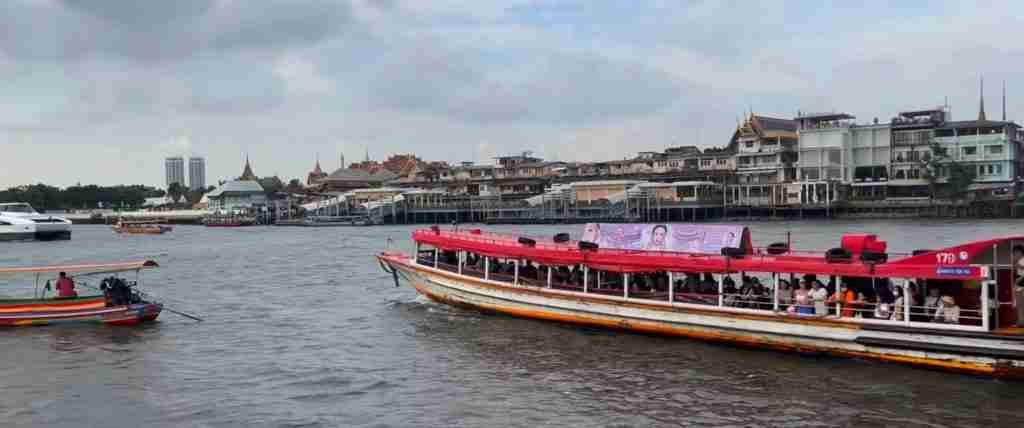
Chao Phraya Express Boats charge ₿10-40 per journey depending on boat type and distance, with tourist boats costing more than local service vessels. Day passes at ₿150 allow unlimited travel on designated routes, providing economical river transportation while accessing temples and attractions along the waterway. The orange flag boats serve tourists with English announcements and major pier stops at ₿30-40 per journey.
Motorcycle taxis operate from designated stands with fixed rates posted for nearby destinations. Short trips cost ₿20-40, making them fastest option for navigating congested streets during rush hours. However, safety concerns and lack of helmets for passengers creates risks travelers must evaluate against time savings. The services predominantly serve local commuters rather than tourists, with language barriers complicating use for non-Thai speakers.
Airport Rail Link connects Suvarnabhumi Airport to city center for ₿45 via express service reaching Makkasan in 15 minutes, or ₿15-45 on City Line stopping at eight stations. The system provides fastest and cheapest airport access, avoiding taxi meter games and traffic uncertainties. However, connections to final destinations often require additional BTS/MRT transfers or taxis, adding ₿40-100 to total journey costs. For groups of 3-4 travelers, shared taxis become price-competitive while offering door-to-door convenience.
Attraction and Activity Costs 2026
Temple and Palace Admission 2026
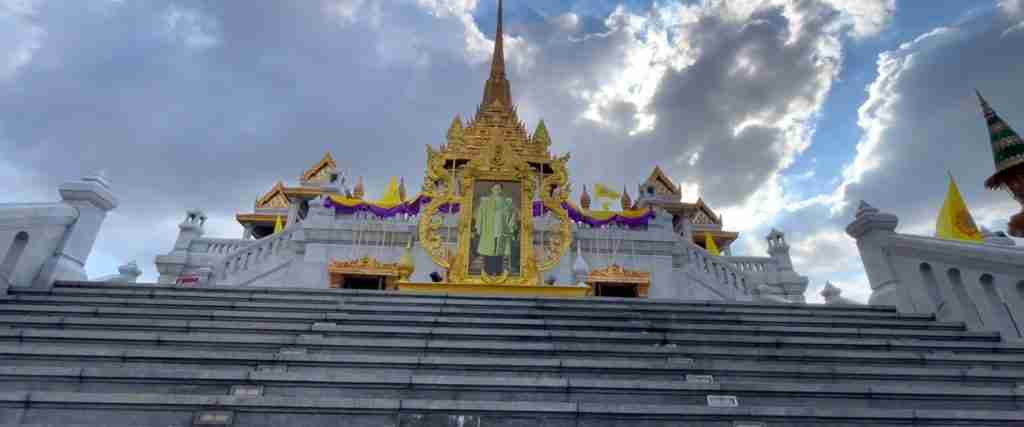
Grand Palace admission costs ₿500 per person including Wat Phra Kaew (Temple of the Emerald Buddha) access. Check the official Grand Palace website for current rates as pricing may vary. The fee represents Bangkok’s highest single attraction cost but delivers access to Thailand’s most significant religious and architectural site. Strict dress code enforcement requires covered shoulders and knees, with sarong rentals at ₿200 for unprepared visitors adding unnecessary expense preventable through proper attire planning.
Wat Pho admission costs ₿200, granting access to Thailand’s largest reclining Buddha image and traditional Thai massage school. Wat Arun charges ₿100 for entry including central prang climbing access, while Wat Saket (Golden Mount) costs ₿50 providing panoramic city views from hilltop chedi. Most neighborhood temples remain free with voluntary donation boxes accepting ₿20-100 contributions from visitors appreciating temple access and maintenance support.
Temple admission costs accumulate quickly with comprehensive temple tours totaling ₿1,000-1,500 for major sites. Strategic selection focusing on 3-4 must-see temples rather than exhaustive temple-hopping reduces costs while preventing temple fatigue. Many travelers find one major royal temple (Grand Palace or Wat Pho) plus 2-3 free neighborhood temples provides sufficient exposure to Bangkok’s religious architecture without excessive admission expenses.
Museum and Cultural Attraction Costs 2026
National Museum admission costs ₿200, providing access to Thailand’s premier art and artifact collection spanning prehistory through contemporary periods. Jim Thompson House charges ₿200 for mandatory guided tours through traditional Thai houses and Southeast Asian art collection. The Museum of Contemporary Art (MOCA) costs ₿250, showcasing modern Thai and international art across extensive galleries requiring 2-3 hours for complete viewing.
Specialized museums charge ₿100-300 depending on size and scope. The Bangkok Art and Culture Centre remains free, displaying rotating contemporary art exhibitions across multiple floors of well-curated gallery spaces. Royal Barge Museum costs ₿100, featuring ornate ceremonial boats in purpose-built hall along Thonburi canal. Erawan Museum charges ₿400, combining massive elephant sculpture with religious artifacts and decorative arts displays, though peripheral location reduces visitor numbers compared to central attractions.
Cultural performances range ₿800-2,000 per person with traditional Thai dance shows at National Theatre starting ₿800. Siam Niramit spectacular production costs ₿1,500-2,100 depending on seating category, delivering Las Vegas-style show depicting Thai history through elaborate staging and costumes. Calypso Cabaret tickets cost ₿1,000-1,200 for cabaret performances popular with tourists. These productions provide evening entertainment alternatives to bars and nightclubs, offering cultural content justifying premium pricing.
Recreation and Entertainment Costs 2026
Thai massage rates range ₿250-500 per hour at basic establishments along tourist streets, rising to ₿800-1,500 per hour at upscale spas in luxury hotels. Traditional Thai massage at Wat Pho school costs ₿420 per hour, providing authentic experience at below-market rates while supporting massage education. Foot massage typically costs ₿300-400 per hour at tourist-area shops, delivering relaxation after walking-intensive sightseeing days.
Cooking classes charge ₿1,000-2,500 per person for half-day sessions including market tours, instruction, and lunch consumption of prepared dishes. Reputable schools like Blue Elephant and Baipai provide professional instruction in tourist-friendly environments with English-speaking chefs. These experiences deliver practical skills and cultural insights justifying premium over simple restaurant meals, particularly for food-focused travelers interested in Thai cuisine beyond eating.
Fitness activities including Muay Thai training cost ₿500-1,500 for single sessions at tourist-focused gyms, with week-long training packages ranging ₿3,500-8,000 depending on facility quality and instruction intensity. Yoga classes at studios charge ₿400-800 per session, while park fitness groups offer free morning exercise opportunities for budget-conscious travelers. Hotel gym access comes free for guests, with day passes at standalone fitness centers costing ₿300-800 for visitors without hotel gym access.
Shopping and Souvenir Costs 2026
Traditional Markets and Street Shopping
Chatuchak Weekend Market provides Bangkok’s most extensive shopping experience with over 15,000 stalls selling clothing, handicrafts, home decor, and food. Prices start low with bargaining expected – initial quotes typically run 30-50% above vendor’s acceptable final prices. Cotton clothing items cost ₿150-400, silk scarves ₿200-600, handicrafts ₿100-800 depending on size and complexity. Spending ₿2,000-4,000 yields substantial shopping hauls including clothing, accessories, and gifts.
Night markets including Asiatique, Ratchada Train Market, and Talad Rot Fai feature similar goods at slightly elevated prices reflecting higher overhead and tourist traffic. However, evening shopping after daylight temple tours provides scheduling convenience worth modest premiums. These markets include dining and entertainment options, transforming shopping into comprehensive evening activities. Budget ₿1,500-3,000 for combined shopping and dining at major night markets.
Street vendors and small shops along tourist streets charge flexible prices subject to negotiation, though quote-counteroffer dynamics prove exhausting for some travelers. Silk scarves quoted at ₿600-800 settle around ₿300-400, while elephant pants initially priced ₿300-400 drop to ₿150-200 with persistent bargaining. The process tests negotiation skills and cultural comfort, with vendors respecting firm but polite bargaining while dismissing aggressive or disrespectful approaches.
Shopping Mall and Retail Costs 2026
Shopping malls including Siam Paragon, Central World, and EmQuartier feature international brands at prices matching or exceeding home country retail. Thai brands and local designers offer better value with contemporary Thai fashion at ₿800-3,000 for dresses, ₿600-2,000 for shirts, and ₿1,200-4,000 for shoes. These purchases provide quality and style absent from market goods while supporting Thai design industry. Major sales during April Songkran holidays and December holidays deliver 30-70% discounts on seasonal merchandise.
Specialty shops selling Thai silk, ceramics, and handicrafts charge premium over market prices but provide quality assurance and convenient shopping environments. Jim Thompson retail shops sell silk products at ₿800-8,000 for scarves, ₿3,000-15,000 for clothing, and ₿2,000-25,000 for home textiles. The pricing reflects quality Thai silk, reputable sourcing, and brand heritage, appealing to travelers prioritizing authenticity and quality over bargain hunting. Gift sets provide curated selections suitable for presents without individual item selection challenges.
Electronics and cameras cost similar to Western markets without significant savings justifying dedicated shopping trips. However, accessories including camera bags, phone cases, and cables cost 30-50% less than home country prices at Pantip Plaza and MBK Center. These purchases make sense for items needed during travel or forgotten at home, though major electronics purchases typically find better deals online or in home markets with superior warranty support and return policies.
Day Trip and Excursion Costs 2026
Ayutthaya Day Trips 2026
Independent Ayutthaya visits via train cost ₿20 each direction from Hua Lamphong Station with frequent departures throughout the day. Temple admission costs ₿50 per site with typical visits including 4-6 temples totaling ₿200-300 admission fees. Bicycle rentals cost ₿50-80 per day, providing transportation between spread-out temple ruins. Total day cost: train ₿40, bicycle ₿60, admissions ₿250, lunch ₿150-200. Total: ₿500-550 per person for full-day independent exploration.
Organized Ayutthaya tours cost ₿1,000-1,800 per person for full-day group tours including round-trip transportation, guide services, temple admissions, and lunch. Private tours cost ₿3,500-6,000 for 1-4 people with customized itineraries and flexible scheduling. The convenience and historical context provided by quality guides justifies premium for travelers preferring structured experiences over independent exploration. Tours departing Bangkok 8:00-9:00 AM return 5:00-6:00 PM, creating full-day commitments.
Floating Market Excursions 2026
Damnoen Saduak Floating Market day trips via public transport cost ₿180 round-trip bus fare from Southern Bus Terminal plus ₿200-300 for paddle boat tours through market waterways. Market purchases including food and souvenirs add ₿300-600 depending on shopping interests. Admission remains free though boat tours require negotiated fees typically settling at ₿200-300 for 30-45 minute trips. Early morning departures essential as market activity peaks 7:00-9:00 AM before tour group crowds arrive.
Organized floating market tours cost ₿800-1,500 per person for half-day trips including hotel pickup, round-trip transportation, and guide services. Full-day tours combining floating markets with Rose Garden cultural shows or other attractions cost ₿1,500-2,500 per person. Private tours run ₿4,000-7,000 for 1-4 people. Tour convenience and time efficiency appeal to visitors with limited Bangkok time, though independent travelers on extended trips find public transport options economical and rewarding.
Other Popular Day Trip Costs 2026
Kanchanaburi and Bridge on the River Kwai tours cost ₿1,200-2,000 per person for full-day group tours including war museum visits, bridge walking, and cemetery stops. Independent travel via bus costs ₿100-130 each direction with museum admissions at ₿100-150. The day trip requires 8-10 hours total, making early morning departures necessary. Budget ₿1,500-2,000 total including transport, admissions, meals, and local transportation.
Khao Yai National Park day trips cost ₿200-300 park admission plus ₿600-1,200 for organized tours from Bangkok. The 3-hour drive each direction makes independent visits impractical for single-day trips, with organized tours providing practical access including wildlife spotting expertise. Full-day tour costs ₿2,000-3,500 per person with hotel pickup, park fees, guide services, and lunch included. The park provides Bangkok’s most accessible tropical jungle experience with wildlife including elephants, gibbons, and hornbills.
Money-Saving Strategies 2026
Accommodation Savings Techniques
Booking accommodations 2-3 months ahead secures 20-30% discounts compared to last-minute bookings during November through February high season. Hotels offer early booking promotions through direct websites and OTA platforms including Agoda and Booking.com. Price comparison across multiple platforms reveals variations, with direct hotel bookings sometimes including breakfast or other perks absent from third-party reservations. Reading cancellation policies carefully protects against losing deposits if plans change, with free cancellation options providing flexibility worth modest price premiums.
Shoulder season travel in March, April, October, or November delivers better hotel rates than peak December through February period while avoiding June through September monsoon season’s heaviest rainfall. Hotel quality remains consistent while rates drop 20-40%, creating value opportunities for flexible travelers. Some properties include free airport transfers or spa credits with minimum stay bookings, adding value beyond base room rates.
Apartment rentals through platforms like Airbnb provide value for groups or extended stays, offering full kitchens reducing meal costs and more space than hotel rooms. Weekly rates typically discount 10-20% compared to nightly bookings, while monthly rates save 30-40% for long-term travelers. Location selection outside tourist zones delivers dramatic savings – Ari, Ratchathewi, and Phra Khanong neighborhoods offer residential character and local pricing while maintaining BTS access to tourist areas.
Food Cost Reduction Strategies 2026
Street food focus reduces meal costs 60-80% compared to restaurant dining, with three daily street meals totaling ₿150-240 versus ₿800-1,500 for restaurant equivalents. Learning basic Thai food vocabulary enables ordering at local restaurants without English menus, accessing authentic cuisine at local pricing. Mobile translation apps facilitate communication when language barriers arise, making local dining accessible to non-Thai speakers willing to embrace minor ordering uncertainties.
Shopping mall food courts provide air-conditioned dining at prices only 20-30% above street food, creating compromise between budget consciousness and comfort preferences. The coupon payment system proves initially confusing but enables efficient ordering once understood. Lunch specials at mid-range restaurants cost ₿150-250, delivering restaurant quality at substantially reduced prices compared to dinner service. Taking advantage of these promotions while using street food for breakfast and dinner balances budget with occasional sit-down meal comfort.
Convenience store purchases including fruit cups at ₿30-50, sandwiches at ₿35-60, and beverages at ₿15-35 provide quick cheap meals for travelers rushing between activities. The 24-hour availability of 7-Eleven and Family Mart creates flexibility for early morning departures or late evening returns when street vendors and restaurants close. Prepared meals lack culinary excitement but serve functional purposes when tight schedules or budget constraints demand maximum economy.
Transportation Cost Optimization 2026
Walking short distances saves frequent small transportation charges that accumulate significantly. Sukhumvit area hotels enable walking access to numerous restaurants, shopping, and entertainment venues within 1-2 kilometers, eliminating taxi costs for nearby destinations. The tropical heat and humidity make extended walking challenging during midday hours, but early morning and evening walking remains practical while supporting fitness and neighborhood observation impossible from taxi windows.
BTS and MRT day passes at ₿140 become economical for visitors making 4+ daily trips, particularly on days involving extensive movement between areas. However, most travelers find 1-3 trips daily typical, making single journey tickets more economical. Stored value Rabbit cards reduce transaction time though provide minimal cost savings over cash ticket purchases. Analyzing actual planned movements prevents over-purchasing passes providing minimal benefit.
Combining transportation modes optimizes both cost and efficiency. River boats connect major temple areas for ₿10-40, avoiding traffic while providing scenic water travel. Walking short distances between BTS stations eliminates change requirements – Siam and Chitlom stations sit just 700 meters apart with air-conditioned skywalk connecting them, making walking faster and cheaper than one BTS stop. Strategic route planning reducing unnecessary transportation spending adds up over multi-day visits.
Sample Budget Breakdowns 2026
Budget Traveler Daily Costs
Hostel dormitory bed ₿500, breakfast street food ₿60, lunch street food ₿80, dinner street food ₿100, two snacks ₿80, BTS/MRT transport ₿80, tuk-tuk ride ₿60, Wat Pho admission ₿200, one beer at 7-Eleven ₿60, miscellaneous ₿200. Total day cost: ₿1,420 per person (excluding international flights and travel insurance).
This budget enables temple visits, authentic Thai food, and adequate transport while maintaining hostel accommodation. The daily allocation provides satisfying Bangkok experience without excessive deprivation, though luxury expectations require adjustment. Reducing costs further through free temple visits, eliminating beer purchases, and walking more extensively cuts daily spending to ₿1,000-1,200 for extremely frugal travelers. However, ₿1,400-1,600 provides more comfortable budget travel experience with occasional splurges.
Mid-Range Traveler Daily Costs
Three-star hotel ₿1,800, breakfast at hotel ₿150, lunch at restaurant ₿300, coffee ₿100, dinner at restaurant ₿500, dessert ₿100, BTS/MRT transport ₿120, one taxi ride ₿150, Grand Palace admission ₿500, Thai massage ₿400, drinks ₿200, miscellaneous ₿300. Total day cost: ₿4,620 per person (excluding international flights and travel insurance).
Mid-range budget provides comfortable accommodations, mix of street and restaurant dining, occasional taxis, and major attractions without constant cost monitoring. This spending level accesses Bangkok’s offerings comprehensively while maintaining financial responsibility. Days involving expensive activities including cooking classes or organized tours increase spending to ₿6,000-7,000, while simpler days cost ₿3,000-3,500, creating overall average around ₿4,000-5,000 daily.
Luxury Traveler Daily Costs
Five-star hotel ₿5,000, breakfast buffet ₿600, lunch at upscale restaurant ₿800, afternoon tea ₿600, dinner at fine dining restaurant ₿2,500, cocktails at rooftop bar ₿800, private car with driver ₿2,500, private guided tour ₿3,000, luxury spa treatment ₿2,500, shopping ₿3,000, miscellaneous ₿1,000. Total day cost: ₿22,300 per person (excluding international flights and travel insurance).
Luxury travel eliminates budget constraints, focusing on premium experiences, exceptional service, and maximum comfort throughout Bangkok stay. This category accesses Bangkok’s finest restaurants, hotels, and services without compromise. The city’s relatively low costs compared to other global destinations make luxury travel particularly appealing, with ₿20,000-25,000 daily spending delivering experiences requiring ₿35,000-50,000 equivalent in Singapore, Hong Kong, or Tokyo.
2026 Updates and Current Information
Economic Context and Exchange Rate Considerations
Thailand’s economy continues recovering from pandemic impacts with tourism sector reaching pre-2020 visitor numbers during 2024-2025. Currency stability remains strong with Thai baht maintaining ₿32-36 per USD range throughout 2026, providing predictable exchange planning for international visitors. Inflation affects prices gradually with annual increases of 2-4% across food, accommodation, and services, though Bangkok remains competitively priced compared to regional cities.
Digital payment adoption accelerates throughout 2026 with QR code payments expanding beyond major retailers to smaller establishments. However, cash remains essential for street food, markets, and small businesses. ATM networks maintain excellent coverage with international card acceptance at virtually all machines, though foreign transaction fees accumulate significantly for frequent small withdrawals. Planning larger withdrawals reduces proportional fee costs while requiring more careful cash management.
Seasonal Pricing Patterns Throughout 2026
January and February represent absolute peak season with highest hotel rates and attraction crowds following Christmas-New Year holiday period. March and April see rates declining 15-20% as heat increases, though Songkran festival mid-April creates temporary spike. May through September monsoon season delivers lowest rates with discounts of 30-50% off peak pricing, though afternoon thunderstorms affect outdoor activities. October through December rates gradually increase as weather improves, with December holidays matching January-February peak pricing.
Chinese New Year timing affects February 2026 rates significantly, with Asian tourist surges creating demand spikes and rate increases at certain properties and attractions. European summer holidays from June through August bring steady visitor flows despite monsoon season, maintaining moderate occupancy at Bangkok hotels. Understanding these patterns enables strategic timing for optimal value, with November offering best balance between reasonable weather and moderate pricing before December holiday premium kicks in.
FAQ: Bangkok Budget Planning 2026
Should I exchange money before arriving in Bangkok or after arrival?
Exchange small amounts at home airports for immediate taxi or transport needs, then use Bangkok exchange booths for main currency conversion achieving 2-4% better rates. Super Rich and Vasu Exchange chains consistently deliver optimal rates, typically 0.5-1% better than banks. Airport exchange booths offer convenience but cost ₿90-150 per $1,000 through inferior rates compared to city center locations. ATM withdrawals work well for travelers whose banks reimburse foreign ATM fees, otherwise exchange booth rates beat ATM total costs.
Are credit cards or cash more economical in Bangkok?
Cash provides better value for daily expenses while avoiding 2-3% credit card foreign transaction fees, saving ₿600-900 on ₿30,000 spending. However, credit cards offer security for large purchases including hotel bookings and organized tours plus travel protections through credit card companies. Optimal strategy uses cash for meals, transportation, and small purchases while reserving cards for hotels, flights, and expensive tours. Travel credit cards with no foreign transaction fees eliminate the disadvantage, making them comparable or superior to cash for all purchases.
How much should I budget for tips in Bangkok?
Tipping remains optional in Thailand without strong cultural expectations, though appreciation for good service through small tips creates positive interactions. Restaurant service charges of 10% often appear on bills, eliminating additional tip requirements. When no service charge applies, ₿20-40 per person for good service at casual restaurants or ₿100-200 at upscale establishments proves appropriate. Taxi drivers appreciate rounding up to nearest ₿10, while hotel porters receive ₿20-40 per bag. Spa treatments warrant ₿100-200 for therapists providing excellent massage. Street food vendors don’t expect tips though ₿5-10 change donation boxes receive appreciation.
What happens if I run out of money in Bangkok?
International ATM networks provide 24-hour cash access throughout Bangkok with Visa, Mastercard, Plus, and Cirrus cards widely accepted. Thai banks charge ₿220 withdrawal fees plus home bank foreign ATM charges, totaling $7-10 per transaction. Western Union and MoneyGram offer emergency money transfer services with locations throughout city, though fees run 5-10% for rush transfers. Credit card cash advances work at major banks during business hours though incur immediate interest charges plus cash advance fees. Embassy services assist citizens in severe emergencies though cannot provide cash loans, instead facilitating family fund transfers or repatriation arrangements.
Does Bangkok offer good value compared to other global cities in 2026?
Bangkok delivers exceptional value relative to global cities, particularly compared to other Asian capitals. Daily costs run 40-60% below Singapore, Hong Kong, and Tokyo while providing comparable experiences. Five-star hotels costing ₿5,000-7,000 match ₿12,000-18,000 properties in those cities, while ₿500 restaurant meals require ₿1,200-2,000 for equivalent quality elsewhere. Public transport costs fraction of comparable systems, with ₿40 BTS rides matching service requiring $3-5 in Singapore or Tokyo. The value proposition attracts global travelers seeking first-world infrastructure and services at developing-world pricing.
Can I negotiate prices at Bangkok shopping malls?
Shopping mall retailers maintain fixed prices without negotiation, following standard retail practices similar to Western countries. However, some mall stores offer discounts for cash payment or multiple item purchases when customers ask politely. Markets and street vendors expect bargaining as standard practice, with negotiation room of 20-40% built into initial quotes. The contrasting systems sometimes confuse visitors, though observing other customers’ interactions reveals whether specific venues accommodate price negotiation or maintain fixed pricing.
What costs do tourists commonly underestimate when budgeting for Bangkok?
Temple dress code requirements create unexpected costs when unprepared visitors rent appropriate clothing at ₿200 for sarongs or pants. Air conditioning expenses at hotels and restaurants exceed expectations as tropical heat makes air conditioning essential rather than optional, adding ₿100-300 daily to comfortable travel budgets. Transportation between spread-out attractions accumulates more than expected, with ₿300-600 daily typical despite Bangkok’s economical public transit. Shopping and souvenirs often consume budgets through impulsive market purchases, with travelers commonly spending ₿2,000-5,000 more than planned on handicrafts, clothing, and gifts. Building 20-30% budget buffer prevents overspending stress while accommodating spontaneous opportunities.
How do Bangkok costs compare between high and low seasons?
High season (November through February) delivers 30-50% higher hotel rates than low season (May through September), with ₿2,000 rooms rising to ₿2,800-3,000. Tour costs increase 15-25% during peak periods as operators capitalize on higher demand. However, food, transport, and attraction admission costs remain relatively stable year-round, with seasonal variations primarily affecting accommodation and organized tours. Total daily cost differences of ₿800-1,500 between seasons justify timing flexibility for budget-conscious travelers, though weather quality and crowd levels factor into value calculations beyond simple cost comparisons.
Should I purchase travel insurance for Bangkok trip?
Travel insurance provides valuable protection against medical emergencies, trip cancellations, and lost belongings despite adding ₿800-2,000 to trip costs for typical week-long visits. Thai hospitals deliver excellent care though charge international prices, with serious medical issues potentially costing ₿50,000-500,000+ requiring insurance coverage for non-residents. Trip cancellation coverage protects non-refundable flight and hotel bookings, while baggage protection covers loss or theft. Premium credit cards often include travel insurance for trips booked with the card, eliminating need for separate insurance purchases. Reviewing existing coverage through credit cards or home insurance prevents redundant policy purchases.
What smartphone apps help budget-conscious travelers in Bangkok?
Grab ride-hailing app provides transparent pricing eliminating taxi meter games and overcharging, typically costing 10-20% more than metered taxis but worth premium for convenience and reliability. Google Maps offers excellent Bangkok navigation including public transport directions, walking times, and business information. XE Currency provides real-time exchange rates for quick price comparisons and budget tracking. Bangkok Transit app shows BTS and MRT routes with estimated fares and journey times. Eatigo restaurant booking app offers 10-50% discounts at quality restaurants during off-peak hours, reducing dining costs substantially. These apps combine to reduce costs through better planning, transparent pricing, and discount access.