
Banff National Park Hidden Gems Guide
This guide reveals lesser-known locations throughout Banff National Park, from easily accessible spots overlooked by tourists focused on famous destinations to remote backcountry areas requiring significant physical effort and wilderness skills. Whether seeking quiet contemplation beside an alpine tarn, historical curiosity about early mountaineering expeditions, or simply escape from summer’s overwhelming crowds, Banff’s hidden gems deliver experiences that remind visitors why national parks exist—to preserve wild places where humans encounter nature on its own terms rather than through curated tourist infrastructure.
Key Takeaways
- Timing Matters for hidden gem experiences—visiting popular locations during sunrise, late evening, or shoulder seasons reveals their authentic character without overwhelming crowds
- Remote Alpine Lakes including Arnica Lake, Egypt Lake, and Consolation Lakes offer spectacular beauty with fraction of the visitors swarming Moraine Lake and Lake Louise
- Secret Viewpoints like Tunnel Mountain summit, Stoney Squaw, and Cascade Amphitheatre provide stunning vistas accessible through moderate hikes avoiding tourist congestion
- Historic Sites throughout the park including abandoned fire lookouts, historic mine ruins, and century-old backcountry lodges tell stories of early mountain exploration and development
- Wildlife Corridors in lesser-visited valleys offer superior opportunities for observing bears, wolves, and ungulates without the crowds that habituate animals to human presence
- Winter Access transforms familiar locations into hidden gems as snow closes roads and deters casual visitors, rewarding those willing to ski or snowshoe into wilderness solitude
Introduction: Beyond the Postcard Images
While millions of visitors flock to Lake Louise, Moraine Lake, and Banff townsite each year, vast expanses of Banff National Park remain remarkably quiet and underexplored. These hidden gems—remote lakes reflecting pristine peaks, secret viewpoints revealing unexpected perspectives, historic sites documenting early mountain adventures, and wildlife havens far from tourist corridors—offer experiences matching or exceeding the park’s famous attractions without the crushing crowds.
Discovering Banff’s hidden gems requires more than simply following different trails. It demands understanding seasonal patterns that concentrate visitors at specific times, recognizing how small effort investments yield disproportionate rewards in solitude and authentic wilderness experiences, and appreciating locations that lack the dramatic Instagram appeal of iconic sites but possess subtler beauty and genuine connection to mountain environments.
People Also Ask About Banff Hidden Gems
What are the least crowded beautiful spots in Banff National Park?
Several spectacular locations receive minimal visitor traffic compared to famous sites: Cascade Ponds offer stunning views of Cascade Mountain with easy access yet remain relatively quiet; Johnson Lake provides beautiful shoreline walks without Lake Minnewanka’s crowds; Healy Pass reveals alpine meadows and glacier views through a moderate hike with far fewer visitors than Sunshine Meadows; Egypt Lake, despite being one of Banff’s most beautiful backcountry destinations, requires overnight backpacking that deters day-trippers; and the Bow River corridor between Banff and Lake Louise offers countless pull-offs with mountain reflections and wildlife viewing opportunities passed by drivers rushing between major attractions. Winter transforms almost any location into a hidden gem as snow and cold discourage casual visitors.
Are there any secret viewpoints with amazing views in Banff?
Numerous lesser-known viewpoints offer spectacular panoramas: Stoney Squaw delivers 360-degree views of surrounding peaks through a short 2-kilometer hike gaining just 180 meters elevation; Tunnel Mountain summit provides sunrise views over Banff townsite and Bow Valley with only moderate effort; Cascade Amphitheatre reveals dramatic cirque formations and distant glacier vistas through a steady climb; Mount St. Piran’s summit offers one of Banff’s finest viewpoints for those willing to tackle the scramble; and various unnamed ridge walks accessed from highway pull-offs reward explorers with private vistas. The key to secret viewpoints lies less in their actual secrecy than in visitors’ unwillingness to hike even moderate distances for views when parking lot viewpoints like Peyto Lake exist.
How can I avoid crowds at popular Banff locations?
Strategic timing and alternative approaches minimize crowd encounters at famous sites: arrive at sunrise or late evening when most visitors sleep or dine in town; visit during shoulder seasons (May, late September, October) when schools remain in session and weather deters casual tourists; choose weekdays over weekends when local Calgary residents flood the park; pursue winter adventures when snow access requirements eliminate 90% of summer visitors; explore areas beyond immediate parking lot radius as most visitors never venture more than 500 meters from their vehicles; and use the park shuttle system to visit popular locations early before private vehicle traffic clogs roads. The most effective strategy combines less famous destinations with off-peak timing at must-see locations.
What hidden lakes exist beyond Moraine Lake and Lake Louise?
Banff contains dozens of stunning alpine lakes receiving minimal attention: Consolation Lakes offer turquoise waters and dramatic peaks through an easy 6-kilometer hike from Moraine Lake parking; Bourgeau Lake sits in a spectacular cirque accessed via moderate day hike with wildflower meadows and excellent camping; Arnica Lake and Twin Lakes provide beautiful backcountry destinations requiring overnight trips; Gibbon Pass Lakes reveal multiple interconnected tarns in remote alpine basins; Rock Isle Lake near Sunshine Village offers stunning reflections without Moraine Lake’s crowds; and countless unnamed tarns dot the backcountry accessible only to experienced mountaineers and scramblers willing to venture beyond established trails. Each of these lakes rivals the famous attractions in beauty while delivering superior wilderness experiences.
Extended multi-day tours – 5+ days
Featured Park Banff National Park Multi-Day Tour Packages

3 days
Park Banff National Park 3-Day Discovery Tour
- ✓ Comprehensive Park Banff National Park experience
- ✓ Expert local guides included
- ✓ All accommodation included
- ✓ Transportation provided

5 days
Park Banff National Park 5-Day Highlights Experience
- ✓ Comprehensive Park Banff National Park experience
- ✓ Expert local guides included
- ✓ All accommodation included
- ✓ Transportation provided
7 days
Park Banff National Park 7-Day Cultural Journey
- ✓ Comprehensive Park Banff National Park experience
- ✓ Expert local guides included
- ✓ All accommodation included
- ✓ Transportation provided
10 days
Park Banff National Park 10-Day Complete Adventure
- ✓ Comprehensive Park Banff National Park experience
- ✓ Expert local guides included
- ✓ All accommodation included
- ✓ Transportation provided
Multi-day tour packages powered by TourRadar. Prices and availability subject to change.
Hidden Gems Near Banff Townsite
The immediate vicinity of Banff townsite contains numerous overlooked treasures offering quick escapes from commercial development and tourist congestion. These locations provide accessible wilderness experiences for visitors with limited time or mobility restrictions who still seek authentic mountain encounters beyond gift shops and restaurants.
Cascade Ponds, located just minutes from downtown Banff along Lake Minnewanka Road, deliver stunning reflections of Cascade Mountain’s distinctive peak. These small lakes created by damming Forty Mile Creek offer picnicking areas, swimming opportunities, and gorgeous photography conditions with minimal crowds. The ponds serve as excellent locations for sunrise or sunset sessions when Cascade Mountain glows in warm light. Winter ice fishing attracts local enthusiasts, and the surrounding forests provide habitat for deer, elk, and occasionally black bears. The area functions as a local recreation spot rather than a tourist attraction, offering authentic experiences of how Banff residents utilize the landscape.
Tunnel Mountain’s summit trail remains surprisingly underutilized despite providing one of Banff’s finest viewpoints for minimal effort. The 4.5-kilometer round-trip hike gains 260 meters through switchbacks leading to a broad summit with 360-degree views encompassing Banff townsite, Mount Rundle, Sulphur Mountain, Cascade Mountain, and the Bow Valley. Sunrise from Tunnel Mountain rivals any view in the park, with warm light illuminating surrounding peaks while Banff awakens below. The trail receives steady use but rarely experiences the congestion plaguing more famous hikes, and the summit offers ample space for solitary contemplation impossible at crowded viewpoints.
Stoney Squaw Fire Lookout provides another easily accessible summit experience with outstanding rewards for modest effort. The 2.1-kilometer trail to the old fire lookout site climbs through forest before emerging at the rocky summit overlooking Banff townsite, Vermilion Lakes, and surrounding peaks. The open summit invites extended stays watching light change across mountain faces, spotting wildlife in valleys below, and enjoying genuine wilderness atmosphere minutes from town. Winter snowshoeing to Stoney Squaw becomes magical as snow muffles sounds and transforms familiar landscapes into pristine winter wonderlands.
Johnson Lake sits 5 kilometers east of Banff townsite along Lake Minnewanka Road, offering a scenic 3-kilometer shoreline loop through peaceful forest with mountain backdrops. This artificial reservoir created in the 1920s now functions as a quiet alternative to more famous lakes, with excellent picnicking areas, warm summer swimming, and winter ice skating when conditions permit. The trail remains accessible to families with young children, elderly visitors, and anyone seeking gentle walks rather than strenuous hikes. Wildlife sightings include frequent elk encounters, occasional bears, and diverse birdlife. The lack of dramatic mountain amphitheater formations that make other lakes Instagram-famous keeps Johnson Lake relatively quiet.
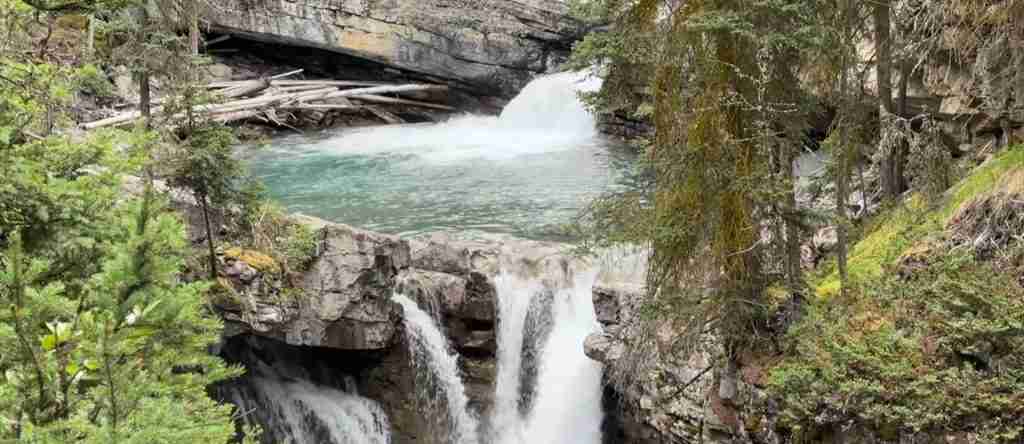
Sundance Canyon offers a pleasant 7.6-kilometer round-trip walk along the Bow River to a modest canyon with waterfalls and interesting rock formations. While the destination itself fails to match dramatic locations elsewhere in the park, the journey delivers solitude, riverside scenery, and opportunities for extended hikes into Sundance backcountry beyond the canyon. The wide, gentle trail accommodates all fitness levels, and the lack of dramatic destination keeps visitation light. Spring runoff creates impressive water displays, while autumn colors transform the riverside forest into golden wonderland.
Secret Alpine Lakes and Remote Valleys
Beyond Banff’s famous lakes lie dozens of spectacular alpine waters accessible only through significant hiking or backpacking efforts. These locations reward physical investment with pristine beauty, wildlife encounters, and genuine wilderness solitude increasingly rare in popular national parks.
Egypt Lake sits in one of Banff’s most beautiful backcountry areas, accessible via multiple trail approaches requiring 12-20 kilometers of hiking. The lake occupies a dramatic alpine basin surrounded by colorful rock formations, glaciers, and towering peaks. Multiple camping areas around Egypt Lake accommodate backpackers willing to carry overnight gear, while Egypt Lake Shelter provides historic accommodation (reservations required). The area serves as basecamp for exploring neighboring Whistling Valley, Scarab Lake, and Pharaoh Peaks. Wildflower displays peak in July and August, while September brings golden larches and quieter conditions. The physical commitment required to reach Egypt Lake eliminates casual visitors, ensuring those who arrive appreciate the location’s significance.
Arnica Lake and Twin Lakes occupy a stunning cirque accessible via Arnica Lake Trail, a 21-kilometer round-trip day hike or comfortable overnight backpacking trip. The trail climbs steadily through forest before emerging into an alpine wonderland with three beautiful lakes set against impressive rock walls and permanent snowfields. Camping at Twin Lakes allows exploration of the upper basin, scrambles to surrounding ridges, and photography during optimal morning and evening light. The area receives moderate use compared to roadside attractions but remains quiet enough for genuine wilderness experiences. Marmots, pikas, and mountain goats inhabit the rocky slopes, while trout cruise the clear lake waters.
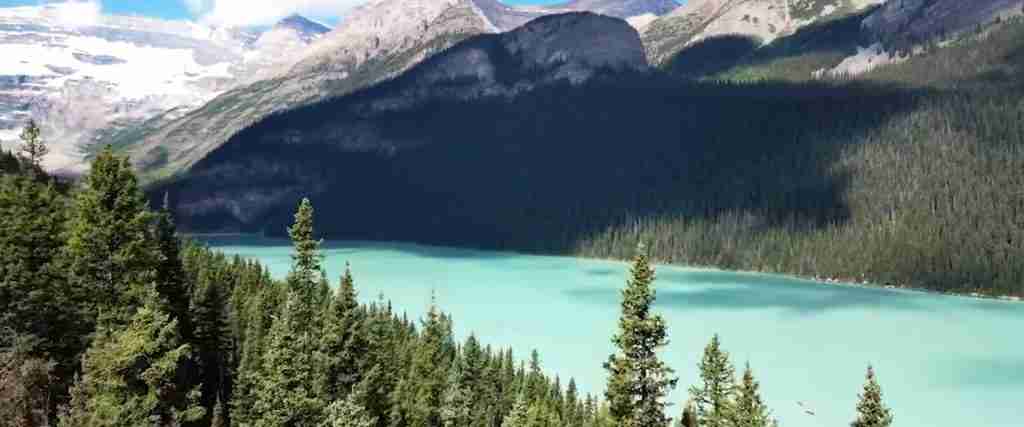
Consolation Lakes provide one of Banff’s best value propositions—relatively short 6-kilometer round-trip hike delivering spectacularly scenic alpine lakes with far fewer visitors than nearby Moraine Lake. The trail follows moderate grades from Moraine Lake parking area (when accessible) up to two beautiful lakes surrounded by dramatic peaks including Mount Temple, Quadra Mountain, and Bident Mountain. Enormous rock slabs near the lower lake create perfect lounging spots for picnicking and contemplation. The lakes represent excellent destinations for families with older children, offering taste of alpine adventure without extreme distances or elevation gain. Early morning or evening visits avoid even the moderate crowds this accessible gem attracts.
Bourgeau Lake Trail climbs 7.6 kilometers one-way through varied terrain to a stunning alpine cirque containing a beautiful turquoise lake surrounded by Mount Bourgeau and other impressive peaks. The sustained climbing deters many visitors despite the spectacular destination. Continuing beyond the lake to Harvey Pass adds additional challenge and rewards with even more impressive views and near-guaranteed solitude. Designated camping at Bourgeau Lake enables overnight trips allowing sunset and sunrise photography, exploration of the upper cirque, and escape from day-hike crowds that do reach the lake. Wildlife encounters often include marmots, pikas, mountain goats, and occasionally grizzly bears feeding in avalanche chutes.
Shadow Lake, accessed via 14-kilometer trail from Redearth Creek parking area, sits in a spectacular basin beneath dramatic peaks and glaciers. Shadow Lake Lodge provides commercial accommodation for those preferring beds and meals to camping (advance reservations essential), while campgrounds accommodate backpackers. The lake serves as a hub for extended backcountry explorations including Gibbon Pass, Twin Cairns Meadows, and connections to Egypt Lake region. Assiniboine Provincial Park lies within striking distance for ambitious multi-day treks. The commitment required to reach Shadow Lake ensures relatively light use, and guests staying multiple nights escape the day-hike mentality to experience deeper connection with mountain environments.
Remote Viewpoints and Ridge Walks
Some of Banff’s most spectacular vistas require moving beyond established trails onto ridges, summits, and high alpine terrain demanding route-finding skills, scrambling ability, and comfort with exposure. These locations remain hidden not through geographic obscurity but through skill requirements that limit access to experienced mountain travelers.
Cascade Amphitheatre Trail leads 13 kilometers round-trip to a dramatic cirque formation on Cascade Mountain’s eastern flanks. The trail climbs steadily through forest and subalpine zones before emerging into the impressive bowl surrounded by towering rock walls. While technically a maintained trail, the final section scrambles over loose rock requiring attention and surefootedness. The amphitheatre itself invites extended exploration, with opportunities to climb higher on Cascade Mountain for those with scrambling skills, or simply relax in this spectacular natural theater. Few visitors complete this hike despite the remarkable destination, ensuring those who arrive enjoy relative solitude in one of Banff’s most dramatic geological formations.
Mount St. Piran offers one of Banff’s finest summit scrambles for experienced mountain travelers. The ascent covers approximately 20 kilometers round-trip with 1,350 meters of elevation gain, requiring early starts and full days. The reward justifies the effort: 360-degree views spanning from Mount Assiniboine to the Columbia Icefields, with seemingly every major peak in Banff National Park visible from the summit. The scramble involves moderate technical difficulty with some exposure on the final ridge, requiring confidence on steep terrain. This summit receives minimal traffic compared to easier peaks, ensuring solitary summit experiences rare on popular scrambles like Ha Ling Peak or East End of Rundle.
Eiffel Peak and Wenkchemna Pass above Moraine Lake offer spectacular high alpine terrain accessed via Valley of the Ten Peaks trail. While the initial portion sees heavy use from Moraine Lake tourists, continuing beyond Larch Valley to Eiffel Lake and upward to these destinations eliminates most visitors. Eiffel Peak’s summit delivers stunning views down to Moraine Lake and across the Valley of the Ten Peaks. Wenkchemna Pass crosses the Continental Divide into spectacular Yoho National Park backcountry. These destinations require significant elevation gain and route-finding skills but reward those efforts with some of Banff’s finest alpine scenery and genuine solitude.
Healy Pass represents one of Banff’s premier day hikes, climbing 18 kilometers round-trip through wildflower meadows to a high alpine pass with expansive views. The trail gains 655 meters elevation through mostly gradual grades manageable for fit hikers. Despite being one of the park’s more accessible alpine experiences, Healy Pass receives far less attention than Sunshine Meadows or Plain of Six Glaciers, ensuring relative tranquility in the stunning meadows and on the pass itself. July and early August bring incredible wildflower displays, while September offers golden larches. The pass marks the boundary between Banff and Kootenay National Parks, with options to extend the hike into Simpson River Valley or ascend nearby peaks for even better views.
Historic Sites and Cultural Treasures
Banff National Park contains numerous historic sites documenting early exploration, development, and mountaineering adventures that shaped the park’s evolution. These locations offer connections to human history often overlooked in favor of natural attractions, yet they provide context for understanding how Banff developed from Indigenous homeland to national park.
Cave and Basin National Historic Site represents Banff’s birthplace—the hot springs discovery in 1883 that ultimately led to national park establishment. While the site operates as a managed attraction with interpretive displays and scheduled tours, many visitors bypass it entirely in favor of more dramatic natural features. The site deserves attention for understanding Banff’s origins, Indigenous connections to the springs, and early tourism development. The surrounding wetlands harbor unique thermal-adapted species, and interpretive trails provide education about hot springs ecology and cultural significance. Visiting Cave and Basin connects visitors to the human stories underlying park creation rather than treating Banff as purely natural landscape.
Historic fire lookouts scattered throughout Banff’s backcountry tell stories of forest fire management and wilderness monitoring before modern technology. Several accessible lookouts include Sulphur Mountain summit lookout (reached via gondola or hiking trail) and various abandoned structures requiring serious backcountry navigation. These lookouts provided critical fire detection during decades when personnel spent entire summers isolated in mountain-top cabins scanning for smoke. Modern GPS and satellite monitoring made the lookouts obsolete, but their remains evoke earlier eras of park management and the individuals who lived isolated mountain lives protecting forests.
Simpson Pass marks historic route used for centuries by Indigenous peoples crossing the Continental Divide, later adopted by fur traders and early explorers. Following Simpson River Trail through beautiful forest and meadows to the pass itself connects hikers to this travel corridor’s long history. The trail sees moderate use but nothing compared to famous locations, and the historic significance adds meaning to what might otherwise be a pleasant but unremarkable forest walk. Understanding that countless generations traveled this route transforms the experience from mere hiking to walking in the footsteps of Indigenous travelers, fur traders, and early mountaineers.
Abbot Pass Hut, perched at 2,925 meters between Mount Victoria and Mount Lefroy, represents one of North America’s highest permanent structures and a monument to early alpine club mountaineering. Constructed in 1922 by Swiss guides, the stone hut provides emergency shelter and base camp for climbers attempting surrounding peaks. Reaching the hut requires serious mountaineering skills including glacier travel, route-finding through complex terrain, and comfort with significant exposure. The hut is not a hidden gem for casual visitors but represents an important piece of Banff’s mountaineering heritage for those with appropriate skills and ambitions.
Wildlife Viewing Away from Crowds
While wildlife viewing opportunities exist throughout Banff, certain areas offer superior chances for observing animals exhibiting natural behaviors without habituation to human presence. These locations require more effort to reach but reward wildlife enthusiasts with authentic encounters rather than roadside photo opportunities.
The Bow Valley Parkway between Banff and Lake Louise provides excellent wildlife viewing, particularly during spring and early summer when animals concentrate in the valley. The parkway receives significantly less traffic than the Trans-Canada Highway, and seasonal vehicle restrictions during critical wildlife periods reduce disturbance further. Early morning and evening drives yield frequent sightings of elk, deer, bighorn sheep, black bears, and occasionally wolves and grizzly bears. The slower speed limits and numerous pull-offs allow safe observation without the dangerous stopping on highways that creates hazards and habituates animals to vehicles.
Johnston Canyon trails see heavy visitation to the lower and upper falls, but continuing beyond the falls to the Ink Pots transforms the experience from tourist parade to genuine wilderness hiking with excellent wildlife opportunities. The meadows around the Ink Pots and surrounding forests harbor bears, wolves, and ungulates, while the remote setting ensures animals remain wary and exhibit natural behaviors. The commitment to hike 12 kilometers round-trip eliminates most canyon visitors, creating dramatic differences in both human and wildlife encounter rates.
Lake Minnewanka’s remote eastern shores accessible only by boat or very long hikes provide prime grizzly bear habitat with minimal human disturbance. Viewing these areas from tour boats allows observation of bears foraging on shoreline vegetation and occasionally swimming between shores. The distance maintained by boats prevents habituation while enabling wildlife observation impossible from land-based perspectives. The eastern arms of Lake Minnewanka remain remarkably wild despite the lake’s heavy use near the dam and boat launch area.
Ya Ha Tinda Ranch area, while technically outside national park boundaries, provides incredible wildlife viewing opportunities including large elk herds, horse bands, and predators including wolves and grizzly bears. This government ranch sits adjacent to Banff’s eastern boundary in prime wildlife habitat. The remoteness ensures animals remain wild, and the open terrain allows observation of natural predator-prey dynamics rarely visible in forested mountain environments. Accessing the area requires significant driving on unpaved roads and acceptance of basic facilities, filtering out casual tourists.
Winter Hidden Gems
Winter fundamentally transforms Banff’s visitor patterns as snow closes roads, creates access challenges, and deters those unwilling to cope with cold and winter travel demands. This transformation reveals countless hidden gems as familiar summer destinations become quiet winter wonderlands accessible to those with appropriate skills and equipment.
Lake Louise summer parking chaos disappears under winter snow, and while the frozen lake itself attracts significant visitor numbers for ice castle viewing and skating, the surrounding winter trails including Fairview Lookout, Bow River Loop, and various ski touring routes see remarkably light use. Nordic skiers and snowshoers explore stunning winter landscapes with fraction of summer crowds, and those willing to venture into avalanche terrain on proper equipment find world-class ski touring in surrounding mountains. The key to winter Lake Louise involves moving away from the immediate lakeshore where most visitors concentrate.
Moraine Lake Road closes to vehicles from October through May, transforming the famous lake into a winter destination requiring 14-kilometer ski or snowshoe approach. This access requirement eliminates all but the most committed visitors, creating extraordinary solitude at one of Banff’s most photographed locations. The frozen lake surrounded by snow-covered peaks delivers winter beauty matching summer’s glory, and the significant physical effort required to reach it makes the experience feel earned rather than simply consumed. Winter access to Moraine Lake represents quintessential hidden gem experience—familiar location transformed by seasonal conditions and access requirements into something special.
Sundance Lodge operates as one of Banff’s few winter-accessible backcountry lodges, reached via 16-kilometer ski from the nearest winter parking. The commitment to reach Sundance filters clientele to serious winter enthusiasts willing to carry overnight equipment and navigate winter trail conditions. Guests enjoy comfortable accommodation, home-cooked meals, and access to excellent ski touring terrain without the costs and crowds of commercial ski resorts. The lodge represents genuinely remote winter experience despite being relatively close to Banff townsite by mountain standards.
Cascade Fire Road, closed to vehicles year-round, provides excellent winter ski touring following a gradual grade into Cascade Valley. The route offers beautiful scenery, good snow conditions, and escape from crowded resort skiing. Advanced skiers continue beyond the road end into avalanche terrain requiring proper safety equipment and training, accessing incredible winter wilderness. The fire road itself remains safe for beginners and families, providing accessible winter recreation with minimal risk. This area exemplifies how winter transforms summer hiking routes into winter playgrounds discovered by relatively few visitors.
Shoulder Season Secrets
The transition periods between peak summer and winter seasons—particularly May and late September through October—offer exceptional opportunities for experiencing Banff’s famous locations without overwhelming crowds. Understanding these shoulder season dynamics reveals temporal hidden gems rather than geographic secrets.
May brings extended daylight, warming temperatures, and dramatic waterfalls from snowmelt while most tourists remain in school or unaware that park access exists before official summer season. Lake Louise and Moraine Lake ice breaks up, trails begin emerging from snow, and animals move into valleys seeking emerging vegetation. Visitors during May experience dynamic landscapes in constant transformation as winter retreats up mountain slopes. The trade-offs include unpredictable weather, remaining snow on high elevation trails, and limited service availability as businesses prepare for summer operations. However, the lack of crowds makes these inconveniences worthwhile for those seeking authentic wilderness experiences.
September after Labor Day marks the beginning of “locals’ season” when families return to school routines and visitor numbers plummet despite excellent conditions. The weather remains generally stable, trails sit in prime condition after summer maintenance, and autumn colors begin emerging in deciduous trees and alpine larches. Many services continue operating, providing full amenities without summer congestion. This period represents ideal timing for experiencing Banff as long-term residents do—enjoying the mountains without tourist chaos.
October brings peak larch season when these unique deciduous conifers turn brilliant gold, creating spectacular displays in high elevation forests. Larch trees grow at specific elevations, with prime viewing locations including Larch Valley above Moraine Lake, Healy Pass, and various other alpine zones. The combination of golden larches, fresh snow dusting peaks, and crisp autumn air creates magical conditions. Savvy visitors plan October trips around larch timing, accepting shorter days and variable weather for chance to witness this brief spectacular display without competing with summer crowds.
Off-Trail Adventures for Experienced Explorers
The most hidden gems in Banff exist not along established trails but in the vast roadless wilderness accessible only to those with navigation skills, physical fitness, and acceptance of wilderness risks. These areas remain genuinely hidden, shared through informal networks of experienced backcountry travelers rather than published guidebooks.
Unnamed alpine tarns dot cirques and hanging valleys throughout Banff’s backcountry, visible only to those willing to leave trails and navigate cross-country terrain. These small lakes often provide superior beauty to famous destinations, with pristine waters reflecting surrounding peaks and complete solitude. Reaching them requires map and compass skills, route-finding ability, and comfort with unmarked terrain. The lakes themselves rarely appear in guidebooks, with knowledge transmitted through personal experience and trusted recommendations within the backcountry community.
Technical mountain scrambles to obscure peaks provide summit experiences without the congestion plaguing popular summits like Cascade Mountain or Sulphur Mountain. Many excellent scrambles receive minimal attention in published routes, while others require navigation skills to identify safe ascent routes. These peaks deliver the same summit rewards—spectacular views, physical challenge, and accomplishment—without crowds or social trails. The key to discovering these scrambles involves studying topographic maps, consulting with experienced scramblers, and accepting that some explorations may require retreat when conditions or route difficulties exceed capabilities.
Remote valleys accessible only via long approaches through trailless terrain harbor pristine wilderness experiencing virtually no human visitation. These areas require multi-day backpacking trips carrying full camping equipment, navigation through complex terrain, and self-sufficiency when problems arise. The reward comes through experiencing wilderness in its truest sense—landscapes shaped entirely by natural forces without human management, wildlife behaving with no habituation to human presence, and solitude impossible to find near established trails. These destinations exist beyond the scope of typical hidden gem recommendations, reserved for those possessing advanced wilderness skills and genuine commitment to remote travel.
Practical Considerations for Hidden Gem Exploration
Pursuing Banff’s hidden gems requires different preparations than visiting famous attractions with paved parking lots and clear signage. Understanding these practical requirements ensures safe, successful adventures while minimizing environmental impacts and respecting the wilderness qualities that make these locations special.
Navigation skills become essential when leaving heavily-used trails for more remote locations. Topographic maps, compass, and GPS devices provide necessary tools, but skills using them matter more than equipment ownership. Many hidden gems lack maintained trails or clear paths, requiring ability to identify terrain features, select safe routes, and navigate back to known points. Practicing navigation skills in familiar areas before attempting remote destinations builds competence gradually rather than learning through emergency situations.
Physical fitness and time management affect hidden gem accessibility more than famous attractions. Extended day hikes to remote lakes or summits demand sustained physical output over many hours, while early starts ensure adequate time for safe return before darkness. Understanding personal fitness limits and choosing destinations accordingly prevents dangerous situations arising from overambitious plans. Building fitness through progressively longer hikes develops the endurance required for full-day mountain adventures.
Weather awareness becomes critical when exploring remote areas lacking the infrastructure and emergency communications available near popular sites. Mountain weather changes rapidly, with clear mornings transforming into afternoon thunderstorms bringing lightning danger, temperature drops, and reduced visibility. Checking forecasts, understanding weather pattern recognition, carrying appropriate clothing layers, and retreating when conditions deteriorate separates safe adventurers from rescue statistics. The commitment to remote destinations must include commitment to conservative decision-making when weather threatens.
Wildlife safety requires constant awareness, particularly in areas where bears, wolves, and other dangerous animals roam without habituation to human presence. Carrying bear spray, making noise to avoid surprising animals, properly storing food and scented items, and understanding animal behavior reduces risks. Remote areas offer less margin for error than popular trails where help arrives quickly if encounters turn dangerous. The authentic wilderness experience includes accepting that humans enter as visitors in animal habitat rather than controlling their environment.
Frequently Asked Questions
Do I need permits for hiking to hidden gems in Banff?
Day hiking in Banff National Park requires only a valid park pass with no additional permits for most trails. However, overnight backcountry camping requires wilderness pass and campground reservations obtained through Parks Canada’s reservation system. Random camping (camping outside designated campgrounds) requires special permission rarely granted to non-researchers. Some areas including Moraine Lake corridor implement quota systems during peak seasons, requiring timed entry reservations for all visitors regardless of activity. Always check current regulations before trips as policies evolve to address overcrowding and environmental protection concerns. Certain climbing and mountaineering objectives may require additional permits or registrations.
Are hidden gem locations safe for beginners?
Safety varies dramatically between different hidden gems. Some lesser-known destinations like Cascade Ponds or Johnson Lake suit beginners perfectly, offering easy access and minimal risks. Other hidden gems including remote alpine lakes, technical scrambles, and off-trail destinations require advanced skills and pose significant dangers to inexperienced visitors. Beginners should start with accessible locations receiving lighter use than famous attractions but still maintaining clear trails and reasonable distances. Building experience gradually through progressively challenging objectives develops skills safely. Never attempt remote destinations without proper equipment, skills, and understanding of wilderness risks. When in doubt, hiring experienced guides provides safe introduction to more challenging terrain.
How do I find hidden gems without destroying them by increasing visitation?
This question highlights a genuine dilemma in sharing hidden location information. Responsible approaches include: visiting during off-peak times rather than peak seasons; practicing excellent Leave No Trace principles to minimize environmental impacts; keeping group sizes small; refraining from posting location coordinates and specific directions on social media; describing general areas rather than exact spots; and educating others about responsible wilderness travel rather than simply directing them to fragile locations. Some genuinely secret locations merit keeping truly secret, shared only through personal relationships with those demonstrating appropriate wilderness ethics. The balance lies between democratizing wilderness access and protecting the qualities that make special places worth visiting.
What’s the best time of day to visit popular locations and find them quiet?
Sunrise provides the quietest experience at popular locations, with parking lots empty and trails uncrowded until 8-9 AM when day visitors arrive. This requires early waking and sometimes driving in darkness, but rewards include magical light conditions, wildlife activity, and solitary experiences impossible during midday. Late evening offers similar advantages as most visitors depart for dinner between 5-7 PM, leaving 2-3 hours of remaining daylight for those willing to miss conventional meal times. Midweek timing combined with early or late visits compounds the advantage, as weekend day-trippers concentrate visitation. The commitment to unconventional schedules transforms crowded attractions into manageable destinations.
Can I access Moraine Lake Road in winter?
Moraine Lake Road closes to vehicle traffic from early October through late May due to avalanche hazards and snow conditions. However, the road remains accessible to skiers, snowshoers, and winter travelers willing to cover the 14-kilometer distance on human power. The winter journey to Moraine Lake represents a significant undertaking requiring appropriate equipment, winter travel skills, and awareness of avalanche conditions on slopes above the road. Most winter visitors reach the frozen lake only after several hours of travel, creating genuine hidden gem status for one of Banff’s most photographed summer destinations. The effort required ensures solitary winter experiences at locations overwhelmed by crowds during summer months.
Are there any hidden hot springs in Banff?
Banff contains several hot springs beyond the developed attractions at Upper Hot Springs and Cave and Basin Historic Site. However, discussing specific locations of undeveloped thermal features risks environmental damage and safety incidents at fragile sites lacking infrastructure. Some backcountry thermal features exist in remote locations requiring difficult access, while others occur near developed areas but remain unmarked to prevent overuse. The developed hot springs facilities provide safe, sustainable ways to experience Banff’s geothermal features without damaging undeveloped sites. Those seeking more adventurous hot spring experiences might consider locations outside Banff National Park where backcountry soaking occurs with appropriate permits and leave-no-trace practices.
What wildlife am I likely to see at hidden locations?
Remote locations offer superior wildlife viewing opportunities compared to busy tourist areas where animals become habituated to human presence or avoid humans entirely. Backcountry areas host grizzly bears, black bears, wolves, wolverines, lynx, mountain lions, and various ungulate species exhibiting natural behaviors. Remote valleys provide habitat for predator-prey interactions rarely observed near popular trails. Alpine zones harbor mountain goats, bighorn sheep, marmots, and pikas in their natural environments. However, wildlife encounters in remote locations require heightened awareness and safety protocols, as animals in these areas remain unpredictable and potentially dangerous. The authenticity of wildlife experiences in hidden locations comes with responsibility to maintain safe distances, avoid disturbing animals, and accept that genuine wilderness means accepting animal presence on their terms.
Do cell phones work in Banff’s remote areas?
Cell phone coverage in Banff varies dramatically by location. Popular areas near Banff townsite, Lake Louise village, and major highways generally maintain reliable coverage through multiple providers. However, remote valleys, deep forests, and areas blocked by mountain terrain often lack any cellular service. Many of Banff’s hidden gems fall into areas with no coverage, requiring visitors to plan accordingly. Never rely on cell phones for navigation or emergency communication when exploring remote locations. Carry paper maps, compass, GPS devices with appropriate maps, and emergency communication devices like satellite messengers or personal locator beacons when venturing into backcountry areas. Many serious wilderness travelers carry SPOT or InReach devices providing emergency communication capability regardless of cell coverage. The lack of connectivity enhances wilderness experiences while requiring greater self-sufficiency and preparedness.
Can I camp near hidden lakes and viewpoints?
Backcountry camping in Banff National Park occurs only at designated campgrounds requiring advance reservations through Parks Canada’s system. Random camping (setting up tent anywhere) remains prohibited except in very limited circumstances with special permits. Most popular and hidden destinations have designated campgrounds nearby enabling overnight stays and early morning access. However, some locations lack nearby camping, requiring long day hikes or multi-day backpacking approaches through multiple campground zones. The designated camping system protects fragile environments while providing some flexibility for overnight adventures. Fire restrictions apply at most backcountry campgrounds, requiring camp stoves for cooking. Anyone planning overnight backcountry trips must obtain wilderness passes and campground reservations before departing, as rangers regularly patrol and enforce camping regulations.
What’s the most underrated experience in Banff National Park?
The most underrated experience may be simply spending time observing rather than constantly moving through the landscape. Most visitors rush from viewpoint to viewpoint, capturing quick photos before driving to the next attraction. Taking time to sit beside lakes, observe wildlife behavior, watch light change on mountain faces, and immerse in the environment without agenda creates deeper connections than frantic sightseeing. Hidden gem experiences often emerge not from secret locations but from mindful presence in any location. A quiet morning at Johnson Lake may provide more meaningful experiences than a hurried visit to Moraine Lake in peak crowds. The underrated element involves slowing down, reducing stimulation, and allowing genuine engagement with mountain environments rather than collecting photo evidence of having been there.