
Banff & Canadian Rocky Mountain Parks World Heritage Guide
In 1984, UNESCO inscribed the Canadian Rocky Mountain Parks on the World Heritage List, recognizing an extraordinary mountain landscape spanning four national parks and three provincial parks along the Continental Divide. Banff National Park forms the anchor and largest component of this World Heritage Site, contributing Canada’s oldest national park and most internationally recognized mountain destination to a collective designation celebrating both natural beauty and conservation achievement spanning over a century.
Key Takeaways
- Collective Recognition unites Banff with Jasper, Kootenay, and Yoho National Parks plus three British Columbia provincial parks forming the Canadian Rocky Mountain Parks World Heritage Site spanning 23,401 square kilometers
- Outstanding Universal Value stems from spectacular mountain landscapes, glaciers, waterfalls, canyons, and fossil beds representing exceptional examples of ongoing geological processes
- Burgess Shale fossil deposits in Yoho contain 508-million-year-old marine life providing extraordinary insights into early animal evolution and earning separate World Heritage recognition
- Conservation Success demonstrates effective protected area management preserving wildlife corridors, maintaining ecological integrity, and balancing tourism with environmental protection across international boundaries
- 1984 Designation recognized the parks’ significance 99 years after Banff’s establishment, validating Canada’s pioneering approach to wilderness conservation and national park creation
- Living Laboratory status enables worldwide scientific research on glaciology, ecology, climate change, and conservation management informing protected area policies globally
Introduction: Canada’s Crown Jewel of Conservation
The UNESCO recognition validates the visionary decision made in 1885 to protect Banff’s landscapes from exploitation, establishing the precedent for national parks worldwide. What began as a small hot springs reserve expanded into a comprehensive protected area system preserving entire mountain ecosystems, wildlife populations, and geological treasures of global significance. The World Heritage designation acknowledges both the outstanding universal value of the landscapes themselves and the remarkable success of conservation efforts maintaining ecological integrity despite heavy tourism pressures.
Understanding Banff’s UNESCO status reveals why these mountains matter beyond their photogenic appeal. The designation connects local conservation efforts to global heritage preservation, positions the Canadian Rockies among earth’s most significant natural treasures, and commits Canada to maintaining these landscapes for all humanity—not just current generations or national citizens but future peoples worldwide. This perspective transforms a visit to Banff from simple tourism into engagement with one of earth’s irreplaceable natural heritage sites.
People Also Ask About Banff UNESCO Heritage
What makes Banff National Park a UNESCO World Heritage Site?
Banff earned UNESCO World Heritage status as part of the Canadian Rocky Mountain Parks designation based on outstanding universal value in multiple criteria. The site demonstrates exceptional natural beauty through spectacular mountain landscapes including glaciers, icefields, waterfalls, and canyons. The geological significance includes fossil beds documenting early life evolution, ongoing mountain-building processes, and glacial features illustrating earth’s climate history. The parks protect complete mountain ecosystems supporting diverse wildlife including threatened species. The designation also recognizes conservation management effectiveness maintaining ecological integrity within heavily-visited protected areas. These combined attributes convinced UNESCO that the Canadian Rocky Mountain Parks deserve recognition among earth’s most significant natural heritage sites requiring protection for all humanity.
When did Banff become a UNESCO World Heritage Site?
UNESCO inscribed the Canadian Rocky Mountain Parks (including Banff National Park) on the World Heritage List in 1984 during the World Heritage Committee’s eighth session. The designation came 99 years after Banff National Park’s establishment in 1885, recognizing both the long history of protection and the ongoing success of conservation efforts. The 1984 inscription included four national parks—Banff, Jasper, Kootenay, and Yoho—covering 20,160 square kilometers. The site expanded in 1990 to include three British Columbia provincial parks (Mount Robson, Mount Assiniboine, and Hamber) adding 3,241 square kilometers and bringing the total World Heritage Site to 23,401 square kilometers of protected mountain landscapes.
How does UNESCO World Heritage status affect visiting Banff?
UNESCO designation does not restrict visitor access or change entry requirements for Banff National Park. The status functions primarily as international recognition of the parks’ significance and commits management authorities to maintaining conservation standards. However, UNESCO monitoring influences management decisions affecting visitors including infrastructure development, capacity limits, and environmental protection measures. Parks Canada implements policies balancing tourism access with conservation obligations arising from World Heritage status. The designation enhances Banff’s international profile, attracting visitors specifically seeking World Heritage experiences. UNESCO periodic reviews assess whether management adequately protects the site’s values, sometimes resulting in recommendations that influence visitor management strategies.
What other Canadian sites are UNESCO World Heritage Sites?
Canada hosts 20 UNESCO World Heritage Sites including natural sites like Dinosaur Provincial Park (Alberta), Miguasha National Park (Quebec), Joggins Fossil Cliffs (Nova Scotia), Nahanni National Park (Northwest Territories), Gros Morne National Park (Newfoundland), Wood Buffalo National Park (Alberta/Northwest Territories), and various others. Cultural sites include Historic District of Old Quebec, Old Town Lunenburg, L’Anse aux Meadows Viking settlement, Head-Smashed-In Buffalo Jump, and SGang Gwaay (Haida Heritage Site). The diversity of Canadian World Heritage Sites reflects the country’s natural landscapes, Indigenous heritage, and colonial history. The Canadian Rocky Mountain Parks remain among Canada’s most visited and internationally recognized World Heritage Sites despite being one of many exceptional sites across the country deserving global recognition.
Extended multi-day tours – 5+ days
Featured Park Banff National Park Multi-Day Tour Packages

3 days
Park Banff National Park 3-Day Discovery Tour
- ✓ Comprehensive Park Banff National Park experience
- ✓ Expert local guides included
- ✓ All accommodation included
- ✓ Transportation provided
5 days
Park Banff National Park 5-Day Highlights Experience
- ✓ Comprehensive Park Banff National Park experience
- ✓ Expert local guides included
- ✓ All accommodation included
- ✓ Transportation provided

7 days
Park Banff National Park 7-Day Cultural Journey
- ✓ Comprehensive Park Banff National Park experience
- ✓ Expert local guides included
- ✓ All accommodation included
- ✓ Transportation provided

10 days
Park Banff National Park 10-Day Complete Adventure
- ✓ Comprehensive Park Banff National Park experience
- ✓ Expert local guides included
- ✓ All accommodation included
- ✓ Transportation provided
Multi-day tour packages powered by TourRadar. Prices and availability subject to change.
The UNESCO World Heritage System
Understanding Banff’s UNESCO status requires grasping the World Heritage system’s purpose and operations. UNESCO (United Nations Educational, Scientific and Cultural Organization) established the World Heritage Convention in 1972 to identify and protect natural and cultural sites of “outstanding universal value” to humanity. The convention recognizes that certain places transcend national boundaries in their significance, deserving collective global responsibility for their preservation.
Countries nominate sites from their territories for World Heritage consideration, submitting detailed documentation of the site’s values, management systems, and protection measures. An expert advisory body evaluates nominations against strict criteria defining outstanding universal value. Natural sites must demonstrate exceptional natural beauty, represent significant geological or biological processes, contain important habitats for biodiversity conservation, or illustrate major stages of earth’s history. Cultural sites must represent masterpieces of human creative genius, exhibit important cultural exchanges, or provide exceptional testimony to cultural traditions.
World Heritage status carries both prestige and responsibility. Listed sites gain international recognition attracting visitors, researchers, and funding for conservation. However, inscription also commits countries to maintaining the site’s outstanding universal value, implementing effective management, and reporting periodically on conservation status. UNESCO monitors listed sites, and can place sites on the List of World Heritage in Danger if threats compromise their values or even remove sites failing to maintain protection standards.
The Canadian Rocky Mountain Parks nomination emphasized natural criteria, specifically: exceptional natural beauty and aesthetic importance; outstanding examples of significant ongoing geological processes; representation of major stages in earth’s history including records of life evolution; and significant natural habitats for in-situ conservation of biological diversity. The nomination demonstrated that the parks met multiple natural World Heritage criteria, strengthening the case for inscription and underscoring the site’s global significance.
The Canadian Rocky Mountain Parks World Heritage Site
Banff National Park does not stand alone in its UNESCO designation but forms part of the larger Canadian Rocky Mountain Parks World Heritage Site. This collective recognition acknowledges that mountain ecosystems transcend individual park boundaries, requiring coordinated management across jurisdictions to maintain ecological integrity and protect interconnected natural values.
The original 1984 inscription included four contiguous national parks: Banff National Park (6,641 square kilometers), Jasper National Park (10,878 square kilometers), Kootenay National Park (1,406 square kilometers), and Yoho National Park (1,313 square kilometers). These four parks protect a continuous swath of Rocky Mountain landscapes spanning the Continental Divide along the Alberta-British Columbia border. The parks share many wildlife populations, particularly large mammals requiring extensive territories, and protect complementary ecosystems from valley bottoms to alpine tundra.
The 1990 site expansion added three British Columbia provincial parks: Mount Robson Provincial Park (2,249 square kilometers), Mount Assiniboine Provincial Park (386 square kilometers), and Hamber Provincial Park (241 square kilometers). These additions filled gaps in protection along park boundaries and included additional spectacular mountain landscapes including Mount Robson, the Canadian Rockies’ highest peak at 3,954 meters. The expansion demonstrated commitment to comprehensive ecosystem protection extending beyond initial national park boundaries.
The collective World Heritage Site spans 23,401 square kilometers of protected mountain landscapes, creating one of the world’s largest intact mountain ecosystems under coordinated management. This scale enables protection of complete watersheds, maintenance of wildlife corridors allowing animal movements across vast territories, and preservation of altitudinal zonation from montane forests through subalpine to alpine tundra and permanent ice. The size matters for conservation effectiveness, as small protected areas often fail to sustain viable populations of wide-ranging species or maintain natural processes like fire and flooding.
Managing a multi-jurisdictional World Heritage Site requires cooperation between Parks Canada (responsible for the four national parks) and BC Parks (managing the three provincial parks). These agencies coordinate policies, share research, and work toward common conservation objectives while respecting different legislative frameworks and management priorities. The World Heritage designation provides framework for this cooperation, emphasizing shared responsibility for protecting values that cross administrative boundaries.
Outstanding Universal Value: Natural Criteria
The Canadian Rocky Mountain Parks meet UNESCO criteria for outstanding universal value through multiple natural attributes distinguishing these mountains from protected areas worldwide. Understanding these specific values reveals what makes the Canadian Rockies globally significant rather than simply nationally important.
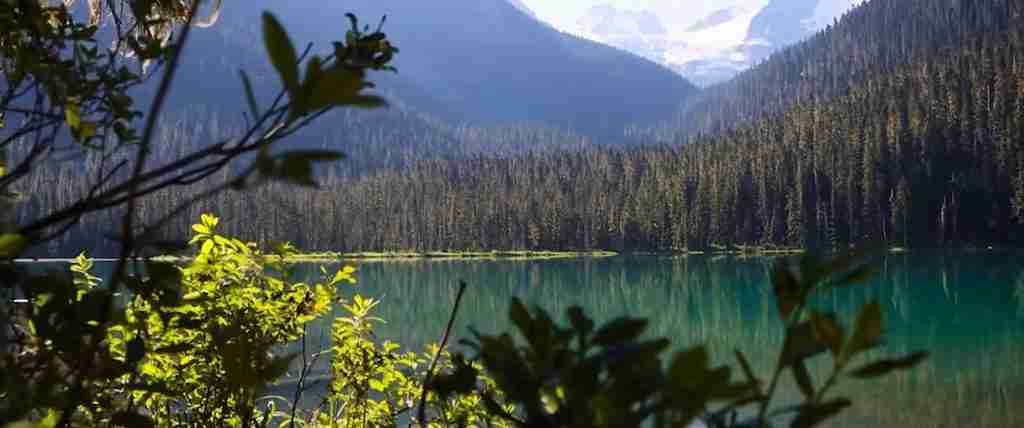
Superlative natural phenomena and exceptional natural beauty characterize the Canadian Rockies’ landscapes. The dramatic relief from valley floors to glaciated peaks creates spectacular scenery recognized worldwide through photographs, films, and tourism promotion. Glaciers descending from icefields, waterfalls plunging over cliffs, turquoise lakes reflecting surrounding peaks, and colorful rock strata forming mountain faces combine to create landscapes of extraordinary aesthetic power. The scale of these features—mountains rising over 2,000 meters above valley floors, icefields spanning hundreds of square kilometers, canyon walls dropping hundreds of meters—creates overwhelming visual impact impossible to fully capture through photography.
Outstanding examples of ongoing geological processes demonstrate earth’s dynamic nature. The Canadian Rockies formed through tectonic plate collisions, with younger rock thrust over older formations creating the distinctive layered appearance of many peaks. Ongoing erosion by water, ice, and gravity continues reshaping these mountains. Glaciers advancing and retreating with climate changes carve valleys, polish rock faces, and deposit moraines documenting ice extent. Rivers cut canyons through solid rock, waterfalls migrate upstream as erosion undercuts cliff faces, and mass wasting events periodically trigger rockfalls and landslides reshaping valley walls. These processes occur slowly by human timescales but demonstrate planetary forces actively sculpting landscapes.
Records of earth’s history preserved in Canadian Rockies geology span hundreds of millions of years. Sedimentary rock formations record ancient seas, river deltas, and coastal environments existing long before mountains rose. Fossil-bearing formations document life evolution from simple organisms to complex ecosystems. Glacial features including moraines, erratics, and U-shaped valleys record repeated ice ages when massive glaciers buried these mountains under hundreds of meters of ice. Understanding geological history visible in rock layers and landscape features provides insights into earth’s evolution over deep time.
Significant natural habitats for biodiversity conservation protect complete mountain ecosystems supporting diverse plant and animal communities. The parks contain all major Rocky Mountain ecosystem types from valley-bottom wetlands through montane forests, subalpine forests, alpine meadows, to barren rock and permanent ice. This altitudinal zonation concentrates dramatic ecosystem changes within short distances as elevation gains create temperature and precipitation gradients equivalent to traveling hundreds of kilometers north. The habitat diversity supports 56 mammal species, 280 bird species, and thousands of plant and insect species adapted to mountain environments.
The Burgess Shale: A World Heritage Within a World Heritage
Within Yoho National Park lies one of earth’s most significant fossil deposits—the Burgess Shale—earning separate UNESCO recognition as a component of outstanding universal value. These 508-million-year-old fossils provide extraordinary insights into early animal evolution, preserving soft-bodied organisms that typically decompose without leaving fossil records. The exceptional preservation captures details of ancient marine ecosystems with clarity unmatched anywhere else in the world.
The Burgess Shale formed when underwater mudslides rapidly buried marine organisms in fine sediment, creating anoxic conditions preventing bacterial decay. This unusual preservation captured not just hard shells and bones but soft tissues, gut contents, appendages, and other details normally lost in fossilization. The result: a window into Cambrian seas revealing the explosive diversification of animal life occurring 508 million years ago when most modern animal body plans first appeared in the fossil record.
Charles Walcott discovered the Burgess Shale in 1909 while exploring high on Mount Field in Yoho National Park. His subsequent excavations revealed thousands of beautifully preserved fossils representing organisms unlike anything alive today. Many Burgess Shale animals possessed bizarre body plans that failed to survive, representing evolutionary experiments that eventually went extinct. Others showed early versions of body plans that would eventually lead to modern animal groups including arthropods, chordates, and mollusks.
The scientific importance of the Burgess Shale transformed understanding of evolution and the history of life on earth. Before Burgess Shale discoveries, paleontologists understood little about Cambrian animal diversity. The exceptionally preserved fossils revealed that complex animal life emerged suddenly in geological terms, diversifying rapidly into most major animal groups within a relatively short period. This Cambrian explosion of diversity fundamentally shaped the trajectory of animal evolution for the next 500 million years.
Ongoing research at Burgess Shale sites continues revealing new species and insights into ancient ecosystems. Paleontologists discovered additional fossil beds in recent decades, expanding the known distribution of Cambrian soft-bodied fossil preservation. Modern analytical techniques including CT scanning reveal internal structures invisible to earlier researchers. The Burgess Shale remains one of the world’s most active paleontological research sites, with new discoveries regularly published in top scientific journals and featured in documentaries reaching global audiences.
Conservation Management and Challenges
UNESCO World Heritage status recognizes not just natural values but also effective management protecting those values. The Canadian Rocky Mountain Parks demonstrate successful conservation despite intense pressures from tourism, resource extraction interests, and human development surrounding park boundaries. This management success reflects over a century of evolving policies, scientific research informing decisions, and commitment to balancing visitor access with ecosystem protection.
Wildlife management challenges include maintaining viable populations of large carnivores—grizzly bears, black bears, wolves, and cougars—that require extensive territories and sometimes come into conflict with human activities. Parks Canada implements various strategies including electric fencing protecting high-use areas, wildlife crossing structures enabling safe highway passage, seasonal trail closures during sensitive periods, and visitor education about proper behavior in wildlife habitat. The parks’ large size and connectivity enable wildlife populations to move across the landscape following natural patterns rather than being confined to isolated fragments.
Vegetation management addresses issues including fire suppression impacts that altered forest composition, invasive species threatening native plant communities, and climate change effects shifting species distributions. Fire management evolved from total suppression to prescribed burning and allowing some natural fires to burn under controlled conditions, restoring fire’s ecological role in maintaining forest health and diversity. Invasive species monitoring and control prevents non-native plants from displacing indigenous vegetation, though new invasives regularly arrive requiring constant vigilance.
Visitor management balances public access with ecosystem protection, a tension intensifying as visitor numbers grow. Parks Canada implements various capacity management strategies including parking reservations at popular locations, shuttle systems reducing vehicle traffic, seasonal closures protecting sensitive areas during critical wildlife periods, and quotas limiting backcountry use. These measures generate controversy among visitors accustomed to unrestricted access but prove necessary to prevent visitor impacts from degrading the natural values justifying World Heritage status.
Climate change represents the most significant long-term threat to World Heritage values, with impacts including glacier recession, shifts in species distributions, altered wildfire patterns, and changes in water availability. Glaciers throughout the parks have retreated dramatically over the past century, with many small glaciers disappearing entirely and larger glaciers shrinking substantially. These changes affect not just scenic values but also ecosystem functions depending on glacial meltwater. Parks Canada monitors climate change impacts, adapts management strategies to changing conditions, and contributes to global climate research informing conservation responses worldwide.
UNESCO Monitoring and Reporting
World Heritage designation requires Canada to maintain the site’s outstanding universal value and report periodically on conservation status. UNESCO monitors all World Heritage Sites through periodic reporting cycles, site visits by advisory bodies, and responses to specific concerns raised by international observers or stakeholder groups. This monitoring provides accountability mechanism ensuring countries fulfill commitments made when sites receive World Heritage status.
State of Conservation Reports submitted every six years document threats to World Heritage values, management responses, and progress toward addressing identified issues. These reports cover topics including visitor management, infrastructure development, wildlife population trends, research findings, and emerging challenges. UNESCO’s World Heritage Centre reviews reports, sometimes requesting additional information or action plans addressing specific concerns. The reporting process creates transparency around site management and enables international conservation community to monitor whether World Heritage Sites maintain the values justifying their inscription.
Reactive Monitoring occurs when concerns arise about threats to a World Heritage Site’s values. International organizations, researchers, or the public can alert UNESCO to problems including inappropriate development, management failures, or environmental threats. UNESCO may request emergency reports from countries, send expert missions to assess situations, or in serious cases, place sites on the List of World Heritage in Danger signaling that values face imminent threats requiring urgent action. The Canadian Rocky Mountain Parks have never appeared on the Danger List, indicating generally successful management despite ongoing challenges.
Advisory Body Evaluations assess whether management adequately protects World Heritage values. The International Union for Conservation of Nature (IUCN) serves as UNESCO’s advisory body for natural sites, reviewing management effectiveness and providing recommendations for improvements. IUCN missions periodically visit the Canadian Rocky Mountain Parks evaluating conservation practices, meeting with managers and stakeholders, and producing reports identifying strengths and areas needing attention. These evaluations influence management policies and help Parks Canada maintain international best practices in protected area management.
Scientific Research and Global Significance
The Canadian Rocky Mountain Parks function as a living laboratory where scientists study mountain ecosystems, glaciology, wildlife ecology, paleontology, and numerous other disciplines. This research generates knowledge with applications far beyond park boundaries, informing conservation strategies, climate change understanding, and ecosystem management worldwide. The parks’ World Heritage status enhances their value as research sites by ensuring long-term protection enabling extended studies tracking changes over decades or longer.
Glacier research in the parks contributes significantly to understanding climate change impacts on mountain environments. Scientists monitor glacier mass balance, measure ice movement, document glacier retreat, and study how glacial meltwater feeds alpine streams and lakes. Long-term datasets from Canadian Rockies glaciers provide crucial evidence of warming climate impacts, with some glaciers losing over 50% of their volume since first measurements in the early 1900s. These findings inform global climate models and help predict future water availability in mountain regions worldwide.
Wildlife ecology research examines population dynamics, habitat requirements, and behavioral adaptations of mountain species. Long-term studies of grizzly bear populations track reproduction rates, survival, and movements across the landscape, generating insights applied to bear conservation globally. Wolf restoration in Banff provided data on predator recolonization and ecosystem effects when apex predators return. Research on wildlife crossing structures influences highway design worldwide, demonstrating how infrastructure can reduce wildlife-vehicle conflicts while maintaining landscape connectivity.
Paleontological research at Burgess Shale and other fossil sites continues revealing insights into life’s evolution. New analytical techniques extract information impossible for earlier researchers to access, while new fossil discoveries expand understanding of ancient ecosystems. The Canadian Rockies contain fossil-bearing formations spanning geological timescales from Precambrian through relatively recent Pleistocene, creating comprehensive records of life’s evolution and environmental changes over hundreds of millions of years.
Climate change research utilizes the parks as natural laboratories documenting ecosystem responses to warming. Scientists study treeline shifts as forests advance into previously inhospitable alpine zones, track phenological changes in plant flowering times and animal migrations, document species range expansions and contractions, and measure how warming affects snowpack, streamflow, and wildfire patterns. These studies generate crucial data informing conservation strategies for mountain ecosystems globally as climate continues warming.
Educational Value and Public Awareness
World Heritage designation enhances the Canadian Rocky Mountain Parks’ role in environmental education and conservation awareness. UNESCO recognition signals global significance, helping educators communicate why these mountains matter to students around the world, not just Canadian children. The parks attract millions of visitors annually, creating unparalleled opportunities for nature education reaching diverse audiences from numerous countries and cultures.
Parks Canada operates comprehensive interpretation programs using World Heritage status to frame educational messages. Visitor centers feature exhibits explaining UNESCO designation, what makes the parks globally significant, and how conservation efforts protect these values. Interpretive staff lead guided walks, present evening programs, and engage visitors through various media explaining natural and cultural values. The World Heritage designation provides narrative framework helping visitors understand they experience not just beautiful scenery but irreplaceable natural heritage belonging to all humanity.
Schools throughout Canada and internationally utilize the Canadian Rocky Mountain Parks as educational resources. Students study park ecosystems in biology classes, examine geological processes in earth science curricula, and explore conservation issues in social studies. Field trips to the parks provide experiential learning opportunities impossible to replicate in classrooms. Educational resources developed by Parks Canada support curriculum connections across grade levels and subject areas, extending parks’ educational impact far beyond on-site visitation.
Digital education initiatives expand global reach, with virtual tours, online educational modules, webcams providing real-time views, and social media channels sharing park stories with millions worldwide. These digital resources enable people who may never physically visit the parks to appreciate their significance, learn about mountain ecosystems, and understand conservation challenges. World Heritage designation enhances the legitimacy and appeal of these educational offerings by positioning content within recognized framework of global heritage preservation.
Economic and Tourism Significance
World Heritage status contributes significantly to tourism appeal and economic benefits flowing from park visitation. While the spectacular landscapes would attract visitors regardless of UNESCO recognition, the World Heritage designation provides marketing advantage differentiating the Canadian Rocky Mountain Parks from other mountain destinations worldwide. Tourism generates billions in economic activity supporting communities surrounding the parks while providing political and public support essential for maintaining conservation funding and policies.
International tourism to Banff particularly benefits from World Heritage status, as many visitors from Europe, Asia, and other regions specifically seek UNESCO-recognized destinations. Travel agents and tour operators promote World Heritage Sites as must-see attractions, and many travelers maintain “bucket lists” of sites to visit before they die. The UNESCO logo appearing in promotional materials signals quality and significance, helping the Canadian Rocky Mountain Parks compete for visitors in global tourism marketplace.
Economic studies estimate that tourism in the Canadian Rocky Mountain Parks generates over $6 billion annually in economic activity when accounting for direct spending and multiplier effects through regional economies. This economic significance provides powerful argument for maintaining strong conservation policies, as degradation of natural values would undermine tourism appeal and economic benefits. World Heritage status helps secure this economic foundation by internationally recognizing the qualities attracting visitors.
However, tourism also creates conservation challenges as visitor numbers strain infrastructure and impact ecosystems. Managing this tension between tourism promotion and environmental protection remains ongoing challenge for parks globally. The World Heritage designation paradoxically both attracts more visitors and creates higher expectations for conservation, requiring sophisticated management balancing seemingly contradictory objectives of access and preservation.
Threats and Future Challenges
Despite successful conservation over many decades, the Canadian Rocky Mountain Parks face numerous threats potentially compromising World Heritage values. Understanding these challenges reveals the dynamic nature of conservation requiring constant adaptation to new pressures rather than simply maintaining status quo. UNESCO monitoring helps identify emerging threats and holds management authorities accountable for addressing challenges before they cause irreversible damage.
Overtourism represents one of the most pressing contemporary challenges, with visitor numbers overwhelming infrastructure at popular locations and impacting wildlife through disturbance and habitat avoidance. Moraine Lake, Lake Louise, and other iconic destinations experience severe crowding during peak seasons, degrading visitor experiences and stressing ecosystems. While economic benefits from tourism support conservation funding, excessive visitation conflicts with protecting the natural values attracting visitors initially. Implementing effective capacity management without restricting access excessively requires difficult policy choices and public acceptance of limitations.
Development pressures from communities bordering the parks threaten to fragment wildlife habitat and compromise ecosystem connectivity. Towns like Banff, Lake Louise, and Jasper continue growing despite location within park boundaries, while communities outside parks including Canmore, Radium, and Golden expand toward park edges. Transportation corridors including the Trans-Canada Highway and Canadian Pacific Railway create barriers to wildlife movement despite mitigation structures. Balancing economic development needs of gateway communities with conservation imperatives remains ongoing challenge requiring cooperation between parks and local governments.
Climate change impacts accelerate, with effects including rapid glacier loss, shifting species distributions, altered fire regimes, and changes in water availability. These impacts threaten to fundamentally transform ecosystems over coming decades, potentially altering the natural values justifying World Heritage status. While parks cannot prevent global climate change, management must adapt to changing conditions, implement strategies helping ecosystems and species adapt, and contribute to global climate action addressing root causes. The parks’ value as climate change research sites may ultimately prove as important as their scenic and biodiversity values.
Transboundary conservation challenges require coordination with lands surrounding the World Heritage Site. Wildlife populations move across park boundaries, requiring habitat protection and corridor maintenance beyond protected areas. Air and water quality depends on activities occurring outside parks including resource extraction, agriculture, and urban development. Managing the Canadian Rocky Mountain Parks effectively requires thinking beyond park boundaries to landscape-scale conservation addressing cumulative impacts from multiple jurisdictions and land uses.
Frequently Asked Questions
Can a World Heritage Site lose its designation?
Yes, UNESCO can remove sites from the World Heritage List if they lose the characteristics that justified inscription or if management fails to adequately protect values. However, delisting occurs very rarely—only two sites have been removed since the convention’s inception in 1972. Before delisting, UNESCO typically places sites on the List of World Heritage in Danger providing opportunity for countries to address problems. The threat of delisting creates powerful incentive for maintaining conservation standards. The Canadian Rocky Mountain Parks have never been threatened with danger listing or delisting, indicating generally successful management despite ongoing challenges. The reputation consequences and tourism impacts of losing World Heritage status provide strong motivation for maintaining protection.
How does Banff’s UNESCO status compare to other mountain World Heritage Sites?
Banff forms part of one of the world’s largest mountain World Heritage Sites, with the Canadian Rocky Mountain Parks’ 23,401 square kilometers exceeding most other mountain designations. Comparable sites include Swiss Alps Jungfrau-Aletsch (824 square kilometers), Dolomites of Italy (142,000 hectares), Mount Huangshan in China, and various others. The Canadian Rockies stand out for comprehensive ecosystem protection, effective wildlife conservation maintaining viable populations of large predators, and successful management despite heavy tourism pressures. The Burgess Shale component provides additional significance unavailable at most other mountain World Heritage Sites. However, each mountain World Heritage Site possesses unique values, and comparisons based solely on size or visitation numbers miss the distinct characteristics making each site significant.
Does UNESCO provide funding for managing Banff National Park?
UNESCO World Heritage status does not come with operational funding for site management. Countries remain responsible for financing their World Heritage Sites through national budgets and other funding sources. However, World Heritage status can facilitate access to various funding mechanisms including international development assistance, private foundation grants, and donor support specifically targeting World Heritage conservation. The designation enhances funding applications by signaling global significance and effective management. Parks Canada funds Banff primarily through federal government appropriations supplemented by visitor fees, donations, and partnerships. The World Heritage designation helps justify conservation funding by demonstrating international recognition and accountability, but does not directly provide UNESCO money for operations.
What happens if someone damages a World Heritage Site?
Damaging World Heritage Sites can result in criminal charges under national laws protecting the parks. In Canada, various federal legislation including the National Parks Act, Species at Risk Act, and others provide legal framework for prosecuting environmental crimes within Banff and other national parks. Penalties range from fines to imprisonment depending on severity. Civil liability may also apply for restoration costs. UNESCO does not directly prosecute offenders but expects countries to enforce protective legislation. Serious damage to World Heritage values may trigger UNESCO monitoring missions and pressure on countries to strengthen protection. International media attention to damage at World Heritage Sites creates reputation consequences that often exceed legal penalties, as countries face criticism for failing to protect globally significant heritage.
Are there entry restrictions because of UNESCO designation?
UNESCO World Heritage status itself does not impose entry restrictions beyond those required by national legislation governing the parks. Visitors to Banff need valid park passes but face no additional permits specifically related to World Heritage status. However, UNESCO designation reinforces management obligations that may result in access restrictions for conservation reasons including seasonal closures protecting sensitive wildlife areas, quotas limiting backcountry camping to prevent environmental impacts, and parking reservations at heavily-visited locations. These measures stem from conservation needs rather than UNESCO requirements per se, though the World Heritage status creates higher expectations for protecting natural values that influence management decisions about access and capacity.
How many people visit the Canadian Rocky Mountain Parks World Heritage Site annually?
The four national parks within the World Heritage Site receive approximately 10 million visitors annually, with Banff accounting for roughly 4 million. Jasper receives around 2.5 million visitors, while Yoho and Kootenay collectively host approximately 1.5 million. The three provincial parks see significantly lower visitation due to more remote locations and limited facilities. These numbers place the Canadian Rocky Mountain Parks among the world’s most visited mountain World Heritage Sites. Visitation concentrates heavily in summer months (June-September) and at a few iconic locations, meaning actual crowding varies dramatically by season and specific destination. Managing these visitor numbers while maintaining World Heritage values remains ongoing challenge for park management.
Can you collect rocks or fossils in a World Heritage Site?
Collecting rocks, fossils, plants, or any natural objects from Banff National Park and other components of the Canadian Rocky Mountain Parks World Heritage Site is strictly prohibited under the National Parks Act and provincial legislation. These regulations protect natural and paleontological resources for scientific study, public viewing, and preservation. Burgess Shale fossils in particular possess extraordinary scientific value, and unauthorized collecting would destroy irreplaceable records of ancient life. Violators face significant fines and possible imprisonment. Professional paleontologists and geologists require special permits for collecting specimens for legitimate research purposes. The prohibition applies regardless of specimen size or apparent abundance—visitors must leave all natural objects undisturbed for others to enjoy and for scientists to study.
What role do Indigenous peoples play in managing the World Heritage Site?
Indigenous peoples increasingly participate in Canadian Rocky Mountain Parks management through various consultation mechanisms, traditional land use agreements, and employment in park operations. The Stoney Nakoda, Ktunaxa, and various other Indigenous nations maintain ancestral connections to lands within the World Heritage Site. Parks Canada consults these nations on management decisions, incorporates traditional ecological knowledge into conservation planning, and works toward co-management arrangements recognizing Indigenous rights. However, relationships remain complicated by historical dispossession when parks were established without Indigenous consent. Reconciliation efforts aim to strengthen Indigenous involvement in protecting lands their ancestors stewarded for millennia. UNESCO’s emphasis on respecting Indigenous rights and incorporating traditional knowledge supports these evolving partnerships.
How does the World Heritage designation protect against resource extraction?
The Canadian Rocky Mountain Parks already possessed strong legal protection from resource extraction through national park and provincial park legislation before receiving World Heritage status. Mining, logging, oil and gas development, and most other extractive activities were prohibited within park boundaries. UNESCO designation reinforces these protections by creating international scrutiny and reputation consequences if Canada weakened conservation standards. The World Heritage designation also helps resist pressures for development by demonstrating global recognition of conservation values and international expectations for protection. While UNESCO cannot directly prevent countries from allowing harmful activities in World Heritage Sites, the designation creates powerful disincentives for weakening protection through international attention and potential danger listing or even delisting.
What is the “outstanding universal value” that UNESCO recognized?
Outstanding universal value represents the core concept in World Heritage designation, referring to natural and/or cultural significance so exceptional that it transcends national boundaries and matters to all humanity. For the Canadian Rocky Mountain Parks, outstanding universal value stems from: superlative natural beauty of glaciated mountain landscapes; outstanding examples of ongoing geological processes including mountain-building and erosion; exceptional fossil sites including Burgess Shale documenting early animal evolution; and significant habitats protecting complete mountain ecosystems with high biodiversity. The combination of spectacular scenery, geological significance, paleontological treasures, and successful conservation management convinced UNESCO that these values deserve recognition and protection as heritage belonging to all humanity, not just Canada.