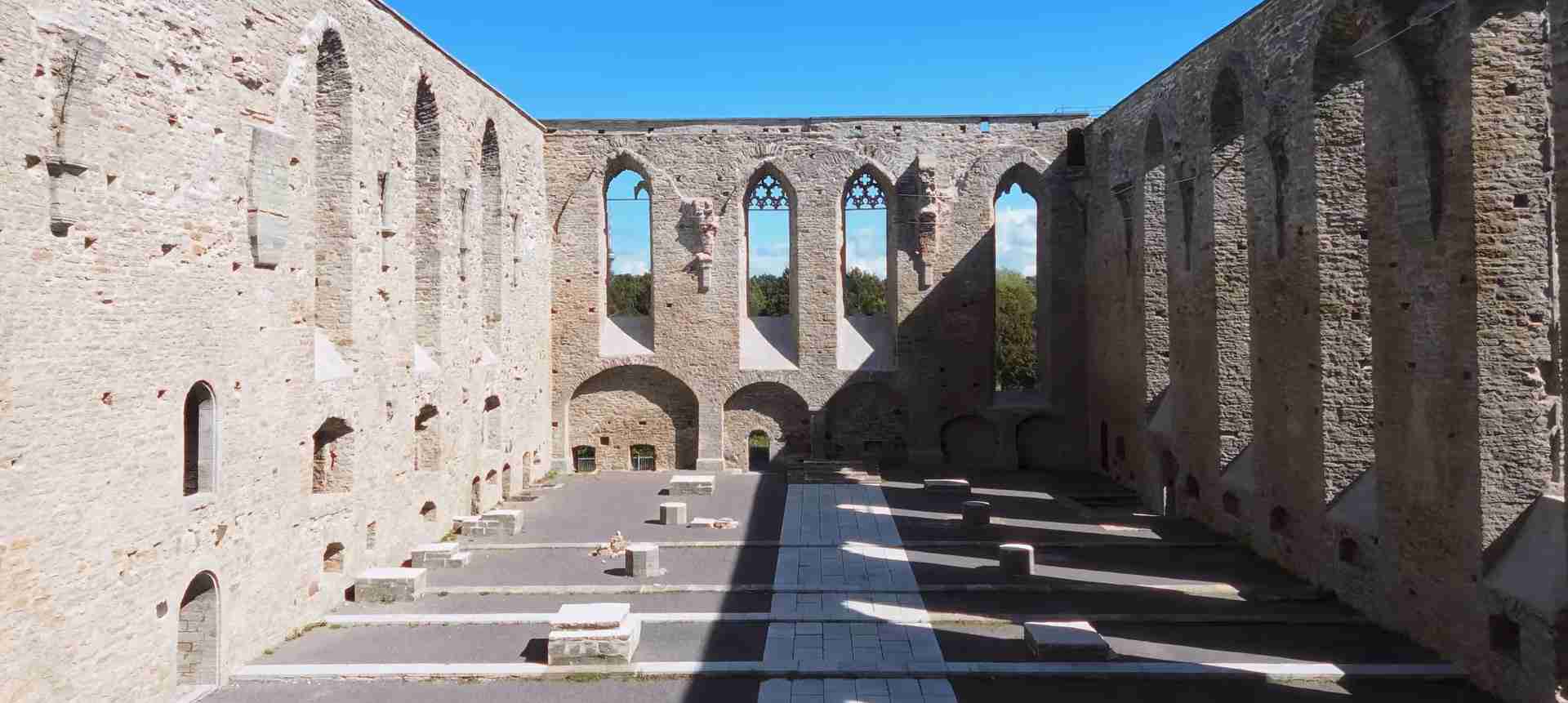
Baltic States Itinerary 2026: Vilnius, Riga & Tallinn in 7-10 Days
Exploring the three Baltic capitals in a single journey unveils centuries of shared yet distinct histories, from medieval Hanseatic cities to Soviet occupation and modern European renaissance. Vilnius, Riga, and Tallinn offer exceptional value, compact old towns, and seamless connections that make multi-country travel surprisingly straightforward in 2026.
Key Takeaways
- Efficient New Rail Connections: The 2025-launched direct train service connects Vilnius-Riga-Tallinn with single tickets (€39 Vilnius-Tallinn), making Baltic capital hopping easier than ever
- Optimal Duration: 7 days covers highlights comfortably (2 days per capital plus travel), while 10 days allows deeper exploration including day trips to Trakai, Sigulda, and Lahemaa
- Budget-Friendly Travel: Complete 7-day budget travelers spend €500-700 total, mid-range €900-1,200, covering accommodation, transport, food, and attractions across all three countries
- Compact Old Towns: All three UNESCO-listed historic centers are walkable, with major sights clustered within 1-2 kilometers, minimizing local transport costs and maximizing exploration time
- Seasonal Sweet Spots: May-September offers best weather and full facility operations, with June and September providing ideal conditions – fewer crowds than July-August but complete services
- Progressive Pricing: Generally increases north (Vilnius cheapest, Tallinn most expensive) for accommodation and dining, helping travelers budget strategically across the journey
People Also Ask About Baltic States Travel 2026
How many days do you need for a Baltic States itinerary in 2026?
Seven days provides adequate time to experience all three Baltic capitals without rushing. Allocate 2 days per city (Vilnius, Riga, Tallinn) plus 1 day for travel between destinations. This allows thorough exploration of each UNESCO-listed old town, major museums, and distinctive neighborhoods while maintaining a comfortable pace. Budget travelers and first-time visitors find 7 days sufficient for highlights and essential cultural experiences.
Ten days offers the ideal balance for most travelers, adding day trips from each capital. From Vilnius, visit Trakai Castle and Kernavė Archaeological Site. In Latvia, explore Sigulda’s castle ruins and Gauja National Park. From Tallinn, discover Lahemaa National Park or take a ferry to Helsinki for a Nordic contrast. This extended itinerary reduces daily rushing, allows for deeper cultural immersion, and accommodates weather contingencies or unexpected discoveries without schedule pressure. Travelers with 14+ days can add Kaunas (Lithuania), Jūrmala beach resort (Latvia), or Tartu university town (Estonia) for comprehensive Baltic region coverage.
What is the best way to travel between Vilnius, Riga, and Tallinn in 2026?
The newly launched direct train service (operational since early 2025) offers the most comfortable and scenic option for Baltic capital connections. One ticket covers the full Vilnius-Tallinn journey (€39 for second class) with a single transfer at Valga, Estonia. The Vilnius-Riga segment costs €9.60-24 in second class (€34 first class) with journey time around 4 hours. Trains feature modern air-conditioned carriages, WiFi, power outlets, and onboard café services for the Lithuanian-Latvian portion.
Buses provide the most budget-friendly alternative, with companies like Lux Express operating frequent services. Vilnius-Riga bus tickets cost €5-24, Riga-Tallinn €15-30, with journey times 4-5 hours between each city pair. Buses offer comfortable seats, WiFi, and sometimes onboard entertainment, departing every 1-2 hours throughout the day. Book in advance for lowest fares – last-minute tickets cost significantly more. Flying between Baltic capitals makes little practical sense given short distances, airport transit times, and ground transport convenience, though flying into one city and out of another (open-jaw tickets) often saves money versus round-trip flights.
How much does a 7-10 day Baltic States trip cost in 2026?
Budget travelers complete a 7-day Baltic itinerary for €500-700 total per person by staying in hostels (€15-25 per night), eating at budget restaurants and markets (€20-30 daily), using public transport exclusively, and selecting free or low-cost attractions. This includes accommodation (€105-175 for 7 nights), food (€140-210), inter-city transport (€50-70), local transport (€20-30), and attractions (€40-60). Ten-day budget travelers spend €700-1,000 with proportional increases.
Mid-range travelers allocating €900-1,200 for 7 days (€1,200-1,700 for 10 days) enjoy 3-star hotels or quality apartments (€50-70 per night), restaurant meals with occasional fine dining (€40-60 daily), comfortable train travel, and comprehensive museum/attraction access. This budget accommodates accommodation (€350-490 for 7 nights), food (€280-420), inter-city trains (€70-90), local transport (€30-50), attractions (€100-150), and contingency funds for shopping or special experiences.
Luxury travelers spending €1,500-2,500 for 7 days (€2,000-3,500 for 10 days) stay in 4-5 star hotels (€120-200+ per night), dine at top restaurants, hire private guides, and book first-class train travel or private car services. All budgets assume moderate summer season pricing – winter visits reduce accommodation costs by 20-30% but limit some attraction access and day trip options.
What is the best route order for visiting the three Baltic capitals?
The Vilnius → Riga → Tallinn northbound progression works best for most travelers. This route follows the natural geographic flow from south to north, aligning with train schedules and creating a narrative progression from medieval Catholic Lithuania through Lutheran Latvia to Lutheran-Orthodox Estonia. Weather generally improves moving north from May onward (Lithuania warms earlier), and budget increases gradually – starting in least expensive Vilnius helps travelers adjust spending patterns before encountering pricier Tallinn.
Reverse routing (Tallinn → Riga → Vilnius) makes sense for travelers flying into Helsinki or Stockholm (short ferry to Tallinn), or those wanting to end their journey in potentially warmer Lithuania before returning home. This southbound route means finishing in the most affordable city, potentially extending trips with saved budget. The middle-city placement of Riga works identically in both directions, serving as a cultural and geographic bridge whether traveling north or south. Choose based primarily on flight routing and personal preference – both directions deliver equivalent experiences with minor practical differences in travel logistics and progressive budgeting psychology.
Extended multi-day tours – 5+ days
Featured Baltic Multi-Day Tour Packages
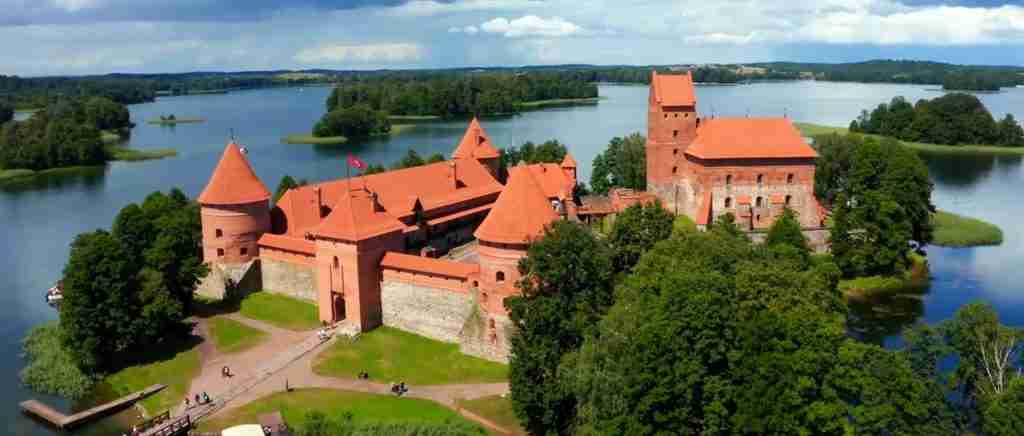
3 days
Baltic 3-Day Discovery Tour
- ✓ Comprehensive Baltic experience
- ✓ Expert local guides included
- ✓ All accommodation included
- ✓ Transportation provided

5 days
Baltic 5-Day Highlights Experience
- ✓ Comprehensive Baltic experience
- ✓ Expert local guides included
- ✓ All accommodation included
- ✓ Transportation provided
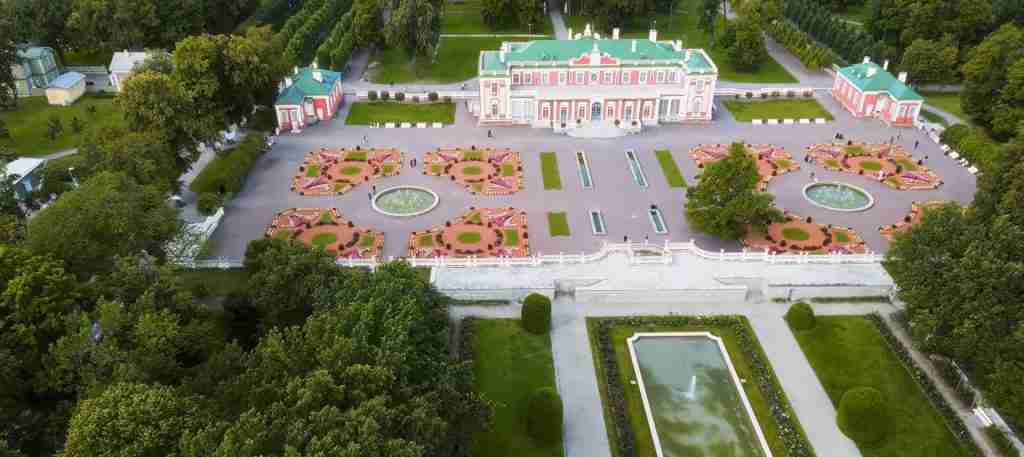
7 days
Baltic 7-Day Cultural Journey
- ✓ Comprehensive Baltic experience
- ✓ Expert local guides included
- ✓ All accommodation included
- ✓ Transportation provided
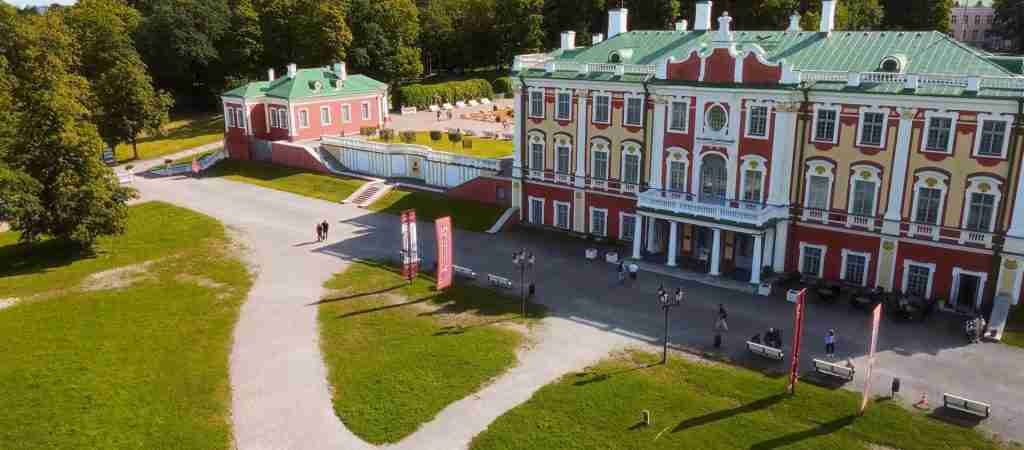
10 days
Baltic 10-Day Complete Adventure
- ✓ Comprehensive Baltic experience
- ✓ Expert local guides included
- ✓ All accommodation included
- ✓ Transportation provided
Multi-day tour packages powered by TourRadar. Prices and availability subject to change.
Introduction: Three Nations, One Unforgettable Journey
The Baltic States – Lithuania, Latvia, and Estonia – share intertwined histories yet maintain fiercely distinct national identities, creating a journey rich in contrasts and discoveries. Vilnius enchants with Baroque architecture and a labyrinthine medieval core where Catholic heritage mingles with Jewish history and modern artistic innovation. Riga dazzles with the world’s greatest concentration of Art Nouveau buildings, a UNESCO-protected old town, and a thriving cultural scene bridging German Hanseatic traditions with Latvian folklore. Tallinn captivates with its remarkably preserved medieval walls, digital-age innovation (Europe’s first digital society), and Nordic influences visible in architecture, cuisine, and design aesthetics.
Beyond architectural splendor and historical depth, the Baltic capitals offer exceptional value compared to Western European destinations. Accommodation, dining, and attractions cost 30-50% less than comparable cities in Germany, France, or Scandinavia, while maintaining high standards of service, cleanliness, and authenticity. All three cities remain refreshingly uncrowded even during peak summer months compared to over-touristed Prague, Amsterdam, or Barcelona. English proficiency runs high across all age groups, making navigation, ordering meals, and cultural exchanges straightforward for international visitors.
The compact nature of Baltic capitals enhances their appeal for multi-city itineraries. Each old town covers just 1-2 square kilometers, allowing thorough exploration on foot within a day or two. Efficient train and bus connections make travel between capitals quick and affordable, with journey times of 4-5 hours between each city pair. This combination of cultural richness, authentic experiences, budget-friendly pricing, and logistical simplicity creates an ideal introduction to Eastern European travel or a refreshing alternative to well-worn Western European routes.
Pre-Trip Planning 2026
Best Time to Visit Baltic States 2026
May through September constitutes the optimal window for Baltic States travel, offering the best combination of weather, daylight hours, and operational facilities. Summer temperatures average 18-22°C (64-72°F) across all three capitals, providing comfortable conditions for extensive walking exploration. Days extend to 16-18 hours of daylight in June-July, maximizing sightseeing time and creating magical twilight atmospheres in medieval old towns.
June and September represent the sweet spots for Baltic travel – warm but not hot weather, significantly fewer tourists than peak July-August, and full facility operations without summer price premiums. June brings spring freshness, blooming parks, and energetic local populations emerging from winter hibernation. September delivers autumn colors, cultural season openings (concerts, theater, opera), and increasingly favorable accommodation rates as high season winds down.
July-August sees peak crowds and highest prices but guarantees best weather and longest days. All attractions, restaurants, and services operate full schedules, and outdoor festivals animate cities with music, crafts, and cultural celebrations. Book accommodation 2-3 months ahead for July-August, especially in Tallinn where limited inventory pushes prices higher during short summer season.
Winter (November-March) offers dramatic cost savings (accommodation 30-40% cheaper) and authentic local experiences minus tourist crowds. However, daylight shrinks to just 6-8 hours daily, temperatures drop below freezing (-5 to -15°C), and some attractions reduce hours or close entirely. Christmas markets (late November-early January) create magical atmospheres but drive brief price spikes. Winter works best for budget-focused travelers, Christmas market enthusiasts, or those specifically seeking snow-covered medieval architecture minus summer crowds.
Entry Requirements and Logistics 2026
All three Baltic States belong to the European Union and Schengen Area, simplifying border crossings for most international travelers. EU/EEA citizens need only valid national ID cards. Citizens of USA, Canada, Australia, UK, and most developed nations enjoy visa-free travel for stays up to 90 days within any 180-day period. Check specific visa requirements for your nationality at each country’s foreign ministry website, though Schengen-wide rules generally apply uniformly.
Currency differs across countries: Lithuania uses the Euro (€), as does Latvia. Estonia also uses the Euro, meaning you’ll use the same currency throughout your journey. ATMs proliferate in all three capitals, and credit/debit cards (Visa, Mastercard) work universally for accommodation, restaurants, and larger purchases. Carry €100-150 cash for small vendors, public transport tickets, and emergencies, though contactless payment penetration reaches near-universal levels in 2026 Baltic cities.
Travel insurance covering medical emergencies, trip cancellation, and lost luggage is strongly recommended though not legally required. EU citizens should carry European Health Insurance Cards (EHIC) for emergency medical coverage, while non-EU visitors should verify their insurance covers Eastern Europe specifically. Healthcare standards in Baltic capitals meet Western European norms, with English-speaking doctors common in private clinics and major hospitals.
Booking Strategies 2026
Book flights 3-4 months ahead for best fares, targeting mid-week departures when possible. Multi-city or open-jaw tickets (flying into Vilnius, out of Tallinn) often cost less than round-trips and eliminate backtracking. Budget airlines (Ryanair, Wizz Air) serve Baltic capitals from multiple European hubs, though watch baggage policies and total costs including fees. Legacy carriers (LOT Polish, airBaltic, Finnair) offer better baggage allowances and connection flexibility at moderate premiums.
Accommodation booking timing varies by season and budget level. Budget travelers benefit from last-minute hostel bookings (1-2 weeks ahead) when hostels drop prices for empty beds, though risk limited availability in July-August. Mid-range hotel guests should book 1-2 months ahead for good selection and moderate rates. Luxury travelers and those visiting during peak season (July-August) or Christmas markets should reserve 3-4 months early to secure preferred properties at best rates.
Train tickets between capitals open for booking 30-60 days ahead. Reserve early for popular daytime services and summer travel – trains sell out days or weeks before departure given limited capacity. Bus tickets can usually be purchased 1-3 days ahead without issues except peak summer weekends. However, booking 1-2 weeks early often saves 20-40% on bus fares compared to last-minute purchases.
Sample 7-Day Baltic States Itinerary 2026
Day 1-2: Vilnius, Lithuania
Day 1 – Old Town and Uzupis
Arrive Vilnius morning or afternoon. Check into accommodation in or near Old Town for walking access to attractions. Begin at Cathedral Square and Gediminas Castle Hill – climb the hill (15-minute walk or funicular €2) for panoramic city views. Descend and explore the Cathedral and Bell Tower, then stroll Pilies Street browsing amber shops and cafés.
Visit the Presidential Palace and University complexes, admiring baroque churches like St. Anne’s and St. John’s. Lunch at a local canteen (€8-12) trying cepelinai (potato dumplings) or šaltibarščiai (cold beet soup). Afternoon, cross to Užupis bohemian district across the river. Explore artist studios, quirky galleries, and read the humorous Užupis Constitution posted in dozens of languages. Dinner in Old Town (€15-25), then evening stroll to Gates of Dawn for illuminated baroque chapel viewing.
Budget: Accommodation €20-35 (hostel), meals €25-35, local transport €3-5, attractions €10-15 (castle, museums). Total: €58-90
Day 2 – Museums and Day Trip Planning
Morning, visit Museum of Occupations and Freedom Fights (former KGB headquarters, €6) for sobering Soviet history, or National Museum (€7) for Lithuanian cultural heritage. Walk Gediminas Avenue to explore modern Vilnius, shopping district, and Soviet-era architecture.
Afternoon, optional day trip to Trakai Castle (30-45 minutes by bus €1.17-2.60 one-way). Explore the island castle (€10-12 admission), walk lakeside paths, try Karaite kybyn pastries. Return to Vilnius evening. Alternatively, stay in city for Vilnius University library tours, more churches, or Jewish heritage sites in former ghetto area. Dinner trying Lithuanian beer and local specialties.
Budget: Accommodation €20-35, meals €25-35, transport €5-15 (Trakai optional), museums €10-15. Total: €60-100
Day 3-4: Riga, Latvia
Day 3 – Travel and Art Nouveau
Morning departure Vilnius-Riga by train (7:05 AM departure, 11:04 AM arrival, €9.60-24) or bus (4-5 hours, €5-24). Check into Riga accommodation near Old Town. Lunch at Central Market (5 Soviet-era zeppelin hangars filled with food stalls, €5-10).
Afternoon, explore Art Nouveau district on Alberta iela and surrounding streets – over 800 Art Nouveau buildings make Riga the global capital of this architectural style. Self-guided walking tour (free) or join Art Nouveau Museum tour (€9). Evening, stroll Old Town cobblestone streets, admire House of Blackheads facade, visit Freedom Monument. Dinner in Old Town or Latvian craft brewery (€15-25).
Budget: Accommodation €30-40 (Riga slightly pricier than Vilnius), meals €25-35, transport €9.60-24 (train), local transport €3-5. Total: €67.60-104
Day 4 – Old Town and Markets
Morning, climb St. Peter’s Church tower (€9) for 360-degree city views – best panoramic vantage point in Riga. Visit Riga Castle (free exterior), walk along the canal parkway, explore Three Brothers historic houses representing different architectural eras.
Visit Museum of the Occupation (€8, powerful WWII and Soviet occupation exhibits). Lunch at market or Old Town restaurant (€10-15). Afternoon options: Latvian National Museum of Art (€7), Riga Motor Museum (€10, outside city center), or riverside walk along Daugava. Evening, consider folklore show with traditional Latvian music and dance (€15-25) or craft beer tasting tour.
Budget: Accommodation €30-40, meals €25-35, attractions €15-25, local transport €3-5. Total: €73-105
Day 5-6: Tallinn, Estonia
Day 5 – Travel and Lower Old Town
Morning Riga-Tallinn train (16:55 departure, 22:05 arrival via Valga transfer, €30.50) or bus (6-8 hours, €15-30, multiple departures). Arrive Tallinn late evening, check into accommodation. Light dinner near accommodation or hotel breakfast next morning if late arrival.
If taking early bus instead (departing 8:00-9:00 AM, arriving 14:00-16:00), afternoon/evening exploration of Tallinn begins. Walk Viru Gate into Old Town, stroll Viru Street, and discover Town Hall Square with medieval Town Hall and outdoor cafés. Climb Town Hall Tower (€5) for rooftop views if open late (summer). Dinner in Lower Old Town medieval restaurant (€20-35).
Budget: Accommodation €35-45 (Tallinn most expensive Baltic capital), meals €15-30, transport €15-30.50. Total: €65-105.50
Day 6 – Upper Old Town and Kadriorg
Morning, climb to Upper Old Town (Toompea) for Alexander Nevsky Cathedral, Dome Church, and Toompea Castle (Parliament). Walk to viewing platforms (Patkuli, Kohtuotsa) for spectacular Lower Old Town panoramas – Estonia’s most photographed views.
Visit Estonian History Museum (€8) or skip museums for more street exploration. Lunch in Lower Old Town (€12-18). Afternoon, tram or walk to Kadriorg Park and Palace (€8, Baroque palace built by Peter the Great with art museum). Explore park grounds, see modern KUMU Art Museum (€12) next door. Evening return to Old Town for dinner and medieval atmosphere. Consider booking tickets for medieval dinner show or folklore performance if interested.
Budget: Accommodation €35-45, meals €25-40, attractions €15-25, local transport €3-5. Total: €78-115
Day 7: Tallinn and Departure
Morning, final Old Town exploration – St. Olaf’s Church tower (€3, another panoramic viewpoint), medieval merchant houses, Dominican Cloister Museum (€6). Browse handicraft shops on Katariina Passage for souvenirs – Estonian woolens, linen textiles, handmade chocolates.
Lunch at Telliskivi Creative City (renovated industrial area, hipster cafés and street food, €10-15). Afternoon departure from Tallinn airport or continue to Helsinki by ferry (2-hour crossing, €25-40) if extending trip. Budget extra time for airport security – arrive 2 hours before flights.
Budget: Accommodation €35-45, meals €20-30, attractions €10-15, local transport €3-5, airport transfer €2-15. Total: €70-110
7-Day Total Budget Summary: Budget €500-700, Mid-range €900-1,200, Comfort €1,500-2,000+ (all per person)
Extended 10-Day Baltic Itinerary 2026
Expanded Schedule with Day Trips
The 10-day version adds 1 day to each capital, allowing relaxed pacing and quality day trips:
Days 1-3: Vilnius (3 days) – Add full-day excursion combining Trakai Castle and Kernavė Archaeological Site, two UNESCO World Heritage sites in one day. Or split day trips: Trakai one day, Kernavė separate day for thorough exploration.
Days 4-6: Riga (3 days) – Add day trip to Sigulda and Gauja National Park (1 hour by train from Riga, €5-8 return). Explore three medieval castle ruins (Turaida, Sigulda, Krimulda), cable car across Gauja River valley, bobsled track, and Latvia’s “Little Switzerland” landscape. Alternatively, visit Jūrmala beach resort (30 minutes by train, €4-6 return) for Baltic Sea coast, wooden Art Nouveau dachas, and spa treatments.
Days 7-10: Tallinn (4 days) – Add Lahemaa National Park day trip (90 minutes by bus, €10-15 return). Tour Palmse and Sagadi manor estates, walk coastal trails, visit fishing villages. Or take morning ferry to Helsinki (2 hours, €25-40 each way) for Nordic contrast – Finnish design museums, harbor market, Suomenlinna fortress island. Return same evening or overnight in Helsinki extending total trip to 11 days.
Alternative 10-Day Route Options
Add Kaunas, Lithuania: Split 3 days between Vilnius and Kaunas (Lithuania’s second city, 1.5 hours by train from Vilnius, €5-12). Kaunas offers interwar architecture as 1920s-1930s Lithuanian capital, Ninth Fort memorial, and Čiurlionis art museum. Less touristy than Vilnius, authentic Lithuanian culture.
Add Tartu, Estonia: Allocate 2 days to Tartu university town (2.5 hours from Tallinn by bus, €12-18). Estonia’s intellectual capital features historic university, science museums, botanical gardens, and vibrant student culture. Continue to Tallinn for final 2 days.
Transportation Between Cities 2026
Train Travel: New Direct Service
The revolutionary Vilnius-Riga-Tallinn direct train service launched in early 2025 transforms Baltic travel. Operated jointly by Lithuanian (LTG Link), Latvian (Vivi), and Estonian (Elron) railways, this once-daily service connects all three capitals with a single ticket purchase.
Northbound schedule: Depart Vilnius 7:05 AM → Arrive Riga 11:04 AM → Depart Riga 16:55 → Transfer Valga (Estonian border) 19:40 → Arrive Tallinn 22:05. Southbound: Depart Tallinn 10:25 → Transfer Valga 13:05 → Arrive Riga 16:15 → Depart Riga 16:55 → Arrive Vilnius 21:03.
Tickets: Vilnius-Riga €9.60-24 (2nd class), €34 (1st class). Riga-Tallinn €30.50 (2nd class). Vilnius-Tallinn through ticket €39 (2nd class). Book through ltglink.lt or elron.ee websites (English available). Booking opens 30 days ahead – reserve early as trains sell out, especially summer weekends.
Train advantages: Modern air-conditioned coaches, WiFi, power outlets, onboard café (Vilnius-Riga segment), comfortable seats with leg room, scenic countryside views. Vilnius and Riga train stations adjoin bus stations in city centers. Tallinn Baltic Station sits 1 kilometer from Old Town (8-minute walk or tram). Much more comfortable than buses for long journeys, city-center to city-center convenience.
Bus Services: Budget Alternative
Multiple bus companies operate frequent services between Baltic capitals. Lux Express offers premium buses with WiFi, power outlets, tablets with movies, and complimentary coffee/tea. Ecolines and Simple Express provide budget options with fewer amenities but lower fares. Buses depart every 1-2 hours throughout the day, providing schedule flexibility trains can’t match.
Vilnius-Riga buses cost €5-24, journey time 4-4.5 hours. Riga-Tallinn €15-30, 4.5-5.5 hours. Book through company websites (luxexpress.eu, ecolines.net) or aggregators (Omio, Busbud). Advance booking (1-2 weeks) saves 30-50% versus day-of purchase. Bus stations located centrally in all three cities.
Bus advantages: Lower cost, more departure times, direct routes without transfers, sometimes faster than trains. Disadvantages: Less leg room, can’t walk around, highway traffic delays possible, less scenic than train routes.
Flying Between Capitals
Flying makes little practical sense for Baltic capital connections given short distances. Vilnius-Tallinn flight takes 1 hour but factor 2-3 hours airport time (arrive early, security, boarding) plus 30-60 minutes city center-airport transit each end, totaling 4-5 hours door-to-door. Trains and buses deliver similar total journey times at fraction of cost and environmental impact.
However, flying into one capital and out of another (open-jaw itinerary) often saves money on international flights versus round-trips. For example: London-Vilnius inbound, Tallinn-London outbound may cost less than London-Vilnius round-trip, while following natural south-north progression without backtracking. Check flight aggregators (Skyscanner, Google Flights) comparing open-jaw versus round-trip prices.
Accommodation Strategies 2026
Budget Accommodation: €15-40 per night
Hostels dominate budget accommodation across all three capitals. Vilnius hostels cost €15-25 per dorm bed, Riga €20-30, Tallinn €25-35 (progressive pricing north). Most offer private rooms (€40-60) for couples wanting budget prices with privacy. Top-rated hostels feature social common areas, kitchen facilities, laundry, luggage storage, and knowledgeable staff providing local tips.
Vilnius recommendations: Downtown Forest Hostel & Camping (social atmosphere), Hostelgate (central Old Town location). Riga: Naughty Squirrel (party hostel), Cinnamon Sally (quieter atmosphere). Tallinn: Euphoria Hostel (modern facilities), Tabinoya Hostel (Japanese-style capsules).
Book hostels directly through their websites or Hostelworld for best rates and availability. Summer weekends book solid weeks ahead. Avoid booking platforms charging service fees when hostel direct booking works equally well. Hostels provide excellent opportunities meeting fellow travelers for group day trips or evening activities.
Mid-Range Accommodation: €50-90 per night
Three-star hotels and quality apartments serve mid-range travelers seeking comfort, privacy, and good locations without luxury premiums. Vilnius 3-star hotels average €50-70, Riga €55-75, Tallinn €60-90. Apartments (Airbnb, Booking.com) offer kitchen facilities reducing dining costs, extra space, and often better locations than similar-priced hotels.
Book on Booking.com for widest selection and free cancellation options, or check hotel direct websites for occasional better rates minus commission. Properties within 500 meters of old town centers command €10-20 premiums but save transport costs and time. Read recent reviews carefully – Baltic hotel standards vary significantly even within same star rating.
Mid-range benefits: Daily housekeeping, front desk assistance, breakfast often included (saving €8-12 daily), luggage storage allowing early check-in or late checkout. Many 3-star properties occupy historic buildings adding character medieval modern chains lack.
Luxury Accommodation: €120-250+ per night
Four and five-star hotels deliver Western European standards at Eastern European prices. Vilnius luxury hotels (€120-180) include Relais & Châteaux properties in converted monasteries and palaces. Riga (€140-200) offers Art Nouveau boutique hotels and international chains. Tallinn (€150-250) features medieval merchant houses converted to exclusive hotels with period details.
Luxury perks: Spa facilities, rooftop restaurants with old town views, concierge services arranging tours/transportation, pillow menus, turndown service, breakfast buffets showcasing regional specialties. Book luxury hotels 3-4 months ahead for summer season, or find last-minute deals 1-2 weeks before arrival when unsold inventory gets discounted.
Consider one splurge night in each capital – staying elsewhere budget/mid-range – to experience luxury without breaking budget. Hotel Stikliai (Vilnius), Grand Palace Hotel (Riga), and Telegraaf Hotel (Tallinn) represent cream of Baltic luxury hospitality.
Food and Dining 2026
Budget Dining: €15-25 daily
Self-catering from supermarkets (Rimi, Maxima, Selver chains) costs €5-8 daily for breakfast supplies and packed lunches. Markets offer fresh produce, bread, cheese, meats for picnics. Street food – kebabs, pizza slices, pastries – runs €3-6.
Local canteens and cafeterias serve authentic Lithuanian/Latvian/Estonian cuisine at worker prices: €5-8 lunch specials including soup, main course, drink. Look for “dienos pietūs” (lunch of the day) signs. University cafeterias near old towns permit non-student access at rock-bottom prices.
Budget chain restaurants like Čili Pica, Lido (buffet-style Latvian food), and Charlie Pizza deliver filling meals €8-12. Avoid obvious tourist restaurants on main squares – walk two blocks for 30-40% savings on identical food. Local beer (€3-5 pint) costs less than soft drinks in many establishments.
Mid-Range Dining: €35-50 daily
Breakfast at hotels/apartments (€5-10 if not included) or cafés (€8-12 for substantial meal). Lunch at mid-range restaurants €12-18 including drinks. Dinner at quality restaurants €20-30 per person for multi-course meals with wine/beer. Coffee and pastry breaks €4-6.
Try national specialties: cepelinai and šaltibarščiai in Lithuania, grey peas with bacon and pīrāgi in Latvia, black bread and verivorst in Estonia. Each capital has thriving craft beer scenes – brewery tours and tastings €15-25. Restaurant quality meets high standards across all price points – even mid-range dining delivers excellent food presentation and service.
Tipping: 10% standard for good service, sometimes included in bill (check receipt). Round up taxi fares, leave small change for bartenders. Not expected in fast-food or self-service establishments.
Splurge Dining Experiences
Allocate €60-100 for one memorable fine dining experience per capital. Vilnius: Sweet Root or Nineteen18 (New Nordic cuisine). Riga: Vincents or 3 Pavāru Restorāns (modern Latvian). Tallinn: NOA or Tchaikovsky (Michelin-level fine dining). Book reservations 2-4 weeks ahead for weekend dining.
Medieval-themed restaurants offer atmospheric dining in period settings with servers in costume: Lokys (Vilnius), Rozengrals (Riga), Olde Hansa (Tallinn). Touristy but fun experiences €25-40 per person. Some include live medieval music or entertainment.
Daily Costs and Money-Saving Tips 2026
Realistic Daily Budgets by Traveler Type
Budget Traveler Daily Costs: Accommodation €20-30, food €15-25, local transport €3-8, attractions €5-15. Total: €43-78 daily. Seven-day trip: €300-550 excluding inter-city transport (add €50-70).
Mid-Range Traveler Daily Costs: Accommodation €50-70, food €35-50, local transport €8-15, attractions €15-30, miscellaneous €10-20. Total: €118-185 daily. Seven-day trip: €825-1,295 excluding inter-city transport (add €70-90).
Comfort/Luxury Traveler Daily Costs: Accommodation €120-200, food €60-100, private guides/transport €50-100, attractions €30-50, shopping/experiences €30-80. Total: €290-530 daily. Seven-day trip: €2,030-3,710 excluding inter-city transport.
Money-Saving Strategies
Purchase Vilnius, Riga, or Tallinn City Cards if planning intensive museum/attraction visits. These cards bundle public transport and attraction admission for 24/48/72-hour periods. Calculate savings based on planned activities – cards save money only if visiting multiple paid attractions daily. Free attractions (churches, parks, viewpoints, walking tours) often deliver equal experiences minus entrance fees.
Travel shoulder season (May-June, September) for 20-30% accommodation savings versus July-August peak. Museums and major attractions maintain full hours while restaurants and services operate normally. September particularly attractive – summer weather lingers, crowds thin, fall colors appear.
Eat main meal at lunch when many restaurants offer €8-12 “business lunch” specials versus €18-25 identical dinners. Make breakfast your largest meal if hotel includes buffet, packing fruit/pastries for later snacks. Supermarket dinner supplies €5-10 feeds two people versus €30-50 restaurant meals.
Book accommodation with kitchen facilities for flexibility cooking some meals. Even occasional self-catering (breakfast, every third dinner) significantly reduces food costs. Markets sell prepared foods, rotisserie chickens, salads at fraction of restaurant prices.
Walk extensively – all three old towns cover tiny areas perfect for foot exploration. Public transport needed mainly for airports, train/bus stations, and specific museums outside centers. Buy 24-hour transport passes (€3-6) versus single tickets (€1-2) if making 3+ journeys daily.
Frequently Asked Questions
Do I need to speak Lithuanian, Latvian, or Estonian?
English proficiency runs high across all three Baltic capitals, especially among younger generations and tourism industry workers. Hotel staff, restaurant servers, tour guides, and information center employees typically speak excellent English. Most museums provide English-language exhibits and audio guides. Street signs increasingly include English translations in tourist areas. However, learning basic greetings in each language (thank you, hello, please) demonstrates respect and locals appreciate the effort. Older residents outside tourism sectors may speak Russian more readily than English, a legacy of Soviet occupation. Translation apps (Google Translate) handle remaining communication gaps effectively, though rarely needed in capital cities.
Is it safe to travel in the Baltic States?
The Baltic States rank among Europe’s safest destinations with very low violent crime rates. Petty theft (pickpocketing, bag snatching) occurs in crowded tourist areas, markets, and public transport as in any European city – use common sense precautions with valuables. Violent crime against tourists remains exceptionally rare. Women traveling solo report feeling safe day and night in well-lit areas, though standard caution applies to empty streets late evening. Scams targeting tourists are uncommon compared to Southern or Western Europe. Emergency number 112 works throughout EU. Police speak English in capitals and respond quickly. Political stability reigns – these are fully democratic EU/NATO member states with modern infrastructure and rule of law.
Can I use Euros in all three countries?
Yes, Lithuania, Latvia, and Estonia all use the Euro (€) as official currency since joining the Eurozone (Lithuania 2015, Latvia 2014, Estonia 2011). This monetary union eliminates currency exchange hassles and fees between countries. Credit and debit cards work universally, with contactless payment accepted even in small shops, taxis, and market stalls. ATMs proliferate in all three capitals offering competitive exchange rates for cash withdrawals. Bring some cash (€100-150) for small purchases, public transport tickets, and occasional vendors not accepting cards, though Baltic States lead Europe in cashless payment adoption. Currency exchange offices in tourist areas offer poor rates – use bank ATMs instead.
What should I pack for a Baltic States trip in summer?
Pack layers for variable weather – temperatures range 15-25°C but can shift dramatically. Bring light jacket or sweater for cool evenings and air-conditioned interiors. Comfortable walking shoes essential for cobblestone streets – extensive walking guaranteed. Rain jacket or compact umbrella for passing showers common June-August. Sunscreen and hat for sunny days exploring exposed squares and viewing platforms. Power adapter if from non-EU country (Type C/F plugs, 230V). Small daypack for carrying water, snacks, camera, purchases. Modest clothing for visiting churches and religious sites. Swimwear if planning Baltic Sea beaches (water cold even summer – 17-20°C). Leave space in luggage for purchases – amber jewelry, linen textiles, woolens make excellent souvenirs. Most hotels provide toiletries, hairdryers, though bring favorites for sensitive skin.
Are Baltic cities wheelchair accessible?
Accessibility varies significantly. Modern hotels, museums, restaurants built or renovated post-1990s generally feature elevators, ramps, and accessible facilities. However, medieval old towns pose serious challenges – cobblestone streets, uneven pavements, historic buildings with stairs and no elevators. Many churches and tower viewpoints require climbing narrow staircases without wheelchair access. Public transport increasingly wheelchair-accessible – modern trams and buses have low floors, though older vehicles lack features. Tallinn and Riga slightly better than Vilnius for infrastructure accessibility. Major museums (Museum of Occupations in Riga, KUMU in Tallinn) meet modern accessibility standards. Research specific attractions and routes before booking. Consider hiring private guides with accessible transport for maximum flexibility. Contact hotels directly regarding specific accessibility needs beyond standard descriptions.
Can I visit all three capitals with children?
Absolutely – Baltic capitals offer excellent family travel. Compact old towns minimize walking exhaustion, numerous parks provide play breaks, and child-friendly attractions abound. Trakai Castle, Estonian Open Air Museum, Riga Zoo, and various interactive science museums captivate young visitors. Many restaurants welcome children with kids menus and high chairs. Accommodation ranges from family apartments to hotels with connecting rooms. Public transport allows stroller access. Challenges: extensive walking on cobblestones (stroller fatigue), museum overload (balance with outdoor activities), long transport days between cities (bring entertainment). Best ages: 8+ for historical appreciation, though younger children enjoy castles, parks, and boat trips regardless. Consider extending itinerary (10+ days) with children to reduce daily rush and add rest days.
What electrical adapters do I need?
Baltic States use Type C and Type F electrical outlets (two round prongs, “Schuko” style) at 230V, 50Hz. North American visitors (110V) need both plug adapters AND voltage converters for non-dual-voltage devices, though modern phones, laptops, and cameras typically accept 110-240V (check device labels – “Input: 100-240V” means adapter only needed). UK visitors need simple plug adapters (UK uses Type G, three-prong). Universal travel adapters covering multiple plug types cost €10-20 and work throughout Europe. Consider USB wall chargers eliminating need for adapters – many European hotels now provide USB charging ports. Purchase adapters before departure as airport prices double retail costs and selection limits.
Is tap water safe to drink in Baltic capitals?
Yes, tap water meets EU safety standards and drinking quality in all three capitals. Vilnius, Riga, and Tallinn municipal water systems provide safe drinking water though taste varies by city – some travelers prefer bottled water for taste rather than safety. Restaurants and cafés serve tap water free upon request, though not common practice. Bringing refillable water bottle saves money and plastic waste – refill at hotels, fountains, or ask restaurants. Bottled water widely available €0.50-1.50 for 0.5L at supermarkets if preferring. Ice in drinks comes from tap water and is safe. Rural areas or very old buildings might have questionable plumbing – ask hosts if uncertain. Overall, water safety non-issue in modern Baltic urban infrastructure.
What souvenirs should I buy in the Baltic States?
Amber jewelry dominates Lithuanian souvenirs – shops throughout Vilnius sell genuine Baltic amber in every form imaginable (€10-200+ depending size/quality). Quality linens (tablecloths, towels, clothing) represent traditional Baltic crafts, particularly Latvian textiles. Estonian woolens – hand-knit sweaters, mittens, hats using traditional patterns – provide warm, unique purchases. Local chocolates and confections (Laima in Latvia, Kalev in Estonia) make excellent gifts. Craft beers from microbreweries (check liquid allowances). Black Balsam (Latvian herbal liqueur, 45% alcohol – acquired taste). Handmade pottery and ceramics. Soviet-era memorabilia (propaganda posters, pins, uniforms) from antique markets. Avoid mass-produced “Baltic” items manufactured in China – verify “Made in Lithuania/Latvia/Estonia” for authentic souvenirs. Katariina Passage (Tallinn), Berga Bazārs (Riga), and Užupis galleries (Vilnius) offer quality local artisan goods.
How much should I budget for a 10-day Baltic trip in 2026?
Budget travelers: €700-1,000 total per person covering hostels (€210-300 for 10 nights), budget dining (€200-300), inter-city transport (€70-90), local transport (€30-50), attractions (€60-100), contingency (€100-150). Requires self-catering some meals, hostel dorms, public transport only, selective paid attractions. Mid-range travelers: €1,200-1,700 including 3-star hotels/apartments (€500-700), restaurant meals (€400-600), comfortable train travel (€90-120), comprehensive attractions (€150-250), contingency/shopping (€100-200). Allows dining variety, private accommodation, all major attractions. Luxury travelers: €2,000-3,500+ with 4-5 star hotels (€1,200-2,000), fine dining (€600-1,000), private guides (€300-500), first-class transport (€150-200), premium experiences (€200-400). Excludes international flights to/from Baltic region. Add €300-800 for flights from major European hubs depending on season and booking timing.