Bali Budget Guide 2026: How to Visit Affordably
Bali remains Southeast Asia’s most accessible tropical paradise for budget travelers in 2026, with daily costs as low as $30 enabling authentic experiences combining beach relaxation, temple exploration, and cultural immersion without sacrificing safety or comfort. The island’s exceptional value stems from abundant budget accommodation starting at $7 nightly hostel beds, incredible street food meals costing $1-2.50, free beaches and rice terraces, and transportation options including $4-8 daily scooter rentals making independent exploration affordable for backpackers, gap-year travelers, and budget-conscious families seeking memorable Indonesian adventures.
Key Takeaways for Budget Travel in Bali 2026
- Ultra-Budget Achievable: Daily costs of $25-35 per person cover hostel dormitories at IDR 100,000-200,000 ($7-15), warung meals at IDR 15,000-50,000 ($1-3.50), scooter rental or ride-hailing transport, and temple entrance fees at IDR 20,000-75,000 ($1.40-5.20)
- Strategic Base Selection: Canggu, Ubud, and Kuta offer superior budget value compared to premium Seminyak, with identical beach access and cultural attractions at 30-50% lower accommodation and dining costs
- Free Activities Abundance: Beaches throughout the island, Campuhan Ridge Walk, rice terrace viewing, temple ceremony observation, and sunset watching cost nothing while delivering authentic Balinese experiences
- Timing Optimization: Shoulder season April-June and September-October delivers 25-40% accommodation savings versus July-August peak, while rainy season November-March offers 40-60% discounts for travelers accepting afternoon tropical showers
- Mix-and-Match Strategy: Combining budget warungs for breakfast and lunch with occasional mid-range restaurant dinners maintains $10-20 daily food costs while providing variety and comfort essential for extended stays
- Entry Costs: Budget IDR 650,000 ($45) for Visa on Arrival IDR 500,000 ($35) plus tourist levy IDR 150,000 ($9) as one-time entry expenses separate from daily travel budget calculations
People Also Ask About Budget Travel in Bali 2026
Can I really visit Bali on $30 per day in 2026?
Yes, $30 daily budgets remain achievable in Bali 2026 for travelers willing to stay in hostel dormitories at IDR 150,000 ($10.50), eat primarily at local warungs where meals cost IDR 20,000-40,000 ($1.40-2.75), use scooter rentals at IDR 80,000 ($5.50) daily or ride-hailing apps for transport, visit free beaches and rice terraces, and limit temple visits to 1-2 attractions daily at IDR 30,000-50,000 ($2-3.50) each. This ultra-budget approach requires cooking occasional supermarket meals, avoiding alcohol or limiting to one beer daily at IDR 30,000 ($2), choosing budget areas like Canggu or Kuta over expensive Seminyak, and traveling during low season when accommodation negotiates 20-30% discounts. Realistically, most budget travelers find $35-45 daily more comfortable allowing occasional restaurant meals, AC hotel rooms versus dorms, and participation in paid activities without constant financial stress.
What are the cheapest areas to stay in Bali for budget travelers in 2026?
Canggu offers optimal budget-to-value ratio in 2026 with hostel dormitories at IDR 120,000-180,000 ($8.30-12.50) and budget hotels at IDR 350,000-600,000 ($24-42), strong digital nomad community providing social opportunities, abundant warungs serving IDR 25,000-45,000 ($1.70-3.10) meals, and easy beach access. Kuta remains absolute cheapest with dormitories from IDR 100,000 ($7) and hotels at IDR 250,000-450,000 ($17-31) though suffering from aggressive vendors, traffic congestion, and party atmosphere unappealing to culture-focused travelers. Ubud delivers mid-range budget accommodation at IDR 200,000-500,000 ($14-35) with superior cultural experiences, free rice terrace walks, and quieter atmosphere justifying slight premium over beach areas. Sanur suits older budget travelers seeking calm environment with hotels at IDR 350,000-700,000 ($24-48) and minimal nightlife. Avoid Seminyak where equivalent quality costs 50-100% more purely for beachfront location and upscale dining scene.
How much do I need to budget for food per day in Bali in 2026?
Budget travelers can maintain $8-12 daily food costs eating primarily at warungs where breakfast costs IDR 20,000-30,000 ($1.40-2.10) for nasi campur or mie goreng, lunch IDR 25,000-40,000 ($1.70-2.75) for filling rice plates or noodle soups, and dinner IDR 35,000-60,000 ($2.40-4.15) for babi guling or satay meals including sides and iced tea. Adding occasional tourist cafe meals for breakfast acai bowls at IDR 70,000-90,000 ($4.85-6.25) or mid-range restaurant dinners at IDR 100,000-150,000 ($7-10.50) raises daily averages to $15-20 maintaining sanity through variety. Dedicated ultra-budget travelers eating 100% local food plus occasional supermarket-supplied meals achieve $6-8 daily costs, while moderate-budget travelers mixing warung lunches with restaurant dinners spend $18-25 daily comfortably. Alcohol consumption significantly impacts budgets with local Bintang beer costing IDR 30,000-55,000 ($2-3.80) per bottle and cocktails at IDR 80,000-120,000 ($5.50-8.30) quickly doubling daily food expenses.
What free activities can budget travelers do in Bali in 2026?
Bali’s free activities include all public beaches from Kuta’s surf breaks to Amed’s snorkeling reefs to Uluwatu’s dramatic cliffs offering swimming, sunbathing, and sunset watching without entrance fees. Campuhan Ridge Walk near Ubud provides 2-kilometer paved path through rice paddies and river valleys ideal for sunrise or late afternoon walks, while rice terrace viewing at numerous non-commercialized locations costs nothing beyond small donations. Temple ceremonies occurring daily across the island welcome respectful observers without fees, providing authentic cultural immersion impossible at tourist-focused paid performances. Art markets in Ubud, Canggu, and Sanur offer free browsing of handicrafts, textiles, and local art with no pressure to purchase. Hiking many volcanoes and viewpoints remains free though challenging treks like Mount Batur require guides at IDR 300,000-500,000 ($21-35). Beach clubs increasingly waive entrance fees banking on food and drink purchases, with some offering free daytime access to pools and facilities. Sea turtle releases at Bali Sea Turtle Society occur seasonally without cost, providing meaningful conservation participation.
Extended multi-day tours – 5+ days
Featured Bali Multi-Day Tour Packages

3 days
Bali 3-Day Discovery Tour
- ✓ Comprehensive Bali experience
- ✓ Expert local guides included
- ✓ All accommodation included
- ✓ Transportation provided

5 days
Bali 5-Day Highlights Experience
- ✓ Comprehensive Bali experience
- ✓ Expert local guides included
- ✓ All accommodation included
- ✓ Transportation provided

7 days
Bali 7-Day Cultural Journey
- ✓ Comprehensive Bali experience
- ✓ Expert local guides included
- ✓ All accommodation included
- ✓ Transportation provided

10 days
Bali 10-Day Complete Adventure
- ✓ Comprehensive Bali experience
- ✓ Expert local guides included
- ✓ All accommodation included
- ✓ Transportation provided
Multi-day tour packages powered by TourRadar. Prices and availability subject to change.
Understanding Entry Costs and Visa Expenses 2026
Entry expenses to Bali in 2026 represent one-time costs separate from daily travel budgets but essential for complete trip planning. Most international visitors require Visa on Arrival costing IDR 500,000 (approximately $35 USD) for single-entry 30-day stay extendable once for additional 30 days at same IDR 500,000 fee. The mandatory tourist levy introduced February 2024 continues through 2026, requiring all foreign visitors pay IDR 150,000 ($9) before arrival via Love Bali portal at lovebali.baliprov.go.id, though enforcement remains inconsistent with many travelers reporting no verification at immigration.
Total entry costs therefore reach IDR 650,000 ($45) combining visa and levy for standard 30-day visits, representing approximately 1.5 days of ultra-budget travel or one day of moderate-budget travel when amortized across typical one-week stays. Budget travelers planning 2-4 week stays benefit from cost dilution as visa expenses spread across more days reducing daily averages significantly. The unified All Indonesia digital entry system launched September 2025 mandates all travelers complete online declaration through mobile app or website within three days before arrival, replacing previous separate customs and health forms at no additional cost.
Visa extension costs impact longer-stay budget travelers, with 30-day extensions requiring IDR 500,000 government fee plus agent services typically IDR 700,000-1,000,000 ($45-65) total including document handling and immigration office processing. Budget travelers planning 60-day stays should factor total visa costs IDR 1,650,000 ($115) including initial visa IDR 500,000, tourist levy IDR 150,000, and extension IDR 1,000,000 when calculating overall trip budgets. Extensions must apply minimum one week before expiry with overstay penalties reaching IDR 1,000,000 ($65) daily creating expensive mistakes for delayed applications.
Alternative entry options include visa-free access for citizens of 13 countries including Singapore, Malaysia, Thailand, Philippines, Brunei, Vietnam, Laos, Myanmar, Cambodia, Hong Kong, and Colombia receiving 30 days without extension possibility and no visa fees. These travelers save IDR 500,000 ($35) though still pay mandatory tourist levy IDR 150,000 ($9). Budget travelers from eligible countries planning stays under 30 days enjoy significant cost advantages totaling approximately one day’s budget savings compared to visa-requiring nationalities.
Budget Accommodation Options and Costs 2026
Bali’s budget accommodation spectrum in 2026 ranges from IDR 100,000 ($7) hostel dormitories to IDR 800,000 ($55) mid-range hotels delivering clean, safe, comfortable lodging across all price points. Understanding accommodation categories, location-based pricing variations, and booking strategies enables budget optimization while maintaining quality essential for enjoyable extended stays.
Hostel dormitories represent absolute cheapest option at IDR 100,000-200,000 ($7-15) nightly in 6-12 bed mixed or female-only dorms. Top-rated budget hostels like The Farm Hostel Canggu, Tribal Bali, Puri Garden Hostel, and Bali Bobo Hostel provide exceptional value with amenities including outdoor pools, air conditioning, lockers, free breakfast, and social common areas fostering traveler connections. Canggu hostels typically charge IDR 120,000-180,000 ($8.30-12.50) positioning between cheapest Kuta options at IDR 100,000-150,000 ($7-10.50) and pricier Seminyak properties at IDR 150,000-250,000 ($10.50-17.30). Ubud hostel dormitories cost IDR 130,000-200,000 ($9-14) reflecting cultural destination premium over beach party areas.
Private rooms in hostels and guesthouses provide budget privacy at IDR 200,000-400,000 ($14-28) nightly including basic amenities like air conditioning, private bathrooms with hot water, WiFi, and often pool access. These represent optimal value for couples or travelers prioritizing sleep quality over dormitory social atmosphere while maintaining backpacker budget ranges. Family-run guesthouses throughout Bali offer similar pricing with added local hospitality, breakfast inclusion, and cultural insights from owners eager to share island knowledge.
Budget hotels in the IDR 400,000-800,000 ($28-55) range deliver 2-3 star quality with superior facilities including pools, restaurant service, daily cleaning, comfortable beds, and strategic locations near beaches or cultural attractions. Chains like Ibis Budget and Favehotel maintain consistent standards around IDR 500,000-700,000 ($35-48), while independent boutique properties offer unique character and design at similar price points. Canggu budget hotels typically cost IDR 400,000-650,000 ($28-45), Ubud IDR 450,000-750,000 ($31-52), Kuta IDR 350,000-600,000 ($24-42), and Sanur IDR 400,000-700,000 ($28-48).
Location dramatically influences pricing within budget categories. Beachfront Seminyak commands 50-100% premiums over inland Canggu for identical quality, while Ubud’s rice paddy views justify 15-25% increases versus budget beach areas. Budget travelers prioritizing cost over premium location should base in Canggu, northern Kuta, or Ubud town center rather than beachfront strips where IDR 500,000 ($35) buys basic rooms versus pools and breakfast elsewhere.
Seasonal pricing variations create major budget optimization opportunities. Low season November-March offers 30-50% discounts on listed rates with properties accepting even lower prices for direct bookings, extended stays, or last-minute reservations. Shoulder season April-June and September-October maintains moderate pricing 15-25% below July-August peak when rates increase 40-80% and advance booking becomes essential. Budget travelers with flexible schedules should absolutely target low and shoulder seasons for maximum value.
Booking strategies maximize accommodation value. Platforms like Hostelworld and Booking.com enable comparison shopping and reviews verification, though direct booking with properties sometimes secures 10-15% discounts bypassing commission fees. Extended stay negotiations work well in low season when properties offer weekly or monthly rates reducing daily costs 20-40%. Arriving without reservations enables in-person negotiation though risks full occupancy during peak periods requiring backup options or willingness to move locations.
Eating on a Budget in Bali 2026
Food costs represent major controllable expense category in Bali budget travel, with strategic meal choices enabling $8-25 daily ranges maintaining nutrition, variety, and satisfaction without financial stress. Understanding food venues, price points, and the “mix-and-match” strategy essential for sustainable budget eating across extended stays proves critical for overall trip enjoyment.
Local warungs serve as budget traveler foundation offering authentic Balinese and Indonesian cuisine at IDR 15,000-50,000 ($1-3.50) per generous portion. These family-run establishments operate throughout residential neighborhoods, markets, and side streets away from main tourist strips. Signature dishes include Nasi Campur (mixed rice with dozen accompaniments) at IDR 15,000-25,000 ($1-1.70), Nasi Goreng (fried rice) at IDR 20,000 ($1.40), Mie Goreng (fried noodles) at IDR 20,000 ($1.40), Mie Ayam (chicken noodle soup) at IDR 15,000-20,000 ($1-1.40), Babi Guling (roasted suckling pig) at IDR 35,000-50,000 ($2.40-3.50), and Sate Lilit (minced meat satay) at IDR 25,000-40,000 ($1.70-2.75) for 5-8 skewers with rice.
Beverages at warungs cost minimal IDR 5,000 ($0.35) for iced tea or bottled water, with total meals rarely exceeding IDR 50,000 ($3.50) per person. Budget travelers eating three daily warung meals achieve $6-10 total food costs delivering filling, flavorful, nutritious meals showcasing local culinary traditions. Warungs identify through simple furnishings, point-and-choose food displays, Indonesian-language menus or no menus, and local clientele rather than Western tourists.
Street food vendors offer maximum budget efficiency at IDR 15,000-35,000 ($1-2.40) per meal including items like Bakso (meatball soup) at IDR 20,000-30,000 ($1.40-2), grilled satay at IDR 25,000 ($1.70) for 10 sticks, fresh tropical fruits at IDR 10,000 ($0.65) per kilogram, and rice dishes with sides at IDR 15,000-25,000 ($1-1.70). Street vendors concentrate around local markets in Denpasar, Gianyar, Ubud, Sanur, and night markets appearing 6 PM onward in Kuta Beach area. Budget travelers comfortable with basic hygiene standards and limited English communication access absolute lowest food costs through street vendor meals.
Tourist cafes and mid-range restaurants charge IDR 60,000-150,000 ($4-10.50) per person delivering Western presentation, international cuisine options, air conditioning, and English menus. Breakfast items like acai bowls, avocado toast, and smoothie bowls popular in Canggu and Ubud cost IDR 60,000-95,000 ($4-6.50), while lunch mains including burgers, pasta, pizza, and salads range IDR 80,000-120,000 ($5.50-8.30). Dinner entrees reach IDR 100,000-200,000 ($7-14) at nice restaurants with appetizers IDR 50,000-80,000 ($3.50-5.50). Budget travelers incorporating occasional tourist cafe meals for Western comfort food or special dinners maintain variety preventing local food fatigue on extended trips.
The “mix-and-match” strategy proves essential for sustainable budget eating across multi-week stays. Combining warung breakfasts at IDR 25,000 ($1.70), street food or simple cafe lunches at IDR 50,000 ($3.50), and restaurant dinners at IDR 150,000 ($10.50) totals IDR 225,000 ($15.50) daily providing variety and comfort while controlling costs. Alternative patterns include warung breakfast and lunch totaling IDR 50,000 ($3.50) with splurge restaurant dinners at IDR 200,000 ($14) reaching IDR 250,000 ($17.30) daily. This approach prevents budget fatigue and maintains enjoyment versus strict 100% warung eating becoming monotonous after initial excitement wears off.
Supermarket shopping reduces costs further for travelers with accommodation kitchen access or willing to prepare simple meals. Bintang and Pepito supermarkets charge local prices with breakfast supplies like fruits, yogurt, bread, and spreads costing IDR 100,000-150,000 ($7-10.50) covering multiple days. Lunch ingredients including rice, vegetables, eggs, and proteins enable meal preparation at IDR 30,000-50,000 ($2-3.50) per serving. Budget travelers cooking 1-2 daily meals while eating out once achieve $8-12 total daily food costs while maintaining dietary variety and nutritional balance.
Beverage costs impact overall food budgets significantly. Bottled water costs IDR 5,000-15,000 ($0.35-1.05) for 1.5-liter bottles from supermarkets versus IDR 20,000-30,000 ($1.40-2.10) at tourist convenience stores, with reusable bottles with filters eliminating purchases entirely. Local Bintang beer costs IDR 30,000 ($2) for small bottles and IDR 55,000 ($3.80) for large bottles at shops, doubling at restaurants and bars. Cocktails at IDR 80,000-120,000 ($5.50-8.30) quickly inflate daily budgets, with alcohol-free travelers saving IDR 100,000-200,000 ($7-14) daily versus moderate drinking companions.
Budget-Friendly Transportation Options 2026
Transportation costs in Bali 2026 offer exceptional value through scooter rentals, ride-hailing apps, and strategic private driver use enabling comprehensive island exploration at daily costs from IDR 80,000 ($5.50) for scooter fuel to IDR 500,000-850,000 ($35-60) for full-day private drivers delivering flexibility and access impossible through limited public transit infrastructure.
Scooter rental represents optimal budget transportation at IDR 60,000-120,000 ($4-8.30) daily for automatic transmission Honda Scoopy or Yamaha Nmax models widely available across tourist areas. Weekly rentals reduce costs to IDR 350,000-700,000 ($24-48) total or IDR 50,000-100,000 ($3.50-7) daily, while monthly rentals for long-term budget travelers drop to IDR 800,000-1,500,000 ($55-105) or IDR 27,000-50,000 ($1.85-3.50) daily. Fuel costs IDR 10,000-20,000 ($0.65-1.40) per liter with typical scooters achieving 40-50 kilometers per liter making daily fuel expenses negligible at IDR 20,000-40,000 ($1.40-2.75) for extensive exploration including Ubud to beach area round trips or temple circuit tours.
Legal requirements mandate International Driving Permit (IDP) for scooter operation, obtained from automobile associations in home countries for $15-30 before departure and valid one year from issue date. Bali police conduct frequent roadside checks particularly in tourist areas with fines IDR 250,000-500,000 ($17-35) for riding without proper documentation. Comprehensive travel insurance covering scooter accidents proves absolutely essential as medical treatment and evacuation costs reach $50,000-100,000 for serious injuries, with standard policies excluding motorized two-wheel vehicles requiring specific endorsements.
Ride-hailing apps Grab and Gojek provide budget alternatives for non-riders or specific journeys where scooter rental impractical. Motorcycle taxis (GoRide, GrabBike) cost IDR 10,000-30,000 ($0.65-2.10) for short trips like Seminyak to Canggu or within Ubud, while car rides (GoCar, GrabCar) range IDR 30,000-80,000 ($2.10-5.50) for similar distances. Airport to Seminyak via Grab runs approximately IDR 120,000 ($8.30) versus IDR 300,000+ ($21+) from official airport taxi counters representing substantial savings. Budget travelers using ride-hailing apps for all transport versus scooter rental spend approximately IDR 150,000-250,000 ($10.50-17.30) daily on typical exploration patterns including 3-5 journeys.
Budget-conscious ride-hailing use prioritizes motorcycle taxis over cars for solo travel achieving 60-70% cost savings. Sharing car rides among groups splits costs making GoCar competitive with individual motorcycle taxis when traveling with 2+ companions. Limitations include local taxi mafia control of certain areas like Uluwatu beaches and popular temples where ride-hailing pickup triggers harassment forcing negotiations with local transport cartels at inflated rates.
Private drivers offer occasional budget value for complex full-day tours at IDR 500,000-850,000 ($35-60) including fuel and driver knowledge of routes, attractions, and hidden spots. Budget travelers can justify private driver costs when visiting 3-4 widely separated attractions like east Bali waterfall circuits combining Tukad Cepung, Tibumana, Kanto Lampo, and Tirta Gangga water palace covering distances and terrain challenging on scooters. Splitting private driver costs among 2-4 travelers reduces per-person expenses to IDR 125,000-425,000 ($8.65-29.50) making this competitive with individual scooter rental plus fuel while adding comfort, safety, and local expertise.
Walking suits compact areas like Ubud town center, Sanur beachfront, and Seminyak’s main streets for short-distance accommodation-restaurant-beach movement at zero cost. Bicycles rent at IDR 50,000-80,000 ($3.50-5.50) daily for flat areas like Sanur or specific activities like rice paddy cycling around Ubud. Budget travelers basing in walkable neighborhoods minimize transport expenses significantly versus spread-out areas requiring constant vehicle use.
Free and Low-Cost Activities in Bali 2026
Bali’s free and low-cost activities deliver authentic experiences showcasing natural beauty, cultural heritage, and island lifestyle without significant expense, enabling budget travelers to maintain rich itineraries exploring temples, beaches, rice terraces, and local communities at daily activity costs from zero to IDR 150,000 ($10.50).
All Bali beaches offer free access including famous surf breaks at Kuta, Canggu, and Uluwatu, calm swimming waters at Sanur and Nusa Dua, snorkeling reefs at Amed and Jemeluk, and dramatic cliff settings at Bingin and Padang Padang. Budget travelers base daily routines around beach time for swimming, sunbathing, surfing, sunset watching, and beachfront cafe working requiring only sunscreen and reusable water bottles. Parking fees at beach access points typically cost IDR 5,000-10,000 ($0.35-0.70) for scooters representing minimal expense.
Rice terrace viewing throughout Bali costs nothing at non-commercialized locations versus tourist-focused sites charging IDR 20,000-50,000 ($1.40-3.50). Campuhan Ridge Walk near Ubud provides free 2-kilometer paved path through rice paddies and river valleys ideal for sunrise or late afternoon walks escaping midday heat. Numerous unmarked rice terraces throughout Ubud, Sidemen, Jatiluwih, and rural areas offer photography opportunities and peaceful walks without entrance fees or donation requests. Budget travelers seeking iconic rice terrace photos without crowds should explore beyond Tegalalang’s commercialized swings to surrounding areas with identical landscapes and zero costs.
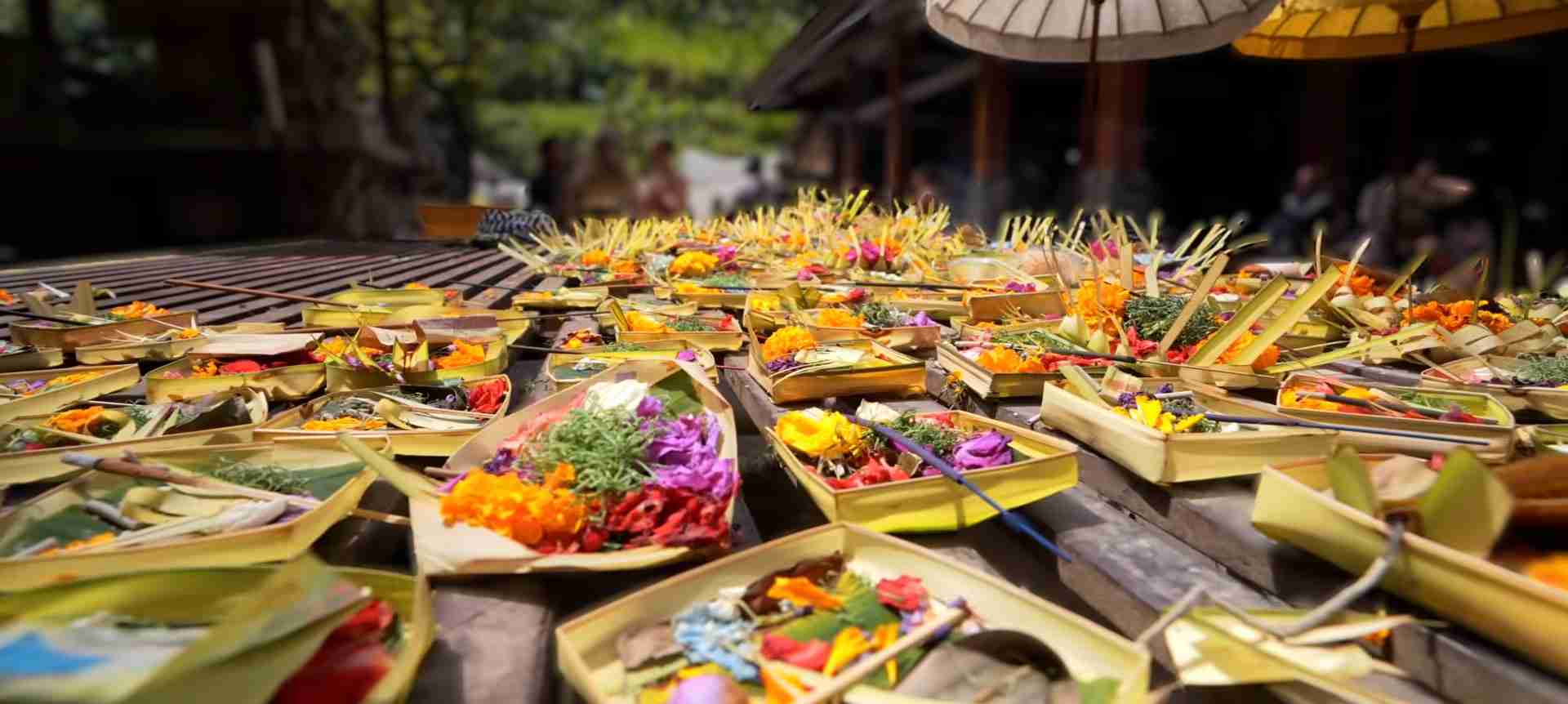
Temple ceremonies occurring daily across Bali welcome respectful observers without entrance fees providing authentic cultural immersion impossible at tourist-focused performances. Every temple celebrates odalan (birthday) twice yearly according to Balinese Pawukon 210-day calendar meaning guaranteed ceremony overlap with any travel dates. Budget travelers should ask accommodation staff or locals about nearby upcoming ceremonies, arrive respectfully dressed in sarong and sash, observe from designated visitor areas, and donate small amounts IDR 10,000-20,000 ($0.70-1.40) to temple funds if collection occurs.
Art markets throughout Ubud, Canggu, and Sanur offer free browsing of handicrafts, textiles, paintings, and local art with no pressure to purchase. Ubud Art Market, Love Anchor Market in Canggu, and Anjuna Art Market provide hours of window shopping, people watching, and cultural absorption at zero cost. Budget travelers purchasing sarongs, souvenirs, or gifts should bargain aggressively as initial prices target tourists at 200-300% above acceptable final prices, with IDR 50,000-100,000 ($3.50-7) buying quality sarongs versus IDR 150,000-200,000 ($10.50-14) tourist quotes.
Hiking and viewpoint access remains free for many locations including Mount Lempuyang’s temple climb, Pinggan Village sunrise views over Mount Batur and Kintamani rice terraces, Twin Lakes Viewpoint in Munduk, and numerous coastal clifftop paths around Uluwatu. Challenging volcano treks like Mount Batur require guides at IDR 300,000-500,000 ($21-35) but deliver unforgettable sunrise summit experiences justifying occasional splurges versus daily paid activities.
Coffee plantation tours offer free tastings as marketing for souvenir purchases, with locations around Ubud providing complimentary samples of traditional Balinese coffee, herbal teas, and infamous kopi luwak civet coffee alongside explanations of processing methods. Budget travelers enjoy 30-45 minute free experiences without purchase obligations though polite sampling and genuine interest appreciated by hosts.
Beach clubs increasingly waive entrance fees banking on food and drink purchases, with venues offering free daytime access to pools, loungers, and facilities hoping visitors order meals or beverages. Budget travelers can enjoy premium beach club atmosphere during happy hours 4-7 PM when two-for-one cocktails at IDR 120,000 ($8.30) for two drinks become affordable splurges versus full daybed minimum spends of IDR 1,000,000-2,000,000 ($70-140).
Sea turtle releases at Bali Sea Turtle Society occur March through October at Kuta Beach providing free participation in meaningful conservation activities. Budget travelers can witness or assist with hatchling releases to ocean coordinated by trained volunteers, creating memorable experiences supporting wildlife preservation without cost though small donations appreciated.
Night markets throughout Bali offer free entertainment browsing food vendors, watching locals dine, and absorbing vibrant evening atmosphere. Sanur Night Market, Gianyar Night Market, and smaller neighborhood markets provide cultural immersion showing authentic Balinese life beyond tourist areas. Budget travelers can dine extremely cheaply at night markets with meals costing IDR 15,000-30,000 ($1-2.10) while experiencing local specialties unavailable at tourist restaurants.
Daily Budget Breakdowns by Tier 2026
Understanding realistic daily costs across different budget tiers enables accurate trip planning and expectations management for Bali 2026. The following detailed breakdowns demonstrate typical expenses at ultra-budget, moderate-budget, and comfortable-budget levels, with all costs per person and accommodation calculated assuming two travelers sharing rooms.
Ultra-Budget Backpacker ($25-35 Daily, IDR 375,000-525,000):
Accommodation: Hostel dormitory bed IDR 150,000 ($10.50) in Canggu or Kuta with pool, lockers, and breakfast inclusion. Breakfast: Warung nasi goreng IDR 20,000 ($1.40) or hostel free breakfast IDR 0. Mid-morning temple visit: Entrance fee IDR 30,000 ($2.10) to standard temple like Tirta Empul or local village temple. Lunch: Street vendor mie ayam IDR 20,000 ($1.40). Afternoon beach time: Free at any public beach, parking scooter IDR 5,000 ($0.35). Transportation: Scooter rental amortized daily IDR 80,000 ($5.50) including fuel for 50-kilometer riding. Dinner: Warung babi guling or sate lilit IDR 45,000 ($3.10). Evening beverage: One small Bintang beer IDR 30,000 ($2.10) or skip for alcohol-free savings. Incidentals: Water bottles, snacks, small donations IDR 25,000 ($1.70). Total: IDR 405,000 ($28) per person.
This ultra-budget requires eating 100% local food at warungs and street vendors, staying in hostel dormitories, using scooter transportation exclusively, limiting paid attractions to 1-2 daily, and minimizing alcohol consumption to one beer or none. Budget travelers can reduce costs further by cooking occasional supermarket meals, camping at established sites IDR 50,000 ($3.50) nightly where available, or eliminating all alcohol achieving $22-25 daily totals. Increasing comfort slightly to budget hotel private rooms at IDR 350,000 ($24) shared between two people adds IDR 175,000 ($12.15) per person raising daily budgets to IDR 580,000 ($40) while maintaining all other ultra-budget choices.
Moderate-Budget Traveler ($45-60 Daily, IDR 675,000-900,000):
Accommodation: Budget hotel private room IDR 500,000 ($35) divided by two people IDR 250,000 ($17.30) per person with air conditioning, pool, breakfast, and WiFi. Breakfast: Hotel breakfast included IDR 0, or cafe acai bowl and coffee IDR 80,000 ($5.50) when venturing out. Mid-morning attraction: Popular temple entrance IDR 50,000 ($3.50) like Uluwatu or Ulun Danu Beratan. Transportation: Scooter rental and fuel IDR 80,000 ($5.50) or mix of Grab rides totaling similar costs. Lunch: Tourist cafe burger or pasta including drink IDR 120,000 ($8.30). Afternoon waterfall visit: Entrance fee IDR 30,000 ($2.10) plus parking IDR 5,000 ($0.35). Dinner: Mid-range restaurant main course with appetizer and one cocktail IDR 200,000 ($14). Incidentals: Water, snacks, temple donations, shopping IDR 60,000 ($4.15). Total: IDR 775,000 ($53.50) per person.
Moderate-budget travel enables comfortable private rooms, mix of local and international cuisine, paid attractions without constant calculation, occasional cocktails or restaurant alcoholic beverages, and flexibility for spontaneous purchases or experiences. Daily costs fluctuate based on specific choices with warung lunch replacing cafe saving IDR 70,000 ($4.85), or splurge restaurant dinner increasing costs IDR 100,000-150,000 ($7-10.50). Budget travelers at this tier enjoy sustainable long-term comfort avoiding financial stress while maintaining value consciousness.
Comfortable-Budget Traveler ($75-100 Daily, IDR 1,125,000-1,500,000):
Accommodation: Mid-range hotel or small villa IDR 800,000 ($55) divided by two people IDR 400,000 ($28) per person with superior amenities, pools, nice location, and quality breakfast. Breakfast: Hotel breakfast included or upscale cafe brunch IDR 120,000 ($8.30). Transportation: Private driver for full-day temple and waterfall circuit IDR 700,000 ($48) divided by two people IDR 350,000 ($24.20) per person. Mid-morning temple entrance: Premium site like Besakih Mother Temple IDR 150,000 ($10.40). Lunch: Nice restaurant with views and quality food including drinks IDR 150,000 ($10.40). Afternoon spa treatment: 60-minute traditional massage IDR 200,000 ($14). Dinner: Upscale restaurant main course with wine or cocktails IDR 250,000 ($17.30). Evening beach club: One drink at sunset venue IDR 100,000 ($7). Incidentals: Souvenirs, additional snacks, tips IDR 75,000 ($5.20). Total: IDR 1,275,000 ($88) per person.
Comfortable-budget travel provides premium experiences, private drivers replacing self-navigation, spa treatments, upscale dining, beach club visits, and shopping without financial concern. Travelers at this level still achieve exceptional value compared to Western destinations where equivalent quality costs $150-250 daily. Mixing comfortable-budget days with moderate-budget days enables luxury experiences while maintaining overall trip affordability across 2-3 week Bali vacations.
Advanced Money-Saving Strategies for Bali 2026
Maximizing budget value in Bali 2026 requires strategic thinking beyond basic choices, with advanced techniques reducing costs 30-50% while maintaining or improving experience quality through timing optimization, negotiation skills, local knowledge application, and smart resource allocation across accommodation, dining, transport, and activities.
Shoulder season travel April-June and September-October delivers optimal balance between weather reliability and cost savings versus peak July-August rates. Accommodation during shoulder months costs 20-35% less than peak with substantial negotiation flexibility for extended stays or direct bookings. Activities, tours, and restaurants maintain consistent pricing but experience reduced crowding improving overall value through shorter queues, better service ratios, and enhanced photography opportunities at popular sites. Budget travelers with schedule flexibility should absolutely prioritize shoulder season travel over peak periods unless specific events or festivals justify premium timing.
Low season November-March offers dramatic 40-60% accommodation discounts for travelers accepting afternoon tropical showers and higher humidity. Daily morning activities proceed normally before clouds build mid-afternoon, with creative scheduling enabling temple visits, cultural activities, and cafe working during 8 AM-2 PM clear hours followed by hotel pool time, spa treatments, or indoor activities during 3-7 PM rainfall periods. Budget travelers comfortable with weather variability achieve exceptional value during low season when mid-range hotels cost budget rates and luxury properties become accessible at moderate prices.
Area selection profoundly impacts budget success with identical quality costing 30-70% less in strategic locations versus premium zones. Canggu delivers superior value over Seminyak for beach access and dining diversity at half the accommodation costs. Northern Ubud town center provides excellent budget options while southern Ubud commands premiums for rice paddy views. Sanur offers calm alternatives to Kuta’s chaos at comparable prices with better beach quality. Budget travelers should research area characteristics thoroughly before committing to bases avoiding expensive mistakes of booking premium locations unnecessarily.
Direct booking negotiations work particularly well during low and shoulder seasons when properties prefer guaranteed bookings over commission-paying platform reservations. Approaching hotels, guesthouses, or hostels directly in person or via WhatsApp offering cash payment for extended stays often secures 15-30% discounts versus online rates. Weekly and monthly rates reduce daily costs substantially with 7-night stays typically discounted 20% and 30-day stays reaching 35-50% savings. Budget travelers planning 2-4 week Bali stays should absolutely negotiate extended stay rates maximizing value.
Last-minute booking during low season enables exceptional deals as properties discount heavily to fill rooms rather than leave empty. Arriving in Canggu, Ubud, or Sanur during February-March or November without reservations allows in-person property visits, room inspections, and negotiations securing rooms at 40-60% below published rates. This strategy requires flexibility, backup options if preferred properties full, and comfort walking between options with luggage — unsuitable for peak season when properties book completely or during rain periods making property hopping unpleasant.
Cooking strategies reduce food costs significantly for travelers with kitchen access or portable equipment. Supermarket breakfast supplies including fruits, yogurt, granola, bread, and eggs cost IDR 150,000-250,000 ($10.50-17.30) covering 5-7 days when combined with warung or cafe meals for lunch and dinner. Portable water filters or SteriPEN UV purifiers eliminate bottled water expenses saving IDR 10,000-20,000 ($0.70-1.40) daily, with reusable bottles accepted at most accommodations for refills. Budget travelers cooking one daily meal while eating out twice achieve $12-18 daily food costs versus $20-30 eating all meals at restaurants.
Strategic splurging maximizes experience value by concentrating budgets on meaningful activities rather than distributing evenly. Saving IDR 100,000 ($7) daily through five days of budget eating enables one IDR 500,000 ($35) memorable splurge like Mount Batur sunrise trek, cooking class, or nice restaurant celebration. Budget travelers benefit psychologically from occasional luxury experiences preventing deprivation fatigue while maintaining overall trip budgets through compensating economy choices surrounding splurge days.
Group travel and cost sharing transform budget calculations for couples, friends, or family groups. Private driver full-day costs IDR 700,000 ($48) divided among four people totals IDR 175,000 ($12.15) per person versus IDR 350,000 ($24.20) for couples or IDR 700,000 ($48) solo. Villa accommodations sleeping 4-6 people at IDR 1,500,000-3,000,000 ($105-210) nightly create per-person costs of IDR 250,000-750,000 ($17.30-52) competing with hostel dormitories while providing private pools, kitchens, and superior amenities. Group travelers should organize trip logistics early securing cost-sharing commitments before booking.
Free activity maximization concentrates paid expenses on unique irreplaceable experiences while using free beaches, rice terraces, temple ceremonies, and markets for daily baseline activities. Budget travelers spending 60-70% of days at free activities can afford premium paid experiences like diving certifications, multi-day tours, or cultural performances on remaining 30-40% of trip days without exceeding overall budgets. Quality free activities in Bali rival paid attractions at many destinations making this strategy particularly effective.
Alternative timing for paid attractions captures identical experiences at reduced costs through strategic scheduling. Visiting Tegalalang Rice Terrace at 7 AM opening avoids crowds and captures superior photography light while paying same IDR 20,000 ($1.40) entrance as midday masses. Temple visits during early morning or late afternoon minimize tourist congestion improving experience value despite identical costs. Budget travelers should research optimal timing for each attraction maximizing value per rupiah spent.
Sample Budget Itineraries for Different Durations 2026
Practical budget itineraries demonstrate how daily cost theories apply to real multi-day Bali trips, with sample plans for one-week, two-week, and one-month stays showcasing accommodation selection, area bases, activity mixing, and cost management strategies enabling affordable extended travel maintaining variety and enjoyment.
One-Week Budget Itinerary ($280-420 Total / $40-60 Daily):
Days 1-3 based in Canggu hostel dormitory IDR 150,000 ($10.50) nightly including breakfast, totaling IDR 450,000 ($31.50) for three nights. Activities include free beach days at Echo Beach, Batu Bolong, and Berawa, sunset watching, Campuhan Ridge Walk day trip via scooter, one paid temple visit to Tanah Lot IDR 60,000 ($4.20), and warung dining three meals daily totaling IDR 75,000-100,000 ($5.20-7) daily. Scooter rental IDR 350,000 ($24) for seven days or IDR 50,000 ($3.50) daily amortized. Days 1-3 total approximately IDR 1,050,000 ($73) or IDR 350,000 ($24) daily.
Days 4-5 relocate to Ubud budget guesthouse private room IDR 400,000 ($28) nightly shared by two people totaling IDR 800,000 ($55) for two nights or IDR 400,000 ($28) per person. Activities include free rice terrace walks, Ubud Art Market browsing, attending evening Legong dance performance IDR 100,000 ($7), visiting Tirta Empul purification temple IDR 50,000 ($3.50), and mixing warung lunches with one nice restaurant dinner. Days 4-5 total approximately IDR 750,000 ($52) or IDR 375,000 ($26) daily.
Days 6-7 return to south Bali based in Sanur budget hotel IDR 500,000 ($35) nightly divided by two people totaling IDR 1,000,000 ($70) for two nights or IDR 500,000 ($35) per person. Activities include free Sanur Beach sunrise walks, snorkeling equipment rental IDR 50,000 ($3.50) for reef exploration, final day Uluwatu Temple sunset visit IDR 50,000 ($3.50) plus optional Kecak dance IDR 150,000 ($10.50), and celebration restaurant dinner IDR 200,000 ($14). Days 6-7 total approximately IDR 1,100,000 ($76) or IDR 550,000 ($38) daily.
Seven-day total: Approximately IDR 2,900,000 ($200) per person averaging IDR 415,000 ($29) daily excluding visa and tourist levy one-time costs. Adding visa IDR 500,000 ($35) plus levy IDR 150,000 ($9) totals IDR 3,550,000 ($245) all-inclusive or IDR 507,000 ($35) daily average. One-week budget travelers achieve comfortable Bali experiences under $300 total including all costs.
Two-Week Budget Itinerary ($560-840 Total / $40-60 Daily):
Week 1 follows one-week itinerary above totaling IDR 2,900,000 ($200). Week 2 explores different areas and deeper experiences. Days 8-10 based in east Bali Candidasa or Amed budget guesthouse IDR 350,000 ($24) nightly divided by two totaling IDR 1,050,000 ($73) for three nights or IDR 525,000 ($36) per person. Activities include free snorkeling at Jemeluk Beach, scooter day trip to Tirta Gangga water palace IDR 50,000 ($3.50), visiting Lempuyang Temple IDR 50,000 ($3.50), Tukad Cepung Waterfall IDR 30,000 ($2.10), and warung dining primarily. Days 8-10 total approximately IDR 1,000,000 ($70) or IDR 333,000 ($23) daily.
Days 11-12 return to Ubud with upgraded accommodation to mid-range hotel with pool and breakfast IDR 700,000 ($48) nightly divided by two totaling IDR 1,400,000 ($98) for two nights or IDR 700,000 ($49) per person. Splurge days include cooking class IDR 500,000 ($35), nice restaurant dinner IDR 250,000 ($17.30), spa massage IDR 200,000 ($14), demonstrating concentrated budget allocation for meaningful experiences. Days 11-12 total approximately IDR 1,850,000 ($128) or IDR 925,000 ($64) daily.
Days 13-14 conclude in Canggu hostel dormitory IDR 150,000 ($10.50) nightly for final budget accommodation totaling IDR 300,000 ($21) for two nights. Activities include free beach time, final souvenir shopping at Love Anchor Market, farewell dinner at moderate restaurant IDR 150,000 ($10.50), and relaxed final days. Days 13-14 total approximately IDR 600,000 ($42) or IDR 300,000 ($21) daily.
Fourteen-day total: Approximately IDR 6,350,000 ($440) per person averaging IDR 455,000 ($31.50) daily excluding entry costs. Adding visa IDR 500,000 ($35) plus levy IDR 150,000 ($9) totals IDR 7,000,000 ($485) all-inclusive or IDR 500,000 ($35) daily average. Two-week budget travelers achieve comprehensive Bali exploration across multiple regions under $550 total.
One-Month Budget Itinerary ($1,120-1,680 Total / $40-60 Daily):
Extended stays enable monthly accommodation negotiations, deeper area exploration, slower pace reducing daily transport costs, and strategic timing of major expenses spreading premium activities across longer periods. Month-long budget travelers should negotiate 30-day villa or guesthouse rates achieving IDR 5,000,000-8,000,000 ($345-555) monthly totals or IDR 167,000-267,000 ($11.50-18.50) daily averages representing 30-50% savings versus nightly rates. Basing in single location like Canggu or Ubud for 2-3 weeks then exploring other areas final week optimizes accommodation value.
Food costs stabilize around IDR 250,000-350,000 ($17.30-24.20) daily for extended stays as initial restaurant excitement moderates toward sustainable warung-heavy eating with weekly splurge restaurant meals. Monthly supermarket shopping patterns emerge with breakfast ingredients bought weekly, cooking occasional meals, and established warung relationships providing regular reliable cheap dining. Transport costs minimize with monthly scooter rentals at IDR 1,000,000-1,500,000 ($70-105) or IDR 33,000-50,000 ($2.30-3.50) daily replacing weekly rentals.
Activity budgets spread major expenses across 30 days enabling diving certifications IDR 5,000,000-7,000,000 ($345-485), multi-day tours, cultural classes, and premium experiences without concentrated expense weeks destroying budgets. Free activity days increase as extended stay travelers discover local beaches, hiking spots, and community events beyond initial tourist attraction circuits. Month-long Bali stays achieve total costs IDR 13,000,000-18,000,000 ($900-1,250) including visa and extension IDR 1,500,000 ($105), or IDR 433,000-600,000 ($30-42) daily averages delivering exceptional extended travel value.
Budget Travel Safety and Health Considerations 2026
Budget travel in Bali requires specific safety and health awareness as cost-cutting choices sometimes involve trade-offs in security, medical access, or physical risk requiring informed decision-making balancing savings against wellbeing priorities essential for successful affordable adventures.
Accommodation safety varies across budget tiers with hostel dormitories introducing shared space security concerns requiring vigilance with valuables, use of lockers for passports and electronics, and awareness of roommate behaviors. Budget guesthouses and hotels generally provide secure private rooms though quality varies requiring inspection before commitment checking door locks, window security, and safe availability. Budget travelers should prioritize accommodation with functional lockers or in-room safes for passport and cash storage, avoiding properties lacking secure storage regardless of price savings.
Scooter riding represents primary injury risk for budget travelers utilizing this affordable transport option, with accidents resulting from inexperience, poor road conditions, aggressive drivers, and inadequate safety equipment causing hundreds of foreign visitor hospitalizations annually. Comprehensive travel insurance covering scooter accidents proves absolutely essential as medical evacuation costs reach $50,000-100,000, with standard policies excluding motorized two-wheel vehicles requiring specific endorsements. Budget travelers must obtain International Driving Permit before departure, wear proper helmets rather than inadequate rental helmets, ride defensively assuming cars won’t yield, and avoid night riding when unlit obstacles and intoxicated drivers increase hazards.
Food safety at warungs and street vendors involves educated risk assessment as hygiene standards vary though serious illness remains relatively rare. Budget travelers should observe food preparation cleanliness, choose vendors with high local customer turnover indicating fresh food, avoid raw vegetables washed in tap water at questionable establishments, and gradually introduce street food rather than immediate total dietary immersion allowing digestive adjustment. Carrying anti-diarrheal medication, hand sanitizer, and probiotics enables management of minor stomach discomfort without expensive medical consultations.
Water safety requires consistent vigilance as tap water remains non-potable requiring bottled water for drinking and tooth brushing. Budget travelers using reusable bottles with filters like LifeStraw or SteriPEN UV purifiers save money while maintaining hydration safety, with many accommodations providing refillable purified water stations. Ice at reputable restaurants generally comes from purified water though street vendor ice may use tap water creating illness risk — when uncertain, budget travelers should request drinks without ice or accept slightly warmer beverages over potential waterborne illness.
Sun protection proves essential in tropical climate with UV radiation causing rapid sunburn particularly for fair-skinned visitors. Budget travelers should invest in quality SPF 50+ sunscreen, wide-brimmed hats, and UV-protective clothing preventing burns and long-term skin damage outweighing initial costs through avoiding painful sunburn disrupting planned activities. Midday sun avoidance 11 AM-3 PM reduces exposure during peak intensity hours, with indoor activities like museum visits, cooking classes, or hotel pool relaxation strategically scheduled during dangerous sun periods.
Health insurance represents non-negotiable budget travel requirement despite perceived expense, as single serious illness or accident creates medical bills exceeding entire trip costs multiple times over. Budget-friendly travel insurance plans cost $30-80 for one-week coverage or $60-150 for one-month Southeast Asia trips, with comprehensive policies covering medical treatment, evacuation, trip cancellation, and lost belongings providing essential protection. Budget travelers should verify scooter coverage inclusion, pre-existing condition policies, and evacuation provisions ensuring adequate protection before departure.
Heat exhaustion and dehydration affect visitors unaccustomed to tropical heat and humidity requiring frequent water intake beyond thirst sensation and electrolyte replacement through coconut water at IDR 15,000-25,000 ($1.05-1.70) or sports drinks during extended outdoor activities. Budget travelers should recognize warning signs including headache, dizziness, nausea, and reduced urination seeking shade, hydration, and rest before symptoms worsen requiring medical attention.
Dengue fever transmitted by daytime-biting mosquitoes represents primary vector-borne disease risk with no vaccine available requiring prevention through insect repellent containing 20-30% DEET costing IDR 80,000-120,000 ($5.50-8.30) for trip-duration supplies. Budget travelers should wear long sleeves and pants during dawn and dusk peak biting times, use mosquito coils at outdoor dining areas, and choose air-conditioned or screened accommodations eliminating exposure during sleep. Dengue symptoms including high fever, severe headache, joint pain, and rash appearing 4-10 days after infection require immediate medical evaluation though most cases resolve without complications.
Frequently Asked Questions About Budget Travel in Bali 2026
Is Bali still a budget-friendly destination in 2026 or has it become too expensive?
Bali remains highly budget-friendly in 2026 for travelers making informed choices about accommodation location, food venues, and activities despite overall price increases since pre-pandemic 2019. Budget travelers spending $30-40 daily achieve comfortable experiences through hostel dormitories, warung meals, scooter transport, and free beaches rivaling $100+ daily budgets at other tropical destinations. The key to affordability lies in avoiding tourist-trap areas like Seminyak beachfront, eating where locals eat rather than Western restaurants, utilizing scooter rentals or ride-hailing apps versus expensive taxis, and maximizing free attractions alongside paid temple visits. Compared to Thailand or Philippines, Bali costs slightly more but delivers superior cultural experiences, better infrastructure, and wider accommodation diversity across budget ranges.
How much money should I bring in cash to Bali for a two-week budget trip in 2026?
Budget travelers should bring $200-300 USD cash for two-week Bali trips to cover initial expenses before ATM access, with plan to withdraw additional funds from widely available ATMs as needed throughout the stay. Initial cash covers airport taxi or Grab ride to accommodation IDR 120,000-300,000 ($8-21), first night accommodation if arriving late without booking IDR 150,000-400,000 ($10-28), visa on arrival IDR 500,000 ($35) if paying cash rather than e-VOA online, and initial meals and transport for 1-2 days before banking. ATMs throughout tourist areas dispense maximum IDR 3,000,000 ($200) per transaction with fees IDR 50,000-70,000 ($3-4.50) making larger withdrawals economical, though carrying excessive cash creates theft risk requiring hotel safe storage. Credit cards gain acceptance at hotels and upscale restaurants though small vendors, warungs, temples, and markets remain cash-only necessitating regular ATM visits maintaining IDR 500,000-1,000,000 ($35-70) available funds.
What are the best money-saving apps and tools for budget travelers in Bali 2026?
Essential money-saving apps include Grab and Gojek for cheap transparent-pricing transport replacing expensive taxis, XE Currency or similar for real-time exchange rate verification preventing money changer scams, Maps.me or Google Maps offline downloads for scooter navigation without data charges, and Hostelworld or Booking.com for accommodation comparison and reviews. Budget tracking apps like Trail Wallet or TravelSpend help monitor daily expenses preventing budget overruns, while WhatsApp enables free communication with hotels, tour operators, and new friends avoiding international SMS charges. Banking apps with fee-free international ATM withdrawals like Charles Schwab or fee reimbursement save $3-5 per withdrawal adding up across extended trips, while travel insurance apps provide quick claim filing and medical assistance contact.
Can vegetarians and vegans eat affordably in Bali or are special diets expensive?
Vegetarians and vegans enjoy exceptional budget-friendly options in Bali with many traditional Indonesian dishes naturally plant-based and tourist areas like Canggu and Ubud offering dedicated vegetarian restaurants at warung-comparable prices. Tempeh and tofu feature prominently in Balinese cuisine as affordable protein sources, with dishes like Gado-Gado (vegetable salad with peanut sauce) at IDR 25,000-40,000 ($1.70-2.75), Nasi Campur Vegetarian at IDR 20,000-35,000 ($1.40-2.40), and Sayur Urap (vegetables in coconut) at IDR 15,000-25,000 ($1.05-1.70) widely available at warungs. Dedicated vegetarian restaurants in Ubud like Biah Biah and Warung Sopa serve elaborate meals at IDR 40,000-80,000 ($2.75-5.50), while Canggu’s Crate Cafe and Shady Shack offer Western vegan options at IDR 60,000-120,000 ($4-8.30). Vegetarians and vegans often spend less than omnivores as meat dishes command premiums at both warungs and restaurants.
Is it cheaper to book accommodation in advance or find places upon arrival in 2026?
Booking strategy depends on season and budget tier, with advance booking essential during peak July-August when properties fill completely often months ahead at premium rates, while shoulder and low seasons enable upon-arrival negotiations securing better deals than online platforms. Peak season travelers should book 1-3 months advance through Booking.com or Hostelworld ensuring availability and reasonable rates, accepting inability to negotiate as trade-off for guaranteed accommodation. Low season November-March enables exceptional last-minute deals as properties discount heavily to fill rooms, with walk-in travelers inspecting multiple properties and negotiating 30-50% below published rates though requiring flexibility and backup options if preferred places full. Shoulder season represents middle ground with moderate advance booking 2-4 weeks securing good rates while maintaining some negotiation flexibility for extended stays or direct bookings.
What budget mistakes do first-time Bali travelers make that I should avoid in 2026?
Common budget mistakes include basing in expensive Seminyak rather than affordable Canggu saving 30-50% for identical beach access, eating exclusively at tourist restaurants versus mix of warungs and restaurants doubling food costs unnecessarily, taking metered taxis instead of Grab/Gojek or scooter rentals wasting $20-40 daily on transport, booking peak season July-August versus shoulder months paying 40-80% premiums without weather advantage, and failing to negotiate extended stay rates losing 20-30% potential savings. First-time travelers also commonly overpay at markets accepting initial quotes 200-300% above fair prices, skip comprehensive travel insurance risking catastrophic medical costs, rent scooters without International Driving Permit facing fines and insurance invalidation, and pack excessive toiletries rather than buying locally at supermarket prices. Avoiding these mistakes saves hundreds of dollars across typical 1-2 week trips enabling extended stays or upgraded experiences.
How do I avoid tourist scams and overcharging as a budget traveler in Bali 2026?
Primary scam avoidance strategies include using ride-hailing apps Grab and Gojek with fixed upfront pricing versus negotiating with taxi drivers or street transport offering inflated rates, changing money at established licensed exchanges like Central Kuta Money Exchange versus airport counters or street changers practicing short-changing, and verifying temple entrance fees against published rates before paying preventing fake “official guides” demanding unnecessary fees. Budget travelers should research typical costs for activities, transport, and meals before arrival enabling recognition of unreasonable quotes, insist on metered taxis if using traditional taxis rather than flat rates, and politely decline aggressive vendor approaches at beaches and tourist sites where “special price” offers typically mean excessive overcharging. Learning basic Indonesian phrases and numbers helps verify prices and demonstrates respect reducing scam targeting, while asking accommodation staff about fair prices for specific services provides local knowledge preventing tourist exploitation.
Can I work remotely from Bali on a budget as a digital nomad in 2026?
Digital nomads can absolutely work remotely from Bali on budgets of $800-1,500 monthly including accommodation at IDR 3,500,000-8,000,000 ($240-555) monthly rentals for rooms or small villas, food at IDR 250,000-400,000 ($17-28) daily mixing warungs with restaurant meals, coworking space memberships at IDR 1,500,000-2,500,000 ($105-173) monthly for reliable internet and professional environment, and scooter rental at IDR 800,000-1,200,000 ($55-83) monthly. Canggu represents primary digital nomad base with dozens of coworking spaces, strong cafe WiFi culture, and monthly villa rentals optimized for remote workers, though Ubud and Sanur offer quieter alternatives. Visa considerations require either 30-day entries with extensions totaling 60 days, or B211A Social Visit Visa allowing 180-day stays for committed long-term residents. Budget digital nomads achieve exceptional value compared to Western remote work costs while enjoying tropical climate, strong expat community, and healthy work-life balance.
What are the hidden costs budget travelers often forget to include in Bali 2026?
Commonly forgotten budget items include tourist levy IDR 150,000 ($9) paid before arrival often overlooked in visa calculations, temple sarong and sash purchases IDR 50,000-100,000 ($3.50-7) versus constant rentals, sunscreen and insect repellent at IDR 150,000-200,000 ($10.50-14) for trip duration replacing inadequate quantities brought from home, scooter parking fees at IDR 5,000-10,000 ($0.35-0.70) per stop accumulating across daily temple and beach visits, and accommodation towel deposits at budget properties sometimes requiring IDR 50,000 ($3.50) refundable fees. Budget travelers also underestimate SIM card costs at IDR 50,000-100,000 ($3.50-7) for month-long data plans, temple donations at ceremonies while technically voluntary becoming socially expected at IDR 10,000-20,000 ($0.70-1.40), and airport departure taxes sometimes not included in ticket prices though increasingly incorporated. Budgeting additional 15-20% contingency beyond calculated daily costs covers these hidden expenses preventing budget stress from unexpected charges.
How does Bali’s budget travel value compare to other Southeast Asian destinations in 2026?
Bali sits in middle-range for Southeast Asian budget travel, costing more than ultra-cheap Cambodia, Laos, and Vietnam where $20-25 daily budgets remain comfortable, slightly more expensive than Thailand’s $25-35 typical budget travel costs, but delivering better value than Singapore, Brunei, or Malaysian islands like Langkawi where $50+ daily minimums apply. Bali’s advantages include superior accommodation quality across budget tiers compared to Cambodia or Vietnam, better transportation infrastructure than Laos, more diverse cultural experiences than beach-focused Thai islands, and English language prevalence simplifying budget travel logistics. The island’s compact size enables comprehensive exploration within 1-2 weeks versus mainland Southeast Asian countries requiring expensive long-distance transport between regions. Budget travelers seeking optimal value should consider Vietnam or Cambodia for absolute cheapest costs, Thailand for similar pricing with different cultural experiences, or Bali for best overall quality-to-price ratio within Southeast Asia.