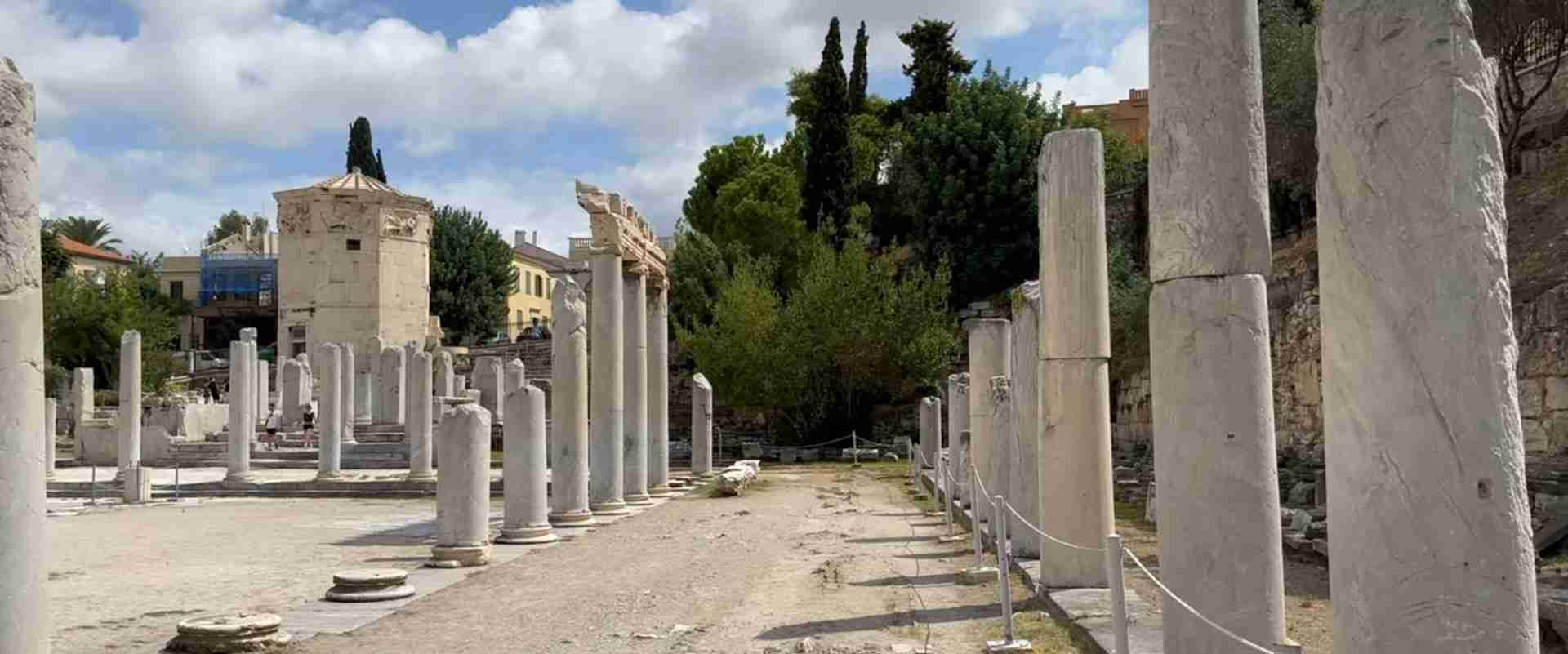
Athens Day Trips 2026: Best Excursions & Planning
Key Takeaways
- Delphi day trips cost €90-160 including transport and entrance, departing daily at 8:30 AM with 10-hour duration
- Meteora excursions require €120-180 for guided tours or €85-110 for independent travel via train from Athens
- Temple of Poseidon at Cape Sounion offers sunset experiences €50-75, departing afternoons with 5-hour duration
- Epidaurus and Mycenae combined tours cost €95-145, covering two major UNESCO World Heritage sites in one day
- Book 2026 day trips 2-4 weeks ahead for guaranteed availability during peak summer months (June-August)
- Independent travel saves 30-40% compared to organized tours but requires advance train/bus ticket booking
Planning Your Athens Day Trips in 2026
Athens serves as the perfect base for exploring some of Greece’s most spectacular UNESCO World Heritage sites and ancient treasures. The city’s strategic location in central Greece provides easy access to remarkable destinations including the mystical monasteries of Meteora, the legendary oracle site of Delphi, the dramatic Temple of Poseidon at Cape Sounion, and the ancient theater of Epidaurus. These day trips transform your Athens visit into a comprehensive exploration of Greek civilization, combining archaeological wonders with stunning natural landscapes.
The 2026 season brings excellent infrastructure for day trippers, with modern highway connections reducing travel times and reliable tour operators offering daily departures throughout the year. Spring (April-May) and autumn (September-October) provide ideal conditions for day trips, with comfortable temperatures ranging 18-25°C, fewer crowds at archaeological sites, and clear visibility for photography. Summer months (June-August) see peak tourism with temperatures reaching 30-35°C, requiring early morning departures to avoid midday heat at exposed ancient sites.
Transportation options vary significantly in cost and convenience. Organized tours include round-trip transport, licensed guides, entrance fees, and sometimes lunch, ranging €50-180 depending on destination and tour quality. Independent travelers save substantially by using Greece’s efficient KTEL bus network or OSE train services, with tickets costing €15-35 round-trip for most destinations. However, independent travel requires more planning, earlier departures, and careful schedule coordination to maximize site visiting time.
Strategic planning maximizes your day trip experiences. Most archaeological sites open 8:00 AM and close between 3:00-8:00 PM depending on season, with last entry 30 minutes before closing. UNESCO sites like Delphi and Meteora require 3-4 hours minimum for meaningful exploration, while sunset trips to Cape Sounion need precise timing for the iconic sunset moment at the Temple of Poseidon. Combining multiple sites (like Epidaurus with Mycenae or Corinth Canal) offers excellent value but creates long 10-12 hour days requiring stamina and early starts.
People Also Ask About Athens Day Trips 2026
What is the best day trip from Athens in 2026?
Delphi stands as the premier day trip from Athens in 2026, combining spectacular mountain scenery with one of antiquity’s most significant archaeological sites. The journey takes 2.5 hours each way via modern highway through dramatic landscapes, arriving at the UNESCO World Heritage site where the Oracle of Apollo once delivered prophecies that shaped ancient Greek civilization. The archaeological site sprawls across Mount Parnassus slopes, featuring the Temple of Apollo, ancient theater with panoramic valley views, the Tholos at Athena Pronaia sanctuary, and an exceptional museum housing the Charioteer of Delphi bronze statue and Sphinx of Naxos.
Tours cost €90-160 depending on group size and inclusions, with departures at 8:30 AM returning around 7:00 PM. The site entrance costs €12 in winter (November-March) and €12 in summer (April-October), included in most tour prices. Independent travelers pay €18.60 round-trip via KTEL bus from Terminal B in Athens, departing 7:30 AM and 10:30 AM, with return buses at 3:00 PM and 5:30 PM. Visit the archaeological site first (requiring 2-3 hours), then explore the museum (1-2 hours), and the mountain village of Delphi for lunch at traditional tavernas serving local specialties for €15-25 per person.
How much does a day trip from Athens cost in 2026?
Day trip costs from Athens vary significantly based on destination and travel method. Budget day trips to Cape Sounion cost €50-75 for sunset tours or €8.40 round-trip on public bus route 122 from Mavili Square. Mid-range excursions to Delphi or Epidaurus run €90-145 for organized tours including transport, guide, and entrance fees. Premium experiences to Meteora reach €120-180 for small group tours or luxury options. Check official tour operators for current 2026 rates as seasonal pricing varies.
Independent travel reduces costs substantially. KTEL buses to Delphi cost €18.60 round-trip, Corinth €11.20, and Sounion €8.40. OSE trains to Meteora (Kalambaka) cost €42-56 round-trip depending on class. Add site entrance fees (€6-12 per UNESCO site), meals (€12-20 for lunch), and optional museum visits (€6-10). Total independent day trip costs range €40-85 compared to €90-180 for organized tours, but require more planning and earlier departures.
Can you visit Meteora as a day trip from Athens in 2026?
Meteora functions as a challenging but rewarding day trip from Athens in 2026, requiring commitment to early departure and late return for the 350km journey each way. Organized tours depart Athens 7:00-7:30 AM, travel 4.5 hours to Kalambaka via highway and mountain roads, spend 4-5 hours visiting monasteries and viewpoints, then return arriving Athens around 9:00-10:00 PM. These 14-15 hour marathon days cost €120-180 including transport, monastery entrance fees (€3 per monastery), and lunch stops.
Independent train travel offers a more relaxed alternative. The morning OSE intercity train departs Athens Larissa Station at 7:56 AM, arriving Kalambaka at 12:52 PM (5-hour journey). The return train departs Kalambaka at 5:40 PM, arriving Athens 10:34 PM. This schedule provides exactly 4 hours and 48 minutes for monastery visits, requiring efficient planning. Visit 2-3 of the six functioning monasteries (Great Meteoron, Varlaam, Roussanou are closest), each requiring 45-60 minutes. Local taxis charge €40-60 for monastery circuits, or rent a car at Kalambaka station for similar costs with more flexibility.
Many travelers choose overnight stays at Kalambaka or Kastraki villages, transforming the day trip into a 2-day excursion allowing sunset and sunrise photography at the monasteries, more relaxed exploration, and better appreciation of the Byzantine heritage. However, dedicated day-trippers successfully complete the circuit with early starts and strategic monastery selection.
Is Cape Sounion worth visiting from Athens in 2026?
Cape Sounion delivers exceptional value as an Athens day trip, combining dramatic coastal scenery, an iconic ancient temple, and the legendary sunset experience at the Temple of Poseidon. Located 70km south of Athens at Attica’s southern tip, the promontory rises 60 meters above the Aegean Sea with panoramic views extending to Kea, Kythnos, and Serifos islands on clear days. The temple’s distinctive white marble columns glow golden during sunset, creating one of Greece’s most photographed moments.
Half-day tours depart Athens 3:00-4:00 PM, arriving Sounion around 5:30 PM for 1.5 hours at the archaeological site before sunset (timing varies seasonally from 6:00 PM in winter to 8:30 PM in summer). Tours cost €50-75 including round-trip transport and entrance fee (€10 for the archaeological site, free November-March on certain Sundays). Return to Athens by 9:00-10:00 PM. Independent travelers take KTEL bus route 122 from Mavili Square, departing hourly until 6:30 PM, with €4.20 one-way fare and 2-hour journey via coastal road passing beaches and seaside towns.
The archaeological site features the Temple of Poseidon (built 444-440 BCE), fortification walls, and remains of an ancient settlement. Lord Byron carved his name on a column in 1810 (now protected behind barriers). Arrive 60-90 minutes before sunset to explore the ruins, secure optimal photography positions, and watch the sun descend into the Aegean with the temple silhouetted against orange and pink skies. Combine with lunch at seaside tavernas in Lavrio or Legrena villages for fresh seafood and traditional Greek cuisine.
Extended multi-day tours – 5+ days
Featured Athens Multi-Day Tour Packages
3 days
Prehistoric Tour of Greece – 3 days
- ✓ Comprehensive Athens tour
- ✓ Expert local guides included
- ✓ All accommodation arranged
- ✓ Transportation provided
3 days
Mycenae, Olympia & Delphi: 3-Day Private Tour with Local Tastings
- ✓ Comprehensive Athens tour
- ✓ Expert local guides included
- ✓ All accommodation arranged
- ✓ Transportation provided
2 days
Delphi Two Days Tour from Athens
- ✓ Comprehensive Athens tour
- ✓ Expert local guides included
- ✓ All accommodation arranged
- ✓ Transportation provided
3 days
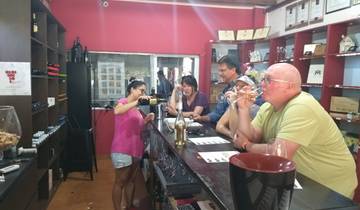
The Peloponnese wine roads (3 days – small group, escorted, cultural, culinary
- ✓ Comprehensive Athens tour
- ✓ Expert local guides included
- ✓ All accommodation arranged
- ✓ Transportation provided
Multi-day tour packages powered by TourRadar. Prices and availability subject to change.
Top Athens Day Trip Destinations for 2026
Delphi Archaeological Site and Museum
Delphi reigns as Greece’s most atmospheric archaeological site after the Acropolis, sprawling across the southern slopes of Mount Parnassus at 600 meters elevation with commanding views over the Pleistos Valley and olive groves extending to the Corinthian Gulf. The UNESCO World Heritage site served as the ancient world’s spiritual center, where the Oracle of Apollo (Pythia) delivered cryptic prophecies that influenced major decisions of city-states, kings, and ordinary citizens throughout classical antiquity.
The Sacred Way winds uphill past treasuries built by various Greek city-states, leading to the Temple of Apollo where the oracle performed her rituals in a sacred chamber. The theater, seating 5,000 spectators, hosted musical and dramatic performances during the Pythian Games (held every four years). Above the theater, the stadium accommodated athletic competitions with seating for 6,500 on stone benches. The Tholos at the Athena Pronaia sanctuary, located below the main site, features three standing columns of the original 20, creating Delphi’s most photographed structure.
The Delphi Archaeological Museum houses extraordinary treasures including the Charioteer of Delphi (478 BCE), one of the finest surviving bronze statues from classical Greece; the Sphinx of Naxos (560 BCE) that crowned a 10-meter column; and the Omphalos stone marking what Greeks considered the world’s center. Chryselephantine (gold and ivory) sculptures, votive offerings from across the Mediterranean, and inscriptions documenting ancient prophecies fill additional galleries. Allocate 2 hours minimum for the site and 1.5 hours for the museum.
Organized tours from Athens depart 8:30 AM, include highway transport (2.5 hours each way), licensed guide, site entrance, museum access, and lunch stop in Delphi village or nearby Arachova mountain town. Tours cost €90-130 for standard groups or €145-160 for small groups (maximum 8-12 people). Return to Athens by 7:00 PM. Independent travelers take KTEL buses from Terminal B (260 Liossion Street), departing 7:30 AM and 10:30 AM, with returns at 3:00 PM and 5:30 PM. Round-trip cost €18.60, site entrance €12, museum €12 (or €20 combined ticket covering both).
Meteora Monasteries
Meteora presents one of Europe’s most extraordinary landscapes, where massive rock pillars rise vertically from the Thessalian Plain to heights of 400 meters, crowned by Byzantine monasteries perched impossibly on their summits. The name translates as “suspended in air,” perfectly describing the six functioning monasteries (from an original 24) that seem to float between earth and sky. UNESCO recognizes Meteora for both natural grandeur and cultural significance, representing unique Byzantine monastic architecture and continuous spiritual tradition from the 14th century.
Great Meteoron (Megalo Meteoro), the largest monastery, sits atop the highest rock at 613 meters elevation, accessed via 300 steps carved into the stone. Founded in 1356, it houses exceptional Byzantine frescoes, wood-carved iconostasis, and a museum displaying illuminated manuscripts, embroidered vestments, and religious artifacts. Varlaam Monastery features remarkable 16th-century frescoes and a tower with the original windlass mechanism used to haul supplies and visitors in nets before stairways existed. Roussanou (Agia Varvara) offers the most photogenic setting, built on a slender rock pillar with gardens blooming in spring.
Holy Trinity, reached by 140 steps, provided the filming location for the James Bond film “For Your Eyes Only.” Agios Nikolaos Anapafsas contains stunning frescoes by Theophanes the Cretan (1527), while Agios Stefanos, the most accessible monastery, requires no steps and functions as a women’s convent. Each monastery charges €3 entrance, operates specific hours (8:00 AM-3:00 PM or 9:00 AM-5:00 PM depending on season), and closes one day weekly (varying by monastery). Dress codes require covered shoulders and knees; women must wear skirts (loaners available).
Day trips from Athens depart 7:00-7:30 AM for the 350km journey via Lamia and Trikala, arriving Kalambaka (the base town) around noon after a breakfast stop. Tours visit 2-3 monasteries, photograph viewpoints, and include lunch at local tavernas before departing 4:00 PM for Athens arrival by 9:00-10:00 PM. Organized tours cost €120-150 for standard coaches, €165-180 for small groups with premium service. Independent train travel (OSE intercity) departs Athens Larissa 7:56 AM, arrives Kalambaka 12:52 PM, returns 5:40 PM arriving Athens 10:34 PM. Train tickets cost €21-28 one-way depending on class, total €42-56 round-trip.
Temple of Poseidon at Cape Sounion
The Temple of Poseidon commands the dramatic promontory of Cape Sounion, rising 60 meters above the Aegean Sea at Attica’s southernmost point. Built in 444-440 BCE during Athens’ Golden Age, the Doric temple honored Poseidon, god of the sea and earthquakes, protecting sailors navigating the treacherous waters around the cape. Ancient mariners could see the temple’s white marble columns from far at sea, signaling proximity to Athens and marking the entrance to Saronic Gulf.
Twelve of the original 34 columns remain standing, constructed from locally quarried marble with 16 flutes (rather than the standard 20), making them more resistant to weathering by sea air. The columns’ slender proportions and elegant spacing create an ethereal quality, especially during sunset when warm light transforms the white marble to gold and pink. The archaeological site also preserves fortification walls, a propylon gateway, and remains of an ancient settlement supporting the sanctuary.
Lord Byron carved his name on one column during his 1810 visit, initiating a regrettable tradition that damaged several columns (now protected behind barriers). The site’s dramatic setting inspired Byron’s poetry, including lines in “The Isles of Greece” and “Don Juan” describing Sounion’s “marbled steep.” Modern visitors experience the same magnificent views that inspired ancient worshippers and Romantic poets, with panoramas extending across the Aegean to multiple Cycladic islands on clear days.
Half-day sunset tours depart Athens 3:00-4:00 PM depending on seasonal sunset times, traveling via coastal road past Athens Riviera beaches, Vouliagmeni Lake, and seaside suburbs. Tours include 1.5 hours at the site for exploration and sunset viewing, costing €50-65 for standard coaches or €70-75 for small groups. Site entrance €10 (included in tour price), free on certain Sundays November-March. Independent bus route 122 from Mavili Square costs €4.20 one-way, departing hourly until 6:30 PM with 2-hour journey time. Combine with seafood lunch at Lavrio’s waterfront tavernas or swimming at Legrena’s beaches.
Epidaurus Theater and Ancient Corinth
The Ancient Theater of Epidaurus, built in the 4th century BCE, stands as the finest surviving example of classical Greek theater architecture, renowned for its perfect acoustics and harmonious proportions. The limestone theater seats 14,000 spectators across 55 rows divided into two sections, rising dramatically from the circular orchestra (stage) into the hillside. The acoustic phenomenon allows a whisper from the orchestra center to be clearly heard in the top row 60 meters away, achieved through the theater’s mathematical precision in design and the stone’s sound-reflecting properties.
UNESCO recognizes Epidaurus as part of the Sanctuary of Asklepios World Heritage site, an ancient healing center dedicated to Asklepios, god of medicine. Pilgrims traveled across Greece seeking miraculous cures through rituals, dream interpretation, and early medical treatments. The sanctuary’s ruins include the Asklepion (hospital complex), Tholos (circular building with mysterious underground labyrinth), stadium, gymnasium, and several temples. The Archaeological Museum displays surgical instruments, votive offerings depicting healed body parts, and inscriptions recording successful treatments.
Ancient Corinth, located 30km from Epidaurus, served as a powerful city-state controlling trade between the Peloponnese and mainland Greece. The archaeological site preserves the Temple of Apollo (550 BCE) with seven standing monolithic columns, the Roman Agora (marketplace), Peirene Fountain with elaborate water system, and remains of shops, temples, and civic buildings. Above the ancient city, Acrocorinth fortress crowns a massive limestone monolith 575 meters high, offering spectacular views and Byzantine-era fortifications.
Combined day trips visit both sites, departing Athens 8:30 AM via Corinth Canal (brief photo stop at the engineering marvel cutting through solid rock), arriving Epidaurus by 10:30 AM for 2-hour site visit and museum. Lunch in seaside Palea Epidaurus or mountain village of Arhea Epidaurus precedes afternoon exploration of Ancient Corinth and optional Acrocorinth climb. Return to Athens by 7:00-7:30 PM. Tours cost €95-125 for standard groups, €135-145 for small groups. Independent travel requires rental car or complex bus connections making organized tours preferable for this combination.
Mycenae and Nafplio
Mycenae represents Bronze Age Greece at its zenith, home to the legendary Agamemnon who led Greek forces in the Trojan War. The UNESCO World Heritage site’s massive Cyclopean walls, constructed from limestone blocks weighing several tons each, enclosed the citadel atop a rocky hill commanding the Argolic plain. The Lion Gate, Europe’s oldest monumental sculpture (1250 BCE), guards the entrance with two lions flanking a column, symbolizing royal power. Heinrich Schliemann’s 1876 excavations uncovered gold death masks, elaborate grave goods, and palatial remains, confirming Homer’s descriptions of “Mycenae rich in gold.”
Inside the citadel, the Palace complex occupies the summit with throne room, megaron (great hall), and domestic quarters. Grave Circle A contains six shaft graves where Schliemann discovered the famous “Mask of Agamemnon” (now in Athens National Archaeological Museum along with other Mycenaean treasures). The massive beehive tomb called Treasury of Atreus (or Tomb of Agamemnon), located outside the citadel walls, demonstrates sophisticated Bronze Age engineering with its 13.5-meter high dome constructed without mortar.
Nafplio, Greece’s first capital after independence (1829-1834), combines Venetian elegance with neoclassical architecture along a scenic harbor. The Palamidi Fortress, accessible via 999 steps or road, crowns the hill above town with massive Venetian fortifications and panoramic views. The Bourtzi, a small Venetian castle on an island in the harbor, creates Nafplio’s iconic postcard image. The old town features elegant mansions, cobblestone streets, bougainvillea-draped balconies, and waterfront cafes serving traditional Greek cuisine.
Day trips combine Mycenae archaeological site (2 hours including museum), lunch in Nafplio with free time for old town exploration and Palamidi visit (2-3 hours), and return to Athens via scenic coastal route. Departures 8:00 AM, returns 7:00 PM. Tours cost €85-110 for standard groups, €125-140 for small groups. Site entrances: Mycenae €12, Palamidi €8. Independent KTEL buses from Athens reach Mycenae (€13.40) and Nafplio (€14.60) but require full day commitment with early departure and careful schedule coordination.
Transportation Options for 2026 Day Trips
Organized Tour Transportation
Organized tours provide the most convenient day trip transportation, handling all logistics from Athens hotel pickup through return drop-off. Modern air-conditioned coaches seat 40-50 passengers for standard tours or 8-18 for small group premium experiences. Departures occur from central Athens locations (Syntagma Square, hotel lobbies) between 7:00-9:00 AM depending on destination, with door-to-door service available for additional fee (€5-10 per person).
Standard coach tours cost €50-130 depending on destination and inclusions. These multi-lingual tours (English, Spanish, German, French) provide recorded or live guide commentary, air conditioning, reclining seats, and WiFi on newer vehicles. Small group tours (maximum 8-18 people) cost €135-180, offering minivan transport, licensed expert guides, flexible itineraries, and more personalized experiences. Luxury options include private tours (€400-600 for 4-6 people), wine-tasting tours (€145-165), and photography-focused excursions (€160-185).
Tour inclusions vary significantly by operator and price point. Entry fees to archaeological sites and museums may be included or additional cost (clearly specified when booking). Lunch options range from included taverna meals to scheduled free time for independent dining. Some tours add optional experiences like wine tastings at family wineries (€15-25), cooking demonstrations (€35-45), or monastery candle-lighting ceremonies (€5-10). Read inclusions carefully before booking to understand total costs.
Reputable tour operators include GetYourGuide (extensive selection, competitive pricing, customer reviews), Viator (TripAdvisor owned, verified tours, flexible cancellation), Athens Day Trips (specialized local operator, expert guides), and Key Tours (established company, premium small groups). Book 2-4 weeks ahead for summer 2026 peak season (June-August), 1-2 weeks sufficient for spring and fall. Winter tours (November-March) offer substantial discounts (20-30% less) with same quality service but shorter daylight hours and possible weather disruptions.
KTEL Bus Network
Greece’s KTEL intercity bus network provides extensive coverage from Athens to all major day trip destinations at budget-friendly prices. Modern coaches feature air conditioning, reclining seats, restrooms, and luggage compartments. Services depart from two Athens terminals: Terminal A (Kifissos, 100 Kifissou Street) serving Peloponnese destinations (Corinth, Nafplio, Epidaurus), and Terminal B (Liossion, 260 Liossion Street) serving central Greece and Thessaly (Delphi, Meteora via Trikala). Reach Terminal A via metro Line 3 to Eleonas then 5-minute walk, or X93 airport bus. Terminal B connects via metro Line 2 to Agios Nikolaos plus 10-minute walk.
Popular routes with 2026 schedules: Athens-Delphi departs Terminal B at 7:30 AM, 10:30 AM, 3:00 PM, 5:30 PM (2.5 hours, €9.30 one-way, €18.60 round-trip). Athens-Corinth departs Terminal A hourly 5:30 AM-9:30 PM (1.5 hours, €5.60 one-way). Athens-Nafplio departs Terminal A at 8:30 AM, 11:00 AM, 2:30 PM, 5:00 PM (2.5 hours, €14.60 one-way). Cape Sounion reached via route 122 from Mavili Square (Pedion Areos Park), departing hourly until 6:30 PM (2 hours, €4.20 one-way).
Purchase tickets at terminal counters (cash or card accepted) up to departure time, though advance online booking recommended for peak summer weekends when buses fill capacity. KTEL websites (ktelbus.com, ktelattikis.gr) offer English-language booking and schedules. Print tickets or show mobile confirmation. Arrive terminals 20-30 minutes before departure to locate correct platform (announced on displays and by staff). Buses depart punctually, no waiting for late passengers.
Independent bus travel saves 50-70% compared to organized tours but requires careful planning. Limited schedules mean missing a return bus necessitates expensive taxi hire or overnight stay. Archaeological sites close 3:00-8:00 PM depending on season, requiring early morning departures to maximize visiting time. Language barriers can complicate ticket purchases and schedule inquiries. However, budget-conscious travelers comfortable with planning find KTEL buses excellent value, particularly when combining public transport with rental cars at destinations (available at Nafplio, Kalambaka, other towns).
OSE Train Services
Greece’s modernized OSE railway network connects Athens to Meteora (Kalambaka) via scenic 5-hour journey through central Greek mountains and plains. Intercity trains offer comfortable seating, air conditioning, dining cars, power outlets, and WiFi. The morning train departs Athens Larissa Station at 7:56 AM, arriving Kalambaka at 12:52 PM. Return service departs Kalambaka 5:40 PM, arriving Athens 10:34 PM, providing exactly 4 hours 48 minutes for monastery visits, sufficient for 2-3 monasteries with efficient planning.
Ticket prices in 2026: Second class €21 one-way (€42 round-trip), First class €28 one-way (€56 round-trip). Book online at ose.gr with credit card payment, selecting seats from interactive train map. Print tickets or show mobile confirmation to conductor. Purchase tickets up to 60 days in advance, recommended for summer weekend travel when trains reach capacity. Last-minute booking available at Athens Larissa Station ticket office (open 5:00 AM-11:00 PM daily) or automated machines accepting cards.
Athens Larissa Station connects to metro Lines 2 (red) at Larissa Station stop, centrally located near Omonoia Square. Arrive 20 minutes before departure for platform location and seat finding. The train route passes Lianokladhi, Lamia, and Palaiofarsalos before mountain scenery intensifies approaching Kalambaka. Dining car serves coffee (€2-3), sandwiches (€5-7), and light meals (€8-12). Bring snacks and water to save costs.
At Kalambaka, taxis charge €40-60 for monastery circuit tours (negotiate price before departing), or rent cars at station from €35-50 daily. Walking from Kalambaka to nearest monastery (Agios Nikolaos Anapafsas) takes 40-50 minutes uphill, feasible for fit travelers but consuming precious limited time. Most visitors hire taxis or rent cars/scooters for efficient monastery access. The tight 4-hour 48-minute window requires strategic planning: visit Great Meteoron and Varlaam (largest, most impressive), skip lunch or eat quick gyros (€3-5), and reserve time for viewpoint photography.
Rental Car Independence
Rental cars provide maximum flexibility for Athens day trips, allowing custom itineraries, multiple stops, and spontaneous schedule changes. Greece’s highway network connects Athens to all major destinations via well-maintained roads with clear signage (Greek and Latin alphabet). The A1/E75 motorway reaches Delphi via Thebes turnoff, the A8/E94 serves Corinth and Nafplio, and coastal road 91 leads to Cape Sounion. Toll costs for Athens-Delphi round-trip total €16-20, Athens-Nafplio €8-12, included in trip budgets.
Car rental costs in 2026: Economy cars (Toyota Yaris, similar) rent €35-50 daily in high season, €25-35 in winter. Compact SUVs (Nissan Qashqai, similar) cost €55-75 daily. Include full insurance (CDW + theft protection) adding €15-25 daily for peace of mind on mountain roads. Major companies (Hertz, Avis, Budget, Europcar) have airport and Athens city locations. Local companies (Kosmos, Autohellas, Surprice) offer competitive rates with comparable service. Book 2-4 weeks ahead for summer travel, 1 week sufficient for off-season.
Greek driving requirements: International Driving Permit recommended but not legally required for EU, US, Canadian, Australian license holders. Minimum age 21 (some companies require 23), with young driver surcharge (€10-15 daily) for ages 21-24. Credit card required for deposit (€300-800 depending on vehicle category). Fuel costs €1.75-1.95 per liter for unleaded gasoline in 2026, with economy cars consuming 5-6 liters per 100km. Athens-Delphi round-trip (360km) uses approximately €35-45 in fuel.
Navigation via smartphone GPS apps (Google Maps, Waze) functions reliably throughout Greece with mobile data. Offline maps downloadable for areas with weak signal (mountain passes, remote sites). Parking at archaeological sites ranges free (Cape Sounion, some Meteora viewpoints) to €2-5 daily (Delphi, Nafplio). Athens parking challenging and expensive (€2-3 hourly), consider leaving rental car at hotel if it offers parking, or using public transport within Athens and picking up rental for day trips only.
Sample 2026 Day Trip Itineraries
Delphi Full Day Itinerary
7:30 AM – Athens Departure
Depart Athens via KTEL bus from Terminal B or drive A1/E75 motorway toward Lamia, exiting at Thebes for mountain road to Delphi via Livadia and Arachova. Stop at Arachova (45 minutes from Athens) for coffee and traditional pastries (€5-8) while admiring Parnassus mountain views. Continue through pine forests and dramatic mountain scenery, arriving Delphi 10:00 AM (organized tours) or 10:00-10:30 AM (independent travel).
10:00 AM – Archaeological Site Exploration
Enter the Delphi archaeological site (€12 entrance) at opening time before crowds intensify. Follow Sacred Way uphill past city-state treasuries (miniature temple buildings housing votive offerings), pausing to read information panels explaining each treasury’s historical significance. The Treasury of the Athenians, reconstructed in 1906, displays Doric architecture and victory monument inscriptions. Continue to the Temple of Apollo, walking among column drums and reconstructed foundations where the Pythia delivered oracles.
Climb to the ancient theater (seating 5,000) for photographs of the temple ruins below and valley panoramas. Continue uphill to the stadium at the site’s highest point, walking the ancient track where Pythian Games athletes competed. The stadium seats 6,500 on stone benches with starting line grooves still visible. Descend via alternate path for different perspectives. Visit the Tholos at Athena Pronaia sanctuary (5-minute walk downhill from main site), photographing the three standing columns against mountain backdrop. Total site exploration 2-2.5 hours.
12:30 PM – Museum Visit
The Delphi Archaeological Museum houses treasures from sanctuary excavations across multiple galleries. Highlights include the Charioteer of Delphi (bronze statue with silver-inlaid eyes and copper lips), Sphinx of Naxos (marble creature once atop 10-meter column), Omphalos stone (world’s center marker), and chryselephantine (gold and ivory) Apollo statues. Study votive offerings, inscribed prophecy records, and sanctuary models. Audio guides available (€5) or download free app beforehand. Museum visit 1-1.5 hours.
2:00 PM – Lunch in Delphi
Delphi village offers numerous tavernas with valley-view terraces. Traditional lunch options include moussaka (€10-13), grilled lamb chops (€14-18), Greek salad with local feta (€8-10), and house wine (€6-8 for half liter). Alternate lunch location in Arachova features mountain specialties like formaella cheese, slow-cooked lamb kleftiko, and local wines. Budget €20-30 per person for satisfying meal with wine.
3:30 PM – Return Journey or Optional Extensions
Organized tours depart Delphi 3:30-4:00 PM for Athens return (arrival 6:30-7:00 PM). KTEL bus options at 3:00 PM or 5:30 PM. Independent drivers can extend with stops at Osios Loukas Monastery (UNESCO site 30 minutes from Delphi with Byzantine mosaics), Arachova shopping (woolen goods, local products), or Galaxidi seaside town (45 minutes from Delphi, charming harbor and seafood tavernas).
Day Cost Summary: KTEL bus €18.60, site entrance €12, museum €12, lunch €20-30, coffee/snacks €8-12. Total day cost: €70.60-84.60 per person (excluding Athens accommodation). Organized tour alternative: €90-130 including transport and entrance fees.
Meteora Day Trip Itinerary
7:00 AM – Early Departure
Organized tours depart Athens 7:00-7:30 AM for 350km journey via A1/E75 motorway through Thebes, Lamia, and mountain passes. Independent train travelers depart Athens Larissa 7:56 AM. Morning light illuminates central Greek plains, transitioning to mountainous terrain approaching Thessaly. Tours stop at highway rest areas (8:30-9:00 AM) for coffee and restroom break (€2-4 for coffee, €3-5 for pastries).
11:30 AM-12:00 PM – Arrive Kalambaka
Tours arrive Kalambaka (base town below Meteora rocks) for orientation and monastery background briefing. Train passengers arrive 12:52 PM, hire taxis immediately at station for monastery circuit (€40-60 for 4-hour tour negotiated beforehand). The dramatic rock formations rise 400 meters from the plain, with monasteries perched impossibly on summits, creating one of Greece’s most stunning landscapes.
12:00 PM-4:00 PM – Monastery Visits
Visit 2-3 monasteries based on opening hours and tour schedule. Great Meteoron (Megalo Meteoro): Largest monastery atop highest rock (613m elevation), accessed via 300 steps. Byzantine frescoes, museum with manuscripts and religious artifacts, wine cellar, and panoramic views. Entrance €3, 45-60 minute visit. Varlaam: Second largest with remarkable frescoes and original windlass tower mechanism. Entrance €3, 45 minutes. Roussanou: Most photogenic setting on slender rock pillar, functioning women’s convent with garden. Entrance €3, 30-45 minutes.
Alternative monasteries if above closed: Holy Trinity (140 steps, James Bond filming location), Agios Nikolaos Anapafsas (stunning Theophanes frescoes), Agios Stefanos (no steps, women’s convent). Each monastery closes one day weekly: Great Meteoron (Tuesday), Varlaam (Thursday), Roussanou (Wednesday), Holy Trinity (Wednesday), Agios Nikolaos (Friday), Agios Stefanos (Monday). Dress code strictly enforced: covered shoulders and knees, women must wear skirts (loaners available at entrances).
2:00 PM – Lunch Stop
Organized tours schedule lunch at Kalambaka or Kastraki tavernas featuring local Thessalian cuisine: pastitsio (baked pasta, €9-11), chicken kontosouvli (spit-roasted, €11-14), Greek salad (€7-9), regional wine (€6-8). Independent travelers grab quick gyros or souvlaki (€3-5) to maximize monastery time given tight 4-hour 48-minute schedule.
4:00 PM – Return Journey
Tours depart Kalambaka 4:00 PM for Athens return via same highway route, arriving 9:00-10:00 PM. Train departs 5:40 PM sharp, arriving Athens Larissa 10:34 PM. The long return journey rewards with sunset colors illuminating the rocks and monasteries, creating memorable final impressions of this extraordinary landscape.
Day Cost Summary: OSE train €42-56 round-trip, taxi circuit €40-60 (split among passengers), monastery entrances €9 (three at €3 each), quick lunch €10-15. Total day cost: €101-140 per person (excluding Athens accommodation). Organized tour alternative: €120-180 including transport, guide, monastery fees, and lunch stop.
Cape Sounion Sunset Itinerary
3:00 PM – Athens Departure
Organized sunset tours depart Athens 3:00-4:00 PM depending on seasonal sunset time (6:00 PM winter, 8:30 PM summer). Independent bus route 122 from Mavili Square departs hourly until 6:30 PM. The coastal drive follows Athens Riviera past Glyfada, Vouliagmeni, and Varkiza beaches with sea views throughout. Stop at Vouliagmeni Lake (optional, €12 entrance) for thermal spring swimming or continue directly to Sounion.
5:00-5:30 PM – Arrive Cape Sounion
Arrive 90-120 minutes before sunset to avoid rushed photography and allow relaxed site exploration. The archaeological site entrance (€10, included in tour prices) leads through fortification walls to the temple precinct. The Temple of Poseidon’s 12 surviving columns (from original 34) create dramatic silhouettes against sky and sea. Walk the promontory perimeter for views extending to Kea, Kythnos, and Serifos islands on clear days.
5:30 PM-Sunset – Temple Exploration and Photography
Study the temple’s Doric architecture, noting the 16-flute columns (versus standard 20) designed for sea-air resistance. Locate Lord Byron’s carved signature on protected column (behind barrier). Read information panels explaining the temple’s 444-440 BCE construction, its role in ancient maritime navigation, and archaeological discoveries. Position for sunset photography 30-45 minutes before sun descends, testing compositions with telephoto and wide-angle lenses.
The magical sunset moment arrives with sun sinking into Aegean waters, temple columns glowing gold and pink in warm light. The ancient Greeks believed Poseidon watched over sailors from this sacred promontory, a mythology easy to understand while experiencing the dramatic coastal landscape. Remain after sunset for twilight photography as deep blue sky contrasts with illuminated marble columns.
8:00-8:30 PM – Return Journey
Tours depart after sunset for Athens return via coastal road, arriving hotels by 9:00-10:00 PM. Independent travelers catch return bus 122 (last bus 9:00 PM summer, 7:00 PM winter, confirm schedule). Alternative option combines Sounion with dinner at Lavrio waterfront tavernas (15 minutes from temple) serving fresh fish and seafood (€25-40 per person), returning Athens by 10:30-11:00 PM via taxi (€50-70) or late bus.
Day Cost Summary: Bus route 122 round-trip €8.40, site entrance €10. Total day cost: €18.40 per person (excluding Athens accommodation). Add optional seafood dinner €25-40. Organized tour alternative: €50-75 including round-trip transport and entrance fee.
Epidaurus-Mycenae-Nafplio Itinerary
8:00 AM – Athens Departure
Depart Athens via A8/E94 motorway through Corinth Canal, stopping for photographs of the 6.3km canal cutting through solid rock (connecting Saronic Gulf to Corinthian Gulf, saving ships 700km around Peloponnese). The engineering marvel (completed 1893) reaches 24 meters wide and 8 meters deep with vertical limestone walls. Continue via coast road through Isthmia to Epidaurus (2.5 hours total from Athens).
10:30 AM – Epidaurus Theater and Sanctuary
Enter the Sanctuary of Asklepios archaeological site (€12 entrance) beginning with the Ancient Theater, Greece’s most perfectly preserved example of classical architecture. Test the legendary acoustics: whispers from orchestra center carry to top row 60 meters away. Climb to upper seating for panoramic views across the theater to surrounding hills. The 14,000-seat limestone theater (4th century BCE) hosts annual summer festival performances (June-August), experiencing ancient drama as originally intended.
Explore sanctuary ruins including Asklepion (healing temple complex), Tholos (circular building with mysterious underground labyrinth), stadium, and gymnasium. The Archaeological Museum displays surgical instruments, votive offerings shaped like healed body parts, and inscriptions recording miraculous cures. Ancient patients slept in special dormitories where Asklepios appeared in dreams revealing treatments. Total site and museum visit 2 hours.
12:30 PM – Lunch in Palea Epidaurus
Seaside village of Palea Epidaurus (10 minutes from ancient site) offers waterfront tavernas serving traditional Peloponnesian cuisine. Fresh fish grilled simply with lemon and olive oil (€14-20), octopus salad (€12-15), stuffed vegetables (€9-12), local wine (€6-9 half liter). Lunch budget €20-30 per person with sea views and relaxed atmosphere.
2:00 PM – Mycenae Archaeological Site
Drive to Mycenae (45 minutes from Epidaurus) for Bronze Age Greece’s most significant citadel. Enter through the Lion Gate (1250 BCE), Europe’s oldest monumental sculpture, into the fortified complex enclosed by massive Cyclopean walls. Explore Palace remains atop the hill, Grave Circle A where Schliemann discovered gold artifacts (now in Athens National Archaeological Museum), and walk to Treasury of Atreus beehive tomb outside citadel walls. The 13.5-meter dome (largest in Bronze Age world) demonstrates sophisticated engineering without mortar. Site visit 1.5 hours.
4:00 PM – Nafplio Exploration
Drive to Nafplio (20 minutes from Mycenae), Greece’s first capital and one of its most beautiful towns. Walk the Venetian old town’s cobblestone streets admiring elegant neoclassical mansions and bougainvillea-draped balconies. Options include Palamidi Fortress visit (999 steps or drive, €8 entrance, 45-60 minutes, spectacular views), Bourtzi castle views from harbor promenade, Syntagma Square cafes for freddo cappuccino (€3-4), or shopping local boutiques. Free time 1.5-2 hours.
6:00 PM – Return to Athens
Depart Nafplio via coastal road through Argolic plain and Corinth, arriving Athens 8:00-8:30 PM. Alternative adds Ancient Corinth stop (30 minutes from Nafplio), extending day but including Temple of Apollo, Roman Agora, and Peirene Fountain (€8 entrance, 1 hour visit), with Athens return 9:00-9:30 PM.
Day Cost Summary: Epidaurus entrance €12, Mycenae entrance €12, lunch €20-30, Nafplio coffee/snacks €5-8, optional Palamidi €8. Total day cost: €49-62 per person (excluding Athens accommodation and transport). Rental car costs €50-75 daily plus €20-30 fuel. Organized tour alternative: €95-145 including transport, guide, and entrance fees.
Budget Planning for 2026 Day Trips
Cost Comparison by Destination
Cape Sounion (Most Budget-Friendly): Independent transport via bus route 122 costs €8.40 round-trip, site entrance €10, snacks €5-10. Total €23.40-28.40 per person for half-day excursion. Organized tours cost €50-75 with transport and entrance included. Budget savings: 53-68% choosing independent travel. Ideal for travelers prioritizing coastal scenery, sunset photography, and simple half-day excursions without complex logistics.
Delphi (Mid-Range Budget): KTEL bus €18.60 round-trip, combined site and museum ticket €20, lunch €20-30, snacks €8-12. Total €66.60-80.60 independent. Organized tours €90-160 with transport, guide, entrance fees, and often lunch. Budget savings: 26-54% choosing independent travel. Significant time-saving with organized tours eliminates navigation stress and provides expert historical commentary enhancing site understanding.
Epidaurus-Mycenae-Nafplio (Complex Multi-Site): Rental car €50-75 daily plus €20-30 fuel, site entrances €24 (Epidaurus + Mycenae + optional Palamidi), lunch €20-30. Total €114-159 for car rental split among 2-4 passengers (€29-80 per person depending on group size). Organized tours €95-145 per person include transport, guide, all entrances. Budget consideration: rental car economical only with 3-4 passengers, organized tours better value for solo/couples given complex routing and multiple sites.
Meteora (Premium Day Trip): OSE train €42-56 round-trip, Kalambaka taxi circuit €40-60 (negotiate), monastery entrances €9, lunch €10-15. Total €101-140 independent but extremely tight 4-hour 48-minute schedule. Organized tours €120-180 provide 4-5 hours at monasteries, expert guides, lunch, and stress-free logistics. Budget savings: 16-31% choosing independent train travel, but tours offer significantly better experience with proper monastery touring time.
Money-Saving Strategies for 2026
Off-Season Travel Advantages: November-March (excluding Christmas/Easter weeks) offers 20-40% discounts on organized tours while archaeological sites charge identical entrance fees year-round. Winter day trips suit Delphi, Mycenae, Epidaurus, and Corinth where enclosed museums and compact sites remain comfortable despite cooler temperatures (10-15°C). Sunset at Cape Sounion occurs earlier (5:30-6:00 PM), allowing afternoon trips that return Athens by 8:00 PM. Meteora presents challenges with reduced daylight but stunning winter atmosphere when snow caps rock formations.
Midweek Scheduling: Tuesday-Thursday tours cost 10-15% less than weekend departures, with smaller groups, less crowded archaeological sites, and better photography without tourist masses. KTEL buses run identical schedules weekdays versus weekends at same prices but with more available seats. Archaeological sites experience lowest crowds Tuesday-Thursday mornings, particularly Delphi and Epidaurus where weekend tour groups dominate.
Combination Tickets: Delphi combined archaeological site and museum ticket costs €20 (versus €12 + €12 = €24 purchased separately), saving €4. Athens multi-site pass (€30 for Acropolis, Ancient Agora, Roman Agora, Kerameikos, Temple of Olympian Zeus, Aristotle’s Lyceum, Library of Hadrian) offers no benefits for day trips but discounts Athens exploration before/after excursions. Free admission days (first Sunday each month November-March) apply to all archaeological sites including day trip destinations.
Group Travel Economies: Rental cars split among 4 passengers reduce per-person costs dramatically: Delphi day trip €50-75 car rental plus €20-30 fuel equals €70-105 total, or €17.50-26.25 per person. Compare to €90-130 organized tour or €66.60-80.60 KTEL bus per person. Groups of 6-8 consider private tour vans (€400-600 total) offering ultimate flexibility at €50-100 per person depending on group size and destination. Friends/family traveling together achieve significant savings with rental cars for multi-site itineraries.
Independent Lunch Strategies: Skip organized tour lunch stops (often overpriced tourist restaurants) by packing picnic supplies from Athens supermarkets. AB Vassilopoulos, Sklavenitis, and Lidl offer excellent selections: fresh bread (€1-2), local cheese (€4-6 for 300g), tomatoes/cucumbers (€2-3), olives (€3-4), cold cuts (€5-7), fruit (€2-4). Total picnic supplies €20-30 serve 2-3 people, saving €20-40 compared to restaurant lunches while enjoying scenic picnic locations at archaeological sites.
Booking Strategies for 2026 Season
Advance Booking Timelines
Peak Season (June-August): Book organized tours 3-4 weeks ahead for guaranteed availability, particularly small group tours (8-18 passengers) that fill faster than standard coaches. July-August weekends require earliest booking as Greek summer holidays peak with domestic tourism supplementing international visitors. KTEL buses rarely require advance booking but weekend services to Delphi can reach capacity; online booking recommended. OSE trains to Meteora sell out summer weekends; book 2-4 weeks ahead.
Shoulder Season (April-May, September-October): Ideal day trip months combining comfortable temperatures (18-25°C), manageable crowds, and lower prices (15-25% less than peak summer). Book tours 1-2 weeks ahead, KTEL buses require no advance booking, rental cars available with 1-week notice. Archaeological sites experience optimal conditions: spring wildflowers at Delphi and Meteora (April-May), perfect photography light (September-October), and comfortable outdoor exploration without summer heat exhaustion.
Winter Season (November-March): Lowest prices (20-40% below summer), smallest crowds, but shorter daylight hours and possible weather disruptions. Book tours 3-7 days ahead as fewer departures scheduled (tours may cancel with insufficient participants in January-February). KTEL and OSE services run reduced winter schedules; check current timetables. Cape Sounion sunset tours perfect for winter with early sunsets (5:30-6:00 PM) allowing shorter afternoon trips. Meteora spectacular with snow-capped rocks but cold temperatures (0-10°C) require warm clothing.
Tour Operator Selection Criteria
Verified Reviews and Ratings: Prioritize operators with 4.5+ star ratings and 500+ reviews on GetYourGuide, Viator, or TripAdvisor. Read recent reviews (within 6 months) noting guide knowledge, punctuality, vehicle condition, and value for money. Red flags include generic positive reviews, sudden rating drops, or complaints about hidden fees, rushed schedules, or poor vehicle maintenance. Established operators (Key Tours, Athens Day Trips, Chat Tours) maintain consistent quality over years.
Licensed Guide Verification: Greek law requires tour guides hold government licenses after extensive training and examinations. Quality operators highlight licensed guides in descriptions, often naming specific guides and their credentials. Licensed guides provide historical accuracy, answer complex questions, and offer insights beyond basic facts. Unlicensed guides (common on budget tours) deliver minimal commentary or inaccurate information. Ask tour operators directly about guide qualifications before booking.
Inclusions Transparency: Carefully review what’s included versus additional costs. Some tours advertise low base prices but exclude entrance fees (€12-20 per site), lunch (€15-25), or hotel pickup (€5-10). Compare total costs including all extras versus higher-priced all-inclusive tours. Premium operators clearly list inclusions/exclusions with no surprises. Budget operators may use fine print or unclear descriptions hiding significant additional costs discovered only on tour day.
Cancellation Policies: Flexible cancellation (full refund 24-48 hours before departure) protects against weather changes, illness, or schedule conflicts. Standard policies allow free cancellation 24 hours ahead, charging 50% for 12-24 hours notice, 100% for same-day cancellations or no-shows. Weather cancellations initiated by operators provide full refunds or alternate date options. Book tours with generous cancellation terms during unpredictable spring/fall weather periods.
Essential Planning Information for 2026
Archaeological Site Operating Hours
Greek archaeological sites operate seasonal schedules requiring careful planning to avoid arriving after closing or during midday closure periods (rare but possible at smaller sites). Summer hours (April-October) typically run 8:00 AM-8:00 PM with last entry 30 minutes before closing. Winter hours (November-March) reduce to 8:00 AM-3:00 PM or 8:30 AM-3:30 PM depending on site. Specific 2026 schedules:
Delphi Archaeological Site and Museum: Summer 8:00 AM-8:00 PM daily, winter 8:30 AM-3:30 PM daily. Both site and museum close January 1, March 25, May 1, Easter Sunday, December 25-26. Free admission first Sunday each month November-March.
Meteora Monasteries: Each monastery operates unique schedule closing one weekday: Great Meteoron (closed Tuesday) 9:00 AM-5:00 PM summer, 9:00 AM-4:00 PM winter. Varlaam (closed Thursday) 9:00 AM-4:00 PM year-round. Roussanou (closed Wednesday) 9:00 AM-6:00 PM summer, 9:00 AM-2:00 PM winter. Holy Trinity (closed Wednesday) 9:00 AM-5:00 PM summer, 10:00 AM-4:00 PM winter. Agios Nikolaos Anapafsas (closed Friday) 9:00 AM-3:30 PM year-round. Agios Stefanos (closed Monday) 9:30 AM-1:30 PM and 3:30 PM-5:30 PM summer, 9:30 AM-1:00 PM and 3:00 PM-5:00 PM winter. Plan monastery visits around closure days.
Temple of Poseidon at Cape Sounion: Summer 9:00 AM-sunset (varies seasonally 6:00 PM-8:30 PM), winter 9:30 AM-sunset. Last entry 20 minutes before closing. Free admission first Sunday each month November-March. Site remains open during sunset for optimal viewing.
Epidaurus Theater and Sanctuary: Summer 8:00 AM-8:00 PM, winter 8:00 AM-5:00 PM. Closed January 1, March 25, May 1, Easter Sunday, December 25-26. Summer theater festival (June-August) may restrict access during performance setup/breakdown.
Mycenae Archaeological Site: Summer 8:00 AM-8:00 PM, winter 8:00 AM-3:30 PM. Treasury of Atreus tomb accessed via separate entrance 500m from main site, same hours. Combined ticket covers both areas.
What to Bring on Day Trips
Essential Items: Comfortable walking shoes with ankle support and non-slip soles navigate uneven ancient paving stones, marble surfaces (slippery when wet), and monastery staircases (300+ steps at Great Meteoron). Sun protection includes broad-spectrum SPF 50+ sunscreen (Mediterranean sun intense year-round), wide-brim hat, sunglasses (polarized recommended for photography). Refillable water bottle (1-liter minimum) for hydration; drinking fountains available at major sites but not universally. Light backpack distributes weight for all-day carrying.
Seasonal Clothing: Summer (June-August) requires lightweight, breathable fabrics in light colors reflecting heat. Temperatures reach 30-35°C at exposed archaeological sites. Long pants and shirts (not shorts and tank tops) required for monastery entries; women need skirts (knee-length minimum). Carry lightweight scarf or sarong for monastery dress code compliance. Spring/fall (April-May, September-October) brings variable weather: layered clothing (t-shirt, long-sleeve shirt, light fleece) adapts to 15-25°C temperature swings. Winter (November-March) demands warm jacket, hat, gloves for 5-15°C temperatures, particularly at exposed sites like Cape Sounion or Meteora where wind chill intensifies cold.
Photography Equipment: DSLR or mirrorless cameras with wide-angle lens (16-35mm) capture temple architecture and landscape panoramas. Telephoto zoom (70-200mm) compresses distances for dramatic monastery compositions and picks out architectural details. Polarizing filter reduces glare on marble surfaces and deepens blue skies. Extra batteries (camera batteries drain faster in cold weather) and memory cards (shoot RAW for maximum editing flexibility). Lightweight tripod for sunset photography at Cape Sounion and low-light monastery interiors (where permitted). Smartphone sufficient for casual photography but dedicated cameras offer superior image quality.
Documentation and Money: Passport or EU ID card (required, carry originals), student ID for discounted entrance fees (EU students under 25 enter archaeological sites free, non-EU students receive 50% discount at most sites). Credit cards accepted at major sites, museums, and restaurants, but carry €50-100 cash for small purchases, KTEL buses (some routes cash-only), monastery entrances (€3 each, cash-only), and rural tavernas. ATMs available in all towns but not at archaeological sites.
Physical Fitness Requirements
Low Intensity (Suitable for Most Visitors): Cape Sounion day trips require minimal walking (15-20 minutes total from parking to temple), mostly flat terrain with some gradual slopes. The temple precinct accommodates wheelchairs and strollers on main paths (though not into temple area). Ancient Corinth archaeological site features mostly level terrain with gradual slopes, optional Acrocorinth climb (steep but avoidable for those preferring lower site only).
Moderate Intensity (Average Fitness Sufficient): Delphi archaeological site involves continuous uphill walking on ancient paving (uneven surfaces, no handrails) ascending 200 vertical meters from entrance to stadium. The route requires 30-40 minutes uphill, 20-25 minutes descent. Fit walkers manage easily; those with knee issues, limited mobility, or cardiovascular concerns may struggle. Frequent rest stops at benches and shaded areas allow breaks. Epidaurus sanctuary features mostly flat terrain but theater climb to top row (55 tiers) tests leg strength, though optional (lower sections provide excellent views).
High Intensity (Good Fitness Required): Meteora monastery visits demand climbing 140-300 steps per monastery (Holy Trinity 140 steps, Varlaam 195 steps, Great Meteoron 300 steps), often steep with irregular height and depth. The steps wind through rock passages, sometimes narrow with low headroom. Visit 2-3 monasteries totals 400-800 steps climbed. August heat (30-35°C) intensifies difficulty. Heart conditions, knee problems, or general fitness limitations make Meteora challenging. Agios Stefanos monastery requires no steps, providing alternative for mobility-limited visitors.
Mycenae citadel: combines steep uphill approach (15-20 minutes) with uneven terrain inside fortification walls. The Treasury of Atreus tomb requires walking 500m from main site parking, mostly level path. Palace area atop citadel involves climbing over rubble and reconstructed foundations. Acrocorinth fortress (optional) demands serious fitness: 575-meter mountain climb via switchback road or steep footpath, requiring 45-60 minutes strenuous uphill hiking.
FAQ: Athens Day Trips 2026
Can I visit multiple UNESCO sites in one day from Athens?
Yes, several day trip combinations visit multiple UNESCO World Heritage sites efficiently. The Epidaurus-Mycenae combination covers two UNESCO sites (Sanctuary of Asklepios at Epidaurus and Archaeological Site of Mycenae) with organized tours costing €95-145 or independent rental car travel. This 10-11 hour day includes 2 hours at Epidaurus theater and sanctuary, 1.5 hours at Mycenae citadel, plus lunch and driving time. Add Nafplio exploration for complete Argolid experience. Tours depart Athens 8:00 AM, return 7:00-7:30 PM. The Delphi day trip visits one UNESCO site but represents such significance that full-day allocation proves worthwhile. Meteora (UNESCO site) requires full day given 350km distance each way. Attempting multiple distant UNESCO sites (like Delphi + Meteora) in one day creates unrealistic schedules with minimal actual site time; better allocated across multiple days.
What’s the best day trip for first-time Athens visitors?
Delphi offers the ideal first day trip from Athens, combining manageable distance (180km, 2.5 hours), spectacular mountain scenery, extraordinary archaeological significance, and world-class museum collection. The site provides comprehensive introduction to ancient Greek civilization, mythology, and religious practices in naturally dramatic setting. Well-organized tours (€90-130) include expert guides explaining Oracle’s role in ancient world, architectural details of treasuries and temples, and mythological significance. The Delphi Archaeological Museum houses treasures rivaling Athens National Archaeological Museum, particularly the Charioteer bronze statue and Sphinx of Naxos. Alternately, Cape Sounion sunset trip works excellently for travelers with limited time (half-day, 5 hours total) or those prioritizing coastal scenery and iconic photography over extensive archaeological exploration. The Temple of Poseidon at sunset delivers powerful first impression of ancient Greek architecture in natural setting. Both Delphi and Sounion accommodate various fitness levels without extreme physical demands.
Are day trips from Athens worth it or should I stay overnight?
Day trip versus overnight decisions depend on destination, personal pace preference, and overall Greece itinerary. Best as day trips: Cape Sounion (half-day sunset excursion), Delphi (full day sufficient for site, museum, and village), Epidaurus-Mycenae-Nafplio (packed but manageable 10-11 hour day). These destinations work efficiently as day trips from Athens, returning evening with full following day available for other activities. Better with overnight: Meteora benefits enormously from overnight stay allowing sunset photography, multiple monastery visits without rush, sunrise experiences, and exploration of Kalambaka/Kastraki villages. The brutal 14-15 hour day trip provides only 4-5 hours at destination versus relaxed overnight offering 6-8 hours spread across two days. Nafplio also rewards overnight stays given its excellent restaurants, evening harbor ambiance, and relaxed Palamidi fortress visit. Consideration factors: Photography enthusiasts prefer overnight stays for golden hour and blue hour shooting at multiple times. Budget travelers maximize value with day trips, saving accommodation costs. Those with limited Greece time (3-5 days total) accept day trip intensity to see more destinations. Extended Greece itineraries (10+ days) incorporate 1-2 overnight excursions for deeper destination engagement.
What’s included in organized tour prices?
Tour inclusions vary significantly by operator and price point, requiring careful comparison before booking. Always included: Round-trip transportation from Athens in air-conditioned coach or minivan, driver, fuel, highway tolls, parking fees. Usually included: Licensed English-speaking guide providing historical commentary, entrance fees to archaeological sites and museums, hotel pickup from central Athens (sometimes excluded on budget tours, requiring meeting point). Sometimes included: Lunch at local tavernas (specified in tour description), bottled water during transport, WiFi on newer vehicles, audio headsets for guide commentary on large coaches. Rarely included: Tips for guide and driver (customary €2-5 per person), personal expenses (souvenirs, additional snacks), optional activities (wine tastings, cooking demonstrations, additional site visits), hotel drop-off (tours often end at central location requiring taxi to hotel). Reading tour descriptions carefully: Budget tours (€50-90) typically exclude lunch and include only basic commentary. Standard tours (€90-130) include most entrance fees and professional guides. Premium tours (€135-180) add small group experience, superior vehicles, expert guides, lunch, and flexibility. Private tours (€400-600 for group) offer ultimate customization. Compare total cost including excluded items to ensure accurate budget planning.
Can I visit Santorini as a day trip from Athens?
Santorini day trips from Athens prove theoretically possible but practically inadvisable given distance and logistics. Flight option: Athens-Santorini flights operate multiple times daily (45-minute flight, €80-150 round-trip depending on booking timing), arriving 9:00-10:00 AM with returns 6:00-8:00 PM. This provides 8-10 hours on Santorini for Oia village exploration, caldera views, and winery visits, but consumes time with airport procedures (2 hours total at Athens and Santorini airports for check-in, security, boarding), requires very early Athens departure (5:00-6:00 AM), and creates exhausting 16-hour day. Ferry option completely impractical: Piraeus-Santorini ferries require 5-8 hours each way (depending on high-speed or conventional ferry), making same-day return impossible. Recommendation: Santorini deserves minimum 2-3 nights to experience sunset in Oia, volcanic beaches, archaeological sites (Akrotiri), wineries, and caldera boat tours. If Greece itinerary allows only Athens-based days, consider closer islands reachable as day trips: Hydra, Aegina, Poros via 1-2 hour ferries from Piraeus (day cruise packages available €90-130 visiting 2-3 islands). These Saronic Gulf islands provide authentic Greek island experiences without Santorini’s distance challenges.
What should I know about monastery dress codes at Meteora?
Meteora monasteries enforce strict dress codes reflecting their functioning religious status (not merely museums). Required for everyone: Covered shoulders (no tank tops, sleeveless shirts), covered knees (no shorts, short skirts). Women specifically: Must wear skirts reaching below knee; pants not acceptable regardless of length. Monasteries provide loaner skirts at entrances (wrap-around style in various sizes), free to borrow but limited quantities mean bringing appropriate clothing recommended. Men specifically: Long pants required (jeans, khakis acceptable); athletic shorts, swim trunks, or short casual shorts prohibited. Footwear: Covered shoes recommended (sandals acceptable if secure, no flip-flops advised given steep stairs and uneven surfaces). Additional modesty: Avoid tight-fitting or revealing clothing; modest, respectful attire appreciated as these remain active religious communities. Practical solutions: Carry lightweight long skirt or pants in daypack, wear layers allowing quick adjustments, choose breathable fabrics for summer heat. Tour guides warn about dress codes beforehand, but independent travelers should research requirements. Monastery staff politely turn away inappropriately dressed visitors regardless of distance traveled or entrance fees paid. Orthodox religious sites throughout Greece maintain similar standards (Mount Athos even more restrictive), making modest clothing sensible for any Greek church or monastery visits. Respectful adherence to dress codes honors religious traditions and ensures access to these extraordinary spiritual spaces.
Is it better to visit Delphi or Meteora from Athens?
Both Delphi and Meteora rank among Greece’s most spectacular destinations, each offering unique experiences making comparison difficult. Choose based on personal interests and constraints. Choose Delphi if you prioritize: Manageable day trip (2.5 hours each way versus 4.5 hours for Meteora), archaeological and historical focus (ancient Oracle site, extensive ruins, exceptional museum), moderate physical demands (uphill walking but no extreme stairs), better value (€90-130 tours versus €120-180 for Meteora), classical Greek civilization deep dive (Delphi’s role as spiritual center of ancient world). Choose Meteora if you prioritize: Unique landscape impossible to experience elsewhere (rock pillars with monasteries), Byzantine religious art and architecture (frescoes, icons, monastic traditions), photography (dramatic compositions, sunset/sunrise opportunities), spiritual atmosphere (functioning monasteries with monk communities), tolerance for long travel day (14-15 hours total). Physical fitness consideration: Delphi requires steady uphill walking on ancient paths (200 vertical meters over 1km); Meteora demands climbing 140-300 steep steps per monastery. Both manageable for average fitness but challenging for mobility-limited visitors. Ideal solution: Extended Greece itineraries (10+ days) include both, with Delphi as day trip and Meteora as 2-day/1-night excursion allowing proper exploration. Limited time visitors (5-7 days in Greece) choose one based on interests: history enthusiasts select Delphi, landscape/photography lovers choose Meteora. Both provide powerful ancient Greece experiences impossible to replicate elsewhere, making either choice excellent.
What are the best day trips from Athens for families with children?
Family-friendly day trips balance educational value with manageable logistics and child-appropriate activities. Best choice – Cape Sounion: Half-day duration (5 hours total) prevents child fatigue, dramatic coastal setting maintains interest, minimal walking suits young children, sunset timing creates memorable family moment, swimming possible at nearby beaches (Legrena, Sounion Beach) if combining temple with beach stop. Tours cost €50-75 including child rates (often 50% discount ages 4-12, free under 4). Excellent choice – Ancient Corinth and Corinth Canal: Relatively short distance (80km, 1.5 hours), canal photo stop fascinates children (engineering marvel cutting through rock), compact archaeological site allows 1-2 hour exploration without overwhelming young visitors, Acrocorinth fortress climb optional adventure for older children (steep but rewarding), seaside taverna lunch appeals to families. Challenging but rewarding – Delphi: Excellent for teenagers and older children (10+) interested in Greek mythology (Oracle stories, Apollo’s sanctuary), uphill walking manageable for active families with rest breaks, museum’s Charioteer bronze statue captivates young imaginations, Arachova village offers ice cream rewards and local crafts. Full-day commitment (10 hours) requires patience from younger children. Avoid with young children – Meteora: Extreme day length (14-15 hours) exhausts young children, monastery stairs dangerous for small children, strict dress codes challenging for children, limited child-friendly facilities at remote monasteries. Better as 2-day trip when children older (12+). Family day trip tips: Book small group tours allowing flexibility for bathroom breaks and photo stops, bring snacks and activities (coloring books, tablets) for bus rides, schedule midday swimming breaks when combining archaeology with beaches, set realistic expectations for site visiting duration (1-2 hours maximum for children under 10).
How early should I book day trips for summer 2026?
Summer 2026 (June-August) represents peak season for Athens day trips with highest demand and prices. Small group tours (8-18 passengers): Book 3-4 weeks ahead, particularly for weekends and popular destinations (Delphi, Meteora). These limited-capacity tours fill fastest, especially premium operators with excellent reviews. Standard coach tours (40-50 passengers): Book 2-3 weeks ahead for guaranteed availability, though last-minute booking (3-7 days) often possible on weekdays. Weekend tours fill faster requiring earlier booking. KTEL buses: Public buses rarely require advance booking except Meteora trains (book 2-4 weeks ahead) and weekend Delphi buses (online booking recommended 1 week ahead). Weekday buses typically have available seats day-of-departure. Rental cars: Book 2-4 weeks ahead for summer peak, particularly economy cars and SUVs which rent first. Local companies offer competitive rates but smaller fleets requiring earlier booking than major international chains. Pricing considerations: Early booking (1-2 months ahead) occasionally secures early-bird discounts (10-15% off), while last-minute booking (2-3 days ahead) might find last-minute deals if tours under-booked, though this gamble risks no availability. Fixed-price tours maintain consistent rates regardless of booking timing, making early reservation risk-free. Cancellation flexibility: Most tours allow free cancellation 24-48 hours before departure, encouraging early booking without commitment risk. Book early for peace of mind, cancel if plans change, rebook if better options emerge. July-August peak: These months see Greek summer holiday peak (August 1-31 particularly intense) when domestic tourism supplements international visitors. Book these weeks 4-6 weeks ahead for optimal availability. Shoulder season flexibility: April-May and September-October allow 1-2 week advance booking with excellent availability and lower prices (15-25% less than summer).
What photography equipment should I bring on day trips?
Photography equipment selection balances image quality goals with weight and mobility constraints during full-day excursions. Smartphone photography (lightest option): Modern smartphones (iPhone 14/15 Pro, Samsung Galaxy S23/24, Google Pixel 8) capture excellent images for casual photography and social media. Advantages include minimal weight, always accessible, excellent software processing, panorama modes for landscapes, HDR for high-contrast scenes. Limitations include fixed focal length (limiting compositional flexibility), inferior low-light performance versus dedicated cameras, limited manual control, small sensors producing less dynamic range. DSLR or mirrorless camera (enthusiast/professional): Interchangeable lens cameras maximize image quality and creative control. Recommended kit: Camera body (full-frame or APS-C), wide-angle zoom 16-35mm or 18-55mm (architecture, landscapes), telephoto zoom 70-200mm (details, compression effects, Meteora monasteries from distance), extra batteries (2-3 total), memory cards (64-128GB for RAW shooting), lens cleaning cloth, polarizing filter (glare reduction on marble, sky intensification). This setup weighs 2-3kg requiring dedicated camera bag or backpack. Compact camera compromise: Sony RX100 series, Canon G7X, or similar 1-inch sensor compacts provide near-DSLR image quality in pocket size, ideal for travelers prioritizing mobility with better-than-smartphone quality. Tripod considerations: Lightweight travel tripods (1kg) enable sunset photography at Cape Sounion, long exposures in archaeological sites (where permitted), and self-timer group photos. Carbon fiber tripods minimize weight but cost more. Gorilla pods work for impromptu setups on walls and rocks. Many archaeological sites prohibit tripods (requiring special permits) making monopods better alternatives (lighter, faster setup, rarely restricted). Drone photography: Greece prohibits drone flights over archaeological sites, near airports, and in many tourist areas without special permits (difficult to obtain). Violating drone regulations risks equipment confiscation and fines (€1,000+). Skip drones for day trips unless researching specific permissions. Practical advice: Protect equipment from dust (ancient sites dusty, especially in summer wind), bring rain cover (sudden spring/fall showers possible), carry equipment in padded bag reducing vibration damage during bus transport, keep extra batteries warm in cold weather (batteries drain faster in cold), format memory cards before trips ensuring adequate storage, backup images nightly to phone/cloud.