
Athens 3-Day Itinerary 2026: First-Time Visitor Guide
Greece’s ancient capital rewards first-time visitors with 5,000 years of accessible history concentrated in walkable neighborhoods where marble temples rise above Byzantine churches, Ottoman mosques, and neoclassical mansions. This three-day framework balances UNESCO archaeological sites with vibrant modern culture—morning Parthenon explorations transition to afternoon museum visits and evening taverna dinners in Plaka’s cobblestone streets, while day trips to coastal temples and island ferries provide Mediterranean variety beyond the city’s ancient core.
Key Takeaways for Your Athens 3-Day Visit 2026
- The Acropolis entrance ticket costs €30 for adults in 2026 (increased from €20 in April 2025) with timed-entry slots required for all visits, making advance booking essential during peak summer months when morning slots (8:00-10:00 AM) sell out days ahead
- Athens metro operates on €1.20 single tickets valid 90 minutes across all public transport, with 3-day tourist passes (€20) including unlimited city travel plus one round-trip airport transfer providing best value for visitors making 6+ journeys
- A mid-range three-day budget totals €420-570 per person covering accommodation (€240-360), meals (€120-150), transportation (€20-25), and attraction entries (€40-35), with budget travelers managing €270-330 and luxury visitors spending €750-900
- The compact historic center places Acropolis, Ancient Agora, Plaka, Monastiraki, and Syntagma Square within 15-20 minute walks, eliminating constant metro use while Psyri, Koukaki, and Anafiotika neighborhoods reveal local atmosphere beyond tourist concentrations
- Peak season (June-August) brings 35-40°C temperatures making early morning (7:00-11:00 AM) site visits essential, while shoulder months (April-May, September-October) deliver ideal 20-28°C weather with 40% fewer crowds and unchanged attraction access
- Day trip options from Athens include Temple of Poseidon at Cape Sounion (70km, 2 hours), Delphi UNESCO site (180km, full day), and Hydra car-free island (90-minute ferry), each adding Mediterranean coastal or archaeological depth beyond city-center experiences
People Also Ask About Athens 3-Day Itineraries 2026
Is 3 days enough time to see Athens in 2026?
Three days provides adequate time for first-time visitors to experience Athens’ essential attractions including the Acropolis, Ancient Agora, National Archaeological Museum, and historic neighborhoods like Plaka and Monastiraki, with one day allocated for a coastal or archaeological day trip. This timeframe allows morning archaeological site visits before midday heat, afternoon museum exploration in air-conditioned galleries, and evening taverna dining without constant rushing. However, comprehensive coverage of Athens’ 15+ major museums, extended neighborhood wandering, and multiple day trips requires 5-7 days. Three-day itineraries prioritize UNESCO sites and Classical Greek heritage over Byzantine churches, Ottoman architecture, and contemporary Athens neighborhoods that reward longer stays.
How much does a 3-day trip to Athens cost in 2026?
A budget-conscious three-day Athens trip costs €270-330 per person including hostel accommodation (€120-150 total), taverna meals and street food (€90-120), metro passes (€20-25), and major attraction entries (€40-45). Mid-range travelers budget €420-570 per person for boutique hotels (€240-360), sit-down restaurant meals (€120-150), transportation (€20-25), attractions (€40-35), plus optional guided tours. Luxury visits run €750-900 per person covering upscale hotels with Acropolis views (€450-600), fine dining experiences (€180-240), private tours (€80-120), and comprehensive museum access. These totals exclude international flights and assume double occupancy for accommodation; solo travelers pay 60-75% more due to single supplement charges on rooms.
What is the best time to visit Athens for a 3-day trip in 2026?
April-May and September-October provide optimal conditions for three-day Athens visits, combining comfortable 20-28°C temperatures with manageable tourist crowds 40% below peak summer levels and full operational hours at all major sites. Spring months (April-May) offer wildflower blooms, Easter festivities if timing aligns, and pleasant walking weather before summer heat arrives, though occasional April rain showers occur. Fall months (September-October) deliver warmer sea temperatures (22-25°C) for coastal day trips, harvest season dining with fresh ingredients, and golden afternoon light ideal for photography. Peak summer (June-August) brings maximum attraction hours and liveliest street life but also 35-40°C temperatures making midday outdoor exploration uncomfortable, while winter (November-March) offers rock-bottom hotel rates offset by reduced museum hours and 10-18°C temperatures limiting outdoor comfort.
Do I need to book Acropolis tickets in advance for 2026?
Advance Acropolis booking proves essential for summer visits (June-September) when timed-entry slots sell out 3-7 days ahead during peak demand periods, particularly morning slots (8:00-10:00 AM) that allow cooler exploration before midday heat. The official Hellenic Heritage website and authorized resellers including GetYourGuide and Tiqets sell tickets up to 90 days before visit dates, with identical €30 pricing whether purchased online or at the gate. However, same-day ticket purchases at the site require potentially 60+ minute queues during peak season, consume valuable morning exploration time, and risk complete sellouts on busy weekends. Shoulder season visitors (April-May, October) can purchase tickets 2-3 days ahead, while winter months (November-March) allow same-day purchases with minimal queuing. The previous €30 combo ticket covering seven sites was discontinued in April 2025, requiring separate purchase of individual site entries.
Extended multi-day tours – 5+ days
Featured Athens Multi-Day Tour Packages

3 days
Athens 3-Day Discovery Tour
- ✓ Comprehensive Athens experience
- ✓ Expert local guides included
- ✓ All accommodation included
- ✓ Transportation provided
5 days
Athens 5-Day Highlights Experience
- ✓ Comprehensive Athens experience
- ✓ Expert local guides included
- ✓ All accommodation included
- ✓ Transportation provided
7 days
Athens 7-Day Cultural Journey
- ✓ Comprehensive Athens experience
- ✓ Expert local guides included
- ✓ All accommodation included
- ✓ Transportation provided

10 days
Athens 10-Day Complete Adventure
- ✓ Comprehensive Athens experience
- ✓ Expert local guides included
- ✓ All accommodation included
- ✓ Transportation provided
Multi-day tour packages powered by TourRadar. Prices and availability subject to change.
Introduction: Planning Your First Athens Visit in 2026
Athens presents first-time visitors with unusual challenges balancing ancient and modern experiences within limited timeframes. The city concentrates humanity’s foundational Western civilization monuments—the Parthenon, Theater of Dionysus, Temple of Olympian Zeus—alongside 19 world-class museums housing artifacts spanning Bronze Age Mycenae through Roman occupation, Byzantine Christianity, and Ottoman rule. Simultaneously, contemporary Athens pulses with innovative restaurants reinterpreting Greek cuisine, rooftop bars framing sunset Acropolis views, and neighborhoods like Psyri and Exarcheia where street art covers neoclassical façades and nightlife extends past dawn.
This three-day framework prioritizes first-visit essentials while maintaining flexibility for personal interests. Day One focuses on Classical Athens—the Acropolis UNESCO complex, Ancient Agora marketplace, and Plaka’s preserved Ottoman-era streets where tavernas serve traditional moussaka and grilled octopus. Day Two explores museums and neighborhoods, with the National Archaeological Museum’s unparalleled ancient sculpture collection anchoring morning hours before afternoon wandering through Monastiraki’s flea markets and Anafiotika’s Cycladic-style houses clinging to Acropolis slopes. Day Three offers choice between coastal day trips to Cape Sounion’s clifftop Temple of Poseidon or Hydra’s car-free island charm, returning for final evening explorations in Koukaki or Psyri.
The compact historic center—bounded by Syntagma Square, Monastiraki, Acropolis, and Koukaki—contains most essential attractions within 15-20 minute walks, reducing constant metro dependence while revealing streetscape details lost to underground travel. However, strategic metro use proves essential for airport transfers, visits to Piraeus port for island ferries, and reaching outlying attractions like the National Archaeological Museum in Exarcheia. Athens’ walkability rewards comfortable shoes and early morning starts, particularly during summer months when 10:00 AM temperatures already approach 30°C and archaeological sites lack shade.
First-time visitors should calibrate expectations around Athens’ gritty urban reality versus postcard images of whitewashed Cycladic villages. The city sprawls across Attica plain with concrete apartment blocks dominating suburbs, graffiti covering many central buildings, and occasional street disorder in neighborhoods like Omonia. However, the historic center maintains charm through pedestrianized streets radiating from the Acropolis, pocket parks offering respite, and the undeniable power of standing where Socrates taught, Pericles governed, and democracy took root 2,500 years ago.
Day 1 Athens Itinerary 2026: Classical Athens and the Acropolis
First-day success in Athens depends on early starts beating summer heat and tourist crowds at the Acropolis—the city’s essential attraction requiring 2-3 hours for thorough exploration. This itinerary frontloads the most physically demanding activities during cooler morning hours, transitions to covered Ancient Agora exploration during midday, and reserves evening hours for relaxed neighborhood wandering and traditional dining.
Morning 8:00-11:30 AM: Acropolis UNESCO Complex Exploration 2026
The Acropolis opens at 8:00 AM April through October (earlier entry now prohibited for conservation reasons), making 8:00-8:30 AM arrival optimal for photographing the Parthenon in soft morning light while avoiding the tour bus waves arriving 9:30-10:00 AM. Purchase timed-entry tickets minimum 3-7 days in advance during summer months through the official Hellenic Heritage website or authorized resellers, selecting the earliest available slot. Adult admission costs €30 in 2026 (check official site for current rates as pricing adjusts periodically), with tickets valid only for selected date and time slot—no same-day exchanges permitted.
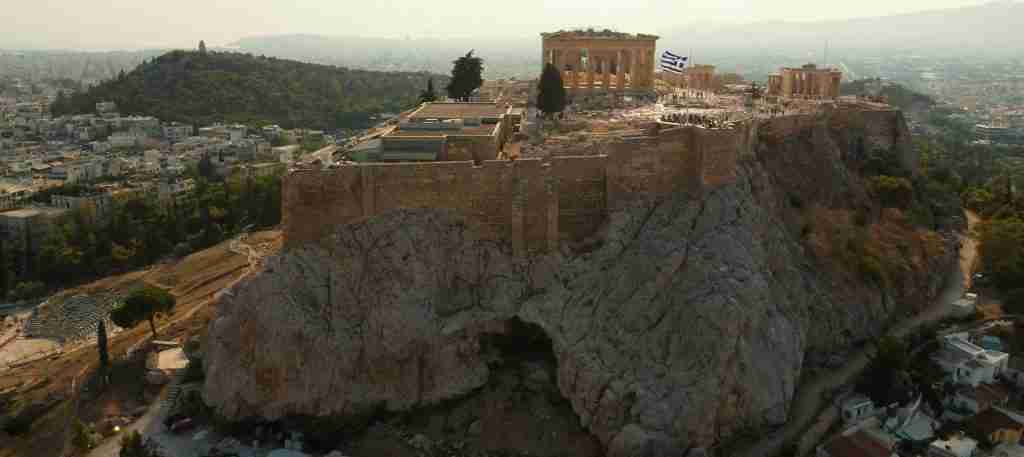
Access the Acropolis via the western slope main entrance near Thissio neighborhood, where the monumental marble Propylaea gateway marks the ceremonial approach ancient Athenians followed during religious festivals. The uphill pathway—paved with worn marble slabs polished by millions of ancient and modern footsteps—requires 8-12 minutes steady climbing, with handrails installed along steeper sections and a disabled access elevator operating on the north slope for mobility-impaired visitors. The climb rewards with panoramic Athens views and the dramatic first reveal of the Parthenon’s Doric columns rising against blue Mediterranean sky.
The Parthenon dominates the Acropolis plateau as it has since 438 BCE, when Pericles’ ambitious building program created this temple honoring Athena Parthenos with revolutionary architectural refinements—subtle column curves, strategic proportion adjustments—that create the illusion of perfect geometric regularity. Ongoing restoration scaffolding covers portions of the north colonnade as conservation teams continue work begun in 1975 to reverse previous incorrect repairs and protect ancient marble from modern pollution damage. Walk the perimeter viewing the temple from all angles, noting how afternoon light reveals the golden honey tones in Pentelic marble that once supported painted decorations and gilded details largely vanished through centuries of weathering.
The Erechtheion temple on the Acropolis north side showcases Ionic architectural elegance through its famous Caryatid porch where six female figures carved from marble support the roof structure. Five original Caryatids now reside in the climate-controlled Acropolis Museum (one in the British Museum), replaced on-site by exact replicas protecting weathered originals from further atmospheric damage. The temple’s asymmetric layout accommodates multiple ancient cults including Athena Polias, Poseidon, and mythical King Erechtheus, with different levels and entrances serving distinct religious functions in Classical Athens’ complex polytheistic worship patterns.
The compact Temple of Athena Nike perches on a bastion southwest of the Propylaea, its Ionic columns and sculpted friezes celebrating Athenian military victories over Persians in the 5th century BCE. Recent restoration returned this jewel-box temple to gleaming white marble after decades of pollution-induced yellowing. Complete the Acropolis circuit by walking the south and east perimeters for elevated views across modern Athens to Mount Hymettus and glimpses of the ancient Theater of Dionysus nestled into the south slope below the sacred rock.
Late Morning 11:30 AM-1:00 PM: Acropolis Museum and Lunch Break
Exit the Acropolis via the south slope near the Theater of Dionysus, descending to Dionysiou Areopagitou pedestrian boulevard where the Acropolis Museum’s glass-and-concrete modernist architecture sits just 300 meters southeast of the archaeological site. This purpose-built museum opened in 2009 specifically to house artifacts excavated from the Acropolis, with gallery layouts mirroring the hilltop sanctuary’s spatial organization and a top-floor Parthenon Gallery oriented precisely to align with the visible temple through floor-to-ceiling windows.
Adult admission costs €15 April-October (reduced to €10 November-March, check official site for current rates), with tickets sold at the entrance or via advance online booking during peak summer when entry queues extend 20-30 minutes. The museum operates 9:00 AM-8:00 PM Monday-Thursday, extended to 10:00 PM Fridays, with restaurant and café facilities on-site. Allocate 90 minutes minimum for highlights including the Parthenon frieze sections displayed at eye level (versus their original 12-meter height), the Caryatid Hall showcasing five original porch figures, and the Archaic Gallery’s stunning kore and kouros sculptures retaining traces of ancient paint pigments.
Lunch opportunities concentrate along Dionysiou Areopagitou and the adjacent Plaka neighborhood, with tavernas offering shaded outdoor seating and traditional Greek lunch menus €12-20 per person. Mani Mani on Falirou Street serves creative regional Greek cuisine in minimalist modern setting, while Strofi on Rovertou Galli provides rooftop Acropolis views accompanying grilled meats and seafood. Budget-conscious visitors find excellent gyros and souvlaki €4-7 at casual spots in upper Plaka or save lunch costs for later by snacking on spanakopita (spinach pie) €3-4 from bakeries near Acropoli metro station.
Afternoon 2:00-5:00 PM: Ancient Agora and Plaka Wandering 2026
The Ancient Agora archaeological site—Athens’ commercial and civic heart throughout Classical and Roman periods—sits northwest of the Acropolis accessible via 15-minute walk through Plaka or metro to Thissio station. Individual site entry costs €10 (verify current pricing at gate or online), with the superbly preserved Temple of Hephaestus anchoring the western hillside and the reconstructed Stoa of Attalos housing the Agora Museum’s artifact collection along the eastern boundary. This sprawling site rewards 2-3 hours exploration wandering ancient pathways where Socrates debated philosophy, politicians addressed assemblies in the Bouleuterion council house, and merchants traded goods in colonnaded stoa marketplaces.
The Temple of Hephaestus represents Greece’s best-preserved Doric temple, retaining its complete colonnade, roof structure, and frieze decorations through conversion to a Christian church that protected the building for over 1,000 years. The structure’s elevated position provides panoramic views across the Agora toward the Acropolis, making this spot ideal for afternoon photography when golden light warms the honey-colored Pentelic marble. Walk the interior noting the ceiling coffers and subtle architectural refinements that influenced later temple designs including the Parthenon.
The Stoa of Attalos—completely rebuilt in the 1950s using authentic materials and techniques—demonstrates how ancient Athenians used colonnaded porticoes for weather-protected shopping, socializing, and business transactions. The two-story marble structure houses the Agora Museum displaying artifacts excavated from the site including pottery, coins, voting tokens from democratic procedures, and everyday objects revealing Classical Athenian daily life. Admission includes museum access with highlights including the 4th-century BCE bronze cavalry statue and extensive ceramic collections demonstrating Athenian pottery export trade throughout the Mediterranean.
Late afternoon rewards transitioning from archaeological sites to living neighborhoods, with Plaka’s labyrinthine streets offering tourist-friendly exploration just south of Monastiraki Square. This Ottoman-era quarter preserves 19th-century neoclassical houses, pocket churches hiding in alleyways, and family-run shops selling everything from replica ancient pottery to handmade leather sandals. Adrianou Street forms the main commercial spine crowded with souvenir shops and cafés, while parallel Kyrristou and perpendicular lanes climbing toward the Acropolis reveal quieter residential character with bougainvillea-draped balconies and neighborhood tavernas where locals outnumber tourists.
Evening 7:00-10:00 PM: Plaka Dinner and Monastiraki Square
Evening dining in Plaka ranges from tourist-oriented tavernas lining Adrianou Street to hidden gems on backstreet alleyways where locals gather. Paradosiako on Voulis Street delivers excellent traditional Greek cooking €15-22 per person with outdoor tables in quiet pedestrian zone, while To Kafeneio serves generous meze portions and grilled meats in casual setting popular with Greek families. Budget diners find exceptional value at Thanasis Kebab near Monastiraki Square where lamb kebabs, pita bread, and Greek salad cost €10-12 total.
Post-dinner exploration naturally flows toward Monastiraki Square where the 19th-century Tzistarakis Mosque houses the Museum of Greek Folk Art ceramic collection and pedestrianized streets radiate in all directions. The square pulses with street performers, vendors selling roasted nuts and seasonal fruits, and crowds moving between metro station, flea market lanes, and cafés. Sunday mornings transform Monastiraki into Athens’ largest antiques and bric-a-brac market, but evening hours offer atmospheric people-watching from café terraces framing illuminated Acropolis views.
Cap the evening with sunset or evening drinks at a rooftop bar offering Acropolis panoramas. 360 Degrees near Monastiraki provides wraparound city views from its terrace, while A for Athens rooftop bar on Miaouli Street positions the illuminated Parthenon as backdrop to cocktails €12-15. These venues peak at sunset (roughly 8:30-9:00 PM in summer, 6:00-6:30 PM in winter) when golden hour light paints the ancient marble before floodlighting takes over after dark.
Day 2 Athens Itinerary 2026: Museums and Neighborhood Exploration
The second day balances indoor museum exploration with neighborhood wandering, frontloading the National Archaeological Museum during cooler morning hours before afternoon exploration of Monastiraki flea markets, Anafiotika’s village atmosphere, and Koukaki’s local dining scene. This schedule provides relief from Day One’s intensive archaeological site walking while maintaining cultural engagement through Greece’s finest ancient artifact collection.
Morning 9:00 AM-12:30 PM: National Archaeological Museum 2026
The National Archaeological Museum ranks among the world’s most comprehensive ancient art collections, housing Bronze Age treasures from Mycenae, Classical sculpture masterpieces, and Roman-era artifacts across sprawling galleries requiring 3-4 hours for thorough examination. The museum sits in Exarcheia neighborhood roughly 2 kilometers north of Syntagma Square, accessed via metro Line 1 (green) to Victoria station with 5-minute walk, or metro Line 2 (red) to Omonia followed by 12-minute walk. Adult admission costs €12 April-October, reduced to €6 November-March (verify current pricing at entrance or official website).
Summer hours operate 8:00 AM-8:00 PM daily except Mondays (1:00-8:00 PM), with winter schedule 9:00 AM-4:00 PM. Arrive at 9:00 AM opening to claim 2-3 hours before museum fatigue sets in and crowds from tour groups accumulate mid-morning. The museum café on the ground floor offers coffee and light snacks for breaks between gallery circuits.
Essential highlights concentrate in specific galleries allowing focused visits rather than attempting comprehensive coverage. The Mycenaean Collection (Rooms 3-4) displays the spectacular gold death mask traditionally attributed to King Agamemnon, elaborate jewelry, bronze weapons, and the Vapheio Cups—gold vessels decorated with intricate repoussé scenes of bull capturing. These Bronze Age treasures excavated from shaft graves at Mycenae demonstrate the sophisticated civilization that preceded Classical Greece by 1,000 years.
The Sculpture Collection spans multiple rooms showcasing the evolution of Greek sculpture from rigid Archaic kouroi through Classical idealism to Hellenistic drama. The Poseidon or Zeus bronze (Room 15) represents one of antiquity’s rare surviving large-scale bronzes, pulled from a shipwreck off Cape Artemision with the god poised to hurl his weapon (trident or thunderbolt depending on scholarly interpretation). The Jockey of Artemision bronze nearby captures dynamic movement through a horse and rider frozen mid-gallop, demonstrating Hellenistic sculptors’ technical virtuosity.
The Antikythera Mechanism (Room 38) attracts modern fascination as an ancient Greek computer built circa 100 BCE, using complex bronze gearwork to calculate astronomical positions and eclipses. This artifact—recovered from a shipwreck near Antikythera island—challenges assumptions about ancient technological capabilities and represents one of archaeology’s most enigmatic discoveries.
Midday 12:30-2:00 PM: Exarcheia Lunch and Monastiraki Return
Exarcheia neighborhood surrounding the museum offers authentic Athenian dining without tourist-oriented pricing. The area developed as Athens’ university quarter and maintains bohemian character through bookshops, alternative cafés, and frequent political demonstrations. Tavernas along Themistokleous Street serve generous Greek lunch portions €10-15 per person, while Alexandria on Mavromichali offers modern Greek cuisine in artistic setting €15-20 per person.
Return to central Athens via metro Line 2 from Omonia to Monastiraki (2 stops, 4 minutes), emerging at the square’s southeast corner where the flea market district begins. Sunday visits find the most extensive market operations with antique dealers, booksellers, and vintage clothing vendors spreading across multiple streets, but weekday markets still offer browsing opportunities along Ifestou Street and adjacent lanes where shops sell everything from army surplus to Byzantine icons.
Afternoon 2:00-6:00 PM: Anafiotika, Roman Agora, and Hadrian’s Library 2026
Anafiotika clings to the Acropolis northeast slope like a transplanted Cycladic village, its whitewashed cube houses and narrow stepped alleys built by 19th-century craftsmen from Anafi island who were constructing Athens’ new royal palace. This tiny neighborhood preserves village atmosphere despite sitting in Athens’ tourist heart, with potted geraniums cascading from balconies, sleepy cats napping in shaded corners, and spectacular Acropolis rock formations rising above intimate courtyards. Access via stairs climbing from Pla ka’s upper reaches near the Church of St. George of the Rock.
The Roman Agora sits adjacent to the Ancient Agora east boundary, centered on the Tower of the Winds—an octagonal marble clocktower and weather vane built in the 1st century BCE combining functional timekeeping with astronomical decoration. Individual entry costs €6 (confirm current pricing), though most visitors photograph the tower’s exterior from surrounding streets without entering the archaeological site. The nearby Gate of Athena Archegetis frames the agora’s western entrance with imposing marble columns and dedication inscription.
Hadrian’s Library—built by the Roman emperor in 132 CE—once housed Athens’ largest ancient book collection within an elaborate colonnaded courtyard. The archaeological site (€6 entry, verify pricing) preserves impressive column fragments and wall sections revealing the library’s former grandeur, though most impressive views come from Areos Street where the west wall’s Corinthian columns stand complete. The site operates 8:00 AM-8:00 PM summer, closing at 5:00 PM winter months.
Late afternoon rewards coffee or wine at cafés along Adrianou Street in Plaka or Ermou pedestrian shopping boulevard, people-watching as the workday ends and evening crowds emerge. The pedestrianized zones connecting Syntagma to Monastiraki handle heavy foot traffic but provide car-free exploration with street musicians, portrait artists, and vendors creating lively atmosphere particularly during summer evenings.
Evening 7:00-10:00 PM: Psyri Neighborhood Dinner and Nightlife
Psyri neighborhood northwest of Monastiraki has transformed from working-class district to Athens’ trendiest dining and nightlife quarter, with restored neoclassical buildings housing innovative restaurants, meze bars, and late-night clubs. The area centers on Iroon and Agion Anargyron squares where outdoor tables spread across cobblestones and restored market buildings shelter designer boutiques.
Dinner options range from traditional meze tavernas to contemporary Greek fusion. Oinomageiremata on Perikleous serves creative small plates pairing regional wines €18-25 per person, while Taverna tou Psyri provides classic Greek cooking in atmospheric courtyard €15-22 per person. Maiandros on Meg. Alexandrou delivers generous portions of grilled meats and seafood in casual setting popular with local families €12-18 per person.
Post-dinner Psyri transforms into bar and club zone with venues operating midnight-dawn particularly Thursday-Saturday nights. Brettos distillery bar in adjacent Plaka showcases wall-to-wall bottles backlit in rainbow colors while serving house-made ouzo and spirits, while Baba au Rum on Klitiou offers craft cocktails in intimate speakeasy setting. The neighborhood attracts younger crowds and maintains energy late into the night, contrasting with Plaka’s tourist-oriented early evening dining scene.
Day 3 Athens Itinerary 2026: Day Trip Options or City Completion
The final day offers strategic choice between coastal or archaeological day trips accessing sites beyond Athens proper, or dedicating hours to missed city attractions and neighborhood exploration. Both approaches provide valuable variety from the intensive ancient site and museum touring of Days One and Two.
Option A: Cape Sounion and Temple of Poseidon Day Trip
Cape Sounion lies 70 kilometers southeast of Athens where the Attica peninsula terminates in dramatic cliffs 60 meters above the Aegean Sea. The clifftop Temple of Poseidon—built contemporaneously with the Parthenon circa 440 BCE—commands spectacular sunset views that made this location sacred to the sea god throughout antiquity. Day trip logistics require renting a car (€35-50 daily plus fuel), joining organized tours departing Athens (€40-65 per person with transport and entry), or navigating public transport via KTEL bus from Mavrommateon terminal (€6.90 one-way, 2 hours).
Self-drivers depart Athens via Leoforos Vouliagmenis coastal road, passing through southern suburbs and resort towns including Glyfada and Vouliagmeni where beaches tempt swimming stops. The drive requires 90-120 minutes depending on traffic, with paid parking (€2-5) near the temple entrance. Temple of Poseidon entry costs €10 (confirm current pricing), with site hours 9:30 AM-sunset allowing afternoon or late afternoon visits timed for golden hour light on the Doric columns. The temple’s elevated position provides panoramic Aegean views encompassing multiple islands including Kea, Kythnos, and Serifos on clear days.
Return routes can detour through Lavrio port town for seafood lunch/dinner at waterfront tavernas €15-25 per person, or continue north along Attica’s east coast via Rafina and Marathon. Full day trips consume 7-9 hours including driving, temple visit, and meals, returning to Athens by early evening.
Option B: Hydra Island Ferry Day Trip
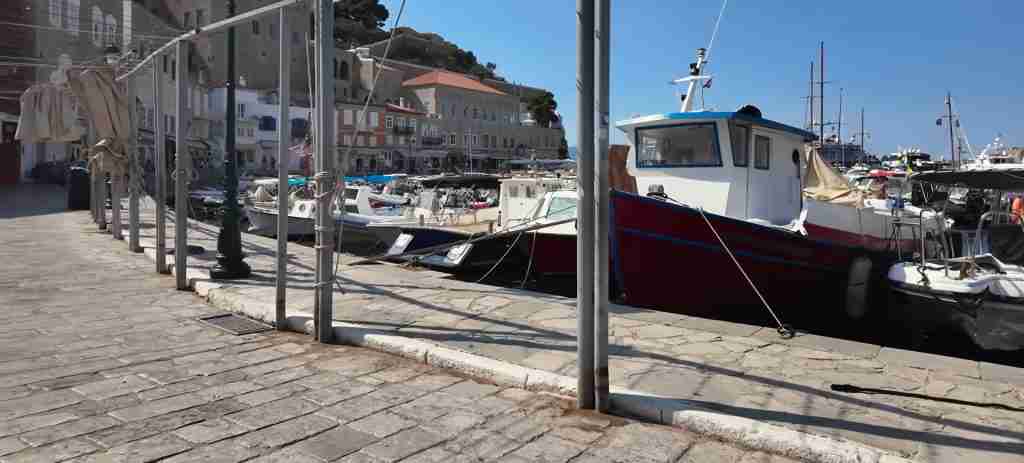
Hydra island provides car-free Mediterranean atmosphere just 90 minutes from Athens via high-speed ferry from Piraeus port. This Saronic Gulf destination prohibits all wheeled vehicles—donkeys and water taxis provide all transport—creating unusual tranquility and preserving 18th-century stone architecture. Detailed Hydra day trip planning warrants its own dedicated article, but basic logistics require metro to Piraeus (Line 1 green line, 25 minutes from Monastiraki), then ferry departing 8:00-9:00 AM, returning 4:00-6:00 PM. Round-trip ferry tickets cost €60-84 depending on operator (see ferry booking resources), with 5-7 hours on-island allowing harbor exploration, beach visits via water taxi, and seafood lunch €20-40 per person.
Option C: Delphi UNESCO Day Trip
Delphi archaeological site ranks among Greece’s most important sanctuaries where the Oracle of Apollo delivered prophecies influencing ancient Mediterranean politics for 1,000 years. The site sits 180 kilometers northwest of Athens in mountainous central Greece, requiring full-day commitment via car rental (3-hour drive each way) or organized bus tours departing Athens €65-85 per person. Delphi entry costs €12 (verify pricing), with highlights including the Temple of Apollo, ancient theater, stadium, and museum housing the famous Charioteer bronze sculpture. The dramatic mountain setting overlooking the Corinthian Gulf provides scenery contrasting sharply with Athens’ urban landscape.
Option D: Final Athens Morning and Departure Preparation
Visitors departing Athens afternoon/evening flights can dedicate the final morning to missed attractions or deeper neighborhood exploration. The Panathenaic Stadium—site of the first modern Olympics in 1896—occupies the ancient stadium where Panathenaic Games honored Athena, with completely reconstructed white marble seating accommodating 50,000 spectators. Entry costs €5, allowing track walking and small Olympic history museum access.
The Temple of Olympian Zeus southeast of Acropolis represents Athens’ largest ancient temple though only 15 of the original 104 Corinthian columns survive to their full 17-meter height. The site (€6 entry, confirm pricing) combines quickly with adjacent Hadrian’s Arch marking the boundary between Classical Athens and Hadrian’s Roman extension. Both locations require 45-60 minutes total exploration.
Final Athens lunch opportunities concentrate near Syntagma Square for convenient airport transfer afterward. The Psyrri and Monastiraki areas continue providing excellent taverna options €12-20 per person, while the Central Market on Athinas Street offers authentic Greek meat, fish, and produce market atmosphere with casual eateries serving traditional mageirefta (cooked dishes) €8-12 per person to market workers and savvy visitors.
Getting Around Athens 2026: Metro, Walking, and Transportation Guide
Athens’ public transportation network combines three metro lines, extensive bus routes, tram service to coastal suburbs, and comprehensive pedestrian zones in the historic center. Understanding the ticketing system and strategic route planning optimizes movement while minimizing both cost and time spent on platforms and in vehicles.
The Athens metro operates three color-coded lines: Line 1 (green) runs north-south from Kifisia to Piraeus, Line 2 (red) curves northwest-southeast from Anthoupoli through Syntagma to Elliniko, and Line 3 (blue) connects Athens Airport with Monastiraki via Syntagma, extending to Piraeus in the opposite direction. Trains operate 5:00 AM-midnight on weekdays, with Friday-Saturday service on Lines 2 and 3 extended to 2:00 AM and all-night Saturday service. Peak hours see 5-6 minute headways while off-peak intervals stretch to 10-12 minutes.
Metro tickets follow flat-fare structure with €1.20 single tickets valid 90 minutes across metro, buses, trams, and trolleybuses allowing unlimited transfers within the time window. Validate tickets at yellow machines before passing through metro gates or boarding buses—failure to validate or riding without valid ticket incurs €60 fine (60x the single fare). The ticket vending machines in all stations accept coins, banknotes up to €50, and credit cards, with multilingual interfaces including English.
Multi-day passes provide better value for visitors making 6+ journeys over several days. The 24-hour pass costs €4.10 (roughly equivalent to 4 single journeys), while the 5-day pass at €8.20 equals 7 single fares spread across five days. The 3-day tourist ticket priced at €20 includes unlimited city transport plus one round-trip airport transfer, offering significant savings for arrivals/departures via airport metro. Tap2Ride contactless payment launched in 2025 allows direct payment at validators using contactless credit cards or smartphones, with automatic daily fare capping at €4.10—the equivalent of a 24-hour pass.
Airport connections cost separately from city transport. The metro from Athens Airport to city center stations including Syntagma runs €9 one-way or €16 round-trip (valid 48 hours), while express bus routes X95 (to Syntagma Square) and X96 (to Piraeus) cost €5.50 per ride. The airport metro ticket includes 90 minutes of onward city transport after exiting the airport, allowing connections to hotels via metro/bus/tram without purchasing additional tickets.
Walking serves as primary transportation within the historic center bounded by Syntagma Square, Acropolis, Monastiraki, and Psyri. The completely pedestrianized Dionysiou Areopagitou boulevard circles the Acropolis south slope connecting the Acropolis Museum to Plaka and Ancient Agora, while Ermou Street creates a major pedestrian spine from Syntagma to Monastiraki. These car-free zones total roughly 3 kilometers end-to-end, easily walkable in 40-50 minutes though visitors typically take 2-3 hours exploring shops, cafés, and street scenes along the route.
Taxis in Athens operate on meters with daytime flag fall €4.00 and €0.90 per kilometer, rising to €6.00 flag fall and €1.20 per kilometer for night service (midnight-5:00 AM). Airport-to-center flat rates apply: €40 to central Athens addresses, €55 to Piraeus port. All taxis must accept card payment per 2026 regulations, though cash remains appreciated. Apps including Beat and Uber provide ride-hailing alternatives with upfront pricing.
Where to Stay in Athens 2026: Neighborhood Guide and Recommendations
Athens accommodation concentrates in several distinct neighborhoods each offering different atmospheres, proximity to attractions, and price points. Strategic neighborhood selection balances nightly rates against metro convenience, walking distances to major sites, and access to dining/nightlife fitting personal preferences.
Plaka and Monastiraki provide maximum tourist convenience directly below the Acropolis with pedestrian streets, concentrated tavernas, and 5-15 minute walks to major archaeological sites. However, this convenience commands premium pricing—mid-range hotels cost €100-180 nightly for doubles, budget options start €60-90, while boutique properties reach €200-300. The constant tourist crowds and hawkers selling souvenirs create carnival atmosphere some travelers find charming and others overwhelming. Monastiraki offers slightly better value than Plaka with metro access (both Lines 1 and 3 converging at Monastiraki station), though weekend flea market noise impacts light sleepers.
Syntagma Square sits Athens’ geographic and transportation center where major boulevards converge, metro lines 2 and 3 intersect, and the Parliament building frames the square’s eastern edge. Hotels range from international chains (€150-250 nightly) to boutique properties in neoclassical buildings (€120-200) to budget options on side streets (€70-110). The location provides easy airport access via metro Line 3, walking distance to Plaka (10 minutes) and National Gardens (immediately adjacent), but generates traffic noise and lacks neighborhood character of residential districts.
Koukaki spreads south of the Acropolis presenting residential Athens character with local bakeries, coffee shops, and tavernas serving neighborhood Greeks alongside foreign visitors. The area sits walkable to Acropolis Museum (5-10 minutes) and Acropolis south slope entrance (10-15 minutes) while offering better value than Plaka—mid-range hotels €80-140 nightly, boutique guesthouses €90-160, budget options €50-80. Acropoli metro station (Line 2) provides rapid connections to Syntagma and onward destinations. The neighborhood’s increasing popularity has driven some gentrification with craft cocktail bars and design-focused cafés opening alongside traditional ouzeries.
Psyri northeast of Monastiraki has evolved from working-class neighborhood to trendy nightlife district packed with bars, restaurants, and clubs operating late into the night. Accommodation here suits night owls seeking proximity to Athens’ best evening entertainment—boutique hotels and design hostels €70-150 nightly provide stylish bases in restored neoclassical buildings. However, the nighttime noise from clubs and street crowds makes this area problematic for early risers planning morning archaeological site visits. Monastiraki metro station sits 5-8 minutes walking on the southern border.
Exarcheia around the National Archaeological Museum maintains bohemian character through its university connections, alternative bookshops, anarchist cafés, and frequent political demonstrations. Budget travelers find excellent value in simple hotels €50-90 nightly catering to Greek students and European backpackers, while the neighborhood’s authentic Athens atmosphere appeals to culture-seekers avoiding tourist zones. The trade-off includes graffiti-covered buildings, occasional petty crime, and the need to metro elsewhere for evening dining—though local tavernas provide solid value €10-15 meals. Victoria metro station (Line 1) and Omonia station (Lines 1 and 2) provide transportation connections.
Daily Budget Breakdown Athens 2026: Costs by Category
Understanding Athens costs across accommodation, meals, transportation, and attractions allows realistic budget planning matching personal travel styles. The following breakdowns reflect 2026 pricing across budget, mid-range, and luxury categories for typical three-day itineraries.
Accommodation Costs Per Night 2026
Budget accommodations in Athens center on hostel dormitories (€18-35 per bed) and basic budget hotels (€50-90 for doubles in neighborhoods like Exarcheia or Koukaki). Hostels including Athens Backpackers in Psyri and Athens Hawks Hostel near Acropolis provide social atmosphere, communal kitchens, and organized pub crawls appealing to solo travelers and young backpackers. Budget hotels offer private rooms with en-suite bathrooms but minimal amenities, basic furnishings, and locations on secondary streets rather than prime tourist zones.
Mid-range hotels (€100-200 nightly for doubles) concentrate in Plaka, Koukaki, and Syntagma neighborhoods, offering comfortable rooms with air conditioning, breakfast included, helpful reception staff, and convenient locations walking distance to major sites. Boutique properties at the upper end (€150-200) feature design-conscious décor, rooftop terraces with Acropolis views, and personalized service in renovated neoclassical buildings. This category represents the sweet spot for most first-time visitors balancing comfort, location, and value.
Luxury accommodations (€250-500+ nightly) cluster near Syntagma Square and Plaka’s prime addresses, with international chains and boutique five-star properties providing full concierge services, spas, rooftop pools overlooking the Acropolis, fine dining restaurants, and rooms featuring designer furnishings and marble bathrooms. Properties like Hotel Grande Bretagne on Syntagma Square charge €350-600 nightly for classic luxury, while newer boutique hotels including AthensWas offer contemporary design from €280-450.
Meal and Dining Costs 2026
Breakfast in Athens ranges from €2-4 for bakery pastries (koulouri sesame rings, tiropita cheese pies, bougatsa custard pastries) and coffee at local bakeries to €5-10 for café continental breakfast (Greek yogurt with honey and nuts, omelet, orange juice, coffee) to €15-25 per person for hotel breakfast buffets. Budget travelers minimize breakfast costs buying from bakeries or utilizing hostel communal kitchens, while mid-range visitors typically accept hotel breakfast included in room rates.
Lunch at budget tavernas and casual restaurants costs €10-20 per person for traditional Greek meals including main course (moussaka, grilled meats, catch-of-the-day fish), Greek salad, bread, and water. Souvlaki and gyros wraps from specialist shops cost €4-8 representing maximum value for filling meals. Mid-range lunch at sit-down restaurants increases to €15-30 per person with appetizers, house wine, and attentive table service in more comfortable settings. Fine dining lunch in trendy Psyri or upscale Kolonaki neighborhoods reaches €25-40 per person before wine.
Dinner prices parallel lunch but typically run 20-30% higher as venues implement evening pricing and tourists accept splurging on end-of-day meals. Budget taverna dinners cost €12-25 per person, mid-range restaurants €20-40 per person, and fine dining establishments €40-80 per person before wine. Wine by the carafe adds €8-15 (500ml house wine) to €25-50 (quality bottled Greek wines). Budget-conscious diners can feast on excellent meze small plates €3-8 each sharing 3-4 dishes between two people plus drinks for €25-35 total.
Attraction Entry Costs 2026
Major archaeological sites charge individual entry fees: Acropolis €30, Ancient Agora €10, Roman Agora €6, Hadrian’s Library €6, Temple of Olympian Zeus €6, Kerameikos Cemetery €6. The previous €30 combo ticket covering seven sites was discontinued April 2025, forcing visitors to pay individually—a complete archaeological tour now costs €64-70 rather than the former €30. Museums add €10-15 per site: National Archaeological Museum €12, Acropolis Museum €15, Byzantine Museum €8, Benaki Museum €12.
Free entry days at major sites include March 6 (Melina Mercouri Memorial), March 25 (Greek Independence Day), April 18 (International Monuments Day), May 18 (International Museums Day), last weekend of September (European Heritage Days), October 28 (Ochi Day), and every first Sunday November-March. These dates attract massive crowds with 2-3 hour entry queues, potentially offsetting the €30 cost savings through time lost waiting.
Three-Day Total Budget Examples 2026
Budget traveler (€270-330 per person): Hostel dormitory €20-30 x 3 nights = €60-90, budget meals €30-40 daily = €90-120, metro 5-day pass €8.20 plus airport €18 = €26.20, major sites Acropolis €30 + National Museum €12 = €42. Total €218-278 plus contingency €50 = €270-330.
Mid-range traveler (€420-570 per person): Mid-range hotel €80-120 nightly double (€40-60 per person) x 3 = €120-180, mid-range meals €40-50 daily = €120-150, transportation €26.20, attractions €40-55 (Acropolis + 2 museums or sites), one guided tour €40-50. Total €346-461 plus shopping/contingency €75-110 = €420-570.
Luxury traveler (€750-900 per person): Luxury hotel €150-200 nightly per person x 3 = €450-600, fine dining €60-80 daily = €180-240, private driver day hire €80-120, attractions with VIP entries €60-80, rooftop bar drinks and experience dining €60-80. Total €830-1,120 constrained to €750-900 by selective splurges.
Best Time to Visit Athens 2026: Monthly Weather and Crowd Analysis
Athens experiences Mediterranean climate with hot dry summers, mild winters, and transitional spring/fall seasons offering optimal visiting conditions. Monthly patterns in temperature, rainfall, tourist crowds, and pricing create distinct advantages and disadvantages for different traveler priorities.
April-May presents ideal spring conditions with daytime temperatures 18-28°C, minimal rainfall after early April showers, wildflowers blooming across ancient sites, and tourist numbers building but not yet overwhelming. Hotels charge 30-40% below peak summer rates while maintaining full services, archaeological sites operate extended hours (8:00 AM-8:00 PM from April 1), and outdoor dining becomes pleasant at taverna terraces. Orthodox Easter (April 20, 2026) creates a four-day holiday weekend with special services at churches, traditional lamb roasting on Easter Sunday, and domestic Greek tourism spiking—book accommodation 4-6 weeks ahead for Easter weekend visits. Late May transitions toward summer with temperatures approaching 30°C and beach season beginning along Attica coast.
June-August delivers peak summer with maximum tourism, 30-40°C temperatures requiring strategic planning around heat, and highest accommodation/dining prices. June maintains some spring freshness before July-August intensify into furnace conditions where midday outdoor activity becomes genuinely uncomfortable. The advantage lies in maximum operational hours (archaeological sites 8:00 AM-8:00 PM, museums extending evening hours), liveliest street scenes and nightlife, and guaranteed beach weather for coastal day trips. However, the Acropolis becomes crowded 9:00 AM-6:00 PM with tour groups, popular restaurants require reservations, and mid-afternoon heat drives locals and savvy tourists indoors 2:00-6:00 PM. Budget August when Greeks take annual holidays and many small businesses close, creating ghost town atmosphere in residential neighborhoods offset by beaches packed with vacationers.
September-October provides autumn conditions rivaling spring for optimal visiting. September maintains summer warmth (25-32°C) with declining tourist numbers after schools resume, warm sea temperatures (22-25°C) ideal for swimming, and harvest season bringing fresh produce to restaurant menus. October sees temperatures moderate to 20-28°C, occasional rain showers returning, and substantial drops in hotel rates (30-50% below summer peaks) while archaeological sites maintain full summer hours through October 31. The grape harvest occurs September-October with wine festivals in nearby Attica wine regions providing cultural events supplementing ancient site touring.
November-March constitutes off-season with lowest prices (hotels 60-70% below summer rates), minimal crowds at major sites, and cooler weather (10-18°C) requiring light jackets and rain gear. Archaeological sites reduce hours to 8:00 AM-5:00 PM November-March with some secondary sites closing entirely. The season suits history enthusiasts prioritizing empty archaeological sites and museum access over weather guarantees, budget travelers accepting weather uncertainty for 50-70% cost savings, and culture-focused visitors exploring Byzantine churches and neighborhoods without summer heat stress. December brings Christmas markets and decorations to Syntagma Square, while January-February represents absolute low season with short days (sunset by 6:00 PM), occasional cold snaps, and many restaurants/hotels closing for renovation.
Essential Athens Travel Tips 2026: Practical Planning Information
Successful Athens visits require attention to practical details distinguishing Mediterranean travel from Northern European or North American patterns. The following guidance addresses common questions and potential complications first-time visitors encounter.
Money and Payment Methods 2026
Greece operates on euro currency with widespread credit card acceptance at hotels, mid-range restaurants, and major retailers. However, small tavernas, street food vendors, kiosks, and taxi drivers often prefer or require cash payment. ATMs operate throughout Athens with standard withdrawal fees €3-5 plus foreign transaction charges imposed by home banks. Notify your bank before travel to avoid anti-fraud card blocking triggered by overseas transactions. Tipping follows Greek norms: round up taxi fares to nearest euro, leave 5-10% at restaurants for exceptional service (though service charges are typically included), and tip hotel porters €1-2 per bag. Water taxi captains and tour guides appreciate €5-10 tips for helpful service.
Language and Communication
Greek is the official language with English widely spoken in tourist areas, hotels, and restaurants catering to international visitors. However, English proficiency drops sharply in working-class neighborhoods, small local tavernas, and among older Greeks. Learning basic Greek phrases—kalimera (good morning), efcharisto (thank you), parakalo (please/you’re welcome)—generates goodwill and smoother interactions. Restaurant menus in tourist zones appear in Greek and English, while neighborhood tavernas often feature Greek-only listings requiring patience and pointing.
Siesta Hours and Business Timing
Traditional Greek siesta patterns persist in Athens with many small shops, services, and neighborhood restaurants closing 2:00-5:00 PM particularly during summer months. Major tourist-oriented businesses, chain stores, and Plaka/Monastiraki shops remain open continuously, but visitors seeking specific services (laundry, hair salons, hardware stores) in residential neighborhoods should plan for 9:00 AM-2:00 PM and 5:30-8:30 PM operating hours. Restaurants typically serve lunch noon-3:30 PM and dinner 8:00 PM-midnight, with Greeks dining late (9:00-10:30 PM typical dinner start) versus tourists eating earlier (7:00-8:30 PM).
Pickpocket and Safety Awareness
Athens experiences moderate pickpocket activity concentrated in tourist zones including Monastiraki metro station, crowded metro trains particularly Line 1 to Piraeus, and busy flea market streets. Standard precautions apply: front pockets for phones/wallets, zipped bags worn across body, awareness of surroundings in crowds, and avoiding conspicuous wealth displays. Violent crime against tourists remains rare, though Omonia Square and adjacent streets experience higher drug activity and street disorder making those areas less comfortable for evening walking. Women traveling solo report generally safe experiences with normal urban awareness.
Weather and Sun Protection
Summer sun in Athens delivers intense UV radiation requiring serious protection: SPF 30+ sunscreen applied every 2-3 hours, wide-brimmed hats, sunglasses with UV protection, and light long-sleeve shirts for archaeological site visits where shade is minimal. Hydration demands increase dramatically June-August—budget 2-3 liters daily water consumption when walking extensively through archaeological sites. Heat exhaustion symptoms (dizziness, nausea, excessive fatigue) require immediate rest in shade, water intake, and potentially medical attention. The Acropolis and most archaeological sites lack shade structures making early morning visits (8:00-10:00 AM) or late afternoon (5:00-7:00 PM) essential during peak summer.
Dress Codes and Cultural Norms
Athens maintains casual Mediterranean dress standards with shorts and t-shirts perfectly acceptable for archaeological site visits. However, shoulders and knees should be covered when entering churches and monasteries out of religious respect—carry a light scarf or shawl for quick coverage. Beachwear remains appropriate only at beaches, not for wandering city streets or entering restaurants. Greeks tend toward stylish casual dress for evening dining particularly in upscale neighborhoods like Kolonaki, though tourist areas accept more relaxed standards.
Frequently Asked Questions About Athens 3-Day Itineraries 2026
Can I see Athens and take a Greek island day trip in 3 days?
Yes, the recommended three-day framework allocates Day 3 specifically for day trip options including Hydra island (90-minute ferry from Piraeus), allowing Athens’ essential attractions on Days 1-2 while adding island variety on the final day. However, attempting multiple island visits requires 5+ days as island-hopping involves substantial ferry time—a Santorini trip from Athens consumes 8-10 hours in transit alone (5-hour ferry each way or €150-250 flights), making it impossible as a day trip. Realistic Athens-island combinations include Hydra, Aegina, or Poros for day visits (60-120 minute ferries), while Mykonos, Santorini, and Crete require overnight stays justifying their 4-8 hour transit times.
What’s the best way to buy Acropolis tickets to avoid lines?
Purchase Acropolis tickets online 3-7 days before your visit through the official Hellenic Heritage website or authorized resellers including GetYourGuide and Tiqets, all charging identical €30 pricing. Select the earliest available timed entry slot (8:00-8:30 AM preferred) allowing cooler temperatures and smaller crowds. Download mobile tickets to your smartphone or print confirmation emails before arrival, as WiFi connectivity at the site proves unreliable. Same-day tickets purchased at the entrance involve 30-90 minute queues during peak summer season (June-September) and risk complete sellout on popular dates. The discontinued €30 combo ticket formerly offered significant savings but ended April 2025—current visitors pay individual site entry fees totaling €64+ for comprehensive archaeological touring.
How do I get from Athens Airport to the city center in 2026?
The metro Line 3 (blue) provides fastest and most economical airport connection, departing from the airport terminal lower level and reaching Syntagma Square in approximately 40 minutes for €9 one-way or €16 round-trip (valid 48 hours). Trains operate 6:10 AM-11:34 PM daily with 36-minute intervals. The airport ticket includes 90 minutes of onward metro/bus/tram connections after exiting the airport. Express bus X95 to Syntagma Square costs €5.50, runs 24/7, but takes 60-90 minutes depending on traffic. Taxis charge €40 flat rate to central Athens addresses (€55 to Piraeus), accepting both cash and card payment. Pre-booked private transfers cost €50-70 but offer door-to-door service with luggage assistance and English-speaking drivers.
Are Athens restaurants open on Sundays?
Yes, most Athens restaurants operate normally on Sundays particularly in tourist areas including Plaka, Monastiraki, and Psyri where Sunday represents peak dining days. However, some neighborhood tavernas in residential districts close Sundays for owner rest days, and small local eateries outside tourist zones may maintain reduced Sunday hours. The Monastiraki flea market reaches maximum activity Sunday mornings, creating lively atmosphere and restaurant demand for brunch/lunch. Sunday dinner reservations prove advisable at popular restaurants in any neighborhood as Greeks traditionally enjoy family Sunday meals out. Small shops, services, and non-tourist businesses close Sundays following traditional Greek weekly patterns.
Is Athens safe for solo female travelers?
Athens generally rates as safe for solo female travelers with normal urban precautions, though standard awareness applies in crowded metro trains, late-night areas around Omonia Square, and when accepting drinks from strangers in bars. Greek culture maintains traditional gender attitudes that can manifest as persistent male attention including catcalling and marriage proposals from aggressive sellers in tourist markets—firm “no” responses and walking away prove most effective. Solo women report comfortable experiences dining alone at tavernas and exploring archaeological sites without harassment. Accommodation in reputable neighborhoods including Plaka, Koukaki, and Syntagma provides secure bases with 24-hour reception staff. Late-night solo metro travel proves generally safe on Lines 2 and 3 through central Athens, though taxis offer better options after midnight particularly from Psyri bars to accommodation.
What should I wear to the Acropolis in summer?
Light-colored breathable clothing made from natural fibers (cotton, linen) provides best comfort for Acropolis visits during 30-40°C summer temperatures. Essential items include wide-brimmed sun hat, sunglasses with UV protection, comfortable closed-toe walking shoes with grippy soles (the marble pathways become slippery), and light long-sleeve shirt protecting arms from intense sun exposure. Apply SPF 30+ sunscreen before arrival and bring travel-size tube for reapplication after 2-3 hours. Bring refillable water bottle (1-liter minimum) as the Acropolis has drinking water fountains but no shade. Avoid black clothing absorbing heat, heavy backpacks creating additional burden, and open-toe sandals providing inadequate support on uneven ancient marble. Shoulders and knees coverage requirements apply to some churches but not the Acropolis archaeological site itself.
Can I use credit cards everywhere in Athens or do I need cash?
Credit cards enjoy widespread acceptance at hotels, mid-range and upscale restaurants, museums, major retailers, and chain stores, with contactless payment now standard at most terminals. However, cash remains necessary for small purchases at bakeries and kiosks (€2-5 transactions), budget tavernas in residential neighborhoods, street food vendors selling souvlaki and gyros, flea market purchases, and some older taxi drivers despite 2026 regulations requiring card acceptance. Withdraw €100-150 cash upon arrival to cover small daily purchases while using cards for substantial expenses. ATM withdrawal fees typically run €3-5 per transaction, making larger single withdrawals more economical than multiple small cash pulls. Notify your bank before travel to avoid anti-fraud blocking, and carry backup card in separate location from primary card and cash.
What day trips are possible from Athens in a single day?
Feasible single-day trips from Athens include Cape Sounion and Temple of Poseidon (70km, 2-hour drive, allowing 4-5 hours on-site including beach stops), Hydra island via ferry (90-minute sailing, 5-7 hours on island), Delphi archaeological site (180km, 3-hour drive each way, 3-4 hours on-site), Aegina island (40-minute ferry, full-day archaeological and pistachio farm visits), and Nafplio historic town with Mycenae/Epidaurus sites (140km, combining ancient sites with Venetian port town). Marathon battlefield and museum lie just 40km northeast allowing half-day visits. Longer trips to Meteora monasteries (350km) or Santorini island prove technically possible but consume excessive transit time (8+ hours) relative to time at destination, better suited for overnight excursions. Organized day tours handle logistics for major sites, costing €40-85 per person with transport and sometimes guide included.
How many days should I allocate to Athens versus Greek islands?
A balanced one-week Greece itinerary allocates 3 days Athens plus 4 days islands, providing comprehensive Athens coverage while allowing meaningful island exploration on Santorini, Mykonos, or Crete. Two-week trips can expand to 4 days Athens (adding day trips and deeper neighborhood exploration) plus 10 days island-hopping across 2-3 destinations. Athens-only trips warrant 5-7 days for travelers prioritizing Classical history, museums, and urban culture over beach resort experiences. The minimal viable Athens visit spans 2 days covering Acropolis, one major museum, and Plaka wandering, though this rushed timeline sacrifices Ancient Agora, neighborhood exploration, and day trip options. First-time Greece visitors should prioritize Athens over islands if time is limited—the capital’s UNESCO heritage and cultural significance exceeds any individual island’s offerings, while islands can be saved for return visits focused on Aegean exploration.
Is Athens expensive compared to other European cities?
Athens costs 30-40% less than Western European capitals including London, Paris, and Amsterdam, with mid-range travelers budgeting €120-180 daily versus €200-300 in Northwestern Europe. Accommodation, restaurant meals, and museum entry fees all run significantly cheaper than equivalent experiences in Italy, Spain, or France. However, the April 2025 Acropolis price increase to €30 (from €20) plus combo ticket elimination drives archaeological touring costs upward, while trendy Psyri neighborhood restaurants and rooftop bars charge prices approaching Western European levels. Budget travelers find excellent value in Greece compared to most European destinations, particularly for accommodation (€50-90 doubles versus €80-150 elsewhere) and taverna dining (€10-20 versus €15-35). Luxury experiences including five-star hotels and fine dining cost 20-30% below equivalent Western European luxury, though the gap narrows compared to Southern European cities like Lisbon or Rome.