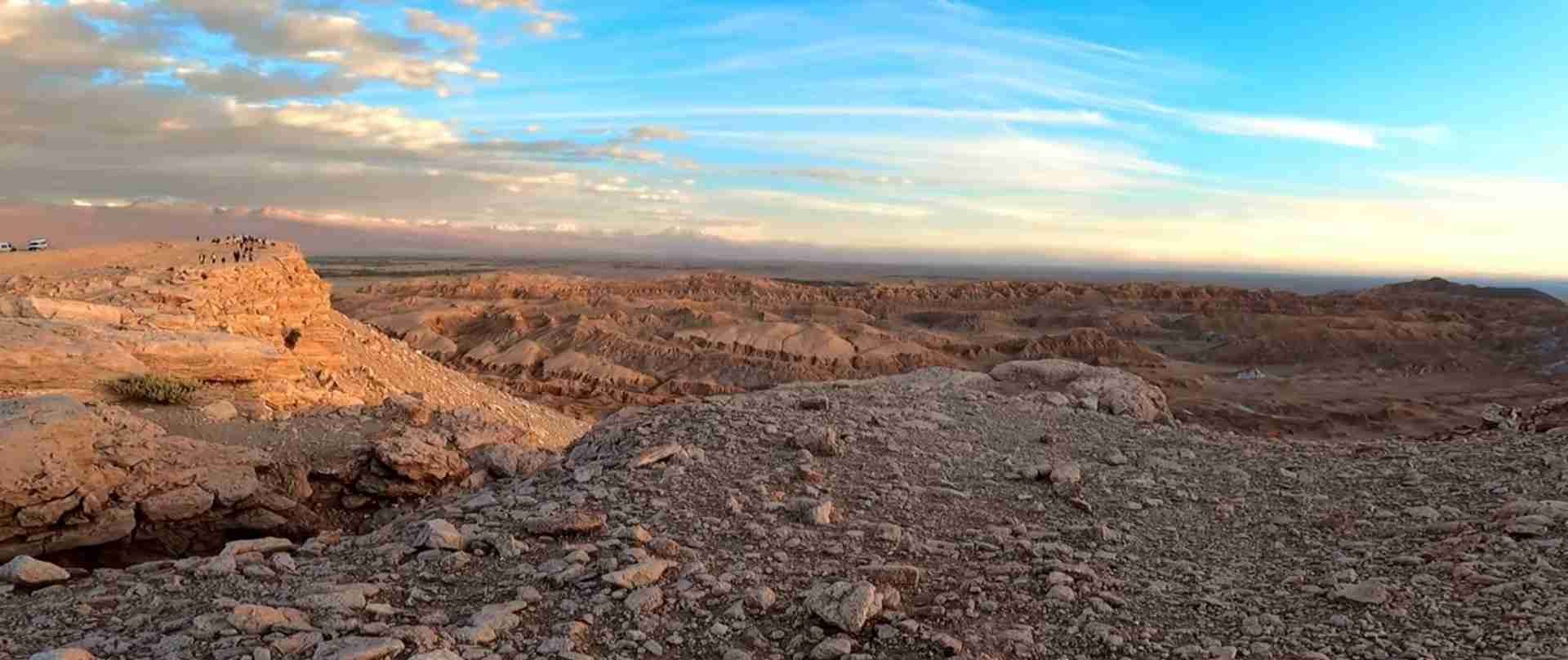
Atacama Desert Travel Guide 2026: Complete Visitor Guide
This comprehensive guide provides the detailed information travelers need to plan successful 2026 Atacama Desert adventures. Whether seeking budget-conscious explorations, mid-range comfort, or luxury experiences, understanding the region’s practical realities, cost structures, seasonal variations, and booking strategies ensures visitors maximize their time in one of Earth’s most extraordinary landscapes.
Key Takeaways
- The Atacama Desert offers year-round visitation with optimal conditions March-May and September-November, while extreme altitude (2,400-4,500m) requires 48-hour acclimatization
- Budget $80-150 daily excluding accommodation: tour packages range $50-120, meals $25-45, while multi-day explorations cost $500-1,200 depending on luxury level
- San Pedro de Atacama serves as the primary base with 200+ tour operators, international airport access via Calama (100km), and accommodation from budget hostels ($15-30) to luxury lodges ($200-500)
- Signature experiences include El Tatio Geysers sunrise tours ($50-80), Valle de la Luna sunset excursions ($35-50), world-class stargazing programs ($60-150), and Salar de Atacama salt flat explorations ($70-100)
- Advanced booking 2-3 months ahead secures premium stargazing slots and ensures availability during peak seasons (July-August, December-February), while shoulder seasons offer 30% cost savings
- Essential preparation includes altitude medication, sun protection (UV index 14+), layered clothing for 40°C temperature swings, and minimum 4 liters daily water consumption
Introduction to Planning Your 2026 Atacama Desert Adventure
The Atacama Desert stands as Earth’s driest non-polar desert, stretching across northern Chile with landscapes so otherworldly NASA uses them for Mars rover testing. This 105,000-square-kilometer expanse offers travelers in 2026 an extraordinary combination of geological wonders, astronomical excellence, and pre-Columbian heritage. Located at altitudes between 2,400 and 4,500 meters, the Atacama presents unique challenges and rewards that distinguish it from conventional desert destinations.
San Pedro de Atacama, a compact oasis town of 5,000 permanent residents, serves as the gateway to this remarkable region. The town transforms into a bustling travel hub accommodating 300,000+ annual visitors, yet retains its traditional adobe architecture and indigenous Atacameño cultural identity. From this strategic base, travelers access the region’s signature attractions: the El Tatio Geysers field, Valle de la Luna’s Mars-like terrain, the vast Salar de Atacama salt flats, and some of the world’s clearest night skies.
Planning an Atacama Desert expedition for 2026 requires understanding the region’s extreme environmental conditions. Daily temperature variations of 40°C between midday heat and nighttime cold demand strategic packing and preparation. The intense solar radiation at high altitude, combined with humidity levels below 8%, creates conditions found nowhere else on Earth. These factors influence everything from tour timing to physical preparation, making advance planning essential for optimal experiences.
People Also Ask About Atacama Desert 2026
How much does an Atacama Desert trip cost in 2026?
An Atacama Desert trip in 2026 costs $80-150 daily per person excluding accommodation. Individual tours range $35-50 for standard excursions like Valle de la Luna to $60-150 for premium experiences including stargazing and El Tatio Geysers. Accommodation varies dramatically: budget hostels cost $15-30 per night in shared dorms, mid-range hotels run $60-120 for private rooms, while luxury lodges charge $200-500 nightly. Meals average $25-45 daily, with breakfast $5-10, lunch $8-15, and dinner $12-20 in San Pedro de Atacama restaurants.
Multi-day Atacama experiences cost $500-800 for budget travelers (hostel accommodation, group tours, self-catering some meals), $1,200-2,000 for mid-range visitors (comfortable hotels, mixed group/private tours, restaurant dining), and $2,500-4,000+ for luxury travelers (boutique lodges, private guides, gourmet dining). These ranges reflect 4-5 day stays including major attractions. Transportation adds to costs: roundtrip flights from Santiago to Calama range $150-350 depending on booking timing, while bus travel costs $80-140 but requires 24 hours transit time.
When is the best time to visit the Atacama Desert in 2026?
The best time to visit the Atacama Desert in 2026 falls during shoulder seasons: March-May and September-November. These periods offer optimal conditions with daytime temperatures 18-25°C, minimal rainfall, crystal-clear skies for stargazing, and 30% lower accommodation costs compared to peak season. Tour availability remains excellent while crowds reduce significantly, particularly at sunrise/sunset viewpoints and popular trails.
Peak seasons (July-August for southern hemisphere winter, December-February for summer holidays) bring specific advantages and challenges. Winter months (June-August) provide the clearest astronomical viewing and comfortable daytime temperatures 15-22°C, but nighttime conditions drop to -5°C to -10°C at high-altitude sites. Summer months (December-February) feature warmer weather but coincide with the “Bolivian winter” bringing occasional afternoon rain showers at altiplanic lagoons. Both peak periods require booking tours and accommodation 2-3 months ahead, with prices 40-60% higher than shoulder seasons.
Do I need advance bookings for Atacama Desert tours in 2026?
Advance bookings for Atacama Desert tours in 2026 become essential for specific experiences and peak periods. Stargazing tours at premium observatories like SPACE and Ahlarkapin require 1-2 month advance reservations, with popular time slots (new moon phases) selling out 3 months ahead. El Tatio Geysers sunrise tours, limited by park capacity to 250 daily visitors, book solid 2-4 weeks ahead during peak seasons. Luxury lodge accommodation in San Pedro de Atacama sells out 3-4 months before July-August and December-February peak periods.
Standard tours like Valle de la Luna, Piedras Rojas, and Laguna Cejar maintain availability with 2-7 day advance booking during shoulder seasons (March-May, September-November). Budget and mid-range accommodation remains bookable 1-2 weeks ahead outside peak periods. The 200+ tour operators in San Pedro create healthy competition, but quality varies significantly. Booking 2-4 weeks ahead allows research time for operator reviews, price comparison, and securing preferred departure times without paying peak-season premiums.
What should I pack for the Atacama Desert in 2026?
Packing for the Atacama Desert in 2026 requires layered clothing for extreme temperature variations: 40°C differences between midday heat (25-30°C) and pre-dawn cold (-5°C to 5°C). Essential items include lightweight long pants and long-sleeve shirts for sun protection, warm fleece or down jacket for early morning tours, breathable hiking boots for volcanic terrain, and wide-brimmed hat plus sunglasses rated UV400 protection. The region’s intense solar radiation at 2,400-4,500m altitude demands SPF 50+ sunscreen applied every 2 hours.
Technical equipment needs include: reusable water bottles (4+ liter daily capacity for altitude hydration), headlamp for pre-dawn geysers tours, camera equipment with extra batteries (cold drains power rapidly), and portable charger. Medical preparation should include altitude sickness medication (recommended for all visitors), personal prescriptions, blister treatment, and lip balm (extreme dryness). Avoid bringing excessive luggage as San Pedro accommodation ranges from basic to luxury, with laundry services available $8-15 per load. Most tours provide transportation, but comfortable seating for 2-4 hour drives requires personal cushions for sensitive travelers.
Extended multi-day tours – 5+ days
Featured Atacama Desert Multi-Day Tour Packages
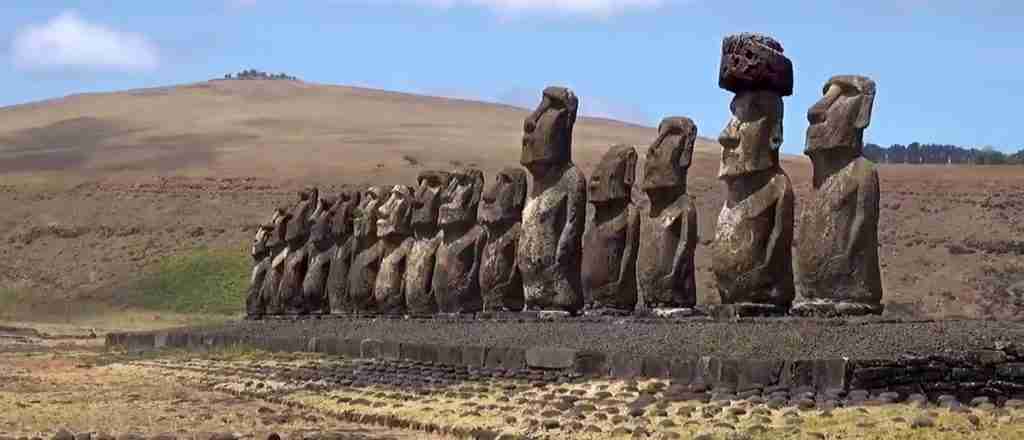
3 days
Atacama Desert 3-Day Discovery Tour
- ✓ Comprehensive Atacama Desert experience
- ✓ Expert local guides included
- ✓ All accommodation included
- ✓ Transportation provided
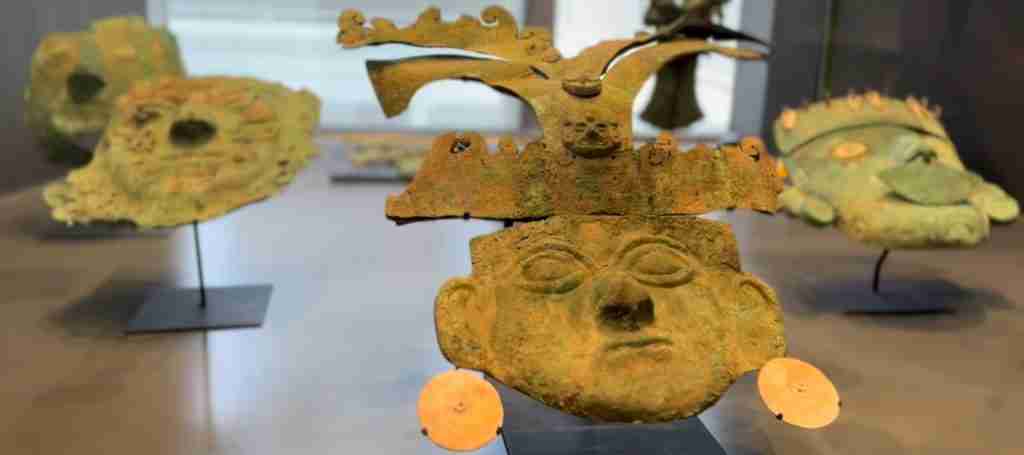
5 days
Atacama Desert 5-Day Highlights Experience
- ✓ Comprehensive Atacama Desert experience
- ✓ Expert local guides included
- ✓ All accommodation included
- ✓ Transportation provided
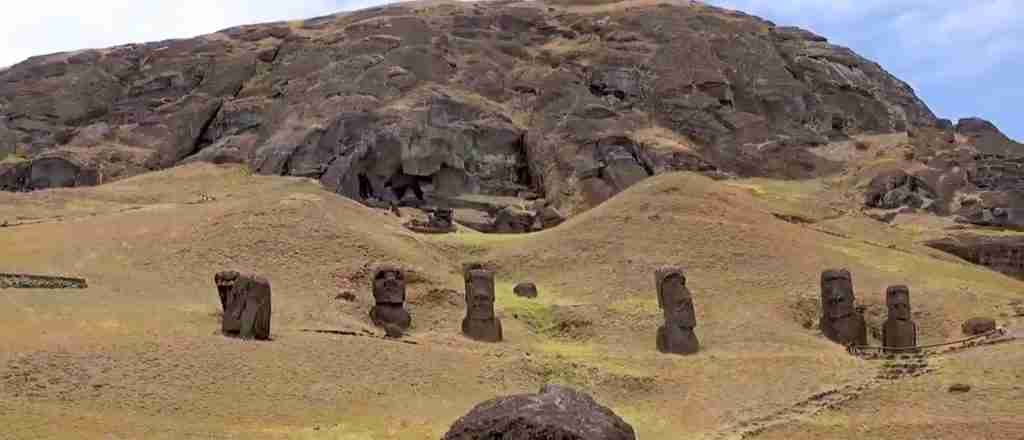
7 days
Atacama Desert 7-Day Cultural Journey
- ✓ Comprehensive Atacama Desert experience
- ✓ Expert local guides included
- ✓ All accommodation included
- ✓ Transportation provided
10 days
Atacama Desert 10-Day Complete Adventure
- ✓ Comprehensive Atacama Desert experience
- ✓ Expert local guides included
- ✓ All accommodation included
- ✓ Transportation provided
Multi-day tour packages powered by TourRadar. Prices and availability subject to change.
Essential Planning Information for 2026
Understanding Atacama Desert Geography and Access
The Atacama Desert spans 105,000 square kilometers across northern Chile’s Antofagasta and Atacama regions, positioned between the Pacific Ocean and the Andes Mountains. This unique location creates the hyper-arid conditions that define the region: the Andes block moisture from the Amazon, while the cold Humboldt Current prevents rain-producing clouds from forming over the Pacific. Some Atacama weather stations record zero precipitation for decades.
San Pedro de Atacama, located at 2,438 meters elevation, serves as the primary tourist base situated 100 kilometers southeast of Calama and its El Loa Airport (CJC). The town’s strategic position provides access to major attractions within 50-200 kilometer radius: Valle de la Luna lies 13 kilometers west, El Tatio Geysers 95 kilometers north, Laguna Cejar 27 kilometers south, and Piedras Rojas 160 kilometers southeast. All major sites require vehicle access, as public transportation doesn’t reach most destinations.
The region’s extreme altitude significantly impacts visitor experiences. San Pedro itself sits at 2,438m, while tour destinations range 2,800-4,500m elevation. El Tatio Geysers at 4,320m and altiplanic lagoons at 4,200-4,500m present genuine altitude challenges. First-time high-altitude visitors experience symptoms including headaches, shortness of breath, and fatigue during initial 24-48 hours. Medical professionals recommend spending 48 hours in San Pedro before attempting high-altitude excursions, allowing bodies to produce additional red blood cells and adjust to reduced oxygen levels (60% of sea-level oxygen at 4,000m).
Current Costs and Pricing Breakdown for 2026
Atacama Desert tours in 2026 follow tiered pricing reflecting group size, duration, and included services. Standard full-day group tours cost $50-80 per person for El Tatio Geysers (departing 4:00-4:30 AM, returning 11:00 AM-12:00 PM), $70-100 for Piedras Rojas and altiplanic lagoons (full-day 12-14 hours), and $60-90 for Salar de Atacama multi-site tours. Half-day excursions run $35-50 for Valle de la Luna sunset tours (4-5 hours) and $40-60 for Laguna Cejar floating experiences. Check tour operator websites for current official rates as pricing varies by operator and season.
Stargazing tours represent premium pricing due to specialized equipment and expert guides. Professional observatory programs like SPACE and Ahlarkapin charge $100-150 per person for 2-3 hour sessions with telescope access and astronomical explanations in multiple languages. Budget stargazing options from local operators run $60-80, offering telescope viewing without the advanced facilities. These experiences provide value through access to some of Earth’s clearest skies, with visibility of the Magellanic Clouds, Southern Cross, and 80+ deep sky objects invisible from northern hemisphere locations.
Multi-day tour packages combining accommodation and activities offer cost savings compared to booking separately. Three-day/two-night packages start at $450-600 for budget options (hostel accommodation, shared tours, basic meals), $800-1,200 for mid-range experiences (comfortable hotels, smaller group tours, restaurant meals), and $1,500-2,500 for luxury programs (boutique lodges, private guides, gourmet dining). These packages typically include 4-6 major tours, all transfers, and specified meals, eliminating daily booking logistics while securing better per-activity pricing.
Accommodation Options and Booking Strategies for 2026
San Pedro de Atacama accommodation in 2026 ranges across three distinct categories serving different traveler priorities. Budget hostels charge $15-30 per night for dormitory beds in facilities offering basic amenities: shared bathrooms, communal kitchens, WiFi, and social common areas. Popular budget options include Hostal Puritama ($18-25), Backpackers San Pedro ($15-22), and Hostal Rural ($20-28), all located within walking distance of Caracoles Street, the town’s main tourism corridor.
Mid-range hotels cost $60-120 nightly for private rooms with en-suite bathrooms, daily breakfast, swimming pools, and courtyard gardens showcasing traditional adobe architecture. Properties like Hotel La Casa de Don Tomás ($75-95), Hosteria San Pedro ($80-110), and Hotel Tulor ($90-120) balance comfort and location, positioned 2-5 blocks from the town center. These hotels provide quiet retreats from tourist activity while maintaining easy access to restaurants and tour operator offices.
Luxury lodges charge $200-500 per night (some exceeding $700 during peak periods) for comprehensive desert resort experiences. Alto Atacama Desert Lodge ($450-700), Awasi Atacama ($550-900), and Tierra Atacama Hotel & Spa ($400-650) include all meals, premium wines, private guides, spa facilities, and curated activity programs in their rates. These properties position themselves 5-15 kilometers outside San Pedro in exclusive desert settings, offering architecture that integrates with surrounding landscapes, infinity pools overlooking salt flats, and personalized itineraries based on individual interests and fitness levels.
Booking strategies for 2026 follow seasonal patterns. Peak periods (July-August, December-February) require 2-3 month advance reservations across all categories, with luxury lodges booking solid 4-6 months ahead. Shoulder seasons (March-May, September-November) allow 2-4 week advance booking for most properties, with last-minute availability common in budget hostels. Mid-March to April and September to mid-October offer optimal booking windows: advance planning ensures choice properties while avoiding peak-season pricing premiums of 40-60%. Many hotels offer direct booking discounts of 10-15% compared to third-party platforms, plus flexibility for itinerary changes.
Best Time to Visit the Atacama Desert in 2026
Seasonal Analysis for 2026 Planning
The Atacama Desert experiences minimal seasonal temperature variation due to its extreme aridity and consistent solar radiation. Daytime temperatures range 20-30°C year-round, while nighttime conditions vary more significantly: winter months (June-August) drop to -5°C to 5°C, summer months (December-February) remain milder at 5-15°C, and shoulder seasons (March-May, September-November) offer moderate nighttime temperatures of 0-10°C. These patterns create distinct visiting experiences based on traveler priorities.
March-May represents the optimal shoulder season for 2026 Atacama visits. Autumn conditions bring comfortable temperatures, minimal precipitation, excellent astronomical viewing as the Milky Way core reaches optimal viewing angles (March-April), and reduced tourist numbers after summer peak season. Accommodation costs drop 30-40% compared to peak periods, tour operators offer more flexibility for departure times, and popular sites like Valle de la Luna and El Tatio Geysers feel less crowded. The combination of ideal weather and value pricing makes this period particularly attractive for budget-conscious and mid-range travelers.
September-November spring shoulder season provides similar advantages with subtle differences. Weather patterns stabilize after winter, wildflower blooms appear in occasional years following rare winter precipitation, and operators begin extending hours for longer daylight periods. Spring offers excellent conditions for photography enthusiasts as wildflowers can transform normally barren landscapes, though blooms remain unpredictable and occur only during specific rainfall conditions. This season suits travelers seeking the best combination of weather, costs, and availability before summer holiday crowds arrive.
Winter months (June-August) attract stargazing enthusiasts and astronomy tour groups due to consistently clear skies and optimal Milky Way positioning. Southern hemisphere winter provides the longest nights of the year, allowing extended observation periods, while cold temperatures stabilize atmospheric conditions for exceptional clarity. However, winter brings challenges: pre-dawn tours to El Tatio Geysers face temperatures of -10°C to -5°C, high-altitude excursions require additional cold-weather gear, and sunrise/sunset times limit daylight activities. Winter also represents peak season for Chilean and international tourists, driving accommodation costs up 50-70% compared to shoulder periods.
Summer months (December-February) coincide with “Bolivian winter,” a weather pattern bringing occasional afternoon thunderstorms to altiplanic regions above 4,000m. While San Pedro itself remains dry, tours to Piedras Rojas and altiplanic lagoons face 20-30% cancellation rates during January due to flooding risks. Summer advantages include warm nighttime temperatures ideal for stargazing comfort, extended daylight hours for photography, and the summer holiday atmosphere in San Pedro with increased restaurant and activity options. However, summer represents high season for South American tourists, particularly during Chilean school holidays (mid-December to February), when accommodation prices peak and advance booking becomes essential.
Weather Patterns and Climate Considerations
Atacama Desert climate in 2026 continues the region’s extreme aridity patterns that define it as the driest inhabited place on Earth. Annual precipitation averages less than 15mm in San Pedro de Atacama, with some areas recording zero measurable rainfall for years. This extraordinary dryness creates unique environmental conditions: humidity regularly drops below 8% (compared to 30-50% in typical deserts), evaporation rates exceed potential precipitation by 200:1 ratios, and preserved mummies from 7,000+ years ago remain intact in burial sites.
Daily temperature swings of 30-40°C between daytime highs and nighttime lows result from the complete absence of humidity and cloud cover. Intense solar radiation heats surfaces to 30-35°C by midday, then that heat radiates freely into space at night without atmospheric moisture to retain warmth. These extreme variations demand specific clothing strategies: mornings require warm layers (fleece or down jackets, long pants, gloves), midday switches to sun protection (long-sleeve shirts, wide-brimmed hats), and evenings return to warm layers again. Travelers uncomfortable with significant temperature changes may struggle with tour schedules requiring 4:00 AM departures in freezing conditions.
UV radiation in the Atacama reaches extreme levels due to high altitude, thin atmosphere, and minimal cloud cover. UV index regularly exceeds 14 (classified as “extreme” by WHO standards) during midday hours, compared to typical tropical beach levels of 8-10. This intense radiation causes sunburns within 15-20 minutes of unprotected exposure, even on cloudy days (the region experiences about 15 cloudy days annually). SPF 50+ sunscreen requires application every 90-120 minutes, sunglasses need UV400 protection ratings, and clothing coverage provides more reliable defense than sunscreen alone. Travelers with fair skin or sun sensitivity should plan indoor activities during peak UV hours (11:00 AM-3:00 PM).
Transportation Guide for 2026
Reaching the Atacama Desert
International travelers reach the Atacama Desert through El Loa Airport (CJC) in Calama, located 100 kilometers northwest of San Pedro de Atacama. This regional airport receives direct flights from Santiago (2 hours) operated by LATAM, Sky Airline, and JetSmart, with frequencies increasing to 6-10 daily departures during peak seasons. Roundtrip Santiago-Calama flights cost $150-350 depending on booking timing: advance purchases 2-3 months ahead secure lower fares, while last-minute bookings (under 14 days) often exceed $300.
Calama Airport to San Pedro de Atacama ground transfers offer three options. Shared shuttle services cost $10-15 per person, departing when 6-8 passengers accumulate (wait times 30-90 minutes), providing door-to-door service to accommodation in approximately 1.5 hours. Private taxi transfers charge $60-80 for 1-4 passengers, offering immediate departure and flexibility for stops at supermarkets for provisions. Rental cars cost $45-80 daily for compact SUVs (recommended minimum vehicle size for desert roads), requiring valid international driver’s licenses and credit cards with minimum $1,000 available credit for deposits.
Bus travel from Santiago to Calama/San Pedro represents the budget alternative: companies like Tur-Bus and Pullman charge $80-140 for one-way tickets on overnight services requiring 20-24 hours transit time. Buses depart Santiago’s Terminal Alameda or Terminal San Borja between 8:00 PM and 10:00 PM, arriving Calama the following evening or continuing to San Pedro (arriving midnight to 2:00 AM). Semi-cama (reclining) seats cost $80-100, while full cama (fully reclining) seats run $120-140. This option suits budget travelers with time flexibility and comfort with overnight bus travel through Chile’s coastal and interior regions.
Local Transportation and Tour Logistics
San Pedro de Atacama measures approximately 2 kilometers x 1 kilometer in its walkable core, with most hotels, restaurants, and tour operators clustered along Caracoles Street and the adjacent blocks. Walking provides the primary transportation method for in-town activities: restaurants, supermarkets, ATMs, and tour offices all lie within 15-minute walking distances. The compact town layout makes navigation straightforward, though unpaved roads and sandy surfaces challenge wheeled luggage transport from bus terminals to accommodation.
Tour transportation to all major desert attractions operates exclusively through tour operators, as public transportation doesn’t reach sites like El Tatio Geysers, Valle de la Luna, or altiplanic lagoons. Tour prices include roundtrip transportation in minibuses (8-15 passengers) or vans (6-8 passengers), with pickup/dropoff at San Pedro accommodation. Vehicle quality varies significantly among operators: established companies use modern Toyota Hiace or Mercedes Sprinter vans with air conditioning, comfortable seating, and safety equipment, while budget operators may deploy older vehicles with less reliable maintenance.
Rental cars offer flexibility for independent travelers comfortable with desert driving, though limitations apply. Major sites like Valle de la Luna and Laguna Cejar remain accessible via paved or well-maintained gravel roads suitable for standard vehicles. However, El Tatio Geysers requires 4:00-4:30 AM departures to arrive for sunrise geyser activity (peaking 6:30-8:00 AM), and the 95-kilometer route includes challenging sections. Altiplanic lagoons (Miscanti, Miñiques) and Piedras Rojas sit 130-160 kilometers from San Pedro on rough roads requiring 4WD vehicles and experience with high-altitude driving. Most travelers find organized tours more economical and stress-free compared to rental costs ($45-80 daily) plus fuel ($1.20-1.50 per liter) and navigation challenges.
Bicycle rentals in San Pedro cost $15-25 daily for basic mountain bikes, offering transportation to nearby sites like Valle de la Luna (13 kilometers) and Pukará de Quitor ruins (3 kilometers). This option suits fit travelers comfortable with desert heat, altitude exertion, and safety on roads shared with tour vehicles. However, bicycles cannot reach distant attractions like El Tatio Geysers or altiplanic lagoons due to distances (90+ kilometers) and altitude gains exceeding 1,000 meters. Most cyclists use bikes for local exploration and sunset viewpoints, then book organized tours for major destinations requiring vehicle access.
Money-Saving Strategies for 2026
Budget Optimization Through Seasonal Timing
Shoulder season travel in March-May or September-November generates savings of 30-40% across accommodation, tours, and flights compared to peak periods. A mid-range traveler spending $150 daily during July peak season reduces costs to $100-110 daily during shoulder months through lower accommodation rates alone ($80 hotel room vs. $120), plus additional savings from negotiable tour prices and advance-booking discounts. The savings compound over 4-5 day stays, creating $200-300 total trip reductions while experiencing identical attractions with fewer crowds.
Advance flight booking 8-12 weeks before travel secures the lowest fares from Santiago to Calama. Airlines like Sky Airline and JetSmart offer promotional fares $150-180 roundtrip during off-peak periods when booked 2-3 months ahead, compared to $280-350 for last-minute purchases within 14 days. Tuesday and Wednesday departures typically price 15-20% below weekend flights, while red-eye overnight buses (though requiring 20-24 hours) cost just $80-140 one-way, saving $120-180 compared to flights during peak pricing periods.
Accommodation and Tour Combination Strategies
Multi-day tour packages bundling accommodation with activities offer better value than separate bookings. A 3-day/2-night package including hostel accommodation, 4 major tours, and breakfasts costs $450-550, compared to $600-700 when booking the same components separately. Budget travelers maximizing this strategy can complete comprehensive Atacama experiences for $500-650 total by selecting packages with dormitory accommodation, group tours, and basic meal inclusions.
Direct booking with San Pedro hotels and tour operators generates discounts of 10-15% compared to third-party booking platforms. Many operators offer price matching policies where presenting a lower quote from competitors results in matched or beaten prices, plus hotels frequently throw in complimentary amenities (free breakfast upgrade, late checkout, tour booking assistance) when booking directly via email or phone. WhatsApp booking has become standard in San Pedro, allowing travelers to negotiate package deals, request group discounts (3+ people), and customize itineraries without third-party booking fees.
Self-Catering and Meal Planning
San Pedro supermarkets (SuperAtacama, Mercado del Desierto) stock basic provisions at prices 20-30% higher than Santiago due to transportation costs, but still enable significant savings over restaurant meals. Budget travelers purchasing breakfast supplies ($3-5), sandwich ingredients for lunches ($4-6), and simple dinners ($6-10) spend $15-20 daily on food, compared to $35-50 for restaurant meals. Most hostels and some mid-range hotels provide guest kitchens or communal cooking areas, making self-catering practical for 1-2 meals daily while enjoying restaurants for one meal as a social experience.
Packed lunches for full-day tours eliminate the need for restaurant stops during Piedras Rojas or altiplanic lagoon excursions, where limited food options charge premium prices ($12-18 for basic sandwiches). Tour operators typically include breakfast boxes for El Tatio Geysers sunrise tours but not lunch on extended excursions. Preparing sandwiches, fruit, energy bars, and nuts from supermarket purchases costs $5-8 per day compared to $15-20 for meals at tour stops, generating $40-60 savings over a 4-5 day visit.
Sample 2026 Itineraries
Budget-Conscious 4-Day Atacama Experience
Day 1: Arrival and Acclimatization
Arrive Calama afternoon flight, shared shuttle transfer to San Pedro $12, check into budget hostel $20 (dormitory bed). Afternoon exploring San Pedro town center on foot (free), visiting Iglesia San Pedro and artisan market. Sunset walk to Pukará de Quitor fortress ruins, entrance $3. Dinner at Cafe Adobe $12-15, early bedtime preparing for next day’s pre-dawn departure. Supermarket provisions shopping for breakfast/lunch supplies $15. Day cost: $65-70 per person (excluding accommodation $20).
Day 2: El Tatio Geysers and Natural Pools
4:00 AM pickup for El Tatio Geysers tour $55, includes transportation, breakfast box, and hot springs bathing opportunity. Return to San Pedro 12:00 PM, afternoon rest and acclimatization. Evening Valle de la Luna sunset tour $40, witnessing otherworldly landscapes and sunset over salt formations. Self-prepared hostel dinner $8. Day cost: $103 per person (excluding accommodation $20).
Day 3: Laguna Cejar and Salar de Atacama
Afternoon combined tour to Laguna Cejar, Ojos del Salar, and Laguna Tebinquinche $55, including floating experience in hyper-saline lagoon. Morning free time for self-guided exploration or rest. Lunch from supermarket provisions $6, dinner at local Chilean restaurant $12-15. Evening stargazing with budget operator $65. Day cost: $138-141 per person (excluding accommodation $20).
Day 4: Departure
Morning exploring San Pedro, last-minute souvenir shopping at artisan market. Noon checkout, shared shuttle to Calama airport $12, afternoon departure. Lunch in San Pedro $10-12. Day cost: $22-24 per person (excluding accommodation).
Total Budget Breakdown: Tours $215, meals $63-72, local transport $24, entrance fees $3, stargazing $65, provisions $15, accommodation $80 (4 nights). Total: $465-474 per person for 4 days/3 nights excluding flights, demonstrating comprehensive Atacama exploration on backpacker budget.
Mid-Range 5-Day Comprehensive Atacama Tour
Day 1: Arrival and Introduction
Morning flight Santiago-Calama, private transfer to San Pedro $75 (split among 2 passengers = $37.50 each), check into mid-range hotel $90 per night (double room = $45 per person). Afternoon acclimatization walk through town, visiting Museo Arqueológico Padre Le Paige $5. Sunset at Mirador de Kari viewpoint (free). Dinner at La Estaka restaurant $20-25. Day cost: $62.50-67.50 per person (excluding accommodation $45).
Day 2: El Tatio Geysers and Machuca Village
3:45 AM pickup for premium El Tatio Geysers tour with small group (max 8 passengers) $70, including breakfast, hot springs access, and visit to Machuca village (scenic altiplano settlement with handicrafts and llama wool products). Return 1:00 PM, afternoon rest. Evening dinner at Adobe restaurant $25-30, sampling regional specialties including quinoa soup and grilled llama. Day cost: $95-100 per person (excluding accommodation $45).
Day 3: Altiplanic Lagoons and Piedras Rojas
Full-day tour to Miscanti and Miñiques lagoons, Piedras Rojas, and Salar Aguas Calientes $85, departing 7:00 AM and returning 6:00 PM. Box lunch included from hotel. Evening relaxation at hotel pool. Light dinner from empanadas vendor $8-10. Day cost: $93-95 per person (excluding accommodation $45).
Day 4: Valle de la Luna and Premium Stargazing
Morning visit to Tulor Archaeological Site $5, ancient pre-Columbian settlement with guided interpretation. Lunch at Baltinache restaurant $18-22. Afternoon Valle de la Luna sunset tour with small group operator $45. Evening premium stargazing at SPACE observatory $120, including telescope viewing, expert astronomy guides, and astrophotography opportunities. Light post-tour snack $8. Day cost: $196-200 per person (excluding accommodation $45).
Day 5: Laguna Cejar and Departure
Morning half-day tour to Laguna Cejar, Ojos del Salar, and Laguna Tebinquinche $60, experiencing floating in salt lake and photographing flamingo colonies. Return 2:00 PM, late lunch in San Pedro $15-18, private transfer to Calama airport $75 (split = $37.50), evening flight to Santiago. Day cost: $112.50-115.50 per person (excluding accommodation).
Total Mid-Range Breakdown: Tours $380, meals $99-115, local transport $75, entrance fees $10, stargazing $120, accommodation $225 (5 nights double occupancy). Total: $909-925 per person for 5 days/4 nights excluding flights, representing comfortable mid-range Atacama experience with premium stargazing and small-group tours.
Luxury 6-Day Ultimate Atacama Experience
Day 1: Arrival in Style
Morning business-class flight Santiago-Calama, private luxury transfer to Alto Atacama Desert Lodge $120, check-in to all-inclusive lodge $450 per night including all meals, premium wines, and daily activities. Afternoon spa treatment and altitude acclimatization. Sunset horseback ride through desert landscapes included in lodge program. Welcome dinner featuring Chilean wines and regional cuisine included. Day cost: $120 transfer (excluding accommodation $450 all-inclusive).
Day 2: Private El Tatio Geysers Experience
2:30 AM private guide departure for exclusive El Tatio Geysers experience $200 (allows optimal photography without crowds), including gourmet breakfast basket and hot springs bathing. Return to lodge 12:00 PM for spa session. Afternoon wine tasting featuring Chilean valleys. Evening included lodge dinner. Day cost: $200 private tour (excluding accommodation $450 all-inclusive).
Day 3: Altiplanic Lagoons Private Tour
Full-day private 4WD expedition to Miscanti-Miñiques lagoons and Piedras Rojas $250, with expert naturalist guide providing wildlife interpretation and professional photography assistance. Gourmet picnic lunch at scenic viewpoint included. Return to lodge for sunset cocktails. Evening included lodge dinner. Day cost: $250 private tour (excluding accommodation $450 all-inclusive).
Day 4: Archaeological and Cultural Immersion
Private morning tour to Tulor Archaeological Site and Pukará de Quitor with specialized archaeologist guide $150. Afternoon visit to local Atacameño community for traditional textile weaving demonstration. Evening included lodge dinner featuring Andean ingredients: quinoa, native potatoes, Chilean lamb. Day cost: $150 private cultural tour (excluding accommodation $450 all-inclusive).
Day 5: Salar de Atacama and World-Class Stargazing
Private afternoon tour to Laguna Chaxa (flamingo reserve), Laguna Cejar floating experience, and Ojos del Salar $180. Evening private stargazing session with professional astronomer and high-end telescope equipment $300, includes astrophotography lesson and champagne viewing experience. Late dinner included at lodge. Day cost: $480 combined tours (excluding accommodation $450 all-inclusive).
Day 6: Valle de la Luna and Departure
Morning private Valle de la Luna and Valle de la Muerte tour $150, including exclusive viewpoint access and geology interpretation. Return to lodge for farewell lunch included in program. Afternoon private transfer to Calama airport $120, evening premium-class flight to Santiago. Day cost: $270 (excluding accommodation).
Total Luxury Breakdown: Private tours $1,130, luxury transfers $240, accommodation $2,700 (6 nights all-inclusive with all meals and standard activities included in nightly rate). Total: $4,070 per person for 6 days/5 nights excluding flights, representing ultimate luxury Atacama experience with private guides, all-inclusive resort amenities, and personalized itineraries.
Practical Tips for 2026 Atacama Desert Travel
Altitude Acclimatization Strategies
Altitude sickness affects 50-75% of visitors ascending rapidly to San Pedro’s 2,438m elevation, with symptoms including headaches, nausea, fatigue, and sleep disturbances during the first 24-48 hours. The condition worsens at higher-altitude tour destinations: El Tatio Geysers at 4,320m and altiplanic lagoons at 4,200-4,500m present genuine physiological challenges as oxygen availability drops to 55-60% of sea-level concentrations.
Medical professionals recommend coca tea (mate de coca) consumed 3-4 times daily for symptom management. This traditional Andean remedy, available at all San Pedro restaurants and hotels, provides mild alkaloid compounds that improve oxygen utilization. Prescription medications like acetazolamide (Diamox) taken 24 hours before arrival significantly reduce altitude sickness incidence. Travelers should consult physicians about appropriate preventive medications, particularly those with heart conditions, respiratory issues, or previous altitude sickness history.
Hydration requirements increase dramatically at altitude: consume minimum 4-5 liters daily compared to typical 2-3 liter requirements at sea level. Dehydration exacerbates altitude symptoms while the dry climate (humidity often below 10%) increases fluid loss through respiration and skin evaporation. Alcohol consumption should be minimized during the first 48 hours as it worsens dehydration and altitude adjustment. Light activity during initial days proves more effective than complete rest, as gentle movement stimulates acclimatization while intense exertion before adjustment causes severe symptoms.
Health and Safety Considerations
Sun protection in the Atacama Desert requires extreme measures due to the combination of high altitude (increasing UV penetration), clear skies (no cloud filtering), and reflective surfaces (salt flats amplifying exposure). SPF 50+ sunscreen applied generously every 90-120 minutes provides minimum protection, while long-sleeve lightweight shirts, long pants, wide-brimmed hats, and UV400-rated sunglasses offer more reliable defense. Sunburn occurs within 15-20 minutes of unprotected exposure, even on days with light cloud cover.
Medical facilities in San Pedro de Atacama include the municipal health center (Centro de Salud Familiar) providing basic emergency care and altitude sickness treatment. The nearest hospital with full surgical and intensive care capabilities operates in Calama, 100 kilometers away via paved highway (1.5 hours transfer time). Comprehensive travel insurance with medical evacuation coverage becomes essential, as serious conditions require air ambulance transport to Santiago or Antofagasta at costs exceeding $25,000-50,000 for uninsured travelers.
Wildlife encounters in the Atacama pose minimal danger compared to other South American regions. Venomous snakes exist but remain rare and nocturnal, while vicuñas (wild relatives of llamas) and flamingos present the most common wildlife sightings. Biting insects are essentially absent due to extreme aridity, though mice in basic accommodations occasionally occur. The primary wildlife concern involves respecting protected species: approaching flamingo colonies closer than 50 meters disturbs nesting, while feeding wild vicuñas is prohibited and creates dangerous habituation.
Cultural Etiquette and Local Customs
San Pedro de Atacama’s indigenous Atacameño (Lickan Antay) population maintains strong cultural identity despite tourism development, with traditional practices including Kunza language preservation, ancestral agricultural techniques, and spiritual ceremonies at sacred sites. Visitors should respect archaeological sites by staying on marked paths, avoiding climbing on structures, and never removing artifacts or rocks. Photography at indigenous ceremonies requires permission, and some sacred locations remain closed to tourists.
Tipping customs in Chile differ from North American standards. Restaurant tips range 10% for satisfactory service (not automatically included on bills), tour guides receive $5-10 per person per day for group tours or $20-40 daily for private guides, while hotel housekeeping tips of $2-3 daily prove appreciated but not expected. Many San Pedro businesses accept US dollars at unofficial exchange rates 5-10% below official rates, making Chilean peso use more economical.
Communication and Connectivity
Mobile phone coverage in San Pedro de Atacama functions reliably with Chilean carriers (Entel, Movistar, Claro), but signal drops completely at most desert attractions including El Tatio Geysers, Valle de la Luna, and altiplanic lagoons. International travelers should purchase local SIM cards ($10-15 with 5-10GB data) from carrier shops in Calama airport or San Pedro, as international roaming charges from US/European carriers often exceed $10-15 daily. WiFi availability in San Pedro hotels and restaurants remains inconsistent, with speeds limiting video streaming though adequate for messaging and email.
ATM availability in San Pedro includes BancoEstado, Santander, and Banco de Chile machines clustered on Caracoles Street, accepting international cards with Visa/Mastercard/Cirrus networks. Machines frequently run out of cash during peak weekends, and transaction fees average $4-6 per withdrawal. Credit cards work at established hotels, restaurants, and tour operators, but many small businesses and budget accommodations require cash. Carrying $200-300 USD or equivalent Chilean pesos ensures payment capability during ATM shortages.
Booking and Reservations for 2026
Official Booking Channels and Tour Operators
San Pedro de Atacama hosts 200+ registered tour operators ranging from established agencies with 15+ years experience to new budget providers. Quality varies significantly, making operator selection crucial for positive experiences. Established operators like Cosmo Andino Expeditions, Grado 10, Desert Adventure, and Turismo Colque maintain modern vehicle fleets, certified guides with geological/astronomical expertise, and insurance coverage for all participants.
Booking directly through operator websites or WhatsApp generates better pricing than third-party platforms while allowing itinerary customization, dietary accommodation requests, and preferred departure time selection. Most operators respond to WhatsApp inquiries within 2-4 hours during business hours, provide detailed tour descriptions including exact pickup times and included services, and process payment via PayPal, credit card, or bank transfer. Direct communication also enables English-speaking guide requests (essential for complex geological/astronomical explanations) and small group tour placement.
Online review platforms (TripAdvisor, Google Reviews) provide essential quality assessment for San Pedro operators. Warning signs include inconsistent vehicle quality complaints, habitual lateness, guides reading scripted information without engagement, and inadequate safety equipment at high-altitude sites. Top operators maintain ratings above 4.5/5 stars across 200+ reviews, demonstrate responsiveness to complaints, and provide evidence of guide credentials and insurance coverage upon request.
Accommodation Booking Best Practices
San Pedro accommodation bookings for 2026 peak seasons (July-August, December-February) require 2-3 month advance reservations for all categories, with luxury lodges booking solid 4-6 months ahead. Shoulder season booking (March-May, September-November) allows 2-4 week advance planning while maintaining property selection and avoiding last-minute premium pricing. Budget hostels maintain availability even during peak periods, though preferred dormitory bed locations (bottom bunks away from bathrooms) fill first.
Direct hotel booking via email or WhatsApp consistently generates better rates than OTA platforms (Booking.com, Expedia), with discounts averaging 10-15% plus complimentary amenities including early check-in, late checkout, and tour booking assistance. Many properties offer 5-7 night packages bundling accommodation with selected tours at discounted rates compared to separate bookings. Flexible cancellation policies prove essential for Atacama travel as altitude sickness occasionally forces itinerary changes, and weather conditions can close high-altitude roads requiring tour rescheduling.
Package Tours and All-Inclusive Programs
Multi-day package tours combining Santiago-Calama flights, San Pedro accommodation, and activity programs offer value and convenience, particularly for first-time Chile visitors unfamiliar with booking individual components. Operators like Chile Nativo, Say Hueque, and Cascada Expediciones provide 4-7 day packages starting at $1,200-1,800 per person (mid-range category) including accommodation, major tours, some meals, and ground transfers. These packages eliminate daily booking logistics while securing better per-activity pricing through operator relationships.
All-inclusive luxury lodges like Alto Atacama, Awasi, and Tierra Atacama include all meals, premium wines, daily activities with expert guides, and spa facilities in nightly rates of $450-900. These properties offer ultimate convenience as guests select activities from daily programs tailored to interests and fitness levels, eliminating the need for external tour booking or meal planning. The all-inclusive model proves most cost-effective for travelers prioritizing comfort and personalized experiences over budget optimization, as daily rates include services costing $200-300+ when booked separately.
FAQ: Atacama Desert Travel 2026
What is the Atacama Desert known for?
The Atacama Desert holds fame as Earth’s driest non-polar desert, with some weather stations recording zero measurable precipitation for decades. The region is known for extraordinary astronomical viewing conditions due to high altitude, stable air, minimal light pollution, and 300+ clear nights annually, hosting world-class observatories including ALMA (Atacama Large Millimeter Array) and European Southern Observatory facilities. The desert features unique geological formations including Valle de la Luna’s Mars-like landscapes, the El Tatio Geysers field (third-largest in the world), vast salt flats hosting flamingo colonies, and altiplanic lagoons at elevations exceeding 4,000m. The region also preserves significant archaeological heritage including Tulor settlement ruins dating 3,000 years and indigenous Atacameño cultural traditions.
Is 2 days enough for the Atacama Desert?
Two days in the Atacama Desert allows visitors to experience only the most iconic highlights. A 2-day itinerary typically includes El Tatio Geysers sunrise tour (Day 1 morning), Valle de la Luna sunset excursion (Day 1 evening), and Laguna Cejar/Salar de Atacama tour (Day 2), but misses significant experiences including stargazing tours, altiplanic lagoons, archaeological sites, and cultural activities. The compressed timeframe also provides minimal altitude acclimatization, increasing altitude sickness risk at high-elevation sites. Most travelers find 4-5 days optimal for comprehensive Atacama exploration without excessive rushing, allowing proper acclimatization, major tour experiences, and buffer days for weather contingencies or rest.
What should I wear in the Atacama Desert?
Atacama Desert clothing requires layering for 30-40°C temperature variations between midday heat and nighttime cold. Essential items include lightweight long pants and long-sleeve shirts for sun protection during the day, warm fleece or down jacket for early morning tours (temperatures -5°C to 5°C), comfortable hiking boots for volcanic terrain, wide-brimmed hat and UV400 sunglasses for solar radiation protection, and thermal layers for winter visits (June-August). Avoid cotton fabrics as they retain moisture and provide poor insulation when damp from sweat. Synthetic or merino wool materials regulate temperature more effectively while drying quickly in the arid climate. Clothing should include multiple thin layers allowing addition/removal as temperatures shift throughout the day.
Can I visit the Atacama Desert independently without tours?
Independent Atacama Desert exploration faces significant limitations as public transportation doesn’t reach major attractions. Rental vehicles provide access to nearby sites like Valle de la Luna (13km from San Pedro) and Laguna Cejar (27km), but distant destinations including El Tatio Geysers (95km), altiplanic lagoons (130-160km), and Piedras Rojas require 4WD vehicles, high-altitude driving experience, and early morning departures (4:00-5:00 AM for geysers). Most independent travelers rent cars for accessible attractions while booking organized tours for remote sites, combining flexibility with practical access to challenging destinations. Car rentals cost $45-80 daily plus fuel, making tours more economical for solo travelers or pairs, while groups of 3-4 may find rental vehicles cost-competitive.
What is altitude sickness and will I get it?
Altitude sickness (acute mountain sickness) occurs when ascending rapidly to high elevations where reduced atmospheric pressure decreases oxygen availability. San Pedro de Atacama at 2,438m causes symptoms in 30-50% of visitors, while tour destinations at 4,000-4,500m affect 60-75% of travelers. Common symptoms include headaches, nausea, fatigue, dizziness, and sleep disturbances appearing 6-24 hours after arrival. Severity varies based on individual physiology, ascent rate, hydration status, and physical exertion levels. Prevention strategies include spending 48 hours in San Pedro before high-altitude tours, consuming 4-5 liters water daily, avoiding alcohol initially, taking prescription medications like acetazolamide (Diamox) when recommended by physicians, and drinking coca tea 3-4 times daily. Most visitors experience only mild symptoms resolving within 24-48 hours.
When can I see the Milky Way in the Atacama Desert?
The Milky Way remains visible year-round from the Atacama Desert due to exceptionally clear skies and minimal light pollution, but optimal viewing occurs March-October when the galactic core rises above the horizon during nighttime hours. Southern hemisphere winter months (June-August) provide the longest nights and most stable atmospheric conditions for astronomical observation. New moon phases occurring monthly offer the darkest skies, with stargazing tour operators scheduling premium sessions during these optimal periods booking 1-2 months ahead. The Atacama’s position at 23°S latitude allows viewing of both the Southern Cross, Magellanic Clouds, and other southern hemisphere objects invisible from northern latitudes, plus much of the northern hemisphere sky including familiar constellations.
Are Atacama Desert tours safe?
Atacama Desert tours operate with good safety records when booked through established operators maintaining proper vehicle maintenance, guide training, and insurance coverage. Primary risks include altitude sickness at high-elevation sites (4,000-4,500m), dehydration in the extremely arid climate, and sun exposure causing burns. Reputable operators provide first aid kits, oxygen bottles for altitude emergencies, satellite communication devices in remote areas, and guides trained in emergency response protocols. Travelers should verify operator insurance coverage, review vehicle conditions before tours, and confirm guides carry emergency communication equipment. Budget operators occasionally cut safety corners through inadequate vehicle maintenance, inexperienced guides, or excessive group sizes exceeding safe capacity. Booking through established agencies with strong review ratings and proper licensing mitigates risks significantly.
What currency is used in San Pedro de Atacama?
Chilean pesos (CLP) serve as the official currency in San Pedro de Atacama, with US dollars widely accepted at hotels, established restaurants, and tour operators at unofficial exchange rates 5-10% below official rates. ATMs dispensing Chilean pesos operate on Caracoles Street, accepting international Visa/Mastercard/Cirrus cards with transaction fees averaging $4-6 per withdrawal. Machines frequently run out of cash during peak weekends and holidays, making advance cash withdrawal prudent. Credit cards work at most hotels and established businesses, but many small restaurants, markets, and budget accommodations require cash payment. Exchange rates in 2026 fluctuate around 850-950 CLP per USD, making calculation relatively simple for US travelers. Carrying $200-300 USD or equivalent pesos ensures payment capability during ATM shortages and at cash-only businesses.
Can I drink tap water in San Pedro de Atacama?
Tap water in San Pedro de Atacama comes from groundwater sources and receives treatment meeting Chilean standards, but visitors commonly experience digestive sensitivities to the high mineral content, particularly during initial days. Most travelers use bottled water for drinking (available at supermarkets for $1-2 per 1.5L bottle), while using tap water for tooth brushing and showering without issues. The extreme aridity and altitude increase hydration needs to 4-5 liters daily, making bottled water purchases add $8-12 to weekly expenses. Many accommodations provide filtered water dispensers or large water bottles in rooms. Reusable water bottles prove essential for tour excursions as operators don’t always provide adequate water, particularly during full-day trips to altiplanic lagoons requiring 12-14 hours with minimal facilities.
What wildlife can I see in the Atacama Desert?
Atacama Desert wildlife includes specially adapted species thriving in extreme aridity. Flamingos (three species: Chilean, Andean, and James’s flamingos) inhabit salt flats and altiplanic lagoons, feeding on brine shrimp in saline waters. Vicuñas (wild relatives of llamas and alpacas) graze altiplano grasslands at 3,500-4,500m elevation, while guanacos (larger wild camelids) roam lower desert zones. Bird species include Andean gulls, giant coots, and various waterfowl at lagoons. The region supports minimal reptile diversity due to cold nighttime temperatures, though lizards appear occasionally on warm rock surfaces. Insects remain scarce due to extreme dryness, with biting species essentially absent. Desert foxes (culpeo and chilla) hunt nocturnally but rarely appear during daytime tours. The most reliable wildlife viewing occurs at Laguna Chaxa (Chilean flamingos), altiplanic lagoons (Andean and James’s flamingos), and high-altitude zones (vicuñas).