
Assisi UNESCO Sites Travel Guide 2026: Basilica di San Francesco & Franciscan Places
Assisi stands among Italy’s most significant cultural destinations through its unprecedented combination of artistic masterpieces, spiritual heritage, and authentic medieval atmosphere. The Basilica di San Francesco houses revolutionary fresco cycles that transformed Western art while remaining free to enter, maintaining Saint Francis’s ideals of accessibility and poverty. UNESCO recognition acknowledges this extraordinary synthesis of artistic achievement, architectural brilliance, spiritual significance, and living religious tradition continuing in active monastic community. The 2026 season brings enhanced visitor services, restored artworks, and improved crowd management while preserving the fundamental Assisi experience that has moved travelers for centuries.
Strategic planning around seasonal timing (May-June, September-October), daily scheduling (early morning and late afternoon visits), and accommodation choices (Assisi overnight versus Perugia day-trip basing) maximizes experiences while managing budgets. Whether approaching Assisi as art lover seeking Giotto’s innovations, spiritual seeker connecting with Franciscan heritage, medieval history enthusiast exploring authentic hill town atmosphere, or comprehensive traveler appreciating the complete cultural package, this UNESCO site rewards thoughtful engagement. Allow time for contemplation beyond rushed tourist checklist completion – Assisi’s treasures reveal themselves most fully to visitors willing to sit quietly before ancient frescoes, walk peacefully through forest hermitages, and absorb centuries of artistic and spiritual achievement that transformed human culture. Your 2026 Assisi journey promises encounters with beauty, meaning, and transcendence rarely available in contemporary world.
Key Takeaways
- Assisi’s Basilica di San Francesco remains free for general entry to both upper and lower churches, with optional underground tours at €10 offering exclusive access to hidden treasures
- Early morning visits (7:30-9 AM) and late afternoons (5-7 PM) provide peaceful experiences avoiding tour group crowds that dominate 10 AM-4 PM peak hours
- The UNESCO designation covers eight Franciscan sites across Assisi including basilicas, hermitages, and sanctuaries forming comprehensive spiritual and artistic pilgrimage route
- May-June and September-October deliver optimal conditions with comfortable temperatures (18-25°C), manageable crowds, and golden light for photography
- Budget accommodations start €45-60 per night in religious guesthouses versus €90-130 for hotels near the basilica, with Perugia offering better value as alternative base
- Complete Assisi exploration requires 2-3 full days covering basilica complex, additional UNESCO sites, and surrounding Franciscan sanctuaries reached by local buses
Understanding Assisi’s UNESCO Significance in 2026
Assisi achieved UNESCO World Heritage status in 2000 recognizing its extraordinary artistic, architectural, and spiritual significance as birthplace of Saint Francis and home to revolutionary fresco cycles that transformed Western art. The designation encompasses eight Franciscan monuments including the Basilica di San Francesco with Giotto’s narrative masterpieces, Basilica di Santa Chiara housing Saint Clare’s remains, medieval civic buildings preserving authentic urban fabric, and sanctuaries scattered across Monte Subasio where Francis lived and prayed. This comprehensive recognition acknowledges Assisi’s dual importance as pilgrimage center maintaining living religious tradition and artistic treasure preserving medieval and Renaissance masterworks.
The 2026 season brings enhanced visitor experiences following basilica restoration work completed on upper church ceiling frescoes, improved crowd management systems reducing peak hour congestion, and expanded digital resources including new audio guides (€5) with detailed fresco analysis. However, the fundamental Assisi experience remains unchanged: free access to world-class artistic treasures within functioning religious spaces where monks continue daily prayers, pilgrims seek spiritual connection, and art lovers study revolutionary painting techniques. This combination of accessibility, authenticity, and artistic significance establishes Assisi as essential Italian cultural destination rivaling Florence and Rome for artistic importance while maintaining medieval hill town atmosphere.
Assisi’s UNESCO sites distribute across the steep hillside town requiring significant uphill walking between locations. The basilica complex occupies the western end at lower elevation with convenient access from parking areas and bus stops, while Santa Chiara rises in the town center, Rocca Maggiore fortress crowns the summit, and Roman forum ruins hide beneath medieval Piazza del Comune. Surrounding countryside holds additional UNESCO-recognized Franciscan sites including Eremo delle Carceri hermitage 4 km uphill and Santa Maria degli Angeli basilica near the train station below town. Complete exploration requires 2-3 days with comfortable walking shoes, weather-appropriate clothing, and strategic timing to experience sites during optimal lighting and minimal crowds.
People Also Ask About Assisi UNESCO Sites 2026
How much does it cost to visit Assisi UNESCO sites in 2026?
Assisi delivers exceptional value with most UNESCO sites offering free entry including both upper and lower churches of the Basilica di San Francesco, Santa Chiara basilica, Santa Maria degli Angeli basilica, and Eremo delle Carceri hermitage. The basilica underground tour costs €10 for adults and €8 for students (check sanfrancescoassisi.org for current official rates as pricing may vary), providing exclusive access to Saint Francis’s original hermitage, basilica treasury, and normally closed spaces. Rocca Maggiore fortress charges €6 general entry, €9 combined with Rocca Minore, while Roman forum entrance costs €5. The Pinacoteca Comunale (civic art gallery) charges €4, Diocesan Museum €4, or €6 combined.
Transportation costs remain minimal with trains from Perugia (€3.20, 25 minutes) or Rome (€12-18, 2.5-3 hours with connection) plus local minibuses (€1.30) connecting train station to basilica. Parking costs €1.50-2 per hour in designated lots outside historic center with spaces typically available except Easter week and October 4th (Feast of Saint Francis). Total cost for comprehensive single-day Assisi visit averages €15-25 per person including all paid sites, transportation, and parking, making this one of Europe’s best value UNESCO destinations given the exceptional artistic and spiritual significance.
When is the best time to visit Assisi UNESCO sites in 2026?
May-June and September-October provide optimal Assisi experiences with pleasant temperatures (18-25°C), golden lighting for basilica frescoes, manageable crowds, and vibrant local atmosphere. Spring brings wildflower displays across surrounding hills, Easter celebrations (April 20, 2026) with special masses and processions though peak crowds, and comfortable walking weather for exploring the steep streets between sites. Autumn delivers harvest season atmosphere, October 4th Feast of Saint Francis commemorations drawing Italian pilgrims, and stunning light quality for viewing and photographing frescoes.
Early morning visits (7:30-9 AM when basilica opens) offer the most peaceful experiences with empty churches enabling contemplative viewing before tour groups arrive by 10 AM. Late afternoon sessions (4:30-7 PM) provide similar tranquility as day-trippers depart, plus optimal lighting angles for basilica frescoes and golden hour photography of town exteriors. Summer (July-August) brings largest crowds with tour groups dominating basilica 9 AM-5 PM, though extended museum hours and evening cultural programs partially offset heat and congestion. Winter (November-March) delivers authentic pilgrimage atmosphere without tourist crowds, though reduced daylight hours (sunset 4:30-5:30 PM) limit exploration time and some countryside sites maintain restricted schedules.
Do you need advance reservations for Assisi UNESCO sites in 2026?
General entry to the Basilica di San Francesco requires no advance booking for both upper and lower churches – visitors freely enter during opening hours (6:30 AM-6:45 PM summer, 6:30 AM-6 PM winter) joining others for self-guided exploration. However, the basilica underground tour (€10) sells out 2-3 weeks ahead during peak season (April-October) requiring advance purchase through sanfrancescoassisi.org with specific time slot selection. Tours depart hourly with 20-25 person group sizes, lasting 45-60 minutes, and conducted in Italian or English depending on season and demand.
Other UNESCO sites accept walk-up visits without reservations: Santa Chiara basilica, Santa Maria degli Angeli, Eremo delle Carceri hermitage, and Rocca Maggiore fortress all maintain open access during published hours. Small museums (Pinacoteca, Diocesan Museum) rarely experience queues except Easter week when 10-15 minute waits occur during peak hours (11 AM-1 PM). Photography in the basilica follows specific rules: no flash photography permitted, tripods prohibited, video recording allowed for personal use only. Modest dress codes apply (shoulders covered, no shorts above knee) with attendants enforcing these requirements at entrances providing shawls for uncovered visitors.
Can you visit all Assisi UNESCO sites in one day in 2026?
Ambitious travelers complete the main UNESCO sites in one long day (8-10 hours) covering Basilica di San Francesco (2-3 hours minimum), Santa Chiara (30-45 minutes), Rocca Maggiore fortress (45-60 minutes), Piazza del Comune with Roman forum (30 minutes), and Santa Maria degli Angeli (30-45 minutes). This intensive schedule requires early start (7:30 AM basilica opening), efficient navigation between sites, quick lunch (30-40 minutes), and constant movement without contemplative time for artistic appreciation or spiritual reflection. Visitors following this pace report feeling rushed and missing the deeper experience that Assisi’s artistic and spiritual heritage deserves.
Two-day stays provide comfortable pacing for main UNESCO sites plus exploration of medieval streets, artisan workshops, local restaurants, and surrounding viewpoints. Day one focuses on basilica complex (morning visit avoiding crowds) plus Santa Chiara and town center exploration. Day two covers Eremo delle Carceri hermitage (morning visit with forest walks), Rocca Maggiore fortress, museums, and Santa Maria degli Angeli. Three-day stays enable deeper immersion including guided tours explaining fresco symbolism and artistic techniques, cooking classes, countryside walks following Francis’s paths, and flexible time for repeated basilica visits during different lighting conditions.
Extended multi-day tours – 5+ days
Featured Umbria Multi-Day Tour Packages
5 days
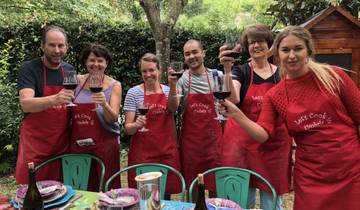
5 Days Italian Cookery Getaway in Umbria
- ✓ Comprehensive Umbria tour
- ✓ Expert local guides included
- ✓ All accommodation arranged
- ✓ Transportation provided

7 days
Authentic Umbria
- ✓ Comprehensive Umbria tour
- ✓ Expert local guides included
- ✓ All accommodation arranged
- ✓ Transportation provided

5 days
Italy: Authentic Puglia by E-Bike 🚴 – White Villages & Southern Flavors – 5 DAYS
- ✓ Comprehensive Umbria tour
- ✓ Expert local guides included
- ✓ All accommodation arranged
- ✓ Transportation provided
8 days
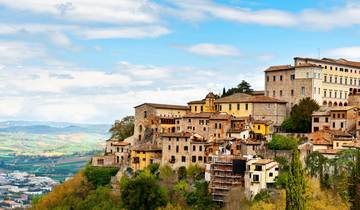
Hilltowns of Umbria, Self-Drive
- ✓ Comprehensive Umbria tour
- ✓ Expert local guides included
- ✓ All accommodation arranged
- ✓ Transportation provided
Multi-day tour packages powered by TourRadar. Prices and availability subject to change.
Essential Planning Information for 2026
Current Costs and Access Details
The Basilica di San Francesco maintains its traditional policy of free general access to both upper and lower churches preserving the Franciscan spirit of poverty and accessibility. Visitors donate voluntarily in collection boxes near entrances, with suggested contributions €2-5 per person though donations remain entirely optional. The underground tour (€10 adults, €8 students and seniors) books through sanfrancescoassisi.org with advance purchase required 2-4 weeks ahead during April-October peak season. This tour provides the only access to Saint Francis’s original hermitage, basilica treasury displaying religious artifacts, and architectural spaces normally closed to public viewing.
Audio guides (€5) rent at basilica entrances offering English, Italian, French, German, and Spanish commentary with approximately 45 minutes of content explaining fresco cycles, architectural features, and Franciscan history. New digital guides introduced 2026 include enhanced multimedia content with detailed fresco analysis, historical context, and suggested viewing sequences. Guidebooks purchased in basilica shops cost €8-15 with varying depth and quality – the official basilica guidebook (€12) provides comprehensive coverage while smaller formats (€8) offer adequate introduction for casual visitors.
Rocca Maggiore fortress entry costs €6 (€4 reduced for students and seniors under 65), €9 combined with Rocca Minore covering both fortresses. Operating hours vary seasonally: April-October 9 AM-7 PM daily, November-March 10 AM-4:30 PM with potential closures during adverse weather. The fortress provides panoramic views across Assisi, Spoleto valley, and Monte Subasio with medieval defensive architecture, interactive displays about feudal warfare, and exhibitions featuring historical weaponry. Allow 45-60 minutes for complete fortress exploration including tower ascent and photograph opportunities from multiple viewpoints.
Transportation and Access for 2026
Assisi’s train station (Santa Maria degli Angeli) sits 4 km below the historic hilltop town requiring onward transportation. The C line minibus (€1.30, 15 minutes, departures every 30-40 minutes) connects station to Piazza Matteotti near the basilica with stops at major hotels and parking areas. First bus departs 6:30 AM, last bus returns to station 9 PM, with reduced Sunday schedule (hourly service). Purchase tickets at station tabacchi shop, hotel reception desks, or from drivers (€2 surcharge). Taxis wait at the station charging fixed €15-20 for station-to-basilica transfers accommodating up to 4 passengers with luggage.
Driving to Assisi requires parking outside the historic center due to ZTL (limited traffic zone) restrictions enforced 7 AM-7 PM daily with automated cameras issuing €80-120 fines per violation. Parking areas concentrate below the basilica (Piazza Matteotti, Piazza San Rufino) charging €1.50-2 per hour, €12-15 daily maximum. Giovanni Paolo II parking (largest capacity, 300+ spaces) sits 5-minute walk from basilica. Free parking exists in residential areas 10-15 minute walks from center, though spaces prove scarce during peak season and religious holidays. Hotels provide parking permits exempting guests from ZTL fines when driving to accommodations – provide license plate numbers at check-in for registration.
Regional trains connect Assisi to Perugia (€3.20, 25 minutes, departures every 30-60 minutes 6 AM-9 PM), Foligno (€2.60, 15 minutes, every 30-60 minutes), and beyond. Rome-Assisi requires connection at Foligno or Terontola (€12-18 total, 2.5-3 hours). Florence-Assisi involves changing at Terontola (€12-16, 2-2.5 hours). Purchase tickets at station machines, tabacchi shops, or Trenitalia app, validating paper tickets before boarding. Super Economy advance purchase fares (online booking 1-2 weeks ahead) offer 30-50% discounts though require traveling on specific trains versus flexible base tickets valid any train same day.
Basilica di San Francesco 2026: Complete Guide
Upper Church: Giotto’s Revolutionary Frescoes
The upper church (completed 1230-1253) revolutionized Western art through Giotto’s 28-scene fresco cycle depicting Saint Francis’s life with unprecedented narrative clarity and spatial depth. These paintings (1297-1299) broke from Byzantine stylization introducing naturalistic figures, emotional expressions, three-dimensional space, and recognizable Italian landscapes. The cycle begins at the nave’s far end tracing Francis’s conversion through miracles, stigmata reception, and death, with each scene containing theological symbolism and historical details scholars continue analyzing seven centuries later.
Key scenes include “Saint Francis Giving His Cloak to a Poor Knight” demonstrating Francis’s compassion, “Expulsion of Devils from Arezzo” showing supernatural power, “Saint Francis Receiving the Stigmata” depicting mystical crucifixion wounds, and “Funeral of Saint Francis” with mourners displaying varied emotional responses. The upper church also features Old and New Testament scenes by Cimabue and other masters covering vaulted ceilings and transept walls. However, restoration work continues on these older frescoes damaged by earthquakes and atmospheric conditions requiring careful conservation techniques.
Visit the upper church during morning hours (7:30-11 AM) when natural light enters from south-facing windows illuminating Giotto’s frescoes with intended effects. Afternoon light shifts leaving nave in relative shadow, though this creates dramatic contrast emphasizing architectural features. Stand in the center aisle viewing scenes sequentially from far end to entrance following Francis’s life chronologically. Binoculars prove useful for examining upper wall details and ceiling frescoes at considerable height. Photography without flash captures personal memories though professional reproduction quality remains impossible due to lighting conditions and viewing distances.
Lower Church: Intimate Spaces and Early Masters
The lower church (1228-1230) predates the upper church providing intimate vaulted spaces surrounding Francis’s crypt discovered 1818 after centuries of concealment. This darker, more mysterious environment suits contemplative prayer with chapels radiating from central nave featuring frescoes by Cimabue, Simone Martini, and Pietro Lorenzetti. Cimabue’s “Madonna Enthroned with Angels and Saint Francis” (1280) shows Byzantine influence transitioning toward Gothic style, while his “Crucifixion” demonstrates emotional intensity unusual for the period. Unfortunately, oxidation darkened these frescoes significantly, requiring careful observation to appreciate original artistry.
The Chapel of Saint Martin contains Simone Martini’s complete fresco cycle (1312-1317) depicting Saint Martin’s life with International Gothic elegance showing courtly scenes, elaborate costumes, and refined color palette. These frescoes preserve excellent condition providing clearer view of medieval painting techniques than damaged works elsewhere in the basilica. Pietro Lorenzetti’s “Crucifixion” and “Deposition” (1320s) in the transept introduce Renaissance spatial concepts with emotional intensity and architectural perspective innovations influencing later artists.
Francis’s crypt occupies the lowest level accessed via twin staircases from lower church nave. The simple stone tomb contrasts sharply with elaborate decoration above, reflecting Franciscan poverty ideals. Pilgrims pray continuously in the crypt maintaining peaceful atmosphere requiring respectful silence and brief visits during crowded periods. Four of Francis’s closest companions rest in tombs surrounding his crypt. The treasury (accessible only via underground tour) displays medieval chalices, vestments, papal bulls, and relics associated with Francis and early Franciscan order.
Underground Tour: Hidden Treasures and Architecture
The underground tour (€10, 45-60 minutes, advance booking required via sanfrancescoassisi.org) explores spaces closed to general visitors including Francis’s original hermitage, basilica treasury, and architectural foundations revealing construction techniques. Groups depart hourly with maximum 20-25 participants, guides conducting tours in Italian or English depending on season and group composition. The hermitage preserves rough stone cells where Francis and early brothers lived before basilica construction, showing the movement’s humble origins contrasting with later architectural grandeur.
Treasury displays include Francis’s original tunic (rough brown garment exemplifying poverty), medieval manuscripts containing early Franciscan writings, papal documents establishing the order, liturgical objects used in early masses, and relics associated with Francis’s life including fragments claimed to be from the original crib of Bethlehem. Expert guides explain historical context, authentication debates, and symbolic significance of displayed objects. Photography is prohibited in treasury and hermitage areas to preserve artifacts and maintain security.
Architectural spaces reveal basilica construction spanning multiple phases with Roman foundations supporting medieval walls, Gothic vaulting systems distributing weight, and Renaissance additions modifying original designs. Engineering displays demonstrate how builders created stable structures on steep hillside terrain requiring innovative foundation techniques. The underground route also accesses areas damaged in 1997 earthquake showing restoration work that took eight years to complete, reopening the basilica fully in 2006 with strengthened structures resistant to future seismic events.
Additional UNESCO Sites in Assisi 2026
Basilica di Santa Chiara: Saint Clare’s Legacy
Santa Chiara basilica (1257-1265) honors Francis’s devoted follower Clare who founded the Poor Clare order maintaining strict poverty vows and contemplative lifestyle. The Gothic church features striking pink and white stone facade with flying buttresses supporting high nave, rose window providing interior illumination, and simple architectural lines reflecting Franciscan aesthetic. Clare’s incorrupt body rests in the crypt (accessible via stairs from nave) displayed in glass reliquary allowing pilgrims to view remains of the saint who died 1253 at age 59 after 42 years in religious life.
The Chapel of the Crucifix houses the Byzantine cross that reportedly spoke to Francis commanding him to “rebuild my church,” initiating his spiritual conversion and mission. This 12th-century painted cross (San Damiano crucifix) influenced medieval religious art with its depiction of living Christ rather than suffering figure, showing Byzantine artistic traditions. The chapel also displays Francis’s tunic and Clare’s hair preserved as relics. Mass occurs daily at 7 AM and 6 PM with occasional evening concerts utilizing the basilica’s excellent acoustics for sacred music performances.
Visit Santa Chiara during mid-morning (10-11:30 AM) or late afternoon (4-6 PM) when fewer tour groups crowd the space, though this basilica maintains more peaceful atmosphere than San Francesco throughout most days. Free entry with suggested donations, dress code enforcement (covered shoulders and knees), no photography in crypt area containing Clare’s body. The piazza outside offers stunning views across valley to basilica of Santa Maria degli Angeli and surrounding countryside – arrive early for best light or sunset visit for dramatic evening colors.
Eremo delle Carceri: Forest Hermitage
Eremo delle Carceri hermitage clings to Monte Subasio’s steep slopes 4 km above Assisi at 791 meters elevation where Francis retreated for prayer and meditation in natural caves. Franciscan friars expanded the original caves into monastic complex (15th-16th centuries) with simple church, tiny cells, refectory, and corridors built into rock face. The site preserves authentic atmosphere of Franciscan contemplative life with peaceful forest setting, caves where Francis prayed, ancient oak tree where birds allegedly gathered to hear him preach, and panoramic views across Umbrian countryside.
Walking trails branch from the hermitage exploring Monte Subasio’s beech and oak forests with paths following routes Francis walked during retreats. The Sentiero degli Ulivi (Olive Grove Path) descends gradually to Assisi (90 minutes downhill, moderate difficulty) through terraced olive groves and countryside offering authentic Umbrian landscape experience. Alternatively, circular walks from the hermitage (30-60 minutes) explore immediate forest area without committed descent. Bring water, wear hiking shoes, and allow 2-3 hours total for hermitage visit plus forest exploration.
Access Eremo delle Carceri via local bus line C from Assisi center (€2.60 round-trip, 20 minutes, departures every 2 hours morning and early afternoon, limited Sunday service) or taxi (€15-20 one-way). Verify current bus schedules at tourist office as times change seasonally and service reduces November-March. Walking from Assisi to hermitage takes 60-75 minutes uphill on paved road with minimal shoulders requiring attention to vehicle traffic – rewarding for fit hikers though many prefer bus option. Free entry to hermitage, opening hours 6:30 AM-7 PM summer, 6:30 AM-5 PM winter, modest dress code enforced. Small bar near entrance sells drinks and snacks though picnicking in forest proves popular option.
Santa Maria degli Angeli: Porziuncola Chapel
Santa Maria degli Angeli basilica (1569-1684) encloses the tiny Porziuncola chapel where Francis established the Franciscan order, prayed nightly, received his calling, and died in 1226. This monumental baroque church protects the humble 9th-century chapel showcasing the movement’s origins in extreme simplicity contrasting with later institutional elaboration. The Porziuncola (measuring just 4×7 meters) maintains original stone walls with medieval frescoes depicting Francis’s visions and early order history. Pilgrims queue patiently to enter this sacred space central to Franciscan spirituality.
Additional sites within the basilica complex include the Chapel of the Transito marking exact location where Francis died, Roseto (rose garden) where thornless roses allegedly grew after Francis rolled in thorns to resist temptation, and museum displaying Franciscan artifacts, religious art, and historical documents. The basilica itself features baroque architecture with massive dome, elaborate chapels, and art collection spanning medieval through baroque periods. Free entry with modest dress code, opening hours 6:15 AM-12:50 PM and 2:30-7:30 PM daily, evening illumination creating dramatic facade views.
The basilica sits adjacent to Assisi train station enabling easy visits during arrival or departure (5-minute walk from platform). Alternatively, the C line minibus stops here en route between station and hilltop town. Allow 45-60 minutes for complete basilica and chapel visit, longer if attending mass (multiple daily services) or exploring museum (€3 entry, optional). The piazza hosts occasional markets and religious celebrations particularly around October 4th Feast of Saint Francis and August 2nd Porziuncola Pardon festival. This site receives fewer international tourists than hilltop basilica despite equal Franciscan significance, offering more contemplative experience for spiritually motivated visitors.
Best Time to Visit Assisi Sites in 2026
Seasonal Analysis and Crowd Patterns
Spring (April-June) delivers optimal Assisi conditions with comfortable walking temperatures (15-25°C), flowering landscapes, and cultural energy. Easter week (April 13-20, 2026) brings peak crowds with pilgrims attending special masses, processions through medieval streets, and papal visits occasionally occurring. Hotels book completely for Easter requiring 3-4 month advance reservations, prices increase 50-60% above normal spring rates, and attractions experience maximum congestion with hour-long queues at popular sites. Post-Easter April and May-June provide excellent conditions: moderate crowds, comfortable weather, extended daylight (sunset 8-8:30 PM June) enabling full-day exploration, and spring atmosphere with outdoor dining and festival activities.
Summer (July-August) sees the heaviest tourist traffic with tour buses delivering hundreds of visitors hourly to basilica areas 9 AM-5 PM daily. However, the sheer artistic and spiritual significance makes Assisi worthwhile despite crowds – strategic timing (early mornings, late afternoons, evening visits) mitigates congestion. Summer heat peaks at 30-35°C requiring sun protection, frequent hydration, and afternoon rest periods. Compensating advantages include extended museum hours (some open until 10 PM weekends), evening concerts in basilica and town squares, outdoor cinema screenings, and vibrant restaurant/cafe atmosphere continuing past midnight. Book accommodation 2-3 months ahead for July-August with prices 40-50% above shoulder season rates.
Autumn (September-October) rivals spring for ideal conditions with stable weather (18-25°C), harvest season atmosphere, and manageable crowds. September maintains summer’s extended hours without peak congestion or pricing. October 4th Feast of Saint Francis commemorates the patron saint with special masses, Italian pilgrims, and cultural celebrations – the week surrounding this date (September 28-October 11) brings increased visitors though predominantly Italian Catholic faithful rather than international tour groups. October’s autumn colors transform surrounding hillsides, truffle season begins in local restaurants, and photography benefits from golden light with slight haze softening contrasts perfect for basilica fresco viewing.
Daily Timing Strategies for 2026 Visits
Basilica opening time (6:30 AM summer, 6:30 AM winter) provides the most peaceful viewing opportunities with empty churches, no tour group noise, quiet contemplation possible, and morning light entering east-facing windows. Arrive 6:30-7:30 AM for 60-90 minutes of nearly private experience before crowds build. Monks conduct morning prayers adding authentic religious atmosphere – visitors welcome to observe quietly from nave benches. Photography proves easier with fewer people blocking views and fresco lighting optimal during these hours particularly in summer months.
Mid-morning through mid-afternoon (10 AM-4 PM) brings peak congestion with tour groups filling basilica spaces, multilingual guides explaining frescoes at high volume, and security staff managing crowd flow. The basilica never closes to visitors between opening and closing times, so avoiding these hours entirely requires very early or very late visits. If visiting mid-day proves necessary, focus on less crowded areas: lower church chapels away from main nave, upper church side aisles rather than central nave, and crypt during lunch hours (12:30-2 PM) when tour groups depart for meals.
Late afternoon visits (4:30-6:45 PM summer closing, 4:30-6 PM winter closing) offer second-best timing with most day-trippers departed, local pilgrims arriving for evening prayers, and western light creating different fresco illumination than morning hours. The hour before closing sees minimal crowds though guards begin directing visitors toward exits around 15-20 minutes before official closing time. Evening visits also enable combination with sunset viewing from Rocca Maggiore or town viewpoints (6:30-7:30 PM summer) after basilica closing, maximizing single-day itinerary efficiency. Restaurants and shops remain open until 10-11 PM during summer providing post-basilica activities without hotel retreat.
Accommodation Strategies for Assisi 2026
Budget Options Under €60 Per Night
Religious institutions throughout Assisi operate guesthouses offering simple, clean rooms €45-60 per night including breakfast and peaceful atmosphere reflecting Franciscan hospitality ideals. Casa San Gregorio provides rooms with basilica views €50-65, while Monastero San Colette maintains traditionally-appointed rooms €45-55 with early curfew (11 PM) and quiet hours. These accommodations attract pilgrims, spiritually motivated travelers, and budget-conscious visitors accepting modest comfort in exchange for authentic religious atmosphere and significant savings versus commercial hotels. Shared bathrooms common in budget rooms, private bathrooms available at premium end of price range.
Assisi lacks traditional hostels with dorm beds, though nearby Santa Maria degli Angeli (train station area) offers budget hotels €50-70 for doubles with private bathrooms. Ostello Bello Assisi in lower town provides modern hostel experience (€25-30 dorms, €60-75 private rooms) with social atmosphere, shared kitchen, and common spaces, though requiring minibus transport (€1.30, 15 minutes) or uphill walk to reach basilica area. This location suits travelers prioritizing budget accommodation over medieval atmosphere and willing to commute daily to hilltop attractions.
Perugia-based stays offer better budget value with hostels (€20-28 dorms, €45-60 private rooms), budget hotels (€60-80 doubles), and apartments (€50-70 nightly) combined with train day-trips to Assisi (€3.20, 25 minutes each way). This strategy saves €20-40 nightly on accommodation while sacrificing evening Assisi atmosphere and morning convenience of staying near basilica. Calculate savings versus value of overnight Assisi experience: budget-focused travelers choose Perugia base, atmosphere-seekers accept premium for Assisi accommodation. Week-long stays benefit more from Perugia basing (cumulative savings €140-280) than 2-3 night visits where convenience outweighs cost difference.
Mid-Range Comfort €90-150 Per Night
Three and four-star hotels near basilica charge €90-130 for doubles with private bathrooms, air conditioning, elevators (important in steep hillside town), and breakfast included. Hotel Giotto positions steps from basilica piazza with rooms €100-140 featuring period furnishings, some with basilica views commanding €15-20 premium. Hotel Ideale occupies converted medieval building €90-130 with rooftop terrace, parking available (€12 daily), and English-speaking staff. Nun Assisi Relais sits mid-way between basilica and town center (€110-150) offering contemporary design within 13th-century convent walls, spa facilities (treatments €60-100), and rooftop restaurant with panoramic views.
Location within Assisi proves crucial given steep terrain and limited flat walking areas. Hotels near Piazza Matteotti (basilica area) minimize uphill walking but position away from town center dining and shops. Properties near Piazza del Comune occupy central location requiring moderate uphill walks from parking/bus stops but providing evening restaurant access without further climbing. Upper town hotels near Rocca Maggiore offer views and quiet locations though demand serious fitness for repeated daily ascents from lower areas. Request ground-floor or elevator-access rooms when booking if mobility concerns exist – many medieval buildings renovated as hotels maintain original multi-level layouts with stairs only access.
Countryside properties 2-5 km outside Assisi walls deliver mid-range luxury at budget prices (€70-100) with swimming pools, parking included, restaurant dining, and peaceful settings. These agriturismi require personal vehicles or taxi transport (€15-20 from Assisi center) making them practical only for drivers willing to commute 10-15 minutes to reach town attractions. Benefits include authentic Umbrian countryside atmosphere, farm-fresh breakfast products, often half-board dinner options (€25-35 per person), and significantly more space than cramped in-town hotels. Agriturismo Brigolante and Country House Podere della Valle both operate near Assisi charging €75-110 for rooms in converted farmhouses with valley views.
Luxury and Boutique Accommodations €180-350 Per Night
Nun Assisi Relais & Spa Museum (€220-300) occupies the top tier of Assisi luxury in 13th-century convent featuring contemporary art installations throughout historical spaces, full spa with Roman cistern pool (treatments €80-150), Michelin-quality rooftop restaurant (dinner €60-90 per person), and rooms blending modern comfort with medieval architecture. The property markets to discerning travelers seeking design-forward luxury within authentic historical context. Spa packages combining accommodation, treatments, and dining deliver better value than à la carte room booking.
Smaller boutique properties offer intimate luxury experiences €180-280 nightly. Palazzo Seneca operates in nearby Norcia (40 km, 45 minutes driving) providing alternative luxury base for exploring Assisi as day trip while enjoying mountain town atmosphere and Michelin-starred dining. Within Assisi, Le Silve di Armenzano (€200-300) sits 12 km outside walls in complete countryside isolation with luxury rooms, pool, restaurant, and extensive grounds – practical only with personal vehicle given remote location. These properties target extended stays (3-5 nights minimum typically) with guests treating hotels as destinations themselves rather than simply sleeping bases between attraction visits.
Historic palazzos converted to boutique hotels charge €150-220 in Assisi center including Residenza d’Epoca San Crispino (€160-200) with period antiques, frescoed ceilings, and personalized service for maximum 10-12 rooms. These intimate properties deliver authentic medieval palazzo experience at lower rates than international luxury chains, though amenities remain limited (no pools, small elevators, modest breakfast rooms) due to historic building constraints. Book directly with properties for best rates and potential upgrades – boutique hotels maintain flexibility for direct bookings versus commission-paying online platforms taking 15-20% from each reservation.
Sample Itineraries for Assisi 2026
One-Day Intensive Assisi UNESCO Experience
7:30 AM-2:30 PM Schedule: Arrive Assisi early morning by train from Perugia (€3.20, depart 6:45 AM, arrive 7:10 AM), minibus to Piazza Matteotti (€1.30, 15 minutes). Enter Basilica di San Francesco immediately at 6:30 AM opening for peaceful viewing of both lower church (45 minutes viewing Cimabue frescoes, chapels, Francis’s crypt) and upper church (60-90 minutes studying Giotto’s 28-scene cycle). Exit by 8:45 AM avoiding tour group arrivals. Coffee break at piazza cafe (€3-5 cappuccino and cornetto). Walk to Santa Chiara basilica (15 minutes uphill) arriving 9:15 AM for viewing Clare’s incorrupt body, San Damiano crucifix, and church architecture (30-40 minutes). Continue to Piazza del Comune exploring Roman forum ruins (€5, 20 minutes) and medieval civic buildings.
12:30-7 PM Afternoon Activities: Lunch at local trattoria near Piazza del Comune (€15-22 for primi, secondo, and water). Afternoon visits Rocca Maggiore fortress (€6, 45-60 minutes) climbing to summit for panoramic photography and medieval architecture. Descend through medieval streets discovering artisan workshops, religious goods shops, and quiet squares (30-45 minutes wandering). Final stop Santa Maria degli Angeli basilica near train station (30-40 minutes viewing Porziuncola chapel), depart for Perugia or onward destination. Train ticket €3.20, minibus €1.30, basilica underground tour (if booked) €10, Roman forum €5, Rocca Maggiore €6, coffee €3, lunch €18. Total day cost: €46.50 per person without underground tour, €56.50 with underground tour (excluding accommodation).
Two-Day Comprehensive Assisi and Franciscan Sites
Day 1: Main Basilica and Town Center: Check into accommodation 2-3 PM (€90-120 mid-range hotel near basilica), afternoon orientation walk through town discovering layout and viewpoints (no entry fees, 60-90 minutes). Evening visits basilica for late afternoon viewing (5-6:30 PM) avoiding day-tripper crowds, attending evening mass if spiritually inclined (6 PM daily in lower church). Dinner at local restaurant (€25-35 per person) experiencing Umbrian cuisine. Evening passeggiata (traditional Italian stroll) along main streets observing local social customs (7:30-9 PM). Accommodation €90-120, dinner €30. Total day cost: €30 per person (excluding accommodation).
Day 2: Extended Franciscan Sites: Early morning return to basilica (7:30 AM) for underground tour (€10, pre-booked, 45-60 minutes) accessing hermitage and treasury. Breakfast at hotel or cafe (€5-8). Mid-morning bus to Eremo delle Carceri hermitage (€2.60 round-trip, depart 9:30 AM) exploring forest sanctuary and walking trails (2-3 hours total including forest exploration). Packed lunch from grocery purchases (€8-12) eaten at hermitage picnic area or during forest walks. Return bus to Assisi (2 PM departure), afternoon visits museums (Pinacoteca and Diocesan Museum €6 combined) and final time in Santa Chiara basilica or shopping for religious goods, local ceramics, food products. Depart late afternoon or evening. Underground tour €10, bus €2.60, breakfast €6, lunch €10, museums €6. Total day cost: €34.60 per person (excluding accommodation).
Three-Day Deep Immersion in Franciscan Heritage
Day 1: Following Day 1 itinerary above with basilica late afternoon visit and town exploration. Day 2: Following Day 2 itinerary with underground tour and Eremo delle Carceri hermitage visit including forest walks and contemplative time.
Day 3: Surrounding Sanctuaries and Countryside: Morning guided walking tour (€35-50 per person, 2.5-3 hours, advance booking via Viator or GetYourGuide) providing expert art history interpretation of basilica frescoes, symbolic meanings, artistic techniques, and Franciscan theology. This guided experience deepens understanding beyond self-guided viewing, answering questions and highlighting details easily missed. Lunch included in some tour packages or independent restaurant meal €15-22. Afternoon options: cooking class (€110-150, 4 hours) learning Umbrian pasta and sauces, wine tour to Montefalco (€75-95 including transport and tastings), or free time exploring areas previously missed or making purchases. Farewell dinner at better restaurant (€35-50 per person) celebrating the conclusion of Assisi stay. Guided tour €40, lunch €18, cooking class €130, or wine tour €85, or free afternoon €0, dinner €42. Total day cost: €100 with cooking class, €185 with wine tour, €100 with free afternoon exploration (excluding accommodation).
Planning Your 2026 Assisi Visit
Photography and Documentation Strategies
Basilica photography follows specific restrictions requiring understanding and respect. Flash photography remains strictly prohibited to protect delicate 700-year-old frescoes from light damage. Natural light photography succeeds in upper church during morning hours (8-11 AM) when south windows illuminate Giotto frescoes with intended effects. Lower church presents challenges with dim lighting requiring high ISO settings (1600-3200), wide aperture lenses (f/2.8 or wider), and image stabilization or tripod alternatives like bracing against pillars. However, tripods face prohibition in the basilica due to crowd management and safety concerns. Modern smartphone cameras with night mode capture acceptable images though professional results remain difficult without proper equipment and technique.
Video recording receives permission for personal use though audio recording of masses or prayers requires discretion and respect for worshippers. Some visitors find video captures atmosphere more effectively than still images, allowing later review of fresco details and spatial relationships difficult to remember from brief viewing. Drone photography faces absolute prohibition throughout Assisi and surrounding areas due to religious site status, airspace restrictions, and privacy concerns. External basilica photography from surrounding streets and viewpoints remains unrestricted providing dramatic facade shots particularly during golden hour and blue hour lighting (30 minutes before sunset through 20 minutes after sunset).
Professional photographers planning serious documentation should visit multiple times during different seasons and lighting conditions, invest in fast wide-angle lenses (16-35mm f/2.8) for architectural work, bring monopods as tripod alternatives, and consider advance permission requests for special access though these rarely receive approval for general tourist purposes. Art history students and researchers document trips through detailed notes, sketches, and select photographs rather than attempting comprehensive photographic coverage impossible under lighting and restriction conditions. The official basilica shop sells high-quality fresco reproductions and art books providing better documentation than typical visitor photography achieves.
Combining Assisi with Broader Umbria Travel
Assisi functions perfectly within comprehensive Umbria itineraries as either single-night stop or 2-3 night base. The Perugia-Assisi-Spoleto rail corridor enables efficient multi-town exploration with train connections completing the route in 90 minutes total (Perugia-Assisi 25 minutes, Assisi-Spoleto via Foligno 65 minutes). Budget travelers base in Perugia (3-5 nights, €60-80 accommodation) with day trips to Assisi (€6.40 round-trip train), Spoleto (€11 round-trip), Gubbio (€11 round-trip bus), and Lake Trasimeno (€9.60 round-trip bus). This strategy saves €25-40 nightly on accommodation while accepting daily commute time and missing evening small-town atmosphere.
Alternative two-base approaches split time between Perugia (3-4 nights) and Assisi (2 nights) or Spoleto (2 nights) reducing daily transportation while maintaining cost efficiency through longer stays qualifying for multi-night discounts. Three-base itineraries changing accommodation every 1-2 nights maximize town exposure though increase costs and packing effort. Week-long Umbria trips should include Assisi (2-3 nights), another UNESCO site like Spoleto (1-2 nights), and countryside time (2-3 nights in agriturismo) balancing cultural attractions with relaxation. Ten-day trips add Orvieto, smaller hill towns (Gubbio, Todi, Montefalco), and activity time (wine tours, cooking classes, hiking).
Day trip strategies from major cities include Rome-Assisi (€12-18 round-trip, 2.5-3 hours each way via Foligno connection, 10-12 hours total day with 6-7 hours in Assisi) and Florence-Assisi (€12-16 round-trip, 2-2.5 hours each way via Terontola, similar timing). These intensive day trips succeed for travelers prioritizing breadth over depth, willing to sacrifice deep exploration for efficient UNESCO site collection. However, overnight Assisi stays deliver substantially richer experiences enabling early morning and evening basilica visits, unhurried fresco contemplation, and authentic small-town atmosphere impossible during rushed day trips. Budget an extra €80-100 per person for overnight versus day trip (accommodation €90-130 less dinner €30 and breakfast €8 included in day trip food budget) – worth the investment for serious art lovers and spiritual seekers.
Booking Resources and Practical Tips for 2026
Official Websites and Booking Channels
Basilica di San Francesco official website (sanfrancescoassisi.org) handles underground tour reservations (€10), provides current opening hours, posts special closure notices for religious ceremonies, and offers virtual tours for trip planning. Book underground tours 2-4 weeks ahead during April-October peak season, 1-2 weeks for shoulder seasons, same-week for winter (November-March). The website includes Italian and English versions with comprehensive visitor information including dress codes, photography rules, accessibility features, and suggested visit duration. Free audio guide app downloads provide smartphone-based commentary as alternative to rental devices.
Assisi tourist office website (visit-assisi.it) coordinates accommodation booking, provides event calendars, lists tour operators, and maintains current attraction information. The office operates physical locations at Piazza del Comune (town center) and Piazza Matteotti (near basilica) with English-speaking staff providing maps, advice, and last-minute booking assistance. Summer hours extend to 6-7 PM daily while winter reduces to 5 PM closings with Sunday schedules varying seasonally. Stop here immediately upon arrival for orientation, current closure notices, and booking help if needed. Free WiFi access enables smartphone research while speaking with staff.
Accommodation booking proceeds through standard platforms (Booking.com, Hotels.com) for commercial hotels, direct websites for religious guesthouses and boutique properties offering better rates without commission fees, and specialized sites (Agriturismo.it) for countryside properties. Read recent reviews carefully noting accessibility issues (stairs without elevators), noise concerns (church bells, street noise), and location challenges (steep uphill walks from parking/bus stops). Book 8-12 weeks ahead for spring and autumn shoulder seasons, 3-4 months for summer (July-August), 2-4 weeks for winter achieving best selection and rates with free cancellation policies through most booking platforms until 24-48 hours before arrival.
Special Considerations and Final Recommendations
Modest dress codes apply throughout Assisi with basilica staff enforcing requirements strictly: shoulders covered (no tank tops or sleeveless shirts), knees covered (no shorts above knee, no short skirts), no see-through clothing, no hats inside churches. Staff stationed at entrances provide disposable paper shawls for uncovered visitors, though bringing appropriate clothing avoids embarrassment and waste. These rules apply year-round regardless of temperature – pack light long-sleeve shirt or shawl for church visits even during summer heat.
Accessibility challenges exist throughout hilltop Assisi with steep streets, cobblestone surfaces, and stairs connecting different levels. The basilica provides elevator access to upper church and wheelchair routes through lower church, though some chapels remain inaccessible. Request accessibility information when booking accommodation as many hotels occupy medieval buildings with stairs-only access. Minibuses connecting train station to town include wheelchair-accessible vehicles though scheduling requires advance notice through tourist office. Consider basing in more accessible Perugia with day trips to Assisi if mobility limitations significantly impact travel comfort.
Luggage storage proves essential for day-trippers avoiding hotel check-in but arriving with bags. The train station in Santa Maria degli Angeli offers luggage storage (€6 per item daily) operating 7 AM-8 PM. Some hotels near Piazza Matteotti provide paid storage for non-guests (€5-8 per bag) enabling afternoon departure after morning basilica visits. Avoid touring Assisi’s steep streets with wheeled luggage – either arrange luggage transport to accommodations (hotel concierge services, taxis charging €15-20) or store bags at station during single-day visits.
Frequently Asked Questions About Assisi 2026
Can you visit Assisi as a day trip from Rome or Florence?
Yes, though the experience proves rushed with 5-6 hours total travel time leaving only 6-7 hours for Assisi exploration. Rome-Assisi trains (€12-18 round-trip) depart early morning (6-7 AM) arriving 9-10 AM via Foligno connection (2.5-3 hours), with return trains departing Assisi 5-6 PM for evening Rome arrival. This schedule enables visiting Basilica di San Francesco (2-3 hours), Santa Chiara (30 minutes), lunch (45 minutes), and brief town exploration before departure. However, you miss early morning peaceful basilica viewing, evening atmosphere, and opportunity for contemplative fresco study that overnight stays provide. Florence-Assisi follows similar timing (2-2.5 hours each way via Terontola, €12-16 round-trip) with comparable schedule pressures. Serious art enthusiasts and spiritual seekers should overnight in Assisi for adequate time with the extraordinary fresco cycles and Franciscan heritage.
Is Assisi too religious or touristy for non-religious travelers?
Assisi successfully balances religious pilgrimage site and art history destination appealing to both spiritual seekers and secular travelers. The basilica’s artistic significance through Giotto’s revolutionary frescoes transcends religious content attracting art historians, painting students, and culturally curious visitors regardless of faith background. The UNESCO designation recognizes artistic and architectural importance separate from religious significance, validating non-religious interest in these cultural treasures. However, the basilica remains active religious space with monks, daily masses, pilgrims praying, and sacred atmosphere requiring respectful behavior from all visitors.
Tourist crowds concentrate around major sites (basilica, Santa Chiara, Piazza del Comune) creating somewhat commercialized atmosphere with souvenir shops selling religious goods, restaurants with multilingual menus, and tour groups following guides. However, wandering side streets 5 minutes from main routes reveals authentic medieval town character, local workshops maintaining traditional crafts, neighborhood churches without tourist presence, and residential areas where Italian life continues unchanged. The countryside sanctuaries (Eremo delle Carceri) maintain peaceful contemplative atmosphere with minimal commercial intrusion. Approach Assisi accepting its dual nature: world-class art museum housed in living monastery within functioning Italian hill town – respecting religious aspects while appreciating cultural and artistic significance available to all visitors.
What’s the difference between upper and lower church at the basilica?
The Basilica di San Francesco comprises two complete churches built one atop the other sharing vertical structure but serving different functions with distinct artistic styles. The upper church (completed 1230-1253) functions as preaching church with tall Gothic architecture, large windows providing natural light, and Giotto’s famous 28-scene fresco cycle depicting Francis’s life covering walls in narrative sequence. This lighter, more spacious church accommodates large congregations for masses and ceremonies with emphasis on storytelling through accessible visual imagery explaining Franciscan teachings to medieval populations with limited literacy.
The lower church (1228-1230) serves as burial church surrounding Francis’s crypt with intimate vaulted spaces, dim lighting from small windows, radiating chapels containing altarpieces and frescoes by Cimabue, Simone Martini, and Pietro Lorenzetti. This darker, more mysterious environment suits contemplative prayer and veneration of Francis’s tomb with emphasis on spiritual atmosphere over visual narrative. The lower church predates the upper church chronologically and artistally, showing transitional style from Byzantine tradition toward Gothic innovation. Both spaces require visits for complete Assisi experience – the upper church for revolutionary art history and the lower church for spiritual atmosphere and earlier medieval artworks. Allow 45-60 minutes minimum in each space for adequate viewing without rushing extraordinary artistic heritage.
Are there good restaurants near Assisi basilica for lunch?
Restaurants within 100 meters of Piazza San Francesco charge premium prices (20-30% above town average) while serving acceptable but unremarkable food targeting tour groups rather than repeat local clientele. Better options exist 5-10 minute walks from the basilica in residential neighborhoods and near Piazza del Comune. Trattoria Pallotta serves authentic Umbrian cuisine (primi €9-14, secondi €12-18, full meal €22-30 per person) with local following and seasonal menu emphasizing regional ingredients. Osteria Piazzetta dell’Erba occupies quiet square offering creative Umbrian dishes (€25-35 per person) with outdoor seating and wine list featuring regional producers.
Budget dining options include La Bottega dei Sapori (sandwich shop) creating porchetta and salami sandwiches (€5-7) using local meats, pizza al taglio shops selling pizza by weight (€3-5 per serving), and Pizzeria Il Duomo offering full pizzas (€7-12) in casual atmosphere. Lunch menus at trattorias (12:30-2:30 PM) provide best value with first course, second course, side, and water for €15-20. Grocery shopping at Conad supermarket near Piazza Matteotti enables picnic assembly (€8-12 per person) eating in town gardens, fortress grounds, or countryside viewpoints. Avoid restaurants with multilingual menus, photograph displays, and aggressive touts – these indicators mark tourist traps while handwritten Italian-only menus suggest authentic local establishments serving residents alongside visitors.
Can you see everything in Assisi for free?
The major UNESCO sites (Basilica di San Francesco upper and lower churches, Santa Chiara basilica, Santa Maria degli Angeli with Porziuncola chapel, Eremo delle Carceri hermitage) all offer free general entry covering 80-90% of typical visitor interests. Optional paid additions include basilica underground tour (€10) accessing areas closed to general visitors, Rocca Maggiore fortress (€6) providing panoramic views and medieval military architecture, Roman forum ruins (€5) beneath Piazza del Comune, and small museums (€4-6) containing additional art and historical artifacts. Travelers prioritizing cost minimization complete satisfying Assisi visits spending only on transportation (€6.40 round-trip train from Perugia or €15-20 parking), meals (€15-30 per person daily depending on choices), and potentially audio guides (€5 if desired).
However, the underground tour delivers exceptional value for serious visitors providing access to Francis’s original hermitage, basilica treasury with medieval artifacts, and architectural spaces revealing construction techniques – worth the €10 investment for deeper Assisi understanding. Similarly, Rocca Maggiore’s panoramic views and medieval fortress experience justify €6 entry for visitors interested in military architecture and photography opportunities. Calculate total free site coverage at 85-90% with selective paid additions enhancing but not essential for rewarding Assisi experiences. The accessibility of world-class artistic and spiritual heritage through free basilica entry demonstrates remarkable cultural generosity maintaining Franciscan poverty ideals seven centuries after Francis’s death.