
Antwerp on a Budget 2026: Free Things to Do & Money-Saving Tips
Antwerp offers exceptional value for budget-conscious travelers in 2026, combining world-class museums, stunning architecture, and vibrant neighborhoods with numerous free attractions and affordable transportation options. This Belgian diamond capital proves you don’t need to spend like royalty to experience its rich cultural heritage, from Renaissance masterpieces to cutting-edge contemporary art, all accessible through smart planning and insider money-saving strategies.
Key Takeaways:
- MAS Museum rooftop provides free panoramic city views while Middelheim Museum offers free access to world-class outdoor sculpture gardens
- Public transport via De Lijn app costs just €1.80 per ride with day passes at €7.50 making unlimited city exploration highly affordable
- Cathedral of Our Lady, Grote Markt, and St. Anna’s Tunnel offer free access to Antwerp’s most iconic historical and architectural landmarks
- Strategic timing (visiting during free museum days and off-peak seasons) combined with walking tours can reduce daily costs by 40-60%
- Antwerp City Card bundles transport and museum access for significant savings when visiting multiple paid attractions in 2026
- Local food markets, bike sharing at €5 daily, and free walking neighborhoods provide authentic experiences at minimal cost
People Also Ask About Antwerp Budget Travel 2026
How much does visiting Antwerp cost per day in 2026?
Budget travelers can explore Antwerp for €50-75 daily in 2026, covering accommodation in hostels (€25-35), meals at local eateries (€15-25), and transport (€7.50 day pass). Mid-range visitors spend €120-180 daily including hotels (€80-120), restaurant dining (€30-45), and attraction entries. Luxury experiences range €250-400 daily with premium hotels (€180-280), fine dining (€60-100), and guided tours. Free attractions like MAS rooftop, Middelheim Museum, and Cathedral reduce costs significantly while maintaining exceptional cultural experiences.
What free attractions are available in Antwerp 2026?
Antwerp provides extensive free cultural experiences in 2026. MAS Museum rooftop offers stunning 360-degree panoramas without admission fees. Middelheim Museum presents world-class outdoor sculpture collections with free access year-round. Cathedral of Our Lady allows free entry to view Gothic architecture and select Rubens masterpieces. St. Anna’s Tunnel provides unique pedestrian passage under the Scheldt River. Grote Markt showcases Renaissance guild houses and Town Hall without cost. Maurice Verbaet Center, Brouwershuis, and Rhine Navigation Museum offer free exhibitions. Free walking neighborhoods include historic Vrijdagmarkt, diamond district near Centraal Station, and riverside promenades with architectural gems at every corner.
Is public transportation expensive in Antwerp 2026?
Antwerp’s De Lijn public transport system ranks among Europe’s most affordable options in 2026. Single tickets via mobile app cost €1.80, valid for 60 minutes across trams and buses. Ten-ride cards (m-card10) cost €15, reducing per-trip expense to €1.50. Day passes (m-daypass) provide unlimited 24-hour travel for €7.50, ideal for sightseeing itineraries. SMS tickets cost €2.50 but offer convenience without apps. On-board purchases cost €2.50-3.00 and should be avoided when possible. Velo bike sharing provides alternative transport at €5 daily with first 30 minutes free per ride. Antwerp’s compact city center allows walking between many attractions, further reducing transport expenses.
When is the cheapest time to visit Antwerp in 2026?
January through March and November represent Antwerp’s most budget-friendly periods in 2026, offering 30-50% lower accommodation rates compared to summer peaks. Winter months (December-February) provide cheapest hotel options (€60-90 vs €120-180 in summer) with fewer crowds at major attractions. Early spring (March-April) balances affordability with pleasant weather before Easter price increases. Late autumn (October-November) combines reasonable rates with cultural events and comfortable temperatures. Avoid premium pricing during summer (June-August), Christmas markets (late November-December), and major events like Antwerp Art Weekend. Booking accommodation 2-3 months ahead and traveling midweek (Tuesday-Thursday) yields additional 15-25% savings on lodging.
Extended multi-day tours – 5+ days
Featured Belgium Multi-Day Tour Packages
3 days
Belgium 3-Day Discovery Tour
- ✓ Comprehensive Belgium experience
- ✓ Expert local guides included
- ✓ All accommodation included
- ✓ Transportation provided

5 days
Belgium 5-Day Highlights Experience
- ✓ Comprehensive Belgium experience
- ✓ Expert local guides included
- ✓ All accommodation included
- ✓ Transportation provided
7 days
Belgium 7-Day Cultural Journey
- ✓ Comprehensive Belgium experience
- ✓ Expert local guides included
- ✓ All accommodation included
- ✓ Transportation provided

10 days
Belgium 10-Day Complete Adventure
- ✓ Comprehensive Belgium experience
- ✓ Expert local guides included
- ✓ All accommodation included
- ✓ Transportation provided
Multi-day tour packages powered by TourRadar. Prices and availability subject to change.
Introduction: Discovering Budget-Friendly Antwerp in 2026
Antwerp reveals itself as Belgium’s most rewarding budget destination in 2026, where Renaissance grandeur meets contemporary culture without the premium prices of Brussels or Bruges. This Flemish port city combines UNESCO World Heritage printing museums, Rubens masterpieces, cutting-edge fashion districts, and vibrant neighborhoods with an exceptional array of free attractions and affordable experiences that rival destinations costing twice as much.
The city’s compact geography proves ideal for budget exploration. Historic center landmarks concentrate within a 2-kilometer radius, easily covered on foot or via Antwerp’s remarkably affordable public transport system. Unlike many European capitals where admission fees quickly accumulate, Antwerp distinguishes itself through numerous free cultural offerings: world-class museums with complimentary rooftop access, open-air sculpture parks, Gothic cathedrals housing Renaissance art, and architectural walking routes showcasing five centuries of building styles.
Budget-conscious travelers discover Antwerp’s authentic character away from tourist circuits. Local markets provide fresh ingredients at prices 40% below restaurant meals. Neighborhood bakeries sell Belgian specialties for €2-4. Waterfront promenades, historic guild houses, and Art Nouveau facades create Instagram-worthy backdrops without admission charges. The city’s thriving student population supports affordable cafés, budget eateries, and free cultural events throughout 2026.
Strategic planning maximizes value. Visiting during winter months reduces accommodation costs by half while accessing the same museums and monuments. Free museum days, combined walking-cycling routes, and picnic lunches in sculpture gardens stretch budgets further. The Antwerp City Card bundles transport with museum access for visitors tackling multiple paid attractions. Even luxury experiences become accessible through smart timing—viewing Rubens paintings costs nothing in the Cathedral, while the adjacent Rubenshuis charges admission.
This comprehensive 2026 guide reveals how to experience Antwerp’s cultural richness, culinary excellence, and architectural beauty on any budget. From €50 daily backpacker itineraries to €150 mid-range comfort, we detail specific costs, free alternatives, money-saving strategies, and insider tips for maximizing value. Whether exploring printing history, diamond heritage, fashion innovation, or simply savoring Belgian beer culture, Antwerp delivers exceptional experiences without exceptional expenses.
Understanding Antwerp Costs in 2026
Antwerp positions itself in Belgium’s mid-range price tier for 2026, more affordable than Brussels but slightly pricier than smaller Flemish cities like Ghent or Leuven. Daily budgets vary significantly based on accommodation choices, dining preferences, and attraction priorities, but the city rewards planning with numerous opportunities to reduce expenses without sacrificing quality experiences.
Accommodation represents the largest budget variable. Hostel dormitories cost €25-35 nightly with private hostel rooms at €55-75, providing central locations with kitchen facilities for meal preparation. Budget hotels and guesthouses range €70-100 for double rooms, while mid-range hotels occupy the €110-160 bracket. Luxury options start at €180 and extend beyond €300 for premium properties. Booking 6-8 weeks ahead typically saves 20-30% compared to last-minute rates, with additional discounts during winter months (January-March, November).
Dining costs span wide spectrum. Breakfast at bakeries costs €3-6 for pastries and coffee. Lunch at local friteries (frites shops) runs €5-8, while café sandwiches cost €6-10. Budget restaurant dinners range €12-18, mid-range establishments €20-35, and upscale dining €40-70 per person excluding wine. Supermarket shopping dramatically reduces food expenses—€15-25 daily covers breakfast, lunch ingredients, snacks, and beverages when self-catering in hostel kitchens.
Transportation proves remarkably economical. Single De Lijn tram/bus rides cost €1.80 via app, €7.50 for unlimited day passes. Ten-ride cards at €15 suit visitors staying 3-4 days. Central location accommodation often eliminates transport needs entirely—walking between Grote Markt, Cathedral, MAS Museum, and Rubenshuis takes 15-20 minutes maximum. Velo bike sharing at €5 daily (first 30 minutes free per ride) provides affordable mobility for longer distances.
Museum admission fees vary considerably. Free options include MAS rooftop (museum entrance €10), Middelheim outdoor sculpture museum, Cathedral of Our Lady, and various small cultural spaces. Major paid museums charge €8-15: Rubenshuis €8, Plantin-Moretus Museum €12, Red Star Line Museum €10, Fashion Museum €10. The Antwerp City Card (€29 for 24 hours, €36 for 48 hours, €41 for 72 hours) bundles unlimited transport with free museum access when visiting 3+ paid attractions.
Entertainment and nightlife offer budget-friendly options. Belgian beer in supermarkets costs €1.50-3 per bottle versus €4-7 in bars. Student neighborhoods around Groenplaats and Sint-Andries feature affordable cafés with €3-5 draft beers. Free concerts, gallery openings, and cultural events populate summer months. Cinema tickets cost €10-13, while theater performances range €15-40 depending on venue and seating.
Hidden costs to anticipate include restroom fees (€0.50-1 in some locations), luggage storage at Centraal Station (€4-8 depending on size and duration), and tourist area premium pricing—cafés on Grote Markt charge 30-40% more than side streets two blocks away. Tipping practices expect rounding up bills or 5-10% for exceptional service rather than mandatory percentages, keeping meal costs predictable.
Free Attractions and Experiences 2026
MAS Museum Rooftop Panorama
Museum aan de Stroom (MAS) provides Antwerp’s most spectacular free viewpoint from its tenth-floor rooftop terrace. This architectural landmark near the port offers 360-degree panoramas spanning historic city center, Scheldt River, sprawling port facilities, and surrounding Flemish countryside. Access requires no museum ticket—visitors take elevators directly to the top viewing platform.
The rooftop experience captivates at all times. Morning light illuminates Cathedral spire and Renaissance guild houses in golden hues. Midday reveals port activities and river traffic in detail. Sunset transforms the skyline into silhouettes against orange-pink skies. Evening visits showcase illuminated landmarks creating dramatic nighttime cityscape. Interpretive panels identify major monuments and explain urban development across centuries.
Strategic timing enhances visits. Weekday mornings see fewer crowds allowing unhurried photography. Late afternoons (4-6 PM) capture optimal light for city views. The rooftop remains accessible during museum hours (Tuesday-Sunday 10 AM-5 PM) even when temporary exhibitions close earlier. Combining free rooftop access with paid museum entry (€10) provides complete MAS experience when budget permits.
Photography opportunities abound. Wide-angle lenses capture sweeping cityscapes while telephoto zooms isolate architectural details. Cathedral of Our Lady’s Gothic tower dominates southern views. Modern port cranes create industrial contrast to historic center. River bends and bridges compose naturally in western perspectives. Plan 30-45 minutes for thorough exploration and multiple vantage points around the circular terrace.
Middelheim Open-Air Sculpture Museum
Middelheim Museum ranks among Europe’s finest outdoor sculpture parks with completely free admission year-round. Spread across 30 acres of landscaped grounds in Antwerp’s southern suburbs, the collection features 400+ modern and contemporary works by internationally renowned artists including Auguste Rodin, Henry Moore, Ai Weiwei, and Arne Quinze.
The museum divides into distinct areas offering varied experiences. Historic Middelheim Park displays classical to mid-century modern sculptures among mature trees and manicured lawns. Hortiflora section integrates contemporary installations with botanical gardens. Braempaviljoen presents rotating exhibitions in modernist architecture. Open-air meadows showcase large-scale contemporary pieces requiring expansive settings. Winding paths connect zones through peaceful woodland creating contemplative atmosphere.
Seasonal variations transform the experience. Spring blooms frame sculptures with colorful flora. Summer allows extended evening visits with golden light filtering through leaves. Autumn foliage creates dramatic backdrops for bronze and stone works. Winter snow highlights sculptural forms through stark contrast. Each season reveals different relationships between artwork and natural environment.
Practical considerations enhance visits. The museum opens daily 10 AM-sunset with extended hours during summer months. Tram line 12 reaches the entrance in 25 minutes from Centraal Station. Bring picnic supplies—designated areas allow outdoor dining among sculptures. Free WiFi enables research about specific works via museum app. Photography permitted throughout grounds. Plan 2-3 hours for comprehensive exploration or focused 60-90 minutes for highlights tour.
Cathedral of Our Lady (Onze-Lieve-Vrouwekathedraal)
Antwerp’s Gothic Cathedral anchors Grote Markt with its soaring 123-meter spire and houses several Rubens masterpieces accessible without admission fees. While special exhibitions and treasury sections charge entry, the main nave and several side chapels remain free to visit, providing remarkable access to Flemish Baroque painting and Gothic architecture.
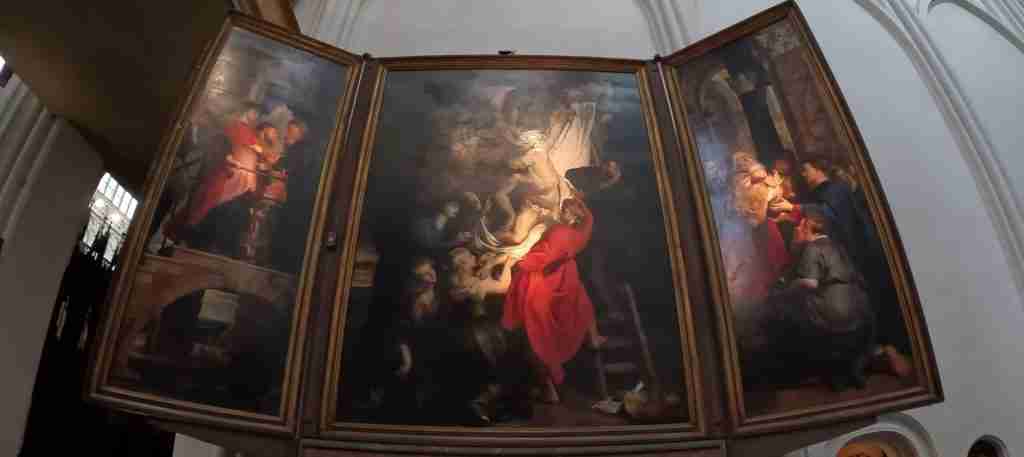
The Cathedral’s artistic treasures include Rubens’ “Descent from the Cross” (1612-1614) and “Elevation of the Cross” (1610-1611), two monumental triptychs depicting dramatic Biblical scenes in the master’s characteristic dynamic style. Free viewing areas allow close examination of these Renaissance masterworks typically requiring museum admission elsewhere. Additional Rubens paintings, carved choir stalls, ornate altarpieces, and stained glass windows fill the interior with artistic riches.
Architectural features command equal attention. Seven-aisle nave stretches 117 meters creating vast interior volume. Soaring Gothic vaults rise to 40 meters overhead. Slender columns create vertical emphasis characteristic of Late Gothic style. The tower’s 49-bell carillon plays concerts (check schedule for free performances). Intricate stone tracery, sculptural details, and period furnishings demonstrate 169 years of construction (1352-1521) and subsequent modifications.
Visit during weekday mornings (10 AM-12 PM) for quietest experience and best natural lighting through stained glass. Respect active worship areas and silence requests. Photography typically permitted without flash. Free brochures provide basic information; detailed guidebooks available for purchase. Volunteer guides sometimes offer free informal tours. Combining Cathedral visit with free Grote Markt exploration creates comprehensive historic center experience without expenses.
St. Anna’s Tunnel (Sint-Annatunnel)
This 572-meter pedestrian tunnel beneath the Scheldt River provides unique free experience connecting Antwerp’s historic center with left bank neighborhoods. Completed in 1933, the Art Deco tunnel features original wooden escalators (still operational) and tiled passages creating atmospheric journey under Europe’s major waterways.
The tunnel serves practical and experiential purposes. Left bank access reveals different Antwerp perspective—working-class neighborhoods, modern development, and excellent city skyline views from elevated promenades. The descent via vintage wooden escalators feels like time travel to 1930s engineering. Walking the tunnel itself (572 meters, approximately 8-10 minutes) offers cool respite during summer heat and photogenic Art Deco interiors.
Right bank entrance sits near MAS Museum enabling combined free itinerary. Left bank exit leads to elevated riverside walkway providing panoramic views back toward historic center—exceptional photography location for Cathedral spire, guild houses, and MAS building composition. The walk remains accessible 24/7, appealing for evening or early morning visits avoiding midday crowds.
Photography challenges include low tunnel lighting (high ISO settings required) and escalator movement (stabilization essential). Sunrise or sunset visits from left bank promenade capture dramatic light on city skyline. The entire round-trip experience including photo stops takes 45-60 minutes. Combine with free MAS rooftop visit and waterfront walk for comprehensive free maritime quarter exploration.
Grote Markt and Guild Houses
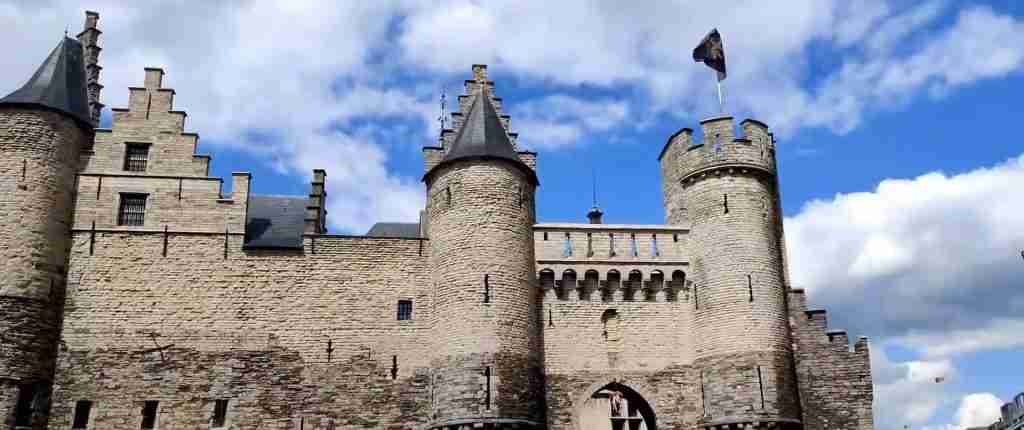
Antwerp’s central square ranks among Europe’s most beautiful Renaissance marketplaces with no admission fees for viewing its architectural ensemble. Ornate guild houses dating from 1560s-1620s surround the square displaying Flemish Renaissance style at its finest, while the Town Hall (Stadhuis) dominates with its imposing facade and central position.
Each guild house presents distinct character. House of the Coopers, House of the Crossbowmen, and House of the Haberdashers feature elaborate gables, gilded details, and symbolic sculptures representing respective trades. The Town Hall combines Italian Renaissance and Flemish traditions in its 1564 design by Cornelis Floris. Brabo Fountain (1887) depicts legendary giant-slaying hero central to Antwerp mythology. Architectural details reward close examination—carved stonework, painted shutters, gilded ornaments, and period ironwork demonstrate Renaissance craftsmanship.
The square functions as outdoor museum without walls. Free access 24/7 allows photography in varying light conditions. Morning sun illuminates east-facing facades. Afternoon light favors west-side guild houses. Evening illumination creates dramatic scenes. Weekday mornings before 10 AM provide uncrowded photography opportunities. Outdoor café terraces offer observation points (consumption required) but simply standing in the square costs nothing.
Combine Grote Markt with surrounding free attractions. Cathedral of Our Lady sits two blocks south. Vrijdagmarkt (location of Plantin-Moretus Museum) lies five minutes north. Fashion district shopping streets extend eastward. The entire historic center creates walkable circuit of Renaissance architecture, medieval lanes, and Art Nouveau facades requiring no admission fees.
Free Museums and Cultural Spaces 2026
Beyond major free attractions, Antwerp offers several small museums and cultural spaces with no admission charges. Maurice Verbaet Center focuses on Belgian Modern Art from 1945-1975 with rotating exhibitions from the permanent collection. Brouwershuis, a 16th-century water distribution building by Gilbert van Schoonbeke, presents architectural interest and occasional exhibitions. Rhine and Inland Navigation Museum displays floating exhibits about river barge life and inland shipping history.
Silver Pavilion at former Sterckshof location showcases selections from Umicore Silver Collection. Various commercial galleries in Zuid (South) district offer free viewing of contemporary art with no purchase obligation. Hendrik Conscience Heritage Library reading room opens periodically for free architectural visits showcasing its stunning Nottebohmzaal chamber. University of Antwerp occasionally hosts free public lectures, concerts, and exhibitions (check cultural calendar).
Free cultural events proliferate during summer months. Antwerp Summer Festival stages free concerts in various squares. Open Monumentendag (Heritage Day) in September provides free access to normally closed buildings. Gallery openings in Zuid district typically offer free wine and extended viewing hours first Friday evenings monthly. Student cultural centers like deSingel and Bourla sometimes offer free or reduced-price performances for standby tickets.
Budget Transportation Strategies 2026
De Lijn Public Transport System
Antwerp’s De Lijn network provides comprehensive tram and bus coverage at costs significantly below other Belgian cities. The mobile app (m-ticket system) offers cheapest fares: single rides cost €1.80, valid 60 minutes with free transfers between trams and buses. Day passes (m-daypass) at €7.50 provide unlimited 24-hour travel from activation, ideal for sightseeing itineraries covering multiple neighborhoods.
Multi-ride cards optimize costs for 3-5 day visits. The m-card10 offers ten individual rides for €15 (€1.50 per trip), sharing between travel companions permitted. Each ride activates separately allowing strategic use across visit duration. SMS tickets (€2.50 via text to 4884) provide convenience without app downloads but cost 39% more than app-based options. On-board purchases from drivers (€2.50-3) should be avoided except emergencies.
Key tram lines for tourists include Line 3/5 connecting Centraal Station to historic center via Meir shopping street. Line 7 runs to Zuid (South) district with its galleries and museums. Line 12 reaches Middelheim Museum from Centraal Station in 25 minutes. Pre-metro sections (underground tram) speed travel through city center with stations at Opera, Meir, and Groenplaats. Buses supplement trams for neighborhoods like Linkeroever (left bank) and suburban areas.
Strategic transport use minimizes costs. Central accommodation locations eliminate need for tickets—walking between Grote Markt, Cathedral, MAS Museum, and main shopping streets takes 15-30 minutes maximum. Reserve day passes for excursions to Middelheim Museum, left bank areas, or suburban attractions. Purchase tickets before boarding via app to avoid premium on-board prices. Validate each trip even with multi-ride cards to avoid fines (€100+).
Velo Bike Sharing Program
Velo Antwerp operates 180+ bike stations across the city offering affordable bicycle access for €5 daily passes. The system provides unlimited rides with first 30 minutes free per trip, subsequent time charged incrementally. Bikes feature sturdy Dutch-style design with three gears suitable for flat Antwerp terrain, front baskets for carrying purchases, and integrated locks for temporary stops.
Registration requires Velo app download or website signup with credit card deposit. Day passes (€5) activate immediately providing 24-hour access from first use. Week passes (€10) and annual memberships (€35) offer value for longer stays. Each ride under 30 minutes incurs no additional charge beyond pass cost. Rides 30-60 minutes add €1, 60-90 minutes €2, with increasing fees for longer durations designed to encourage bike circulation.
Cycling proves ideal for specific routes. Historic center to MAS Museum via riverside promenade covers 2.5 kilometers of flat, scenic path in 10-15 minutes. Zuid district galleries connect easily by bike. Reaching Middelheim Museum by Velo takes 30-40 minutes through pleasant neighborhoods. The city’s extensive bike lane network ensures safe cycling separate from car traffic on major routes.
Practical considerations include station availability—popular locations sometimes lack bikes during morning commute hours (8-9 AM) or available docks during evening returns (5-7 PM). Plan backup stations near destinations. Bikes suit solo travelers and couples; larger groups may find coordinating multiple bikes challenging. Helmets not provided (not mandatory in Belgium but recommended). Weather impacts comfort—Antwerp’s frequent rain makes cycling less appealing October-March.
Walking Routes and Pedestrian Navigation
Antwerp’s compact historic center enables comprehensive exploration on foot, eliminating transport costs entirely for core attractions. Centraal Station to Grote Markt spans 1.5 kilometers (18-22 minutes walking) along pedestrianized Meir shopping boulevard. Grote Markt to MAS Museum covers 1.2 kilometers (15-18 minutes) through atmospheric Vlaeykensgang alleys and waterfront promenades. Cathedral to Rubenshuis measures 900 meters (11-14 minutes) via elegant fashion district streets.
Self-guided walking tours create free cultural experiences. Renaissance architecture circuit connects Grote Markt guild houses, Vrijdagmarkt printing quarter, and Meir merchant mansions in 90-minute loop. Art Nouveau trail explores Cogels-Osylei neighborhood’s ornate 1900s townhouses (45 minutes from center by foot or 20 minutes by tram). Diamond district perimeter walk reveals industry history and architectural evolution in 60 minutes. Waterfront promenade extends 3+ kilometers along renovated docks showcasing maritime heritage.
Navigation proves straightforward. Cathedral spire provides visual reference point visible throughout historic center. Pedestrian signage marks major attractions with brown tourism symbols. Free maps available at tourist office (Grote Markt) and many hotels. Offline maps apps (Maps.me, Google Maps offline mode) enable GPS navigation without data charges. Street names appear on building corners rather than standalone signs (European convention).
Walking strategy considerations include timing and pacing. Flemish weather brings frequent rain—portable umbrella essential year-round. Comfortable shoes necessary for cobblestone streets and extended distances. Break longer routes at free attractions (Cathedral, Grote Markt) or affordable cafés (€2-3 coffee). Combine walking with strategic tram use for longer distances or fatigue—Velo stations enable bike rental for return journeys when tired from walking.
Affordable Dining and Food Strategies 2026
Budget-Friendly Restaurant Options
Antwerp’s dining scene accommodates tight budgets through traditional friteries, ethnic eateries, and student-oriented cafés. Friteries (Belgian fries shops) serve massive portions for €3-5, with classic mayo or specialty sauces included. Popular locations include Frites Atelier near Groenplaats and Frituur ‘t Vosje in Zuid district. Add meat kroket or frikandel for €2-3 more creating filling €6-8 lunch.
Turkish and Middle Eastern restaurants cluster around Centraal Station and Sint-Andries neighborhood offering generous portions at €8-12 for complete meals. Pita Atelier and Falafel Tof serve fresh wraps and platters with sides. Vietnamese and Thai restaurants in student areas provide €10-15 multi-course lunches. Italian pizzerias around Groenplaats charge €10-14 for wood-fired pizzas feeding two when shared with salad (€5-7).
Belgian cuisine appears affordably at traditional estaminets (brown cafés). Vol-au-vent (chicken in cream sauce) costs €12-16, stoofvlees (beer-braised beef) €14-18, and Belgian sausages with apple compote €11-15. Daily lunch specials (dagschotel) at neighborhood cafés provide two-course meals for €12-16 including soup or salad. Prix-fixe dinner menus in casual restaurants offer three courses for €22-28.
Student neighborhoods around Groenplaats and Universiteitsplein feature affordable cafés with €8-12 daily specials. Early dinner hours (5-7 PM) sometimes offer reduced pricing. Weekday lunch menus cost 20-30% less than evening à la carte. Tapas and sharing plates at Spanish restaurants create economical group dining—€20-25 per person with drinks when splitting multiple dishes. Sunday brunch buffets (€15-25) provide all-you-can-eat value for hearty eaters.
Supermarkets and Self-Catering
Self-catering dramatically reduces food costs when accommodation includes kitchen facilities. Delhaize, Carrefour, and Colruyt supermarkets throughout the city offer complete grocery selection at prices 60-70% below restaurant equivalents. Fresh bread costs €1-2, cheese €3-6 per 200g, deli meats €4-7 per 300g, seasonal produce €1-3 per kilo. Belgian chocolate bars cost €1.50-4 versus €8-15 in tourist shops.
Budget meal components include pasta (€1-2 per 500g), tomato sauce (€1.50-3), pre-made salads (€2-4), rotisserie chicken (€6-8 whole), and bakery sandwiches (€3-5). Breakfast supplies—yogurt, muesli, fruit, juice—total €10-15 for 2-3 days. Belgian beer costs €1.50-3 per bottle in supermarkets compared to €4-7 in bars. Wine selection ranges €5-15 with excellent Belgian and French options under €10.
Covered markets provide fresh ingredients with local character. Exotic Market near Centraal Station operates Sundays 8 AM-1 PM selling international foods, spices, and produce at wholesale prices. Theaterplein farmer’s market Wednesdays showcases regional products. Zuid Sunday market combines antiques with food stalls. Vogelenmarkt (Bird Market) Sundays features plants, pets, and prepared foods from various cultures.
Bakeries offer exceptional value for breakfast and snacks. Fresh croissants cost €1-1.50, pain au chocolat €1.50-2, sandwiches €3-5. Local bakeries throughout residential neighborhoods charge less than tourist-area chains while maintaining higher quality. Pistolets (crusty rolls) cost €0.40-0.80—purchase six with cheese and deli meats from supermarket creating €8-10 picnic lunch for two versus €20-28 in restaurants.
Belgian Specialties on Budget
Experiencing Belgian culinary culture need not strain budgets. Belgian waffles from street vendors cost €3-5 versus €7-12 in sit-down cafés. Chocolate shops offer individual pralines from €1.50 allowing sampling without committing to expensive boxes. Beer tasting works affordably buying supermarket variety packs (€8-12 for 6-pack mixed styles) versus €5-7 per glass in bars.
Traditional Belgian dishes appear economically in specific contexts. Moules-frites (mussels and fries) lunch specials cost €12-18 versus €18-25 for dinner portions. Carbonnade flamande (Flemish stew) and waterzooi (cream-based stew) appear on weekday lunch menus for €13-17. Stoofvlees sandwiches at food trucks cost €6-8 providing authentic taste without restaurant pricing. Belgian endive dishes and asparagus (seasonal) appear in market stalls for home preparation at fraction of restaurant costs.
Beer culture proves accessible through strategic choices. Student bars near University charge €3-4 for draft Trappist and abbey beers costing €6-8 in tourist areas. Happy hour specials (typically 5-7 PM weekdays) offer 2-for-1 or reduced pricing. Bottle shops (bierwinkels) sell take-away at supermarket prices plus €0.50-1 markup allowing park or hostel consumption. Free brewery tours (check websites) sometimes include tasting samples.
Sample Budget Itineraries 2026
Ultra-Budget Day: €35-45 per Person
Morning begins with supermarket breakfast (€3-4): yogurt, pastries, fruit, coffee from hostel kitchen supplies. Walk to Grote Markt (free) exploring Renaissance guild houses and Town Hall architecture for 45 minutes. Continue to Cathedral of Our Lady (free entry to nave) viewing Rubens masterpieces and Gothic interior, allowing 60 minutes for thorough examination. Total morning cost: €3-4 plus hostel accommodation (€25-35 nightly).
Lunch from bakery or friterie (€5-7): fresh sandwich with Belgian cheese and meat or massive frites portion with sauces. Walk to MAS Museum via scenic Vlaeykensgang alleys and waterfront promenade (25 minutes). Access free rooftop panorama spending 45 minutes enjoying 360-degree views and photographing city skyline. Afternoon museum browsing (€10 if entering paid exhibitions, €0 if only rooftop).
Late afternoon walk to St. Anna’s Tunnel (free) crossing under Scheldt River and ascending to left bank promenade for opposite perspective on historic center. Return via tunnel or De Lijn ferry (€1.80 if using transit). Dinner at Turkish or Asian restaurant in student quarter (€10-13) or self-catered hostel meal (€5-8). Evening exploring Groenplaats cafés, perhaps single Belgian beer in student bar (€3-4). Total day: €35-45 excluding accommodation.
Moderate Budget Day: €75-95 per Person
Start with café breakfast near accommodation (€6-9): coffee, croissant, juice. Purchase De Lijn day pass (€7.50) for unlimited transport. Tram to Middelheim Museum (Line 12, included in pass) spending 2-3 hours among outdoor sculptures in parkland setting (free admission). Return to center via tram, alighting at Rubenshuis museum (€8 admission, included in City Card if purchased). Total morning: €21.50-24.50 (€14-17 with City Card).
Lunch at traditional estaminet (€14-18): Flemish stew or carbonnade with Belgian beer included. Afternoon exploring fashion district boutiques (window shopping free) and Plantin-Moretus Museum (€12 admission, free with City Card). Coffee break at neighborhood café (€3-4) while resting feet. Late afternoon return to accommodation via tram (included in day pass).
Evening dinner at mid-range Belgian restaurant (€22-28): three-course prix-fixe menu featuring seasonal specialties. After-dinner walk through illuminated historic center (free). Optional nightcap: craft beer in Zuid district bar (€5-7) or supermarket beer enjoyed on Grote Markt steps (€2-3). Total day: €75-95 excluding accommodation (€120-160 mid-range hotel).
Three-Day Budget Breakdown 2026
Day One budget €45-55 combining free attractions with strategic spending. Morning: Cathedral and Grote Markt exploration (free), bakery breakfast (€4-6), friterie lunch (€6-8). Afternoon: MAS rooftop (free) and waterfront walk, café coffee (€3-4). Evening: supermarket picnic (€8-12) in park, student bar beer (€3-4). Transport: walking only saves day pass cost.
Day Two increases to €65-85 incorporating paid museums. Breakfast café (€6-9), De Lijn day pass (€7.50), Middelheim Museum (free), Rubenshuis (€8), restaurant lunch (€14-18), Plantin-Moretus Museum (€12), dinner at Asian restaurant (€10-13), evening drink (€4-6). City Card (€29 for 24 hours) reduces museum costs but adds transport—calculate based on actual admission prices.
Day Three €40-50 balancing experiences with budget fatigue. Late breakfast (€7-10) combining café meal with museum visit planning. St. Anna’s Tunnel and left bank walk (free), packed lunch from supermarket (€6-8), afternoon shopping district exploration (free), early dinner prix-fixe (€20-25), evening illuminated city walk (free). Single tram journey if needed (€1.80) versus walking throughout.
Three-day total excluding accommodation: €150-190 per person (€50-63 daily average). Accommodation adds €75-105 (hostel dormitory) or €210-300 (budget hotel double room divided by two). Complete trip €225-295 ultra-budget or €360-490 moderate budget including all meals, transport, select museum admissions, and modest evening entertainment. City Card consideration: saves money when visiting 3+ paid museums and using unlimited transport; less economical for itineraries emphasizing free attractions and walking.
Money-Saving Tips and Strategies 2026
Accommodation Savings
Booking timing dramatically affects costs. Reserve 6-8 weeks ahead for optimal rates, particularly for summer visits (June-August) when demand peaks. Winter bookings (January-March) made 2-3 weeks ahead often secure 30-40% discounts as hotels reduce prices for low season. Midweek stays (Tuesday-Thursday arrival) cost 15-20% less than weekends. Shoulder seasons (April-May, September-October) balance reasonable weather with moderate pricing.
Hostel dormitories provide cheapest accommodation (€25-35 nightly) with additional benefits: communal kitchens enable meal preparation saving €20-30 daily on restaurant costs, common areas facilitate budget travel tips exchange with other visitors, and central locations (many hostels occupy historic buildings near Grote Markt) eliminate transport expenses. Private hostel rooms (€55-75) offer budget-hotel comfort at lower prices with maintained kitchen access.
Alternative accommodation types present value opportunities. Airbnb apartments with kitchens suit groups or longer stays—€60-90 nightly split among 2-4 people provides more space than hotel rooms at similar per-person cost. Student residences sometimes offer summer rentals (July-August) at €30-40 nightly. Suburbs and left bank neighborhoods cost 20-30% less than historic center with tram access maintaining convenience.
Loyalty programs and booking platforms offer additional savings. Booking.com Genius program provides 10-15% discounts after several stays. Hostelworld collected stamps earn free nights. Hotel direct booking sometimes matches platform prices while adding breakfast or amenities. Package deals bundling train transport with accommodation occasionally beat separate booking costs—check Belgian Railways (SNCB) offerings.
Museum and Attraction Savings
Antwerp City Card bundles museum admissions with unlimited transport creating significant value when visiting multiple paid attractions. The 24-hour card (€29) breaks even visiting Rubenshuis (€8), Plantin-Moretus (€12), and one additional museum while including unlimited De Lijn transport. The 48-hour card (€36) suits intensive cultural itineraries covering 4-5 museums plus extensive tram use. The 72-hour option (€41) appeals for comprehensive visits incorporating all major museums.
Free museum days and special promotions reduce costs. First Wednesday monthly offers free or reduced admission at select museums (verify current schedules). September’s Heritage Days (Erfgoeddag) provide free access to normally closed historic buildings. Museum Night Antwerp (annual event) offers after-hours access to multiple venues for single ticket price. University cultural events occasionally welcome public free or at student pricing.
Strategic museum selection maximizes free alternatives. MAS rooftop provides city overview without €10 museum admission. Cathedral houses Rubens masterpieces rivaling Rubenshuis collection but charges no nave entry fee. Middelheim outdoor sculpture museum offers world-class modern art completely free versus paid contemporary galleries. Architectural appreciation through walking tours costs nothing compared to interior museum visits.
Combined tickets and group discounts offer additional value. Red Star Line and MAS Museum joint tickets save €3 versus separate purchases. Fashion Museum and Rubenshuis combined admission reduces costs €2. Groups of 15+ qualify for 20% discounts at most museums (useful for organized tours or large family gatherings). Students with International Student Identity Card (ISIC) receive 25-50% reductions at major museums.
Dining and Entertainment Savings
Lunch specials provide restaurant experiences at 30-40% below dinner pricing. Traditional Belgian restaurants offer two-course dagschotel menus €12-16 weekday lunchtimes featuring same dishes costing €20-28 evenings. Asian restaurants serve €10-14 multi-course lunch menus versus €18-24 dinner equivalents. Taking main meal at lunch and lighter supermarket dinner reverses typical tourist pattern while maximizing value.
Supermarket shopping transforms economics. Daily food budget of €25-30 per person in restaurants reduces to €12-18 through self-catering breakfast and lunch, allocating remaining budget toward one restaurant dinner. Belgian cheese, chocolate, and beer purchased at supermarket prices (60-70% below tourist shops) provide authentic experiences without premium costs. Hostel kitchens and apartment accommodations enable this strategy.
Happy hours and drink specials reduce beverage expenses. Student bars near Groenplaats offer €3-4 Belgian beers during 5-7 PM periods versus €6-8 regular pricing. Two-for-one cocktail hours at Zuid district establishments provide cocktails at beer prices. Supermarket Belgian beer (€1.50-3 per bottle) consumed in parks or along riverside proves one-third bar costs while maintaining cultural experience.
Free entertainment alternatives abound. Summer concerts in Groenplaats, Zuid, and various squares provide free evening entertainment. Gallery openings in Zuid district (first Friday monthly) offer free wine and art viewing. Street performers on Meir and Grote Markt create spontaneous shows. Church concerts occasionally admit free or request donations. Cultural centers like De Roma and deSingel sometimes offer free performances or reduced standby tickets announced on social media.
Transportation Savings
Central accommodation eliminates most transport costs. Historic center addresses within 1-kilometer radius of Grote Markt enable walking to Cathedral, MAS Museum, Rubenshuis, Meir shopping, and major restaurants without tram use. Paying €10-20 extra nightly for central location saves €7.50 daily in transport while reducing transit time. Calculate total trip economics rather than nightly rates alone.
De Lijn app provides cheapest fares (€1.80 versus €2.50-3 on-board). Day passes (€7.50) break even after five rides—worthwhile for suburban attractions like Middelheim Museum or left bank excursions but unnecessary for historic center exploration. Ten-ride cards (€15) suit 3-5 day visits with selective tram use, sharing permitted among travel companions. Avoid SMS tickets (€2.50) and on-board purchases except emergencies.
Walking and cycling eliminate costs entirely while enhancing experience. Self-guided walking tours reveal architectural details and neighborhood character impossible to appreciate from trams. Velo bike sharing (€5 daily, first 30 minutes free per ride) costs less than day transit passes while covering more ground than walking. Route planning combining walking for core attractions with strategic single tram rides for distant locations optimizes both budget and experience.
Brussels-Antwerp transport proves economical via Belgian Railways. Inter-city trains cost €8.50-10 each way with frequent departures (3-4 per hour). Day return tickets sometimes offer discounts. Weekend Rail Pass allows unlimited train travel Saturdays or Sundays for €7. Flixbus operates Brussels-Antwerp routes for €5-8 when booked ahead, though less convenient than trains. Avoid taxis (€60-80 Brussels-Antwerp) and airport shuttles (€25-35) when trains provide reliable alternative.
Seasonal Considerations for Budget Travel 2026
Winter Budget Advantages (November-March)
Winter months deliver Antwerp’s lowest accommodation prices with 30-50% reductions versus summer peaks. Mid-range hotels costing €140-180 in July drop to €80-110 in February. Budget hotels fall from €90-120 to €60-80. Hostels maintain more consistent pricing but offer increased dormitory availability. Christmas markets (late November-early January) create pricing exception—book well ahead if visiting during holiday period.
Weather impacts activities but doesn’t prevent enjoyment. Indoor museums, Cathedral, covered galleries, and shopping arcades provide hours of exploration unaffected by rain or cold. Outdoor attractions like MAS rooftop and St. Anna’s Tunnel remain accessible with appropriate clothing. Middelheim Museum gains atmospheric quality in winter light and emptiness. Shorter days (8 AM-5 PM daylight December-January) compress sightseeing hours but evening illuminations enhance architectural appreciation.
Restaurant pricing remains consistent but indoor comfort becomes priority. Budget cafés with heating appeal more than summer outdoor seating. Belgian stews, hotpot restaurants, and comfort foods suit weather while maintaining affordable pricing. Winter beer styles (Belgian dark ales, Trappist quads) provide warming beverages justifying €1-2 premium over standard pils. Coffee culture thrives with cozy brown cafés offering refuge from cold at €2-3 per drink.
Special winter events create value opportunities. Museum Night (typically January) offers multi-museum access for single €15-20 ticket. New Year sales (January-February) provide 30-60% discounts on fashion and design purchases. Winter cultural programming includes cheaper ticket prices for theater, classical music, and exhibitions compared to festival season. Reduced tourist crowds mean no queuing, better photography conditions, and easier restaurant bookings without reservations.
Summer Considerations (June-August)
Peak season brings higher costs but maximum daylight and outdoor events. Accommodation prices increase 40-60% versus winter requiring advance booking 8-12 weeks ahead for reasonable rates. Budget strategies include June or late August visits avoiding July peak, midweek stays, or suburban locations. Longer days (6 AM-10 PM daylight June-July) extend sightseeing hours allowing more activities per day despite higher daily costs.
Free outdoor attractions maximize value during summer. Middelheim Museum sculpture park excels in extended evening light until 9 PM. Waterfront promenades, Grote Markt café culture, and park picnics require no admission while providing quintessential Antwerp experiences. Summer festivals, free concerts, and cultural events proliferate—many neighborhood squares host weekly free performances. Outdoor markets expand offerings with fresh produce reducing meal preparation costs.
Crowds affect major attractions requiring strategic timing. Visit Cathedral before 10 AM or after 4 PM avoiding tour group peaks. MAS Museum rooftop attracts fewer crowds weekday mornings or late afternoons versus weekend middays. Rubenshuis timed entry system prevents overcrowding but requires advance booking. Grote Markt transforms into tourist hub—enjoy early morning or evening for atmospheric experience without crowds.
Heat management influences budgets. Museums and churches provide air-conditioned refuge from 25-30°C summer temperatures. Afternoon museum visits strategically avoid peak heat while filling time between budget lunch and early dinner pricing. Fountain areas, park shade, and riverside breezes offer free cooling. Increased water consumption adds €2-3 daily—supermarket bottles (€0.50-1) cost less than café purchases (€2-3).
Shoulder Season Sweet Spots (April-May, September-October)
Spring and autumn balance pleasant weather with moderate pricing. Accommodation costs 15-25% less than summer peaks while remaining 15-20% above winter lows—mid-range hotels €100-130, budget options €70-90. Weather proves generally favorable with April-May averaging 15-20°C, September-October 12-18°C. Rain probability increases versus summer but rarely prevents activities. Daylight hours (6:30 AM-8:30 PM in May, 7:30 AM-7 PM in September) provide ample sightseeing time.
Cultural programming intensifies during shoulder seasons. September’s Heritage Days offer free building access. Spring gallery exhibitions preview summer shows. Universities resume activities bringing student population and associated affordable cafés, bars, and events. Theater and concert seasons run September-May with better availability and occasional discounts versus summer festival pricing. Museum temporary exhibitions often launch spring or autumn avoiding summer tourist peaks.
Crowd levels moderate significantly. Major attractions remain busy but manageable without summer overwhelming. Restaurants accept walk-in diners most evenings eliminating reservation requirements. Photography improves without crowd management—Grote Markt, Cathedral, and MAS Museum permit unobstructed shots. Outdoor cafés remain active with heating elements extending terrace season, providing authentic Belgian street life without summer tourist density.
Garden and park experiences peak during shoulder seasons. Spring blooms at Middelheim Museum frame sculptures beautifully. Autumn foliage transforms urban parks and tree-lined streets. Comfortable walking temperatures encourage longer pedestrian routes reducing transport costs. Picnic weather allows outdoor dining combining supermarket savings with pleasant al fresco experiences. Bike sharing proves most comfortable April-May and September-October versus summer heat or winter rain.
Combining Free Attractions with Budget Dining
Morning Free Culture + Affordable Lunch
Begin mornings exploring free attractions during uncrowded hours (9-11 AM). Cathedral of Our Lady opens 10 AM weekdays allowing 60-90 minutes viewing Rubens masterpieces and Gothic architecture without admission fees. Combine with Grote Markt exploration and guild house photography in morning light. Walk to Vrijdagmarkt via atmospheric narrow lanes, viewing exterior architecture of Plantin-Moretus Museum (exterior free, admission required for interior).
Affordable lunch options concentrate near major free attractions. Friteries around Groenplaats serve €5-7 Belgian fries with sauces. Bakeries on Meir offer fresh sandwiches €3-5. Turkish kebab shops near Cathedral provide wraps €6-8. Asian lunch buffets in student quarter cost €10-12 all-you-can-eat. Supermarket Delhaize on Groenplaats enables picnic assembly—bread, cheese, deli meat totaling €6-9 for two persons—consumed in Cathedral square or riverside benches.
Afternoon continues free exploration. Walk to MAS Museum (20 minutes from Grote Markt) via renovated warehouse district observing architectural evolution. Access free rooftop panorama spending 45-60 minutes photographing 360-degree views. Descend and explore waterfront promenade to St. Anna’s Tunnel entrance (free). Cross under river and ascend to left bank viewpoint capturing city skyline photography (free).
Return to center via tunnel or single tram ride (€1.80) if fatigued. Late afternoon/early evening café break in student quarter (€3-4 coffee or beer) provides rest before dinner planning. Supermarket dinner preparation (€8-12 for two) or budget restaurant meal (€10-15 per person) completes day spending €25-35 total excluding accommodation—comprehensive cultural experience at minimal cost.
Sculpture Park + Picnic Lunch Strategy
Middelheim Museum open-air sculpture park combines free world-class art with perfect picnic setting. Morning departure via tram Line 12 from Centraal Station (€1.80 single ticket or included in day pass) reaches museum in 25 minutes. Arrive 10-10:30 AM securing quietest viewing conditions. Explore historic Middelheim section, Hortiflora botanical integration, and contemporary meadow installations over 2-3 hours among 400+ sculptures.
Picnic supplies purchased from supermarket near Centraal Station before departure: fresh bread €1.50, Belgian cheese €4-5, quality deli meats €5-6, cherry tomatoes €2-3, fruit €3-4, drinks €2-3. Total €18-26 providing abundant lunch for two persons. Museum grounds offer designated picnic areas with benches and tables throughout parkland setting. Combine meal with continued sculpture viewing creating leisurely 3-4 hour morning/early afternoon.
Return to city center mid-afternoon (tram included if purchased day pass, €1.80 if single ticket). Remainder of afternoon explores free urban attractions: Cathedral, Grote Markt, architectural walking routes through fashion district or waterfront. Picnic strategy saves €15-20 versus restaurant lunch while providing more atmospheric dining experience among contemporary sculptures in landscaped grounds.
Evening budget extends to restaurant dinner (€14-20 per person) maintaining overall daily spending €40-55 including transport and all meals. Alternative approach reverses pattern—restaurant lunch with dagschotel special (€12-16) and supermarket picnic dinner in park or along riverside capturing sunset light. Both strategies maximize value while maintaining high-quality cultural experiences and dining satisfaction.
Practical Money-Saving Details 2026
Payment Methods and Currency
Belgium uses Euro (EUR) with credit cards widely accepted at hotels, restaurants, museums, and shops. Contactless payment terminals accommodate tap-to-pay up to €50 without PIN. ATMs throughout city center dispense cash with typical foreign transaction fees €2-5 per withdrawal plus potential home bank charges. Withdraw larger amounts (€100-200) less frequently minimizing per-transaction fees versus frequent small withdrawals.
Cash remains necessary for specific situations: friteries and food trucks often cash-only, small bakeries may lack card terminals for purchases under €10, public restrooms charge €0.50-1 coins, and some market vendors prefer cash. Maintain €20-30 cash reserve for these occasions while using cards for major expenses. Currency exchange offices (wisselkantoor) charge higher fees than ATMs—avoid airport and tourist area locations with poorest rates.
Mobile payment apps (Apple Pay, Google Pay) work at most terminals offering convenience and tracking. Revolut and Wise cards provide superior exchange rates and no foreign transaction fees compared to traditional credit cards. De Lijn transit app accepts credit cards for ticket purchase eliminating cash needs for transport. Restaurant bills often arrive with card terminal directly to table—tipping rounds up or adds 5-10% for exceptional service but isn’t mandatory.
Free WiFi and Communication
Free WiFi accessibility reduces communication costs. Most cafés, restaurants, and museums provide free wireless with password requests. Hostels and hotels include WiFi in accommodation pricing. McDonald’s, Starbucks, and chain cafés offer free access without purchase obligation (though buying €2-3 coffee supports business). Major squares like Grote Markt and Groenplaats have public WiFi networks.
Downloading offline maps (Google Maps, Maps.me) before arrival enables GPS navigation without data usage. Save key locations (accommodation, major attractions, restaurants) for quick reference. Museum and attraction apps downloaded via WiFi before departing provide information during visits without cellular data costs. WhatsApp and similar messaging apps work via WiFi enabling free international communication.
European SIM cards prove economical for extended stays. Belgian prepaid SIM (Mobile Vikings, Orange) cost €10-20 including initial data and calls. Coverage includes full Belgium with EU roaming regulations allowing use across European travel. Purchase at airport, Centraal Station shops, or network stores in city center. Data-only eSIMs (Airalo, Holafly) offer cheaper alternative for smartphone-only communication starting €5-10 for week coverage.
Restrooms and Facilities
Public restroom access incurs charges unlike free facilities common in North America. Train station WCs cost €0.70-1, shopping mall facilities €0.50, and café toilets reserved for customers (€2-3 beverage purchase provides access). Museums included in admission typically offer free restrooms during visit. Churches generally permit free use during open hours though donation appreciated.
Budget-conscious strategies include using facilities at free attractions (Cathedral, MAS Museum lobby), purchasing cheap coffee at chains specifically for restroom access (€2 drink provides facility use plus warm beverage), or timing visits to coincide with paid museum entries. Carrying €0.50 and €1 coins ensures ability to access pay facilities when no alternatives exist. Some McDonald’s locations offer free restrooms without purchase requirement.
Luggage Storage
Centraal Station left luggage facilities charge €4-8 depending on bag size and storage duration. Small lockers (€4-5 for 24 hours) accommodate backpacks, medium (€6-7) fit rolling suitcases, large (€8) store multiple bags. Access requires coin payment (machines accept cards for initial purchase). Hours typically 7 AM-11 PM daily enabling day-trip luggage storage when checking out hotels.
Alternative storage options include Bounce and Nannybag apps connecting travelers with shops and hotels offering hourly bag storage €5-7 per day regardless of size. Some hostels permit former guests to store luggage for small fees (€2-3) or free if returning. Hotels sometimes accommodate checkout-day storage for guests dining or sightseeing before departures. Museum coat checks rarely accept luggage except small daypacks.
Frequently Asked Questions
Can I visit Antwerp on €50 per day in 2026?
Yes, visiting Antwerp on €50 daily proves achievable combining hostel accommodation (€25-35), strategic free attractions, self-catered meals from supermarkets, and walking-based exploration. Focus itinerary on free highlights: MAS rooftop, Middelheim Museum, Cathedral, Grote Markt, St. Anna’s Tunnel, and architectural walking routes. Purchase groceries for breakfast and lunch (€10-15 combined) reserving budget for one affordable restaurant dinner (€12-18). Eliminate transport costs by selecting central hostel location enabling walking to major attractions. Avoid paid museums or purchase Antwerp City Card only if visiting 3+ paid attractions. Evening entertainment through free concerts, park time, or single student-bar beer (€3-4) maintains cultural experience within budget constraints.
Is Antwerp expensive compared to other Belgian cities?
Antwerp costs moderately less than Brussels but slightly more than Ghent, Leuven, or Bruges regarding accommodation and dining. Restaurant prices average 10-15% below Brussels equivalents while matching or slightly exceeding Ghent. Accommodation costs 15-20% less than Brussels for comparable quality but 10-15% above smaller Flemish cities. Transport proves cheaper than Brussels (€1.80 vs €2.50 single rides). Museum admission fees align with Belgian averages (€8-15 major museums). Overall daily budgets in Antwerp run €55-75 for backpackers versus Brussels €70-90 but exceed Ghent €45-60. Antwerp’s extensive free attractions (MAS rooftop, Middelheim Museum, Cathedral) provide better budget value than cities charging admission for comparable experiences.
Does Antwerp City Card save money in 2026?
Antwerp City Card delivers value when visiting 3+ paid museums plus using public transport extensively. The 24-hour card (€29) breaks even with Rubenshuis (€8), Plantin-Moretus Museum (€12), one additional museum (€8-10), and 3+ tram rides (€7.50 day pass value). Calculate exact admission costs for your planned museums—if visiting primarily free attractions (MAS rooftop, Middelheim, Cathedral), the card doesn’t justify expense. The 48-hour (€36) and 72-hour (€41) options suit intensive cultural itineraries covering 5-7 museums. Additional benefits include discounts at restaurants and shops, though these rarely offset card cost. Purchase online in advance or at tourist office on Grote Markt. Compare versus individual museum tickets plus transport day pass before committing.
What are the cheapest months to visit Antwerp?
January through March offer lowest accommodation prices with 30-50% reductions versus summer peaks, making these months optimal for budget travelers willing to accept shorter days and potential rain. November also provides good value with fewer tourists and reduced hotel rates before Christmas market premium pricing begins late month. February represents absolute cheapest period—hotels discount aggressively during low season, restaurants offer winter menus, and cultural programming continues without summer crowds. Avoid peak pricing during July-August (maximum rates), Easter week (April), Christmas markets (late November-December), and major events like Antwerp Art Weekend. Booking winter visits 3-4 weeks ahead secures best rates; summer requires 8-12 weeks advance planning for reasonable prices.
Are there free walking tours in Antwerp 2026?
Free walking tours operate in Antwerp following tip-based model where guides work for gratuities rather than fixed fees. SANDEMANs New Europe runs daily free tours departing Grote Markt covering historic center, Cathedral, guild houses, and architectural highlights in 2-2.5 hours. Guru Walk offers similar free tours with multiple departure times. Expect to tip guides €5-15 depending on group size, tour quality, and personal budget—though no obligation exists. Self-guided walking routes prove completely free: download maps from Visit Antwerp website highlighting Renaissance architecture, Art Nouveau, diamond district, and waterfront circuits. Google Maps enables custom routes between major free attractions. Tourist office (Grote Markt) provides free printed walking maps. Audio tours via apps like Rick Steves or GPSmyCity cost €3-5 versus free guide alternatives but allow flexible timing.
Can I see Rubens paintings without museum fees?
Yes, Cathedral of Our Lady displays two major Rubens masterpieces—”Descent from the Cross” (1612-1614) and “Elevation of the Cross” (1610-1611)—with free access to the nave where these works hang. Additional Rubens paintings appear in side chapels. While Cathedral charges admission (€6-8) for special exhibitions and treasury, the main nave housing Rubens triptychs remains free during worship hours and general visiting (Monday-Friday 10 AM-5 PM, Saturday 10 AM-3 PM, Sunday 1-4 PM). This provides authentic Rubens experience without Rubenshuis museum admission (€8). Saint Charles Borromeo Church (Sint-Carolus Borromeuskerk) also contains Rubens ceiling paintings with modest admission (€2-3) significantly cheaper than museums. Combining free Cathedral Rubens viewing with exterior Rubenshuis visit (facade free to photograph) creates complete Rubens experience on minimal budget.
How much should I budget for food daily in Antwerp 2026?
Food budgets vary by dining style. Ultra-budget approach (€15-20 daily) relies on supermarket shopping for all meals: breakfast €3-5, lunch ingredients €5-7, dinner €7-8 self-prepared in hostel kitchen. Budget restaurant dining (€25-35 daily) includes bakery breakfast €4-6, friterie or ethnic restaurant lunch €8-12, mid-range dinner €12-18. Moderate dining (€40-55 daily) accommodates café breakfast €7-10, restaurant lunch €14-20, quality dinner €20-28. Upscale dining (€70-100+ daily) features hotel breakfast €15-20, fine dining lunch €25-40, premium dinner €40-65 with wine. Belgian specialties impact costs: waffles €3-5 street vendors, chocolate sampling €5-10, beer tasting €15-25 for variety. Money-saving strategies include making lunch the main restaurant meal (30-40% cheaper than dinner), buying Belgian beer at supermarkets (€1.50-3 vs €5-7 bars), and combining free picnics in sculpture park with one quality restaurant experience daily.
Is tipping expected in Antwerp restaurants?
Service charges are included in Belgian restaurant bills, making tipping optional rather than mandatory as in North American practice. Local custom involves rounding up bills or leaving 5-10% for exceptional service rather than automatic percentages. Examples: €48 bill rounds to €50, €87 bill rounds to €90-95, €120 bill adds €5-10 if service excelled. Tipping proves completely unnecessary for adequate service—included service charge compensates staff fairly. Exceptional experiences (attentive service, special accommodations, excellent recommendations) warrant 10% tips. Budget cafés and friteries expect minimal or no tips—rounding €8.50 to €9 suffices. Bar service requires no tipping for standard drinks; buying round or leaving coins from change shows appreciation. Taxi drivers expect rounding to nearest euro. Hotel porters receive €1-2 per bag. This structure allows budget travelers to exclude tipping from planning unlike destinations requiring 15-20% additions.
What free events happen in Antwerp 2026?
Antwerp Summer Festival (June-August) stages free concerts in various squares featuring local and international performers across genres. Zuiderpershuis hosts Thursday summer concerts without admission. Heritage Days (Erfgoeddag) in September open normally closed historic buildings, workshops, and private collections for free public access. Museum Night (typically January) offers multi-museum access for single ticket (€15-20) providing excellent value. First Friday evenings monthly feature gallery openings in Zuid district with free wine and exhibition viewings. Many churches present free organ recitals and choir performances—Cathedral and Sint-Carolus Borromeuskerk host regular concerts (schedules at tourist office). University of Antwerp occasionally opens lectures, symposia, and cultural events to public without charge. Street festivals in various neighborhoods (Borgerhout, Zuid, Sint-Andries) celebrate with music, food stalls, and performances throughout summer weekends. Check Visit Antwerp events calendar for specific 2026 dates.
Are museums cheaper on certain days in Antwerp?
First Wednesday monthly traditionally offered free or reduced museum admission in Antwerp, though specific policies vary by institution in 2026—verify current schedules before planning visits. Some museums maintain free hours typically early mornings or late afternoons on specific weekdays. Museum Night (annual January event) provides multi-museum access for single reduced-price ticket (€15-20) delivering better value than individual admissions. Heritage Days (September) open museums free alongside normally closed buildings. Student discounts (25-50% with valid ISIC card) apply daily at major museums. Under-18 admission often free or heavily reduced. Senior discounts (65+) provide 20-30% reductions at most venues. Combination tickets for multiple museums save €2-5 versus separate purchases—Red Star Line + MAS Museum, Fashion Museum + Rubenshuis. Check individual museum websites for current discount programs and free admission periods specific to 2026 schedules.