
Antigua Guatemala Travel Guide 2026: UNESCO Colonial City
This comprehensive 2026 planning guide provides detailed cost breakdowns, seasonal timing strategies, accommodation selection criteria, transportation logistics, and money-saving techniques refined through extensive on-ground research and traveler feedback analysis. Whether budgeting $35 daily for hostel-based exploration or $150 for luxury colonial hotel experiences, this resource equips visitors with actionable information for successful Antigua Guatemala adventures.
Key Takeaways
- Antigua Guatemala entrance is free, making it one of Central America’s most accessible UNESCO World Heritage sites with colonial churches, convents, and ruins open daily 9 AM – 5 PM
- Budget travelers spend $35-50 daily for hostel accommodation, meals, and local transport, while mid-range visitors allocate $80-120 for boutique hotels and restaurant dining in 2026
- Peak season runs November-April with dry weather and temperatures 15-25°C, while May-October rainy season offers 30-50% lower accommodation rates and fewer crowds
- Guatemala City’s La Aurora Airport sits 45 minutes away with shuttle services costing $12-15 per person, while local chicken buses charge Q5-8 ($0.65-1) for city transportation
- Advanced Spanish school bookings secure 20-30% discounts, while last-minute hotel reservations during Semana Santa (March-April 2026) face 200-300% price surges and limited availability
- The city’s compact 1.5 km × 1.5 km colonial core allows walking between all major sites within 15-20 minutes, eliminating daily transportation costs for most visitors
Introduction to Antigua Guatemala in 2026
Antigua Guatemala stands as Central America’s most perfectly preserved Spanish colonial city, where cobblestone streets wind between earthquake-damaged baroque churches, colonial mansions converted to boutique hotels, and volcano-framed plazas that have captivated travelers for centuries. This UNESCO World Heritage site rewards visitors with authentic colonial architecture, vibrant indigenous markets, world-renowned Spanish language schools, and accessibility that makes comprehensive exploration achievable within 3-5 days of focused touring.
The 2026 travel season brings enhanced infrastructure with improved shuttle connections to Guatemala City’s airport, expanded boutique accommodation options in restored colonial buildings, and increased Spanish school capacity for language learners seeking immersive cultural experiences. Digital nomads discover reliable WiFi throughout the colonial core, while adventure travelers use Antigua as base camp for volcano hikes, coffee plantation tours, and highland village excursions that showcase Guatemala’s extraordinary cultural diversity.
Practical advantages position Antigua as Central America’s most manageable colonial destination. The compact 1.5 km × 1.5 km historic center concentrates UNESCO-protected churches, museums, markets, and restaurants within comfortable walking distance. Free entrance to the city and its main plazas contrasts sharply with paid-entry colonial sites elsewhere in Latin America. Year-round spring-like climate (15-25°C) eliminates extreme heat concerns, while Guatemala’s position as region’s budget travel hub delivers exceptional value across accommodation, dining, and activity categories.
People Also Ask About Antigua Guatemala 2026
How much does it cost to visit Antigua Guatemala in 2026?
Daily costs in Antigua Guatemala range $35-50 for budget travelers staying in hostels ($8-15 per bed), eating street food and local comedores ($3-6 per meal), and using chicken buses for transportation ($0.65-1 per ride). Mid-range visitors spend $80-120 daily for boutique hotel rooms ($40-70 per night), restaurant meals ($8-15 per dish), and occasional taxi use ($3-5 per trip). Luxury travelers allocate $150-250 daily for premium colonial hotels ($100-180 per night), fine dining experiences ($20-35 per person), and private transportation ($40-60 daily). Church and convent entrance fees cost $4-6 each, volcano hikes range $25-35 with guide services, and Spanish school immersion programs charge $150-250 per week including homestay accommodation and meals (check individual schools for current rates as pricing may vary).
When is the best time to visit Antigua Guatemala in 2026?
The optimal visiting window runs November through April when dry season conditions deliver clear volcano views, sunny days with temperatures 15-25°C, and minimal rainfall disruption. December-January sees peak crowds during Christmas and New Year festivities, while February-March offers perfect weather with moderate visitor numbers before Semana Santa (Holy Week) in late March-early April brings massive crowds and 200-300% accommodation price surges. May-October rainy season features afternoon thunderstorms (2-4 PM typical timing) but delivers 30-50% lower accommodation rates, fewer tourists, and lush green landscapes with dramatic cloud formations around volcanoes. September-October represents the wettest months with potential travel disruptions, while November transition period combines declining rainfall with rising tourist arrivals.
Do you need advance bookings for Antigua Guatemala in 2026?
Advance reservations prove essential for Semana Santa (March 23-30, 2026) when accommodation books out 6-12 months ahead and prices triple normal rates. December 20-January 5 Christmas-New Year period requires 3-4 month advance booking for preferred hotels and Spanish schools. Standard dry season visits (November-April excluding holidays) benefit from 2-4 week advance hotel reservations securing better rates and room selection, particularly for boutique colonial properties with limited inventory. Spanish language schools accept walk-in students year-round but advance enrollment (4-8 weeks) guarantees placement with preferred teachers and homestay families. Rainy season travel (May-October) allows spontaneous arrival with same-day accommodation availability and negotiable rates at most properties.
What’s the cheapest way to get to Antigua Guatemala in 2026?
Shared shuttle services from Guatemala City’s La Aurora Airport to Antigua cost $12-15 per person with 45-60 minute journey times and departures coordinating with major flight arrivals. These shuttles operate 6 AM-10 PM daily with multiple companies offering comparable pricing and service quality. Private shuttle services charge $40-50 for groups of 1-4 passengers, delivering door-to-door convenience but minimal cost savings unless traveling as couple or small group. Public chicken buses run Guatemala City-Antigua routes for Q5-8 ($0.65-1) per person but require multiple transfers, language skills, and 90-120 minutes travel time while managing luggage on crowded vehicles. Uber and taxi services cost $35-45 for airport transfers but availability varies and surge pricing affects peak travel times.
Extended multi-day tours – 5+ days
Featured Antigua Multi-Day Tour Packages

4 days
4 days basic Guatemala
- ✓ Comprehensive Antigua tour
- ✓ Expert local guides included
- ✓ All accommodation arranged
- ✓ Transportation provided
6 days
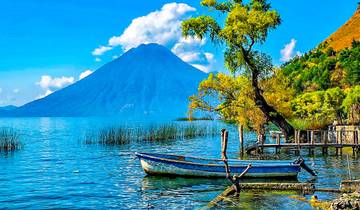
Customized 6 Days Guatemala Trip with Lake Atitlan, Daily Depart (Private)
- ✓ Comprehensive Antigua tour
- ✓ Expert local guides included
- ✓ All accommodation arranged
- ✓ Transportation provided
3 days
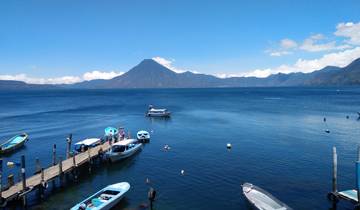
Lake Atitlan & Chichicastenango Market 3D/2N
- ✓ Comprehensive Antigua tour
- ✓ Expert local guides included
- ✓ All accommodation arranged
- ✓ Transportation provided

5 days
5 days Mini Guatemala: living culture and colonial charm
- ✓ Comprehensive Antigua tour
- ✓ Expert local guides included
- ✓ All accommodation arranged
- ✓ Transportation provided
Multi-day tour packages powered by TourRadar. Prices and availability subject to change.
Essential Planning Information 2026
Current Costs and Pricing Breakdown
Antigua Guatemala’s pricing structure positions the destination as Central America’s exceptional value proposition for cultural travelers. Accommodation costs begin at $8-12 per hostel bed in basic dormitories with shared bathrooms, rising to $15-25 for private rooms in budget guesthouses. Mid-range boutique hotels occupying restored colonial buildings charge $40-70 per night for superior rooms with period architecture, courtyard gardens, and cultural ambiance. Luxury colonial hotels command $100-180 nightly for premium accommodations with rooftop terraces, volcano views, and concierge services (check booking platforms for current rates).
Dining expenses span remarkable range reflecting Guatemala’s economic diversity. Street food vendors sell tamales, tostadas, and fresh fruit for $1-2 per serving. Local comedores (neighborhood restaurants) serve complete meals including soup, main course, rice, beans, and drink for $3-6 per person. Tourist-oriented cafes and restaurants charge $8-15 per main course, while upscale establishments serving international cuisine price dishes $15-25 with wine and cocktails adding $5-8 per drink.
Activity and attraction costs remain remarkably affordable. Walking the colonial streets and visiting central plazas costs nothing. Church and convent ruins charge $4-6 entrance fees. Museums typically cost $3-5 for international visitors. Guided volcano hikes to Pacaya or Acatenango range $25-35 per person including transportation and guide services. Coffee plantation tours charge $8-15 for comprehensive farm experiences. Spanish language schools offer week-long immersion programs for $150-250 including 20 hours of one-on-one instruction plus homestay accommodation with three meals daily, representing extraordinary value for cultural immersion seekers.
Transportation within Antigua operates on minimal budgets. The compact colonial core requires no paid transportation for sightseeing. Local chicken buses charge Q5 ($0.65) for rides to nearby villages. Tuk-tuks cost Q10-15 ($1.30-2) for short trips within the city. Taxis charge Q20-30 ($2.60-4) for longer journeys or late-night returns. Bicycle rentals cost $5-8 per day for independent exploration of surrounding areas.
Guatemala Entry Requirements and Documentation
United States, Canadian, European Union, Australian, and New Zealand citizens receive 90-day tourist visas upon arrival at Guatemala’s international airports and land borders with no advance application or fees required. Visitors present valid passports with minimum six months remaining validity and proof of onward travel (return flight ticket or bus reservation to neighboring country). Immigration officers rarely request proof of sufficient funds but $50-100 daily availability serves as reasonable demonstration.
Central America-4 (CA-4) agreement allows visa-free movement between Guatemala, El Salvador, Honduras, and Nicaragua with the initial 90-day period covering all four countries collectively. Travelers planning extended regional exploration must exit the CA-4 zone entirely (to Mexico, Belize, Costa Rica, or Panama) to reset the 90-day clock. Mexico border crossings at Tecún Umán or El Carmen provide straightforward exit-entry points for visa renewal purposes.
COVID-19 entry requirements for Guatemala eliminated vaccination and testing mandates as of 2024. Travelers enter freely regardless of vaccination status with no health declarations or testing protocols required. Individual airlines may maintain their own requirements for boarding flights to Guatemala, so verification with carriers remains prudent during booking processes.
Best Time to Visit Antigua Guatemala 2026
Seasonal Analysis for 2026 Planning
Guatemala’s highland location creates distinct dry (November-April) and rainy (May-October) seasons with profound implications for visitor experiences. Dry season months deliver consistently clear skies with morning volcano views, afternoon sunshine perfect for outdoor exploration, and evening temperatures cooling to comfortable 12-15°C. December-January peak period sees maximum tourist arrivals, fully booked Spanish schools, and premium pricing across accommodation and tour categories.
February-March represents the sweet spot combining optimal weather with moderate crowds before Semana Santa chaos. These months offer perfect volcano hiking conditions, clear photography lighting, and comfortable temperatures for all-day walking tours through colonial districts. Restaurant reservations remain available, boutique hotels accept walk-in bookings with modest advance notice, and Spanish schools place students with minimal waiting periods.
Semana Santa (Holy Week: March 23-30, 2026) transforms Antigua into Guatemala’s premier cultural spectacle. Elaborate alfombras (sawdust carpets) cover entire streets with intricate religious designs destroyed by processional passage minutes after completion. Hotels book out completely 6-12 months ahead with rates tripling normal levels. The extraordinary cultural experience justifies premium costs for travelers prioritizing authentic Guatemalan religious traditions, but casual visitors avoid this week due to extreme crowding and inflated prices.
May-October rainy season receives undeserved negative reputation among first-time Central America travelers. Daily patterns follow predictable schedules with morning sunshine (6 AM-noon) ideal for sightseeing, afternoon thunderstorms (2-4 PM) perfect for museum visits or coffee shop refuges, and evening clearing allowing dinner exploration. Accommodation rates drop 30-50% from peak season levels. Tourist sites operate with minimal crowds. Landscapes glow with lush green vegetation. Volcano views become more dramatic with billowing clouds creating photographic opportunities impossible during dry season clarity.
September-October represents wettest months with potential road disruptions affecting volcano hikes and rural day trips. These months suit dedicated Spanish school students prioritizing intensive language study over extensive touring, digital nomads seeking affordable colonial settings for remote work, and budget travelers maximizing accommodation value through extended stays at reduced rates.
Weather Patterns and Crowd Predictions for 2026
Temperature stability characterizes Antigua’s eternal spring climate. Daytime highs reach 20-25°C year-round with minimal variation between seasons. Nighttime lows drop to 10-15°C requiring light jackets or sweaters for evening activities. Altitude at 1,500 meters moderates heat while avoiding extreme cold, creating comfortable conditions for all-day exploration regardless of season.
Rainfall patterns show dramatic seasonal variation. Dry season months (November-April) receive less than 25mm monthly precipitation with some weeks passing without any rainfall. Rainy season accumulations reach 200-300mm monthly in peak wetness (September-October) but concentrate in predictable afternoon thunderstorms rather than all-day drizzle. Morning activities proceed normally 90% of rainy season days with afternoon storms lasting 1-3 hours before evening clearing.
Volcano visibility follows weather patterns precisely. Dry season mornings (November-April) deliver crystal-clear views of Agua, Fuego, and Acatenango volcanoes framing the city with snow-capped (during rare cold snaps) or smoking (Fuego’s constant activity) peaks visible from most colonial rooftops. Rainy season cloud cover obscures volcano views 50-70% of time but creates spectacular sunset lighting when clouds part during evening clearing periods.
Crowd density peaks during North American and European holiday periods. Christmas-New Year (December 20-January 5) brings maximum tourist arrivals with Spanish schools running at full capacity and boutique hotels fully booked. Spring break (March) sees increased North American college students combining language study with vacation travel. Semana Santa (March 23-30, 2026) creates overwhelming crowds focused on religious processions rather than typical tourism patterns. Summer months (June-August) attract European travelers and North American language students despite rainy season conditions, maintaining moderate tourist numbers through technically low season months.
Accommodation Strategies for 2026
Budget Accommodation Options ($8-25 per night)
Antigua’s hostel scene delivers exceptional value for budget-conscious travelers seeking social atmosphere and central locations. Dormitory beds in popular hostels cost $8-12 per night with amenities including WiFi, shared kitchens, rooftop terraces with volcano views, and organized social activities facilitating traveler connections. The Shelter, Yellow House, and Tropicana Hostel represent established options offering reliable service, security, and prime colonial core locations within 2-3 blocks of Parque Central.
Private rooms in budget hostels range $15-20 per night for couples or travelers prioritizing privacy over dormitory savings. These rooms typically include double beds, shared bathrooms, and access to all hostel common areas and social events. Private bathrooms add $5-8 to nightly rates. Budget guesthouses operating outside formal hostel networks charge $20-25 for basic private rooms with en-suite bathrooms, offering quieter alternatives to hostel social scenes while maintaining walking distance to colonial attractions.
Spanish language school homestays provide unbeatable cultural immersion value at $100-150 per week including private room, three daily meals with Guatemalan host families, and integration into local household routines. Students practice Spanish conversation during breakfast and dinner, experience authentic home cooking, and gain cultural insights impossible through hotel-based tourism. Week-long packages combining 20 hours of one-on-one Spanish instruction with homestay accommodation cost $150-250 total, representing Central America’s premier value for cultural education seekers.
Mid-Range and Luxury Options ($40-180 per night)
Boutique colonial hotels occupying restored 16th-17th century buildings deliver atmospheric accommodations showcasing Antigua’s architectural heritage. Properties like Hotel Convento Santa Catalina, Casa Santo Domingo, and Porta Hotel Antigua charge $40-70 for standard rooms featuring exposed stone walls, colonial furniture, interior courtyards, and period details impossible to replicate in modern construction. Superior rooms with balconies, volcano views, or garden access cost $70-100 nightly.
These mid-range colonial hotels include WiFi, hot water showers, cable TV, and complimentary breakfast (typically continental with fresh fruit, bread, eggs, and Guatemalan coffee). Central locations within 3-5 blocks of Parque Central allow walking access to restaurants, churches, museums, and markets. Many properties feature rooftop terraces offering 360-degree volcano views for sunset photography and evening relaxation.
Luxury colonial hotels command $100-180 per night for premium accommodations in meticulously restored historic buildings. Casa Santo Domingo (former Dominican convent) preserves original church ruins within the hotel complex, offers multiple restaurants and bars, operates an extensive colonial art museum, and maintains beautifully landscaped gardens creating resort atmosphere within walking distance of colonial center. Concierge services arrange private tours, volcano hikes, and cultural experiences tailored to individual interests.
Vacation rental apartments provide excellent value for extended stays or groups requiring kitchen facilities and separate living spaces. Studios cost $35-50 per night, one-bedroom apartments range $50-70, and two-bedroom units accommodate families or friend groups for $80-120 nightly. Monthly rates offer 30-40% discounts from daily pricing, attracting digital nomads and Spanish school students planning 4-8 week stays.
Transportation Guide 2026
Getting to Antigua Guatemala
Guatemala City’s La Aurora International Airport (GUA) serves as primary gateway for international visitors arriving from North American and Latin American hubs. United, Delta, American, Copa, Avianca, and Volaris operate regular flights from major cities. The airport sits 45 kilometers (28 miles) from Antigua with 45-60 minute transfer times on modern CA-1 highway connecting capital to colonial city.
Shared shuttle services provide most efficient airport-Antigua transfers at $12-15 per person. Multiple companies including Antigua Tours, Atitrans, and Colonial Shuttle operate regular departures coordinating with flight arrival times from 6 AM-10 PM daily. Reservations made online or through hotel concierge guarantee seats, though walk-up bookings usually secure immediate or short-wait departures. These shuttles collect passengers at airport terminal exit, consolidate 10-15 travelers per van, and deliver door-to-door service to Antigua hotels.
Private shuttle transfers cost $40-50 for groups of 1-4 passengers, delivering flexibility for late arrivals, early departures, or travelers with extensive luggage. Private services eliminate waiting times for passenger consolidation and proceed directly to destinations without multiple hotel stops. Families and small groups find private shuttles cost-competitive with shared services when splitting costs among 3-4 travelers.
Public chicken buses run Guatemala City-Antigua routes for adventurous budget travelers. Buses depart from Terminal Central in Guatemala City zone 4, requiring initial taxi ride ($8-12) from airport to bus terminal. Antigua-bound buses charge Q5-8 ($0.65-1) per person with 90-120 minute journey times including multiple stops through Guatemala City suburbs. This option demands Spanish language skills, luggage management on crowded buses, and time flexibility, but delivers authentic Guatemalan transport experience at minimal cost.
Getting Around Antigua Guatemala
Walking dominates Antigua transportation as the compact 1.5 km × 1.5 km colonial core concentrates all major attractions within 15-20 minute walking radius. Flat terrain, pedestrian-friendly cobblestone streets, and grid layout facilitate independent navigation. Parque Central serves as orientation landmark with north-south and east-west axes providing clear directional references. Most visitors spend entire Antigua stays walking between churches, museums, restaurants, and markets without requiring any paid transportation.
Tuk-tuks (motorized three-wheel taxis) provide quick hops for weary walkers or transfers with luggage between hotels and shuttle departure points. Rides within colonial core cost Q10-15 ($1.30-2) for short distances. Tuk-tuks congregate around Parque Central and major hotels accepting rides without advance booking. Nighttime returns from restaurants or bars after dark warrant tuk-tuk use for safety and convenience at minimal cost.
Standard taxis charge Q20-30 ($2.60-4) for rides within Antigua or short trips to nearby attractions like Cerro de la Cruz viewpoint. Taxis park at Parque Central and can be hailed on major streets. Hotel and restaurant staff arrange taxi pickups for return trips. Uber operates in Antigua with similar pricing to traditional taxis and added convenience of app-based booking and payment.
Chicken buses serve budget travelers visiting nearby villages and attractions. San Antonio Aguas Calientes (textile market village) sits 20 minutes away with Q5 ($0.65) bus fare. Ciudad Vieja (former colonial capital) requires Q8 ($1) for 30-minute journey. Buses depart from market area on west side of colonial core with frequent departures throughout daylight hours. This authentic local transport option suits adventurous travelers comfortable with crowded conditions and Spanish-language route navigation.
Bicycle rentals cost $5-8 per day from shops along 5a Avenida Norte and near Parque Central. Bikes provide efficient transport for exploring surrounding areas including coffee plantations, macadamia farms, and villages within 5-10 km radius. Old Town Outfitters and several local shops rent quality mountain bikes suitable for cobblestone streets and rural roads. Cycling within colonial core proves challenging due to narrow streets, heavy foot traffic, and rough cobblestones, but bikes excel for countryside exploration and exercise-minded travelers.
Money-Saving Strategies for 2026
Advance Booking Benefits
Spanish language school enrollment 4-8 weeks before arrival secures preferred teacher assignments, optimal homestay family placements, and early-bird discounts of 10-20% on week-long packages. Schools including Antiguena Spanish Academy, San José El Viejo, and Proyecto Lingüístico Francisco Marroquín offer best rates and student placement when booking before arrival rather than walk-in enrollment upon reaching Antigua.
Boutique hotel reservations 2-4 weeks ahead guarantee room availability at published rates without premium last-minute surcharges. Many properties offer 5-10% discounts for direct bookings through hotel websites rather than third-party platforms. Dry season advance booking prevents situation where preferred properties sell out, forcing expensive last-minute alternatives or less desirable locations outside colonial core.
Volcano hiking tours booked directly with operators like Old Town Outfitters, Antigua Adventure Tours, and reputable local agencies cost $25-30 per person compared to $35-45 for same-day hotel desk bookings with commission markups. Multi-day packages combining Pacaya and Acatenango hikes deliver additional savings versus booking tours individually. Online advance reservations secure preferred departure dates and group sizes.
Seasonal Optimization Tips
Rainy season travel (May-October) delivers 30-50% accommodation discounts with identical room quality and service levels as peak season at fraction of cost. Budget travelers achieving $8 hostel beds during dry season find same beds discounted to $5-6 during rainy months. Mid-range colonial hotels dropping from $70 to $45-50 per night create luxury experiences at budget prices for visitors comfortable with afternoon rainstorms.
Restaurant lunch specials (12 PM-3 PM) offer complete meals at 30-40% discounts from dinner pricing. Tourist-oriented cafes serving $12-15 dinner entrees provide identical dishes for $8-10 during lunch hours. Local comedores (neighborhood restaurants) reduce already-affordable $4-6 meals to $3-4 for lunch menu del día (menu of the day) specials including soup, main course, rice, beans, drink, and sometimes dessert.
Free walking tours departing Parque Central daily at 10 AM provide excellent colonial history orientation and site context at no fixed cost (Q20-40 / $2.50-5 tips appreciated). These 2-3 hour tours cover major churches, plazas, ruins, and historical narratives matching or exceeding paid tour quality while allowing budget flexibility through tip-based compensation model.
Budget Accommodation Hacks
Extended stay discounts apply at most hostels and guesthouses for bookings exceeding one week. Weekly rates average 15-20% below daily pricing, while monthly rates achieve 30-40% savings attractive to Spanish school students and digital nomads planning longer Antigua stays. Negotiating weekly or monthly rates directly with property managers often yields better deals than online booking platform rates.
Work exchange programs at hostels and Spanish schools provide free accommodation and meals in exchange for 15-20 hours weekly volunteer work. Typical positions include hostel reception shifts, social media management, tour coordination, and teaching English conversation classes. HelpX and Workaway platforms list numerous Antigua opportunities allowing extended stays at zero accommodation cost while developing local connections and cultural immersion.
Homestay accommodation through Spanish schools costs $100-150 per week including private room and three daily meals, working out to $14-21 per day for room and board combined—less than budget hostel bed plus separate meal costs. Non-student homestays arranged through local agencies cost slightly more ($150-200 weekly) but remain available for travelers not enrolled in language programs seeking authentic family experiences.
Sample 2026 Itineraries
Budget 3-Day Antigua Guatemala Experience
Day 1 – Colonial Core Exploration: Morning free walking tour departing Parque Central 10 AM provides historical context and site orientation (Q20 tip). Lunch at Doña Luisa Xicotencatl bakery-café costs Q35-50 ($4.50-6.50) for sandwich, coffee, and pastry with rooftop seating overlooking city. Afternoon visits La Merced Church (free entry to church, Q40/$5 for convent ruins) and ChocoMuseo chocolate museum Q40 ($5) with free samples. Dinner at local comedor on Alameda Santa Lucía costs Q30-40 ($4-5) for complete typical meal. Evening stroll around illuminated colonial buildings and plazas (free). Hostel accommodation $10, free walking tour Q20 tip, lunch Q50, La Merced ruins Q40, ChocoMuseo Q40, dinner Q40, snacks Q15. Total day cost: Q205 ($26.50) per person (excluding accommodation).
Day 2 – Volcano Adventure: Pacaya volcano guided hike departing 6 AM costs Q200-240 ($25-30) including transportation, guide, and national park entrance. Tour includes roasting marshmallows over active lava vents and spectacular views of Antigua and surrounding volcanoes. Return to Antigua 2-3 PM for late lunch at Rincon Típico Q35-50 ($4.50-6.50) for traditional pepián or kak’ik stew. Afternoon rest at hostel or explore local markets (Mercado Central free entry, street food Q5-10 per item). Dinner at budget-friendly Rainbow Café Q50-70 ($6.50-9) for international menu options. Evening drinks at hostel rooftop bar Q15-25 ($2-3) per local beer. Hostel accommodation $10, Pacaya tour Q240, lunch Q50, market snacks Q15, dinner Q70, drinks Q25. Total day cost: Q400 ($51.50) per person (excluding accommodation).
Day 3 – Cultural Immersion: Morning visit Casa Santo Domingo museum complex Q75 ($9.75) for colonial art collections, preserved church ruins, and beautiful gardens. Mid-morning coffee break at Café Sky Q25-35 ($3-4.50) for cappuccino with rooftop volcano views. Lunch at San Martín restaurant Q40-60 ($5-7.75) for authentic Guatemalan cuisine. Afternoon textile shopping at Nim Po’t artisan cooperative (free entry, purchases optional) and visit to Jade Museum Q50 ($6.50). Early dinner at La Fonda de la Calle Real Q60-80 ($7.75-10.50) for traditional atmosphere and live marimba music. Evening Cerro de la Cruz viewpoint hike for sunset (free, or Q10 tuk-tuk one-way if avoiding uphill walk). Hostel accommodation $10, Casa Santo Domingo Q75, coffee Q35, lunch Q60, Jade Museum Q50, dinner Q80, tuk-tuk Q10, snacks Q20. Total day cost: Q330 ($42.50) per person (excluding accommodation).
3-Day Budget Total: Accommodation $30 (three hostel nights), activities and meals Q935 ($120.50). Complete three-day budget Antigua experience: $150.50 per person. Adding Spanish school week-long package ($150-200 including homestay and meals) extends trip to 10 days total for $300-350 comprehensive cultural immersion.
Mid-Range 5-Day Antigua Guatemala Itinerary
Day 1 – Arrival and Orientation: Shared shuttle from Guatemala City airport Q100 ($12.50). Check-in boutique colonial hotel mid-afternoon. Evening orientation walk through Parque Central, Arco de Santa Catalina, and surrounding colonial streets (free). Dinner at Hector’s Bistro Q120-160 ($15-20) for contemporary Guatemalan cuisine in colonial courtyard setting. Welcome cocktail at El Barrio rooftop bar Q50-70 ($6.50-9). Boutique hotel $60, airport shuttle Q100, dinner Q160, drinks Q70. Total day cost: Q330 ($42.50) per person (excluding accommodation).
Day 2 – Colonial Heritage Deep Dive: Breakfast included with hotel room. Morning guided tour (booked through hotel) of Antigua’s major churches and convents Q200 ($25) covers La Merced, San Francisco, Capuchinas convent ruins, and historical narratives. Lunch at Café Condesa Q90-120 ($11.50-15) for farm-to-table menu using local ingredients. Afternoon Casa Santo Domingo museum visit Q75 ($9.75) and relaxation in hotel courtyard or rooftop. Dinner at Casa Escobar Q140-180 ($18-23) serving upscale Guatemalan cuisine with wine. Hotel $60, guided tour Q200, lunch Q120, museum Q75, dinner Q180, coffee/snacks Q40. Total day cost: Q615 ($79) per person (excluding accommodation).
Day 3 – Acatenango Volcano Overnight Trek: Depart 9 AM for Acatenango overnight volcano hike Q400-480 ($51-62) including transportation, guide, camping equipment, meals, and summit attempt for sunrise views of erupting Fuego volcano. This challenging 8-10 hour hike to 3,976-meter summit represents Antigua’s premier adventure experience with spectacular volcanic activity viewing from safe distance. Return late Day 4 afternoon exhausted but exhilarated. Hotel room held during volcano trip $60 (two nights), Acatenango tour Q480, pre-hike breakfast Q50, post-hike dinner Q100. Total for Days 3-4: Q630 ($81) per person (excluding accommodation).
Day 5 – Cultural Exploration and Departure: Late morning coffee plantation tour Q80-120 ($10-15) at nearby farm learning organic cultivation, processing, and roasting techniques with cupping session. Lunch at Tartines bakery Q80-100 ($10-13) for French-influenced menu. Afternoon jade factory and museum visit Q50 ($6.50) plus shopping time for handicrafts and textiles. Early dinner at Bistrot Cinq Q120-160 ($15-20). Evening shuttle to Guatemala City airport Q100 ($12.50) for late flight departure. Hotel $60, coffee tour Q120, lunch Q100, jade museum Q50, dinner Q160, airport shuttle Q100, purchases Q200. Total day cost: Q730 ($93.50) per person (excluding accommodation).
5-Day Mid-Range Total: Accommodation $300 (five boutique hotel nights), activities and meals Q2,305 ($296). Complete five-day mid-range Antigua experience: $596 per person including all transportation, activities, and quality dining experiences.
Booking and Reservations for 2026
Official Booking Channels
Antigua Guatemala tourism information maintains limited official booking infrastructure as independent city with most services operating through private businesses. The municipal tourism website (antiguaguatemala.com) provides general information but directs reservations to individual hotels, tour operators, and Spanish schools.
Spanish language school bookings proceed directly through individual school websites or email contact. Established schools including Antiguena Spanish Academy (antiguena.com), San José El Viejo (sanjoseelviejo.com), and Christian Spanish Academy (learnspanishinguatemala.com) respond to email inquiries within 24-48 hours with program details, pricing, and enrollment procedures. Most schools require deposit payment (typically $50-100) to secure placement with balance due upon arrival.
Hotel reservations function through standard international booking platforms (Booking.com, Hotels.com, Expedia) for larger properties and boutique hotels. Smaller guesthouses and family-run accommodations often lack online presence, requiring direct email or WhatsApp contact for reservations. Many properties offer 5-10% discounts for direct bookings versus platform commissions, making email reservations financially advantageous when possible.
Tour operator bookings proceed through company websites or in-person at Antigua offices. Old Town Outfitters (antiguatours.net), Adrenalina Tours, and established operators maintain online reservation systems. Smaller operators prefer WhatsApp communication for English-speaking travelers. Walk-in bookings remain available at operator offices along 5a Avenida and near Parque Central, though advance reservation (even 1-2 days) guarantees availability for popular volcano hikes during peak season.
Tour Operator Recommendations
Old Town Outfitters represents Antigua’s most established adventure tour operator with 15+ years experience running volcano hikes, coffee plantation tours, and mountain biking excursions. Their Acatenango overnight trek ($51-62) includes quality camping equipment, experienced guides, comprehensive meals, and excellent safety record. Pacaya day hikes ($25-30) feature knowledgeable multilingual guides and small group sizes ensuring personalized attention.
Adrenalina Tours specializes in adventure activities including volcano boarding on Pacaya’s ash slopes, mountain biking to surrounding villages, and zip-lining through cloud forests. Their innovative activities attract adrenaline-seeking travelers looking beyond standard sightseeing. Professional equipment maintenance and guide training emphasize safety while delivering exciting experiences.
Antigua Tours operates shared shuttle services connecting Antigua to Guatemala City airport, Lake Atitlán, Tikal, and other regional destinations. Their punctual departures, comfortable vehicles, and efficient routing make multi-destination Guatemala travel logistics manageable. Online booking system allows advance reservation with confirmation emails and door-to-door hotel pickup.
Local cooperatives including Nim Po’t (artisan textiles) and Casa del Tejido Antiguo (textile museum and workshop) arrange cultural experiences including weaving demonstrations, natural dye workshops, and village visits to indigenous textile communities. These cooperatives reinvest proceeds into artisan development programs, making purchases and workshop participation directly support local economies.
Planning Your 2026 Antigua Guatemala Visit
Suggested Visit Duration
First-time visitors exploring Antigua’s colonial architecture, churches, and museums adequately cover major attractions within 3-4 days. This duration allows comprehensive walking tours of colonial districts, visits to primary church and convent sites, museum exploration, market experiences, and one volcano day trip (Pacaya) without rushing between activities. Travelers combining Antigua with Lake Atitlán or Tikal trips find this timeline fits 10-14 day Guatemala itineraries efficiently.
Spanish language school students commit 1-4 week study periods with one-week intensive programs providing substantial language improvement while allowing weekend exploration of surrounding region. Four-week programs enable conversational fluency development through daily classes combined with homestay immersion creating comprehensive learning environments. Extended language study stays suit digital nomads combining remote work with cultural education.
Adventure travelers focusing on volcano experiences benefit from 5-7 day stays allowing Pacaya day hike, Acatenango overnight trek, and recovery time between physically demanding excursions. This timeline permits weather flexibility for optimal hiking conditions and includes cultural activities during rest days between climbs.
Photography enthusiasts and cultural researchers justify 7-10 day stays capturing extensive colonial architecture documentation, attending religious festivals or market days, and developing comprehensive understanding of Antigua’s UNESCO World Heritage significance through repeat visits to major sites under different lighting conditions and atmospheric circumstances.
Combining Antigua with Other Guatemala Destinations
Lake Atitlán sits 2.5-3 hours west of Antigua via shared shuttle ($15-20 per person) or chicken bus transfers ($4-6 total). The stunning volcanic lake surrounded by indigenous villages complements Antigua’s colonial focus with natural beauty and highland Maya culture experiences. Travelers allocating 3-4 days at each destination create balanced cultural-natural Guatemala itineraries within 7-10 day timeframes.
Semuc Champey jungle waterfalls and caves require 8-10 hours travel from Antigua via overnight bus or shuttle connections. Budget travelers prioritizing adventure activities over comfort endure challenging journeys for spectacular natural attractions. This extension suits 14+ day Guatemala trips with time for remote region exploration.
Tikal Maya ruins in Petén jungle represent Guatemala’s premier archaeological site accessible via 50-minute flight from Guatemala City ($100-150 per person) or 8-10 hour overnight bus journey ($20-30). Travelers with limited time fly round-trip allowing 2-3 day Tikal excursions from Antigua base. Budget travelers comfortable with long bus rides save significantly using ground transportation.
Pacific Coast beaches at Monterrico provide 2-3 hour escape from highland climate with black sand beaches, sea turtle conservation projects, and fresh seafood restaurants. Weekend beach trips complement Antigua’s colonial and cultural focus with relaxation and coastal experiences. Shuttle services cost $15-20 per person each way with frequent departures coordinating with Guatemala City airport flight schedules.
2026 Updates and Current Information
Infrastructure Improvements
Antigua’s 2026 tourism infrastructure benefits from ongoing street restoration projects improving accessibility while maintaining colonial character. Recent cobblestone repairs on major thoroughfares smooth walking surfaces without compromising historic aesthetics. Enhanced street lighting installation throughout colonial core improves evening safety and extends comfortable walking hours for restaurant and nightlife activities.
WiFi availability expansion reaches 90% coverage across colonial center with many plazas now offering free municipal wireless access complementing café and restaurant connections. This improvement particularly benefits digital nomads and remote workers choosing Antigua for extended stays combining cultural immersion with professional productivity.
Guatemala City airport shuttle service consolidation improves reliability and competitive pricing with multiple reputable companies offering standardized $12-15 rates and professional service levels. Enhanced coordination between shuttle operators and flight arrival times reduces waiting periods and improves first-arrival experiences for international visitors.
New Attractions and Services
Textile arts center opening in restored colonial building near La Merced church provides expanded exhibition space for Guatemala’s renowned weaving traditions. Interactive demonstrations, natural dye workshops, and master weaver collaborations create enhanced cultural programming beyond static museum displays. The center supports indigenous artisan communities through fair trade marketplace and educational programming.
Farm-to-table restaurant expansion reflects Antigua’s emerging culinary sophistication with several new establishments featuring locally-sourced ingredients, contemporary Guatemalan cuisine interpretations, and organic coffee roasting operations. These additions complement traditional dining options with upscale alternatives for food-focused travelers.
Mountain biking trail development in surrounding countryside provides marked routes connecting coffee plantations, rural villages, and natural viewpoints. Trail maps available at bike rental shops and online resources enable independent exploration beyond guided tours. This infrastructure supports growing adventure tourism segment while maintaining responsible environmental practices.
Preservation and Sustainability Initiatives
UNESCO World Heritage status monitoring continues with strict architectural preservation requirements ensuring colonial building integrity. New construction within historic zone requires approval demonstrating aesthetic compatibility with surrounding colonial architecture. These regulations maintain Antigua’s authentic character despite tourism growth pressures.
Waste reduction campaigns targeting plastic elimination gain momentum with many restaurants and cafes phasing out single-use plastics in favor of biodegradable alternatives. Reusable bag programs at markets reduce plastic waste while supporting environmental sustainability goals. Travelers contribute by carrying reusable water bottles, shopping bags, and refusing unnecessary packaging.
Community tourism initiatives connect visitors directly with local families and artisan cooperatives ensuring tourism revenue benefits residents rather than concentrating in foreign-owned businesses. Homestay programs, textile cooperative workshops, and neighborhood-based cultural experiences provide authentic interactions while supporting economic development in residential areas.
Frequently Asked Questions
Is Antigua Guatemala safe for tourists in 2026?
Antigua Guatemala maintains Central America’s strongest tourist safety record with heavy police presence in colonial core, dedicated tourist police units, and security camera networks monitoring main streets and plazas. Violent crime against tourists remains extremely rare with most security concerns involving minor theft from unattended bags or vehicles. Standard urban precautions (avoiding isolated areas after dark, securing valuables, using licensed taxis for late-night transport) provide adequate protection for typical tourism activities. The walking-friendly compact colonial center allows tourists to remain in well-trafficked areas throughout visits. Guatemala’s broader security challenges in certain regions do not significantly impact Antigua’s tourist environment, though travelers should avoid unnecessary night travel between cities and consult current advisories when planning excursions beyond Antigua.
What vaccinations do I need for Guatemala travel?
Guatemala requires no mandatory vaccinations for entry from most countries, though routine vaccinations (MMR, tetanus, hepatitis A and B) receive recommendation from health authorities. Yellow fever vaccination becomes mandatory only for travelers arriving from yellow fever endemic countries in South America or Africa. Antigua’s highland altitude (1,500 meters) reduces mosquito-borne disease risk compared to coastal or jungle regions, with dengue and malaria extremely rare in the city itself. Travelers planning extensive rural touring or jungle region visits (Petén, Pacific coast) should consult travel medicine specialists regarding additional preventive measures. Water quality in Antigua remains questionable for drinking, with bottled or purified water recommended for consumption. Most hotels and restaurants use purified water for cooking and ice, though verification with establishments provides certainty. Standard hygiene practices (handwashing, avoiding raw vegetables at questionable establishments) prevent most food-borne illnesses.
Can I use US dollars in Antigua Guatemala?
Guatemala’s official currency, the quetzal (Q), remains preferred for all transactions with exchange rates hovering around Q7.5-8 per US dollar. While some tourist-oriented businesses accept US dollars, exchange rates typically disadvantage dollar users with markups reducing purchasing power 10-15% compared to quetzal transactions. ATMs throughout Antigua dispense quetzales directly from international bank accounts with minimal fees (typically $2-5 per withdrawal plus home bank charges). Banks and exchange offices (casas de cambio) convert US dollars to quetzales at fair rates with passport identification required for transactions exceeding $100. Budget travelers minimize fees by making larger ATM withdrawals (Q1,000-2,000 / $125-250) reducing per-transaction costs. Credit cards see acceptance at mid-range and upscale hotels, restaurants, and tour operators, though 3-5% foreign transaction fees apply unless using specialized travel credit cards. Street vendors, local comedores, and chicken buses operate cash-only with quetzales required.
Do I need Spanish language skills for Antigua Guatemala?
Tourist-oriented businesses in Antigua’s colonial core operate with English-speaking staff at hotels, restaurants, tour operators, and attractions catering to international visitors. Travelers sticking to standard tourism activities manage successfully with minimal Spanish beyond basic greetings and numbers. However, Spanish language skills dramatically enhance experiences when exploring beyond tourist zones, interacting with local markets, using public transportation, or engaging with Guatemalan culture authentically. Antigua’s concentration of Spanish language schools creates language learning atmosphere where practice opportunities abound and locals demonstrate patience with student efforts. Even basic Spanish phrases (greetings, numbers, food terms, directions) transform interactions and demonstrate cultural respect. The city’s reputation as Central America’s premier Spanish language learning destination makes it ideal for travelers wanting to study Spanish while exploring colonial attractions. Week-long immersion programs combining daily classes with homestay accommodation accelerate language acquisition substantially. For travelers planning extended Guatemala exploration beyond Antigua, Spanish proficiency becomes increasingly valuable as English speakers decline in rural areas and non-tourist destinations.
What should I pack for Antigua Guatemala weather?
Antigua’s eternal spring climate requires layered clothing accommodating 15-25°C temperature ranges between mornings and afternoons. Lightweight long pants and long-sleeve shirts provide sun protection and cultural appropriateness when visiting churches (shoulder covering required at religious sites). A light jacket or sweater handles evening cooling and air-conditioned indoor spaces. Comfortable walking shoes with good traction navigate cobblestone streets safely—athletic shoes or hiking boots work better than sandals or dress shoes. Rain jacket or compact umbrella proves essential May-October (rainy season) when afternoon thunderstorms arrive predictably. Sunscreen, sunglasses, and wide-brimmed hat counter intense high-altitude UV exposure at 1,500 meters elevation. For volcano hikes (particularly Acatenango overnight trek), warm layers including fleece or down jacket become necessary as summit temperatures drop near freezing overnight with potential winds intensifying cold exposure. Volcano hike packing lists typically specify hiking boots, headlamp, warm sleeping bag (often provided by tour operators), and extra clothing layers. Dry season visitors (November-April) manage with lighter packing loads while rainy season travelers include waterproof layers and quick-drying clothing for afternoon storm management.
Are ATMs readily available in Antigua Guatemala?
Antigua’s colonial center contains 15+ ATMs concentrated around Parque Central and along major commercial streets (4a Calle Oriente, 5a Avenida Norte). BAM (Banco Agromercantil), Banrural, Banco Industrial, and international bank branches operate secure indoor ATMs with 24-hour access, though nighttime withdrawals warrant caution for personal safety. Daily withdrawal limits typically cap at Q5,000 ($625) per transaction with some banks allowing multiple daily transactions while others restrict to single withdrawal. ATM fees charged by Guatemalan banks range Q30-50 ($4-6.50) per transaction regardless of amount, making larger withdrawals more cost-effective than multiple small transactions. Most international debit and credit cards function normally with Visa and Mastercard showing highest acceptance rates. Travelers should notify home banks about Guatemala travel plans preventing fraud detection systems from blocking legitimate transactions. ATMs occasionally run out of cash on Sunday afternoons or during major holidays when banks close for extended periods, so withdrawing sufficient funds before weekend or holiday closures avoids inconvenience. Street-level ATM kiosks exist but present higher security risks compared to bank branch ATMs inside guarded facilities. Smart travelers use daytime banking at secure ATMs while avoiding isolated machines or nighttime withdrawals when personal safety risks increase.
Can vegetarians and vegans find food easily in Antigua?
Antigua’s international community and tourism infrastructure create unusually favorable environment for vegetarian and vegan travelers compared to typical Guatemalan cities. Multiple dedicated vegetarian and vegan restaurants operate in colonial core including Rainbow Café, Samsara, and Earth Lodge offering plant-based menu options. Traditional Guatemalan cuisine includes numerous naturally vegetarian dishes: black bean soup (frijoles), guacamole, cheese-topped tostadas, rice and beans, vegetable tamales, and fresh fruit. Travelers must specify “sin carne” (without meat) or “vegetariano” when ordering as chicken broth often flavors seemingly vegetarian dishes. Vegan travelers face more challenges as cheese and eggs feature prominently in Guatemalan cooking, though explaining “sin productos animales” (without animal products) at restaurants usually produces satisfactory meals. Café culture supporting digital nomads and international residents means oat milk, almond milk, and non-dairy alternatives appear regularly at coffee shops. Markets sell abundant fresh produce, and many accommodations with kitchen access allow self-catering using local vegetables, fruits, beans, and grains available at remarkable prices. The combination of tourist-oriented international restaurants, adaptable traditional dishes, and fresh produce availability makes Antigua among Central America’s most vegetarian-friendly destinations, though vegan travelers should research specific restaurants and may need to communicate dietary requirements more explicitly than in fully vegan-accommodating cities.
What’s the tipping culture in Antigua Guatemala?
Guatemalan tipping customs blend local practices with tourist-area expectations creating hybrid system. Restaurants serving tourists typically expect 10% gratuity with some upscale establishments including service charges on bills (verify before adding additional tip). Local comedores and budget eateries don’t expect tips, though small amounts (Q5-10 / $0.65-1.30) acknowledge good service. Tour guides and drivers receive Q40-80 ($5-10) per person for day trips, with overnight volcano trek guides often receiving Q100-150 ($13-19) reflecting extended service and challenging conditions. Hotel staff appreciate Q10-20 ($1.30-2.50) per bag for porters, Q20-40 ($2.50-5) daily for housekeeping, and similar amounts for concierge assistance securing reservations or transportation. Taxi and tuk-tuk rides don’t require tips as negotiated or metered fares represent full payment, though rounding up to nearest Q5 or Q10 mark is common courtesy. Free walking tours operate on tip-based model with Q40-80 ($5-10) representing appropriate appreciation for 2-3 hour tours. Spanish language teachers don’t expect tips beyond agreed-upon course fees, though small gifts or Q100-200 ($13-25) parting bonuses for particularly excellent instruction show appreciation. Overall, tipping remains less ingrained than North American practice but more expected than traditional Guatemalan norms, reflecting Antigua’s position as international tourist destination bridging local and foreign customs.
Is tap water safe to drink in Antigua Guatemala?
Tap water in Antigua Guatemala requires treatment before consumption as municipal systems lack filtration and purification standards ensuring safety for international travelers with different bacterial tolerances. All visitors should drink bottled water ($0.65-1.30 for 1.5-liter bottles) widely available at convenience stores, supermarkets, and street vendors. Most hotels and restaurants use purified water for drinking, cooking, and ice production, though confirmation with establishments provides certainty particularly at budget accommodations. Travelers staying longer than few days consider purchasing large 5-gallon water jugs ($3-4 with deposit) for economical and environmentally-friendly hydration. Water purification tablets or portable filters (SteriPEN, LifeStraw) enable tap water treatment for budget-conscious or environmentally-minded travelers reducing plastic bottle consumption. Tooth brushing with tap water generally causes no issues for most travelers, though cautious visitors use bottled water for all oral hygiene. Showering and hand washing present no concerns as skin contact differs from consumption exposure. Ice at tourist-oriented establishments typically uses purified water, but verification or avoidance at questionable venues prevents potential issues. Fresh vegetables and fruits washed in tap water may harbor bacteria, so eating at reputable restaurants or washing produce with purified water mitigates risks. Antigua’s altitude and climate mean water-borne illness proves less prevalent than tropical lowland regions, but standard precautions prevent avoidable digestive problems that could disrupt travel plans.
What cultural etiquette should I know for Antigua Guatemala?
Guatemalan cultural norms emphasize politeness, respect, and conservative social interaction particularly in traditional contexts. Greeting people with “buenos días” (good morning), “buenas tardes” (good afternoon), or “buenas noches” (good evening) before starting conversations or entering shops shows basic courtesy. Addressing people as “señor” (sir), “señora” (madam), or “señorita” (miss) demonstrates respect, particularly with older Guatemalans. Asking permission before photographing people, especially indigenous individuals in traditional dress, respects personal dignity and cultural sensitivity—many market vendors appreciate small purchases before portrait photography. Church visiting requires modest clothing with shoulders and knees covered; shorts, tank tops, and revealing clothing prove inappropriate in religious contexts. Removing hats inside churches follows standard practice. Haggling at markets represents expected negotiation, though aggressive bargaining over small amounts (Q5-10 / $0.65-1.30) appears disrespectful given price differences represent minimal sums for most international travelers. Punctuality operates more flexibly than Northern European or North American standards, with “Guatemalan time” sometimes meaning 15-30 minute delays, though tourist services generally maintain scheduled departures. Indigenous people maintain distinct cultural practices and languages (21+ Maya languages spoken in Guatemala) deserving recognition and respect beyond treating all Guatemalans as homogeneous group. Political discussions warrant caution given Guatemala’s complex recent history including civil war (1960-1996), though many Guatemalans welcome respectful cultural exchanges and questions about history and contemporary society when approached with genuine interest rather than judgment.