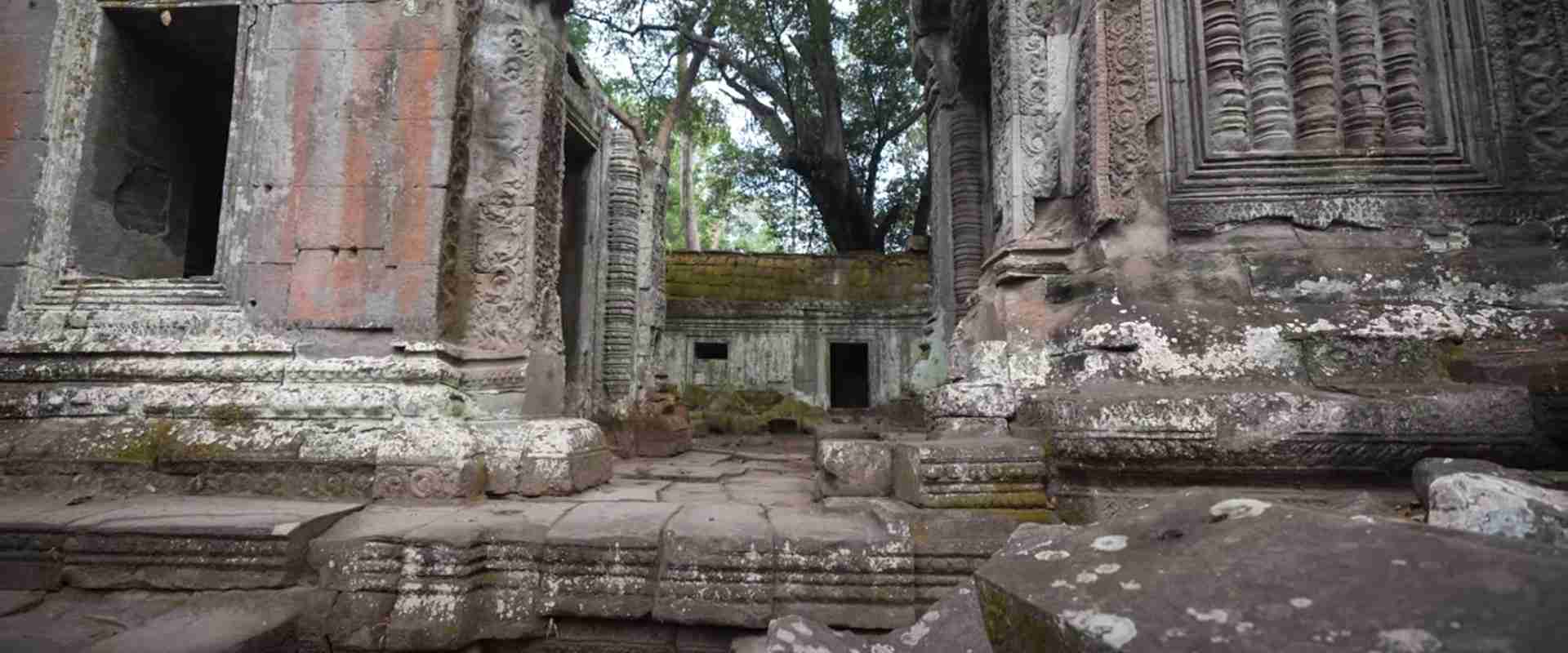
Angkor Wat Budget Guide 2025: Complete Cost Breakdown
Key Takeaways
- Budget travelers can visit Angkor Wat for $50-60 per day including accommodation, food, temple pass, and transportation
- The 3-day Angkor Pass ($62) offers better value than multiple single-day passes ($37 each), with validity over 10 days
- Tuk-tuk rentals cost $20-25 per day for temple hopping, while bicycle rentals are only $5-6 per day
- Street food meals cost $2-3, while Western restaurants charge $5-10 per dish in tourist areas
- Peak season (November-April) prices are 20-30% higher than low season across all categories
- Booking accommodations and tours directly with local operators saves 30-50% compared to international platforms
Understanding the Real Costs of Visiting Angkor Wat
Planning a trip to Angkor Wat requires understanding the complete cost structure beyond just the famous temple entrance fees. As one of the world’s most spectacular UNESCO World Heritage Sites, Angkor attracts nearly 1.4 million visitors annually, yet many travelers arrive unprepared for the full financial picture. This comprehensive budget guide breaks down every expense category, from essential temple passes to hidden costs that can derail your budget.
The key to budgeting successfully for Angkor Wat lies in understanding Cambodia’s dual currency system, seasonal price fluctuations, and the dramatic cost differences between tourist areas and local neighborhoods. Whether you’re backpacking through Southeast Asia or planning a cultural heritage vacation, this guide provides the exact figures you need to plan your visit effectively.
Essential Angkor Pass Costs and Options
Official Temple Pass Pricing
The Angkor Pass represents your biggest single expense and is mandatory for all non-Cambodian visitors. The pricing structure is designed to encourage longer stays, with significant per-day savings for multi-day passes:
- 1-Day Pass: $37 USD (valid for one day)
- 3-Day Pass: $62 USD (valid for 10 days, use any 3 days)
- 7-Day Pass: $72 USD (valid for one month, use any 7 days)
The mathematics strongly favor multi-day passes. Three single-day passes would cost $111, making the 3-day pass a $49 savings. The flexibility is equally valuable—you’re not required to visit on consecutive days, allowing you to skip days due to weather, fatigue, or other activities.
Money-Saving Pass Strategies
Purchase your pass after 5:00 PM to use it the following day as well, effectively getting two days for the price of one on single-day passes. However, this trick only works if you can access the temple complex that late, as most temples close at 5:00 PM except for Phnom Bakheng and Pre Rup, which close at 7:00 PM.
Buy tickets online through the official website to avoid queuing at the ticket office. While prices remain identical, the convenience factor becomes valuable during peak season when ticket lines can extend for 30-45 minutes during sunrise hours.
Transportation Costs Around Angkor
Tuk-Tuk Services
Tuk-tuks represent the most popular transportation option for Angkor temple exploration, offering the perfect balance of comfort, cost, and authentic experience. Daily hire rates depend on the circuit and distance:
- Small Circuit (Angkor Wat, Bayon, Ta Prohm): $20-25 USD per day
- Grand Circuit (includes outer temples): $30-35 USD per day
- Banteay Srei Circuit (distant temples): $35-50 USD per day
Tuk-tuks accommodate up to 4 people comfortably, making them cost-effective for small groups. Split between four travelers, even the most expensive circuit costs only $12.50 per person per day. Your driver waits at each temple, providing flexibility to explore at your own pace.
Alternative Transportation Options
Bicycle rentals offer the most budget-friendly option at $5-6 USD per day. The flat terrain around Angkor makes cycling feasible, though the 7-kilometer distance from Siem Reap to Angkor Wat, plus temple-to-temple distances, requires good fitness levels. Early morning starts help avoid Cambodia’s intense midday heat.
Motorbike rentals cost $8-12 USD per day and provide independence for experienced riders. However, international driving permits and local licensing requirements add complexity. Many rental shops operate informally, creating potential insurance complications.
Private cars with drivers range from $35-50 USD per day, offering air conditioning and comfort but reducing the authentic Southeast Asian experience many travelers seek.
Accommodation Budget Breakdown
Budget Accommodation Options
Siem Reap’s accommodation scene caters to every budget level, with the majority of options concentrated within walking distance of the Old Market and Pub Street areas:
Hostel dormitories represent the most economical choice at $4-8 USD per night. Quality varies significantly, with newer hostels near the Old Market offering better facilities, security, and social atmospheres. Air conditioning typically adds $2-3 USD to dorm rates.
Budget guesthouses provide private rooms from $8-15 USD per night. These family-run establishments often include basic breakfast and can arrange tours, though English levels vary. Rooms typically feature fans, shared bathrooms, and basic furnishings.
Mid-Range and Luxury Options
Mid-range hotels ($20-40 USD per night) offer private bathrooms, air conditioning, swimming pools, and professional service. Many include breakfast and provide convenient location advantages near major restaurants and bars.
Luxury accommodations start around $60 USD per night, featuring resort-style amenities, spa services, and often the most convenient access to Angkor’s temples. These properties frequently offer package deals including temple passes and guided tours.
Seasonal Accommodation Pricing
Prices fluctuate dramatically based on season and demand. Peak season (November through April) sees 20-30% price increases across all accommodation categories. Chinese New Year, Christmas, and New Year periods can see prices double at popular properties.
Book accommodations 2-3 weeks in advance during peak season to secure reasonable rates and availability. Low season (May through October) offers significant savings, though weather considerations include higher humidity and afternoon rain showers.
Food and Dining Expenses
Street Food and Local Dining
Street food represents Cambodia’s best dining value, with complete meals available for $2-3 USD. Popular options include amok (coconut curry), loc lac (beef stir-fry), and fresh spring rolls. Street food concentrated around local markets offers authentic flavors and significant savings compared to tourist-oriented restaurants.
Local restaurants charge $3-6 USD for sit-down meals featuring traditional Khmer cuisine. These establishments, popular with Cambodian families, provide authentic dining experiences with generous portions and fresh ingredients.
Tourist Area Dining Costs
Pub Street restaurants cater to international tastes with Western and Asian fusion menus. Main dishes range from $5-12 USD, with appetizers and drinks adding significantly to meal costs. The atmosphere and convenience justify higher prices for many travelers.
Hotel restaurants represent the most expensive dining option, with meals ranging from $8-20 USD. However, the quality, service, and air-conditioned environment provide value for travelers seeking comfort after long temple exploration days.
Within Angkor Archaeological Park, temple restaurant prices increase significantly. Simple rice dishes that cost $2-3 in Siem Reap cost $5-7 near popular temples like Angkor Wat and Bayon. Bring snacks and water to minimize these inflated costs.
Daily Budget Calculations by Travel Style
Shoestring Budget: $40-50 USD per day
Ultra-budget travelers can experience Angkor Wat’s highlights while maintaining strict cost control:
- Accommodation: Hostel dormitory ($5-7 USD)
- Food: Street food and local restaurants ($8-12 USD)
- Temple Pass: 1-day pass ($37 USD) or 3-day pass amortized ($21 USD/day)
- Transportation: Bicycle rental ($5-6 USD) or shared tuk-tuk ($5-8 USD)
- Incidentals: Water, snacks, tips ($5-8 USD)
This budget requires discipline and flexibility. Cook breakfast at hostels, eat exclusively at local establishments, and share transportation costs with fellow travelers. The experience remains authentic and rewarding despite financial constraints.
Mid-Range Budget: $80-120 USD per day
Mid-range budgets provide comfort and convenience without luxury pricing:
- Accommodation: Budget hotel with A/C ($15-25 USD)
- Food: Mix of local and tourist restaurants ($20-30 USD)
- Temple Pass: 3-day pass amortized ($21 USD/day)
- Transportation: Private tuk-tuk ($20-25 USD split between 2-4 people)
- Activities: Additional attractions, shopping ($15-25 USD)
- Drinks: Occasional beers, coffee ($10-15 USD)
This budget allows for air-conditioned accommodation, diverse dining experiences, and comfortable transportation. You can enjoy Pub Street’s nightlife and purchase souvenirs without constant budget concerns.
Luxury Budget: $200+ USD per day
Luxury budgets eliminate financial constraints and maximize comfort:
- Accommodation: High-end resort ($60-150 USD)
- Food: Fine dining and hotel restaurants ($40-80 USD)
- Temple Pass: 7-day pass for maximum flexibility ($72 USD amortized)
- Transportation: Private car with driver ($35-50 USD)
- Tours: Private guided experiences ($50-150 USD)
- Spa/Activities: Massage, cultural shows ($30-100 USD)
Luxury travelers enjoy resort amenities, professional guides, and exclusive experiences like helicopter tours or private temple access during non-standard hours.
Hidden Costs and Additional Expenses
Unexpected Temple Fees
While the Angkor Pass covers most temples, several popular sites require separate admission:
- Beng Mealea: $5 USD (jungle temple experience)
- Phnom Kulen: $20 USD (sacred mountain and waterfalls)
- Koh Ker: $10 USD (remote pyramid complex)
These fees catch many travelers off-guard, particularly when tuk-tuk drivers suggest these destinations without mentioning additional costs.
Tipping and Service Charges
Tipping expectations in Cambodia follow different standards than Western countries. Appropriate amounts include:
- Tuk-tuk drivers: $1-2 USD per day for good service
- Tour guides: $3-5 USD per day for private guides
- Restaurant servers: Round up bills or leave small change
- Hotel staff: $0.50-1 USD for housekeeping
Over-tipping creates inflation for future travelers, while under-tipping shows cultural insensitivity to service workers earning modest wages.
Shopping and Souvenir Budgets
Souvenir shopping around Angkor features aggressive bargaining culture. Initial asking prices often exceed fair value by 300-500%. Effective negotiation requires patience and willingness to walk away.
Popular items and realistic prices:
- T-shirts: $2-4 USD (down from $8-12 asking price)
- Scarves: $3-6 USD (traditional Cambodian patterns)
- Wood carvings: $5-15 USD depending on size and quality
- Postcards/books: $1-3 USD
Money-Saving Strategies and Insider Tips
Timing and Seasonal Considerations
Visit during shoulder season (May and October) for optimal weather and pricing balance. Avoid absolute peak times like Christmas, New Year, and Chinese holidays when prices can increase 100% and crowds become overwhelming.
Book accommodations directly with properties rather than using international booking platforms. Many guesthouses and small hotels offer 10-15% discounts for direct bookings and cash payments.
Group Travel Advantages
Travel in groups of 2-4 people to maximize transportation cost sharing. Tuk-tuks, private cars, and even some tour packages offer better per-person rates for small groups compared to solo travelers.
Join forces with other travelers at hostels or online forums to create temporary groups for temple exploration. Many solo travelers successfully organize informal groups to share costs and experiences.
Currency and Payment Strategies
Carry US dollars as Cambodia’s de facto currency. Credit cards work in tourist areas but cash remains essential for transportation, street food, and tips. ATMs charge $3-5 USD fees, making larger withdrawals more economical.
Negotiate everything except official temple passes and established restaurant menus. Transportation, tours, accommodation (for extended stays), and shopping all involve negotiable pricing. Research fair market rates before negotiations.
Sample 3-Day Budget Itineraries
Budget Backpacker Itinerary: $150 total
Day 1: Arrival and Small Circuit
- Accommodation: Hostel dorm ($6)
- 3-day Angkor Pass ($62)
- Bicycle rental ($5)
- Meals: Street food ($8)
- Water and snacks ($3)
- Daily total: $84
Day 2: Grand Circuit and sunset
- Accommodation: Hostel dorm ($6)
- Shared tuk-tuk for distant temples ($8)
- Meals: Local restaurants ($10)
- Beverages and tips ($4)
- Daily total: $28
Day 3: Sunrise and departure
- Early tuk-tuk to sunrise ($5)
- Breakfast and final temple visits ($8)
- Departure preparation and transport ($7)
- Daily total: $20
Comfort Traveler Itinerary: $300 total
Day 1: Premium arrival experience
- Mid-range hotel ($25)
- 3-day Angkor Pass ($62)
- Private tuk-tuk half-day ($15)
- Tourist restaurant dinner ($12)
- Pub Street drinks ($8)
- Daily total: $122
Day 2: Comprehensive temple exploration
- Hotel accommodation ($25)
- Full-day tuk-tuk ($25)
- Mixed dining experiences ($18)
- Cultural show and activities ($15)
- Shopping and souvenirs ($10)
- Daily total: $93
Day 3: Sunrise and luxury departure
- Sunrise tour with breakfast ($20)
- Spa treatment ($35)
- Final shopping and tips ($15)
- Airport transfer ($15)
- Daily total: $85
Banking, Currency, and Financial Logistics
ATM Network and Fees
Siem Reap features extensive ATM coverage, particularly around Pub Street and the Old Market areas. ACLEDA Bank ATMs typically offer the most favorable exchange rates and lower fees for international cards.
Most ATMs dispense US dollars exclusively, which proves convenient given Cambodia’s dollar-based economy. Daily withdrawal limits range from $250-500 USD depending on the bank and your account type.
ATM fees vary by bank but generally range from $3-5 USD per transaction. Minimize fees by making fewer, larger withdrawals rather than daily small amounts.
Credit Card Acceptance
Credit card acceptance remains limited outside major hotels and upscale restaurants. Most transportation, street food, local accommodation, and temple passes require cash payment.
When credit cards are accepted, Visa and MasterCard work most reliably. American Express and other cards have limited acceptance even in tourist areas.
Final Budget Planning Recommendations
Successful Angkor Wat budget planning requires realistic expectations aligned with your comfort requirements and travel style. The temple complex deserves at least 2-3 days for proper exploration, making multi-day passes essential for most visitors.
Add 20% contingency to all budget calculations to account for unexpected expenses, impulse purchases, or upgraded experiences that prove irresistible during your visit.
Track daily spending using smartphone apps or simple notebooks to maintain budget awareness throughout your visit. Cambodia’s affordable pricing can lead to unconscious overspending in small increments.
The investment in experiencing Angkor Wat pays lifelong dividends through cultural education, architectural appreciation, and spiritual enrichment. Regardless of your budget level, this UNESCO World Heritage Site offers transformative experiences that justify careful financial planning and investment.
Remember that your visit supports Cambodia’s economy and helps fund ongoing conservation efforts for these irreplaceable historical monuments. Budget consciously but spend confidently knowing your tourism contributes to preserving Angkor’s legacy for future generations.
Frequently Asked Questions About Angkor Wat Costs
How much should I budget for a 3-day Angkor Wat visit?
Budget travelers need $150-180 total, mid-range travelers require $240-360, and luxury travelers should plan $600+ for a comprehensive 3-day experience including accommodation, meals, transportation, and temple passes.
Is the 3-day Angkor Pass worth it compared to daily passes?
Absolutely. The 3-day pass costs $62 vs $111 for three separate daily passes, saving $49. Plus, it’s valid for 10 days, allowing flexible scheduling around weather or fatigue.
Can I visit Angkor Wat on a $30 per day budget?
Technically possible but extremely challenging. You’d need hostel dormitories, street food only, bicycle transportation, and the single-day pass. Most budget travelers find $40-50 daily more realistic and enjoyable.
What’s the cheapest way to get around the Angkor temples?
Bicycle rentals at $5-6 per day offer the lowest cost, though they require good fitness. Shared tuk-tuks split between 4 people cost only $5-6 per person per day and provide more comfort.
Are there hidden fees beyond the Angkor Pass?
Several popular temples require separate fees: Beng Mealea ($5), Phnom Kulen ($20), and Koh Ker ($10). Budget an extra $20-40 if you plan to visit these additional sites.
Should I tip my tuk-tuk driver and how much?
Yes, tipping is customary. $1-2 USD per day for good service is appropriate. Overtipping inflates expectations for future travelers, while undertipping shows disrespect for service workers.
When are Angkor Wat prices lowest?
May through October (low season) offers 20-30% savings on accommodation and tours. However, this coincides with rainy season. Shoulder months (May and October) provide the best value-weather balance.
Can I use credit cards at Angkor Wat?
Credit cards work for temple passes at the official ticket office and some upscale restaurants. However, cash (US dollars) is essential for transportation, street food, tips, and most local businesses.
How much should I budget for food per day?
Street food budget: $8-12 USD daily. Mixed local/tourist restaurant budget: $20-30 USD daily. Fine dining/hotel restaurant budget: $40-80 USD daily. Prices inside Angkor Park are 50-100% higher than Siem Reap.
Is bargaining expected at Angkor Wat vendors?
Yes, bargaining is expected for souvenirs, unofficial tours, and some services. Start at 20-30% of the asking price. Official temple passes, established restaurants, and formal accommodations have fixed prices.