
Andalusia 3-Day Itinerary 2026: First-Time Visitor Guide
Key Takeaways
- Three days provides comprehensive introduction to Andalusia’s three major UNESCO cities: Seville, Granada, and Córdoba
- Total budget ranges €380-520 per person for three days (excluding accommodation), including all major attractions, meals, and inter-city transportation
- Advance booking essential for Alhambra tickets (sells out 3-4 months ahead for peak season 2026)
- High-speed AVE trains connect all three cities efficiently, with journey times under 3 hours between destinations
- Spring (April-May) and fall (September-October) 2026 offer optimal weather and manageable crowds for first-time visitors
- Each city requires one full day minimum to experience major UNESCO heritage sites and cultural highlights
Introduction to Your Andalusia 3-Day Journey in 2026
Andalusia rewards first-time visitors with an extraordinary concentration of UNESCO World Heritage sites, Moorish architectural masterpieces, and vibrant Spanish culture compressed into manageable distances. This three-day itinerary maximizes your limited time by focusing on the region’s three essential cities—Seville, Granada, and Córdoba—each offering distinct historical periods and cultural experiences that collectively tell Andalusia’s remarkable story.
The 2026 travel season brings enhanced accessibility with expanded high-speed rail connections, improved digital booking systems for major monuments, and refined visitor management at popular UNESCO sites. First-time visitors benefit from straightforward logistics: compact historic centers navigable on foot, efficient inter-city train connections, and well-established tourism infrastructure that simplifies independent travel planning.
This itinerary balances UNESCO heritage exploration with authentic cultural experiences, strategic timing to avoid peak crowds, and realistic budget planning across accommodation tiers. Whether you’re drawn to the Alhambra’s palatine architecture, Seville’s flamenco traditions, or Córdoba’s Mezquita-Catedral, three days provides substantial immersion in Andalusia’s layered civilizations while establishing foundation for future extended visits.
People Also Ask About Andalusia 3-Day Itineraries in 2026
How much does a 3-day Andalusia trip cost in 2026?
A three-day Andalusia itinerary costs €380-520 per person (excluding accommodation) for first-time visitors focusing on Seville, Granada, and Córdoba. This breakdown includes major UNESCO site admissions at €40-55 total (Alhambra €19, Alcázar €13.50, Mezquita-Catedral €13), comprehensive meal plans at €150-210 for nine meals (breakfast, lunch, dinner across three days), inter-city AVE train tickets at €90-120 for two journeys, local transportation at €15-25, and cultural experiences like flamenco shows at €85-110. Check official monument websites for current 2026 rates as pricing may vary.
Accommodation adds €180-450 for three nights depending on category: budget hostels and guesthouses €60-90 per night, mid-range hotels €80-150 per night, boutique and luxury properties €120-210 per night. Solo travelers face higher per-person costs for accommodation, while couples and small groups benefit from shared room rates. Advance booking 2-3 months ahead secures better rates during spring and fall 2026 peak seasons.
What’s the best order to visit Seville, Granada, and Córdoba in 2026?
The optimal sequence is Seville → Córdoba → Granada for first-time visitors arriving and departing from Seville (most international connections) or Málaga airports. This routing minimizes backtracking since Córdoba sits geographically between Seville and Granada on the AVE high-speed rail line. Starting in Seville provides immediate immersion in Andalusian culture and rhythm, Córdoba offers a manageable mid-journey transition, and Granada delivers the climactic Alhambra experience as your itinerary finale.
Alternative routing Granada → Córdoba → Seville works well for visitors arriving via Málaga or Granada airports, or travelers who prefer experiencing the Alhambra first before exploring other UNESCO sites. Transport efficiency remains identical since all three cities connect via direct AVE trains with similar journey times (45-90 minutes between cities). Book your Alhambra tickets first, then structure the rest of your itinerary around that confirmed date.
Do you need advance bookings for Andalusia UNESCO sites in 2026?
Advance booking is mandatory for the Alhambra in Granada—tickets sell out 3-4 months ahead for April-October 2026 peak season, particularly for morning Nasrid Palaces time slots. Purchase tickets directly from alhambra-patronato.es as soon as your travel dates confirm (bookings open exactly 90 days prior). Alhambra tickets cost €19 for general daytime admission in 2026, with your Nasrid Palaces entry time non-negotiable once booked.
Seville’s Real Alcázar benefits from advance online booking to skip ticket queues (30-60 minute wait times during peak hours), though same-day tickets remain available most days. Córdoba’s Mezquita-Catedral accepts walk-up visitors throughout the day but online advance purchase guarantees entry during your preferred morning or afternoon window. Book all three UNESCO sites online 1-2 weeks ahead for spring/fall 2026 visits, 2-4 weeks for summer season.
When is the best time to visit Andalusia in 2026?
April-May and September-October 2026 provide optimal conditions for first-time Andalusia visitors: pleasant temperatures (18-28°C), manageable tourist crowds, extended daylight hours, and vibrant cultural calendars. Spring 2026 brings Semana Santa (Holy Week, March 30-April 6) and Feria de Abril in Seville (late April), creating extraordinary cultural spectacles alongside larger crowds and higher accommodation rates. Fall offers excellent weather without major festival surcharges, perfect for budget-conscious first-timers.
Summer (June-August 2026) delivers intense heat (35-42°C) that challenges sightseeing schedules, requires afternoon siestas, but offers lower accommodation rates and fewer crowds outside July-August peaks. Winter (November-March 2026) provides the quietest experience with bargain hotel rates and short monument queues, though some attractions reduce operating hours and weather brings occasional rain. First-time visitors maximize experience-to-cost ratio during shoulder seasons April-May or September-October 2026.
Extended multi-day tours – 5+ days
Featured Andalucia Multi-Day Tour Packages
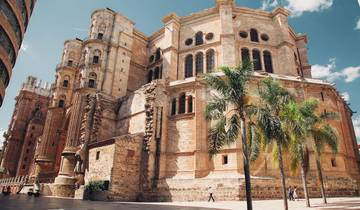
6 days
6 Day Malaga including visit to Gibraltar, Granada, Alhambra and Caminito del Rey
- ✓ Comprehensive Andalucia tour
- ✓ Expert local guides included
- ✓ All accommodation arranged
- ✓ Transportation provided
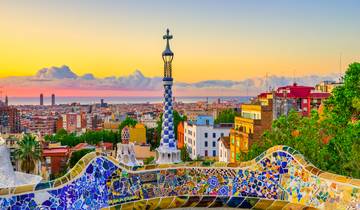
11 days
Flavors of Spain: A 11 Day Journey Through Madrid, Seville, Granada & Barcelona
- ✓ Comprehensive Andalucia tour
- ✓ Expert local guides included
- ✓ All accommodation arranged
- ✓ Transportation provided

11 days
A Taste of Spain: : 11 Days Across Madrid, Seville, Granada & Barcelona
- ✓ Comprehensive Andalucia tour
- ✓ Expert local guides included
- ✓ All accommodation arranged
- ✓ Transportation provided
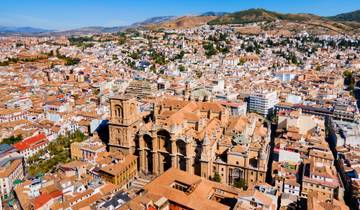
5 days
Granada: Crossroads of Arab and Christian Cultures
- ✓ Booking needs min. 2 travelers
Multi-day tour packages powered by TourRadar. Prices and availability subject to change.
Essential Planning Information for 2026
Current Costs and Pricing Breakdown for 2026
Understanding comprehensive 2026 costs enables realistic budget planning across accommodation tiers and travel styles. Major UNESCO site admissions total €40-55 for the three-day circuit: Alhambra Granada €19 general admission (book at alhambra-patronato.es), Real Alcázar Seville €13.50 standard entry (alcazarsevilla.org), Mezquita-Catedral Córdoba €13 adult admission (mezquita-catedraldecordoba.es). Audio guides add €5-6 per site. Check official websites for current rates as pricing may vary.
Inter-city transportation via high-speed AVE trains costs €45-60 per journey for Seville-Córdoba (45 minutes) and Córdoba-Granada (90 minutes), totaling €90-120 for two connections. Book at renfe.com 2-4 weeks ahead for best fares. Local transportation within each city costs €5-10 daily combining metro/tram (Seville, Granada) and walking, totaling €15-25 across three days. Taxis from train stations to historic centers run €8-15 per trip.
Meal costs vary significantly by dining category and neighborhood. Budget planning allocates €15-25 daily (€5-8 breakfast, €8-12 lunch menu del día, €12-18 dinner), mid-range €30-45 daily (€8-12 breakfast, €15-20 lunch, €20-30 dinner), upscale €50-70+ daily (€12-18 breakfast, €25-35 lunch, €35-50+ dinner). Three-day meal total ranges €150-210 per person for balanced dining mixing budget and mid-range options. Tapas-style dining in Seville and Granada often proves more economical than full restaurant meals.
Transportation Connections Between Cities in 2026
High-speed AVE trains provide the most efficient transport between Andalusia’s three major cities, operating multiple daily departures year-round. Seville-Córdoba takes 45 minutes with 15-20 daily trains, Córdoba-Granada takes 90 minutes with 8-12 daily services. Purchase tickets at renfe.com or RENFE app, with pricing tiers: Básico €45-55 (no changes/refunds), Elige €55-65 (limited changes), Prémium €70-85 (flexible changes, lounge access). Book 15-30 days ahead for lowest Básico fares during 2026 peak seasons.
Train stations position conveniently for onward travel: Seville Santa Justa sits 1.5km northeast of historic center (15-minute walk, €8-10 taxi, tram connection), Córdoba station 1km northwest of Mezquita (20-minute walk, €6-8 taxi), Granada station 1km west of center (25-minute walk, €8-12 taxi, bus connections). Allow 30-45 minutes between accommodation checkout and train departure for transit to station and boarding.
Alternative bus services connect all three cities via ALSA company at lower cost (€15-25 per journey) but significantly longer journey times (2-3 hours Seville-Córdoba, 3-4 hours Córdoba-Granada). Buses serve budget travelers with flexible schedules, while trains optimize limited time for first-time visitors maximizing sightseeing over three days. Car rental provides flexibility for rural excursions but adds parking challenges (€15-25 daily) and stress in narrow historic quarter streets.
Day-by-Day 2026 Itinerary Breakdown
Day 1: Seville – Moorish Palaces & Flamenco Culture
Begin your Andalusia journey in Seville, the region’s cultural capital and largest city. Start at 9:00 AM at the Real Alcázar (opens 9:30 AM April-September, 9:30 AM October-March), arriving 15-20 minutes before opening to minimize queue time even with online tickets. This UNESCO World Heritage royal palace showcases extraordinary Mudéjar architecture blending Islamic and Christian design elements across multiple courtyards, halls, and gardens developed over 700 years. Allocate 2.5-3 hours for comprehensive exploration including the spectacular gardens—arrive earlier in the day before heat intensifies if visiting June-September 2026.
Exit the Alcázar around 12:30 PM and walk 5 minutes north to the Cathedral of Seville and Giralda tower, the world’s largest Gothic cathedral built atop a former mosque. Entry includes both cathedral interior and tower climb (35 ramps, not steps). Allow 90 minutes for nave exploration, Columbus tomb viewing, and Giralda ascent for panoramic city views. The cathedral complex often queues lengthen after 11:00 AM, making your post-Alcázar timing strategic for moderate crowds.
Lunch 2:00-3:30 PM in the Santa Cruz neighborhood surrounding the cathedral and Alcázar. This atmospheric former Jewish quarter offers numerous tapas bars and restaurants. Menu del día lunch specials cost €12-18 for three courses, while tapas hopping runs €15-25 for substantial sampling. Rest during afternoon heat if visiting May-September—Seville temperatures regularly exceed 35°C in summer, making 3:00-6:00 PM ideal for indoor activities or accommodation breaks.
Evening exploration 7:00-9:00 PM features the Metropol Parasol (Las Setas), the world’s largest wooden structure offering sunset viewing platform (€15 admission), followed by riverside walks along the Guadalquivir to see the Torre del Oro and Triana bridge. Dinner 9:00-10:30 PM in the Triana neighborhood across the river, famous for ceramics and authentic Sevillano dining. Restaurants here serve later than tourist-focused establishments—9:00 PM is early by local standards.
Conclude Day 1 with traditional flamenco at 10:30-11:30 PM. Seville offers numerous tablao venues ranging from tourist-focused shows (€35-45 including drink) to intimate authentic performances (€25-35). Casa de la Memoria and La Casa del Flamenco provide quality shows in historic settings. Book online 2-3 days ahead for preferred seating during spring/fall 2026 high seasons. Shows typically run 60-75 minutes.
Day 1 Cost Summary: Real Alcázar €13.50, Cathedral & Giralda €12, lunch €15-25, Metropol Parasol €15, dinner €20-30, flamenco show €30-40. Total day cost: €105-145 per person (excluding accommodation).
Day 2: Córdoba – Mezquita-Catedral & Medieval Streets
Depart Seville on morning AVE train (recommended 8:30-9:30 AM departure), arriving Córdoba 45 minutes later. Store luggage at train station lockers (€4-6 for medium locker) or at your Córdoba accommodation if check-in available. Walk or taxi (€6-8) to the historic center, arriving at the Mezquita-Catedral by 10:00-10:30 AM.
The Mezquita-Catedral represents Andalusia’s most profound architectural statement—an 8th-century mosque with 856 columns and striped arches converted to cathedral in the 13th century, creating extraordinary interfaith architecture. Entry €13 adults, free Monday-Saturday 8:30-9:30 AM (access to prayer space only, not full monument). Audio guide €6 adds valuable historical context. Allocate 2-2.5 hours exploring the massive hypostyle hall, Renaissance cathedral nave inserted into the mosque center, and tranquil courtyard.
Exit the Mezquita around 12:30-1:00 PM and explore the adjacent Alcázar de los Reyes Cristianos, a medieval fortress-palace with Roman mosaics and extensive gardens (€5 admission, €8 combined with gardens). Spend 60-90 minutes here before afternoon heat peaks. The gardens provide shaded respite during summer 2026 visits.
Lunch 2:00-3:30 PM in the Judería (Jewish Quarter) surrounding the Mezquita. This medieval labyrinth of whitewashed lanes offers excellent restaurant concentration. Specialties include salmorejo (cold tomato soup, thicker than gazpacho) and rabo de toro (oxtail stew). Menu del día costs €12-18, tapas sampling €15-22, sit-down restaurants €20-35 per person.
Afternoon exploration focuses on the compact historic center easily covered on foot. Visit the Calleja de las Flores for classic Mezquita tower views (5-minute walk from monument), explore the Zoco municipal artisan market for local crafts, and wander the atmospheric Jewish Quarter discovering hidden patios—many private courtyards open during May’s Patio Festival, but year-round you’ll find public examples and small museums. The Synagogue (€0.30 admission, free for EU citizens) and Casa Andalusí museum (€3) provide cultural context.
Cross the Roman Bridge at sunset (6:30-8:30 PM depending on season) for spectacular Mezquita views, with the Torre de Calahorra defensive tower on the far bank offering museum exhibits (€4.50). Evening passeo (social stroll) follows local tradition—Córdoba residents emerge after heat dissipates for plaza gatherings and café socializing.
Dinner 9:00-10:30 PM near Plaza de las Tendillas, Córdoba’s modern center, or back in the Judería for atmospheric medieval settings. The city’s dining scene skews more local and less tourist-saturated than Seville or Granada, offering excellent value. Reserve tables for higher-end restaurants; casual tapas bars accept walk-ins.
Depart Córdoba on evening AVE train to Granada (recommended 7:30-9:30 PM departures, arriving Granada 90 minutes later), or overnight in Córdoba and catch morning train to maximize evening exploration time. Morning departure Córdoba to Granada allows full Day 3 in Granada beginning early for Alhambra visit.
Day 2 Cost Summary: Train Seville-Córdoba €45-60, luggage storage €5, Mezquita-Catedral €13, audio guide €6, Alcázar €8, lunch €15-22, Synagogue €0.30, Torre de Calahorra €4.50, dinner €18-30, train Córdoba-Granada €45-60. Total day cost: €160-205 per person (excluding accommodation).
Day 3: Granada – Alhambra Palace & Albaicín Quarter
Your third day centers on the Alhambra, Andalusia’s most visited monument and Spain’s premier UNESCO World Heritage site. Your pre-booked ticket (secured months in advance) designates specific Nasrid Palaces entry time—morning slots (8:30 AM-2:00 PM) provide optimal light and temperature for summer 2026 visits, though afternoon sessions offer fewer crowds during shoulder seasons. The Alhambra complex requires 3.5-4 hours minimum for comprehensive exploration.
Arrive 30 minutes before your Nasrid Palaces time slot at the main entrance. If your time is 9:00 AM, arrive by 8:30 AM. Begin in the Generalife summer palace and gardens (no timed entry), working your way to Alcazaba fortress for city panoramas. Enter Nasrid Palaces exactly at your designated time—late arrivals forfeit entry. These rooms represent Islamic palatine architecture’s pinnacle: Court of the Myrtles, Hall of the Ambassadors, Court of the Lions, Hall of the Two Sisters. Photography allowed but no flash, no tripods. Proceed at leisurely pace through sequential spaces—rushing diminishes the experience.
After Nasrid Palaces (allow 60-75 minutes inside), explore Charles V Palace (free entry, Renaissance art museum €1.50) and remaining fortress areas. Exit the Alhambra complex through the main gate around 12:30-1:30 PM depending on your entry time. Walk or bus (€1.40) down to Granada center for lunch.
Lunch 2:00-3:30 PM in downtown Granada or beginning your Albaicín exploration. Granada maintains the tradition of free tapas with drink orders—order a drink (€2.50-4), receive complimentary tapa. This makes Granada Spain’s best value dining city. Three drinks with tapas provides substantial lunch for €8-12, while sit-down restaurants cost €15-25 for menu del día.
Afternoon exploration of the Albaicín, Granada’s medieval Moorish quarter across the valley from the Alhambra. This hillside labyrinth of narrow lanes climbs to numerous viewpoints, with Mirador de San Nicolás offering the definitive Alhambra panorama. Walk up from Plaza Nueva (30-40 minute uphill climb) or take minibus #C1 or C2 (€1.40) to save energy for exploration. The Albaicín rewards aimless wandering through whitewashed streets, tea houses serving Moroccan mint tea (€3-5), artisan shops, and hidden plazas.
Sunset viewing 6:30-8:30 PM (seasonal variation) at Mirador de San Nicolás becomes a daily gathering of travelers and locals, often with spontaneous flamenco guitar. Arrive 30-45 minutes before sunset during peak season 2026 for viewing space. Alternative viewpoints nearby (Mirador de la Lona, Placeta de Carvajales) offer Alhambra views with fewer crowds.
Dinner in the Albaicín or Realejo (former Jewish quarter) neighborhoods provides atmospheric conclusion to your Andalusia introduction. Carmen restaurants (traditional Granada houses with garden terraces) serve elevated Andalusian cuisine at €30-50 per person, while neighborhood tapas bars maintain the free-tapa-with-drink tradition. Granada’s North African cultural influence appears in numerous tetería tea houses and Middle Eastern restaurants.
Optional evening flamenco show in Sacromonte cave venues (€20-30 including drink) provides Granada’s unique cave-dwelling flamenco tradition, distinct from Seville’s tablao style. Shows run 9:30-11:00 PM, with authentic performances in intimate settings.
Day 3 Cost Summary: Alhambra €19, lunch tapas-hopping €12-18 (or restaurant €18-25), bus/transport €5, tea/snacks €5-8, dinner €20-35, optional flamenco €25. Total day cost: €86-110 per person (excluding accommodation).
Accommodation Strategies for Your 2026 Andalusia Visit
Budget Accommodation Options €60-90 per Night
Budget-conscious travelers find excellent hostel and guesthouse options across all three cities, with private double rooms €60-75 per night and dorm beds €20-30 per person. Seville’s Triana and Macarena neighborhoods offer better value than Santa Cruz tourist zone, with restored townhouses converted to hostels providing character at budget prices. Look for properties with rooftop terraces for evening socializing and Guadalquivir views.
Córdoba’s budget accommodation concentrates in the Judería and surrounding the train station, with family-run pensiones and hostels €55-70 for private doubles. The compact city center means even train station hotels position within 20-minute walk of the Mezquita. Granada’s budget scene thrives in the Realejo neighborhood and near the university, offering better rates than Albaicín tourist zone. Properties near Plaza Nueva provide central location with easy Alhambra access via uphill walk or bus.
Book 2-3 months ahead for spring/fall 2026 shoulder seasons to secure best budget inventory before sell-out. Properties with breakfast included (typically continental-style €5-8 value) improve overall value proposition. Shared kitchen facilities in many hostels enable self-catering for additional savings. Check cancellation policies—flexible rates cost €10-15 more but provide peace of mind for uncertain plans.
Mid-Range Hotels €80-150 per Night
Mid-range properties deliver optimal value combining comfort, location, and character for first-time Andalusia visitors. Seville’s 3-star and boutique hotels in Santa Cruz and Arenal neighborhoods cost €100-140 per night with breakfast, featuring renovated traditional buildings with courtyards, rooftop pools, and walking-distance positioning to major monuments. Properties slightly outside the historic center (Nervión, Los Remedios) run €80-110 with excellent metro/tram connections.
Córdoba’s mid-range hotels occupy restored mansions and former convents surrounding the Mezquita, pricing €85-125 per night. The atmospheric Judería location provides evening tranquility after day-trippers depart. Smaller boutique properties (15-25 rooms) offer more personalized service than larger chains. Córdoba’s compact size means even budget-positioned hotels remain under 15 minutes’ walk from major sights.
Granada’s mid-range sector splits between modern hotels near the train station and congress center (€80-110, practical but less atmospheric) and boutique properties in Realejo and lower Albaicín (€110-150, maximum charm). Properties with Alhambra views command €20-40 premium but deliver exceptional value for the iconic panorama from your room. Book 2-3 months ahead for spring 2026 (Semana Santa, late March-early April) and September-October peak demand.
Boutique and Luxury Properties €120-210+ per Night
Luxury-tier properties transform historic palaces, convents, and aristocratic mansions into exceptional hospitality experiences. Seville’s 5-star hotels and boutique properties (€180-280 per night) occupy prime Santa Cruz real estate with rooftop pools, Michelin-associated restaurants, and full-service spas. Properties like Hotel Alfonso XIII (€280-400) provide historic landmark status alongside contemporary comfort. Smaller luxury boutiques (10-20 rooms) in restored 18th-century palaces offer more intimate experience at €150-220.
Córdoba’s luxury scene focuses on converted palaces and manor houses within the Judería, pricing €130-190 per night for design-forward properties with 15-30 rooms. These boutique hotels maximize architectural heritage—courtyards with fountains, original tile work, modern amenities integrated into historical fabric. The compact historic center means even luxury properties position steps from the Mezquita. Premium rooms with private terraces and Mezquita views run €180-250.
Granada’s Alhambra Palace Hotel (€190-280) delivers iconic positioning directly within the Alhambra complex, while converted carmenes (traditional houses with gardens) in upper Albaicín create atmospheric luxury at €140-220. Room categories with Alhambra views justify premium pricing through 24-hour access to Spain’s most photogenic monument panorama. Parador de Granada (€240-350), a former monastery within Alhambra grounds, requires booking 6+ months ahead for 2026 availability.
Transportation Planning for 2026
Airport Connections and Initial Arrival
Most international visitors arrive via Seville Airport (SVQ, 10km from center) or Málaga Airport (AGP, 100km from Granada, 175km from Seville). Seville Airport connects to city center via EA Airport Bus every 15-20 minutes (€4, 25-30 minute journey), taxis €22-28, or ride-share €18-25. The bus terminates at Santa Justa train station with easy metro connection to historic center.
Málaga Airport serves as alternative gateway with direct bus connections to Granada (90 minutes, €12-15), Seville (2.5 hours, €20-25), and Córdoba (2 hours, €15-18) via ALSA company. Trains from Málaga María Zambrano station (connected to airport by €1.80 train or €15-20 taxi) reach all three cities, though bus services often prove more direct for airport departures. Rent cars at Málaga for multi-destination road trips, returning to Málaga at trip conclusion to avoid one-way drop fees.
Granada Airport (GRX, 17km from center) serves limited routes but provides convenient access for direct flights. Airport bus runs hourly to city center (€3, 45 minutes), taxis cost €25-30. Most visitors fly into Seville or Málaga for better international connections, using Granada airport only for specific route availability. Compare flight costs including airport transfer time and expense—sometimes “cheaper” Málaga flight costs more overall than direct Seville arrival.
Inter-City Transportation Logistics in 2026
High-speed AVE trains optimize multi-city itineraries through speed, comfort, and frequency. Seville Santa Justa-Córdoba runs 15-20 daily trains (45 minutes, €45-60), Córdoba-Granada operates 8-12 daily services (90 minutes, €45-60). Book at renfe.com, RENFE app, or station ticket offices. Advance purchase (15-30 days) secures lowest Básico fares; last-minute same-day tickets cost €65-85. Trains sell out rarely, but advance booking guarantees preferred departure times.
Trains depart throughout the day starting 6:30 AM through final evening services 9:30-10:30 PM, providing flexibility for your daily schedule. Morning departures (7:30-9:30 AM) maximize arrival-city sightseeing time, while evening trains (7:00-9:00 PM) allow full day in departure city before traveling. Luggage storage on trains accommodates standard suitcases. Arrive 15-20 minutes before departure for platform identification and boarding.
Alternative bus services through ALSA provide budget option at €15-25 per journey but double or triple travel time. Buses serve travelers with flexible schedules willing to sacrifice 2-3 additional hours for cost savings. Premium buses include WiFi, charging ports, reclining seats—comparable comfort to trains at lower speed. Book at alsa.es or station ticket counters, with advance purchase discounts available.
Local Transportation Within Each City
Seville’s historic center navigates entirely on foot, with metro and tram serving outlying neighborhoods and connecting train station to central areas. Single metro/tram tickets cost €1.40, day passes €4.50, rechargeable tarjeta multiviaje €7 provides 10 rides for cheaper per-trip cost (€6.40, valid across metro, tram, buses). Taxis use metered rates starting €3.50 base fare plus €1.10-1.30 per kilometer. River taxi (Barco de Sevilla) crosses Guadalquivir for €0.70, providing practical transport plus scenic experience.
Córdoba’s compact historic center requires only walking. The train station positions 1km from the Mezquita (20-minute walk, €6-8 taxi), while city buses (€1.30 single fare) connect residential areas. Most first-time visitors spend entire day within the Judería-Mezquita-Roman Bridge triangle, all pedestrian accessible. Bike rental (€10-15 daily) provides alternative for covering greater distances along riverside paths, though narrow medieval streets challenge cycling.
Granada requires uphill navigation from center to Alhambra and Albaicín. Minibuses C1, C2, C3 (€1.40 single, €5 rechargeable card for multiple rides) serve the Albaicín hillside, while buses #30 and #32 connect center to Alhambra. Most visitors walk uphill at least once for the experience, using bus for return descent. Taxis cost €6-10 from center to Alhambra, €8-12 to upper Albaicín viewpoints. The city center remains walkable, with train/bus stations 1-1.5km from Plaza Nueva.
Money-Saving Strategies for 2026
Advance Booking Benefits and Discounts
Advance planning delivers substantial savings across accommodation, transportation, and attraction admissions. Book accommodation 2-3 months ahead for 15-25% lower rates than last-minute pricing during spring/fall 2026 peaks. Non-refundable advance purchase rates offer deepest discounts but require commitment to fixed dates. Properties with free cancellation until 24-48 hours before arrival provide flexibility with modest premium (€10-20 per night more).
Train tickets purchased 15-30 days ahead secure Básico class at lowest published rates (€45-55 vs. €65-85 same-day). RENFE promotional periods offer additional 20-30% discounts on select routes—monitor renfe.com 4-6 weeks before travel for flash sales. Youth discounts (under 26) and senior discounts (over 60) apply to various fare classes. Combine multiple city trips into round-trip bookings for potential package savings.
Monument admissions rarely discount beyond official rates, but combination tickets provide value: Granada’s Dobla de Oro pass combines Alhambra with multiple Albaicín monuments (€19.65, marginal savings but convenient single purchase). Seville’s Cathedral + Giralda + Alcázar combination sometimes offers €2-3 savings versus individual purchases—check current official websites. EU citizens under 25 or over 65 receive free or reduced admission to many state-managed monuments.
Seasonal Optimization for Budget Travelers
Shoulder seasons (April-May, September-October 2026) balance pleasant weather with moderate pricing. Accommodation costs 20-30% less than summer peaks, while avoiding winter’s reduced daylight and occasional rain. November-March 2026 delivers deepest discounts—hotels drop rates 40-50% from summer levels, though shorter days limit sightseeing hours and some attractions reduce operating schedules.
Summer 2026 (June-August) brings highest costs but notable exceptions: hotels slash rates in August when Spanish domestic tourists depart for beach vacations and European travelers avoid inland Andalusian heat. Late August and early September offer summer weather at shoulder-season pricing. Heat exceeding 38°C requires schedule adaptation—sightseeing 8:00-11:00 AM and post-7:00 PM, indoor museums and extended lunches during peak afternoon heat.
Festival periods command premium pricing but deliver exceptional cultural experiences worth the splurge. Semana Santa (Holy Week, late March-early April 2026) in Seville sees accommodation triple normal rates, but the religious processions create unparalleled spectacle. Book 6+ months ahead for major festival dates or avoid those weeks entirely for budget-focused travel. Granada’s smaller festivals (Día de la Cruz in May) offer cultural immersion without massive price increases.
Daily Budget Optimization Techniques
Meal planning dramatically impacts three-day costs. Breakfast at accommodation or local cafés/bakeries costs €3-6 versus €8-15 hotel breakfast buffets—continental breakfast (coffee, toast, juice) runs €3.50-5.50. Menu del día lunch specials (€12-18 for three courses with drink) provide best value meal, substantially cheaper than dinner pricing for equivalent food. Granada’s free-tapa-with-drink tradition enables lunch for €8-12 visiting 3-4 bars.
Supermarkets and local markets supply picnic components at fraction of restaurant costs. Mercado de Triana (Seville), Mercado Victoria (Córdoba), and numerous Granada neighborhood markets sell prepared foods, fresh produce, jamón, cheese, bread for excellent-value lunches. Allocate one budget meal daily (breakfast or lunch) to balance higher dinner restaurant spending. Evening tapas-hopping often costs less than sit-down restaurant dinner while providing more varied experience.
Walking maximizes sightseeing while minimizing transport costs. All three cities feature compact historic centers navigable on foot—budget €5-10 daily for occasional buses or taxis rather than €15-20 for frequent paid transport. Free attractions include Seville’s Metropol Parasol ground level, river walks, and plazas; Córdoba’s Roman Bridge, Judería streets, and numerous free church visits; Granada’s Albaicín wandering and mirador viewpoints. Balance paid monument admissions with free neighborhood exploration.
Sample 2026 Budget Scenarios
Ultra-Budget Independent Traveler
Three days in Andalusia achieves €280-350 total cost per person through strategic economies: hostel dorm beds €60-75 (three nights at €20-25 per night), major monument admissions €40-55 (Alhambra, Alcázar, Mezquita-Catedral), budget meals €90-120 (supermarket breakfasts €3-5, menu del día lunches €12-18, economical dinners €15-20, or Granada’s free tapas strategy), inter-city buses €30-50 (ALSA Seville-Córdoba-Granada), local transport €15-20 (walking maximum, buses when necessary), and minimal additional costs €45-60 (luggage storage, occasional coffee/snack, tips).
This budget requires trade-offs: shared accommodation, slower bus transport over trains, self-catered breakfasts, single budget restaurant meal daily supplemented by picnics and supermarket food. Skip paid viewpoints and evening flamenco shows (€25-40), focusing on free cultural experiences—street life, neighborhood exploration, sunset viewing from public miradores. This approach suits backpackers, long-term travelers, and students prioritizing destination over comfort.
Mid-Range Balanced Experience
Comfortable three-day Andalusia experience costs €650-850 per person including quality accommodation, efficient transport, and comprehensive cultural activities. Private hotel room €240-360 (three nights mid-range properties €80-120 per night with breakfast), major monument admissions plus audio guides €55-70, balanced meals €180-240 (hotel breakfasts included, varied lunches €15-25, quality dinners €25-35), AVE trains €90-120 (fast connections Seville-Córdoba-Granada), local transport €20-30 (taxis when convenient, buses for hills), cultural additions €65-100 (one flamenco show €30-40, paid viewpoints, museum extras, wine tastings).
This tier optimizes experience-to-cost ratio through strategic spending: save transport time with trains, splurge on one special meal daily, include signature experiences like flamenco and sunset venues, stay centrally for walking convenience. Book 2-3 months ahead to secure mid-range inventory at best rates. This approach suits first-time visitors balancing comprehensive experience with reasonable spending.
Upscale Comprehensive Discovery
Premium three-day Andalusia journey ranges €1,200-1,650 per person emphasizing comfort, convenience, and cultural depth. Boutique/luxury accommodation €450-630 (three nights at €150-210 properties with Alhambra views, rooftop pools, premium locations), monument admissions plus guided tours €120-180 (private or small-group tours at major sites adding €30-50 per venue), elevated dining €300-400 (quality breakfasts, upscale lunches €25-40, memorable dinners €40-65), AVE Prémium class €140-180 (flexible tickets, comfort, lounge access), premium transport €40-60 (taxis preferred over walking/buses), comprehensive cultural experiences €150-200 (multiple flamenco shows, wine tastings, cooking class, special access tours).
This investment delivers maximum Andalusia immersion in limited time: luxury accommodations as destination experiences themselves, knowledgeable guides providing historical context at monuments, culinary exploration including Michelin-level dining, stress-free logistics with taxis and premium train service, multiple evening cultural activities. Book 3-6 months ahead for top-tier property inventory during spring/fall 2026 peaks. Suits travelers prioritizing quality and depth over budget.
Practical Planning Tips for 2026 First-Time Visitors
Pre-Trip Preparation Checklist
Begin Andalusia planning 3-4 months before travel, starting with Alhambra ticket purchase the moment your dates confirm (alhambra-patronato.es opens bookings exactly 90 days prior). Alhambra availability determines your entire itinerary structure since Granada positioning builds around this non-negotiable timed entry. Select morning or afternoon slot based on your preference—morning provides cooler temperatures and better light for photography, afternoon offers fewer crowds during shoulder seasons.
Book accommodation 2-3 months ahead for spring/fall 2026 travel, 4-6 months for Semana Santa or major festival periods. Select properties in historic centers to maximize walking convenience and atmospheric immersion. Verify breakfast inclusion, cancellation policies, and luggage storage availability if checking out early for train departures. Reserve specific room types when booking (patio view, Alhambra view, quiet courtyard) rather than accepting standard assignment.
Purchase train tickets 15-30 days before travel at renfe.com for best Básico fares. Verify departure/arrival stations and times, noting that schedule displays 24-hour format. Download RENFE app for mobile ticket access and real-time platform updates. Pre-book Alcázar (Seville) and Mezquita-Catedral (Córdoba) online 1-2 weeks ahead—not mandatory but eliminates queue time. Research flamenco venues and reserve preferred shows 3-5 days ahead during peak seasons.
Packing Essentials for Andalusia Weather
Pack appropriate footwear for extensive walking on cobblestone streets, steep hills (Albaicín, Alhambra approaches), and uneven surfaces. Broken-in comfortable walking shoes prove essential—avoid new shoes or fashion over function. Sandals work for summer evening strolls but inadequate for day-long monument touring. Bring lightweight backpack or crossbody bag for daily essentials, water bottle, guidebook, and purchases.
Summer 2026 (June-August) requires sun protection: wide-brim hat, quality sunglasses, SPF 30+ sunscreen reapplied frequently, light cotton or linen clothing in breathable fabrics, refillable water bottle (fountain water safe to drink throughout Spain). Temperatures regularly exceed 35-38°C—heat exhaustion risks are genuine. Bring small umbrella for portable shade during midday exposure. Evening temperatures remain warm (25-28°C) requiring only light layers.
Spring/fall shoulder seasons (April-May, September-October 2026) demand layers: warm mornings and evenings (12-16°C) transition to pleasant afternoons (20-26°C). Bring light jacket or cardigan, scarf for temple/church visits (covering shoulders required for religious sites), comfortable long pants for cooler morning starts, adaptable layers you can add/remove throughout the day. Rain remains unlikely but occasional showers possible—compact travel umbrella provides insurance.
Cultural Etiquette and Local Customs
Spanish dining schedules run 2-3 hours later than Northern European or North American norms. Lunch serves 2:00-4:00 PM (earlier seatings read as “tourist hours”), dinner 9:00 PM-midnight (eating before 9:00 PM marks you as foreign). Adapt to local rhythm for authentic restaurants and better value—tourist-focused establishments serving 6:00-7:00 PM dinner charge premium prices for accommodating foreign schedules. Most restaurants close 4:00-8:00 PM between meal services.
Tipping practices differ from North American expectations: restaurant service charges include all costs, with additional tipping optional not obligatory. Round up bills or leave €1-2 for casual meals, 5-10% for upscale dining if service impressed you. Bars and cafés require no tips for simple coffee or drinks at counter service. Taxis round up to nearest euro (€8.60 fare becomes €9). Flamenco shows, tour guides, and exceptional hotel service appreciate €2-5 per person tips.
Religious site visits require respectful dress: covered shoulders and knees for cathedral and church entry, remove hats inside. Photography permitted in most locations but verify signage—some chapels restrict images. Maintain quiet voices inside religious spaces. Siesta culture means 2:00-5:00 PM closures for smaller shops and businesses, though major tourist areas and chain stores operate throughout the day. Plan museum visits or long lunches during siesta hours when streets quiet.
Planning Your 2026 Visit: Next Steps
Your three-day Andalusia introduction provides foundation for deeper future exploration. This itinerary prioritizes the essential UNESCO World Heritage sites and cultural experiences that define the region, establishing context for return visits targeting specific interests: flamenco immersion in Seville, hiking Sierra Nevada from Granada, white villages (pueblos blancos) exploration, sherry triangle discovery around Jerez, or extended time in any single city.
Beyond the three major cities, Andalusia offers Málaga’s Picasso museums and beach culture, Ronda’s dramatic gorge setting, Cádiz’s Atlantic coastal atmosphere, and dozens of whitewashed hill towns preserving medieval character. The Alhambra, Mezquita-Catedral, and Seville’s Mudéjar architecture represent just the most famous examples of the region’s extraordinary Moorish-Christian cultural synthesis developed over eight centuries.
Reserve your Alhambra tickets now for your confirmed 2026 travel dates, then build accommodation and transport logistics around that cornerstone. The three-day structure provided here proves flexible—swap city order based on arrival/departure airports, extend specific destinations by additional days if schedule permits, substitute alternative cities (Málaga, Ronda, Cádiz) for Córdoba if you’ve visited previously or have specific interests. Andalusia rewards both structured itinerary following and spontaneous exploration—embrace both approaches across your three days.
Frequently Asked Questions About Andalusia 3-Day Itineraries
Can you visit Andalusia in 3 days?
Three days provides substantive introduction to Andalusia’s three major cities—Seville, Granada, and Córdoba—with one full day allocated to each destination. This timeframe allows comprehensive exploration of primary UNESCO World Heritage sites (Alhambra, Mezquita-Catedral, Real Alcázar), essential cultural experiences (flamenco, tapas traditions, historic quarters), and foundational understanding of the region’s Moorish-Christian heritage. While insufficient for comprehensive regional coverage, three days delivers memorable first-time experience focusing on highest-priority destinations and monuments. Extend to 5-7 days for deeper immersion, day trips, or additional cities like Málaga and Ronda.
Is Granada or Seville better for first-time visitors?
Both cities excel for different reasons—Granada delivers the Alhambra, Spain’s single most spectacular monument, plus dramatic hillside setting and North African cultural influence. Seville offers larger city energy, exceptional flamenco scene, multiple UNESCO sites (Alcázar, Cathedral), and quintessential Andalusian atmosphere. First-time visitors benefit from experiencing both within a multi-city itinerary rather than choosing one. If forced to select single destination, Granada provides more concentrated “must-see” experience centered on the Alhambra, while Seville rewards longer stays with neighborhood diversity and cultural depth. Visit both across three days.
How difficult is the Alhambra walk from Granada center?
The walk from Plaza Nueva in Granada center to Alhambra main entrance takes 25-35 minutes uphill on pedestrian path Cuesta de Gomérez. The route climbs 80 meters elevation gain over 1.2km distance—manageable for most fitness levels but challenging in summer heat or for mobility-limited visitors. Shaded tree cover provides relief along portions. Alternative transport includes bus #30 or #32 (€1.40, 10 minutes from city center to Alhambra entrance) or taxi (€6-10). Many visitors walk up in morning coolness for Alhambra visit, then bus down in afternoon heat. Wear comfortable walking shoes and allow extra time if walking rather than busing.
Do I need to speak Spanish in Andalusia?
English functions adequately in major tourist areas, hotels, and restaurants catering to international visitors across Seville, Granada, and Córdoba. Monument information, audio guides, and official websites offer English versions. However, Spanish knowledge enhances experience substantially—many excellent neighborhood restaurants, local shops, and authentic bars operate primarily in Spanish. Basic phrases (greetings, numbers, food vocabulary, directions) smooth daily interactions. Translation apps provide backup when needed. Andalusian accent and rapid speech patterns challenge Spanish learners—locals speak faster and drop more syllables than Castilian Spanish. English speakers manage fine but miss nuance and depth accessible through Spanish comprehension.
Are 2026 prices higher than previous years?
Andalusia monument admission prices increase modestly year-over-year, typically 3-5% annually. The Alhambra cost €14 in 2019, €15.40 in 2023, €19 for 2026—representing gradual increase aligned with inflation and operational costs. Accommodation and restaurant prices similarly rise incrementally, with 2026 rates approximately 8-12% higher than 2023 levels. Transportation costs (trains, buses) follow national pricing structures with annual adjustments. Overall budget planning should account for ongoing inflation but not dramatic price spikes—Andalusia remains excellent value compared to Northern European destinations. Book accommodation early and purchase advance train tickets to lock rates before potential increases.
What’s included in the Alhambra €19 ticket?
The €19 general admission Alhambra ticket includes access to all major areas: Nasrid Palaces (timed entry at your pre-selected slot), Alcazaba fortress, Generalife palace and gardens, Partal gardens, and Charles V Palace. Audio guides cost additional €6 (available in multiple languages). The basic ticket provides comprehensive experience requiring 3.5-4 hours minimum for thorough exploration. Specialized tickets exist for night visits to Nasrid Palaces (€12, limited availability) or night gardens (€7), offering atmospheric evening experiences separate from general admission. Children under 12 enter free when accompanied by ticket-holding adult. Purchase tickets exclusively at official alhambra-patronato.es website to avoid third-party markup fees.
Can you do Andalusia without a car in 2026?
Absolutely—public transportation (high-speed trains, buses) connects all major Andalusia cities efficiently, while compact historic centers navigate entirely on foot. The Seville-Córdoba-Granada triangle functions perfectly via AVE trains, with frequent daily departures and journey times under 90 minutes. Within each city, walking covers primary attractions with occasional bus or taxi supplementing steep uphill routes (Granada’s Albaicín and Alhambra approaches). Car rental proves unnecessary and often counterproductive—parking challenges in historic quarters, one-way street confusion, and excellent public transport eliminate car advantages for this three-city itinerary. Reserve cars for rural white villages exploration or Sierra Nevada day trips, not for city-to-city travel.
How crowded is Andalusia in May 2026?
May 2026 represents shoulder-season transition toward summer peaks—expect moderate crowds, particularly around mid-month when European holidays create weekend surges. Alhambra tickets sell months in advance for May mornings, while afternoon slots show better availability. Seville and Córdoba monuments queue moderately 10:00 AM-2:00 PM, with early morning (before 9:30 AM) and late afternoon (after 4:00 PM) providing easier access. May weather proves ideal (22-28°C) without summer’s intense heat, making this month popular with international visitors. Book accommodation 2-3 months ahead for best rates and selection. May crowds remain manageable compared to June-September peaks—expect pleasant visiting conditions with strategic timing around major monuments.
What are must-try Andalusian foods?
Essential Andalusian cuisine experiences include tapas traditions (especially Granada’s free tapa with drink), jamón ibérico (acorn-fed ham from Huelva region), salmorejo (Córdoba’s thick cold tomato soup), gazpacho (cold tomato-vegetable soup), pescaíto frito (fried fish selection), tortilla española (potato omelet), croquetas (creamy bechamel fritters in various flavors), rabo de toro (Córdoba’s oxtail stew), and churros con chocolate (fried dough with thick hot chocolate). Seek out berenjenas con miel (fried eggplant with honey drizzle) in Córdoba, piononos (small cylindrical pastries) in Granada, and spinach-chickpea dishes reflecting Sephardic influences. Wine exploration includes fino and manzanilla sherries from Jerez, vermouth culture thriving in Seville, and Granada’s local wines from Alpujarra region.
Should I buy skip-the-line tickets for Andalusia monuments?
Standard online advance purchase tickets for Alhambra, Alcázar, and Mezquita-Catedral provide designated entry times that effectively function as skip-the-line access—you bypass general admission queues by showing pre-purchased tickets at separate entrance gates. Premium “skip-the-line” or “fast-track” tickets sold by third parties typically add €5-15 markup over official rates for identical access. Purchase directly from official monument websites (alhambra-patronato.es, alcazarsevilla.org, mezquita-catedraldecordoba.es) at published rates. The official advance tickets provide the same queue-skipping benefit as premium third-party options. Legitimate guided tours include admission and lead you past general queues—evaluate based on guide value not queue-skipping benefit alone.