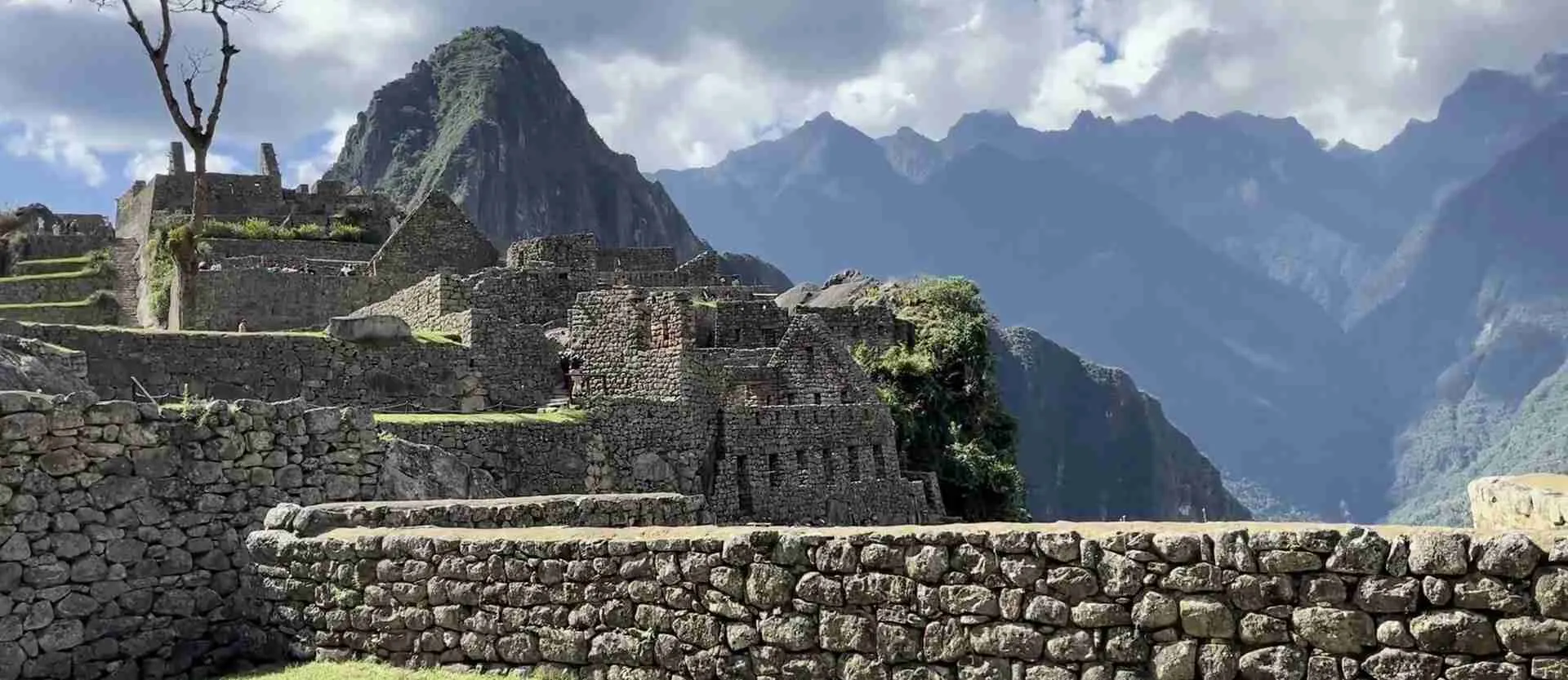
Ancient Soul of the Americas: A 2026 Guide to Sacred Sites and Lost Civilizations
From the mountain citadel of Machu Picchu to the pyramids of Teotihuacan, from cliff dwellings carved into Colorado sandstone to jungle temples reclaimed by Central American rainforests, the ancient Americas preserve humanity’s most extraordinary archaeological achievements. This comprehensive guide navigates the sacred sites, lost cities, and cultural treasures spanning three continents, revealing practical planning strategies, verified costs, and insider knowledge for experiencing the indigenous heritage that shaped two hemispheres.
Key Takeaways: Planning Your 2026 Ancient Americas Journey
- Budget Travelers Explore Ancient Americas 2026: Budget-conscious adventurers spend $95-155 per person daily visiting multiple ancient sites across Mexico, Guatemala, Peru, and the US Southwest. This tier includes hostel dormitories or budget hotels (two sharing), street food and local markets, public transportation or shared shuttles, and entrance fees to major archaeological complexes. A two-week ancient Americas circuit covering Teotihuacan, Chichen Itza, Tikal, and Mesa Verde totals approximately $1,330-2,170 per person including inter-country flights.
- Mid-Range Comfort Touring Sacred Sites 2026: Mid-range travelers invest $220-345 per person daily for comfortable ancient Americas experiences. This includes mid-range hotels (two sharing), mix of local restaurants and tourist-oriented dining, private transfers between major sites, guided tours with professional archaeologist-trained guides, and premium access options like Machu Picchu mountain hikes. A comprehensive 14-day journey through South American ancient sites (Peru, Bolivia) and Mesoamerican complexes totals $3,080-4,830 per person.
- Luxury Ancient Heritage Experiences 2026: Luxury travelers allocate $485-720+ per person daily for premium ancient Americas exploration. This tier delivers boutique heritage hotels and luxury lodges (two sharing), gourmet dining featuring regional cuisine, private vehicles with dedicated drivers, exclusive access tours and after-hours site visits, helicopter transfers to remote archaeological zones, and multi-day luxury treks like the Inca Trail with portered camps. Ten days of luxury ancient Americas immersion costs approximately $4,850-7,200+ per person.
- Peak Season Ancient Site Access 2026: Book Machu Picchu tickets 3-4 months advance for May-August peak season when Circuit 2 (most comprehensive route) sells out quickly. Mesa Verde ranger-led cliff dwelling tours release 14 days ahead at 8:00 AM Mountain Time and fill within hours for popular dates. Chichen Itza and Teotihuacan accept walk-up visitors but arrive before 9:00 AM to avoid crowds and heat. Tikal Guatemala permits sunrise tours with advance lodge booking in Flores.
- Multi-Country Ancient Circuit Logistics 2026: Strategic routing minimizes backtracking across vast distances. Popular sequences include Mexico City (Teotihuacan) → Yucatan Peninsula (Chichen Itza, Tulum) → Guatemala (Tikal) → Peru (Cusco region, Machu Picchu), or US Southwest loop (Mesa Verde, Chaco Canyon, Canyon de Chelly) → Mexico (Copper Canyon indigenous sites). Regional flights between Lima-Cusco ($80-150), Mexico City-Cancun ($90-160), and Guatemala City-Flores ($80-120) save 15-20 hours versus overland alternatives.
- Altitude Preparation Sacred Valley 2026: Cusco sits at 3,400 meters (11,150 feet), Machu Picchu at 2,430 meters (7,970 feet), and La Paz Bolivia exceeds 3,600 meters. Arrive Cusco 2-3 days before Machu Picchu or Sacred Valley excursions allowing acclimatization. Coca tea, gradual activity increase, and altitude medication (Diamox) mitigate symptoms. Mesa Verde’s 7,000-foot elevation and Chaco Canyon’s 6,200 feet affect some visitors from sea level.
People Also Ask About Ancient Americas Sacred Sites 2026
How much does visiting Machu Picchu cost in 2026?
Machu Picchu standard circuit tickets cost 152 Peruvian Soles ($40) for foreign adults in 2026, with premium mountain access options (Huayna Picchu or Machu Picchu Mountain) priced at 200 Soles ($53). The complete Machu Picchu experience includes round-trip train from Ollantaytambo to Aguas Calientes ($120-140 tourist class, $450-500 luxury Hiram Bingham service), shuttle bus between Aguas Calientes and site entrance ($24 round-trip), and optional guide services ($25-40 for small group tours). Total cost for independent budget travelers reaches $185-205 per person for the day trip, mid-range visitors with better train service and guide spend $290-340, while luxury travelers investing in Hiram Bingham train and private guiding allocate $625-750+. Multi-day options staying overnight in Aguas Calientes add $60-180 for budget to mid-range accommodation or $280-550+ for luxury hotels.
What’s the best ancient Americas circuit for first-time visitors in 2026?
The optimal first-time ancient Americas circuit combines Peru’s Sacred Valley (7-9 days) with Mexico’s Yucatan Peninsula (5-6 days) for comprehensive Incan and Mayan civilization exposure totaling 12-15 days. Peru segment covers Lima arrival, Cusco acclimatization, Sacred Valley complexes (Pisac, Ollantaytambo, Moray), and Machu Picchu climax. Mexico portion explores Tulum coastal ruins, Chichen Itza pyramid complex, Ek Balam less-visited temples, and cenote swimming. This routing delivers maximum cultural diversity, manageable distances, excellent infrastructure, and iconic bucket-list sites while avoiding extreme altitude challenges beyond Cusco. Add 4-5 days for Guatemala’s Tikal if time permits, creating the ultimate Mesoamerican extension. Alternative US Southwest circuit (10-12 days) combines Mesa Verde, Chaco Canyon, Bandelier, and Ancestral Puebloan heritage with manageable driving between sites and lower costs than international options.
Do I need guides at ancient archaeological sites in 2026?
Machu Picchu officially requires guides though enforcement remains inconsistent as of 2026, with entrance sometimes granted to independent visitors while other times guards mandate proof of guide hiring. The site’s complex history, astronomical alignments, and architectural significance benefit enormously from professional interpretation making guided tours worthwhile regardless of requirements. Tikal Guatemala, Chichen Itza, and Teotihuacan permit independent exploration though on-site guides (charging $25-45 for 1.5-2 hour tours) provide invaluable context about Mayan cosmology, hieroglyphic inscriptions, and urban planning invisible to untrained eyes. Mesa Verde requires ranger-led tours for Cliff Palace, Balcony House, and Long House access with reservations mandatory, while self-guided trails access mesa-top sites. Private guides cost $120-180 for full-day ancient site tours versus $25-40 per person for small group options. Archaeological knowledge transforms ruins from interesting stonework into windows onto sophisticated civilizations.
When’s the best time to visit ancient Americas sites in 2026?
April-May and September-October shoulder seasons deliver optimal ancient Americas conditions balancing weather, crowds, and costs. Peru’s Sacred Valley and Machu Picchu experience dry season reliability April-October with shoulder months providing 40-50% fewer visitors than June-August peak while maintaining clear skies. Mexico’s Yucatan sites face intense heat May-September with cooler November-March preferred, though December-February brings North American winter crowds. Guatemala’s Tikal stays hot year-round with drier January-April conditions versus May-November rains that create muddy jungle trails. US Southwest sites like Mesa Verde and Chaco Canyon close or limit access November-April due to snow, with May-June and September-October offering moderate temperatures before summer heat. Cost savings in shoulder season reach 25-35% on Peru accommodation and 15-20% on Mexico hotels versus peak months.
Extended multi-day tours – 5+ days
Featured Latin America Multi-Day Tour Packages
3 days
Latin America 3-Day Discovery Tour
- ✓ Comprehensive Latin America experience
- ✓ Expert local guides included
- ✓ All accommodation included
- ✓ Transportation provided

5 days
Latin America 5-Day Highlights Experience
- ✓ Comprehensive Latin America experience
- ✓ Expert local guides included
- ✓ All accommodation included
- ✓ Transportation provided

7 days
Latin America 7-Day Cultural Journey
- ✓ Comprehensive Latin America experience
- ✓ Expert local guides included
- ✓ All accommodation included
- ✓ Transportation provided

10 days
Latin America 10-Day Complete Adventure
- ✓ Comprehensive Latin America experience
- ✓ Expert local guides included
- ✓ All accommodation included
- ✓ Transportation provided
Multi-day tour packages powered by TourRadar. Prices and availability subject to change.
Introduction: The Living Legacy of Ancient Americas
The archaeological record spanning Alaska to Tierra del Fuego chronicles 15,000 years of human innovation, spiritual expression, and architectural achievement. Long before European contact transformed two continents, indigenous civilizations built cities of 100,000 inhabitants, developed sophisticated astronomical observatories tracking Venus and solstice cycles, engineered agricultural terraces feeding mountain populations, created writing systems preserving historical records, and constructed ceremonial centers aligning with cosmic forces. The Inca Empire stretched 2,500 miles along the Andes connecting 12 million people through paved road networks. Teotihuacan dominated Mesoamerica with the hemisphere’s largest pyramids and urban planning rivaling Rome. Ancestral Puebloans carved multi-story cliff dwellings into canyon walls and developed complex irrigation supporting desert agriculture. These weren’t primitive societies—they were advanced civilizations whose achievements in mathematics, architecture, agriculture, and social organization continue influencing modern understanding.
Today’s traveler encounters this heritage across dramatically diverse landscapes and cultural contexts. Peru’s Sacred Valley preserves 500-year-old Incan engineering with terraces still irrigating potato and quinoa crops, stone walls fitted without mortar still standing after centuries of earthquakes, and ceremonial centers where traditional ceremonies honor Pachamama (Mother Earth). Mexico’s archaeological zones showcase Mayan astronomical precision through pyramid alignments marking equinoxes, hieroglyphic inscriptions recording dynastic histories spanning centuries, and ball courts hosting ritual games connecting earthly and divine realms. Guatemala’s jungle-covered temples echo with howler monkey calls where Tikal’s pyramids pierce the rainforest canopy revealing urban complexity archaeologists continue mapping with LIDAR technology. The US Southwest’s cliff dwellings and pueblos demonstrate Ancestral Puebloan adaptation to harsh environments through community cooperation, water management, and agricultural innovation still studied by modern engineers.
The 2026 traveler faces both unprecedented access and growing preservation challenges. UNESCO World Heritage status protects dozens of ancient Americas sites while daily visitor caps, timed entry systems, and guided tour requirements manage impact at popular destinations. Machu Picchu limits 4,500 daily visitors across four circuits with advance reservation mandatory. Mesa Verde cliff dwellings require ranger-led tours booked 14 days ahead. Tikal Guatemala balances tourism revenue with rainforest conservation protecting jaguar habitat surrounding temples. This tension between access and preservation shapes modern visiting experiences—gone are the days of climbing Chichen Itza’s pyramid or exploring Machu Picchu without time limits, yet infrastructure improvements, professional guiding, and interpretation programs deliver deeper understanding than past generations enjoyed. The ancient Americas welcome exploration while demanding respect, preparation, and cultural sensitivity befitting humanity’s shared heritage.
Planning multi-site ancient Americas journeys requires balancing geographical distances, seasonal weather patterns, altitude considerations, and budget realities. A comprehensive circuit might span three months traveling from Patagonia’s painted caves through Peru’s coastal adobe cities, across Bolivia’s high plateau ruins, into Ecuador’s cloud forest complexes, through Central America’s jungle temples, across Mexico’s pyramid fields, and into the US Southwest’s canyon dwellings. More focused itineraries concentrate regional clusters: Sacred Valley Peru (5-7 days), Yucatan Peninsula Mexico (4-6 days), Ancestral Puebloan Southwest (7-10 days), or Central American Mayan sites (8-12 days). Strategic routing minimizes backtracking, accounts for altitude acclimatization, and sequences sites from less impressive to climactic highlights. This guide provides destination-specific practical information, verified 2026 costs, booking timelines, and cultural context enabling informed planning whether pursuing single-destination depth or continent-spanning breadth.
Understanding Ancient Americas Civilizations 2026: Cultural Context
The term “ancient Americas” encompasses extraordinarily diverse cultures spanning 15,000 years across two continents. These civilizations developed independently from Old World societies, creating unique solutions to universal human challenges of food production, social organization, spiritual expression, and environmental adaptation. Understanding this diversity prevents oversimplification and enriches site visits with proper historical context.
Mesoamerican Civilizations: Olmec, Maya, Aztec Heritage
Mesoamerica—the cultural region stretching from central Mexico through Central America—birthed some of the Americas’ most sophisticated civilizations. The Olmec (1500-400 BCE) established foundational cultural patterns including ceremonial centers, ball game rituals, and carved stone monuments. Their massive basalt heads and jade carvings influenced subsequent cultures across the region. The Maya (2000 BCE-1500 CE) developed hieroglyphic writing systems, mathematical concepts including zero, astronomical calendars predicting celestial events centuries ahead, and urban centers housing tens of thousands. Mayan city-states like Tikal, Palenque, and Copan engaged in complex diplomatic relations, warfare, and trade networks. The civilization’s “collapse” around 900 CE affected southern lowland cities while northern sites like Chichen Itza continued flourishing for centuries. The Aztec Empire (1345-1521 CE) dominated central Mexico from their capital Tenochtitlan, built on Lake Texcoco where Mexico City stands today. Their tributary system extracted resources from subjugated peoples while their ceremonial practices and architectural grandeur impressed and horrified Spanish conquistadors.
Mesoamerican sites visible today represent layers of occupation and construction. The Maya built new structures atop older ones creating archaeological mounds concealing earlier temples. Teotihuacan’s origins remain mysterious—even the Aztecs who named it “place where gods were born” found it abandoned centuries before their arrival. Pyramid complexes served ceremonial rather than burial functions unlike Egyptian counterparts. Ball courts hosted ritual games with religious and political significance, sometimes concluding with human sacrifice of losing teams. Hieroglyphic inscriptions record dynastic histories, astronomical observations, and mythological narratives though many texts were destroyed during Spanish conquest. Modern epigraphy continues deciphering these records, revising understanding of Mayan history. Sites like Chichen Itza showcase Toltec influence in later periods, demonstrating cultural exchange across Mesoamerica.
Andean Civilizations: Pre-Incan Cultures and Inca Empire
The Andean region’s vertical ecology—desert coast, mountain valleys, and Amazon jungle within short distances—shaped unique cultural adaptations. The Chavín culture (900-200 BCE) established religious and artistic patterns influencing subsequent Andean societies through their ceremonial center Chavín de Huántar. The Moche (100-800 CE) created elaborate ceramic art, monumental adobe pyramids along Peru’s northern coast, and sophisticated irrigation systems supporting desert agriculture. The Nazca (100 BCE-800 CE) produced the famous Nazca Lines—massive geoglyphs etched into coastal desert—whose purpose remains debated. The Tiwanaku Empire (500-1000 CE) centered near Lake Titicaca dominated the high plateau with advanced agriculture, monumental stone architecture, and far-reaching trade networks. The Wari Empire (500-1000 CE) controlled much of highland Peru through administrative centers connected by road systems later incorporated into Inca infrastructure.
The Inca Empire (1438-1533 CE) represented culmination rather than origin of Andean civilization. In just 95 years, the Inca expanded from Cusco valley to control 2,500 miles of Andean territory from Colombia to Chile, incorporating 12 million people speaking dozens of languages. Their achievement rested on assimilating technologies, agricultural techniques, and organizational systems from conquered peoples. The road system connected administrative centers through 25,000 miles of paved routes crossing deserts, mountains, and jungles. Chasquis (relay runners) carried messages and goods hundreds of miles. Agricultural terracing transformed steep mountain slopes into productive farmland still cultivated today. Stone masonry reached unparalleled precision—massive blocks fitted without mortar withstand earthquakes that topple later colonial construction. The quipu knotted-cord system recorded census data, tribute obligations, and astronomical observations without written language. Spanish conquest destroyed much knowledge though Quechua language, agricultural practices, and spiritual traditions persist among 8-10 million Andean indigenous people.
Ancestral Puebloan and Southwest Indigenous Heritage
The US Southwest’s Ancestral Puebloans (formerly called Anasazi) developed sophisticated desert societies between 100-1300 CE. Their architecture evolved from pit houses to above-ground pueblos to spectacular cliff dwellings carved into canyon walls. Mesa Verde’s Cliff Palace housed approximately 100 people in 150 rooms and 23 kivas (ceremonial chambers). Chaco Canyon served as regional ceremonial and trading center with multi-story great houses, road networks connecting outlying communities, and astronomical alignments. The “great houses” required transporting 200,000 trees from mountains 50 miles distant—an engineering feat rivaling contemporary European architecture. Ancestral Puebloans developed sophisticated water management capturing rare desert rainfall through check dams, terraces, and irrigation canals. Their pottery, weaving, and jewelry demonstrate advanced artistic traditions.
The Ancestral Puebloan migration around 1300 CE—abandoning Mesa Verde, Chaco Canyon, and other centers—resulted from prolonged drought, resource depletion, conflict, and social reorganization. Descendants include modern Pueblo peoples (Hopi, Zuni, Taos, Acoma, and others) who maintain traditional ceremonies, agricultural practices, and cultural connections to ancestral sites. These aren’t “lost civilizations”—they’re ancestral homelands of living communities who request respectful treatment of archaeological sites as sacred spaces. Understanding this continuity prevents romantic “mysterious disappearance” narratives while recognizing indigenous peoples’ resilience and cultural persistence despite centuries of colonial pressure. Modern Pueblo communities welcome respectful visitors to some sites while restricting access to others preserving ceremonial privacy. This living heritage distinguishes US Southwest archaeology from more distant temporal relationships characterizing Mesoamerican and Andean sites.
Peru Sacred Valley and Machu Picchu 2026: Complete Planning Guide
Peru’s Sacred Valley encompasses the Urubamba River valley northwest of Cusco, preserving the Inca Empire’s most important agricultural and ceremonial sites. This 50-mile corridor between Pisac and Ollantaytambo functioned as the empire’s breadbasket while hosting royal estates, military fortifications, and astronomical observatories. The valley’s fertile soil, moderate climate at 2,800-3,000 meters elevation (versus Cusco’s 3,400 meters), and strategic location made it invaluable to Inca rulers. Modern visitors combine Sacred Valley exploration with Machu Picchu—the empire’s most famous site discovered by Hiram Bingham in 1911 though local farmers always knew its location. This region demands 5-7 days minimum for proper acclimatization and site visits, with 9-12 days allowing deeper exploration including Machu Picchu Mountain hikes, Rainbow Mountain excursions, and less-visited complexes.
Machu Picchu Access and Ticketing 2026
Machu Picchu operates under strict visitor management protecting this fragile mountain environment while ensuring sustainable tourism. The site limits 4,500 daily visitors across four circuits with specific entry time slots and maximum visit durations of 2.5-4 hours depending on circuit choice. Tickets must be purchased exclusively through the official Peruvian Ministry of Culture website (tuboleto.cultura.pe) 3-4 months ahead for peak season May-August when popular circuits and time slots sell out quickly. Shoulder season April-May and September-October allow 6-8 week advance booking, while low season November-March offers more flexibility with shorter lead times.
The four circuits provide different perspectives and access levels. Circuit 1 Panoramic accesses upper terraces and the famous Guardian House viewpoint delivering classic postcard photographs but doesn’t enter lower citadel sectors. Circuit 2 Classic (most popular) provides comprehensive access to approximately 60% of publicly accessible areas including Temple of the Sun, Temple of the Condor, agricultural terraces, central plaza, and Guardian House overlook. Circuit 3 Royalty emphasizes residential sectors and ceremonial spaces with optional Huayna Picchu Mountain addition. Circuit 4 Extended combines multiple routes with longer allowed duration. Circuit 2 represents the optimal choice for first-time visitors seeking balanced coverage of Machu Picchu’s highlights. Mountain additions—Huayna Picchu (steep 1.5-hour climb to 2,720 meters) or Machu Picchu Mountain (longer 2-3 hour ascent to 3,082 meters)—require additional permits with daily limits of 200 visitors each.
Foreign adult tickets cost 152 Soles ($40) for standard circuits, 200 Soles ($53) for mountain combinations. Check the official government website for current rates as pricing may vary. Student discounts require valid International Student Identity Card (ISIC) plus official university enrollment documentation reducing foreign rates to 77 Soles ($20). Children under 18 pay 77 Soles, Peruvian nationals and Andean Community residents pay 64 Soles. Tickets are non-refundable and non-transferable with names matching passport exactly. Arrive 30-45 minutes before designated entry time—late arrivals risk denied access. Electronic entry controls track visitor flow enforcing time limits and preventing re-entry. The official website accepts major credit cards though some foreign cards experience technical issues requiring backup payment methods.
Reaching Machu Picchu: Transportation Options 2026
Accessing Machu Picchu requires combination of train and bus service since no roads reach the site directly. The journey begins in Cusco or the Sacred Valley town of Ollantaytambo 50 miles northwest. Most visitors take Peru Rail or Inca Rail trains from Ollantaytambo to Aguas Calientes (Machu Picchu Pueblo)—the gateway town below the ruins. Train options range from budget Expedition/Voyager class ($60-70 each way) to mid-range Vistadome with panoramic windows ($85-100) to luxury Hiram Bingham service with gourmet meals and live music ($225-250 each way). Journey time runs 1.5 hours through spectacular Urubamba gorge scenery. Book trains 6-8 weeks ahead for peak season, 2-3 weeks for shoulder periods. Trains depart multiple times daily with most visitors choosing morning departures allowing full-day site visits.
From Aguas Calientes, Consettur shuttle buses climb the switchback road to Machu Picchu entrance in 25-30 minutes. Buses cost $12 each way ($24 round-trip) operating 5:30 AM to 3:30 PM with frequent departures as buses fill. Purchase tickets at the bus station in Aguas Calientes—cash or card accepted—or reserve online to skip queues. Alternatively, hike the steep trail in 60-90 minutes though this exhausts most visitors before exploring the ruins. Many visitors stay overnight in Aguas Calientes allowing early morning Machu Picchu entry and afternoon train departure. Budget hostels cost $15-30, mid-range hotels $60-120, luxury properties like Inkaterra Machu Picchu Pueblo Hotel or Sumaq Hotel reach $280-550+ per night. Day trippers from Cusco face 3-hour pre-dawn bus rides to Ollantaytambo for early trains, arriving at Machu Picchu by 8-9 AM and departing by 3-4 PM for evening return to Cusco.
The Inca Trail represents the ultimate approach to Machu Picchu—a 26-mile, 4-day trek following original Inca paved pathways through cloud forest, mountain passes reaching 4,215 meters (13,828 feet), and lesser-known ruins before arriving at the Sun Gate overlooking Machu Picchu. Trek permits limit 500 people daily including porters and guides, selling out 4-6 months ahead for May-September peak season. Organized treks cost $600-900 per person including permits, camping equipment, porter services, meals, and guide. The Inca Trail closes February for maintenance. Alternative treks like Salkantay (5 days, harder but more available permits) or Lares (4 days, cultural immersion with weaving communities) cost $400-700 and connect to Machu Picchu via train from Ollantaytambo or Hidroeléctrica.
Sacred Valley Sites Beyond Machu Picchu 2026
The Sacred Valley rewards 3-4 days exploration before or after Machu Picchu with sites demonstrating Inca agricultural innovation, military strategy, astronomical knowledge, and architectural mastery. Pisac combines active Sunday market drawing local farmers selling produce, textiles, and crafts with extensive ruins climbing the mountainside above town. The archaeological site features agricultural terraces, ceremonial plazas, cliff-clinging pathways, and hundreds of burial chambers carved into vertical rock faces. Entrance costs 130 Soles ($35) for the multi-site Cusco Tourist Ticket covering Pisac, Ollantaytambo, Chinchero, and Moray plus Sacsayhuaman, Qenqo, and Tambomachay near Cusco. This ticket represents excellent value for Sacred Valley exploration though it cannot be purchased at Machu Picchu which requires separate admission.
Ollantaytambo preserves a living Inca town where cobblestone streets, irrigation channels, and stone houses remain occupied 500 years after construction. The fortress climbing the cliff above town demonstrates military architecture with massive stone blocks transported from quarries miles away across the Urubamba River. Temple of the Sun features precisely fitted pink granite megaliths whose quarry lies high on the opposite mountain face—a logistical feat requiring sophisticated engineering. Ollantaytambo served as Manco Inca’s stronghold resisting Spanish conquest in 1536-1537 before eventual retreat to Vilcabamba. The town’s layout reflects Inca urban planning with neighborhoods organized by function and social status. Many visitors base themselves in Ollantaytambo rather than Cusco, enjoying lower altitude, charming colonial ambiance, direct train access to Machu Picchu, and proximity to Sacred Valley sites.
Moray’s circular agricultural terraces descend in concentric rings creating microclimates with temperature differentials of 15°C between top and bottom levels. Archaeologists theorize this served as agricultural laboratory where Inca farmers experimented with crop varieties at different altitudes and temperatures, developing 55 potato strains and dozens of maize varieties still cultivated today. Nearby Maras salt mines have operated since pre-Inca times with 3,000 salt pans fed by saline spring producing pink salt harvested by local families. Chinchero combines colonial church built atop Inca temple foundations with Sunday textile market where Quechua weavers demonstrate traditional techniques using natural dyes and backstrap looms. The town sits at 3,762 meters elevation acclimatizing visitors before higher Cusco excursions. These sites can be visited independently by local bus/taxi or through organized tours costing $35-60 per person for full-day Sacred Valley circuits.
Mexico Ancient Sites 2026: Teotihuacan, Chichen Itza, and Mayan Complexes
Mexico preserves the densest concentration of Mesoamerican archaeological sites spanning 3,000 years from Olmec origins through Aztec empire. More than 190 archaeological zones open to public access, ranging from massive urban complexes like Teotihuacan to remote jungle temples accessible only by expedition. The Mexican government maintains these sites through INAH (National Institute of Anthropology and History) with entrance fees supporting ongoing research, conservation, and public education. Major sites feature on-site museums, interpretive displays in Spanish and English, and guide services providing cultural context. Regional accessibility varies dramatically—Teotihuacan sits 30 miles from Mexico City airport versus Calakmul requiring 8-hour drives through Campeche jungle. This section focuses on the most significant and accessible sites for 2026 visitors.
Teotihuacan: City of the Gods Near Mexico City 2026
Teotihuacan dominated Mesoamerica from 100-550 CE as one of the world’s largest cities with 100,000-250,000 inhabitants before its mysterious collapse. Located 30 miles northeast of Mexico City, the site spans 8 square miles with thousands of structures including the hemisphere’s third-largest pyramid (Pyramid of the Sun) and the magnificent Avenue of the Dead connecting ceremonial complexes. The civilization that built Teotihuacan remains unknown—even the Aztecs who named it centuries later found it abandoned. Recent excavations reveal multi-ethnic neighborhoods with distinct Mayan, Zapotec, and Oaxacan quarters suggesting cosmopolitan trading center rather than ethnically homogeneous society. The city’s influence extended throughout Mesoamerica through trade networks, military conquest, and cultural diffusion visible in architectural styles and ceramic traditions from Guatemala to Oaxaca.
The Pyramid of the Sun rises 216 feet (66 meters) with base covering 730 feet square—larger than Egypt’s Pyramid of Khufu though less tall. The pyramid aligns with the setting sun on April 29 and August 13—dates dividing the 260-day Mesoamerican calendar. Climbing the pyramid’s 248 steps delivers panoramic views across the ancient city though the ascent exhausts visitors at 7,400-foot elevation. The Pyramid of the Moon anchors the Avenue of the Dead’s northern end with slightly smaller dimensions but equal ceremonial importance. The Plaza of the Moon fronts the pyramid with smaller platforms and the Palace of Quetzalpapalotl featuring carved stone columns and restored murals. The Temple of the Feathered Serpent (Quetzalcoatl) showcases elaborate carved stone serpent heads with traces of original red, green, and blue pigments. Mass sacrificial burials discovered beneath the temple reveal Teotihuacan’s dark ceremonial practices.
Teotihuacan entrance costs 100 Mexican Pesos ($5-6) for foreign visitors with free admission Sundays for Mexican nationals. The site opens 8:00 AM to 5:00 PM daily with last entry 4:30 PM. Arrive before 9:00 AM avoiding midday heat and tour groups. The visit requires 4-6 hours for comprehensive exploration including pyramid climbs, museums, and residential complex visits. Bring sun protection, water, comfortable shoes, and cash for admission—credit cards not accepted. On-site guides charge 400-600 Pesos ($22-33) for 2-hour tours in English or Spanish. Group tours from Mexico City cost $40-70 per person including transport, entrance, and guide. The site lacks shade with exposed pathways between structures—summer visits face intense heat while winter mornings can be cold. Parking costs additional 50 Pesos for private vehicles.
Chichen Itza: New Wonder of the World 2026
Chichen Itza dominated Yucatan’s northern plains from 600-1200 CE, representing Mayan civilization’s late classic/post-classic zenith. Named one of the New Seven Wonders of the World in 2007, the site attracts over 2.5 million visitors annually making it Mexico’s most visited archaeological complex. The Temple of Kukulcan (El Castillo) showcases Mayan astronomical precision—during spring and autumn equinoxes, afternoon sunlight creates serpent shadow descending the northern staircase to the massive feathered serpent head at base. The pyramid’s 91 steps on each of four sides plus top platform total 365, matching the solar calendar. Acoustic effects allow hand claps at pyramid base to produce echo sounds mimicking the sacred quetzal bird.
The Great Ball Court stretches 545 feet (166 meters) as Mesoamerica’s largest playing field where teams competed in ritual games combining sport, ceremony, and human sacrifice. Stone rings mounted 20 feet high on opposing walls served as goals—scoring required bouncing rubber ball through the ring using only hips, knees, and elbows. Carvings depict beheaded players though scholars debate whether winners or losers faced sacrifice. The Temple of Warriors features columns carved as warriors surrounding the main platform with Chac Mool sculptures (reclining figures holding offering bowls) characteristic of Toltec influence. The Sacred Cenote (natural sinkhole) served as pilgrimage destination where offerings including jade, gold, pottery, and human remains were thrown into the 120-foot-deep water. Early 20th-century dredging recovered thousands of artifacts now displayed in museums.
Chichen Itza entrance costs 697 Mexican Pesos ($40) combining federal INAH fee (533 Pesos) and state CULTUR tax (164 Pesos) paid separately at entrance. Both fees are mandatory for all foreign visitors. Check official pricing shortly before your visit as rates adjust for inflation. The site opens 8:00 AM to 5:00 PM daily with last entry 4:00 PM. Arrive before 9:00 AM securing cooler temperatures, optimal lighting, and smaller crowds before tour buses arrive from Cancun and Riviera Maya. Visits require 3-4 hours exploring main structures, secondary complexes, and museums. On-site guides charge 800-1,200 Pesos ($45-65) for 2-hour tours. Day tours from Cancun/Playa del Carmen cost $75-120 per person including transport, entrance, and guide, with all-inclusive options adding cenote swim and Valladolid colonial town visit reaching $95-150.
Chichen Itza suffers from overtourism particularly 10:00 AM to 2:00 PM when tour groups peak. The site bans climbing the main pyramid since 2006 after a tourist’s fatal fall, though outlying structures remain accessible. Aggressive vendors selling handicrafts, textiles, and souvenirs line pathways requiring firm “no gracias” responses. The site lacks natural shade making sun protection essential. Nearby Valladolid (45 minutes) offers colonial charm and budget accommodation for overnight stays allowing early morning Chichen Itza entry. Alternative less-crowded Mayan sites include Ek Balam (black jaguar) 40 minutes north with climbable Acropolis and well-preserved stucco facades, and Coba 90 minutes southeast featuring Yucatan’s tallest pyramid (138 feet) still climbable with spectacular jungle views. Both charge 220-280 Pesos ($12-15) entrance with fraction of Chichen Itza’s crowds.
Yucatan Peninsula Mayan Circuit 2026
The Yucatan Peninsula concentrates dozens of major Mayan sites within reasonable driving distances, enabling multi-site circuits exploring diverse architectural styles, chronological periods, and environmental settings. Tulum perches on Caribbean cliffs as the only major Mayan site with ocean views, built during post-classic period (1200-1521 CE) serving as port controlling maritime trade routes. The compact site visits in 1-2 hours exploring El Castillo (main temple), Temple of the Frescoes with well-preserved murals, and Temple of the Descending God. Tulum entrance costs 220 Pesos ($12) for archaeological zone plus 95 Pesos ($5) for Tulum National Park access. Arrive 8:00 AM at opening before beach crowds and heat overwhelm the exposed ruins. The site lacks shade and allows limited time in popular areas. Tulum town offers budget to luxury accommodation 2 miles inland with beach hotel zone commanding premium prices.
Uxmal represents Puuc architectural style’s finest achievement with ornate facades featuring geometric mosaics, serpent motifs, and rain god masks. The Pyramid of the Magician rises 115 feet in unusual oval base (rather than square) with steep staircases on multiple sides. Palace of the Governor showcases intricate stone mosaic facade with over 20,000 individual pieces forming geometric patterns, serpent motifs, and astronomical alignments. The ball court, quadrangle of the nuns, and house of turtles demonstrate Puuc mastery. UNESCO World Heritage status recognizes Uxmal’s cultural significance though the site receives far fewer visitors than Chichen Itza or Tulum. Entrance costs 497 Pesos ($27) with sound and light show evenings adding 104 Pesos. The site lies 50 miles south of Merida requiring rental car or tour for access. Visit requires 3-4 hours in hot, exposed conditions demanding sun protection and hydration.
Palenque emerges from Chiapas jungle with some of Mesoamerica’s finest sculpture, architecture, and hieroglyphic inscriptions. The Temple of Inscriptions contains tomb of K’inich Janaab’ Pakal I (Pakal the Great) who ruled 615-683 CE, discovered intact in 1952 with jade death mask and elaborate grave goods. The Palace complex features unique four-story tower possibly serving as astronomical observatory, underground corridors, and intact stucco reliefs depicting royal lineages. Temple of the Cross group showcases masterful architecture and sculpture narrating mythological creation stories. The site museum displays artifacts including the jade death mask (replica—original in Mexico City). Palenque’s jungle setting provides welcome shade though humidity exhausts visitors. Howler monkeys, toucans, and parrots inhabit the surrounding forest creating jungle soundtrack. Entrance costs 80 Pesos ($4.50) for archaeological zone plus 37 Pesos for national park access. The site opens 8:00 AM to 5:00 PM daily.
Guatemala and Central America Mayan Heritage 2026
Central America preserves Mayan civilization’s heartland where the culture flourished from 2000 BCE through Spanish conquest. Guatemala, Honduras, Belize, and El Salvador maintain dozens of major archaeological sites ranging from tourist-friendly complexes with paved trails and visitor centers to remote jungle ruins requiring expedition logistics. Tikal Guatemala ranks among the Americas’ most impressive sites though Copan Honduras delivers unmatched sculptural artistry and Caracol Belize demonstrates military power that dominated the region during late classic period. This section focuses on the most accessible and significant Central American sites for 2026 visitors, emphasizing practical planning while acknowledging logistical challenges distinguishing this region from more developed Mexican and Peruvian circuits.
Tikal Guatemala: Jungle Metropolis 2026
Tikal functioned as major Mayan city-state from 600 BCE to 900 CE, controlling 140 square miles of rainforest territory with population estimates ranging 50,000 to 100,000 at its late classic peak. The site preserves over 3,000 structures though only 20% have been excavated and cleared for public access. Six massive temple-pyramids pierce the jungle canopy reaching 145-212 feet in height with steep stone staircases ascending to summit temples. Temple IV ranks as the tallest at 212 feet (65 meters) offering panoramic rainforest views where howler monkey calls echo across the canopy at dawn. Temple I (Temple of the Great Jaguar) and Temple II (Temple of the Masks) frame the Grand Plaza’s east and west sides creating the site’s most photographed perspective. Massive stela (carved stone monuments) record dynastic histories spanning centuries with hieroglyphic texts detailing military victories, royal marriages, astronomical observations, and ceremonial events.
UNESCO World Heritage designation recognizes both cultural importance and biodiversity value—Tikal National Park protects 222 square miles of Maya Biosphere Reserve harboring jaguars, pumas, ocelots, tapirs, howler and spider monkeys, over 300 bird species including ocellated turkeys and toucans, and countless reptiles and amphibians. Recent LIDAR (Light Detection and Ranging) surveys revealed over 60,000 previously unknown structures hidden beneath jungle canopy including causeways, fortifications, and terraced hillsides, suggesting Mayan landscape modification far exceeded previous estimates. The discoveries demonstrate population densities and urban complexity rivaling contemporary civilizations worldwide. Ongoing excavations continue revealing tombs, murals, and artifacts reshaping understanding of Mayan political organization, warfare patterns, and economic systems.
Tikal entrance costs 250 Guatemalan Quetzales ($32) for foreign visitors including access to site museums. The park opens 6:00 AM to 6:00 PM daily allowing sunrise and sunset visits with special 4:00 AM sunrise tour permits costing additional fees. Most visitors spend 4-6 hours exploring main plaza, temple complexes, and major causeways though comprehensive visits including remote structures require full days. The site sprawls across several square miles with structures separated by jungle trails demanding comfortable walking shoes. Bring water, snacks, sun protection, insect repellent, and rain gear during wet season May-October. Howler monkeys vocalize at dawn and dusk creating memorable jungle soundtrack. On-site guides charge $30-45 for 2-3 hour tours providing invaluable context about Mayan astronomy, architecture, and dynastic history invisible to casual observers.
Reaching Tikal: Flores Base and Logistics 2026
Tikal lies in Guatemala’s remote Peten region requiring specific planning for access and accommodation. Flores serves as gateway town 40 miles from the ruins, situated on island in Lake Peten Itza connected by causeway to Santa Elena mainland commercial district and adjacent airport. Flores offers charming cobblestone streets, lakefront restaurants, budget to mid-range hotels, and tour agencies arranging Tikal transportation and guides. Budget hostels cost $8-15 per night, mid-range hotels $35-65, boutique lakefront properties $80-120. The town feels relaxed with swimming, kayaking, and sunset viewing from lakefront boardwalk providing pleasant breaks between site visits. El Remate village 20 miles from Tikal offers even more tranquil lakeside atmosphere with budget accommodation and easier morning access to ruins.
Most visitors fly into Flores airport (Mundo Maya International) from Guatemala City ($80-120 one-way, 1 hour flight) avoiding 8-10 hour overland bus journeys on rough roads. TACA/Avianca operates multiple daily flights booking 4-6 weeks ahead for best availability and prices. Alternative overland entry from Belize requires bus from San Ignacio through border crossing then onward to Flores (6-7 hours total, $25-35). Shared shuttles from Flores to Tikal cost $8-12 per person round-trip departing 4:00-5:00 AM for sunrise tours or 8:00-9:00 AM for standard visits. Private taxis charge $40-60 round-trip with flexible scheduling. Some visitors overnight at Tikal lodges inside national park (Jungle Lodge or Jaguar Inn, $60-95 per night) allowing after-hours access and dawn temple climbs before day visitors arrive.
Guatemala Highland Mayan Sites Beyond Tikal 2026
Guatemala’s western highlands preserve numerous smaller Mayan sites offering cultural immersion without Tikal’s tourist infrastructure. Iximche served as Kaqchikel Maya capital until Spanish arrival with four ceremonial plazas, ball courts, and temples where modern Mayan spiritual leaders conduct ceremonies. The site lies near Antigua and Lake Atitlan making it accessible for day visits. Entrance costs 50 Quetzales ($7) with limited tourist facilities. Q’umarkaj (Utatlan) functioned as K’iche Maya capital before Spanish conquest featuring carved stone facades, ceremonial caves, and ongoing spiritual practices by indigenous communities. Located near Chichicastenango’s famous market, the site welcomes visitors Thursday-Sunday with 40 Quetzales ($5) entrance. These sites receive few foreign tourists allowing authentic encounters with living Mayan culture where ancient traditions continue through language, dress, ceremonies, and agricultural practices essentially unchanged for centuries.
US Southwest Ancestral Puebloan Sites 2026: Mesa Verde and Chaco Canyon
The US Southwest preserves North America’s most impressive pre-Columbian architecture through Ancestral Puebloan (Anasazi) cliff dwellings, pueblo complexes, and great houses spanning 700-1300 CE. Unlike Mesoamerican and Andean sites separated by centuries or millennia from modern inhabitants, Southwest sites connect directly to living Pueblo communities (Hopi, Zuni, Taos, Acoma, Laguna) who maintain cultural, spiritual, and ancestral ties to these locations. This living heritage demands visitor respect for sites functioning as sacred spaces rather than merely historical curiosities. The National Park Service manages major sites through entrance fees, ranger-led tours, and interpretation programs balancing public access with preservation. Strategic routing enables multi-site circuits exploring distinct regional traditions across Colorado, New Mexico, Arizona, and Utah’s Four Corners region.
Mesa Verde National Park Colorado 2026
Mesa Verde protects nearly 5,000 archaeological sites including 600 cliff dwellings carved into Chapin Mesa and Wetherill Mesa canyon walls. Ancestral Puebloans occupied this region 600-1300 CE, initially building pit houses on mesa tops before transitioning to multi-story cliff dwellings during the 1190-1270 period. Cliff Palace ranks as North America’s largest cliff dwelling with 150 rooms and 23 kivas (ceremonial chambers) housing approximately 100 residents. The structure’s precise masonry, T-shaped doorways, and painted wall plaster demonstrate sophisticated construction techniques. Balcony House requires climbing 32-foot ladder and crawling through 12-foot tunnel delivering adventure alongside archaeology. Long House on Wetherill Mesa features plaza larger than Cliff Palace with strong kiva (ceremonial building) remaining roofed. Spruce Tree House remains closed indefinitely due to rockfall concerns though overlook provides views.
Ranger-led cliff dwelling tours require advance reservations through Recreation.gov opening 14 days ahead at 8:00 AM Mountain Time. Tours sell out within hours for popular dates especially weekends and holidays during May-October season. Cliff Palace limits 50 visitors per tour, Balcony House 35, Long House 30, with multiple tours daily. Tours cost $8 per adult, $4 ages 5-15, free under 5. The 45-minute Cliff Palace tour descends 100 feet via stone steps and four ladders. Balcony House requires crawling and ladder climbing demanding moderate fitness. Long House tours involve 2-mile round-trip walk before accessing site. Book multiple tours on different days rather than attempting several same-day visits requiring 3+ hours between reservations for travel between mesa areas.
Mesa Verde entrance fees run $30 per vehicle (7-day pass), $25 per motorcycle, $15 per person on foot/bicycle. Check official National Park Service website for current rates as pricing may vary. The park operates year-round though cliff dwelling tours run May-October only with winter access limited to mesa-top sites, museums, and overlooks. Accommodation options include in-park Far View Lodge ($150-220 per night, May-October) and Morefield Campground ($40-55 per night, 267 sites) or nearby Cortez and Mancos towns with budget motels ($70-110), mid-range hotels ($110-160), and vacation rentals ($120-200). Durango 35 miles east offers wider accommodation selection and tour operators offering guided Mesa Verde day trips ($145-185 per person including transport, entrance, and tickets).
Chaco Canyon Cultural National Historical Park New Mexico 2026
Chaco Canyon functioned as ceremonial and trading center dominating the Colorado Plateau region 850-1250 CE. The canyon’s great houses—Pueblo Bonito, Chetro Ketl, Pueblo Alto—represent architectural achievements rivaling contemporary European construction with multi-story buildings containing 600+ rooms, massive timber beams transported 50+ miles from mountain forests, and precise astronomical alignments tracking solstices and lunar cycles. The Ancestral Puebloans engineered extensive road networks radiating outward from Chaco connecting outlying communities across 100+ miles. These roads measure precisely 30 feet wide running remarkably straight over desert terrain suggesting ceremonial rather than purely functional purposes. Recent research reveals sophisticated water management capturing rare rainfall through dams, canals, and agricultural terraces supporting population far exceeding the canyon’s natural carrying capacity.
Chaco Canyon’s remote location 70 miles from paved roads preserves dark skies attracting astrophotographers and stargazers. The park earned International Dark Sky designation with Milky Way visible on clear nights creating breathtaking celestial displays. Archaeological evidence suggests Chaco’s inhabitants tracked astronomical phenomena with precision—building alignments mark solstice sunrise/sunset, lunar standstills occurring every 18.6 years, and Venus cycles. This astronomical knowledge integrated with religious cosmology where sky, earth, and underworld connected through ceremonial kivas designed as portals between realms. Modern Pueblo peoples maintain cultural connections to Chaco conducting ceremonies at selected sites with park cooperation.
Chaco Canyon entrance costs $25 per vehicle (7-day pass), $20 per motorcycle, $15 per person on foot/bicycle. Check official National Park Service website for current rates as pricing may vary. The park operates year-round though winter snow closes access roads unpredictably November-March. Summer temperatures exceed 100°F making spring April-May and fall September-October optimal visiting seasons. No services exist within the park—bring all food, water, and fuel. Gallo Campground provides 49 first-come first-served sites ($15 per night) with pit toilets but no water. Nearest towns Farmington (87 miles) and Bloomfield (70 miles) offer hotels, restaurants, and supplies. The final 21 miles require high-clearance vehicles due to rough dirt roads—rental car agreements often prohibit this access. Self-guided driving loops (9 miles) connect major great houses with short hiking trails accessing individual structures. Allow full day for comprehensive visits though the 3-hour minimum drive from Farmington plus site exploration time demands overnight stays for most visitors.
Budget Planning Ancient Americas 2026: Realistic Daily Costs
Ancient Americas exploration accommodates travelers across full budget spectrum from backpackers spending $40-60 daily in Mexico/Guatemala to luxury travelers allocating $500+ for premium Peru experiences. Understanding regional cost variations, seasonal price fluctuations, and strategic spending enables maximizing archaeological adventures while maintaining financial control. Budget differences stem primarily from accommodation choices, transportation methods (public versus private), guide arrangements, and dining selections. This section provides verified 2026 cost data enabling precise trip budgeting across different travel styles and multi-country circuits.
Budget Tier Daily Costs 2026: Hostel Dormitories and Local Transport
Budget travelers exploring ancient Americas allocate $95-155 per person daily covering hostel dormitories or budget hotels with shared bathrooms, street food and local market meals, public buses and colectivos, and entrance fees to major archaeological sites. Mexico budget travelers spend $95-125 daily including hostel beds ($10-18), street tacos and market meals ($18-28), second-class buses ($8-15 for routes like Mexico City-Puebla), and site entrances ($5-12 for most INAH zones). Guatemala budget costs run $85-115 daily with dormitory beds in Flores or Antigua ($8-15), comedores serving traditional meals ($12-20 total), chicken buses between towns ($3-8), and Tikal entrance ($32). Peru budget range reaches $120-155 daily factoring higher costs for Cusco hostels ($15-30), menu del dia lunches ($8-12), local buses ($2-6), and Sacred Valley entrance fees ($15-35 for multi-site ticket). US Southwest budget travelers allocate $135-185 daily for campgrounds or budget motels ($35-65), grocery store provisions and occasional diner meals ($25-40), personal vehicle fuel and mileage ($35-55), and national park entrance fees ($15-30 per park).
Budget multi-week circuits require strategic routing minimizing expensive segments. A three-week Mexico-Guatemala circuit visiting Teotihuacan, Oaxaca Monte Alban, Palenque, Yucatan sites, and Tikal totals $1,900-2,600 per person including Mexico City and Guatemala City flights ($600-900 round-trip from US), overland transport throughout ($180-280), accommodation ($210-315 for 21 nights), meals ($380-590), and site entrances ($140-195). Budget Peru Sacred Valley and Machu Picchu trips (10 days) reach $1,550-2,050 including Lima-Cusco round-trip flight ($160-300), Cusco/Sacred Valley accommodation ($150-300), meals ($80-120), Machu Picchu train and entrance ($205-240), Sacred Valley transport and tours ($95-135), and miscellaneous expenses ($60-95).
Mid-Range Tier Daily Costs 2026: Comfortable Hotels and Private Transport
Mid-range ancient Americas travelers invest $220-345 per person daily for private rooms with en-suite bathrooms in comfortable hotels, mix of local restaurants and tourist-zone dining, private vehicle rentals or arranged transfers, and guided tours at major sites. Mexico mid-range budgets run $210-285 daily covering boutique hotels ($75-120 per person two sharing), restaurant meals with drinks ($55-85), rental car with insurance ($45-65 daily pro-rated), and archaeological zone entrances plus guides ($35-55). Guatemala mid-range costs reach $195-265 daily for colonial-style hotels in Antigua or lakefront Flores properties ($65-100 per person), sit-down restaurant dining ($45-70), private shuttles or rental vehicles ($40-60), and organized Tikal tours ($55-85). Peru mid-range travelers allocate $250-345 daily for Sacred Valley mid-range hotels ($90-140 per person), Cusco restaurant dining ($65-95), private Sacred Valley day tours ($70-105), Machu Picchu tourist-class train ($60-70 each way), and entrance fees with guide services ($65-95).
Mid-range 14-day comprehensive ancient Americas circuits combining Peru Sacred Valley (7 days) with Mexico Yucatan Peninsula (7 days) total $3,080-4,830 per person. Peru segment costs include Lima-Cusco flights ($160-300), Cusco/Sacred Valley mid-range hotels ($630-980 for 7 nights two sharing), meals ($455-665), Machu Picchu train and entrance ($290-340), Sacred Valley tours and transport ($490-735), and miscellaneous ($175-260). Mexico segment adds Cancun-Mexico City flights ($180-320), Yucatan mid-range hotels ($525-840 for 7 nights), meals ($385-595), rental car week ($315-455 with insurance), Chichen Itza, Tulum, Ek Balam, Coba entrances plus guides ($245-385), and miscellaneous ($140-210). This pacing allows proper acclimatization, comprehensive site visits, cultural immersion, and sustainable travel without exhausting daily schedules.
Luxury Tier Daily Costs 2026: Boutique Heritage Hotels and Premium Access
Luxury ancient Americas travelers allocate $485-720+ per person daily for boutique heritage hotels and luxury lodges, gourmet dining featuring regional specialties, private vehicles with dedicated drivers, expert guides with archaeological credentials, and exclusive access experiences. Peru luxury budgets reach $525-720+ daily including Cusco boutique colonial hotels or Sacred Valley luxury lodges ($200-350 per person two sharing), upscale restaurant dining ($95-140), private vehicle and driver full-day use ($120-180), private archaeologist-guided tours ($180-280), Machu Picchu luxury train service ($225-250 each way), and premium site access with special permits ($85-120). Mexico luxury travelers invest $440-625 daily for hacienda hotels and boutique properties ($160-280 per person), chef-curated meals ($85-135), private SUV with professional driver ($140-210), private archaeological tours with academic specialists ($195-315), and exclusive after-hours or VIP access to sites ($60-95).
Luxury 10-day ancient Americas journeys focusing single destination depth cost $4,850-7,200+ per person. Peru luxury Sacred Valley experience with Machu Picchu includes Lima boutique hotel (2 nights, $400-600), Lima-Cusco business class flights ($320-450), Cusco luxury boutique hotel (3 nights, $600-1,050), Sacred Valley luxury lodge (3 nights, $600-1,050), all gourmet meals ($950-1,400), Hiram Bingham luxury train to/from Machu Picchu ($900-1,000), private guides throughout ($1,080-1,680), and premium experiences like helicopter Sacred Valley overflight or private Machu Picchu sunrise access ($600-920). Luxury Mexico Yucatan circuit with private hacienda stays, after-hours Chichen Itza access, private cenote experiences, and gourmet regional cuisine reaches similar $4,500-6,800 range for 10-day journeys.
Seasonal Planning Ancient Americas 2026: Weather, Crowds, and Costs
Ancient Americas destinations span dramatic climatic zones from tropical rainforests experiencing year-round heat and rainfall to Andean highlands where temperature and altitude create seasonal extremes to desert Southwest facing scorching summers and snowy winters. Understanding seasonal patterns enables optimizing travel timing for weather comfort, crowd avoidance, and cost savings while managing site-specific considerations like monsoons, altitude sickness, and access restrictions. The following analysis provides month-by-month guidance for major ancient Americas regions.
Peru Sacred Valley and Machu Picchu Seasonal Patterns 2026
Peru’s dry season May-September delivers optimal Machu Picchu conditions with minimal rainfall, clear mountain views, and reliable trail access though June-August peak months bring maximum crowds and highest prices. Cusco and Sacred Valley experience daytime temperatures 18-21°C (64-70°F) with cold nights dropping to 0-5°C (32-41°F) at altitude. The Inca Trail closes February for maintenance while other months permit trekking with varying conditions. Shoulder season April-May and late September-October provide excellent compromise between weather reliability and reduced tourism pressure. April sees final rainy season storms though most days remain clear while September delivers end-of-dry-season dryness before October rains begin. These months offer 30-40% fewer visitors at Machu Picchu versus July-August while maintaining 70-80% probability of clear skies. Accommodation costs drop 20-30% outside peak June-August enabling better hotels at budget-level prices.
Wet season November-March brings daily afternoon rains, muddy trails, cloud-obscured mountain views, and significantly reduced tourism though some travelers prefer solitude outweighing weather challenges. January-February experience heaviest rainfall making some trekking routes impassable while creating lush green landscapes. Machu Picchu operates year-round with reduced visitors November-March allowing easier ticket availability and more intimate experiences. Budget hotels slash rates 40-50% during wet season while high-end properties offer discounts and value-added packages. Tour operators reduce group sizes due to lower demand enabling more personalized attention. The Inca Trail closure February forces alternative trek options like Salkantay or Lares. December combines rainy season with holiday crowds creating worst-of-both-worlds scenario best avoided unless scheduling constraints demand it.
Mexico Yucatan and Central Mexico Archaeological Sites Seasonal Guide 2026
Mexico’s archaeological sites experience two distinct seasons affecting comfort and crowds. Dry season November-April delivers pleasant temperatures 24-29°C (75-84°F) with minimal rainfall ideal for exploring exposed ruins lacking shade. December-February brings North American winter escapees creating peak tourism at Chichen Itza, Tulum, and Cancun-adjacent sites though central Mexican destinations like Teotihuacan and Oaxaca remain manageable. March-April shoulder season provides excellent conditions with warming temperatures not yet reaching summer extremes and spring break crowds dissipating after Easter. This timing enables exploration before May-October rainy season brings intense heat and afternoon thunderstorms. Yucatan Peninsula temperatures May-September regularly exceed 32-35°C (90-95°F) with humidity making midday site visits exhausting. Archaeological zones open 8:00 AM making early morning visits essential during hot months.
Hurricane season officially runs June-November with September-October peak risk though direct hits remain relatively rare. Tropical storms bring heavy rainfall disrupting travel plans and site access occasionally. Rainy season afternoon thunderstorms predictably arrive 2:00-4:00 PM allowing morning site visits before weather deteriorates. Despite heat and rain, summer months June-August offer significant cost savings—accommodation drops 30-40%, tours reduce prices, and archaeological sites experience 50% fewer visitors than winter peak. Intrepid travelers accepting weather trade-offs gain solitude at popular ruins and budget stretching dramatically further. September-early November shoulder season combines still-elevated temperatures with dissipating rains and minimal crowds creating sweet spot for weather-tolerant budget travelers. Chichen Itza’s March 21 spring equinox serpent shadow phenomenon attracts massive crowds requiring advance hotel booking and traffic patience.
Guatemala Tikal and Central America Maya Sites Weather Timing 2026
Guatemala’s Peten region hosting Tikal experiences tropical climate with distinct dry January-April and wet May-November seasons. Dry season provides optimal conditions with clear skies, moderate humidity, and accessible jungle trails though March-April temperatures climb uncomfortably high. January-February delivers coolest temperatures with morning fog creating atmospheric temple views as rising sun burns through mist. These months attract peak visitors requiring advance Flores accommodation booking and early Tikal arrival avoiding tour group rushes. Rainy season May-November brings daily afternoon downpours, jungle trail mud, mosquito populations, and reduced tourism. Morning visits typically complete before rains arrive allowing exploration despite wet season challenges. September-October experience heaviest rainfall occasionally closing jungle trails or limiting access to remote structures.
Guatemala’s highland sites near Antigua and Lake Atitlan experience different patterns with rainy season June-October bringing afternoon storms and dry November-April providing clear conditions. Highland sites sit 1,500-2,500 meters elevation creating cooler temperatures than lowland Tikal with occasional morning chill requiring light jacket. Honduras Copan and Belize Caracol follow similar seasonal patterns with dry February-April optimal for visits. Central American sites generally experience fewer crowds than Mexico or Peru making shoulder season distinctions less critical. Budget travelers find minimal price variation between seasons unlike Peru or Mexico’s dramatic high/low season cost differentials. Advance booking matters primarily for popular dates like Christmas-New Year or Easter week when regional tourists supplement international visitors.
US Southwest Ancestral Puebloan Sites Seasonal Access 2026
US Southwest sites experience four-season climates with extreme seasonal temperature variation dictating optimal visiting windows. Mesa Verde National Park operates year-round though cliff dwelling tours run May-October only when ranger-led programs operate. Summer June-August brings comfortable temperatures 21-27°C (70-80°F) during day with pleasant evenings ideal for camping. Peak summer crowds fill tours quickly requiring 14-day advance booking when reservations open. Spring April-May and fall September-October provide excellent conditions with moderate temperatures, golden aspen colors in fall, and reduced crowds. Winter November-March limits access to mesa-top sites and museums with snow closing cliff dwelling trails and ranger programs suspended. Far View Lodge and campground close October-April forcing visitors to nearby Cortez/Mancos accommodation adding 45-60 minute drives.
Chaco Canyon experiences extreme temperatures from below freezing winter nights to 38°C+ (100°F+) summer days. Spring April-May and fall September-October deliver optimal conditions with moderate temperatures enabling comfortable hiking and photography. Summer monsoon season July-August brings afternoon thunderstorms temporarily cooling intense heat while creating flash flood risks on access roads. Winter snow unpredictably closes dirt access roads November-March limiting visiting opportunities for weeks at a time. The park’s remoteness means checking current conditions before departure essential avoiding wasted journeys to closed gates. Summer stargazing takes advantage of dark sky designation though heat makes daytime hiking challenging. Fall equinox September 21-22 attracts astronomy and archaeoastronomy enthusiasts witnessing alignments though crowds remain modest compared to Mesa Verde summer peaks.
Multi-Country Ancient Americas Circuits 2026: Strategic Routing
Comprehensive ancient Americas exploration demands strategic routing minimizing backtracking while sequencing sites from less impressive to climactic highlights maintaining interest progression. Distance realities govern multi-country circuits—Mexico City to Lima spans 3,600 miles requiring long flights while Yucatan Peninsula to Guatemala involves manageable 6-8 hour overland travel. This section outlines tested multi-site routings optimizing archaeological diversity, manageable logistics, and budget efficiency for 2-3 week journeys representing maximum practical duration for most travelers.
The Classic Inca-Maya Circuit 2026: Peru and Mexico (18-21 Days)
The quintessential ancient Americas journey combines Peru’s Sacred Valley including Machu Picchu (9-11 days) with Mexico’s Yucatan Maya sites (8-10 days) delivering comprehensive exposure to hemisphere’s two most sophisticated pre-Columbian civilizations. Sequence typically begins Lima arrival followed by immediate Cusco flight allowing altitude acclimatization before Sacred Valley exploration. Days 1-3 cover Cusco with nearby Sacsayhuaman, Qenqo, and Tambomachay, days 4-6 explore Sacred Valley complexes (Pisac, Ollantaytambo, Moray, Chinchero), days 7-8 deliver Machu Picchu climax, and days 9-11 add optional Rainbow Mountain, Ausangate trekking, or Amazon jungle extension from Cusco to Puerto Maldonado. International flight from Lima to Cancun (via Mexico City connection typically) transitions to Mexico segment. Days 12-14 explore Tulum coastal ruins, cenote swimming, and Coba pyramid climbing, days 15-17 visit Chichen Itza, Ek Balam, and Valladolid, and days 18-21 add Merida, Uxmal, and Campeche colonial cities if time permits.
This routing optimizes highlights while managing altitude challenges (arriving Lima at sea level allows easier Cusco adjustment than reverse direction finishing Peru at altitude). Mexico’s lower elevation provides easier ending segment versus Peru’s challenging start. Total costs range $3,500-6,200 per person depending on travel style: budget travelers spending $2,100-3,100 on basic accommodation, public transport, hostel meals, and standard site entrances; mid-range travelers allocating $4,200-6,200 for comfortable hotels, some tours, better dining, and private transport at key segments; luxury travelers investing $8,500-13,000+ for boutique properties, private guiding throughout, premium trains/transfers, and exclusive experiences. Major cost drivers include international flights Lima-Cancun ($350-550), Machu Picchu train and entrance ($205-515 depending on train class), and accommodation across 18-21 nights.
The Mesoamerican Arc 2026: Mexico-Guatemala-Honduras (16-20 Days)
Dedicated Mesoamerican circuits explore Mayan civilization’s geographical spread and chronological development through Mexico’s Yucatan sites, Guatemala’s Tikal, and Honduras’ Copan. Begin Mexico City exploring Teotihuacan (days 1-2) before flying to Cancun (day 3). Days 4-7 cover Yucatan Peninsula visiting Tulum, Coba, Chichen Itza, and Ek Balam with cenote swims. Overland bus from Tulum/Playa del Carmen to Chetumal (Mexican border) connects to Belize (optional day 8-9 side trip to Caracol and Mountain Pine Ridge) before continuing to Guatemala Flores (day 10). Days 11-13 explore Tikal with sunrise temple climbs, jungle trails, and lesser-known structures. Overland travel through Guatemala’s highlands visits Lake Atitlan and Antigua (days 14-15) before continuing to Honduras border and Copan (days 16-17). The circuit concludes Guatemala City for international departure (days 18-20 accounting for return travel and buffer time).
This routing delivers chronological progression from later Aztec-influenced sites (Teotihuacan) through classic and post-classic Maya (Yucatan) to early classic masterworks (Tikal, Copan) while showcasing architectural diversity from coastal fortifications (Tulum) to jungle metropolises (Tikal) to sculptural perfection (Copan). Total costs range $2,400-4,200 per person with budget travelers spending $1,800-2,800 on hostels, chicken buses, comedores, and standard entrances versus mid-range $3,200-4,800 for private rooms, tourist buses/shuttles, restaurant meals, and organized tours. Luxury travelers rarely pursue this route given infrastructure limitations—Guatemala highlands and Honduras lack high-end properties matching Peru/Mexico standards. Major cost variables include Mexico City-Cancun flights ($90-160), accommodation across 16-20 nights, and overland transport totals for lengthy Guatemala-Honduras segments.
The Ancestral Puebloan Loop 2026: US Southwest Multi-Site Circuit (10-14 Days)
Dedicated US Southwest ancient site circuits explore Ancestral Puebloan and other indigenous cultures through Colorado, New Mexico, Arizona, and Utah Four Corners region. Base in Durango Colorado (days 1-3) for Mesa Verde cliff dwellings allowing multiple ranger-led tours across different dates. Drive south to Chaco Canyon (day 4-5) camping at Gallo Campground for dark sky stargazing and sunrise photography. Continue to Bandelier National Monument near Los Alamos (day 6) exploring pueblo ruins and cave dwellings before heading to Taos Pueblo (day 7)—one of oldest continuously inhabited communities in North America where modern residents maintain traditional lifeways. Days 8-9 visit Canyon de Chelly on Navajo Nation lands requiring Navajo guide for canyon floor access to cliff dwellings. Days 10-12 explore Wupatki and Walnut Canyon near Flagstaff Arizona followed by Montezuma Castle and Tuzigoot. Optional days 13-14 extend to Utah’s Bears Ears region visiting lesser-known cliff dwellings and rock art panels accessible by high-clearance vehicle.
This circuit reveals regional diversity in Ancestral Puebloan and other indigenous cultures while demonstrating environmental adaptation strategies. Total costs range $2,800-4,800 per person including rental car 10-14 days ($560-980 with insurance), campgrounds or budget motels ($420-910 accommodation), national park entrance fees ($120-180 for multiple sites), guided tours ($180-320 for Canyon de Chelly and special access), meals ($300-560), and fuel/mileage ($280-420). Mid-range travelers upgrading to comfortable hotels and occasional restaurants reach $3,800-5,600 while luxury travelers finding limited high-end Southwest lodging might allocate $5,200-7,800 for best available properties. The Southwest circuit costs more than equivalent Mexico/Guatemala routing due to US pricing though delivers unique indigenous heritage context impossible elsewhere.
Altitude Acclimatization and Health Preparation 2026
Ancient Americas destinations include sites at extreme elevations requiring physiological adaptation preventing altitude sickness. Cusco sits at 3,400 meters (11,150 feet), La Paz Bolivia exceeds 3,600 meters (11,800 feet), and some Andean passes on trekking routes reach 4,200-4,800 meters (13,800-15,750 feet). Even moderate elevations affect lowland residents—Mesa Verde’s 7,000 feet and Chaco Canyon’s 6,200 feet cause breathlessness and fatigue in some visitors. Understanding acclimatization timelines, altitude sickness symptoms, and prevention strategies enables safe, comfortable exploration of highland sites.
Understanding Altitude Sickness and Prevention Strategies
Altitude sickness (acute mountain sickness/AMS) results from reduced oxygen availability at elevation causing symptoms ranging from mild headaches to life-threatening conditions. Mild AMS affects 25-50% of travelers ascending rapidly to 2,500-3,500 meters with symptoms including headache, nausea, fatigue, dizziness, and sleep disruption. Moderate AMS involves severe headaches unrelieved by medication, vomiting, weakness, and shortness of breath at rest. Severe forms—High Altitude Pulmonary Edema (HAPE) and High Altitude Cerebral Edema (HACE)—cause potentially fatal fluid accumulation in lungs or brain requiring immediate descent and medical intervention. Risk factors include rapid ascent (flying from sea level directly to Cusco), strenuous activity before acclimatization, dehydration, alcohol consumption, and individual susceptibility independent of fitness level (elite athletes suffer AMS as frequently as average travelers).
Effective prevention follows three principles: gradual ascent, adequate hydration, and pharmacological assistance when appropriate. Gradual ascent involves spending 2-3 nights at 2,500-3,000 meters before ascending further—travelers flying to Cusco should avoid strenuous activity first 48 hours and consider descending to Sacred Valley (2,800 meters) for first nights. Ascend high but sleep low: day trips to higher elevations followed by descent to sleep aids acclimatization. Hydration requirements increase 50% at altitude—drink 3-4 liters water daily monitoring urine color (pale yellow indicates adequate hydration). Avoid alcohol first 48 hours at altitude as it dehydrates and worsens symptoms. Acetazolamide (Diamox) assists acclimatization by increasing respiratory rate and speeding adaptation. Standard dose 125-250mg twice daily beginning day before ascent and continuing 2-3 days at altitude reduces AMS incidence 50%. Side effects include frequent urination, finger tingling, and carbonated beverage taste alteration. Consult physicians before travel obtaining prescriptions—Diamox requires medical evaluation for sulfa allergy and kidney function.
Cusco and Sacred Valley Altitude Management 2026
Flying Lima (sea level) to Cusco (3,400 meters) represents rapid altitude gain causing symptoms in 40-60% of travelers within 6-24 hours. Strategic planning minimizes impact through several approaches. Option 1: arrive Cusco, transfer immediately to lower Sacred Valley towns (Urubamba 2,871 meters, Ollantaytambo 2,792 meters) for first 2-3 nights before returning to Cusco. Option 2: arrive Cusco afternoon, rest remainder of day, spend next day with gentle activity (walking San Blas neighborhood, visiting museums), ascend to Sacred Valley sites days 3-4, return Cusco days 5-6 properly acclimatized. Option 3: overland ascent from Lima to Cusco via Pisco, Nazca Lines, Arequipa creating gradual altitude gain (budget travelers only—requires 3-4 extra days). Most visitors choose option 1 or 2 balancing acclimatization against time constraints.
Coca tea (mate de coca) sold throughout Cusco provides mild stimulant effect and cultural experience though scientific evidence of efficacy remains limited. Locals swear by it while medical studies show minimal objective benefit—placebo effect and hydration likely explain perceived improvements. Coca leaves for chewing available in markets provide stronger effect though effects remain modest. Soroche pills (containing herbs, coca, and aspirin) sold in pharmacies represent another local remedy of questionable efficacy. The most effective strategies remain proven: gradual ascent, hydration, rest, and Diamox if needed. Machu Picchu sits at 2,430 meters—significantly lower than Cusco—meaning acclimatized visitors rarely experience issues there. The Inca Trail reaches 4,215 meters at Dead Woman’s Pass requiring 3-4 days Cusco acclimatization before trekking.
Mesa Verde and Southwest Sites Elevation Considerations 2026
US Southwest sites sit at moderate elevations affecting some visitors though rarely causing serious altitude sickness. Mesa Verde National Park ranges 6,000-8,572 feet (1,829-2,613 meters) with cliff dwellings around 7,000 feet. Chaco Canyon sits at 6,200 feet (1,890 meters). These elevations cause breathlessness during physical activity and mild headaches in lowland residents but serious altitude sickness remains rare. Visitors notice increased fatigue climbing cliff dwelling ladders, difficulty sleeping first night, and mild headaches typically resolving within 24-48 hours. Hydration remains important—dry desert air combines with moderate elevation increasing water requirements. Sunburn risk increases at elevation requiring higher SPF sunscreen and frequent application. Visitors with heart or respiratory conditions should consult physicians before trips involving extended moderate-elevation hiking.
Cultural Sensitivity and Indigenous Heritage Respect 2026
Ancient Americas archaeological sites represent living heritage for indigenous peoples maintaining cultural, spiritual, and ancestral connections to these locations. Visiting these sites demands awareness of indigenous perspectives, respectful behavior, and understanding that tourism—while economically beneficial—creates tensions regarding sacred space access, cultural appropriation, and heritage preservation. This section addresses cultural sensitivity principles applicable across ancient Americas destinations.
Understanding Living Heritage and Cultural Continuity
Many ancient Americas sites connect directly to living indigenous communities rather than extinct civilizations. Pueblo peoples (Hopi, Zuni, Acoma, Taos, Laguna) descend from Ancestral Puebloans who built Mesa Verde and Chaco Canyon. Quechua and Aymara peoples maintain Andean traditions, languages, and agricultural practices essentially unchanged from Inca times. Mayan peoples (Yucatec, K’iche, Kaqchikel, Q’eqchi) number over 7 million across Mexico, Guatemala, Honduras, Belize, and El Salvador speaking 30+ Mayan languages and practicing traditional ceremonies, agriculture, and crafts. These aren’t historical curiosities—they’re living cultures evolving while maintaining deep connections to ancestral heritage. Understanding this continuity prevents romantic “mysterious lost civilizations” narratives while recognizing indigenous resilience despite centuries of colonization, forced conversion, land theft, and cultural suppression.
Respect manifests through several practices. Photography of ceremonies, sacred objects, or individuals requires explicit permission—never photograph without asking. Many indigenous peoples maintain spiritual beliefs where photography captures soul or disturbs sacred spaces. Climbing on structures, removing artifacts (even tiny pot sherds), or defacing rock art constitute serious offenses violating both laws and spiritual prohibitions. Ancient Americas sites serve as churches, temples, and ceremonial grounds—not theme parks. Dress modestly especially at sites where indigenous communities conduct ceremonies. Avoid New Age appropriation of indigenous spiritual practices, symbols, or ceremonies—smudging, medicine wheels, vision quests, and similar practices belong to specific indigenous traditions and shouldn’t be commodified or misappropriated by outsiders. Support indigenous-owned businesses, tour operators, and craft cooperatives enabling communities to benefit economically from tourism rather than external companies extracting profits.
Photography Ethics and Restrictions Ancient Sites 2026
Photography restrictions vary by site reflecting preservation needs and cultural sensitivity. Most Mexican archaeological zones permit photography for personal use prohibiting tripods and professional equipment without INAH permits costing $50-150. Drones require special authorization rarely granted at popular sites. Chichen Itza prohibits flash photography damaging delicate painted surfaces. Guatemala’s Tikal permits photography throughout though some museums prohibit photos of specific artifacts. Peru allows photography at most sites with Machu Picchu prohibiting tripods, selfie sticks, and professional video equipment. Large backpacks require storage at entrance preventing structural damage from careless movements in tight spaces.
More sensitive restrictions apply to living indigenous communities and ceremonial contexts. Many Pueblo communities prohibit all photography within pueblos, at dances, and of ceremonial objects. Signs clearly state restrictions enforced strictly with confiscation of cameras and expulsion for violations. Taos Pueblo New Mexico and Acoma Pueblo completely ban photography preserving privacy and preventing commercial exploitation of sacred ceremonies. Other pueblos allow limited photography in public areas after paying fees ($10-20 per camera) but prohibit photos of dances, kivas, or individuals without permission. Ask permission before photographing indigenous peoples at markets or tourist sites—many welcome photos after friendly requests while others decline or expect small tips. Never photograph people as exotic objects treating them like museum exhibits rather than individuals deserving respect.
Booking Timelines and Advance Reservations 2026
Ancient Americas exploration requires advance planning for permits, entrance tickets, tours, and accommodation at popular destinations. Some sites operate first-come-first-served while others demand booking months ahead. Understanding booking windows prevents disappointment and enables securing preferred dates, times, and experiences. The following guidance provides site-specific booking timelines ensuring smooth logistics.
Machu Picchu and Inca Trail Booking Timeline 2026
Machu Picchu tickets for 2026 became available December 2025 through the official Ministry of Culture website (tuboleto.cultura.pe). Book 3-4 months ahead for May-August peak season when popular Circuit 2 and morning time slots sell out quickly. Shoulder season April-May and September-October allows 6-8 week advance booking while low season November-March offers flexibility with 2-4 week lead times. Monitor the website starting 90 days before intended visit checking availability frequently—cancellations occasionally open slots even for sold-out dates. Train tickets between Ollantaytambo and Aguas Calientes should be booked simultaneously with Machu Picchu tickets since schedules coordinate with entry times. Peru Rail and Inca Rail release schedules 6-9 months ahead with best availability and prices booking 8-12 weeks before travel. Last-minute train tickets exist but limit time slot choices and cost significantly more.
Inca Trail permits sell out 4-6 months ahead for May-September high season requiring booking through licensed tour operators (independent hiking not permitted). The Peruvian government limits 500 people daily on trail including porters and guides—approximately 200 tourist spaces. Book Inca Trail treks 5-7 months ahead for peak June-August, 3-4 months for shoulder season, and 2-3 months for low season January, March-April, October-November. The trail closes February for maintenance. Prices range $600-900 depending on operator standards and group sizes. Alternative treks like Salkantay or Lares maintain better availability allowing 4-8 week booking windows. Sacred Valley accommodation in Cusco, Urubamba, and Ollantaytambo should be booked 6-12 weeks ahead for peak season ensuring desired neighborhoods and properties. Last-minute accommodation exists but limits choices and increases costs.
Mesa Verde and US National Park Site Reservations 2026
Mesa Verde ranger-led cliff dwelling tours require reservations through Recreation.gov opening exactly 14 days ahead at 8:00 AM Mountain Time. Tours sell out within hours for popular dates especially weekends, holidays, and July-August peak season. Create Recreation.gov account in advance enabling quick booking when reservations open. Set calendar reminders for exactly 14 days before desired visit dates. Be flexible with tour times—morning slots fill fastest while afternoon tours maintain availability longer. Book multiple tours on different days rather than attempting several same-day tours requiring extensive driving between mesa areas. Cancellation policies allow refunds 24+ hours before tour start time minus reservation fee.
Far View Lodge inside Mesa Verde requires 6-12 months advance booking for peak summer season with shoulder season April-May and September-October allowing 8-12 weeks. Morefield Campground operates first-come-first-served for most sites though 15 full-hookup RV sites accept reservations through Aramark. Nearby Cortez and Mancos hotels book 4-8 weeks ahead for peak season. Chaco Canyon’s Gallo Campground operates first-come-first-served with no reservations possible—arrive early (before 2:00 PM) securing sites during busy spring and fall periods. Backcountry camping at Chaco requires free permits obtained at visitor center upon arrival. Most Southwest archaeological sites operate free-entry or pay-on-arrival without advance reservations beyond accommodation and cliff dwelling tours.
Tikal Guatemala and Central America Mayan Sites Booking Windows 2026
Tikal permits walk-up entry paying entrance fees upon arrival—no advance tickets required unlike Machu Picchu’s mandatory pre-booking. Special sunrise tours (4:00 AM entry) require advance arrangements through Flores tour operators or lodges inside Tikal National Park. Book sunrise tours 2-4 weeks ahead during dry season January-April peak. Regular day visits require no reservations simply arriving at entrance and paying 250 Quetzales ($32). On-site guides contract upon arrival or pre-arrange through Flores agencies charging $30-45 for 2-3 hour tours. Flores accommodation should be booked 4-8 weeks ahead for peak January-April season while rainy season May-November maintains good availability with 1-2 week booking windows. Flights from Guatemala City to Flores fill during Christmas-New Year and Easter week requiring 8-12 week advance booking versus 3-4 weeks adequate for most dates.
Frequently Asked Questions: Ancient Americas Sacred Sites 2026
Can I visit Machu Picchu without tour groups or guides in 2026?
Machu Picchu officially requires guides though enforcement remains inconsistent as of 2026. Some entrance checkpoints grant independent entry while others mandate proof of guide hiring before allowing access. The safest approach involves booking guides—either private guides ($120-180 for full-day one-on-one attention) or small group tours ($25-40 per person for 2-hour guided circuit). Even when independent entry succeeds, guides provide enormous value explaining astronomical alignments, architectural significance, and Inca history invisible to untrained visitors. The complex urban planning, water management systems, agricultural innovations, and ceremonial spaces demand interpretation transforming interesting ruins into windows onto sophisticated civilization. Budget travelers can hire guides at Machu Picchu entrance contracting directly with licensed guides displaying official credentials. This last-minute approach costs slightly less than pre-arranged tours though limits guide selection and may face availability issues during busy periods. Comprehensive understanding of Machu Picchu requires minimum 2-3 hours with knowledgeable guide who speaks your language fluently.
How many days do I need for comprehensive Sacred Valley exploration in 2026?
Comprehensive Sacred Valley exploration including Machu Picchu requires minimum 6-7 days allowing proper altitude acclimatization and unhurried site visits. Day 1 arrive Cusco, transfer to Sacred Valley (Urubamba or Ollantaytambo) for first night at lower altitude. Day 2 explore Pisac archaeological zone and Sunday market (if timing aligns) plus Ollantaytambo fortress. Day 3 visit Moray agricultural laboratory, Maras salt mines, and Chinchero weaving community. Day 4 train to Aguas Calientes and afternoon relaxation before Machu Picchu. Day 5 full Machu Picchu day with early morning entry staying until midday or early afternoon. Day 6 return Cusco exploring nearby Sacsayhuaman and other sites. Day 7 buffer day for weather delays, altitude recovery, or additional interests. This pacing prevents exhausting daily schedules while enabling proper acclimatization. Travelers adding Inca Trail (4 days) require 10-11 total days. Those including Amazon jungle extension from Cusco to Puerto Maldonado need 12-14 days total. Rushed 3-4 day visits sacrifice acclimatization safety and skip significant Sacred Valley sites beyond Machu Picchu though remain possible for time-constrained travelers accepting limitations.
What’s the best ancient Americas destination for families with children in 2026?
Mexico’s Yucatan Peninsula represents the optimal ancient Americas destination for families offering accessible ruins with manageable walking distances, lower altitude eliminating acclimatization concerns, beach/cenote swimming combining archaeology with water fun, and infrastructure supporting family travel. Tulum provides easy 1-2 hour visits with Caribbean beaches immediately adjacent. Chichen Itza delivers wow-factor pyramid and great ball court capturing children’s imagination. Coba’s climbable pyramid creates adventure without dangerous exposures. Cenote swimming between sites provides afternoon refreshment kids love. Accommodation options span budget family rooms to all-inclusive resorts. Food ranges from familiar items to adventurous Mexican cuisine accommodating picky eaters. Distances between sites remain manageable in rental cars—Tulum to Chichen Itza takes 2 hours, Chichen Itza to Coba 1.5 hours. Ages 5-12 particularly enjoy Maya sites combining climbing, exploring, swimming, and cultural learning. Teenagers appreciate archaeological significance and historical context. Peru Sacred Valley works for families though altitude challenges young children and distances strain patience. Mesa Verde succeeds with school-age children enjoying ranger-led tours and ladder climbing though limited food options and accommodation require more planning.
Are ancient Americas sites wheelchair accessible in 2026?
Ancient Americas sites built 500-2,000 years ago generally lack wheelchair accessibility given mountainous locations, cliff dwellings, stepped pyramids, and uneven stone pathways. However, modern access improvements enable limited visits for travelers with mobility limitations. Mesa Verde provides paved trails accessing overlooks of major cliff dwellings including Cliff Palace and Spruce Tree House allowing views without descending into structures. Park museums and visitor centers meet full ADA standards. Some ranger-led programs adapt for mobility limitations though cliff dwelling tours require ladder climbing and uneven footing unsuitable for wheelchairs. Chichen Itza’s flat layout enables wheelchair access to Great Ball Court and some structures though main pyramid climbing prohibited for all visitors. Teotihuacan’s Avenue of the Dead provides relatively flat pathways between structures though pyramid climbing requires stair negotiation. Tulum’s compact site with paved pathways offers reasonable wheelchair accessibility to main viewing areas. Machu Picchu presents significant challenges with steep trails, steps, and rough terrain throughout though entrance areas and Guard House viewpoint accommodate wheelchairs with assistance. Peru Rail offers wheelchair-accessible train cars with advance request. Many ancient Americas sites provide adapted access to portions enabling partial visits though comprehensive access remains impossible given inherent architectural constraints. Contact park services directly discussing specific accessibility needs and limitations before planning visits.
What wildlife dangers exist at jungle archaeological sites in 2026?
Jungle archaeological sites in Guatemala (Tikal), southern Mexico (Palenque), and other tropical locations host diverse wildlife though serious danger remains rare. Venomous snakes including fer-de-lance and coral snakes inhabit rainforests but rarely encountered on maintained trails—watch footing, avoid reaching into crevices, and step over not through fallen logs. Snakebites at tourist sites remain extremely rare with most victims being agricultural workers in remote areas. Jaguars inhabit Tikal and Calakmul forests though attacks on humans essentially never occur—these apex predators avoid people and hunt at night when sites close. Spider monkeys and howler monkeys occasionally drop debris or urinate from canopy but pose no physical threat. Mosquitoes carrying dengue, Zika, chikungunya, and malaria represent genuine health concerns requiring DEET insect repellent, long sleeves/pants during dawn/dusk peak feeding times, and antimalarial medication in high-risk areas. Stinging insects including bullet ants (named for pain intensity) and various wasps nest in trees—avoid disturbing suspicious holes or hanging nests. Heat exhaustion and dehydration cause more medical emergencies than wildlife at jungle sites—drink 3-4 liters water daily, take breaks in shade, wear hat and sunscreen, and recognize early symptoms (dizziness, nausea, excessive fatigue). Respectful awareness of natural environment combined with common sense precautions enables safe jungle archaeology exploration.
How do I combine ancient Americas sites with Amazon rainforest experiences in 2026?
Peru offers seamless ancient civilization and Amazon jungle combinations through Cusco-Puerto Maldonado logistics. After Sacred Valley and Machu Picchu exploration (6-8 days), fly from Cusco to Puerto Maldonado (50 minutes, $100-180) accessing southern Amazon region. Three-day/two-night Amazon lodge packages cost $280-450 per person all-inclusive covering boat transfers, jungle treks, canopy walks, wildlife observation, and meals. Four-day/three-night stays ($420-650) enable deeper immersion with more remote lodges and specialized activities like clay lick viewing or kayaking. Return flights to Cusco or Lima complete the circuit. Combined Sacred Valley and Amazon programs total 10-14 days creating Peru’s highlights circuit. Guatemala offers Tikal combination with smaller-scale jungle immersion—the site itself sits within rainforest national park delivering jungle experience alongside archaeology. Extend stays at Tikal lodges adding early morning wildlife observation, night walks, and canopy viewing. Belize combines jungle and marine biodiversity through inland rainforest sites (Caracol, Xunantunich) plus Caribbean cays for snorkeling/diving creating adventure-archaeology mashup. Mexico’s Palenque provides rainforest atmosphere though less developed wildlife tourism versus Guatemala/Belize equivalents. Amazon extensions from Peru deliver world-class jungle experience rivaling Central American options.
What ancient Americas sites allow sunrise or sunset access in 2026?
Sunrise access delivers magical ancient site experiences with golden light, minimal crowds, and cooler temperatures though special arrangements often required. Tikal Guatemala offers dedicated sunrise tours entering at 4:00 AM climbing Temple IV for sunrise views over jungle canopy as howler monkeys vocalize—book through Flores lodges or tour operators paying additional fees beyond standard entrance. Chichen Itza restricts entry to 8:00 AM opening though arriving at opening provides relatively uncrowded first hour before tour bus invasion. Machu Picchu’s earliest entry slot at 6:00 AM delivers pre-dawn arrival with sunrise illuminating ruins though 3-4 month advance booking required securing these coveted slots. Mesa Verde sunrise programs discontinued though park opens at sunrise allowing early self-drive access to overlooks. Teotihuacan opens 8:00 AM with first arrivals experiencing relatively quiet Avenue of the Dead before midday crowds. Private luxury experiences enable after-hours access at some sites—Chichen Itza VIP sunset tours cost $200-350 per person accessing structures after regular closure with champagne and gourmet snacks. Uxmal evening sound-and-light shows provide sunset and night atmosphere with pyramid illumination creating dramatic perspectives. Most ancient Americas sites maintain standard daylight hours prohibiting sunrise/sunset access without special programs though early morning arrivals immediately at opening maximize golden hour light and crowd avoidance.
Can I climb pyramids at ancient Americas sites in 2026?
Pyramid climbing policies vary dramatically by site reflecting preservation concerns and visitor safety. Chichen Itza banned climbing in 2006 after a tourist’s fatal fall and ongoing erosion from millions of annual climbers—the main Kukulcan pyramid remains strictly prohibited. Teotihuacan allows climbing both Pyramid of the Sun (248 steps, exhausting at 7,400-foot elevation) and smaller Pyramid of the Moon though authorities periodically discuss banning climbs due to erosion. Coba Mexico still permits ascending the 120-step Nohoch Mul pyramid delivering spectacular jungle views though safety concerns suggest eventual access restriction. Tikal Guatemala allows climbing most temples including Temple II, Temple IV, and Temple V though steepness and rope-assisted sections challenge less fit visitors. The restored Grand Jaguar Temple (Temple I) prohibits climbing due to steepness and preservation concerns. Ek Balam Mexico allows climbing the main Acropolis structure (95 feet) with intact stucco decorations visible close-up. Tulum’s small structures prohibit climbing though castle overlook remains accessible. Uxmal’s Pyramid of the Magician closed to climbing protecting oval base and steep staircases. Mesa Verde cliff dwellings involve ladder climbing during ranger-led tours though not pyramid-style ascents. Current open-climbing opportunities will likely decrease coming years as preservation priorities increase—visit climbable sites sooner rather than later before additional restrictions.
Do ancient Americas destinations require special vaccinations in 2026?
Vaccination requirements and recommendations vary by country and specific destinations within each nation. Guatemala, Peru, and tropical Mexico regions recommend yellow fever vaccination though not legally required for entry. The vaccine provides lifetime immunity and becomes effective 10 days post-administration—plan accordingly before travel. Yellow fever risk exists in Amazon regions and some jungle archaeological areas though tourist zones generally present low risk. Some countries require yellow fever certificate proving vaccination if arriving from endemic regions though direct arrivals from North America or Europe face no requirements. Hepatitis A vaccination strongly recommended for all travelers to Latin America given food/waterborne transmission risks. Typhoid vaccination recommended for travelers eating at local markets and street food vendors. Routine vaccinations (MMR, tetanus-diphtheria-pertussis, influenza, COVID-19) should be current. Malaria prophylaxis recommended for Amazon jungle regions and some lowland Central American areas though not necessary for highland sites like Cusco or major coastal cities. Consult travel medicine specialists 6-8 weeks before departure reviewing itinerary-specific recommendations. Altitude medication (Diamox) prescriptions require medical evaluation but don’t constitute vaccinations. US Southwest archaeological sites require no special vaccinations beyond routine immunizations. Travel insurance covering medical evacuation strongly recommended for all ancient Americas destinations given remote site locations and varying quality medical facilities.
How physically demanding are ancient Americas site visits in 2026?
Physical demands vary dramatically across ancient Americas destinations from wheelchair-accessible areas to strenuous multi-day treks. Moderate fitness enables comfortable experiences at most major sites though specific challenges warrant consideration. Machu Picchu involves 2-4 hours walking on uneven stone pathways climbing occasional staircases connecting terraces and structures—manageable for most adults though tiring at 7,900-foot elevation. Adding Huayna Picchu mountain (steep 1.5-hour ascent on narrow stone staircases with 1,000-foot drops) or Machu Picchu Mountain (longer 2-3 hour climb, less steep) demands good fitness and comfort with heights. Sacred Valley sites involve moderate walking on mostly level ground. The Inca Trail requires 4 days hiking 26 miles with 4,200-meter pass (13,800 feet) demanding strong fitness and altitude tolerance. Chichen Itza and Teotihuacan involve extensive walking on flat or gently sloped terrain manageable for most visitors. Mesa Verde cliff dwelling tours require climbing 8-foot and 32-foot ladders plus crawling through tight spaces on Balcony House tour—claustrophobia or fear of heights disqualifies some visitors. Tikal demands 3-4 hours jungle walking in heat and humidity with temple climbing involving very steep staircases (60+ degree angles) equipped with handrail ropes. General fitness enabling 3-4 hours walking with occasional stair climbing suffices for most ancient Americas destinations though specific experiences like multi-day treks, mountain ascents, and extreme cliff dwelling tours demand higher fitness levels.