
Anchorage Travel Guide 2026: Ultimate Planning Resource
Alaska’s largest city combines stunning wilderness access with modern urban amenities, positioned between the Chugach Mountains and Cook Inlet. Anchorage serves as the gateway to Alaska’s most spectacular landscapes while offering world-class museums, Indigenous cultural centers, and outdoor recreation minutes from downtown. This comprehensive planning guide provides everything needed to maximize your 2026 Anchorage experience.
Key Takeaways for Your Anchorage Visit 2026
- Budget Planning 2026: Expect approximately $310-480 daily per person for mid-range travel using public transit, including accommodation ($180-280 nightly), meals ($65-95), attractions ($50-75), and transportation ($15-30). Days with rental cars add $100-200 to cover vehicle costs. Budget travelers reduce costs to $95-155 daily through hostel stays, self-catering with occasional budget dining, and free activities, while luxury experiences range $800-1,200 daily.
- Peak Season Timing 2026: Summer months (June-August) deliver 18-20 hour days, warmest temperatures (55-70°F), and optimal wildlife viewing but bring premium pricing and maximum crowds. Shoulder seasons (May and September) offer 20-40% savings on accommodation with excellent conditions, while winter (December-March) provides Northern Lights viewing and dramatic price reductions despite limited daylight and extreme cold.
- Essential Attractions 2026: Anchorage Museum ($25 adults) presents Alaska’s art, history, and Indigenous cultures. Alaska Native Heritage Center ($29 adults, summer season May 10-September 13) offers authentic cultural immersion through live performances, traditional village sites, and guided tours. Both attractions require 2-3 hours minimum for comprehensive exploration.
- Transportation Strategy 2026: Downtown Anchorage remains highly walkable with most attractions within 20 minutes on foot. People Mover public buses cost $2 per ride or $5 day pass (youth 18 and under ride free), providing reliable airport connections and citywide access. Rental cars ($100-200 daily in summer) become essential for day trips to glaciers, wildlife centers, and surrounding wilderness.
- Day Trip Access 2026: Anchorage’s strategic location enables exceptional same-day excursions including Portage Glacier (55 miles), Matanuska Glacier (100 miles), Alyeska Resort in Girdwood (40 miles), and Alaska Wildlife Conservation Center (45 miles). The Alaska Railroad connects Anchorage to Seward (126 miles) and Denali National Park (237 miles), offering scenic rail alternatives to driving.
- Free Summer Shuttle Services 2026: Alaska Native Heritage Center operates complimentary round-trip shuttle service from downtown Anchorage (Log Cabin Visitor Info Center at 546 West 4th Avenue) from June 1 to September 13, eliminating transportation costs for this premier cultural attraction. Shuttle operates first-come, first-served with capacity for 15 passengers.
People Also Ask About Anchorage 2026
How much does a trip to Anchorage cost in 2026?
A 5-day Anchorage trip in 2026 costs approximately $1,805-2,910 per person for mid-range travel mixing transit and rental car days. Accommodation costs $900-1,400 for 5 nights ($180-280 nightly for mid-range hotels), meals total $325-475 ($65-95 daily), attractions and activities cost $250-375 ($50-75 daily for museum entries, tours, and experiences), and transportation adds $330-660 (2 public transit days at $15-30 each plus 3 rental car days at $100-200 daily). Budget travelers reduce total costs to $465-765 through hostel accommodation ($35-60 nightly), self-prepared meals with occasional budget dining ($30-50 daily average), free outdoor activities with select paid attractions, and public transportation only. Luxury travelers spending $4,000-6,000 access premium hotels ($400-600 nightly), fine dining ($150-250 daily), helicopter tours, and private guides. These estimates exclude international or domestic flights to Anchorage.
What is the best time to visit Anchorage in 2026?
June through August 2026 represents peak season with warmest temperatures (55-70°F), 18-20 hours of daily sunlight, and optimal wildlife viewing, though premium pricing applies with hotels at $300-450 nightly and crowds at maximum levels. May and September offer exceptional value as shoulder seasons, delivering 20-40% accommodation savings ($180-280 nightly), reduced tour prices, and far fewer visitors while maintaining good weather and excellent wildlife opportunities. Winter months (December-March) suit Northern Lights enthusiasts and budget travelers with hotel rates dropping to $100-180 nightly and minimal crowds, though temperatures plunge to 10-30°F with only 5-7 hours of daily sunlight. First-time visitors seeking classic Alaska experiences should target mid-June through mid-August despite higher costs, while experienced travelers and budget-conscious visitors benefit significantly from May or September timing.
Is Anchorage expensive to visit in 2026?
Anchorage ranks among the more expensive U.S. destinations in 2026 due to Alaska’s remote location, seasonal tourism concentration, and limited infrastructure. Mid-range hotels cost $180-280 nightly in summer versus $140-200 in comparable mainland cities. Restaurant meals run 25-35% above national averages with casual dining at $18-28 per entrée and mid-range dinners at $35-55. Rental cars command $100-200 daily in peak season compared to $50-80 in most U.S. cities, while gasoline costs $4.50-6.00 per gallon. However, many premier attractions remain free including Tony Knowles Coastal Trail, Earthquake Park, Kincaid Park, and numerous hiking trails. Public transportation costs just $2 per ride with comprehensive citywide coverage. Budget strategies including hostel accommodation ($35-60 nightly), grocery shopping at Fred Meyer or Safeway, and focusing on free outdoor activities reduce daily costs to $95-155 versus $310-480 for standard mid-range travel using public transit, or $410-680 on days requiring rental cars for excursions.
How many days should I spend in Anchorage in 2026?
Allocate 3-4 days to experience Anchorage’s essential attractions and nearby wilderness without rushing. Day 1 covers downtown exploration including Anchorage Museum (2-3 hours) and Tony Knowles Coastal Trail (2-3 hours walking or biking). Day 2 focuses on Alaska Native Heritage Center (3-4 hours with performances and village tours) and local neighborhoods. Day 3 enables a day trip to Portage Glacier and Alaska Wildlife Conservation Center or Matanuska Glacier ice climbing. Adding a 4th day permits Alyeska Resort visits, additional museum time, or a second glacier excursion. Travelers combining Anchorage with other Alaska destinations (Denali, Seward, Kenai Fjords) typically spend 2-3 days in the city as a beginning or ending point. Extended 5-7 day Anchorage-focused trips allow deeper exploration of Chugach State Park trails, multiple day trips, and slower-paced cultural immersion.
Extended multi-day tours – 5+ days
Featured Anchorage Multi-Day Tour Packages
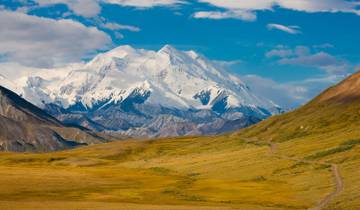
6 days
Alaska Explorer
- ✓ Comprehensive Anchorage tour
- ✓ Expert local guides included
- ✓ All accommodation arranged
- ✓ Transportation provided
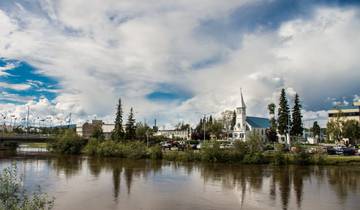
7 days
Alaska's Northern Lights
- ✓ Comprehensive Anchorage tour
- ✓ Expert local guides included
- ✓ All accommodation arranged
- ✓ Transportation provided
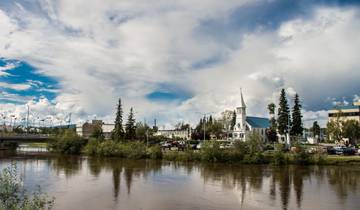
7 days
USA – Alaska Summer Fairbanks to Seward
- ✓ Booking needs min. 2 travelers
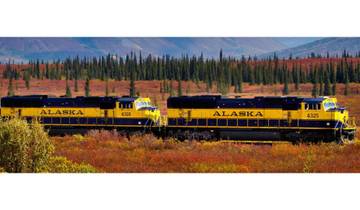
6 days
6-Day Best of Grand Alaska Highlights Tour
- ✓ Comprehensive Anchorage tour
- ✓ Expert local guides included
- ✓ All accommodation arranged
- ✓ Transportation provided
Multi-day tour packages powered by TourRadar. Prices and availability subject to change.
Introduction: Planning Your Anchorage Adventure 2026
Anchorage defies expectations for Alaska’s largest city. With 291,000 residents representing 40% of the state’s entire population, Anchorage functions as Alaska’s economic, transportation, and cultural hub while maintaining extraordinary wilderness proximity that no other major American city can match. The Chugach Mountains rise directly from the city’s eastern edge, moose wander through residential neighborhoods, and world-class hiking trails begin minutes from downtown skyscrapers.
The city occupies a strategic position on a peninsula between Cook Inlet to the west and the Chugach Range to the east, creating a natural amphitheater of mountains and water. This geography delivers spectacular urban views while providing immediate access to glaciers, wildlife, and backcountry adventures. Ted Stevens Anchorage International Airport serves as the primary entry point for most Alaska visitors, with more than 250 direct flight connections to destinations across North America and Asia.
Anchorage’s cultural landscape reflects Alaska’s Indigenous heritage and frontier history. The Dena’ina Athabascan people inhabited this region for thousands of years before the city’s 1914 founding as a construction camp for the Alaska Railroad. Today’s Anchorage honors these roots through institutions like the Alaska Native Heritage Center and extensive museum collections, while embracing modern development, international cuisine, and outdoor recreation culture.
The 2026 visitor season brings enhanced accessibility with Alaska Airlines adding nonstop flights from Boston, Boise, and Spokane, while Southwest Airlines introduces service from Denver and Las Vegas. Anchorage Museum debuts three major exhibitions opening May 2026: Michaela Goade’s “Song of the Seasons” (May 1), “Arctic Marine Science: Sikuliaq to Shore” (May 15), and “AK Grown: Childhood in Alaska” (May 1). Alaska Native Heritage Center continues renovation of its Theater and Crossroads areas, creating more immersive Indigenous storytelling experiences.
Summer 2026 planning requires understanding Alaska’s compressed tourism season. Most attractions operate full schedules and extended hours from mid-May through mid-September, then reduce operations dramatically or close entirely for winter. Hotel rates, tour availability, and restaurant reservations all peak during June-August when cruise ship passengers and independent travelers converge. Booking accommodations 2-4 months ahead ensures preferred locations and competitive rates, while popular tours like Kenai Fjords cruises and Denali bus tours sell out months in advance.
This comprehensive guide provides verified 2026 pricing, operational details, and strategic planning advice for maximizing your Anchorage experience. From budget breakdowns and accommodation strategies to day trip planning and cultural immersion opportunities, you’ll find everything needed to create an exceptional Alaska adventure.
Understanding Anchorage’s Geography and Climate in 2026
Anchorage’s location at 61°N latitude—similar to Oslo, Stockholm, and southern Greenland—creates dramatic seasonal daylight variations that fundamentally shape visitor experiences. Summer solstice (June 21, 2026) delivers 19 hours 21 minutes of daylight with twilight extending another 4 hours, allowing outdoor activities until 11 PM. Conversely, winter solstice (December 21, 2026) brings only 5 hours 28 minutes of daylight with sunrise at 10:14 AM and sunset at 3:42 PM.
The city sprawls across 1,961 square miles (slightly larger than Delaware), making it one of America’s largest municipalities by land area despite modest population. Downtown Anchorage occupies a compact grid between Ship Creek to the north and the Alaska Railroad tracks to the south, with most tourist attractions, hotels, and restaurants concentrated in this highly walkable core measuring roughly 1 mile by 0.5 miles.
Chugach State Park forms Anchorage’s eastern boundary, encompassing 495,204 acres of wilderness that reaches from sea level to 8,000-foot peaks. This proximity means genuine backcountry hiking begins 15-20 minutes from downtown hotels, with trailheads accessing alpine tundra, glacial valleys, and peak scrambles requiring no long drives or complicated logistics.
Cook Inlet’s maritime influence moderates Anchorage’s climate compared to Interior Alaska. Summer temperatures (June-August 2026) average 55-70°F during the day with overnight lows of 45-55°F, though heat waves occasionally push readings into the low 80s. Spring and fall bring rapid temperature swings from 30-55°F, while winter averages 15-25°F with occasional plunges below zero during Arctic air mass invasions. Annual precipitation totals 16 inches, with most falling as summer rain rather than winter snow.
The city’s weather patterns shift rapidly due to competing influences from maritime air masses, continental systems, and mountain effects. Visitors should pack layers for all seasons, with waterproof outer layers essential even during summer when afternoon showers develop regularly. Anchorage receives approximately 75 inches of snowfall annually, though snow accumulation in the city typically remains moderate (6-12 inches on the ground) compared to areas just 20-30 miles away where depths exceed 3-4 feet.
Major Attractions and Cultural Sites in Anchorage 2026
Anchorage Museum anchors the city’s cultural landscape at 625 C Street in downtown’s core. General admission costs $25 for adults (ages 18-64), $20 for Alaska residents, $18 for ages 13-17, seniors 65+, military members, and students, and $12 for children ages 6-12 in 2026. Check the official website for current rates as pricing may vary. Children age 5 and younger, museum members, and enrolled members of federally recognized tribes receive free admission. The museum opens daily 10 AM to 6 PM from May through September, with reduced winter hours.
The 170,000-square-foot facility encompasses Alaska’s largest museum collection spanning art, history, science, and culture. Smithsonian Arctic Studies Center presents extensive Indigenous artifacts including kayaks, hunting tools, ceremonial masks, and clothing representing Alaska’s diverse Native cultures. The Alaska Gallery showcases works by contemporary and historical Alaskan artists from landscape painters to modern multimedia creators. Science galleries explore Alaska’s unique ecosystems, climate, and natural phenomena.
Three major exhibitions premiere in May 2026. “Michaela Goade: Song of the Seasons” (opening May 1) celebrates the Tlingit and Norwegian artist through original images, sketches, and process videos. “Arctic Marine Science: Sikuliaq to Shore” (opening May 15) follows the research vessel Sikuliaq’s Arctic expeditions. “AK Grown: Childhood in Alaska” (opening May 1) presents photographs from the 1930s to present documenting nearly a century of Alaskan childhood. Plan 2-3 hours minimum for a comprehensive visit, though art enthusiasts and families with children easily spend 4-5 hours exploring all galleries.
Alaska Native Heritage Center represents Alaska’s premier Indigenous cultural institution at 8800 Heritage Center Drive, approximately 10 miles from downtown. Summer season admission (May 10-September 13, 2026) costs $29 for adults and $19 for children ages 4-17. Check the official website for current official rates. Children age 4 and younger, ANCSA members with ID, Indigenous individuals with tribal enrollment proof, and Southcentral Foundation guests receive free entry. The center operates daily 9 AM to 5 PM during summer season.
The 26-acre site sits on traditional Dena’ina Athabascan territory and presents all 11 Alaska Native cultural groups through immersive experiences. Hall of Cultures features interactive exhibits, artwork, and artifacts spanning 10,000 years of Alaska Native history. The Gathering Place stage hosts daily cultural demonstrations including traditional dancing at scheduled times, Alaska Native Games demonstrations showcasing athletic skills developed for hunting and gathering lifestyles, and storytelling by culture bearers from different regions.
Six life-sized traditional dwellings surround Lake Tiulana, representing distinct architectural traditions from Alaska’s geographic regions. Visitors walk a paved 1.5-mile trail encountering a Southeast Alaska Longhouse (large cedar plank structure housing multiple families), an Athabascan summer camp, an Inupiaq sod house, an Alutiiq seasonal camp, a St. Lawrence Island Yup’ik dwelling, and a Tlingit clan house. Cultural representatives staff each site, demonstrating traditional skills and answering questions about historical and contemporary Native life.
Free round-trip shuttle service operates from downtown Anchorage (Log Cabin Visitor Info Center at 546 West 4th Avenue) from June 1 to September 13, 2026. The shuttle accommodates up to 15 passengers on a first-come, first-served basis, with pickup times varying based on demand. Check the 2026 shuttle schedule on the official website for specific departure times. Ch’k’iqadi Gallery (meaning “the things we buy” in Dena’ina Athabascan) sells authentic Alaska Native art directly supporting Indigenous artists, while Café Di’eshchin (“I’m hungry” in Dena’ina) serves coffee, snacks, and traditional foods including reindeer hot dogs and salmon burgers. Allocate 3-4 hours for a complete experience including performances, village tours, and gallery browsing.
Tony Knowles Coastal Trail provides Anchorage’s signature outdoor recreation experience completely free. This paved 11-mile pathway connects downtown (beginning near Elderberry Park at 5th Avenue and L Street) to Kincaid Park, following Cook Inlet’s shoreline with continuous mountain and water views. Named for Alaska Governor Tony Knowles who championed the project, the trail serves walkers, runners, and cyclists year-round.
Summer usage peaks with locals and visitors alike enjoying midnight sun walks, wildlife viewing (beluga whales in Cook Inlet, moose along the trail, bald eagles overhead), and unobstructed Denali views on clear days 130 miles to the north. The trail remains groomed for winter fat-tire biking and Nordic skiing, transforming into a snowy ribbon through Anchorage’s coastal forest. Multiple access points along the route enable shorter segments, while bike rentals available downtown ($35-45 for half-day, $50-65 full day) provide convenient trail exploration without long-distance walking.
Earthquake Park commemorates the March 27, 1964 Great Alaska Earthquake measuring 9.2 on the Richter scale—the most powerful earthquake ever recorded in North America. Located at Northern Lights Boulevard and Earthquake Park Road, this free 134-acre park preserves the landscape where the Turnagain Heights neighborhood slid into Cook Inlet. Interpretive panels explain the seismic event, geological processes, and neighborhood destruction. Short walking trails traverse the bluffs offering Cook Inlet views and visual evidence of the landslide’s extent 62 years later. The park requires 30-45 minutes for a complete visit including trail walking and panel reading.
Accommodation Options and Costs in Anchorage 2026
Anchorage accommodation costs in 2026 range from $35 hostel dormitories to $600+ luxury hotel suites, with mid-range options clustering at $180-280 nightly during summer peak season (June-August). Winter rates (November-March) drop 35-55% to $100-180 for comparable properties, while shoulder seasons (May and September) offer moderate pricing at $140-220 nightly.
Downtown Anchorage concentrates the highest number of hotels within walking distance of restaurants, museums, and the Alaska Railroad depot. Hotel Captain Cook at 939 West 5th Avenue represents Anchorage’s landmark luxury property with rates of $320-480 nightly in summer. The full-service hotel features three towers, multiple restaurants, and Cook Inlet views from upper floors. Westmark Anchorage Hotel at 720 West 5th Avenue charges $240-360 in peak season, offering 200 rooms in a central location one block from the Anchorage Museum.
Mid-range downtown options include Marriott Anchorage Downtown ($220-320 summer rates) at 820 West 7th Avenue with modern rooms and a convenient location near the coastal trail, and Hilton Anchorage ($200-300 summer) at 500 West 3rd Avenue offering 606 rooms and multiple dining options. These properties typically include fitness centers, business facilities, and on-site restaurants.
Budget-conscious travelers find value at Anchorage Grand Hotel ($140-200 summer) at 505 West 2nd Avenue featuring apartment-style suites with kitchenettes enabling meal preparation, and Super 8 by Wyndham Anchorage ($120-180 summer) at 3501 Minnesota Drive providing basic rooms 3 miles from downtown with free parking. Extended Stay America properties at various Anchorage locations offer $110-170 summer rates with full kitchens supporting longer stays.
Hostels deliver significant savings for solo travelers and budget groups. Spenard Hostel at 2845 West 42nd Avenue charges $35-45 per night for dormitory beds and $85-110 for private rooms, including kitchen access, common areas, and a social atmosphere popular with international travelers. Base Camp Anchorage at 1320 Gambell Street offers similar rates ($40-50 dormitory, $90-120 private) with downtown proximity.
Midtown Anchorage hotels along Minnesota Drive and Northern Lights Boulevard provide lower rates than downtown with free parking compensating for the 10-15 minute drive to attractions. Hampton Inn Anchorage ($160-240 summer) at 4301 Credit Union Drive includes hot breakfast, while Courtyard by Marriott Anchorage Airport ($140-210 summer) at 4901 Spenard Road positions near the airport with shuttle service.
Airport area hotels suit early morning departures or late arrivals. SpringHill Suites Anchorage Airport ($150-220 summer) at 4823 Spenard Road offers suite accommodations with kitchenettes 5 minutes from terminals, while Embassy Suites by Hilton Anchorage ($180-280 summer) at 600 East Benson Boulevard provides full breakfast and evening receptions included in rates.
Vacation rentals through Airbnb and VRBO range $100-200 nightly for entire apartments or small homes, climbing to $250-400 for larger properties accommodating families or groups. Girdwood area rentals (40 miles south near Alyeska Resort) cost $150-350 nightly, offering mountain settings with Anchorage day trip access.
Booking strategies for 2026 include reserving 2-4 months ahead for summer peak season to secure preferred properties at best rates, comparing hotel websites directly against booking platforms (sometimes hotels offer unpublished rates or value-added packages), and checking for AAA, AARP, military, or government discounts reducing rates 10-20%. Properties along major chains participate in loyalty programs where points redemptions or member rates create additional savings.
Food and Dining Costs in Anchorage 2026
Anchorage dining costs in 2026 exceed mainland U.S. averages by 25-35% due to Alaska’s remote location and transportation expenses. Daily food budgets range from $30-45 for budget travelers preparing most meals to $65-95 for mid-range dining mixing restaurants with some self-catering, and $120-200 for upscale restaurant experiences.
Budget dining strategies center on grocery shopping at Fred Meyer (multiple locations including 1000 East Northern Lights Boulevard and 2300 Abbott Road), Safeway, or Carrs/Safeway stores where prices run 20-30% above Lower 48 costs but far below restaurant rates. Typical grocery expenses include $4-6 for bread, $6-8 for deli meat, $5-7 for cheese, $3-5 for milk, and $4-6 for fresh produce items. A week’s groceries for self-prepared breakfasts, packed lunches, and simple dinners costs $80-120 per person.
Casual restaurant breakfast prices range $12-18 for entrées at establishments like Snow City Cafe (1034 West 4th Avenue, popular for creative omelets and sourdough pancakes with 45-60 minute weekend waits), Middle Way Cafe (1200 West Northern Lights Boulevard, organic options), and South Restaurant + Coffeehouse (1320 Huffman Road, locally roasted coffee and pastries). Budget breakfast alternatives include Kaladi Brothers Coffee locations offering pastries and sandwiches for $6-10, or McDonald’s, Subway, and similar chains with $7-9 breakfast combos.
Lunch costs $15-25 at mid-range restaurants. Moose’s Tooth Pub & Pizzeria (3300 Old Seward Highway) serves creative pizzas for $18-28 large enough to share, while Glacier Brewhouse (737 West 5th Avenue downtown) offers sandwiches and burgers at $16-22. Food trucks clustered in various downtown and midtown locations provide ethnic cuisines (Thai, Mexican, Korean) at $12-16 per meal. Fast casual chains like Chipotle, Panda Express, and Jimmy John’s charge $9-13 for standard meals.
Dinner at mid-range restaurants costs $25-45 per person before drinks and tip. Simon & Seafort’s Saloon & Grill (420 L Street) specializes in fresh seafood with halibut, salmon, and king crab entries at $32-58 plus spectacular Cook Inlet sunset views. Ginger (425 West 5th Avenue) presents upscale pan-Asian cuisine with entrées at $26-42. Sacks Cafe & Restaurant (328 G Street) offers New American fare including local fish and steaks at $28-48 per entrée.
Fine dining experiences at restaurants like Crow’s Nest (Hotel Captain Cook, 5th floor) and Orso (737 West 5th Avenue) run $45-75 per entrée with wine pairings adding $40-80. Complete fine dining experiences including appetizers, entrées, desserts, and wine total $100-150 per person before tip.
Alaska’s unique proteins command premium pricing but represent authentic regional cuisine worth sampling. Fresh wild-caught salmon costs $28-38 per entrée, halibut runs $32-45, and king crab (when available) reaches $60-85 per pound or $45-65 for prepared dishes. Reindeer sausage appears on many menus at $12-18 for lunch dishes or $22-32 for dinner preparations, while yak burgers and elk steaks range $18-32.
Coffee culture thrives in Anchorage with local roasters including Kaladi Brothers, SteamDot, and AK Coffee Roasting Company. Lattes and specialty drinks cost $5-7, brewed coffee $3-4, and pastries $4-6. Many coffee shops double as casual workspaces with WiFi.
Alcoholic beverages carry Alaska’s high liquor taxes. Beer costs $7-10 per pint at breweries and restaurants, glasses of wine range $10-16, and cocktails run $12-18. Anchorage’s craft brewery scene includes Midnight Sun Brewing Company (8111 Dimond Hook Drive), Anchorage Brewing Company (148 West 91st Avenue), and Cynosure Brewing (907 East Dimond Boulevard) where tasting flights cost $12-16 and pints $7-9.
Tipping conventions follow U.S. standards with 18-22% expected at sit-down restaurants, $1-2 per drink at bars, and 15-18% for food delivery. Many restaurants add automatic gratuities for parties of 6 or more.
Transportation Within Anchorage 2026
Downtown Anchorage delivers excellent walkability with most major attractions, hotels, and restaurants concentrated within a 1-mile radius. Walking from the Alaska Railroad depot at 411 West 1st Avenue to the Anchorage Museum at 625 C Street requires just 8 minutes, while reaching Tony Knowles Coastal Trail from downtown hotels takes 10-15 minutes on foot. The compact downtown grid features wide sidewalks, pedestrian crossings, and generally flat terrain suitable for all mobility levels.
People Mover public bus system provides comprehensive Anchorage coverage at $2 per single ride or $5 day pass for adults (ages 19-59). Youth age 18 and under ride free year-round following Assembly approval in 2025, while half-fare rates of $1 single ride or $2.50 day pass apply to seniors and disabled passengers. The mobile People Mover mTicket app enables digital fare payment via credit or debit card, eliminating exact change requirements.
Four frequent routes offer service every 15 minutes during peak weekday hours: Route 40 (Airport-Downtown), Route 45 (Crosstown), Route 60 (Northern Lights), and Route 65 (Jewel Lake). Ten additional routes provide standard and neighborhood service connecting all major areas including Eagle River to the north, Dimond Center to the south, Muldoon Road to the east, and the airport to the west. Buses operate approximately 6 AM to midnight weekdays and 8 AM to 8 PM weekends, with specific schedules varying by route.
Airport connections via Routes 40 and 65 depart every 15 minutes during peak hours for the 20-minute downtown journey. Bus stops at Ted Stevens Anchorage International Airport appear on the lower level outside baggage claim at the South (Domestic) Terminal. International Terminal passengers take the free airport shuttle to the South Terminal to access bus service. Real-time bus tracking through the People Mover mStop app or by texting “ANC” plus the 4-digit stop ID to 321123 displays accurate arrival times.
Rental cars provide essential flexibility for day trips to glaciers, wildlife viewing areas, and hiking trailheads inaccessible by public transportation. Summer 2026 rates range $100-200 daily for economy through mid-size vehicles, $150-250 for SUVs, and $200-350 for large SUVs or vans. Winter rates drop to $70-150 daily with reduced demand. Major agencies including Hertz, Enterprise, Avis, Budget, and Alamo maintain desks at the airport and downtown locations.
Gasoline in Anchorage costs approximately $4.50-6.00 per gallon in 2026, roughly $1.50-2.50 above Lower 48 averages. Parking downtown runs $2-5 per hour in metered spaces or $8-15 daily in parking garages near 5th Avenue and G Street. Most hotels outside downtown include free parking, while downtown properties charge $15-30 nightly parking fees.
Uber and Lyft operate throughout Anchorage with standard pricing of $8 minimum fare, $2.55 base fare, and $0.35 per kilometer for UberX vehicles. Airport to downtown runs approximately $25-35, while typical cross-town trips cost $15-25. Surge pricing during peak hours (morning and evening commutes, cruise ship arrival days) increases rates 1.5-2.5 times normal fares.
Traditional taxi services through Yellow Cab and Alaska Cab charge metered rates of approximately $3 base fare plus $2.75 per mile, with airport to downtown averaging $28-35 plus tip. Taxis wait at designated stands outside the airport terminals and major hotels, or respond to phone dispatch.
Bicycle rentals from downtown shops including Pablo’s Bicycle Rentals (1328 East 4th Avenue) and Downtown Bicycle Rental (333 West 4th Avenue) cost $35-45 for half-day and $50-65 for full-day rentals. The Tony Knowles Coastal Trail, Chester Creek Trail, and Ship Creek Trail provide 40+ miles of paved multi-use paths perfect for cycling. All People Mover buses feature 2-3 place bike racks enabling one-way rides combining cycling with transit.
Day Trips and Excursions from Anchorage 2026
Portage Glacier and Alaska Wildlife Conservation Center combine into Anchorage’s most accessible full-day excursion covering 110 miles roundtrip. The Alaska Wildlife Conservation Center at Mile 79 Seward Highway (45 miles south of Anchorage) opens daily 8 AM to 8 PM in summer, charging $16 for adults and $12 for children ages 4-12. The 200-acre sanctuary rehabilitates orphaned and injured Alaska wildlife including brown bears, black bears, wood bison, moose, caribou, elk, musk oxen, lynx, and bald eagles in spacious natural habitats.
A 1.5-mile elevated boardwalk enables close wildlife viewing while maintaining safe distances, with excellent photography opportunities and interpretive signage explaining each species’ ecology and conservation status. Plan 1.5-2 hours for a complete visit. The center operates year-round with winter hours 10 AM to 5 PM when some animals display more active behaviors in cold weather.
Portage Glacier lies 5 miles beyond the wildlife center at the end of Portage Glacier Road. Begich, Boggs Visitor Center opens daily 9 AM to 6 PM from late May through early September, providing free admission, exhibits about glacial geology, and Chugach National Forest information. While Portage Glacier has receded from direct roadside viewing, Portage Lake showcases massive icebergs calved from the glacier floating in turquoise water with surrounding peaks.
MV Ptarmigan glacier cruise departs from the dock near the visitor center, offering the only water-level glacier viewing. One-hour cruises cost $45-55 for adults and $30-35 for children, operating multiple daily departures from late May through mid-September. The heated vessel approaches to within 300 yards of the glacier’s face for spectacular iceberg fields and occasional calving events. Reserve cruises 1-2 weeks ahead during peak summer as capacity limitations create sellouts.
The complete Portage/Wildlife Center day trip requires 6-7 hours including driving (2 hours roundtrip), wildlife center visit (1.5-2 hours), visitor center and hiking (1-1.5 hours), and optional cruise (1 hour). The Seward Highway section offers continuous mountain and ocean scenery designated as an All-American Road and National Scenic Byway, with numerous pullouts for photography. Pack lunch or stop at Indian Valley Meats & Deli (Mile 104 Seward Highway) for takeout sandwiches.
Matanuska Glacier day trip covers 200 miles roundtrip (100 miles each way) via the Glenn Highway, requiring a full day. The 27-mile-long glacier—Alaska’s largest road-accessible glacier—terminates at a privately owned access point charging $30-35 per person for glacier hiking on the ice. Guided ice climbing tours through companies like NOVA Alaska Guides and MICA Guides cost $150-200 per person for 3-4 hour experiences including equipment and instruction.
The glacier sits 2 hours driving from Anchorage through Chugach State Park and the Matanuska-Susitna Valley. Self-guided glacier hiking allows walking onto the ice surface exploring crevasses, moulins (glacial sinkholes), and ice formations, though proper footwear and caution are essential. Guided tours provide crampons, ice axes, helmets, and expert navigation across glacier terrain.
Palmer, the valley’s main town 15 miles before the glacier, offers lunch options and grocery stores for picnic supplies. The Alaska State Fair operates in Palmer during late August-early September, showcasing massive vegetables grown in Alaska’s long summer daylight (100+ pound cabbages are common). Round-trip glacier excursions require 8-9 hours total including 4 hours driving and 3-4 hours on or near the glacier.
Girdwood and Alyeska Resort lie 40 miles south of Anchorage along the Seward Highway, accessible as a half-day trip or combined with other activities. The small mountain town at the base of Mount Alyeska (3,939 feet) transforms from winter ski resort to summer hiking and sightseeing destination. Alyeska Aerial Tramway operates year-round (weather permitting) from the base area at 250 feet to the Roundhouse at 2,300 feet elevation.
Roundtrip tram tickets cost $35-40 for adults and $25-30 for children in summer 2026, delivering spectacular views of Turnagain Arm, surrounding glaciers, and mountain peaks during the 7-minute ascent. The Roundhouse Restaurant at the summit serves lunch and dinner with floor-to-ceiling windows maximizing scenery. Several hiking trails depart from the summit including a moderate 2-mile trail to the summit at 3,939 feet gaining 1,600 additional vertical feet.
Summer activities in Girdwood include hiking trails from Winner Creek trailhead (free) accessing a hand tram river crossing and forest trails, mountain biking on resort trails, and berry picking in late July-August. Dining options include The Bake Shop (194 Olympic Mountain Loop) famous for breakfast and fresh-baked goods, and Jack Sprat (165 Olympic Mountain Loop) serving upscale seafood and steaks at $28-48 per entrée. The half-day excursion requires 3-4 hours including 90 minutes roundtrip driving and 1.5-2 hours at the resort.
Alaska Railroad operates daily summer service from Anchorage to popular destinations offering scenic alternatives to driving. The Coastal Classic train to Seward departs Anchorage at 6:45 AM, arriving Seward at 11:05 AM after a 4-hour, 20-minute journey through mountains, forests, and along Turnagain Arm. Roundtrip fares cost $180-200 for adults and $90-100 for children ages 2-11 in 2026.
Glacier Discovery train to Whittier and Spencer Glacier departs Anchorage at 9:45 AM on Thursdays and Saturdays, reaching Spencer Glacier Whistle Stop after 3 hours where passengers can kayak among icebergs, hike to viewpoints, or simply photograph the glacier before returning on the afternoon train. Roundtrip fares run $150-170 adults and $75-85 children. The Denali Star train to Denali National Park and Fairbanks departs Anchorage at 8:15 AM daily, reaching Denali at 3:40 PM. One-way fares to Denali cost $180-200 adults and $90-100 children.
All Alaska Railroad cars feature large windows, commentary about passing landmarks, and optional GoldStar service ($100-150 additional) providing upper-level dome seating and included meals. Book Alaska Railroad tickets 1-3 months ahead for summer travel as popular routes and dates sell out.
Free and Low-Cost Activities in Anchorage 2026
Tony Knowles Coastal Trail delivers Anchorage’s premier free outdoor experience with 11 paved miles along Cook Inlet connecting downtown to Kincaid Park. The multi-use trail accommodates walkers, runners, and cyclists year-round, passing through coastal forest, wetlands, and open bluffs with continuous mountain views. Wildlife sightings include moose (extremely common, particularly in early morning and evening), bald eagles, beluga whales in the inlet May-September, and occasional black bears.
Multiple access points enable shorter segments: downtown at Elderberry Park (5th Avenue and L Street), Westchester Lagoon (15th Avenue and U Street), and Kincaid Park’s southern terminus. The trail remains flat and well-maintained suitable for all fitness levels, though winter conditions require studded tires for cycling or traction devices for walking. Sunset walks in summer (9-11 PM) showcase spectacular lighting with alpenglow on Mount Susitna across the inlet.
Earthquake Park and its 1.5-mile trail system preserve the landscape where Turnagain Heights neighborhood slid into Cook Inlet during the 1964 Great Alaska Earthquake. Interpretive panels explain the seismic event, geology, and neighborhood destruction, while the coastal bluff trails offer Cook Inlet views and evidence of the massive landslide. The park at Northern Lights Boulevard and Earthquake Park Road requires no entry fee and welcomes visitors year-round during daylight hours.
Kincaid Park encompasses 1,400 acres of coastal bluffs, forests, and open meadows at Anchorage’s southwest edge accessible via Raspberry Road. More than 30 miles of trails serve hikers, mountain bikers (summer), and Nordic skiers (winter) with various difficulty levels from easy lakeshore paths to challenging ridge scrambles. The park’s coastal trails connect to Tony Knowles Coastal Trail, while interior single-track trails wind through birch and spruce forest.
Winter transforms Kincaid into Anchorage’s premier Nordic skiing venue with groomed trails hosting national and international competitions. Summer offers wildflower meadows, berry picking (blueberries, crowberries, and salmonberries in July-August), and frequent moose encounters. The park charges no fees, operates sunrise to 11 PM, and includes the Kincaid Outdoor Center (ski rental in winter, trail maps and information year-round).
Chugach State Park begins at Anchorage’s eastern edge providing 495,204 acres of wilderness accessible via numerous trailheads. Flattop Mountain Trail—Alaska’s most-climbed peak—starts from Glen Alps trailhead (Upper Huffman Road past Hillside Drive) with a $5 daily parking fee. The 3.5-mile roundtrip trail gains 1,350 feet climbing to the 3,510-foot summit with 360-degree views encompassing Anchorage, Cook Inlet, Mount Denali (on clear days), and endless mountain ranges.
The well-maintained trail suits strong hikers completing the ascent in 1.5-2 hours, though the final 500 vertical feet traverses steep rocky terrain requiring hand scrambling. Arrive early (7-9 AM) to secure parking in the 150-space lot that fills by 10 AM on summer weekends. Alternative Chugach State Park trails include McHugh Creek (Seward Highway Mile 111.9, moderate 4-mile loop, $5 parking), Powerline Pass (Prospect Heights trailhead, easy-moderate 11-mile pass crossing, free parking), and Thunderbird Falls (Thunderbird Falls Road off Glenn Highway, easy 2-mile roundtrip to waterfall viewing platform, $5 parking).
Downtown Anchorage Farmers Market operates Saturdays 9 AM to 2 PM and Sundays 10 AM to 4 PM from mid-May through mid-September at the corner of 3rd Avenue and E Street. Alaska-grown vegetables, fresh flowers, local honey, smoked salmon, reindeer sausage, and crafts fill vendor booths while food trucks serve breakfast and lunch. The market charges no admission, provides free entertainment including live music, and enables sampling Alaska products before purchasing.
Lake Hood Seaplane Base, the world’s busiest seaplane base with 190 daily takeoffs and landings in summer, sits adjacent to Ted Stevens Anchorage International Airport. The viewing area along Aircraft Drive offers free floatplane watching as pilots land and depart carrying passengers and cargo to remote Alaska communities. Peak activity occurs 9 AM to 7 PM when good weather enables maximum operations. The adjacent Lake Spenard walking path provides additional viewing angles with interpretive signs explaining Alaska’s aviation history and bush flying culture.
Alaska Veterans Museum at 333 West 4th Avenue displays military artifacts, photographs, and exhibits honoring Alaska’s military history from World War II through recent conflicts. The small museum operates Monday-Saturday 10 AM to 6 PM with free admission, though donations are appreciated. Exhibits include uniforms, medals, weaponry, and personal stories from Alaska veterans, with particular emphasis on the Aleutian Campaign and Cold War military presence.
Anchorage’s Whaling Wall mural at 421 D Street presents a massive outdoor artwork by renowned marine life artist Wyland. The 400-foot-long painting depicts Alaska marine mammals including orcas, belugas, and gray whales in realistic detail. The mural requires no admission and appears visible from multiple downtown vantage points, with the best views from D Street between 4th and 5th Avenues.
Budget Planning and Money-Saving Strategies for Anchorage 2026
Anchorage daily costs for mid-range travelers in 2026 using public transportation total approximately $310-480 per person including accommodation ($180-280 nightly mid-range hotels), meals ($65-95 for restaurant breakfasts, lunches, and dinners), attractions and activities ($50-75 for museum entries and tours), and transportation ($15-30 for public transit with occasional taxis). Days requiring rental cars for glacier or wildlife day trips add $100-200 to the daily total. A 5-day Anchorage trip with 2 transit days and 3 rental car days costs approximately $1,805-2,910 per person at mid-range spending levels.
Budget travelers reduce daily costs to $95-155 through strategic choices across all categories. Hostel accommodation at Spenard Hostel or Base Camp Anchorage costs $35-60 nightly in dormitories versus $180-280 for mid-range hotels, saving $120-220 per night. Grocery shopping at Fred Meyer or Safeway for breakfast supplies, sandwich fixings, and simple dinners costs $80-120 weekly ($11-17 daily) versus $65-95 daily for restaurant meals, with occasional budget restaurant meals adding another $20-30 daily for variety.
People Mover buses at $5 daily passes (youth ride free) replace rental cars costing $100-200 daily including gas and parking, though transit limits day trip flexibility. A $20 annual Alaska State Parks Pass covers parking at Chugach State Park trailheads versus $5-10 per visit. Budget travelers focusing on free activities (Tony Knowles Coastal Trail, Earthquake Park, Kincaid Park, Flattop Mountain, downtown walking) eliminate $50-75 daily attraction costs while experiencing genuine Alaska wilderness.
The complete budget approach totals approximately $465-765 for a 5-day Anchorage trip: accommodation $175-300 (5 nights hostel), meals $160-240 (grocery shopping with occasional budget restaurant meals), transportation $50-75 (bus passes and occasional taxis), and activities $80-150 (one paid attraction plus mostly free outdoor experiences). This represents approximately 73-74% savings versus mid-range travel — calculation: (1,805−465)÷1,805 = 74.2% and (2,910−765)÷2,910 = 73.7%.
Shoulder season timing creates the single most effective savings strategy. May and September accommodation rates drop 20-40% below peak June-August pricing, with mid-range hotels at $140-220 versus $180-280 in summer. Tour operators reduce prices 15-25% during shoulder periods when demand declines. Rental cars cost $80-150 daily in May and September compared to $100-200 in peak summer. Weather remains pleasant with highs of 45-60°F, daylight extends 15-17 hours, and wildlife viewing continues strong, though some attractions operate reduced schedules.
Winter travel (November-March) delivers maximum savings with hotel rates plunging 40-60% to $100-180 for mid-range properties and $50-80 for budget hotels. Rental cars drop to $70-150 daily. However, extreme cold (10-30°F), minimal daylight (5-7 hours), and closed attractions severely limit activities. Winter suits Northern Lights photographers, skiers visiting Alyeska Resort, and visitors with specific cold-weather interests rather than general sightseers.
Advance booking for summer 2026 creates significant advantages. Booking accommodation 2-4 months ahead secures lower rates before properties raise prices as occupancy increases. Early-bird tour discounts of 10-20% apply for major operators when reserving 60-90 days in advance. Alaska Railroad offers occasional early booking specials reducing fares 15-25% for specific routes and dates when purchased 3-6 months ahead.
Package deals combining accommodation, rental car, and activities sometimes deliver better value than booking components separately. Alaska Tour Saver books contain two-for-one coupons and discounts for attractions, tours, and accommodations throughout Alaska including Anchorage area businesses. The books cost $100 and contain $3,000+ in potential savings, paying for themselves with 2-3 uses.
Free attraction days reduce costs for families and budget travelers. Anchorage Museum offers free First Friday After Hours admission 6-9 PM monthly, free admission on Indigenous Peoples’ Day (October 9, 2026), and free Veterans Day admission (November 11, 2026). Alaska Native Heritage Center provides free admission during specific community events announced on their website and social media.
Grocery shopping strategies include buying deli meats, cheeses, bread, and fresh produce at Fred Meyer or Safeway for self-made sandwiches costing $5-8 versus $15-25 for restaurant lunches. Cooking simple dinners in accommodation with kitchen facilities (pasta, rice bowls, stir-fries) costs $8-12 per person versus $25-45 for restaurant dinners. Picnicking during day trips using grocery store supplies saves $30-40 daily per person versus restaurant stops.
City tourism tax rebate programs do not exist in Anchorage, but Alaska charges no state sales tax. The Municipality of Anchorage collects 12% hotel tax and 5% car rental tax added to listed prices. No sales tax applies to grocery purchases, though prepared restaurant food carries no tax either in Anchorage.
Sample 3-Day Anchorage Itinerary 2026
Day 1: Downtown Anchorage and Coastal Trail
Begin at Anchorage Museum (625 C Street) arriving at 10 AM opening to beat crowds. Allocate 2.5-3 hours exploring Alaska Gallery contemporary art, Smithsonian Arctic Studies Center Indigenous exhibits, and new 2026 exhibitions including “Michaela Goade: Song of the Seasons” and “AK Grown: Childhood in Alaska.” Museum admission costs $25 adults. The museum café provides lunch options ($12-18 for sandwiches and salads) or exit for nearby restaurants.
Walk to Tony Knowles Coastal Trail starting at Elderberry Park (5th Avenue and L Street), 12 minutes from the museum. Walk or bike (rentals $35-45 half-day at downtown shops) south along the 11-mile paved trail for 60-90 minutes, covering 3-5 miles to Westchester Lagoon or beyond. Watch for beluga whales in Cook Inlet May-September, moose along the forested sections, and bald eagles overhead. Mountain views include Denali on exceptionally clear days.
Return to downtown for dinner at Glacier Brewhouse (737 West 5th Avenue) for fresh seafood and Alaska craft beers, with entrées at $26-42. Alternative dinner options include Simon & Seafort’s (420 L Street) for upscale seafood with Cook Inlet views at $32-58 per entrée, or Moose’s Tooth Pub & Pizzeria (3300 Old Seward Highway, 15-minute drive) for creative pizzas at $18-28.
Day 1 costs: museum $25, lunch $15, bike rental (if used) $40, dinner $35, transportation (walking downtown, taxi to Moose’s Tooth if chosen) $0-15. Total approximately $115-130 per person excluding accommodation.
Day 2: Alaska Native Heritage Center and Local Exploration
Catch the free shuttle from Log Cabin Visitor Info Center (546 West 4th Avenue) to Alaska Native Heritage Center departing at scheduled times (check 2026 shuttle schedule online) or drive/taxi to 8800 Heritage Center Drive. Arrive for 9 AM opening to experience cultural performances before crowds build. Alaska Native Heritage Center admission costs $29 adults.
Attend morning cultural dance performance (typically 10 AM and 11:30 AM) and Alaska Native Games demonstration in the Gathering Place. Tour six traditional dwelling sites around Lake Tiulana on the paved 1.5-mile trail, speaking with cultural representatives at each village about construction techniques, traditional lifestyles, and contemporary Native culture. Explore Hall of Cultures exhibits and watch short films about Alaska’s 11 Indigenous cultural groups. Shop Ch’k’iqadi Gallery for authentic Alaska Native art and have lunch at Café Di’eshchin (reindeer hot dog $12, salmon burger $16). Allocate 3.5-4 hours total.
Return downtown on the free shuttle or arrange pickup (taxi $25-35 to downtown). Spend the afternoon at Alaska Aviation Museum (4721 Aircraft Drive, $15 adults) near Lake Hood Seaplane Base viewing historic aircraft and watching floatplanes land and depart, or visit Anchorage Market and Festival (3rd Avenue and E Street, Saturdays-Sundays, free admission) for local crafts, food vendors, and live music.
Evening options include catching sunset (10-11 PM in June-July) from Earthquake Park’s coastal bluff trails, or dining at Ginger (425 West 5th Avenue) for upscale Asian cuisine at $26-42 per entrée. Budget alternative: grocery shop at Fred Meyer and prepare dinner at accommodation with kitchen facilities ($8-12 per person).
Day 2 costs: Heritage Center $29, lunch $15, Alaska Aviation Museum (if visited) $15, shuttle free, dinner $8-40. Total approximately $65-100 per person excluding accommodation.
Day 3: Portage Glacier and Wildlife Conservation Center Day Trip
Depart Anchorage by 8 AM for the 50-mile drive south on Seward Highway to Alaska Wildlife Conservation Center (Mile 79). The scenic drive requires 65-75 minutes with numerous pullouts for photography of Turnagain Arm, mountains, and Dall sheep on cliffsides. Wildlife Conservation Center admission costs $16 adults.
Spend 1.5-2 hours walking the elevated boardwalk viewing brown bears, black bears, wood bison, moose, caribou, lynx, and musk oxen in spacious natural habitats. Arrive early (9-10 AM) when animals display most active behaviors. Continue 5 miles to Portage Glacier Road reaching Begich, Boggs Visitor Center for free exhibits and Portage Lake iceberg viewing.
Book MV Ptarmigan glacier cruise ($50 adults) for close-up viewing of Portage Glacier and massive icebergs. The one-hour boat tour operates multiple daily departures late May through mid-September (reserve 1-2 weeks ahead). Alternatively, hike Byron Glacier Trail (easy 1.4-mile roundtrip) from the parking area 1 mile before the visitor center, approaching the glacier terminus through a glacial valley.
Pack lunch from Anchorage grocery stores or stop at Indian Valley Meats & Deli (Mile 104 Seward Highway) for sandwiches ($12-15). Return to Anchorage by 4-5 PM with the option to stop in Girdwood (40 miles from Anchorage) for dinner at The Bake Shop or Jack Sprat, or continue to Anchorage for dinner downtown.
Day 3 costs: Wildlife Center $16, glacier cruise $50, lunch $12, gas (100 miles roundtrip at $5.50/gallon, 25 mpg) $22, dinner $15-40. Total approximately $115-140 per person excluding accommodation.
Three-day trip total: accommodation $540-840 for 3 nights at mid-range hotels ($180-280 nightly), daily costs Day 1 $115-130, Day 2 $65-100, Day 3 $115-140, meals not listed above $100-150. Total 3-day cost approximately $935-1,360 per person.
Practical Travel Tips for Anchorage 2026
Alaska Driver’s License and vehicle registration requirements apply to visitors driving rental cars or private vehicles. Out-of-state licenses remain valid for the duration of your visit. International visitors should carry International Driving Permits alongside their home country licenses, though major rental agencies accept foreign licenses from most developed nations. Minimum rental age varies by company from 21-25 years, with drivers under 25 typically paying $25-35 daily surcharges.
Cell phone coverage in Anchorage works reliably with all major U.S. carriers (AT&T, Verizon, T-Mobile) providing 4G and 5G service throughout the city and along major highways including the Seward Highway and Glenn Highway. Coverage becomes spotty or nonexistent in wilderness areas, mountain valleys, and remote locations. Download offline maps before leaving Anchorage for day trips. Free WiFi appears at most hotels, cafes, libraries, and the Anchorage Museum.
Alaska’s medical facilities center on Providence Alaska Medical Center (3200 Providence Drive) and Alaska Regional Hospital (2801 DeBarr Road), both full-service hospitals with 24-hour emergency departments. Urgent care clinics including Alaska Urgent Care (multiple locations) and Concentra Urgent Care treat non-emergency medical needs during extended hours. Travel insurance covering medical emergencies, evacuation, and trip cancellation provides essential protection for Alaska trips given the high costs of medical care and evacuation from remote areas.
Summer weather in Anchorage brings frequent rain showers despite modest annual precipitation. Pack waterproof outer layers, rain jackets, and waterproof hiking boots or shoes for all summer visits. Temperatures fluctuate from 45°F early mornings to 65-70°F afternoons, requiring layered clothing (base layer, fleece or wool mid-layer, waterproof shell). Evenings cool to 50-55°F even in summer. Sunglasses and sun protection (SPF 30+ sunscreen, hats) prevent sunburn during extended daylight hours.
Wildlife safety principles require maintaining proper distances from all animals. Alaska law mandates staying 25 yards from moose and 50 yards from bears, though 100+ yards provides safer margins. Never approach, feed, or attempt to photograph wildlife at close range. Moose cause more injuries than bears in Anchorage, particularly during calving season (May-June) when cows aggressively protect calves. Bear awareness includes making noise on trails, hiking in groups, and carrying bear spray in wilderness areas.
Tipping conventions follow U.S. standards with 18-22% expected at restaurants for table service, $1-2 per drink at bars, 15-20% for taxi and rideshare drivers, $2-5 per bag for hotel porters, and $3-5 daily for hotel housekeeping. Tour guides typically receive $10-20 per person for half-day tours and $20-40 for full-day experiences. Alaska’s lack of state sales tax means menu prices represent final costs before tip.
Midnight sun effects during summer solstice (June 21, 2026) deliver 19 hours 21 minutes of daylight plus extended twilight, enabling activities until 11 PM. Sunset around 11:30 PM and sunrise at 4:20 AM create continuous brightness that can disrupt sleep. Pack blackout curtains, eye masks, or request blackout rooms at hotels for quality sleep. The extended daylight also permits flexible scheduling with major attractions accessible during traditionally “late” hours.
Alaska’s currency uses U.S. dollars exclusively. ATMs appear throughout Anchorage at banks, grocery stores, and shopping centers. Credit cards receive universal acceptance at hotels, restaurants, major attractions, and tour operators, though small cash reserves ($50-100) help with occasional cash-only vendors, tips, and parking meters. Wells Fargo, First National Bank Alaska, and KeyBank maintain downtown branches for banking services.
Anchorage experiences minimal tourist crime, though vehicle break-ins at trailhead parking lots occur regularly. Never leave valuables visible in parked cars. Downtown Anchorage after dark remains generally safe, though awareness of surroundings applies particularly in areas around 3rd Avenue and Gambell Street. Emergency services dial 911 for police, fire, and medical emergencies.
Daylight Saving Time applies in Alaska from March 8, 2026 (spring forward) through November 1, 2026 (fall back). Alaska Standard Time operates at UTC-9 (one hour behind Pacific Time, four hours behind Eastern Time). Time zone awareness matters when booking Alaska Railroad departures, tour pickup times, and coordinating with parties in other time zones.
Seasonal Considerations for Visiting Anchorage 2026
Summer season (June-August 2026) brings optimal conditions for general sightseeing with average highs of 60-70°F, minimal rain (despite frequent brief showers), and 17-19 hours of daily daylight. Wildlife viewing peaks as bears, moose, caribou, and marine mammals feed actively preparing for winter. All attractions, tours, and services operate full schedules with the longest hours. However, accommodation costs reach annual highs at $180-450 nightly for mid-range to upscale hotels, tour prices peak, and crowds fill popular sites requiring advance bookings 1-3 months ahead.
July represents the warmest, driest summer month with average highs near 65-70°F and the most stable weather patterns. Wildflowers bloom across Chugach State Park trails, salmon runs begin in nearby rivers, and tour operators run maximum departures. The downside includes peak pricing across all categories and maximum visitor volumes at major attractions with parking lots filling by 9-10 AM at popular trailheads.
May 2026 shoulder season delivers excellent value with accommodation rates 25-35% below peak summer at $140-220 for mid-range hotels. Daylight extends to 17-18 hours by late May, temperatures reach 45-55°F, and most attractions open for the season. Tour operators begin full schedules though some remote lodges and attractions remain closed until late May. Snow still blankets high-elevation trails limiting some hiking, though lower-elevation trails and the Tony Knowles Coastal Trail become accessible. Wildlife viewing excels as animals emerge from winter dormancy.
September 2026 shoulder season offers similar advantages to May with 20-30% accommodation savings ($150-230 mid-range), reduced crowds, and still-operational services. Daylight decreases to 13-14 hours by late September but remains sufficient for full activity days. Fall colors transform birch forests to golden yellow typically peaking September 10-20. Wildlife remains active and visible, particularly bears feeding intensively before hibernation. Temperatures cool to 40-55°F with increasing rain frequency. Some tour operators reduce schedules by late September as cruise ship season concludes.
Winter season (November-March 2026) suits specific interests rather than general tourism. Northern Lights viewing becomes possible from late September through early April with peak months December-February when darkness extends 17-19 hours daily. Alyeska Resort operates full ski services December through April with 76 runs and 2,500 vertical feet of terrain. Winter festivals include Fur Rendezvous (February) featuring sled dog races, reindeer races, and ice sculpture competitions.
Winter accommodation rates plunge 50-70% to $80-150 for mid-range hotels, with rental cars dropping to $60-120 daily. However, extreme cold averaging 10-25°F creates challenging conditions requiring specialized winter gear. Daylight limitations (5-7 hours) restrict activity timing. Many attractions close entirely including Alaska Native Heritage Center (except weekends and special events), while the Anchorage Museum operates reduced hours. Outdoor activities transform to Nordic skiing, fat-tire biking, snowshoeing, and ice fishing rather than summer hiking and glacier viewing.
April 2026 represents unpredictable transition season (“breakup”) when winter snow melts creating muddy trails, roads deteriorate with freeze-thaw cycles, and weather swings between winter storms and spring warmth. Both winter and summer activities face limitations—too warm for reliable skiing, too snowy for hiking. Most visitors avoid April unless specifically seeking solitude and deep discounts accepting reduced conditions and services.
October 2026 similarly straddles seasons with decreasing daylight (11-12 hours by late October), temperatures dropping to 30-45°F, and increasing snowfall. Fall colors have passed, winter activities haven’t started, and many businesses close for the season. Northern Lights viewing begins but competes with still-lengthy daylight. Budget travelers willing to accept limitations find extraordinary hotel rates ($90-140 mid-range) and minimal crowds, but first-time visitors should target May-September for optimal experiences.
Anchorage with Families and Children 2026
Anchorage Museum (625 C Street) provides Anchorage’s premier family attraction with admission at $25 adults and $12 children ages 6-12 (free for ages 5 and under). The Imaginarium Discovery Center on the first floor delivers hands-on science exhibits specifically designed for children ages 2-12 including Alaska wildlife dioramas, marine touch tanks, planetarium shows, and interactive technology stations. Children construct miniature buildings, experiment with physics concepts, and learn about Alaska ecosystems through play-based discovery.
The Art Lab offers drop-in art-making activities inspired by museum exhibitions, while the Smithsonian Arctic Studies Center presents Indigenous cultures through artifacts children can examine up close. Museum visits occupy 2-3 hours for families with young children, potentially extending to 4 hours for older children and teens engaging deeply with exhibits. The museum café provides kid-friendly meals ($8-12 for children’s portions), and the gift shop stocks educational toys, books, and Alaska-themed souvenirs.
Alaska Native Heritage Center (8800 Heritage Center Drive, $29 adults, $19 children ages 4-17, free under 4) captivates children through cultural performances, traditional games demonstrations, and village site exploration. The Alaska Native Games demonstrations showcase athletic competitions developed for hunting skills—seal hop, kneel jump, and one-foot high kick—that fascinate children watching culture bearers perform incredible feats of strength and balance.
The 1.5-mile paved trail around Lake Tiulana connecting six traditional dwellings suits children’s walking abilities while maintaining engagement through varied architecture, hands-on demonstrations, and opportunities to ask questions of cultural representatives. The outdoor setting permits noise and movement that cramped indoor museums restrict. Free shuttle service from downtown eliminates driving concerns for families without rental cars. Plan 3-4 hours including performances, village tours, and cafe breaks.
Alaska Wildlife Conservation Center (Mile 79 Seward Highway, $16 adults, $12 children 4-12, free under 4) guarantees close wildlife viewing impossible in wilderness settings. Children see brown bears, black bears, wood bison, moose, caribou, elk, musk oxen, and wolves in spacious natural habitats from safe elevated boardwalks. Unlike national parks where wildlife sightings require luck and patience, the conservation center ensures children experience Alaska’s iconic animals while learning about rehabilitation and conservation efforts.
Interactive displays, touch exhibits, and scheduled feeding times maintain children’s interest during the 1.5-2 hour visit. The center’s proximity to Anchorage (45 miles, 65-75 minutes driving) and combination potential with Portage Glacier creates an ideal family day trip. Pack snacks and drinks as food options are limited to vending machines.
Tony Knowles Coastal Trail offers family-friendly outdoor recreation completely free. The paved 11-mile trail accommodates strollers, young cyclists, and walking children with minimal elevation change and multiple access points enabling short segments. Wildlife viewing—particularly moose—thrills children while remaining safe on the separated trail. Bicycle rentals ($35-45 half-day) with tag-along attachments or child seats enable family rides to Westchester Lagoon (2 miles from downtown) or Kincaid Park (11 miles).
Glacier Creek Trail at Girdwood (40 miles south of Anchorage) provides an easy 3-mile roundtrip forest walk to a glacier viewing area suitable for children ages 5 and up. The relatively flat trail through temperate rainforest passes Winner Creek Gorge with a hand tram river crossing that children love—pull yourself across the creek in a metal basket suspended on cables. The trail requires 1.5-2 hours including hand tram time and forest exploration.
Alaska Zoo (4731 O’Malley Road) houses 100+ animals from Alaska and other cold-climate regions including polar bears, snow leopards, Amur tigers, and Bactrian camels. Admission costs $18 adults and $12 children ages 3-17. The zoo operates daily 9 AM to 6 PM in summer, though the facility shows its age compared to modern urban zoos and occupies a smaller footprint with 25 acres. Plan 1.5-2 hours for a complete visit. The zoo works best for families with younger children (ages 3-8) who enjoy the compact size and close animal viewing.
Indoor rainy-day alternatives include H2Oasis Indoor Waterpark (1520 O’Malley Road, $18-24 per person) featuring water slides, wave pool, and spa areas, and Bear Tooth Theatrepub (1230 West 27th Avenue) showing first-run movies with food service including pizza, burgers, and desserts delivered to theater seats ($12-18 per person for food, $9-11 movie tickets).
Family accommodation strategies prioritize locations with amenities supporting children’s needs. Extended Stay America and Homewood Suites properties provide kitchenettes or full kitchens enabling meal preparation, separate sleeping areas for parents and children, and laundry facilities. Hampton Inn Anchorage (4301 Credit Union Drive, $160-240 summer) includes hot breakfast, indoor pool, and ample parking. Embassy Suites by Hilton Anchorage (600 East Benson Boulevard, $180-280 summer) offers two-room suites, full breakfast, and evening snack receptions.
Solo Travel in Anchorage 2026
Anchorage welcomes solo travelers with excellent infrastructure, safety, and opportunities for both independent exploration and social connection. Downtown Anchorage’s walkable core enables car-free sightseeing with accommodations, restaurants, and major attractions within 1-mile radius. Solo travelers staying downtown access Anchorage Museum, Tony Knowles Coastal Trail, shops, and diverse dining without rental cars or extensive taxi use.
Hostel accommodation provides budget savings and built-in social opportunities. Spenard Hostel (2845 West 42nd Avenue, $35-45 dormitory beds, $85-110 private rooms) attracts international travelers creating natural connections through shared kitchen activities, common area conversations, and organized hostel events. Base Camp Anchorage (1320 Gambell Street, $40-50 dormitory, $90-120 private) offers similar atmosphere with downtown location advantages. Both hostels maintain secure entry systems, individual lockers, and 24-hour desk service.
Solo safety in Anchorage rates above most comparably-sized U.S. cities. Downtown areas remain safe during daylight and evening hours, though awareness increases after 10 PM particularly around 3rd Avenue and side streets. Women traveling solo report minimal harassment and generally comfortable experiences. Standard urban precautions apply including staying in well-lit areas, trusting instincts about situations, and securing valuables.
People Mover bus system ($2 per ride, $5 day pass) provides independent transportation eliminating reliance on rideshares or taxis during solo travel. Routes connect downtown, midtown, airport, and major attractions with service approximately 6 AM to midnight weekdays. Real-time tracking apps prevent long waits at bus stops. Solo travelers appreciate the flexibility and cost savings compared to rental cars ($100-200 daily).
Group tours create social opportunities while accessing destinations difficult to reach independently. Alaska Wildlife Conservation Center and Portage Glacier day tours ($120-180 per person including transportation and admission) depart from downtown hotels, enabling solo travelers to join small groups (typically 6-14 participants) for shared experiences. Matanuska Glacier ice climbing tours similarly attract solo adventurers creating temporary group dynamics.
Solo dining challenges diminish in Anchorage’s casual dining culture. Counter seating at Glacier Brewhouse, Moose’s Tooth Pub & Pizzeria, and various coffee shops welcomes individual diners without awkwardness. Food halls and markets including Anchorage Market and Festival (weekends) provide diverse options with communal seating. Solo travelers eating at hotel restaurants or sports bars blend naturally into the environment.
Free activities including Tony Knowles Coastal Trail, Chugach State Park hiking, Earthquake Park, and Kincaid Park enable solo exploration of genuine wilderness without tour dependencies. Trail networks remain well-marked with regular foot traffic during summer providing security through presence of other hikers. Solo hikers should inform hotel staff of hiking plans, carry charged phones (despite limited coverage in mountains), and stick to established trails rather than remote backcountry routes.
Alaska Native Heritage Center visits work well solo with self-guided trail exploration, cultural performances open to all, and opportunities to engage culture bearers in one-on-one conversations about traditions and contemporary Native life. The free shuttle from downtown eliminates transportation concerns. Solo museum visits to Anchorage Museum permit moving at personal pace through exhibits without group compromises.
Meeting other travelers occurs organically at hostels, on group tours, and through outdoor activities. Anchorage’s transient summer population includes many solo adventurers exploring Alaska independently, creating natural opportunities for temporary travel partnerships for specific activities or meals. Coffee shops including Kaladi Brothers, SteamDot, and Side Street Espresso function as informal social hubs where laptop workers and travelers mingle.
Anchorage for Outdoor Enthusiasts 2026
Chugach State Park provides Anchorage’s premier wilderness playground with 495,204 acres of mountains, glaciers, and valleys beginning at the city’s eastern boundary. More than 280 miles of trails range from easy lakeshore walks to challenging alpine scrambles and multi-day backpacking routes. Flattop Mountain (3.5 miles roundtrip, 1,350 feet elevation gain, Glen Alps trailhead) ranks as Alaska’s most-climbed peak attracting 65,000 hikers annually to its 3,510-foot summit.
The trail’s initial 2 miles follow well-maintained gravel path through alpine tundra before the final 0.75 miles steepens dramatically over rocky terrain requiring hand scrambling. Summit views encompass Anchorage, Cook Inlet, Denali (on clear days 130 miles north), and endless Chugach peaks. Strong hikers complete the ascent in 1.5-2 hours, though plan 3-4 hours total including summit time and descent. Arrive before 9 AM for parking in the 150-space lot that fills by 10 AM summer weekends. The $5 daily parking fee or $60 annual Alaska State Parks Pass applies.
Wolverine Peak Trail (11 miles roundtrip, 3,400 feet elevation gain, Prospect Heights trailhead) challenges experienced hikers with sustained climbing through birch forest, alpine tundra, and exposed ridge scrambles to the 4,455-foot summit. The demanding trail requires 6-8 hours with excellent physical conditioning. Ridge exposure and route-finding challenges in fog make this unsuitable for novice mountain hikers, though the summit rewards with Anchorage’s finest 360-degree views.
Williwaw Lakes Trail (13 miles roundtrip, 1,100 feet elevation gain, Glen Alps trailhead) provides spectacular alpine lake access with modest elevation gain. The trail traverses tundra plateaus passing multiple alpine tarns, meadows bursting with wildflowers July-August, and continuous mountain scenery. Strong day hikers complete the route in 6-7 hours, though the area invites overnight backpacking with numerous camping spots near lakes. Bears (both black and brown) frequent this area requiring food storage precautions and bear awareness.
Mountain biking opportunities span Kincaid Park’s 30+ miles of single-track trails winding through coastal forest and meadows. The trail network includes beginner-friendly loops, intermediate technical sections with roots and rocks, and advanced downhill runs. Kincaid hosts regional and national mountain bike races leveraging the varied terrain and natural features. No trail fees apply, and the park operates sunrise to 11 PM year-round.
Powerline Pass Trail (11 miles one-way, 1,300 feet elevation gain, Prospect Heights to Glen Alps) creates popular point-to-point rides combining climbing, ridge running, and descending through Chugach State Park connecting two trailheads. Shuttle logistics require two vehicles or rideshare coordination. The wide gravel path (actually a buried powerline maintenance road) suits intermediate riders completing the traverse in 3-4 hours.
Rock climbing and mountaineering enthusiasts access world-class alpine routes throughout Chugach State Park. Flattop’s east face provides moderate multi-pitch routes (5.6-5.8 difficulty), while more demanding objectives include Ptarmigan Peak, Temptation Peak, and numerous technical alpine walls. Alaska Mountaineering School (2633 Spenard Road) offers guided climbing instruction, gear rental, and route information. Climbers should possess solid alpine skills including glacier travel, crevasse rescue, and winter camping for extended Chugach objectives.
Kayaking and stand-up paddleboarding opportunities exist at Eklutna Lake (30 miles north of Anchorage via Glenn Highway), where Lifetime Adventures rents kayaks ($45-60 half-day) and paddleboards ($35-45 half-day) for exploring the glacial lake surrounded by mountains. The 7-mile-long lake provides calm protected paddling suitable for beginners, though glacier-fed water temperatures (38-45°F) necessitate dry suits or acceptance of cold immersion risk.
Fishing within Anchorage city limits includes Ship Creek (downtown waterfront) for king salmon May-July and coho salmon July-September, Chester Creek for resident rainbow trout, and various stocked lakes for rainbow trout and char. Alaska fishing licenses ($30 for 1-day non-resident, $55 for 3-day, $115 for 14-day) are mandatory for anyone age 16+, available at sporting goods stores and online through Alaska Department of Fish & Game. King salmon require an additional $15 stamp.
Winter transformation creates Nordic skiing, snowshoeing, and ice climbing opportunities. Kincaid Park maintains 60 kilometers of groomed Nordic ski trails hosting World Cup events and national championships. Hillside Trail System east of Anchorage provides backcountry ski touring and snowshoeing through mountain valleys. Eklutna Lake Road (gated in winter) creates popular fat-tire biking routes over packed snow.
Frequently Asked Questions About Anchorage 2026
Do I need a car to visit Anchorage in 2026?
Downtown Anchorage exploration requires no car with major attractions, restaurants, hotels, and Tony Knowles Coastal Trail accessible on foot within a compact 1-mile core. People Mover buses ($2 per ride, $5 day pass) connect downtown, midtown, airport, and neighborhoods with reliable service 6 AM to midnight weekdays. However, day trips to glaciers, wildlife viewing areas, and hiking trailheads beyond the city require either rental cars ($100-200 daily summer) or participation in organized tours ($120-250 for full-day excursions). Budget-conscious visitors staying exclusively in Anchorage save substantially by using public transit and walking, while visitors planning day trips to Portage Glacier, Matanuska Glacier, or Girdwood benefit from rental car flexibility despite higher costs.
Can I see the Northern Lights in Anchorage in 2026?
Northern Lights viewing in Anchorage faces limitations compared to Fairbanks or rural Alaska locations. Anchorage’s urban light pollution diminishes aurora visibility, while the extended daylight of summer months (May-August with 15-19 hours of sunlight) prevents aurora viewing due to perpetual twilight. The optimal aurora season runs late September through early April when darkness extends 12-19 hours nightly. Even during dark months, Anchorage’s geographic location at 61°N latitude produces less frequent and less intense aurora displays than Fairbanks at 64°N. Visitors prioritizing Northern Lights viewing should travel to Fairbanks, Denali, or rural Alaska communities offering superior darkness and higher latitude advantages. Anchorage winter visitors can see occasional aurora displays by driving 20-30 miles outside the city to reduce light pollution and monitoring aurora forecast websites for geomagnetic activity predictions.
What wildlife can I see in Anchorage in 2026?
Moose represent Anchorage’s most commonly observed wildlife, frequently appearing in residential neighborhoods, parks, and along the Tony Knowles Coastal Trail year-round. Anchorage’s estimated 1,000+ moose regularly browse vegetation in yards and cross city streets, particularly during dawn and dusk hours. Black bears occasionally wander into Anchorage from surrounding wilderness, though sightings remain sporadic compared to guaranteed viewing at Alaska Wildlife Conservation Center. Bald eagles soar along the coast and nest in tall trees throughout Anchorage. Beluga whales swim in Cook Inlet May-September, visible from coastal viewpoints and the Tony Knowles Coastal Trail. Dall sheep inhabit cliffs along the Seward Highway visible from pullouts 15-30 miles south of Anchorage. Brown bears, wolves, and caribou require travel outside Anchorage to Chugach State Park’s deeper wilderness or dedicated wildlife viewing destinations. The Alaska Wildlife Conservation Center (45 miles south, $16 admission) guarantees close viewing of brown bears, black bears, wood bison, caribou, musk oxen, wolves, and lynx impossible to reliably observe in wild settings.
How much daylight does Anchorage have in summer 2026?
Anchorage’s summer solstice (June 21, 2026) delivers 19 hours 21 minutes of daylight with sunrise at 4:21 AM and sunset at 11:42 PM, plus extended twilight adding another 4+ hours of usable light enabling outdoor activities until midnight. Mid-June through early July maintains similar extremes with 18-19 hours of daylight. Late May and early August still provide 16-17 hours of direct sun. This extended daylight permits flexible activity scheduling with museums, attractions, and outdoor recreation accessible during typically “late” evening hours. The midnight sun effect can disrupt sleep patterns for visitors unaccustomed to continuous brightness, requiring blackout curtains, eye masks, or specific blackout room requests at hotels. The extraordinary daylight creates unique photography opportunities including golden hour light persisting for hours and twilight landscapes photographable at 10-11 PM. September reduces daylight to 13-14 hours by month’s end, while May begins with 16 hours increasing to 18+ by late month.
What should I pack for Anchorage in summer 2026?
Summer Anchorage packing requires layered clothing for temperatures ranging 45-70°F with frequent rain showers. Essential items include waterproof rain jacket with hood (Alaska’s most important clothing item), waterproof hiking boots or shoes, base layers (synthetic or wool, not cotton which stays wet), fleece or wool mid-layer for warmth, long pants and shorts, sun protection (sunglasses, wide-brimmed hat, SPF 30+ sunscreen) for extended daylight hours, and day pack for hiking and excursions. Optional but useful items include lightweight gloves for early mornings (May and September particularly), binoculars for wildlife viewing, camera with extra batteries and memory cards, reusable water bottle, small first-aid kit, and bug spray for mosquitoes (June-July). Evening temperatures cool to 50-55°F even in midsummer requiring warm layers for outdoor dining or late activities. Rain occurs frequently as brief showers rather than all-day storms, making quick-drying materials preferable to waterproof pants for most visitors. Most hotels provide hair dryers, but confirm before leaving bulky items at home.
Are there bears in Anchorage in 2026?
Black bears occasionally wander into Anchorage from surrounding wilderness, though encounters remain relatively uncommon within city limits. Bears appear more frequently in hillside neighborhoods bordering Chugach State Park and along greenbelt corridors, particularly during spring (April-May) when bears emerge from hibernation and fall (August-September) when salmon runs attract feeding bears to creeks. Downtown Anchorage and developed areas rarely experience bear activity. Proper precautions include storing food in bear-proof containers when camping, keeping garbage secured until collection day, avoiding hiking alone in wilderness areas, making noise on trails, carrying bear spray in backcountry settings, and immediately reporting bear sightings to Alaska Department of Fish & Game. Brown bears (grizzlies) inhabit Chugach State Park’s deeper wilderness but seldom approach developed areas. Visitors hiking Chugach State Park trails should understand bear safety including making noise, traveling in groups, recognizing fresh bear sign (tracks, scat, digging), and knowing proper responses to bear encounters. The Alaska Public Lands Information Center (605 West 4th Avenue) provides free bear safety information and recommendations.
What is the best way to see glaciers from Anchorage in 2026?
Portage Glacier (55 miles south via Seward Highway) provides the closest accessible glacier viewing requiring 65-75 minutes driving. The MV Ptarmigan boat tour ($50 adults) operates from Portage Lake approaching to within 300 yards of the glacier’s face with spectacular iceberg fields and occasional calving events. Byron Glacier Trail near Portage offers free hiking access to a glacier terminus. Matanuska Glacier (100 miles northeast via Glenn Highway) enables walking directly on glacial ice with self-guided access ($30-35) or guided ice climbing tours ($150-200). Alyeska Aerial Tramway in Girdwood (40 miles south, $35-40) provides distant views of multiple Chugach Range glaciers from the 2,300-foot summit station. Helicopter glacier tours ($350-500 per person for 60-90 minute flights) depart from Anchorage-area operators landing on glaciers for walking and photography. The Alaska Railroad’s Glacier Discovery route to Spencer Glacier ($150-170 roundtrip) combines train travel with close glacier access. Kenai Fjords boat tours from Seward (126 miles south, $180-220 for 6-hour cruise) showcase tidewater glaciers calving into the ocean, though this requires a full day including 2.5 hours roundtrip driving or Alaska Railroad transport to Seward.
How expensive is food in Anchorage compared to the Lower 48 in 2026?
Anchorage restaurant prices exceed Lower 48 averages by 25-35% due to Alaska’s remote location, limited local food production, and transportation costs. Casual breakfast costs $12-18 versus $8-12 in comparable mainland cities, lunch runs $15-25 versus $10-18, and mid-range dinner reaches $25-45 versus $18-32 per entrée. Grocery prices similarly exceed mainland costs by 20-30% with staples like milk ($5-7 gallon), bread ($4-6 loaf), and produce ($3-6 per pound for common items) reflecting Alaska-specific premiums. Alaska seafood (wild salmon, halibut, king crab) ironically costs more in Anchorage restaurants than seafood shipped to coastal Lower 48 cities, with fresh halibut at $32-45 per entrée and king crab at $60-85 per pound. Budget strategies including grocery shopping at Fred Meyer or Safeway for self-prepared meals, focusing on lunch specials rather than dinner, and choosing local breweries over upscale restaurants mitigate higher costs while maintaining quality dining experiences.
Can I do a day trip to Denali National Park from Anchorage in 2026?
Denali National Park sits 237 miles north of Anchorage requiring 4.5-5 hours driving each direction via the Parks Highway, making same-day round trips technically possible but extremely rushed and exhausting. The Alaska Railroad’s Denali Star train departs Anchorage at 8:15 AM reaching Denali at 3:40 PM (7.25 hours), returning the following day, physically preventing day trips via train. Visitors attempting Denali day trips by rental car face 9-10 hours of driving leaving minimal park time, with arrival at 1-2 PM limiting bus tour and wildlife viewing opportunities. Most national park bus tours require 4-6 hours plus additional transit time to/from park entrance. Denali merits overnight stays with 2-3 days optimal for experiencing wildlife bus tours, hiking, and ranger programs. Budget-conscious travelers can stay in nearby Healy ($120-180 nightly) rather than park hotels ($250-400+). First-time Alaska visitors should allocate separate dedicated time for Denali rather than attempting the exhausting and unsatisfying day trip approach from Anchorage.
Is Anchorage a good base for exploring Alaska in 2026?
Anchorage functions as Alaska’s premier travel hub with Ted Stevens Anchorage International Airport receiving 250+ daily flights connecting to destinations throughout North America and Asia, comprehensive rental car availability from all major agencies, and Alaska Railroad service to Seward, Whittier, Denali, and Fairbanks. The city’s central location enables day trips to Portage Glacier (55 miles), Matanuska Glacier (100 miles), Girdwood/Alyeska (40 miles), and Alaska Wildlife Conservation Center (45 miles) while providing urban amenities, diverse accommodation options from hostels to luxury hotels ($35-600 nightly), and Alaska’s most extensive restaurant selection. However, Alaska’s vast size (663,300 square miles—more than twice the size of Texas) means many premier destinations require overnight trips or separate bases. Kenai Peninsula communities (Seward, Homer) merit 2-3 day stays for optimal Kenai Fjords and Alaska Maritime Wildlife Refuge access. Denali National Park requires overnight lodging for meaningful wildlife viewing. Southeast Alaska (Juneau, Ketchikan, Sitka) demands separate flights or cruise access. Anchorage works best as a 3-5 day destination itself plus a hub for 2-3 day excursions to nearby regions rather than a single base for all Alaska exploration.