
Amsterdam with Kids 2026: Complete Family Guide
Planning Amsterdam visits with children requires different strategies than adult-focused trips. Families balance museum visits with playground breaks, schedule afternoon naps around attraction hours, and choose accommodations based on proximity to child-friendly restaurants and parks. The 2026 season brings enhanced family facilities at major attractions, expanded child-focused programming, and improved accessibility features throughout the city.
Key Takeaways
- Amsterdam offers exceptional family experiences combining world-class museums with interactive activities, canal adventures, and child-friendly attractions accessible year-round
- Family admission to major attractions costs €40-120 per family of four in 2026, with substantial savings available through museum cards and combination tickets
- The city’s compact size and excellent public transportation make traveling with children straightforward, with trams accepting strollers and most attractions within walking distance
- Spring (April-May) and summer (June-August) provide optimal weather for outdoor activities, while winter months offer magical Christmas markets and fewer crowds at indoor attractions
- Strategic planning with advance bookings for popular attractions and family-friendly accommodation in neighborhoods like Jordaan or De Pijp ensures smooth experiences with children
- Amsterdam’s family infrastructure includes abundant playgrounds, child-friendly restaurants, baby-changing facilities, and English-speaking services throughout the city
Planning Your Amsterdam Family Adventure in 2026
Amsterdam transforms into an extraordinary family destination when approached with children’s interests in mind. The Dutch capital combines educational museums with hands-on experiences, outdoor adventures with cozy indoor attractions, and cultural discoveries with pure entertainment. Families discover a city designed with accessibility and convenience at its core, where stroller-friendly infrastructure meets genuinely engaging activities for all ages.
The city’s unique character creates memorable family moments. Children navigate canals on glass-topped boats, explore floating flower markets, pedal through historic neighborhoods on bakfiets (cargo bikes), and interact with Dutch masterpieces in museums designed for young visitors. Amsterdam’s compact geography means attractions cluster within manageable distances, eliminating exhausting transit times that challenge family travel elsewhere.
Dutch culture embraces children naturally. Restaurants welcome families with kids’ menus and high chairs, museums design special children’s tours and interactive exhibits, and public spaces accommodate strollers without hesitation. English fluency throughout the city eliminates language barriers, while Dutch pragmatism ensures everything functions efficiently—from public transportation to attraction operations.
People Also Ask About Amsterdam with Kids 2026
What is the best age to visit Amsterdam with kids in 2026?
Amsterdam accommodates families with children of all ages, from infants through teenagers, with age-appropriate attractions and activities distributed throughout the city. Families with toddlers (ages 2-4) find success focusing on parks, playgrounds, canal boat tours, and sensory experiences at NEMO Science Museum. The city’s flat terrain and stroller-friendly infrastructure support easy navigation with young children.
Elementary-age children (ages 5-10) represent the optimal demographic for Amsterdam family visits. This age group engages deeply with interactive museum exhibits at NEMO and the Maritime Museum, appreciates Anne Frank’s story with age-appropriate context, enjoys canal tours with educational commentary, and participates actively in cycling adventures. The combination of hands-on learning and outdoor exploration matches perfectly with this developmental stage.
Teenagers (ages 11-17) discover Amsterdam through different lenses—appreciating art history at the Rijksmuseum and Van Gogh Museum, understanding World War II history through Anne Frank House visits, exploring urban culture in neighborhoods like De Pijp, and enjoying recreational cycling throughout the city. Amsterdam’s youth-friendly culture and English-language prevalence help teenagers feel independent and engaged.
Families traveling with mixed-age children succeed by alternating activities—pairing a morning museum visit with afternoon playground time, combining educational attractions with recreational breaks, and choosing experiences like canal tours that engage multiple age groups simultaneously. Amsterdam’s compact size allows flexible scheduling to accommodate different energy levels and attention spans throughout the day.
How much does it cost to visit Amsterdam with kids in 2026?
A family of four visiting Amsterdam spends €180-350 per day including accommodation, meals, attractions, and local transportation in 2026. Budget-conscious families manage costs around €180-220 daily by choosing apartment rentals with kitchen facilities, preparing some meals, selecting free attractions and playgrounds, using public transportation, and visiting during shoulder seasons. Check current Amsterdam tourism websites for official pricing as rates may vary.
Mid-range family budgets of €250-300 per day include hotel accommodation in central neighborhoods, restaurant meals with occasional supermarket purchases, admission to two major attractions daily, public transport day passes, and treats like stroopwafels and canal-side refreshments. This budget level allows comfortable experiences without constant cost monitoring while accessing Amsterdam’s premier family attractions.
Luxury family experiences exceeding €350 daily incorporate upscale hotels with family suites, private canal boat tours, fine dining at child-friendly restaurants, organized family tours with guides, bike rentals for the entire family, and premium attraction experiences including skip-the-line access. Higher budgets enable spontaneous choices and premium convenience throughout the visit.
Significant cost savings come through strategic planning. The Museumkaart provides unlimited museum access for €70 per adult, €35 per child (ages 18 and under) annually, paying for itself after three museum visits. The I Amsterdam City Card offers attraction admission and public transport for €65-105 depending on duration. Advance online bookings secure lower prices than gate purchases, while traveling during November-March brings 20-30% lower accommodation rates compared to summer peaks.
Is Amsterdam safe for families with young children in 2026?
Amsterdam ranks among Europe’s safest major cities for family travel, with low crime rates, excellent infrastructure, and family-oriented public culture throughout all tourist areas. The city’s pedestrianized zones, traffic-calmed neighborhoods, and extensive cycling infrastructure create safe environments for children, while Dutch drivers demonstrate exceptional awareness of pedestrians and cyclists.
The primary safety consideration involves Amsterdam’s extensive canal network. Parents maintain close supervision of young children near canal edges, which lack comprehensive barriers in historic areas. Life rings position every 25-50 meters along major canals for emergencies. The city’s flat terrain eliminates concerns about children running toward steep drops or dangerous elevation changes common in hillside cities.
Amsterdam’s cycling culture requires family adaptation. Children under five ride in front-mounted or rear child seats on adult bikes, while kids aged 5-12 cycle on their own bikes or tag-along attachments. Dedicated cycle paths separate from vehicle traffic throughout the city, and Dutch cycling culture emphasizes predictable, courteous riding. Families unfamiliar with urban cycling start in quiet neighborhoods before venturing onto busier routes.
Practical safety measures for Amsterdam families include keeping children close in crowded areas like Dam Square and major museums, using anti-pickpocket bags in tourist zones, establishing meeting points if separated, and ensuring children carry hotel contact information. Amsterdam’s extensive English fluency means children can easily seek help from shopkeepers, museum staff, or police if needed. The city’s compact size prevents children from wandering far from major attractions or accommodations.
What are the best family-friendly neighborhoods to stay in Amsterdam in 2026?
Jordaan emerges as Amsterdam’s premier family neighborhood, combining residential charm with excellent accessibility to major attractions. This historic district features quiet canals, independent shops, weekly markets, local playgrounds, and family-friendly cafés within a 10-15 minute walk from Anne Frank House, Rijksmuseum, and Westerkerk. Accommodation costs €150-280 per night for family-sized apartments with kitchens, allowing flexible meal preparation and comfortable space for children.
De Pijp attracts families seeking authentic Amsterdam atmosphere with multicultural flair. The neighborhood surrounding Albert Cuyp Market offers diverse dining options, Sarphatipark for playground time, proximity to Museumplein attractions, and residential character that helps children experience daily Dutch life. Family apartments rent for €120-220 nightly, providing good value compared to city center hotels while maintaining excellent tram connections to all major sites.
Amsterdam Zuid (South) provides upscale family options near major museums. The area surrounding Museumplein places families within walking distance of Rijksmuseum, Van Gogh Museum, Stedelijk Museum, and Vondelpark while offering spacious hotel rooms, high-end apartment rentals, and quiet residential streets perfect for children. Costs run €200-350 nightly for family accommodation, justified by supreme convenience for museum-focused visits.
Eastern Docklands (Oostelijk Havengebied) offers modern family apartments in renovated warehouse districts with waterfront promenades, contemporary playgrounds, and unique architecture that fascinates children. This emerging neighborhood provides 20-30% cost savings compared to central districts while maintaining excellent metro and tram connections. Families seeking apartment-style accommodation with full kitchens and separate bedrooms find exceptional value at €140-200 nightly.
Extended multi-day tours – 5+ days
Featured Amsterdam Multi-Day Tour Packages
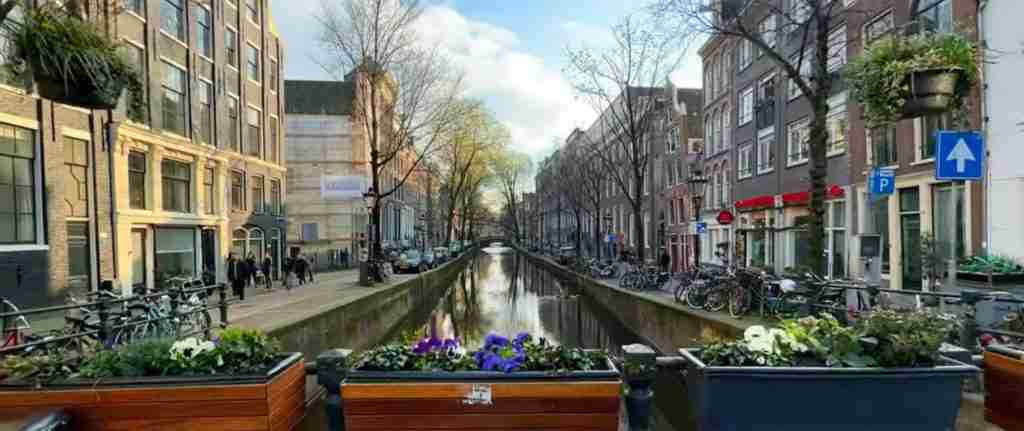
3 days
Amsterdam 3-Day Discovery Tour
- ✓ Comprehensive Amsterdam experience
- ✓ Expert local guides included
- ✓ All accommodation included
- ✓ Transportation provided

5 days
Amsterdam 5-Day Highlights Experience
- ✓ Comprehensive Amsterdam experience
- ✓ Expert local guides included
- ✓ All accommodation included
- ✓ Transportation provided
7 days
Amsterdam 7-Day Cultural Journey
- ✓ Comprehensive Amsterdam experience
- ✓ Expert local guides included
- ✓ All accommodation included
- ✓ Transportation provided
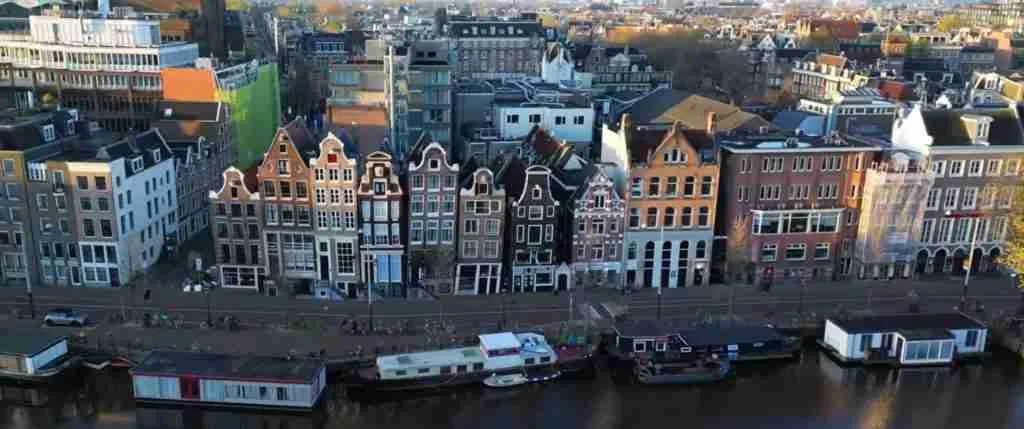
10 days
Amsterdam 10-Day Complete Adventure
- ✓ Comprehensive Amsterdam experience
- ✓ Expert local guides included
- ✓ All accommodation included
- ✓ Transportation provided
Multi-day tour packages powered by TourRadar. Prices and availability subject to change.
Essential Planning Information for Families 2026
Understanding Family Costs and Pricing in Amsterdam 2026
Major museum admission for families costs €45-80 for a family of four in 2026. The Rijksmuseum charges €22.50 per adult with free entry for children under 18, totaling €45 for two adults. NEMO Science Museum costs €17.50 per person aged 4 and up, reaching €70 for a family of four. The Van Gogh Museum charges €22 per adult with €10 for ages 13-17 and free for under 13. Check official museum websites for current rates as pricing may vary.
Canal boat tours accommodate families for €60-120 depending on tour type and duration. Standard 60-75 minute tours cost €16-18 per adult, €8-10 per child (ages 4-12), with children under 4 free, totaling €48-56 for typical families. Private family canal tours run €120-200 for groups up to six people, offering flexibility for young children needing bathroom breaks or snack stops.
Restaurant meals range significantly by venue and meal type. Family-friendly restaurants in tourist areas charge €15-25 per adult main course, €8-12 per kids’ meal, with family dinners totaling €60-90 including drinks. Supermarket meals and picnics cost €25-35 for family provisions, while mid-range restaurant lunches run €40-60 for four people. Dutch pannekoeken (pancake) restaurants offer excellent family value at €8-14 per person for substantial meals.
Accommodation represents the largest family expense. Budget options including hostels with family rooms or Airbnb studios cost €80-130 nightly. Mid-range hotels offering family rooms or connecting doubles range €150-250 per night. Apartment rentals with separate bedrooms and kitchens run €120-280 depending on location and size, providing space and flexibility valuable for families with young children.
Transportation Options for Families in Amsterdam 2026
Public transportation serves families excellently through extensive tram, metro, and bus networks accepting strollers and offering convenient access to all attractions. GVB day passes cost €9 per adult, free for children under 4, with kids ages 4-11 paying €4.50 daily. Multi-day passes (2-7 days) provide better value for families planning extensive public transport use, ranging from €15-37.50 per adult.
Trams operate every 5-10 minutes during daylight hours, with low-floor accessibility making stroller boarding straightforward. Families with young children board through front doors where drivers assist with stroller maneuvering. The tram network covers all major attractions, with lines 2 and 5 connecting Centraal Station to Museumplein, and line 7 reaching Amsterdam Zuid and Westerpark areas popular with families.
Bike rental transforms Amsterdam family experiences when children can cycle independently or ride in child seats. Standard adult bike rentals cost €12-18 daily, while bikes with child seats add €5-8 per seat. Cargo bikes (bakfiets) accommodate multiple young children for €25-40 daily, creating quintessential Dutch family adventures. Rental shops throughout the city provide helmets (though locals rarely use them), locks, and city maps highlighting family-friendly cycling routes.
Walking remains viable for families staying centrally, with Amsterdam’s compact core allowing walking between Centraal Station, Dam Square, Jordaan, and Museumplein in 20-30 minutes. The city’s flat terrain eliminates exhausting hills, while pedestrian-priority areas around major attractions ensure safe walking with children. Stroller-friendly infrastructure includes dropped curbs, elevator access in museums, and smooth pavement throughout central districts.
Seasonal Considerations for Family Visits in 2026
Spring (April-May) delivers optimal family weather combining mild temperatures of 12-18°C, blooming tulips that enchant children, extended daylight hours, and moderate crowds at attractions. Keukenhof Gardens near Amsterdam showcase millions of tulips from late March through mid-May, creating magical experiences for children. Spring timing avoids summer price peaks while maintaining comfortable outdoor exploration weather.
Summer (June-August) brings peak family season with temperatures of 18-23°C, maximum daylight extending to 10 PM, and full operational hours at all attractions. This season demands advance bookings for major museums, canal tours, and accommodation, with prices reaching annual peaks 30-40% above winter rates. The trade-off brings guaranteed outdoor activity weather, festival programming, and Vondelpark’s summer vitality with children’s activities throughout.
Autumn (September-October) offers excellent family value combining pleasant temperatures of 12-17°C, thinning tourist crowds, shoulder-season accommodation rates, and autumn colors in Vondelpark and along canals. September provides summer-like conditions without peak crowds, while October brings earlier darkness requiring earlier dinner schedules but creating cozy evening atmospheres perfect for children.
Winter (November-March) presents budget-conscious families with 25-35% lower accommodation costs, immediate attraction access without long queues, and magical Christmas markets in December. Indoor attractions like NEMO Science Museum and the Rijksmuseum shine during cold weather, while December brings Sinterklaas celebrations fascinating to children. Temperatures of 2-7°C require proper winter clothing but create authentic Dutch experiences including ice skating if canals freeze.
Best Family-Friendly Attractions in Amsterdam 2026
NEMO Science Museum: Interactive Learning Paradise
NEMO Science Museum dominates Amsterdam’s family attraction landscape, offering five floors of hands-on scientific exploration designed specifically for children. This green-copper ship-shaped building near Centraal Station houses interactive exhibits covering physics, chemistry, biology, and technology through experiments children conduct themselves rather than passive observation.
The museum’s design philosophy encourages touching, playing, and experimenting with scientific concepts. Children create chain reactions with dominoes, build structures testing architectural principles, conduct chemistry experiments in the Teen Facts lab (ages 12-16), explore DNA through interactive displays, and understand electricity through hands-on circuits. Every exhibit invites participation rather than mere viewing, keeping children engaged for 3-4 hours minimum.
NEMO’s rooftop terrace provides Amsterdam’s largest accessible public terrace, offering panoramic city views, café service, and open space where children decompress after intense museum exploration. The terrace remains free to access without museum admission, functioning as an excellent picnic spot or brief rest stop during broader Amsterdam exploration.
Admission costs €17.50 per person aged 4 and up in 2026, with children under 4 free. A family of four with children over 4 pays €70 total. The museum opens daily 10 AM – 5:30 PM with extended summer hours to 6 PM. Advance online booking ensures immediate entry bypassing potential queues during peak times. Plan 3-4 hours for comprehensive exploration, with the ground-floor café providing lunch options when children need refueling.
Anne Frank House: Age-Appropriate Historical Education
Anne Frank House introduces children to World War II history through the remarkably preserved hiding place where Anne Frank and seven others lived in secrecy for two years. This attraction requires careful age consideration—children under 10 may struggle with the serious subject matter and extensive reading required, while those aged 10-16 find profound educational value and emotional connection to Anne’s story.
The museum’s self-guided tour leads through the actual Secret Annex rooms where the Frank family hid, preserved exactly as described in Anne’s diary. Audio guides provide age-appropriate narration explaining historical context, daily life in hiding, and the eventual tragic outcome. The experience takes 60-90 minutes, moving at individual pace through narrow staircases and small rooms that convey the claustrophobic conditions Anne endured.
Preparation enhances children’s experiences significantly. Reading Anne Frank’s diary together before visiting, discussing World War II history at age-appropriate levels, and explaining the emotional weight of the site helps children process what they encounter. The museum provides excellent educational resources on its website helping parents prepare conversations about Holocaust history suitable for different ages.
Admission costs €14 per adult, €7 for children ages 10-17, with entry not recommended for children under 10 due to content maturity. Tickets require advance online booking through the official website, typically selling out 6-8 weeks ahead for summer visits. The museum opens daily 9 AM – 7 PM April-October, 9 AM – 6 PM November-March, with evening hours to 10 PM certain days. No photography is allowed inside, and stroller storage is required before entry.
Amsterdam Canal Cruises: Waterborne Family Adventures
Canal boat tours provide relaxing family-friendly overviews of Amsterdam’s historic center, allowing children to see the city from different perspectives while resting feet after walking or museum visits. Glass-topped boats ensure visibility regardless of weather, while live commentary or audio guides explain Amsterdam’s architecture, history, and culture in engaging terms children appreciate.
Multiple tour operators serve families with varying approaches. Standard 60-75 minute cruises on larger boats accommodate families in comfortable seating, passing major landmarks including Anne Frank House, Westerkerk, Magere Brug (Skinny Bridge), and the Seven Bridges. These tours depart every 15-30 minutes from docks near Centraal Station and Leidseplein, allowing flexible scheduling around other activities.
Specialized family canal tours offer enhanced engagement for children. Some operators provide treasure hunt-style commentary turning tours into games where children spot specific architectural features or historical details. Evening candlelight cruises create magical experiences for older children, while daytime tours provide better visibility for photography and landmark identification.
Standard family costs run €48-56 for two adults and two children under 12 on 75-minute cruises. Private family canal boats cost €120-200 for groups up to six, offering flexibility for bathroom breaks, snack stops, or customized routes focusing on children’s interests. Book tours online for 10-15% discounts compared to dock purchases, and schedule cruises during early afternoon when children may need rest breaks from walking.
Vondelpark: Amsterdam’s Urban Family Playground
Vondelpark functions as Amsterdam’s family epicenter, offering 120 acres of free public space combining playgrounds, open lawns, ponds with ducks and swans, bicycle paths, cafés, and seasonal programming. Located between Museumplein and trendy neighborhoods, the park provides essential outdoor breaks between museum visits or serves as full-day destinations when children need active play.
Multiple playgrounds distributed throughout Vondelpark cater to different age groups. The main playground near the Amstelveenseweg entrance features climbing structures, swings, slides, and sandboxes suitable for ages 2-10. The park’s design creates safe exploration opportunities—children discover ponds, feed ducks, watch street performers, and interact with other kids in international playground culture transcending language barriers.
Vondelpark’s outdoor theater (Openluchttheater) presents free performances including children’s shows, puppet theater, and family concerts Wednesday-Sunday June-August. These performances provide authentic Dutch cultural experiences while entertaining children, typically running 45-60 minutes in afternoon time slots perfect for young attention spans.
The park features several family-friendly food options. The Vondelpark Pavilion offers meals ranging from sandwiches to full dinners in a glass pavilion overlooking the central pond, with outdoor seating and playground visibility from dining areas. Smaller snack stands throughout the park sell stroopwafels, ice cream, and drinks. Many families pack supermarket picnics, with Amsterdam’s Albert Heijn and Jumbo supermarkets providing excellent provisions 5-10 minutes’ walk from park entrances.
Amsterdam Zoo (Artis): Historic Urban Wildlife Experience
Artis, established in 1838 as mainland Europe’s oldest zoo, combines historic architecture with modern animal care across 35 acres in Amsterdam’s Plantage neighborhood. The compact layout allows families with young children to see diverse animals without exhausting walking distances, while beautiful 19th-century buildings and mature landscaping create photogenic settings enhancing the experience.
The zoo houses 900 species across multiple climate zones and habitats. Highlights for children include the African Savanna where giraffes, zebras, and ostriches roam together, the Gorilla Island featuring families of western lowland gorillas visible through large viewing windows, the South American section with playful river otters and colorful macaws, and the Asian exhibits showcasing elephants, tigers, and Japanese macaques.
Interactive elements elevate Artis beyond passive animal viewing. The Butterfly Pavilion allows children to walk among hundreds of free-flying tropical butterflies, the Petting Zoo enables hands-on interaction with farm animals, and feeding demonstrations throughout the day provide educational entertainment. The Groote Museum within zoo grounds offers natural history exhibits including complete elephant and whale skeletons fascinating to children.
Admission costs €26.95 per adult, €22.95 per child ages 3-9 in 2026, with children under 3 free. A family of four pays approximately €100 total. The zoo opens daily 9 AM – 6 PM April-October, 9 AM – 5 PM November-March. Plan 3-4 hours for comprehensive visits, with multiple restaurants and snack stands throughout the grounds providing meal and refreshment options. The zoo’s location in Plantage neighborhood places it near other family attractions including NEMO Science Museum and the Maritime Museum.
Family Accommodation Strategies for 2026
Budget-Friendly Family Options (€80-150 per night)
Budget-conscious families find excellent value in apartment rentals through platforms like Airbnb and Booking.com, securing separate bedrooms, full kitchens, washing machines, and living spaces for €80-150 nightly. These accommodations cluster in neighborhoods including De Pijp, Westerpark, and Eastern Docklands, offering authentic Amsterdam experiences while maintaining good tram connections to central attractions.
Kitchen facilities provide substantial cost savings allowing families to prepare breakfast, pack lunch provisions, and cook occasional dinners using ingredients from Albert Heijn or Jumbo supermarkets. This flexibility particularly benefits families with picky eaters, dietary restrictions, or infants requiring specific food preparation. Washing machines eliminate over-packing clothes, enabling families to travel lighter on arrival and departure days.
Generator Amsterdam positions itself as family-friendly hostel accommodation offering private family rooms for €90-130 nightly. Located in Oosterpark area, this design-focused property provides hotel-like amenities including ensuite bathrooms, daily cleaning, 24-hour reception, and common areas where families interact with other travelers. The property’s restaurant, bar, and courtyard create resort-like atmosphere unusual for budget accommodation.
Budget hotels including Ibis Styles Amsterdam Central Station (€120-150) and citizenM Amsterdam Zuid (€110-140) offer compact but efficient family rooms near major attractions. These properties provide reliable international brand standards, including free WiFi, breakfast options, and 24-hour reception helpful for early arrivals or late check-ins common with family travel. Book directly through hotel websites for best rates and flexibility.
Mid-Range Family Hotels (€150-280 per night)
Mid-range family hotels balance comfort, location, and value for €150-280 nightly. Properties including Hotel Notting Hill (€170-220) in western Amsterdam, Park Plaza Victoria Amsterdam (€180-250) near Centraal Station, and Courtyard by Marriott Amsterdam Arena Boulevard (€160-200) in Amsterdam Zuid offer family rooms or connecting doubles with space for four people comfortably.
These properties provide family-friendly amenities beyond basic accommodation. Breakfast buffets include familiar options alongside Dutch specialties, allowing picky eaters to find acceptable choices while adventurous children try new foods. On-site restaurants simplify early dinners when children tire from day activities. Concierge services help arrange tours, secure restaurant reservations, and provide local information valuable for families unfamiliar with Amsterdam.
Location strategy for mid-range hotels prioritizes proximity to tram lines and major attractions. Properties in Jordaan or near Vondelpark place families within 10-15 minute walks from multiple museums, parks, and family restaurants, eliminating taxi expenses and complicated navigation with tired children. Eastern Docklands hotels offer modern facilities with 20-25% cost savings while maintaining excellent public transport connections.
NH Collection Amsterdam Barbizon Palace (€200-280) exemplifies premium mid-range family accommodation near Centraal Station. Family rooms feature separate sleeping areas, the hotel’s breakfast buffet caters to all ages, and the location enables walking to most major attractions. The property’s historic building dating to 1670 creates authentic Amsterdam atmosphere while providing modern conveniences including air conditioning valuable during summer visits.
Luxury Family Accommodation (€280-450 per night)
Luxury family options prioritize space, service, and supreme convenience for €280-450 nightly. The Waldorf Astoria Amsterdam (€400-450) offers canal-side elegance with family suites, while Pulitzer Amsterdam (€350-400) provides historic townhouse charm across Prinsengracht and Keizersgracht canals. These properties deliver exceptional service including children’s welcome amenities, specialized kids’ menus, and concierge assistance with everything from museum ticket procurement to emergency pharmacy visits.
Family suites at luxury hotels typically include separate bedrooms allowing parents privacy after children sleep, living areas providing space for downtime without confining everyone to bedroom quarters, and sometimes kitchenettes enabling snack and bottle preparation. These accommodations justify premium pricing through space, flexibility, and convenience particularly valuable for families with infants or multiple children requiring separate sleeping arrangements.
InterContinental Amstel Amsterdam (€380-450) represents Amsterdam’s most prestigious family option, occupying a palace-like building overlooking the Amstel River. Family suites feature river views, elegant Dutch interiors, separate children’s beds, and premium bath products. The hotel’s location in Amsterdam South provides quiet residential surroundings while maintaining 15-minute tram rides to Centraal Station and major museums.
Boutique luxury including Ambassade Hotel (€280-350) on Herengracht canal offers intimate historic experience across ten 17th-century canal houses. Family rooms maintain period character with modern amenities, the property’s library and salons provide relaxing spaces, and the location in Grachtengordel (Canal Ring) places families in Amsterdam’s most picturesque neighborhood steps from Anne Frank House and major shopping areas.
Apartment Rentals: Maximum Family Flexibility
Full apartment rentals through specialized platforms provide ultimate family flexibility combining separate bedrooms, complete kitchens, washing machines, living spaces, and often multiple bathrooms for €120-280 nightly depending on size and location. This accommodation style particularly suits families staying 4+ nights, those with young children requiring consistent nap schedules, or families needing dietary control through meal preparation.
Jordaan neighborhood apartments (€180-280) place families in Amsterdam’s most charming district with quiet canals, independent boutiques, weekly markets, and authentic neighborhood character. These properties typically occupy traditional canal houses featuring steep stairs (consider this with strollers or very young children), original beams and details creating historic atmosphere, and canal views from living areas or bedrooms. Kitchen facilities enable supermarket shopping at nearby Lindengracht market or Albert Heijn locations.
De Pijp apartments (€140-220) offer multicultural Amsterdam character near Albert Cuyp Market, Sarphatipark, and diverse international dining options. This neighborhood provides authentic residential experience where children observe daily Dutch life beyond tourist attractions, while maintaining excellent tram connections to Museumplein museums. Lower costs compared to central districts reflect slightly longer transit times—15-20 minutes by tram versus 10 minutes from Jordaan.
Eastern Docklands modern apartments (€120-200) showcase contemporary Amsterdam architecture in former warehouse districts transformed into residential neighborhoods. These properties feature modern conveniences including elevators (welcome with strollers and luggage), air conditioning (rare in historic buildings), secure parking (useful for families driving), and waterfront promenades perfect for children’s biking and scootering. The emerging neighborhood character means fewer traditional tourist infrastructure but growing family-oriented cafés and restaurants.
Transportation Guide for Families in Amsterdam 2026
Public Transportation with Children
Amsterdam’s GVB public transport network operates extensive tram, metro, and bus routes serving all major attractions and neighborhoods with frequency making spontaneous travel straightforward. Trams run every 5-10 minutes during daylight hours, metros every 5-12 minutes depending on line and time, and buses fill gaps in tram coverage particularly in outer neighborhoods and evening hours.
The OV-chipkaart system simplifies family public transport through contactless payment cards available as disposable single-use tickets or reloadable multi-day passes. Single-use tickets purchased from tram conductors or GVB service points cost €3.40 per journey regardless of distance, while day passes (€9 adults, €4.50 children ages 4-11) provide unlimited travel making them economical after three journeys daily.
Stroller access on trams requires understanding Amsterdam’s low-floor tram design. Modern trams feature wide entrances and flat floors eliminating steps, allowing stroller boarding through any door. Older trams serving certain routes have steps requiring folding strollers or assistance from drivers. Parents learn to recognize low-floor trams by their smooth profile versus older models with visible step configurations.
Metro lines serve longer distances including connections between Centraal Station and Amsterdam Zuid, providing elevator access at all stations perfect for strollers and families with mobility considerations. The metro network’s three main lines (50, 51, 52, 53, 54) connect residential neighborhoods to central districts, though most major tourist attractions locate within tram networks making trams more relevant for typical family itineraries.
Cycling with Children: The Dutch Experience
Cycling transforms Amsterdam family visits into quintessential Dutch experiences when approached with proper equipment and route planning. Dutch families transport children via front-mounted seats (voorzitje) for ages 9 months-3 years, rear-mounted seats (achterzitje) for ages 1-5 years, or cargo bikes (bakfiets) accommodating multiple children in front compartments. All equipment rents from specialized bike shops throughout Amsterdam.
Children’s bike rentals serve ages 5-12 through properly-sized models with hand brakes, helmets (though locals rarely use them), and child-friendly gearing. Tag-along attachments (follow-me tandems) enable 4-7 year-olds to pedal while attached to adult bikes, providing cycling participation without independent navigation responsibility. This equipment bridges the gap between child seats and independent cycling.
Cargo bike rentals cost €25-40 daily from shops including MacBike, Black Bikes, and A-Bike. These distinctive Dutch bicycles feature large wooden boxes between handlebars and front wheel, accommodating 2-4 children depending on box size. Bench seating with seatbelts keeps children secure, while box sides provide weather protection and prevent children from reaching spokes or wheels. Parents need practice handling the unique steering dynamics—the first 30 minutes feel awkward before muscle memory develops.
Safe family cycling routes prioritize separated cycle paths and quiet neighborhoods. The western canal ring (Jordaan, Grachtengordel) offers ideal beginner territory with light traffic, narrow streets encouraging slow speeds, and dense attractions allowing short cycling segments. Vondelpark’s dedicated cycle paths provide car-free practice space, while the route along Amstel River toward Ouderkerk aan de Amstel creates easy suburban escape on fully separated paths. Avoid Damrak, Rokin, and other major roads during rush hours (8-9:30 AM, 5-6:30 PM) when cycling traffic reaches overwhelming density for inexperienced families.
Walking Amsterdam with Children
Amsterdam’s compact city center enables walking between major attractions when families maintain realistic distance expectations accounting for children’s shorter legs and frequent stops. The route from Centraal Station through Dam Square to Museumplein spans approximately 2 kilometers (1.2 miles), requiring 25-35 minutes with children including stops for photo opportunities, bathroom breaks, and maintaining child attention.
Stroller-friendly infrastructure throughout central Amsterdam includes dropped curbs at all intersections, smooth pavement eliminating cobblestone obstacles common in other historic European cities, and wide sidewalks accommodating stroller passage even during crowded periods. Exceptions exist in some Jordaan alleyways where narrow brick streets require navigating around parked bikes and small car traffic.
Strategic walking routes for families with young children maximize attraction density while minimizing walking demands. The Museumplein cluster enables visiting Rijksmuseum, Van Gogh Museum, and Stedelijk Museum with 5-minute walks between properties, while Vondelpark provides mid-visit playground breaks. The Anne Frank House, Westerkerk, and Jordaan neighborhood concentrate within 500-meter radius, allowing comprehensive morning exploration before lunch breaks.
Weather considerations impact walking comfort significantly. Rain gear including stroller covers, children’s raincoats, and waterproof bags for snacks and extra clothes prove essential given Amsterdam’s 125+ annual rain days. Summer sun protection including hats, sunscreen, and shade breaks in parks or cafés prevent overheating during afternoon walking. Winter visits require proper insulation particularly for stroller-bound children who generate less body heat than walking adults.
Taxi and Alternative Transportation
Taxis provide backup transportation when children tire unexpectedly, weather deteriorates, or time constraints require faster transit than public transport allows. Standard taxi rates charge €2.99 base fare plus €2.57 per kilometer, with typical rides from Centraal Station to Museumplein costing €12-18 depending on traffic. Taxis accommodate child seats when requested during booking, though families traveling with car seats from home may prefer bringing their own for guaranteed proper fit.
Uber operates throughout Amsterdam offering competitive pricing and convenience of app-based booking eliminating language barriers and fare negotiations. UberX vehicles seat four passengers (three if using child seat), while UberXL accommodates six people ideal for larger families or those traveling with extensive luggage. App-estimated fares provide cost predictability before accepting rides.
Water taxis present unique Amsterdam transportation combining practical transit with sightseeing experience. Private water taxis cost €50-100 for direct routes between Centraal Station and southern neighborhoods, accommodating 4-8 passengers depending on boat size. This option provides memorable experiences for children while delivering efficient transport during peak traffic periods when road taxis move slowly through congested streets.
Bike taxis (rijksfiets) operated by pedaling drivers pulling passenger trailers create novelty experiences for children while providing practical short-distance transport. These vehicles cluster near major tourist sites including Dam Square, Leidseplein, and Museumplein, charging €5-15 for 10-15 minute rides depending on distance and passenger count. The open-air experience and street-level perspective delight children while moving faster than walking but slower than motor vehicles.
Sample Family Itineraries for 2026
One-Day Amsterdam Family Experience
A single day in Amsterdam requires strategic focus balancing major attractions with child-friendly pacing. Start at Centraal Station arriving 9-9:30 AM, purchasing day transport passes (€9 adults, €4.50 children ages 4-11) enabling unlimited tram use. Walk 10 minutes north to NEMO Science Museum, arriving at 10 AM opening to avoid crowds and secure 2-3 hours of interactive exploration when children’s energy peaks.
Exit NEMO by 12:30-1 PM heading to nearby cafés for lunch, with De Waag offering historic atmosphere in a medieval gatehouse 15 minutes’ walk from the museum. Lunch costs €40-60 for a family of four including sandwiches, soups, children’s meals, and drinks. After lunch, take tram 4 toward Centraal Station, then walk 5 minutes to Anne Frank House for 2:30 PM time-slot entry (advance booking required). The 75-90 minute visit provides age-appropriate World War II history for children 10+ years.
Conclude the day with a canal cruise from docks near Leidseplein, accessible via 10-minute walk from Anne Frank House. The 75-minute cruise departing 4:30-5 PM costs €48-56 for two adults and two children under 12, providing relaxing overview of Amsterdam’s canal architecture while children rest after walking-intensive morning and afternoon. The cruise ends 6-6:30 PM near Centraal Station area where numerous family-friendly restaurants serve early dinners.
NEMO entry €70 (family of four over age 4), lunch €40-60, Anne Frank House €35 (two adults, two children 10-17), canal cruise €48-56, dinner €60-80, day transport passes €27 (two adults, two children 4-11). Total day cost: €280-328 per family (excluding accommodation).
Three-Day Amsterdam Family Adventure
Day One focuses on interactive museums and outdoor exploration. Begin at NEMO Science Museum 10 AM-1 PM for comprehensive hands-on science engagement. Lunch at NEMO rooftop café (€40-55 for family) before walking 15 minutes to Centraal Station for 2:30 PM canal cruise (€48-56). Post-cruise, explore Dam Square and Royal Palace exterior, then walk 15 minutes to Jordaan neighborhood for dinner at pancake restaurant De Carrousel (€45-65). Return to accommodation via tram line 13 or 17.
Day One Costs: NEMO €70, canal cruise €50, lunch €45, dinner €55, snacks €10. Total: €230 per family (excluding accommodation).
Day Two prioritizes art museums balanced with park time. Start at Rijksmuseum 9 AM (opens 9 AM year-round) avoiding crowds while children remain fresh. Spend 2-2.5 hours exploring Dutch Masters through family-focused audio guides (€45 two-adults admission, children under 18 free). Walk through Museumplein to Vondelpark by 11:30 AM for playground time and picnic lunch from nearby Albert Heijn supermarket (€30 provisions).
After lunch and 60-90 minutes playground time, visit Van Gogh Museum via 5-minute walk from Vondelpark entrance. The 2 PM entry time-slot (advance booking essential) allows 90-minute exploration of Van Gogh’s masterpieces through engaging audio guides explaining artist’s life story (€44 two adults, children under 13 free). Finish at museum shop where children select postcards or small souvenirs, then return to accommodation for rest before dinner at local restaurant in your neighborhood (€60-80).
Day Two Costs: Rijksmuseum €45, Van Gogh Museum €44, lunch provisions €30, dinner €70, gelato €15. Total: €204 per family (excluding accommodation).
Day Three explores outer attractions and authentic neighborhoods. Take tram 14 to Amsterdam Zoo (Artis) arriving 9:30 AM for 3-4 hours of animal viewing including butterfly pavilion, petting zoo, and aquarium. Zoo admission costs €99.80 for two adults and two children ages 3-9, with on-site restaurants serving lunch (€45-60). Post-lunch, explore Plantage neighborhood’s quiet streets, Jewish Historical Quarter, and Hortus Botanicus gardens if children remain energetic.
Mid-afternoon (3-4 PM), take tram 14 returning toward center, stopping at Albert Cuyp Market in De Pijp neighborhood. Children sample stroopwafels and other Dutch treats (€10-15) while parents browse market stalls. Walk 5 minutes to Sarphatipark for final playground session before early dinner at Indonesian restaurant Bazar Amsterdam (€65-85), experiencing Amsterdam’s multicultural dining culture. Return to accommodation via tram 4 or 24.
Day Three Costs: Artis Zoo €100, lunch at zoo €50, market snacks €12, dinner €75. Total: €237 per family (excluding accommodation).
Three-Day Total: Day 1 €230 + Day 2 €204 + Day 3 €237 = €671 for three days of activities, meals, and transport (excluding accommodation €360-600 for three nights mid-range).
Five-Day Amsterdam Family Immersion
Five days enable deeper neighborhood exploration and excursions beyond central Amsterdam. Days 1-3 follow the three-day itinerary above, while Days 4-5 add specialized experiences.
Day Four explores maritime heritage and eastern neighborhoods. Begin at Maritime Museum (Het Scheepvaartmuseum) opening 9 AM, spending 2-3 hours exploring Dutch naval history through interactive exhibits, historic ship VOC Amsterdam replica children can board, and treasure hunt-style activities. Museum admission costs €16.50 per adult with children under 18 free (€33 total). Walk to NEMO’s free rooftop terrace for lunch with provisions from nearby supermarket (€25-35).
Afternoon adventures include renting bikes with child seats (€40-50 for two adult bikes with seats) to explore Eastern Docklands architecture and waterfront. Cycle to Dappermarkt in Oost neighborhood experiencing authentic multicultural Amsterdam, then to Oosterpark where children use playgrounds while parents rest on park benches. Return bikes by 6 PM before dinner at local Surinamese restaurant Roopram Roti (€50-70) experiencing Amsterdam’s diverse food culture.
Day Four Costs: Maritime Museum €33, lunch provisions €30, bike rental €45, snacks €10, dinner €60. Total: €178 per family (excluding accommodation).
Day Five ventures to Zaanse Schans windmill village via 30-minute train ride from Centraal Station (€12 adults return, children 4-11 €6). This open-air museum showcases traditional Dutch life with working windmills, wooden houses, cheese making, and clog workshops all free to explore. Entry to individual windmill interiors costs €4-7 per person (€40-60 family total). Pack picnic lunch from Amsterdam supermarket (€25) to enjoy windmill-side on green spaces.
Return to Amsterdam mid-afternoon for final museum visit to Tropenmuseum (tropical cultures) or Stedelijk Museum (modern art) depending on children’s interests—budget €40-50 admission. Conclude Amsterdam experience with special farewell dinner at The Pancake Bakery (€60-80), serving legendary Dutch pancakes in atmospheric 17th-century warehouse canal-side. Return to accommodation packing for departure next morning.
Day Five Costs: Train to Zaanse Schans €24, windmill entries €50, lunch provisions €25, museum €45, farewell dinner €70, treats €15. Total: €229 per family (excluding accommodation).
Five-Day Total: Days 1-3 €671 + Day 4 €178 + Day 5 €229 = €1,078 for five days of comprehensive family experiences (excluding accommodation €600-1,000 for five nights mid-range).
Money-Saving Strategies for Families in 2026
Museum and Attraction Cost Optimization
The Museumkaart provides Amsterdam’s best museum value for families planning multiple museum visits. This annual pass costs €70 per adult and €35 per child (ages 18 and under) in 2026, granting unlimited admission to 450+ museums nationwide including Rijksmuseum, Van Gogh Museum, Stedelijk Museum, Maritime Museum, and Tropenmuseum. The card pays for itself after visiting three major museums, with single-museum admissions ranging €15-22.50 per adult.
Temporary Museumkaart restrictions for new purchasers require buying the card at least one day before first museum visit, using it at just one museum during the first 31 days. Families visiting Amsterdam for 5+ days purchase cards on Day 1, use them at one museum that day, then enjoy unlimited access from Day 2 onward. This strategy delivers massive savings for museum-focused family trips while supporting Dutch cultural institutions.
The I Amsterdam City Card presents alternative value combining museum admission with public transportation. Cards valid 24, 48, 72, 96, or 120 hours cost €65-120 per adult, €35-60 per child (ages 4-12), including entry to major museums, canal cruise, unlimited GVB transport, and restaurant discounts. Calculate whether combined benefits exceed individual component costs based on your specific itinerary—families using extensive public transport and visiting 2-3 museums daily often save 20-30% versus separate purchases.
Free museum access for children creates substantial family savings. Most major Amsterdam museums admit children under 18 completely free, meaning family museum costs equal adult admission only. A family of four visiting Rijksmuseum, Van Gogh Museum, and Maritime Museum pays €135 total (three museums × two adults × €22.50 average) instead of €270 if charging all four people, halving museum expenses immediately.
Accommodation Budget Strategies
Apartment rentals eliminate daily restaurant expenses through kitchen facilities enabling breakfast preparation, packed lunches, and occasional dinners. A family spending €60-80 daily on restaurant breakfast, €50-70 on lunch, and €70-90 on dinner (€180-240 total) reduces costs to €90-120 by preparing two of three meals from supermarket ingredients. Over a five-night stay, this strategy saves €450-600, nearly offsetting accommodation costs for budget apartments.
Neighborhood selection impacts pricing significantly. Families booking Jordaan or Grachtengordel central locations pay 30-40% premiums compared to De Pijp, Westerpark, or Eastern Docklands neighborhoods offering similar quality with slightly longer tram commutes. A mid-range hotel in Jordaan charging €250 nightly equals €1,250 for five nights, while De Pijp equivalent at €180 costs €900—saving €350 while maintaining excellent attraction access via 15-minute tram rides.
Booking timing influences rates dramatically. Reservations made 3-4 months advance for summer high season (June-August) secure 15-20% lower rates than last-minute bookings, while shoulder season visits (April-May, September-October) price 20-30% below summer peaks. Flexibility around exact travel dates enables targeting Tuesday-Thursday arrivals versus Friday-Sunday peaks, often saving additional 10-15% on identical properties.
Loyalty program benefits through major hotel chains provide value beyond headline prices. Programs including Marriott Bonvoy, Hilton Honors, and IHG Rewards offer free night certificates after accumulating points, complimentary breakfast for elite members (saving €60-80 daily for families), and room upgrades increasing space. Families booking two Amsterdam properties within same chain accumulate faster point totals while maintaining consistent quality expectations.
Transportation Cost Reduction
Public transport day passes versus single tickets create quick savings. A family of two adults and two children ages 4-11 using 4+ tram/metro rides daily saves by purchasing day passes at €27 total (€9 × 2 adults + €4.50 × 2 children) versus €54.40 for eight single-ride tickets (€3.40 × 8). Multi-day passes escalate savings—a 2-day pass costs €15 per adult (€30 total) versus €18 daily separate purchases, saving €6 while simplifying payment logistics.
Walking replaces public transport for close-proximity attractions. The Museumplein cluster (Rijksmuseum, Van Gogh Museum, Stedelijk Museum, Concertgebouw) positions within 5-minute walks, Vondelpark adjoins Museumplein’s southern edge, and Jordaan neighborhood locates 15-20 minutes on foot from Centraal Station. Families comfortable with 2-3 kilometer daily walks eliminate many tram rides, reserving public transport only for longer distances or when children tire.
Bike rental provides cost-effective Amsterdam exploration beyond Day 1-2 novelty. Daily rental costs of €40-50 for two adult bikes with child seats or one cargo bike appear expensive initially, but replacing 8-12 daily tram rides (€27 day pass) while adding authentic Dutch cultural experience justifies the investment. Families renting bikes for 3-4 consecutive days essentially receive free transportation days 2-4 after recovering initial rental costs.
Strategic taxi avoidance maintains budget discipline. Taxis charging €2.99 base + €2.57 per kilometer reach €15-25 for typical cross-city trips, quickly consuming transportation budgets. Emergency taxi use (sudden weather, overtired children, medical needs) remains acceptable, but systematic taxi dependence for convenience defeats Amsterdam’s excellent public transport purpose. Families budgeting €100-150 daily total spend should limit taxi expenses to €20-30 maximum preserving funds for attractions and dining.
Dining Budget Management
Supermarket provisions create flexible, economical eating solutions. Dutch supermarket chains Albert Heijn and Jumbo stock ready-made sandwiches (€3-5), salads (€4-6), fruit packages (€2-4), yogurt and snacks (€1-3 each), and beverages (€1-2) enabling complete lunches for €15-25 per family of four. Strategic supermarket stops before museum visits or park time eliminate expensive museum cafés charging double supermarket prices for equivalent items.
Dutch pancake restaurants deliver excellent family dining value. Pannenkoekenhuis Upstairs, The Pancake Bakery, and similar establishments serve enormous Dutch pancakes for €8-14 per person, providing filling meals satisfying adults and children through extensive sweet and savory options. These venues offer relaxed atmospheres accepting noisy children and messy eating while maintaining quality ingredients and authentic Dutch character.
Early dinner timing (5:30-6:30 PM) aligns with children’s schedules while accessing restaurant value. Some establishments offer early-bird specials reducing main course prices 15-20%, family restaurants experience lighter crowds enabling better service, and children eat before overtiredness triggers meltdowns. This strategy benefits family dynamics and budgets simultaneously compared to standard 7-8 PM European dining times.
Water bottle refills instead of purchased beverages save substantially. Amsterdam’s excellent tap water meets high Dutch quality standards, making restaurant water purchases unnecessary. Families carrying refillable bottles for children avoid €2-4 per beverage charges at cafés, saving €20-30 daily across multiple drinks. Museums and attractions provide water fountains and bathroom sinks for free refills throughout the day.
Practical Tips for Traveling with Kids in Amsterdam 2026
Packing Essentials for Amsterdam Family Visits
Weather-appropriate clothing forms the foundation of comfortable Amsterdam family experiences. The moderate maritime climate brings unpredictable conditions requiring layered approaches—pack light waterproof jackets for year-round rain possibilities, comfortable walking shoes with good traction for wet cobblestones, and adaptable layers accommodating 10-15°C temperature swings between morning and afternoon. Summer visits need sun hats and light cotton clothes, winter demands proper insulation including gloves and warm boots.
Stroller selection impacts navigation success significantly. Compact, lightweight strollers navigate narrow Jordaan streets and crowded tram aisles better than bulky models, while larger all-terrain strollers handle occasional cobblestones more smoothly. Consider strollers with rain covers integrated or easily attached, given Amsterdam’s frequent drizzle. Parents of toddlers sometimes pack lightweight umbrella strollers supplementing baby carriers, enabling flexibility switching between carrying and rolling based on terrain and child temperament.
Snack supplies maintain child energy and parental sanity. Pack familiar favorites from home since Dutch supermarket brands differ, while planning to supplement with local treats including stroopwafels, speculaas cookies, and Dutch cheese children enjoy. Reusable snack containers and water bottles reduce waste and costs compared to constantly purchasing packaged items. Small first-aid supplies including bandages, children’s pain relievers, and any prescription medications prove essential given children’s tendency for minor injuries during active exploration.
Entertainment backup prevents crisis during unexpected downtime. Long museum queues, weather delays, or restaurant waiting benefit from portable distractions—small books, coloring supplies, tablet computers with downloaded content (offline since data roaming proves expensive), or simple card games. These items occupy minimal luggage space while providing outsized value during inevitable boring moments challenging children’s patience.
Managing Amsterdam’s Cycling Culture with Children
Bicycle awareness prevents accidents when walking Amsterdam streets. Dedicated red cycle paths run parallel to sidewalks throughout the city—teaching children to always look both directions before crossing these paths proves essential. Cyclists travel fast and possess right-of-way on cycle paths, meaning pedestrians stepping into cycle lanes without checking cause dangerous situations. The constant bicycle presence requires vigilance foreign to families from car-dominated cities.
Bike bell understanding helps navigate sidewalk encounters. Dutch cyclists ring bells indicating “please move aside” rather than aggressive horn-like warnings. Teach children to listen for bells and step right (toward building side) allowing cyclists to pass safely. This cultural understanding prevents misinterpreting bells as rude behavior when they actually represent polite communication within Dutch cycling norms.
Tourist cycling accidents often result from Amsterdam’s unique hazards. Tram tracks running through cycle paths catch wheels when crossed at shallow angles—teach children (and remember yourself) to cross tracks perpendicularly. Suddenly opening car doors (“dooring”) threatens cyclists in lanes adjacent to parked cars—maintain awareness of parked vehicles you pass. Slippery conditions after rain make metal tram tracks, painted crosswalks, and smooth stone surfaces treacherous—reduce speed significantly when roads appear wet.
Traffic signal compliance maintains safety despite confusing multi-modal intersections. Amsterdam intersections feature separate signals for cars, trams, bicycles, and pedestrians—ensure you’re following correct signal before proceeding. Cyclists frequently ignore red lights when no traffic approaches, but tourists should wait for green signals until comfortable with Dutch informal traffic norms. Teaching children proper signal-following establishes good habits even when locals demonstrate more flexible behavior.
Dutch Cultural Etiquette for Families
Restaurant behavior expectations in Amsterdam maintain relaxed standards comfortable for families. Dutch culture accepts children’s noise and movement in casual restaurants, particularly pancake houses, cafés, and local eetcafés. However, upscale restaurants expect quieter behavior—evaluate venue appropriateness before entering based on decor formality, clientele dress, and menu pricing. Most family-friendly establishments explicitly welcome children through kids’ menus, high chairs, and changing tables in bathrooms.
Bathroom access requires understanding Dutch systems. Public bathrooms charge €0.50-1.00 entrance fees managed by attendants—carry coins consistently since children’s sudden bathroom needs don’t wait for change-making. Major attractions, museums, department stores, and train stations provide free facilities after admission or entry. Many restaurants restrict bathroom access to paying customers, with some requiring requesting keys from staff before use.
Tipping practices differ from American expectations but matter for family service. Dutch service staff earn living wages making tips optional rather than obligatory. Round restaurant bills up to nearest €5-10 for adequate service, add 5-10% for exceptional experiences, and skip tips entirely for poor service without guilt. Café and casual restaurants often operate pay-at-counter systems not expecting tips at all. This reduced tipping expectation benefits family budgets compared to cultures demanding 15-20% automatically.
Queuing discipline requires teaching children. Dutch culture respects orderly queues—cutting lines or pushing ahead draws sharp disapproval. Teach children to identify queue locations (sometimes ambiguous in open spaces), wait patiently despite boredom, and maintain appropriate distance from people ahead. Museum ticket lines, popular restaurant entries, and attraction security screenings all demand patient queuing making preparation worth effort for smooth family experiences.
Emergency Preparedness and Health Considerations
Emergency contact information should include Netherlands emergency number 112 (equivalent to American 911) connecting to police, fire, and ambulance services with English-speaking operators. Program this number into your phone upon arrival. Additionally store your country’s embassy contact information, accommodation address and phone number, and travel insurance emergency assistance numbers for quick access during crises.
Healthcare access functions excellently for tourists. Pharmacies (apotheek) throughout Amsterdam provide over-counter medications and professional advice for minor ailments, with many pharmacists speaking fluent English. After-hours pharmacy rotation system ensures 24-hour coverage—check pharmacy windows displaying current night/weekend rotation schedules. For serious medical needs, VU Medical Center and Amsterdam UMC provide excellent emergency care, while hotel concierges direct to appropriate care levels based on situation severity.
Travel insurance consideration becomes especially important with children given unpredictable illness and injury possibilities. Comprehensive policies cover medical treatment, emergency evacuation, and trip interruption costs potentially reaching thousands of euros. Families visiting from outside Europe particularly need coverage since European Health Insurance Cards (EHIC) don’t apply to non-EU visitors. Even minor incidents like sprained ankles requiring emergency room visits cost €200-400 without insurance, while serious situations reach catastrophic expense levels.
Allergy management requires advanced planning. Restaurants in Amsterdam generally accommodate dietary restrictions when informed clearly, with staff asking kitchen about ingredients and preparation methods. However, language barriers around complex allergies warrant carrying translated allergy cards explaining specific restrictions in Dutch. Families with severe allergies should research nearby pharmacies stocking epinephrine auto-injectors compatible with their prescriptions, since medication brands vary between countries.
Frequently Asked Questions
Can toddlers enjoy Amsterdam or is the city better for older children?
Amsterdam accommodates toddlers successfully through NEMO’s toddler-specific play areas, Vondelpark playgrounds, canal boat tours providing contained entertainment, and the city’s excellent stroller infrastructure. However, toddlers won’t appreciate art museums, Anne Frank House, or long walking tours making Amsterdam potentially frustrating for parents hoping to see major cultural attractions. Families with toddlers maximize success by choosing apartment accommodations enabling nap schedule maintenance, focusing on outdoor parks and interactive museums, and accepting modified sightseeing plans compared to adult-focused Amsterdam visits.
How do I handle Amsterdam’s legal cannabis culture when traveling with children?
Cannabis coffee shops concentrate in specific areas—particularly the Red Light District—that families easily avoid by choosing different neighborhoods for accommodation and dining. Outside designated areas, cannabis use remains far less visible than stereotypes suggest, with most Amsterdam residents not participating in cannabis culture at all. Children rarely notice coffee shops or understand their purpose unless parents draw attention to them. De Pijp, Jordaan, and Museum Quarter neighborhoods perfect for families maintain low coffee shop density and family-oriented atmospheres indistinguishable from other European cities.
What Amsterdam experiences best suit children interested in Anne Frank and World War II history?
Anne Frank House provides the foundation but should supplement with age-appropriate preparation including reading the diary together and discussing Holocaust history beforehand. The Jewish Historical Museum and Portuguese Synagogue complex offers additional context, while Verzetsmuseum (Dutch Resistance Museum) provides interactive World War II exhibits specifically designed for children ages 9-16. Consider visiting Corrie ten Boom House in nearby Haarlem (30 minutes by train) for another hiding place story emphasizing hope and resistance. Always gauge individual children’s emotional readiness for heavy historical content regardless of age recommendations.
Are Amsterdam restaurants truly child-friendly or just tolerant of children?
Dutch culture genuinely embraces children in public spaces including restaurants, making Amsterdam more authentically family-friendly than many European cities. Pancake houses, casual cafés, and local eetcafés actively welcome children through kids’ menus, high chairs, changing tables, and staff patience with noise and mess. Upscale dining obviously maintains quieter expectations, but casual-to-mid-range restaurants—representing 80% of family dining options—create relaxed atmospheres where parents needn’t stress about children’s natural behavior. This acceptance stems from Dutch pragmatism rather than marketing strategy, resulting in genuine comfort level for traveling families.
How far in advance must I book major Amsterdam attractions for 2026?
Anne Frank House requires longest advance booking, typically selling out 6-8 weeks ahead for summer visits (May-September), 3-4 weeks for spring and fall, and 1-2 weeks for winter. Tickets release online exactly two months before each visit date. Rijksmuseum and Van Gogh Museum recommend 2-4 weeks advance booking during peak season though sometimes offer same-day availability during winter months. Canal tours rarely sell out except during extreme peak periods (King’s Day April 27, summer weekends), allowing 2-3 days advance booking. NEMO Science Museum and Amsterdam Zoo accept walk-up visits year-round, though online booking saves 10-15 minutes at entrance lines.
What free activities can families enjoy in Amsterdam?
Vondelpark provides hours of free entertainment through playgrounds, lawns, ponds with ducks and swans, and summer theater performances. Begijnhof courtyard offers peaceful historic experience in city center, while Amsterdam Public Library (OBA) features spectacular free rooftop viewing terrace. Bloemenmarkt floating flower market allows window-shopping without purchases, Albert Cuyp Market creates vibrant cultural experience through browsing stalls, and numerous neighborhood playgrounds throughout Jordaan and De Pijp entertain children free. Canal-side walking tours following routes suggested in guidebooks or apps cost nothing beyond comfortable shoes, while exploring innovative architecture in Eastern Docklands provides unique experiences without admission fees.
Can I visit Amsterdam with an infant or is the city too challenging?
Amsterdam’s infrastructure supports infant travel exceptionally well through flat terrain, stroller-friendly sidewalks, elevator access in modern buildings, and Dutch cultural acceptance of breastfeeding in public spaces. However, historic canal houses housing many hotels and restaurants lack elevators, and some museums restrict stroller access in exhibition rooms. Success with infants depends on maintaining flexible schedules accommodating naps and feedings, choosing accommodation with elevator access, using baby carriers for stairs and stroller-prohibited spaces, and accepting that some attractions (Anne Frank House’s narrow staircases) aren’t infant-appropriate regardless of infrastructure quality. Parents comfortable with urban travel logistics find Amsterdam remarkably manageable with infants given proper preparation.
What should I know about Amsterdam’s Red Light District if staying nearby with children?
The Red Light District occupies historic neighborhood near Centraal Station featuring beautiful canals and architecture beyond its famous window displays. While the area operates legally and safely, families generally choose different neighborhoods for accommodation and primary exploration. If your hotel or Airbnb locates nearby or you’re passing through en route to attractions, daytime visits present little concern—the district functions as ordinary Amsterdam neighborhood during daylight hours with window displays less prominent. Evening hours bring more explicit visibility and heavier tourist crowds making different routes preferable when traveling with children. Most family attractions cluster in other districts (Museumplein, Jordaan, De Pijp) naturally avoiding this area altogether.
How do I choose between different Amsterdam family neighborhoods?
Jordaan offers maximum charm and central location with premium pricing, perfect for first-time visitors prioritizing walkability to major attractions and authentic Amsterdam atmosphere in beautiful canal setting. De Pijp provides multicultural character with 20-30% cost savings, excellent tram connections, and local market experiences, ideal for families seeking authentic residential neighborhoods over tourist zones. Amsterdam Zuid near Museumplein delivers museum proximity and upscale amenities at highest costs, valuable for art-focused families with generous budgets. Eastern Docklands presents modern architecture and contemporary amenities with good value, suiting families preferring apartment rentals with full facilities over historic canal house character. First-time visitors typically choose Jordaan or De Pijp balancing accessibility and value optimally.
What mistakes do families commonly make when visiting Amsterdam?
Over-scheduling represents the most frequent error—attempting Rijksmuseum, Van Gogh Museum, Anne Frank House, canal tour, and shopping all in one day exhausts everyone. Amsterdam’s richness rewards slower pacing with playground breaks, canal-side rest stops, and flexible schedules. Underestimating walking distances despite the city’s compact size creates overtired children—a 2-kilometer walk that seems short on maps feels endless to five-year-olds. Skipping advance reservations for Anne Frank House results in complete access failure, as walk-up tickets don’t exist. Bringing inadequate rain protection despite Amsterdam’s weather reputation causes miserable experiences during inevitable drizzle. Finally, choosing canal house hotels without elevators creates stroller-lugging nightmares—verify lift access before booking accommodations when traveling with young children.