
Amsterdam Hidden Gems Guide: Secret Spots Beyond Tourist Crowds
Key Takeaways
- Secret Gardens: Amsterdam conceals dozens of hidden hofjes (almshouse courtyards) offering tranquil green spaces steps away from busy streets.
- Underground Culture: Forgotten passages, hidden bars, and subterranean venues create a network of secret spaces beneath the visible city.
- Alternative Museums: Small specialized collections housed in canal houses reveal unique aspects of Amsterdam history and culture.
- Hidden Waterways: Lesser-known canals, private docks, and secret swimming spots provide intimate water experiences away from tourist boat traffic.
- Neighborhood Secrets: Authentic Amsterdam thrives in residential districts where local businesses and community spaces remain undiscovered by visitors.
- Architectural Surprises: Distinctive buildings, hidden facades, and architectural details reward careful observation throughout the city.
Discovering Amsterdam’s Secret Side
Amsterdam reveals its most enchanting character to those who venture beyond the predictable tourist circuit. Behind centuries-old facades, through narrow passageways, and within quiet courtyards, the city conceals treasures invisible to hurried visitors. These hidden gems represent authentic Amsterdam culture, preserved by local knowledge and protected through intentional discretion.
The city’s distinctive architecture creates natural hiding places, with deep building lots, rear gardens, and interior courtyards invisible from the street. Dutch Golden Age merchants built elaborate private worlds behind modest street facades, creating layers of hidden spaces that persist in contemporary Amsterdam. This architectural legacy makes exploration and discovery fundamental to understanding the city’s true character.
Many of Amsterdam’s finest spaces remain deliberately hidden, with entrance doors unmarked, gardens accessible only through private passages, and venues operating through word-of-mouth rather than advertising. This discretion reflects Dutch cultural values prioritizing community preservation over commercial exploitation. Locals protect their favorite spots, sharing locations selectively to maintain the intimate character that makes them special.
The concept of “hidden” in Amsterdam encompasses both physically concealed spaces and culturally overlooked locations. Some gems hide in plain sight, passed daily by thousands who never notice their significance. Others require insider knowledge to access, maintaining exclusivity through obscurity rather than formal restrictions. Both types reward curious exploration and patient discovery.
People Also Ask About Amsterdam Hidden Gems
What are hofjes and how can you visit them?
Hofjes are hidden almshouse courtyards built by wealthy merchants and charitable organizations to house the elderly poor. These enclosed gardens, surrounded by small residential units, create peaceful oases behind unremarkable street doors. Amsterdam contains approximately 40 surviving hofjes, with many remaining functional housing while allowing respectful daytime visits.
Finding hofjes requires careful attention, as entrance doors rarely display signs or markers. Most feature simple wooden doors set into canal house facades, with small brass plaques providing the only identification. The doors remain unlocked during daylight hours, but visitors must observe strict etiquette: silence, no photography of residents, and brief visits respecting the space as someone’s home.
Notable hofjes include Begijnhof (the most famous and largest), Karthuizerhof (hidden in Jordaan), and St. Andrieshofje (featuring a beautiful chapel). Each hofje contains distinct architectural character and historical significance. The tradition of hofje construction demonstrates Dutch approaches to social welfare combining practical housing with spiritual care. These spaces provide unique insight into Amsterdam’s architectural and social history.
Where can you find authentic Amsterdam neighborhoods away from tourists?
Authentic Amsterdam culture thrives in residential neighborhoods like Oud-West, Oost, and Noord, where daily life continues largely unaffected by tourism. These areas contain neighborhood markets, local cafes, community centers, and authentic businesses serving residents rather than visitors. The absence of tourist infrastructure creates more genuine cultural experiences and interaction opportunities.
Amsterdam Oost (East) combines multicultural diversity with traditional Dutch character, featuring the expansive Oosterpark and authentic ethnic restaurants. The Dappermarkt provides one of Amsterdam’s most authentic market experiences, with local vendors and neighborhood shoppers. The area demonstrates how immigrant communities integrated into Amsterdam’s urban fabric while maintaining cultural identity.
Amsterdam Noord developed separately from the historic center, creating distinct cultural identity combining industrial heritage with creative energy. The area attracts artists, young families, and innovative businesses seeking affordable space. Former shipyard buildings house studios, galleries, and cultural venues. The free ferry crossing from Centraal Station provides easy access to this often-overlooked district.
What secret bars and venues operate in Amsterdam?
Amsterdam’s underground bar scene includes establishments operating behind unmarked doors, hidden in basements, or concealed within seemingly ordinary buildings. These venues prioritize atmosphere and experience over visibility, attracting crowds through reputation rather than advertising. The speakeasy tradition flourishes in Amsterdam, where secretive venues create exclusive experiences without pretension.
Hidden bars include Door 74 (operating behind numbered canal house door), Tales & Spirits (cocktail bar in former pharmacy), and Hiding in Plain Sight (basement venue near Dam Square). These establishments require either advance reservations, local recommendation, or persistent searching to discover. The effort required to find them enhances the experience and ensures clientele appreciate the space.
Underground clubs and music venues operate in former warehouses, industrial spaces, and repurposed buildings throughout Amsterdam. Many exist temporarily in spaces awaiting redevelopment, creating ephemeral cultural venues. This temporary venue culture reflects Amsterdam’s creative scene and the ongoing tension between preservation and development in a space-constrained city.
Are there hidden water features or secret swimming spots in Amsterdam?
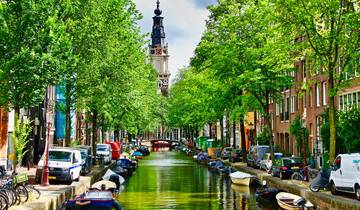
Amsterdam contains numerous lesser-known water features including hidden canals, private docks, houseboats communities, and designated swimming areas. The smaller canals winding through residential neighborhoods offer peaceful water experiences away from the crowded main waterways. Early morning walks reveal these quiet channels at their most serene, with houseboats creating intimate residential communities.
Official swimming locations include designated areas in Amstel River, specific locations in outer canals, and public pools in unconventional settings. While swimming in most canals remains prohibited for water quality reasons, several locations receive official swimming designation during summer months. These spots attract locals seeking cooling relief during hot weather.
Private gardens along canals often feature small docks and waterside terraces invisible from public streets. While not accessible to visitors, these spaces demonstrate how Amsterdammers integrate water into daily life. Houseboat living represents the ultimate water immersion, with approximately 2,500 houseboats creating unique floating communities throughout the city’s canals.
Extended multi-day tours – 5+ days
Featured Amsterdam Multi-Day Tour Packages
7 days
Amsterdam, Berlin and Prague (9 destinations)
- ✓ Comprehensive Amsterdam tour
- ✓ Expert local guides included
- ✓ All accommodation arranged
- ✓ Transportation provided

5 days
Amsterdam Serenity & City Wonders – 5 Days
- ✓ Comprehensive Amsterdam tour
- ✓ Expert local guides included
- ✓ All accommodation arranged
- ✓ Transportation provided

4 days
Netherlands – Land of Freedom (Van Gogh Trails & Architectural Wonders) 4-Day Tour
- ✓ Booking needs min. 2 travelers
5 days
5 Days Brussels and Amsterdam: Explore the Heart of Europe
- ✓ Comprehensive Amsterdam tour
- ✓ Expert local guides included
- ✓ All accommodation arranged
- ✓ Transportation provided
Multi-day tour packages powered by TourRadar. Prices and availability subject to change.
Secret Gardens and Hidden Courtyards
Begijnhof stands as Amsterdam’s most celebrated hidden courtyard, though its fame somewhat diminishes its secret status. This medieval courtyard housed the Beguines, a Catholic sisterhood, creating a peaceful sanctuary in the city center. The space demonstrates hofje architecture at its finest, with immaculately maintained gardens, historic buildings, and a beautiful chapel creating a contemplative atmosphere steps from the city’s busiest tourist areas.
Karthuizerhof, tucked deep in the Jordaan, exemplifies the truly hidden hofje requiring local knowledge to discover. The entrance appears as an ordinary door on Karthuizerstraat, revealing a remarkably peaceful courtyard garden beyond. The hofje dates to 1650, maintaining original architectural features and tranquil atmosphere. Few tourists discover this gem, making visits particularly special for those who find it.
Venetiaanse Hofje presents an unexpected Venetian-style courtyard hidden near the busy Nieuwmarkt area. The small courtyard features arched colonnade and Italian architectural influences unusual in Amsterdam. The space serves as reminder of Amsterdam’s historic trading connections and the architectural diversity hidden throughout the city. Finding the entrance requires careful attention to small doorways along Oude Hoogstraat.
Museum Van Loon’s garden offers one of Amsterdam’s finest hidden green spaces, accessible with museum admission. The formal 18th-century garden features classical design elements, original coach house, and perfectly maintained landscaping. The garden demonstrates how wealthy canal house residents created elaborate private worlds behind their public facades. The space provides both historical insight and peaceful respite.
Many private canal house gardens remain invisible from streets, accessible only to residents and their guests. These hidden green spaces total several hectares across the city, creating a substantial but largely invisible garden network. The gardens connect to canal house interiors, providing natural light, growing space, and outdoor living areas in the dense urban environment.
The Hortus Botanicus garden, while not exactly hidden, remains surprisingly undervisited given its central location and historical significance. Founded in 1638, the botanical garden contains one of the world’s oldest greenhouse collections and extensive plant species from Dutch colonial trading routes. The garden provides peaceful exploration opportunities without the crowds affecting more famous attractions.
Shared courtyards in modern Amsterdam neighborhoods continue the hofje tradition, with residential buildings designed around communal green spaces. These contemporary interpretations maintain the social and spatial benefits of traditional hofjes while serving modern housing needs. The continuity of this architectural tradition demonstrates its enduring value in Dutch urban design.
Small Museums and Unusual Collections
Museum Willet-Holthuysen presents an immaculately preserved canal house interior, revealing how wealthy 19th-century Amsterdammers lived. The house maintains original furniture, art, and decorative objects, providing authentic period atmosphere often lost in larger museums. The kitchen, servants’ quarters, and private rooms offer rare glimpses into both upstairs and downstairs life in Golden Age Amsterdam.
Museum Van Loon occupies another preserved canal house, featuring family collections spanning four centuries. The museum emphasizes the continuity of canal house living through generations, showing how families adapted historic spaces to changing times while maintaining architectural integrity. The accessible garden adds unusual dimension to the museum experience.
Tassenmuseum Hendrikje (Bag Museum) houses an unexpectedly fascinating collection of historical bags, purses, and luggage. The specialized collection traces fashion history, social customs, and material culture through the evolution of personal accessories. The museum occupies a beautiful canal house, adding architectural interest to the unique collection.
Het Schip Museum showcases Amsterdam School architecture in a remarkable post office building designed by Michel de Klerk. The expressionist building itself represents the primary exhibit, demonstrating early 20th-century housing reform and architectural innovation. The museum reveals a significant but often overlooked chapter in Amsterdam’s architectural history.
Pianola Museum celebrates the mechanical piano’s role in early 20th-century home entertainment. The small museum houses functioning pianolas and extensive music roll collections, with regular demonstrations bringing the instruments to life. The specialized collection preserves a forgotten technology that dominated home music before radio and recordings.
Electric Ladyland Museum of Fluorescent Art presents the world’s only museum dedicated entirely to fluorescent art and minerals. The tiny basement museum creates an otherworldly environment showcasing how ultraviolet light transforms ordinary materials into glowing artworks. The one-person operation reflects Amsterdam’s support for idiosyncratic cultural projects.
Museum Tot Zover (Up Till Now) explores death culture, funeral traditions, and mourning practices. The museum occupies space in Amsterdam’s largest cemetery, examining how Dutch culture approaches death and remembrance. The unusual subject matter attracts fewer visitors, creating contemplative viewing experiences for those interested in cultural anthropology and social history.
Het Grachtenhuis (Canal House Museum) explains Amsterdam’s unique canal system through interactive exhibits. The museum reveals the engineering, planning, and construction that created Amsterdam’s distinctive urban form. Understanding the technical achievement behind the canal ring enhances appreciation for the city’s UNESCO World Heritage status.
Hidden Architectural Features and Details
Gable stones (gevelstenen) decorate Amsterdam buildings, providing addresses before numbering systems existed. These carved and painted stones feature names, symbols, and images identifying houses through visual markers. Collecting photographs of distinctive gable stones creates engaging exploration activity while revealing Amsterdam’s architectural history and pre-modern addressing systems.
Hook cranes (takels) project from Amsterdam building facades, serving as essential equipment for moving goods and furniture through narrow stairwells. These functional hooks remain active today, as Amsterdam’s historic buildings feature stairs too narrow and steep for conventional furniture moving. The ubiquitous presence of these devices demonstrates how contemporary life continues adapting to Golden Age architecture.
Canal house facades lean forward intentionally, creating architectural feature serving multiple purposes. The forward lean prevents furniture from scraping building facades during hoisting, ensures rain water drains away from foundations, and creates visual interest. The distinctive lean characterizes Amsterdam’s streetscapes, though some leaning results from foundation settling in the marshy soil.
Hidden house numbers include the narrowest house in Amsterdam on Oude Hoogstraat (2 meters wide), the oldest unchanged building (Begijnhof 34 from 1475), and houses with secret meanings embedded in their measurements. Discovering these architectural curiosities requires careful observation and local knowledge, rewarding those who look beyond obvious attractions.
Secret passages connect buildings, courtyards, and streets throughout Amsterdam’s historic center. These routes developed over centuries as residents created shortcuts, connections, and hidden access points. Some passages remain private while others function as public shortcuts discovered only through exploration. The network of passages adds mystery and discovery to Amsterdam navigation.
Amsterdam School architecture flourishes in neighborhoods like De Pijp and Nieuw-West, featuring distinctive expressionist design with elaborate brickwork, sculptural elements, and organic forms. These early 20th-century buildings represent radical housing reform combining architectural innovation with social idealism. The detailed craftsmanship and artistic ambition make Amsterdam School buildings architectural treasures often overlooked by visitors focused on Golden Age heritage.
Modern architectural interventions include remarkable contemporary buildings integrating into historic context. Examples include the distinctive contemporary addition to the Rijksmuseum, innovative houseboat designs, and residential buildings combining traditional materials with modern forms. These architectural dialogues between old and new demonstrate Amsterdam’s continuing architectural innovation.
Authentic Neighborhood Experiences
Dappermarkt in Oost provides Amsterdam’s most authentic street market experience, serving neighborhood residents rather than tourists. The market stretches along Dapperstraat, offering produce, clothing, household goods, and ethnic foods reflecting the area’s multicultural population. Shopping alongside neighborhood residents provides genuine cultural immersion impossible in tourist-focused markets.
Ten Katemarkt in Oud-West operates as traditional neighborhood market with working-class character and authentic atmosphere. The market features affordable produce, street food, and practical goods served without tourist markup or manufactured authenticity. The surrounding neighborhood includes excellent local restaurants, brown cafes, and community facilities revealing everyday Amsterdam life.
NDSM Wharf in Noord transformed from abandoned shipyard into creative community featuring artist studios, galleries, restaurants, and cultural venues. The preserved industrial architecture creates dramatic backdrop for contemporary culture, while affordable rent attracted creative pioneers who established vibrant community. The area demonstrates successful industrial reuse and grassroots cultural development.
Indische Buurt (Indies Neighborhood) features streets named after Indonesian islands, reflecting colonial history and contemporary Indonesian community presence. The neighborhood combines traditional Dutch architecture with Indonesian restaurants, shops, and community centers. The area provides authentic multicultural experience and excellent Indonesian cuisine away from tourist concentrations.
De Baarsjes neighborhood evolved from immigrant reception area into hip residential district with strong community identity. The area features excellent restaurants, independent shops, and creative businesses serving local residents. The neighborhood demonstrates successful integration and organic gentrification where longtime residents and newcomers coexist.
Westelijke Eilanden (Western Islands) comprise artificial islands created during 17th-century expansion, maintaining village-like character within central Amsterdam. The quiet streets, converted warehouses, and small-scale architecture create peaceful residential environment. The area includes several hidden hofjes and peaceful canal-side walks rarely discovered by visitors.
Overtoom area combines residential neighborhoods with excellent local businesses, markets, and cultural venues. The Kinkerstraat shopping street serves neighborhood residents, while Surinamese, Turkish, and other ethnic communities create diverse culinary landscape. The area provides authentic shopping and dining experiences at local prices.
Hidden Waterways and Aquatic Spaces
Brouwersgracht (Brewers’ Canal) ranks among Amsterdam’s most beautiful waterways, featuring distinctive warehouses, houseboats, and bridges while receiving fewer tourists than major canals. The canal demonstrates the industrial heritage underlying Amsterdam’s picturesque appearance, with converted breweries and warehouses creating atmospheric residential spaces. Early morning or evening walks reveal the canal at its most peaceful.
Reguliersgracht offers seven consecutive bridges providing famous photographic compositions and beautiful canal views. The quieter location compared to main canals allows peaceful enjoyment of classic Amsterdam scenery. The bridges create distinctive visual patterns highlighting Amsterdam’s unique urban form and hydraulic engineering.
Entrepotdok transformed from 19th-century warehouse district into residential area maintaining industrial character. The long canal-side buildings create distinctive streetscape, while the waterfront location provides peaceful walking routes. The area demonstrates successful conversion of industrial heritage into contemporary residential use while preserving architectural character.
Houseboat communities create unique residential environments throughout Amsterdam’s canals. Approximately 2,500 registered houseboats provide homes combining water living with urban convenience. While most houseboats remain private residences, the Houseboat Museum on Prinsengracht allows visitors to explore authentic houseboat interior and understand this distinctive housing form.
Secret swimming locations include designated swimming areas opened during summer months in outer canals and IJ harbor. These official swimming spots provide cooling relief during hot weather, attracting locals rather than tourists. The locations require local knowledge to find but offer unique Amsterdam summer experiences combining water recreation with urban environment.
Water taxis operate throughout Amsterdam’s canal system, providing rapid transportation alternative to road traffic and tour boats. These small motorboats function as practical transportation rather than tourist attractions, used by locals for efficient movement across the city. Watching water taxis navigate narrow canals demonstrates skilled boat handling and the continuing importance of water transport.
Private canal access points include small docks, boarding ladders, and waterside terraces invisible from public streets. These features demonstrate how canal house residents maintain intimate relationship with the water, using canals as extended living space. The network of private water access creates hidden layer of urban life parallel to public streets.
Underground Arts and Cultural Venues
De School occupies a converted school building, creating complex cultural venue combining restaurant, club, café, and art space. The venue operates as membership organization, maintaining community atmosphere while hosting cutting-edge music programming. The conversion of educational space into cultural venue reflects Amsterdam’s creative reuse of institutional buildings.
OT301 squatted former film academy transformed into legally-tolerated cultural center hosting concerts, exhibitions, workshops, and community events. The venue represents Amsterdam’s tradition of creative squatting and the city’s pragmatic approach to illegal occupation providing cultural value. The uncertain future typical of squat venues adds urgency to experiencing these spaces.
Pakhuis de Zwijger operates as open platform for discussion, debate, and knowledge exchange in converted warehouse space. The venue hosts hundreds of free public programs exploring urban issues, technology, culture, and society. The accessible programming and participatory approach demonstrate Dutch traditions of public discourse and civic engagement.
W139 artist-run space presents experimental contemporary art in raw industrial setting. The alternative gallery showcases emerging artists, experimental practices, and challenging content often excluded from commercial galleries. The artist-run model reflects Amsterdam’s strong tradition of self-organized cultural production and collective spaces.
De Nieuwe Anita combines bar, cultural venue, and exhibition space in tiny Jordaan location. The intimate scale creates unique atmosphere for concerts, performances, and events where audience and performers share limited space. The venue demonstrates how Amsterdam supports small-scale cultural programming in unconventional spaces.
De Marktkantine operates as cultural venue and restaurant in former factory building, presenting eclectic programming from concerts to comedy to cultural events. The industrial space provides atmospheric venue for diverse programming, while the restaurant serves quality food in relaxed environment. The venue exemplifies Amsterdam’s creative conversion of industrial heritage.
Independent cinemas include Eye Filmmuseum in striking modern building across IJ harbor, Filmhuis Cavia in squat building, and Rialto in De Pijp neighborhood. These venues present art house films, retrospectives, and experimental cinema absent from commercial theaters. Amsterdam’s strong film culture supports diverse cinema options beyond mainstream multiplexes.
Finding Hidden Gems: Practical Strategies
Walking remains the most effective method for discovering Amsterdam’s hidden gems, as bicycle speed and car traffic prevent the detailed observation required to spot concealed entrances and architectural details. Slow wandering through residential neighborhoods, attention to doorways and passages, and willingness to explore unfamiliar areas reveal spaces invisible to goal-oriented navigation.
Early morning exploration provides optimal conditions for discovering hidden gems, with fewer crowds, better light for photography, and opportunity to observe neighborhoods before tourist activity begins. Many secret gardens and courtyards show best in morning light, while cafes and venues reveal their character during quiet daytime hours before evening crowds arrive.
Local recommendations provide reliable guidance to authentic hidden gems, as residents know their neighborhoods intimately and protect favorite spots from over-tourism. Building relationships with locals through regular cafe visits, neighborhood shops, or community activities opens access to knowledge shared selectively. Respecting discretion and protecting these spaces ensures their continued availability.
Architecture tours led by knowledgeable guides reveal hidden features and architectural details invisible to casual observation. Specialized tours focusing on Amsterdam School architecture, hofjes, or specific neighborhoods provide context and access to spaces otherwise difficult to discover. The investment in guided expertise accelerates learning and discovery.
Online resources including neighborhood blogs, local Instagram accounts, and community forums share information about hidden gems while attempting to balance visibility with preservation. These digital communities often debate the ethics of publicizing secret spots, with ongoing tension between sharing discoveries and protecting intimate spaces from crowds.
Museum cards and library memberships provide access to smaller cultural institutions often overlooked by visitors. The investments in these resources pay dividends through free admission to dozens of museums, exhibitions, and programs. The accessibility encourages exploration of specialized collections and unusual cultural venues.
Seasonal timing affects hidden gem accessibility and experience quality. Some gardens close during winter months, outdoor spaces become unusable in harsh weather, and cultural venues reduce programming during summer when Amsterdammers vacation outside the city. Understanding seasonal patterns optimizes discovery timing.
Hidden Gem Etiquette and Preservation
Respecting privacy remains paramount when visiting hidden gems, especially hofjes and residential courtyards. These spaces function as homes for residents who tolerate respectful visitors but deserve protection from disruption. Maintaining silence, avoiding photography of private spaces, and keeping visits brief demonstrates appropriate behavior and ensures continued access.
Photography restrictions apply to many hidden gems, with private spaces and religious buildings often prohibiting images. Respecting these limitations protects residents’ privacy and prevents commercial exploitation of charitable spaces. When photography is permitted, avoiding intrusive techniques and sharing images responsibly prevents over-exposure and maintains the hidden character.
Supporting local businesses in hidden neighborhoods helps maintain authentic character and prevents purely tourist-oriented development. Patronizing neighborhood cafes, shops, and restaurants at fair prices (not seeking discounts) and behaving respectfully ensures communities benefit from visitor interest. This economic support helps preserve authentic spaces against gentrification pressure.
Discretion in sharing information about particularly fragile hidden gems protects these spaces from overwhelming crowds. Not every discovery requires social media documentation, and some locations benefit from remaining truly secret. The balance between sharing inspiration and protecting spaces requires judgment and restraint.
Visiting during off-peak times reduces impact on hidden gems and provides better experiences. Early mornings, weekday visits, and avoiding peak tourist seasons allows appreciation of spaces without contributing to overcrowding. This timing consideration demonstrates respect for both the spaces and other visitors.
Following local customs and behaviors in neighborhood spaces helps visitors blend in and reduces cultural friction. Observing how locals use spaces, matching volume and behavior to surroundings, and avoiding entitled tourist behavior maintains welcoming atmosphere in authentic neighborhoods.
Financial contribution to charitable spaces like hofjes, small museums, and cultural venues helps sustain these institutions. Many operate on limited budgets, relying on donations and entrance fees to maintain operations. Supporting these spaces financially ensures their preservation and continued accessibility.
Frequently Asked Questions About Amsterdam Hidden Gems
Can anyone visit Amsterdam’s hofjes or are they private?
Most Amsterdam hofjes allow respectful daytime visits, though they remain functional housing for residents. Access rules vary by location, with some welcoming visitors while others restrict access or request donations. Entrance doors unlock during daylight hours, but visitors must maintain silence, avoid photography of residents or interiors, and keep visits brief. The courtesy of respecting residents’ privacy ensures these charitable spaces remain accessible.
How do you find unmarked bars and secret venues in Amsterdam?
Discovering unmarked venues requires combination of online research, local recommendations, and persistent exploration. Many secret bars maintain websites or social media presence while keeping physical locations discreet. Local knowledge provides the most reliable guidance, with bartenders, hotel staff, and residents sharing information about their favorite spots. Some venues require advance reservations, providing location details only after booking confirmation.
What’s the difference between authentic neighborhoods and tourist areas?
Authentic neighborhoods maintain residential character with businesses serving local needs rather than tourist demands. These areas feature neighborhood markets, local cafes, community centers, and practical shops without tourist markup or manufactured atmosphere. The absence of English-language menus, tourist information, and souvenir shops signals authentic areas. Residents going about daily life rather than crowds of visitors indicates genuine neighborhood character.
Are Amsterdam’s hidden swimming spots safe for swimming?
Official designated swimming areas meet water quality standards and safety requirements, making them safe during open season. Swimming in non-designated canal areas remains prohibited due to water quality concerns, boat traffic, and safety issues. The city tests water quality at official swimming locations regularly, closing areas when standards aren’t met. Swimmers should follow posted regulations and avoid swimming during cold months or in unauthorized locations.
How can you tell if a space is truly hidden or just lesser-known?
Truly hidden spaces require insider knowledge, feature unmarked entrances, or exist within private properties. Lesser-known locations appear in guidebooks and online resources but receive fewer visitors than major attractions. The distinction matters less than the experience, as both categories offer opportunities for discovery and authentic encounters. Some spaces transition from hidden to lesser-known as information spreads, emphasizing the importance of discretion in sharing discoveries.
What’s the best way to explore hidden Amsterdam without looking like a lost tourist?
Confident walking, minimal camera use, and dressing like locals helps blend into Amsterdam neighborhoods. Studying maps before venturing out rather than checking phones constantly, greeting shopkeepers in Dutch, and observing local customs demonstrates cultural awareness. Traveling during local hours rather than typical tourist times, patronizing neighborhood businesses, and showing genuine interest rather than treating neighborhoods as attractions earns local acceptance.
Can you visit Amsterdam’s houseboats or are they all private?
The Houseboat Museum on Prinsengracht provides the only regular public access to houseboat interiors, offering authentic insight into floating home life. All other houseboats function as private residences not accessible to visitors. Observing houseboats from canal sides and bridges provides appreciation for this distinctive housing form without intruding on residents’ privacy. The museum visit satisfies curiosity about houseboat living while respecting homeowners’ privacy.
Are there seasonal differences in accessing hidden gems?
Seasonal variations significantly affect hidden gem accessibility and experience quality. Hofje gardens peak in spring and summer, with some closing to visitors during winter months. Outdoor spaces become unusable during harsh weather, while indoor venues provide year-round accessibility. Summer sees reduced cultural programming as Amsterdammers vacation elsewhere, while autumn and spring offer optimal conditions for exploration without extreme weather or peak tourist crowds.
How do you balance exploring hidden gems with respecting local privacy?
Respecting privacy requires treating residential areas as communities rather than attractions. Maintaining quiet behavior, avoiding intrusive photography, honoring “private” signs, and keeping visits brief demonstrates appropriate respect. Supporting local businesses fairly, following local customs, and exercising discretion in sharing information protects communities while allowing appreciation of hidden spaces. The goal involves cultural exchange rather than consumption of neighborhoods as tourist products.
What makes Amsterdam particularly rich in hidden gems compared to other cities?
Amsterdam’s architectural heritage creates natural hiding places through deep building lots, interior courtyards, and layered urban development. The city’s compact size makes hidden gems accessible while density creates numerous overlooked spaces. Dutch cultural values emphasizing privacy, community, and discretion encourage maintaining hidden spaces rather than commercializing every potential attraction. The tradition of hofjes, brown cafes, and neighborhood identity strengthens local culture worth discovering. This combination of physical structure, cultural values, and community strength creates unusually rich hidden gem ecosystem.