
Amsterdam Bike Tour Guide 2026: Cycling Routes & Rentals
Amsterdam’s legendary cycling culture offers visitors an authentic way to explore the city’s canals, neighborhoods, and countryside. With over 500 kilometers of dedicated bike lanes, flat terrain, and bike-friendly infrastructure throughout the city, cycling provides the freedom to discover Amsterdam like a local while covering more ground than walking and experiencing more intimacy than bus tours.
Key Takeaways: Amsterdam Bike Tours & Rentals 2026
- Affordable rentals: Standard city bikes cost €9-17 per day in 2026, with 3-hour rentals from €7-13.50 and e-bikes available at premium rates
- Guided tour options: City highlights tours run €19-35 per person for 2-3 hours, while countryside windmill tours cost €35-65 with cheese farm visits included
- Multiple rental locations: Bike rental shops concentrate near Central Station, Leidseplein, and Vondelpark, with four major chains offering 20+ pickup points citywide
- Best cycling routes: The Canal Ring circuit, Vondelpark loop, Amsterdam Noord waterfront, and day trips to Zaanse Schans windmills provide varied terrain and attractions
- Safety essentials: Amsterdam cycling requires understanding Dutch bike lane rules, right-of-way protocols, and navigation through tram tracks and narrow bridges
- Booking strategy 2026: Reserve guided tours 2-4 weeks ahead during April-September peak season, while bike rentals can be arranged 1-3 days in advance except during King’s Day and tulip season
People Also Ask About Amsterdam Bike Tours 2026
How much does bike rental cost in Amsterdam in 2026?
Standard city bike rentals in Amsterdam cost €9-17 per day in 2026, with most shops charging €12-15 for 24-hour periods. Three-hour rentals run €7-13.50, ideal for quick city explorations. E-bikes command premium rates at €25-40 per day, while specialty bikes like cargo bikes and tandems cost €20-30 daily. Multi-day rentals offer discounts: rent for three days and pay for two at most shops, or weekly rentals reduce the daily rate by 30-40%. OV-Fiets bikes cost just €4.80 per 24 hours but require a Dutch personal OV-chipkaart, making them available only to Netherlands residents.
What are the best bike routes in Amsterdam for first-time visitors in 2026?
The Canal Ring circuit provides the perfect introduction to Amsterdam cycling in 2026, covering 8-10 kilometers through UNESCO-protected 17th-century canals, the Jordaan neighborhood, and major landmarks like the Anne Frank House and Rijksmuseum. Vondelpark offers a traffic-free 3.3-kilometer loop ideal for beginners practicing before venturing into street traffic. Amsterdam Noord showcases modern architecture and waterfront paths across the IJ river, accessible via free ferry from Central Station. For confident cyclists, the 35-kilometer round-trip to Zaanse Schans windmills follows dedicated bike paths through classic Dutch countryside with minimal traffic.
Should I rent a bike or join a guided bike tour in Amsterdam in 2026?
Guided bike tours work best for first-time Amsterdam visitors, providing safety orientation, navigation through complex bike lane systems, and historical context at landmarks. Tours cost €19-35 for 2-3 hours and remove the stress of route planning and traffic navigation. Independent bike rental suits travelers with cycling experience who want flexible timing and custom routes, saving €10-20 per person daily compared to guided tours. Consider a guided tour your first day to learn traffic patterns and bike lane etiquette, then rent independently for remaining days. Families with children under 12 benefit significantly from guided tours’ safety protocols and child-appropriate pacing.
When is the best time for bike tours in Amsterdam in 2026?
April through September offers optimal cycling weather in Amsterdam, with April-May providing spectacular tulip fields on countryside routes and temperatures of 12-18°C ideal for comfortable cycling. July-August brings warmest weather (20-25°C) but also peak tourist crowds and higher prices, with bike rental demand requiring 3-5 day advance bookings. September-October delivers pleasant cycling with fewer tourists, golden autumn colors along canals, and lower accommodation costs. Winter cycling (November-March) remains feasible with proper rain gear and warm clothing, though shorter daylight hours (8 AM to 5 PM) limit route options and some guided tours reduce frequency.
Extended multi-day tours – 5+ days
Featured Amsterdam Multi-Day Tour Packages
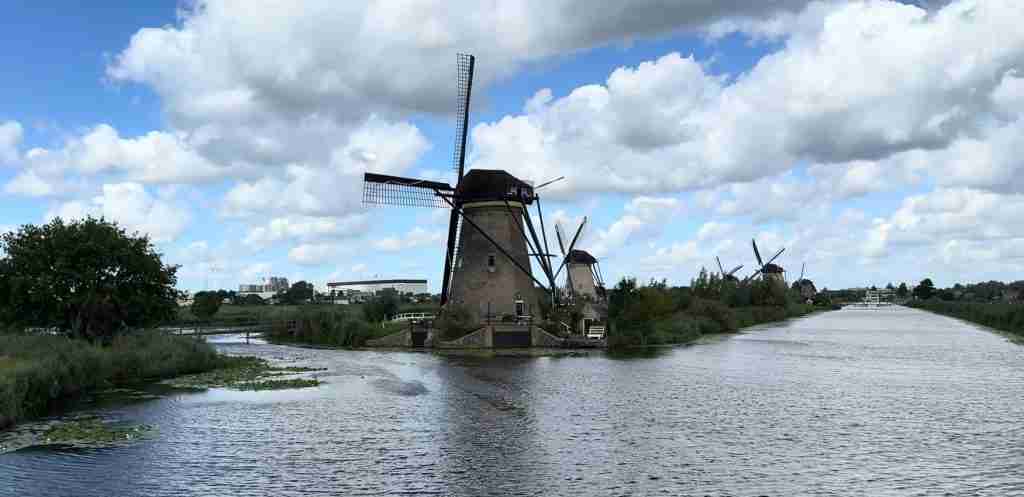
3 days
Amsterdam 3-Day Discovery Tour
- ✓ Comprehensive Amsterdam experience
- ✓ Expert local guides included
- ✓ All accommodation included
- ✓ Transportation provided

5 days
Amsterdam 5-Day Highlights Experience
- ✓ Comprehensive Amsterdam experience
- ✓ Expert local guides included
- ✓ All accommodation included
- ✓ Transportation provided
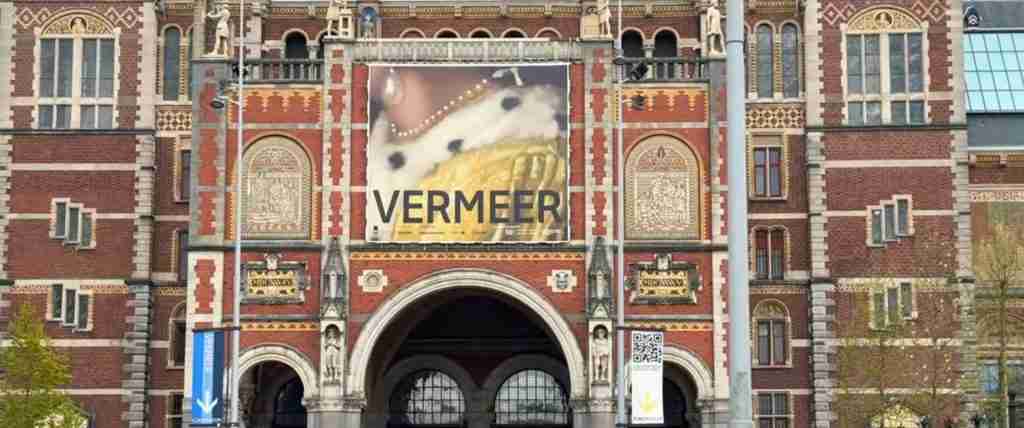
7 days
Amsterdam 7-Day Cultural Journey
- ✓ Comprehensive Amsterdam experience
- ✓ Expert local guides included
- ✓ All accommodation included
- ✓ Transportation provided
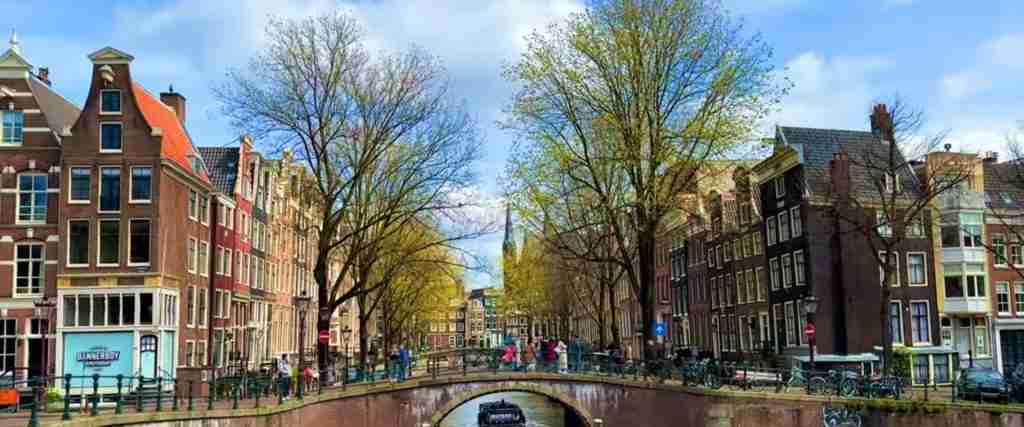
10 days
Amsterdam 10-Day Complete Adventure
- ✓ Comprehensive Amsterdam experience
- ✓ Expert local guides included
- ✓ All accommodation included
- ✓ Transportation provided
Multi-day tour packages powered by TourRadar. Prices and availability subject to change.
Introduction: Cycling Amsterdam in 2026
Amsterdam earned its reputation as the world’s cycling capital through decades of infrastructure development, cultural integration, and urban planning that prioritizes bicycles over cars in the historic city center. With 880,000 bicycles serving a population of 850,000, bikes outnumber residents in this compact city of 219 square kilometers, creating a cycling culture unmatched globally.
The city’s extensive bike network includes 500+ kilometers of dedicated cycle paths, separated from car traffic and pedestrian walkways by distinct red asphalt surfaces. This infrastructure enables 63% of Amsterdam residents to commute daily by bicycle, establishing cycling rhythms and unwritten rules that visitors must learn to navigate safely and confidently.
For 2026 visitors, cycling offers practical advantages beyond cultural immersion. The compact historic center measures just 5 kilometers across, making bicycle the fastest transport mode for distances over 1 kilometer but under 5 kilometers. Public transport requires ticket purchases and schedule adherence, while walking limits range. Bicycles provide door-to-door mobility, spontaneous route changes, and access to areas poorly served by trams and buses.
This comprehensive guide examines Amsterdam’s bike rental landscape, guided tour options, self-guided routes, safety protocols, and booking strategies for 2026. Whether you’re planning a quick afternoon cycle through canal neighborhoods or a full-day countryside expedition to windmills and cheese farms, you’ll find verified pricing, route details, and practical advice to maximize your Amsterdam cycling experience.
Understanding Amsterdam’s Bike Rental Market 2026
Amsterdam’s bike rental industry serves millions of visitors annually through major chains, independent shops, and hotel-based services distributed throughout the city center and tourist districts. Understanding the rental landscape helps you select appropriate bikes, avoid tourist traps, and secure fair pricing.
Major Bike Rental Companies
MacBike operates Amsterdam’s largest rental chain with three locations: Stationsplein 5 near Central Station, Weteringschans 2 near Leidseplein, and Nieuwe Uilenburgerstraat 116 at Waterlooplein. MacBike offers city bikes with three gears and handbrakes for €9.50 per 24 hours, with three-hour rentals at €7. The €50 deposit returns upon bike return with locks and keys intact. MacBike’s insurance option costs €3.50 daily, covering theft if you file a police report and return the lock key.
A-Bike Amsterdam provides four locations around Vondelpark, Leidseplein, Rijksmuseum, and Central Station, renting city bikes with three gears for €8.50 per 24 hours and touring bikes with seven gears for €12.50. Their three-hour option costs €7, and they stock e-bikes, tandems, cargo bikes, and children’s bicycles. Multi-day discounts apply: three days for the price of two, seven days for the price of four.
Rent A Bike Amsterdam has operated from Damstraat 20-22 since 1968, making it Amsterdam’s oldest bike rental shop. They charge €12 for 24 hours with a €50 deposit, offering city bikes with pedal or handbrakes, tandem bikes, child seats, cargo bikes, and e-bikes. Their central Dam Square location positions them perfectly for immediate exploration of Jordaan, Red Light District, and canal rings.
Star Bikes Rental specializes in diverse bike types including traditional Dutch “omafiets” (granny bikes) for authentic local experiences, electric bicycles for effortless countryside tours, and adapted bikes for riders with reduced mobility including wheelchair-compatible options. Prices start at €13.50 for three hours and €16.95 for 24 hours across four Amsterdam locations.
Black Bikes operates 20 locations in Amsterdam, Utrecht, Haarlem, and The Hague, providing seamless inter-city bike rental with one-way options. Their pricing includes mandatory theft and damage insurance, with deals like “3 days = 2 days” and “7 days = 4 days” reducing effective daily rates for longer rentals.
Bike Types and Pricing 2026
Standard City Bikes: Dutch city bikes feature upright seating positions, coaster brakes (back-pedal), and often front handbrakes, with baskets for carrying bags. Three-speed internal hub gears handle Amsterdam’s flat terrain perfectly. Expect to pay €9-15 per 24 hours, with the average around €12. These basic bikes suit 80% of visitors for city center exploration and Vondelpark rides.
Touring Bikes: Seven-speed bikes with hand brakes and lighter frames cost €12-17 daily, providing easier pedaling for longer distances like Zaanse Schans day trips or countryside routes exceeding 25 kilometers. The additional gears help on rare hills outside Amsterdam and provide faster cruising speeds on dedicated bike paths.
E-Bikes: Electric-assist bicycles cost €25-40 per day, enabling effortless 40+ kilometer countryside trips to Volendam, Marken, or Edam without physical strain. E-bikes particularly suit older riders, those with limited cycling experience, or anyone planning hilly routes outside Amsterdam’s flat center. Battery range covers 50-70 kilometers on single charges, with rental shops providing charging instructions.
Cargo Bikes: Two-wheeled or three-wheeled cargo bikes with front boxes cost €20-30 daily, designed for transporting children or shopping. Parents appreciate these for family outings, fitting two small children (ages 2-8) in the cargo box while cycling. Cargo bikes require practice handling their unique balance and turning radius.
Children’s Bikes: Kid-sized bikes with training wheels or balance bikes cost €8-12 per day, while child seats (front-mounted or rear-mounted) add €5-8 to adult bike rentals. Front seats accommodate children 9 months to 3 years, rear seats handle 2-6 year olds up to 22 kilograms.
Tandem Bikes: Two-person tandem bikes cost €20-28 per day, offering unique experiences for couples or parent-child combinations. Tandems require coordination and practice but provide memorable photo opportunities along canal paths.
Rental Deposits and Insurance
Standard deposits range €20-50, returned when you bring back the bike, lock, and keys in working condition. Most shops accept cash deposits or credit card pre-authorizations. For e-bikes and specialty bikes, deposits increase to €100-250 or require passport/ID retention plus €250 credit card authorization.
Insurance typically costs €3-5 per day, covering theft if you report to police and return the lock key. Without insurance, you’re liable for the bike’s full replacement value (€150-800 depending on type) if stolen. Insurance doesn’t cover damage from crashes or negligence, so ride carefully through crowded areas and avoid risky maneuvers.
Lost keys cost €10-20, while losing both bike and key without police report can trigger €350 liability charges. Always lock your bike (rental shops provide locks), especially in busy tourist areas, train stations, and anywhere you leave it unattended.
Rental Duration Options and Discounts
Most shops offer flexible rental periods: 3 hours (€7-13.50), 24 hours (€9-17), or multi-day packages. Rental “days” typically run from opening to closing time (9 AM to 6 PM), not 24-hour periods, so clarify whether you’re getting true 24-hour rental or shop-hours-only access.
Multi-day discounts provide significant savings: rent 3 days for the price of 2, or 7 days for the price of 4. Weekly rentals often cost €40-60, effectively €5.70-8.60 per day. Monthly rentals (30 days for the price of 12) attract long-term visitors and expats at €100-150 total.
Book online for 5-10% discounts at major chains, with some offering 10% coupons on their websites. However, walk-in rentals remain viable except during peak demand periods (King’s Day April 27, tulip season mid-April to early May, and summer weekends).
Guided Bike Tours Amsterdam 2026
Guided bike tours provide structured experiences with local guides, route planning, safety oversight, and historical context that independent cycling cannot match. Understanding tour types, pricing, and booking requirements helps you select appropriate options for your schedule and interests.
City Highlights Tours
Standard city tours cover 7-10 kilometers in 2-3 hours, visiting major landmarks while explaining Amsterdam’s history, architecture, and culture. Tours typically include Canal Ring UNESCO sites, Jordaan neighborhood back streets, Vondelpark, Rijksmuseum exterior, Anne Frank House area, and hidden courtyards unknown to most tourists.
Pricing ranges €19-35 per person for small group tours (maximum 10-15 riders), with departures at 9:30 AM, 11:00 AM, 1:30 PM, and sometimes 4:00 PM. Yellow Bike, We Bike Amsterdam, and Mike’s Bike Tours all offer highly-rated city highlights options with English-speaking guides.
Tours start with 10-15 minute bike orientation covering Amsterdam traffic rules, hand signals, and bike operation. Guides maintain leisurely pace (10-12 km/hour), making frequent stops for photo opportunities and historical explanations. Most tours pause at cafés where you can purchase drinks (coffee €3-4, beer €4-5).
Small group sizes (maximum 12 participants per guide) ensure safety and personal attention. Guides carry first-aid supplies and phone tools for minor bike repairs. Tours include bike rental, helmet upon request, and insurance coverage during tour duration.
Countryside and Windmill Tours
Half-day or full-day countryside tours explore Dutch landscapes, traditional windmills, cheese farms, and historic villages beyond Amsterdam’s city limits. Popular destinations include Zaanse Schans windmill village (15 kilometers north), Waterland lowlands, Volendam fishing village, and tulip field routes (seasonal April-May).
Typical countryside tours cost €35-65 per person for 4-6 hour experiences, including bike rental, guide services, and often cheese tastings or stroopwafel samples at farm visits. E-bike tours command premium pricing at €55-85 but eliminate physical strain on 30-40 kilometer routes.
Mike’s Windmills E-Bike Tour to Zaanse Schans runs 6 hours with stops at working windmills, wooden clog factory, traditional cheese farm, and scenic canal paths through classic polder landscapes. The €65 price includes e-bike rental, guide, cheese samples, and clog-making demonstrations.
We Bike Amsterdam’s countryside tour explores Waterland region with authentic windmill visits, picturesque villages, and explanations of Dutch water management engineering. Their 4-hour tour costs €45 including city bike or €60 with e-bike upgrade.
Tours depart 9:00-10:00 AM to allow full-day countryside exploration before returning by late afternoon. Spring tours (April-May) incorporate tulip field routes when flowers bloom, adding spectacular color to countryside landscapes.
Specialized Theme Tours
Amsterdam offers niche bike tours catering to specific interests beyond standard sightseeing:
Food Tours: 3-hour culinary bike tours visit markets, cheese shops, herring stands, and Dutch restaurants for tastings while cycling canal neighborhoods. Prices run €45-60 including food samples worth €15-20. Tours typically include raw herring, Gouda cheese, stroopwafels, bitterballen, and Dutch pancakes.
Architecture Tours: Design-focused tours examine Amsterdam School architecture, modern Amsterdam Noord developments, converted warehouses, and innovative sustainable buildings. These 2.5-3 hour tours cost €35-45 with architecture-specialist guides.
Photography Tours: Guided routes visit photogenic locations at optimal lighting times (early morning or golden hour), with stops for composition advice and photo opportunities. Tours cost €40-55 for 2-3 hours, maximum 8 participants to allow individual photography time.
Beer Tours: Craft beer cycling tours visit traditional brown cafés and modern breweries, including 3-4 beer tastings over 3 hours. Expect €50-65 per person, combining cycling exercise with Dutch beer culture education.
Street Art Tours: Amsterdam Noord street art bike tours explore Europe’s largest street art district with murals, graffiti pieces, and urban art installations. Tours cost €30-40 for 2.5 hours including optional spray paint workshop where you create your own small graffiti piece.
Private and Custom Tours 2026
Private bike tours accommodate families, corporate groups, or travelers preferring personalized attention and custom itineraries. Pricing starts around €150 per group (2 people) for 2-hour city tours, decreasing to €19-25 per person for groups of 8-15 participants.
Private tours offer flexible departure times, route customization, and pace adjustments for children or less experienced cyclists. Request specific focuses (architecture, history, photography, food) when booking, and guides adapt routes accordingly.
Yellow Bike offers private tours from €99 for couples, while Mike’s Bike Tours provides custom private options for €150-300 depending on duration and group size. Multi-day private tours can arrange countryside overnights with accommodation bookings.
Booking Strategies for Bike Tours 2026
Reserve guided tours 2-4 weeks ahead for April-September peak season, especially for weekend departures and specialty tours with limited group sizes. Last-minute bookings (1-3 days ahead) often succeed for weekday city tours outside July-August, but risk unavailability for popular countryside routes.
Tours require minimum participants (typically 3-4 people) to depart, so booking shows helps tour companies confirm viability. Cancellations accepted 24 hours in advance for full refunds with most operators, providing booking flexibility.
Check weather forecasts before booking, though most tours provide rain ponchos and depart in light rain. Severe weather (heavy rain, strong winds over 40 km/hour) triggers tour cancellations with full refunds or rescheduling options.
Compare prices across providers but prioritize small group sizes (under 12) and guide expertise over €5-10 savings. Experienced local guides transform tours from simple bike rides to cultural education experiences worth premium pricing.
Self-Guided Cycling Routes Amsterdam 2026
Independent cycling allows flexible timing, custom routes, and spontaneous detours while saving €15-30 per person compared to guided tours. These tested routes provide turn-by-turn directions, distance estimates, and highlight stops for self-guided Amsterdam exploration.
Canal Ring Circuit (8 kilometers, 1.5 hours)
Start at Dam Square, cycling west through Jordaan neighborhood along Prinsengracht canal. Pass the Anne Frank House (Prinsengracht 263), continue south to the Negen Straatjes (Nine Streets) shopping district spanning Prinsengracht, Keizersgracht, and Herengracht canals. Cross to Herengracht, cycling north past 17th-century merchant houses with ornate gable stones.
Turn east at Brouwersgracht (Brewers’ Canal), Amsterdam’s most photogenic waterway with houseboats, bridges, and canal views. Follow Brouwersgracht to Singel, the city’s innermost canal, then south past floating Flower Market (Bloemenmarkt). Return to Dam Square via Rokin.
Route features separated bike lanes 90% of distance, minimal car traffic, and frequent photo opportunities. Difficulty: Easy. Best times: Early morning (7-9 AM) before tourist crowds or late afternoon (4-6 PM) for golden hour photography.
Vondelpark and Museum Quarter Loop (6 kilometers, 1 hour)
Begin at Rijksmuseum, cycling through museum plaza to Vondelpark entrance at Stadhouderskade. The park’s main path circles 3.3 kilometers through meadows, ponds, and tree-lined lanes, completely traffic-free except crossing paths.
Exit Vondelpark north exit, cycling through exclusive P.C. Hooftstraat shopping street (Amsterdam’s Rodeo Drive), past Stedelijk Museum and Van Gogh Museum. Return to Rijksmuseum via Museumplein.
Route combines car-free park cycling with brief urban sections on separated bike lanes. Difficulty: Very easy, ideal for families and beginning cyclists. Vondelpark features playgrounds, cafés, and open-air theater (summer performances).
Amsterdam Noord Waterfront (12 kilometers, 2 hours)
Take free IJ ferry from Central Station rear exit to Amsterdam Noord (5-minute crossing, ferries depart every 5-10 minutes). Cycle east along IJ waterfront path past modern architecture including A’DAM Tower and Eye Film Museum.
Continue to NDSM wharf, former shipyard converted to creative district with street art, vintage markets (weekends), and waterfront cafés. Return via inland route through residential Noord neighborhoods, crossing back to Central Station on free ferry.
Route features dedicated waterfront bike paths, minimal traffic, and modern architecture contrasting with historic center. Difficulty: Easy to moderate, some sections on shared paths with pedestrians. Ferry crossings add novelty and rest periods.
Amstel River and Ouderkerk Route (24 kilometers round trip, 3 hours)
Cycle south from Amsterdam center along Amstel River dedicated bike path, passing Magere Brug (Skinny Bridge), Amstel Brewery site, and prosperous residential areas. Continue through Ouderkerk aan de Amstel village (12 kilometers from center), historic settlement with 18th-century buildings and riverside cafés.
Stop for coffee or lunch at Ouderkerk village, then return north along same route. Alternative: Cross river and return via opposite bank for variety.
Route offers peaceful river cycling away from city traffic, dedicated bike paths entire distance, and traditional Dutch village atmosphere. Difficulty: Moderate due to distance. Best for experienced cyclists comfortable with 3+ hour rides.
Zaanse Schans Windmills Day Trip (35 kilometers round trip, 5-6 hours)
Cycle north from Central Station via free ferry to Amsterdam Noord, following signs to Zaandam (10 kilometers). Continue to Zaanse Schans (17.5 kilometers total), open-air museum with working windmills, wooden houses, and craft demonstrations.
Visit windmills (free exterior viewing, €3-5 interior tours), cheese farm, clog workshop, and museum shops. Lunch at village cafés (€12-18 for sandwiches or Dutch pancakes), then return same route to Amsterdam.
Route follows dedicated bike paths through suburbs and countryside, well-signposted entire route. Difficulty: Moderate to challenging due to distance. Consider e-bike rental (€25-40) to reduce physical demands. Allow 5-6 hours total including 2-3 hours at Zaanse Schans.
Tulip Fields Route (Seasonal: April-May, 40 kilometers round trip)
Spring visitors can cycle dedicated tulip route from Amsterdam to Keukenhof Gardens area, passing commercial bulb fields in full bloom mid-April through early May. Rent bikes near Keukenhof (€12.50 for 3 hours) or cycle from Amsterdam via Schiphol airport route (40 kilometers round trip).
Four marked routes circle Keukenhof area through tulip fields, ranging 15-30 kilometers. Peak bloom typically occurs April 20-May 5, varying with weather. Fields display millions of tulips in geometric patterns creating rainbow landscapes.
Route combines bike paths and quiet country roads, mostly flat terrain with occasional farm vehicle traffic. Difficulty: Moderate to challenging depending on chosen route length. Book Keukenhof bike rental ahead during peak season.
Amsterdam Cycling Safety and Rules 2026
Understanding Dutch cycling culture, traffic laws, and unwritten protocols prevents accidents, tickets, and conflicts with local cyclists who prioritize efficiency over tourist accommodation.
Bike Lane Systems and Traffic Flow
Amsterdam employs three types of bike infrastructure: dedicated bike lanes (separate from roads, marked with red asphalt), painted bike lanes (on roads, indicated by white lines and bike symbols), and shared streets where bikes mix with cars but have priority.
Bike lanes operate with car traffic flow: cycle on right side in direction of travel, stay right to allow faster cyclists to pass on left. Never cycle against traffic flow in bike lanes, even if it seems shorter – police issue €60-95 fines for wrong-way cycling.
Bike signals at intersections use bike symbols (not car signals). Stop at red bike lights – Amsterdam police actively enforce this with €95 fines. Green lights mean proceed, but check for turning cars and trams. Flashing orange lights require yielding to crossing traffic.
Priority Rules and Right-of-Way
Traffic circles (roundabouts) require yielding to cyclists already in circle – enter only when clear. Bikes on roundabouts have priority over entering traffic. Signal turns by extending arm (left or right) before entering roundabout.
Trams always have priority. Never cross tram tracks at angles – align perpendicular to tracks when crossing to prevent wheel catching. Tram tracks create slippery surfaces when wet, requiring extra caution.
Pedestrians crossing at marked crosswalks (zebra crossings) have priority over bikes. Slow and yield, even if you have green light and they’re crossing against signal. However, pedestrians on bike paths (red asphalt) should yield to cyclists – politely ring bell to alert them.
Cars turning right must yield to straight-traveling cyclists on their right. Maintain steady course and speed when cars approach from behind – Dutch drivers expect predictable cyclist behavior.
Essential Safety Protocols
Look both ways before entering intersections, even with green light. Check over left shoulder before passing or changing lanes – faster cyclists approach quickly. Use hand signals for turns: extend arm in direction of turn 3-5 seconds before turning.
Ring bell to warn pedestrians on bike paths or slower cyclists you’re passing. Two short rings signals intention to pass on left. Don’t overuse bell aggressively – Amsterdammers consider excessive ringing rude.
Lock bikes securely every time you dismount. Thread lock through both frame and wheel, securing to fixed object (bike rack, fence, bridge railing). Amsterdam records 80,000+ bike thefts annually, primarily targeting unlocked or loosely locked bikes.
Avoid cycling while intoxicated. Police conduct random breath tests on cyclists, issuing fines or arrest for cycling under influence. Blood alcohol limits apply to cyclists as well as drivers.
Common Hazards and How to Handle Them
Tram Tracks: Cross tracks at 90-degree angles. If forced to ride parallel to tracks, stay 20-30 centimeters away to prevent wheel catching. Track grooves can trap thin tires and cause crashes.
Cobblestones: Historic canal districts feature bumpy cobblestone streets. Reduce speed, grip handlebars firmly, and slightly loosen grip to absorb vibrations. Stand slightly on pedals for better suspension.
Pedestrians: Tourist areas see pedestrians wandering into bike lanes while photographing canals. Ring bell early and loudly, reduce speed, and prepare to stop. Don’t swerve suddenly into car traffic to avoid pedestrians.
Other Cyclists: Amsterdam cyclists ride aggressively by tourist standards, passing close and moving quickly. Don’t take personal offense – it’s cultural norm. Stay predictable, signal intentions, and don’t make sudden moves.
Weather Conditions: Rain makes surfaces slippery, especially tram tracks, metal bridge plates, and painted road markings. Reduce speed by 30-40% in rain, increase following distance, and brake earlier. Wind gusts crossing bridges can push bikes sideways – grip handlebars firmly on exposed bridges.
Bike Parking Regulations
Park only in designated bike racks or areas marked with bike symbols. City removes bikes parked illegally at tram stops, bridge access points, or blocking sidewalks. Retrieval costs €25 plus €5 per day storage, requiring trip to bike depot with ID and rental paperwork.
Central Station area limits bike parking to 24 hours, enforcing with tags. Bikes parked longer get removed. Use supervised bike parking at Central Station (€1.35 for 24 hours) for longer-term secure storage.
Never park bikes blocking wheelchair ramps, bus stops, building entrances, or emergency vehicle access. These violations trigger immediate removal plus fines.
Seasonal Cycling Considerations 2026
Amsterdam’s cycling conditions vary significantly across seasons, affecting route choices, gear requirements, and optimal timing for different experiences.
Spring Cycling (March-May 2026)
Spring brings Amsterdam’s peak cycling season with tulip blooms, moderate temperatures (10-17°C), and increasing daylight (sunrise 6:30 AM by late May, sunset 9:00 PM). April-May offers ideal weather for countryside routes through tulip fields, though rain remains frequent (10-12 rainy days monthly).
Pack waterproof jacket and light layers for variable spring weather. Mornings start cool (8-12°C) but afternoons warm to 15-18°C, requiring adaptable clothing. King’s Day (April 27) turns Amsterdam orange with massive street parties – avoid cycling city center this day due to pedestrian crowds and road closures.
Spring bike rental demand peaks mid-April through early May during tulip season. Book rentals 3-5 days ahead, or 7-10 days for e-bikes and specialty bikes. Guided countryside tours to Keukenhof and tulip fields sell out 2-3 weeks ahead.
Summer Cycling (June-August 2026)
Summer provides longest daylight (sunset 10:00 PM in June), warmest temperatures (18-23°C averages, occasional 28-30°C peaks), and most tourist activity. Cycling infrastructure experiences peak demand with locals and visitors competing for bike lane space.
Early morning rides (7-9 AM) before tourist crowds offer best city center experiences. Evening rides (7-9:30 PM) capture golden hour light along canals with still-warm temperatures. Midday summer cycling means sharing paths with tour groups and casual riders – patience required.
Hydration becomes important in July-August heat. Carry water bottles (bike baskets accommodate bottles), and plan routes passing parks or cafés for water refills. Sunscreen and sunglasses essential – strong sun exposure during multi-hour rides causes burns.
Book summer bike rentals 3-7 days ahead, particularly for weekends and holidays. Guided tours require 2-4 week advance reservations in July-August peak season.
Fall Cycling (September-November 2026)
Autumn delivers comfortable cycling temperatures (12-17°C September, 7-12°C November), fewer tourists after September, and golden foliage along canal trees. September-October offers Amsterdam’s best cycling value: pleasant weather without summer crowds and lower accommodation costs.
Pack rain gear for increasing precipitation (13-14 rainy days in October-November). Temperatures drop noticeably by late October, requiring light jacket or sweater for morning/evening rides. Daylight decreases significantly – sunset moves from 8:00 PM in September to 5:00 PM by November, limiting evening ride options.
Fall presents excellent conditions for longer countryside routes with autumn colors and harvest season farm visits. Bike rental availability improves after September, allowing 1-2 day advance booking even weekends.
Winter Cycling (December-February 2026)
Winter cycling remains viable with proper preparation, offering authentic local experience since Amsterdammers cycle year-round regardless of weather. Temperatures average 2-6°C with occasional below-zero days, requiring warm layers, gloves, and weather-resistant outer jacket.
Shorter daylight (sunrise 8:30 AM, sunset 4:30-5:00 PM December-January) limits route options. Plan rides for midday hours (10 AM-3 PM) when temperatures peak and daylight maximizes. Bike lights become essential – front white light and rear red light required by law during darkness.
Rain and occasional light snow (3-5 snowy days per winter) create slippery conditions. Metal bridge plates and tram tracks become especially hazardous when wet or icy. Reduce speed 40-50% in wet conditions, brake earlier, and avoid sharp turns on slick surfaces.
Winter offers lowest bike rental demand and best availability for spontaneous rentals and tours. Some guided tours reduce frequency or require minimum participants, so confirm operating schedules when booking winter tours.
Bike-Friendly Accommodations and Services 2026
Amsterdam’s bike culture extends to accommodation, dining, and services designed for cycling visitors. Selecting bike-friendly options enhances your cycling experience through convenient amenities and local expertise.
Hotels with Bike Rental and Storage
Many Amsterdam hotels provide on-site bike rental or partnerships with nearby rental shops, offering convenience and often slight discounts (5-10% off standard rates). Hotel bikes typically cost €15-20 per day, premium to street rental shops but including secure overnight storage and maintenance support.
Priority bike-friendly hotels include Generator Amsterdam (bike rental on-site, €15 per day), Conscious Hotel Museum Square (free bikes for guests, limited availability), and CitizenM Amsterdam South (partner bike rental with delivery to hotel).
Secure bike storage matters for guests bringing own bikes or renting independently. Look for accommodations advertising “bike storage,” “bicycle parking,” or “locked bike room.” Ground-floor storage eliminates stair-carrying; basement storage often provides superior security.
Bike Repair Shops and Services
Rental bikes sometimes develop mechanical issues (flat tires, chain problems, brake adjustments) requiring repair. Major rental companies provide free repairs during rental period – contact them first before seeking independent repair.
Independent bike repair shops (fietsenmaker) throughout Amsterdam charge €5-15 for basic repairs (brake adjustment, chain lubrication), €15-25 for flat tire fixes, and €20-40 for more complex issues. Central locations include Mac Bike repair service (Stationsplein), Bike City (Bloemgracht 70 in Jordaan), and Yellow Bike service department.
Mobile bike repair services operate in tourist areas, but exercise caution – some charge inflated tourist rates. Agree on price before authorizing work. Rental shop repairs cost nothing additional, making them preferred option.
Bike-Accessible Restaurants and Cafés
Amsterdam restaurants and cafés welcome cyclists, with outdoor bike racks standard at most establishments. However, bringing bikes indoors (even folding bikes) gets refused at most locations due to space and safety regulations.
Lock bikes securely at restaurant bike racks, not leaving valuables in baskets. High-traffic tourist areas see opportunistic basket thefts while cyclists dine nearby. Take bags, cameras, and phones inside with you.
Bike-through coffee windows and takeaway stands cater specifically to cyclists, allowing you to order and receive drinks without dismounting. Bagels & Beans locations and various brown cafés offer bike-up service during busy periods.
Day Trip Cycling Routes from Amsterdam 2026
Amsterdam’s location provides access to numerous destinations reachable by bicycle, from coastal towns to historic villages and nature reserves. These routes suit experienced cyclists comfortable with 40-80 kilometer full-day rides.
Volendam and Marken (45 kilometers round trip)
Cycle north to traditional fishing villages Volendam (22 kilometers from Amsterdam) and Marken island via dedicated bike paths through flat polder landscapes. Volendam features waterfront harbor, seafood restaurants, traditional costume photo opportunities, and souvenir shops.
Continue to Marken via 2-kilometer causeway, exploring green wooden houses on stilts, lighthouse, and village church. Marken-Volendam ferry (€7.50, March-October only, bikes free) provides alternative return route.
Route difficulty: Moderate due to distance and occasional headwinds. Primarily dedicated bike paths, minimal car traffic. Allow 6-8 hours including village exploration time.
Haarlem Historic Center (28 kilometers round trip)
Cycle west to Haarlem (14 kilometers), medieval city with Grote Markt square, Frans Hals Museum, historic hofjes (courtyard gardens), and traditional brown cafés. Route follows dedicated paths parallel to train line through suburbs and parks.
Explore Haarlem’s compact center (2-3 hours), visit St. Bavo Church where Mozart played the famous organ, and lunch at Grote Markt cafés (€12-18 for traditional Dutch lunch). Return same route or take train (€7, bikes allowed outside rush hours).
Route difficulty: Easy to moderate. Well-marked bike paths entire route, mostly flat. Suitable for families with teenagers.
Naarden-Vesting Fortress Town (35 kilometers round trip)
Cycle southeast to Naarden-Vesting (17.5 kilometers), perfectly preserved star-shaped fortress surrounded by moats and ramparts. Route crosses Naardermeer nature reserve, Netherlands’ oldest nature reserve with bird watching opportunities.
Walk Naarden fortress walls (free access), visit Netherlands Fortress Museum (€10 admission), and explore bastion interiors. Café restaurants on main square offer lunch with fortress views (€15-22).
Route difficulty: Moderate due to distance. Mixed dedicated bike paths and quiet roads through nature reserves. Strong headwinds possible on exposed sections – check weather forecast.
Muiden Castle (24 kilometers round trip)
Cycle east along Amstel River to Muiden Castle (Muiderslot, 12 kilometers from Amsterdam), medieval fortress dating to 1280 on IJ lake shore. Route follows scenic river paths through exclusive residential areas and countryside.
Tour castle interiors (€16, includes guided tour), explore gardens, and view medieval weapons collection. Muiden village offers waterfront cafés for lunch before return ride.
Route difficulty: Easy to moderate. Dedicated bike paths follow river, minimal elevation change. Suitable for confident beginners and families.
Essential Packing List for Amsterdam Cycling 2026
Proper preparation prevents discomfort and safety issues during Amsterdam bike tours and rentals. Pack these essentials based on season and route duration.
Clothing and Weather Protection
Layering system works best for variable Amsterdam weather: base layer (t-shirt or light long-sleeve), mid layer (light sweater or fleece), outer layer (weather-resistant jacket). Avoid heavy winter coats except December-February – they restrict movement and cause overheating during cycling.
Rain jacket or poncho essential year-round – Amsterdam averages 10-14 rainy days monthly. Waterproof pants optional for multi-hour rides in rain but not necessary for short city tours where most rental shops provide rain ponchos.
Comfortable shoes with closed toes and good grip required. Avoid flip-flops, high heels, or loose sandals that slip off pedals. Running shoes, walking shoes, or casual sneakers work perfectly. Cyclists planning long countryside routes appreciate cycling-specific shoes but not necessary for casual city riding.
Gloves recommended October-April when temperatures drop below 12°C. Light fingerless gloves suffice for fall, full-finger gloves necessary for winter cycling. Gloves also protect hands if falling.
Safety and Navigation Tools
Helmet use remains optional in Netherlands and uncommon among Dutch cyclists, but available free upon request from most guided tours and rental shops. Consider helmet for countryside routes with faster speeds or if cycling with children.
Sunglasses protect eyes from sun glare off canal water and wind-blown debris. Polarized lenses reduce glare from wet surfaces.
Smartphone with Google Maps provides navigation for self-guided routes. Download offline Amsterdam maps before departure in case of poor connectivity. Battery pack ensures phone power for full-day rides.
Water bottle essential for rides exceeding 2 hours or summer cycling. Most rental bikes include basket capable of holding standard water bottles. Refill at public fountains, cafés, or restaurants.
Personal Items and Storage
Small backpack or crossbody bag carries essentials without interfering with cycling. Avoid large backpacks that shift weight and cause discomfort during longer rides. Use bike basket for maps, water, and light items, but never leave valuables in basket when bike parked.
Sunscreen prevents burns during summer cycling – strong sun exposure for 2-3 hours causes redness even on cloudy days. Apply before departure and carry small tube for reapplication.
Photo ID and accommodation address details required when renting bikes. Most shops accept photocopies of passports, retaining originals in hotel safe.
Cash (€50-100) covers bike rental deposits, small café purchases, and emergency expenses. Many bike rental shops prefer cash deposits over credit cards.
Budget Planning for Amsterdam Cycling 2026
Understanding complete costs helps you allocate appropriate budget for cycling activities and avoid unexpected expenses during your Amsterdam visit.
Daily Cycling Costs
Independent Cycling Day: Bike rental €12, snacks and drinks €8-12, lunch €15-20, museum entrance €15-20, total €50-64 per person (excluding accommodation). Add €8-15 for dinner if cycling throughout day.
Guided City Tour Day: Guided tour including bike €25-35, lunch €15-20, additional refreshments €8-12, total €48-67 per person. Tours include bike rental, eliminating separate rental cost.
Countryside E-Bike Tour Day: E-bike tour to Zaanse Schans €55-75, lunch at village café €18-25, coffee and stroopwafel €6-8, total €79-108 per person. Tours often include cheese tastings, reducing food costs.
Multi-Day Cycling Budget
Three-day cycling itinerary budget (per person):
Day 1 – Independent Canal Ring exploration: Bike rental €12 (3-day discount), breakfast €8-12, lunch €15-20, Rijksmuseum €22.50, dinner €25-35, total €82.50-99.50.
Day 2 – Guided countryside tour: Windmill tour €65, breakfast €8-12, lunch included in tour, dinner €25-35, total €98-112.
Day 3 – Independent Vondelpark and museums: Bike rental included in 3-day package, Van Gogh Museum €22, breakfast €8-12, lunch €15-20, dinner €25-35, total €70-89.
Three-day total: €250.50-300.50 per person (excluding accommodation €120-180 per night).
Money-Saving Strategies
Multi-day bike rental reduces daily costs by 30-40% compared to daily rentals. Rent for three days and pay for two (effective €8-11.33 per day versus €12-17 daily rate).
Pack snacks and water bottle from supermarkets rather than purchasing from cafés. Albert Heijn supermarkets offer sandwiches €3-5, fruit €2-4, water €1-2, versus café prices of €8-12 for same items.
Self-guided routes eliminate guide costs (€15-25 per person) while providing flexibility. Download free route maps from I amsterdam visitor center website or use Google Maps cycling directions.
Visit free attractions accessible by bike: Vondelpark, IJ waterfront, canal neighborhoods, street markets (Albert Cuyp Market, Flower Market exterior), and architecture viewing. Full-day free sightseeing possible with bike rental only expense.
Picnic lunches in parks cost €8-12 versus €15-25 restaurant meals. Purchase bread, cheese, fruit from supermarkets or markets, cycling to Vondelpark or Westerpark for scenic lunch breaks.
Family Cycling in Amsterdam 2026
Amsterdam accommodates family cycling through cargo bikes, child seats, training bikes, and family-friendly routes designed for mixed-age groups and varied cycling abilities.
Child Transport Options
Front-mounted child seats accommodate ages 9 months to 3 years (maximum 15 kilograms), positioning children between handlebars for easy supervision. Front seats cost €5-8 daily rental addition, requiring compatible adult bike frames. Test ride before departing rental shop – front seats affect bike balance and steering.
Rear-mounted child seats handle ages 2-6 years (maximum 22 kilograms), attaching behind adult saddle. Rear seats cost €5-8 daily, more stable than front seats but preventing visual child monitoring. Children must wear helmets in rear seats (provided by rental shops).
Cargo bikes transport two children ages 2-8 in front box, perfect for siblings or twins. Two-wheeled cargo bikes (€20-25 daily) handle better than three-wheeled versions (€25-30 daily) but require practice balancing when stationary. Three-wheeled cargo bikes offer easier learning curve but wider turning radius.
Children ages 6-12 can ride own bikes with rental shops stocking children’s bikes from 12-inch to 24-inch wheels. Children’s bike rental costs €8-12 daily. Assess child’s cycling ability honestly – Amsterdam traffic overwhelms inexperienced young cyclists even on dedicated bike paths.
Family-Friendly Routes
Vondelpark provides ideal family introduction to Amsterdam cycling with completely car-free 3.3-kilometer main loop. Seven playgrounds throughout park offer rest stops, and open lawns allow children to burn energy between riding segments. Vondelpark route requires no traffic navigation skills.
Amsterdamse Bos (Amsterdam Forest) offers 40+ kilometers of traffic-free bike paths through woods and meadows south of city. Rent bikes at park entrance (€8-12), explore at leisure without car concerns. Goat farm, playground, and pancake restaurant provide family-friendly stops.
Amsterdam Noord waterfront combines free ferry novelty with dedicated bike paths suitable for families. Ferry crossing excites children, Noord paths avoid busy traffic, and NDSM wharf offers unique industrial landscape for exploration.
Family Tour Options
Family-oriented guided tours limit group sizes to 8-10 participants, maintain slow pace (8-10 km/hour versus standard 12-15 km/hour), and incorporate frequent stops for photos and rest. Tours typically last 2-2.5 hours versus adult tours of 3+ hours, accommodating children’s shorter attention spans.
Yellow Bike and Mike’s Bike Tours offer family-specific departures with guides experienced in mixed-age groups. Tours cost €15-25 per child (ages 6-12), €25-35 per adult, including bike rentals and child seats/bikes as needed.
Private family tours provide maximum flexibility for meal breaks, bathroom stops, and pacing adjustments. Expect €150-200 for private family tour (2 adults + 2 children, 2-3 hours), more expensive but worth investment for young children requiring frequent breaks.
Safety Considerations for Family Cycling
Children under 12 should wear helmets even though Dutch law doesn’t require them. Request helmets from rental shops (usually free) or bring own helmets from home.
Practice in Vondelpark before venturing into street traffic. Let children acclimate to bike handling, braking, and balance before navigating intersections and bike lanes with tram tracks.
Ride single file with adults positioned front and rear – experienced adult leads, children follow, second adult sweeps from behind. Never allow children to ride ahead where they could make unexpected turns or miss stop signals.
Avoid rush hour cycling (8-9 AM, 5-6 PM weekdays) when commuters fill bike lanes and pedal aggressively. Mid-morning (10 AM-12 PM) and early afternoon (1-3 PM) offer calmer traffic conditions.
Plan shorter routes (6-10 kilometers maximum) than you would ride alone. Children fatigue faster, especially on unfamiliar bikes in new environment. Build rest stops and rewards (ice cream shops, playgrounds) into route every 30-45 minutes.
Accessibility and Adaptive Cycling 2026
Amsterdam provides cycling options for riders with mobility limitations, visual impairments, and other accessibility needs through specialized bikes and adapted equipment.
Adaptive Bike Types Available
Star Bikes Rental specializes in adaptive cycling equipment including wheelchair-compatible bikes where wheelchair users transfer into bike seat while wheelchair attaches to bike frame. These adapted bikes cost €25-35 daily, requiring advance reservation (3-7 days) for availability confirmation and fitting appointment.
Side-by-side tandem bikes accommodate riders unable to balance standard bikes, with companion providing stability and steering while both riders pedal. Side-by-side tandems cost €25-30 daily, requiring minimum 2-day advance booking.
Three-wheeled adult bikes (tricycles) provide stable riding for balance-impaired cyclists, eliminating tipover concerns when stopping. Adult tricycles cost €18-25 daily, widely available at major rental chains with same-day availability common except peak season.
Hand-cycle bikes operated entirely by arm power suit riders unable to use leg pedals. Hand-cycles cost €30-40 daily, requiring specialized rental shops (Amsterdam Adapted Cycling, Bike Experience) rather than standard rental chains. Book 5-7 days ahead.
Accessible Tour Options
We Bike Amsterdam and Mike’s Bike Tours accommodate adaptive cyclists on private tours, providing experienced guides familiar with adapted equipment and accessible routes avoiding stairs, steep ramps, and narrow passages. Private tours cost €150-250 for small groups (2-4 riders), including adapted bike rental and route customization.
Accessible routes prioritize smooth pavement, gradual inclines, and wide bike paths avoiding cobblestones and tram track crossings. Amsterdam Noord waterfront provides excellent accessible cycling with modern infrastructure and minimal obstacles.
Booking Process for Adaptive Equipment
Contact rental shops 5-10 days ahead to discuss specific needs, bike types, and fitting requirements. Provide details on mobility limitations, height/weight, and any special equipment needed (wheelchair dimensions for compatible bikes, transfer assistance requirements).
Most adaptive bike rentals require in-person fitting appointments before departure to ensure proper bike adjustment and safety orientation. Allocate 30-45 minutes for fitting process.
Confirm cancellation policies when booking adaptive equipment – some shops require 48-72 hour cancellation notice for specialized bikes due to limited inventory and fitting time investment.
Frequently Asked Questions: Amsterdam Bike Tours & Rentals 2026
Do I need to book bike rentals in advance in Amsterdam in 2026?
Advance booking depends on season and bike type. Standard city bikes generally don’t require advance reservations except during peak demand (April tulip season, King’s Day April 27, July-August weekends), when booking 2-3 days ahead prevents unavailability. E-bikes, cargo bikes, and specialty equipment should be reserved 3-7 days ahead year-round due to limited inventory. Guided tours require advance booking 1-4 weeks ahead depending on season, with countryside tours and specialty tours (food, photography) filling fastest.
Can I cycle in Amsterdam without previous cycling experience in 2026?
Minimal cycling ability suffices for car-free routes like Vondelpark, but Amsterdam street cycling requires basic skills: balancing, steering, braking smoothly, and looking behind while maintaining course. Complete beginners should practice in Vondelpark 30-60 minutes before attempting street riding, or join guided tours where guides provide traffic navigation and safety oversight. The upright Dutch bike riding position feels unfamiliar initially but becomes comfortable within 15-20 minutes. Back-pedal (coaster) brakes require adjustment if you’re accustomed to hand brakes only – practice braking in safe area before entering traffic.
What happens if it rains during my bike rental or tour in 2026?
Light rain doesn’t stop Amsterdam cycling – locals cycle in all weather conditions. Rental shops provide rain ponchos (free or €3-5 purchase), and most guided tours proceed in light precipitation. Heavy rain, thunderstorms, or strong winds (40+ km/hour) trigger tour cancellations with full refunds or rescheduling options. For independent rentals, you remain responsible for rental period even if choosing not to ride due to weather. Check weather forecasts before booking and maintain flexibility in schedule to shift cycling to better weather days. Waterproof bags or panniers protect phones, cameras, and valuables during light rain riding.
Are Amsterdam bike lanes safe for tourists in 2026?
Amsterdam bike lanes provide safer cycling than mixed car traffic, but tourists face learning curve understanding Dutch cycling culture and unwritten rules. Dedicated red-asphalt bike paths separate cyclists from cars, reducing collision risk. However, tram tracks create hazards requiring careful crossing technique, and local cyclists ride assertively with minimal tolerance for tourist hesitation. Join guided tour your first day to learn traffic patterns and bike lane etiquette, then rent independently once comfortable with Amsterdam cycling norms. Most accidents involve pedestrians stepping into bike lanes, door openings from parked cars, or tourists cycling wrong direction – all preventable with awareness and proper technique.
Can I bring my own bike to Amsterdam in 2026?
Own bikes are permitted on trains to Amsterdam from other Netherlands cities and international destinations, though restrictions apply during rush hours (6:30-9:00 AM, 4:30-6:00 PM weekdays). Train bike tickets cost €7.50 per journey on Dutch trains. Folding bikes travel free at all times when folded. Airlines charge €40-80 for bike transport as checked luggage, requiring boxes or bike bags. Consider whether transport costs and complications justify bringing own bike versus €12-17 daily Amsterdam rental. Bringing own bike makes sense for extended stays (7+ days) or if you have specialized bike (performance road bike, premium mountain bike) not available for rent. Standard tourism doesn’t require own bike given Amsterdam’s extensive rental infrastructure.
What should I do if my rental bike gets stolen in Amsterdam in 2026?
Immediately report theft to Dutch police (dial 0900-8844) to obtain case reference number required for insurance claims. Contact rental shop within 24 hours to report theft and provide police case number. If you purchased rental insurance (€3-5 daily), theft coverage applies when you return the bike lock key, proving you locked bike properly. Without insurance or if you lost lock key, you’re liable for bike replacement value (€150-800 depending on bike type). File police report even if uninsured – some rental shops reduce liability charges slightly with police documentation. Prevent theft by locking bikes securely through frame and wheel to fixed objects, never parking in isolated areas, and removing all items from baskets.
How do I navigate Amsterdam by bike without getting lost in 2026?
Smartphone navigation with Google Maps cycling directions provides turn-by-turn guidance throughout Amsterdam. Download offline Amsterdam maps before departure to ensure navigation without cellular data. Bike lane signs use green backgrounds with bike symbols and destination names, though signage quality varies by neighborhood. Major bike routes feature numbered junction systems where you cycle from junction 1 to junction 2 to junction 3, following signs rather than street names. Study route overview before departing to understand general direction and major landmarks. Don’t hesitate to stop and check navigation – pull entirely off bike path to avoid blocking traffic while consulting phone. Paper maps from rental shops work as backup if phone battery dies.
Can I cycle from Amsterdam to other Dutch cities in 2026?
Dedicated bike paths (LF routes – Long Distance Cycle Routes) connect Amsterdam to major Dutch cities: Haarlem (14 kilometers), Utrecht (40 kilometers), The Hague (60 kilometers), Rotterdam (75 kilometers). These routes use continuous dedicated paths with junction numbering systems and clear signage. Experienced cyclists comfortable with 40-80 kilometer days can absolutely cycle between cities, though consider using trains for bike transport to distant cities (train bike ticket €7.50) and cycling locally at destinations. Inter-city cycling requires fitness for multi-hour rides, navigation skills, and weather awareness. Consider e-bike rental (€25-40 daily) to reduce physical demands on longer inter-city routes. Most rental shops allow multi-city drop-off with advance arrangement, though fees (€25-50) often apply.
What time of day is best for cycling in Amsterdam in 2026?
Early morning (7-9 AM) offers coolest temperatures, best light for photography, and fewer tourists, though you’ll encounter commuter rush on bike lanes 8-9 AM weekdays. Mid-morning to early afternoon (10 AM-2 PM) provides ideal cycling conditions with moderate traffic, good visibility, and operating hours for attractions and cafés. Late afternoon to early evening (5-7:30 PM) captures golden hour light along canals but coincides with evening commuter rush 5-6 PM weekdays. Evening cycling (7:30-9:30 PM summer, sunset-dependent) offers magical atmosphere with canal lights and fewer tourists, though bike lights become essential after sunset. Avoid rush hours (8-9 AM, 5-6 PM weekdays) for most relaxed cycling, especially when riding with children or as inexperienced cyclist.
Do bike rental shops in Amsterdam provide helmets in 2026?
Helmets available upon request from most rental shops and guided tours, typically free or €2-3 rental charge. However, helmet use remains uncommon among Dutch cyclists (less than 1% wear helmets), and rental shop helmet quality varies significantly. If helmet safety concerns you, consider bringing your own helmet from home to ensure proper fit and quality construction. Children’s helmets widely available at rental shops serving families. Guided tours automatically provide children’s helmets but may not offer adult helmets unless specifically requested at booking. Netherlands law doesn’t require bicycle helmets at any age, contrasting with many other countries where children’s helmet use is mandatory.