Amalfi Coast Travel Tips 2026: Essential Planning & Practical Advice
The Amalfi Coast ranks among Europe’s most spectacular and expensive destinations, where vertical cliffs plunge into turquoise Mediterranean waters beneath pastel villages, UNESCO-protected landscapes, and terraced lemon groves. Planning your 2026 visit requires understanding transportation logistics, accommodation strategies, seasonal timing, and budget realities to navigate Italy’s most challenging yet rewarding coastal region successfully.
Key Takeaways
- SITA buses cost €1.50-€6.80 per ride with 24-hour unlimited passes at €10-12, providing year-round transportation along the single coastal road connecting all towns from Sorrento to Salerno
- Accommodation ranges €45-85 budget, €150-450 mid-range, €600+ luxury nightly, with dramatic price differences between towns—Positano costs 50-100% more than Maiori or Praiano for equivalent quality
- April-June and September-October offer optimal 2026 visits with 20-30% lower accommodation costs than July-August, operational ferries, warm weather (20-27°C), and manageable crowds
- The single coastal road (SS163) represents Italy’s most challenging drive with narrow lanes, hairpin turns, summer traffic jams, and parking shortages making public transportation the preferred option for most visitors
- Restaurant meals average €15-35 casual dining, €30-60 mid-range, with mandatory coperto (cover charges) €1.50-3 per person and tourist taxes €1.50-5 nightly adding hidden costs
- Ferry season runs April-October connecting Positano, Amalfi, Maiori, and Salerno at €9-25 per journey—more expensive than buses but avoiding road traffic and offering spectacular coastal perspectives
People Also Ask About Amalfi Coast Travel 2026
What is the best base town for the Amalfi Coast in 2026?
Amalfi town serves as the optimal base in 2026, balancing central location, transportation connections, accommodation options, and authentic character without Positano’s extreme prices or crowds. Amalfi provides ferry and bus access to all coastal towns, walking-distance restaurants from budget to fine dining, the region’s most significant historical attractions including the 9th-century cathedral, and proximity to Atrani (5-minute walk) plus Ravello (20-minute bus ride). Budget-conscious travelers gain better value in Maiori or Minori with larger beaches and 30% lower accommodation prices than Positano or Amalfi.
How much does a day on the Amalfi Coast cost in 2026?
Daily costs in 2026 range €60-100 budget travelers (hostel accommodation, SITA buses, casual dining, free beaches), €150-250 mid-range (3-star hotels, mix of buses and ferries, restaurant meals twice daily), and €400-800+ luxury (4-5 star hotels, private transfers, fine dining, beach clubs). Budget breakdown: accommodation €45-450, meals €30-120 depending on dining choices, transportation €10-30 ferry and bus combinations, beach access €0-70 depending on beach club usage. Tourist taxes add €1.50-5 per person nightly across all budget levels.
When is the best time to visit the Amalfi Coast in 2026?
Late April through June and September through October offer optimal Amalfi Coast visits in 2026, combining warm weather (20-27°C), operational ferries providing coastal transportation alternatives, and manageable crowds with 20-30% lower accommodation costs than July-August peak season. May and September represent the sweet spot with temperatures ideal for hiking (18-24°C), beaches comfortable for swimming, ferry schedules at full capacity, and significantly fewer tourists than mid-summer. July-August delivers guaranteed beach weather but peak prices, massive crowds, ferry booking difficulties, and 2-hour traffic jams along the coastal road.
Is renting a car worth it on the Amalfi Coast in 2026?
Renting a car creates more problems than solutions for most Amalfi Coast visitors in 2026. The narrow, winding SS163 coastal road features blind curves, aggressive local drivers, tourist coaches monopolizing width, summer traffic jams lasting hours, and virtually no parking in Positano, Amalfi, or Ravello with daily parking fees €15-35 where spaces exist. SITA buses (€2-12 for most journeys) and seasonal ferries (€9-25) provide reliable alternatives without driving stress, though both require schedule coordination. Cars make sense only for off-season visits (November-March), travelers comfortable with challenging mountain roads, or those planning inland village exploration beyond bus routes.
Extended multi-day tours – 5+ days
Featured Amalfi Multi-Day Tour Packages
3 days
Discover Sorrento, Amalfi Coast & Pompeii in 3 Days
- ✓ Comprehensive Amalfi tour
- ✓ Expert local guides included
- ✓ All accommodation arranged
- ✓ Transportation provided

6 days
6 Days from Naples: Pompeii, Mount Vesuvius, Amalfi Coast, Sorrento, Positano & Capri Island
- ✓ Comprehensive Amalfi tour
- ✓ Expert local guides included
- ✓ All accommodation arranged
- ✓ Transportation provided
7 days
Sorrento Escape, Private Tour
- ✓ Comprehensive Amalfi tour
- ✓ Expert local guides included
- ✓ All accommodation arranged
- ✓ Transportation provided
4 days
Discovering Amalfi Coast
- ✓ Comprehensive Amalfi tour
- ✓ Expert local guides included
- ✓ All accommodation arranged
- ✓ Transportation provided
Multi-day tour packages powered by TourRadar. Prices and availability subject to change.
Introduction
The Amalfi Coast stretches 50 kilometers along Italy’s Sorrentine Peninsula, where vertical cliffs plunge into turquoise Mediterranean waters beneath pastel villages, terraced lemon groves, and UNESCO-protected cultural landscapes that earned World Heritage status in 1997. This dramatic coastline connecting Sorrento to Salerno encompasses 15 municipalities including iconic destinations like Positano, Amalfi, Ravello, and lesser-known gems such as Praiano, Atrani, and Cetara, each offering distinct character, architecture, and visitor experiences.
Planning Amalfi Coast travel in 2026 requires accepting that this represents Italy’s most expensive destination, where costs exceed Rome, Florence, and Venice by 30-60% across accommodation, dining, and transportation categories. The vertical geography limiting buildable land creates perpetual supply-demand imbalances—Positano contains perhaps 25 hotels and 100 restaurants serving millions of annual visitors, driving prices to levels sustaining property values where clifftop land sells for €5,000-15,000 per square meter. However, strategic planning permits quality experiences at manageable costs by choosing less-famous towns, traveling shoulder seasons, using public transportation, and balancing splurge experiences with economical choices.
The single coastal road (SS163 Amalfi Drive) connects all towns across the 50-kilometer coastline but represents one of Italy’s most challenging drives. The narrow, winding two-lane route carved into cliffs features hairpin turns, limited passing zones, summer traffic jams lasting hours, and parking shortages making driving more stressful than practical for most visitors. SITA buses and summer ferries provide reliable alternatives, though both require schedule coordination and advance planning. Understanding transportation limitations proves essential—attempting spontaneous exploration via rental car during July-August high season creates frustration rather than romantic Mediterranean road trip experiences.
Cultural expectations differ from more tourist-accommodating Italian destinations. Restaurants maintain strict Italian dining schedules (12:30-2:30 PM lunch, 7:30-10:00 PM dinner), many family-run establishments close entire weeks for vacation during shoulder seasons, and service prioritizes locals over tourists in less-famous villages. The Amalfi Coast rewards travelers embracing slower Mediterranean rhythms, accepting that not everything operates on-demand, and appreciating authentic Italian culture alongside spectacular scenery. Success requires flexible schedules, advance reservations for popular experiences, and realistic expectations about what 2026 travel to Europe’s most expensive coastline actually entails.
Best Time to Visit the Amalfi Coast 2026
Late April through June and September through October offer optimal Amalfi Coast visits in 2026, combining warm weather (20-27°C), operational ferries, and manageable crowds with 20-30% lower accommodation costs than July-August peak season. May and September represent the sweet spot with temperatures ideal for hiking (18-24°C), beaches comfortable for swimming, ferry schedules at full capacity, and significantly fewer tourists than mid-summer when the coastal road becomes a parking lot.
April brings spring awakening with wildflowers covering coastal cliffs, temperatures reaching 18-22°C, and Easter week marking the season’s official start. Ferry services begin operating late March or early April weather-permitting, though reduced schedules continue through mid-May. Accommodation prices remain 30-40% below summer peaks, restaurants and shops reopen after winter closures, and hiking trails offer perfect conditions before summer heat. April weather proves variable—bring layers for cool mornings and potential rain, though Mediterranean microclimates often provide sunny afternoons even when clouds cover mountains.
May delivers ideal conditions combining 22-26°C temperatures, full ferry schedules, blooming bougainvillea and lemon trees, and manageable tourist levels. Accommodation availability remains good with prices 20-30% below July-August, restaurants operate normal hours without winter closures, and coastal trails provide comfortable hiking before summer crowds. May represents the year’s best month for photography with dramatic cloud formations, perfect light, and landscape color variety from spring flowers through early summer vegetation.
June transitions toward summer with temperatures climbing 24-28°C, beaches becoming primary activities, and tourist numbers increasing significantly by month’s end. Early June maintains May’s advantages with lower prices and fewer crowds, while late June approaches July conditions with higher costs and busier attractions. Book accommodation well in advance for any June visit as this represents the last opportunity for shoulder-season pricing before peak summer rates take effect July 1st.
July-August delivers guaranteed beach weather (26-32°C) but peak prices, massive crowds, ferry booking difficulties, and 2-hour traffic jams along the coastal road. Hotels charge premium rates often 50-100% above shoulder season, SITA buses fill to capacity making boarding difficult from intermediate stops, beach clubs require reservations days ahead, and popular restaurants book weeks in advance. July-August suits travelers prioritizing swimming and beach culture over hiking or photography, accepting premium costs for guaranteed sunshine, and comfortable with intense tourist atmosphere. Arrive early for activities—beaches, buses, and attractions reach capacity by 10 AM.
September offers the year’s second-best visiting window with 24-28°C temperatures, warm Mediterranean waters (peak temperature), full ferry operations through month-end, and dramatically reduced crowds as European vacation season ends. Accommodation prices drop 20-30% from August peaks by mid-September, though early September maintains July pricing. September combines summer’s beach weather with shoulder season’s calmer atmosphere, making this the preferred month for travelers wanting warm-water swimming without peak-season intensity.
October extends the season with pleasant 18-24°C weather ideal for hiking and sightseeing, though swimming becomes marginal as water temperatures drop to 18-20°C. Ferry schedules reduce significantly mid-October with most services ending by month’s end, requiring greater reliance on SITA buses. Accommodation prices continue dropping, reaching 30-40% below summer peaks, while restaurant closures increase as family-run establishments take annual vacations. October suits active travelers prioritizing hiking over beaches, photographers seeking dramatic autumn light and storm systems, and budget-conscious visitors accepting reduced services for lower costs.
November through March represents the off-season when the Amalfi Coast becomes a local destination rather than international tourist attraction. Many hotels close entirely, ferry services stop completely, restaurants operate limited hours or close for months, and SITA buses run reduced schedules. Weather proves highly variable with temperatures 10-16°C, significant rainfall, and occasional storms making coastal access challenging. However, visitors embracing off-season realities discover authentic Amalfi Coast character, accommodation prices 40-60% below summer peaks, zero crowds at attractions, and opportunities to experience local life without tourist overlay. Off-season travel suits adventurous travelers comfortable with limited services, weather uncertainty, and the reality that picture-perfect Amalfi Coast requires summer conditions.
Understanding Amalfi Coast Geography and Town Selection 2026
The Amalfi Coast divides into three distinct geographic zones influencing accommodation strategy, transportation planning, and daily logistics. Western zone encompasses Sorrento (technically Sorrentine Peninsula but serving as coastal gateway), Positano, and Praiano—characterized by vertical geography, designer boutiques, glamorous reputation, and highest regional prices. Central zone includes Amalfi, Atrani, and hillside Ravello—balancing historical significance, central transportation connections, and moderate costs relative to Positano. Eastern zone covers Minori, Maiori, Cetara, and Vietri sul Mare—featuring larger beaches, flatter terrain, local character, and 30-50% lower prices than western towns.
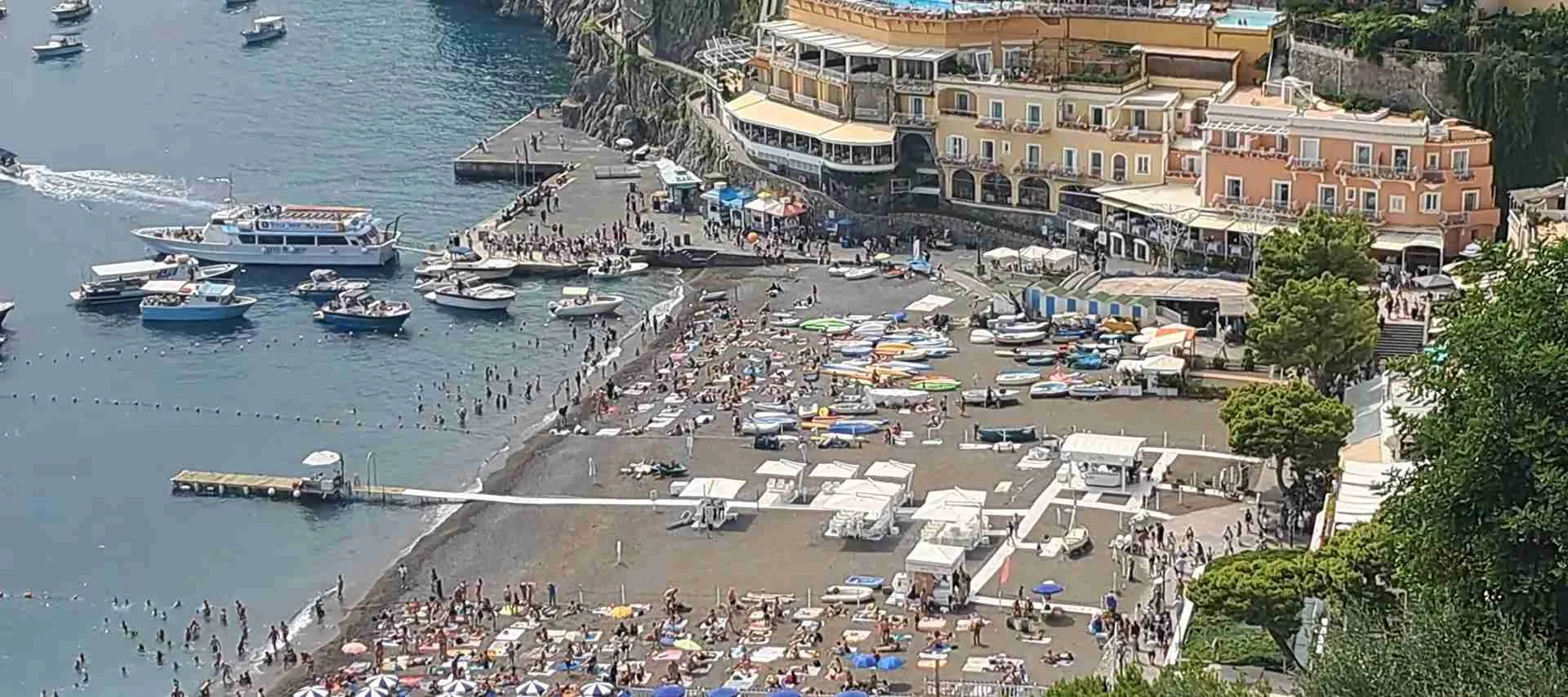
Positano occupies the Amalfi Coast’s western extreme, where vertical cliffs create dramatic vertical villages requiring fitness for the 300+ steps between beach and upper town. Positano ranks as the region’s most expensive and glamorous destination, where hotels charge €300-800+ nightly, restaurant meals average €40-80 per person, and designer boutiques line narrow staircase streets. The town attracts celebrities, luxury travelers, and Instagram photographers seeking iconic pastel-building imagery covering every postcard and travel magazine. Positano suits travelers prioritizing glamour and scenery over budget, comfortable navigating hundreds of stairs daily with luggage, and accepting that premium prices purchase limited space—beaches, restaurants, and shops operate at constant capacity during summer months.
Praiano occupies cliffs between Positano and Amalfi, offering Positano’s vertical drama at 30-40% lower costs with authentic fishing-village character. The town lacks Positano’s boutique shopping and international celebrity atmosphere but provides spectacular sunset views, excellent local restaurants, and accommodation ranging €120-350 nightly for quality unavailable under €300 in Positano. Praiano suits travelers wanting clifftop scenery without extreme prices, comfortable with limited beach access (one small beach, most hotels have pools), and preferring authentic atmosphere over glamorous resort character. The town’s steep topography requires fitness, though less extreme than Positano’s vertical geography.
Amalfi town serves as the region’s historical and transportation hub, where the 9th-century cathedral dominates the central piazza above the region’s largest ferry terminal and primary bus station. Amalfi balances central location providing easy access to all coastal destinations, historical significance with actual attractions beyond scenery, and accommodation prices (€150-400 nightly mid-range) below Positano but above eastern towns. The town offers walking-distance restaurants from budget pizzerias to fine dining, pedestrian-friendly layout requiring minimal stair-climbing, and proximity to both Ravello (20-minute bus) and tiny Atrani (5-minute walk). Amalfi suits first-time visitors prioritizing convenient transportation connections, travelers wanting historical context beyond beach culture, and those seeking balance between accessibility and authentic character.
Atrani sits literally 5 minutes walking from Amalfi via scenic coastal path, offering the Amalfi Coast’s most authentic village character where local life continues largely independent of tourism. The tiny town (population 900) features a genuine piazza where residents gather nightly, family-run restaurants serving locals rather than tourists, and accommodation (€100-250 nightly) providing excellent value. Atrani lacks beach clubs, designer boutiques, and tourist infrastructure—the small beach accommodates perhaps 100 people making summer capacity challenging. The town suits travelers prioritizing authenticity over amenities, comfortable with limited dining options (4-5 restaurants), and happy walking to Amalfi for transportation connections and wider restaurant selection.
Ravello occupies mountain ridges 350 meters above the coast, accessible only via 20-minute winding bus ride from Amalfi or Maiori. The hillside town offers the region’s most spectacular panoramic views, UNESCO-protected villa gardens (Villa Rufolo, Villa Cimbrone), classical music festivals, and refined atmosphere attracting upscale travelers since the 19th century. Ravello ranks second to Positano in accommodation costs (€200-600+ nightly), lacks beach access entirely, and requires bus dependency for all coastal connections. The town suits travelers prioritizing views and gardens over beaches, classical music enthusiasts attending summer festivals, and those comfortable with mountain setting removing direct coastal access.
Maiori and Minori anchor the eastern coastal zone with the region’s largest beaches (Maiori stretches 1 kilometer), flatter topography minimizing stair-climbing, and authentic local character where tourism supplements rather than dominates the economy. Accommodation costs 30-50% less than Positano or Ravello (€80-200 nightly mid-range), restaurants serve traditional Amalfi cuisine at local prices rather than tourist markups, and beaches provide genuine sand rather than Positano’s imported pebbles. These towns suit families needing beach space and flat terrain for strollers, budget travelers prioritizing value over glamour, and visitors seeking authentic Italian atmosphere without constant tourist overlay. Trade-offs include less dramatic vertical scenery, fewer upscale dining options, and image-consciousness that these towns lack Positano’s Instagram-worthy aesthetic.
Cetara and Vietri sul Mare complete the eastern extreme, maintaining working fishing-village character with morning fish markets, tuna and anchovy traditions, and ceramic production (Vietri). These towns offer the coast’s lowest accommodation prices (€70-180 nightly), excellent seafood restaurants at local prices, and proximity to Salerno’s train connections. They suit travelers comfortable with limited tourist infrastructure, seafood enthusiasts seeking authentic fishing culture, and those prioritizing budget over proximity to iconic Positano scenery.
Getting Around by SITA Bus 2026
SITA buses provide year-round transportation along the Amalfi Coast’s single coastal road (SS163), operating the only land-based public transit connecting all towns from Sorrento through Salerno. SITA bus single-ride tickets (Corsa Singola) cost €1.50-€6.80 depending on distance traveled in 2026. Check official SITA Sud website for current rates as pricing may adjust seasonally. Common routes include Sorrento to Amalfi €6.80 requiring 90 minutes, Salerno to Amalfi €3.40 for 75 minutes, Amalfi to Positano €2.50 for 45 minutes, and Amalfi to Ravello €1.50 for 20 minutes.
The COSTIERASITA 24-hour unlimited pass costs €10-12 in 2026, providing excellent value for travelers making 3+ bus journeys daily between coastal towns. The pass covers unlimited rides on SITA Sud buses between Agerola, Amalfi, Atrani, Cetara, Conca dei Marini, Furore, Maiori, Massa Lubrense, Meta di Sorrento, Minori, Positano, Piano di Sorrento, Praiano, Ravello, Salerno, Sant’Agnello, Scala, Sorrento, Tramonti, and Vietri sul Mare. Purchase the pass from tobacco shops (tabacchi), newsstands, or bars displaying SITA logos—tickets cannot be purchased aboard buses. Validate passes on first use by inserting into orange machines aboard buses.
Bus schedules vary significantly by season with most frequent service April-October and reduced schedules November-March. Summer schedules (June-September) operate buses every 30-60 minutes on major routes like Sorrento-Positano-Amalfi, while winter service reduces to every 90-120 minutes. Download current schedules from sitasudtrasporti.it before travel, noting that timetables distinguish between daily (G), working days Monday-Saturday (F), Sundays and holidays (H), school days (S), and non-school days (N). Check timetable legends carefully as route frequencies change dramatically between these categories.
Boarding strategy proves critical during summer months when buses fill to capacity. Board at route origin points (Sorrento train station, Amalfi piazza, Salerno) to secure seats, as buses departing full from terminal stops often cannot accommodate passengers at intermediate stops. Arrive 15-20 minutes before scheduled departure during peak season, particularly for morning departures (8-10 AM) and late afternoon returns (4-6 PM) when tourists and commuters compete for space. Buses departing Amalfi toward Positano at 9 AM frequently pass intermediate stops in Atrani, Praiano, and Furore without stopping due to capacity.
Luggage storage compartments accommodate suitcases and large backpacks—stow bags before boarding to avoid blocking aisles. Strollers and wheelchairs require folding for storage in luggage compartments as aisles cannot accommodate open equipment. Bus drivers announce major stops in Italian, though pronunciation varies—inform drivers of your destination when boarding to receive announcement reminders. GPS phone tracking helps identify approaching stops when unfamiliar with route geography.
Seat selection impacts experience significantly on the winding coastal road. Traveling Sorrento to Positano to Amalfi, sit right side for dramatic Mediterranean views. Traveling Amalfi to Positano to Sorrento, sit left side. Right-side seats on eastbound journeys (toward Salerno) provide coastal views, while left-side seats offer mountain and village perspectives. Front seats near driver minimize motion sickness on the road’s 1,000+ curves, though views prove limited. Back seats amplify curves’ effects—avoid if prone to motion sickness.
Summer traffic creates significant delays beyond scheduled times. Published 45-minute Amalfi-Positano journeys extend to 90-120 minutes during July-August peak hours (10 AM-6 PM) when the coastal road becomes gridlocked. Build buffer time for ferry connections, restaurant reservations, or scheduled activities—assume double the published travel time during summer peak hours. Early morning departures (before 9 AM) and evening journeys (after 7 PM) experience minimal delays.
Alternative bus strategies for beating crowds include taking buses in “wrong” directions—travel Amalfi to Salerno then loop back to Positano via complete coastal circuit, boarding at Salerno when buses are empty. This extends travel time but guarantees seats during peak season. Consider ferry alternatives for Positano-Amalfi-Maiori routes during April-October when boats avoid road traffic entirely.
Ferry Transportation Along the Amalfi Coast 2026
Ferry season runs April through October connecting Positano, Amalfi, Maiori, Minori, Salerno, and Sorrento at €9-25 per journey depending on route and operator. Ferries provide faster, more scenic, and often more comfortable alternatives to SITA buses during operating season, avoiding the coastal road’s traffic jams and hairpin curves while offering spectacular clifftop perspectives impossible from land. However, ferry service stops completely November-March and operates weather-dependent schedules even during season—wind, waves, or storms cancel services with minimal notice.
Popular coastal routes in 2026 include Amalfi-Positano (15-25 minutes, €9-10), Positano-Sorrento (30-40 minutes, €15-18), Amalfi-Salerno (35-45 minutes, €9-12), and Maiori-Amalfi (20 minutes, €8). Day trip routes to Capri depart Positano and Amalfi at €20-25 one-way requiring 40-60 minutes depending on sea conditions and vessel type. Multiple ferry companies operate coastal routes including Travelmar, Alicost, Lucibello, and Positano Jet, each publishing independent schedules and pricing—check company websites directly for current timetables as consolidator websites often show outdated information.
Ferry schedules concentrate service mid-morning through late afternoon (typically 9 AM-6 PM) with most frequent connections during July-August peak season. Early season (April-May) and late season (September-October) operate reduced schedules with fewer daily departures—verify current schedules before planning itineraries dependent on specific ferry times. Last ferries typically depart 5-7 PM depending on route and season, creating challenges for travelers attempting full-day excursions without overnight stays. Check return ferry schedules before departing to avoid being stranded in destinations without direct bus connections.
Advance booking becomes essential during July-August for popular routes, particularly Positano-Capri day trips that sell out days ahead. Purchase tickets online through company websites or at ferry terminal ticket offices—arrive 30 minutes before departure for ticket purchase during peak season when queues extend significantly. Many companies offer mobile tickets reducing ticket-office dependency, though some smaller operators maintain cash-only, in-person sales. Tickets purchased for specific departure times typically allow flexibility boarding earlier or later same-day sailings space-permitting.
Luggage surcharges apply on most ferry services at €2-3 per bag for suitcases or large backpacks exceeding carry-on dimensions. Small backpacks and handbags travel free, while wheeled suitcases, large hiking packs, or sports equipment incur fees. Inform ticket sellers of luggage when purchasing tickets to include surcharges—attempting to board with unpaid luggage creates delays and potential boarding denial.
Seating strategies maximize ferry experiences. Most coastal ferries offer outdoor deck seating and indoor cabin options—outdoor sections provide superior views and photography opportunities during favorable weather but expose passengers to sun, wind, and spray. Bring sun protection, light jackets for wind, and expect getting wet during choppy conditions. Indoor cabins offer air conditioning and protection but limited views through small windows. Arrive early for popular sailings to claim preferred outdoor seats, particularly bow sections providing forward views as boats approach destinations.
Motion sickness affects some passengers on smaller, faster ferries operating in choppy conditions. Larger car ferries prove more stable than hydrofoils, though slower requiring extended journey times. Sit near vessel centers rather than bow or stern to minimize motion, maintain horizon views rather than reading or phone use, and consider motion sickness medication before boarding if susceptible. Morning departures typically encounter calmer seas than afternoon sailings when thermal winds develop.
Ferry-bus combinations create efficient itineraries avoiding backtracking. Travel Amalfi to Positano via ferry (20 minutes) avoiding the winding bus journey (45-90 minutes depending on traffic), then return Positano to Amalfi via scenic bus ride experiencing the coastal road’s dramatic perspectives. Combine morning bus journeys when traffic remains light with afternoon ferry returns avoiding peak-hour gridlock. Ferry-bus combination tickets don’t exist—purchase separate tickets for each mode.
Driving on the Amalfi Coast 2026
Renting a car creates more problems than solutions for most Amalfi Coast visitors in 2026, though specific circumstances justify driving despite challenges. The narrow, winding SS163 coastal road features blind curves, aggressive local drivers navigating at speeds terrifying to visitors, tourist coaches monopolizing width on two-lane sections, summer traffic jams lasting hours, and virtually no parking in Positano, Amalfi, or Ravello with daily fees €15-35 where spaces exist.
Car rental costs begin €35-60 daily for compact vehicles through international companies (Hertz, Europcar, Sixt) at Naples or Salerno, though local agencies sometimes offer lower rates with more flexible policies. Request the smallest available vehicle—Fiat 500, Peugeot 208, or Toyota Yaris dimensions prove far superior to SUVs or sedans on roads designed for donkey carts. Automatic transmissions cost €10-20 daily supplements and reduce vehicle selection, though manual transmission driving on steep coastal grades with constant starts and stops challenges drivers unfamiliar with clutch control.
International Driving Permits (IDP) are technically required for non-EU drivers alongside valid home licenses, though enforcement varies. Obtain IDPs from automobile associations in home countries before departure—Italian rental agencies occasionally request them though many accept foreign licenses alone. Insurance requirements include mandatory liability coverage and strongly recommended collision damage waiver (CDW) reducing deductibles from €1,500-2,000 to €0-300 for accidents on challenging roads where minor scrapes prove common.
Parking represents the primary argument against driving, particularly in Positano where the two official car parks (Parcheggio Spiaggia Grande, Parcheggio Multipiano) charge €5-8 per hour, €30-50 daily, fill by 9 AM during summer, and require navigating narrow access roads with hairpin turns. Amalfi offers slightly better parking availability at Parcheggio Luna Rossa and Parcheggio Comunale (€3-5 hourly, €20-35 daily), though summer capacity issues remain significant. Ravello parking concentrates at Parcheggio Toro (€3 hourly, €15 daily) requiring steep uphill walks to town center. Smaller towns like Praiano, Atrani, and Maiori offer limited roadside spaces and small lots at €2-3 hourly, €10-20 daily.
Traffic patterns create predictable congestion windows. Avoid driving coastal road eastbound (Sorrento toward Salerno) 9 AM-1 PM and westbound (Salerno toward Sorrento) 4-8 PM during July-August when tourist and local traffic combines creating gridlock. Early morning departures (before 8 AM) encounter minimal traffic with the coastal road’s dramatic scenery visible rather than obscured by coach roofs inches from your windshield. Off-season driving (November-March) transforms the experience with light traffic, though winter storms create hazardous conditions and seasonal restaurant/attraction closures reduce destination appeal.
Driving rules require headlights activated always on SS163 regardless of daylight, honking before blind curves to alert oncoming traffic, yielding to uphill traffic on narrow sections, and never stopping on the roadway for photographs regardless of temptation. Police enforce speed limits (typically 40-50 km/h on coastal sections) with cameras and patrols, though locals routinely exceed limits. ZTL (Limited Traffic Zones) restrict vehicle access to historical centers in Amalfi, Positano, and other towns—rental cars risk €100-200 fines for unauthorized entry captured by camera systems.
Cars make sense for specific traveler profiles: off-season visitors (November-March) when traffic disappears and parking becomes available; experienced mountain-road drivers comfortable with challenging conditions; travelers with significant luggage or mobility limitations making bus/ferry combinations impractical; groups of 3-4 people where per-person car costs compete with public transport; visitors planning inland exploration of Ravello, Scala, Tramonti, or Agerola beyond regular bus routes. Single travelers, couples prioritizing relaxation over logistics, July-August visitors, and those staying primarily in Positano or Amalfi should skip rental cars entirely and rely on efficient SITA-ferry combinations.
Where to Stay on the Amalfi Coast 2026
Amalfi Coast accommodation in 2026 ranges from budget hostels at €45-85 nightly through mid-range hotels at €150-450 to luxury properties exceeding €600, with dramatic price variations between towns, seasons, and booking timing making strategic planning essential for budget management. The region ranks as Italy’s most expensive accommodation market, where equivalent quality costs 50-100% more than Rome or Florence, driven by limited supply, overwhelming demand, and spectacular cliff-side locations commanding premium pricing.
Budget accommodation (€45-120 per night) concentrates in less-famous towns like Maiori, Minori, Cetara, and Salerno, where family-run B&Bs, guesthouses, and small hotels serve travelers prioritizing economy over glamour. Properties in this category typically offer basic private rooms with ensuite bathrooms, breakfast, WiFi, and convenient bus stop proximity, though expect simple furnishings, limited English, no elevators (challenging with luggage on multiple floors), and minimal amenities like pools or gyms. Praiano and Atrani offer budget options (€80-150) with better coastal atmosphere than Salerno while maintaining prices well below Positano or Ravello.
Mid-range accommodation (€150-450 per night) dominates Amalfi town, Praiano, Maiori, and lower Positano, providing comfortable rooms with sea views, breakfast, air conditioning, WiFi, and often pools or terraces compensating for beach access limitations in vertical towns. Properties at this level typically feature recent renovations, English-speaking staff, elevator access (critical in multi-story cliffside buildings), and convenient locations near transportation and dining. Expect seasonal price variation with June-September rates 40-80% above April-May and October levels—€200 spring rooms become €350 summer, creating significant savings for shoulder-season visits.
Luxury accommodation (€450-1,500+ per night) concentrates in Positano and Ravello, featuring infinity pools overlooking Mediterranean vistas, Michelin-starred restaurants, spa facilities, and concierge services arranging private boats, exclusive experiences, and restaurant reservations at fully-booked establishments. Positano’s Le Sirenuse, Il San Pietro di Positano, and Belmond Hotel Caruso in Ravello represent iconic properties where nightly rates exceed many travelers’ weekly budgets but deliver unmatched locations, service, and amenities justifying costs for travelers valuing luxury experiences.
Booking timing dramatically impacts availability and pricing. Popular properties in Positano, Ravello, and Amalfi sell out 6-12 months ahead for July-August peak season, while shoulder seasons (April-June, September-October) book 3-6 months advance. Last-minute deals rarely materialize during summer when demand exceeds supply, though occasional cancellations create opportunities 1-2 weeks before arrival. Book directly with hotels when possible rather than aggregator sites—direct bookings often include flexible cancellation, breakfast, or room upgrades unavailable through third parties, and allow communication about specific room locations, views, or accessibility needs.
View considerations merit attention when paying premium prices for coastal accommodation. “Sea view” designations vary dramatically from panoramic 180-degree Mediterranean vistas to partial glimpses through neighboring buildings. Request specific room numbers or locations when booking, review hotel property maps showing room positions relative to views, and examine recent guest photos on booking sites showing actual perspectives from specific rooms. Corner rooms typically offer superior views and light, though may cost €30-80 daily supplements. Lower-floor rooms in multi-story properties often feature better views than upper floors in vertical towns where buildings stack downhill.
Stairs represent a critical factor frequently underestimated in accommodation selection. Positano properties advertise addresses as “town center” when actually requiring 200+ stair descent to reach from coastal road and equivalent climb returning, making multiple daily trips exhausting particularly in summer heat. Request detailed access information before booking, inquire about porter services (€10-20 per bag each direction) assisting with luggage transport, and consider properties offering shuttle services between road access and hotel entrances. Elevator availability proves essential for travelers with mobility limitations or those unwilling to navigate steep staircases multiple times daily.
Dining and Food Costs on the Amalfi Coast 2026
Restaurant dining on the Amalfi Coast ranges €15-35 per person casual trattorias and pizzerias, €30-60 mid-range restaurants, €50-100 upscale seafood establishments, and €100-200+ Michelin-starred fine dining, with mandatory coperto (cover charges) adding €1.50-3 per person and service (servizio) sometimes included or expected at 10-15% for excellent service. Understanding cost structures, dining schedules, and quality-price relationships helps maximize excellent Amalfi Coast cuisine without budget surprises.
Casual dining at family-run trattorias and pizzerias provides authentic Italian meals at reasonable costs. Expect €10-18 pasta dishes, €12-22 pizzas, €8-15 appetizers like fried seafood or caprese salad, and €15-25 secondi (main courses) featuring local fish or meat. Complete meals including appetizer, pasta or pizza, drink, and coperto total €20-35 per person. These establishments typically offer no-frills atmosphere with paper placemats and local clientele, serving traditional Amalfi recipes unchanged for generations. Look for restaurants away from main tourist thoroughfares where Italian families dine—indicators of quality and fair pricing.
Mid-range dining (€30-60 per person) dominates tourist areas in Positano, Amalfi, and Ravello, offering atmospheric settings with coastal views, English menus, and seafood specialties. Expect €18-28 pasta dishes, €25-45 seafood secondi, €10-18 appetizers, and €15-30 desserts. Three-course meals with wine total €40-70 per person including coperto and service. Quality varies dramatically at this level—some restaurants deliver exceptional cuisine justifying prices while others charge for views rather than food. Review recent guest feedback focusing on specific dish recommendations rather than generic praise, and observe customer composition (locals vs. tourists) indicating value perceptions.
Fine dining establishments including Michelin-starred restaurants charge €80-200+ per person for tasting menus showcasing creative interpretations of Campanian ingredients and traditions. Positano’s La Sponda (Le Sirenuse hotel), Ravello’s Rossellinis (Palazzo Avino), and Amalfi’s Glicine deliver world-class cuisine in spectacular settings justifying premium pricing for special occasions. Reserve these experiences 2-4 weeks ahead during summer season, request specific table locations for optimal views, and understand that tasting menus require 2-3 hour commitments unsuitable for rushed schedules.
Italian dining schedules operate on fixed timeframes requiring adaptation from travelers accustomed to all-day restaurant availability. Lunch service runs 12:30-2:30 PM with kitchens closing precisely at 2:30 PM—arriving at 2:15 PM typically results in turned-away patrons or rushed service. Dinner begins 7:30 PM with peak service 8:30-10 PM. Restaurants frequented by Italians start filling 8:30-9 PM, while tourist-oriented establishments serve continuously from 7 PM. Attempting dinner at 6 PM finds most quality restaurants closed, though hotel restaurants and tourist-area establishments accommodate early diners.
Coffee culture follows specific rituals impacting costs dramatically. Standing at the bar for espresso (€1.30-1.80) or cappuccino (€1.50-2.50) represents normal Italian practice with minimal expense. Sitting at tables triggers “servizio al tavolo” (table service) multiplying costs 2-4 times—the same cappuccino becomes €4-8 when consumed seated, particularly at prime locations with views. Order at bar, consume standing, pay at register before leaving for authentic local experience and significant savings. Table service makes sense for extended stays working, reading, or people-watching, accepting the premium as informal venue rental.
Beach club dining provides convenience but premium pricing—expect €18-30 sandwiches, €15-25 salads, €8-12 drinks at establishments where the €20-35 daily lounger rental purchases beach access rather than dining value. Bring snacks, fruit, and water bottles from supermarkets to beaches, supplementing with single beach club purchases rather than complete meals. Public beach sections prohibit outside food in theory but enforcement remains minimal.
Supermarket shopping creates significant savings for breakfast, snacks, and picnic supplies. Conad, Coop, and Sigma supermarkets in Amalfi, Maiori, and larger towns offer €3-5 sandwiches, €2-4 prepared salads, €1-3 fruit, €0.80-1.50 water bottles, and €3-8 wine. Breakfast supplies (yogurt €0.80-1.50, pastries €1.50-3, coffee for hotel room preparation €3-5 package) cost one-third restaurant prices. Apartment accommodations with kitchenettes enable simple meal preparation, though romantic Amalfi Coast appeal diminishes cooking rather than dining at seaside trattorias.
Wine pricing varies dramatically between casual and upscale establishments. House wines (vino della casa) cost €8-15 per liter carafe at trattorias—acceptable quality for casual meals. Mid-range restaurants charge €18-40 bottles for regional wines (Campanian whites like Falanghina, Greco di Tufo, or reds like Aglianico). Premium establishments price Campanian wines €40-100+ and famous Italian labels (Barolo, Brunello) €80-300. Request local recommendations over famous labels—Campanian wines offer exceptional quality-price ratios compared to Tuscan or Piedmontese equivalents commanding international premiums.
Limoncello, the region’s signature lemon liqueur, flows freely as complimentary digestivo (after-dinner drink) at most restaurants—accept graciously as cultural tradition. Purchase bottles (€8-25 depending on quality and bottle size) from local producers or supermarkets rather than tourist-shop marked-up versions. Sfusato lemons grown on coastal terraces create authentic limoncello unavailable elsewhere, making bottles excellent gifts or souvenirs.
Beach Access and Costs 2026
Amalfi Coast beaches divide into stabilimenti (private beach clubs charging daily fees for lounger and umbrella access) and spiagge libere (free public sections permitting personal towels and equipment). Understanding this system prevents arrival frustration when discovering that prime beach areas require €20-80 daily rental fees during summer season.
Beach club pricing ranges €20-35 per lounger daily in less-famous towns (Maiori, Minori, Cetara, Praiano) to €30-50 standard positions and €60-80 front-row premium spots in Positano and Amalfi during July-August peak season. Prices include lounger, umbrella, and access to club facilities (showers, changing rooms, sometimes pools). Two-lounger configurations for couples cost €40-70 standard, €80-160 premium front-row during peak season. June and September rates drop 20-30% from peak pricing, while April-May shoulder season offers occasional €15-25 daily rates.
Premium beach clubs in Positano like La Scogliera, Arienzo Beach Club, and Bagni d’Arienzo charge €50-80 per lounger, offering superior service, cuisine, and social atmosphere justifying costs for travelers valuing beach club culture as experience rather than mere beach access. These establishments provide restaurant service to loungers, cocktail bars, DJ entertainment, and networking opportunities with international visitors creating party atmosphere particularly weekends. Reserve premium clubs 2-7 days ahead during peak season as front-row positions book rapidly.
Free public beach sections exist in all coastal towns but occupy marginal positions (edges of beaches, areas with larger stones rather than sand, sections with limited shade) and become extremely crowded July-August when every square meter hosts multiple towels. Maiori and Minori offer the coast’s largest free beach sections given their extensive shorelines, while Positano and Amalfi provide minimal free access squeezed between private concessions. Arrive early (before 9 AM) to claim desirable free beach positions during summer, bringing beach umbrellas for shade as natural shade proves nonexistent on most beaches.
Beach amenities in free sections include basic public showers and toilets (often poorly maintained during peak season), though no lounger or umbrella rental, food service, or changing facilities. Bring beach equipment from home or purchase locally—beach umbrellas cost €15-30, beach mats €5-12, and inflatable pillows €3-8 at supermarkets and tourist shops. Consider whether purchased equipment justifies costs versus beach club rentals for multi-day stays.
Rocky beaches dominate the Amalfi Coast with imported sand or natural pebbles rather than soft sandy beaches common in other Mediterranean destinations. Water shoes (€8-15 locally) protect feet from sharp rocks and sea urchins when entering water, particularly at beaches in Praiano, Furore, and smaller coves. Children and elderly visitors find pebble beaches challenging—Maiori and Minori’s sandy sections provide superior family-friendly access.
Swimming conditions vary by location and season. Peak summer (July-August) delivers calm, warm water (24-26°C) ideal for extended swimming and snorkeling. June and September maintain comfortable temperatures (21-24°C) with occasional afternoon winds creating choppy conditions. April-May and October water temperatures (16-20°C) prove marginal for most swimmers, though hearty visitors enjoy early and late season swimming without crowds. Lifeguards operate only at major beach clubs—free beach swimming occurs at own risk without supervision.
Alternative beach access via boat creates opportunities for discovering hidden coves and grottoes inaccessible from land. Full-day boat charters (€500-1,200 for 6-8 passengers) provide complete flexibility exploring secluded swimming spots, though require group organization to justify costs. Shared mini-cruises (€80-150 per person) operate from Positano, Amalfi, and Maiori, combining swimming stops with coastal sightseeing and Capri excursions. These experiences deliver superior beach access and Amalfi Coast perspectives compared to fixed beach club days, particularly for travelers prioritizing variety over establishing territory on specific beaches.
Money-Saving Strategies for Amalfi Coast 2026
Strategic planning reduces Amalfi Coast costs 30-50% without sacrificing quality experiences. The region’s premium pricing reflects authentic supply-demand economics rather than tourist exploitation, but informed choices maximize value across accommodation, dining, transportation, and activities. Budget travelers spending €60-100 daily discover authentic Amalfi Coast character rivaling luxury visitors paying €400-800, provided expectations align with realities and flexibility replaces rigid plans.
Accommodation savings begin with town selection and booking timing. Choose Maiori, Minori, Praiano, or Atrani over Positano or Ravello, reducing nightly costs €100-300 for equivalent quality while maintaining excellent coastal atmosphere and transportation connections. Visit April-May or September-October rather than June-August, securing 25-40% lower accommodation rates with superior weather for hiking and fewer crowds. Book 3-6 months ahead for shoulder-season visits enabling selection among best-value properties rather than accepting remaining overpriced options. Consider Salerno as base for multi-day stays, utilizing frequent SITA buses (€3.40, 75 minutes to Amalfi) and ferries from coastal gateway with accommodation costs 40-60% below Amalfi Coast proper.
Transportation costs minimize through COSTIERASITA 24-hour unlimited passes (€10-12) rather than single-ride tickets for travelers making 3+ journeys daily. Single €6.80 Sorrento-Amalfi tickets become €10 unlimited daily access, providing enormous savings for active itineraries. Ferry costs, while higher than buses, save time and traffic frustration making per-journey evaluation worthwhile—compare €2.50 bus versus €9 ferry for Amalfi-Positano considering time savings (20 minutes ferry versus 45-120 minutes bus depending on traffic) and experience quality. Walk between nearby towns when feasible—Amalfi to Atrani (5 minutes), Maiori to Minori (15 minutes), and Praiano to Positano (45 minutes downhill) provide free transportation and scenic coastal perspectives.
Dining savings compound dramatically through simple strategies. Breakfast at accommodations rather than cafes saves €8-15 daily, picnic lunches from supermarkets cost €5-10 versus €20-40 restaurant meals, and happy hour aperitivo (6-8 PM) at bars provides free buffet snacks with drink purchase (€8-12) substituting for dinner. Drink coffee standing at bars (€1.30-1.80 espresso) rather than seated at tables (€3-8 same drink), order house wine (€8-15 liter carafes) over bottled selections, and seek restaurants away from prime tourist areas where prices drop 20-40% for equivalent food. Pizza and pasta cost €10-18 at neighborhood trattorias versus €18-28 at view restaurants serving identical regional recipes.
Beach costs minimize through free public sections and early arrival (before 9 AM) securing prime positions before beach clubs open. Bring beach equipment from home or purchase locally (umbrella €15-30, mat €5-12) rather than paying €20-80 daily beach club fees. Visit beaches in less-famous towns (Cetara, Vietri sul Mare, eastern Maiori) where free sections dominate and crowds remain minimal compared to Positano’s sardine-like July density. Consider that swimming occupies perhaps 2-4 hours daily—paying €40-80 beach club fees for brief beach visits proves poor value compared to utilizing that budget for excellent dinners or activities.
Activity costs reduce through free experiences rivaling paid alternatives. Hiking the Path of the Gods costs €0 versus €100-150 guided tours, cathedral visits cost €3 versus €130 boat tours, and sunset viewing from Ravello’s public gardens matches expensive rooftop bar perspectives. Climb stairs to upper Positano neighborhoods for Instagram-worthy views without restaurant drink minimums at clifftop terraces. Attend free concerts and cultural events particularly during summer—Ravello Festival offers free outdoor performances supplementing ticketed premium concerts.
Hidden cost elimination prevents budget surprises. Tourist taxes (€1.50-5 per person nightly) add 5-10% to total accommodation costs—factor when comparing properties. Coperto (cover charges) add €1.50-3 per person to restaurant bills—budget €5-10 extra per meal. Luggage porter services (€10-20 per bag) in Positano and Ravello create unexpected expenses—minimize baggage or self-carry. ATM fees compound through multiple small withdrawals—use bank-affiliated ATMs (Intesa Sanpaolo, Unicredit) avoiding Euronet machines charging 5-8% fees plus poor exchange rates, and withdraw larger amounts reducing transaction frequency.
Off-season visits (November-March) offer dramatic savings with accommodation 40-60% below summer pricing, though require accepting reduced services, weather uncertainty, and limited ferry access. Travelers comfortable with winter conditions discover authentic Amalfi Coast without tourist overlay, empty hiking trails, and €80-150 nightly accommodation costing €300-600 summer months. Many restaurants and hotels close entirely, SITA buses run reduced schedules, and ferry services stop completely—research specific property and service availability before committing to off-season visits.
Packing Essentials and What to Bring 2026
Amalfi Coast packing requires balancing lightweight travel for frequent stair-climbing with specific items addressing Mediterranean climate, coastal activities, and Italian cultural expectations. Vertical town geography makes luggage weight and manageability critical—every item carried repeats up and down hundreds of stairs daily in Positano or Ravello.
Footwear dominates packing importance given constant stair-climbing, uneven cobblestone streets, and potential hiking. Comfortable walking shoes with good grip prove essential—athletic shoes, supportive sandals with ankle straps (Tevas, Chacos), or lightweight hiking shoes serve daily town navigation. Broken-in footwear prevents blisters on steep inclines, while new shoes create painful problems within hours. Water shoes or beach sandals (€8-15 if purchasing locally) protect feet on rocky beaches. Dress shoes for upscale dining remain optional as smart-casual standards permit quality sneakers or leather sandals at most restaurants.
Clothing strategy emphasizes layering for variable temperatures and activity levels. April-May and September-October require light jackets or sweaters for cool mornings and evenings (15-20°C) plus shorts and t-shirts for warm afternoons (22-27°C). June-August demands lightweight, breathable clothing for heat (26-32°C) with single light layer for air-conditioned restaurants and ferry crossings. Modest clothing assists cathedral visits and respectful cultural navigation—cover shoulders and knees for religious site entry. Italians dress more formally than many tourists expect—avoid gym shorts, tank tops, and athletic wear outside beach and hiking contexts. Quick-dry fabrics enable washing items in hotel sinks and drying overnight, reducing luggage volume significantly.
Sun protection proves critical on exposed clifftops, ferries, and beaches where Mediterranean sun intensity surprises northern visitors. Sunscreen SPF 30+ requires application before breakfast and reapplication every 2 hours during beach or ferry days. Wide-brimmed hats protect faces and necks during midday exposure, while sunglasses prevent squinting through multi-hour coastal views. Rash guards or UV-protective swim shirts prevent burns during extended water activities particularly for children or fair-skinned adults.
Swimming and beach equipment includes swimsuits, beach towels (many hotels provide these), and waterproof phone cases for underwater photography. Snorkel gear enables exploring rocky coastline marine life, though rental (€8-12 daily) available at beach clubs for occasional use. Inflatable loungers or beach mats (€5-12 locally if purchasing) provide comfort on pebble beaches, though occupy significant luggage space—consider local purchase for multi-day beach plans.
Technical items support navigation and documentation. Unlocked smartphones with European SIM cards (€15-30 for 10-20GB data) or international roaming plans enable real-time SITA bus tracking, ferry schedule verification, restaurant reservations, and Google Maps navigation. Portable battery packs ensure phone power through photography-intensive days. Power adapters for European outlets (Type C/F) charge devices, while universal adapters accommodate multiple device types. Waterproof document pouches protect passports, tickets, and cash during ferry crossings and beach activities.
Medications and health supplies include prescription medications in original containers with documentation, motion sickness remedies for bus and ferry travel, pain relievers for stair-climbing muscle soreness, and basic first aid supplies. Italian pharmacies stock most items but communication challenges and unfamiliar brand names complicate urgent purchases. Reusable water bottles (1-2 liters) reduce plastic waste and costs as public fountains provide free potable water throughout coastal towns.
Luggage selection prioritizes maneuverability over capacity. Wheeled luggage proves impractical on cobblestone streets and stairs—backpacks or soft-sided bags with shoulder straps enable hands-free navigation and stair-climbing. Choose bags under 10kg packed weight enabling comfortable carrying through vertical towns. Daypack size (20-25 liters) handles beach gear, hiking supplies, and daily essentials without excessive bulk on crowded buses.
Items to skip: umbrella (seasonal rainfall patterns make these unnecessary April-October, though November-March require rain gear), excessive clothing changes (laundry services or sink-washing enable outfit recycling), hair dryers (hotels provide these), beach umbrellas (free beaches rarely offer shade making purchase necessary if avoiding beach club fees, but luggage space may not justify bringing from home), and large towels (beach towel purchase locally costs €10-20 if hotels don’t provide).
Communication and Connectivity 2026
WiFi availability covers most Amalfi Coast accommodations and restaurants, though signal quality and speed vary dramatically from fiber-optic connections in modern hotels to barely-functional DSL in family-run guesthouses. Coastal road transit, hiking trails, and beach locations often lack reliable coverage, making mobile data essential for real-time navigation, schedule checking, and communication. Italian cell coverage operates on European GSM networks requiring unlocked phones and European SIM cards or international roaming plans.
European SIM card purchases (€15-30 for 10-20GB data, unlimited Italy calls, and EU roaming) from TIM, Vodafone, or Wind Tre provide most cost-effective connectivity for multi-week visits. Purchase SIM cards at Naples or Rome airports upon arrival, at mobile company stores in Salerno or Sorrento, or tobacco shops (tabacchi) displaying carrier logos. Passport copies required for registration under Italian law—bring photocopies simplifying purchase process. Installation and activation receive store assistance, though language barriers sometimes complicate troubleshooting. SIM cards function Europe-wide under EU roaming regulations, maintaining utility before and after Amalfi Coast visits during wider Italy or European travel.
International roaming through home carriers costs €5-15 daily for unlimited data and calls, totaling €50-150 for 10-day visits versus €15-30 SIM card costs. However, roaming eliminates SIM card purchase logistics, maintains home phone numbers for banking and verification codes, and provides immediate connectivity upon arrival without configuration requirements. Travelers visiting Italy exclusively for 7-10 days often find roaming convenience worth premium costs, while extended visits (2+ weeks) justify SIM card economics and setup effort.
eSIM technology enables digital SIM card downloads avoiding physical cards entirely. Services like Airalo, Holafly, or Nomad offer Italy-specific plans (€10-25 for 5-15GB) downloadable directly to compatible smartphones (iPhone XS/newer, recent Samsung Galaxy, Google Pixel models). eSIM activation occurs via QR code scan before departure or upon arrival, maintaining home SIM in phone while adding Italian data plan. This proves ideal for dual-SIM capable phones enabling simultaneous home number calls and local data usage.
Free WiFi at accommodations, restaurants, and cafes provides basic connectivity though security concerns recommend VPN usage on public networks. Hotel WiFi quality varies dramatically—request room WiFi speed information when booking if connectivity proves essential for remote work. Many accommodations advertise “WiFi” while providing barely-functional 2Mbps DSL insufficient for video calls or significant uploads. Restaurants and cafes offer free WiFi though may require purchases or password requests from staff.
Public WiFi hotspots exist in major town centers (Amalfi piazza, Positano Spiaggia Grande) though speeds and reliability prove inconsistent. These suit quick email checks or map downloads but fail for sustained work or entertainment. Coverage doesn’t extend to coastal road, hiking trails, or beach locations requiring mobile data for navigation and communication in these settings.
Phone calls to Italian numbers require understanding formats. Italian mobile numbers begin +39 3xx xxx xxxx, while landlines begin +39 0xx xxxx xxxx. When calling from Italian SIM cards or landlines, drop the +39 prefix and dial 0xx or 3xx directly. International calls home require researching specific carrier rates—many European SIM cards include free/cheap calls within EU but charge €0.50-2.00 per minute for US/Canada/Australia calls. WhatsApp, Skype, or FaceTime over WiFi/data provide free international alternatives.
Language apps assist basic Italian communication—Google Translate offline downloads enable functionality without data coverage. Download Italian language pack before departure as rural areas may lack cellular coverage for real-time translation. Basic Italian phrases (buongiorno, grazie, per favore, quanto costa) receive warm reception and improved service compared to English-only approaches. Many Amalfi Coast tourism workers speak functional English, though family-run establishments in smaller towns operate Italian-only creating communication challenges without preparation.
Emergency numbers include 112 (European emergency number connecting police, medical, fire—English operators available), 113 (Italian police), 118 (medical emergency), and 115 (fire department). Program these before arrival along with hotel contacts, embassy numbers, and travel insurance emergency lines. US citizens register with STEP (Smart Traveler Enrollment Program) receiving security updates and emergency assistance from nearest consulate.
Health, Safety, and Medical Considerations 2026
The Amalfi Coast ranks among Italy’s safest destinations with violent crime virtually nonexistent and petty theft concentrated in crowded ferry terminals, packed SITA buses, and popular tourist sites during summer season. Standard urban precautions—securing valuables in hotel safes, maintaining awareness in crowds, wearing cross-body bags rather than backpacks in transit—prevent most issues. Pickpocketing targets inattentive tourists photographing views or boarding crowded buses, though remains far less prevalent than Rome, Florence, or Naples where professional theft rings operate systematically.
Medical facilities exist in all major towns with pharmacies (farmacie) providing professional consultation, over-the-counter medications, and prescription filling. Italian pharmacists receive extensive training enabling diagnosis and treatment recommendations for minor ailments—describe symptoms in English or use translation apps and receive medication suggestions often more sophisticated than simple drugstore purchases in many countries. Pharmacies operate rotating emergency schedules (turno) ensuring 24-hour access in larger towns—check pharmacy windows displaying current turno information.
Hospitals and emergency medical services in Amalfi Coast include Ospedale Costa d’Amalfi in Castiglione di Ravello serving the central coast, Ospedale Ruggi d’Aragona in Salerno providing comprehensive emergency and specialist care, and smaller health centers (presidi sanitari) in major towns handling minor injuries and illnesses. European Health Insurance Card (EHIC) holders from EU countries receive treatment under reciprocal agreements, while non-EU visitors require travel insurance covering medical expenses. Emergency room visits without insurance cost €100-300 for minor treatment, though serious conditions generate bills exceeding €1,000-5,000 making travel insurance essential.
Common health issues include heat exhaustion during summer months when temperatures exceed 30°C combined with constant stair-climbing creating dangerous exertion levels. Drink 2-3 liters water daily during hot weather, rest frequently in shade, and recognize heat exhaustion symptoms (dizziness, nausea, excessive fatigue). Dehydration occurs quickly in dry Mediterranean climate—carry refillable water bottles using free public fountains throughout towns. Motion sickness affects passengers on winding SITA bus routes and choppy ferry crossings—medication (Dramamine, scopolamine patches) taken 30-60 minutes before travel prevents symptoms.
Stair-related injuries create most tourist medical visits as hundreds of daily stair climbs in vertical towns strain knees, ankles, and cardiovascular systems unprepared for sustained effort. Build endurance gradually rather than attempting ambitious itineraries immediately upon arrival. Use handrails on steep sections, descend stairs slowly to reduce knee strain, and recognize that downhill walking stresses joints more than uphill climbs. Comfortable, well-fitting shoes with good ankle support prevent twisted ankles on uneven cobblestone surfaces.
Sun exposure creates severe burns on fair-skinned visitors underestimating Mediterranean intensity. Apply sunscreen before breakfast, reapply every 2 hours during outdoor activities, seek shade during 12-3 PM peak intensity, and cover shoulders, legs, and faces with clothing or hats. Beach umbrellas at stabilimenti provide essential midday shade, though free beach sections often lack coverage requiring purchased umbrellas or risk dangerous exposure.
Food and water safety concerns prove minimal as Italy maintains high sanitation standards. Tap water throughout the Amalfi Coast meets EU quality standards and flows safely drinkable, though some travelers prefer bottled water for taste preferences. Seafood restaurants in coastal towns serve fresh catches daily—trust establishments displaying catches and prices at entrance rather than questionable inland restaurants offering suspiciously discounted seafood. Food poisoning remains rare, though rich Campanian cuisine creates digestive discomfort for visitors unaccustomed to olive oil-heavy preparations.
Swimming hazards include rocky shore entries with sharp stones and sea urchins—water shoes protect feet when entering water. Currents remain minimal in protected coves though increase during afternoon thermal winds and weather fronts. Lifeguards operate only at major beach clubs, with free beaches unsupervised requiring appropriate caution. Jellyfish appear periodically particularly late summer though don’t create systematic problems—Portuguese man-of-war occasionally wash ashore creating painful stings requiring medical attention.
Hiking safety on coastal trails requires proper footwear, adequate water (minimum 1 liter per person per 2 hours hiking), sun protection, and realistic fitness assessment. The Path of the Gods presents no technical challenges but demands sustained cardiovascular effort and sure footing on uneven surfaces with exposed clifftop sections unprotected by railings. Most trail injuries result from attempting routes beyond fitness levels or inadequate footwear causing slips. Check weather forecasts before hiking as rain creates slippery conditions on stone surfaces.
Travel insurance covering medical expenses, emergency evacuation, trip cancellation, and baggage loss proves essential for Amalfi Coast visits. EU residents hold EHIC cards providing emergency coverage though travel insurance adds repatriation, trip interruption, and belongings protection. Non-EU visitors require comprehensive coverage as medical expenses without insurance create significant financial exposure. Policies cost €40-150 for typical 1-2 week trips providing €100,000+ medical coverage and €2,000-5,000 trip cancellation protection.
Cultural Etiquette and Local Customs 2026
Italian cultural norms differ from Anglo-American tourist cultures in ways creating confusion or offense without awareness. Understanding meal timing, dress codes, interaction patterns, and social expectations transforms experiences from awkward misunderstandings to smooth cultural navigation earning local respect and better service. The Amalfi Coast welcomes millions of tourists annually yet maintains authentic Italian character in less-famous villages where cultural sensitivity determines reception quality.
Meal timing follows strict Italian schedules creating frustration for visitors attempting lunch at 3 PM or dinner at 6 PM. Restaurant kitchens open 12:30-2:30 PM for lunch and 7:30-10:30 PM for dinner, closing precisely at stated times. Arriving 2:15 PM for lunch or 10:15 PM for dinner typically results in turned-away patrons or rushed service clearing for closing. Italians eat late by American standards with lunch peak 1-2 PM and dinner peak 8:30-9:30 PM—adapt schedules experiencing restaurants at optimal times with freshest food and best service rather than fighting cultural norms.
Dress codes maintain standards where Americans accept casual clothing. Italians dress more formally for dining, sightseeing, and public spaces—gym shorts, tank tops, flip-flops, and athletic wear remain confined to beaches and hiking trails. Cover shoulders and knees for cathedral visits as religious sites enforce modest dress requirements turning away inappropriately dressed visitors. Quality casual clothing (nice shorts or pants, polo shirts or blouses, supportive sandals or shoes) satisfies most situations including mid-range restaurants. Designer-conscious Italians notice clothing quality and coordination, though tourists receive leniency unavailable to locals violating dress norms.
Greetings and social interaction follow formal protocols. Address strangers as Signore/Signora rather than first names until invited otherwise. Enter shops, restaurants, or businesses saying “Buongiorno” (morning/early afternoon) or “Buonasera” (late afternoon/evening), with departures acknowledged “Grazie, buongiorno/buonasera, arrivederci.” This basic courtesy establishes respect receiving warmer service than English-only “hello.” Physical contact exceeds American comfort zones—handshakes, shoulder touches, and cheek kisses (among women or close acquaintances) represent normal interaction though maintain personal space with strangers.
Restaurant service operates differently from American experiences. Water rarely arrives automatically—request “acqua naturale” (still) or “acqua frizzante” (sparkling), typically charged €2-4 for bottles rather than free tap water. Bread appears unbidden charged as coperto (cover charge) €1.50-3 per person whether consumed or not. Service staff don’t hover constantly—flag servers when needing attention rather than expecting frequent check-ins. Bills arrive only when requested “Il conto, per favore,” never proactively as rushing diners violates Italian meal philosophy. Service (servizio) sometimes appears on bills at 10-15%, otherwise tipping remains optional though appreciated at 5-10% for excellent service. Italians rarely tip beyond rounding bills, though tourists following home-country norms create no offense.
Beach etiquette varies from Northern European topless-optional norms. Topless sunbathing exists but remains uncommon particularly at family-oriented beaches—assess atmosphere before undressing as conservative areas (especially near Amalfi with religious character) frown upon toplessness. Changing under towels or using beach club changing rooms maintains modesty rather than public clothing changes. Smoking restrictions apply to some beaches—observe signage and fellow beachgoers’ behavior.
Photography of people requires awareness and courtesy. Photograph landscapes and architecture freely, though requesting permission before photographing individuals (especially locals) demonstrates respect. Restaurant interiors sometimes prohibit photography protecting chef techniques or ambiance—ask permission before photographing food or settings in upscale establishments. The Amalfi Coast’s photogenic character tempts constant photography, though balancing documentation with present-moment experience prevents reducing visits to viewfinder perspectives.
Queue culture proves less rigid than British or American norms. Informal line management at bus stops, ferry terminals, and bakeries requires attention and assertiveness without aggression. Italians fill gaps in queues rather than maintaining precise order—occupy your space without allowing excessive cutting, though rigid enforcement of American-style queuing creates friction. Tourist attractions maintain formal ticket lines, though local shops and cafes operate more fluidly.
Siesta timing (approximately 1-4 PM) closes many small shops, businesses, and even some restaurants as owners take midday breaks escaping summer heat. Plan shopping and errands for morning hours (9 AM-1 PM) or late afternoon (4-7 PM) avoiding frustration finding closed establishments during siesta hours. Major supermarkets and tourist-oriented businesses maintain continuous hours though traditional shops respect siesta culture.
Church visit etiquette requires covered shoulders and knees, removed hats, silenced phones, and respectful quiet. Many churches prohibit photography or charge modest fees (€1-2) for permission—observe posted rules rather than assuming photograph rights. Active worship takes precedence over tourism—avoid visiting during Mass unless participating in services. Modest donation (€0.50-2) when visiting free churches supports maintenance, though not mandatory.
Day Trip Destinations from the Amalfi Coast 2026
The Amalfi Coast’s central position along Campania’s coastline enables day trips to Naples, Pompeii, Herculaneum, Capri, Sorrento, and Salerno, expanding experiences beyond coastal villages without changing accommodation. Ferry connections, train services from Salerno, and organized tours facilitate these excursions though require early starts and schedule coordination preventing spontaneous exploration during high season when transportation capacity constraints create booking requirements.
Capri represents the most popular day trip destination, accessible via ferry from Positano (40 minutes, €20 one-way), Amalfi (45-60 minutes, €20-25), or Salerno (60-80 minutes, €22-28). The glamorous island offers the famous Blue Grotto sea cave (€18 entrance plus €15 rowboat transfer), chairlift to Monte Solaro summit (€12 round-trip), upscale shopping in Capri town, and Augustus Gardens overlooking Faraglioni rock formations. Reserve ferry tickets 2-7 days ahead during July-August when popular morning departures sell out, with last returns typically 6-7 PM creating tight schedules for comprehensive island exploration. Budget €80-150 per person for Capri day trips including ferry transport, island buses (€2 per ride), Blue Grotto if visiting, and meals. Organized tours (€100-180 per person) from Positano or Amalfi include ferry transport, island bus tours, and Blue Grotto entrance simplifying logistics for travelers preferring structured experiences.
Pompeii and Herculaneum ancient Roman cities buried by Mount Vesuvius eruption in 79 AD provide extraordinary archaeological experiences 45-90 minutes from Amalfi Coast via train connections from Salerno. Travel Salerno to Pompeii requires 30-minute train to Naples (€4-8) then Circumvesuviana train to Pompeii Scavi station (€3.20, 40 minutes), with Herculaneum accessible via same route exiting at Ercolano station (€2.80, 20 minutes from Naples). Pompeii entrance costs €18 with audio guides €8 supplementing 2-3 hour self-guided exploration, though private guides (€120-180 for 2-hour tours, 1-10 people) provide historical context transforming ruins from interesting to comprehensible. Herculaneum entrance costs €13 offering better preservation than Pompeii in more compact site requiring 1-2 hours. Combined day trips visiting both sites prove ambitious though feasible departing early (7-8 AM) and returning late afternoon. Budget €40-60 per person for independent Pompeii day trips including trains, entrance, audio guide, and meals.
Naples offers art museums, pizza birthplace dining, and chaotic urban energy contrasting sharply with Amalfi Coast’s resort atmosphere. Trains from Salerno reach Naples (€8-15, 45-75 minutes depending on service) providing access to National Archaeological Museum housing Pompeii mosaics and artifacts (€18 entrance), pizza pilgrimage to historic pizzerias like Da Michele (€5-12 pizzas), and Spaccanapoli historic center walking. Naples requires street awareness given pickpocketing prevalence far exceeding sleepy coastal towns—secure valuables, avoid displaying expensive cameras or phones, and maintain heightened attention in crowded areas particularly near train stations. Day trips suit travelers comfortable with urban Italy and interested in cultural depth beyond coastal scenery, though Naples’ intensity overwhelms visitors seeking only relaxation.
Paestum Greek temples located 45 minutes south of Salerno via train (€4-6, 30 minutes) preserve three magnificent Doric temples (€12 entrance) from 6th-5th century BC in pastoral setting lacking tourist crowds plaguing more famous archaeological sites. The UNESCO World Heritage Site combines temple ruins, Greek city remains, and excellent museum displaying tomb paintings and artifacts in 2-3 hour visits easily completed as half-day excursions from Salerno or eastern Amalfi Coast towns. Buffalo mozzarella farms surrounding Paestum offer tastings and purchases of authentic mozzarella di bufala produced locally—combine archaeological visits with culinary experiences for comprehensive day trips.
Sorrento serves as western coastal gateway offering cliff-edge promenades, limoncello production tours, and access to mainland hiking trails beyond Amalfi Coast proper. SITA buses connect Positano to Sorrento (€6.80, 45-90 minutes depending on traffic) for day trips exploring the larger town’s shopping streets, Villa Comunale gardens, and Piazza Tasso central square. Sorrento suits travelers desiring urban amenities (department stores, international brand shopping, numerous restaurant options) unavailable in smaller Amalfi Coast villages, though lacks the vertical drama and UNESCO-protected character defining coastal destinations. Consider Sorrento day trips from Positano when seeking variety rather than as highlight experiences.
Salerno anchors the Amalfi Coast’s eastern boundary providing authentic city experience, long waterfront promenade, and train connections enabling wider Campania exploration. Ferry services from Amalfi and Maiori reach Salerno (35-45 minutes, €9-12) where the historic center features Cathedral of Salerno (free entrance), gardens of Minerva botanical garden (€3), and pedestrian shopping streets. Salerno serves primarily as transportation hub rather than destination, though offers pleasant half-day explorations for travelers interested in non-tourist Italian city life and requiring Salerno’s train connections for Pompeii, Naples, or Rome day trips.
Photography Tips for Capturing the Amalfi Coast 2026
The Amalfi Coast’s vertical villages, pastel buildings, turquoise waters, and dramatic cliffs create irresistible photography subjects though technical challenges including harsh Mediterranean sun, extreme brightness ranges, and constant crowds require strategy for professional-quality results. Understanding optimal timing, locations, equipment needs, and composition techniques transforms casual snapshots into compelling images capturing the coast’s unique beauty.
Golden hour timing (first hour after sunrise, final hour before sunset) provides soft, directional light impossible during harsh midday conditions. Wake early for 6-7 AM photography when streets empty, restaurants prepare outdoor seating, and warm light paints pastel buildings in glowing tones. Morning light on east-facing Positano creates magical illumination from Amalfi-bound boats or beach perspectives. Evening golden hour (6:30-7:30 PM May-September) lights west-facing towns like Praiano from coastal viewpoints, though crowds peak this timing requiring early position claiming. Midday harsh light creates blown highlights and deep shadows unsuitable for architectural or scenic photography—utilize these hours for lunch, beach time, or indoor attractions.
Viewpoint locations provide dramatic perspectives unavailable from town-level positions. Positano’s upper neighborhoods accessed via Viale Pasitea road offer elevated views capturing vertical village cascade toward Marina Grande beach—walk uphill from main church finding quieter streets with classic viewpoints. Ravello’s Villa Cimbrone Terrace of Infinity (€7 entrance) delivers arguably the Amalfi Coast’s most spectacular panorama overlooking coastline from 400-meter elevation. Atrani to Ravello stairs climb through lemon groves providing unique perspectives on Atrani’s tiny village cluster. Ferry departures from Positano, Amalfi, or Maiori offer moving viewpoints capturing towns from sea level impossible via land access.
Path of the Gods hiking trail between Praiano and Positano provides continuously changing clifftop perspectives combining vertical coastal drama with terraced lemon groves and distant Capri views. Early morning hikes (start 7-8 AM) avoid crowds and harsh light while capturing atmospheric conditions often obscured by midday heat haze. The trail’s Nocelle section overlooks Positano from ideal angles for wide-angle compositions combining foreground vegetation with middle-ground villages and background coastline.
Equipment recommendations balance capability with portability given constant stair-climbing and bus/ferry travel. Full-frame mirrorless cameras with 24-70mm and 70-200mm zoom lenses cover most situations though weigh significantly restricting mobility. Compact cameras or recent smartphones (iPhone 14/15 Pro, Samsung S23/24 Ultra) produce excellent results with minimal weight, particularly for social media posting and casual photography. Tripods enable long-exposure water smoothing and golden-hour light optimization though prove cumbersome on crowded streets and buses—consider lightweight travel tripods (under 1kg) or flexible mini-tripods attachable to railings.
Composition strategies combat challenging brightness ranges between bright buildings and deep shadow alleys. Expose for highlights accepting shadow detail loss, or create HDR brackets combining multiple exposures in post-processing. Polarizing filters reduce Mediterranean glare and enhance sky saturation though require manual filter rotation unavailable on smartphones. Include foreground elements (flowers, archways, stairs) creating depth in two-dimensional images of distant villages. Capture human scale using people in scenes conveying vertical geography’s dramatic magnitude.
Drone photography transforms Amalfi Coast perspectives revealing patterns invisible from ground level—terraced hillsides, coastal curves, village layouts. However, Italian drone regulations require registration for drones over 250g, flight restrictions over crowds and populated areas, and altitude limits preventing dramatic elevated perspectives. Amalfi Coast’s crowded summer conditions and vertical topography create limited legal flight opportunities—research specific location regulations before attempting drone photography risking fines or equipment confiscation. Consider hiring local drone operators with required permissions for professional aerial footage.
Instagram-worthy shots cluster around Positano’s colorful building cascade, Ravello’s Terrace of Infinity, Amalfi Cathedral stairs, Praiano sunset from coastal road viewpoints, and Atrani’s tiny harbor. These locations attract photographers creating crowd-management challenges—arrive early morning for empty scenes or embrace crowds as compositional elements documenting tourist atmosphere. Avoid damaging private property or disrupting local life for photographs—respect resident privacy, don’t enter private gardens uninvited, and photograph people with awareness and courtesy.
Weather conditions dramatically impact photography opportunities. Overcast days reduce harsh contrast enabling better building detail capture though eliminate dramatic skies. Passing storms create spectacular cloud formations and dramatic light though require weather-resistant equipment and quick reflexes capturing fleeting conditions. Summer heat haze reduces distant clarity—consider mornings, evenings, or cooler seasons for sharp horizon photography.
Seasonal Events and Festivals 2026
The Amalfi Coast’s cultural calendar features religious celebrations, music festivals, and gastronomic events providing authentic cultural immersion beyond standard tourist experiences. Understanding festival timing enables participation in centuries-old traditions revealing Italian character and community bonds rarely visible during casual visits. However, major events create accommodation scarcity and price premiums requiring advance planning for festival-timed visits.
Easter celebrations (March 27-April 1, 2026) transform coastal towns with processions, special masses, and traditional foods. Amalfi’s Good Friday procession features hooded penitents carrying religious statues through candlelit streets dating from medieval traditions. Maiori and Minori host elaborate Easter Monday (Pasquetta) picnics as Italians claim beaches for family gatherings marking winter’s official end. Easter week accommodation costs 30-50% above normal shoulder-season rates with advanced booking essential as Italians take extended Easter holidays.
Ravello Festival (June through September) presents classical music concerts, dance performances, and opera in spectacular settings including Villa Rufolo’s clifftop gardens overlooking the coastline. Wagner, who composed Parsifal at Ravello, inspires the festival’s classical focus with performances ranging from chamber music to full orchestras. Premium tickets cost €50-150 for signature concerts featuring international artists, while free or low-cost performances (€10-25) provide accessible entry points. Festival dates typically span late June through early September—check official Ravello Festival website for 2026 programming and ticket availability.
Feast of Sant’Andrea (June 27 and November 30) celebrates Amalfi’s patron saint with processions, fireworks, and special masses at the cathedral. The June celebration marks the saint’s feast day with evening processions carrying his statue from cathedral to harbor, traditional foods served at restaurants, and community gatherings extending late into evening. This provides authentic local celebration largely unaffected by tourism though welcomes respectful visitor participation.
Positano Music Festival (August-September) features chamber music concerts in Chiesa Nuova above the town, combining musical performances with dramatic coastal sunset views. Free or donation-based concerts provide cultural depth supplementing beach-focused summer visits, though specific 2026 dates require verification as programming varies annually.
Regatta of the Ancient Maritime Republics rotates annually among Venice, Pisa, Amalfi, and Genoa celebrating historical maritime powers. When hosted at Amalfi (next Amalfi hosting likely 2027 as rotation typically runs 2023 Pisa, 2024 Venice, 2025 Genoa, 2026 Amalfi, though verify current schedule), the spectacular rowing competition and medieval pageantry attracts massive crowds requiring accommodation booking 6-12 months ahead and creating transportation challenges as coastal road becomes parking lot.
Festa della Madonna della Neve (August 5, Positano) celebrates the town’s patron saint with processions, street festivities, and fireworks over Marina Grande beach. Local families fill restaurants and piazzas for traditional celebrations providing visitors window into authentic community culture though creating restaurant booking challenges and accommodation premium pricing.
Lemon festivals throughout summer months celebrate the Amalfi Coast’s signature sfusato lemons with tastings, limoncello demonstrations, and traditional lemon-based dishes. Towns hosting lemon celebrations include Minori’s Gusta Minori food festival (September) featuring lemon desserts and local cuisine, and various sagre (town festivals) throughout May-September incorporating lemon themes. These provide casual community gatherings with affordable food, local wine, and authentic atmosphere welcoming visitors into Italian social traditions.
Hidden Costs and Budget Planning Surprises 2026
Tourist taxes (tassa di soggiorno) add €1.50-5 per person per night to accommodation costs, varying by town and hotel classification. Positano charges €2-5 per person nightly depending on hotel stars, Amalfi €1.50-3, and smaller towns €1.50-2.50. These taxes appear on hotel bills at checkout rather than included in booking prices, adding 5-15% to total accommodation expenses for budget travelers. Calculate tax costs when comparing properties as 7-night stays generate €10.50-35 per person additional charges beyond quoted room rates.
Coperto (cover charges) at restaurants add €1.50-3 per person to meal bills regardless of consumption, covering bread service, table linens, and general service overhead. Tourists often mistake coperto for service charges attempting to tip additionally, though coperto represents separate basket/place-setting fee. Budget €2-5 per person per meal for coperto across all dining experiences from pizzerias through upscale restaurants. Some establishments waive coperto at lunch or for takeaway orders—inquire when ordering to clarify charges.
Luggage porter services in vertical towns like Positano and Ravello charge €10-20 per bag each direction for transporting suitcases between coastal road and hotels located hundreds of steps uphill or downhill. Properties advertising “town center” locations sometimes sit 200+ stairs from road access making self-carrying exhausting particularly in summer heat. Confirm exact hotel access requirements when booking, inquire about included porter service, and budget €40-80 per couple per stay for baggage handling in steepest locations. Some hotels include porter fees while others charge additionally—clarify before arrival to avoid surprise expenses.
Beach club lounger rentals cost €20-35 per chair in budget towns (Maiori, Praiano), €30-50 standard positions in Amalfi and Positano, and €60-80 premium front-row spots, with umbrella rentals sometimes separate (€10-15) rather than included. Daily beach club costs compound quickly—€40-80 daily expenses for two loungers across week-long stays total €280-560 exceeding many travelers’ entire weekly accommodation budgets. Consider free beach sections, bringing beach equipment, or limiting beach club days to special occasions rather than defaulting to daily lounger rentals.
Ferry luggage surcharges add €2-3 per bag for suitcases on most coastal routes, doubling costs for couples transporting luggage versus traveling light with daypacks. Round-trip Amalfi-Positano ferry costs €18-20 per person without luggage, €22-26 with two bags—seemingly minor but compounds across multiple ferry journeys. Minimize checked baggage or consolidate into single bags when possible to reduce surcharges.
Parking fees in coastal towns range €3-5 hourly, €15-35 daily, at official lots frequently filling by 9 AM during summer season. Positano charges highest rates (€5-8 hourly, €30-50 daily) while smaller towns offer €2-3 hourly, €10-20 daily rates. Free roadside parking barely exists and risks tickets (€40-100) for violations including yellow-line zones, resident-only areas, or time-limit violations. Budget €70-245 weekly for parking costs if driving rather than assuming free or minimal parking availability.
Museum and attraction entrance fees add €3-18 per site with Amalfi Cathedral Cloister of Paradise €3, Ravello Villa Rufolo €7, Villa Cimbrone €7, Pompeii €18, and Herculaneum €13. Active sightseers visiting multiple paid attractions daily generate €10-40 daily entrance costs across week-long stays—budget €50-150 per person for entrance fees when planning cultural-focused itineraries.
ATM fees compound through multiple small withdrawals—Euronet machines scattered through tourist areas charge 5-8% fees plus poor exchange rates converting €100 withdrawals into €92-95 actual dispensed cash. Use bank-affiliated ATMs (Intesa Sanpaolo, Unicredit, BNL) avoiding Euronet, withdraw larger amounts (€200-300) reducing transaction frequency, and notify home banks before travel preventing card blocks from fraud detection systems treating Italian transactions as suspicious activity.
Frequently Asked Questions About Amalfi Coast Travel 2026
How many days do I need for the Amalfi Coast in 2026?
Three days minimum allows visiting Positano, Amalfi, and Ravello with one beach day, experiencing highlights without rushed schedules. Five to seven days enables deeper exploration including lesser-known towns (Praiano, Atrani, Cetara), multiple hikes, cooking classes, day trips to Capri or Pompeii, and relaxed beach days without schedule pressure. Two-day weekend visitors experience iconic views but miss the coast’s relaxed Mediterranean rhythm and authentic character emerging through extended stays. Budget travelers maximize value with 5-7 day visits justifying expensive accommodation investments, while luxury travelers on tight schedules accomplish satisfying 3-4 day samplings concentrating on Positano and Ravello highlights.
Do I need to speak Italian to visit the Amalfi Coast in 2026?
English functionality exists throughout tourist infrastructure including hotels, restaurants in major towns, ferry terminals, and tour operators, though Italian knowledge enhances experiences and proves essential in smaller villages or family-run establishments. Basic Italian phrases (buongiorno, grazie, per favore, quanto costa, il conto) receive warm reception and improved service compared to English-only approaches. Download Google Translate offline Italian language pack before departure enabling functionality without data coverage in areas with limited cellular service. Many Italians speak functional English though appreciate attempts at Italian communication however basic, with effort demonstrating respect for local culture rather than assuming English service as entitlement.
Is the Amalfi Coast safe for solo female travelers in 2026?
The Amalfi Coast ranks among Italy’s safest destinations for solo female travelers, with low violent crime rates, well-populated tourist areas providing safety through numbers, and strong local police presence during summer season. Women traveling alone report feeling comfortable walking towns including evening hours, using public transportation, dining alone at restaurants, and exploring hiking trails during daytime. Standard precautions remain sensible including securing valuables in hotel safes, maintaining awareness in crowded ferry terminals and bus stops, declining persistent vendor attention politely but firmly, avoiding isolated trails or beaches when alone, and trusting instincts if situations feel uncomfortable. Solo dining creates no awkwardness as Italian restaurants regularly serve individual diners without social stigma, though some upscale establishments prove more solo-friendly than others—research reviews mentioning solo dining experiences when selecting restaurants.
What is the best way to get to the Amalfi Coast from Naples Airport in 2026?
Direct buses from Naples Airport to Sorrento operated by Curreri Viaggi cost €10 requiring 80 minutes, with connecting SITA buses from Sorrento to Positano (€6.80, 45-90 minutes) or Amalfi (€6.80, 90-120 minutes). Alternatively, take Alibus shuttle from airport to Naples Central Station (€5, 20 minutes) then Circumvesuviana train to Sorrento (€4.40, 70 minutes) connecting to SITA buses. Private transfers cost €120-180 for sedan accommodating 3 passengers with luggage, providing door-to-door service without transfers though premium pricing suits groups of 3-4 people where per-person costs compete with public transport. Shared shuttle services (€30-50 per person) offer middle ground between private transfers and DIY public transport combinations. Budget 3-4 hours total travel time Naples Airport to Amalfi Coast destinations accounting for connections and traffic.
Can I visit the Amalfi Coast without a car in 2026?
Yes, SITA buses and seasonal ferries (April-October) provide comprehensive public transportation connecting all coastal towns making cars unnecessary for most visitors. SITA buses operate year-round along the single coastal road, though summer crowding requires strategic boarding at route origins and patience with delays. Ferries offer faster, more scenic alternatives to buses during operating season, avoiding road traffic entirely though weather-dependent with occasional cancellations. Car-free travel proves not only feasible but preferable for most visitors given parking nightmares, stressful driving conditions, and efficient public transport alternatives. The coastal road’s narrow, winding character with hairpin turns, aggressive local drivers, and limited passing zones creates more stress than romantic Mediterranean road trip for most visitors.
What should I pack for the Amalfi Coast in 2026?
Comfortable walking shoes with good grip prove essential for constant stair-climbing on uneven cobblestone streets—athletic shoes, supportive sandals with ankle straps, or lightweight hiking shoes serve daily town navigation. Water shoes protect feet on rocky beaches. Lightweight, quick-dry clothing enables washing items in hotel sinks and overnight drying reducing luggage volume. Sun protection including SPF 30+ sunscreen, wide-brimmed hats, and sunglasses prevents burns on exposed clifftops, ferries, and beaches. Modest clothing covering shoulders and knees allows cathedral visits. Swimsuits, beach towels, and daypack (20-25 liters) handle beach and hiking activities. European power adapters (Type C/F), unlocked smartphone with European SIM card or international roaming, and portable battery pack support navigation and communication. Skip wheeled luggage favoring backpacks or soft-sided bags with shoulder straps enabling hands-free stair navigation.
Are beaches free on the Amalfi Coast in 2026?
Beaches divide into stabilimenti (private beach clubs charging €20-80 daily for lounger and umbrella access) and spiagge libere (free public sections permitting personal towels and equipment). Most prime beach areas operate as private clubs while free sections occupy marginal positions with larger stones, limited shade, and extreme summer crowding. Positano and Amalfi provide minimal free beach access squeezed between private concessions, while Maiori and Minori offer extensive free sections given their larger shorelines. Beach clubs include lounger, umbrella, and facility access (showers, changing rooms, sometimes pools) with optional restaurant service, while free beaches provide only basic public showers and toilets. Choose beach clubs for comfort and service or free beaches for budget savings, bringing purchased beach umbrellas (€15-30 locally) for shade as free sections rarely offer natural coverage.
When is the Amalfi Coast least crowded in 2026?
April-May and late September-October offer optimal balance between pleasant weather and manageable crowds, with significantly fewer tourists than June-August peak season while maintaining warm temperatures, operational ferries, and full restaurant service. November-March delivers smallest crowds as international tourism nearly stops, though many hotels and restaurants close entirely, ferry services end completely, SITA buses run reduced schedules, and weather proves highly variable with temperatures 10-16°C and significant rainfall. Early morning hours (before 9 AM) and evening (after 6 PM) within any season provide crowd relief as day-trippers depart and tour groups dissolve, particularly noticeable in Positano and Ravello where coach tours dominate midday hours.
What is the difference between Positano and Amalfi town in 2026?
Positano represents the coast’s most expensive and glamorous destination featuring vertical pastel-building cascade, designer boutiques, celebrity atmosphere, and highest regional prices (€300-800+ nightly hotels, €40-80 per person dining). The town prioritizes scenic beauty and luxury experience over historical significance or practical accessibility. Amalfi town serves as historical and transportation hub with 9th-century cathedral, central ferry terminal, primary bus station, and balanced pricing (€150-400 nightly mid-range hotels, €30-60 dining). Amalfi provides walking-distance convenience, actual historical attractions, and first-time visitor optimal central location. Choose Positano for glamour and Instagram-worthy scenery accepting premium costs and vertical geography, or Amalfi for practical central base with transportation connections, historical context, and more accessible pricing.
Do I need travel insurance for the Amalfi Coast in 2026?
Yes, travel insurance covering medical expenses, emergency evacuation, trip cancellation, and baggage loss proves essential for Amalfi Coast visits. EU residents should carry European Health Insurance Cards (EHIC) providing emergency medical coverage under reciprocal agreements, though travel insurance adds repatriation, trip interruption, and belongings protection beyond basic medical coverage. Non-EU visitors require comprehensive insurance as medical expenses without coverage create significant financial exposure—emergency room visits cost €100-300 for minor treatment while serious conditions generate €1,000-5,000+ bills. Insurance policies cost €40-150 for typical 1-2 week trips providing €100,000+ medical coverage, €2,000-5,000 trip cancellation protection, and €1,000-3,000 baggage coverage. High accommodation costs and nonrefundable bookings make trip cancellation coverage particularly valuable protecting against illness, injury, or travel disruptions preventing visits.