Alsace Wine Route 2026: Villages & Vineyards
Key Takeaways
- The Alsace Wine Route stretches 170 kilometers through 67 villages, offering wine tastings from €8-25 per person in 2026
- Peak harvest season runs September-October 2026 with festivals throughout, requiring advance accommodation booking 3-4 months ahead
- Must-visit villages include Riquewihr, Eguisheim, Kaysersberg, and Ribeauvillé, each accessible within 30-45 minutes from Colmar
- Car rental costs €45-75 per day for 2026, while organized wine tours range €65-120 per person including tastings and transportation
- A complete 2-day Wine Route experience costs €180-280 per person for tastings, meals, and transportation (excluding accommodation €90-180 per night)
- Spring (April-May) and autumn (September-October) 2026 offer optimal weather, fewer crowds than summer, and vibrant vineyard scenery
Planning Your 2026 Alsace Wine Route Journey
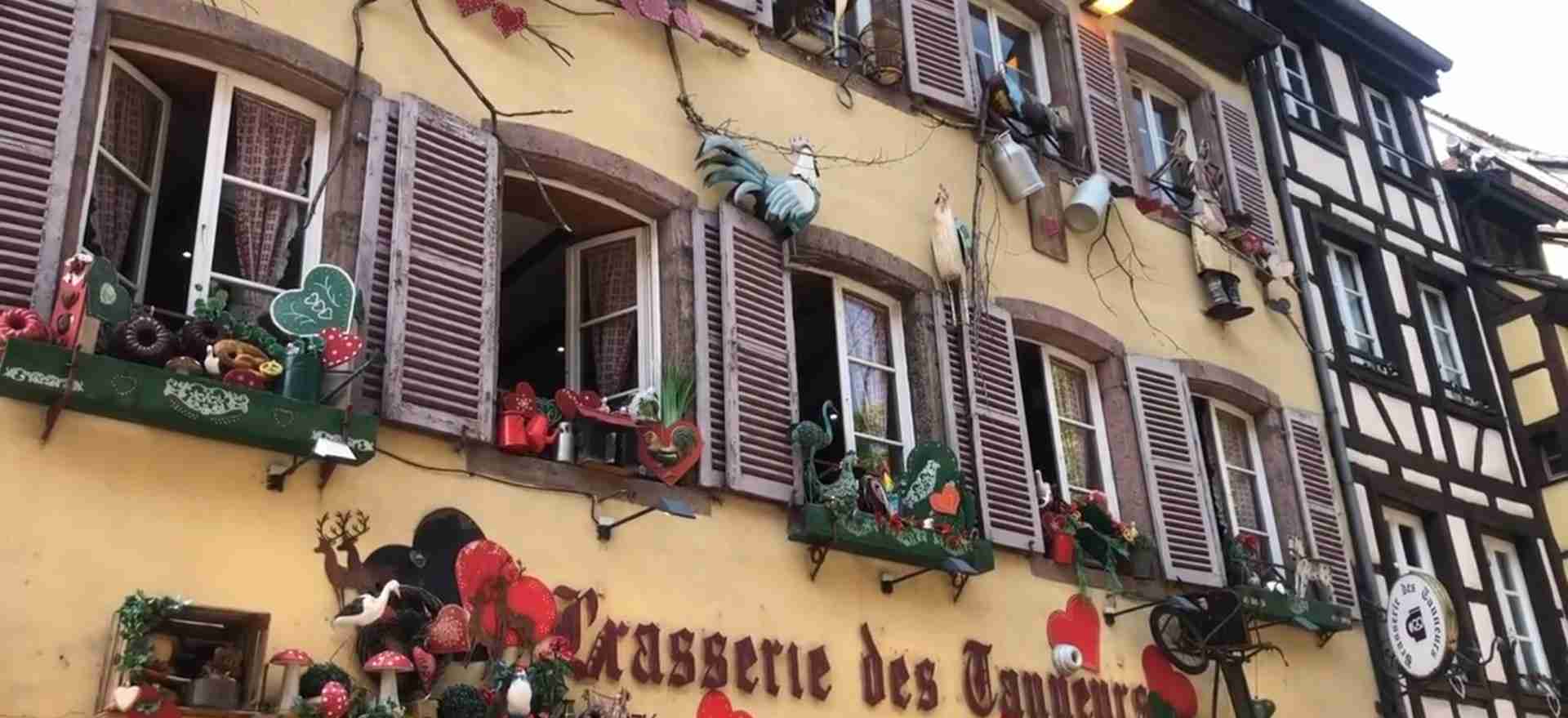
The Route des Vins d’Alsace represents one of France’s most enchanting wine tourism experiences, winding through 170 kilometers of rolling vineyards, medieval villages, and centuries-old wine cellars. For 2026 travelers, this legendary route offers perfectly preserved half-timbered architecture, world-class Riesling and Gewürztraminer wines, and authentic Alsatian culture that remains remarkably accessible and welcoming to visitors.
Planning your 2026 Alsace Wine Route adventure requires understanding the region’s seasonal patterns, transportation logistics, and strategic village selection. The route officially extends from Marlenheim near Strasbourg southward to Thann near Mulhouse, passing through 67 wine-producing villages. Most visitors concentrate on the central section between Colmar and Sélestat, where the most famous villages cluster within easy driving distance of each other.
The 2026 season brings enhanced digital booking systems for cave visits, expanded electric vehicle charging infrastructure along the route, and new cycling paths connecting key villages. Wine tourism continues growing in popularity, making advance planning increasingly important for harvest season visits and popular weekend periods throughout spring and autumn.
Your Wine Route experience centers on three core elements: village exploration with architectural discovery, wine tasting at family-run domains and cooperative caves, and regional gastronomy featuring traditional Alsatian specialties. Successful 2026 planning balances these elements while accounting for transportation logistics, seasonal timing, and budget considerations that significantly impact your journey’s quality and enjoyment.
People Also Ask About Alsace Wine Route 2026
How much does an Alsace Wine Route trip cost in 2026?
A comprehensive Alsace Wine Route experience costs €180-280 per person for a 2-day journey including wine tastings, meals, and transportation in 2026. Wine tastings at domains and caves range €8-15 for basic tastings to €15-25 for premium experiences with multiple vintages. Organized full-day wine tours cost €65-120 per person including transportation, guide services, and 3-4 winery visits with tastings.
Car rental for self-guided exploration costs €45-75 per day for compact vehicles suitable for village navigation, plus €15-25 daily for fuel covering 100-150 kilometers of Wine Route driving. Meals range €15-25 for casual winstub lunches to €35-55 for traditional Alsatian dinners at quality establishments. Accommodation in wine villages costs €90-180 per night for comfortable double rooms during 2026 peak season, with Colmar-based options ranging €80-150 per night.
Budget-conscious travelers spending one full day on the Wine Route manage €80-120 per person for car rental share, fuel, one formal tasting, casual lunch, and village parking. Mid-range two-day experiences with comfortable accommodation, multiple tastings, and quality dining reach €250-350 per person. Premium three-day immersions with boutique lodging, private tastings, and gourmet meals extend to €500-750 per person for the complete Alsatian wine country experience.
What is the best time to visit Alsace Wine Route in 2026?
The optimal periods for Alsace Wine Route visits in 2026 are late April through May for spring blooms and fewer crowds, and September through early October for harvest season and autumn colors. Spring brings mild temperatures of 15-22°C, blooming flowers in window boxes, and green vineyard landscapes perfect for photography. The region experiences less tourism pressure than summer, allowing easier winery access and better accommodation availability at standard rates.
Harvest season from mid-September through October represents the Wine Route’s most atmospheric period, with grape picking activities, special harvest menus at restaurants, and numerous wine festivals celebrating the new vintage. Temperatures remain comfortable at 12-20°C, autumn vineyard colors create stunning landscapes, and winemakers welcome visitors with special tastings of previous vintages. This period requires booking accommodation 3-4 months ahead as demand peaks significantly.
Summer months (June-August) bring warm weather of 22-28°C ideal for outdoor dining and evening village strolls, but also peak tourist crowds, higher accommodation rates, and busy tasting rooms requiring reservations. Winter visits (November-March) offer Christmas market magic in December, extremely quiet villages, and lower prices, but many smaller domains close for the season and weather limits outdoor activities. Each season provides distinct advantages depending on your priorities for weather, crowds, and cultural experiences.
Which villages should you visit on Alsace Wine Route in 2026?
The essential Wine Route villages for 2026 visits are Riquewihr, Eguisheim, Kaysersberg, Ribeauvillé, and Colmar, each offering distinct character while representing the route’s architectural and viticultural excellence. Riquewihr stands as the most preserved medieval wine village, with its 16th-century ramparts, cobblestone streets, and concentration of tasting rooms creating an immersive historical atmosphere. The village requires early morning or late afternoon visits to avoid midday crowds from May through October.
Eguisheim circles around its central château in concentric medieval streets, earning France’s “favorite village” distinction in 2013 and maintaining exceptional flower displays during warm months. The village houses numerous family domains offering intimate tastings and remains compact enough for 90-minute complete exploration. Kaysersberg combines river setting, hilltop castle ruins, and Albert Schweitzer’s birthplace museum with excellent wine cooperatives and independent producers welcoming visitors without reservations during most periods.
Ribeauvillé provides the liveliest village atmosphere with weekly markets, three hilltop castles overlooking vineyards, and the Grand Cru Geisberg producing exceptional Rieslings available for tasting at multiple locations. Colmar serves as the practical base offering extensive accommodation, restaurant options, and the stunning Petite Venise quarter, while functioning as the geographic hub for day trips to surrounding wine villages. These five villages create a comprehensive Wine Route experience accessible within 2-3 days of strategic planning.
Do you need advance bookings for Alsace wineries in 2026?
Advance winery bookings for 2026 depend significantly on domain type, visit timing, and group size. Large cooperative caves in major villages welcome walk-in visitors throughout the year during posted opening hours, typically 9 AM-6 PM in peak season. These caves offer basic tastings for €8-12 per person without reservation, providing accessible introduction to regional wines with multilingual staff and established visitor facilities.
Family-run independent domains increasingly require reservations for personalized tastings, especially during weekends April-October and throughout harvest season September-October. Premium tastings at renowned producers, cellar tours with winemaker encounters, and groups of 4+ people need booking 1-2 weeks ahead through domain websites or regional tourism offices. Many smaller producers close entirely without appointments, particularly during harvest season when winemaking activities take priority over tourism.
Organized wine tours through professional operators include all tasting reservations in their €65-120 per person pricing, eliminating booking concerns while guaranteeing access to multiple domains throughout the day. For self-guided Wine Route exploration, research and reserve 2-3 special tastings at target domains while leaving flexibility for spontaneous cave discoveries in villages. The Alsace Wine Route official website provides updated domain contact information and booking systems for 2026 planning.
Extended multi-day tours – 5+ days
Featured Alsace Lorraine Multi-Day Tour Packages
7 days
Catalonia, south of France, Burgundy and Alsace
- ✓ Comprehensive Alsace Lorraine tour
- ✓ Expert local guides included
- ✓ All accommodation arranged
- ✓ Transportation provided
4 days
Enchanting Christmas Markets along Alsatian Canals (port-to-port cruise)
- ✓ Comprehensive Alsace Lorraine tour
- ✓ Expert local guides included
- ✓ All accommodation arranged
- ✓ Transportation provided
7 days
Alsace Lorraine Discovery Tour
- ✓ Comprehensive Alsace Lorraine tour
- ✓ Expert local guides included
- ✓ All accommodation arranged
- ✓ Transportation provided
7 days
Alsace Lorraine Discovery Tour
- ✓ Comprehensive Alsace Lorraine tour
- ✓ Expert local guides included
- ✓ All accommodation arranged
- ✓ Transportation provided
Multi-day tour packages powered by TourRadar. Prices and availability subject to change.
Essential Planning Information 2026
Transportation Options and Costs 2026
Transportation forms the foundation of successful Wine Route exploration in 2026, with three primary approaches offering distinct advantages and cost structures. Car rental provides maximum flexibility for village hopping, scenic route deviations, and customized schedules, with compact vehicles costing €45-75 per day through major agencies in Strasbourg or Colmar. Standard automatic transmission vehicles reach €55-85 daily, while premium SUVs suitable for four passengers with luggage extend to €75-110 per day during peak summer and harvest season.
Fuel costs for 100-150 kilometers of typical daily Wine Route driving range €15-25 depending on vehicle efficiency and current pricing. Parking in wine villages costs €2-5 for 2-3 hours in paid lots, with some villages offering free parking in outer areas requiring 5-10 minute walks to village centers. Car rental eliminates the significant advantage of wine tasting without alcohol concerns, requiring designated drivers or limiting consumption throughout the day.
Organized wine tours solve the drinking-and-driving dilemma while providing expert commentary, established domain relationships, and door-to-door service from Colmar or Strasbourg hotels. Full-day tours visiting 3-4 villages with 4-5 tastings cost €65-95 per person for group tours of 8-15 participants, rising to €95-120 for small group experiences limited to 8 people maximum. Half-day tours covering 2 villages with 3 tastings range €45-65 per person, offering economical introduction to the Wine Route for time-limited visitors.
Private wine tours for couples or small groups cost €280-450 for full-day experiences, providing completely customized itineraries, flexible timing, and personalized attention from expert guides. These premium options include pickup from any accommodation, visits to boutique domains requiring advance arrangements, and gourmet lunch reservations at traditional winstubs. For budget-conscious travelers, public buses connect major villages to Colmar (€2-4 per journey), though limited schedules restrict flexibility significantly compared to car-based exploration.
Wine Tasting Budgets 2026
Wine tasting costs vary substantially across the Alsace Wine Route based on domain type, tasting format, and wine selection in 2026. Basic tastings at cooperative caves cost €8-12 per person for sampling 4-6 wines representing the domain’s production range. These introductory experiences last 20-30 minutes, include brief explanations of each wine’s characteristics, and provide excellent value for understanding regional grape varieties without requiring appointments.
Premium tastings at family domains and boutique producers range €15-25 per person for curated selections of 5-8 wines including Grand Cru vineyard bottlings and special reserves. Check domain websites for current tasting menus and pricing as these experiences may vary seasonally. These hour-long sessions often include cellar tours, winemaker interaction, and detailed explanations of viticulture and winemaking philosophies specific to Alsace terroir. The tasting fees typically apply toward wine purchases, creating value for visitors planning bottle acquisitions.
Specialized experiences reach €25-45 per person for vertical tastings comparing multiple vintages of single wines, food pairing sessions matching wines with Alsatian cheeses or charcuterie, and educational workshops covering Alsace wine classification systems. Private tastings for small groups cost €40-75 per person at prestigious domains, offering exclusive access to library wines, barrel samples, and extended time with winemakers discussing vineyard management and production techniques.
Budget planning for a comprehensive 2-day Wine Route experience should allocate €50-80 per person for tastings, allowing 3-4 different domain visits mixing cooperative caves for variety exploration with 1-2 premium tastings at renowned producers. Serious wine enthusiasts investing in bottle purchases find many domains offer complimentary or heavily discounted tastings when buying 6+ bottles, effectively reducing net tasting costs while securing quality wines at cellar-door pricing typically 20-30% below retail.
Best Time to Visit Alsace Wine Route 2026
Seasonal Guide for 2026 Wine Tourism
Spring emerges as one of the Wine Route’s most rewarding seasons for 2026 visits, with April and May offering mild temperatures of 15-22°C, blooming flowers cascading from village window boxes, and vibrant green vineyard landscapes. The region experiences significantly fewer tourists than summer months, allowing easier parking in villages, walk-in availability at most domains, and accommodation at standard rates rather than peak season premiums. Restaurant reservations pose minimal challenges even for weekend dining, and village streets maintain their charming character without overcrowding.
Weather in spring brings occasional rain showers requiring flexible outdoor plans, but generally stable conditions perfect for village walking, vineyard photography, and outdoor dining at winstubs. Winemakers complete pruning and training of vines during this period, creating picturesque vineyard rows in the landscape. Many domains release new vintages in spring, offering fresh wine discoveries alongside established favorites from previous years.
Summer transforms the Wine Route into peak tourist season from June through August, with warm temperatures of 22-28°C ideal for extended outdoor activities and evening village ambiance. Accommodation rates increase 30-50% above shoulder season, popular villages experience significant midday crowds, and tasting rooms become busy enough to warrant advance reservations at family domains. The extended daylight hours allow exploration until 9 PM, perfect for photography and leisurely dining experiences.
Summer brings guaranteed dry weather for outdoor activities, all restaurants and tourist facilities operating full schedules, and lively village atmospheres with outdoor events, concerts, and weekly markets. The vineyards display full canopy development creating lush green landscapes, though less dramatic than spring blooms or autumn colors. Visitors willing to accept higher costs and larger crowds benefit from optimal weather conditions and maximum cultural programming throughout the region.
Autumn stands as the Wine Route’s most atmospheric season, with September and October bringing harvest activities, stunning foliage colors in vineyards, and comfortable temperatures of 12-20°C. The vendange (harvest) period creates dynamic energy as workers pick grapes, trucks transport fruit to wineries, and pressing operations fill the air with fresh juice aromas. Many restaurants feature special harvest menus celebrating the season, while wine festivals throughout villages provide festive cultural experiences beyond standard tasting room visits.
Harvest timing varies by grape variety and weather patterns, typically beginning in mid-September for Pinot Blanc and extending through October for late-harvest Gewürztraminer. Accommodation demand peaks during harvest season, requiring booking 3-4 months ahead for quality village lodging. The spectacular autumn vineyard colors create photographer’s paradise conditions, with golden and red leaves contrasting against white village buildings and green hillsides.
Winter offers the Wine Route’s quietest period from November through March, with December standing apart for magical Christmas market experiences in major villages. Cold temperatures of 0-8°C limit outdoor activities, many smaller domains close for the season, and shorter daylight hours restrict exploration time. However, accommodation costs drop 40-60% below peak season, villages return to authentic local character without tourist crowds, and cooperative caves maintain consistent opening schedules for year-round tasting opportunities.
Harvest Season and Festival Planning 2026
The 2026 harvest season runs approximately mid-September through late October, creating the Wine Route’s most dynamic and culturally rich visiting period. Planning harvest season visits requires balancing the atmospheric advantages of vineyard activity and festival celebrations against accommodation scarcity and higher pricing throughout the region. The main harvest for standard wines occurs during the final two weeks of September, while late harvest and ice wine production can extend into November depending on weather conditions.
Major wine festivals populate the harvest calendar across Wine Route villages, with celebrations typically held on weekends throughout September and October. The Ribeauvillé Pfifferdaj (first weekend of September) ranks among the region’s largest festivals, featuring historical parades, street performances, and extensive wine tasting opportunities from local producers. Riquewihr hosts its harvest festival in mid-September with traditional costumes, folklore demonstrations, and special domain open houses offering barrel tastings of developing wines.
Colmar’s wine festival in early August precedes the actual harvest but provides extensive tasting opportunities from domains throughout the region in a centralized location. The event attracts significant crowds to Colmar’s historic center, requiring accommodation booking 2-3 months ahead for reasonable rates. Smaller village festivals occur throughout the season, offering authentic local experiences with less commercialization than major events, often featuring traditional Alsatian music, regional food specialties, and family-friendly activities.
Festival admission costs €5-12 per person including a souvenir tasting glass, with individual wine samples priced €2-4 each or multi-sample tickets offering better value at €12-18 for 6-8 tastings. These events provide excellent introduction to multiple producers in concentrated timeframes, though serious wine education occurs better at individual domain visits with dedicated attention. The festive atmosphere, cultural programming, and social energy make festivals worthwhile complements to standard Wine Route exploration.
Booking accommodation for harvest season requires advance planning with reservations made 3-4 months ahead for prime village locations and 2-3 months for Colmar-based lodging. Rates increase 40-60% above shoulder season pricing, minimum night requirements often apply for weekend stays, and availability becomes severely limited within 6 weeks of target dates. Travelers with schedule flexibility find better value visiting during the first half of September before peak harvest activity, or in early November after the main vintage when autumn colors persist but crowds dissipate.
Must-Visit Villages 2026
Riquewihr 2026
Riquewihr stands as the Alsace Wine Route’s most perfectly preserved medieval village, its 16th-century stone ramparts enclosing cobblestone streets lined with half-timbered houses that appear unchanged since Renaissance wine merchants established the village’s prosperity. The compact historic center stretches just 600 meters along the main Rue du Général de Gaulle, allowing complete village exploration within 90 minutes while housing exceptional concentration of tasting rooms, boutiques, and traditional restaurants within its protective walls.
The village’s remarkable preservation resulted from its fortifications protecting against various historical conflicts, leaving intact architectural treasures including the Dolder Tower gate (1291), the Thieves’ Tower prison, and countless 16th-17th century merchant houses displaying ornate wooden carvings and painted facades. Riquewihr receives significant tourist traffic from May through October, with midday hours bringing tour bus crowds that transform quiet streets into packed thoroughfares. Strategic visiting times include early mornings before 10 AM or late afternoons after 4 PM when day visitors depart, revealing the village’s authentic character.
Wine tasting opportunities abound throughout Riquewihr, with both large cooperative caves and small family domains offering varied experiences. The Cave de Riquewihr cooperative provides comprehensive introduction to regional wines with tastings from €10 per person, while boutique producers like Domaine Dopff au Moulin and Hugel et Fils offer premium experiences in historic cellars. The village’s elevated position creates stunning vineyard panoramas from rampart walkways, with the Grand Cru Schoenenbourg slopes producing exceptional Rieslings visible from multiple vantage points.
Parking costs €3-5 for 3 hours in designated lots outside the village walls, with the main Parking du Musée providing closest access to the historic center. Walking from parking to village center requires just 5 minutes, though slight uphill approach may challenge mobility-limited visitors. Restaurants range from casual winstubs serving flammekueche and choucroute at €15-25 per person to refined establishments offering multi-course Alsatian cuisine at €35-55 per person. The village supports 2-3 hours of exploration time combining architecture appreciation, tasting room visits, and leisurely dining experiences.
Eguisheim 2026
Eguisheim radiates outward from its central castle and chapel in concentric medieval streets creating one of France’s most distinctive village layouts. Recognized as France’s favorite village in 2013, Eguisheim maintains exceptional flower displays during warm months, with geraniums cascading from every window box and climbing roses adorning countless facades. The circular street pattern allows logical exploration starting from the central square and spiraling outward through the three historic rings, revealing architectural details and wine domain entrances along the continuously curving lanes.
The village’s compact size permits complete walking tour within 60-90 minutes, though the concentration of tasting rooms, artisan shops, and photogenic corners easily extends visits to 2-3 hours. Eguisheim houses numerous family wine domains offering intimate tasting experiences, with many producers maintaining working cellars directly beneath their historic homes. The village’s proximity to Grand Cru Eichberg and Pfersigberg vineyards creates access to prestigious wines at cellar-door pricing, with tastings ranging €12-20 per person for curated selections including these exceptional terroirs.
The central Place du Château provides orientation point with its Renaissance fountain, 13th-century chapel, and surrounding half-timbered houses painted in vibrant yellows, greens, and blues. Several excellent restaurants cluster around the square, offering outdoor seating from April through October for people-watching while sampling traditional Alsatian specialties. The village operates a free parking lot at its northern edge with 5-minute walk to the historic center, supplemented by paid parking at €2-3 for 2 hours closer to the village entrance.
Tuesday mornings bring weekly market to Eguisheim’s central square from April through December, featuring local produce, cheeses, charcuterie, and seasonal specialties creating authentic local atmosphere. The market provides excellent opportunity for picnic supplies before Wine Route excursions or ingredients for self-catering accommodation. Eguisheim’s charm persists even during peak tourist season, with the circular street layout distributing crowds more effectively than linear village designs, maintaining pleasant exploration conditions throughout daylight hours.
Kaysersberg 2026
Kaysersberg combines fortified medieval architecture with beautiful river setting and mountain backdrop, creating visual drama distinct from the valley-floor Wine Route villages. The Weiss River flows through the village center, crossed by the fortified bridge dating to 1514, while hilltop castle ruins overlook the valley providing 360-degree panoramas of surrounding vineyards. The village earned France’s favorite village designation in 2017, recognition reflecting its balanced preservation of historical character with vibrant modern community life.
Albert Schweitzer’s birthplace at Rue du Général de Gaulle 126 operates as museum dedicated to the Nobel laureate’s life and humanitarian work, open Tuesday-Sunday 10 AM-12 PM and 2 PM-6 PM with €4 admission. The museum provides cultural depth complementing wine-focused Wine Route exploration, particularly valuable during hot afternoon hours when indoor activities offer comfortable alternatives to village walking. Kaysersberg’s concentration of quality restaurants exceeds other Wine Route villages of comparable size, offering exceptional Alsatian cuisine from Michelin-recognized establishments to traditional winstubs.
Wine tasting opportunities include both the Cave de Kaysersberg cooperative offering comprehensive regional overview and independent domains specializing in hillside Grand Cru production. The village serves as gateway to the Vallée Noble extending westward into Vosges foothills, creating opportunities for scenic drives through less-touristed wine country beyond the main Route des Vins corridor. Kaysersberg’s Christmas market ranks among Alsace’s finest, transforming the village into winter wonderland throughout December with artisan vendors, seasonal food stalls, and extensive light displays.
Parking options include free lots north of the village center with 8-10 minute walks to the historic core, or paid parking at €2-4 for 3 hours in closer lots near the river. The village’s larger geographic spread compared to compact neighbors like Eguisheim requires 90-120 minutes for thorough exploration including castle climb, museum visit, and tasting room stops. Restaurants require reservations for weekend dinners throughout peak season, with excellent value lunch menus at €18-28 per person offering multi-course traditional meals in atmospheric historic dining rooms.
Ribeauvillé 2026
Ribeauvillé provides the Alsace Wine Route’s liveliest village atmosphere, combining three hilltop castle ruins, weekly markets, and dynamic main street commerce with serious wine production credentials. The Grand Rue stretches through the village center lined with shops, restaurants, and wine domains creating constant activity from morning through evening. Three medieval castles—Saint-Ulrich, Girsberg, and Haut-Ribeaupierre—crown the hillside above town, connected by hiking trails offering spectacular valley views and vineyard panoramas.
The village’s commercial energy distinguishes it from quieter Wine Route neighbors, with bustling Thursday morning markets featuring extensive produce, cheese, and specialty food vendors from throughout the region. Ribeauvillé’s restaurant concentration provides choices ranging from casual crêperies at €8-15 per person to refined establishments serving contemporary Alsatian cuisine at €35-55 per person. The pedestrianized main street creates pleasant walking conditions for window shopping, cafe stops, and spontaneous tasting room discoveries.
Wine production focuses on the prestigious Grand Cru Geisberg producing exceptional Rieslings and Gewürztraminers from steep limestone slopes visible from the village. Multiple domains offer Geisberg wines for tasting, providing opportunity to compare interpretations of this renowned terroir across different producer styles. The Cave de Ribeauvillé cooperative houses extensive tasting room with €10-15 per person sessions covering the full regional range, while smaller family domains require appointments for personalized experiences exploring specific vineyard parcels and winemaking philosophies.
Hiking to the castle ruins requires moderate fitness for 45-60 minute climbs gaining 200-300 meters elevation, rewarded with outstanding views across the Alsace plain toward the Black Forest. The trails connect the three castles, allowing 2-3 hour circuit hikes for energetic visitors seeking exercise combined with historical exploration. Village parking costs €2-4 for 3 hours in lots at the southern edge, with free parking available in outer areas requiring 10-15 minute walks to the center. Ribeauvillé supports half-day visits combining village exploration, wine tasting, and restaurant lunch, or full-day experiences including castle hikes and extended domain visits.
Colmar 2026
Colmar functions as the Alsace Wine Route’s largest city and most practical base for extended wine country exploration, offering extensive accommodation options, diverse restaurants, comprehensive tourist services, and strategic geographic position for day trips throughout the region. The historic Petite Venise quarter along the Lauch River provides postcard-perfect canals lined with half-timbered houses, creating romantic atmosphere rivaling smaller Wine Route villages while maintaining urban amenities and services.
The Unterlinden Museum houses the Isenheim Altarpiece masterpiece alongside extensive medieval and Renaissance art collections, open Wednesday-Monday 9 AM-6 PM with €13 admission. The museum provides cultural depth complementing wine-focused activities, particularly valuable during rainy weather or as midday break from village exploration. Colmar’s Marché Couvert (covered market) operates Tuesday-Saturday with extensive local produce, cheese, charcuterie, and prepared food vendors creating excellent resource for self-catering accommodation or picnic supplies.
Accommodation ranges from budget chain hotels at €60-90 per night to boutique properties in converted historic buildings at €120-220 per night, with apartment rentals offering €80-150 nightly for couples seeking cooking facilities and local neighborhood experiences. The city’s size provides restaurant diversity exceeding Wine Route villages, with excellent traditional Alsatian establishments, contemporary bistros, and international cuisine options creating choices for varied dining preferences and budgets throughout multi-day stays.
Colmar serves as central hub with all Wine Route villages accessible within 20-45 minutes by car, making it ideal base for daily excursions while avoiding nightly accommodation changes. The city provides car rental agencies, bike rental for cycling Wine Route exploration, and organized tour departures simplifying logistics for visitors without vehicles. Train connections link Colmar to Strasbourg (30 minutes, €15-20) and major French cities, creating practical arrival and departure gateway for Wine Route visits. The combination of urban amenities, cultural attractions, and wine country proximity makes Colmar optimal base for first-time Alsace visitors and those seeking comfort alongside rural exploration.
Wine Tasting Experiences 2026
Domain and Cave Visits 2026
The Alsace Wine Route offers two distinct wine tasting environments in 2026: large cooperative caves serving multiple member producers and small family-run domains focusing on estate production. Understanding the differences between these experiences helps optimize tasting selections based on learning objectives, time constraints, and desired interaction levels with winemakers and staff.
Cooperative caves function as consolidated tasting facilities representing dozens of small growers who pool production and marketing resources. These large operations welcome walk-in visitors throughout the year during posted hours, typically 9 AM-12 PM and 2 PM-6 PM with extended summer schedules through 7 PM. Staff speaks multiple languages, tasting rooms accommodate groups comfortably, and wine selections span the complete regional range from entry-level Edelzwicker blends to prestigious Grand Cru bottlings. Basic tastings cost €8-12 per person for 4-6 wines, providing efficient introduction to Alsace grape varieties and style variations.
The Cave de Turckheim, Cave de Ribeauvillé, and Cave de Pfaffenheim rank among the region’s largest and most professional cooperative operations, each offering modern tasting facilities, educational displays about Alsace viticulture, and extensive wine selections available for immediate purchase. These caves provide ideal first stops for Wine Route visitors seeking overview education before proceeding to specialized family domain visits. The cooperative model allows tasting wines from vineyards throughout villages and surrounding communes, creating broader geographic perspective than single-estate visits.
Family domains offer intimate experiences exploring specific terroirs, winemaking philosophies, and family histories extending across multiple generations. These smaller operations often require advance reservations for visits, particularly during weekends and harvest season when winemaking activities limit availability for tourism. Tastings occur in working cellars surrounded by barrels and tanks, creating authentic atmosphere distinct from polished cooperative showrooms. Domain owners or family members frequently conduct tastings personally, sharing detailed knowledge about vineyard management, harvest decisions, and aging protocols specific to their wines.
Premium tastings at family domains cost €15-25 per person for curated selections of 5-8 wines including Grand Cru bottlings and special reserves, with sessions lasting 60-90 minutes allowing in-depth discussion of winemaking approaches and terroir characteristics. Many domains apply tasting fees toward wine purchases, creating value proposition for visitors planning bottle acquisitions. The personal relationships developed during domain visits often lead to long-term customer loyalty and direct shipping arrangements for international buyers unable to transport bottles during travel.
Specialized experiences include vineyard walks with winemakers during growing season, barrel tastings of developing wines, and food pairing sessions matching wines with Alsatian cheeses, charcuterie, or desserts. These premium offerings cost €25-45 per person and require advance booking, typically accommodating small groups of 2-8 participants. Several domains offer overnight stays in converted farm buildings or vineyard cottages, creating immersive wine country experiences combining accommodation with educational tastings and meals featuring estate wines.
Wine Tasting Costs and Reservations 2026
Wine tasting costs across the Alsace Wine Route in 2026 follow structured pricing models based on experience type, wine selection quality, and service personalization. Basic cooperative cave tastings start at €8-12 per person for standard sessions sampling 4-6 wines representing regional grape varieties and appellations. These introductory experiences include brief explanations of each wine’s characteristics, production methods, and food pairing suggestions, lasting 20-30 minutes in professional tasting rooms equipped for walk-in visitors.
Mid-range tastings at family domains and quality-focused cooperatives cost €12-18 per person for expanded selections of 6-8 wines including village appellations and selected Grand Cru bottlings. These hour-long sessions provide deeper education about Alsace wine classification, terroir influences, and vintage variations, often conducted by domain owners or senior staff with extensive knowledge. The tasting fees typically apply as credits toward wine purchases, creating value for visitors planning bottle acquisitions at cellar-door pricing generally 20-30% below retail.
Premium experiences range €18-25 per person for curated tastings focusing on Grand Cru vineyards, late harvest wines, or vertical comparisons of multiple vintages from single vineyard sites. Check domain websites for current tasting menus and pricing as these experiences may vary seasonally. These specialized sessions last 60-90 minutes, include cellar tours and detailed discussions of vineyard management and winemaking philosophy, and often feature rare library wines or barrel samples of developing vintages. The educational depth and wine quality justify premium pricing for serious wine enthusiasts seeking comprehensive understanding of Alsace viticulture.
Ultra-premium experiences extend to €25-45 per person for food pairing sessions, vineyard walks with tastings, or private appointments with winemakers exploring specific aspects of estate production. These tailored visits accommodate 2-6 participants, require advance booking through domain contact, and provide exclusive access unavailable during standard tasting room hours. Several prestigious domains charge €40-75 per person for comprehensive experiences including multi-course meals paired with estate wines, vineyard tours explaining terroir variations, and extended time with winemaking families discussing philosophy and techniques.
Reservation requirements vary significantly by domain size and visit timing. Large cooperative caves accept walk-in visitors year-round during posted hours without appointments, making them ideal for spontaneous Wine Route exploration. Family domains increasingly require reservations for all visits, with booking windows ranging from same-day confirmation during quiet periods to 1-2 weeks advance notice for weekends April-October and throughout harvest season. Groups of 4+ people should book all domain visits regardless of season, as capacity limitations prevent accommodating larger parties without advance notice.
Booking processes utilize domain websites, email contact, or telephone reservations, with many estates now implementing online scheduling systems for 2026 visitor management. The Alsace Wine Route official website provides comprehensive domain directory with contact information, tasting offerings, and reservation links streamlining planning processes. Tour operators offering organized Wine Route excursions include all tasting reservations in their €65-120 per person pricing, eliminating booking logistics while guaranteeing access to multiple domains throughout full-day or half-day programs.
Transportation Guide 2026
Car Rental Options 2026
Car rental provides maximum flexibility for Alsace Wine Route exploration in 2026, allowing customized village selection, spontaneous route modifications, and independent scheduling throughout each day. Major international rental agencies maintain offices in Strasbourg and Colmar, with Strasbourg Airport offering most comprehensive selection including budget operators and premium brands. Compact vehicles suitable for narrow village streets and parking constraints cost €45-75 per day depending on season and booking timing, with lowest rates secured through advance online reservations 2-3 weeks before travel dates.
Standard automatic transmission vehicles, increasingly requested by international visitors, range €55-85 daily across peak summer and harvest season periods. SUVs and larger vehicles suitable for four passengers with luggage extend to €75-110 per day, though their size creates parking challenges in historic village centers with medieval street layouts. All rental rates include mandatory insurance coverage, unlimited mileage within France, and 24-hour roadside assistance, with additional drivers costing €8-12 per day when registered on rental contracts.
Fuel costs for typical Wine Route driving covering 100-150 kilometers daily range €15-25 depending on vehicle efficiency and current pricing averaging €1.75-2.00 per liter for unleaded gasoline in 2026. Most villages provide multiple fueling stations, with competitive pricing near major routes and higher costs in remote locations. Electric vehicle charging infrastructure expands throughout the Wine Route in 2026, with rapid charging stations in Colmar, Ribeauvillé, and Riquewihr supporting sustainable tourism initiatives, though charging time requirements reduce daily exploration flexibility compared to conventional vehicles.
Parking in Wine Route villages follows mixed systems of paid lots, metered street spaces, and free peripheral areas. Major villages charge €2-5 for 2-3 hours in convenient lots near historic centers, with free parking available in outer zones requiring 5-15 minute walks to village cores. Riquewihr and Eguisheim implement strict parking enforcement during peak season, making advance arrival before 10 AM advantageous for securing closest spaces. Village restaurants often validate parking fees for dining customers, creating value when planning lunch or dinner stops during exploration days.
One-way car rentals between Strasbourg and Colmar or Mulhouse cost €45-75 drop fees, allowing linear Wine Route progression without backtracking to initial pickup cities. This option suits travelers continuing to other French destinations or departing from different airports than arrival cities. Most agencies require minimum rental periods of 2-3 days for one-way arrangements, with advance booking ensuring vehicle availability and competitive pricing for specialized routing requirements.
Organized Wine Tours 2026
Organized wine tours solve the drinking-and-driving concerns inherent in car-based Wine Route exploration while providing expert commentary, established domain relationships, and comprehensive logistics management. Full-day group tours departing from Colmar or Strasbourg visit 3-4 villages with 4-5 tasting sessions, cost €65-95 per person for standard experiences accommodating 8-15 participants, and include round-trip transportation in comfortable minibuses or coaches. These tours operate daily during peak season (April-October) with reduced frequency during winter months.
Half-day tour options covering 2 villages with 3 tastings range €45-65 per person, providing economical introduction to the Wine Route for visitors with limited time or budget constraints. Morning departures typically run 9 AM-1 PM focusing on village architecture and basic wine education, while afternoon sessions 2 PM-6 PM emphasize tasting experiences and winery visits. The condensed timing limits depth of exploration compared to full-day programs but delivers efficient Wine Route sampling for cruise passengers or business travelers with restricted schedules.
Small group tours limited to 6-8 participants cost €95-120 per person for full-day experiences, offering enhanced personalization, better domain access, and more flexible timing than larger group operations. These premium tours visit boutique family domains requiring advance arrangements, allow extended tasting sessions with winemakers, and accommodate special requests for photography stops or specific village preferences. The intimate group sizes create social atmosphere conducive to conversation with guides and fellow participants, often developing into lasting friendships among wine enthusiasts sharing similar interests.
Private tours for couples or groups of 2-6 people range €280-450 for full-day customized experiences, providing complete itinerary control, flexible departure times, and personalized attention from dedicated guides. These luxury options include pickup from any accommodation location, visits to prestigious domains requiring special arrangements, and gourmet lunch reservations at notable winstubs or Michelin-recognized restaurants. Private tours allow focus on specific interests whether historical architecture, photography, organic wine production, or culinary traditions, creating tailored experiences impossible within standardized group programs.
Tour inclusions vary by operator and pricing tier, with most packages covering transportation, guide services, and basic tasting fees at cooperative caves. Premium tours include all tasting costs even at family domains, multi-course lunches with wine pairings, and souvenir wine glasses or regional specialty foods. Exclusions typically comprise additional wine purchases, personal shopping, and gratuities for guides customarily 10-15% of tour cost for exceptional service. Booking organized tours through reputable operators guarantees quality experiences while supporting professional tourism businesses maintaining sustainable relationships with wine domains throughout the region.
Public Transport Strategies 2026
Public transportation on the Alsace Wine Route offers economical alternatives to car rental and organized tours, though limited schedules and infrequent connections restrict flexibility significantly compared to vehicle-based exploration. The regional bus network operated by Fluo Grand Est connects major Wine Route villages to Colmar and Strasbourg, with routes serving Riquewihr, Ribeauvillé, Kaysersberg, and Eguisheim running 4-8 times daily Monday-Saturday and reduced Sunday service.
Bus fares cost €2-4 per journey depending on distance, with day passes at €8-12 providing unlimited travel within regional zones covering the central Wine Route corridor. Services operate primarily during morning and evening commute hours serving local residents, creating gaps during midday periods when tourists most need transportation. The schedules limit same-day multi-village visits without extensive waiting times between connections, though strategic planning allows visiting 1-2 villages daily using public transport combined with walking between nearby locations.
Colmar serves as the primary public transport hub with direct bus connections to most significant Wine Route villages. Route 106 links Colmar to Riquewihr and Ribeauvillé with journey times of 25-30 minutes and frequencies of 6-8 buses daily. Route 109 serves Eguisheim and Turckheim with 15-20 minute journey times and similar frequency patterns. Kaysersberg receives service via Route 145 with 20-minute journey times and 5-7 daily departures. All routes reduce significantly on Sundays and holidays, with some services suspended entirely making weekend public transport exploration challenging.
Train connections between Strasbourg and Colmar operate every 30-60 minutes with 30-minute journey times and €15-20 fares, providing reliable backbone for Wine Route access from either city. Smaller rail stations at Sélestat and Ribeauvillé offer additional access points, though these stations position several kilometers from village centers requiring taxi or bus connections for final segments. The combination of train travel between cities and bus connections to villages creates feasible public transport strategies for budget-conscious visitors accepting timing constraints and limited daily scope.
Cycling represents alternative transport mode for fit travelers, with the Alsace Wine Route designated cycling path paralleling the main road through many sections. Bike rental in Colmar costs €18-25 per day for standard touring bikes or €35-45 for electric-assist models easing hillside climbs between villages. The flat valley floor allows comfortable cycling between Colmar, Eguisheim, Turckheim, and surrounding villages, though distances to Riquewihr (15 kilometers) and Ribeauvillé (18 kilometers) require good fitness and limit time available for village exploration and tasting room visits.
Taxi services provide direct transport between villages for travelers mixing public transport with occasional paid rides, though costs of €25-45 per journey make multiple taxi transfers expensive compared to daily car rental. Ride-sharing services operate limitedly in rural Wine Route areas, with better availability in Colmar and major villages during peak tourist season. The public transport limitations and cycling distances make organized tours or car rental more practical for comprehensive Wine Route exploration, with public transport serving best for budget travelers willing to focus on 1-2 villages per day with extensive village time rather than multi-location touring.
Accommodation Strategies 2026
Village Hotels and Guesthouses 2026
Staying directly in Wine Route villages creates immersive experiences with evening village ambiance, morning explorations before day-tripper arrivals, and authentic Alsatian hospitality in family-run properties. Riquewihr, Ribeauvillé, Kaysersberg, and Eguisheim each offer boutique hotels and chambres d’hôtes (guesthouses) providing comfortable lodging in converted historic buildings. Room rates range €90-180 per night for double occupancy during peak season (May-October and December), with shoulder season pricing dropping to €70-130 nightly during March-April and November.
Village accommodation provides unique character with period furnishings, exposed beams, and architectural details creating atmospheric stays impossible in modern chain hotels. Many properties occupy 16th-18th century buildings originally constructed as wine merchant houses, maintaining historical integrity while upgrading bathrooms and amenities to contemporary standards. The intimate scale of village hotels (typically 6-15 rooms) delivers personalized service with owners providing insider recommendations for restaurants, lesser-known wineries, and optimal timing for village exploration avoiding peak crowds.
Breakfast inclusion varies by property, with some guesthouses including continental breakfast in nightly rates while others charge €12-18 per person for expanded buffets featuring regional specialties, local jams, and Alsatian breads. On-site restaurants at larger village hotels offer convenience for evening dining without driving, though most villages provide multiple dining options within 5-10 minute walks from any lodging location. Parking presents variable situations, with some properties offering private lots included in rates, others charging €8-15 nightly for garage or lot access, and some requiring use of public village parking.
Booking village accommodation requires advance reservations during peak periods, with harvest season (September-October) necessitating arrangements 3-4 months ahead for prime properties. Summer weekends and Christmas market periods fill 2-3 months before arrival dates, leaving limited options for late bookers or creating premium pricing for remaining availability. Minimum night requirements often apply for weekend stays (2-3 nights) and holiday periods (3-4 nights), reducing flexibility for short Wine Route visits but ensuring property income during peak demand times.
Chambres d’hôtes (bed and breakfasts) operated by local families provide economical alternatives to hotels, with rates of €70-120 per night including breakfast and personal hospitality creating authentic cultural exchanges. These properties typically offer 2-4 guest rooms in family homes or converted farm buildings, with shared common areas and gardens encouraging interaction with hosts and other guests. The B&B experience delivers deep local knowledge from owners about wine domains, restaurants, and village events, often including wine tastings from family production or connections to winemaking neighbors.
Colmar Base Options 2026
Colmar functions as the Wine Route’s most practical accommodation base for travelers prioritizing variety, services, and flexibility over intimate village character. The city offers 80+ hotels spanning budget chains at €60-90 per night to boutique properties in restored historic buildings at €150-280 nightly during peak season. This extensive selection ensures availability even during busy periods when village lodging sells out months ahead, while providing competitive pricing through market competition absent in smaller villages with limited properties.
Geographic advantages of Colmar basing include central position with all major Wine Route villages accessible within 20-45 minute drives, avoiding nightly accommodation changes and repacking routines. The city provides restaurants at all price points and cuisine styles, supermarkets and specialty food shops for picnic supplies or self-catering, and tourist services including car rental agencies, bike shops, and tour operator offices. Train connections to Strasbourg (30 minutes) and major French cities create convenient arrival/departure logistics for Wine Route visits within broader travel itineraries.
Budget hotel chains including Ibis, B&B Hotel, and Campanile cluster near Colmar’s ring road and train station, offering €60-90 nightly rates for standard double rooms with private bathrooms, basic amenities, and free parking. These properties suit value-focused travelers prioritizing affordable lodging over historic ambiance, with reliable standards and simplified booking through international reservation systems. Location in outer Colmar areas requires 10-15 minute walks or short taxi rides to the historic center and restaurant districts.
Mid-range hotels in Colmar’s Petite Venise and historic quarters cost €100-150 per night for double rooms in converted townhouses and renovated buildings combining period architecture with modern amenities. Properties like Hotel Le Colombier, Hotel Saint Martin, and Hostellerie le Maréchal occupy prime locations along canals and pedestrianized streets, creating atmospheric bases with immediate access to restaurants, shops, and cultural attractions. Many include continental breakfast, though Colmar’s cafe culture makes independent breakfast exploration equally appealing for experiencing local morning rhythms.
Luxury and boutique hotels range €180-280 nightly for superior rooms and suites in meticulously restored historic properties. These establishments provide spa facilities, fine dining restaurants, wine cellars featuring regional selections, and concierge services arranging Wine Route tours, domain reservations, and special experiences. The premium properties suit travelers seeking comfort and full-service hospitality as complement to daytime Wine Route adventures, with evening returns to sophisticated urban environments rather than quiet village settings.
Apartment rentals through platforms like Airbnb and Booking.com offer €80-180 nightly for one-bedroom units suitable for couples, with full kitchens enabling picnic preparation, money-saving breakfast cooking, and grocery shopping at Colmar’s markets. These self-catering options suit extended stays of 4+ nights where hotel dining costs accumulate significantly, while providing residential neighborhood experiences in local quartiers beyond tourist zones. Parking inclusion varies by property, with some apartments offering private spaces while others require use of public lots at €10-20 per 24 hours.
Sample 2026 Itineraries
One-Day Wine Route 2026
The optimal one-day Wine Route itinerary for 2026 balances village exploration, wine tasting, and scenic driving within realistic timeframe managing energy levels and tasting fatigue. This schedule assumes early morning departure from Colmar around 9 AM, returning by 6-7 PM after comprehensive but not exhausting day covering the route’s essential highlights.
Begin at Eguisheim (9:00 AM – 11:00 AM) taking advantage of quiet morning streets before day-tripper crowds arrive. Park in the free northern lot and walk the circular medieval streets photographing flower displays and half-timbered architecture. Visit Cave d’Eguisheim for first tasting of the day (€10 basic tasting, 4-5 wines) introducing Alsace grape varieties and regional styles. The cooperative’s professional facilities and multilingual staff provide excellent orientation for Wine Route newcomers, with purchase options if particular wines impress.
Drive to Riquewihr (11:15 AM – 1:30 PM) for the route’s most preserved medieval village experience. Arrive before noon to secure parking and explore main street before lunch crowds intensify. Walk ramparts for vineyard panoramas, visit Dolder Tower museum (€3 admission, 20 minutes), and browse tasting rooms along Rue du Général de Gaulle. Reserve lunch at L’Auberge du Schoenenbourg or Sarment d’Or for traditional Alsatian meal (€25-35 per person) with outdoor seating weather permitting.
Continue to Ribeauvillé (2:00 PM – 4:00 PM) for contrasting village character with bustling commercial atmosphere. Park at southern edge lots (€3 for 2 hours) and walk Grand Rue exploring shops and cave entrances. Visit a family domain like Domaine Louis Sipp or Trimbach for premium tasting experience (€15-20, reservation recommended) focusing on Grand Cru Geisberg wines from hillside vineyards. The personalized attention and wine education justify higher tasting fees compared to morning cooperative visit.
Finish at Kaysersberg (4:30 PM – 6:00 PM) as afternoon light enhances the village’s river setting and mountain backdrop. Stroll to the fortified bridge, consider quick castle climb if energy permits (30 minutes round-trip), and enjoy afternoon coffee or wine by the glass at riverside cafe. This relaxed conclusion allows reflection on the day’s experiences without rushing to additional tasting appointments or village obligations.
Return to Colmar by 6:30 PM for dinner at leisure, processing the day’s impressions and reviewing wine purchases or tasting notes. Cave cooperatives €10, lunch €30, domain tasting €18, parking €5, fuel €18. Total day cost: €81 per person (excluding accommodation).
Two-Day Complete Experience 2026
A two-day Wine Route itinerary provides ideal balance between comprehensive coverage and sustainable pacing, allowing deeper village exploration, multiple quality tastings, and inclusion of secondary destinations enhancing regional understanding. This schedule assumes overnight stay in Wine Route village or Colmar, with both days designed for moderate pace avoiding exhaustion while maximizing wine country immersion.
Day One focuses on southern Wine Route villages and Grand Cru exploration. Depart Colmar 9:00 AM for Eguisheim morning exploration (9:15 AM – 11:00 AM) including Cave d’Eguisheim tasting (€10) and village walking tour photographing concentric medieval streets. Drive to nearby Husseren-les-Châteaux (11:15 AM – 12:00 PM), Alsace’s highest village offering spectacular valley panoramas and fewer tourists than famous neighbors.
Lunch in Turckheim (12:15 PM – 1:45 PM) at traditional winstub like Auberge du Brand serving seasonal Alsatian specialties (€25-35 per person). Visit Cave de Turckheim for post-lunch tasting (€12) focusing on Grand Cru Brand wines from the village’s premier vineyard. Drive scenic route through vineyards to Riquewihr (2:15 PM – 4:30 PM) for afternoon exploration when tour bus crowds thin. Reserve tasting at Domaine Dopff au Moulin (€18-22) for premium Riesling and Gewürztraminer education in historic cellar setting.
Conclude Day One at Ribeauvillé (5:00 PM – 7:00 PM) enjoying early evening village atmosphere with locals returning from work and shops preparing to close. Dinner at quality restaurant like Au Relais des Ménétriers featuring regional wine list and seasonal menu (€35-50 per person). Return to accommodation for evening rest, wine note review, and planning for Day Two activities.
Day Two explores northern Wine Route villages and cultural diversification. Begin in Kaysersberg (9:00 AM – 11:30 AM) visiting Schweitzer museum (€4) before mid-morning crowds, followed by tasting at Cave de Kaysersberg (€12) and fortified bridge photography. The northern section receives fewer tourists than southern villages, creating more authentic local atmosphere and easier parking throughout the day.
Drive to Riquewihr’s northern neighbor Hunawihr (11:45 AM – 12:30 PM) for unique fortified church visit and small-village character without Riquewihr’s tourism intensity. Continue to Bergheim (12:45 PM – 2:15 PM) for lunch in this lesser-known walled village offering excellent restaurants at lower prices than tourist hotspots (€18-28 per person). Visit local producers or Bergheim cooperative for afternoon tasting discovering villages beyond standard Wine Route circuits.
Finish at Andlau (2:45 PM – 4:30 PM) for abbey church visits and hillside Grand Cru vineyards producing exceptional Rieslings. The village’s distance from main tourist flows creates peaceful atmosphere and opportunities for unhurried domain conversations. Reserve tasting at quality producer focusing on Andlau’s distinctive terroir expressions (€15-20). Return to Colmar by 5:30 PM for final evening dinner and Wine Route reflections.
Day One costs: Cave tastings €22, lunch €30, domain tasting €20, dinner €42, parking €6, fuel €20. Total: €140 per person. Day Two costs: Museum €4, cave tasting €12, lunch €23, domain tasting €18, parking €4, fuel €18. Total: €79 per person. Two-day total: €219 per person (excluding accommodation €90-180 per night).
Three-Day Alsace Immersion 2026
The three-day Wine Route itinerary creates comprehensive regional understanding through balanced exploration of famous villages, hidden discoveries, cultural depth, and specialized wine experiences. This extended format allows inclusion of Strasbourg city culture, Haut-Koenigsbourg castle visit, and deeper engagement with winemaking families through advanced reservations at boutique domains.
Day One begins Strasbourg (9:00 AM – 1:00 PM) exploring UNESCO World Heritage Grande Île including cathedral, Petite France quarter, and covered bridges establishing Alsatian historical and cultural context. Lunch at traditional restaurant like Maison Kammerzell before departing for Wine Route (€25-35 per person). Drive to Obernai (2:30 PM – 4:30 PM) for charming small town atmosphere, Renaissance well and rampart towers, and local wine tasting at cooperative or family domain (€12-15).
Continue to Mont Sainte-Odile (5:00 PM – 6:30 PM) for spectacular hilltop monastery overlooking Alsace plain toward Black Forest. The spiritual site provides contemplative conclusion to Day One with panoramic photography opportunities. Overnight in Obernai or continue to Colmar for broader accommodation selection and evening dining options. Day One costs: Lunch €30, domain tasting €14, parking €5, fuel €20. Total: €69 per person.
Day Two focuses on classic southern Wine Route villages with premium tasting experiences. Start Eguisheim (9:00 AM – 11:00 AM) for morning village exploration and first tasting at Cave d’Eguisheim (€10). Drive to Turckheim for mid-morning walk and coffee break before Riquewihr arrival (11:45 AM – 2:30 PM). Enjoy lunch at quality winstub (€25-35 per person) followed by reserved afternoon tasting at prestigious domain like Hugel et Fils or Domaine Zind-Humbrecht (€20-28) for in-depth Grand Cru education.
Afternoon visits Ribeauvillé (3:00 PM – 5:00 PM) for village exploration and second premium tasting at family domain focusing on different terroir expressions (€18-22). Conclude at Bergheim (5:30 PM – 7:00 PM) for quieter village atmosphere and early dinner at local restaurant offering regional specialties (€28-40 per person). Return to Colmar accommodation for evening rest. Day Two costs: Cave tasting €10, lunch €30, domain tastings €44, dinner €34, parking €6, fuel €22. Total: €146 per person.
Day Three explores northern Wine Route and medieval castle experience. Drive to Haut-Koenigsbourg castle (9:00 AM – 11:30 AM) for guided tour of 15th-century fortress restoration overlooking Alsace plain and Rhine valley (€9 admission). The dramatic hilltop location provides historical context for regional medieval conflicts and architectural preservation. Continue to Sélestat (12:00 PM – 1:30 PM) for lunch and old town walking tour of this lesser-visited but historically significant Alsace city (€20-28 per person).
Afternoon wine exploration includes Dambach-la-Ville (2:00 PM – 3:30 PM) for fortified village within vineyards and local domain tasting (€12-15), followed by Andlau (4:00 PM – 5:30 PM) for abbey church visits and hillside Grand Cru discoveries. Final stop in Barr (6:00 PM – 7:00 PM) for evening stroll and farewell dinner at traditional restaurant celebrating three-day Wine Route journey (€32-45 per person). Return to Colmar or Strasbourg for departure preparations. Day Three costs: Castle admission €9, lunch €24, domain tastings €27, dinner €38, parking €5, fuel €25. Total: €128 per person.
Three-day Wine Route immersion total: €343 per person for activities, meals, and transportation (excluding accommodation €270-540 for three nights). This comprehensive approach balances famous attractions with local discoveries, cultural depth with wine focus, and structured planning with spontaneous exploration opportunities.
Money-Saving Strategies 2026
Maximizing Wine Route value in 2026 requires strategic timing, selective tasting choices, and transportation optimization without compromising essential experiences. Shoulder season travel during April-May or November delivers accommodation savings of 30-50% compared to peak summer and harvest periods, with May particularly attractive for spring blooms and comfortable weather without summer crowds. Mid-week visits (Tuesday-Thursday) often secure better hotel rates than weekends, especially in Colmar where business hotel pricing drops significantly outside conference periods.
Cooperative cave tastings at €8-12 per person provide excellent value for regional overview before investing in premium domain experiences. Visit 1-2 cooperative caves to understand grape varieties and general styles, then select single premium domain tasting (€18-25) focusing on specific Grand Cru or winemaker philosophy of particular interest. This balanced approach delivers education and quality exposure for €30-50 total tasting budget versus €60-80+ from multiple premium experiences providing diminishing returns after third or fourth serious tasting in single day.
Car sharing for couples or small groups dramatically reduces transportation costs, with four people splitting €60 daily car rental and €20 fuel paying just €20 per person versus €80-100 for organized tour participation. The shared car approach also allows flexible timing, spontaneous stops, and village selection customization impossible with fixed tour itineraries. Single travelers benefit from organized half-day tours (€45-65) avoiding solo car rental expenses while gaining social interaction and professional guide expertise.
Lunch timing and format creates significant savings opportunities throughout Wine Route exploration. Large restaurants in tourist villages offer €15-22 prix fixe lunch menus providing 2-3 course meals with wine at fraction of à la carte costs, with identical kitchens producing evening menus at €35-50. Alternatively, assemble picnics from Colmar’s Marché Couvert or village bakeries for €8-12 per person, enjoying vineyard or park settings while reserving budget for quality dinner experiences. The lunch/picnic + quality dinner strategy typically saves €20-30 daily compared to two full restaurant meals.
Free activities complement paid wine experiences without reducing trip quality. Village walking and architecture photography costs nothing while providing essential cultural context for wine understanding. Rampart walks in fortified villages, river strolls, and vineyard panorama viewing from public roads deliver memorable experiences without admission fees. Many villages host free summer concerts and markets adding cultural richness to Wine Route visits beyond commercial tasting room transactions.
Wine purchases at cellar doors provide lasting value extending beyond immediate trip experiences. Domain pricing typically runs 20-30% below retail for identical wines, with purchase often crediting tasting fees creating essentially free tastings for buyers. Shipping 6-12 bottles to home addresses (available from many domains to EU and some international destinations) costs €30-60 but preserves quality wines that might spoil in luggage during extended travel. The resulting home cellar from Wine Route purchases provides months of enjoyment and dinner party conversation pieces justifying upfront investment.
Booking and Reservations 2026
Successful Wine Route planning for 2026 requires tiered booking strategy addressing accommodation scarcity during peak periods while maintaining flexibility for weather and interest variations. Accommodation reservations should be made 3-4 months ahead for harvest season (September-October), 2-3 months for summer weekends and Christmas market periods, and 1-2 months for spring and early autumn shoulder season dates. Village lodging sells out faster than Colmar hotels due to limited inventory, making early booking especially important for travelers prioritizing authentic wine village overnight experiences.
Premium domain tastings at prestigious producers require 1-2 week advance reservations for weekend visits April-October, with weekday appointments often available on 2-3 days notice during non-harvest periods. Email contact through domain websites generally receives responses within 24-48 hours, with larger estates implementing online booking systems streamlining reservation processes. Group visits (4+ people) need booking regardless of season due to capacity constraints at family operations, while couples and solo visitors enjoy more spontaneity at cooperative caves accepting walk-ins throughout regular hours.
Restaurant reservations become essential for weekend dinners during peak season at quality establishments in villages and Colmar, with booking recommended 3-7 days ahead for popular venues. Michelin-recognized restaurants and notable winstubs may require 2-3 week advance reservations for weekend seating during harvest season. Lunch reservations rarely prove necessary except for large groups or Michelin restaurants, with most establishments accommodating walk-ins even during busy periods through flexible seating management.
Organized tour bookings should occur 2-4 weeks before travel dates during peak season ensuring availability for preferred dates and tour types. Small group and private tours require longer lead times of 4-6 weeks as operators coordinate domain appointments and manage limited capacity. Budget-friendly large group tours offer better last-minute availability, with booking often possible within one week of departure dates during shoulder season when demand softens significantly.
Car rental reservations secure lowest pricing when made 2-3 weeks ahead through online booking platforms, with rates increasing substantially for bookings within one week of pickup dates. Peak season car rental capacity becomes constrained during July-August and harvest season, making advance reservations essential for avoiding premium pricing or limited vehicle selection. Compact and economy cars book fastest due to popularity for village navigation, while larger vehicles remain available longer but cost more for features unnecessary in Wine Route context.
2026 Updates and Current Information
The Alsace Wine Route continues evolving its tourism infrastructure for 2026 with enhanced digital booking systems, expanded electric vehicle charging networks, and improved cycling paths connecting key villages. Many family wine domains implement online reservation platforms streamlining appointment scheduling and reducing email/phone coordination previously required for tasting visits. These systems display real-time availability and instant confirmation, particularly valuable for international travelers planning visits months ahead who previously struggled with time zone communication challenges.
Electric vehicle charging infrastructure expands significantly throughout the Wine Route region in 2026, with rapid charging stations installed in Colmar, Ribeauvillé, Riquewihr, and Kaysersberg supporting sustainable tourism initiatives. Several wine domains add destination chargers allowing visitors to replenish vehicle batteries during extended tasting sessions and domain tours. The charging network development makes electric vehicle rental increasingly practical for Wine Route exploration, though charging time requirements still limit daily range flexibility compared to conventional vehicles.
The Alsace Wine Route cycling path (EuroVelo 5) receives surface improvements and wayfinding upgrades enhancing cycling tourism between villages. New bike-friendly parking facilities appear in major villages, while several domains add secure bicycle storage encouraging pedal-powered visits. Electric bike rental availability expands in Colmar and Strasbourg, with pricing of €35-45 daily making e-bikes accessible alternatives to car rental for fit travelers willing to accept reduced daily range compared to motorized transport.
Climate change impacts manifest in earlier harvest timing and increased weather variability affecting visit planning. The traditional harvest period shifting toward earlier September dates means late August visits increasingly coincide with picking activities, while October maintains autumn color beauty with reduced grape harvesting atmosphere. Winemakers adapt viticulture practices to warming temperatures, with some domains experimenting with later-ripening grape varieties and modified training systems protecting fruit from excessive sun exposure during July-August heat periods.
Tourism recovery from pandemic disruptions reaches pre-2020 levels in 2026, with visitor numbers returning to historical patterns and some villages implementing crowd management measures during peak periods. Riquewihr considers reservation systems for village entry during harvest season weekends to prevent overcrowding compromising visitor experience quality. These evolving policies highlight importance of checking official village and domain websites for latest access procedures and timing recommendations before finalizing 2026 Wine Route itineraries.
Frequently Asked Questions
Can you visit Alsace Wine Route without a car in 2026?
Visiting the Alsace Wine Route without a car remains possible but significantly limits daily range and village access flexibility in 2026. Public buses connect major villages to Colmar with 4-8 daily services Monday-Saturday, though schedules concentrate around commute hours leaving midday gaps when tourists most need transportation. Organized wine tours costing €65-120 per day solve the car-free challenge while including expert guides, domain reservations, and comprehensive village coverage. Cycling represents active alternative with electric bikes (€35-45 daily) making village-to-village distances manageable, though weather dependency and limited cargo capacity for wine purchases create practical constraints.
What is the Alsace Wine Route total length in 2026?
The Route des Vins d’Alsace extends 170 kilometers from Marlenheim near Strasbourg southward to Thann near Mulhouse, passing through 67 wine-producing villages along designated tourism route. Most visitors concentrate on the central 50-kilometer section between Colmar and Sélestat where famous villages cluster, creating manageable daily driving distances while accessing prime wine country. Complete route traversal requires 2.5-3 hours of continuous driving without stops, though realistic Wine Route exploration with village visits, tastings, and meals typically spans 2-3 days for meaningful experience of the region’s diversity.
Are wine tastings free on Alsace Wine Route in 2026?
Wine tastings on the Alsace Wine Route rarely offer free sampling in 2026, with most domains and cooperative caves charging €8-25 per person depending on experience type and wine selection quality. Basic cooperative tastings start at €8-12 for 4-6 wines providing regional overview, while premium domain experiences cost €18-25 for curated selections including Grand Cru bottlings. Many properties credit tasting fees toward wine purchases, effectively making tastings free for buyers while preventing casual sampling from visitors without genuine interest. A few domains offer complimentary basic tastings to encourage exploration, though this represents minority practice rather than standard expectation across the route.
How many days do you need for Alsace Wine Route in 2026?
The ideal Alsace Wine Route visit requires 2-3 days for comprehensive exploration balancing famous villages, quality tastings, and cultural depth without exhausting pace. One full day covers 3-4 essential villages (Eguisheim, Riquewihr, Ribeauvillé, Kaysersberg) with 2-3 tastings and regional meal experiences. Two days allow deeper village exploration, additional tasting appointments, and inclusion of secondary destinations like Turckheim or Bergheim. Three days enable Strasbourg cultural visits, Haut-Koenigsbourg castle experience, and northern Wine Route villages beyond the central Colmar corridor. Time-limited visitors accomplish meaningful one-day Wine Route sampling through organized tours or focused self-guided village selection.
What wines should you buy on Alsace Wine Route in 2026?
Essential Alsace wine purchases for 2026 Wine Route visitors include Riesling from Grand Cru vineyards showcasing regional terroir excellence, Gewürztraminer expressing distinctive varietal aromatics, and Pinot Gris demonstrating the region’s fuller-bodied white wine capabilities. Grand Cru Rieslings from sites like Schoenenbourg, Geisberg, or Brand represent benchmark examples of Alsace quality, typically priced €18-35 per bottle at domain cellars. Late harvest (Vendanges Tardives) and ice wine (Sélection de Grains Nobles) Gewürztraminers offer unique dessert wine experiences unavailable from other French regions, ranging €25-60 per half-bottle. Crémant d’Alsace sparkling wines provide excellent value at €12-18 per bottle, offering traditional method quality at fraction of Champagne pricing.
Is Alsace Wine Route crowded in 2026?
Alsace Wine Route crowding varies dramatically by season, timing, and village selection in 2026. Major villages like Riquewihr and Eguisheim experience significant tourist pressure during peak summer months (June-August) and harvest season (September-October), particularly during midday hours 11 AM-3 PM when tour buses arrive. Early morning visits before 10 AM or late afternoon arrivals after 4 PM reveal quieter village character with easier parking and more intimate tasting room experiences. Lesser-known villages like Bergheim, Hunawihr, and Dambach-la-Ville maintain authentic atmosphere even during peak season due to reduced tour group presence. Spring (April-May) and late autumn (November) offer comfortable weather with minimal crowds, creating optimal conditions for peaceful Wine Route exploration.
What is the best base for exploring Alsace Wine Route in 2026?
Colmar functions as the optimal base for Alsace Wine Route exploration in 2026, offering central position with all major villages accessible within 20-45 minute drives, extensive accommodation ranging €60-280 nightly, and comprehensive tourist services including car rental and tour operators. The city provides cultural attractions like Unterlinden Museum for rainy day alternatives, diverse restaurant options at all price points, and train connections to Strasbourg and major French cities. Village accommodation in Riquewihr, Ribeauvillé, or Kaysersberg creates more atmospheric overnight experiences with evening and early morning village ambiance, though limited local services and higher costs suit travelers prioritizing authentic character over urban convenience. Strasbourg works for combined city-wine country itineraries but requires longer drives to central Wine Route villages.
Can you drink and drive on Alsace Wine Route in 2026?
France maintains strict drunk driving laws with 0.05% blood alcohol limit (approximately 1 standard drink for most adults) and severe penalties including fines of €135-4,500, license suspension, and potential imprisonment for violations. Wine Route exploration creates obvious conflict between tasting activities and legal driving requirements, solved through several strategies. Organized tours eliminate driving concerns by providing professional transportation while allowing unlimited tasting participation. Designated driver arrangements within groups enable wine country access though one person sacrifices tasting experiences. Spitting during tastings (standard practice in professional wine evaluation) allows sampling without significant alcohol consumption, though many visitors find this approach unsatisfying. The safest and most enjoyable approach combines base accommodation in villages or Colmar with walking to tasting rooms, cycling between nearby villages, or engaging organized tour services for drinking-friendly Wine Route exploration.
What should you wear for Alsace Wine Route visit in 2026?
Alsace Wine Route attire for 2026 emphasizes comfortable walking shoes for cobblestone village streets, layers accommodating temperature variations between sunny vineyard areas and cool wine cellars, and casual-smart clothing appropriate for both tasting rooms and quality restaurants. Women’s footwear should avoid high heels due to uneven stone surfaces throughout historic villages, with comfortable flats, walking shoes, or low wedges providing better stability and foot health during extended exploration. Weather-appropriate outerwear includes light jackets or sweaters for spring/autumn visits when cellar temperatures drop significantly below outdoor conditions, and sun protection (hats, sunglasses, sunscreen) for summer village walking and vineyard photography.
Wine tasting room dress codes remain generally casual across cooperative caves and family domains, with clean presentable clothing showing respect for hosts without requiring formal business attire. Shorts and t-shirts prove acceptable during summer months, though slightly elevated casual wear (nice jeans, collared shirts, sundresses) enhances impression for premium domain visits where personal relationships and future customer loyalty matter to winemaking families. Quality restaurants in villages and Colmar expect smart-casual evening attire with long pants for men and equivalent formality for women, though specific dress codes vary by establishment with Michelin-recognized venues sometimes requesting jacket requirements.
Are Alsace Wine Route villages wheelchair accessible in 2026?
Alsace Wine Route villages present significant accessibility challenges for wheelchair users due to medieval architecture featuring cobblestone streets, narrow passages, and historic building modifications limited by preservation regulations. Major cooperative caves like Cave de Turckheim and Cave de Ribeauvillé provide wheelchair-accessible tasting rooms with level entry and adapted facilities, while many small family domains operate in multi-level historic cellars accessed by stairs without elevator alternatives. Village exploration requires careful planning identifying accessible routes and parking, with newer sections of villages offering better infrastructure than historic cores designed centuries before modern accessibility standards.
Colmar provides superior accessibility as base location with modern hotels featuring adapted rooms, accessible restaurants and cultural attractions, and level pedestrian zones throughout much of the historic center. The city’s tourist office provides detailed accessibility information for attractions and services, while specialized tour operators offer adapted Wine Route excursions accommodating mobility limitations through vehicle selection and domain coordination. Advance communication with accommodation properties and wine domains helps identify accessible options, as some facilities provide accessibility despite not advertising such features prominently in standard marketing materials.