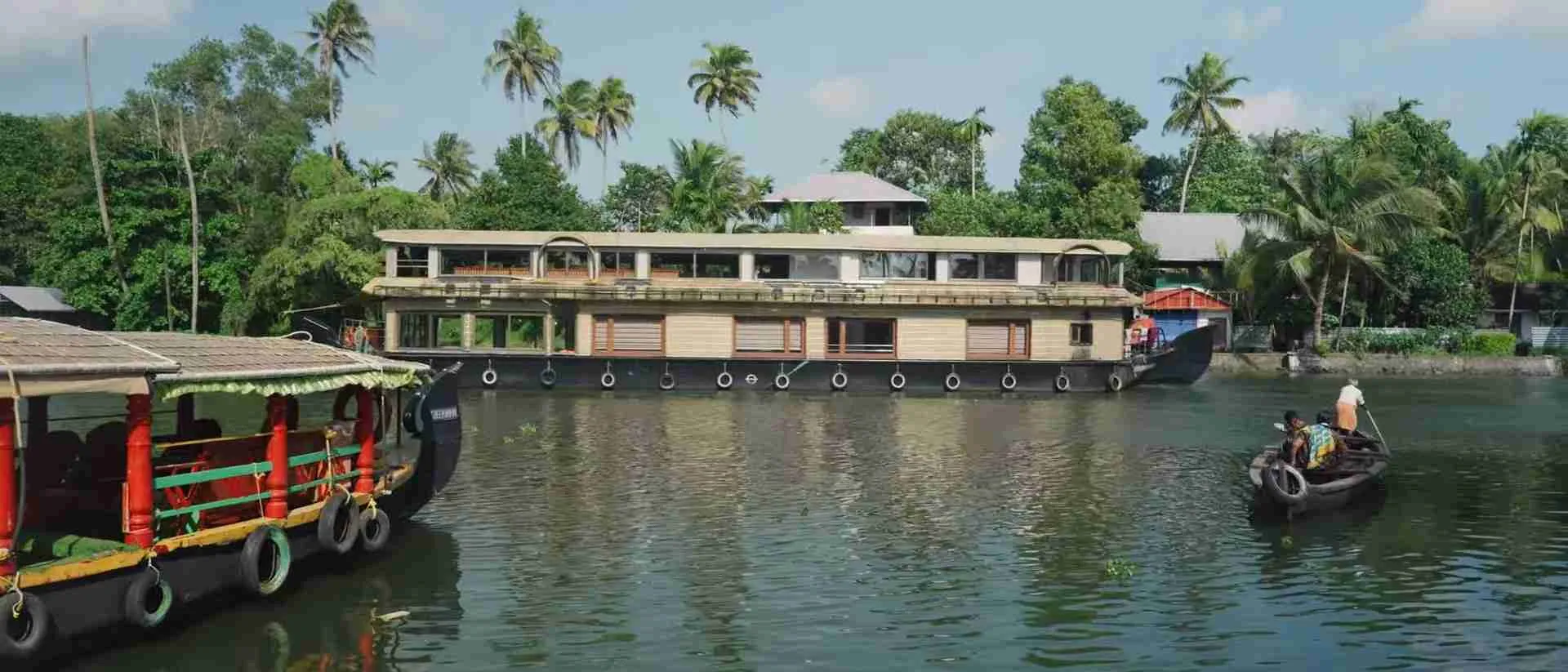
Alleppey (Alappuzha) Guide: Venice of the East
Alleppey, officially known as Alappuzha, stands as Kerala’s crown jewel where an intricate network of canals, lagoons, and backwaters creates a landscape unlike anywhere else in India. This remarkable town earned its nickname “Venice of the East” from Lord Curzon, and continues to captivate travelers with its traditional houseboats gliding through emerald waterways, vibrant coir industry, and unique blend of coastal and backwater culture that defines God’s Own Country.
Key Takeaways
- Backwater Capital: Alleppey serves as the gateway to Kerala’s backwaters, with over 900 kilometers of interconnected canals, rivers, and lagoons forming a unique aquatic ecosystem that sustains traditional village life
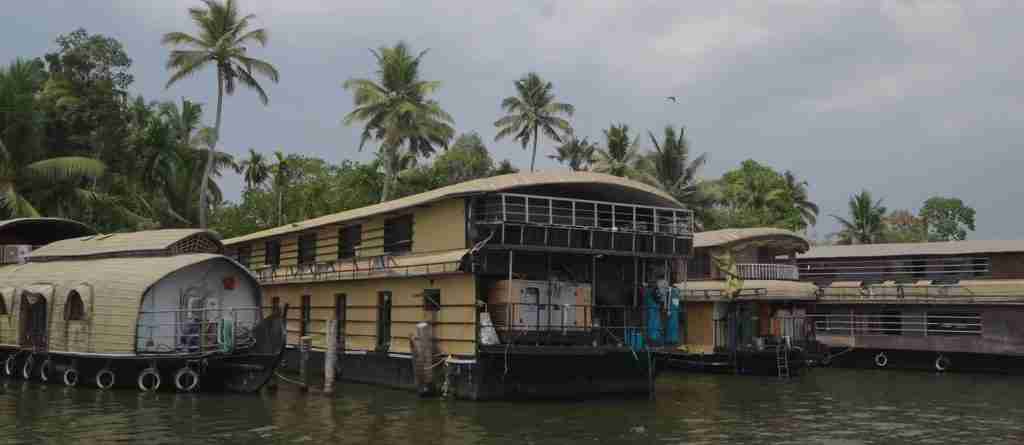
- Houseboat Heritage: The kettuvallam (traditional rice barges) transformed into houseboats represent Kerala’s adaptation of ancient transportation methods into sustainable tourism, offering overnight cruises through pristine waterways
- Coir Industry Hub: The town produces 80% of India’s coir products, with centuries-old manufacturing techniques passed through generations in family-owned units along the backwaters
- Cultural Crossroads: Alleppey’s history as a major trading port created a unique cultural tapestry where Hindu temples, Christian churches, and Muslim mosques coexist, reflecting centuries of maritime commerce
- Natural Beauty: Beyond houseboats, the region features pristine beaches, bird sanctuaries, and traditional villages accessible only by water, preserving lifestyles unchanged for generations
- Snake Boat Legacy: The Nehru Trophy Boat Race, held annually since 1952, showcases chundan vallam (snake boats) carrying 100 rowers, representing Kerala’s most spectacular sporting tradition
People Also Ask About Alleppey
Why is Alleppey called the Venice of the East?
British Viceroy Lord Curzon coined this title during his 1904 visit after witnessing Alleppey’s extensive canal network reminiscent of Venice’s waterways. The comparison stems from the town’s unique geography where daily life revolves around water transportation, with canals serving as primary thoroughfares connecting homes, markets, temples, and fields. Unlike Venice’s enclosed canals, Alleppey’s waterways form an open network linking the Arabian Sea to inland lagoons, creating an even more extensive aquatic infrastructure. The nickname emphasizes not architectural similarity but rather the fundamental role waterways play in shaping community life, commerce, and culture.
What makes Alleppey’s backwaters ecologically significant?
The Vembanad Lake and connecting waterways form the largest wetland ecosystem in Kerala, spanning 2,033 square kilometers and supporting extraordinary biodiversity. These brackish waters create unique habitats where freshwater and saltwater species coexist, supporting over 150 bird species including migratory populations from Siberia and Europe. The backwaters function as natural water purifiers, with aquatic vegetation filtering agricultural runoff before reaching the Arabian Sea. Traditional fishing communities practice sustainable harvesting methods refined over centuries, maintaining ecological balance while supporting livelihoods. The region’s kuttanad farming system, where rice cultivation occurs below sea level, represents one of few places globally where agriculture thrives in such conditions.
How did houseboats evolve from traditional kettuvallam?
Kettuvallam literally means “boats tied together,” referencing the construction method using coconut fiber ropes to bind wooden planks without any metal nails. Historically, these large vessels transported rice, spices, and coir from Kuttanad’s farming regions to coastal markets, with some boats measuring up to 100 feet long and carrying 30 tons of cargo. The decline of water-based cargo transport in the 1980s threatened this traditional boat-building craft until local entrepreneurs recognized tourism potential. The first luxury houseboat conversion occurred in 1991, preserving ancient construction techniques while adding modern amenities. Today’s houseboats maintain traditional exteriors with woven bamboo roofs and wooden hulls, while interiors feature bedrooms, bathrooms, and kitchens, ensuring the kettuvallam tradition survives through adaptive reuse.
What is the historical significance of Alleppey’s coir industry?
Coir manufacturing from coconut husks has sustained Alleppey’s economy for over 150 years, beginning when British traders recognized the fiber’s potential for rope and mat production. The region’s unique retting process, where husks soak in backwater lagoons for months, produces exceptionally strong fibers ideal for maritime applications. During colonial times, coir exports to Britain for ship rigging and matting established Alleppey as a major trading port. Family-owned retting units and spinning mills still operate using traditional methods, with knowledge passed through generations. The industry employs thousands in sustainable production, utilizing agricultural waste that would otherwise pollute waterways, demonstrating how traditional crafts can drive modern economic development while preserving environmental balance.
Extended multi-day tours – 5+ days
Featured Kerala Multi-Day Tour Packages
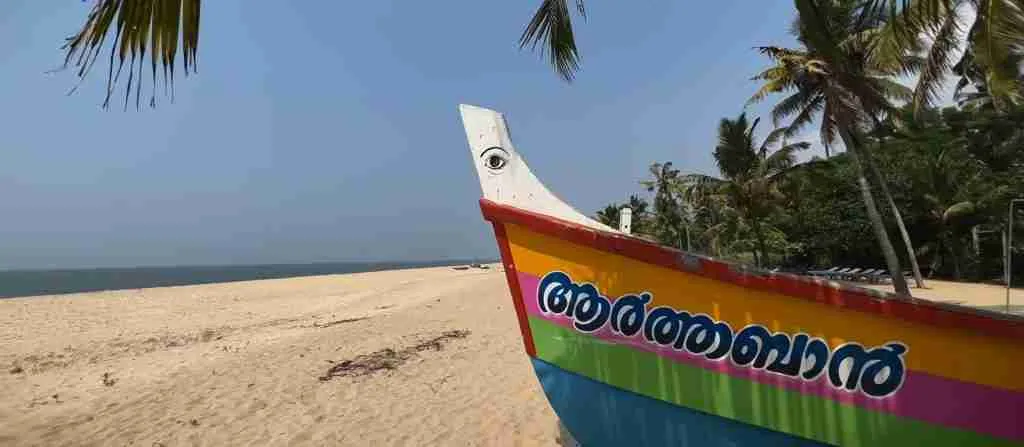
3 days
Kerala 3-Day Discovery Tour
- ✓ Comprehensive Kerala experience
- ✓ Expert local guides included
- ✓ All accommodation included
- ✓ Transportation provided
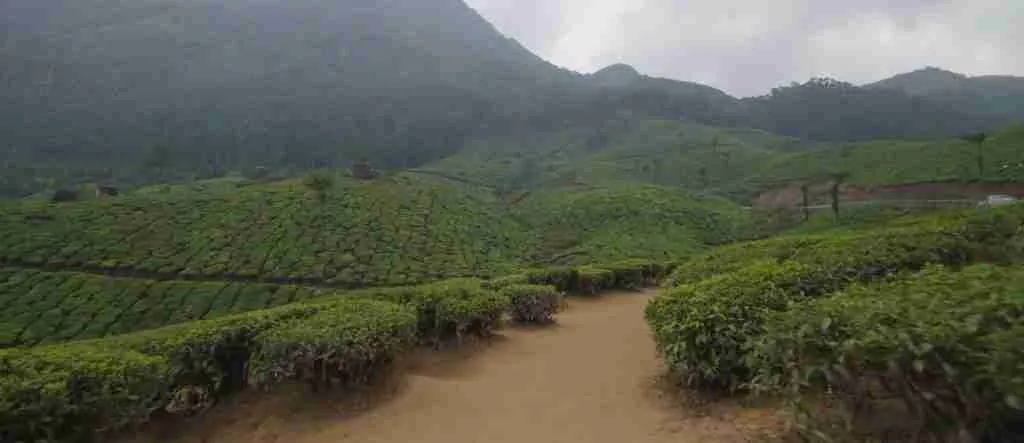
5 days
Kerala 5-Day Highlights Experience
- ✓ Comprehensive Kerala experience
- ✓ Expert local guides included
- ✓ All accommodation included
- ✓ Transportation provided
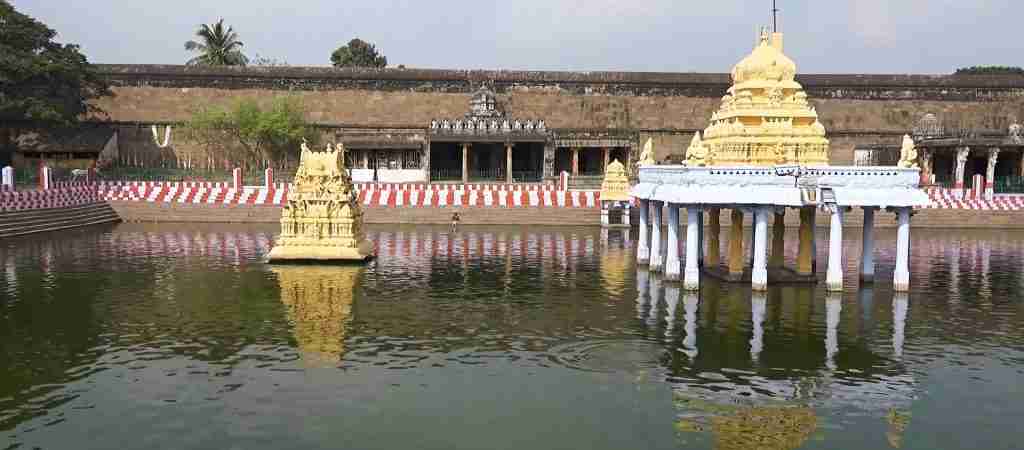
7 days
Kerala 7-Day Cultural Journey
- ✓ Comprehensive Kerala experience
- ✓ Expert local guides included
- ✓ All accommodation included
- ✓ Transportation provided
10 days
Kerala 10-Day Complete Adventure
- ✓ Comprehensive Kerala experience
- ✓ Expert local guides included
- ✓ All accommodation included
- ✓ Transportation provided
Multi-day tour packages powered by TourRadar. Prices and availability subject to change.
Introduction to Alleppey’s Unique Character
Alleppey represents a rare convergence where human settlement has adapted to water rather than attempting to control it. The town’s geography defies conventional urban planning, with canals serving as streets, boats functioning as vehicles, and water determining every aspect of daily life. This relationship between people and waterways has created a distinct culture visible in everything from architecture to agriculture, religious practices to recreation.
The backwater ecosystem surrounding Alleppey extends far beyond tourism imagery. These interconnected waterways form the circulatory system of a living landscape where traditional villages, known as kayal, exist on narrow strips of land between canals and rice fields. Residents travel by canoe to markets, temples, and schools, maintaining lifestyles that have changed remarkably little despite modernization elsewhere in Kerala. The backwaters support intricate ecological relationships, with mangrove forests stabilizing shorelines, aquatic vegetation purifying water, and diverse fish populations sustaining both wildlife and human communities.
Understanding Alleppey requires recognizing how geography shaped history. The town emerged as a commercial hub precisely because waterways enabled transportation of bulk goods when roads remained rudimentary. Spice traders, coir merchants, and rice exporters built warehouses along canal banks, creating an economy centered on water access. This commercial heritage survives in the town’s architecture, with colonial-era godowns (warehouses) lining major canals, many now converted to heritage hotels while retaining their distinctive features.
Historical Development and Trading Legacy
Alleppey’s founding in 1762 by Raja Kesavadas, the Diwan of Travancore, marked a deliberate attempt to create a planned port city. Recognizing the backwaters’ commercial potential, Kesavadas commissioned extensive canal construction, connecting inland agricultural regions to the coast. His vision transformed a series of fishing villages into a structured trading center with defined merchant quarters, warehouse districts, and administrative zones.
The 19th century witnessed Alleppey’s emergence as Kerala’s primary port for coir, spices, and cashew exports. European trading companies established offices here, attracted by efficient water transportation that allowed goods from interior districts to reach ships anchored in the Arabian Sea. The town became cosmopolitan, with Malayalam-speaking locals interacting daily with British merchants, Arab traders, and Chinese sailors. This multicultural atmosphere fostered religious tolerance, evidenced by the proximity of Hindu temples, Christian churches, and Muslim mosques in the town center.
Alleppey’s 20th-century history reflects Kerala’s broader transformation. The decline of maritime trade following Indian independence initially threatened the town’s economy, but adaptation proved crucial. The coir industry mechanized while retaining traditional retting processes, maintaining global competitiveness. Tourism emerged gradually, beginning with adventurous travelers seeking authentic backwater experiences and evolving into today’s sophisticated houseboat tourism. This economic transition preserved Alleppey’s waterway-centered character while providing new livelihoods for traditional boat-builders and fishermen.
Backwater Geography and Ecosystem
Vembanad Lake, India’s longest lake at 96 kilometers, forms the heart of Alleppey’s backwater system. This massive waterbody connects to the Arabian Sea through narrow openings, creating brackish conditions that support unique biodiversity. The lake’s depth varies seasonally, with monsoon rains raising water levels by several meters and summer drought exposing mudflats rich in nutrients that attract migratory birds.
The backwater network consists of interconnected elements: perennial rivers carrying fresh water from the Western Ghats, tidal inlets bringing seawater during high tide, human-made canals dug for transportation and irrigation, and natural lagoons formed where rivers meet the ocean. This complexity creates diverse microhabitats within short distances. A single houseboat journey might traverse freshwater zones dominated by lotus and water lilies, brackish areas where mangroves thrive, and tidal regions where seagrasses sway with ocean currents.
Kuttanad, the region’s agricultural heartland, demonstrates remarkable human adaptation to waterlogged conditions. Farmers here cultivate rice fields situated 0.6 to 2.2 meters below sea level, protected by mud embankments called bunds. This below-sea-level farming, one of few such systems globally, requires constant pumping to prevent saltwater intrusion during high tide. The practice originated centuries ago when communities reclaimed land from shallow lakes, creating productive fields from what appeared to be useless marsh.
The backwaters sustain complex food webs starting with phytoplankton and aquatic plants that convert sunlight into energy. Small fish and crustaceans consume this vegetation, becoming prey for larger fish, water birds, and otters. Humans harvest fish using traditional methods that maintain population balance, including Chinese fishing nets, cast nets, and bamboo traps placed strategically in tidal channels. This sustainable harvesting contrasts sharply with industrial fishing practices that deplete marine resources.
Traditional Village Life Along the Waterways
Backwater villages represent Kerala’s oldest settlement patterns, predating road-connected towns by centuries. These communities occupy narrow land strips between canals, with houses facing water rather than roads. Traditional architecture reflects this aquatic orientation: homes feature stepped ghats (water access points) for bathing and washing, covered verandas where families gather to watch boat traffic, and storage areas elevated above flood levels.
Daily routines in these villages revolve entirely around water. Children paddle small canoes to school, women ferry vegetables to floating markets, and men transport coconut husks to coir retting pits. The backwaters function as highways, playgrounds, and community gathering spaces simultaneously. Evening brings families to water’s edge for rituals: women light oil lamps in tiny boats set adrift as offerings, children practice swimming in designated safe zones, and elders discuss village matters while watching sunset colors reflect off calm waters.
Traditional occupations persist with remarkable continuity. Toddy tappers climb coconut palms twice daily to collect sap that ferments into palm wine, a practice unchanged for millennia. Coir workers still ret coconut husks in designated canal sections, then dry and spin fibers using manual techniques their great-grandparents employed. Fishermen navigate waterways by reading currents, tides, and bird behavior rather than GPS devices, maintaining knowledge systems developed through generations of observation.
Religious life in backwater villages incorporates water into ceremonies and festivals. Temple festivals feature processions of illuminated boats, with deity idols paraded through canals on decorated barges accompanied by traditional music. Christmas celebrations in Christian villages include midnight boat parades with candle-lit houseboats moving in formation while congregations sing carols from canal banks. These aquatic religious expressions demonstrate how thoroughly water permeates cultural identity.
Kettuvallam: From Cargo Vessels to Luxury Houseboats
Traditional kettuvallam construction represents sophisticated indigenous engineering refined over centuries. Builders select anjili wood for the hull due to its water resistance and jackfruit wood for interior beams because of its strength. The assembly process uses no metal fasteners; instead, coconut fiber rope binds planks together in a technique that allows the hull to flex with water movements rather than fight them. This flexibility prevents cracking and extends vessel lifespan beyond what rigid construction achieves.
A traditional cargo kettuvallam measured 60 to 100 feet long and 15 feet wide, designed to carry maximum cargo through narrow canals. The hull sat low in water for stability when loaded with 30 tons of rice or coir, while the distinctive curved prow lifted high to navigate choppy waters where backwaters meet the sea. Crews of four to six men operated these boats using long bamboo poles for shallow waters and woven palm-leaf sails when wind conditions permitted, traveling routes known intimately through years of experience.
The transformation to luxury houseboats required balancing traditional aesthetics with modern comfort. Entrepreneurs recognized that tourists sought authentic experiences but also expected private bathrooms, comfortable beds, and protection from insects. The solution involved maintaining traditional exterior appearance—woven bamboo roofs treated with protective oils, wooden hulls finished with traditional black resin, and palm-leaf canopies over open areas—while installing modern amenities discretely within. Today’s houseboats range from simple one-bedroom vessels to elaborate multi-suite boats with air conditioning, entertainment systems, and gourmet kitchens.
Houseboat crews perpetuate traditional knowledge while adapting to tourism demands. Captains navigate using ancestral familiarity with waterways, knowing which channels remain deep year-round and which become impassable during summer. Chefs prepare traditional Kerala cuisine using recipes passed through families, adapting portion sizes and spice levels to international palates while maintaining authentic flavors. Service staff explain local culture, pointing out village temples, demonstrating coir-making techniques, and sharing knowledge about backwater ecology their grandparents taught them.
Coir Industry: Sustainable Manufacturing Heritage
Coir production begins with retting, where coconut husks soak in designated backwater sections for six to twelve months. This prolonged soaking loosens fibers from woody husk material through bacterial decomposition. Retting pits occupy specific lagoons where water salinity and temperature optimize the process, with families controlling particular sections through generational rights. Workers periodically check husks, determining fiber readiness through texture and color.
After retting, husks undergo beating to separate fibers from remaining woody material. This labor-intensive process involves pounding husks with wooden mallets, then combing fibers to remove debris. Skilled workers produce long, clean fibers suitable for rope-making, while shorter fibers go to mat and mattress production. The beating sheds along canal banks create distinctive rhythmic sounds as multiple workers synchronize their mallet strikes, a sound that has characterized Alleppey for over a century.
Spinning converts raw fiber into yarn using traditional ratts (spinning wheels) that remain essentially unchanged from 19th-century designs. Spinners sit on raised platforms with ratts mounted at chest height, feeding fiber with one hand while operating the wheel with the other. This requires skill developed through years of practice, with experienced spinners producing even, strong yarn without conscious thought. Many spinning families work from homes, with multiple generations cooperating in production that supplements agricultural income.
Modern coir manufacturing maintains traditional methods while incorporating mechanical improvements where appropriate. Motorized retting pits accelerate the process slightly without changing fundamental techniques. Power looms weave mats and carpets faster than hand looms, yet many products still carry “handwoven” labels because human skill remains essential for complex patterns. This balance between tradition and efficiency allows Alleppey’s coir industry to compete globally while preserving cultural heritage embodied in manufacturing techniques.
Religious and Cultural Landscape
Alleppey’s religious diversity reflects centuries of maritime trade that brought multiple faiths into contact. The town’s oldest Hindu temples date to the Travancore period, with Mullakkal Bhagavathi Temple serving as the primary spiritual center for the Hindu community. This temple’s annual festival features elaborate processions including caparisoned elephants, traditional percussion orchestras, and thousands of devotees participating in rituals that have marked the Malayalam calendar for generations.
Christianity arrived in Kerala with St. Thomas in the 1st century CE, making the region home to one of world’s oldest Christian communities. Alleppey’s churches represent various denominations, from ancient Syrian Orthodox congregations to Catholic parishes established during Portuguese colonial times and Protestant churches founded by British missionaries. St. Andrew’s Basilica, built in 1582, exemplifies Indo-European architectural fusion with Kerala-style sloped roofs protecting Italian Renaissance interior decorations.
The Muslim community traces origins to Arab traders who settled in Kerala during the 7th century, drawn by spice commerce. Alleppey’s mosques serve both local worshippers and sailors stopping at the port, with architectural styles reflecting Arab, Persian, and indigenous influences. The Grand Mosque’s distinctive wooden ceiling employs traditional Kerala carpentry techniques while decorative elements follow Islamic geometric patterns, demonstrating cultural synthesis common throughout the region.
Religious festivals create Alleppey’s social calendar, with communities participating in each other’s celebrations despite different faiths. During Onam, Kerala’s harvest festival, Hindu, Christian, and Muslim families alike create elaborate flower carpets and prepare traditional feasts. Christmas sees Muslims and Hindus visiting Christian homes to share celebration meals. This interfaith harmony, rare in many parts of India, stems partly from maritime heritage that valued commercial relationships over religious distinctions and partly from Kerala’s long history of religious tolerance.
Nehru Trophy Boat Race and Snake Boat Tradition
Chundan vallam, or snake boats, represent the pinnacle of traditional Kerala boat-building. These vessels measure up to 150 feet long yet only 6 feet wide, designed for speed and spectacle rather than cargo capacity. The raised prow curves upward 15 feet, resembling a cobra’s hood—hence the “snake boat” name. Construction requires master craftsmen working for months to select appropriate wood, shape the hull’s elegant curves, and bind components with precision that ensures structural integrity under racing stresses.
The Nehru Trophy Boat Race, inaugurated in 1952, evolved from ancient warrior boat competitions into Kerala’s premier sporting event. Prime Minister Jawaharlal Nehru’s 1952 visit to Alleppey included a boat procession that so impressed him he donated a silver trophy for an annual race. This governmental endorsement transformed village competitions into a spectacle attracting 100,000 spectators to Punnamada Lake’s banks every second Saturday of August.
A racing chundan vallam carries 100 rowers seated in four rows, four helmsmen controlling steering oars, and 25 singers who chant rhythmic boat songs (vanchipattu) to synchronize rowing strokes. The coordination required—100 individuals rowing in perfect unison while singers maintain tempo and helmsmen adjust course—demands months of practice. Villages field teams composed of farmers, fishermen, and laborers who train after work hours, uniting communities in preparation that builds social bonds extending far beyond race day.
Beyond the famous Nehru Trophy, dozens of smaller boat races occur throughout the backwaters during monsoon season. These traditional competitions preserve regional variations in boat design and racing technique. Some races feature shorter, wider boats called churulan vallam, while others showcase iruttu-kutthi vallam designed for night racing with illuminated coconut-shell lamps along the hull. Each race maintains unique traditions regarding crew selection, pre-race rituals, and celebration customs, collectively preserving a diverse heritage that predates written records.
Beaches and Coastal Environments
Alleppey Beach stretches along the Arabian Sea, offering experiences distinct from backwater tourism. The beach features a historic pier extending 450 feet into the ocean, built in 1862 for loading ships anchored offshore. This pier, once vital for commerce, now serves as a sunset viewing platform where visitors watch fishing boats return with daily catches while local families picnic on the beach enjoying cool sea breezes.
The lighthouse near Alleppey Beach dates to 1862, constructed during British administration to guide ships approaching the port. Standing 150 feet tall, the lighthouse employed whale oil lamps initially, transitioning to electric illumination in the 20th century. The tower’s spiral staircase leads to an observation deck providing panoramic views encompassing the Arabian Sea, backwater canals, and agricultural lands stretching to the Western Ghats horizon. The lighthouse continues functioning as a navigational aid while welcoming tourists during designated visiting hours.
Marari Beach, located 15 kilometers north of Alleppey town, preserves a pristine coastal environment where traditional fishing villages coexist with tourism development. The beach extends for several kilometers with golden sand, swaying palm trees, and gentle surf suitable for swimming. Marari’s development has emphasized sustainability, with resorts built using traditional architecture, local materials, and employment practices that benefit fishing communities. This approach maintains the beach’s natural beauty while providing economic opportunities that reduce pressure on marine resources.
The coastal zone between Alleppey and Marari supports important turtle nesting habitat. Olive Ridley sea turtles arrive between November and February to lay eggs in sand above the high tide line. Conservation programs protect nests from predators and human disturbance, with volunteers monitoring hatching and guiding baby turtles safely to the ocean. These conservation efforts engage local fishing communities in protecting species their ancestors knew well but modern fishing practices had endangered.
Bird Watching and Wildlife Sanctuaries
Kumarakom Bird Sanctuary, accessible via boat from Alleppey, encompasses 14 acres of reclaimed wetland on Vembanad Lake’s shore. The sanctuary’s diverse habitats—shallow water, reed beds, mangrove forests, and scrubland—support over 180 bird species. Migratory birds arrive from October through March, escaping Siberian and Central Asian winters to feed in the sanctuary’s resource-rich environment. Thousands of pintail ducks, garganey teals, and common teals congregate in shallow waters, while herons, egrets, and cormorants hunt fish in deeper sections.
The sanctuary’s mangrove forests provide crucial ecosystem services while creating prime bird habitat. Mangrove roots stabilize shorelines against erosion, filter pollutants from water, and create nursery grounds for fish species that later populate open waters. Birds nest in mangrove canopies, with colonies of little cormorants, Indian pond herons, and night herons occupying different tree zones based on species-specific preferences for sunlight, protection, and fishing access.
Pathiramanal Island, accessible only by boat, functions as an unofficial bird sanctuary within Vembanad Lake. The island’s name translates to “sands of midnight,” referencing its appearance as a dark mass against reflective water during full moon nights. Dense vegetation covering the island’s 10 acres provides habitat for resident birds including kingfishers, woodpeckers, and owls, while shores attract waterfowl. Early morning visits offer optimal bird watching, when birds actively feed and call, creating a cacophony of natural sounds amplified by water’s acoustic properties.
Conservation challenges facing backwater birds include habitat loss from development, water pollution reducing fish populations, and disturbance from increased boat traffic. Conservation organizations work with houseboat operators to establish quiet zones during nesting season, educate tourists about maintaining respectful distances from bird colonies, and monitor population trends to identify species requiring specific protection measures. These efforts recognize that ecotourism can support conservation if managed thoughtfully, but destroys the very resources it depends on if pursued without ecological consideration.
Traditional Arts and Performance Culture
Kathakali, Kerala’s classical dance-drama, finds regular performance in Alleppey’s cultural centers. This art form combines elaborate costumes, distinctive makeup, precise hand gestures (mudras), and facial expressions to convey stories from Hindu epics. Performances begin with artists applying makeup in traditional patterns—green faces for noble characters, red beards for villains, black faces for hunters—a process taking several hours and attracting audiences who watch this ritual transformation.
Theyyam performances, though more common in northern Kerala, occasionally occur in Alleppey temples during special festivals. This ancient ritual art involves performers embodying deities through elaborate costumes, face painting, and trance-like states induced by rhythmic music and dance. Theyyam differs from staged performances; devotees believe the performer becomes the deity, consulting them for blessings and guidance. The tradition maintains animistic beliefs predating organized Hinduism, representing cultural continuity spanning millennia.
Mohiniyattam, Kerala’s classical dance form traditionally performed by women, showcases graceful movements inspired by swaying coconut palms. This dance style emphasizes fluid hand movements, circular patterns, and expressive eye movements to convey emotional narratives. Cultural organizations in Alleppey maintain Mohiniyattam schools where young dancers learn techniques requiring years of training to master. Public performances during festivals introduce visitors to this refined art form while maintaining its transmission to new generations.
Kalaripayattu, Kerala’s indigenous martial art, maintains training centers in Alleppey where students learn combat techniques, weapons handling, and meditative practices. This ancient system, possibly dating back 3,000 years, influenced several Asian martial arts traditions. Training emphasizes flexibility, controlled breathing, and spiritual development alongside physical skills. Demonstrations showcase spectacular techniques including armed combat with curved swords and flexible staffs, acrobatic kicks, and pressure point strikes requiring precise knowledge of human anatomy.
Culinary Heritage and Traditional Cuisine
Alleppey’s cuisine reflects its backwater geography and coastal location, emphasizing seafood, coconut, and rice. Karimeen pollichathu (pearl spot fish marinated in spices, wrapped in banana leaves, and grilled) represents the region’s signature dish. Pearl spot fish thrives in brackish backwaters, feeding on small crustaceans that give its flesh distinctive flavor. The banana leaf wrapping imparts subtle flavors while sealing moisture during cooking, a technique predating modern foil wrapping by centuries.
Traditional Kerala meals follow a specific structure and serving order. Rice forms the foundation, served on banana leaves with various curries, sambhar (lentil stew), aviyal (mixed vegetables in coconut), and pickles arranged in prescribed positions. Diners eat with their right hand, mixing rice with curries in specific combinations that balance flavors and textures. This meal pattern, called sadya during festivals, can include 20 to 30 dishes demonstrating culinary complexity and hospitality.
Coconut appears in nearly every dish, prepared in diverse forms that showcase processing knowledge. Fresh coconut provides tender meat eaten as snacks, while mature coconuts yield grated flesh for curries, pressed coconut milk for gravies, and squeezed coconut oil for cooking. Coconut shells become fuel for kitchen fires, fronds serve as roofing material, and coir from husks produces rope and mats. This complete utilization of every coconut component demonstrates sustainable resource use refined over generations.
Toddy shops, serving palm wine tapped from coconut trees, function as social centers where men gather after work. Fresh toddy, collected morning and evening, has sweet, slightly fizzy character before fermentation increases alcohol content and sourness. These establishments serve traditional accompaniments like spicy fish curry, beef fry, and tapioca, creating informal restaurants preserving recipes and preparation methods that rarely appear in tourist-oriented venues. Understanding backwater culture requires experiencing these authentic food spaces where agricultural workers and fishermen discuss daily life over shared meals.
Contemporary Environmental Challenges
Water pollution threatens backwater ecosystems through multiple sources. Agricultural runoff carries fertilizers and pesticides that promote algae blooms, depleting oxygen and killing fish. Household sewage from increasing development along canal banks introduces pathogens and nutrients that disrupt ecological balance. Houseboat operations contribute through improper waste disposal and fuel leaks, though stricter regulations now require waste holding tanks and regular inspections.
Invasive water hyacinth, introduced as an ornamental plant, now covers large backwater sections, blocking sunlight, depleting oxygen, and impeding boat navigation. This South American species reproduces rapidly in Kerala’s tropical climate, doubling its coverage every two weeks under optimal conditions. Manual removal proves labor-intensive and temporary; the plant regrows from any remaining fragments. Biological control using specialized weevils shows promise but requires careful implementation to avoid unintended ecosystem impacts.
Climate change manifests through rising sea levels that increase saltwater intrusion into freshwater zones, altered monsoon patterns affecting water availability, and increased storm intensity threatening canal-side structures. Communities observe changes their ancestors never experienced: rice fields in Kuttanad face increasing salinity requiring salt-tolerant crop varieties, coconut palms show stress from changing water tables, and traditional weather prediction methods based on historical patterns no longer reliably forecast conditions.
Conservation initiatives address these challenges through multiple approaches. Government programs promote constructed wetlands that filter agricultural runoff before it reaches backwaters. Community organizations conduct regular cleanup drives, removing solid waste and water hyacinth while educating residents about pollution sources. Tourism operators increasingly adopt sustainable practices, including solar-powered houseboats, waste recycling programs, and partnerships with conservation organizations. These efforts demonstrate recognition that backwater health directly impacts both ecological integrity and economic prosperity dependent on tourism.
Photography Guide: Capturing Alleppey’s Essence
Dawn photography in the backwaters offers ethereal light conditions and mirror-like water reflections. Position yourself on canal banks 30 minutes before sunrise, when soft blue light creates silhouettes of houseboats and coconut palms against gradually brightening skies. Morning mist rising from water surfaces adds atmospheric depth to images, particularly when backlit by emerging sun. Traditional fishermen checking nets during these early hours provide compelling foreground subjects against pastel sunrise colors.
Houseboat photography requires attention to perspective and light. Wide-angle lenses capture traditional kettuvallam exteriors against backwater landscapes, emphasizing the boats’ length and elegant curves. Shoot from low angles at water level to emphasize the boats’ imposing presence. Interior shots benefit from natural light streaming through woven bamboo roofs, creating interesting shadow patterns. Include crew members engaged in traditional tasks—steering with long poles, cooking in compact kitchens—to convey the human element maintaining these vessels.
Village life photography demands respectful approach and cultural sensitivity. Seek permission before photographing individuals, particularly women and children. Morning hours when families gather at water’s edge for bathing and washing provide natural, documentary-style opportunities. Photograph coir workers at retting pits and spinning wheels, capturing traditional techniques in authentic settings. Include environmental context showing the relationship between people and water that defines backwater existence.
Sunset photography from Alleppey Beach benefits from the pier’s elevated vantage point. Position yourself along the pier at different distances from shore to vary foreground elements—fishing boats, silhouetted figures, wave patterns. Shoot in manual mode, exposing for the sky while accepting that foreground will render as silhouette unless you use graduated neutral density filters to balance exposure. Time visits during new moon periods for clearest skies, or during full moon for additional creative opportunities photographing moonrise over the ocean.
Seasonal Variations and Weather Patterns
Monsoon season, from June through September, transforms backwaters into swollen waterways with dramatic cloud formations and intense greenery. Heavy rains raise water levels significantly, inundating low-lying areas and creating temporary connections between normally separate water bodies. While tourism declines during monsoon, this season offers unique photographic opportunities and insights into how traditional communities adapt to annual flooding. Villages prepare by elevating stored goods, reinforcing bunds protecting rice fields, and maintaining boats that become primary transportation when pathways flood.
Post-monsoon period, from October through January, provides ideal conditions for backwater tourism. Water levels remain high while rainfall decreases, creating perfect houseboat cruising conditions. Temperatures moderate to 23-30°C, comfortable for outdoor activities. This season coincides with harvest time in Kuttanad, when rice fields turn golden and farming activities intensify. Migratory birds arrive at sanctuaries, adding wildlife viewing opportunities to cultural tourism.
Summer months, from February through May, bring intense heat with temperatures reaching 35°C. Water levels drop significantly, exposing mudflats and concentrating fish populations in remaining deep channels, which creates excellent fishing but can limit houseboat routes in shallow areas. Coconut harvest peaks during these months, with palm climbers working throughout plantations. The heat drives many outdoor activities to early morning or late evening, with mid-day reserved for rest in shaded areas.
Each season offers distinct advantages for different visitor interests. Monsoon suits those seeking solitude and dramatic atmospheric conditions. Post-monsoon attracts wildlife enthusiasts, photographers, and travelers preferring comfortable weather. Summer appeals to visitors interested in agricultural processes and fishing traditions, despite challenging temperatures. Understanding these seasonal variations helps travelers align visits with specific interests and acceptable comfort levels.
Traditional Medicine and Ayurvedic Heritage
Ayurveda, Kerala’s traditional medicine system dating back 5,000 years, remains integral to local healthcare and wellness culture. Alleppey hosts numerous Ayurvedic centers offering treatments based on ancient texts describing how to balance three doshas (bodily humors) through herbs, massage, diet, and lifestyle adjustments. These centers range from simple clinics treating local patients to elaborate resorts providing multi-week panchakarma (detoxification) programs for international visitors seeking traditional healing approaches.
Medicinal plants grow abundantly in backwater environments, with traditional practitioners maintaining gardens cultivating dozens of therapeutic species. Neem trees provide leaves, bark, and oil used for skin conditions and dental care. Tulsi (holy basil) treats respiratory issues and stress. Ashwagandha roots boost immunity and vitality. This pharmaceutical knowledge, transmitted through family lineages, represents sophisticated understanding of plant chemistry and therapeutic applications developed through millennia of observation and experimentation.
Ayurvedic massage techniques employ specific oils, pressures, and rhythmic movements tailored to individual constitutions and health conditions. Abhyanga (full-body oil massage) promotes circulation and toxin elimination. Shirodhara involves warm oil poured in continuous stream over the forehead, inducing deep relaxation. Pizhichil combines massage with continuous oil application over the entire body, particularly beneficial for neurological conditions. These treatments require trained practitioners who understand subtle physiological responses and adjust techniques accordingly.
Contemporary Ayurvedic practice in Alleppey blends traditional knowledge with modern understanding. Many practitioners hold degrees from Ayurvedic medical colleges where ancient texts form curriculum foundation supplemented by anatomy, physiology, and pathology courses. This integration allows Ayurveda to address modern health challenges while maintaining philosophical principles about holistic wellness that distinguish it from purely symptomatic Western medicine approaches.
Sustainable Tourism and Community Development
Responsible backwater tourism requires balancing economic benefits against environmental protection and cultural preservation. The houseboat industry generates substantial income but also creates pollution, noise, and congestion that can damage the ecosystems and traditional lifestyles attracting visitors initially. Addressing this paradox involves collaborative efforts among government regulators, tourism operators, and local communities.
The Kerala Tourism Department has implemented regulations governing houseboat operations, including mandatory waste holding tanks, restrictions on plastic use, and designated anchoring zones that protect sensitive habitats. Annual inspections verify compliance with safety and environmental standards, with operating licenses depending on meeting specified criteria. These measures, though sometimes resisted initially by operators concerned about costs, have improved water quality in heavily trafficked areas while professionalizing the industry.
Community-based tourism initiatives direct tourism benefits to village residents traditionally excluded from houseboat profits. Programs arrange homestays where visitors sleep in family homes, eat home-cooked meals, and participate in daily activities like fishing, coir-making, or rice farming. These experiences provide authentic cultural exchange while generating income distributed directly to households rather than concentrated among boat owners and tour operators. Village tourism requires careful management to prevent disrupting community life and ensuring that hosting responsibilities don’t overwhelm families.
Ecotourism projects emphasize education about backwater ecosystems and traditional sustainable practices. Bird watching tours led by knowledgeable naturalists teach species identification and conservation challenges. Village walks explain traditional architecture, water management systems, and agricultural techniques adapted to unique backwater conditions. These educational components transform tourism from mere consumption of picturesque scenery into opportunities for meaningful cultural and environmental learning that may inspire conservation support beyond Kerala.
Frequently Asked Questions
What is the best time to experience Alleppey’s backwaters?
November through February offers optimal conditions, with comfortable temperatures, low rainfall, and high water levels perfect for houseboat cruising. This period coincides with migratory bird arrivals and post-harvest agricultural activities, providing diverse experiences. Monsoon season (June-September) appeals to travelers seeking dramatic atmospheric conditions and cultural authenticity when tourism diminishes, though heavy rains can limit some activities. Summer (March-May) suits those interested in fishing traditions and coconut harvesting despite higher temperatures.
How long should a houseboat experience last?
Overnight cruises provide comprehensive backwater experiences, allowing observation of village life throughout a full day-night cycle. These typically include afternoon boarding, evening canal exploration, overnight anchoring in quiet locations, dawn departure through morning mist, and mid-morning disembarkation. Day cruises (6-8 hours) suit travelers with time constraints or budget limitations, covering major waterways and village areas. Multi-night cruises enable deeper exploration of remote canals and extended interaction with traditional communities, though most scenic areas and cultural highlights are accessible within 24 hours.
What makes Alleppey’s coir industry environmentally sustainable?
Coir production utilizes coconut husks otherwise discarded as agricultural waste, converting a disposal problem into economic resource. The retting process occurs in natural backwater environments without chemical additives, relying on bacterial decomposition that completes within months. Processing requires minimal energy since husks are dried naturally and fiber extraction uses manual labor rather than heavy machinery. The final products are biodegradable, contrasting sharply with synthetic alternatives. This circularity—transforming waste into valuable products using natural processes—exemplifies sustainable manufacturing.
How can visitors participate in traditional village activities?
Community-based tourism programs arrange homestays and village tours where visitors join daily activities under local guidance. Opportunities include accompanying fishermen on morning catches, learning coir spinning from experienced workers, participating in rice harvesting during appropriate seasons, and attending cooking sessions preparing traditional Kerala meals. These experiences require advance arrangements through authorized tourism offices or responsible tour operators who maintain relationships with willing host families. Visitors should approach these opportunities with cultural sensitivity, recognizing they’re entering private spaces and ongoing livelihoods rather than staged performances.
What wildlife can be observed in Alleppey’s backwaters?
Over 180 bird species inhabit backwater ecosystems, including migratory waterfowl arriving October through March. Commonly observed species include cormorants, herons, egrets, kingfishers, and various ducks. Otters occasionally appear in quiet canal sections, hunting fish during early morning hours. Monitor lizards sun themselves on canal banks, while various snake species inhabit wetland vegetation. Aquatic life includes multiple fish species adapted to brackish conditions, prawns harvested commercially, and occasional glimpses of dolphins near coastal areas where backwaters meet the ocean. Responsible wildlife viewing maintains respectful distances and avoids disturbing nesting or feeding behaviors.
How has Alleppey’s architecture adapted to water-dominated landscape?
Traditional backwater architecture incorporates elevated foundations protecting against seasonal flooding, covered verandas providing shade while capturing breezes, and stepped ghats enabling water access for bathing and washing. Buildings use locally available materials—laterite stone for foundations, coconut timber for structural elements, clay tiles for roofing, and woven palm leaves for temporary structures. Roof designs employ steep pitches that shed monsoon rains efficiently while overhanging eaves protect walls from weather. Modern construction maintains these practical features while incorporating concrete and steel for durability, demonstrating how traditional wisdom informs contemporary building practices.
What role do backwaters play in Kerala’s agricultural economy?
Backwaters enable Kuttanad’s unique below-sea-level rice cultivation, producing approximately 300,000 tons annually. The waterway network facilitates irrigation, transportation of agricultural inputs and harvests, and natural flood management that deposits nutrient-rich sediments fertilizing fields. Coconut plantations along canal banks benefit from high water tables supporting tree growth. Fish farming in designated backwater sections provides protein and income for thousands of families. This agricultural integration with aquatic ecosystems creates resilient food production systems combining rice, fish, coconut products, and vegetables in complementary patterns optimizing land and water resources.
How does the Nehru Trophy Boat Race maintain cultural significance?
The annual race preserves ancient boat-building techniques and rowing traditions that might otherwise disappear with declining commercial water transport. Village teams unite communities across caste and economic divisions in shared competitive purpose. Training sessions transmit traditional boat songs and synchronized rowing techniques from experienced elders to younger generations. The event attracts massive crowds, generating economic activity while celebrating Kerala’s maritime heritage. Beyond competition, the race reinforces collective identity rooted in water-based culture, reminding participants and spectators of historical connections to backwater environments that shaped regional character.
What conservation challenges face Alleppey’s backwaters?
Water pollution from agricultural runoff, domestic sewage, and tourism operations degrades water quality, threatening aquatic life and human health. Invasive water hyacinth blocks waterways and depletes oxygen, requiring constant removal efforts. Unplanned development along canal banks increases erosion and destroys wildlife habitat. Climate change brings rising sea levels that increase saltwater intrusion, altered rainfall patterns affecting water availability, and stronger storms threatening infrastructure. Overfishing depletes some species populations despite traditional sustainable practices. Addressing these interconnected challenges requires coordinated action among government agencies, tourism operators, residents, and conservation organizations.
How does Alleppey balance modernization with cultural preservation?
The town maintains traditional industries like coir manufacturing while allowing mechanization that improves efficiency without eliminating artisan skills. Heritage regulations protect historic canal-side buildings from demolition, often adapting them as boutique hotels preserving architectural character. Educational programs in schools teach traditional arts like Kathakali and boat-building alongside standard curriculum. Tourism development emphasizes authentic cultural experiences over manufactured attractions, encouraging visitors to engage with real community life. This approach recognizes that cultural preservation requires living traditions actively practiced rather than museums displaying static artifacts, ensuring Kerala’s unique heritage evolves while maintaining core identity.