Alhambra Travel Tips 2026: Essential Visitor Guide
The Alhambra’s extraordinary beauty and historical significance attract over 2.7 million annual visitors to Granada’s hilltop palace complex. This popularity creates challenges that transform first visits into stressful experiences without proper preparation. Long entry lines, confusing layouts, strict photography rules, and physical demands frustrate unprepared tourists who miss key sections, exhaust themselves navigating the complex, or forfeit expensive tickets through timing mistakes.
Key Takeaways
- Book tickets 3-4 months ahead during peak season to guarantee entry and preferred time slots
- Arrive 45 minutes early to account for parking, security, and walking to entry points
- Wear comfortable walking shoes with good traction for 2-4 miles of walking on uneven surfaces
- Bring water and snacks as limited food options exist within the complex
- Download offline maps before visiting to navigate the sprawling complex without internet dependence
- Skip flash photography which damages delicate interiors and creates distractions for other visitors
Introduction
Success at the Alhambra requires practical knowledge beyond basic booking and routing information. Understanding security procedures, knowing photography regulations, mastering crowd avoidance strategies, and preparing for physical demands separate enjoyable visits from disappointing ones. Small details like proper footwear, strategic rest timing, and appropriate clothing dramatically affect comfort and satisfaction levels.
This comprehensive guide compiles essential tips covering every practical aspect of Alhambra visits. From pre-trip planning through post-visit strategies, these field-tested recommendations help you avoid common pitfalls, maximize comfort, capture better photos, and create memorable experiences at Spain’s most visited monument.
People Also Ask About Alhambra Travel Tips 2026
What should I wear to visit the Alhambra?
Wear comfortable walking shoes with good traction and support for 2-4 miles of walking on uneven surfaces. Choose breathable, layered clothing appropriate for weather conditions. Bring hats and sunglasses for sun protection. Modest dress works fine as the Alhambra doesn’t enforce specific clothing requirements.
Can I bring a backpack to the Alhambra?
Standard-sized backpacks and day bags are permitted through security screening. Large backpacks, suitcases, and rolling luggage are prohibited. Security inspects all bags at entry points. Lockers are not available, so avoid bringing unnecessary items requiring storage during your visit.
Is photography allowed in the Alhambra?
Photography is permitted throughout most Alhambra areas for personal use. Flash photography is prohibited inside palace interiors as it damages delicate stucco and tile work. Tripods require special permits. Commercial photography needs advance authorization. Drones are completely prohibited.
Are there restrooms and water fountains at the Alhambra?
Restrooms are located at major entry points, near the Palace of Charles V, and in the Generalife area. Water fountains exist but bringing your own water bottles ensures adequate hydration throughout visits. Limited food and beverage purchasing opportunities exist within the complex.
Extended multi-day tours – 5+ days
Featured Andalucia Multi-Day Tour Packages
3 days
Andalucia 3-Day Discovery Tour
- ✓ Comprehensive Andalucia experience
- ✓ Expert local guides included
- ✓ All accommodation included
- ✓ Transportation provided

5 days
Andalucia 5-Day Highlights Experience
- ✓ Comprehensive Andalucia experience
- ✓ Expert local guides included
- ✓ All accommodation included
- ✓ Transportation provided
7 days
Andalucia 7-Day Cultural Journey
- ✓ Comprehensive Andalucia experience
- ✓ Expert local guides included
- ✓ All accommodation included
- ✓ Transportation provided
10 days
Andalucia 10-Day Complete Adventure
- ✓ Comprehensive Andalucia experience
- ✓ Expert local guides included
- ✓ All accommodation included
- ✓ Transportation provided
Multi-day tour packages powered by TourRadar. Prices and availability subject to change.
Before You Go
Booking Strategies & Ticket Types
Strategic ticket purchasing prevents the number one problem visitors face: arriving without valid entry and finding sold-out conditions. Understanding ticket types and booking channels ensures you secure appropriate access.
Advance Purchase Timeline: Book tickets 3-4 months before peak season visits (April-October) when daily limits of 6,600 visitors sell out quickly. Summer months (June-August) demand the earliest booking as popular morning time slots disappear first. Winter visits (November-March) allow 6-8 week booking windows with better availability.
Official Booking Channels: Purchase directly through the official Alhambra website (tickets.alhambra-patronato.es) or authorized resellers including GetYourGuide and Tiqets. Avoid scalpers or unofficial vendors offering inflated prices or invalid tickets. Official tickets cost €19.09 for general admission with Nasrid Palaces access.
Ticket Types Explained: General admission (€19.09) includes all major areas with timed Nasrid entry. Gardens-only tickets (€10.61) access Generalife and Alcazaba but exclude Nasrid Palaces. Night visit tickets (€10.61) offer evening Nasrid or Generalife access during summer months. Guided tour packages (€50-75) include skip-the-line access and expert commentary.
Confirmation Details: Verify confirmation emails include correct names, dates, and Nasrid Palaces time slots. Screenshot or print tickets as backup to mobile versions. Bring identification matching ticket names for entry verification. Tickets are non-transferable between individuals.
Physical Preparation
The Alhambra’s scale and topography demand physical readiness preventing exhaustion, injury, or discomfort during visits. Realistic assessment of capabilities and appropriate preparation creates comfortable experiences.
Walking Distance Reality: Complete Alhambra visits involve 2-4 miles of walking depending on routing and exploration depth. The complex sprawls across hilltop terrain with connecting paths between major sections. Factor walking distance into daily itinerary planning, especially when combining the Alhambra with other Granada activities.
Elevation Changes: The complex includes significant stairs and elevation changes totaling 50+ meters from lowest to highest points. Torre de la Vela tower climb involves 150+ steps. Palace areas include numerous stairways between levels. Those with knee problems or limited mobility should plan accordingly.
Uneven Surfaces: Original medieval paving, cobblestones, and uneven pathways require careful footing. Smooth palace floors become slippery when wet. Garden paths include gravel, packed earth, and occasionally muddy sections. Proper footwear proves essential for safe navigation.
Fitness Requirements: Standard visits demand moderate fitness levels comfortable with 3-4 hours of walking with occasional stairs. Reduced mobility visitors can access main areas through alternative routes but face limitations in towers, upper gardens, and some palace sections. Contact the monument in advance to discuss accessibility needs.
Packing Essentials Checklist
Strategic packing prevents common problems while avoiding unnecessary items that complicate security screening or become burdens during visits.
Must-Bring Items:
- Comfortable walking shoes with good traction and arch support
- Printed or mobile tickets with confirmations
- Government-issued photo identification matching ticket names
- Water bottles (1-2 liters per person for full visits)
- Sun protection: sunscreen SPF 30+, hats, sunglasses
- Small day pack or shoulder bag for essentials
- Light rain jacket or umbrella (Granada experiences occasional rain)
- Camera or smartphone with charged batteries
- Portable phone charger/power bank
- Small snacks (granola bars, nuts, fruit)
Useful Optional Items:
- Lightweight cardigan or fleece for cool morning/evening temperatures
- Notebook and pen for taking notes or sketching
- Binoculars for viewing architectural details from distance
- Cash for souvenirs, food, or gratuities (€20-40 recommended)
- Bandaids and basic first aid supplies
- Tissues or hand sanitizer
Leave Behind: Large backpacks, suitcases, professional camera equipment without permits, drones, tripods without authorization, outside food requiring refrigeration, and valuables you don’t need during visits.
Weather Planning
Granada’s Mediterranean climate creates generally favorable conditions but requires seasonal preparation for temperature extremes and occasional precipitation.
Summer Heat Strategy (June-August): Temperatures exceed 35°C during peak afternoon hours. Schedule visits for early morning (8:30-11:00 AM) before heat intensifies. Wear lightweight, breathable fabrics in light colors. Apply high-SPF sunscreen before arrival and bring reapplication supplies. Hats with wide brims provide face and neck protection. Increase water intake significantly during hot weather visits.
Winter Cold Preparation (December-February): Morning temperatures range 5-10°C requiring layers, jackets, and warm accessories. Wind increases perceived cold on exposed fortress walls and garden areas. Dress in removable layers accommodating temperature variation as day progresses and you move between sunny/shaded areas.
Rain Contingencies: Granada receives moderate rainfall, particularly November-March. Bring compact umbrellas and water-resistant jackets. Waterproof your cameras and phones. Palace floors become slippery when wet, requiring careful walking. Rain drives crowds into covered palace areas, making gardens emptier.
Seasonal Optimal Conditions: Spring (April-May) and fall (September-October) provide ideal weather with temperatures 18-25°C, minimal rain, and comfortable all-day exploration conditions. These shoulder seasons balance pleasant weather with reasonable crowd levels.
Arrival & Entry Procedures
Getting to the Alhambra
Reaching the hilltop complex requires navigation planning as multiple approach routes offer different advantages for various visitor situations.
Walking from City Center: The 25-30 minute uphill walk from Plaza Nueva provides free access but demands good fitness. Follow Cuesta de Gomérez through the Puerta de las Granadas gate and continue uphill to main entrances. This route suits early morning arrivals before heat and those enjoying walking through Granada’s historic streets.
Bus Service: Lines C30 and C32 run frequently from Plaza Nueva to Alhambra entrances (every 8-12 minutes during peak hours). Single tickets cost €1.40, day passes €5. Buses drop at the main entrance and ticket office area. This efficient option suits those avoiding uphill walks or arriving during hot weather.
Taxi/Ride Services: Taxis from central Granada cost €8-12 for the short trip to Alhambra entrances. This option suits those running late, carrying heavy bags, or visiting during extreme weather. Return taxis wait at designated stands near main gates.
Driving & Parking: Limited parking exists near entrances (€3-5 per hour, €20-25 daily maximum). Lots fill early during peak season (arrive before 9:00 AM for spaces). Some Granada hotels offer Alhambra parking packages. Consider parking in city center and using buses to avoid parking stress.
Security Screening
All visitors undergo security procedures similar to airport screening before accessing the complex. Understanding these processes prevents delays and confusion.
Screening Locations: Security checkpoints operate at main entrance pavilions near ticket offices and at the Generalife entrance. All bags pass through X-ray machines, and visitors walk through metal detectors. Security staff conduct visual inspections and may request bag searches.
Prohibited Items: Weapons, large bags (suitcases, rolling luggage), professional photography equipment without permits, tripods without authorization, drones, outside alcohol, and potentially dangerous items are prohibited. Security confiscates unauthorized items without storage options available.
Screening Time: Allow 10-15 minutes for security during busy periods when lines form at checkpoints. Early morning entries (8:30-9:00 AM) process quickly. Peak midday periods (10:00 AM-2:00 PM) experience longest waits. Arriving 45 minutes before Nasrid time slots accounts for security delays.
Ticket Verification & Entry
Multiple ticket checkpoints throughout the complex verify access rights at different areas. Understanding this system prevents confusion and ensures smooth progression through your visit.
Initial Entry Gate: Present tickets and identification at main gates for general complex access. Staff scan QR codes or verify printed confirmations. This checkpoint grants entry to Generalife, Alcazaba, Palace of Charles V, and connecting areas.
Nasrid Palaces Checkpoint: A dedicated checkpoint at Nasrid Palaces entrances strictly enforces timed entry windows. Arrive within your designated 30-minute slot (example: 10:00-10:30 AM). Late arrivals forfeit palace access without refunds or rescheduling. This checkpoint represents the most critical entry point requiring punctual arrival.
ID Requirements: Bring government-issued photo identification matching names on tickets. Security randomly checks IDs throughout the complex. Tickets are non-transferable, and presenting tickets under wrong names results in denied entry.
Orientation Upon Arrival
First impressions of the sprawling Alhambra complex overwhelm many visitors. Taking orientation time prevents confusion and creates efficient visit foundations.
Map Collection: Collect free maps at entrance pavilions showing all major sections, pathways, facilities, and points of interest. Study maps before proceeding to understand layout and plan initial routing. Maps mark restroom locations, viewpoints, and emergency exits.
Signage System: The complex uses clear directional signage in multiple languages marking routes to major sections. Follow signs systematically to avoid getting lost. Green signs indicate gardens, blue marks palaces, and brown shows military structures.
Initial Decisions: Determine your starting point based on Nasrid time slots. Early slots (8:30-9:30 AM) work well with Generalife-first routing. Later slots permit palace-first approaches. Make conscious routing decisions rather than wandering randomly.
Staff Assistance: Information staff positioned at major checkpoints and junctions provide assistance. Ask questions about routing, facilities, or procedures early in visits to prevent problems later.
During Your Visit
Photography Guidelines & Tips
The Alhambra’s photogenic spaces inspire constant shooting, but understanding rules and techniques creates better images while respecting preservation needs.
Photography Rules: Personal photography is permitted throughout the complex for non-commercial use. Flash photography is prohibited inside Nasrid Palaces as repeated flashes damage delicate stucco work, tile patterns, and painted surfaces. Tripods require special permits purchased separately and work only in designated areas. Selfie sticks are discouraged in crowded spaces for safety reasons.
Best Photography Times: Morning golden hour (8:30-10:00 AM) provides soft, warm light enhancing red fortress walls and creating beautiful palace courtyard illumination. Late afternoon (5:00-7:00 PM in summer) offers similar lighting quality. Harsh midday sun creates strong shadows and washed-out colors less flattering for photography.
Signature Photo Locations:
- Court of Lions: Water fountain with surrounding colonnade creates the Alhambra’s most iconic image
- Court of Myrtles: Reflecting pool mirrors palace façade for symmetrical compositions
- Generalife Water Channel: Patio de la Acequia’s straight water feature with rose gardens frames perfectly
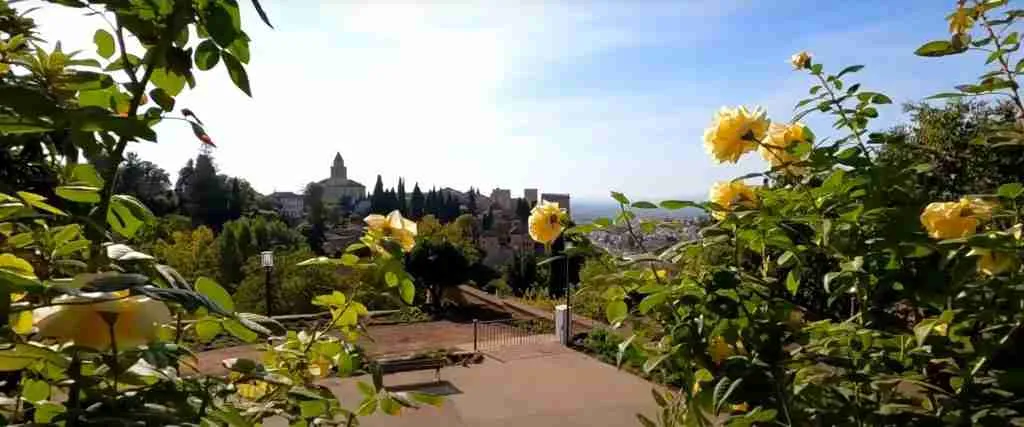
- Torre de la Vela: Panoramic Granada views with Albaicín neighborhood and Sierra Nevada mountains
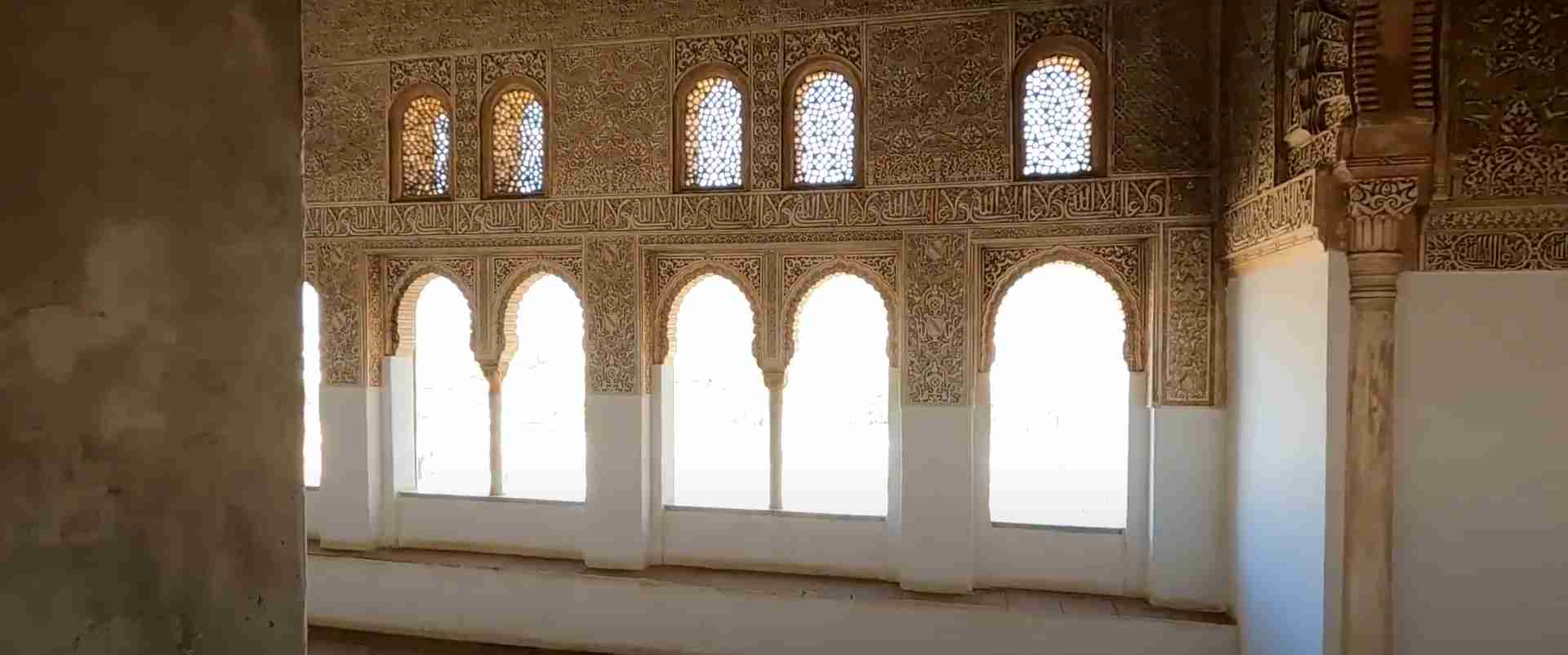
- Palace Windows: Arched palace windows frame surrounding landscapes and gardens artistically
Technical Tips: Bring wide-angle lenses (16-35mm) for palace interiors and garden spaces. Medium zooms (24-70mm) handle most situations versatilely. Turn off flash settings preventing accidental firing in prohibited areas. Shoot in RAW format for maximum post-processing flexibility. Bring spare batteries and memory cards for extensive shooting sessions.
Etiquette Considerations: Avoid blocking pathways or popular viewpoints while photographing. Take quick shots during peak traffic times, returning for extended sessions during quieter periods. Respect other visitors’ experiences by not monopolizing prime locations. Ask permission before photographing people, even as background elements.
Crowd Management Strategies
The Alhambra’s popularity creates crowded conditions, particularly during peak hours and summer months. Strategic crowd avoidance enhances enjoyment and creates better photo opportunities.
Early Entry Advantages: The 8:30 AM first entry slot provides 45-60 minutes of relatively empty conditions before crowds build. Early visitors photograph signature locations without people, explore popular areas peacefully, and establish good positioning before tour groups arrive.
Peak Crowd Times: Maximum crowds occur 10:00 AM-2:00 PM when all visitors overlap in the complex. The Nasrid Palaces experience highest density as timed entries funnel visitors through limited spaces. The Court of Lions becomes particularly congested during peak hours making photography and detailed viewing challenging.
Strategic Timing: Visit popular areas during off-peak windows. Explore Nasrid Palaces immediately at your entry time before your slot’s later arrivals join. Visit the Generalife mid-late morning (10:30-11:30 AM) when most visitors focus on palaces. Tour the Alcazaba during early afternoon (1:30-2:30 PM) as some visitors complete visits.
Patience Techniques: Popular photo locations like the Court of Lions require waiting for clear shots during busy periods. Stand aside observing crowd flow patterns, then step in quickly when temporary gaps appear. Early morning or late afternoon visits avoid most patience-testing crowds.
Navigation & Routing Tips
The sprawling complex’s layout confuses first-time visitors, leading to missed sections, exhausting backtracking, or disorientation. Strategic navigation maximizes efficiency and comfort.
Follow the Flow: Natural visitor flow patterns exist moving through the complex in general directions. Following main pathways and established routes prevents getting lost while ensuring you see major sections. Resist temptation to wander randomly without purpose.
Avoid Backtracking: The Alhambra’s size makes backtracking time-consuming and exhausting. Study maps at rest stops planning next moves rather than wandering aimlessly. Complete each section thoroughly before moving to the next, reducing need to return later.
Shortcuts vs. Scenic Routes: Direct pathways between major sections save time and energy but miss interesting peripheral areas. Balance efficiency with exploration, taking shortcuts when pressed for time but scenic routes when schedules allow. Some of the most memorable discoveries occur along less-traveled paths.
Dead End Recognition: Some pathways lead to dead ends requiring backtracking. Identify these early by checking maps or asking staff, then decide whether the destination justifies extra walking. Tower climbs and some garden areas represent worthwhile dead-end destinations.
Rest & Refreshment Planning
The Alhambra’s limited food options and extensive walking demands strategic rest and refreshment planning preventing exhaustion and dehydration.
Strategic Rest Points: Plan 10-15 minute breaks every 60-90 minutes. Use benches in Palace of Charles V courtyards, shaded garden areas, or quiet corners in less-trafficked sections. Rest before exhaustion sets in rather than pushing until completely drained.
Water Sources: Limited water fountains exist within the complex. Bring 1-2 liters of water per person for full visits, particularly during warm weather. Vending machines near the Parador sell bottled water at premium prices (€2-3). Adequate hydration proves essential for comfort and health during extended walking.
Food Options: The Parador restaurant offers full-service dining with restaurant pricing (€15-30 per person). A small café near Palace of Charles V serves coffee, snacks, and light refreshments. These limited options make bringing your own snacks (granola bars, fruit, nuts) wise for energy maintenance between meals.
Lunch Strategies: Exit the complex for proper lunch at nearby restaurants offering better value and variety than internal options. General admission tickets allow same-day re-entry for multi-hour visits. This approach suits 5-6+ hour comprehensive visits requiring substantial meal breaks.
Dealing with Heat & Weather
Weather conditions dramatically affect comfort during Alhambra visits. Active management of temperature, sun exposure, and precipitation prevents problems.
Summer Heat Management: Start visits early (8:30 AM) completing extensive walking before temperatures peak 11:00 AM-4:00 PM. Seek shade during hot periods using palace interiors, tree cover, and columned courtyards. Take extended midday breaks in air-conditioned spaces outside the complex if visiting during extreme heat.
Sun Protection: Apply broad-spectrum sunscreen (SPF 30+) before arrival and reapply every 2 hours during extended visits. Wear wide-brimmed hats providing face and neck coverage. Sunglasses protect eyes from glare off white palace walls and water features. Lightweight, light-colored, long-sleeved clothing offers better protection than tank tops and shorts.
Hydration Monitoring: Drink water regularly rather than waiting until thirsty. Dehydration symptoms include headaches, fatigue, and reduced enjoyment. Increase water intake significantly during hot weather or when walking extensively. Seek medical attention for severe dehydration symptoms.
Rain Adaptations: The complex operates in all weather, and visits proceed during rain. Shift focus to covered palace areas during downpours, saving open gardens for rain breaks. Waterproof cameras and phones, and watch for slippery surfaces on palace floors and garden pathways. Bring compact umbrellas rather than large ones that block other visitors’ views in crowded spaces.
Special Circumstances
Visiting with Children
Family visits require special preparation and modified approaches maintaining children’s interest while preserving meaningful Alhambra experiences.
Age Appropriateness: Children under 6 find the Alhambra challenging due to extensive walking, limited interactive elements, and abstract historical content. Ages 6-12 engage better with preparation, games, and shorter visit durations. Teenagers appreciate historical and architectural significance with appropriate introduction.
Engagement Strategies: Create scavenger hunts finding specific architectural details (count lions in fountains, find different geometric patterns, spot water features). Share age-appropriate stories about palace life, explaining how people lived without modern technology. Ask children to photograph favorite elements creating personal documentation.
Shortened Itineraries: Limit family visits to 2-3 hours focusing on highlights that engage children: Court of Lions with animal fountain, Alcazaba towers with climbing and views, and Generalife gardens with water channels. Skip museums unless children show specific interest.
Practical Considerations: Bring substantial snacks and drinks as children need more frequent fuel. Pack entertainment for rest breaks (coloring supplies, small toys). Use strollers for toddlers but note some areas require carrying children up stairs. Restrooms exist at major points but bring wipes and tissues for backup.
Mobility-Limited Access
The Alhambra’s medieval construction creates accessibility challenges, but planning enables mobility-limited visitors to experience major sections.
Accessible Routes: Wheelchairs access main palace courtyards including the Court of Myrtles and partial Court of Lions through alternative routes avoiding stairs. The Generalife Palace and lower gardens offer wheelchair access. Some fortress areas and upper gardens remain inaccessible due to stairs and uneven terrain.
Advance Planning: Contact the Alhambra Patronato before visiting to discuss specific needs and receive detailed accessibility information. Request assisted entry procedures and identify accessible routes matching your capabilities. Some areas require staff assistance for access.
Wheelchair Considerations: The complex’s size and uneven surfaces challenge manual wheelchair users. Electric wheelchairs or scooters work better for extended visits. Some narrow doorways and passages restrict wheelchair movement. Assistance from companions helps navigate challenging sections.
Alternative Experiences: Visitors unable to access certain areas still enjoy substantial Alhambra experiences through accessible palace courtyards, gardens, and viewpoints. Guided tours can be arranged focusing on accessible areas with modified routing maximizing what you can comfortably reach.
Photography Enthusiast Visits
Serious photographers require different strategies than casual visitors, emphasizing optimal lighting, composition opportunities, and technical execution.
Golden Hour Timing: Book earliest possible entry (8:30 AM) or late afternoon/evening summer slots for optimal lighting conditions. Morning light illuminates palace facades beautifully and creates warm tones in gardens. Sunset visits (available summer months) produce magical golden hour effects on fortress walls.
Equipment Planning: Standard tripods require separate €5 permits limiting use to specific areas. Photographers serious about tripod work should purchase permits and identify designated locations before visits. Monopods work without permits and provide stabilization in no-tripod areas.
Shot Lists: Prepare photography shot lists identifying must-capture locations: Court of Lions fountain, Court of Myrtles reflection, Generalife water channels, Torre de la Vela panoramas, and detailed stucco work. Systematic list completion ensures you capture priorities even if time runs short.
Return Visits: Serious photography benefits from multiple visits experiencing different seasons, lighting conditions, and weather. Spring blooms, summer greenery, fall colors, and winter atmospheres each create unique photographic opportunities. Consider multi-day Granada stays enabling repeat Alhambra visits.
Senior Visitor Considerations
Older visitors benefit from modified pacing, strategic rest planning, and realistic physical assessment creating comfortable, enjoyable experiences.
Realistic Pacing: Plan 4-5 hour visits rather than rushed 3-hour marathons. Extended durations allow frequent rest breaks preventing exhaustion. Morning visits suit seniors better than afternoon sessions avoiding accumulated fatigue from earlier activities.
Energy Management: Prioritize must-see sections (Nasrid Palaces, Court of Lions) ensuring you experience highlights even if energy prevents complete visits. Skip or abbreviate secondary areas if fatigue sets in. Accept that partial visits capturing highlights deliver more satisfaction than exhausting attempts at completeness.
Walking Assistance: Walking sticks or canes help navigate uneven surfaces and provide stability on stairs. Companion support assists with challenging sections. Plan routes minimizing stairs and steep sections when possible, though complete avoidance proves impossible given the complex’s topography.
Medical Preparedness: Bring necessary medications, particularly heart or blood pressure medicines. Carry basic first aid supplies. Know restroom locations for regular access. Identify medical assistance points if problems arise during visits.
Common Mistakes to Avoid
Timing & Scheduling Errors
Poor timing decisions represent the most frequent visitor mistakes, resulting in missed entries, uncomfortable conditions, or suboptimal experiences.
Cutting It Too Close: Arriving at the complex just before Nasrid Palaces time slots risks missing entry through parking delays, security lines, or getting lost finding palace entrances. Always arrive 45+ minutes before your designated time to account for unpredictable delays.
Underestimating Visit Duration: Planning just 2 hours for Alhambra visits leaves insufficient time for thorough exploration or enjoyment. Budget minimum 3-4 hours for basic visits, 5-6 hours for comprehensive experiences. Rushing creates stress and disappointment.
Afternoon Summer Scheduling: Booking afternoon time slots (2:00-4:00 PM) during summer months (June-August) subjects visitors to peak heat and crowds. Early morning entries provide dramatically better conditions for the same price.
Preparation Failures
Inadequate preparation creates preventable problems diminishing visit quality and comfort.
Wrong Footwear: Wearing inappropriate shoes (sandals, heels, brand-new shoes) causes blisters, sore feet, and safety issues on uneven surfaces. Comfortable, broken-in walking shoes prove essential for enjoyable visits.
Insufficient Water: Bringing inadequate water (or none) during hot weather creates dehydration risks and forces expensive bottled water purchases. Carry 1-2 liters per person for full visits, particularly during warm months.
No Advance Research: Arriving without basic Alhambra knowledge means missing important details and historical context that guides can’t fully replace. Spending 30 minutes reading about the complex’s history, architecture, and layout dramatically enhances understanding and appreciation.
Forgetting Tickets/ID: Showing up without printed tickets, mobile confirmations, or matching identification results in denied entry despite having paid. Always verify you have proper documentation before departing accommodations.
During-Visit Mistakes
Common errors during visits reduce enjoyment and create problems for yourself and other visitors.
Rushing Through Palaces: Speed-walking through Nasrid Palaces checking off spaces without pausing to absorb details wastes the experience. Spend time in favorite rooms, examine stucco patterns, and appreciate the craftsmanship rather than treating visits as completion exercises.
Following Crowds Blindly: Trailing large tour groups without independent thought means experiencing the Alhambra as they dictate. Make conscious decisions about pacing, routing, and time allocation based on your interests, not just following the person ahead.
Skipping the Gardens: Some visitors focus entirely on palaces, rushing through or skipping the Generalife Gardens entirely. Gardens represent integral Alhambra components deserving significant time, particularly during spring and summer when plantings shine.
Photography Obsession: Experiencing the Alhambra entirely through camera screens rather than with your eyes diminishes the experience. Balance photography with present-moment observation and absorption of spaces. Put cameras down periodically to simply appreciate your surroundings.
Planning Your 2026 Visit
Seasonal Timing Recommendations
Strategic season selection affects every aspect of your Alhambra experience from comfort and costs to crowds and photographic opportunities.
Spring Excellence (April-May): Spring combines ideal weather (18-25°C), blooming gardens at peak beauty, and manageable crowds before summer rush. Book 3 months ahead for April visits, 4 months for May. Semana Santa (Holy Week) brings Spanish tourism surges requiring extra advance planning.
Summer Challenges (June-August): Summer presents maximum crowds, highest prices, and intense heat but offers extended hours and evening visit options. Book 4+ months ahead for summer visits. Early morning entries (8:30 AM) provide the only comfortable summer touring windows.
Fall Sweet Spot (September-October): Fall delivers the best overall value with excellent weather, thinning crowds, moderate pricing, and autumn garden colors. October stands out for reliability and comfort. Book 2-3 months ahead maintaining flexibility.
Winter Opportunities (November-March): Winter offers lowest crowds and prices but brings cool temperatures and less impressive gardens. Excellent choice for those prioritizing architecture and palace interiors over gardens. Book 6-8 weeks ahead with good availability.
Combining with Granada Activities
Efficient Granada trip planning integrates the Alhambra with city attractions and regional excursions creating comprehensive Andalusian experiences.
Half-Day Integration: Morning Alhambra visits (8:30 AM-12:30 PM) leave afternoons free for Granada Cathedral, Royal Chapel, Alcaicería shopping, and tapas exploration. Evening hours suit Albaicín walks and Mirador de San Nicolás sunset viewing.
Multi-Day Sequencing: Day 1: Alhambra focus. Day 2: Albaicín, Sacromonte, and cathedral. Day 3: Day trips to Sierra Nevada villages, Alpujarras, or coastal areas. This pacing prevents exhaustion while maximizing experiences.
Cultural Experiences: Supplement monument visits with flamenco shows in Sacromonte caves, cooking classes featuring Andalusian cuisine, walking food tours through Granada neighborhoods, or Spanish language lessons for extended stays.
Budget & Value Optimization
Strategic planning maximizes value without sacrificing experience quality, making Granada accessible for various budget levels.
Off-Season Savings: Winter visits (November-March) save €10-15 on accommodation, reduced tour prices, and lower restaurant costs compared to peak summer. These savings offset any weather-related compromises for budget-conscious travelers.
Combination Tickets: Some tour operators offer Alhambra-Albaicín combination tickets saving €10-20 versus separate purchases. Granada tourist cards bundle multiple attractions with modest savings. Evaluate whether bundled tickets match your actual interests.
Free Experiences: The Mirador de San Nicolás viewpoint, Albaicín walks, cathedral exterior viewing, Plaza Nueva, and Carmen de los Mártires gardens cost nothing. Balance paid Alhambra admission with free Granada experiences.
2026 Updates & Changes
Current Visiting Conditions
The Alhambra maintains established operational procedures with proven visitor management systems, clear rules, and consistent schedules. Current practices support daily visitor limits through timed entry management and established touring patterns.
Operational Standards: The monument operates daily with consistent hours and entry procedures. Security screening, ticket verification, and facility access follow standardized protocols ensuring predictable experiences. These established systems create reliable foundations for visit planning.
Practical Information: Check official website for current hours, pricing, and operational updates before visiting. Entry requirements, photography rules, and facility access remain stable but confirm current details during planning stages.
Preparing for Excellent 2026 Visits
Strategic preparation ensures optimal 2026 Alhambra experiences through advance booking, appropriate timing, and realistic planning.
Advance Booking Priority: Purchase tickets 3-4 months before peak season visits guaranteeing entry and preferred time slots. Early planning provides maximum flexibility for itinerary development and accommodation selection.
Physical Readiness: Prepare physically for extensive walking, stairs, and uneven surfaces. Break in comfortable shoes before trips. Build walking endurance through practice if needed. Realistic capability assessment enables appropriate itinerary planning.
Knowledge Building: Research Alhambra history, architecture, and cultural context before visiting. This preparation enhances understanding and appreciation during visits. Balance guidebook study with maintaining sense of discovery and wonder.
Frequently Asked Questions
Can I visit the Alhambra without booking in advance?
Same-day tickets rarely available during peak season (April-October) when daily limits sell out weeks ahead. Winter (November-March) offers better walk-up availability but advance booking remains strongly recommended. Arriving without tickets often results in disappointment during busy periods.
What happens if I’m late for my Nasrid Palaces time slot?
Late arrivals forfeit Nasrid Palaces access entirely without refunds or rescheduling options. The strict timed entry system prevents accommodating delays. Arrive 45+ minutes before your slot to ensure punctual palace entry.
Are there lockers or bag storage at the Alhambra?
No storage facilities exist within the complex. Avoid bringing large bags, suitcases, or unnecessary items. Standard day bags and small backpacks pass through security and carry comfortably during visits. Plan accordingly to avoid storage problems.
Can I buy food and drinks inside the Alhambra?
Limited options exist including the Parador restaurant (full-service dining at restaurant pricing) and a small café selling coffee, snacks, and beverages. Bring your own water and snacks for better value and ensured sustenance throughout visits.
Is the Alhambra open in rain?
The complex operates in all weather conditions including rain. Visitors proceed with scheduled visits but can adjust routing favoring covered palace areas during downpours. Bring rain gear and waterproof protection for cameras and phones.
Can I use a tripod for photography?
Tripods require special €5 permits limiting use to designated areas. Purchase permits through official channels if planning serious photography requiring stabilization. Monopods work without permits providing alternative stabilization options.
Are there restrooms throughout the complex?
Restrooms are located at main entry points, near Palace of Charles V, and in the Generalife area. Facilities are reasonably spaced but not abundant. Plan restroom visits during area transitions. Bring tissues as backup toilet paper supplies.
How much walking is involved in Alhambra visits?
Complete visits involve 2-4 miles of walking on uneven surfaces with numerous stairs and elevation changes. Moderate fitness levels accommodate standard visits comfortably. Those with mobility limitations should plan accordingly with modified routing and extended rest periods.
Can I re-enter the Alhambra after leaving?
General admission tickets allow same-day re-entry to complex grounds. Nasrid Palaces permit single entry only during designated time slots without re-entry. Plan palace visits to see everything during your one opportunity.
What should I do if I need medical assistance during my visit?
First aid stations exist within the complex. Staff can assist with emergency situations. Bring necessary medications and basic first aid supplies. For serious medical issues, staff arrange emergency services access. Know your medication needs and carry appropriate supplies.