
Alhambra Local Experiences 2026: Authentic Granada Guide
Granada offers far more than its famous Alhambra palace. The city surrounding this UNESCO World Heritage Site pulses with authentic Andalusian culture, from flamenco caves echoing with guitar strings to narrow Moorish streets where Arabic tea houses serve mint tea. Local experiences in Granada connect visitors with centuries-old traditions that continue thriving in 2026.
Key Takeaways
- Experience authentic flamenco in Sacromonte caves for €18-25 per show with drink included
- Explore Albaicín’s Moorish quarter with its white-washed streets and free Mirador de San Nicolás viewpoint
- Enjoy Granada’s unique tapas culture where free tapas come with every drink order
- Visit traditional Arab tea houses in Calderería Nueva for authentic North African atmosphere and mint tea for €3-4
- Book hammam experiences at Arab Baths for €35-50 including massage and traditional bathing ritual
- Join local cooking classes from €65 per person to learn authentic Andalusian cuisine techniques
Introduction
US travelers discover Granada’s local scene differs dramatically from other Spanish cities. The free tapas culture, Moorish architectural influence, and vibrant flamenco tradition create unique opportunities for cultural immersion. This guide reveals authentic experiences beyond tourist circuits, connecting you with Granada’s living heritage through neighborhood explorations, traditional performances, culinary adventures, and artisan workshops.
Granada’s compact historic center makes exploring local experiences accessible. Walk between Moorish tea houses, flamenco venues, traditional markets, and neighborhood viewpoints. Local businesses welcome visitors eager to experience authentic Andalusian culture, and many Granada residents speak English, particularly in tourist-adjacent neighborhoods.
People Also Ask About Alhambra Local Experiences 2026
What are the best local experiences near Alhambra?
The best local experiences include authentic flamenco shows in Sacromonte caves (€18-25), exploring Albaicín’s Moorish streets with stunning Alhambra views, enjoying free tapas culture in Granada’s bars, visiting traditional Arab tea houses (€3-4 per tea), and experiencing Arab Baths hammam (€35-50). These activities connect visitors with Granada’s living cultural heritage while complementing Alhambra visits.
Where can I experience authentic flamenco in Granada 2026?
Experience authentic flamenco in Sacromonte’s cave venues including Cueva de la Rocío, Venta El Gallo, and Jardines de Zoraya. Shows cost €18-25 including one drink. Performances run nightly at 9 PM and 10:30 PM. Book directly through venue websites or at hotel concierge desks. Sacromonte caves offer the most authentic atmosphere with intimate settings and passionate performances.
How does Granada’s tapas culture work?
Granada offers free tapas with every drink order, a unique tradition among Spanish cities. Order a beer or wine (€2.50-3.50) and receive a complimentary tapa. Each subsequent round brings a different tapa. Visit multiple bars for variety rather than ordering meals. Popular tapas areas include Plaza Nueva, Calle Navas, and streets around Granada Cathedral.
What neighborhoods should I explore around Alhambra?
Explore Albaicín, Granada’s Moorish quarter with white-washed buildings and narrow streets directly across from Alhambra. Visit Sacromonte, the historic gypsy quarter known for cave dwellings and flamenco. Walk through Realejo, the old Jewish quarter with street art and quiet plazas. Each neighborhood offers distinct character, local bars, and authentic Granada atmosphere within 15 minutes walk from Alhambra.
Extended multi-day tours – 5+ days
Featured Andalucia Multi-Day Tour Packages
3 days
Andalucia 3-Day Discovery Tour
- ✓ Comprehensive Andalucia experience
- ✓ Expert local guides included
- ✓ All accommodation included
- ✓ Transportation provided

5 days
Andalucia 5-Day Highlights Experience
- ✓ Comprehensive Andalucia experience
- ✓ Expert local guides included
- ✓ All accommodation included
- ✓ Transportation provided

7 days
Andalucia 7-Day Cultural Journey
- ✓ Comprehensive Andalucia experience
- ✓ Expert local guides included
- ✓ All accommodation included
- ✓ Transportation provided

10 days
Andalucia 10-Day Complete Adventure
- ✓ Comprehensive Andalucia experience
- ✓ Expert local guides included
- ✓ All accommodation included
- ✓ Transportation provided
Multi-day tour packages powered by TourRadar. Prices and availability subject to change.
Experiencing Albaicín: Granada’s Moorish Quarter
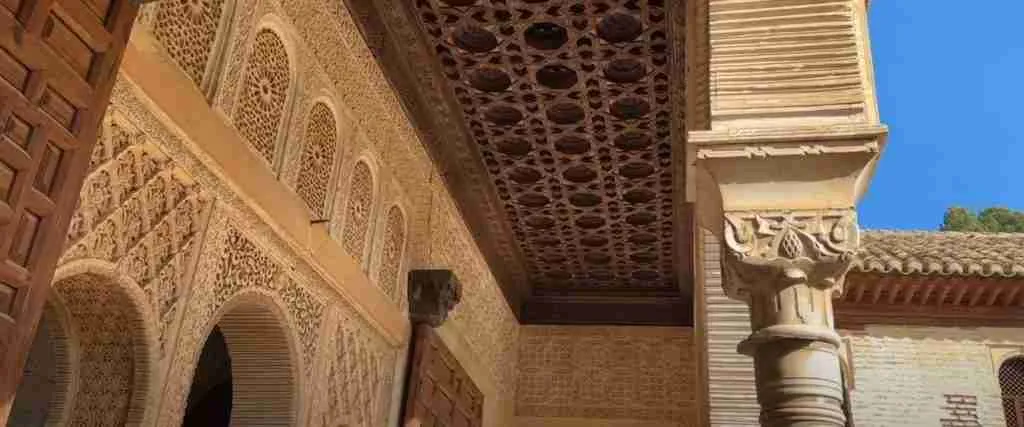
Albaicín rises across the valley from Alhambra, its white-washed buildings and narrow streets preserving Granada’s Moorish heritage. This UNESCO World Heritage neighborhood rewards exploration with hidden plazas, traditional carmenes (houses with gardens), and spectacular Alhambra views.
Navigating Albaicín Streets and Viewpoints
Start your Albaicín exploration at Plaza Nueva, the neighborhood’s lower gateway. Climb Cuesta de Gomérez or Carrera del Darro, both offering river views and traditional architecture. Streets wind upward through residential areas where locals hang laundry from iron balconies and neighbors chat in doorways.
Mirador de San Nicolás provides the classic Alhambra viewpoint, free and accessible throughout the day. Arrive before 9 AM for uncrowded photography or at sunset when local musicians perform. The adjacent church square offers similar views with fewer visitors. Mirador de la Lona, further along the ridge, provides equally stunning perspectives with more intimate atmosphere.
Allow 2-3 hours for thorough Albaicín exploration. Wear comfortable walking shoes as steep cobblestone streets challenge navigation. Streets lack consistent signage, making getting lost part of the experience. Cafés along Plaza Larga offer rest stops with local atmosphere and reasonable prices (€2-3 for coffee).
Arab Tea Houses and Traditional Commerce
Calderería Nueva, known as “Tea Street,” concentrates Arab tea houses in restored Moorish buildings. Tetería Kasbah, Tetería Nazarí, and As-Sirat serve traditional mint tea (€3-4), hookah (€8-12), and North African pastries in cushioned alcoves decorated with colorful mosaics and hanging lamps.
Browse adjacent shops selling Moroccan crafts, ceramics, textiles, and leather goods. Prices range from €5 for small items to €100+ for quality leather bags or carpets. Haggling is acceptable but not aggressive. Shop owners speak multiple languages and accept credit cards.
Visit Arab tea houses mid-afternoon (3-6 PM) when locals gather after siesta. Evening hours (8-11 PM) attract younger crowds and live music. The atmosphere differs from typical Spanish bars, offering quieter spaces for conversation and relaxation. Tea houses serve snacks but not full meals.
Sacromonte: Flamenco Heritage and Cave Culture
Sacromonte extends above Albaicín into hillside caves where Granada’s gypsy community established flamenco tradition. The neighborhood preserves authentic performance spaces, traditional cave dwellings, and spectacular city views.
Authentic Flamenco Shows and Venues
Sacromonte’s cave venues host intimate flamenco shows with 30-50 person capacity. Cueva de la Rocío (€23 including drink) features established performers in a traditional setting with white-washed walls and ceramic decorations. Venta El Gallo (€20 including drink) offers slightly larger space with multiple performance areas.
Shows run nightly at 9 PM and 10:30 PM, lasting 60-75 minutes. Performances include guitar, singing (cante), and dance with passionate improvisation. Arrive 15 minutes early for optimal seating as caves fill quickly. Front rows place you inches from dancers’ feet striking the floor.
Book directly through venue websites or hotel concierge desks to avoid markup. Transportation is available via taxi (€8-10 from Plaza Nueva) or 20-minute uphill walk. Return taxis wait outside venues after shows. Dress casually as cave temperatures remain cool year-round.
Exploring Sacromonte Beyond Performances
Visit the Museo Cuevas del Sacromonte (€5 entry) showcasing traditional cave living with furnished dwellings, blacksmith workshops, and pottery displays. The museum occupies authentic caves with interpretive exhibits about gypsy culture and flamenco history. Allow 45 minutes for thorough exploration.
Walk the Camino del Sacromonte trail for city views and glimpses of inhabited caves. Residents maintain gardens and terraces outside cave entrances, continuing centuries-old traditions. The trail connects to Abadía del Sacromonte abbey (€5 entry), offering additional viewpoints and religious art collection.
Local bars along Camino del Sacromonte serve drinks and tapas in casual settings frequented by neighborhood residents. Expect simple offerings (tortilla, jamón, cheese) at honest prices (€2.50-3 per drink including tapa). These establishments provide authentic atmosphere without performance show markup.
Granada’s Tapas Culture: Free Food Tradition
Granada maintains Spain’s most generous tapas tradition where every drink order includes complimentary food. This custom transforms bar hopping into a cultural experience and budget-friendly dining strategy.
Understanding Tapas Bar Etiquette
Order drinks at the bar rather than waiting for table service in most traditional establishments. Beer (€2.50-3), wine (€2.50-3.50), or soft drinks (€2) automatically include a tapa. The bartender selects and delivers the tapa, which changes with each round.
Stand at the bar or claim small tables that turn over quickly during peak hours (1-3 PM for lunch, 8-10 PM for dinner). Visit multiple bars (3-4) for varied tapas rather than settling at one location. This “ir de tapas” (going for tapas) practice forms central social activity in Granada.
Popular tapas include patatas bravas (fried potatoes with spicy sauce), tortilla española (potato omelet), jamón serrano (cured ham), grilled vegetables, croquetas, and seafood dishes. Quality and portion sizes vary by establishment, with traditional neighborhood bars often exceeding tourist-oriented venues.
Best Tapas Neighborhoods and Bars
Plaza Nueva and surrounding streets concentrate traditional tapas bars within walking distance of Alhambra. Bar Los Diamantes specializes in seafood tapas (fried fish, shrimp, squid). Bodega Castañeda serves classic Spanish tapas in tiles-and-barrel atmosphere dating to 1925. La Tana focuses on quality wines with gourmet tapas.
Calle Navas, parallel to Gran Vía, offers concentrated bar scene with varied offerings. Bars here serve substantial tapas with each drink, making 2-3 rounds sufficient for light meal. Expect crowds during peak dining hours but quick turnover creates available spots.
Realejo neighborhood provides quieter tapas experience in the old Jewish quarter. Bars around Campo del Príncipe square attract local families and university students with honest prices and homestyle cooking. This area sees fewer tourists while maintaining authentic tapas tradition.
Traditional Markets and Local Shopping
Granada’s markets and artisan shops offer authentic products, local interactions, and cultural insights beyond typical souvenir stores.
Alcaicería: Historical Silk Market
The Alcaicería recreates Granada’s historic silk market with narrow covered alleys near Granada Cathedral. Modern shops sell ceramics (€15-150), textiles (€20-80), leather goods (€30-200), and traditional crafts. Prices start high but respectful negotiation is acceptable, particularly for multiple purchases.
Quality varies significantly between shops. Look for handmade ceramics from nearby Fajalauza workshops featuring blue and green geometric patterns. Verify leather goods are genuine rather than synthetic. Shop owners speak English and accept credit cards, though cash may yield better prices.
Visit mid-morning (10 AM-12 PM) for relaxed browsing before tour groups arrive. The market atmosphere peaks during afternoon (4-7 PM) when locals shop alongside visitors. Avoid aggressive vendors near main entrances, instead exploring interior alleys where experienced craftspeople maintain traditional shops.
Mercado de San Agustín: Daily Market Life
Mercado de San Agustín, Granada’s central market, operates Monday-Saturday 9 AM-2 PM with fresh produce, meat, fish, cheese, and prepared foods. Observe local shopping habits and sample regional products at counter bars serving market-fresh meals.
The market occupies a modern building near Plaza de Toros with organized stalls around a central food court. Fruit and vegetable vendors display seasonal produce (strawberries, tomatoes, oranges) with prices marked by kilogram. Cheese counters offer tastings of local varieties including Alpujarra goat cheese (€12-18 per kilogram).
Bar inside the market serves breakfast (€3-5 for toast and coffee) and lunch menu (€8-12 for complete meal) using market ingredients. Join locals at counter stools for authentic atmosphere and freshest preparations. The market represents genuine Granada life beyond tourist circuits.
Arab Baths and Traditional Hammam Experiences
Granada’s Arab bath tradition continues in restored hammams offering traditional bathing rituals and massage treatments within Moorish-inspired spaces.
Hammam Al Ándalus Experience
Hammam Al Ándalus occupies a restored 14th-century building near Plaza Nueva with traditional hot, warm, and cold pools under horseshoe arches and star-patterned ceilings. Basic bath experience (€35) includes 90 minutes of pool access and relaxation areas. Massage packages (€50-75) add traditional soap massage, aromatherapy, or deep tissue treatments.
Sessions run throughout the day with reservations required through the official website. Book morning slots (10 AM-12 PM) for fewer visitors or evening sessions (8-10 PM) for romantic atmosphere with candlelight. Arrive 15 minutes early for orientation and locker assignment.
The experience follows traditional hammam progression: start in warm pool, move to hot pool for muscle relaxation, alternate to cold plunge, repeat cycle. Massage takes place on heated marble platform. Staff provides instructions and towels. Wear provided swimwear or bring your own.
Modern Hammams and Alternative Options
Aljibe San Miguel (€32 basic, €55 with massage) offers similar experience in smaller facility near Albaicín. Aire de Granada (€35-80) provides luxury spa atmosphere with additional treatments. All hammams maintain similar pricing and booking systems, with advance reservations essential during peak travel months.
Visit hammams afternoon or evening after walking tours when muscles appreciate heat and relaxation. The experience complements physical activity of exploring Alhambra and Granada’s hilly neighborhoods. Allow 2-3 hours total including preparation and post-bath relaxation in tea lounges.
Hammams provide unique cultural experience rooted in Granada’s Moorish heritage. The architecture, bathing rituals, and atmosphere offer perspective on daily life during Al-Andalus period. Combined with Alhambra visit, hammams deepen understanding of Islamic influence on Granada culture.
Cooking Classes and Culinary Experiences
Granada’s cooking classes teach traditional Andalusian techniques, local ingredients, and family recipes in hands-on sessions that conclude with communal meals.
Traditional Andalusian Cooking Workshops
Granada Cooking Experience (€65 per person) runs 4-hour classes in residential kitchen near Albaicín. Sessions cover 3-4 dishes including gazpacho, paella variations, tortilla española, and traditional desserts. Instructors explain techniques, regional ingredients, and cultural context while students prepare complete meal.
Classes accommodate 8-12 participants with individual work stations and shared preparation areas. All ingredients and recipes are included. Sessions conclude with family-style lunch or dinner including wine. Morning classes (10 AM-2 PM) suit travelers with evening plans, while afternoon sessions (4-8 PM) provide relaxed pacing.
Book through class websites or through hotel concierge services. Advance reservations essential as popular classes fill weeks ahead during peak season. Vegetarian and dietary restrictions accommodated with advance notice. Classes teach practical skills transferable to home kitchens.
Market Tours and Food Tastings
Granada Tapas Tours (€55 per person, 3 hours) combines market visits with guided tapas crawl through traditional neighborhoods. Guides explain local products, introduce vendors, and lead groups through 4-5 tapas bars with wine pairings and cultural commentary.
Tours meet at Plaza Nueva and include Mercado de San Agustín, Albaicín tea houses, and family-run tapas establishments. Groups remain small (8-10 people maximum) allowing conversation and questions. Tours run morning (10 AM) and evening (6 PM) with different bars and seasonal menus.
These experiences suit travelers wanting local insights, cultural context, and social interaction. Food portions constitute full meal across multiple stops. Guides speak English and accommodate pace to group preferences. Tips are customary (€5-10) for quality service.
Artisan Workshops and Craft Experiences
Granada’s artisan community maintains traditional crafts including ceramics, leather working, and guitar making. Several workshops welcome visitors for demonstrations or hands-on experiences.
Ceramic Workshops in Albaicín
Fajalauza pottery workshops continue Granada’s ceramic tradition with distinctive blue and green geometric patterns on white backgrounds. Carmen de los Mártires and several Albaicín studios offer demonstrations (free) or 2-hour workshops (€45-60) where participants create and paint small pieces using traditional techniques.
Finished pieces require kiln firing and glazing, with shipping options available (€15-25 to US). Alternatively, workshops provide pre-fired pieces for immediate painting and take-home. Classes accommodate beginners with step-by-step instruction and examples. Book directly through studio websites or inquire at tourist information offices.
Guitar Making Demonstrations
Granada produces classical guitars in family workshops continuing centuries-old tradition. Antonio Marín Montero and other master luthiers maintain workshops in Cuesta de Gomérez. Visits by appointment showcase guitar construction process, wood selection, and acoustic principles. Demonstrations last 30-45 minutes with no charge, though purchases are naturally encouraged.
Finished guitars range from €800 for student models to €5,000+ for concert instruments. Visitors appreciate craftsmanship and cultural heritage without purchase obligation. Call or email workshops directly to arrange visits. Basic Spanish phrases help but many craftspeople speak English.
Local Festivals and Cultural Events 2026
Granada’s festival calendar offers opportunities to experience authentic celebrations integrated with local community rather than staged for tourists.
Semana Santa (Holy Week) – April 13-20, 2026
Semana Santa processions through Granada streets feature religious brotherhoods carrying elaborate floats (pasos) with baroque sculptures. Processions depart from churches across the city, converging on Granada Cathedral and passing through historic neighborhoods including Albaicín and Realejo.
Watch from sidewalks along established routes or claim spots near Cathedral for concentrated activity. Processions run afternoon through late evening (4 PM-2 AM) with most dramatic moments after dark when candlelight illuminates floats. Wednesday and Thursday feature largest processions. Friday morning’s “Procesión del Silencio” moves through streets in complete quiet.
Hotels fill months in advance, and restaurant reservations become essential. Streets around procession routes close to traffic. Plan alternative routes between accommodations and activities. The atmosphere combines religious devotion with cultural celebration, offering profound insight into Spanish Catholic tradition.
Corpus Christi – June 18-22, 2026
Corpus Christi transforms Granada streets with decorative carpets made from colored sand, flower petals, and aromatic herbs. Neighborhoods compete in carpet design along procession route from Cathedral to Albaicín. The Thursday procession (June 19) follows carpets, which are destroyed as religious floats pass.
View carpet preparation Wednesday evening and Thursday morning as residents work overnight creating intricate designs. Best viewing along Carrera del Genil and Plaza Bib-Rambla. Feria del Corpus (fairground) operates at nearby Recinto Ferial with rides, food stalls, and evening entertainment.
Festival Internacional de Música y Danza – June-July 2026
This international festival stages performances in Alhambra courtyards, Carlos V Palace, and venues across Granada. Classical music, flamenco, ballet, and contemporary dance attract international artists. Program announced March 2026 with tickets (€20-80) available through festival website.
Alhambra performances offer unique settings with limited capacity, requiring advance booking. Alternative venues provide excellent performances at lower prices. The festival extends throughout late June and early July, with nightly performances and daytime workshops. Check official schedule for specific dates and programming.
Connecting with Local Granada Life
Authentic experiences emerge through observation, respectful engagement, and willingness to follow local rhythms rather than tourist schedules.
Following Spanish Daily Schedule
Granada operates on traditional Spanish schedule with late meal times and afternoon siesta. Shops close 2-5 PM except in tourist zones. Restaurants serve lunch 2-4 PM and dinner after 9 PM. Bars fill with locals after 10 PM.
Adjust your schedule to experience authentic atmosphere rather than eating in empty restaurants at 6 PM. Late nights are standard with streets active past midnight, particularly Thursday-Saturday. Siesta allows rest before evening activities. This rhythm maximizes opportunities for local interactions and cultural experiences.
Basic Spanish for Enhanced Interactions
Learn essential phrases: “Buenos días” (good morning), “Buenas tardes” (good afternoon/evening), “Por favor” (please), “Gracias” (thank you), “¿Cuánto cuesta?” (how much does it cost?). Granada residents appreciate attempts at Spanish even when they speak English.
Restaurant situations: “La cuenta, por favor” (the check, please), “¿Qué recomienda?” (what do you recommend?). Bar interactions: “Una cerveza/Un vino, por favor” (a beer/wine, please). These simple phrases transform interactions from transactional to social.
Respecting Local Customs and Spaces
Dress modestly when visiting religious sites including Granada Cathedral and churches. Cover shoulders and avoid shorts in sacred spaces. Speak quietly in residential neighborhoods, particularly during siesta hours. Take photos respectfully, asking permission before photographing people.
Tip moderately (5-10%) in sit-down restaurants, round up in tapas bars, leave €1-2 in taxis. Service charge is included in bills, making extensive tipping unnecessary. Respect “no photo” signs in Alhambra areas where photography is restricted for preservation reasons.
Planning Your Local Granada Experiences 2026
Effective local experience planning balances structure with spontaneity, allowing room for unexpected discoveries while ensuring access to time-sensitive activities.
Recommended Time Allocation
Dedicate at least 2 full days beyond Alhambra visits for local experiences. Day one covers Albaicín exploration, tea houses, and evening flamenco. Day two includes market visits, cooking class or hammam, and tapas crawl. Additional days allow festival participation, craft workshops, or deeper neighborhood exploration.
Morning hours (9-11 AM) suit market visits and uncrowded neighborhood walking. Afternoon (3-6 PM) works for tea houses, hammams, and cooking classes. Evening (8-11 PM) is ideal for tapas culture and flamenco shows. This schedule aligns with local rhythms while maximizing experience diversity.
Booking Timeline and Reservations
Book flamenco shows 1-2 weeks ahead during peak season (April-October), or 2-3 days ahead in winter. Reserve cooking classes and hammam sessions 2-4 weeks in advance. Market tours and food walks fill quickly, requiring 1-2 week advance booking.
Leave certain activities (tapas crawls, neighborhood exploration, casual shopping) unscheduled for spontaneity. Granada’s compact size allows last-minute decisions without wasting time. Balance structure with flexibility based on energy levels and weather conditions.
Budget Planning for Local Experiences
Daily budget for local experiences ranges €50-100 per person depending on choices. Flamenco show €20-25, hammam €35-50, cooking class €65, market tour €55. Add €30-40 for meals (tapas and drinks), €10-15 for tea houses and cafés, €20-40 for shopping and crafts.
Free experiences include Albaicín walking, Mirador viewpoints, cathedral exterior, people watching in Plaza Nueva, and observing local market activity. These no-cost activities provide authentic cultural immersion while managing overall expenses. Balance paid experiences with free exploration for optimal budget control.
2026 Updates and Current Information
Local experiences maintain traditional formats while adapting to practical considerations for 2026 travelers. Most venues accept credit cards, though cash remains useful in traditional markets and small bars. WiFi availability has expanded in cafés and tea houses, facilitating reservations and navigation.
Advance booking has become standard practice for popular experiences including flamenco shows, cooking classes, and hammam sessions. Same-day availability decreases during peak months (April-October), making planning ahead essential for travelers with limited time in Granada.
English language proficiency has increased among service providers in tourist-adjacent areas, simplifying communication. Traditional neighborhoods maintain Spanish as primary language, with locals appreciating basic Spanish phrases from visitors. Translation apps bridge remaining communication gaps effectively.
Granada continues investing in cultural preservation while accommodating growing visitor interest in authentic experiences. Local businesses balance traditional practices with modern convenience, maintaining cultural integrity while ensuring accessibility for international travelers. This approach protects Granada’s heritage while sharing it with respectful visitors.
Frequently Asked Questions
How much time should I dedicate to local experiences beyond Alhambra?
Dedicate minimum 2 full days for local experiences. Day one covers Albaicín exploration, Arab tea houses, and evening flamenco in Sacromonte. Day two includes morning market visits, afternoon hammam or cooking class, and evening tapas crawl. Additional days allow festival participation, craft workshops, and deeper neighborhood exploration. Granada rewards extended stays with richer cultural understanding.
Is it necessary to book local experiences in advance?
Book flamenco shows, cooking classes, and hammam sessions 1-4 weeks ahead depending on season. Peak months (April-October) require earlier reservations. Tapas crawls, neighborhood walking, and tea house visits need no advance booking. Balance structured activities with spontaneous exploration for optimal Granada experience. Hotel concierges can often arrange same-day or next-day bookings for popular activities.
How safe is Granada for evening activities and late-night tapas?
Granada ranks among Spain’s safest cities with active nightlife. Tourist areas including Plaza Nueva, Albaicín lower streets, and downtown neighborhoods see regular police presence. Exercise standard precautions: watch belongings in crowded bars, use registered taxis late night, avoid isolated streets. Granada residents consider walking safe until past midnight in populated areas. Solo travelers report comfortable experiences throughout the city.
Can I experience local culture without speaking Spanish?
Experience authentic local culture with limited Spanish. Tourist-adjacent areas have English speakers, though traditional neighborhoods use primarily Spanish. Basic phrases enhance interactions significantly. Download translation apps for menu navigation and detailed conversations. Many authentic experiences (flamenco, hammam, cooking classes) include English-speaking guides. Granada locals appreciate attempts at Spanish and patiently accommodate language barriers.
What’s the dress code for flamenco shows and hammams?
Flamenco shows have no specific dress code though casual neat attire suits cave venues. Cave temperatures remain cool year-round, making light jacket useful. Hammams provide swimwear or accept personal bathing suits. Bring flip-flops for hammam facilities. Modest clothing works throughout Granada with shoulders covered for church visits. Comfortable walking shoes essential for cobblestone streets in Albaicín and Sacromonte.
How does free tapas culture actually work in practice?
Order any drink (beer, wine, soft drink) at the bar and receive automatic complimentary tapa. Each subsequent drink brings different tapa, with variety based on kitchen offerings. Visit 3-4 different bars for diverse experience rather than multiple rounds at one location. Stand at bar or claim small tables during peak hours. This custom makes 2-3 rounds sufficient for light meal at €8-12 total cost.
Are cooking classes suitable for beginners with no culinary experience?
Granada cooking classes welcome all skill levels including complete beginners. Instructors provide step-by-step guidance, demonstrate techniques, and assist with preparation. Classes focus on traditional home cooking rather than professional techniques. Most sessions accommodate 8-12 participants with individual attention. Recipes are practical and reproducible in home kitchens. Vegetarians and dietary restrictions are accommodated with advance notice to instructors.
What’s the best way to experience Albaicín without getting lost?
Embrace getting lost in Albaicín as part of the experience. Start at Plaza Nueva and climb toward Mirador de San Nicolás using general upward direction. Streets eventually reach the ridge with viewpoints. Download offline maps on your phone for GPS orientation. Ask locals for directions to major landmarks. Allow 2-3 hours for exploration without time pressure. Getting lost reveals authentic neighborhood life away from tourist routes.
Can I visit Arab baths if I have tattoos or body piercings?
Tattoos and body piercings pose no restrictions in Granada’s Arab baths. Modern hammams welcome all visitors regardless of body art or modifications. The experience focuses on relaxation and cultural tradition rather than religious practice. Remove jewelry for safety and comfort during massage treatments. Hammams provide inclusive atmosphere for diverse visitors with no judgment or restrictions based on appearance.
How can I identify authentic versus tourist-oriented experiences?
Authentic experiences have Spanish-language menus or signage, serve local customers, maintain honest pricing without excessive markup, and operate on Spanish schedule (late meals, siesta closure). Tourist-oriented venues have multilingual menus, cluster near major attractions, stay open during siesta, and emphasize convenience over tradition. Both serve purposes, but authentic venues offer deeper cultural connection. Ask hotel staff or local residents for neighborhood bar recommendations.