Albuquerque Travel Guide 2026: Ultimate Planning Resource
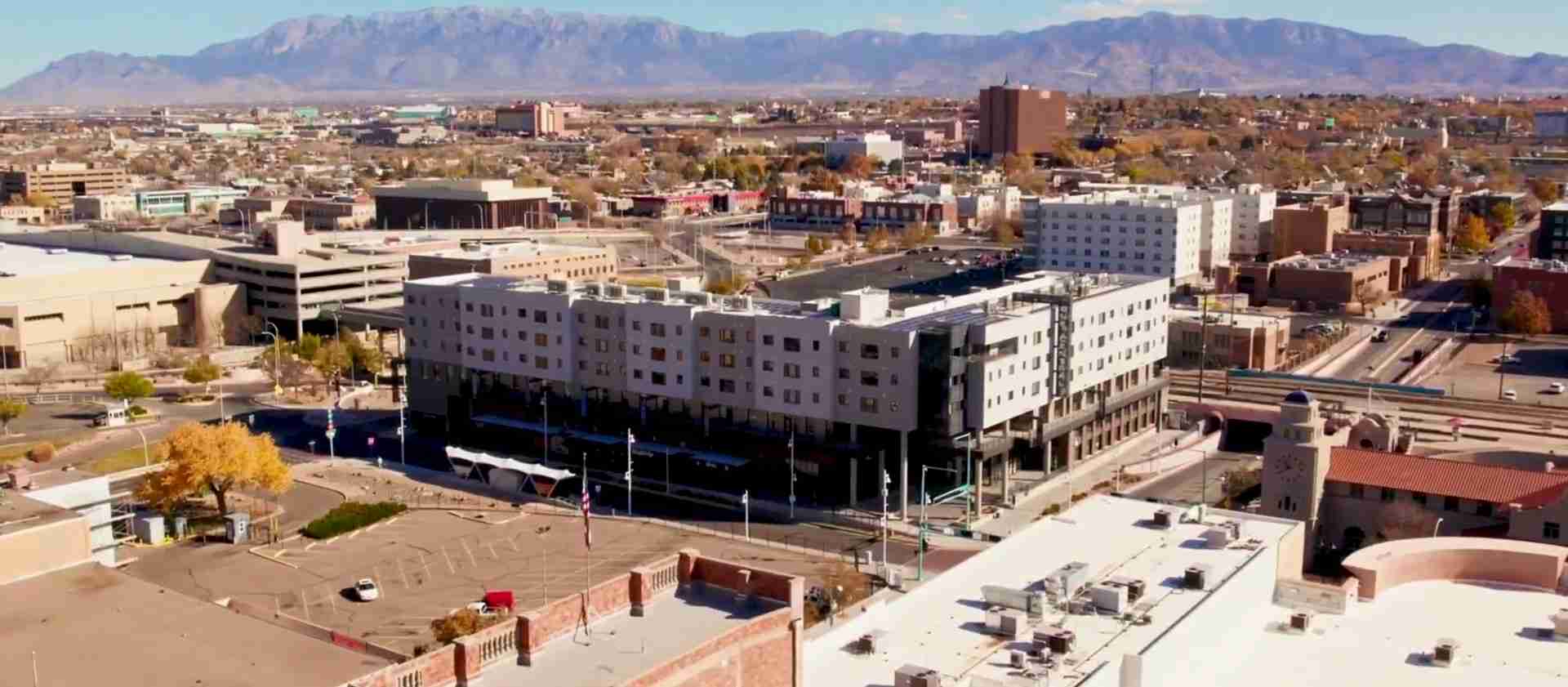
Albuquerque stands as New Mexico’s largest city and the Southwest’s most culturally diverse destination, where ancient Native American heritage, Spanish colonial history, and modern innovation converge beneath 310 days of annual sunshine. This comprehensive guide delivers the essential planning information, verified costs, and insider strategies you need to experience New Mexico’s high-desert capital in 2026, from the world-famous International Balloon Fiesta to hidden Old Town courtyards and Sandia Mountain adventures.
Key Takeaways for Albuquerque 2026
- Budget Planning 2026: Daily costs range from $60-90 per person for budget travelers using free public transit and budget accommodations, $145-215 for mid-range comfort with hotel stays and full-service dining, and $300-435 for luxury experiences including upscale hotels and premium tours. All figures assume two people sharing hotel rooms.
- Free Public Transportation: Albuquerque operates a zero-fare transit system across all ABQ RIDE bus routes as of 2026, eliminating transportation costs for budget-conscious travelers and providing free access to major attractions, Old Town, museums, and the airport via regular scheduled service.
- Route 66 Centennial Celebration: The year 2026 marks the 100th anniversary of America’s Mother Road, with Albuquerque hosting special events, exhibitions, and experiences throughout the year celebrating the iconic highway that runs directly through the city’s historic Nob Hill and downtown districts.
- Balloon Fiesta 2026: The 54th Albuquerque International Balloon Fiesta takes place October 3-11, 2026, with general admission at $20 per session (children 12 and under free) and advance booking essential as hotel rates triple during this nine-day spectacle featuring hundreds of hot air balloons.
- High Desert Climate: Positioned at 5,000-6,000 feet elevation, Albuquerque experiences intense sun, low humidity, and significant temperature swings between day and night across all seasons, requiring sunscreen, hydration planning, and layered clothing regardless of when you visit in 2026.
- Cultural Authenticity: Unlike tourist-focused Southwestern destinations, Albuquerque functions as a working city where 19 Pueblo tribes maintain active cultural presence, authentic New Mexican cuisine dominates local restaurants, and Spanish remains widely spoken in daily commerce and community life.
People Also Ask About Albuquerque 2026
How Much Does Albuquerque Cost Per Day in 2026?
Albuquerque costs $60-90 per person daily for budget travelers, $145-215 for mid-range visitors, and $300-435 for luxury experiences, all assuming two people sharing hotel accommodation. Budget travelers benefit from Albuquerque’s zero-fare public transit system, abundant free attractions including Petroglyph National Monument and the Albuquerque Museum on Sundays, and affordable New Mexican cuisine at local restaurants. Mid-range travelers enjoy comfortable chain hotels, full-service dining, and paid attractions like the Sandia Peak Tramway at $30. Luxury visitors access boutique properties like Los Poblanos Historic Inn, fine dining at Farm & Table, and private tours of Pueblo cultural sites.
When Is the Best Time to Visit Albuquerque in 2026?
Spring (March-May) and fall (September-November) offer the best weather in Albuquerque for 2026 visits, with comfortable daytime temperatures between 60-75°F, minimal rainfall, and clear skies ideal for outdoor activities. October delivers peak conditions with the International Balloon Fiesta (October 3-11) but commands premium hotel rates and advance booking requirements. Spring brings lower accommodation costs, wildflower blooms in the Sandia foothills, and festival-free exploration of attractions. Summer (June-August) features intense heat exceeding 90°F and afternoon monsoon thunderstorms, while winter (December-February) offers the lowest hotel rates, snow-capped mountain views, and authentic cultural experiences without tourist crowds.
Is Albuquerque Good for Families with Children in 2026?
Albuquerque excels as a family destination in 2026 with attractions specifically designed for children, affordable admission prices, and educational experiences showcasing Southwestern culture and natural history. The ABQ BioPark complex includes a zoo, aquarium, and botanical garden with children under two admitted free, while Explora Science Center offers hands-on learning experiences and special Toddler Time sessions on Wednesdays. Families benefit from Albuquerque’s free public transportation system, reducing daily costs and simplifying logistics when visiting multiple attractions. The city’s high-desert climate provides year-round outdoor opportunities at Petroglyph National Monument, Tingley Beach, and Rio Grande Nature Center, with most trails accessible for strollers and young hikers.
What Should I Not Miss in Albuquerque in 2026?
Albuquerque’s essential 2026 experiences include Old Town’s Spanish colonial plaza and San Felipe de Neri Church (founded 1706), the Indian Pueblo Cultural Center with weekend cultural dances and 19 Pueblos’ artisan work, the Sandia Peak Tramway ascending 10,378 feet for panoramic views across 11,000 square miles, and Petroglyph National Monument preserving more than 20,000 ancient rock carvings. Route 66 enthusiasts must explore the Central Avenue corridor through Nob Hill featuring preserved mid-century architecture, neon signs, and classic motor courts. Food lovers require multiple meals sampling authentic New Mexican cuisine with the state’s signature red and green chile at institutions like Sadie’s, El Modelo, and Frontier Restaurant serving University of New Mexico students since 1971.
Extended multi-day tours – 5+ days
Featured Albuquerque Multi-Day Tour Packages
3 days
Albuquerque 3-Day Discovery Tour
- ✓ Comprehensive Albuquerque experience
- ✓ Expert local guides included
- ✓ All accommodation included
- ✓ Transportation provided
5 days
Albuquerque 5-Day Highlights Experience
- ✓ Comprehensive Albuquerque experience
- ✓ Expert local guides included
- ✓ All accommodation included
- ✓ Transportation provided

7 days
Albuquerque 7-Day Cultural Journey
- ✓ Comprehensive Albuquerque experience
- ✓ Expert local guides included
- ✓ All accommodation included
- ✓ Transportation provided
10 days
Albuquerque 10-Day Complete Adventure
- ✓ Comprehensive Albuquerque experience
- ✓ Expert local guides included
- ✓ All accommodation included
- ✓ Transportation provided
Multi-day tour packages powered by TourRadar. Prices and availability subject to change.
Introduction to Albuquerque 2026
Albuquerque rises from the Rio Grande Valley as New Mexico’s economic and cultural center, home to 565,000 residents and the Southwest’s most complex cultural tapestry. The city’s 2026 profile reflects centuries of continuous inhabitation beginning with Ancestral Puebloan communities, followed by Spanish colonization in 1706, American territorial expansion after 1846, and Route 66 tourism defining mid-20th century identity. Today’s Albuquerque functions simultaneously as modern technology hub anchored by Sandia National Laboratories, traditional cultural center for 19 sovereign Pueblo nations, and adventure tourism destination leveraging the Sandia Mountains and Rio Grande bosque.
The year 2026 brings special significance as Route 66 celebrates its centennial, positioning Albuquerque as a focal point for nationwide commemoration of America’s Mother Road. The city’s 18-mile stretch of the historic highway passes through downtown and Nob Hill, preserving authentic motor courts, neon signage, and roadside architecture from the route’s golden era. Simultaneously, Albuquerque maintains its position as the world’s hot air ballooning capital, hosting the International Balloon Fiesta each October with participation from more than 500 balloons and 850,000 spectators during the nine-day event.
Geographically, Albuquerque occupies the transition zone between the Chihuahuan Desert and Southern Rocky Mountains at elevations between 4,900 and 6,700 feet. The Sandia Mountains form the city’s eastern boundary, rising abruptly to 10,678 feet and creating dramatic temperature inversions, afternoon wind patterns, and microclimates affecting weather conditions across different neighborhoods. The Rio Grande flows through the city’s center, bordered by cottonwood bosque (riverside forest) providing critical habitat for migratory birds and recreational corridors for residents and visitors.
Understanding Albuquerque requires recognizing its fundamental difference from Santa Fe and Taos, the state’s better-known tourist destinations. While those cities cultivated art colony identities serving visitor markets, Albuquerque evolved as New Mexico’s working city where locals outnumber tourists year-round, authentic cultural practices continue daily rather than performed for visitors, and neighborhood businesses serve residents first. This authenticity manifests in restaurant menus offering actual New Mexican cuisine rather than Tex-Mex adaptations, Native American artists selling work at the Indian Pueblo Cultural Center instead of tourist galleries, and Spanish remaining the primary language in South Valley neighborhoods.
The 2026 travel planning landscape in Albuquerque benefits from infrastructure improvements including the Albuquerque Rapid Transit (ART) bus rapid transit system connecting the airport to Old Town and Uptown, continued expansion of zero-fare public transit making the city remarkably affordable for budget travelers, and accommodation options spanning $44 budget motels to $300+ luxury properties like Hotel Chaco and Los Poblanos. Visitors discover a destination offering genuine Southwestern experiences at costs substantially below Santa Fe and comparable destinations, with daily budgets ranging from $60-90 for budget travelers to $300-435 for luxury experiences.
Albuquerque’s cultural complexity emerges from its position at the confluence of three distinct traditions. Native American heritage manifests through 19 Pueblo communities maintaining sovereignty, ceremonial calendars, and artistic traditions predating Spanish contact by centuries. Spanish colonial influence appears in Old Town’s plaza layout, Catholic churches, acequia irrigation systems, and New Mexican Spanish dialect preserving archaic Castilian forms. Anglo-American contributions include Route 66 culture, Cold War scientific infrastructure at Sandia and Los Alamos laboratories, and contemporary arts scenes in Nob Hill and downtown districts.
Climate conditions demand specific planning considerations regardless of travel dates. Albuquerque’s high desert elevation creates intense solar radiation requiring sunscreen application year-round, low humidity producing rapid dehydration during outdoor activities, and temperature swings of 30-40°F between daily highs and overnight lows. Summer monsoon season (July-August) brings afternoon thunderstorms with dramatic lightning displays but brief duration, while winter occasionally delivers snowfall transforming the Sandia Mountains into skiing destinations accessible via the Sandia Peak Tramway from the city’s eastern foothills.
The city’s 2026 tourism infrastructure serves independent travelers better than group tours, with most major attractions accessible via free public transit, rental cars available from $30 daily, and accommodation concentrated in distinct zones serving different traveler priorities. Downtown properties provide walkability to museums and restaurants, Old Town hotels offer proximity to historic sites and cultural attractions, Uptown locations access shopping and dining, and Northeast Heights properties near the Sandia foothills appeal to mountain activity enthusiasts and balloon fiesta attendees.
Understanding Albuquerque Costs in 2026
Albuquerque maintains a cost structure substantially below comparable Southwestern destinations, with daily expenses approximately 35% lower than Santa Fe, 40% below Sedona, and 60% less than resort communities like Scottsdale or Aspen. This affordability stems from Albuquerque’s functioning economy supported by local employment rather than tourism dependence, resulting in genuine market pricing for accommodations, dining, and services rather than visitor-inflated rates. The zero-fare public transit system implemented permanently in 2026 eliminates transportation costs entirely for travelers willing to use ABQ RIDE buses, creating budget travel opportunities unavailable in car-dependent Western cities.
Accommodation pricing in Albuquerque follows predictable seasonal patterns with three distinct rate periods. Peak season (October during Balloon Fiesta and select summer weekends) sees rates increase 150-250% above baseline, requiring advance booking and budget flexibility. Standard season (March-May, September, November) delivers moderate pricing with availability across budget, mid-range, and luxury categories. Value season (December-February, June-August) offers the lowest rates citywide, with quality chain hotels available from $55-85 nightly and occasional luxury property deals below $150.
Dining costs reflect New Mexico’s agricultural economy and local food traditions, with authentic New Mexican restaurants offering exceptional value compared to fine dining establishments. A complete meal at beloved local institutions like Sadie’s of New Mexico, El Modelo, or Cecilia’s Café costs $12-18 per person including enchiladas, sopapillas, and beverages, while upscale restaurants like Farm & Table, Seasons Rotisserie & Grill, or Los Poblanos dining room charge $35-65 per person for farm-to-table preparations. Albuquerque Restaurant Week (April 17-26, 2026) provides prix fixe three-course dinners at $33, $44, $66, and $77 price points across participating establishments.
Attraction admission remains remarkably affordable, with many of Albuquerque’s premier experiences offered free or at nominal cost. Petroglyph National Monument charges $1 weekday parking and $2 weekend parking for access to 20,000+ ancient rock carvings across multiple trail systems. The Albuquerque Museum provides free admission every Sunday from 9 AM to 1 PM and on the first Wednesday of each month. Cultural experiences at the Indian Pueblo Cultural Center cost $12 for adults including museum exhibits, courtyard artists, and weekend dance performances, while the Sandia Peak Tramway represents the city’s most expensive single attraction at $30 for the 15-minute ascent to 10,378 feet elevation.
Transportation expenses vary dramatically based on traveler preferences and itinerary scope. Budget travelers utilizing ABQ RIDE’s zero-fare system pay nothing for transportation within city limits, accessing the airport, Old Town, museums, Uptown shopping, and University of New Mexico campus via regular bus routes. Mid-range travelers renting cars for day trips to Santa Fe, Bandelier, or Jemez Mountains pay $30-45 daily for economy vehicles plus $3.50-4 per gallon gasoline. Rideshare services (Uber, Lyft) charge $8-15 for cross-town trips, providing flexibility without full-day rental commitment.
Hidden costs affecting total trip budgets include hotel resort fees (uncommon in Albuquerque but present at upscale properties like Hotel Chaco and Sandia Resort), parking charges at select attractions ($5-10 at some museums, $20 per session at Balloon Fiesta Park), and tipping expectations following standard American service industry practices (18-20% restaurants, $1-2 per drink at bars, $5-10 daily for hotel housekeeping). Sales tax of 7.875% applies to most purchases statewide, while prepared food and restaurant meals carry combined state and local taxes totaling approximately 8.4375% in Albuquerque.
Seasonal price variations create significant savings opportunities for flexible travelers. Winter months (December-February) deliver hotel rates 40-55% below peak season, restaurant availability without reservations, and attraction access without crowds, though some outdoor activities face weather limitations. Summer shoulder periods (June and August) offer moderate pricing with afternoon monsoon drama, while spring (April-early May) and fall (mid-September) provide optimal weather and reasonable costs before Balloon Fiesta inflation.
Cost comparisons with regional alternatives demonstrate Albuquerque’s value proposition. A three-day Albuquerque visit with mid-range accommodation, full-service dining, and major attractions costs approximately $650-950 per person, while equivalent Santa Fe experiences run $1,000-1,400, and Sedona comparable trips reach $1,100-1,600. Budget travelers can complete five days in Albuquerque for $300-450 per person using hostels, free transit, and strategic attraction selection, a duration barely possible in more expensive Southwestern destinations even with aggressive cost-cutting.
Accommodation Options in Albuquerque 2026
Albuquerque hotel inventory exceeds 12,000 rooms across budget, mid-range, and luxury categories, with geographic distribution concentrated in six primary zones serving different traveler priorities. Downtown properties provide walkability to museums, restaurants, and nightlife but limited proximity to major attractions. Old Town accommodations offer the city’s most atmospheric setting with Spanish colonial ambiance and direct access to historic sites but higher rates during peak season. Uptown locations deliver shopping and dining convenience near ABQ Uptown mall. Airport vicinity hotels serve early departures and late arrivals with free shuttles. Northeast Heights properties position guests near Sandia foothills for mountain access and Balloon Fiesta proximity. University area accommodations provide budget options near Route 66’s Nob Hill district.
Budget Accommodation in Albuquerque ($44-80 Per Night)
Budget travelers find genuine value in Albuquerque’s accommodation market, with clean, safe properties available from established chains at rates rarely seen in Western tourist destinations. Days Inn & Suites by Wyndham locations start at $44-56 nightly, providing basic amenities including free parking, wifi, and continental breakfast. Route 66 Hostel operates dorm beds from $25-32 per person with private rooms available $55-75, offering communal kitchen access and social atmosphere for international backpackers and budget road-trippers. Motel 6 and Super 8 properties range $48-68 depending on season and location, while America’s Best Value Inn and Red Roof Inn typically charge $52-72 with frequent online promotional rates.
Budget hotel concentrations appear along Central Avenue (historic Route 66) through the University district and eastern corridor, providing authentic motor court architecture and convenient access to Nob Hill’s restaurants and breweries. Airport vicinity budget properties include Best Western Airport Albuquerque InnSuites at $66-88 with free airport shuttle, indoor pool, and hot breakfast. The Route 66 Corridor Revitalization has preserved several 1940s-1960s motor courts maintaining period details while upgrading essential systems, offering nostalgic accommodation experiences at $55-85 nightly.
Budget travelers should verify parking availability, as some downtown properties charge $8-15 daily while suburban locations typically include free parking. Room configurations favor two double beds over kings in this category, ideal for families or friend groups sharing costs. Refrigerators and microwaves appear in approximately 60% of budget rooms, enabling grocery shopping cost savings for multi-night stays. Most budget properties accept online advance booking with flexible cancellation, though walk-in rates occasionally beat prepaid online prices during slow periods.
Mid-Range Hotels in Albuquerque ($90-180 Per Night)
Mid-range accommodation dominates Albuquerque’s hotel landscape, with respected national chains and regional properties offering consistent quality at $90-180 nightly depending on season and location. Hampton Inn & Suites locations throughout the metro area charge $98-145, delivering reliable comfort with free hot breakfast, pools, fitness centers, and business services. Fairfield by Marriott properties range $95-155 with similar amenities and Marriott Bonvoy loyalty program benefits. Drury Inn & Suites commands premium mid-range pricing at $125-175 but includes extensive free offerings: hot breakfast, evening kickback with appetizers and drinks, popcorn and soda in lobbies, and airport shuttle.
Hotel Albuquerque at Old Town represents the category’s premium end at $145-220, combining prime location adjacent to Old Town plaza with 188 rooms, full-service restaurant, outdoor pool, and Pueblo-inspired architecture. The property hosts the Q-Bar nightclub and provides walkable access to Old Town shops, museums, and restaurants. Nativo Lodge embraces Native American design themes with room rates $110-165, featuring tribal art collections, cultural programming, and proximity to Balloon Fiesta Park appealing to October visitors.
Downtown mid-range options include Hotel Andaluz at $135-195, occupying a fully renovated 1939 Conrad Hilton property with rooftop bar, farm-to-table restaurant MAS Tapas y Vino, and Spanish colonial revival architecture. The Clyde Hotel downtown ranges $125-180, offering boutique atmosphere in a historic building with modern amenities and walkability to Albuquerque Convention Center and downtown restaurants. Uptown locations like Marriott Albuquerque ($120-175) and Sheraton Albuquerque Uptown ($115-170) provide shopping convenience and business traveler services.
Mid-range properties increasingly include resort fees ($15-25 daily) covering wifi, fitness centers, and parking at downtown locations. Advance booking 30-60 days typically secures rates 15-25% below walk-in pricing, with loyalty program members accessing additional discounts and perks. Suites with separate living areas and full kitchens appear at premium mid-range properties like TownePlace Suites and Homewood Suites, priced $140-200 but valuable for families and extended stays enabling meal preparation.
Luxury Accommodation in Albuquerque ($200-400+ Per Night)
Albuquerque’s luxury tier emphasizes authentic Southwestern character and cultural immersion over generic high-end hospitality, with properties like Los Poblanos Historic Inn & Organic Farm setting standards for the category. Los Poblanos occupies a 1930s John Gaw Meem-designed hacienda surrounded by 25 acres of organic lavender fields, offering 45 rooms and suites from $245-425 nightly. The property operates Campo restaurant featuring farm-to-table cuisine from James Beard Award-winning chef Jonathan Perno, and produces bath products from estate-grown lavender sold internationally. Guests access yoga classes, farm tours, and evening wine tastings included with accommodation.
Hotel Chaco downtown represents contemporary luxury at $215-385, incorporating Ancestral Puebloan design elements and authentic Native American art throughout 118 rooms and public spaces. The property features Tulor restaurant serving Southwestern cuisine, rooftop pool with Sandia Mountain views, and connection to New Mexico’s pueblo cultures through art, architecture, and cultural programming. Hotel Parq Central occupies the restored 1926 psychiatric hospital at $195-325, blending historic architecture with modern luxury including Apothecary Lounge, Zacatlan restaurant, and unique atmosphere appealing to design-conscious travelers.
Sandia Resort & Casino ($200-340) provides full-service resort experience with championship golf course, Bien Shur restaurant with panoramic views, full-service spa, and 228 rooms combining Pueblo architectural influences with contemporary luxury. The property’s Sandia Mountain location positions guests 15 minutes from downtown with direct Sandia Peak Tramway access. Isleta Resort & Casino ($180-295) offers similar full-service amenities with additional focus on gaming, concerts, and events.
Luxury accommodation in Albuquerque typically includes complimentary parking (significant given downtown parking costs), upscale bath amenities often featuring local products, superior bedding with high thread-count linens, and personalized concierge services arranging cultural tours, hot air balloon rides, and restaurant reservations. Properties like Los Poblanos and Hotel Chaco emphasize place-based experiences connecting guests to New Mexico’s landscapes and cultures rather than generic luxury amenities replicable anywhere.
Booking strategies for luxury properties include checking property websites directly for package deals combining accommodation with dining credits or spa services, monitoring shoulder season (April-May, September) for rates 30-40% below peak, and considering midweek stays avoiding weekend premium pricing. Advance booking 90+ days for Balloon Fiesta dates remains essential as luxury properties sell out first, often by July for October events.
Food and Dining Costs in Albuquerque 2026
Albuquerque’s culinary landscape centers on authentic New Mexican cuisine, a distinct regional tradition combining Native American, Spanish, and Mexican influences and bearing little resemblance to Tex-Mex or California-Mexican styles found elsewhere. The defining element remains chile—both red (dried, ground pods) and green (fresh roasted peppers)—with servers’ standard question “red or green?” requiring preference declaration or “Christmas” response requesting both. Understanding this cuisine and its pricing structure enables budget-conscious dining without sacrificing authentic experiences.
Budget Dining in Albuquerque ($25-40 Per Person Daily)
Budget travelers access exceptional New Mexican food at locally-owned restaurants where $8-15 purchases complete meals including enchiladas, beans, rice, sopapillas, and beverages. El Modelo on 4th Street serves combination plates at $10-14 with generous portions, strong red chile, and locals-only atmosphere devoid of tourist pandering. Cecilia’s Café operates multiple locations offering breakfast burritos ($7-9), combination plates ($11-14), and New Mexico’s essential sopapillas with honey. Garcia’s Kitchen provides all-day New Mexican breakfast at similar pricing across several neighborhood locations.
Breakfast costs $6-10 at budget level, with local chains like Twisters serving breakfast burritos stuffed with eggs, potatoes, chile, and cheese for $7-8. Frontier Restaurant across from University of New Mexico operates 24/7 serving massive cinnamon rolls ($3.50), breakfast burritos ($6-8), and green chile stew ($7) in cafeteria-style service beloved by students and locals. Coffee shops like Michael Thomas Coffee Roasters and Little Bear Coffee charge $3-5 for espresso drinks, substantially below Starbucks pricing.
Lunch options include tacos at establishments like Taqueria Mexico ($2.50-3.50 each) with three tacos constituting a complete meal, or combination plates at fast-casual New Mexican restaurants running $9-13. Food truck concentrations appear at Civic Plaza downtown during weekday lunch, offering diverse cuisines at $8-12 per meal. Grocery stores like Smith’s and Albertsons provide deli sandwiches and prepared foods from $6-9, while Sprouts Farmers Market offers organic produce and bulk items for self-catering travelers.
Dinner at budget level focuses on local New Mexican establishments rather than chains, with favorites like Sadie’s of New Mexico charging $12-18 for combination plates legendary among locals for salsa strength and portion size. Monroe’s on Central serves similar fare at comparable pricing with historic Route 66 atmosphere. Budget travelers typically spend $8-12 breakfast, $9-14 lunch, and $12-18 dinner plus $3-6 beverages, totaling approximately $35-50 daily with careful selection.
Mid-Range Dining in Albuquerque ($60-95 Per Person Daily)
Mid-range dining in Albuquerque encompasses craft breweries with full kitchens, contemporary American restaurants, and upscale New Mexican cuisine, with dinner entrees typically priced $18-32 before beverages. The city’s brewery scene includes Marble Brewery serving pizzas, sandwiches, and gastropub fare ($12-18) alongside award-winning beers, Bosque Brewing offering similar quality and pricing across multiple locations, and La Cumbre Brewing combining excellent beer with elevated pub food in an airplane hangar setting.
Contemporary American restaurants like Central Grill & Coffee House charge $15-28 for dinner entrees spanning pasta, steaks, and seasonal preparations using New Mexico ingredients. Seasons Rotisserie & Grill downtown offers rotisserie meats and seasonal dishes at $22-38 per entrée with wine list emphasizing New Mexico and regional producers. Standard Diner serves elevated diner classics including green chile mac and cheese, duck confit hash, and craft cocktails with dinner averaging $25-35 per person before drinks.
Mid-range breakfast costs $12-18 at establishments like Flying Star Café, a local mini-chain combining bakery, restaurant, and coffee shop with diverse menus spanning breakfast burritos to quiche to Asian-inspired bowls. Lunch ranges $15-25 at breweries, bistros, and farm-to-table casual spots, while dinner typically runs $25-40 per person before beverages at quality establishments. Adding craft beer ($5-8), wine by glass ($8-14), or cocktails ($10-15) increases dinner costs substantially.
Albuquerque Restaurant Week (April 17-26, 2026) provides exceptional mid-range value with participating restaurants offering three-course prix fixe menus at $33, $44, $66, and $77. This annual event enables sampling upscale establishments at fixed pricing, often including restaurants normally commanding higher per-person costs. Reservations become essential during Restaurant Week, particularly for popular properties and weekend dates.
Mid-range travelers typically spend $12-18 breakfast at cafés, $15-25 lunch at breweries or casual restaurants, and $30-50 dinner at upscale establishments including one alcoholic beverage, totaling approximately $60-95 daily. This budget tier accesses Albuquerque’s contemporary food scene while maintaining cost discipline through strategic meal selection and brewery dining substituting for white-tablecloth experiences.
Luxury Dining in Albuquerque ($110-180 Per Person Daily)
Luxury dining in Albuquerque emphasizes farm-to-table preparations, regional ingredients, and sophisticated wine programs rather than formal service and Michelin-star aspirations. Campo at Los Poblanos Historic Inn represents the city’s fine dining pinnacle, with chef Jonathan Perno (James Beard Award winner) creating seasonal menus from estate-grown produce and regional proteins at $35-55 per entrée. The restaurant’s setting in a 1930s hacienda surrounded by lavender fields and organic gardens enhances the culinary experience, with tasting menu options from $85-125 per person.
Farm & Table delivers similar farm-to-table excellence in North Valley location, serving brunch, lunch, and dinner with ingredients sourced from the adjoining farm and regional producers. Dinner entrees range $28-48, with seasonal menu changes reflecting harvest availability. The restaurant’s rustic-elegant atmosphere and commitment to sustainability appeals to food-focused travelers willing to invest in quality ingredients and preparation. Antiquity Restaurant occupies Old Town’s oldest building (1785) serving Continental cuisine and steaks in historic setting, with dinner averaging $45-75 per person before wine.
Upscale steakhouses include Vernon’s Speakeasy offering prime beef cuts ($42-72), classic cocktails, and 1920s atmosphere complete with password entry. Garduno’s at Old Town provides elevated New Mexican cuisine with tableside guacamole preparation and premium tequila selection, charging $22-38 for entrées in tourist-friendly location. MAS Tapas y Vino at Hotel Andaluz downtown serves Spanish-inspired small plates ($12-24 each) with extensive wine list emphasizing Spanish and New Mexican selections, enabling varied dining experience across multiple courses.
Luxury breakfast reaches $18-28 per person at hotel restaurants and upscale cafés, lunch runs $30-45 at farm-to-table establishments, and dinner costs $50-90 per person before wine at top-tier restaurants. Wine programs at luxury properties feature bottles from $40-200+ with by-glass pours typically $12-22. Cocktail programs increasingly emphasize locally distilled spirits from operations like Santa Fe Spirits and Don Quixote Distillery, with craft cocktails priced $12-18.
Luxury travelers typically spend $20-28 breakfast, $30-45 lunch, and $60-100+ dinner including wine or cocktails, totaling approximately $110-180 daily. This budget tier accesses Albuquerque’s best culinary experiences while remaining substantially below comparable fine dining costs in Santa Fe, Scottsdale, or California wine country destinations.
Getting to Albuquerque in 2026
Albuquerque International Sunport (ABQ) serves as New Mexico’s primary airport and the American Southwest’s most accessible air gateway between Denver and Phoenix, handling 5.2 million passengers annually with direct flights from 25+ domestic destinations. The airport’s compact single-terminal design enables gate-to-curb transit in 10-15 minutes, with ground transportation options including free public transit, rental cars, rideshare, and hotel shuttles providing connectivity to downtown accommodations within 5-10 minutes.
Flying to Albuquerque 2026
Major carriers serving Albuquerque include Southwest Airlines (largest carrier with 40% market share), American Airlines, United Airlines, Delta Air Lines, and Alaska Airlines, providing comprehensive route networks connecting through major hubs. Southwest operates significant service from Dallas Love Field, Phoenix, Denver, Las Vegas, and Southern California, often delivering the lowest fares on transcontinental routes. Direct flights reach Albuquerque from Atlanta, Austin, Charlotte, Chicago O’Hare, Dallas-Fort Worth, Denver, Houston, Las Vegas, Los Angeles, Oakland, Phoenix, Portland, Salt Lake City, San Diego, San Francisco, and Seattle among others.
Airfare pricing varies dramatically by season, advance purchase timing, and day of week, with Tuesday-Wednesday flights typically 15-25% cheaper than Friday-Sunday travel. Budget carriers occasionally offer promotional fares below $100 roundtrip from California and Texas markets, while standard advance-purchase economy fares run $180-350 roundtrip from major cities. Balloon Fiesta period (October 1-15) sees airfares increase 60-150% with advance booking essential, as both flights and hotels sell out months ahead.
The airport’s elevation at 5,355 feet occasionally causes flight delays during extreme heat (temperatures above 105°F reduce aircraft takeoff performance) and winter weather, though Albuquerque’s 310 days of sunshine annually minimize weather-related cancellations compared to snowbelt airports. The facility completed terminal renovations in 2023 adding restaurant options, modernizing gate areas, and improving TSA checkpoint efficiency, with most passengers clearing security in 10-15 minutes outside major holiday periods.
Ground Transportation from Albuquerque Airport 2026
ABQ RIDE operates Route 50 Rapid Ride providing zero-fare bus service between the airport and downtown every 15 minutes during peak hours, 30 minutes off-peak, with journey time approximately 15-20 minutes to Alvarado Transportation Center downtown. This free service represents Albuquerque’s most significant budget travel advantage, eliminating airport transfer costs entirely while connecting to the broader zero-fare transit network accessing Old Town, Uptown, museums, and major attractions.
The airport shuttle stop appears directly outside the baggage claim area on the ground level, clearly marked with blue Route 50 signs. Buses accommodate luggage in designated areas, though oversized items like skis or surfboards may face restrictions. Service operates approximately 5:30 AM to 11:30 PM daily with reduced frequency on weekends. Real-time bus arrival information displays on digital screens at the stop and via the Transit app mobile application.
Rental car facilities operate from the Sunport Car Rental Center located approximately one mile from the terminal, with free shuttle buses departing the airport every 4-6 minutes. Major rental companies include Enterprise, National, Alamo, Budget, Hertz, Avis, Dollar, Thrifty, and Sixt, with economy cars available from $30-45 daily depending on season and advance booking. The rental center features competitive pricing given Albuquerque’s multi-company concentration, with walk-up rates occasionally beating prepaid online reservations during slow periods.
Rideshare services (Uber, Lyft) operate from designated pickup zones on the ground level outside baggage claim, with rides to downtown hotels costing $12-18 depending on surge pricing and destination. Airport to Old Town runs $14-20, while transfers to Northeast Heights properties near Balloon Fiesta Park reach $18-28. Traditional taxis queue at ground level charging meter rates approximating rideshare costs plus expected tips.
Many mid-range and luxury hotels operate free airport shuttles on fixed schedules, though this service has declined as rideshare adoption increased. Properties offering shuttles include Hampton Inn locations, Drury Inn & Suites, Sheraton Albuquerque Airport, and Sandia Resort & Casino among others. Travelers should confirm shuttle availability when booking, as some properties require advance reservation or operate restricted hours.
Driving to Albuquerque 2026
Interstate 25 provides north-south access to Albuquerque, connecting Santa Fe (65 miles north, 60-75 minutes), Denver (450 miles north, 6.5-7 hours), and El Paso (270 miles south, 4-4.5 hours). Interstate 40 runs east-west through the city following the historic Route 66 corridor, linking Flagstaff, Arizona (320 miles west, 4.5-5 hours) and Amarillo, Texas (285 miles east, 4-4.5 hours). Both interstates intersect in central Albuquerque creating the “Big I” interchange, one of the Southwest’s most complex highway junctions carrying 300,000+ vehicles daily.
Route 66 enthusiasts can follow the historic highway through Albuquerque on Central Avenue, preserving authentic motor court architecture, vintage neon signs, and mid-century commercial buildings from the route’s heyday. The 18-mile Central Avenue corridor passes through downtown, the University district, and Nob Hill, offering dining, accommodation, and photo opportunities at preserved roadside landmarks. Driving Route 66 end-to-end from Chicago to Santa Monica remains popular among domestic and international road-trippers, with Albuquerque representing the approximate midpoint.
Parking in Albuquerque costs substantially less than comparable cities, with downtown metered street parking at $1-2 per hour and numerous surface lots charging $5-10 daily. Most suburban hotels include free parking, while downtown properties may charge $8-20 daily. Major attractions typically provide free parking including Petroglyph National Monument, Indian Pueblo Cultural Center, and BioPark facilities, though Balloon Fiesta Park charges $20 per session during the October event.
Alternative Transportation to Albuquerque 2026
Amtrak’s Southwest Chief operates daily service connecting Albuquerque with Chicago (eastbound) and Los Angeles (westbound), stopping at the Alvarado Transportation Center downtown. The westbound train departs Chicago at 3:00 PM arriving Albuquerque 5:00 PM the following day (26 hours), while eastbound service departs Los Angeles at 6:00 PM reaching Albuquerque at 4:42 PM next day (approximately 22 hours). Coach seats cost $150-250 one-way depending on booking timing, with sleeper compartments available from $350-600.
The New Mexico Rail Runner Express commuter rail connects Albuquerque with Santa Fe to the north, operating weekday service designed primarily for commuters but accessible to tourists. Trains depart Albuquerque’s downtown station approximately hourly during peak periods, reaching Santa Fe in 90 minutes with intermediate stops in Bernalillo, Los Ranchos, and communities along the Rio Grande corridor. Weekend service operates reduced schedules. Fares range $3-10 depending on distance, with day passes available for unlimited travel.
Intercity bus service includes Greyhound connecting Albuquerque with regional cities, though frequencies and schedules favor overnight travel inconvenient for most tourists. FlixBus operates routes to Phoenix, Denver, and Texas cities with fares from $19-45 depending on destination and advance booking. The ABQ Ride system’s zero-fare policy does not extend to intercity services, which charge standard commercial rates.
Transportation Within Albuquerque 2026
Albuquerque’s transportation landscape underwent fundamental transformation with the permanent implementation of zero-fare transit in November 2023, maintained through the fiscal year 2026 budget and eliminating costs that once represented $20+ monthly expenses for regular transit users. This policy shift positions Albuquerque among America’s largest cities offering completely free public transportation, creating exceptional budget travel opportunities while reducing carbon emissions and traffic congestion across the metro area.
ABQ RIDE Zero-Fare Public Transit System 2026
ABQ RIDE operates 22 fixed routes, two Bus Rapid Transit (BRT) lines, and paratransit service across Albuquerque and adjacent communities, providing comprehensive coverage of tourist destinations, residential neighborhoods, and employment centers. The zero-fare system requires no payment, tickets, or passes—passengers simply board at any stop and ride to their destination. This unprecedented accessibility removes the complexity of fare systems, change requirements, and ticket validation that frustrate casual transit users in most American cities.
Route 50 Rapid Ride and the Albuquerque Rapid Transit (ART) lines represent the system’s premium services, operating in dedicated or priority lanes with enhanced stations, level boarding, and frequent service every 10-15 minutes during peak hours. ART connects the airport to Uptown via Central Avenue, following historic Route 66 through downtown, the University district, and Nob Hill with 18 modern stations featuring real-time arrival information. Route 50 provides express airport service with limited stops optimizing travel time for airport passengers and workers.
Regular bus routes operate on 15-60 minute frequencies depending on route and time of day, with most major corridors served every 30 minutes during weekday daytime hours. Service operates approximately 5:30 AM to 11:00 PM weekdays, with reduced hours and frequencies on weekends. Route 66 maintains extended service until 12:30 AM on weeknights and Saturdays, serving late-night Nob Hill entertainment district travelers. Significant routes for visitors include Route 36 (Old Town to Uptown), Route 766 (Westside Express), and routes connecting major attractions.
Real-time bus tracking via the Transit app (free mobile application) displays exact bus locations, predicted arrival times, and route maps, eliminating guesswork about service timing. Physical bus stop signs include QR codes linking to schedules, while major stations feature digital displays showing approaching buses. The system’s integration with mapping applications like Google Maps enables trip planning combining walking and transit segments.
Transit limitations include infrequent weekend service on some routes, limited evening hours restricting late-night activity access, and coverage gaps in outlying areas like the far Northeast Heights and West Mesa. Day trips to Sandia Peak, Petroglyph National Monument’s western sections, or suburban attractions often require alternative transportation. However, core tourist destinations including Old Town, downtown museums, BioPark facilities, Indian Pueblo Cultural Center, and the airport all receive regular service making car-free exploration viable for budget travelers.
Rental Cars in Albuquerque 2026
Car rental makes sense for travelers planning day trips beyond city limits, requiring extensive daily itineraries across dispersed attractions, or preferring maximum schedule flexibility. Albuquerque’s rental market offers competitive pricing starting at $30-45 daily for economy cars through advance online booking, with walk-up rates at the airport rental center occasionally matching or beating prepaid reservations during slow periods when companies seek to move excess inventory.
Major rental agencies concentrate at the Sunport Car Rental Center, accessible via free shuttle from the airport terminal every 4-6 minutes. Budget, Dollar, and Thrifty typically offer the lowest rates for economy and compact cars, while National, Alamo, and Enterprise provide broader selection and premium service levels at moderate pricing. Sixt and Hertz command higher rates but feature newer fleet averages and luxury vehicle availability. Local agencies like Ace occasionally undercut major chains but may require more careful contract review regarding mileage restrictions and insurance requirements.
Insurance and protection costs add substantially to quoted rental rates, with Loss Damage Waiver (LDW) charges running $15-30 daily. Many personal auto insurance policies and premium credit cards provide rental coverage, enabling travelers to decline rental agency insurance and save $100+ on weekly rentals. New Mexico requires minimum liability coverage of $25,000 per person and $50,000 per accident, automatically included in rental rates but supplementable with higher limits for risk-averse travelers.
Gasoline costs in Albuquerque average $3.50-4.00 per gallon in 2026, with price variations between stations rarely exceeding $0.20 per gallon. Most rental returns require full tanks, with agencies charging $5-7 per gallon for refueling service substantially above market rates. Economy cars typically average 30-35 MPG, with full-day Albuquerque exploration consuming 1-2 gallons and Santa Fe day trips using 3-4 gallons roundtrip.
Parking throughout Albuquerque remains inexpensive compared to other Western cities, with most attractions offering free lots, street parking often unmetered outside downtown, and garage facilities charging $5-15 daily when required. Old Town provides free parking in designated lots though spaces fill early during peak season and weekends. Downtown metered parking costs $1-2 hourly with two-hour limits, while private lots charge $5-10 daily for event parking or overnight storage.
Rideshare and Taxis in Albuquerque 2026
Uber and Lyft operate throughout Albuquerque with standard pricing algorithms combining base fares, per-mile charges, and time-based fees plus surge multipliers during high-demand periods. Typical cross-town trips cost $10-18, Old Town to downtown runs $8-12, and airport transfers to central hotels range $12-20. Surge pricing during Balloon Fiesta mornings can triple standard rates, making advance planning essential for October visitors requiring ride-hail transportation.
Traditional taxi services including Albuquerque Cab Company continue operating from designated stands at the airport, major hotels, and entertainment districts, though market share has declined significantly with rideshare adoption. Taxi meters charge $3-4 base fare plus $2.50-3.00 per mile, with final costs approximating rideshare pricing before tips (typically $2-5 depending on trip length). Taxis accept cash and cards though cash payment sometimes results in negotiated flat-rate pricing for common routes.
Rideshare and taxi utility for tourists centers on convenience for specific trips rather than primary transportation, given ABQ RIDE’s zero-fare alternative. Evening returns from Nob Hill breweries and restaurants, early morning Balloon Fiesta departures before bus service begins, and trips to attractions beyond transit coverage justify occasional rideshare use while maintaining overall budget discipline. Pre-dawn Balloon Fiesta sessions require either rideshare ($25-40 from central hotels), personal vehicles, or tour operator transportation.
Cycling in Albuquerque 2026
Albuquerque maintains 400+ miles of designated bike facilities including dedicated bike lanes, shared-use paths, and marked bike routes, with the Paseo del Bosque Trail following the Rio Grande for 16 miles through the city providing car-free cycling alongside cottonwood bosque and wetlands. The trail connects Old Town, BioPark facilities, Rio Grande Nature Center, and numerous access points creating exceptional urban cycling experiences suitable for all skill levels.
Bike rental options include Rio Grande Recreation Center and Albuquerque BioPark renting cruisers and hybrids from $20-35 per day, while Routes Bicycle Tours & Rentals offers road bikes, mountain bikes, and guided tours from $40-75 daily. Some hotels provide complimentary bikes to guests, particularly boutique properties like Los Poblanos emphasizing active recreation. The city’s elevation and afternoon winds create moderate physical demands, though relatively flat terrain along the Rio Grande corridor and through central neighborhoods keeps most cycling accessible to casual riders.
Bike infrastructure quality varies significantly by area, with excellent facilities along the Bosque Trail and major corridors like Central Avenue and Tramway Boulevard, but gaps and inconsistencies in residential neighborhoods and arterial streets. Drivers generally respect cyclists though defensive riding remains essential. Summer heat demands morning or evening riding to avoid midday temperatures exceeding 95°F, while spring and fall provide ideal cycling conditions.
Top Attractions and Activities in Albuquerque 2026
Albuquerque’s attraction portfolio emphasizes cultural authenticity, natural landscapes, and historical significance over theme parks and manufactured entertainment, with many premier experiences offered free or at minimal cost. The city’s compact core enables efficient multiple-attraction itineraries, while outlying sites like Petroglyph National Monument and Sandia Peak require dedicated half-day excursions best accessed by personal vehicle or organized tours.
Old Town Albuquerque
Old Town preserves Albuquerque’s Spanish colonial founding in 1706, centered on a traditional plaza surrounded by low adobe buildings housing galleries, restaurants, and shops. San Felipe de Neri Church anchors the plaza’s north side, maintaining continuous Catholic services since 1793 with thick adobe walls, wooden vigas (ceiling beams), and religious art spanning three centuries. The church welcomes visitors for self-guided exploration free of charge, with Mass schedules posted for those wishing to attend services.
The plaza and surrounding streets contain approximately 150 shops and galleries, though commercial concentration skews toward tourist-oriented merchandise rather than serious art found in Santa Fe galleries. Exceptions include Hispaniae offering museum-quality Spanish colonial antiques, Mariposa Gallery featuring fine contemporary Native American jewelry, and Covered Wagon selling authentic Western artifacts and Native American crafts. Most shops maintain 10:00 AM to 6:00 PM hours daily, with extended summer hours and reduced winter schedules.
Albuquerque Museum of Art and History sits one block west of the plaza, offering comprehensive exhibitions on regional history, Spanish colonial artifacts, and contemporary Southwestern art. Admission costs $7 for adults, $6 for seniors, and free for children 17 and under, with no charge for anyone on Sundays from 9:00 AM to 1:00 PM and the first Wednesday of each month. The museum’s sculpture garden provides free access year-round featuring works by contemporary regional artists.
Old Town dining encompasses tourist-oriented establishments on the plaza charging premium prices and authentic local favorites on side streets offering superior value. Church Street Café serves New Mexican breakfasts and lunches in historic building at moderate pricing, while Antiquity Restaurant occupies Old Town’s oldest structure with upscale Continental dinner menu. Budget travelers should venture beyond the immediate plaza to surrounding blocks for better value.
Indian Pueblo Cultural Center
The Indian Pueblo Cultural Center operates as the only museum in the United States owned and operated collectively by Native American tribes, specifically the 19 Pueblos of New Mexico maintaining continuous cultures since before Spanish contact. The facility presents comprehensive exhibitions on Pueblo history, contemporary life, artistic traditions, and sovereignty issues from indigenous perspectives rather than outsider interpretations. Admission costs $12 for adults, $8 for ages 5-17, and free for children under 5, with tickets valid for full-day access including re-entry.
Weekend cultural dance performances occur at 11:00 AM and 2:00 PM Saturday and Sunday, included with admission and featuring traditional dances from different Pueblo communities rotating throughout the year. These performances provide authentic cultural experiences without traveling to individual Pueblos, many of which restrict visitor access or charge separate fees for dance ceremonies. Photography policies vary by performance and should be confirmed before sessions.
The center’s courtyard hosts artists from various Pueblos selling pottery, jewelry, textiles, and other traditional crafts directly to visitors, enabling purchases supporting individual artists rather than commercial galleries claiming percentage commissions. Prices reflect quality and artist reputation, with pottery ranging from $50 utilitarian pieces to $5,000+ museum-quality works by renowned potters. Bargaining is generally inappropriate in this context given artists’ investment in traditional techniques and materials.
Pueblo Harvest Café within the center serves authentic Native American cuisine including fry bread, Pueblo stews, and contemporary preparations using traditional ingredients like blue corn, squash, and native beans. The restaurant operates 11:00 AM to 3:00 PM daily with lunch entrees priced $12-18, offering culinary experiences unavailable at conventional New Mexican restaurants.
Petroglyph National Monument
Petroglyph National Monument preserves more than 20,000 ancient and historic rock carvings along a 17-mile volcanic escarpment on Albuquerque’s western edge, representing one of North America’s largest petroglyph sites and providing accessible archaeological experiences within city limits. The National Park Service manages three developed trail areas—Boca Negra Canyon, Rinconada Canyon, and Piedras Marcadas—plus backcountry sections requiring permits and navigation skills.
Parking costs $1 per vehicle weekdays and $2 weekends at developed areas, representing Albuquerque’s most affordable major attraction. Rinconada Canyon offers the easiest access with 2.2-mile loop trail visiting 300+ petroglyphs including geometric designs, animal figures, and Kokopelli representations. Boca Negra Canyon contains three short trails (Mesa Point, Macaw, and Cliff Base) totaling under one mile combined with highest petroglyph density ideal for families and time-limited visitors. Piedras Marcadas features a longer 1.5-mile trail with fewer petroglyphs but more solitude.
Trail conditions favor morning visits before afternoon heat and winds, with summer temperatures on black volcanic rock exceeding 100°F by midday. No shade exists along trails, requiring sun protection, hats, and generous water supplies—rangers recommend one liter per person per hour during summer months. The monument’s elevation at 5,200-5,700 feet creates moderate exertion for sea-level visitors, though gradual grades keep trails accessible for most fitness levels.
Visitor centers at Boca Negra and the main park entrance provide orientation exhibits, books, and ranger programs on weekends and holidays. Petroglyphs represent sacred cultural heritage for Pueblo peoples, requiring respectful observation without touching, climbing on, or creating new markings. Photography is permitted and encouraged, though removing rocks, artifacts, or natural features violates federal law with substantial penalties.
Sandia Peak Tramway
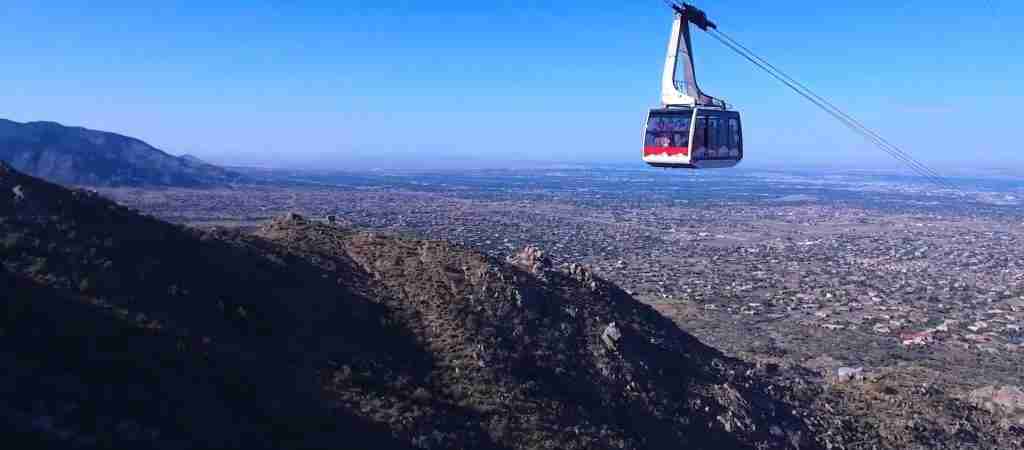
Sandia Peak Tramway operates the world’s third-longest aerial tramway, ascending 2.7 miles from Albuquerque’s northeastern foothills to 10,378 feet elevation on Sandia Crest in 15 minutes, climbing 3,819 vertical feet providing views across 11,000 square miles spanning five states on clear days. The attraction represents Albuquerque’s most expensive single admission at $30 for adults (check official website for current rates), $25 for ages 13-20, $20 for children 5-12, and free for children under 5.
Tram cars depart every 15-30 minutes depending on season and demand, operating year-round except during extreme weather events and scheduled maintenance typically occurring in April. Summer hours run 9:00 AM to 9:00 PM enabling sunset and twilight rides, while winter operates 9:00 AM to 8:00 PM. The 10,000-foot summit delivers dramatic temperature differences from city levels, often 25-30°F cooler requiring jackets even during summer visits. Winter brings snow and freezing conditions making summit hiking challenging without appropriate gear.
The summit features Sandia Peak House restaurant serving lunch and dinner with panoramic windows and outdoor deck seating, though food quality receives mixed reviews and prices run high at $15-28 for entrees. Most visitors pack snacks and water for summit exploration. Hiking trails extend from the upper terminal including the Crest Trail offering ridge-walking with spectacular views, though elevation and exposure demand fitness and weather awareness. Cell phone service operates reliably at the summit enabling emergency communication and photo sharing.
Budget-conscious alternatives include driving the east-side Sandia Crest Scenic Byway (NM 536) reaching the ridge north of the tramway terminus for free, though this requires personal vehicle and adds 90 minutes to overall timeline. The tramway’s convenience and engineering marvel justify the premium price for most visitors, particularly those lacking vehicles or preferring dramatic ascent over gradual roadway climbing.
ABQ BioPark Complex
ABQ BioPark operates four connected facilities—Zoo, Aquarium, Botanic Garden, and Tingley Beach—under unified management with admission packages encouraging multi-site visits. Individual facility admission costs $15-50 for adults and $7 for children ages 3-12 depending on combination selected, with Tingley Beach offered free to all visitors. The complex emphasizes environmental education, species conservation, and New Mexico ecosystems alongside broader collections.
The Zoo houses more than 900 animals across 64 acres including Mexican wolves, African elephants, gorillas, and an extensive reptile collection emphasizing Southwestern species. Exhibits include a newly renovated penguin habitat, sea lion pool with daily presentations, and Australia section featuring koalas and kangaroos. The facility provides full accessibility including wheelchairs and stroller rentals, shaded pathways, and multiple dining options though outside food is permitted encouraging budget-conscious packed lunches.
The Aquarium showcases Gulf of Mexico and Rio Grande ecosystems through 285,000 gallons of exhibits, including a walk-through shark tunnel and jellyfish gallery creating immersive underwater experiences. Scale models and interactive displays explain watershed connections between New Mexico’s mountains and the Gulf coast, delivering environmental education alongside animal viewing. The adjacent Botanic Garden features 36 acres of formal gardens, conservatory housing desert and Mediterranean plants, and seasonal displays including spectacular holiday light displays in December.
Tingley Beach provides free fishing ponds stocked with trout and catfish, pedal boat rentals ($10-15 for 30 minutes), and walking paths connecting to the broader Rio Grande Bosque trail system. The facility attracts local families and budget travelers seeking outdoor recreation without admission charges. Combined BioPark visits require 4-6 hours for thorough exploration, with early morning or late afternoon visits avoiding midday heat during summer months.
New Mexico Museum of Natural History and Science
The New Mexico Museum of Natural History and Science presents comprehensive geological and paleontological collections emphasizing the state’s fossil record, volcanic history, and space science connections through Sandia National Laboratories and Los Alamos research. Permanent exhibits include a complete Tyrannosaurus rex skeleton, evolution timelines, cave reproductions, and planetarium shows. Admission costs $8 for adults, $7 for seniors, and $5 for children 3-12, with planetarium shows requiring additional $8-10 tickets depending on program selected.
The museum’s DynaTheater operates as a large-format film venue showing nature documentaries and science content on a multi-story screen, with admission $10 for adults, $9 for seniors, and $7 for children added to base museum entry. Combination tickets bundling museum, planetarium, and DynaTheater provide modest savings for visitors planning comprehensive experiences. The facility operates 9:00 AM to 5:00 PM daily except Thanksgiving and Christmas, with extended hours during summer and holiday periods.
Special exhibitions rotate quarterly featuring traveling shows on topics ranging from Dead Sea Scrolls to Marvel Comics science, sometimes requiring additional admission surcharges. The museum store offers quality science books, educational toys, and New Mexico-themed gifts spanning budget souvenirs to serious references. Free parking and central location near Old Town enable easy combination visits with multiple attractions in single mornings or afternoons.
Balloon Fiesta Park
Balloon Fiesta Park hosts the Albuquerque International Balloon Fiesta annually in early October (October 3-11, 2026), transforming a 365-acre facility into the world’s largest hot air balloon event with 500+ balloons, 850,000+ spectators, and nine days of mass ascensions, special shapes displays, and evening balloon glows. The 2026 event celebrates Route 66’s centennial with “The Scenic Route” theme incorporating historic highway elements into programming and special shape balloons.
General admission costs $20 per person per session (children 12 and under free), with morning sessions (5:30 AM to 12:00 PM) featuring mass ascensions at 7:00 AM and evening sessions (4:00 PM to 9:00 PM) offering balloon glows where tethered balloons illuminate against darkening skies. Park and Ride services from designated lots charge $18-30 per person (children 5 and under free) including transportation and admission, often providing easier access than driving given traffic congestion. Parking at the facility costs $20 per vehicle per session when available, though lots fill early during popular sessions.
Successful Balloon Fiesta attendance requires strategic planning including advance ticket purchase (sales open April 3, 2026), pre-dawn arrival for morning sessions (4:00-5:00 AM), layered clothing accommodating temperature swings from 40°F at dawn to 70°F+ by 10:00 AM, and patience with crowds and traffic. Hotel rates triple during Fiesta week with booking by July essential for reasonable pricing and preferred locations. Budget travelers can experience mass ascensions from surrounding neighborhoods free of charge, though sacrificing food vendors, special events, and proximity to launch areas.
The park operates year-round hosting festivals, concerts, and sporting events outside October Balloon Fiesta, with the Anderson-Abruzzo Albuquerque International Balloon Museum located on-site offering year-round exhibitions on ballooning history, physics, and culture. Museum admission costs $5 for adults, $4 for seniors, and $3 for children 4-12, providing off-season balloon experiences and indoor exploration when weather limits outdoor activities.
Hidden Gems and Free Experiences in Albuquerque 2026
Albuquerque’s hidden treasures reward curious explorers willing to venture beyond conventional tourist itineraries, with many exceptional experiences offered without admission charges or at nominal costs facilitating budget travel while delivering authentic encounters with local culture, natural beauty, and quirky attractions defining the city’s character beyond mainstream sites.
Free Cultural and Historic Sites
The KiMo Theatre downtown preserves stunning 1920s Pueblo Deco architecture combining Native American design motifs with Art Deco aesthetics, creating one of America’s most distinctive movie palaces. Free self-guided tours operate during business hours, while ticketed performances (films, concerts, theatrical productions) run $4-25 depending on event. The building’s interior murals, carved decorations, and atmospheric lighting represent peak 1920s craftsmanship rarely preserved in working theaters.
Ernie Pyle Memorial Library occupies the home of Pulitzer Prize-winning World War II correspondent Ernie Pyle, preserved as working branch library containing memorabilia, photographs, and personal items from Pyle’s career covering infantry soldiers’ experiences during the war. The facility operates regular library hours with free admission, requiring only respectful quiet given its function as active library serving neighborhood residents. Limited parking and small scale keep crowds minimal creating intimate historical encounters.
Maxwell Museum of Anthropology at University of New Mexico presents exhibitions on global cultures with Southwestern emphasis, free admission, and academic rigor surpassing commercial museums. Collections include significant Ancestral Puebloan pottery, contemporary Native American art, and rotating exhibitions on anthropological topics. The museum operates Tuesday-Sunday with free parking in nearby university lots on weekends and after 5:00 PM weekdays.
Natural Areas and Outdoor Recreation
Rio Grande Nature Center State Park protects riparian habitat along the river including cottonwood bosque, wetlands, and grasslands supporting migratory birds, resident wildlife, and interpretive nature trails. Admission costs $5 per vehicle with honor-system payment, while walking or cycling access is free. The visitor center features wildlife viewing windows overlooking active feeders attracting hummingbirds, finches, and occasional roadrunners, with volunteer naturalists providing informal education about ecosystem processes and bird identification.
Embudito Trail in the Sandia Mountain foothills offers accessible canyon hiking with elevation gain creating cardiovascular challenge without technical difficulty. The trailhead provides free parking though lot capacity limits access during peak weekend mornings. The 6-mile roundtrip route climbs approximately 1,400 feet through ponderosa pine transition zones with views expanding as elevation increases. Spring wildflowers and fall foliage create seasonal highlights, while summer heat demands early morning starts and generous water supplies.
Tingley Beach recreational area includes free fishing ponds stocked with rainbow trout and catfish, paved paths connecting to the Bosque Trail system, and picnic areas under mature cottonwoods. New Mexico fishing licenses cost $12 daily for non-residents enabling catch-and-release or harvest within regulations. The location’s central position provides easy access via ABQ RIDE bus routes, eliminating driving requirements for budget travelers seeking outdoor recreation without wilderness immersion.
Food and Drink Experiences
Albuquerque Growers’ Market operates Saturday mornings downtown (Robinson Park, 8:00 AM to 12:00 PM) featuring local produce, artisan foods, prepared meals, and crafts from regional vendors. The market functions as social gathering and authentic local experience rather than tourist attraction, with breakfast burrito vendors, coffee roasters, and seasonal New Mexico produce including famous Hatch green chiles during late summer. Browsing costs nothing while breakfast purchases run $5-10 for substantial meals.
Marble Brewery Northeast Heights taproom offers free live music Thursday-Sunday evenings showcasing local and regional musicians across genres from bluegrass to indie rock. The brewery’s award-winning beers run $5-7 per pint with food trucks providing dinner options outside. The music schedule appears on their website and social media, with performances typically starting 7:00 PM and continuing until 10:00 PM or later.
Downtown Artwalk occurs the first Friday of each month featuring gallery openings, street performances, and special events across the downtown arts district. Participating galleries provide free admission, wine, and refreshments creating festive atmosphere and opportunities to view contemporary art without purchase pressure. The event runs approximately 5:00 PM to 9:00 PM with peak activity 6:00-8:00 PM, accessible via free ABQ RIDE transit from various city neighborhoods.
Unique Albuquerque Attractions
American International Rattlesnake Museum in Old Town houses the world’s largest collection of live rattlesnakes across 34 species, plus educational exhibits on venomous snake ecology, conservation, and cultural significance. Admission costs $6 for adults with the museum operating year-round in climate-controlled building maintaining optimal temperatures for cold-blooded inhabitants. The intimate scale and quirky subject matter create memorable experiences distinct from conventional zoo reptile exhibits.
Route 66 Auto Museum displays classic cars, motorcycles, and memorabilia celebrating the Mother Road’s golden era from the 1920s through 1960s. Located in a former car dealership on Central Avenue, the museum charges $5 admission with vehicles spanning daily drivers to show-quality restorations. The collection emphasizes affordability and working-class car culture rather than rare exotics, reflecting Route 66’s democratic accessibility to American road-trippers.
Tinkertown Museum northeast of the city (Sandia Park, 30-minute drive) presents one man’s 40-year folk art obsession creating miniature animated scenes, carved figures, and found-object assemblages in rambling building constructed from 50,000 glass bottles. Admission costs $4 for adults, $3.50 for seniors, and $1 for children with seasonal hours (April-October). The museum’s roadside attraction aesthetic and obsessive detail create experiences impossible to replicate in conventional art institutions.
Seasonal Planning for Albuquerque 2026
Albuquerque’s high desert climate creates distinct seasonal characters affecting visitor experiences, accommodation costs, and activity feasibility throughout the year. Understanding these patterns enables strategic timing decisions balancing weather preferences, budget constraints, and event calendars to optimize individual travel priorities.
Spring in Albuquerque (March-May 2026)
Spring delivers ideal conditions with daytime temperatures climbing from 60°F in March to 75-80°F by late May, minimal precipitation averaging under two inches monthly, and wildflower blooms painting foothills and bosque in yellows, blues, and reds. Hotel rates remain moderate at $75-140 for mid-range properties outside holiday weekends, while restaurants and attractions operate without summer crowds or winter closures. Afternoon winds increase through the season, occasionally exceeding 30 MPH and creating challenging hiking conditions on exposed ridges and desert trails.
March sees spring break influx from regional universities increasing weekend occupancy while weekdays remain quiet, with rates fluctuating based on specific travel dates. The month’s unpredictable weather can deliver 70°F sunshine followed by snow within 48 hours, requiring flexible packing and activity planning. Cherry blossoms bloom at UNM campus and residential neighborhoods, creating free photo opportunities rivaling more famous displays in Washington DC and Japan.
April maintains spring perfection with stable warm days, cool nights ideal for sleep, and Route 66 centennial celebrations beginning throughout 2026. Albuquerque Restaurant Week (April 17-26) provides exceptional dining value with prix fixe menus from $33-77 at participating establishments. Petroglyph National Monument trails reach peak accessibility before summer heat, while Sandia Peak remains accessible with possible snow at summit requiring jacket layers.
May transitions toward summer with temperatures occasionally reaching 90°F, increased UV intensity demanding sunscreen vigilance, and green chile roasting beginning at farmers markets and roadside stands. Memorial Day weekend delivers seasonal hotel rate increases and outdoor recreation crowds at popular sites like Sandia tramway and bosque trails. Late May represents final opportunity for comfortable midday hiking before summer heat restricts outdoor activities to morning and evening hours.
Summer in Albuquerque (June-August 2026)
Summer brings intense heat with June-July afternoons regularly exceeding 95°F, monsoonal thunderstorms arriving mid-July through August with dramatic lightning displays and brief heavy rainfall, and hotel rates dropping 25-40% below spring levels as domestic tourism shifts toward cooler destinations. Budget travelers benefit from exceptional accommodation values while accepting heat constraints requiring early morning activities, midday indoor pursuits, and evening exploration resuming as temperatures drop into comfortable 70s.
June represents transitional month before monsoon onset with dry heat, clear skies, and longest daylight hours enabling extended evening activities. The New Mexico Arts and Crafts Fair (late June) at Expo New Mexico showcases juried artists across media with admission typically $10-12 for multi-day access. Summerfest downtown features outdoor concerts, food vendors, and Fourth of July fireworks, while Rio Grande Zoo and botanical gardens operate extended hours accommodating heat-avoiding visitors.
July-August monsoon season delivers afternoon thunderstorms approximately 50% of days, typically developing 2:00-4:00 PM over Sandia Mountains before spreading westward across the city. These storms produce spectacular lightning, brief intense rainfall flooding arroyos and lowland areas, and temperature drops of 15-25°F creating pleasant evening conditions. Outdoor morning activities before 11:00 AM avoid both heat and storm timing, while indoor attractions like museums, aquarium, and air-conditioned Old Town shops provide midday refuge.
Summer hotel deals enable extended stays at unprecedented value, with quality properties available from $60-95 nightly compared to $120-180 during peak seasons. ABQ RIDE’s air-conditioned buses provide heat relief while accessing attractions, though reduced summer frequency on some routes requires schedule checking. Restaurants and entertainment venues maintain full operations unlike winter slowdowns, creating complete destination functionality at discount pricing.
Fall in Albuquerque (September-November 2026)
Fall encompasses Albuquerque’s peak tourism season centered on October Balloon Fiesta, with September delivering ideal pre-event conditions and November offering post-event bargains as temperatures moderate and autumn colors emerge along the bosque. September temperatures range 60-85°F with monsoon tailing off, crystalline air clarity, and hotel rates remaining reasonable before October inflation. Late September cottonwood trees begin yellowing, creating golden corridors along the Rio Grande photographed against deep blue skies characteristic of high desert fall.
October splits into two distinct periods: Balloon Fiesta week (October 3-11, 2026) commanding premium rates, advance booking, and massive crowds, versus remainder of month offering pleasant weather without event chaos. Fiesta week hotel rates triple with mid-range properties reaching $250-400 nightly and budget options vanishing entirely or pricing above normal mid-range levels. Travelers unable to attend Fiesta should avoid Albuquerque October 1-15 to escape inflated costs and congestion without experiencing the event justifying them.
Post-Fiesta October (mid-to-late month) delivers exceptional value with hotel rates dropping 60-70% from peak week, weather remaining ideal with daytime temperatures 65-75°F, and fall foliage reaching peak intensity in bosque and mountain canyons. This period represents optimal timing for budget travelers seeking perfect conditions without crowd tolerance or premium pricing acceptance. Major attractions operate full schedules, restaurants maintain complete menus and hours, and outdoor activities remain comfortable throughout daylight hours.
November transitions toward winter with temperatures cooling to 45-65°F range, occasional snow possible at higher elevations including Sandia Peak, and hotel rates stabilizing at moderate levels ($80-130 mid-range) as tourism volume normalizes. Thanksgiving week sees slight rate increases and regional visitor influx, while remainder of month offers quiet exploration before December holidays. November’s clear weather, smaller crowds, and stable pricing create underrated timing for visitors prioritizing authentic local experiences over perfect temperatures.
Winter in Albuquerque (December-February 2026)
Winter delivers Albuquerque’s lowest tourism volume and accommodation costs, with mid-range hotels available from $65-110 nightly and luxury properties occasionally offering deals below $150. Daytime temperatures range 35-55°F with overnight lows dropping to 20-30°F, requiring layered clothing and warm morning wear. Snowfall occurs sporadically averaging 10 inches annually but concentrated at higher elevations, with city streets typically remaining dry while Sandia Mountains receive significant snow enabling skiing at Sandia Peak Ski Area accessed via the tramway.
December holiday season brings luminaria displays throughout Old Town and residential neighborhoods, BioPark’s River of Lights featuring elaborate light sculptures and displays along botanical garden paths (admission $15-20), and traditional posadas processions. Hotel rates increase modestly during Christmas and New Year’s weeks but remain well below summer levels, while restaurants maintain full operations serving substantial populations of year-round residents and winter visitors from colder climates.
January-February represent absolute value season with minimal tourism, authentic local atmosphere dominating all establishments, and opportunities to experience Albuquerque functioning as New Mexican cultural and economic center rather than visitor destination. Cultural sites like Indian Pueblo Cultural Center, museums, and galleries operate normal schedules, while outdoor activities shift toward shorter duration acknowledging cold temperatures and potential weather variability. Sandia Peak ski area provides affordable downhill skiing ($40-60 lift tickets) with none of Colorado’s crowds or pricing.
Winter travelers should pack versatile layers accommodating 30-40°F temperature swings between morning and afternoon, with fleece or down jacket essential for early starts and evening activities. Indoor attractions including museums, aquarium, and heated Old Town shops enable full days without extended cold exposure, while bosque trails remain accessible when free of snow offering solitude impossible during peak seasons. Free ABQ RIDE transit continues year-round providing budget transportation regardless of season.
Money-Saving Strategies for Albuquerque 2026
Maximizing Albuquerque travel value requires leveraging the city’s unique characteristics including zero-fare transit, abundant free attractions, and genuine local food culture offering superior value compared to tourist-focused establishments. Strategic planning around these elements enables substantial cost reduction without sacrificing experience quality or cultural authenticity.
Transportation Cost Elimination
ABQ RIDE’s zero-fare system represents Albuquerque’s single greatest budget advantage, eliminating transportation expenses that typically consume $20-50 daily in comparable Western cities. Travelers accessing the airport via free Route 50 bus, utilizing regular routes to reach Old Town, museums, and attractions, and combining walking with transit for comprehensive city exploration can complete entire visits without any transportation expenditure beyond personal shoe leather.
Planning itineraries around transit accessibility maximizes this advantage, with most major attractions located on or near bus routes. Old Town sits on multiple route intersections, downtown museums cluster within walking distance of the Alvarado Transportation Center transit hub, and BioPark facilities connect via dedicated routes. Rental cars make sense only for day trips beyond city limits or travelers requiring maximum scheduling flexibility unwilling to accommodate bus timetables.
The Transit app provides real-time bus tracking, route planning, and arrival predictions eliminating uncertainty about service timing and enabling precise activity scheduling. Downloading this free application before arrival and familiarizing yourself with primary routes (36, 50, 66, and ART lines) streamlines daily logistics and builds confidence using transit rather than defaulting to expensive taxis or rideshares.
Accommodation Value Optimization
Substantial hotel savings emerge from strategic timing, with shoulder seasons (April-May, September, November) delivering 25-40% discounts from peak pricing while maintaining excellent weather and full attraction operations. Winter months (December-February) offer 40-60% savings for cold-tolerant travelers comfortable with 40-50°F daytime temperatures and occasional snowfall possibilities.
Location selection impacts value significantly, with airport vicinity and university area properties charging 30-50% below downtown and Old Town hotels while maintaining free parking and convenient ABQ RIDE access. The trade-off involves sacrificing walkability to restaurants and attractions, acceptable for visitors comfortable using transit or rental cars. Budget chains along Central Avenue (Route 66) east of downtown provide authentic roadside motel experiences at $55-75 nightly with character exceeding generic suburban properties.
Direct booking through hotel websites sometimes produces better rates than third-party aggregators due to loyalty program benefits, avoiding booking fees, and promotional codes often unavailable through external sites. Comparing prices across booking.com, hotel websites, and member rates (AAA, AARP, professional organizations) identifies optimal pricing, with differences occasionally reaching $20-40 per night on identical rooms.
Dining Cost Reduction Without Quality Sacrifice
Authentic New Mexican restaurants frequented by locals rather than tourists deliver exceptional food value with complete meals at $10-18 per person. El Modelo, Cecilia’s Café, Garcia’s Kitchen, Monroe’s, and similar establishments serve generous portions of traditional foods at prices reflecting local market economics rather than visitor pricing power. These restaurants cluster in working-class neighborhoods rather than tourist zones, requiring short ABQ RIDE trips or brief drives but rewarding effort with superior value and authenticity.
Farmers markets provide fresh produce, prepared foods, and artisan products at prices below restaurant equivalents, with Saturday’s downtown Growers Market (8:00 AM to 12:00 PM) offering breakfast burritos ($6-9), fresh produce for picnic assembly, and coffee from local roasters. Travelers with accommodation kitchens can shop strategically for breakfast supplies and lunch components, reducing daily meal costs while sampling local foods like Hatch green chiles, blue corn products, and regional specialties.
Brewery taprooms combine quality craft beer with affordable food, often from resident food trucks or kitchen partnerships charging $10-15 for substantial meals. Marble, Bosque, and La Cumbre breweries operate multiple locations with full menus, outdoor seating, and pricing substantially below full-service restaurants. Happy hour specials at many establishments (typically 3:00-6:00 PM weekdays) offer discounted appetizers and drinks creating economical early dinners.
Free and Low-Cost Attraction Maximization
Comprehensive Albuquerque exploration requires minimal admission spending given abundant free experiences and strategic timing of paid attractions. Petroglyph National Monument ($1-2 parking), Albuquerque Museum (free Sundays 9:00 AM-1:00 PM and first Wednesday monthly), Old Town plaza and church (free), Bosque Trail walks (free), and numerous galleries with no admission charges enable multiple days of quality sightseeing without ticket purchases.
Paid attractions warrant selective prioritization based on individual interests rather than completionist approaches. The Sandia Peak Tramway ($30) delivers unmatched views and engineering spectacle justifying premium pricing for mountain enthusiasts, while museum buffs might prefer spreading budgets across Natural History Museum ($8), Cultural Center ($12), and specialized collections rather than single expensive experiences. Many visitors report greater satisfaction from focused exploration of fewer attractions compared to rushed attempts experiencing everything.
Cultural performances at the Indian Pueblo Cultural Center (weekend dances included with $12 admission) and free music at brewery taprooms provide entertainment without commercial concert pricing. First Friday Artwalk downtown offers gallery access, performances, and social atmosphere without admission charges. Strategic event calendar consultation before booking enables trip timing around free festivals and cultural programs enhancing visits without increasing costs.
Day Trip Economics
Day trips to Santa Fe (65 miles north), Jemez Mountains hot springs, or Bandelier National Monument require careful cost-benefit analysis given Albuquerque’s compelling in-city options. Car rental adds $30-45 plus gasoline ($10-25 depending on destination), creating $40-70 daily cost before attraction admissions or meals. The Rail Runner Express reaches Santa Fe for $9 roundtrip operating limited schedules primarily serving weekday commuters, potentially enabling Santa Fe day trips for transit-dependent travelers willing to accommodate train timetables.
Organized tour companies operate day trips bundling transportation and admission, sometimes delivering value compared to independent travel when vehicle rental, parking, and admission costs aggregate. However, many budget travelers report preferring Albuquerque’s abundance of accessible attractions over expensive excursions to nearby destinations, particularly when total trip duration limits daily activity capacity regardless of available options.
Sample Albuquerque Itineraries 2026
These detailed itineraries demonstrate realistic daily planning balancing attraction diversity, budget consciousness, and sustainable pacing while showcasing Albuquerque’s cultural depth, natural beauty, and authentic Southwestern character across different trip durations and budget levels.
Three-Day Budget Itinerary
Day 1: Old Town and Cultural Immersion
Morning begins with free ABQ RIDE bus to Old Town (Route 36 from downtown hotels), arriving 9:00 AM for plaza exploration before peak crowds and heat. San Felipe de Neri Church opens for self-guided tours (free), followed by Albuquerque Museum of Art and History (free on first Sunday of month or regular $7 admission other days). Total morning costs: Museum $0-7 per person.
Lunch at El Modelo ($12 combination plate including sopapillas and beverage) involves brief bus ride or 15-minute walk south on 4th Street, delivering authentic New Mexican food at local prices. Afternoon visits Indian Pueblo Cultural Center via Route 36 continuation ($12 admission) with 2:00 PM cultural dance performance included. Return downtown via free bus by 5:00 PM.
Dinner at Frontier Restaurant near UNM ($9-12) accessible via Route 66 bus provides iconic student atmosphere and massive portions. Evening stroll through Nob Hill’s Route 66 corridor viewing vintage neon and motor court architecture costs nothing. Day 1 total: Accommodation $25-35 (hostel or budget hotel shared), meals $25-30, attractions $12-19, transport $0. Daily total: approximately $62-84 per person.
Day 2: Nature and Science
Early start catches free ABQ RIDE to Petroglyph National Monument ($2 weekend parking if driving, free if using transit plus walking) for Rinconada Canyon 2.2-mile loop completed before 11:00 AM heat. Pack breakfast from grocery ($6-8) eaten at trailhead picnic areas. Return to city via bus by noon.
Lunch at Twisters near zoo ($9-11) precedes afternoon at ABQ BioPark Zoo or Aquarium ($16 admission including one facility). Alternative free afternoon explores Rio Grande Nature Center State Park ($5 vehicle parking or free via transit/walking) with bosque trails and wildlife viewing. Attractions: $16-21 depending on choices.
Dinner at Sadie’s of New Mexico ($15-18 combination plate with legendary salsa) via free bus. Evening returns to accommodation for rest. Day 2 total: Meals $30-37, attractions $16-21, transport $0-2. Daily total: approximately $71-95 per person.
Day 3: Downtown and Departure
Morning visits New Mexico Museum of Natural History and Science ($8 admission), located walking distance from downtown hotels or accessible via free bus from other areas. Adjacent Explora Science Center ($13) appeals to families or science enthusiasts, optional depending on interests. Museum breakfast at hotel or nearby café ($8-12).
Lunch at downtown food trucks or casual restaurants ($10-15) followed by KiMo Theatre free tour and final Old Town shopping. Airport departure via free Route 50 bus eliminates transfer costs. Day 3 total: Meals $18-27, attractions $8-21, transport $0. Daily total: approximately $51-83 per person.
Three-Day Budget Total: Accommodation $75-105, meals $73-94, attractions $36-61, transport $0-2. Grand total approximately $184-262 per person for complete three days.
Five-Day Mid-Range Itinerary
Day 1: Arrival and Old Town
Afternoon arrival via Sunport, free Route 50 bus to mid-range downtown hotel ($110-140 per night). Check-in followed by Old Town exploration via ABQ RIDE or short walk from downtown properties. Albuquerque Museum ($7) and San Felipe de Neri Church tour, dinner at Church Street Café ($18-24). Evening plaza stroll and early rest preparing for full days ahead. Day 1 costs: Accommodation $55-70 (per person, two sharing), meals $25-35, attractions $7. Daily total: approximately $87-112 per person.
Day 2: Sandia Peak and Tramway
Car rental pickup ($35-45 daily) enables Sandia Peak Tramway access in Northeast Heights. Early 9:00 AM arrival beats crowds for $30 tramway ticket, summit hiking and photography, pack lunch ($15-20 from grocery) eaten at crest. Afternoon descent and return to city via Sandia Crest Scenic Byway (NM 536) viewing eastern slopes.
Evening dinner at Seasons Rotisserie downtown ($30-40 per person) celebrates mountain adventure. Day 2 costs: Meals $45-60, attractions $30, car rental $40 (including gas). Daily total: approximately $170-200 per person.
Day 3: Cultural Deep Dive
Morning Indian Pueblo Cultural Center ($12) with 11:00 AM cultural dance, lunch at Pueblo Harvest Café ($14-18) sampling Native American cuisine. Afternoon visits Petroglyph National Monument via personal car, exploring multiple trail areas and visitor center educational exhibits.
Dinner at Farm & Table ($35-50 per person) requires advance reservation but delivers farm-to-table excellence worth premium pricing. Evening brewery visit at Marble or Bosque for nightcap ($6-10). Day 3 costs: Meals $55-78, attractions $12, car rental $40. Daily total: approximately $162-200 per person.
Day 4: Day Trip to Santa Fe
Early departure drives I-25 north reaching Santa Fe in 75 minutes, parking at Railyard District for plaza walking tour, Palace of Governors, Canyon Road galleries, and New Mexico Museum of Art ($12 combined Santa Fe museum pass). Lunch at La Choza or Tomasita’s ($15-22), afternoon shopping and gallery exploration.
Return to Albuquerque by 6:00 PM for dinner at Standard Diner ($28-38 per person) and evening rest. Day 4 costs: Meals $43-60, Santa Fe attractions $12, car rental $45 (extra mileage and gas). Daily total: approximately $155-187 per person.
Day 5: Science and Departure
Final morning explores Natural History Museum and planetarium ($8 plus $10 planetarium show), followed by BioPark Aquarium or Botanical Garden ($16) depending on interests. Lunch at Frontier Restaurant ($11-15) provides final New Mexican meal and UNM campus atmosphere.
Car return at airport, afternoon flight departure. Day 5 costs: Meals $20-30, attractions $24-26. Daily total: approximately $99-126 per person.
Five-Day Mid-Range Total: Accommodation $275-350, meals $188-263, attractions $85-95, car rental $160, transport $0. Grand total approximately $708-868 per person for complete five days.
Three-Day Luxury Itinerary
Day 1: Arrival and Cultural Excellence
Arrival at Sunport, rideshare to Los Poblanos Historic Inn ($245-325 per room, $123-163 per person). Afternoon farm tour and lavender field exploration on property, evening dinner at Campo restaurant ($75-110 per person including wine). Sunset wine tasting in courtyard completes sophisticated arrival. Day 1 costs: Accommodation $123-163, meals $90-130, transport $18. Daily total: approximately $231-311 per person.
Day 2: Mountain and Premium Dining
Morning Sandia Peak Tramway ($30) with private summit time before crowds, car service drives Sandia Crest Byway return ($80 half-day driver). Lunch at upscale Nob Hill restaurant ($35-50), afternoon spa treatment at Hotel Chaco or Sandia Resort ($120-180).
Dinner at Antiquity Restaurant Old Town ($60-90 per person) in 1785 building. Evening returns to Los Poblanos for stargazing and lavender product shopping. Day 2 costs: Meals $95-140, attractions $30, transport/driver $80, spa $120-180. Daily total: approximately $448-593 per person.
Day 3: Art and Farewell
Morning private tour of Indian Pueblo Cultural Center with docent guide ($150 for two people) providing deep cultural context and artist introductions. Pottery purchase from courtyard artist ($200-500 optional). Lunch at MAS Tapas y Vino Hotel Andaluz ($40-60 per person).
Afternoon Albuquerque Museum private tour if available or self-guided exploration, final shopping at Mariposa Gallery Old Town. Early evening departure via rideshare to airport ($18). Day 3 costs: Meals $50-80, attractions $75 (private tour), purchases optional, transport $18. Daily total: approximately $266-336 per person plus optional art purchases.
Three-Day Luxury Total: Accommodation $369-489, meals $235-350, attractions $135-150, transport $116, spa $120-180. Grand total approximately $975-1,285 per person for complete three days excluding optional art purchases.
Practical Tips for Albuquerque 2026
Weather and Packing Essentials
Albuquerque’s 5,000-6,000 foot elevation creates intense solar radiation requiring SPF 50+ sunscreen application every two hours during outdoor activities regardless of season. UV index regularly reaches 10+ (“very high”) during summer with cloud-free skies providing no natural protection. Wide-brimmed hats, sunglasses, and lightweight long-sleeve sun shirts prevent burns and reduce skin cancer risk more effectively than repeated sunscreen application alone.
Low humidity averaging 20-40% year-round causes rapid dehydration invisible to travelers accustomed to humid climates. Carry water bottles constantly and drink before thirst emerges, with recommended intake one liter per two hours of outdoor activity during summer months. Lips, nasal passages, and skin dry quickly requiring lip balm and moisturizer even for travelers never using these products at home. Hotel rooms often feature humidifiers combating dry air effects on sleep quality and respiratory comfort.
Temperature swings of 30-40°F between morning and afternoon necessitate layered clothing regardless of season. Spring and fall mornings start 40-50°F requiring fleece or light jacket, while afternoons reach 70-80°F comfortable in t-shirts. Winter demands warm coats for morning starts (20-30°F) even when afternoons warm to 50-55°F. Packing versatile layers enabling additions and removals throughout the day prevents discomfort and enables flexible activity timing.
Altitude Adjustment
The city’s elevation causes mild altitude effects in some visitors including headaches, fatigue, and shortness of breath during physical activity. Most people acclimatize within 24-48 hours without intervention, though maintaining hydration, limiting alcohol consumption first days, and avoiding strenuous exercise immediately upon arrival eases adjustment. Sandia Peak at 10,378 feet can trigger more pronounced symptoms in susceptible individuals, with gradual ascent via driving rather than tramway providing gentler adjustment.
Cardiovascular exercise feels harder than sea level equivalents, with hiking, cycling, and sustained walking requiring slower paces and more frequent breaks than familiar home efforts. This affects all fitness levels proportionally, with elite athletes and casual hikers both experiencing approximately 20-30% performance reduction compared to sea level capacity. Planning hiking distances and difficulty levels conservatively prevents exhaustion and maintains enjoyment.
Safety and Security
Albuquerque experiences property crime rates above national averages, primarily vehicle break-ins and theft from parked cars rather than violent crime affecting tourists. Never leave valuables visible in vehicles, particularly in downtown and Old Town parking areas where rental car plates attract targeted theft. Storing all belongings in trunks before arriving at destinations prevents smash-and-grab opportunities advertised by bags, electronics, or luggage on seats.
Tourist areas including Old Town, museums, and major attractions maintain safe environments with visible security and regular police patrols. Downtown evenings require normal urban awareness without paranoia, with well-lit main streets, restaurants, and entertainment districts safe for navigation while avoiding isolated side streets and parking structures late at night. The ABQ RIDE system operates safely though reduced late-evening frequency limits transit utility after 10:00 PM on most routes.
Hotel selection impacts security significantly, with properties in Uptown, Northeast Heights near Sandia foothills, and established downtown locations reporting minimal incident rates. Budget hotels along Central Avenue (Route 66) east of downtown vary in safety and maintenance, requiring review screening beyond price comparison. Reading recent guest reviews specifically mentioning security, cleanliness, and management responsiveness helps identify quality budget options versus properties deteriorating from neglect.
Language and Cultural Etiquette
English dominates tourist interactions though significant portions of Albuquerque’s population speak Spanish as primary language, particularly in South Valley neighborhoods and among service industry workers. Basic Spanish courtesies (“buenos días,” “gracias,” “por favor”) demonstrate respect and sometimes unlock friendlier service, though expectations of fluency are unreasonable and unnecessary for tourist activities.
Pueblo cultures maintain distinct identities and sovereignty separate from Hispanic and Anglo communities, requiring respectful recognition rather than pan-ethnic “Native American” generalizations. Photography rules vary by pueblo and ceremony, with many traditional dances prohibiting cameras entirely. When visiting Indian Pueblo Cultural Center or pueblo communities directly, ask permission before photographing people, respect posted restrictions, and understand that some ceremonies remain closed to non-pueblo visitors entirely.
New Mexican identity differs from Mexican heritage despite superficial similarities, with New Mexicans tracing ancestry to Spanish colonists arriving centuries before Mexican independence and maintaining distinct cultural practices, cuisine, and dialect. Referring to green chile as “jalapeño” or comparing New Mexican food to Mexican cuisine demonstrates cultural ignorance annoying to locals. Learning basic distinctions between chile (the pepper), chili (the stew), and Chile (the country) prevents confusion and shows cultural effort.
Tipping and Service Standards
Standard American tipping practices apply throughout Albuquerque, with 18-20% expected for full-service restaurant meals, $1-2 per drink at bars, $5-10 daily for hotel housekeeping, and $2-5 for shuttle drivers and bellhops depending on service complexity. Many restaurants add automatic gratuities for parties of six or more, noted on menus and receipts. Tipping culture extends to breweries with table service though not required at counter-order establishments.
Service quality varies from exceptional personalized attention at upscale properties to indifferent efficiency at budget establishments and tourist-heavy locations. Old Town restaurants catering primarily to one-time tourist visits sometimes deliver mediocre service knowing repeat business remains unlikely, while neighborhood institutions frequented by locals maintain higher standards protecting reputation within communities. Brewery staff and coffee shop baristas generally provide knowledgeable, friendly service earning tips through product expertise and genuine hospitality.
Cell Service and Connectivity
Major carriers (Verizon, AT&T, T-Mobile) provide reliable coverage throughout Albuquerque city limits and along Interstate corridors, with service deteriorating in mountain canyons, remote petroglyph areas, and wilderness sections of surrounding national forests. Most hotels, restaurants, and attractions offer free wifi though connection quality varies from excellent at newer properties to barely functional at budget establishments.
Downloading offline maps via Google Maps or similar applications before exploring outlying areas prevents navigation difficulties if cell service drops. The Transit app functions with cellular data for real-time bus tracking but provides static schedules and route maps offline. Photography enthusiasts should plan cloud photo backups during evening hotel wifi sessions rather than relying on cellular data given large file sizes of modern smartphone images.
Frequently Asked Questions About Albuquerque 2026
How many days should I spend in Albuquerque?
Three to five days provides thorough Albuquerque exploration including major attractions, cultural sites, outdoor activities, and authentic dining experiences without rushed schedules or exhausting daily itineraries. Three days covers essential highlights—Old Town, one or two museums, Petroglyph National Monument, Sandia Peak, Indian Pueblo Cultural Center—with time for leisurely meals and evening activities. Five days enables deeper cultural immersion, day trip to Santa Fe, additional museums, bosque trail walks, brewery tours, and comprehensive neighborhood exploration including Nob Hill Route 66 district.
Weekend visitors (2-3 days) should prioritize Old Town, one major attraction matching interests (Sandia Tramway for mountain views, Cultural Center for Native American culture, Natural History Museum for science enthusiasts), and authentic New Mexican dining. Extended stays beyond five days suit travelers using Albuquerque as base for regional exploration including Santa Fe, Bandelier National Monument, Jemez Mountains, and longer Sandia hiking routes, though pure Albuquerque content doesn’t justify week-long stays for most visitors.
Is Albuquerque worth visiting without a car?
Yes, Albuquerque’s zero-fare ABQ RIDE system, compact central attractions, and walkable Old Town enable satisfying car-free visits for budget travelers and environmentally conscious visitors willing to accommodate bus schedules and walking distances. Major attractions accessible via transit include Old Town, downtown museums, BioPark facilities, Indian Pueblo Cultural Center, University district, and Nob Hill, covering most visitors’ priority sites without vehicle requirements.
Limitations of car-free travel include Petroglyph National Monument requiring long bus rides plus significant walking from nearest stops, Sandia Peak Tramway positioned in Northeast Heights with infrequent bus service, and day trip exclusion to Santa Fe and regional destinations. The Rail Runner Express train reaches Santa Fe though limited schedules favor weekday commuters over tourists. Travelers prioritizing urban cultural experiences over wilderness exploration or unwilling to rent cars for select days find Albuquerque entirely accessible via walking and transit.
What is the best area to stay in Albuquerque?
Downtown hotels provide walkability to museums, restaurants, and nightlife with convenient ABQ RIDE access to other attractions, appealing to transit-dependent travelers and those prioritizing central location. Old Town accommodations offer atmospheric settings in Spanish colonial ambiance, immediate access to historic sites, but higher rates during peak season and potential noise from plaza activities. Uptown locations deliver shopping convenience, chain restaurants, and business traveler amenities, while Northeast Heights properties near Sandia foothills position guests for mountain activities and Balloon Fiesta proximity.
Budget travelers find best value along Central Avenue (Route 66) east of downtown and near the airport, sacrificing walkability but maintaining free transit access. Mid-range preferences favor downtown or Uptown for convenience and consistent quality chains. Luxury visitors select Los Poblanos for farm-resort ambiance, Hotel Chaco for cultural immersion, or Sandia Resort for full-service amenities. Area choice should align with primary activities—cultural tourists prefer Old Town or downtown, outdoor enthusiasts select Northeast Heights, road-trippers choose Route 66 corridor.
How much does a week in Albuquerque cost?
A seven-day Albuquerque visit costs approximately $420-630 per person for budget travelers using hostels or budget hotels, free transit, and strategic attraction selection; $1,015-1,505 for mid-range visitors enjoying comfortable hotels, full-service dining, and comprehensive attraction access; and $2,100-3,045 for luxury experiences including boutique properties, fine dining, and premium tours, all assuming two people sharing accommodation.
Budget weekly breakdown: Accommodation $175-245 (7 nights at $25-35 per person shared), meals $210-300 ($30-43 daily average), attractions $35-85 (selective paid sites plus abundant free options), transport $0 (zero-fare transit). Mid-range weekly total: Accommodation $420-560 (7 nights at $60-80 per person shared), meals $420-665 ($60-95 daily), attractions $175-280 (comprehensive paid site access). Luxury weekly budget: Accommodation $840-1,120 (7 nights at $120-160 per person shared), meals $770-1,260 ($110-180 daily), attractions $280-420, transport $210-245 (car rental or private drivers).
Is Albuquerque safe for tourists?
Albuquerque is safe for tourists exercising normal urban awareness including securing valuables, avoiding isolated areas after dark, and staying in established tourist zones and quality accommodations. Property crime rates exceed national averages though violent crime against tourists remains rare, with most incidents involving vehicle break-ins preventable through not leaving valuables visible in parked cars. Major attractions, Old Town, downtown restaurants, and well-traveled areas maintain safe environments with visible security and regular police presence.
Tourist-specific risks center on rental car theft opportunities created by out-of-state plates advertising temporary visitors, mitigated by parking in attended lots when possible and storing all belongings in trunks before arriving at destinations. Hotel selection impacts security significantly, with established properties in downtown, Uptown, and Northeast Heights reporting minimal incidents while some budget locations along Central Avenue require careful review screening. ABQ RIDE buses operate safely though reduced late-evening service limits transit utility after 10:00 PM on most routes.
What should I eat in Albuquerque?
New Mexican cuisine represents Albuquerque’s essential culinary experience, centering on red chile (dried, ground pods) and green chile (fresh roasted peppers) served with every meal alongside beans, rice, and sopapillas (fried bread with honey). Combination plates mixing enchiladas, tacos, tamales, and other items provide comprehensive introductions, while green chile cheeseburgers represent the state’s signature fast food. Breakfast burritos stuffed with eggs, potatoes, chile, and cheese appear on every menu from fine dining to gas station hot cases.
Must-try establishments include Sadie’s of New Mexico for salsa intensity and generous portions, El Modelo for authentic family recipes and locals-only atmosphere, Frontier Restaurant near UNM for massive cinnamon rolls and 24/7 student energy, and Cecilia’s Café for traditional preparations across multiple locations. Farm-to-table experiences at Campo (Los Poblanos) and Farm & Table showcase New Mexican ingredients in contemporary preparations, while breweries like Marble and Bosque pair award-winning craft beer with gastropub interpretations of regional foods.
Can I visit Albuquerque and Santa Fe in one trip?
Yes, Albuquerque and Santa Fe combine easily in single trips given their 65-mile separation requiring 60-75 minutes driving or 90 minutes via Rail Runner Express commuter train. Most itineraries allocate 3-5 days in Albuquerque plus 2-3 days in Santa Fe for balanced exploration, though day trips from either city enable sampling the other without accommodation changes. Albuquerque’s lower costs and larger airport make it preferable as base city for budget travelers, while Santa Fe’s art galleries and boutique hotels appeal to luxury visitors tolerating premium pricing.
Combined trip logistics favor flying into Albuquerque International Sunport (larger airport, more frequent flights, lower fares), spending initial days in Albuquerque, then driving or taking Rail Runner to Santa Fe for 2-3 nights before returning to Albuquerque for departure flights. This pattern minimizes backtracking while sampling both cities’ distinct characters—Albuquerque’s working-city authenticity and cultural diversity versus Santa Fe’s art market polish and adobe aesthetic. Total week-long combined visits enable comprehensive New Mexico cultural immersion impossible in either city alone.
What is there to do in Albuquerque besides the Balloon Fiesta?
Albuquerque offers comprehensive year-round attractions independent of October’s Balloon Fiesta, including Old Town’s Spanish colonial architecture and museums, Indian Pueblo Cultural Center showcasing 19 Pueblos’ cultures, Petroglyph National Monument preserving 20,000+ ancient rock carvings, Sandia Peak Tramway ascending to 10,378 feet, ABQ BioPark’s zoo and aquarium, Natural History Museum, Route 66 vintage neon and motor courts, bosque trail hiking and cycling, craft brewery tours, authentic New Mexican dining, and contemporary arts scenes in Nob Hill and downtown.
Cultural depth distinguishes Albuquerque from superficial tourist destinations, with genuine Spanish colonial heritage in Old Town, living Native American cultures at Pueblo Cultural Center, and working-class New Mexican communities maintaining foodways and traditions rather than performing for visitors. Outdoor recreation spans easy bosque walks to challenging Sandia Mountain hikes, while food experiences range from $12 combination plates at local institutions to farm-to-table fine dining at Campo and Farm & Table. Most visitors discover Albuquerque offers richer cultural experiences and better value outside Balloon Fiesta period when rates triple and crowds overwhelm attractions.
Do I need to speak Spanish in Albuquerque?
No, English suffices for all tourist interactions in Albuquerque, though significant portions of the population speak Spanish as primary language particularly in South Valley neighborhoods and among service industry workers. Major attractions, hotels, restaurants in tourist areas, and downtown businesses operate entirely in English, while some neighborhood establishments and markets conduct business bilingually or Spanish-primarily depending on customer base.
Basic Spanish courtesies (“buenos días” = good morning, “gracias” = thank you, “por favor” = please) demonstrate respect and sometimes unlock friendlier service, though expectations of fluency are unreasonable and unnecessary. Many longtime New Mexican families speak both languages fluidly, code-switching between English and Spanish mid-conversation in casual social settings. This bilingual reality enriches cultural authenticity rather than presenting practical barriers to tourists, with menu translations, signage, and accommodation staff ensuring English speakers navigate all situations comfortably.
When does green chile season start in Albuquerque?
Green chile harvest runs late July through October with peak availability and roasting activity occurring August-September when fresh Hatch-region chiles arrive at farmers markets, grocery stores, and roadside stands throughout the city. The distinctive aroma of roasting chiles permeates neighborhoods during harvest season as industrial drum roasters process hundreds of pounds hourly, with locals purchasing 20-40 pound sacks for freezing and year-round use.
Restaurants serve green chile year-round using frozen supplies from previous harvests, though fresh-roasted seasonal preparations deliver superior flavor and heat. Visitors timing trips for late August through September experience peak chile culture including roasting demonstrations, harvest festivals, and maximum restaurant focus on seasonal specialties. New Mexico Chile Festival in Hatch (90 miles south) occurs Labor Day weekend for dedicated chile enthusiasts, while Albuquerque’s local farmers markets and grocery stores provide accessible harvest experiences without long drives.