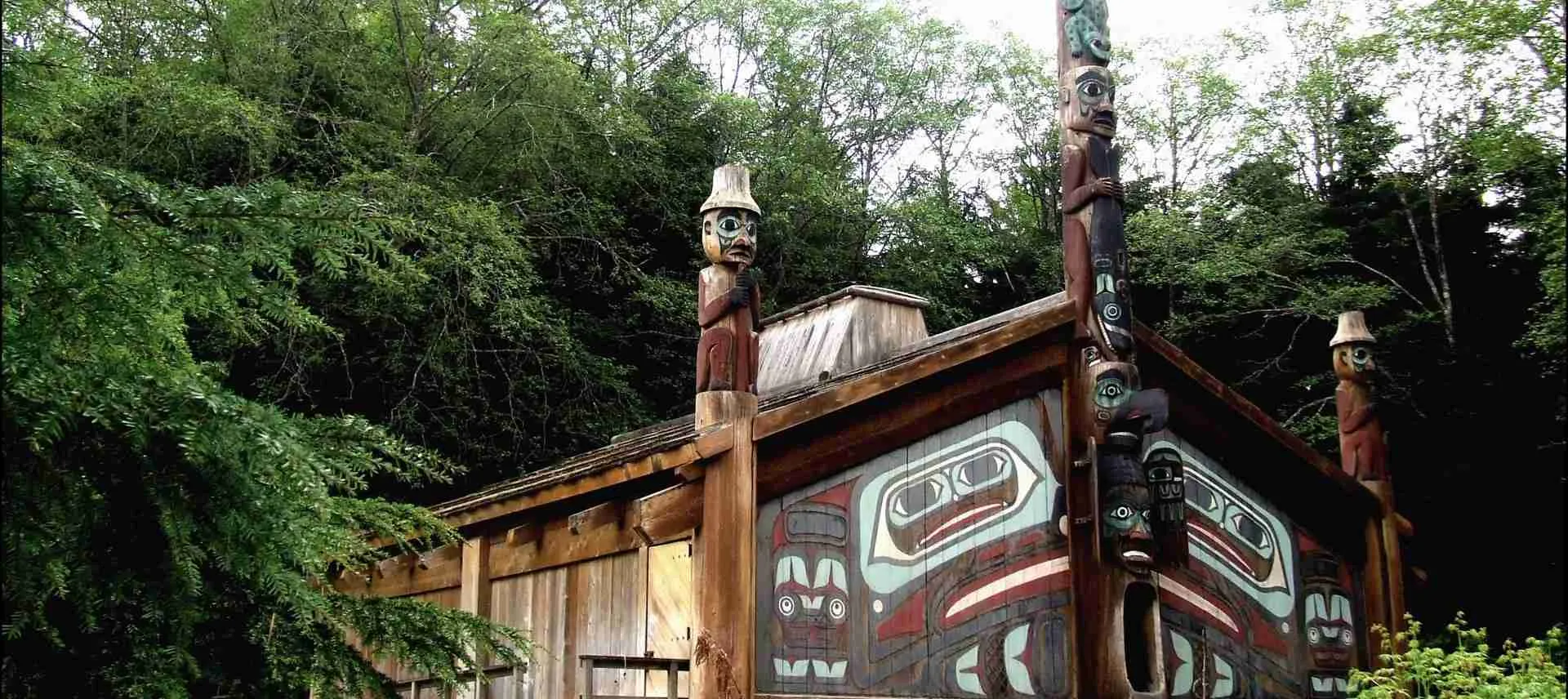
Alaska Travel Guide 2026: Ultimate Planning Resource
America’s Last Frontier beckons with glaciers calving into pristine waters, grizzlies fishing for salmon, and landscapes stretching beyond horizons — but Alaska’s remoteness and seasonal extremes demand strategic planning to transform dreams into reality. This comprehensive guide provides verified 2026 costs, proven timing strategies, and insider logistics to help you navigate North America’s most spectacular wilderness destination without budget surprises or logistical pitfalls.
Key Takeaways for Alaska Travel 2026
- Budget Planning 2026: Seven-day Alaska trips range $2,500-4,000 for budget travelers utilizing camping and self-catering, $4,500-7,000 for mid-range experiences with comfortable hotels and select tours, and $9,000-15,000+ for luxury lodges and premium activities. Daily costs average $150-250 budget tier, $400-600 mid-range, excluding international flights.
- Optimal Timing Strategy 2026: Shoulder seasons (May and September) deliver 20-40% savings on flights, accommodations, and tours compared to peak June-August period while maintaining excellent wildlife viewing and reasonable weather. Peak summer offers 18-20 hours daily sunlight and warmest temperatures but commands premium pricing with hotels reaching $300-450 nightly versus $180-280 in shoulder months.
- Transportation Economics 2026: Rental cars cost $70-120 daily during summer season, making them cost-effective for groups of three or more exploring beyond Anchorage, while solo travelers benefit from Alaska Railroad scenic routes and tour packages including ground transportation. Gasoline prices reach $4.50-6.00 per gallon due to Alaska’s remote location and limited refining infrastructure.
- National Park Access 2026: Most Alaska national parks charge no entrance fees (Denali, Kenai Fjords, Gates of the Arctic, Kobuk Valley, Lake Clark), with Denali at $15 per person being the notable exception. The $80 America the Beautiful Pass provides year-round access to all national parks and federal recreation sites, representing excellent value for visitors planning multiple park visits.
- Tour Investment Priorities 2026: Alaska’s premium experiences include flightseeing tours ($300-600 per person), bear viewing expeditions ($600-900), and glacier helicopter landings ($400+), while equally memorable free activities encompass hiking Exit Glacier, wildlife watching along Turnagain Arm, and exploring Anchorage’s coastal trails. Strategic travelers select 2-3 bucket-list paid experiences and supplement with Alaska’s abundant free wilderness access.
- Cruise vs Independent Travel 2026: Seven-night Alaska cruises start $879 for inside cabins (base fare only) with additional costs for excursions, specialty dining, and beverages, while independent land-based trips offer greater flexibility, deeper wilderness immersion, and access to interior destinations unreachable by cruise itineraries. Cruise travelers see coastal Southeast Alaska; land travelers experience Denali, interior wilderness, and authentic Alaska communities.
People Also Ask About Alaska Travel 2026
How much does a week in Alaska cost in 2026?
A seven-day Alaska trip in 2026 costs $2,500-4,000 per person for budget travel, $4,500-7,000 for mid-range experiences, and $9,000-15,000+ for luxury travel, excluding international airfare. Budget travelers utilize campgrounds ($10-45 nightly), prepare most meals ($30-45 daily food budget), and focus on free hiking and wildlife viewing. Mid-range travelers stay in hotels ($180-450 nightly depending on season and location), dine at restaurants ($65-95 daily), and include 2-3 premium tours. Luxury experiences feature high-end lodges, helicopter glacier tours, and guided wilderness adventures. The largest variables affecting total cost include accommodation tier, number of paid tours, travel season, and whether renting a vehicle. Shoulder season travel (May or September) reduces total trip costs by 20-40% compared to peak June-August period.
What is the best month to visit Alaska in 2026?
June through early September represents Alaska’s primary tourism season in 2026, with June offering the longest days (up to 20+ hours of sunlight), wildflowers in bloom, and wildlife most active, though slightly cooler temperatures and lingering high-elevation snow. July and August deliver warmest weather (55-70°F in most regions) and guaranteed access to all roads and facilities, but maximum crowds and peak pricing with hotels costing $300-450 nightly in popular destinations. September provides exceptional value with 20-40% lower costs, stunning fall colors, fewer visitors, and excellent wildlife viewing as animals prepare for winter, though first snow arrives in high elevations and some facilities begin closing after Labor Day. May serves budget travelers well with emerging spring, migrating wildlife, good weather, and significant savings, though some high-elevation roads remain closed until Memorial Day weekend. First-time visitors prioritizing complete facility access and optimal weather should target mid-June through mid-August despite higher costs.
Is Alaska expensive to visit in 2026?
Alaska ranks among the most expensive U.S. destinations in 2026 due to geographic isolation requiring freight shipment of 90% consumer goods from Seattle and West Coast ports, compressed summer tourism season generating most annual revenue, and limited infrastructure in remote regions driving premium pricing. Groceries cost 20-30% above mainland prices, gasoline reaches $4.50-6.00 per gallon, and hotels command $180-450 nightly during summer compared to $100-150 for similar quality in Lower 48 cities. However, Alaska’s national parks charge minimal or no entrance fees (most are free), hiking and wildlife viewing cost nothing, and many spectacular experiences require only time rather than money. Strategic budget management focuses spending on 2-3 bucket-list tours ($300-900 each) while accessing Alaska’s abundant free wilderness through camping, self-catering, and non-commercial outdoor recreation. Travelers allocating $400-600 daily for mid-range experiences or accepting budget constraints of $150-250 daily through camping and meal preparation can visit Alaska affordably while accessing the same landscapes and wildlife that luxury travelers experience.
Do I need a rental car in Alaska in 2026?
Rental cars provide maximum flexibility for exploring Alaska’s road-accessible wilderness in 2026, costing $70-120 daily for economy to mid-size vehicles during summer season, though necessity depends on itinerary and group size. Anchorage-based travelers focusing on city attractions and single-destination day tours can utilize public buses ($5 day pass), hotel shuttles, and tour packages including transportation, eliminating rental car expense entirely. Visitors exploring multiple road-accessible destinations (Seward, Homer, Talkeetna, Denali, Fairbanks) benefit significantly from rental vehicles enabling flexible timing, roadside wildlife stops, and access to trailheads unreachable by public transit. Groups of three or more split rental and fuel costs making vehicles more economical than per-person tour prices, while solo travelers often find Alaska Railroad scenic routes and tour packages more cost-effective. The Seward Highway, Glenn Highway, and Richardson Highway rank among America’s most spectacular drives with frequent pullouts for glaciers, wildlife, and mountain vistas accessible only to drivers. Rental cars become essential for camping-based trips and visitors prioritizing wilderness immersion over structured tours.
Extended multi-day tours – 5+ days
Featured Alaska Multi-Day Tour Packages
13 days
13-Day Alaskan Highlight Lodging Adventure Tour
- ✓ Comprehensive Alaska tour
- ✓ Expert local guides included
- ✓ All accommodation arranged
- ✓ Transportation provided
6 days
6-Day Best of Grand Alaska Highlights over 50's Tour
- ✓ Comprehensive Alaska tour
- ✓ Expert local guides included
- ✓ All accommodation arranged
- ✓ Transportation provided
7 days
Nature's Best: Alaska
- ✓ Comprehensive Alaska tour
- ✓ Expert local guides included
- ✓ All accommodation arranged
- ✓ Transportation provided
20 days
Alaska Adventure – 20 Days
- ✓ Comprehensive Alaska tour
- ✓ Expert local guides included
- ✓ All accommodation arranged
- ✓ Transportation provided
Multi-day tour packages powered by TourRadar. Prices and availability subject to change.
Introduction to Alaska Travel Planning 2026
Alaska encompasses 663,000 square miles — larger than Texas, California, and Montana combined — yet welcomes just over 3 million annual visitors compared to its mere 730,000 residents. This vast frontier contains 17 of North America’s 20 highest peaks, more glaciers than the rest of the inhabited world combined, and coastal wilderness stretching longer than all other U.S. states’ coastlines together. Planning Alaska travel demands fundamentally different strategies than continental U.S. destinations due to extreme seasonal variations, limited infrastructure in remote regions, and geography creating natural barriers between spectacular attractions separated by hundreds of roadless miles.
The 2026 Alaska tourism landscape reflects post-pandemic stabilization with over 3.08 million visitors during the May 2024-April 2025 period, representing steady growth following COVID disruption. Cruise passengers comprise 58% of total visitors concentrating in Southeast Alaska’s Inside Passage communities (Juneau, Ketchikan, Skagway), while independent travelers (39% arriving by air, 3% by highway) access interior wilderness including Denali National Park, Kenai Peninsula, and Fairbanks region. This division creates two distinct Alaska experiences: cruise travelers see coastal rainforest, glaciers, and fishing villages, while land-based visitors encounter tundra, interior mountains, and authentic frontier communities where tourism represents survival rather than primary economy.
Alaska’s tourism operates on compressed seasonal cycles with 88% of annual visitors arriving May through September, creating dramatic price fluctuations and facility availability challenges. Summer’s midnight sun enables 18-20 hour days for wildlife viewing and hiking, while winter’s extreme cold (-40°F interior temperatures) and limited daylight (5-7 hours) restricts most tourism to Northern Lights enthusiasts and hardcore adventurers. This seasonal concentration means June-August delivers peak experiences at peak prices, while May and September offer exceptional value through shoulder season pricing (20-40% savings) with comparable wildlife viewing and reasonable weather. Understanding these patterns enables strategic timing decisions balancing budget constraints against experience optimization.
The state’s geographic scale creates planning complexities unknown in compact European destinations or even western U.S. regions. Anchorage to Fairbanks spans 360 road miles requiring 6-7 hours driving, while Anchorage to Homer stretches 220 miles along scenic coastal highway demanding full-day transit. Many premium destinations including Katmai National Park (world-class bear viewing), Arctic National Wildlife Refuge, and Gates of the Arctic National Park require expensive bush plane access with no road connectivity, adding $500-1,500 per person to trip costs. These realities demand focused itineraries prioritizing quality over quantity, accepting that comprehensive Alaska exploration requires multiple visits or extended single trips of 14-21 days.
Alaska’s tourism infrastructure splits between developed road system destinations offering full services (Anchorage, Fairbanks, Seward, Homer, Denali Highway corridor) and remote bush communities accessible only by plane or seasonal ferry with limited accommodations and supplies. This division affects everything from grocery prices (Anchorage supermarkets charge 20-30% above Lower 48 costs, while remote villages see 150-300% premiums) to medical care availability and communication reliability. First-time visitors benefit from road system focus building Alaska experience before attempting remote destinations requiring wilderness skills and significantly higher budgets.
The following sections provide comprehensive 2026 planning guidance across all Alaska travel components: optimal timing strategies balancing weather, crowds, and costs; detailed budget breakdowns for accommodation, transportation, food, and activities; national park access and wilderness safety; regional destination guides; and practical logistics from cellphone coverage to bear safety protocols. Each section operates as self-contained reference enabling quick consultation for specific planning questions while maintaining comprehensive context for those reading start to finish.
Understanding Alaska’s Geography and Regions 2026
Alaska divides into six distinct geographic regions each offering unique landscapes, wildlife, and access logistics that fundamentally shape itinerary planning and budget allocation in 2026.
Southcentral Alaska: Gateway Region and Road System Hub 2026
Southcentral Alaska anchors around Anchorage (population 290,000) and contains 60% of Alaska’s residents within the Mat-Su Valley, Kenai Peninsula, and Prince William Sound coastal communities. This region provides the most accessible Alaska wilderness through extensive paved highway system connecting Anchorage to Seward (125 miles), Homer (220 miles), Valdez (305 miles), and Talkeetna (115 miles). Ted Stevens Anchorage International Airport receives 80+ daily flights from Seattle, numerous mainland cities, and international connections, serving as primary entry point for independent travelers.
The Kenai Peninsula delivers classic Alaska experiences within day-trip distance from Anchorage: Exit Glacier in Kenai Fjords National Park provides close-approach glacier hiking, Seward offers harbor seal colonies and abundant marine wildlife, Homer serves as halibut fishing capital and gateway to Katmai bear viewing, and Soldotna/Kenai provide world-class salmon fishing during summer runs. The Seward Highway (Anchorage to Seward) ranks among America’s most scenic drives with Turnagain Arm’s beluga whales, Dall sheep on mountainsides, and frequent moose sightings requiring no entrance fees or tour bookings.
Southcentral region accommodations range from Anchorage’s full hotel infrastructure ($180-450 nightly summer season) to Kenai Peninsula fishing lodges ($300-600 nightly including meals) and abundant campgrounds ($10-45 nightly). This region’s road connectivity enables rental car-based exploration unlike remote Alaska areas requiring expensive bush plane transport.
Interior Alaska: Denali and Fairbanks Region 2026
Interior Alaska centers on Fairbanks (population 32,000) and Denali National Park, delivering tundra landscapes, North America’s highest peak (Denali at 20,310 feet), and extreme seasonal variations from -40°F winter cold to occasional 80°F+ summer heat. The Parks Highway connects Anchorage to Denali entrance (240 miles, 4.5-hour drive) and continues to Fairbanks (360 total miles from Anchorage), providing the only road access to this vast region.
Denali National Park restricts private vehicle access beyond Mile 15 of the 92-mile park road, requiring visitors to utilize park bus system ($15 per person entrance fee plus $33-145 for bus tickets depending on distance and narration level). This limitation creates structured day-long bus tours replacing the free-exploration model possible in most national parks, though the system protects wildlife and wilderness while maximizing visitor wildlife sightings through driver expertise. Denali demands full-day commitment with 6-12 hour bus tours departing early morning.
Interior summer brings 20+ hours of daily sunlight (summer solstice provides nearly 24-hour daylight in Fairbanks), while winter delivers Northern Lights viewing during long dark nights and unique experiences like ice fishing, dog sledding, and aurora photography. Fairbanks serves as Northern Lights viewing headquarters with clear continental climate providing better aurora visibility than coastal regions’ frequent cloud cover.
Southeast Alaska: Inside Passage and Cruise Territory 2026
Southeast Alaska comprises temperate rainforest islands and coastal communities unreachable by road from the rest of Alaska, creating dependency on cruise ships, Alaska Marine Highway ferry system, or flights for access. Juneau (state capital, population 32,000), Ketchikan, Skagway, and Sitka anchor cruise itineraries showcasing glaciers, totem poles, fishing heritage, and lush rainforest completely unlike interior Alaska’s tundra and boreal forest.
The Inside Passage experiences mild temperatures (40-60°F summer) and significant rainfall (Ketchikan averages 150+ inches annually), creating emerald rainforests and dramatic waterfalls feeding fjords. Southeast Alaska offers completely different Alaska experience than interior regions: cruise-based tourism rather than road trips, rainforest instead of tundra, marine wildlife (whales, sea otters, harbor seals) rather than terrestrial predators, and Native Tlingit/Haida culture versus Athabascan interior traditions.
Independent Southeast travel requires Alaska Marine Highway ferry bookings months in advance for summer sailing or expensive flights into Juneau from Seattle. This region’s cruise dominance (1.8 million of 3.08 million total Alaska visitors arrive by ship) creates port-day crowding in small communities suddenly accommodating 4,000-passenger ships, though early morning shore excursion bookings access wilderness before afternoon crowds.
Southwest Alaska: Volcanic Wilderness and Bear Country 2026
Southwest Alaska encompasses Kodiak Island, Alaska Peninsula, Aleutian Islands chain, and Katmai National Park, representing Alaska’s most expensive and remote tourism destinations due to mandatory bush plane or boat access. Katmai National Park provides world-class brown bear viewing at Brooks Falls where bears catch leaping salmon, requiring $800-950 per person day trips via floatplane from Homer or multi-day $3,000+ bear-viewing lodge packages.
This region experiences maritime climate with frequent rain, cool summers (50-60°F), and powerful storms year-round. The Alaska Peninsula’s volcanic arc includes active volcanoes, vast brown bear populations (Kodiak brown bears represent largest bear subspecies), and world-record salmon fishing attracting anglers willing to invest in remote lodge access. Southwest Alaska demands significantly higher budgets than road-accessible regions with single-day bear viewing tours costing more than week-long road trips elsewhere in the state.
Arctic Alaska: Remote Wilderness Beyond Infrastructure 2026
Arctic Alaska stretches north of the Brooks Range including Gates of the Arctic National Park, Arctic National Wildlife Refuge, Prudhoe Bay oilfields, and Native villages accessible only by bush plane. This region experiences true Arctic climate with winter temperatures reaching -50°F, summer tundra blooming during brief growing season, and 24-hour summer daylight/winter darkness. The Dalton Highway (haul road) provides Alaska’s only Arctic road access, stretching 414 miles from Fairbanks to Deadhorse near Prudhoe Bay as mostly gravel route requiring preparation, spare tires, and emergency supplies.
Arctic tourism remains ultra-niche targeting serious wilderness adventurers with budgets exceeding $5,000-10,000 for week-long expeditions including bush plane charters, wilderness camping, and specialized guiding. Gates of the Arctic National Park charges no entrance fees but requires $500-1,000 round-trip bush plane flights from Fairbanks or Bettles plus complete wilderness self-sufficiency with no trails, facilities, or rescue infrastructure. First-time Alaska visitors rarely access Arctic regions, reserving these destinations for return trips after building Alaska experience in more accessible areas.
Western Alaska: Bering Sea Coast and Native Villages 2026
Western Alaska fronts the Bering Sea including Nome, Bethel, and coastal villages maintaining traditional subsistence lifestyles. This region sees minimal tourism beyond Nome’s historic gold rush heritage and March Iditarod sled dog race finish line. Western Alaska experiences extreme isolation with villages accessible only by expensive bush flights, limited accommodations, and costs exceeding Arctic regions. Most first-time visitors skip this region entirely focusing on accessible Southcentral, Interior, and Southeast destinations offering superior infrastructure and lower costs.
When to Visit Alaska: Seasonal Planning Guide 2026
Alaska’s extreme seasonal variations create fundamentally different experiences, costs, and access throughout the year, making timing decisions critical for optimizing budget and maximizing desired activities in 2026.
Peak Summer Season (June-August 2026): Premium Costs, Optimal Conditions
Alaska’s peak summer season delivers warmest temperatures averaging 55-70°F in most regions (occasionally reaching 80°F+ in interior), longest daylight hours (18-20 hours enabling late-evening wildlife viewing and hiking), guaranteed road access to all destinations, and full operation of tours, restaurants, and facilities. This period attracts maximum visitors creating crowding at popular sites, advance booking requirements for quality accommodations and premium tours, and highest pricing across all categories.
June offers the longest days (summer solstice June 20 provides nearly 24-hour daylight in northern Alaska), wildflowers blooming across tundra and meadows, and wildlife most active following spring emergence, though lingering snow closes some high-elevation trails and passes until late month. Average high temperatures reach 60-65°F in Anchorage, 65-70°F in Fairbanks, with cool evenings requiring layers. June represents shoulder-peak transition with costs beginning climb toward July-August levels but fewer crowds than high summer.
July and August deliver warmest, most stable weather with temperatures regularly reaching 65-70°F and occasional 75-80°F+ heat in interior regions. These months guarantee snow-free hiking access, warmest ocean temperatures for boat tours, and maximum salmon runs attracting bears to streams for premier wildlife photography. However, July-August bring peak pricing with Anchorage hotels reaching $300-450 nightly, rental cars $100-120 daily, and popular tours booking months in advance. Cruise ship arrivals peak in July creating Southeast Alaska port crowding with multiple ships daily disgorging 12,000+ passengers into towns of 3,000-8,000 residents.
Peak summer advantages include reliable weather for flightseeing (weather cancellations drop significantly compared to shoulder seasons), warmest temperatures for camping, maximum wildlife activity during breeding and feeding seasons, and full facility operations with all restaurants, museums, and tours running daily schedules. Disadvantages encompass premium pricing across all categories (hotels, tours, rental cars), advance booking requirements (quality accommodations fill 3-6 months ahead), maximum crowding at popular sites like Denali bus tours and Mendenhall Glacier, and mosquito populations peaking in interior wetlands during July.
Shoulder Seasons (May and September 2026): Exceptional Value, Good Conditions
May and September deliver Alaska’s best value proposition with 20-40% cost savings compared to peak summer while maintaining good weather, excellent wildlife viewing, and reasonable daylight hours, making these months optimal for budget-conscious travelers willing to accept minor limitations.
May brings emerging spring with snow melting at lower elevations, migrating birds returning, bears emerging from dens, and daylight extending rapidly toward summer solstice (15-18 hours by late May). Wildlife viewing excels as animals concentrate along coastal areas and valleys following winter, moose calves appear, and salmon runs begin in southern rivers. May weather averages 45-55°F daytime temperatures in Southcentral Alaska with cool nights occasionally dipping to freezing in interior regions. High-elevation roads including portions of Denali Park Road may remain closed until Memorial Day weekend, and some remote lodges and tours don’t begin operations until late month.
May accommodation costs run $180-280 nightly for mid-range Anchorage hotels versus $300-450 in July-August, rental cars drop to $55-95 daily versus summer’s $100-120, and tours discount 15-25% from peak rates. Popular attractions experience minimal crowding with immediate availability for most tours and hotels bookable just weeks ahead rather than months. May suits first-time visitors well for combination of good weather, significant savings, and uncrowded experiences, though visitors prioritizing high-alpine hiking should target June-August when snow has melted from mountain passes.
September delivers Alaska’s most dramatic scenery as fall colors explode across tundra (bright reds and golds), wildlife fattens for winter creating prime viewing as bears gorge on late salmon runs, and northern lights begin appearing as darkness returns. Weather remains reasonable with daytime temperatures 45-60°F, though first snows arrive in high elevations and mountain passes may close by month’s end. September daylight decreases rapidly from 14 hours early month to 11 hours by month’s end, reducing late-evening activity time compared to summer’s midnight sun but enabling Northern Lights viewing starting mid-month.
September costs mirror May pricing with significant savings from peak summer, though facility closures accelerate after Labor Day weekend as seasonal businesses shut down until following summer. The first week of September maintains nearly full services and good weather while delivering shoulder season savings, making it optimal sweet spot balancing value and access. Mid-to-late September sees increasing closures but emptier trails, better northern lights, and lowest prices before winter shutdown. September suits experienced travelers comfortable with reduced services and visitors prioritizing photography (fall colors peak), fishing (late salmon runs), and budget optimization over guaranteed facility access.
Winter Season (October-April 2026): Northern Lights, Extreme Cold, Minimal Tourism
Alaska’s winter transforms the state into extreme cold destination attracting primarily Northern Lights enthusiasts, winter sports participants, and Iditarod spectators, with tourism dropping to just 12% of annual visitors (376,000 during October 2024-April 2025 period). Winter delivers the authentic Alaska experience known to residents: temperatures averaging 10-30°F in Southcentral Alaska and frequently hitting -20°F to -40°F in interior Fairbanks, darkness dominating with only 5-7 hours of daylight mid-winter, and snow accumulation creating white landscapes from October through April.
Northern Lights viewing represents winter’s primary attraction with aurora borealis visible on clear nights from late September through March, peaking during darkest months (December-February). Fairbanks ranks among world’s best aurora viewing locations due to position beneath auroral oval, continental climate providing frequent clear skies, and minimal light pollution outside city center. Winter costs drop dramatically with Anchorage hotels falling to $100-180 nightly, rental cars $45-80 daily, and tours discounting significantly from summer rates.
Winter Alaska demands serious preparation: rental cars require winter tires, road conditions deteriorate with ice and snow, many rural highways close entirely, and mechanical failures in extreme cold create life-threatening situations. Most summer tour operators shut down completely, wildlife viewing becomes limited to moose and occasional foxes, and outdoor activities shift to dog sledding, ice fishing, and snow machining. Winter suits hardy adventurers seeking authentic frontier experience, Northern Lights photography, and budget travel, while general tourists should target May through September for accessible experiences and reasonable weather.
Optimal Timing Recommendations by Travel Style 2026
First-time visitors prioritizing classic Alaska experiences with maximum facility access should target June 15-August 15 despite premium costs, ensuring warm weather, full tour operations, and guaranteed access to all destinations. Budget-conscious travelers achieve 20-40% savings visiting May 15-31 or September 1-15 while maintaining good weather and excellent wildlife viewing, accepting minor facility limitations. Wildlife photographers benefit from September’s fall colors, concentrated animal activity, and dramatic lighting, while late May offers spring emergence and uncrowded conditions. Northern Lights enthusiasts require December-March visits trading extreme cold and darkness for aurora viewing opportunities. Families with school-age children face July-August constraint aligning with summer vacation despite peak pricing, though flexible families can save significantly with early-June or late-August fringe timing.
Alaska Budget Planning 2026: Complete Cost Breakdown
Alaska travel costs significantly exceed typical U.S. destinations due to geographic isolation, seasonal concentration, and limited infrastructure, requiring careful budget planning to avoid unexpected expenses that derail trips or force uncomfortable compromises in 2026.
Accommodation Costs Across Alaska 2026
Alaska accommodation pricing varies dramatically by location, season, and property type, with Southcentral Alaska (Anchorage, Seward, Homer) offering the most options and competitive pricing while remote regions command premium rates due to limited supply.
Anchorage provides Alaska’s most extensive accommodation infrastructure with options from budget hostels to luxury hotels. Summer season (June-August) mid-range hotels average $250-350 nightly for properties like Courtyard by Marriott, Hampton Inn, and independent hotels near downtown or airport, while budget hotels (Super 8, Motel 6, Budget Inn) cost $140-200 nightly. Shoulder seasons (May and September) reduce these rates 25-40% to $180-280 mid-range and $100-150 budget tier. Winter months (October-April) offer deepest discounts with mid-range hotels falling to $120-180 and budget options $80-120 nightly. Anchorage’s hotel surplus compared to peak demand creates competitive pricing below smaller Alaska cities with limited inventory.
Kenai Peninsula destinations (Seward, Homer, Soldotna) command higher rates than Anchorage during summer due to limited rooms and heavy demand. Seward’s waterfront hotels reach $300-450 nightly for mid-range properties in July-August, while Homer’s oceanview accommodations cost $250-400 nightly. These communities offer limited budget options beyond campgrounds, with basic motels starting $180-220 nightly during peak season. Shoulder season pricing drops to $180-280 for mid-range Kenai Peninsula properties.
Interior Alaska accommodation centers on Fairbanks ($180-320 nightly summer mid-range hotels) and Denali Park area where proximity to national park entrance commands premium rates. Hotels near Denali entrance (McKinley Village, Denali Park Village, Princess Lodge) cost $280-450 nightly for standard rooms during summer, while properties 10-15 miles north in Healy reduce to $200-320 nightly for similar quality. Denali accommodation books 4-6 months ahead for peak summer requiring early planning.
Budget accommodation alternatives include hostels ($35-60 dormitory beds in Anchorage, Seward, Fairbanks), vacation rentals through Airbnb and VRBO ($100-250 nightly for entire apartments or cabins, often cheaper than hotels for groups), and Alaska’s extensive campground system. Public campgrounds operated by Alaska State Parks charge $10-25 nightly for basic sites, $25-45 for sites with water/electric hookups, while private RV parks cost $35-60 nightly with full hookups and amenities. Campgrounds enable significant savings with week-long camping trips reducing accommodation costs to $70-315 versus $1,260-3,150 for hotel stays.
Transportation Costs Within Alaska 2026
Transportation represents the largest variable expense in Alaska travel budgets, with rental cars providing maximum flexibility at significant cost while alternatives offer specific advantages for certain itineraries.
Rental car costs in Alaska exceed mainland rates due to limited competition and seasonal demand concentration. Summer season (June-August) economy to mid-size cars from major agencies (Enterprise, Hertz, Avis, Budget, Alamo) at Ted Stevens Anchorage International Airport cost $70-90 daily for economy class, $90-110 for mid-size sedans, and $110-140 for SUVs needed for gravel roads and camping trips. One-way rentals from Anchorage to Fairbanks add $100-200 drop fees, while local pickup (returning to same location) avoids surcharges. Shoulder seasons (May and September) reduce daily rates to $55-95, and winter drops to $45-80 daily.
Weekly rentals provide 10-15% daily rate discounts versus daily rentals, making seven-day minimum bookings cost-effective for most Alaska road trips. Insurance adds $15-35 daily depending on coverage level, though many credit cards provide primary rental car insurance in Alaska. Gasoline costs $4.50-6.00 per gallon in Southcentral Alaska cities, increasing to $6-8 in remote highway communities, with typical road trips consuming 30-60 gallons weekly depending on distance and vehicle efficiency.
Rental cars become cost-effective for groups of three or more splitting vehicle and fuel costs, while solo travelers often find Alaska Railroad or tour packages more economical. A solo traveler spending $700-840 on weekly rental car plus $150-300 fuel ($850-1,140 total) might access similar destinations through $475-650 Alaska Railroad pass or tour packages including transportation.
Alaska Railroad provides scenic alternative to driving between Anchorage, Denali, and Fairbanks with GoldStar Service (glass-dome cars, included meals, premium viewing) costing $200-300 per segment or Adventure Class (standard seating, café available) at $100-175 per segment. Multi-day passes reduce per-segment costs with seven-day rail passes around $475-650 including unlimited Anchorage-Denali-Fairbanks travel. The railroad offers superior wildlife viewing from elevated dome cars and eliminates driving stress, though sacrifices flexibility for roadside stops and side-trip exploration.
Tour packages including ground transportation (motorcoach, van) cost $100-200 daily per person but bundle lodging, some meals, and guide services, potentially reducing total trip costs compared to independent rental car travel when all components total. These packages suit travelers prioritizing convenience and social interaction over independent exploration flexibility.
Public transportation in Alaska exists primarily in Anchorage where People Mover bus system charges $2 per ride or $5 for day passes, serving major attractions including Alaska Native Heritage Center, university area, and downtown. Outside Anchorage, public transit essentially doesn’t exist requiring rental cars, tours, or ride-sharing for area exploration. Alaska’s geographic scale makes public transit economically unviable outside the state’s largest city.
Food and Dining Expenses Alaska 2026
Alaska food costs exceed mainland averages by 20-30% in cities and 150-300% in remote villages due to freight shipping requirements, limited growing season, and seasonal business models concentrating annual revenue into summer months.
Grocery shopping provides the most economical food strategy with Anchorage supermarkets (Fred Meyer, Carrs/Safeway, Walmart) charging $4-6 for bread loaves, $6-8 for deli meat, $5-7 for cheese, $3-5 per gallon milk, and $4-6 for fresh produce items. Weekly self-catering groceries for breakfast, packed lunches, and simple dinners cost $80-120 per person. Kenai Peninsula and Fairbanks grocery prices run 5-10% above Anchorage rates, while remote communities like Homer’s outlying areas or small highway towns add 20-50% premiums.
Budget travelers preparing most meals spend $30-45 daily combining grocery shopping with occasional budget restaurant meals. This strategy requires accommodation with kitchen facilities (vacation rentals, hostels with shared kitchens, campgrounds with cooking equipment) or camping with portable stoves. Budget restaurant options include fast food ($10-15 per meal), food trucks ($12-18), and casual cafes ($12-20 breakfast, $14-22 lunch) found in most Alaska cities.
Mid-range dining in Alaska costs $65-95 daily per person mixing restaurant meals with some self-prepared food. Casual sit-down restaurant breakfast prices average $14-22 for entrées, lunch $16-28, and dinner $28-45 at mid-range establishments. Popular Anchorage restaurants like Snow City Cafe, Moose’s Tooth Pub, and Glacier BrewHouse represent typical mid-range pricing, while Seward and Homer waterfront restaurants command 10-15% premiums for oceanfront locations.
Upscale dining reaches $120-200 daily per person at Alaska’s premium restaurants featuring fresh seafood (halibut, salmon, king crab), creative preparations, and wine pairings. Fine dining establishments like Simon & Seafort’s in Anchorage or Chart Room in Seward charge $35-65 for entrées with appetizers adding $15-25 and desserts $12-18. Alaska’s seafood quality justifies premium pricing for visitors prioritizing culinary experiences, though budget-conscious travelers achieve similar meal quality preparing fresh salmon or halibut purchased at local markets for $15-30 per pound.
Tour and Activity Costs Alaska 2026
Tours and activities represent Alaska’s most variable expense category ranging from free hiking to $900+ bear viewing expeditions, requiring strategic prioritization to maximize value within budget constraints.
Premium Alaska experiences command significant costs due to aircraft requirements, limited capacity, and seasonal operation concentration. Flightseeing tours over Denali, glaciers, or remote wilderness cost $300-600 per person for 1-2 hour flights, with popular routes including Denali summit flights ($425-550), Knik Glacier landings ($350-475), and Ruth Glacier amphitheater tours ($500-650). Bear viewing day trips to Katmai National Park via floatplane from Homer or King Salmon cost $800-950 per person including round-trip flight, park entry, and ground time photographing bears fishing for salmon at Brooks Falls or coastal viewing areas.
Glacier helicopter tours cost $400-600 per person for 1-2 hour flights with glacier landings enabling ice walking and crevasse exploration. These premium experiences deliver once-in-lifetime opportunities viewing Alaska’s landscapes from perspectives impossible via ground access, though high costs require careful budget allocation limiting most travelers to 1-2 premium tours per trip.
Mid-range tour activities cost $80-175 per person and include popular experiences accessible without aircraft. Wildlife and glacier cruises from Seward into Kenai Fjords National Park cost $100-175 for half-day trips viewing glaciers, whales, sea otters, and seabird colonies. Whitewater rafting near Denali runs $90-140 per person for 2-4 hour float trips combining scenery with Class II-III rapids. Guided day hikes with interpretation cost $80-130 per person for 4-6 hour outings accessing trails and providing natural history context enhancing independent hiking.
Budget-friendly activities include Alaska’s abundant free wilderness access through hiking, wildlife viewing, and scenic driving. Denali National Park entry costs just $15 per person with shuttle bus tickets adding $33-145 depending on destination, delivering full-day wildlife viewing for $48-160 per person. Exit Glacier in Kenai Fjords National Park charges no entrance fee with trails from easy half-mile nature walks to strenuous 8-mile round-trip Harding Icefield route accessing expansive ice field. Turnagain Arm along Seward Highway provides free roadside wildlife viewing (beluga whales, Dall sheep, mountain goats) from numerous pullouts, while Anchorage’s Tony Knowles Coastal Trail offers 11-mile paved path along Cook Inlet with frequent moose sightings requiring only time rather than admission fees.
Sample 7-Day Alaska Trip Budgets 2026
The following sample budgets illustrate realistic costs for different travel styles during 7-day Alaska trips in summer 2026, providing planning benchmarks for various budget tiers.
Budget traveler utilizing camping, self-catering, and free activities: Accommodation (camping) $140 for 7 nights at $20 average nightly, meals $280 (self-prepared breakfast and lunch, budget restaurant dinners 3 nights) at $40 daily, rental car (split among 2 people) $385 per person for 7 days at $110 daily vehicle rate, fuel $90 per person for 300 miles at $5 gallon average, activities $105 (Denali entrance and shuttle $48, Alaska Native Heritage Center $25, miscellaneous fees $32), total approximately $1,000 per person excluding flights. This budget requires camping equipment, cooking gear, grocery shopping discipline, and willingness to prioritize free hiking and wildlife viewing over commercial tours, delivering authentic Alaska wilderness immersion at minimum cost.
Mid-range traveler mixing hotels with vacation rentals, restaurant dining, and select premium tours: Accommodation $1,750 for 7 nights mixing mid-range hotels ($250 nightly for 4 nights) and vacation rental ($250 nightly for 3 nights), meals $630 at $90 daily mixing casual restaurant meals with occasional self-prepared food, rental car (solo traveler) $770 for 7 days at $110 daily, fuel $150 for 400 miles, activities $725 including Kenai Fjords cruise $140, flightseeing tour $425, Denali shuttle $48, museum entries $52, miscellaneous $60, total approximately $4,025 per person excluding flights. This mid-range budget delivers comfortable accommodations, daily restaurant dining, significant wilderness access, and 1-2 bucket-list paid experiences balancing comfort with Alaska’s premium pricing reality.
Luxury traveler prioritizing premium lodges, fine dining, and multiple high-end tours: Accommodation $2,520 for 7 nights at high-end hotels and wilderness lodges at $360 average nightly, meals $1,260 at $180 daily featuring fine dining and fresh seafood, rental car upgrade (luxury SUV) $980 for 7 days at $140 daily, fuel $180, activities $2,375 including bear viewing day trip $900, helicopter glacier tour $575, Kenai Fjords premium cruise $175, flightseeing $525, guided hikes and tours $200, total approximately $7,315 per person excluding flights. Luxury Alaska travel focuses budget on premium experiences (multiple flightseeing tours, bear viewing, helicopter access) and superior accommodations while maintaining similar rental car costs as budget tiers, with the experience differential primarily deriving from paid activity investment rather than transportation upgrades.
Getting to Alaska: Flight Options and Costs 2026
Air travel represents the primary Alaska access method for visitors from mainland United States and international origins, with flight costs and routing options significantly impacting total trip budgets in 2026.
Anchorage Flight Costs and Booking Strategies 2026
Ted Stevens Anchorage International Airport serves as Alaska’s primary gateway receiving 80+ daily flights during summer season from major West Coast hubs (Seattle, Portland, San Francisco, Los Angeles, San Diego), numerous mainland cities (Denver, Minneapolis, Salt Lake City, Chicago), and limited international routes (Tokyo, Frankfurt, Vancouver). This flight concentration creates competitive pricing and convenient connection options unavailable to Alaska’s smaller airports.
Round-trip flights from Seattle to Anchorage cost $250-400 when booked 2-4 months ahead for summer travel, representing Alaska’s most economical mainland access point due to short flight time (3.5 hours) and frequent service (Alaska Airlines operates 10+ daily flights peak season). West Coast departures (Portland, San Francisco, Los Angeles) range $350-550 round-trip, while Midwest origins (Denver, Minneapolis, Chicago) reach $450-700 depending on competition and seasonal demand. East Coast origins (New York, Boston, Atlanta) require connections and cost $500-800 round-trip, with direct flights rare and premium-priced when available.
Alaska Airlines dominates Alaska service with the most frequent flights, earning loyalty program benefits for regular Alaska visitors. United, Delta, and American operate selected Anchorage routes with competitive pricing during sales but reduced frequency compared to Alaska Airlines. JetBlue recently entered Alaska market with seasonal Seattle-Anchorage service providing additional competition and occasional promotional fares.
Flight booking timing significantly impacts costs with optimal booking window falling 8-16 weeks before departure for summer travel. Last-minute bookings (within 3 weeks of travel) typically cost 40-80% more than advance purchases due to limited remaining inventory and peak demand. Shoulder season flights (May, September) often available 4-8 weeks ahead at good pricing due to reduced demand compared to July-August peak.
Red-eye flights departing West Coast late evening and arriving Anchorage past midnight cost $30-80 less than convenient daytime departures, though accommodation must account for middle-of-night arrival. Tuesday and Wednesday departures typically price 10-20% below Friday-Sunday weekend travel, enabling modest savings for flexible travelers.
Regional Alaska Airports and Inter-Alaska Flights 2026
Fairbanks International Airport provides Interior Alaska access with direct flights from Seattle ($350-550 round-trip) and limited Midwest connections, serving travelers focusing Denali and Arctic region exploration. Juneau’s capital city airport offers Southeast Alaska entry for independent Inside Passage travel with Seattle flights costing $400-650 round-trip, though most Southeast visitors arrive via cruise ships.
Inter-Alaska flights connect Anchorage to regional hubs including Fairbanks ($150-250 one-way, 1-hour flight), Juneau ($200-350 one-way), Homer ($120-180 one-way), and Kodiak ($150-220 one-way). Alaska Airlines operates most inter-Alaska routes with regional carriers (Ravn Alaska, PenAir) serving smaller communities at premium pricing. Travelers planning multi-region itineraries (combining Anchorage, Denali/Fairbanks, and Southeast) should evaluate whether rental car road trips or inter-Alaska flights provide better value, with flight advantages including time savings (Anchorage-Fairbanks drive requires 6-7 hours versus 1-hour flight) while rental cars enable roadside exploration and wildlife viewing.
Cruise-Fly Combination Travel 2026
Cruise-fly combinations provide popular Alaska access bundling one-way Inside Passage cruise with round-trip mainland flights, typically routing northbound cruise Vancouver-Seward or Whittier followed by land exploration before flying home from Anchorage, or reverse southbound routing. These combinations cost $2,500-6,000+ per person depending on cruise cabin category, land tour days, and flight origin, delivering comprehensive Alaska experience combining coastal cruising with interior wilderness access impossible via cruise alone.
Alaska National Parks Access and Costs 2026
Alaska contains eight national parks plus numerous national preserves, monuments, and historic sites, most charging no entrance fees while providing spectacular wilderness access unavailable in more developed Lower 48 parks.
Denali National Park Planning 2026
Denali National Park receives 600,000+ annual visitors making it Alaska’s most-visited national park despite location 240 miles north of Anchorage requiring 4.5-hour drive via Parks Highway. The park restricts private vehicles beyond Mile 15 of the 92-mile park road, requiring all visitors accessing interior park to utilize park bus system protecting wildlife and wilderness while maximizing visitor sightings through driver expertise.
Denali entrance fee costs $15 per person (children under 16 free) valid 7 days, with no vehicle entrance fee due to bus-only access system. Park bus tickets range $33-145 per person depending on destination and service level. Non-narrated transit buses cost $33 to Toklat River (53 miles, 6-hour round-trip) or $67 to Wonder Lake (85 miles, 11-hour round-trip), allowing hop-on/hop-off hiking with return on any later bus. Narrated tours cost $117-145 for 4-8 hour trips providing wildlife interpretation and park history but limited hiking flexibility.
Denali bus bookings open December 1 for following summer, with popular dates (July-early August) filling within weeks. Budget travelers booking transit buses to Wonder Lake gain maximum wildlife viewing time and hiking access for $82 total ($15 entrance plus $67 bus), while tour bus passengers pay $132-160 for narrated experience with less hiking opportunity. All bus passengers experience identical wildlife viewing opportunities with grizzly bears, caribou, Dall sheep, and occasional wolf sightings common along park road, making inexpensive transit buses equally valuable for wildlife photography as premium tours.
Denali requires full-day commitment with Wonder Lake buses departing 5-6 AM and returning 8-9 PM, while shorter Toklat trips run 8-hour total schedules. Visitors should pack full day’s food and water as no services exist beyond park entrance area. The park road closes at Mile 43 (Savage River) in winter with summer access June-September depending on snow conditions.
Kenai Fjords National Park Access 2026
Kenai Fjords National Park near Seward charges no entrance fee for Exit Glacier area accessed via paved road from Seward (13 miles). Exit Glacier provides Alaska’s most accessible glacier viewing with paved trails from easy half-mile nature walk to strenuous 8-mile round-trip Harding Icefield Trail ascending 3,000 feet to expansive ice field. Exit Glacier area offers free parking, vault toilets, ranger station, and trails requiring only transportation to access.
The park’s coastal fjords, glaciers, and marine wildlife require boat access with tour operators from Seward harbor providing half-day ($100-140 per person) and full-day ($175-225 per person) cruises viewing tidewater glaciers, whales, sea otters, sea lions, and abundant seabirds. These commercial tours represent the only practical fjords access as kayak rentals and water taxis serve experienced paddlers only due to cold water, weather hazards, and significant distances. Kenai Fjords boat tours rank among Alaska’s best values delivering glacier viewing, marine wildlife, and spectacular scenery at moderate costs compared to flightseeing or remote bear viewing.
Gates of the Arctic, Kobuk Valley, Lake Clark: Remote Parks 2026
Gates of the Arctic National Park, Kobuk Valley National Park, and Lake Clark National Park charge no entrance fees but require expensive bush plane access with no road connectivity. Round-trip flights from Fairbanks to Gates of the Arctic or from Anchorage to Lake Clark cost $500-1,000 per person with multi-day trips requiring $1,500-3,000 in flight costs alone. These remote parks demand wilderness self-sufficiency, backpacking experience, and significant budgets, making them impractical for most first-time Alaska visitors.
Experienced backpackers targeting remote wilderness can access these parks through air charter services from Bettles (Gates of the Arctic), Kotzebue (Kobuk Valley), or Port Alsworth (Lake Clark), booking flights 2-4 months ahead for summer season. The parks offer true wilderness with no trails, facilities, or rescue infrastructure, requiring complete self-reliance and proper equipment for survival in harsh conditions.
Glacier Bay National Park and Preserve Access 2026
Glacier Bay National Park charges no entrance fees but requires boat or floatplane access from Gustavus with no road connections to Alaska’s highway system. Most visitors experience Glacier Bay via cruise ships entering the bay on Inside Passage itineraries, with independent access requiring flights from Juneau to Gustavus ($180-300 round-trip) then day boat tours ($200-300 per person) or overnight lodge packages ($400-800+ per night including meals). Glacier Bay’s remote location and access costs make independent visits impractical compared to cruise-based viewing for most travelers.
America the Beautiful Annual Pass Value 2026
The America the Beautiful Annual Pass costs $80 for U.S. residents (valid January 1-December 31, 2026) providing unlimited access to all national parks, national forests, BLM lands, and federal recreation sites. For Alaska visitors planning Denali National Park ($15 entrance), recreation in Chugach National Forest (many fee areas), and potential visits to multiple national parks nationwide, the pass provides excellent value paying for itself with 6+ national park visits during the year. The pass covers entrance fees but not recreation fees (Denali bus tickets, campground reservations, tour services) which require separate payment.
Accommodation Strategies and Options Across Alaska 2026
Alaska’s diverse accommodation options range from free wilderness camping to luxury lodges, with strategic selection significantly impacting total trip costs while maintaining comfort standards appropriate to individual preferences in 2026.
Hotel and Motel Options by Region 2026
Anchorage provides Alaska’s most extensive hotel infrastructure with 120+ properties ranging from international chains to independent hotels and bed-and-breakfasts. Downtown Anchorage hotels cost $250-400 nightly during summer for mid-range properties (Hilton, Marriott, independent boutiques) with premium locations near restaurants and attractions. Midtown Anchorage hotels along Minnesota Drive and Lake Otis Parkway reduce costs to $180-280 nightly for comparable quality trading downtown walkability for lower prices and free parking. Airport area hotels cost $160-240 nightly but require driving or shuttles to reach downtown attractions.
Booking 2-4 months ahead secures best selection and pricing in Anchorage, with last-minute bookings (within 2 weeks) often limited to higher-priced remaining inventory. Anchorage hotel prices drop 30-50% during shoulder seasons (May, September) and winter, making spring and fall visits exceptional value for travelers flexible with timing.
Seward hotels command premium summer rates due to limited 30-room supply and heavy demand from cruise passengers and independent travelers. Waterfront properties cost $300-450 nightly, while hotels away from harbor reduce to $220-320 nightly. Advance booking (4-6 months) becomes essential for quality Seward properties during peak summer weeks. Homer mirrors Seward’s pricing dynamics with waterfront lodging at $280-400 and inland properties $200-300 nightly.
Fairbanks hotels cost $180-320 nightly during summer for mid-range properties, with limited high-end options compared to Anchorage. Fairbanks provides better value than Kenai Peninsula destinations with comparable quality at 20-30% lower nightly rates. Denali Park area hotels near park entrance charge premium rates $280-450 nightly during summer due to location advantages, while Healy properties 10-15 miles north offer similar quality at $200-320 nightly.
Vacation Rentals and Alternative Accommodation 2026
Vacation rentals through Airbnb, VRBO, and similar platforms provide excellent value for groups and families in Alaska, with entire houses or apartments often costing $150-300 nightly — less than hotel rooms while offering kitchens, laundry, living space, and multiple bedrooms. Anchorage 2-bedroom apartments rent $150-250 nightly during summer, accommodating 4-6 people at $25-40 per person nightly compared to $180-280 for single hotel rooms. Kitchen facilities enable grocery shopping and meal preparation saving $40-80 daily per person versus restaurant dining.
Seward and Homer vacation rentals cost $200-400 nightly for 2-3 bedroom properties, providing better value than hotels for groups splitting costs. Advance booking (3-6 months) secures best properties and pricing, with popular rentals filling early for peak summer weeks. Vacation rentals require minimum night stays (often 2-3 nights) and cleaning fees ($75-150), making them most economical for stays of 3+ nights.
Hostels provide budget accommodation in major Alaska cities with dormitory beds costing $35-60 nightly including kitchen access, common areas, and social atmosphere. Anchorage hostels (Spenard Hostel, Backpackers Inn) serve budget travelers and seasonal workers, while Seward and Denali area hostels cater to summer tourism. Hostel guests share bathrooms and sleeping quarters but gain significant cost savings and opportunities meeting fellow travelers.
Camping Options and Costs 2026
Camping provides Alaska’s most economical accommodation with public campgrounds charging $10-25 nightly for basic sites, $25-45 for water/electric hookups, and private RV parks $35-60 nightly with full amenities. Alaska State Parks operate 50+ campgrounds throughout road system with online reservations (www.reserveaklaska.com) opening 6 months ahead, though many sites remain first-come first-served enabling spontaneous travel.
Popular campgrounds near Seward, Homer, and Denali fill early afternoon during July-August requiring arrivals before noon for site availability. Less-visited campgrounds along highways maintain availability throughout summer. Alaska camping requires proper equipment for cold nights (temperatures dropping to 40s Fahrenheit even summer), rain protection, and bear-safe food storage using provided lockers or approved containers.
Free dispersed camping exists on public lands (Bureau of Land Management, National Forest, state lands) throughout Alaska, requiring Leave No Trace practices and self-sufficiency but enabling $0 accommodation costs. Dispersed camping suits experienced campers with proper equipment and wilderness knowledge, providing ultimate budget travel combined with authentic wilderness immersion.
Wilderness Lodges and Premium Accommodation 2026
Alaska wilderness lodges provide all-inclusive experiences combining remote location access, expert guiding, gourmet meals, and premium accommodations, costing $400-1,200+ per person nightly. These lodges serve serious anglers (fly-fishing lodges targeting salmon and trout), bear viewers (Katmai area lodges), and luxury travelers prioritizing guided wilderness experiences over independent exploration. Multi-night packages (typically 3-7 nights minimum) include bush plane transport, all meals, guided activities, and comfortable cabins, delivering high-end Alaska experience at premium pricing.
Alaska Food and Dining Strategies 2026
Alaska’s geographic isolation and freight shipping requirements create food costs 20-30% above mainland averages in cities and dramatically higher in remote areas, making dining strategy crucial for budget management in 2026.
Grocery Shopping and Self-Catering Strategies 2026
Anchorage grocery shopping provides Alaska’s lowest food costs with major chains including Fred Meyer (Kroger subsidiary with 6 Anchorage locations), Carrs/Safeway (Albertsons subsidiary, 8 locations), and Walmart (3 locations including one 24-hour store). Anchorage prices run 20-25% above Seattle equivalents with typical costs including $4-6 bread loaves, $6-8 deli meat packages, $5-7 cheese, $3.49 gallon milk (versus $2.79 Seattle), $4-6 fresh produce items, and $8-12 per pound fresh salmon or halibut when available.
Budget travelers prioritizing self-catering should shop major Anchorage supermarkets before departing for Kenai Peninsula or Interior destinations where prices increase 5-15%. Fred Meyer provides best overall value with competitive pricing, full grocery selection, and camping/outdoor supply sections enabling one-stop provisioning. Costco (2 Anchorage locations) offers bulk purchasing savings for groups sharing costs on large packages.
Self-catering weekly budgets run $80-120 per person including breakfast supplies (eggs, bread, coffee, fruit), lunch components (deli meat, cheese, crackers, trail mix, energy bars), and simple dinner ingredients (pasta, rice, frozen vegetables, canned goods). This strategy requires accommodation with kitchen facilities or camping equipment including portable stoves and cookware. Budget travelers preparing all meals save $240-420 weekly compared to restaurant dining ($50-80 daily at casual restaurants).
Fairbanks grocery costs mirror Anchorage pricing at major chains (Fred Meyer, Safeway), while Seward and Homer add 10-20% premiums due to smaller market sizes and freight costs. Remote highway communities (Tok, Glennallen, Cooper Landing) charge 25-50% above Anchorage prices with limited selection, making Anchorage provisioning essential for multi-day road trips.
Restaurant Dining Costs and Recommendations 2026
Alaska casual dining at local cafes and family restaurants costs $12-18 for breakfast entrées, $14-22 lunch, and $18-32 dinner, representing 20-30% premiums over comparable mainland establishments. Popular Anchorage breakfast spots like Snow City Cafe, South Restaurant, and Middle Way Cafe charge $14-20 for creative omelets, sourdough pancakes, and reindeer sausage dishes, often requiring 30-60 minute waits on summer weekends for this local institution experience.
Mid-range sit-down restaurants including Anchorage favorites Moose’s Tooth Pub & Pizzeria (local craft beer and creative pizzas $18-28), Glacier BrewHouse (seafood and steaks $28-45), and Bear Tooth Theatrepub (casual dining with second-run movies $14-24 entrées) provide quality meals at reasonable prices. Seward waterfront restaurants like Ray’s Waterfront and Chinook’s cost $32-48 dinner entrées featuring fresh halibut, salmon, and king crab with harbor views commanding 15-25% premiums over comparable Anchorage establishments.
Fine dining experiences at Simon & Seafort’s Saloon & Grill (Anchorage waterfront views, $35-65 entrées), Orso (downtown Anchorage Italian, $32-58 entrées), and Chart Room (Seward harbor, $38-68 seafood specialties) showcase Alaska’s world-class seafood with upscale preparations justifying premium pricing for travelers prioritizing culinary experiences. Multi-course dinners at fine dining establishments cost $80-150 per person including appetizers, entrées, desserts, and wine.
Fast food and casual chains including McDonald’s, Subway, Taco Bell, and local burger joints charge $10-16 per meal, providing quick budget options though Alaska’s independent restaurants often deliver better value at comparable prices. Food trucks operating in Anchorage and summer tourism towns offer $12-20 meals with creative preparations rivaling sit-down restaurants at reduced costs.
Alaska Seafood and Local Specialties 2026
Fresh Alaska seafood represents the state’s premier culinary attraction with wild-caught salmon (King, Sockeye, Coho, Pink, Chum varieties), halibut, king crab, Dungeness crab, and spot prawns available at restaurants statewide. Restaurant preparations range from simple grilled presentations ($28-38 for salmon entrées, $38-52 for halibut) to creative dishes incorporating Asian fusion, Italian, or French techniques at upscale establishments.
Budget-conscious travelers can purchase fresh seafood at Anchorage markets including New Sagaya City Market and local fish counters for $15-35 per pound depending on species and season, preparing restaurant-quality meals in vacation rental kitchens at fraction of dining-out costs. Summer salmon runs (June-August) bring lowest prices and best quality, while frozen seafood maintains year-round availability at higher costs.
Reindeer sausage appears on breakfast menus and as specialty items, providing unique Alaska flavoring though limited difference from beef sausage justifying trying once rather than regular ordering. Wild game including caribou and moose occasionally appears on upscale restaurant menus, providing authentic Alaska cuisine at premium prices ($38-58 entrées).
Transportation Within Alaska: Complete Guide 2026
Alaska’s vast geography and limited road system create transportation decisions fundamentally different from compact destinations, requiring careful evaluation of rental cars, trains, tours, and air travel for efficient movement between regions in 2026.
Alaska Road System and Highway Guide 2026
Alaska’s road system totals approximately 5,000 paved miles concentrated in Southcentral region (Anchorage, Kenai Peninsula, Mat-Su Valley) and Interior connecting to Fairbanks and Delta Junction. Major paved highways include Seward Highway (Anchorage-Seward, 125 miles of spectacular coastal scenery), Sterling Highway (Seward Highway junction-Homer, 142 miles accessing Kenai River and Homer), Parks Highway (Anchorage-Fairbanks, 360 miles passing Denali), and Glenn Highway (Anchorage-Tok, 330 miles through Matanuska Valley and Alaska Range).
These highways maintain good paved surfaces with year-round maintenance, though winter driving requires winter tires and extreme weather preparedness. Summer road conditions rate excellent with minimal hazards beyond occasional frost heaves creating pavement waves. Alaska’s scenic highways include frequent pullouts enabling roadside wildlife viewing (moose, caribou, Dall sheep, occasionally bears) and photography stops for glaciers, mountains, and coastal vistas without requiring paid tours or entrance fees.
Secondary gravel highways including Denali Highway (133 miles of spectacular tundra scenery connecting Parks Highway to Richardson Highway), Dalton Highway (414 miles Fairbanks-Deadhorse accessing Arctic), and McCarthy Road (60 miles accessing Wrangell-St. Elias National Park) require high-clearance vehicles, spare tires, and preparation for remote conditions. Rental car agreements often prohibit these roads, requiring specialized rental companies or personal vehicles for access. Gravel highway driving demands reduced speeds (35-45 mph), awareness of windshield rock damage risk, and emergency preparedness for mechanical issues in areas without cellphone coverage.
Alaska Railroad Alternative to Driving 2026
Alaska Railroad operates year-round service between Anchorage, Denali, and Fairbanks with summer-only routes to Seward and Spencer Glacier, providing scenic alternative to highway driving while eliminating navigation, parking, and fuel cost variables. The railroad offers two service levels: GoldStar Service features glass-dome double-decker cars with 360-degree viewing, included meals, dedicated outdoor viewing platforms, and premium seating costing $200-300 per segment, while Adventure Class provides standard seating, café service, and access to outdoor viewing platforms at $100-175 per segment.
Popular Alaska Railroad routes include Anchorage-Denali ($150-275 one-way depending on service level, 7-8 hour scenic journey), Denali-Fairbanks ($75-150 one-way, 4 hours through Interior Alaska), and Anchorage-Seward ($100-190 one-way, 4 hours along Turnagain Arm). Multi-day rail passes reduce per-segment costs with seven-day passes around $475-650 including unlimited travel between Anchorage, Denali, and Fairbanks.
Alaska Railroad advantages include superior wildlife viewing from elevated dome cars, elimination of driving fatigue enabling full attention to scenery, included narration describing points of interest, and avoiding rental car costs and fuel expenses. Disadvantages encompass limited schedules (typically one train daily each direction), inflexibility for spontaneous stops, and inability to access off-railroad destinations requiring road transport. The railroad suits travelers prioritizing scenic comfort over independent exploration flexibility, particularly effective for Anchorage-Denali-Fairbanks linear routing.
Tour Operator Transportation Packages 2026
Motorcoach and van tour packages including ground transportation, lodging, some meals, and guided activities cost $200-400 per person daily depending on accommodation level and included experiences. These packages eliminate rental car logistics, provide professional guides interpreting wildlife and landscapes, and bundle multiple components potentially reducing total costs compared to independent booking of equivalent services.
Popular package itineraries include 7-10 day Anchorage-Denali-Fairbanks tours ($2,800-5,500 per person) combining hotel accommodations, most meals, Denali park tours, and motorcoach transport between destinations. Packages suit travelers prioritizing convenience and social interaction over independent exploration, particularly effective for solo travelers avoiding single-occupancy hotel supplements through package pricing structures.
Inter-Alaska Flight Connections 2026
Alaska Airlines operates inter-Alaska routes connecting Anchorage hub to Fairbanks ($150-250 one-way, 1-hour flight), Juneau ($200-350 one-way, 1.5 hours), Homer ($120-180 one-way, 45 minutes), Kodiak ($150-220 one-way, 1 hour), and smaller communities. These flights enable time-efficient movement between distant regions, trading driving time for flight costs plus airport logistics.
Travelers combining multiple Alaska regions should evaluate driving time versus flight costs including rental car drop fees. Anchorage-Fairbanks drive requires 6-7 hours plus fuel costs ($30-45) and vehicle rental daily rate, totaling $130-200 for the travel day, while flights cost $150-250 but save full day enabling additional activity time at destinations. Groups of 3-4 splitting rental car costs favor driving, while solo travelers often find flights comparable or cheaper when accounting for time value.
Alaska Tours and Activities Guide 2026
Alaska tours range from free ranger-led nature walks to $900+ bear viewing expeditions, requiring strategic selection prioritizing bucket-list experiences while balancing budget constraints through Alaska’s abundant free wilderness access in 2026.
Flightseeing Tours Over Glaciers and Mountains 2026
Flightseeing ranks among Alaska’s most memorable experiences showcasing glaciers, mountains, and wilderness inaccessible via ground routes. Popular flightseeing options include Denali summit flights ($425-550 per person, 1.5-2 hours circumnavigating North America’s highest peak), Knik Glacier landings from Palmer ($350-475, 1-2 hours including glacier touchdown), Ruth Glacier amphitheater tours ($500-650, exploring massive ice crevasses and ice falls), and Prince William Sound glacier flights ($300-450, viewing multiple tidewater glaciers).
Weather dependency affects all flightseeing with 20-40% cancellation rates during cloudy periods, requiring schedule flexibility and booking early in trips allowing rebooking opportunities. Clear weather proves essential for quality experiences with overcast conditions obscuring views and eliminating photography opportunities. Summer provides best weather statistics though shoulder seasons offer discounted pricing for travelers accepting higher cancellation risk.
Flight-seeing tours concentrate around Anchorage, Talkeetna (Denali flights), Seward, and Juneau with multiple operators competing on each route creating pricing variations. Booking directly through operator websites often reduces costs 5-10% compared to hotel concierge bookings adding commission markups. Budget-conscious travelers should select single flightseeing tour matching primary interest (glaciers, Denali, coastal fjords) rather than multiple flights delivering diminishing marginal experiences.
Bear Viewing Expeditions 2026
Brown bear viewing represents Alaska’s ultimate wildlife experience with Katmai National Park’s Brooks Falls providing world-famous imagery of bears catching leaping salmon during July runs. Day trips from Homer or King Salmon to Katmai cost $800-950 per person including round-trip floatplane transport, park fees, ground time photographing bears, and guide services, delivering 6-8 hour total experiences with 3-4 hours bear viewing and photography.
Alternative bear viewing includes Lake Clark National Park day trips ($850-1,050 from Anchorage) and coastal viewing at Geographic Harbor or Hallo Bay ($900-1,200 from Homer). These expeditions require favorable weather with fog or high winds grounding flights, demanding schedule flexibility and travel insurance covering cancellations. Bear viewing season peaks July-August during salmon runs with September offering fall viewing as bears fatten for winter.
Budget-conscious travelers can access quality bear viewing through Denali National Park bus tours ($48-160 total) delivering frequent grizzly sightings during full-day excursions at fraction of Katmai costs, though without the guaranteed close-range photography and concentrated bear activity of salmon streams. Anchorage’s coastal trails and Kenai Peninsula roadways occasionally provide free bear sightings for patient observers, though reliability falls far below commercial bear viewing destinations.
Glacier and Wildlife Cruises 2026
Boat tours into Kenai Fjords National Park from Seward provide excellent value at $100-140 for half-day trips (3-4 hours) or $175-225 full-day excursions (8-10 hours) viewing tidewater glaciers, humpback whales, orcas, sea otters, Steller sea lions, and puffin colonies. These cruises deliver multiple Alaska experiences (glaciers calving into ocean, diverse marine mammals, seabird rookeries, dramatic fjord scenery) in single tours representing strong value compared to specialized single-focus tours.
Prince William Sound cruises from Whittier ($150-220 for 5-6 hours) showcase similar glacier and wildlife viewing with deeper fjord penetration, while Glacier Bay cruises from Gustavus ($200-300 for day tours) provide premium experience in Southeast Alaska’s protected waters. All boat tours experience weather exposure with rough seas creating seasickness risk, though summer sailing generally remains calm with protected waters minimizing motion.
Smaller boats (6-50 passengers) deliver more intimate experiences with easier wildlife photography from less-crowded decks, while larger vessels (100-300 passengers) provide indoor heated seating, food service, and stability in rough water. Budget travelers should prioritize Kenai Fjords half-day tours delivering core glacier and wildlife experiences at half the cost of full-day excursions, with full-day tours justified primarily for serious photographers requiring extended wildlife time.
Hiking and Free Wilderness Access 2026
Alaska hiking provides free wilderness access rivaling any paid tour with trails ranging from easy nature walks to multi-day backcountry routes requiring navigation skills and bear safety knowledge. Popular day hikes include Exit Glacier trails (easy half-mile nature walk to strenuous 8-mile Harding Icefield route), Flattop Mountain near Anchorage (3.5 miles round-trip to overlook Anchorage and Cook Inlet), Byron Glacier Trail near Portage (1.5 miles to glacier viewing), and numerous Denali park trails accessible from park road bus stops.
Free hiking enables unlimited activity time focusing budget on accommodations, food, and select premium tours while accessing identical landscapes and wildlife visible from expensive helicopter tours or guided experiences. Prepared hikers with proper equipment (bear spray, layered clothing, navigation tools) can safely explore Alaska’s trail system without guide services, saving $80-180 per person daily compared to guided day hikes.
Alaska hiking demands bear awareness with black bears and grizzlies present throughout the state. Proper precautions include making noise on trails (talking, clapping, bear bells), carrying bear spray ($40-50 purchase or $8-12 daily rental), hiking in groups of 3+ people, and avoiding dawn/dusk when bears feed most actively. Most trail encounters end with bears fleeing from human noise, though hikers must know proper response to aggressive bear behavior and carry deterrent spray in accessible positions.
Alaska Cruise vs Independent Travel Comparison 2026
Alaska cruises and independent land-based trips deliver fundamentally different Alaska experiences with distinct advantages, costs, and limitations requiring careful evaluation matching travel priorities to delivery method in 2026.
Alaska Cruise Overview and Costs 2026
Alaska cruises dominate state tourism with 1.8 million cruise passengers (58% of total Alaska visitors) sailing Inside Passage routes from Seattle or Vancouver to Southeast Alaska ports including Juneau, Ketchikan, Skagway, Sitka, and coastal glacier viewing. Seven-night roundtrip cruises from Seattle cost $879+ per person for inside cabins (no windows), $1,200-1,800 for oceanview cabins (window), and $1,800-3,000+ for balcony cabins with private outdoor space. One-way cruises connecting Vancouver-Anchorage or reverse cost similar amounts with land extensions adding $1,200-3,500+ for multi-day interior Alaska rail tours.
Cruise base fares typically exclude specialty dining ($25-75 per person surcharges), alcoholic beverages ($8-15 drinks), shore excursions ($80-300 per person per port), gratuities ($14-18 per person daily), and Wi-Fi ($15-25 daily packages), with realistic total costs reaching $1,500-2,500+ per person for week-long inside cabin cruises when all components total. Premium cruise lines (Oceania, Regent, Silversea) cost $3,000-8,000+ per person for smaller ships with included amenities eliminating surcharges.
Cruises deliver exceptional value for travelers prioritizing convenience, social atmosphere, and coastal Southeast Alaska focus while avoiding rental car logistics, daily hotel bookings, and independent navigation. The all-inclusive structure (accommodations, meals, entertainment, transportation between ports) simplifies budgeting and planning compared to independent travel requiring multiple booking platforms and logistics coordination.
Alaska Cruise Limitations and Constraints 2026
Cruise itineraries concentrate in Southeast Alaska’s Inside Passage, missing interior destinations including Denali National Park, Fairbanks, Kenai Peninsula, and Alaska’s vast interior wilderness. Cruise passengers experience temperate rainforest, glaciers, and fishing villages but not tundra, boreal forest, or Interior Alaska’s landscapes and wildlife. This geographic limitation creates incomplete Alaska experience focusing coastal regions while bypassing state’s most iconic interior destinations.
Port days deliver 6-10 hours in each community with 2,000-4,000+ passengers disembarking simultaneously, creating crowding at popular shore excursions and downtown areas. Small towns like Skagway (population 900) and Ketchikan (8,000) suddenly accommodate ship passengers outnumbering residents 3-to-1, diminishing authentic Alaska experience through tourist-oriented downtown shops and rushed excursion schedules designed for ship departure deadlines.
Shore excursions add significant costs with whale watching tours ($120-180), glacier viewing ($150-250), helicopter glacier landings ($300-500), and Mendenhall Glacier tours ($80-120) required to access wilderness beyond port areas. Budget-conscious cruise passengers limiting shore excursions to 2-3 total spend $400-800 additional, while active participants booking excursions at every port add $1,200-2,500+ to cruise base fares.
Independent Land Travel Advantages 2026
Independent land-based Alaska travel provides access to Denali National Park, interior wilderness, Kenai Peninsula, and authentic frontier communities unreachable via cruise itineraries. Land travelers experience tundra landscapes, grizzly bears in Denali, close-approach glacier hiking at Exit Glacier, and Alaska Railroad scenic routes unavailable to cruise passengers, creating comprehensive Alaska experience spanning multiple ecosystems and regions.
Flexibility represents independent travel’s primary advantage enabling spontaneous wildlife stops, weather-based activity adjustments, and custom itineraries matching personal interests rather than fixed cruise schedules. Land travelers spending 3-4 days exploring single regions (Seward area, Denali, Fairbanks) develop deeper understanding and wilderness immersion compared to cruise passengers’ brief 6-10 hour port stays rushing between scheduled excursions.
Independent travel costs vary widely based on accommodation choices ($10-45 nightly camping versus $180-450 hotels), dining strategies ($30-45 daily self-catering versus $65-200 restaurant meals), and activity selection (free hiking versus $300-900 premium tours), enabling budget optimization matching financial constraints. Budget travelers utilizing camping, grocery shopping, and free wilderness access can complete 7-10 day Alaska trips for $1,000-2,000 per person total — less than cruise costs while accessing interior destinations unavailable to cruise passengers.
Cruise-Land Combination Recommendations 2026
Cruise-land combinations provide optimal Alaska experience blending Southeast Inside Passage cruise with interior land exploration through one-way cruise (Vancouver-Seward) followed by rental car Kenai Peninsula and Denali exploration before flying home from Anchorage. This combination costs $3,500-7,000+ per person including cruise ($1,200-2,500), land travel (hotels $900-2,100 for 5-7 nights, rental car $385-770, fuel $120-180, activities $400-1,200), and flights, delivering comprehensive Alaska experience impossible via cruise-only or land-only approaches.
First-time Alaska visitors maximizing experience breadth should prioritize cruise-land combinations or land-only trips accessing both coastal and interior regions, while cruise-only itineraries suit travelers with mobility limitations preferring ship-based convenience or those focusing Southeast Alaska specifically. Budget travelers should choose land-only approaches utilizing camping and self-catering delivering superior value and wilderness immersion compared to cruise-based tourism.
Alaska Wildlife Viewing Guide 2026
Alaska wildlife viewing delivers North America’s premier opportunities for observing bears, moose, caribou, Dall sheep, marine mammals, and abundant birdlife in wild settings, requiring awareness of seasonal patterns, ethical viewing practices, and safety protocols in 2026.
Bear Viewing: Safety and Best Locations 2026
Alaska supports brown bear (grizzly) and black bear populations throughout the state with viewing opportunities ranging from roadside sightings to dedicated bear viewing tours. Denali National Park provides reliable grizzly viewing from park buses during full-day excursions with bears frequently visible digging tundra roots, grazing vegetation, or traveling across open landscapes. Bus passengers observe from vehicles maintaining safe separation while drivers stop for optimal photography angles.
Katmai National Park’s Brooks Falls represents world-class bear viewing during July salmon runs when 10-30+ brown bears concentrate catching leaping fish, providing guaranteed close-range viewing and photography from elevated platforms. Coastal bear viewing in Geographic Harbor, Hallo Bay, and other remote locations delivers bears feeding on sedge grasses and salmon in spectacular fjord settings.
Roadside bear sightings occur frequently along Alaska highways including Seward Highway, Sterling Highway, and Parks Highway, requiring proper response when encountering bears near roads: remain in vehicle, observe from safe distance (minimum 100 yards for black bears, 300 yards for grizzlies), never approach bears for closer photography, and move slowly away if bears approach vehicle. Bears focused on feeding typically ignore vehicles providing safe observation platforms.
Bear safety essentials for hikers include carrying bear spray ($40-50 purchase, $8-12 daily rental) in accessible holster, making noise on trails through talking and clapping, hiking in groups of 3+ people, and avoiding surprise encounters by announcing presence on blind corners or dense vegetation. Most bear encounters end with bears fleeing from human noise, though hikers must know proper response if bears display aggressive behavior: stand ground, speak calmly, deploy spray if bear charges within 30 feet, and never run triggering predatory response.
Marine Wildlife: Whales, Sea Otters, Seals 2026
Humpback whales migrate to Alaska waters May-September feeding on herring and krill in rich coastal waters, with regular sightings during boat tours from Seward, Whittier, Juneau, and Sitka. Kenai Fjords cruises deliver 80-90% humpback whale sighting rates during summer months with occasional orcas (killer whales) hunting in fjords and coastal areas. Whale watching from shore occurs at selected locations including Point Adolphus near Juneau and various Southeast Alaska promontories, though boat tours provide superior reliability and closer viewing.
Sea otters float in kelp beds throughout coastal Alaska with large populations in Prince William Sound, Kenai Fjords, and Southeast Alaska visible from boat tours as they crack shellfish on rocks balanced on chests. Steller sea lions haul out on rocky islands and coastal ledges in massive colonies numbering hundreds to thousands of animals, visible during boat tours with dramatic displays of bull sea lions defending territories and interacting with pups.
Harbor seals populate Alaska waters year-round with frequent sightings on ice floes near tidewater glaciers and rocky shorelines throughout coastal regions. Marine wildlife viewing requires no special permits or fees beyond boat tour costs, with ethical viewing maintaining safe distances preventing wildlife harassment or disruption of feeding and breeding behaviors.
Moose, Caribou, and Dall Sheep Viewing 2026
Moose represent Alaska’s most frequently encountered large mammal with populations throughout forested regions including Anchorage urban areas, Kenai Peninsula, and Interior Alaska. Moose feed in wetlands and lake margins during dawn and dusk hours with roadside sightings common along Seward Highway, Sterling Highway, and Parks Highway. Anchorage’s extensive trail system delivers frequent moose encounters on Tony Knowles Coastal Trail, Far North Bicentennial Park, and Kincaid Park, requiring maintenance of 50+ foot distance avoiding aggressive behavior from protective cow moose with calves.
Caribou migrate across Alaska’s tundra in massive herds with reliable viewing in Denali National Park during summer months as caribou bulls grow impressive antler racks and cows raise calves. The park’s open tundra landscape enables long-distance caribou spotting from buses, while hiking provides closer encounters with wandering caribou showing less fear of humans than most wildlife species.
Dall sheep inhabit Alaska’s mountain ranges including Chugach Mountains visible from Anchorage and Seward Highway, Alaska Range near Denali, and Brooks Range in Arctic regions. Seward Highway’s Windy Corner (Mile 105-110) provides Alaska’s most accessible Dall sheep viewing with white sheep grazing cliffsides above highway visible through binoculars or spotting scopes from pullouts. Sheep viewing peaks May-June when winter-stressed animals descend to lower elevations accessing mineral licks and fresh vegetation, while summer finds sheep at higher elevations requiring hiking for viewing.
Alaska Safety and Wilderness Preparedness 2026
Alaska wilderness demands safety awareness and proper preparation due to wildlife encounters, weather extremes, and limited rescue infrastructure in remote areas, making prevention and self-sufficiency critical for safe enjoyable experiences in 2026.
Bear Safety and Wilderness Precautions 2026
Bear spray represents the most effective bear deterrent with 90%+ success rates stopping aggressive bear charges when deployed properly at 30-foot range creating cayenne pepper cloud deterring bears through pain and irritation. All Alaska hikers should carry bear spray in accessible hip holster (not backpack) enabling immediate deployment during surprise encounters, with canisters costing $40-50 for purchase or $8-12 daily rental from outdoor shops in Anchorage, Seward, and Denali area.
Bear avoidance strategies include making noise on trails through talking, singing, clapping, or bear bells alerting bears to human presence and preventing surprise encounters that trigger defensive aggression. Hiking in groups of 3+ people further reduces encounter risk while increasing safety if encounters occur. Proper food storage using bear-proof containers or provided bear lockers at campgrounds prevents bears associating humans with food, reducing habituation creating dangerous human-bear interactions.
If encountering bears at distance (100+ yards), observe from safe location, speak calmly identifying yourself as human, and slowly move away at angle providing bears escape route. Never approach bears for photography regardless of apparent tolerance, as protective mothers and surprised bears react unpredictably. If bears approach, stand ground, continue speaking calmly, prepare bear spray, and deploy if bears charge within 30 feet aiming at face and continuing spray until bears retreat. Never run from bears triggering predatory chase response, and play dead only if brown bear makes contact in defensive attack (not black bear encounters).
Weather Preparedness and Layering Systems 2026
Alaska weather changes rapidly with summer temperatures ranging 40-70°F during single days and frequent rain requiring layered clothing systems adapting to conditions. Essential clothing layers include moisture-wicking base layer (synthetic or merino wool, avoid cotton retaining moisture), insulating mid-layer (fleece or synthetic puffy jacket), waterproof shell jacket and pants (Gore-Tex or equivalent), and warm hat and gloves even during summer for early morning and evening cold.
Rain gear proves essential with Anchorage averaging 16 inches annual precipitation, Seward 67 inches, and Southeast Alaska communities exceeding 100-150 inches, creating frequent wet conditions during summer travel. Quality waterproof jacket and rain pants ($100-300 combined) maintain comfort during boat tours, hiking, and outdoor activities while lightweight ponchos ($10-20) provide minimal protection deteriorating rapidly.
Summer overnight temperatures drop to 40-50°F in Southcentral Alaska and 45-55°F in Interior regions, requiring warm sleeping bags (30-40°F rating minimum) for camping and layers for evening outdoor activities. Coastal boat tours experience significant wind chill requiring full rain gear, warm layers, and gloves even during 60°F air temperatures on shore.
Communication and Emergency Planning 2026
Cellphone coverage in Alaska concentrates in Anchorage, Fairbanks, and major highway corridors with extensive dead zones throughout remote regions, Denali National Park, and wilderness areas. Alaska’s major carriers (GCI, AT&T, Verizon) provide similar coverage patterns with GCI holding slight advantage in rural areas as Alaska-based provider. Travelers should not rely on cellphones for emergency communication outside urban areas and major highways.
Satellite communication devices including Garmin inReach ($15-65 monthly subscription plus $300-450 device cost) or SPOT beacons ($150-200 device, $12-20 monthly) enable two-way messaging and emergency SOS activation from anywhere in Alaska, providing critical safety backup for remote hiking, camping, or driving. These devices worth considering for travelers venturing beyond cellphone coverage areas, particularly solo travelers or those with medical conditions requiring emergency contact capability.
Alaska wilderness emergency response times range from 30 minutes in accessible areas to 24+ hours in remote locations depending on weather conditions enabling helicopter rescue. Travel insurance covering medical evacuation ($50,000-100,000 limits) provides essential protection against catastrophic costs exceeding $50,000 for helicopter rescue and medical care following serious injuries in remote areas. Basic travel insurance costs $40-80 per person for week-long trips including evacuation coverage.
Regional Destination Guides Alaska 2026
Alaska’s diverse regions each offer distinct landscapes, wildlife, and experiences requiring focused exploration rather than attempting comprehensive coverage during limited timeframes in 2026.
Anchorage: Urban Gateway and Cultural Hub 2026
Anchorage combines modern city amenities with immediate wilderness access, serving 290,000 residents (40% of Alaska’s population) while maintaining moose populations browsing urban trails and parks. Downtown Anchorage provides museums, restaurants, shopping, and cultural attractions within walkable core, while surrounding areas offer mountain and coastal recreation minutes from city center.
Alaska Native Heritage Center ($25 adults, $17 youth) showcases Alaska’s Indigenous cultures through reconstructed traditional dwellings, demonstrations, dance performances, and extensive artifact collections representing 11 distinct cultural groups. The center operates free shuttle service from downtown Anchorage June-September, eliminating transportation costs for this premier cultural attraction. Anchorage Museum ($20 adults, $15 seniors, children under 6 free) displays art, history, and science exhibitions including extensive Alaska Native art collections and planetarium shows.
Tony Knowles Coastal Trail provides 11-mile paved path along Cook Inlet from downtown to Kincaid Park with frequent moose sightings, beluga whale viewing during summer months, and mountain vistas across inlet to Alaska Range. The trail enables free outdoor recreation accessing wilderness within city limits, while Flattop Mountain (3.5 miles round-trip, 1,350-foot elevation gain) delivers Anchorage’s most popular hike with panoramic views of city, Cook Inlet, and surrounding peaks from 3,550-foot summit.
Seward and Kenai Fjords National Park 2026
Seward combines fishing village charm with spectacular wilderness access through Kenai Fjords National Park boat tours, Exit Glacier trails, and Alaska SeaLife Center marine education facility. The town’s harbor hosts commercial fishing fleet, charter boats, and tour operators creating working waterfront atmosphere distinct from tourism-only communities.
Kenai Fjords boat tours ($100-225 per person) deliver Alaska’s best value for glacier and marine wildlife viewing with half-day trips to Aialik Bay ($100-140, 3-4 hours) showcasing tidewater glaciers and wildlife including humpback whales, sea otters, sea lions, and puffins. Full-day tours to Northwestern Fjord ($175-225, 8-10 hours) penetrate deeper into park visiting additional glaciers with increased whale encounter opportunities. These cruises provide intimate Alaska wilderness experience at moderate costs compared to expensive flightseeing or bear viewing expeditions.
Exit Glacier accessed via 13-mile paved road from Seward offers free glacier viewing with trails ranging from easy half-mile nature walk to strenuous 8-mile Harding Icefield Trail ascending 3,000 feet to expansive ice field. The area provides Alaska’s most accessible close-approach glacier hiking requiring only vehicle transport and proper clothing, enabling significant budget savings compared to helicopter glacier landings costing $400-600 per person.
Homer: Halibut Capital and Kachemak Bay 2026
Homer’s 4.5-mile sand spit extends into Kachemak Bay creating iconic Alaska landscape supporting fishing charter fleet, restaurants, galleries, and accommodations with dramatic volcanic peaks across bay. The community serves as halibut fishing headquarters and gateway to Katmai bear viewing, combining authentic fishing culture with spectacular scenery.
Halibut charter fishing costs $250-350 per person for full-day trips (8-10 hours) targeting halibut to 200+ pounds alongside rockfish, lingcod, and occasional salmon. Charters include all equipment, bait, fish cleaning, and freezing for transport home, providing memorable fishing experiences and premium seafood worth $200-400 in retail value justifying costs. Budget travelers can access similar fishing for $120-180 on shared boats maximizing passengers though reducing individual space and attention.
Kachemak Bay boat tours ($80-120 per person) explore protected waters visiting Gull Island seabird rookeries, coastal wildlife viewing, and artist communities across bay from Homer. These tours deliver quality marine wildlife experiences at lower costs than Kenai Fjords tours while showcasing distinct Kachemak Bay ecosystems and cultural elements.
Denali National Park: Interior Wilderness 2026
Denali National Park’s 6 million acres protect North America’s highest peak (20,310-foot Denali) and pristine tundra ecosystem supporting grizzly bears, caribou, Dall sheep, moose, and wolves. The park’s road restrictions create structured bus-based tourism unlike other national parks, requiring visitor adaptation to park-mandated access systems.
Park entrance costs $15 per person (valid 7 days, children under 16 free) with shuttle bus tickets adding $33 to Toklat River (53 miles into park, 6-hour round-trip) or $67 to Wonder Lake (85 miles, 11-hour round-trip). Narrated tour buses cost $117-145 for 4-8 hour trips providing wildlife interpretation but limiting hiking flexibility. Budget travelers booking transit buses gain identical wildlife viewing access with hop-on/hop-off hiking privileges at $82 total cost, making this Alaska’s best value for guaranteed grizzly bear viewing and tundra wilderness experience.
Denali weather proves highly variable with Denali peak visible just 30-40% of summer days due to cloud cover, making clear-day opportunities precious for summit photography. Park buses run late May through mid-September with July-August offering warmest temperatures (60-70°F) and maximum daylight, while shoulder seasons (late May-June, September) provide fewer crowds and good wildlife viewing at cooler temperatures (45-60°F).
Fairbanks: Interior Alaska and Northern Lights 2026
Fairbanks serves Interior Alaska as second-largest city (population 32,000) and northern terminus of Parks Highway and Alaska Railroad, providing access to Arctic destinations, pipeline history, and world-class Northern Lights viewing during winter months. Summer Fairbanks experiences near-24-hour daylight (summer solstice brings 21 hours 49 minutes of daylight) and occasional 80°F+ temperatures, while winter brings extreme cold (-20°F to -40°F) and darkness enabling aurora viewing.
University of Alaska Museum of the North ($15 adults, $14 seniors, $7 youth) showcases natural history, cultural heritage, and art collections including massive brown bear mount, gold mining history, and Indigenous artifacts. Pioneer Park (free admission) recreates gold rush era Fairbanks through historic buildings, museums, and exhibits providing cultural context for Alaska’s development.
Northern Lights viewing operates September-March with peak activity December-February when darkness enables maximum aurora visibility. Fairbanks’ position beneath auroral oval and continental climate providing frequent clear skies create optimal viewing conditions, though extreme cold demands proper preparation including insulated clothing rated -40°F, vehicle winterization, and indoor warming options. Aurora viewing tours cost $80-150 per person providing transportation to dark-sky locations and heated cabins for waiting between aurora displays.
Practical Alaska Travel Tips 2026
Alaska’s unique characteristics create practical considerations spanning cellphone service, tipping customs, shopping, and travel insurance requiring awareness for smooth trip execution in 2026.
Cellphone Coverage and Communication 2026
Alaska cellphone coverage concentrates in Anchorage, Fairbanks, and along major highway corridors with extensive dead zones throughout Denali National Park, remote highways, and wilderness areas. GCI (Alaska-based carrier) provides the most extensive Alaska coverage including rural areas, while national carriers AT&T and Verizon maintain good coverage in cities and tourist corridors with gaps in remote regions. T-Mobile operates limited Alaska network making it least recommended for Alaska travel.
Travelers should not rely on cellphones for emergency communication outside urban areas, instead carrying paper maps, informing others of itinerary and expected return times, and considering satellite communication devices for remote travel. Free Wi-Fi exists at most Alaska hotels, restaurants, and cafes in cities, while remote lodges and campgrounds offer no connectivity maintaining wilderness experience disconnection.
Tipping Customs and Service Expectations 2026
Alaska tipping follows U.S. mainland customs with 15-20% standard for restaurant servers, 15-18% for taxi and rideshare drivers, and $1-2 per bag for luggage handlers. Tour guides and charter boat operators typically receive 15-20% tips for full-day services, while flightseeing pilots receive $20-40 per person discretionary tips for exceptional experiences. Hotel housekeeping receives $3-5 per night in mid-range properties, $5-10 in luxury hotels.
Many Alaska restaurants add automatic 18-20% gratuity for parties of 6+ travelers, eliminating need for additional tipping though reviewing bills prevents double-tipping. Alaska service workers earn seasonal income concentrating annual earnings into summer months, making fair tipping important for workforce sustaining tourism infrastructure.
Alaska Shopping and Souvenirs 2026
Alaska Native art and crafts represent premium souvenirs with authentic pieces commanding significant prices reflecting artist skill and cultural significance. Genuine Alaska Native art includes Silver Hand certification tag identifying work created by enrolled tribal members, distinguishing authentic pieces from imported imitations. Quality basket weaving, carved ivory, beadwork, and ceremonial items cost $50-500+ depending on size and complexity, providing meaningful souvenirs supporting Indigenous artists.
Salmon and seafood shipping enables transport of fresh-caught fish home through specialized services operating at Anchorage Airport ($50-100 shipping charges) and fishing communities, preserving Alaska fishing experiences and providing premium seafood worth shipping costs. Budget travelers should verify airline baggage policies as some carriers allow fish packed in foam coolers as checked baggage at standard fees avoiding specialized shipping costs.
Generic Alaska souvenirs (t-shirts, magnets, keychains) found in tourist shops frequently import from overseas rather than Alaska production, with “Made in Alaska” labels identifying authentic local products. Supporting Alaska businesses through local product purchases maintains economic benefit within state rather than enriching overseas manufacturers.
Travel Insurance for Alaska Trips 2026
Travel insurance covering trip cancellation, medical emergencies, and evacuation proves particularly valuable for Alaska trips due to high upfront costs, weather dependency, and remote locations requiring expensive rescue. Comprehensive policies cost $40-120 per person for week-long trips (5-8% of total trip costs) providing trip cancellation coverage for illness or family emergency, medical expense coverage up to $50,000-100,000, and emergency evacuation coverage for helicopter rescue from remote areas.
Alaska weather creates frequent tour cancellations with flightseeing tours cancelled 20-40% of days during cloudy periods and boat tours occasionally cancelled during rough seas, making trip interruption coverage valuable for expensive prepaid tours. Medical evacuation coverage proves essential for wilderness travelers with helicopter rescue costs exceeding $50,000 from remote Denali backcountry or Arctic destinations, creating potentially catastrophic expenses for uninsured travelers requiring emergency extraction.
Sample Alaska Itineraries 2026
The following sample itineraries demonstrate realistic Alaska trip planning balancing major attractions with travel logistics, rest days, and budget constraints across different trip lengths and travel styles in 2026.
7-Day Southcentral Alaska Road Trip Itinerary 2026
Day 1: Arrive Anchorage, pick up rental car, explore downtown Tony Knowles Coastal Trail and Alaska Native Heritage Center (free shuttle), overnight Anchorage. Day 2: Drive Seward Highway to Seward (125 miles, 3 hours with stops), afternoon Exit Glacier hiking, overnight Seward. Day 3: Full-day Kenai Fjords boat tour viewing glaciers and marine wildlife, overnight Seward. Day 4: Drive to Homer via Sterling Highway (168 miles, 3.5 hours), explore Homer Spit, overnight Homer. Day 5: Kachemak Bay boat tour or halibut fishing charter, overnight Homer. Day 6: Drive to Anchorage (220 miles, 4.5 hours), afternoon flightseeing tour over glaciers, overnight Anchorage. Day 7: Anchorage Museum and shopping before airport departure.
This itinerary costs approximately $2,875-4,105 per person including mid-range hotels ($1,400-2,100 for 6 nights), rental car ($525 for 7 days including fuel), meals ($420-630 for mixed restaurant and self-prepared), and activities ($530-850 for Kenai Fjords tour, Exit Glacier hiking free, boat tour or fishing, flightseeing). Budget reduction through camping ($120 accommodation) and self-catering ($210 food) reduces total to approximately $1,385-1,705 per person.
10-Day Alaska Complete Experience Itinerary 2026
Day 1-2: Arrive Anchorage, city exploration including Alaska Native Heritage Center and Anchorage Museum, overnight Anchorage. Day 3: Drive to Seward, afternoon Exit Glacier, overnight Seward. Day 4: Kenai Fjords full-day boat tour, overnight Seward. Day 5: Drive to Anchorage, continue Parks Highway to Denali area (240 miles total), overnight Denali. Day 6: Full-day Denali bus tour to Wonder Lake, wildlife viewing, overnight Denali. Day 7: Drive to Fairbanks (120 miles), afternoon Fairbanks exploration, overnight Fairbanks. Day 8: Chena Hot Springs day trip, evening Northern Lights preparation (if September-March), overnight Fairbanks. Day 9: Drive to Anchorage (360 miles, 6-7 hours scenic route), overnight Anchorage. Day 10: Morning Anchorage activities, afternoon departure.
This comprehensive itinerary covers Southcentral Alaska, Kenai Peninsula, Denali, and Interior regions costing approximately $4,100-6,375 per person including accommodations ($1,800-3,150 for 9 nights mid-range hotels), rental car ($700-900 for 10 days) plus fuel ($150-200), meals ($600-950), activities ($850-1,175 for Kenai Fjords tour, Denali bus, museum entries, optional tours). Budget camping and self-catering reduces total to approximately $1,900-2,600 per person.
5-Day Alaska Budget Adventure Itinerary 2026
Day 1: Arrive Anchorage, camp Eklutna Lake State Park (25 miles from airport), grocery shopping and meal preparation. Day 2: Drive Seward Highway with wildlife viewing stops, camp Primrose Campground near Seward, evening Exit Glacier exploration. Day 3: Morning Exit Glacier hiking Harding Icefield Trail, afternoon drive to Homer, camp Homer area. Day 4: Morning free beach walking and birding, afternoon drive return to Anchorage area, camp Eagle River. Day 5: Morning Tony Knowles Coastal Trail hiking, afternoon departure.
This budget itinerary costs approximately $575-685 per person including camping ($40-100 for 4 nights at $10-25 nightly), rental car ($385 for 5 days including fuel), groceries ($150-200 for all meals self-prepared), activities (all free hiking and wildlife viewing), demonstrating Alaska accessibility for budget-conscious travelers willing to camp and prepare meals while accessing identical wilderness and wildlife as luxury travelers spending 10x more.
Frequently Asked Questions About Alaska Travel 2026
What is the cheapest way to see Alaska in 2026?
The most economical Alaska travel combines camping accommodation ($10-25 nightly), self-prepared meals from grocery shopping ($30-45 daily), rental car split among multiple travelers ($55-110 daily vehicle cost), and focus on free wilderness access through hiking, roadside wildlife viewing, and Alaska’s minimal national park entrance fees. Budget travelers can complete 7-10 day Alaska trips for $1,000-2,000 per person total excluding flights by camping in Alaska State Parks campgrounds, shopping at Anchorage supermarkets for meal ingredients, and prioritizing free activities including Exit Glacier hiking (no entrance fee), Denali National Park bus tours ($82 total including $15 entrance and $67 Wonder Lake bus), Tony Knowles Coastal Trail in Anchorage, and roadside wildlife viewing along Seward Highway. Shoulder season travel (May or September) reduces costs 20-40% compared to peak summer through lower hotel rates, rental car discounts, and tour price reductions while maintaining good weather and excellent wildlife viewing. Solo travelers face higher per-person costs splitting rental cars and hotel rooms, while groups of 3-4 achieve maximum budget efficiency through shared transportation and accommodation expenses.
How many days do you need for Alaska in 2026?
First-time Alaska visitors should allocate minimum 7-10 days for meaningful experience accessing both Southcentral Alaska (Anchorage, Kenai Peninsula) and Interior region (Denali National Park, potentially Fairbanks), with 10-14 days enabling comfortable pacing without rushed daily driving and activity schedules. Seven-day itineraries require efficient routing typically combining Anchorage base with Seward/Kenai Fjords (2-3 days) and Denali (2-3 days), while 10+ day trips allow Homer addition, Fairbanks exploration, or extra days for weather-dependent activities like flightseeing. Alaska’s geographic scale creates significant driving times between destinations (Anchorage-Seward 2.5 hours, Anchorage-Denali 4.5 hours, Anchorage-Fairbanks 6-7 hours), requiring travel days reducing available activity time in multi-region itineraries. Travelers limited to 5-6 days should focus single region (Southcentral Alaska or Denali specifically) rather than attempting comprehensive coverage resulting in excessive driving and minimal destination time. Two-week trips enable relaxed exploration combining Southcentral Alaska, Denali, Interior, and either Southeast Alaska via flight to Juneau or extended Kenai Peninsula time including Homer and Seward, though most first-time visitors find 7-10 days sufficient for satisfying Alaska introduction saving Southeast exploration and Arctic destinations for return visits.
Can you drive to Alaska from the United States in 2026?
Alaska highway access from mainland United States requires driving through Canada via Alaska Highway (formerly Alcan Highway) connecting Dawson Creek, British Columbia to Delta Junction, Alaska — approximately 1,400 miles requiring 3-4 days minimum driving time plus sightseeing stops. The complete route from Seattle to Anchorage spans 2,250 miles typically completed in 5-7 days each direction (10-14 days round-trip), requiring valid passports for U.S. citizens crossing Canadian border, vehicle insurance valid in Canada, and preparation for remote highway conditions including limited services, wildlife hazards, and potential vehicle issues far from repair facilities. Driving to Alaska provides scenic adventure through British Columbia and Yukon Territory’s spectacular landscapes while enabling vehicle camping and flexible routing, though long distances and border crossing logistics make flying more practical for trips under 14 days total. Travelers driving to Alaska should budget $400-600 fuel costs each direction for average vehicles, plus Canadian accommodation and meals adding $500-1,200 each way depending on pace and lodging choices. Winter driving to Alaska (October-April) demands winter tires, emergency supplies, and experience driving icy roads with extreme cold creating hazardous conditions and frequent highway closures, making winter driving impractical for most travelers.
What should I pack for Alaska in summer 2026?
Alaska summer packing requires layered clothing system adapting to temperature ranges 40-70°F and frequent rain, including moisture-wicking synthetic or merino wool base layers avoiding cotton, insulating fleece or synthetic jacket, waterproof rain jacket and pants (Gore-Tex or equivalent), long pants and shirts protecting from sun and insects, warm hat and gloves for early mornings and boat tours, sturdy hiking boots with ankle support for trails, and comfortable walking shoes for town exploration. Essential accessories include sunglasses (Alaska’s summer sun stays high 18-20 hours daily), sunscreen SPF 30+ (UV exposure increases with latitude), insect repellent containing DEET for mosquito protection particularly Interior Alaska, reusable water bottle, daypack for hiking and tours, and binoculars for wildlife viewing. Bear spray ($40-50 purchase or $8-12 daily rental) proves essential for any hiking in Alaska’s bear country, while camera equipment including telephoto lens (minimum 200mm focal length, preferably 300-400mm) captures wildlife from safe distances during tours and roadside encounters. Boat tours require warm layers and rain gear regardless of temperature forecasts, as coastal winds create significant wind chill during 3-10 hour cruises. Camping travelers should pack sleeping bag rated 30-40°F minimum, sleeping pad for insulation from cold ground, camp stove and cookware, bear-proof food containers or rope for hanging food, and headlamp with extra batteries for late-evening activities during extended daylight hours.
Is Alaska safe for solo travelers in 2026?
Alaska provides safe environment for solo travelers with low crime rates in tourist areas, well-maintained infrastructure along road system, and abundant opportunities meeting fellow travelers at hostels, campgrounds, and on tours. Solo travelers should take standard precautions including informing others of itinerary and expected return times, avoiding hiking alone in remote areas (bears pose greater risk to solo hikers), staying in populated areas after dark in cities, and maintaining communication capability through cellphone (where coverage exists) or satellite device in remote regions. Women traveling solo in Alaska report generally positive experiences with respectful treatment in tourist towns and outdoor recreation areas, though standard awareness applies in bar districts and late-night urban areas. Solo travelers face higher per-person costs compared to groups due to single-occupancy hotel rates (often 150-180% of per-person double occupancy), inability to split rental car costs, and tour pricing based on group minimums, though hostels, camping, and Alaska Railroad travel provide budget-friendly alternatives. Solo travelers often find Alaska tours and activities excellent for meeting compatible travelers with similar interests, while Alaska’s reputation for friendly residents and outdoor community creates welcoming atmosphere for independent explorers. The primary solo travel challenge involves costs rather than safety, with strategic accommodation choices (hostels, camping), shared tour bookings, and shoulder season timing mitigating solo supplements.
Do I need bear spray everywhere in Alaska in 2026?
Bear spray proves essential for hiking and wilderness travel throughout Alaska due to black bear and grizzly populations in all regions, though urban areas including downtown Anchorage, developed campgrounds with bear-resistant lockers, and vehicle-based viewing require no bear spray carry. Hikers venturing onto Alaska trails in any region should carry bear spray in accessible hip holster enabling immediate deployment if aggressive bears charge within 30-foot effective range, with spray canisters costing $40-50 for purchase or $8-12 daily rental from outdoor shops in Anchorage, Seward, Fairbanks, and Denali area. Urban trail systems including Tony Knowles Coastal Trail in Anchorage technically enter bear habitat though infrequent bear encounters on high-traffic paved trails make spray optional for these specific locations, while any backcountry trails, remote campgrounds, or wilderness destinations require spray as essential safety equipment. Bear spray rentals provide economical option for travelers hiking just 3-5 days during longer trips, avoiding $40-50 purchase for single-use canisters that cannot be transported on return flights (TSA prohibits bear spray in checked or carry-on luggage). Travelers should practice deploying rental bear spray upon pickup to understand operation, safety mechanism, and effective range before needing spray in actual encounter situations, as hesitation during aggressive bear charges reduces effectiveness when seconds matter.
What tours are worth the money in Alaska in 2026?
Kenai Fjords boat tours from Seward ($100-225 depending on duration) deliver exceptional value combining tidewater glacier viewing, humpback whale encounters, sea otter colonies, and dramatic fjord scenery in single tour impossible to access independently. Denali National Park bus tours to Wonder Lake ($82 total including entrance fee) provide guaranteed grizzly bear viewing, caribou herds, and Dall sheep across pristine tundra landscapes at minimal cost, representing Alaska’s best budget wildlife experience. Flightseeing tours over glaciers and mountains ($300-600) showcase Alaska’s scale and spectacular landscapes impossible to fully appreciate from ground level, though weather dependency and costs require careful budgeting with single flight maximum for most travelers. Bear viewing day trips to Katmai National Park ($800-950) command premium pricing but deliver once-in-lifetime close-range photography of brown bears catching salmon at Brooks Falls, justifying costs for serious wildlife enthusiasts and photographers. Tours failing to deliver value relative to costs include generic city tours replicating free independent exploration, overpriced downtown walking tours providing readily available information, and glacier viewing from distant viewpoints accessible via free roadside pullouts. Budget-conscious travelers should prioritize water-based tours (boat cruises) accessing environments impossible without boats, Denali bus tours delivering reliable wildlife viewing, and single flightseeing tour matching primary interest (Denali, glaciers, or coastal fjords), while skipping tours duplicating free hiking and wildlife viewing available through independent exploration.
Can you see the Northern Lights in Alaska in summer 2026?
Northern Lights viewing in Alaska requires darkness unavailable during summer months when Alaska’s high latitude creates midnight sun phenomenon with 18-24 hours of daily sunlight throughout June-July and diminishing to 14-16 hours by late August, preventing aurora visibility even when geomagnetic activity occurs. Aurora viewing season in Alaska runs September through March with optimal viewing December-February when maximum darkness coincides with peak geomagnetic activity, though late September and March provide marginal viewing opportunities during limited dark hours. Fairbanks ranks among world’s best Northern Lights destinations due to position beneath auroral oval, continental climate providing frequent clear skies compared to coastal regions’ cloud cover, and minimal light pollution outside city center. Aurora viewing requires patience as displays prove unpredictable with some nights showing no activity while others deliver spectacular multi-colored curtains dancing across sky for hours, making multi-night stays essential for reliable viewing opportunities. Winter aurora viewing demands preparation for extreme cold with temperatures frequently reaching -20°F to -40°F in Fairbanks, requiring insulated clothing rated for Arctic conditions, hand and foot warmers, and indoor warming access between outdoor viewing periods. Travelers prioritizing Northern Lights should visit Alaska during winter months accepting extreme cold and darkness, while summer visitors should focus on Alaska’s spectacular landscapes, wildlife, and midnight sun experiences unavailable during dark winter months.
Is an Alaska cruise or land trip better in 2026?
Alaska cruises deliver excellent value for travelers prioritizing convenience, all-inclusive vacation structure, and Southeast Alaska’s Inside Passage coastal scenery, while independent land trips provide superior wilderness access, flexibility, and comprehensive Alaska experience including interior destinations unreachable by cruise ships. Cruises showcase Southeast Alaska’s temperate rainforest, glaciers, fishing villages, and marine wildlife during structured 7-10 day itineraries eliminating lodging logistics and including meals and entertainment, though missing Denali National Park, Kenai Peninsula, and interior Alaska’s tundra landscapes completely. Land-based trips require more planning and coordination booking hotels, rental cars, and activities independently, but enable custom pacing, spontaneous wildlife stops, extended time at preferred destinations, and access to Alaska’s most iconic interior wilderness impossible via cruise tourism. Budget-conscious travelers achieve better value through land-based camping and self-catering ($1,000-2,000 for 7-10 days) versus cruise costs ($1,500-2,500+ including shore excursions), while travelers prioritizing convenience over budget prefer cruise simplicity. The optimal approach combines one-way Inside Passage cruise (Vancouver-Seward) with land exploration of Kenai Peninsula and Denali before flying home from Anchorage, delivering comprehensive Alaska experience spanning both coastal and interior regions though at premium costs ($3,500-7,000+ per person total). First-time visitors maximizing Alaska experience breadth should prioritize cruise-land combinations or land-only trips accessing diverse regions, while cruise-only approaches suit travelers with mobility limitations, those focusing Southeast specifically, or visitors uncomfortable with independent travel logistics.
What is the best Alaska itinerary for first-time visitors in 2026?
The optimal first-time Alaska itinerary for 7-10 day trips combines Anchorage base, Seward/Kenai Fjords for marine wildlife and glacier viewing, and Denali National Park for interior wilderness and guaranteed grizzly bear encounters, delivering comprehensive Alaska introduction spanning coastal and interior ecosystems. A recommended 10-day routing includes Days 1-2 Anchorage exploration (Alaska Native Heritage Center, Anchorage Museum, Tony Knowles Coastal Trail), Days 3-4 Seward with Exit Glacier hiking and Kenai Fjords boat tour, Day 5 drive to Denali area with roadside wildlife viewing, Days 6-7 Denali bus tours and hiking, Day 8 drive to Fairbanks with optional overnight for Interior Alaska experience, Day 9 return to Anchorage via scenic Parks Highway, Day 10 morning Anchorage activities and afternoon departure. This itinerary costs approximately $3,800-5,800 per person including mid-range accommodations, rental car, meals, and activities, while budget camping and self-catering reduces total to $1,900-2,600 per person. Seven-day trips should eliminate Fairbanks overnight returning Denali-Anchorage directly, while 14-day itineraries enable Homer addition for halibut fishing or extended Kenai Peninsula exploration. First-time visitors should resist attempting Southeast Alaska addition during initial trips due to geographic separation requiring expensive flights and incompatible timing with land-based itineraries, instead saving Inside Passage for dedicated cruise-based return visit or cruise-land combination approach. This routing delivers Alaska’s signature experiences (glaciers, marine mammals, grizzly bears, Denali, coastal and interior landscapes) while maintaining manageable daily driving times and avoiding rushed schedules.