
Acropolis Athens Itinerary Planning 2026: Perfect Visit Strategy
Planning your Acropolis Athens itinerary for 2026 requires strategic timing, realistic scheduling, and smart route planning to maximize this UNESCO World Heritage experience. The sacred hill contains multiple monuments spanning 2,500 years of history, from the iconic Parthenon to the lesser-known Odeon of Herodes Atticus, each deserving proper attention and exploration time.
Key Takeaways:
- Allocate 3-4 hours for thorough Acropolis exploration including Parthenon, Erechtheion, and all monuments
- Start at 8 AM opening time for optimal lighting, fewer crowds, and comfortable temperatures
- Combine Acropolis visit with Acropolis Museum (2 hours) and Plaka neighborhood for complete experience
- Book combo tickets online at €30 for access to multiple archaeological sites valid 5 days
- Plan rest breaks at strategic viewpoints and bring water as facilities are limited on site
- Allow buffer time for security checks, photography stops, and exploring lesser-known monuments
Introduction
The difference between a rushed, overwhelming visit and a memorable, enriching experience lies in thoughtful itinerary planning. Understanding optimal entry times, monument sequences, combination routes with nearby attractions, and realistic time allocations transforms your Acropolis visit from a checkbox activity into the highlight of your Athens journey.
This comprehensive itinerary guide provides tested scheduling strategies for different visit styles, from efficient 2-hour express routes to full-day immersive experiences combining the Acropolis with surrounding archaeological sites and cultural attractions. Whether you’re traveling solo, with family, or as part of a group, these expert itineraries ensure you experience the Acropolis at its finest while avoiding common timing mistakes that plague unprepared visitors.
People Also Ask About Acropolis Athens Itinerary 2026
How long should I spend at the Acropolis?
Allocate 3-4 hours for a complete Acropolis visit including all monuments, photo opportunities, and rest breaks. Express visits take minimum 2 hours, while photography enthusiasts and history buffs need 4-5 hours. Factor in 15-20 minutes for entrance procedures and security screening.
What’s the best itinerary for first-time Acropolis visitors?
Start at 8 AM opening, explore Parthenon first (45 minutes), visit Erechtheion and Caryatids (30 minutes), see Temple of Athena Nike (20 minutes), then Propylaea gateway (15 minutes). Take the south slope path visiting Theater of Dionysus and Odeon of Herodes Atticus before exiting.
Should I visit Acropolis Museum before or after the Acropolis?
Visit the Acropolis first at 8 AM opening, then Acropolis Museum after lunch when you need air conditioning and rest. The museum provides context for what you’ve seen, and afternoon timing avoids morning museum crowds. This sequence works perfectly for summer visits.
Can I combine Acropolis with other Athens attractions in one day?
Yes, combine Acropolis morning visit (8 AM-12 PM) with Acropolis Museum (2 PM-4 PM), Plaka lunch, and Ancient Agora exploration (4:30 PM-6 PM). The €30 combo ticket includes seven archaeological sites, making full-day itineraries excellent value for money.
Extended multi-day tours – 5+ days
Featured Athens Multi-Day Tour Packages
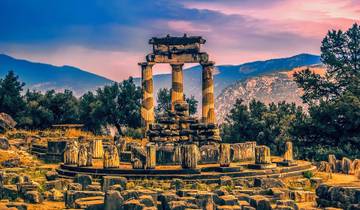
3 days
Prehistoric Tour of Greece – 3 days
- ✓ Comprehensive Athens tour
- ✓ Expert local guides included
- ✓ All accommodation arranged
- ✓ Transportation provided
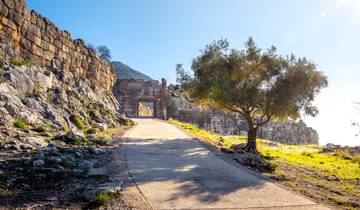
3 days
Mycenae, Olympia & Delphi: 3-Day Private Tour with Local Tastings
- ✓ Comprehensive Athens tour
- ✓ Expert local guides included
- ✓ All accommodation arranged
- ✓ Transportation provided

2 days
Nafplio, Mycenae and Epidaurus Two Days Tour from Athens
- ✓ Comprehensive Athens tour
- ✓ Expert local guides included
- ✓ All accommodation arranged
- ✓ Transportation provided

3 days
3-Day Peloponnese Tour: Ancient Sites & Medieval Towns
- ✓ Comprehensive Athens tour
- ✓ Expert local guides included
- ✓ All accommodation arranged
- ✓ Transportation provided
Multi-day tour packages powered by TourRadar. Prices and availability subject to change.
Essential Time Allocations for 2026 Planning
Monument-by-Monument Timing
Parthenon (45-60 minutes): The centerpiece deserves substantial time for circumnavigation, photography from all angles, and appreciation of architectural details. Walk the entire perimeter to see different column perspectives, metope sculptures, and the eastern facade’s stunning proportions. Early morning light creates dramatic shadows perfect for photography.
Erechtheion and Caryatids (30-40 minutes): This complex temple requires careful exploration of its multiple levels, the famous Porch of Maidens, and the sacred olive tree site. The asymmetrical design tells stories of competing gods, making detailed viewing essential. Queue forms for Caryatid photos, adding 10-15 minutes during busy periods.
Temple of Athena Nike (15-20 minutes): This small but exquisite temple near the entrance merits close inspection of its ionic columns and frieze details. The bastion platform offers excellent Propylaea views and dramatic cliff-edge photography opportunities. Many visitors rush past, missing intricate marble carvings.
Propylaea Gateway (15-20 minutes): The monumental entrance showcases classical Greek architecture at its finest. Explore both the central passageway and side wings, noting the transition from Doric to Ionic columns. The western approach provides context for the ancient ceremonial entrance experience.
Support Areas and Logistics
Entrance and Security (15-20 minutes): Budget time for ticket validation, bag screening, and initial orientation at the entrance plaza. Lines form quickly after 9 AM, making early arrival crucial. Security checks are thorough but efficient during off-peak hours.
South Slope Monuments (30-45 minutes): The Theater of Dionysus and Odeon of Herodes Atticus on the southern slope deserve exploration time often skipped by rushed visitors. These remarkably preserved structures provide context for ancient Athenian cultural life and offer shaded rest areas.
Photography and Viewpoints (20-30 minutes): Strategic viewpoints around the Acropolis perimeter offer panoramic Athens views. Allocate specific time for photography at sunrise viewpoints, Parthenon angles, and city panoramas from the western edge. Golden hour photography requires patience and position planning.
Rest and Hydration Breaks (15-20 minutes): Ancient marble reflects intense heat. Plan rest stops at shaded areas near the Erechtheion north side, the Propylaea colonnade, and south slope seating. Facilities are limited, so bathroom breaks require returning to the entrance area.
Optimized Itinerary Routes for Different Visit Styles
Express Route (2 Hours – Highlights Only)
Best for: Cruise passengers, tight schedules, or preview visits before returning.
8:00 AM – Arrival and Entry: Purchase skip-the-line tickets online beforehand. Enter immediately at opening to maximize efficiency. Head directly up the main path without stopping at south slope monuments.
8:15 AM – Parthenon Focus: Spend 40 minutes exploring the Parthenon exclusively. Walk the full perimeter, photograph from all angles, and absorb the architectural magnificence. This compressed timing requires focused attention without extensive photo sessions.
8:55 AM – Erechtheion Quick Visit: Allocate 20 minutes for the Caryatid porch and temple exterior. Skip the detailed exploration of multiple levels and focus on signature elements and key photo opportunities.
9:15 AM – Temple of Athena Nike and Propylaea: Combine these entrance monuments in 20 minutes, capturing essential photos and appreciating the gateway architecture. The morning light provides excellent conditions for quick photography.
9:35 AM – Panoramic Views: Spend final 15 minutes at western viewpoints for Athens panoramas. This provides context for the city’s relationship with the Acropolis and delivers memorable concluding images.
9:50 AM – Exit: Depart via main path, completing the express route in under 2 hours. This pace is brisk but manageable for physically fit visitors during comfortable weather conditions.
Standard Route (3-4 Hours – Comprehensive Exploration)
Best for: Most first-time visitors seeking thorough experience without exhaustion.
8:00 AM – Early Arrival Strategy: Enter at opening when temperatures are comfortable and crowds minimal. Begin with the main path, pausing at the first viewpoint for orientation and initial Athens panoramas.
8:15 AM – South Slope Monuments: Start with the Theater of Dionysus (20 minutes) and Odeon of Herodes Atticus (15 minutes). These impressive structures are often skipped by visitors rushing to the summit, yet they provide essential context for Athenian cultural life.
8:50 AM – Ascent to Summit: Follow the winding path to the Propylaea, stopping at scenic viewpoints along the way. The gradual climb takes 10-15 minutes with photo stops and allows acclimatization to elevation and exertion.
9:05 AM – Temple of Athena Nike: Spend 20 minutes at this perfectly proportioned temple before crowds arrive. The morning light showcases the marble’s warm tones and the bastion platform provides dramatic cliff-edge views.
9:25 AM – Propylaea Exploration: Allocate 25 minutes for the monumental gateway, exploring both the central passage and side wings. Photography from various angles captures the architectural sophistication and ceremonial grandeur.
9:50 AM – Parthenon Primary Visit: Dedicate a full hour to the Parthenon, the Acropolis’s crowning achievement. Walk the complete perimeter multiple times, photograph from every angle, and appreciate the optical refinements that create visual perfection. Find shaded spots for detailed observation of sculptural elements.
10:50 AM – Rest Break: Take 15 minutes rest in the shaded colonnade area north of the Erechtheion. Hydrate, review photos, and prepare for the second half of exploration. Early arrival means you’re still ahead of peak crowds.
11:05 AM – Erechtheion Detailed Exploration: Spend 40 minutes exploring this complex temple’s multiple levels, the Porch of Maidens, and the sacred spaces. The intricate asymmetrical design rewards careful examination and provides fascinating mythology connections.
11:45 AM – Western Viewpoints and Photography: Allocate 30 minutes for panoramic photography from the western edge. These viewpoints showcase Athens’s urban sprawl, Lycabettus Hill, and distant mountain ranges. The mid-morning light creates excellent contrast for cityscape photography.
12:15 PM – Final Circuit and Lesser Monuments: Complete a final Parthenon circuit and explore smaller monuments often overlooked. The northern fortification walls and ancient cisterns provide additional historical context.
12:30 PM – Departure: Exit via the main path, having experienced the Acropolis thoroughly in 4.5 hours. This timing allows comfortable museum visit after lunch and rest.
Photography-Focused Route (5-6 Hours – Golden Hour Special)
Best for: Serious photographers and photography enthusiasts seeking optimal lighting.
7:30 AM – Pre-Opening Positioning: Arrive 30 minutes before opening for exterior shots from surrounding hills. The Filopappou Hill and Areopagus offer excellent sunrise Acropolis silhouettes. This pre-entry session captures the sacred hill bathed in golden morning light.
8:00 AM – Immediate Entry: Enter at opening and proceed directly to Parthenon for pristine, crowd-free photography. The first hour provides optimal conditions for architectural photography without tourists in frames.
8:15 AM – Parthenon Golden Hour: Dedicate 90 minutes to comprehensive Parthenon photography from every angle. The eastern facade catches direct morning light, while the western side offers dramatic shadow play. Experiment with different perspectives, detail shots, and wide panoramas.
9:45 AM – Erechtheion Morning Light: Spend an hour photographing the Erechtheion as morning light illuminates the Caryatids. The north porch’s shaded areas provide excellent contrast opportunities, while the morning sun highlights the intricate carved details.
10:45 AM – Mid-Morning Exploration: Use the harsh midday light period for interior exploration, detail photography, and visits to lesser monuments. The Theater of Dionysus and south slope structures photograph well under even lighting.
11:45 AM – Extended Break: Exit temporarily for lunch and rest during harsh midday light. Many photographers leave and return for afternoon light, though re-entry requires purchasing separate tickets or using multi-day combo tickets.
3:00 PM – Afternoon Return: Re-enter for afternoon light angles. The western monuments including Temple of Athena Nike catch beautiful afternoon sun, creating warm marble tones perfect for intimate architectural photography.
4:00 PM – Golden Hour Preparation: Position for sunset photography of the Parthenon’s western facade. As the sun descends, the amber light creates magical conditions for the temple’s best photography opportunities.
5:00 PM – Sunset Finale: Capture the Parthenon and Erechtheion in golden hour light until 30 minutes before closing. The warm tones and long shadows create dramatic three-dimensional effects impossible during midday hours.
6:30 PM – Final Shots and Exit: Complete final photography and exit at closing time (varies seasonally – check current hours). This intensive photography route delivers portfolio-quality images across diverse lighting conditions.
Multi-Day Combination Itineraries
Day 1: Acropolis and Museum Deep Dive
8:00 AM – Acropolis Opening: Begin with the sacred hill at opening time for optimal conditions. Follow the comprehensive 4-hour standard route, exploring all monuments thoroughly without rushing. The early start ensures comfortable temperatures and manageable crowds throughout the visit.
12:30 PM – Lunch in Plaka: Descend to Plaka neighborhood for traditional Greek lunch at tavernas clustered around Adrianou Street. Allocate 90 minutes for leisurely dining and neighborhood exploration. The shaded streets provide welcome relief and authentic local atmosphere.
2:00 PM – Acropolis Museum: Spend 2-3 hours in the climate-controlled museum exploring artifacts excavated from the Acropolis. The top floor Parthenon Gallery provides context for sculptures you’ve seen in situ, while the glass floor reveals ongoing excavations beneath the building.
5:00 PM – Evening Rest: Return to accommodations for rest and refreshment. The full-day Acropolis and museum combination requires substantial walking and standing, making evening recovery time essential.
7:30 PM – Sunset from Filopappou Hill: Walk to Filopappou Hill for sunset Acropolis views. This vantage point showcases the illuminated monuments against darkening sky, providing memorable photography opportunities and romantic atmosphere. Many locals gather here for evening picnics and sunset watching.
Day 2: Ancient Athens Circuit
9:00 AM – Ancient Agora: Use your multi-site combo ticket to explore the Ancient Agora, the civic heart of classical Athens. Spend 2 hours visiting the Temple of Hephaestus, the Stoa of Attalos museum, and the scattered ruins of this marketplace and political center.
11:30 AM – Roman Agora and Tower of Winds: Walk through Plaka to the Roman Agora, spending 45 minutes exploring this later marketplace and the fascinating octagonal Tower of Winds, an ancient meteorological marvel combining sundial and water clock.
12:30 PM – Lunch Break: Stop for lunch in Monastiraki, exploring the flea market and souvenir shops. The area offers diverse dining from traditional Greek to modern fusion, with outdoor seating providing excellent people-watching opportunities.
2:00 PM – Hadrian’s Library: Visit Hadrian’s Library ruins, spending 30-45 minutes appreciating the massive columns and surviving architectural elements. The site is often overlooked but provides important context for Roman contributions to Athens.
3:00 PM – Temple of Olympian Zeus: Explore the colossal Temple of Olympian Zeus and Hadrian’s Arch, dedicating an hour to these impressive remains. The scale of the surviving columns conveys the temple’s original magnificence when it was the largest in Greece.
4:30 PM – Panathenaic Stadium: End the day at the marble Panathenaic Stadium, site of the first modern Olympics in 1896. Spend an hour exploring this beautifully restored ancient stadium, including the underground museum with Olympic history exhibits.
Day 3: Beyond Central Athens
Morning Option – Temple of Poseidon at Sounion: Take a half-day trip to Cape Sounion (90-minute drive) to visit the clifftop Temple of Poseidon. The dramatic coastal setting and Aegean views provide contrast to the urban Acropolis experience. Sunset visits are spectacular but crowded.
Afternoon Option – National Archaeological Museum: Alternatively, spend the morning at the National Archaeological Museum, Greece’s largest museum with extensive collections spanning prehistoric to Roman periods. Allocate 3-4 hours for comprehensive exploration of the world-class exhibits.
Seasonal Itinerary Adjustments for 2026
Summer Strategy (June-August)
Ultra-Early Start Essential: Summer temperatures reach 35°C (95°F) by midday, making afternoon Acropolis visits exhausting and potentially dangerous. Arrive at 8 AM opening or earlier to complete your visit before intense heat begins around 11 AM.
Modify Standard Route: Complete all summit monuments first, then explore shaded south slope theaters during warmer hours. The Theater of Dionysus offers tree shade and seating, providing relief while still engaging with significant monuments.
Museum Afternoon Timing: Plan Acropolis Museum visits for afternoon when air conditioning and indoor exhibits provide comfortable alternatives to exposed archaeological sites. The museum’s modern climate control makes it ideal for hot afternoon hours.
Evening Add-ons: Take advantage of extended summer daylight by adding evening walks to viewpoints, outdoor dining in Plaka, and illuminated monument viewing. Summer sunsets around 8:30 PM allow full-day itineraries combining early morning Acropolis with evening activities.
Winter Modifications (December-February)
Later Start Acceptable: Winter’s mild temperatures (10-15°C/50-59°F) allow comfortable midday visits without early morning rush. Arrive 9-10 AM when temperatures warm slightly, avoiding the coldest early hours.
Weather Contingency Planning: Winter brings occasional rain requiring flexible itineraries. Have museum visits and indoor alternatives ready if weather deteriorates. The Acropolis offers minimal shelter, making rain delays advisable.
Reduced Crowd Advantage: Winter’s lower visitor numbers allow more relaxed pacing and extended photography opportunities. Budget extra time for detailed exploration without crowd pressure or photo-bombing tourists.
Shorter Daylight Hours: Winter sunset around 5:30 PM requires earlier starts for full-day combination itineraries. Compress afternoon activities or prioritize key sites over comprehensive circuit attempts.
Shoulder Season Optimization (April-May, September-October)
Ideal Conditions: Moderate temperatures (18-25°C/64-77°F) and reasonable crowds make shoulder seasons perfect for extended itineraries. Standard timing works excellently without extreme heat or cold adjustments.
Flexible Scheduling: Comfortable conditions allow both early morning and late afternoon visits to succeed. Choose timing based on personal preference rather than weather necessity.
Extended Photography Windows: Pleasant weather supports full-day photography itineraries from morning golden hour through sunset without harsh midday light forcing breaks.
Multi-Site Days: Shoulder season conditions are perfect for ambitious combination itineraries visiting multiple archaeological sites in one day. The moderate weather sustains energy levels throughout extended walking tours.
Practical Itinerary Planning Considerations
Physical Demands and Accessibility
Walking Distances: The Acropolis requires 2-3 kilometers of walking on uneven ancient stone surfaces, marble steps, and inclined paths. The ascent from entrance to summit involves 150 meters of elevation gain via switchback paths and stairs.
Surface Challenges: Ancient marble becomes slippery when wet and uneven throughout. Wear sturdy walking shoes with good traction. Smooth-soled shoes or sandals create safety hazards on polished marble surfaces.
Limited Accessibility: The site has limited wheelchair access, though a mechanical lift operates on the north slope for visitors with mobility restrictions. Contact the site in advance to arrange accessibility assistance and reserve lift access.
Rest Points: Strategic seating areas exist near the Erechtheion, Propylaea colonnade, and south slope theaters. Plan rest breaks at these locations, especially during summer heat or for older visitors and families with children.
Group Itinerary Management
Guided Tour Integration: Most guided tours run 2-3 hours covering highlight monuments. If booking guided tours, schedule for 8:30-9:00 AM starts when guides can access sites without massive crowds. Add 60-90 minutes independent time after tours for personal exploration and photography.
Family Pacing: Families with children should budget 50% more time than standard itineraries for rest breaks, bathroom needs, and slower walking pace. The south slope theaters provide excellent play areas where children can safely explore while parents rest.
Large Group Coordination: Groups over 6 people should designate meeting points and split time between guided portions and independent exploration. The Parthenon’s north side and Erechtheion area work well as reunion locations with shade and seating.
Combo Ticket Strategic Planning
Multi-Site Ticket Value: The €30 combo ticket includes seven sites (Acropolis, Ancient Agora, Roman Agora, Hadrian’s Library, Kerameikos, Temple of Olympian Zeus, Aristotle’s Lyceum) and remains valid for five consecutive days. This ticket delivers excellent value for visitors planning 2-3 days of archaeological exploration.
Five-Day Planning: Spread visits across multiple days to avoid archaeological site fatigue. Day 1 focuses on the Acropolis, day 2 covers Ancient Agora and Roman Agora, day 3 visits Temple of Olympian Zeus and Hadrian’s Library. This pacing prevents burnout while maximizing ticket value.
Skip-the-Line Advantage: Combo tickets purchased online allow direct entry without ticket booth queues. During peak season, this saves 30-60 minutes of waiting time, essential for early morning arrival strategies.
Planning Your 2026 Visit
Advance Preparation Timeline
3-6 Months Before: Book accommodation in Plaka, Monastiraki, or Koukaki neighborhoods for walking distance to Acropolis. Reserve guided tours if desired, as expert guides book early during peak season. Research current opening hours and seasonal variations for your visit dates.
1 Month Before: Purchase skip-the-line tickets online through official channels. Download offline maps of Acropolis and surrounding archaeological sites. Review itinerary options and finalize your preferred route based on interests and physical capabilities.
1 Week Before: Check weather forecasts and adjust itinerary timing if necessary. Confirm current opening hours as seasonal changes can affect schedule. Prepare day pack with water, sun protection, comfortable shoes, and camera equipment.
Day Before: Hydrate well, get adequate sleep, and wear in your walking shoes if they’re new. Scout entrance locations and nearby facilities. Set multiple alarms for early morning starts to ensure punctual arrival at opening time.
Digital Tools and Resources
Official Apps and Maps: Download the official Acropolis app for monument information, historical context, and navigation assistance. Google Maps works well for surrounding area navigation and transit directions.
Photography Planning Apps: Use apps like PhotoPills or Sun Surveyor to plan optimal photography times and sun angle calculations. These tools help predict golden hour timing and shadow patterns for professional-quality images.
Weather Monitoring: Track Athens weather through reliable apps to anticipate heat waves, rain, or wind affecting your visit. Plan indoor alternatives for weather contingencies.
Common Itinerary Mistakes to Avoid
Afternoon Summer Arrivals: The biggest mistake is arriving after 10 AM during summer months. Crowds peak, temperatures soar, and photography conditions deteriorate. Morning golden hour delivers the best experience across all variables.
Insufficient Time Allocation: Rushing through the Acropolis in 60-90 minutes misses essential monuments and creates stress. Budget minimum 3 hours for satisfying first visits even if you think you’re efficient.
Skipping South Slope: Many visitors ignore the Theater of Dionysus and Odeon of Herodes Atticus in their rush to the Parthenon. These significant monuments deserve 30-45 minutes and provide valuable cultural context.
No Museum Integration: Visiting the Acropolis without the museum misses essential context for the sculptures, artifacts, and architectural elements. The museum transforms site understanding from observing ruins to comprehending living history.
Single-Day Overambition: Attempting Acropolis, museum, Ancient Agora, and Temple of Zeus in one day creates exhaustion and diminishes each experience. Spread major sites across 2-3 days for better pacing and retention.
Ignoring Physical Preparation: The Acropolis demands substantial walking, climbing, and standing on uneven surfaces. Visitors unprepared for physical demands struggle with the experience and may need to cut visits short.
2026 Updates & Changes
Opening Hours Consistency: The Acropolis opens daily at 8 AM throughout 2026, with closing times varying seasonally from 5 PM (winter) to 8 PM (summer). Summer 2026 maintains extended evening hours through September, allowing sunset photography opportunities.
Booking System Reliability: Online ticket purchasing through official channels continues as the recommended method for 2026 visits. The system allows date selection, skip-the-line access, and combo ticket options. Purchase tickets 24-48 hours in advance during peak season.
Crowd Management: 2026 continues timed entry protocols during peak summer periods (July-August) to manage visitor flow. Book early morning slots (8:00-9:00 AM) through the official website for optimal conditions and guaranteed entry.
Site Maintenance: Ongoing conservation work affects certain areas with scaffolding and restricted access. Check the official website before your visit for current maintenance schedules. Most work occurs during winter months to minimize peak season impact.
Multi-Day Planning Advantage: The 5-day combo ticket validity makes 2026 an excellent year for comprehensive Athens archaeological exploration. Plan 3-4 day itineraries incorporating all seven included sites for maximum value and complete understanding of ancient Athens.
Frequently Asked Questions
Can I visit the Acropolis and museum in one day?
Yes, this combination works well with proper timing. Visit the Acropolis at 8 AM opening for 3-4 hours, break for lunch in Plaka, then explore the Acropolis Museum from 2-5 PM when afternoon heat makes air conditioning welcome. This schedule provides comfortable pacing without exhaustion.
Should I book a guided tour or explore independently?
Both options have merits. Guided tours provide expert historical context and skip-the-line access, best for history enthusiasts and first-time visitors. Independent exploration allows flexible pacing, extended photography time, and personal discovery, ideal for return visitors or photographers. Many visitors combine a morning guided tour with afternoon independent exploration.
How early should I arrive before opening time?
Arrive 15-20 minutes before opening (7:40 AM) to be among the first entries. Earlier arrival doesn’t help as the entrance plaza isn’t accessible before 7:30 AM. This timing secures position near the front of the entry queue without excessive waiting.
What’s the best route to avoid crowds?
Enter at 8 AM opening and head directly to the Parthenon on the summit, completing it before 9 AM when crowds arrive. Then visit Erechtheion, explore western viewpoints, and finish with Temple of Athena Nike. Save the south slope theaters for last when most visitors are heading up to the summit.
Can I bring a backpack or large bag to the Acropolis?
Small backpacks are permitted, but large bags, suitcases, and oversized backpacks must be stored at nearby luggage facilities before entering. Security screens all bags, so avoid bringing unnecessary items. Water bottles, cameras, and small day packs pass through security easily.
Is the Acropolis suitable for young children?
Yes, but requires realistic planning. The uneven terrain, stairs, and walking distances challenge children under 6. Plan frequent rest breaks, bring snacks and water, and reduce itinerary ambitions. The south slope theaters provide excellent exploration areas where children can safely move around while parents rest.
How much time should I allocate for the Acropolis Museum?
Allocate 2-3 hours for comprehensive museum exploration. The Parthenon Gallery alone deserves 45 minutes, while the ground floor excavations and archaic sculptures require another hour. Audio guides add valuable context and interpretation, extending visit time by 30 minutes but significantly enhancing understanding.
Can I exit and re-enter the Acropolis during my visit?
No, tickets allow single entry only. Plan your itinerary to complete all desired exploration in one visit. Bathroom facilities are limited to the entrance area, so use them before ascending to the summit monuments.
What should I bring for a 4-hour Acropolis visit?
Essential items include 2 liters of water per person, sun protection (hat, sunglasses, sunscreen), comfortable walking shoes with good traction, camera with charged batteries, small snacks for energy, and light rain jacket during shoulder seasons. Avoid bringing large bags that slow security screening.
Are there rest areas with shade on the Acropolis?
Limited shade exists in the colonnade areas near the Erechtheion north side, the Propylaea passage, and the south slope theater seating. Most of the site is exposed, making early morning visits crucial during summer when shade is most valuable.