
Aconcagua Day Trip from Mendoza 2026: Views of the Americas’ Highest Peak
This comprehensive guide covers everything needed for planning your 2026 Aconcagua day trip: transportation logistics, cost breakdowns, seasonal considerations, booking strategies, and detailed itinerary options. Whether you prefer relaxed sightseeing from strategic viewpoints or challenging yourself with the Confluence trek, you’ll find actionable information for maximizing your mountain experience from Mendoza.
Key Takeaways
- Aconcagua day trips from Mendoza cost ARS 193,000-212,000 ($185-205 USD) for guided tours including transportation and national park entry
- Independent travelers can visit for ARS 40,000-50,000 ($40-50 USD) using public buses and purchasing park entry separately
- The journey covers 185 kilometers each way along Route 7, requiring 6-8 hours total travel time
- November through March offers optimal viewing conditions with clearer skies and more predictable Andean weather
- Confluence base camp hike (20 kilometers round trip) provides the closest accessible viewpoint without technical climbing permits
- Advance booking 2-3 weeks ahead secures better tour availability during peak summer months
Introduction: Planning Your Aconcagua Experience in 2026
Standing at 6,962 meters (22,841 feet), Aconcagua dominates the Andean skyline and challenges mountaineers as the highest peak outside the Himalayas. For travelers based in Mendoza, day trips provide accessible encounters with this geological giant without requiring weeks of acclimatization or technical mountaineering skills. The 185-kilometer journey along Route 7 toward the Chilean border reveals dramatic mountain landscapes, natural rock formations, and strategic viewpoints showcasing Aconcagua’s south face.
Day excursions operate year-round, though weather patterns significantly impact visibility and accessibility. Summer months (November through March) deliver the most reliable conditions, while winter brings snow-covered landscapes and occasional road closures. Tour operators provide both sightseeing routes stopping at panoramic viewpoints and trekking options reaching Confluence base camp at 3,400 meters elevation. Independent travelers can navigate the same route using public transportation and self-guided hiking, creating budget-friendly alternatives to organized tours.
People Also Ask About Aconcagua Day Trips 2026
How much does an Aconcagua day trip from Mendoza cost in 2026?
Guided Aconcagua day trips cost ARS 193,000-212,000 ($185-205 USD) for 2026, including round-trip transportation, national park entry, and professional guides (check tour operator websites for current official rates as pricing may vary). Tours offering Confluence base camp trekking range ARS 200,000-230,000 ($195-225 USD), while sightseeing-only excursions visiting viewpoints, Puente del Inca, and Las Cuevas cost ARS 170,000-195,000 ($165-190 USD). Independent travelers spending ARS 40,000-50,000 ($40-50 USD) can complete the trip using public buses (ARS 10,000-12,000 round trip), purchasing separate national park entry (ARS 20,000-30,000 depending on residency status), and bringing packed meals.
What is the best time to visit Aconcagua in 2026?
December through February delivers optimal Aconcagua viewing conditions in 2026, with temperatures around 20-25°C in Mendoza valley and clearer mountain visibility averaging 70-80% daily. November and March provide excellent shoulder-season alternatives with fewer tour groups, slightly cooler temperatures (15-20°C), and 60-70% clear-sky probability. April through October brings winter conditions with snow-covered landscapes, temperatures dropping to 5-15°C, and reduced visibility (40-60% clear days), though dramatic white-capped mountain photography becomes possible during occasional clear windows.
Can you hike to Aconcagua base camp on a day trip in 2026?
Day trips reach Confluence base camp (3,400 meters), the first staging point on Aconcagua’s climbing routes, via a 20-kilometer round-trip trek requiring 5-6 hours total hiking time. Plaza de Mulas base camp (4,300 meters) and higher elevation camps require multi-day expeditions with mountaineering permits, acclimatization protocols, and technical equipment. The Confluence hike provides accessible mountain immersion without technical climbing requirements, following well-marked trails from Horcones ranger station through glacial valleys with sustained views of Aconcagua’s south face.
Do you need advance bookings for Aconcagua day trips in 2026?
Advance booking 2-3 weeks ahead ensures tour availability during peak summer months (December-February), when most operators reach 80-90% capacity. November and March shoulder seasons offer more flexibility, with tours bookable 5-7 days in advance. Independent travelers purchasing national park entry online must complete reservations at least one day before visiting through the official Mendoza parks portal. Last-minute tour availability exists during April-October low season, though reduced operator schedules and weather unpredictability make advance planning advisable.
Extended multi-day tours – 5+ days
Featured Mendoza Multi-Day Tour Packages
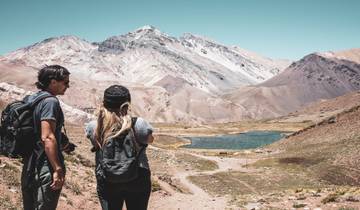
4 days
4-Day Mendoza Tour
- ✓ Comprehensive Mendoza tour
- ✓ Expert local guides included
- ✓ All accommodation arranged
- ✓ Transportation provided
4 days
Unique Mendoza Experience
- ✓ Comprehensive Mendoza tour
- ✓ Expert local guides included
- ✓ All accommodation arranged
- ✓ Transportation provided
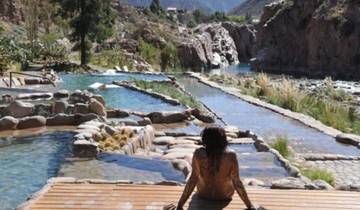
5 days
5-Day Mendoza Luxury Tour
- ✓ Comprehensive Mendoza tour
- ✓ Expert local guides included
- ✓ All accommodation arranged
- ✓ Transportation provided
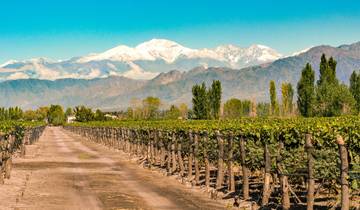
3 days
Mendoza Welcome Package (3 days)
- ✓ Comprehensive Mendoza tour
- ✓ Expert local guides included
- ✓ All accommodation arranged
- ✓ Transportation provided
Multi-day tour packages powered by TourRadar. Prices and availability subject to change.
Understanding Aconcagua: The Americas’ Highest Peak
Aconcagua’s geological formation began 20 million years ago during the Andean orogeny, creating the distinctive pyramid profile visible from Mendoza province. The mountain straddles the Argentina-Chile border at latitude 32°39’S, positioned within Aconcagua Provincial Park’s 71,000-hectare protected area. Three primary faces define the peak’s character: the north face presents the standard climbing route, the south face displays the dramatic 3,000-meter vertical wall photographed from Confluence, and the Polish glacier route challenges technical climbers on the mountain’s eastern approaches.
The summit elevation of 6,962 meters makes Aconcagua the tallest peak in both the Western and Southern Hemispheres, surpassing any mountain outside the Himalayan and Karakoram ranges. This geographic distinction attracts 3,500-4,000 climbing attempts annually, with success rates varying between 30-60% depending on seasonal weather patterns and climber preparation. Day visitors experience the mountain’s imposing presence without summit aspirations, accessing viewpoints revealing glacial formations, rock stratification layers dating back millions of years, and the upper mountain’s permanent snow coverage beginning around 5,000 meters elevation.
Indigenous Huarpe and Inca peoples held Aconcagua sacred long before Spanish colonization, with archaeological evidence suggesting ceremonial sites existed at high elevations. The mountain’s name possibly derives from Quechua “Ackon Cahuak” (stone sentinel) or Mapuche “Aconca-Hue” (comes from the other side), reflecting its border position. Modern climbing history began in 1897 when Swiss climber Matthias Zurbriggen reached the summit, establishing routes that contemporary mountaineers still follow. Day trip itineraries incorporate this cultural and geological context, providing guides who explain the mountain’s formation, climbing history, and ecological significance within Andean ecosystems.
Planning Your Aconcagua Day Trip in 2026
Successful Aconcagua day trips require understanding the time commitment, physical requirements, and logistical coordination necessary for safe mountain experiences. The journey from Mendoza to Aconcagua Provincial Park covers 185 kilometers along Route 7 (Ruta Nacional 7), Argentina’s primary trans-Andean highway connecting with Chile through Los Libertadores border crossing. Travel time ranges 2.5-3.5 hours each way depending on road conditions, traffic patterns, and number of viewpoint stops.
Physical fitness requirements vary significantly between tour types. Sightseeing tours involving viewpoint photography and short walks (15-30 minutes) suit all fitness levels, requiring only basic mobility for entering/exiting tour vehicles and navigating viewing platforms. Confluence base camp treks demand moderate-to-high fitness levels, with 10 kilometers uphill hiking at elevations between 2,700-3,400 meters challenging cardiovascular systems unaccustomed to altitude. Tour operators recommend previous hiking experience and good cardiovascular fitness for trekking options, while sightseeing tours accommodate travelers with limited outdoor experience.
Weather preparation determines comfort and safety throughout the excursion. Mendoza valley temperatures reaching 25-30°C contrast sharply with mountain conditions at 3,400 meters elevation, where temperatures drop to 5-15°C even during summer months. Wind speeds increase dramatically with elevation gain, creating wind chill factors requiring layered clothing systems. Essential gear includes windproof/waterproof outer layers, sun protection (hat, sunglasses, SPF 50+ sunscreen), comfortable hiking footwear with ankle support for trekking routes, and 2-3 liters water capacity for proper hydration at altitude.
Transportation Options for 2026 Aconcagua Visits
Organized Tour Transportation
Guided tour operators provide comprehensive transportation solutions departing from Mendoza hotels between 7:00-8:30 AM, utilizing comfortable air-conditioned coaches or minivans accommodating 8-40 passengers depending on group size. Standard sightseeing tours follow Route 7 westward, making strategic stops at Potrerillos (reservoir views), Uspallata (valley town refreshment break), Punta de Vacas (mountain viewpoint), Puente del Inca (natural rock bridge formation), and Las Cuevas (Chilean border village) before reaching Aconcagua Provincial Park’s Horcones entrance.
Return journeys typically include lunch stops in Uspallata or Las Cuevas, with total tour durations spanning 10-12 hours. Hotel pickup services collect passengers from central Mendoza accommodations, eliminating navigation concerns and parking coordination. Small-group tours (maximum 8-12 participants) offer more personalized experiences with flexible schedules, while large-group tours (30-40 passengers) reduce per-person costs through economy of scale. Transportation quality standards include professional drivers familiar with mountain road conditions, regular safety inspections meeting Argentine transport regulations, and liability insurance coverage for all passengers.
Public Transportation
Independent travelers access Aconcagua using Mendoza’s interurban bus network, with Expreso Uspallata and Andesmar companies operating daily services along Route 7 toward Chilean border destinations. Buses depart from Mendoza’s main terminal (Terminal del Sol) with departure times between 6:00-9:00 AM, reaching Puente del Inca in 3-3.5 hours. Round-trip tickets cost ARS 10,000-12,000 ($10-12 USD), purchased at terminal ticket windows or through company websites.
The journey follows identical routing to organized tours, though buses make fewer scenic stops and continue toward Chilean border crossings. Passengers request stops at Horcones (Aconcagua park entrance) by informing drivers in advance, as this represents a flag-down location rather than scheduled terminal. Return buses from Puente del Inca/Horcones toward Mendoza operate between 3:00-6:00 PM, requiring arrival at roadside pickup points 10-15 minutes before scheduled passage. Weekend and summer season schedules increase frequency, while winter months (May-September) reduce service to 2-3 daily departures each direction.
Private Transportation
Rental cars and private taxis provide maximum scheduling flexibility for Aconcagua visits, though Route 7’s mountain conditions require confident driving skills and vehicle preparation. Rental agencies in Mendoza (Avis, Hertz, Budget) offer vehicles starting ARS 25,000-35,000 ($25-35 USD) daily for compact sedans, with 4WD vehicles commanding ARS 45,000-60,000 ($45-60 USD) daily. Fuel costs add approximately ARS 8,000-10,000 ($8-10 USD) for the 370-kilometer round trip, with several service stations located in Uspallata providing final refueling opportunities before mountain sections.
Private taxi services from Mendoza to Aconcagua cost ARS 120,000-150,000 ($120-150 USD) for full-day charters including waiting time at park viewpoints and strategic stops. This option suits small groups (3-4 passengers) splitting costs while maintaining tour-like convenience without rigid schedules. Uber and Cabify services operate within Mendoza city but don’t extend to Aconcagua Provincial Park areas, making pre-arranged taxi charters necessary for app-based transportation alternatives.
Sample 2026 Aconcagua Day Trip Itineraries
Standard Sightseeing Tour (Full Day)
7:30 AM – Hotel Pickup: Tour vehicles collect passengers from central Mendoza accommodations, beginning the westward journey along Route 7 through agricultural valleys and approaching Andean foothills.
8:30 AM – Potrerillos Dam: First photo stop at Potrerillos reservoir, where turquoise waters contrast against rust-colored mountain slopes. The dam, completed in 2003, provides Mendoza’s water supply and creates scenic lake environments. 15-minute stop for photography and brief geological explanations.
9:15 AM – Uspallata Valley: 30-minute refreshment break in Uspallata town (2,200 meters elevation), where travelers purchase snacks, use facilities, and acclimatize gradually to increasing elevation. The valley’s wide plain surrounded by colorful mountain formations provides the first sustained Andean immersion.
10:00 AM – Punta de Vacas: Brief viewpoint stop where multiple river valleys converge, creating dramatic mountain vistas. Guides explain geological formation processes and identify surrounding peaks exceeding 5,000 meters elevation.
10:45 AM – Puente del Inca: 45-minute exploration of the natural rock bridge spanning Rio Mendoza, colored orange and yellow by mineral-rich thermal springs. Abandoned hotel ruins from the early 1900s provide historical context, while thermal springs demonstrate ongoing geological processes. Small artisan market offers locally-made goods.
12:00 PM – Aconcagua Viewpoint (Horcones): The excursion’s highlight moment, where trail access from Horcones ranger station provides clear views of Aconcagua’s south face 15 kilometers distant. Weather permitting, the summit appears clearly defined against the sky, with glacial formations visible on upper slopes. 1-hour allocation allows short walks along initial trail sections, ranger station visits, and comprehensive photography.
1:30 PM – Las Cuevas Lunch: Lunch in Las Cuevas village (3,200 meters), Argentina’s last settlement before Chilean border. Restaurants serve traditional Argentine cuisine including empanadas, asado, and regional specialties. Some tours include meals in package pricing, while others provide free time for independent restaurant selection.
3:00 PM – Cristo Redentor Viewpoint (optional): Some tours include the Cristo Redentor monument at 4,200 meters, commemorating 1902 peace treaty between Argentina and Chile. The 8-kilometer dirt road climb requires 30-45 minutes each way, rewarding with panoramic border region views. Weather-dependent, as winter snow often closes this access road.
4:00 PM – Return Journey: Eastward return to Mendoza, retracing Route 7 through afternoon lighting conditions creating different mountain appearances. Possible brief stops at morning locations for sunset photography.
7:00-7:30 PM – Mendoza Arrival: Hotel drop-offs throughout central Mendoza, concluding the 11-12 hour excursion.
Tour costs ARS 170,000-195,000 ($165-190 USD) including transportation, park entry, and guide services. Lunch ARS 12,000-18,000 ($12-18 USD), snacks ARS 5,000-8,000 ($5-8 USD). Total day cost: ARS 187,000-221,000 per person (excluding accommodation).
Confluence Base Camp Trek (Active Full Day)
6:30 AM – Early Hotel Pickup: Trekking tours begin earlier than sightseeing excursions, providing maximum daylight hours for the 5-6 hour hike. Small-group vans (8-12 participants) transport trekkers directly to Horcones entrance with minimal intermediate stops.
9:00 AM – Horcones Ranger Station: Registration at park entrance (2,700 meters), where guides verify permits, distribute trek information, and conduct final equipment checks. Brief orientation covering trail route, expected timing, altitude considerations, and safety protocols.
9:30 AM – Trek Begins: The 10-kilometer ascent to Confluence follows Rio Horcones valley, gaining 700 meters elevation over gradually steepening terrain. Initial sections traverse open grasslands with scattered shrubs, transitioning to rocky moraines as elevation increases. Multiple stream crossings using established footbridges provide natural rest points.
11:00 AM – Midpoint Rest: Halfway pause for hydration, snacks, and acclimatization assessment. Guides monitor participants for altitude sickness symptoms (headache, nausea, dizziness) and adjust pace accordingly. Aconcagua’s south face grows progressively larger as the trail approaches base camp.
12:30 PM – Confluence Base Camp (3,400 meters): Arrival at the first established camp on Aconcagua’s standard climbing route, where mountaineering expeditions begin their acclimatization rotations. The site features temporary tent platforms, basic facilities, and dramatic close-range views of the 3,000-meter south face rising above. Summer season brings active mountaineering teams, providing glimpses into serious climbing operations. Box lunch provided by tour operators, consumed while absorbing the high-mountain environment.
1:30 PM – Summit Viewpoint: Short optional walks from Confluence toward slightly higher vantage points improve summit visibility and glacial feature perspectives. Guides explain climbing routes, point out Camp 1 locations higher on the mountain, and discuss acclimatization protocols used by summit-bound expeditions.
2:30 PM – Descent Begins: Return trek covering the same 10 kilometers with significantly faster timing due to downhill orientation. Descent typically requires 2.5-3 hours, maintaining careful footing on loose rocky sections.
5:00 PM – Horcones Return: Arrival back at ranger station, where tour vehicles await. Brief rest and refreshment before beginning the drive back to Mendoza.
8:00-8:30 PM – Mendoza Arrival: Hotel drop-offs after completing the physically demanding but immensely rewarding trekking experience.
Tour costs ARS 200,000-230,000 ($195-225 USD) including transportation, park entry, guide services, and box lunch. Additional snacks ARS 3,000-5,000 ($3-5 USD), energy foods ARS 4,000-6,000 ($4-6 USD). Total day cost: ARS 207,000-241,000 per person (excluding accommodation).
Independent Budget Visit
6:00 AM – Terminal del Sol Departure: Early bus from Mendoza’s main terminal, boarding Expreso Uspallata or Andesmar service toward Puente del Inca. Ticket purchase at terminal window, seating on first-come basis. Bring packed breakfast from Mendoza accommodations or nearby bakeries (ARS 2,000-3,500).
9:30 AM – Horcones Arrival: Request driver stop at Aconcagua Provincial Park entrance. Horcones represents a roadside stop rather than official terminal, requiring clear communication with driver. Walk 500 meters from highway to ranger station.
9:45 AM – Park Entry: Purchase national park day-use permit at ranger station: ARS 10,000 (Mendoza residents), ARS 15,000 (Argentine residents), ARS 20,000 (Latin American residents), or ARS 30,000 (international visitors). Online advance purchase through Mendoza parks portal (https://turneroanp.mendoza.gov.ar) required at minimum one day before visit. Select “TREKKING DÍA: HORCONES – CONFLUENCIA – HORCONES. QUEBRADA DE HORCONES” option. Payment via debit/credit card only.
10:00 AM – Trail Access: Begin self-guided walk along Horcones valley trail. Even short walks (1-2 kilometers) provide excellent Aconcagua views without committing to the full Confluence trek. Experienced hikers with proper equipment can attempt the complete 20-kilometer round trip, though 5-6 hours required means careful timing for afternoon bus connections.
12:00 PM – Viewpoint Lunch: Packed lunch at scenic trail locations, choosing spots with optimal mountain views. Bring sufficient water (2-3 liters minimum), as no facilities exist along the trail. Energy bars, sandwiches, and fruit provide appropriate trail nutrition.
2:00 PM – Return to Highway: Allow adequate time for walking back to Route 7, positioning at the roadside bus stop 30 minutes before scheduled eastbound buses. Afternoon buses from Puente del Inca to Mendoza pass Horcones between 3:30-5:30 PM, though exact timing varies. Flag buses actively, as drivers may not automatically stop at unofficial locations.
6:00-7:00 PM – Mendoza Return: Arrival at Terminal del Sol, concluding the budget-conscious independent excursion.
Bus round trip ARS 10,000-12,000 ($10-12 USD), park entry ARS 20,000-30,000 ($20-30 USD) depending on residency, packed meals ARS 5,000-8,000 ($5-8 USD), snacks/water ARS 3,000-5,000 ($3-5 USD). Total day cost: ARS 38,000-55,000 per person (excluding accommodation).
Best Viewpoints for 2026 Visitors
Strategic viewpoints along Route 7 provide varied perspectives on Aconcagua and surrounding Andean landscapes, each offering distinct photographic opportunities and geological contexts. Understanding viewpoint characteristics helps travelers prioritize stops based on time availability and interests.
Horcones Lagoon Viewpoint (Primary): Located at Aconcagua Provincial Park’s entrance (2,700 meters), this represents the most accessible quality viewpoint for Aconcagua’s south face. A 500-meter walk from the ranger station reaches the glacial lagoon, where reflection photography becomes possible during calm morning conditions. Distance to Aconcagua summit measures approximately 15 kilometers, providing clear summit visibility on cloudless days. The south face’s 3,000-meter vertical wall displays dramatic relief, with glacial formations and rock stratification visible through binoculars. Available November through March when park access opens, closed April through October due to winter snow accumulation.
Puente del Inca (3,000 meters): While not offering direct Aconcagua views, this natural rock bridge provides essential context for the region’s geological processes. Thermal spring minerals create vibrant orange and yellow colorations, contrasting sharply with surrounding grey mountain slopes. The abandoned Hotel Puente del Inca ruins, destroyed by avalanches in the 1960s, demonstrate mountain hazards while offering photographic interest. Accessible year-round, though winter visits require warm clothing and careful footing on icy surfaces.
Las Cuevas Viewpoint (3,200 meters): Argentina’s highest permanent settlement provides wide-angle Andean panoramas including multiple 5,000+ meter peaks. The village’s position near Chilean border creates dramatic valley perspectives, with Route 7 visible winding through mountain passes toward international crossing points. Winter transforms Las Cuevas into a snow-covered alpine village, offering entirely different aesthetic from summer’s brown-earth mountain landscapes.
Cristo Redentor (4,200 meters): The highest easily accessible viewpoint requires 8-kilometer dirt road climb from Las Cuevas, reaching the Argentina-Chile border monument at 4,200 meters elevation. Clear days reveal Aconcagua’s north face in the distance, along with dozens of surrounding peaks exceeding 5,000-6,000 meters. The thin air at this elevation affects some visitors, causing mild altitude symptoms (headache, shortness of breath) during the 30-45 minute visit. Available December through March when snow clears the access road, weather-dependent closures common even during summer.
Confluence Base Camp Perspective (3,400 meters): Trekkers reaching Confluence achieve the closest non-technical viewpoint, positioned directly below Aconcagua’s south face with summit elevations appearing 3,500 meters above. Glacial features, rock formations, and the sheer scale of the mountain create overwhelming visual impact impossible to replicate from roadside viewpoints. The physical effort required to reach this perspective (5-6 hours hiking) limits access to prepared trekkers, though rewards justify the exertion for capable visitors.
Budget Planning for 2026 Aconcagua Excursions
Guided Tour Budget
Comprehensive guided tours provide hassle-free Aconcagua experiences at mid-range to premium pricing levels. Standard sightseeing tours cost ARS 170,000-195,000 ($165-190 USD), including round-trip transportation in comfortable vehicles, national park entry fees, professional guide services, and strategic stops at Potrerillos, Uspallata, Puente del Inca, and Aconcagua viewpoints. Small-group premium tours (maximum 8-12 participants) command ARS 195,000-220,000 ($190-215 USD), offering more personalized attention, flexible schedules, and higher-quality vehicles.
Confluence base camp trekking tours range ARS 200,000-230,000 ($195-225 USD), with increased pricing reflecting longer operational hours, specialized mountain guides, and box lunch provisions. These rates represent 2026 pricing, though Argentine peso volatility means checking operator websites for current rates before booking. Most operators accept both peso and US dollar payments, with dollar pricing remaining more stable.
Additional costs include lunch at Las Cuevas or Uspallata restaurants (ARS 12,000-18,000 / $12-18 USD for main course, drink, and dessert), morning snacks and beverages (ARS 5,000-8,000 / $5-8 USD), and optional purchases at Puente del Inca artisan markets (ARS 3,000-15,000 / $3-15 USD for handicrafts). Tipping guides represents customary practice, with ARS 5,000-10,000 ($5-10 USD) per person appropriate for good service. Total daily expenditure for guided tours averages ARS 192,000-243,000 ($187-237 USD) per person excluding accommodation.
Independent Traveler Budget
Self-guided Aconcagua visits dramatically reduce costs through public transportation and packed provisions. Round-trip bus tickets from Mendoza to Horcones cost ARS 10,000-12,000 ($10-12 USD), purchased at Terminal del Sol’s ticket windows. National park day-use entry fees vary by residency status: ARS 10,000 (Mendoza residents), ARS 15,000 (Argentine residents), ARS 20,000 (Latin American residents), or ARS 30,000 (international visitors). Online advance purchase required through official Mendoza parks portal.
Packed meals from Mendoza supermarkets or bakeries cost ARS 5,000-8,000 ($5-8 USD), including sandwiches, fruit, energy bars, and snacks sufficient for full-day excursions. Water purchases at Uspallata or Puente del Inca shops (final opportunities before park entry) cost ARS 1,000-1,500 ($1-1.50 USD) per liter. Total independent travel costs range ARS 38,000-55,000 ($37-54 USD) for international visitors, dropping to ARS 28,000-35,000 ($27-34 USD) for Argentine residents benefiting from reduced park entry fees.
Savings of ARS 140,000-190,000 ($137-185 USD) compared to guided tours appeal to budget-conscious travelers, though independent visits require more logistical coordination, Spanish language capabilities for bus communications, and self-reliance navigating park areas. The trade-off balances cost reduction against convenience and interpretive information provided by professional guides.
Mid-Range Hybrid Approach
Some travelers combine elements of both strategies, using public transportation for cost savings while investing in specific guided elements. Joining organized tours at Horcones (departing from the ranger station rather than Mendoza hotels) reduces costs by eliminating city-to-park transportation, though few operators offer this option. Hiring local guides at Horcones ranger station for Confluence treks costs ARS 50,000-80,000 ($50-80 USD) for small groups (2-4 persons), providing mountain expertise without full tour pricing.
Private taxi charters shared among 3-4 travelers create group cost-splitting opportunities, with full-day charters (ARS 120,000-150,000 / $120-150 USD total) dividing to ARS 30,000-37,500 ($30-37.50 USD) per person. This approach offers schedule flexibility and door-to-door convenience at costs between independent bus travel and organized tours.
Booking Strategies for 2026 Season
Advance booking requirements vary seasonally, with peak summer months demanding earlier reservations while shoulder seasons offer more last-minute flexibility. Understanding operator capacity patterns helps travelers secure preferred dates and tour types.
Peak Season Booking (December-February)
Summer months attract maximum visitor numbers, with tours reaching 80-90% capacity during late December through early February. Booking 2-3 weeks in advance ensures availability, particularly for small-group premium tours with limited passenger capacity (8-12 persons). Small-group tours sell out faster than large-group options, as operators maintain strict passenger limits for quality control. Weekend departures (Saturday-Sunday) face higher demand than midweek dates, sometimes requiring 3-4 week advance bookings during peak periods.
Confluence trekking tours limit participants more strictly than sightseeing excursions, both for safety reasons and to maintain appropriate guide-to-participant ratios. These specialized tours book 3-4 weeks ahead during summer, with some operators accepting reservations up to 2-3 months in advance for guaranteed spaces.
Shoulder Season Flexibility (November, March)
November and March provide optimal booking conditions, combining good weather probabilities with reduced competition for tour spaces. Advance reservations 5-7 days ahead typically secure availability, with some operators accepting bookings just 2-3 days in advance during particularly slow periods. Shoulder season pricing sometimes offers 5-10% discounts compared to peak December-January rates, though this varies by operator.
Weather unpredictability increases slightly during shoulder months, with November experiencing occasional late-season snowfall and March bringing early autumn weather patterns. This creates minor cancellation risks, though most operators provide flexible rebooking or refund policies for weather-related tour cancellations.
Off-Season Considerations (April-October)
Winter months see dramatically reduced Aconcagua tourism, with many trekking operators suspending Confluence routes due to snow accumulation and cold temperatures. Sightseeing tours continue operating weather-permitting, offering last-minute booking availability with just 1-2 days notice. Reduced operator schedules mean fewer daily departure options (perhaps 2-3 operators instead of 10-15 during summer), requiring flexibility in tour selection.
Winter visits deliver unique snow-covered mountain photography and significantly lower tourist numbers, appealing to travelers prioritizing solitude over optimal conditions. However, viewpoint accessibility decreases, with Cristo Redentor remaining closed and some Horcones trail sections becoming impassable. Cold-weather gear becomes essential, with temperatures at 3,000+ meters elevations dropping to -5 to +5°C even during midday hours.
Booking Platforms and Methods
Tour operators maintain direct booking through company websites, offering best pricing without intermediary commission fees. Viator, GetYourGuide, and TripAdvisor also list Aconcagua tours with user reviews providing service quality insights, though prices may increase 5-15% due to platform fees. Booking through Mendoza hotels or tour agencies provides local support but similarly adds commission markup.
Payment methods vary by operator, with most accepting credit cards (Visa, Mastercard), Argentine pesos, and US dollars. Dollar pricing remains more stable given peso volatility, though peso payments at official exchange rates sometimes create better value. Cancellation policies typically allow full refunds for cancellations 48-72 hours before departure, with some operators offering weather-related cancellation flexibility including full refunds or complimentary rebooking.
Weather and Seasonal Considerations 2026
Aconcagua’s position at 32°S latitude creates distinct seasonal patterns affecting visibility, temperature, and overall experience quality. Understanding seasonal characteristics helps travelers choose optimal visit timing based on priorities and tolerance for variable conditions.
Summer Season (December-February)
Summer delivers the most reliable Aconcagua viewing conditions, with clear-sky probability averaging 70-80% on any given day. Mendoza valley temperatures reach 25-30°C during midday hours, while mountain locations at 3,000-3,400 meters maintain cooler 15-20°C conditions. Temperature inversions create scenarios where Mendoza feels hot while Aconcagua viewpoints require light jackets or fleece layers.
Wind speeds increase with elevation gain, with Confluence experiencing sustained winds of 15-30 km/h creating wind chill effects. Summit-level winds (above 6,000 meters) regularly exceed 100 km/h, visible in snow plume formations extending from the peak. Summer thunderstorms develop occasionally during afternoon hours, bringing brief rain to lower elevations and snow to areas above 4,500 meters. These storms typically clear within 1-2 hours, though they can temporarily obscure summit visibility.
December specifically offers slightly longer daylight hours (useful for extended trekking) while January-February brings warmest temperatures at the cost of busier trails and viewpoints. Summer mountaineering season peaks during these months, creating opportunities to observe serious climbing expeditions at Confluence base camp.
Shoulder Seasons (November, March)
November marks the transition from spring to summer, with increasing temperature stability and decreasing precipitation probability. Clear-sky frequency reaches 60-70%, slightly lower than peak summer but still providing excellent viewing conditions most days. Early November occasionally experiences late-season snowfall affecting upper elevation areas, while late November resembles early summer conditions.
March transitions from summer to autumn, maintaining warm midday temperatures (20-25°C in Mendoza) while bringing cooler morning and evening conditions. Clear-sky probability holds at 60-70%, with March historically offering some of the most stable weather patterns as storm systems haven’t yet begun autumn intensification. Reduced tourist numbers create quieter trail experiences, particularly appealing to photographers seeking solitude and contemplative mountain encounters.
Both shoulder months provide excellent value combinations of good weather, lower prices, reduced crowds, and comfortable temperatures without summer’s peak heat. Flexible travelers willing to adjust schedules around occasional weather variations find shoulder seasons optimal for balanced Aconcagua experiences.
Winter Season (April-October)
Winter transforms Aconcagua into a snow-covered alpine environment, with accumulation beginning at 2,500 meters and creating dramatic white-on-grey mountain aesthetics. Clear-sky probability drops to 40-60%, with extended cloudy periods limiting summit visibility. Cold fronts moving eastward from the Pacific Ocean bring multi-day weather systems affecting the Andes corridor.
Temperatures at 3,000 meters range -5 to +10°C during midday, requiring substantial cold-weather gear including insulated jackets, gloves, and warm headwear. Route 7 occasionally closes temporarily during severe winter storms, though main highway maintenance keeps the road passable most days. Confluence trails become inaccessible under snow cover, restricting winter visitors to roadside viewpoints and very short walks from Horcones ranger station.
Despite challenging conditions, winter offers unique photographic opportunities unavailable during summer. Fresh snow covering mountain faces creates high-contrast black-and-white natural compositions, while occasional crystal-clear post-storm days reveal spectacular visibility extending 100+ kilometers. Winter visitors require flexibility accepting reduced accessibility in exchange for dramatic seasonal aesthetics and near-total solitude at viewpoints normally crowded during summer months.
2026 Updates and Current Information
Argentina’s economic conditions affect tourism pricing through peso exchange rate volatility, creating scenarios where US dollar costs remain relatively stable while peso prices adjust frequently. Travelers should verify current exchange rates and tour pricing immediately before booking, as rates quoted in this guide represent estimates based on late 2025/early 2026 projections.
National park entry fees may adjust annually based on provincial government decisions, though changes typically occur in January. The online booking system for park permits (https://turneroanp.mendoza.gov.ar) requires advance registration at minimum 24 hours before visits, with same-day entry purchases not available. The system accepts debit and credit cards only, with no cash payment option at ranger stations.
Route 7 maintenance standards remain high given the road’s importance as Argentina’s primary trans-Andean connection to Chile. However, winter storms can create temporary closures, and summer rockfall occasionally requires brief delays for road clearing. Checking current road conditions through Mendoza tourism websites or operator confirmations ensures awareness of any temporary access issues.
Tour operator schedules expand during summer months with new companies entering the market annually, creating competitive pricing and diverse tour options. Reading recent reviews on platforms like TripAdvisor, Google, and GetYourGuide provides current service quality assessments, as operator quality varies considerably within the market.
Frequently Asked Questions
Is Aconcagua visible from Mendoza city?
Aconcagua sits 180 kilometers west of Mendoza city, too distant for visibility from urban areas even on clear days. Surrounding lower peaks (4,000-5,000 meters) visible from Mendoza create the city’s dramatic mountain backdrop, but Aconcagua itself requires traveling to viewpoints within Aconcagua Provincial Park for proper observation. The closest quality viewpoints begin at Horcones, 185 kilometers from central Mendoza.
Can beginners hike to Confluence base camp?
The Confluence trek demands moderate fitness levels and previous hiking experience, covering 20 kilometers round trip with 700 meters elevation gain at 2,700-3,400 meters altitude. Beginners with good cardiovascular fitness and acclimatization time can complete the route, though slow pacing and multiple rest stops become necessary. Tours provide guides who adjust pace to group capabilities, making the trek more accessible than independent attempts. Previous experience with day-long hikes and comfort walking on uneven rocky terrain helps ensure enjoyable experiences rather than suffering through the physical challenge.
What should I wear for an Aconcagua day trip in summer?
Layered clothing systems work best, starting with moisture-wicking base layers, adding insulating mid-layers (fleece or light down), and finishing with windproof/waterproof outer shells. Mendoza’s 30°C morning temperatures contrast dramatically with 15°C conditions at Horcones and 5-10°C at higher viewpoints, requiring adaptable clothing that adjusts to temperature changes throughout the day. Comfortable hiking boots or trail shoes provide better footing than casual sneakers, particularly for Confluence treks. Wide-brimmed hats, polarized sunglasses, and SPF 50+ sunscreen protect against intense high-altitude UV radiation that causes sunburn even on cloudy days.
Are there age restrictions for Aconcagua tours?
Sightseeing tours accommodating viewpoint stops and short walks have no specific age restrictions, welcoming children and elderly travelers with basic mobility. Confluence trekking tours typically require participants aged 12-14 years minimum, varying by operator, with good physical condition mandatory regardless of age. Operators assess fitness levels during booking conversations, sometimes requesting health declarations from older participants (65+ years) to ensure appropriate physical capabilities for challenging mountain terrain.
Can I climb Aconcagua without a permit on a day trip?
Day visitors access viewpoints and Confluence base camp using day-use permits (ARS 20,000-30,000) without climbing permits. Technical ascents beyond Confluence toward Plaza de Mulas (4,300 meters) and higher camps require mountaineering permits costing significantly more (USD $400-800 depending on season and route), with multi-day commitments, technical equipment, and extensive mountain experience mandatory. Day trips provide mountain appreciation without climbing aspirations, keeping visitors within accessible terrain requiring no technical skills.
Is altitude sickness a concern on Aconcagua day trips?
Horcones viewpoint at 2,700 meters rarely causes altitude issues for most visitors, though sensitive individuals occasionally experience mild headaches or fatigue. Confluence treks reaching 3,400 meters increase altitude sickness probability, with 10-20% of participants experiencing mild symptoms (headache, slight nausea, breathlessness). Proper hydration (2-3 liters water), gradual ascent pacing, and avoiding alcohol the previous evening minimize altitude risks. Serious altitude sickness requiring descent occurs rarely on day trips, as elevations remain below the 4,000-meter threshold where symptoms intensify significantly.
What wildlife might I see during an Aconcagua day trip?
Andean condors represent the most spectacular wildlife encounters, with these massive vultures (3-meter wingspans) soaring on thermal currents around mountain ridges. Condor sightings occur on 40-60% of summer day trips, particularly during morning hours when thermals develop. Guanacos (wild relatives of llamas) inhabit valleys approaching Aconcagua, visible grazing in small herds at 2,500-3,500 meters elevation. Smaller species include vizcachas (rabbit-like rodents), various eagle species, and occasional Andean foxes, though these prove more elusive. Winter reduces wildlife visibility as many species descend to lower elevations or remain in sheltered microclimates.
Should I book tours in advance or upon arrival in Mendoza?
Advance online booking 2-3 weeks ahead ensures tour availability during peak season (December-February) and provides peace of mind with confirmed reservations. Shoulder seasons (November, March) allow more flexibility with bookings possible 5-7 days in advance or even upon Mendoza arrival. Last-minute booking risks missing preferred tour dates or settling for less-desired operators, though it occasionally creates opportunities for same-day discounts when tours haven’t filled. Balancing advance planning with flexibility depends on travel style and schedule constraints.
Are Aconcagua day trips worthwhile if I’m not a hiker or climber?
Sightseeing tours specifically cater to non-hikers, providing comfortable mountain experiences through scenic driving, strategic viewpoint stops, and cultural/geological education from professional guides. Experiencing the Andes’ dramatic landscapes, observing the Western Hemisphere’s highest peak, and visiting natural wonders like Puente del Inca creates memorable experiences without requiring any hiking. Even travelers with limited mobility accomplish satisfying Aconcagua visits through vehicle-based sightseeing routes, though Confluence base camp remains reserved for physically capable trekkers.
What’s the best time of day for Aconcagua photography?
Morning light (9:00-11:00 AM) provides optimal conditions for photographing Aconcagua’s south face, with sun angles creating definition on glacial features and rock formations. Afternoon lighting shifts, creating different shadow patterns and occasionally producing dramatic sunset conditions if clouds develop at appropriate elevations. Midday overhead sun (12:00-2:00 PM) produces flat lighting less favorable for mountain photography, though clear visibility often peaks during these hours. Winter offers compressed quality light windows as sun angles remain lower throughout the day, creating extended “golden hour” conditions from mid-morning through mid-afternoon.