
Abisko National Park: Best Place to See Northern Lights in Sweden
Abisko National Park in Swedish Lapland consistently ranks as one of the world’s premier destinations for witnessing the Aurora Borealis, thanks to a unique meteorological phenomenon known as the “blue hole” that creates exceptionally clear skies even when surrounding regions remain clouded. Located 200 kilometers north of the Arctic Circle, this remote wilderness combines optimal geographic positioning, minimal light pollution, and world-class viewing infrastructure to deliver some of the most spectacular Northern Lights displays on Earth.
Key Takeaways
- Unique Blue Hole Phenomenon: Abisko’s microclimate creates a rain shadow effect that produces clearer skies than surrounding areas, significantly increasing aurora viewing success rates to approximately 80-90% during optimal seasons
- Optimal Arctic Position: Located at 68°N latitude directly beneath the aurora oval, Abisko sits in the ideal zone for intense and frequent Northern Lights activity throughout the aurora season
- Aurora Sky Station Excellence: The chairlift-accessible Aurora Sky Station at 900 meters elevation provides dark-sky viewing far above valley fog and artificial light, offering unobstructed 360-degree aurora panoramas
- Extended Aurora Season: From late August through early April, Abisko offers nearly eight months of potential Northern Lights viewing, with peak activity occurring during the darker months of December through March
- Scientific Research Legacy: Home to aurora research facilities since the early 1900s, Abisko’s scientific infrastructure and expert knowledge base enhance both understanding and visitor experiences of this natural phenomenon
- Photography Paradise: The combination of dramatic mountain landscapes, frozen Torneträsk lake, and minimal light pollution creates exceptional opportunities for aurora photography with varied foreground compositions
People Also Ask About Abisko Northern Lights
Why is Abisko the best place to see Northern Lights?
Abisko earns its reputation as the world’s premier Northern Lights destination through the convergence of several optimal factors. The area’s unique microclimate creates the “blue hole” phenomenon—a localized rain shadow effect caused by the surrounding mountains that prevents clouds from forming over Abisko even when nearby regions experience overcast conditions. This meteorological advantage, combined with Abisko’s position at 68°N latitude directly beneath the aurora oval, minimal light pollution in the remote wilderness setting, and extended periods of winter darkness, creates viewing conditions unmatched elsewhere. Statistical analysis of weather patterns shows Abisko achieves clear night skies approximately 70% of the time during winter months, compared to 40-50% in most other Scandinavian aurora zones. The presence of professional viewing infrastructure, including the Aurora Sky Station positioned above the valley floor, further enhances success rates by elevating observers above ground-level fog and atmospheric interference.
What is the blue hole and how does it affect aurora viewing?
The “blue hole of Abisko” refers to a persistent area of clear skies created by specific topographical and meteorological conditions unique to this region. The Scandinavian mountain range creates a rain shadow effect, where moisture-laden air from the Atlantic Ocean deposits precipitation on the western slopes before descending as dry air over Abisko. This descending air warms and evaporates clouds, creating a statistical anomaly where Abisko experiences significantly clearer skies than locations just 50-100 kilometers away. During winter, when storm systems typically blanket northern Scandinavia in clouds, satellite imagery frequently shows a distinctive clear patch over Abisko—the blue hole. This phenomenon doesn’t guarantee clear skies every night, but it dramatically increases the probability of cloud-free aurora viewing. The effect is most pronounced during stable high-pressure systems and becomes particularly valuable during the darker months when extended periods of clear weather allow for multiple consecutive viewing nights.
When is the best time to see Northern Lights in Abisko?
Northern Lights appear in Abisko’s skies from late August through early April, spanning nearly eight months of the year. However, optimal viewing occurs during the polar night period from December through March, when extended darkness provides longer viewing windows and the aurora oval’s position favors high-latitude locations. September and March offer the advantage of darker nights combined with milder temperatures and the equinox effect, which some research suggests correlates with increased geomagnetic activity. December through February delivers the darkest skies with 24-hour viewing potential during polar night, though these months also bring the coldest temperatures, averaging -15°C to -20°C. Aurora activity follows both the 11-year solar cycle and daily patterns, with increased probability during the hours around magnetic midnight (typically 10 PM to 2 AM local time). Cloud cover becomes the primary limiting factor, making the blue hole phenomenon particularly valuable during the December-February period when storm frequency increases across Scandinavia.
How does the Aurora Sky Station enhance the viewing experience?
The Aurora Sky Station, perched at 900 meters elevation on Mount Nuolja, transforms aurora viewing from ground-based observation into an elevated experience that maximizes visibility and comfort. Accessed via a 20-minute chairlift ride from Abisko Turiststation, the station positions visitors well above the valley floor, eliminating interference from ground-level fog, temperature inversions that trap haze, and residual light pollution from the small settlement below. The elevation gain also places observers closer to the aurora displays, which typically occur at altitudes of 100-400 kilometers but appear most vibrant when viewed from elevated positions with minimal atmospheric interference. The station’s purpose-built observation decks provide 360-degree views, allowing visitors to track aurora movements across the entire sky dome rather than being limited to specific directions. Indoor heated facilities offer refuge during intense cold without requiring departure from the viewing area, while expert guides provide real-time interpretation of aurora activity and assist with photography. The combination of optimal positioning, professional infrastructure, and expert knowledge creates viewing conditions that significantly exceed standard ground-based observation.
Extended multi-day tours – 5+ days
Featured Kiruna Multi-Day Tour Packages
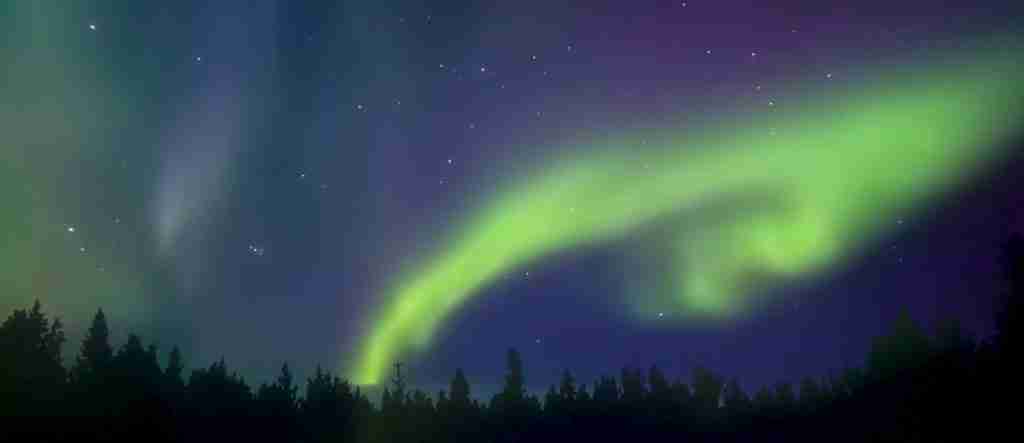
3 days
Kiruna 3-Day Discovery Tour
- ✓ Comprehensive Kiruna experience
- ✓ Expert local guides included
- ✓ All accommodation included
- ✓ Transportation provided
5 days
Kiruna 5-Day Highlights Experience
- ✓ Comprehensive Kiruna experience
- ✓ Expert local guides included
- ✓ All accommodation included
- ✓ Transportation provided
7 days
Kiruna 7-Day Cultural Journey
- ✓ Comprehensive Kiruna experience
- ✓ Expert local guides included
- ✓ All accommodation included
- ✓ Transportation provided
10 days
Kiruna 10-Day Complete Adventure
- ✓ Comprehensive Kiruna experience
- ✓ Expert local guides included
- ✓ All accommodation included
- ✓ Transportation provided
Multi-day tour packages powered by TourRadar. Prices and availability subject to change.
Introduction: The Science of Abisko’s Aurora Supremacy
The Northern Lights captivate observers worldwide, but few locations on Earth offer the combination of meteorological, geographical, and infrastructural advantages that make Abisko National Park the undisputed champion of aurora tourism. Understanding why Abisko excels requires examining the complex interplay between solar activity, Earth’s magnetic field, atmospheric physics, and local weather patterns that converge to create exceptional viewing conditions.
The Aurora Borealis occurs when charged particles from solar wind interact with Earth’s magnetosphere, accelerating along magnetic field lines toward the polar regions. These particles collide with atmospheric gases at altitudes of 100-400 kilometers, exciting oxygen and nitrogen atoms that release photons as they return to ground state—creating the dancing lights observers see. This process occurs continuously in an oval-shaped zone surrounding both magnetic poles, with the aurora oval’s position and intensity varying based on solar activity levels.
Abisko’s position at 68°21’N latitude places it directly beneath this aurora oval during periods of moderate geomagnetic activity (Kp index 2-4), the most common aurora conditions. Locations farther south require stronger geomagnetic storms to bring the aurora oval to their latitude, while positions directly at the magnetic pole often see aurora overhead rather than on the horizon where displays appear most dramatic. This optimal latitude positioning means Abisko experiences aurora activity on 200+ nights annually during clear sky conditions.
However, latitude alone doesn’t explain Abisko’s supremacy—many Arctic locations share similar latitude but lack Abisko’s viewing success rate. The decisive factor lies in local meteorology. The Scandinavian mountain range creates weather patterns that favor Abisko with clear skies precisely when other Arctic regions experience cloud cover. This meteorological advantage, combined with minimal light pollution, accessible infrastructure, and extended winter darkness, establishes Abisko as the world’s most reliable Northern Lights destination.
The Blue Hole Phenomenon: Abisko’s Meteorological Advantage
The “blue hole” distinguishes Abisko from other aurora viewing locations through a localized weather pattern that produces statistically higher clear sky probability than surrounding regions. This phenomenon results from Abisko’s specific position relative to the Scandinavian mountain range and prevailing Atlantic weather systems.
Moisture-laden air masses moving eastward from the Atlantic Ocean encounter the Scandinavian mountains, where orographic lift forces air upward. As air rises, it cools, and moisture condenses into precipitation on the western mountain slopes. By the time these air masses cross the mountain crest and descend toward Abisko, most moisture has already precipitated out. The descending air undergoes adiabatic warming, increasing its capacity to hold moisture and evaporating any remaining clouds—creating the clear conditions known as the blue hole.
Meteorological data confirms this effect dramatically. Weather station records show Abisko averages 65-70% clear night skies during December-February, compared to 40-45% for Tromsø, Norway (250 kilometers west) and 35-40% for Kiruna (90 kilometers east). Satellite imagery during winter storm systems frequently reveals a distinctive clear patch over Abisko and western Torneträsk lake even when cloud cover extends across most of northern Scandinavia.
The blue hole doesn’t guarantee clear skies every night—large-scale weather systems can override the localized effect, and some cloud cover still reaches Abisko. However, the statistical advantage proves substantial. When planning multi-night aurora trips, Abisko’s higher clear sky probability significantly increases the likelihood of experiencing at least one excellent viewing night during a typical 3-5 day visit.
The phenomenon varies in strength depending on atmospheric conditions. Stable high-pressure systems enhance the effect, producing extended periods of clear weather. Low-pressure systems moving from the southwest can overcome the rain shadow, bringing clouds to Abisko as well. Weather forecasting for Abisko requires understanding these patterns—experienced guides monitor upper-level winds, pressure systems, and satellite imagery to predict when the blue hole will perform optimally.
Geographic and Atmospheric Advantages
Beyond the blue hole, Abisko’s geographical setting provides multiple advantages for aurora observation. The national park’s remote location, 200 kilometers north of the Arctic Circle and 100 kilometers west of Kiruna, places it far from major population centers and their associated light pollution. The nearest significant artificial light sources lie over 90 kilometers distant, allowing the night sky to achieve true darkness when natural light sources (moon, twilight) are absent.
Torneträsk lake, Sweden’s seventh-largest lake at 70 kilometers long, dominates the landscape directly north of Abisko. During winter, the frozen lake surface creates an expansive, unobstructed viewing area with minimal foreground obstacles. The lake’s flat, white surface also reflects aurora light, intensifying the visual display and providing unique photographic opportunities. The surrounding mountains—Nuolja to the south and the Lapporten U-shaped valley to the west—create dramatic silhouettes against aurora-lit skies while sheltering viewing areas from wind.
Abisko’s elevation at approximately 380 meters above sea level, combined with the Aurora Sky Station’s additional 520-meter elevation gain, positions observers above the densest atmospheric layers where light scattering and haze concentrate. This elevation advantage becomes particularly valuable during temperature inversions, when cold air traps fog and haze in valley bottoms while upper elevations remain clear. The Sky Station’s position ensures viewing access even when ground-level conditions deteriorate.
The extended polar night provides another crucial advantage. From late November through mid-January, Abisko experiences continuous darkness with no daylight, creating 24-hour aurora viewing potential. During December, the sun remains below the horizon, producing only a few hours of twilight around midday. This extended darkness means aurora displays can occur and be observed at any hour, rather than being limited to the brief windows between dusk and dawn available at lower latitudes.
Aurora Sky Station: Infrastructure for Optimal Viewing
The Aurora Sky Station represents purpose-built infrastructure designed specifically for Northern Lights observation. Opened in 2003 and located on Mount Nuolja’s summit at 900 meters elevation, the station combines accessibility, comfort, and optimal viewing positioning in a unique package.
Access begins with a 20-minute chairlift ride from Abisko Turiststation, Sweden’s oldest mountain station. The chairlift operates even in extreme cold, transporting visitors smoothly upward through birch forest before emerging above the treeline. The ride itself offers aurora viewing opportunities, though the main observation occurs at the summit platform.
The station’s elevated position provides multiple advantages beyond escaping valley fog. At 900 meters, observers stand above most atmospheric pollution and water vapor that causes light scattering and reduces sky darkness. The location also positions visitors closer to aurora displays, which typically occur at altitudes of 100-400 kilometers. While the actual distance difference proves minimal compared to ground observation, the psychological and photographic impact of elevated viewing enhances the experience.
Purpose-built observation decks surround the station’s heated buildings, providing 360-degree aurora access. Unlike ground-based viewing limited by terrain or forest, the summit’s open exposure allows tracking aurora movements across the entire sky dome. The northern horizon opens across Torneträsk lake and toward the Norwegian coast, the primary direction for aurora observation in Abisko’s latitude. Western views encompass the iconic Lapporten valley gap, while eastern and southern perspectives include mountain ridges and distant peaks.
Heated indoor facilities allow visitors to warm up periodically without descending the mountain. This proves essential during intense cold, when temperatures regularly drop to -20°C or below. The ability to retreat indoors briefly, then return to viewing, extends comfortable observation time significantly compared to ground-based viewing where warming requires travel back to accommodation. The station includes a café serving hot beverages and light meals, photography equipment, and educational displays about aurora science.
Expert guides staff the station nightly during operating season, providing real-time interpretation of aurora activity, photography assistance, and scientific explanation. Their knowledge of local conditions and aurora patterns helps visitors understand what they’re observing and maximize their experience. The guides monitor solar activity forecasts and aurora prediction models, sharing insights about likely display intensity and timing.
The station’s commitment to dark-sky preservation means minimal artificial lighting. Red-spectrum lights used sparingly for safety purposes preserve night vision while preventing light pollution that would diminish aurora visibility. This attention to lighting design maintains the exceptional sky darkness that makes the elevated location so valuable.
Photography Guide: Capturing Aurora at Abisko
Abisko’s combination of dramatic landscapes, reliable aurora activity, and varied viewing locations makes it exceptional for Northern Lights photography. Understanding the technical requirements and creative opportunities allows photographers to capture stunning aurora images.
Camera equipment requirements start with manual exposure control capability. DSLR or mirrorless cameras with manual mode allow the precise settings aurora photography demands. Wide-angle lenses (14-24mm on full-frame cameras, 10-16mm on crop sensors) capture both aurora and foreground landscape in single compositions. Fast lenses (f/2.8 or wider) gather more light, enabling shorter exposures that freeze aurora motion or lower ISO settings that reduce noise.
Essential gear includes a sturdy tripod capable of withstanding wind and supporting the camera steadily during long exposures. Remote shutter releases or interval timers prevent camera shake from manual shutter pressing. Extra batteries prove critical—cold temperatures dramatically reduce battery life, sometimes cutting capacity by 50-70%. Keeping spare batteries inside warm clothing maintains their charge. Memory cards with adequate capacity for RAW files (16GB minimum, 32-64GB preferred) ensure sufficient storage for hundreds of aurora exposures.
Exposure settings balance multiple factors. ISO settings typically range from 800-3200, with lower values (800-1600) preferred for strong aurora displays and higher values (2000-3200) necessary for faint aurora or when using slower lenses. Aperture opens as wide as the lens allows (f/1.4-2.8) to maximize light gathering. Shutter speed ranges from 2-15 seconds depending on aurora movement speed and desired effect. Fast-moving aurora requires shorter exposures (2-5 seconds) to freeze curtain motion, while slow-moving aurora permits longer exposures (10-15 seconds) for brighter images.
Manual focus set to infinity ensures sharp stars and aurora. Autofocus struggles in darkness, often hunting unsuccessfully. Using live view mode with 10x magnification allows precise manual focus on bright stars or distant lights. Some photographers focus using the lens infinity mark, then slightly back off to achieve optimal sharpness at aurora distances.
White balance selection affects color rendition significantly. Auto white balance often neutralizes aurora’s natural colors, producing disappointing results. Daylight (5500K) or custom settings around 3200-4000K preserve aurora’s green, red, and purple hues while maintaining natural-looking foregrounds. Shooting RAW format allows white balance adjustment during post-processing without quality loss.
Composition opportunities at Abisko range from minimalist to complex. Frozen Torneträsk lake provides vast, unobstructed northern views with subtle texture from ice formations and windswept snow. Mountain silhouettes—particularly Nuolja and Lapporten’s distinctive U-valley—create dramatic foreground elements. Birch forest and snowmobile trails near Abisko Turiststation offer leading lines and depth. The Aurora Sky Station’s chairlift creates unique foreground possibilities, though photographing from the moving chair requires careful technique.
Light painting foreground elements with flashlights or headlamps adds dimension to landscape compositions, though excessive lighting can overpower aurora. Brief, subtle illumination reveals snow texture and terrain features without competing with aurora’s natural light. Experiment with light painting duration and intensity to achieve balanced results.
Time-lapse photography captures aurora’s dynamic movement dramatically. Setting intervalometers for 3-5 second intervals produces smooth motion when compiled into video. Consistent exposure settings throughout sequences ensure even brightness. RAW format time-lapses allow batch processing adjustments for consistent color and contrast across all frames.
Post-processing enhances aurora images while maintaining natural appearance. Adjustments to exposure, contrast, clarity, and vibrance bring out aurora detail and color. Luminosity masks allow selective editing—brightening aurora while controlling foreground exposure separately. Noise reduction becomes important for high-ISO images, though excessive reduction can eliminate fine aurora structure. Gradient filters manage dynamic range between bright aurora and darker foreground or sky areas.
Understanding Aurora Seasonality and Optimal Timing
Aurora Borealis appears in Abisko’s skies across an extended season from late August through early April, but viewing success varies significantly based on darkness duration, weather patterns, and solar activity cycles. Understanding these temporal patterns allows visitors to optimize trip timing for their specific priorities.
The aurora season begins in late August when nights become dark enough for aurora visibility, typically around August 25-30. Early season viewing offers milder temperatures (0°C to -5°C average) and the advantage of equinox-period geomagnetic activity, which research suggests increases during spring and fall equinoxes. However, limited darkness—only 4-6 hours of true night—restricts viewing windows. Landscapes retain autumn colors, creating unique photographic opportunities with green and red foliage complementing aurora hues.
September through October extends darkness progressively, reaching 8-10 hours of night by late October. These months balance reasonable temperatures (-5°C to -10°C) with adequate darkness, making them popular for visitors seeking comfortable conditions. The blue hole effect strengthens as autumn storm frequency increases, demonstrating its value. First snow typically arrives in September, transforming landscapes and increasing light reflection that enhances aurora visibility.
November marks the transition to polar night conditions. By late November, the sun no longer rises above the horizon, creating continuous darkness interrupted only by midday twilight. This period through mid-January offers maximum aurora viewing opportunity—displays can occur at any hour, and extended observation sessions become possible. Temperatures drop to -15°C to -25°C average, requiring serious cold-weather preparation. The darkest skies occur during new moon phases in December-January, producing optimal conditions for faint aurora and Milky Way photography.
December through February represents peak darkness but also coldest temperatures, often reaching -30°C or below during cold snaps. The blue hole phenomenon proves most valuable during these months when storm systems frequently blanket Scandinavia. Equipment challenges intensify—batteries drain rapidly, LCD screens become sluggish, and exposed skin risks frostbite in minutes. However, the extended darkness and frequent clear skies offer unmatched viewing potential for those prepared for extreme cold.
March and April bring returning daylight and moderating temperatures (-10°C to 0°C), creating pleasant viewing conditions. The spring equinox period around March 20 often coincides with increased geomagnetic activity. Darkness duration decreases progressively, with viewing windows shrinking to 6-8 hours by early April and ending entirely by late April when midnight sun approaches. Late season combines comfortable temperatures, decent darkness, and strengthening daylight that allows daytime activities alongside nighttime aurora viewing.
Solar activity follows both 11-year and 27-day cycles. The 11-year solar cycle influences overall activity levels—solar maximum periods produce more frequent and intense aurora displays than solar minimum periods. The 27-day cycle reflects solar rotation, with active regions returning to Earth-facing positions approximately every 27 days. Monitoring solar activity forecasts (Kp index, solar wind speed, interplanetary magnetic field) helps time visits for enhanced aurora probability, though Abisko’s latitude ensures aurora visibility even during moderate activity levels.
Scientific Research and Aurora Tourism Development
Abisko’s reputation as a premier aurora destination builds upon over a century of scientific research and tourism development. Understanding this history provides context for the exceptional infrastructure and expertise available today.
Scientific interest in Abisko began in the early 1900s when researchers recognized the area’s clear skies and optimal aurora viewing position. The Swedish Royal Academy of Sciences established aurora research facilities in Abisko in 1902, making it one of the world’s oldest continuous aurora observation sites. These facilities studied solar-terrestrial physics, aurora mechanisms, and geomagnetic phenomena, contributing fundamental knowledge about aurora science that continues informing research today.
The research legacy created a foundation of aurora expertise in Abisko. Scientists’ understanding of optimal viewing conditions, seasonal patterns, and aurora behavior informed tourism development when commercial Northern Lights tourism emerged in the late 20th century. The transition from pure scientific research to combining research with tourism education occurred gradually as visitor interest in aurora experiences grew.
Abisko Turiststation, established in 1903, evolved from serving primarily research scientists and summer hikers to becoming a year-round destination with winter aurora tourism as a core offering. The station’s management recognized aurora tourism potential and invested in winter infrastructure—heated accommodations, dining facilities, and specialized aurora viewing amenities. This foresight established Abisko as a Northern Lights destination decades before aurora tourism became widespread.
The Aurora Sky Station’s opening in 2003 represented the culmination of this tourism development. Creating a dedicated, elevated aurora viewing facility with chairlift access demonstrated commitment to world-class visitor experience. The station’s design incorporated scientific knowledge about optimal viewing conditions, weather patterns, and aurora behavior, translating research insights into practical infrastructure.
Contemporary aurora tourism in Abisko balances visitor experience with environmental sustainability and scientific education. Tour operators emphasize low-impact practices, maintaining dark sky preservation, and educating visitors about aurora science rather than promoting pseudoscientific explanations. The integration of scientific understanding into tourism services distinguishes Abisko from locations offering aurora viewing without educational context.
Ongoing research continues at Abisko’s scientific facilities, with data collected contributing to aurora prediction models, space weather forecasting, and climate research. This active research presence ensures Abisko remains at the forefront of aurora science while maintaining its tourism infrastructure. Visitors benefit from access to cutting-edge aurora knowledge and forecasting unavailable at purely commercial aurora destinations.
Practical Considerations for Aurora Viewing Success
Maximizing aurora viewing success at Abisko requires understanding both optimal conditions and practical preparation. While the blue hole and favorable location provide statistical advantages, several controllable factors influence individual viewing experiences.
Moon phase significantly affects viewing quality. New moon periods produce darkest skies, making faint aurora and Milky Way visible. Full moon creates bright conditions that wash out faint aurora displays, though strong aurora remain visible and the moonlit landscape offers unique photographic opportunities. Planning visits around new moon phases (±3 days) optimizes conditions for photography and faint aurora observation. However, strong aurora displays during full moon can still provide spectacular viewing.
Weather monitoring becomes essential despite the blue hole advantage. Multiple forecast sources provide different perspectives—Swedish Meteorological and Hydrological Institute (SMHI) offers local forecasts, while aurora-specific services like Aurora Service Europe combine weather and geomagnetic forecasting. Clear sky charts showing cloud cover predictions for specific locations help identify optimal viewing nights during multi-day visits. Flexibility in planning—being willing to wake at 2 AM when forecasts predict clearing—increases success probability.
Aurora activity forecasting through Kp index and solar wind monitoring provides advance warning of enhanced displays. The Kp index measures geomagnetic disturbance on a 0-9 scale, with Kp 2-3 producing aurora at Abisko’s latitude and Kp 4+ creating intense displays. Solar wind speed and southward interplanetary magnetic field (Bz) serve as leading indicators—strong solar wind with southward Bz often precedes aurora intensification by 30-60 minutes. Monitoring these parameters allows anticipating optimal viewing times.
Cold weather preparation proves essential for comfortable viewing. Temperatures regularly drop below -20°C during peak season, requiring specialized clothing. Layering systems with thermal base layers, insulating mid-layers, and windproof outer layers provide flexibility. Insulated, waterproof boots rated for extreme cold protect feet during extended standing. Hand and toe warmers supplement gloves and socks. Face protection including balaclavas or neck gaiters prevents frostbite on exposed skin. Carrying extra clothing allows adding layers if conditions become colder than expected.
Location selection within Abisko area offers varied experiences. The Aurora Sky Station provides elevation, infrastructure, and expert guidance. Torneträsk lake’s frozen surface offers unobstructed northern views with minimal light pollution. Abisko Turiststation provides convenient access with basic facilities. More adventurous viewers can snowshoe or ski to remote locations for complete isolation, though safety considerations and rescue accessibility become important factors.
Extended observation increases display probability. Aurora activity varies throughout nights—periods of enhanced activity last 30 minutes to several hours, separated by quieter intervals. Spending 2-4 hours observing rather than brief 30-minute sessions dramatically increases chances of witnessing strong displays. The Aurora Sky Station’s heated facilities enable extended comfortable observation impossible at purely outdoor sites.
Frequently Asked Questions
What percentage of nights have visible aurora in Abisko?
Aurora Borealis occurs in Abisko’s skies approximately 200 nights annually when conditions are clear, representing roughly 55% of all nights throughout the year. However, success rates vary significantly by season. During optimal months (December-March), clear night probability reaches 65-70%, and aurora activity occurs on virtually all clear nights at moderate to high geomagnetic activity levels (Kp 2+). This means visitors spending 3-4 nights in Abisko during peak season have approximately 80-90% probability of experiencing at least one clear night with aurora displays. The blue hole phenomenon significantly enhances these statistics compared to other Scandinavian aurora destinations, where clear night probability during winter typically ranges 40-50%. Individual viewing success also depends on aurora activity levels—solar minimum periods produce fewer intense displays than solar maximum periods, though moderate aurora remain visible throughout the solar cycle at Abisko’s favorable latitude.
How cold does it get during aurora season in Abisko?
Temperatures in Abisko during aurora season vary significantly by month and weather patterns. Late August through September averages 0°C to -5°C, with occasional overnight lows reaching -10°C but generally comfortable conditions. October through November sees temperatures dropping to -5°C to -15°C average, with coldest nights reaching -20°C as polar night approaches. December through February represents the coldest period, with average temperatures -15°C to -20°C and regular cold snaps bringing -25°C to -35°C for extended periods. Extreme cold events can push temperatures below -40°C, though these occur infrequently. March and April moderate to -10°C to 0°C as spring approaches. Wind significantly affects perceived temperature—calm conditions at -20°C feel manageable with proper clothing, while wind at -15°C creates severe wind chill. The Aurora Sky Station’s elevation experiences slightly colder temperatures than valley locations, though heated facilities provide refuge. Preparing for temperatures 5-10°C colder than forecasts ensures adequate clothing for extended outdoor viewing during temperature drops or unexpected weather changes.
Can you see aurora from Abisko during summer?
Aurora Borealis occurs continuously in Earth’s magnetosphere regardless of season, but visibility requires darkness. Abisko experiences midnight sun from late May through mid-July, when the sun never fully sets and continuous daylight prevents aurora observation despite ongoing aurora activity overhead. The aurora season in Abisko begins in late August when nights become dark enough for visibility, continues through winter’s 24-hour darkness during polar night (late November through mid-January), and extends into early April before returning midnight sun eliminates viewing windows. The period of no aurora viewing (mid-April through late August) results purely from continuous daylight, not from absence of aurora activity. Visitors interested in aurora viewing should plan trips between September and March, with December-February offering maximum darkness and viewing opportunity. Summer visits to Abisko offer spectacular midnight sun experiences, hiking, and wilderness activities but preclude Northern Lights observation due to 24-hour daylight conditions.
What causes the green, red, and purple colors in aurora?
Aurora colors result from specific atmospheric gases emitting light at characteristic wavelengths when excited by charged particles from solar wind. Green, the most common aurora color, comes from oxygen molecules at approximately 100-150 kilometers altitude emitting light at 557.7 nanometers wavelength. This green emission dominates most aurora displays because oxygen is abundant at these altitudes and the collision energy from solar particles efficiently excites this particular transition. Red aurora appears at higher altitudes (above 200 kilometers) where oxygen emits at 630 nanometers wavelength, requiring less frequent collisions due to lower atmospheric density. Red emissions appear during intense geomagnetic storms that accelerate particles to higher altitudes, making red aurora less common than green. Purple and blue hues come from nitrogen molecules—ionized nitrogen produces blue emissions while neutral nitrogen creates purple. These colors typically appear at lower altitudes (below 100 kilometers) during very intense aurora activity. Pink results from mixing red and blue emissions. The specific colors visible during any aurora display depend on collision altitude, particle energy, and atmospheric composition, with variations creating the spectacular multicolored curtains and rays that make each aurora display unique.
How long does an aurora display typically last?
Aurora displays vary dramatically in duration from brief 15-minute appearances to all-night events lasting 8+ hours, depending on solar wind conditions and geomagnetic activity levels. A typical aurora viewing night includes multiple distinct phases—initial activation lasting 30-60 minutes when aurora appears and strengthens, peak activity periods of 1-3 hours with intense curtains and rays dancing across the sky, quieter intervals of 30-90 minutes with faint glows or diffuse patches, and potential secondary activations as new solar wind structures arrive. Strong geomagnetic storms (Kp 5+) can produce continuous aurora activity for 6-12 hours with multiple peaks of varying intensity. Moderate activity (Kp 3-4) typically creates 2-4 hour displays with distinct active and quiet periods. Even during overall active nights, the aurora’s appearance changes constantly—substorms create brief (5-15 minute) intensifications with rapid movement and brightening followed by fading. The dynamic nature means extended observation periods (2-4 hours minimum) significantly increase chances of witnessing peak activity moments, even if faint aurora or quiet periods dominate much of the viewing time. Successful aurora viewing requires patience to observe through quiet periods, as displays can suddenly intensify with little warning when solar wind conditions change.
Is the Aurora Sky Station worth visiting?
The Aurora Sky Station provides significant advantages that justify visiting for most aurora tourists. The elevation at 900 meters positions viewers above valley fog and temperature inversions that frequently trap haze near ground level, particularly during the coldest months when atmospheric conditions create optimal aurora but challenging viewing at surface locations. The 360-degree observation decks allow tracking aurora movements across the entire sky dome rather than being limited by terrain or forest, enhancing both viewing experience and photography opportunities. Heated indoor facilities enable extended comfortable observation impossible at outdoor-only sites, crucial when temperatures drop to -25°C or below and windchill creates severe exposure risk during multi-hour viewing sessions. Expert guides provide real-time interpretation, photography assistance, and aurora science explanation, transforming viewing from passive observation into educational experience. The infrastructure eliminates many practical challenges—no need to drive to remote locations in darkness on winter roads, immediate shelter access during cold extremes, and professionally maintained viewing areas optimized for aurora observation. However, weather-dependent chairlift operations mean access isn’t guaranteed during extreme wind or technical issues, and ticket costs ($65-85 depending on packages) exceed simple ground-based viewing. For visitors prioritizing comfort, education, and optimal viewing position, the Sky Station delivers exceptional value. Budget-conscious travelers or experienced aurora observers comfortable with extreme cold may prefer ground-based viewing options that offer similar aurora visibility at lower cost.
What is the aurora oval and why does it matter for Abisko?
The aurora oval is an elliptical zone encircling Earth’s magnetic poles where aurora activity concentrates most frequently. This oval exists because charged particles from solar wind follow Earth’s magnetic field lines, which funnel particles toward the polar regions. Rather than forming a perfect circle around the geographic poles, the aurora oval centers on the magnetic poles and varies in size and position based on geomagnetic activity levels. During quiet conditions (Kp 0-2), the oval contracts, with aurora appearing primarily at very high latitudes near 70°N. As activity increases (Kp 3-5), the oval expands southward, bringing aurora to locations at 60-65°N. During major geomagnetic storms (Kp 6+), the oval can expand to mid-latitudes. Abisko’s position at 68°21’N places it directly beneath the aurora oval during moderate activity levels (Kp 2-4), which represent the most common geomagnetic conditions. This positioning means Abisko experiences aurora overhead or slightly north on typical aurora nights, creating optimal viewing angles where aurora curtains appear most dramatic and colorful. Locations farther south see aurora only during enhanced activity when the oval expands, while positions at the magnetic pole often see aurora overhead rather than on the horizon. The aurora oval’s dynamics explain why Abisko achieves such reliable viewing—the location sits in the statistical sweet spot where aurora appears frequently without requiring exceptional geomagnetic storms.
How does solar activity affect aurora visibility?
Solar activity directly determines aurora intensity and frequency through two primary mechanisms: the 11-year solar cycle and individual solar events like coronal mass ejections (CMEs) and high-speed solar wind streams. The solar cycle oscillates between solar maximum (many sunspots, frequent eruptions) and solar minimum (few sunspots, quiet conditions), with aurora activity following this pattern. During solar maximum, enhanced solar wind and frequent CMEs produce intense geomagnetic storms (Kp 5-7) that create spectacular aurora displays visible even at mid-latitudes. Solar minimum reduces overall activity but doesn’t eliminate aurora—Abisko’s high latitude ensures aurora visibility even during solar minimum at moderate activity levels (Kp 2-3). Individual solar events matter more for day-to-day aurora forecasting than overall solar cycle position. CMEs—massive eruptions of solar material—can trigger major geomagnetic storms when directed toward Earth, with effects arriving 2-3 days after eruption. High-speed streams from coronal holes create recurring aurora enhancements following the sun’s 27-day rotation period. The Kp index quantifies geomagnetic disturbance on a 0-9 scale, with Kp 0-2 representing quiet to unsettled conditions, Kp 3-5 indicating minor to moderate storms, and Kp 6-9 showing major to extreme storms. At Abisko’s latitude, aurora appears during Kp 2+ conditions, becomes active and dynamic at Kp 3-4, and produces intense displays during Kp 5+. Monitoring solar activity forecasts and real-time solar wind data allows anticipating aurora probability 1-3 days in advance, enabling visitors to optimize viewing opportunities during multi-day trips.
What photography equipment is essential for aurora images?
Essential aurora photography equipment begins with a camera capable of manual exposure control, meaning DSLR or mirrorless systems that allow adjusting ISO, aperture, and shutter speed independently. Smartphone cameras increasingly include night modes but generally lack the manual control and light-gathering capability for optimal aurora photography, though latest flagship models can capture basic aurora images during strong displays. Wide-angle lenses prove crucial—focal lengths of 14-24mm on full-frame cameras or 10-16mm on crop sensors capture both aurora and foreground landscape in single compositions. Fast apertures (f/2.8 or wider, with f/1.4-2.0 preferred) gather maximum light, enabling shorter exposures that freeze aurora movement or lower ISO settings that reduce noise. A sturdy tripod capable of supporting the camera steadily during multi-second exposures while withstanding wind becomes non-negotiable—lightweight travel tripods often prove inadequate in Arctic conditions. Remote shutter releases or interval timers prevent camera shake from manual shutter pressing, critical for sharp images during long exposures. Extra batteries (minimum 2-3 spares) compensate for cold-weather capacity loss that can reduce battery life by 50-70% compared to room temperature performance. High-capacity memory cards (32-64GB) provide adequate storage for hundreds of RAW files during all-night shooting sessions. Helpful but non-essential items include lens warmers to prevent condensation when moving between extreme cold and heated spaces, headlamps with red light mode for adjusting camera settings without ruining night vision, and a camera bag or insulated cover to protect equipment during temperature extremes below -30°C.
Can aurora be predicted accurately in advance?
Aurora forecasting accuracy varies dramatically based on timeframe, with short-term predictions (1-3 hours) achieving high reliability while long-term forecasts (weeks-months) remain highly uncertain. The most accurate predictions come from real-time solar wind monitoring—satellites positioned between Earth and Sun measure solar wind speed, density, and magnetic field orientation, providing 30-60 minute warning before conditions trigger aurora displays. When these monitors detect fast solar wind (>450 km/s) with southward magnetic field orientation (negative Bz), aurora activity typically intensifies within an hour. This short-term forecasting allows aurora viewers to anticipate optimal observation times during the night. Medium-term forecasting (1-3 days ahead) relies on observing coronal mass ejections (CMEs) leaving the sun and calculating their Earth-arrival time. CME forecasts provide probabilistic predictions—a major CME directed toward Earth has high probability of creating geomagnetic storms 2-3 days later, though exact timing and intensity remain uncertain until the CME arrives and satellites measure its properties. Long-term forecasting (weeks-months) proves unreliable because solar activity varies unpredictably—while statistical averages indicate higher activity during solar maximum than solar minimum, predicting specific dates with enhanced aurora months in advance isn’t currently possible. Practical aurora trip planning should focus on seasonal patterns (December-March offers most darkness), local weather advantages (Abisko’s blue hole), and multi-night stays that increase probability of experiencing at least one active aurora night, rather than attempting to time visits to specific predicted aurora dates weeks in advance.