Welcome to the world of Machu Picchu, the famous Inca citadel in Peru’s Andes mountains. As 2025 approaches, Peru has new circuits and rules to improve your visit. This guide will help you enjoy your Machu Picchu trip in 2025, whether you’re experienced or new to travel.
Key Takeaways
- Machu Picchu is open daily from 6:00 AM to 5:00 PM with specific entry slots available each hour until 3:00 PM.
- The maximum number of visitors per day is 4,500 during the low season and 5,600 during the high season.
- There are three main circuits at Machu Picchu in 2025, each with multiple sub-routes totaling 10 different options.
- Tickets for Machu Picchu can sell out days or weeks ahead of time during the busiest season (June through August).
- Visitors must be accompanied by a certified guide to enter the sanctuary and tour one of the established routes.
- Contact us for a comfortable and personalized itinerary (Free Service)
Introduction to the Sacred Citadel
The Inca ruins of Machu Picchu sit high in the Andes mountains of Peru. They show the amazing skills of the ancient Inca people in building and engineering. This archaeological site was found in 1911 by Hiram Bingham, an American explorer. It’s seen as the most amazing site in Peruvian history.
Machu Picchu is about 45 miles from Cusco, a historic city. It’s a legendary site, with a complex on a hilltop at about 8,000 feet. Visitors are amazed by the huge and beautiful structures. They show the cleverness and strength of the Inca people.
| Ticket Availability | High Season | Low Season |
|---|---|---|
| Daily Tickets | 5,650 | 4,600 |
| Maximum Group Size | 10 visitors | 10 visitors |
| Maximum Visit Time | 3 hours | 3 hours |
Machu Picchu is split into three main tour circuits. Each offers a special view and experience. The Panoramic Routes, the Classic City Experience, and the Royalty Routes let visitors fully explore this amazing Inca ruins and its beautiful surroundings.
“Machu Picchu is an extraordinary example of the ingenuity and resilience of the Inca civilization. Its sheer architectural grandeur and stunning natural setting make it a truly awe-inspiring destination for any traveler.”


Getting to Machu Picchu in 2025
Traveling to Machu Picchu in 2025 is an unforgettable experience. You can choose from various transportation options. Whether you take the scenic train from Cusco or go on an exciting Andean hike, the journey is thrilling.
Transportation from Cusco
The most popular way to get to Machu Picchu is by train from Cusco. In 2025, PeruRail and IncaRail offer comfortable trains. The trip takes about 3.5 hours. Prices range from $60 to $150 per person, based on the service class.
There’s also a shorter train ride from Ollantaytambo to Aguas Calientes. This trip lasts 1.5 hours.
Aguas Calientes Access
Once in Aguas Calientes, a 25-30 minute bus ride by Consettur takes you to Machu Picchu. These buses run all day, making it easy to get to the site.
Bus Services to the Citadel
- Trekking options: For the adventurous, the Inca Trail (4 days), Salkantay Trek (5 days), and Inca Jungle Trek (3-4 days) offer immersive hiking experiences through the Andean landscapes en route to Machu Picchu.
- In 2025, a maximum of 1500 visitors can access Machu Picchu daily, with specific time slots and entry points to manage the flow of people and enhance the overall experience.
- Advance ticket booking is highly recommended due to the high demand for Machu Picchu visits, with various circuit and route options available to suit individual preferences.
Whether by train or hiking, the journey to Machu Picchu in 2025 is a highlight. With good planning and the right transportation, your visit will be unforgettable.
Machu Picchu Circuit 2025: New Routes and Regulations
Machu Picchu, the famous Inca citadel, is getting ready for visitors in 2025. New routes and rules have been set to protect this amazing site. Travelers and tour guides need to know these changes for the best Machu Picchu tours.
The Machu Picchu circuit now has three main paths. Each path offers a different view and experience. Visitors must follow the designated circuits to keep the site safe and preserved. These paths might change to better manage visitors and protect the ruins.
- Panoramic Circuit (Red): Showcasing sweeping vistas and lesser-known viewpoints.
- Inca City Circuit (Blue): Immersing visitors in the heart of the ancient citadel.
- Royalty Circuit (Yellow): Providing access to exclusive areas and hidden gems.
There are 10 sub-routes within these three main paths. Each has its own rules and ticket prices. Travelers need to plan well to see the best parts of the circuit and routes.
“The new Machu Picchu circuit system aims to balance the needs of visitors with the long-term preservation of this UNESCO World Heritage site. By implementing these regulations, we can ensure that future generations can continue to marvel at the grandeur of the Inca Empire’s crown jewel.”
The Machu Picchu tours industry is growing. It’s important for travelers to keep up with the latest news and plan their trips wisely. Knowing the new paths and rules helps visitors have a fulfilling and eco-friendly visit to this incredible Inca site.
Understanding Circuit One: Panoramic Routes
Machu Picchu, the famous Inca citadel, has three main circuits. Each offers a unique view and experience for visitors. The first circuit, known as the Panoramic Routes, is perfect for those who love taking photos.
Mountain Route Options
Circuit One has four routes, each for different interests and fitness levels. Route 1-A takes you up Machu Picchu Mountain for amazing views. This 4-hour hike is for the adventurous.
Route 1-B is all about the Upper Terrace. It’s a 1-hour hike that’s great for capturing the perfect shot of the Inca Trail.
Upper Terrace Experiences
Route 1-C is for families and beginners. It’s a 3-hour hike up the Sun Gate with beautiful views. Route 1-D, open in peak season, leads to the famous Inca Bridge. It’s a must-see for photography lovers.
“The Panoramic Routes of Circuit One truly showcase Machu Picchu’s grandeur, allowing visitors to appreciate the Inca citadel from multiple vantage points.”
Whether you want a tough hike or a relaxed walk, Circuit One’s Panoramic Routes offer an unforgettable trip through this UNESCO World Heritage Site.
Circuit Two: Classic City Experience
Machu Picchu’s Circuit Two: Classic City Experience is the most popular route for visitors. It offers a full tour of the citadel, highlighting its key Inca architecture and landmarks.
This circuit has two routes: Route 2-A (Main Design Route) and Route 2-B (Lower Terrace Route). Both routes take you through the heart of the Machu Picchu landmarks. They let visitors dive into the Inca architecture and discover the ancient citadel’s secrets.
The Main Design Route (2-A) guides you through the Temple of the Sun, the Sacred Plaza, and the Temple of the Three Windows. It offers classic views of the Inca ruins. This route is perfect for those wanting to understand the site’s significance and history.
The Lower Terrace Route (2-B) offers a closer look at the Machu Picchu landmarks. You’ll see the Sacred Rock, the Water Mirrors, and the Sacred Fountains. This route highlights the Inca’s construction skills and their connection with nature.
| Route | Key Features | Duration |
|---|---|---|
| 2-A (Main Design Route) | Temple of the Sun, Sacred Plaza, Temple of the Three Windows | 2 hours 30 minutes |
| 2-B (Lower Terrace Route) | Sacred Rock, Water Mirrors, Sacred Fountains | 2 hours 30 minutes |
Visitors can choose between the Main Design Route or the Lower Terrace Route. The Circuit Two: Classic City Experience promises an unforgettable journey. It deepens your appreciation for the Machu Picchu landmarks, the Inca architecture, and the site’s rich cultural heritage.
Circuit Three: The Royalty Routes
For the ultimate Machu Picchu experience, explore the Royalty Routes. These trails offer a glimpse into the ancient Inca world. They showcase the most extraordinary and exclusive sites within the sacred citadel. Let’s dive into the three distinct circuits that make up this extraordinary journey.
Huayna Picchu Mountain Access
The first option, Circuit 3-A, grants access to the iconic Huayna Picchu mountain. With only 200 permits available daily, this hike is highly sought after. It provides a unique perspective of Machu Picchu from the top. The trail is steep and demanding, but the breathtaking vistas make the effort worthwhile.
Great Cavern Route Features
Circuit 3-B, the Great Cavern Route, is open only during the peak season from June 1 to October 15. This trail takes visitors through the Temple of the Moon, a captivating Inca structure. It’s nestled within a vast, natural cavern. The cave’s mystical ambiance and the chance to explore this lesser-known site make this circuit exceptional.
Huchuy Picchu Experience
Lastly, Circuit 3-C, the Huchuy Picchu Experience, offers a shorter yet scenic hike. It ascends to the Huchuy Picchu citadel, providing stunning views of the main Machu Picchu site. While less challenging than the previous two circuits, it offers a unique perspective of the legendary Inca fortress.
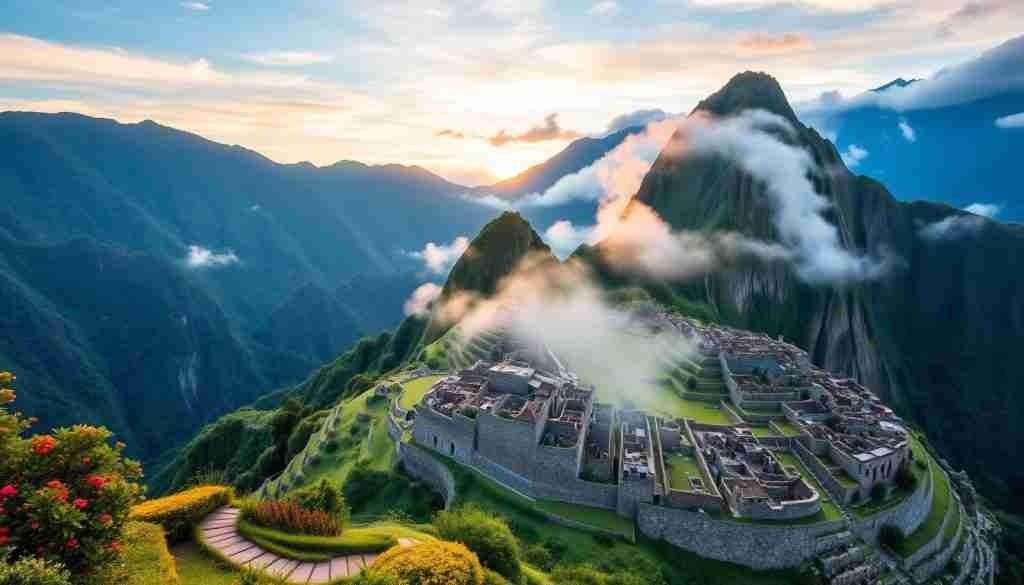
Whether you choose to conquer Huayna Picchu, venture through the Great Cavern, or ascend to Huchuy Picchu, the Royalty Routes offer the ultimate Machu Picchu adventure. Prepare for challenging trails, awe-inspiring vistas, and a deeper connection to the mystical legacy of the Incas.
Ticketing and Entry Time Slots
Planning a visit to Machu Picchu in 2025 needs careful thought and reservations. Tickets can be bought directly from the official government website. This ensures a smooth and authorized entry.
Machu Picchu has a strict time slot system. Visitors can enter from 6 AM to 3 PM. Each ticket allows 4 hours inside the citadel, plus a 30-minute grace period for entry.
The early morning hours are the most popular. They offer the chance to see the sunrise over the ancient ruins. For clearer skies and fewer crowds, late morning or early afternoon might be better.
The site can only hold 3,500 visitors a day. Tickets are divided into slots to manage the flow. This helps keep the experience peaceful and enjoyable.
Booking your tickets early is crucial, as they can sell out fast. This is even more true during the peak season from April to August. By booking ahead, you can make sure your visit is smooth and memorable.
| Ticket Type | Entrance Time Slots | Visit Duration | Ticket Price (2025) |
|---|---|---|---|
| Machu Picchu Classic Photo | 10 different time slots | 2 hours 30 minutes | PEN 172 (approx. USD 50) |
| Machu Picchu Classic | 10 different time slots | 2 hours 30 minutes | PEN 172 (approx. USD 50) |
| Machu Picchu Classic Lower Terrace | 10 different time slots | 2 hours 30 minutes | PEN 172 (approx. USD 50) |
| Machu Picchu + Huayna Picchu | 2 time slots per group | 2 hours 30 minutes | PEN 200 (approx. USD 58) |
| Machu Picchu Mountain | 2 time slots per day | 2 hours 30 minutes | PEN 200 (approx. USD 58) |
New rules at Machu Picchu will start in June 2024. They will introduce 3 main circuits with 4 sub-circuits each. This will offer visitors many ways to explore the ancient citadel.
Essential Packing and Preparation Guide
Getting ready for your Machu Picchu trip means packing the right stuff and knowing the Andean weather. This guide will help you pack clothes for the weather and get your travel documents in order. You’ll be all set to see Machu Picchu in 2025.
Weather Considerations
The Andes weather can change fast, with sun, rain, and cold. Wear layers like moisture-wicking clothes, warm jackets, and a rain jacket. Also, remember to protect your skin from the sun with sunscreen and a hat.
Required Documentation
Make sure you have all your important documents before you go. You’ll need a valid passport, tickets for Machu Picchu and the bus from Aguas Calientes. If you’re hiking the Inca Trail, get a trekking permit too.
Recommended Gear
- Sturdy, high-quality trekking boots with good ankle support and traction
- Moisture-wicking base layers and insulating layers
- Reliable rain gear, including a waterproof jacket and pants
- Sun protection: wide-brimmed hat, sunglasses, and high-SPF sunscreen
- Reusable water bottle or hydration system
- Snacks and energy bars
- Camera and binoculars for capturing the stunning scenery
- First-aid kit and any necessary medications
Packing smart is important for a great trip. Use a 30-50 liter backpack and pack clothes for different weather. With the right gear, you’ll be ready to see Machu Picchu in 2025.
Safety Guidelines and Site Preservation
Visiting Machu Picchu in 2025 means following strict safety rules and preservation steps. These rules help protect the Inca ruin and make sure everyone has a good time. By following these steps, travelers help keep Machu Picchu safe for the future.
- Follow marked signs and stay within roped areas to avoid damaging the archaeological structures.
- Wear comfortable shoes with good grip to navigate the uneven terrain and steep inclines safely.
- Keep children close and under supervision at all times to prevent accidents or wandering off the designated paths.
- Take frequent breaks to stay hydrated and prevent fatigue, specially during the high-altitude hikes.
- Respect the Inca ruins and the surrounding environment by refraining from touching or climbing on the archaeological structures.
The Peruvian government has set new rules to protect Machu Picchu and promote responsible tourism. These rules include limiting visitors, requiring tickets in advance, and strict rules for behavior and gear inside the site.
| Regulation | Details |
|---|---|
| Ticket Availability | 3,500 tickets available on the official website, with an additional 1,000 in Aguas Calientes village. |
| Visitor Circuits | Five circuits introduced to manage foot traffic and protect the Inca ruin. |
| Time Slots | Timed entry slots to prevent overcrowding and preserve the site. |
| Prohibited Items | Flags, advertising banners, gimbals, and disorderly behavior are prohibited. |
| Inca Trail Permits | 500 permits per day for the Inca Trail, with 200 for trekkers and 300 for support staff. |
By following these guidelines and respecting the Machu Picchu site, visitors can enjoy a safe and enlightening experience. This helps preserve this remarkable Inca wonder for the future.

“Preserving the cultural heritage of Machu Picchu is a shared responsibility between the government, tour operators, and visitors. By working together, we can ensure this historic site remains a source of wonder and inspiration for generations to come.”
Best Photography Spots and Viewing Points
Machu Picchu, the iconic Inca citadel, is a photographer’s dream. It offers stunning views from the Inca watchman’s house to the panoramic vistas from Machu Picchu Mountain and Huayna Picchu. There are countless Machu Picchu photos waiting to be taken.
The Sun Gate is famous for its Inca citadel views. It gives a distant look at the entire site. Huchuy Picchu, a lesser-known spot, offers a unique view of the ruins. The best time for photos is early morning or late afternoon.
| Photography Spot | Highlights |
|---|---|
| Inca Watchman’s House | Classic view of Machu Picchu |
| Machu Picchu Mountain | Panoramic views of the citadel |
| Huayna Picchu | Dramatic vantage point overlooking Machu Picchu |
| Sun Gate | Distant perspective of the entire Inca citadel |
| Huchuy Picchu | Unique angle showcasing the ruins |
2025 is set to be a great year for Machu Picchu photos. With new routes and Instagram spots curated, it promises to be unforgettable. Whether you’re a pro or a first-timer, Machu Picchu offers endless chances to capture its beauty.
Cultural Significance and Historical Context
Machu Picchu is a famous Inca citadel in the Andes Mountains. It has great cultural value and a rich history. Built in the 15th century, it has amazed many historians, archaeologists, and travelers.
There’s debate about Machu Picchu’s purpose. Some think it was a royal home, a religious site, or an observatory. But, it shows the Inca’s amazing engineering and architecture. The stonework and alignment with the sky are incredible.
In 1911, American explorer Hiram Bingham found Machu Picchu. This discovery brought new attention to the Inca civilization and Peru’s culture. Now, it’s a UNESCO World Heritage Site and a top tourist spot in South America.
| Fact | Value |
|---|---|
| Elevation of Machu Picchu | 7,970 feet (2,430 meters) |
| Train Journey Duration from Cusco to Aguas Calientes | 3 hours |
| Train Journey Duration from Ollantaytambo to Aguas Calientes | 1.5 hours |
| Best Time to Visit Machu Picchu | Dry season (April to October) |
Machu Picchu’s cultural and historical importance is clear. It shows the Inca’s engineering skills and Peru’s rich heritage. It draws visitors from all over the world.
“Machu Picchu stands in the mist, lost to the world for centuries, the quintessential image of epic romance.”
– Hiram Bingham, the American explorer who rediscovered Machu Picchu in 1911.
Conclusion
Visiting Machu Picchu is a journey that mixes nature and culture. It’s a place where you can explore new paths or follow the old ones. But, planning well is essential for a great trip.
To fully enjoy the Machu Picchu experience, know the rules and pack right. This way, you can dive deep into the history of the Inca people. Always remember to respect the site and nature to keep it beautiful for others.
With good planning and a sense of adventure, your trip to Peru will be unforgettable. The Andes adventure awaits you. Let Machu Picchu’s beauty and history touch your heart and mind.
