Kinderdijk Day Trip from Rotterdam 2026: UNESCO Windmills Guide
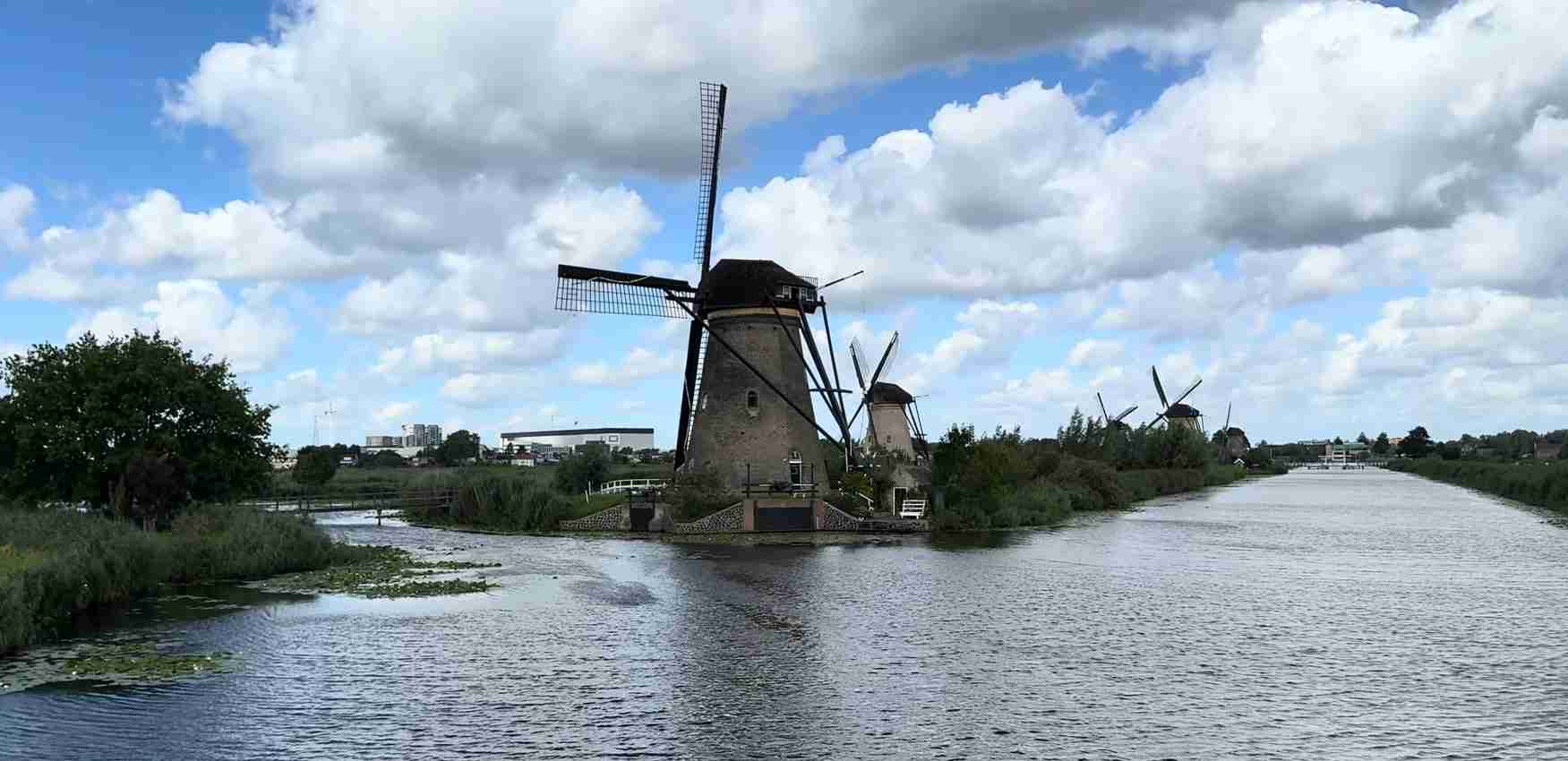
Kinderdijk stands as the Netherlands’ most iconic windmill landscape, where 19 perfectly preserved 18th-century windmills line tranquil waterways in a scene that has defined Dutch water management for nearly 300 years. Located just 15 kilometers from Rotterdam, this UNESCO World Heritage site offers an easily accessible day trip showcasing the engineering ingenuity that allowed the Dutch to reclaim and protect land from the sea, all set against one of Europe’s most photographed rural landscapes.
Key Takeaways
- UNESCO Recognition: Designated World Heritage in 1997, Kinderdijk represents the world’s finest example of historic water management technology with 19 windmills dating from 1738-1740
- Easy Rotterdam Access 2026: WaterShuttle provides direct 30-minute service Friday-Sunday, while regular Waterbus line 20 operates daily with one transfer taking 40-45 minutes total
- Flexible Entry System: Unlike many UNESCO sites, the Kinderdijk area remains free to walk or cycle; entrance tickets (€18-19.50) grant access to museum windmills, visitor center, and boat tours
- Year-Round Operations: Open daily January-November 2 (9:00-17:30) and November 2-December (10:30-16:00), making it accessible beyond typical tourist season
- Budget-Friendly Day Trip: Complete day trip costs €40-65 per person including transport, entrance, meals, and return journey to Rotterdam
- Multiple Exploration Options: Experience the site on foot (free), by bicycle (rent at visitor center), or via boat tours included with entrance tickets
People Also Ask About Kinderdijk Day Trip 2026
How do I get from Rotterdam to Kinderdijk in 2026?
The WaterShuttle provides the most convenient Rotterdam to Kinderdijk transport, operating Friday-Sunday with direct 30-minute service from Willemskade dock near Rotterdam Central. A combination ticket including round-trip transport and Kinderdijk entrance costs approximately €30-35. Alternatively, regular Waterbus line 20 operates daily from Rotterdam Erasmusbrug, requiring a transfer at Ridderkerk to the Driehoeksveer ferry (€2.35) for a total journey of 40-45 minutes costing €8-12 one-way. Bus line 489 offers another option with departures every 30 minutes from Rotterdam Kralingse Zoom.
How much does it cost to visit Kinderdijk windmills in 2026?
Kinderdijk entrance tickets cost €18 for adults on weekdays (off-peak) and €19.50 on weekends and holidays (peak days), with children aged 4-12 paying €6.50-8 depending on peak status. Children under 4 enter free. The ticket includes access to two museum windmills, the Wisboom pumping station, visitor center film, and boat tours. The surrounding area remains free to explore on foot or by bicycle, as the paths are public rights-of-way. Many visitors walk or cycle the area without purchasing tickets, though they miss the interior museum experiences.
Is Kinderdijk worth visiting from Rotterdam?
Kinderdijk absolutely merits a day trip from Rotterdam for anyone interested in Dutch history, engineering, or photography. The site offers UNESCO World Heritage significance with 19 authentic 18th-century windmills in their original landscape setting, providing insight into the Netherlands’ centuries-long battle with water. The journey from Rotterdam takes just 30 minutes by WaterShuttle, making logistics simple. Photography opportunities rival any location in the Netherlands, particularly during golden hour when low sun illuminates the windmills against reflective canals. Budget 3-4 hours minimum for a thorough visit including museum windmills and boat tour.
Can you go inside the windmills at Kinderdijk?
Two of Kinderdijk’s 19 windmills open as museums, allowing visitors to explore authentic miller’s living quarters and observe the intricate mechanical systems that powered water pumping for centuries. The Nederwaard Museum Mill showcases a stone mill built in 1738, while the Overwaard Mill demonstrates the octagonal wooden construction typical of the region. Both feature period furnishings illustrating how miller families lived and worked in these functional structures. The Wisboom pumping station, also included with entrance tickets, displays later steam and diesel-powered technology that eventually replaced wind power.
Extended multi-day tours – 5+ days
Featured Amsterdam Multi-Day Tour Packages
7 days
Amsterdam, Berlin and Prague (9 destinations)
- ✓ Comprehensive Amsterdam tour
- ✓ Expert local guides included
- ✓ All accommodation arranged
- ✓ Transportation provided
6 days
Amsterdam and Paris
- ✓ Comprehensive Amsterdam tour
- ✓ Expert local guides included
- ✓ All accommodation arranged
- ✓ Transportation provided

5 days
Amsterdam Serenity & City Wonders – 5 Days
- ✓ Comprehensive Amsterdam tour
- ✓ Expert local guides included
- ✓ All accommodation arranged
- ✓ Transportation provided
5 days
5 Days Brussels and Amsterdam: Explore the Heart of Europe
- ✓ Comprehensive Amsterdam tour
- ✓ Expert local guides included
- ✓ All accommodation arranged
- ✓ Transportation provided
Multi-day tour packages powered by TourRadar. Prices and availability subject to change.
Introduction to Kinderdijk UNESCO World Heritage Site
Kinderdijk represents humanity’s most enduring triumph over water, a landscape where engineering, necessity, and beauty converge in one of the world’s most iconic cultural sites. The name Kinderdijk translates as “Children’s Dike,” derived from a legend of the catastrophic St. Elizabeth’s flood of 1421 when a cradle carrying a baby and cat reportedly washed up on the dike, giving the location its evocative name.
The site’s significance extends far beyond its picturesque appearance. Kinderdijk demonstrates the sophisticated water management technology developed in the Netherlands beginning in the Middle Ages and refined continuously through the present day. The 19 windmills, built between 1738 and 1740, represent the largest concentration of historic windmills anywhere in the Netherlands, preserved in their original landscape of canals, dikes, and polders.
UNESCO recognized Kinderdijk as World Heritage in 1997, acknowledging its outstanding universal value as a technological achievement and cultural landscape. Today, the site attracts over 600,000 annual visitors despite the village of Kinderdijk itself having only 60 permanent residents, creating a fascinating juxtaposition between working heritage preservation and mass tourism.
Understanding Kinderdijk’s UNESCO World Heritage Status
The 1997 UNESCO inscription recognized the Mill Network at Kinderdijk-Elshout as an “outstanding example of the development of hydraulic technology” demonstrating “human ingenuity and fortitude over nearly a millennium in draining and protecting an area.” This designation acknowledges not just the windmills themselves but the complete water management system including dikes, reservoirs, pumping stations, and administrative buildings working together as an integrated technological landscape.
UNESCO criteria emphasized Kinderdijk as a unique example of water management technology exported globally from the Netherlands. The site illustrates the progression from medieval drainage techniques through increasingly sophisticated windmill technology to modern electric pumping stations, all preserved within a functional landscape still managing water levels today.
The windmills at Kinderdijk are not museum pieces but working heritage. While no longer the primary water management technology (modern electric pumps handle that role), the windmills remain operational and are maintained in working condition. During National Mill Day and special events, millers demonstrate the windmills pumping water, connecting visitors directly to centuries of technological tradition.
Why 19 Windmills Were Necessary
The Alblasserwaard polder where Kinderdijk sits lies below sea level, making it naturally prone to flooding from both the surrounding rivers and rainfall accumulation. Medieval drainage efforts proved insufficient as the drained peat soil settled lower over time, increasing flooding risk despite existing dikes and canals.
In the 18th century, two separate water boards (Overwaard and Nederwaard) each constructed a series of windmills to pump water from the low-lying polders into drainage canals at higher elevations, which then flowed into rivers and eventually the sea. The Overwaard board built eight octagonal wooden windmills, while the Nederwaard board constructed eight stone-built circular mills. Three additional stone mills completed the system.
This redundancy ensured reliability—if several windmills broke down or wind conditions varied across the landscape, other mills continued functioning, preventing flooding. The system worked continuously from 1740 until steam and later diesel and electric pumps gradually replaced wind power in the 20th century. Today, modern electric pumps maintain water levels while the historic windmills stand as monuments to the ingenuity that made permanent habitation possible in this challenging landscape.
Getting to Kinderdijk from Rotterdam 2026: Transport Options
Rotterdam serves as the natural gateway to Kinderdijk, located just 15 kilometers southeast of the city center. Multiple transport options connect the two locations, with water-based routes providing the most scenic and convenient approach.
WaterShuttle Direct Service 2026 (Friday-Sunday)
The WaterShuttle operates as the premium transport option, providing direct service from Rotterdam to Kinderdijk in approximately 30 minutes. This seasonal boat service runs Friday through Sunday from spring through autumn, departing from the Willemskade dock near Rotterdam Central Station.
WaterShuttle combination tickets bundling round-trip transport with Kinderdijk entrance cost approximately €30-35 (check official Waterbus website for current rates). The service operates roughly every 1-2 hours during operating days, with the first departure typically around 9:00 AM and the last return from Kinderdijk around 5:00 PM. Bicycles travel free on the WaterShuttle, allowing you to combine boat transport with cycling exploration at Kinderdijk.
The WaterShuttle departs from the Willemskade dock, a short walk from Rotterdam Central Station. Exit the station on the river side, turn left along the waterfront, and walk approximately 5 minutes to reach the clearly marked WaterShuttle departure point. The boat offers both indoor and outdoor seating, with covered areas providing comfort in inclement weather.
Regular Waterbus Line 20 2026 (Daily Service)
For visitors traveling Monday-Thursday or preferring public transport flexibility, Waterbus line 20 provides daily service between Rotterdam and Kinderdijk, though requiring one transfer. Depart from Rotterdam Erasmusbrug stop on line 20 heading toward Dordrecht. After approximately 26 minutes, disembark at Ridderkerk De Schans and transfer to the Driehoeksveer ferry.
The Driehoeksveer operates as a small ferry shuttle running between Ridderkerk, Kinderdijk, and Krimpen aan de Lek in a triangular route. The crossing from Ridderkerk to Kinderdijk takes approximately 10 minutes. Note that Driehoeksveer operates separately from the Waterbus network, requiring a separate ticket costing €2.35 (verify current rates as pricing may vary).
Total journey time from Rotterdam to Kinderdijk via this route spans 40-45 minutes depending on connection timing. Waterbus line 20 operates hourly throughout the day, with service from approximately 6:30 AM through early evening. Check the Waterbus website for current schedules as times vary seasonally and between weekdays and weekends.
Alternatively, take Waterbus line 20 to Alblasserdam (approximately 19 minutes from Rotterdam), then cycle approximately 15 minutes to Kinderdijk. This option works well for visitors who enjoy cycling and want to explore the surrounding countryside.
Bus Service 2026
Qbuzz operates bus line 489 from Rotterdam to Kinderdijk, providing another land-based option. Buses depart from Rotterdam Kralingse Zoom station every 30 minutes, with the journey taking approximately 38 minutes to reach Kinderdijk Molenkade stop. One-way tickets cost €6-9 (check official rates).
This option works well for visitors staying in eastern Rotterdam or those preferring straightforward land transport without transfers. However, the water-based routes (WaterShuttle or Waterbus) provide more scenic approaches that enhance the overall day trip experience.
Driving to Kinderdijk 2026
Visitors with rental cars can drive from Rotterdam to Kinderdijk in approximately 20-25 minutes following the A15 motorway and N210. Parking at the Kinderdijk visitor center costs €9.50 for the full day. Parking areas fill early on weekends and holidays, particularly during illumination events and summer weekends. Arrive before 10:00 AM to secure convenient parking during peak periods.
The visitor center parking lot provides the most convenient location for accessing the windmill area. Some visitors park for free in the nearby village of Alblasserdam (about 15 minutes walk from Kinderdijk), though this requires careful attention to parking regulations and adds walking distance to the day.
Kinderdijk Opening Hours and Seasons 2026
The Kinderdijk area itself remains accessible 24 hours daily year-round, as the paths through the windmill landscape are public bike and walking routes. However, the ticketed attractions—museum windmills, visitor center, and boat tours—operate on seasonal schedules.
From January 1 through November 2, 2026, Kinderdijk’s visitor attractions open daily from 9:00 AM to 5:30 PM. During the quieter winter period from November 2 through December, hours reduce to 10:30 AM – 4:00 PM, though the site remains open daily except December 25 when all facilities close for the holiday.
These year-round hours make Kinderdijk accessible beyond typical tourist season. Winter visits offer unique atmospheric experiences with potential for frost-covered windmills and dramatic skies, though weather can be challenging. Spring and autumn provide comfortable temperatures, beautiful light for photography, and significantly smaller crowds than summer peak season.
Best Time to Visit Kinderdijk 2026
Each season offers distinct experiences at Kinderdijk. Spring (April-May) brings fresh green landscapes, longer daylight hours, and pleasant temperatures ideal for walking and cycling. Summer (June-August) sees the highest visitor numbers but also the longest days and warmest weather. Autumn (September-October) delivers spectacular light for photography, fewer crowds, and occasional morning mist creating atmospheric conditions.
Winter visits (November-March) require warmer clothing but reward hardy visitors with near-empty sites and dramatic winter light. The windmills occasionally operate during this season when wind conditions allow, offering rare opportunities to see them in working motion.
For photography, golden hour visits (first hour after sunrise or last hour before sunset) provide the most dramatic light. Spring and autumn see the sun at optimal angles for illuminating the windmills against water reflections. Sunset timing varies from approximately 5:30 PM in winter to 9:30 PM in summer, affecting your ability to catch golden hour before site closing.
Kinderdijk Entrance Tickets and Pricing 2026
Understanding Kinderdijk’s unusual pricing structure helps visitors make informed decisions about their experience level. The landscape remains free to explore on foot or by bicycle—the paths are public thoroughfares that anyone may use without charge. However, entrance tickets grant access to additional experiences that significantly enrich your understanding and appreciation of the site.
Adult tickets cost €18 on off-peak days (typically weekdays) and €19.50 on peak days (weekends and holidays). Children aged 4-12 pay €6.50 on off-peak days and €8 on peak days. Children under 4 enter free. These prices include access to both museum windmills, the Wisboom pumping station, the visitor center film, and boat tours of the canal system.
Tickets can be purchased online through the official Kinderdijk website, providing approximately 10% discount compared to purchasing on arrival. Online booking also allows you to avoid queues at the ticket counter during busy periods. However, unlike some UNESCO sites, Kinderdijk does not operate a timed entry system—once you have a ticket, you may visit any time during the day’s operating hours.
What’s Included with Entrance Tickets
Your Kinderdijk entrance ticket provides comprehensive access to the site’s main attractions. Two museum windmills open for interior exploration, each representing different construction styles and periods. These authentic miller’s homes feature period furnishings and interpretive displays explaining both the water pumping technology and the daily lives of miller families who operated these structures.
The Wisboom pumping station showcases later technological evolution, displaying the steam engine installed in 1868 and the diesel engine that replaced it. This evolution demonstrates how water management progressed beyond wind power while illustrating why the windmills eventually ceased operating for practical pumping purposes.
The visitor center includes a modern exhibition space with background information about Kinderdijk’s history and UNESCO significance, plus a short film providing context about Dutch water management. Boat tours along the canals between the windmills depart regularly throughout the day, offering different perspectives and photo opportunities unavailable from the footpaths.
Exploring Kinderdijk: On Foot, By Bicycle, and By Boat
Three primary methods allow visitors to experience Kinderdijk, each offering unique advantages. Most visitors combine multiple approaches for the most comprehensive experience.
Walking Kinderdijk
The main walking path runs approximately 2.8 kilometers one-way from the visitor center to the far end of the windmill row, with the return journey creating a roughly 5.6-kilometer walk taking 1.5-2 hours at a leisurely pace. The path is flat, well-maintained, and suitable for all fitness levels. Walkers can freely photograph the windmills, stop at viewpoints, and access the museum mills included with entrance tickets.
Walking provides the most intimate experience of the landscape, allowing you to appreciate details like the sound of creaking mill sails on windy days, observe waterfowl in the canals, and experience the peaceful rural atmosphere. Benches appear at intervals for rest stops, and the relatively short distance means even casual walkers cover the route comfortably.
Cycling Kinderdijk
Bicycle rentals are available at the visitor center for approximately €5-8 for a few hours. Cycling allows faster coverage of the windmill area and easy exploration of the surrounding countryside beyond the main tourist route. The flat terrain and dedicated bike paths make cycling accessible even for those with limited experience.
Remember that the main path through Kinderdijk serves as an active bike route used by locals for daily transportation. Stay on the designated footpath when walking, and if cycling, follow bike path etiquette by yielding to pedestrians at narrow sections and ringing your bell when overtaking.
Cycling enables you to explore beyond the immediate windmill area, visiting the actual working polders where water management continues today. Circular routes of 10-15 kilometers showcase additional Dutch countryside and provide perspectives on the broader landscape context that made the windmills necessary.
Boat Tours
Two boat services operate at Kinderdijk, both included with entrance tickets. The Canal Cruiser offers longer tours venturing further along the waterways, providing elevated perspectives on the windmills from water level. These tours last approximately 30 minutes and depart regularly throughout the day during high season (April-October).
The Hopper operates as a water taxi, stopping at several points along the windmill route and allowing you to board and disembark at will. This service works well for visitors with mobility limitations or those wanting to conserve energy while still experiencing the site comprehensively.
Both boats are wheelchair accessible and feature covered seating areas providing shelter in poor weather. The water perspective offers unique photo opportunities impossible from the footpaths and helps you appreciate the sophisticated canal network that made the windmill system function effectively.
Inside the Museum Windmills
Two windmills open as museums, each offering distinct insights into miller life and windmill technology. The Nederwaard Museum Mill represents the stone construction technique, featuring thick brick walls providing insulation and stability. Built in 1738, this mill showcases the traditional living quarters where miller families resided while operating the pump.
Inside, you encounter authentic period furnishings including the miller’s bed, kitchen area, and basic living spaces all fitted into the circular interior. The contrast between the cramped living conditions and the massive mechanical components dominates the experience—enormous wooden gears, the wind shaft, and pump mechanisms occupy most of the structure’s volume.
The Overwaard Mill demonstrates the octagonal wooden construction more common in the region. This design allowed easier construction and maintenance but required more careful wind management due to the lighter structure. Interpretive displays explain how millers positioned the rotating cap to catch optimal wind, adjusted sail area based on wind strength, and coordinated with other millers to maximize the system’s effectiveness.
Both mills feature small staircases connecting the multiple levels—plan for moderately challenging climbing if visiting the upper floors where you can observe the mechanisms in detail and enjoy views over the surrounding landscape. The mills can accommodate only small numbers of visitors simultaneously, potentially requiring brief waits during busy periods.
Photography at Kinderdijk 2026
Kinderdijk ranks among the most photographed locations in the Netherlands for good reason—the combination of multiple windmills, reflective canals, and open skies creates exceptional compositions in virtually any weather. Understanding optimal locations and timing elevates your photography from snapshots to memorable images.
The classic Kinderdijk view features a row of windmills reflected in the parallel canal, captured from the main walking path. This composition works best during golden hour when low sun provides warm light and long shadows defining the windmill structures. Morning light (first hour after sunrise) often delivers the best conditions, with calm water creating mirror-like reflections before wind picks up later in the day.
Alternative perspectives include shooting from the elevated viewing platform near the visitor center, capturing the full landscape context and showing how the windmills integrate into the broader polder system. The boat tours provide water-level perspectives emphasizing the scale of the mills towering above.
Visit during spring or autumn for optimal light angles, as summer’s high sun creates harsh shadows while winter’s low sun remains at better angles but provides fewer daylight hours. Overcast days create excellent conditions for photography by providing even, diffused light perfect for capturing windmill details without harsh shadows.
For serious photographers, arriving at sunrise requires planning as site facilities don’t open until 9:00 AM. However, the public paths remain accessible, allowing early morning photography of the landscape in optimal light with complete solitude.
The Wisboom Pumping Station
The Wisboom pumping station represents a critical chapter in Kinderdijk’s water management evolution. Built in 1868, this facility introduced steam power to supplement and eventually replace wind-powered pumping. The installation showcases the 1920s diesel engine that replaced the original steam engine, demonstrating the technological progression that ultimately made the windmills obsolete for practical water management.
Inside the pumping station, enormous diesel engines and pumps dominate the industrial-scale space, creating a stark contrast to the intimate human-scaled windmill interiors. This juxtaposition illustrates why modern technology superseded windmills despite their romance and visual appeal—the pumping station could move far more water more reliably than the entire windmill network combined.
Interpretive displays explain how the pumping station operates and its role in the broader water management system still functioning today. Modern electric pumps now handle the actual water management, but the historic diesel engines remain in working condition and occasionally operate during special demonstration events.
Visitor Center Facilities 2026
The modern visitor center, completed in 2019, provides the starting point for most Kinderdijk visits. This architectural achievement blends contemporary design with landscape sensitivity, creating a welcoming facility that handles large visitor volumes without overwhelming the historic site.
The center houses ticket sales, information desk, coat check, restrooms, and a cafe serving light meals, snacks, and beverages. A small gift shop offers Dutch souvenirs, books about windmills and water management, and locally produced items. The center’s upper level features a viewing platform providing orientation views over the windmill landscape.
The introductory film shown in the center’s theater runs approximately 15 minutes and provides essential context about Kinderdijk’s history, UNESCO status, and ongoing water management challenges. Viewing this film before exploring the site enhances understanding of what you’re experiencing outdoors.
Free WiFi operates throughout the visitor center and extends into portions of the site. The official Kinderdijk app provides an audio tour available free in multiple languages, eliminating the need for separate audio guide rental. Download the app before arrival or use the WiFi to download it at the visitor center.
Combining Kinderdijk with Other Rotterdam Area Attractions 2026
Kinderdijk’s compact visit time (2.5-4 hours for most visitors) allows combination with other attractions in the Rotterdam area for a full day of exploration.
Dordrecht Historic City
The Netherlands’ oldest city sits just 20 minutes from Kinderdijk via Waterbus, making it an ideal combination destination. Dordrecht features a beautiful historic center with medieval buildings, canal-side dining, museums, and the remarkable Grote Kerk (Great Church) with its 65-meter unfinished tower creating one of the Netherlands’ most distinctive skylines.
Visitors can create a logical routing: morning at Kinderdijk, lunch in Dordrecht, afternoon exploring the historic city, and return to Rotterdam by late afternoon. The Waterbus provides seamless connections between all three locations.
Biesbosch National Park
This unique freshwater tidal area creates one of the Netherlands’ most important nature reserves, featuring remarkable flora and fauna in a landscape of creeks and willow forests. Located southeast of Kinderdijk, Biesbosch offers hiking, cycling, and boat tours through wetland ecosystems.
Access requires a car or bus connection from Dordrecht, making this combination work best for visitors with rental vehicles or those booking organized tours combining multiple sites.
Rotterdam Architecture and Museums
For visitors staying in Rotterdam, consider dedicating morning or afternoon to Kinderdijk while spending the other half-day exploring Rotterdam’s world-class modern architecture, museums, and waterfront. The Markthal, Cube Houses, Erasmus Bridge, and Maritime Museum all sit within easy walking distance of Rotterdam Central.
Budget Planning for Kinderdijk Day Trip 2026
A complete Kinderdijk day trip from Rotterdam offers excellent value compared to many European UNESCO sites, with total costs ranging from budget-conscious to moderate depending on choices.
Budget Day Trip Option
Transport (Waterbus round-trip) €16-24, Kinderdijk entrance €18, lunch from packed food €5-8, snacks and drinks €4-6, dinner in Rotterdam €12-18. Total day cost: €55-74 per person (excluding Rotterdam accommodation).
This budget option provides the complete Kinderdijk experience including museum windmills and boat tours, using economical public transport and bringing packed lunch. Visitors staying in Rotterdam can prepare sandwiches at their accommodation, saving €8-12 per person on meal costs.
Moderate Day Trip Option
Transport (WaterShuttle combination ticket) €30-35, lunch at Kinderdijk cafe €12-16, bicycle rental €8, snacks and drinks €6-8, dinner in Rotterdam €18-25. Total day cost: €74-92 per person (excluding Rotterdam accommodation).
The moderate approach adds convenience through the WaterShuttle’s direct service and includes bicycle rental for extended exploration of the surrounding countryside. Meals at the visitor center cafe provide respectable quality at fair prices for a tourist location.
Premium Day Trip Option
Guided tour from Rotterdam €65-85 (including transport, entrance, and guide), lunch at cafe €16-20, refreshments €8-10, bicycle rental and surrounding area exploration €12-15, dinner at Rotterdam restaurant €25-35. Total day cost: €110-150 per person (excluding Rotterdam accommodation).
Premium options include guided tours providing historical context and eliminating all logistics planning. Some tours combine Kinderdijk with Delft or other nearby attractions, creating comprehensive day experiences with expert commentary enriching your understanding.
Visiting Kinderdijk with Children 2026
Kinderdijk welcomes families with children, offering an educational outdoor experience that engages younger visitors through accessible activities and manageable distances. The flat walking paths work well with strollers, though parents should note that the museum windmills’ steep staircases preclude stroller access to upper levels.
Many children enjoy the boat tours, finding the water-level perspective of the windmills more engaging than walking the same route. The relatively short distances between windmills maintain young children’s attention better than sprawling sites requiring extensive walking.
The visitor center occasionally hosts special family-oriented programs during school holidays, featuring activities like scavenger hunts, drawing workshops, and simplified explanations of how windmills work. Check the official website or inquire at the information desk about any scheduled family programs during your visit.
Pack snacks and drinks as the cafe’s limited menu may not appeal to all children’s preferences. The picnic areas near the visitor center provide pleasant spots for family meals while children can move around freely between courses.
Accessibility at Kinderdijk 2026
The main walking paths at Kinderdijk feature smooth paved surfaces suitable for wheelchairs and mobility scooters. The completely flat terrain eliminates concerns about grades or stairs along the primary route. However, accessing the interior of the museum windmills requires navigating steep, narrow staircases that prevent wheelchair access to upper floors.
The ground floor of museum windmills may be accessible to some wheelchair users with assistance, but the tight quarters and historical structure limitations mean the full interior experience remains challenging for visitors with significant mobility restrictions. The Wisboom pumping station offers better accessibility with wider spaces and fewer stairs to the main exhibition areas.
Both boat tours operate wheelchair-accessible vessels with boarding ramps and designated spaces for wheelchairs and mobility scooters. These boats provide an excellent way for visitors with mobility limitations to experience the windmill landscape from different perspectives without requiring extensive walking.
The visitor center meets modern accessibility standards with level entry, accessible restrooms, elevators to the viewing platform, and wide circulation spaces. Wheelchair rentals may be available at the visitor center—contact ahead to verify availability and reserve if needed.
Weather Considerations and What to Bring 2026
Netherlands weather remains notoriously changeable, requiring flexible preparation for visits year-round. The exposed location of Kinderdijk means wind occurs frequently, with the same breezes that powered the windmills now creating challenging conditions for visitors during storms or cold periods.
Layered clothing works essential year-round, as temperatures can fluctuate significantly throughout a day. Wind chill can make temperatures feel considerably colder than thermometer readings suggest, particularly in autumn, winter, and early spring. Waterproof outer layers protect against both rain and wind, while allowing you to remove layers if weather improves or physical activity warms you up.
Rain gear is particularly important given the Netherlands’ frequent precipitation. Approximately half of all days see at least some rain, though heavy downpours remain less common than light drizzle. The windmills look particularly atmospheric in moody weather, and visitor numbers plummet during rain, offering solitude and dramatic photography opportunities if you come prepared.
Comfortable walking shoes with good traction are essential, as paths can become slippery when wet. The flat terrain means you don’t need hiking boots, but avoid dress shoes or sandals that provide inadequate support for 2-4 hours of walking.
Sun protection matters during summer visits when shade is minimal along the walking paths. Bring sunscreen, sunglasses, and hats for sunny days, particularly if visiting during midday hours when sun exposure peaks.
Practical Tips for Your Kinderdijk Visit 2026
Several practical strategies enhance your Kinderdijk experience and help avoid common frustrations. Plan your visit for weekday mornings to minimize crowds—the site sees dramatic visitor spikes on weekends and holidays, particularly during summer months. Arriving at opening time (9:00 AM) provides the most peaceful experience before tour buses arrive around 10:30-11:00 AM.
Download the Kinderdijk app before arrival to access the free audio tour in your preferred language. The app works offline once downloaded, conserving mobile data while providing context and stories about what you’re seeing. The audio guide significantly enriches your experience compared to simply walking through without background information.
Bring cash or ensure your payment cards work internationally. While the visitor center accepts cards, some small vendors in the area remain cash-only. However, the visitor center can handle most visitor needs with card payments.
Consider timing your visit around special events like National Mill Day (second Saturday in May) when windmills throughout the Netherlands operate simultaneously, offering rare opportunities to see the Kinderdijk windmills actually pumping water as they did historically.
Budget adequate time—while the site appears compact on maps, most visitors spend 3-4 hours experiencing the museum windmills, boat tours, and walking paths thoroughly. Factor in transport time from Rotterdam (1-1.5 hours total for round trip) when planning your day’s schedule.
Frequently Asked Questions
How long does it take to visit Kinderdijk in 2026?
Most visitors spend 2.5-4 hours at Kinderdijk for a comprehensive experience including the two museum windmills (30-45 minutes total), boat tour (30 minutes), walking the main path (1-1.5 hours), and time at the visitor center (20-30 minutes). Add transport time from Rotterdam (30 minutes each way by WaterShuttle, 45 minutes each way by regular Waterbus) for total trip planning. Photography enthusiasts or those exploring by bicycle may spend 5-6 hours to fully experience the site and surrounding countryside.
Can I visit Kinderdijk for free in 2026?
Yes, the walking and cycling paths through Kinderdijk remain free to access as public rights-of-way. You can walk or cycle the entire route photographing the windmills from outside without purchasing tickets. However, tickets are required to enter the museum windmills, visitor center attractions, Wisboom pumping station, and boat tours. Many visitors walk the area free but miss significant educational and experiential components without entrance tickets.
Are there restaurants or cafes at Kinderdijk?
The visitor center cafe serves sandwiches, soups, salads, and traditional Dutch snacks along with beverages including coffee, tea, and soft drinks. Prices are moderate for a tourist location (€8-15 for light meals). Outside the immediate visitor center, limited dining options exist in the small surrounding area. Most visitors either eat at the visitor center cafe or bring packed food to enjoy in designated picnic areas.
What is the best way to photograph Kinderdijk windmills?
Golden hour (first hour after sunrise or last hour before sunset) provides the most dramatic light for windmill photography. Visit during spring or autumn when the sun angle creates strong shadows and warm tones. Position yourself along the main canal path to capture classic reflections of windmill rows in the water. Overcast days create beautiful even light for detail photography. Arrive early (before 10:00 AM) for empty scenes without crowds in your frame.
Is Kinderdijk suitable for wheelchair users?
The main paved walking paths are completely flat and suitable for wheelchairs and mobility scooters, allowing full exterior experience of the windmill landscape. The museum windmills feature steep narrow staircases making upper floors inaccessible to wheelchair users, though ground floors may be accessible with assistance in some cases. Both boat tours operate wheelchair-accessible vessels. The visitor center meets modern accessibility standards. Overall, wheelchair users can enjoy the essential Kinderdijk experience though missing some interior museum components.
Can I visit Kinderdijk in winter?
Kinderdijk operates year-round except December 25, making winter visits entirely feasible. The site offers unique atmospheric experiences during winter with potential for frost-covered windmills and dramatic skies. Operating hours reduce to 10:30 AM – 4:00 PM from November 2 through December, and visitor numbers drop dramatically creating solitary experiences. Dress warmly for wind exposure and pack waterproof layers for typical winter precipitation. Photography during winter golden hour (limited daylight hours) can be spectacular.
Are bicycles allowed at Kinderdijk?
Bicycles are not only allowed but encouraged at Kinderdijk. The main path serves as an active bike route used by local residents daily. Bicycle rentals are available at the visitor center for approximately €5-8. Stay on designated bike paths and yield to pedestrians at narrow sections. Free bike parking appears throughout the site. Bicycles can travel free on the WaterShuttle and Waterbus, enabling bicycle touring combined with boat transport.
Do the windmills at Kinderdijk still pump water?
The windmills no longer serve as the primary water management system—modern electric pumps handle actual flood prevention. However, the windmills are maintained in working condition and occasionally operate during special events including National Mill Day. The complete water management system including the historic windmills and modern pumps continues functioning to protect the polder from flooding, demonstrating the continuity of Dutch water management technology from the 18th century to present day.
What is the WaterShuttle to Kinderdijk?
The WaterShuttle is a direct boat service operating Friday-Sunday between Rotterdam Willemskade and Kinderdijk, taking approximately 30 minutes. It operates separately from the regular Waterbus public transport network, requiring separate tickets. Combination tickets (€30-35) include round-trip transport plus Kinderdijk entrance, offering convenience and value for weekend visitors. The service runs seasonally from spring through autumn with approximately hourly departures.
How far is Kinderdijk from Rotterdam center?
Kinderdijk sits approximately 15 kilometers southeast of Rotterdam city center, taking 20-25 minutes by car, 30 minutes by WaterShuttle (Friday-Sunday), or 40-45 minutes by regular Waterbus with one transfer. The proximity makes Kinderdijk an easy half-day excursion from Rotterdam with minimal travel time compared to its cultural and visual significance as a UNESCO World Heritage site.