Nestled between rugged Andean peaks lies a region where time-honored traditions meet awe-inspiring landscapes. This area, renowned for its archaeological significance, showcases remnants of advanced pre-Columbian societies that mastered terraced farming and stonework engineering. Travelers today can walk among well-preserved ruins while learning about ingenious water management systems and celestial alignment techniques.
Guided excursions here blend education with adventure, offering access to lesser-known sites alongside iconic landmarks. Knowledgeable local experts reveal stories behind ceremonial centers and agricultural laboratories carved into mountainsides. Visitors often encounter vibrant textile markets and artisan workshops, where centuries-old craftsmanship thrives in modern communities.
The geography of this highland corridor provides natural advantages for travelers. Its elevation allows gradual adjustment to altitude while serving as a gateway to South America’s most famous archaeological treasure. Multi-day journeys might include stays in converted colonial mansions or hands-on culinary experiences featuring native superfoods like quinoa and purple corn.
Key Takeaways
- Walk through living history at UNESCO-recognized archaeological complexes
- Learn about innovative agricultural methods from expert guides
- Experience authentic traditions through craft demonstrations and local markets
- Benefit from strategic high-altitude acclimatization opportunities
- Choose from flexible itineraries ranging from brief visits to immersive journeys
- Contact us for a comfortable and personalized itinerary (Free Service)
Overview of the Sacred Valley Journey
Stretching along the Urubamba River’s winding path, this Andean region reveals a living tapestry of human achievement and natural wonders. For centuries, communities thrived here by shaping mountains into fertile terraces and constructing stone cities that harmonized with celestial patterns. Comprehensive Sacred Valley itineraries uncover layers of innovation preserved in salt pans, agricultural laboratories, and mountain temples.
Historical Significance and Natural Beauty
The area’s 60-kilometer corridor once fueled an empire through advanced farming. Ancient engineers carved slopes into productive zones using irrigation channels that still function today. Snow-capped peaks frame villages where textile traditions span generations, while microclimates nurture rare orchids and native crops.
| Site | Feature | Highlight |
|---|---|---|
| Maras Salt Mines | Pre-Columbian salt pans | Over 3,000 mineral-rich pools |
| Moray Terraces | Agricultural research site | 20°C temperature variation between levels |
| Ollantaytambo | Fortified settlement | Massive stone monoliths |
An Introduction to Inca Heritage
Local cosmology viewed mountains as deities and water as sacred. This belief system guided urban planning, seen in Pisac’s sun temple alignment and Chinchero’s ceremonial plazas. Visitors witness enduring practices like natural dye-making, connecting past wisdom to present-day life.
Why Choose Tours from Urubamba?
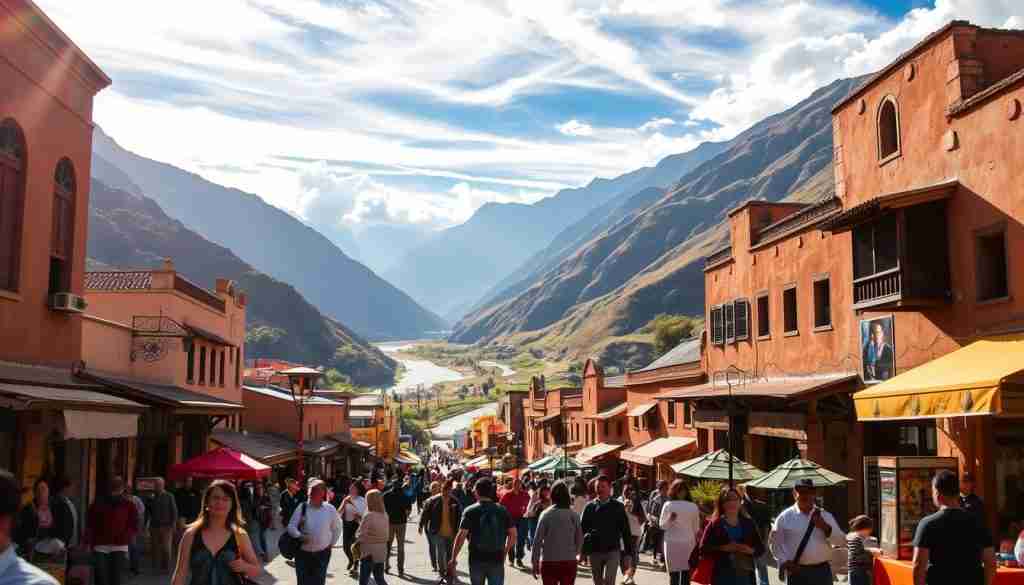
Positioned at a comfortable elevation in Peru’s highlands, Urubamba combines smart logistics with breathtaking scenery. This town’s strategic location makes it an ideal hub for discovering regional treasures while maintaining physical comfort. Visitors enjoy seamless transitions between cultural sites and modern amenities.
Acclimatization Made Simple
At 2,871 meters elevation, Urubamba sits 500 meters lower than nearby Cusco city. This sweet spot allows gradual adjustment to high-altitude conditions. Travelers avoid extreme elevation changes that often cause fatigue or headaches.
| Location | Elevation | Key Advantage |
|---|---|---|
| Urubamba | 2,871m | Gentle altitude transition |
| Cusco | 3,399m | Historic urban center |
| Machu Picchu | 2,430m | Lower elevation destination |
Centralized Exploration
Major attractions lie within an hour’s drive. Ollantaytambo’s fortress appears in 20 minutes, while Moray’s circular terraces take 30 minutes to reach. This proximity lets visitors maximize sightseeing without exhausting travel days.
Local guides share insider knowledge about hidden trails and seasonal festivals. Their expertise transforms standard itineraries into personalized journeys. Many operators offer sunrise visits to popular sites, avoiding midday crowds.
Quality lodging options range from boutique hotels to wellness retreats. Several properties feature panoramic mountain views and farm-to-table dining experiences. This infrastructure supports diverse traveler needs while preserving authentic charm.
sacred valley tours: explore inca history and culture
Discover the architectural genius of ancient civilizations through thoughtfully designed itineraries that connect monumental sites with living traditions. From Ollantaytambo’s terraced fortress to Moray’s circular agricultural terraces, these journeys reveal engineering marvels that shaped an empire.
Travelers examine precisely fitted stonework at archaeological wonders, learning how advanced drainage systems prevented erosion. Guides explain celestial alignments in temple layouts, offering insights into mathematical precision and spiritual practices.
Cultural exchanges bring history to life. Visitors join Quechua-speaking people in textile workshops, watching natural dyes transform alpaca wool. Some itineraries include ancestral cooking methods using native crops like oca tubers and ají peppers.
Private tours adapt to individual paces, whether photographing Maras’ salt pans or hiking lesser-known trails. Flexible scheduling allows deeper engagement with ruins or extended market visits. Expert narrators contextualize each discovery, bridging past and present.
These experiences balance education with awe. Snow-capped peaks frame ancient plazas where traditions persist, creating moments where every vista tells a story. Travelers leave with profound respect for enduring innovations etched into Andean landscapes.


Diverse Itineraries Tailored for Every Traveler
Visitors can craft their ideal Peruvian adventure with flexible scheduling that adapts to individual preferences. From sunrise explorations to leisurely afternoon discoveries, multiple formats ensure meaningful engagement with regional treasures.
Half-Day and Full-Day Options
Morning excursions like the Essential Valley Tour (8:00 a.m.–12:00 p.m.) deliver concentrated wonder. Guests explore Maras’ geometric salt pans and Moray’s temperature-zoned terraces. The Andean Panorama Tour extends until 1:00 p.m., adding Ollantaytambo’s fortress for deeper historical context.
Extended itineraries reveal layered connections between past and present. The Cultural Sacred Valley Tour (8:00 a.m.–4:00 p.m.) weaves alpaca farm visits with textile demonstrations. Archaeology enthusiasts favor the comprehensive 9.5-hour option featuring Pisac’s market and ancient chicha beverage tastings.
| Tour | Duration | Key Sites |
|---|---|---|
| Essential Valley | 4 hours | Maras, Moray |
| Andean Panorama | 5 hours | Ollantaytambo, Moray |
| Cultural Immersion | 8 hours | Chinchero, Alpaca Farms |
| Archaeological Deep Dive | 9.5 hours | Pisac Ruins, Market |
Customizable Routes to Ruins and Markets
Travelers modify routes to prioritize photography, physical activity levels, or artisan interactions. Guides adjust pacing for detailed ruin examinations or extended bargaining sessions at vibrant markets.
“Our team redesigns itineraries daily based on guest interests and weather conditions,” notes a local tour coordinator. This adaptability ensures optimal experiences whether visitors seek strenuous hikes or relaxed cultural observation.
Early departures reward guests with crowd-free site access, while later starts accommodate multi-destination itineraries. All options maintain a thoughtful balance between structured guidance and independent discovery.
Exploring Iconic Inca Sites in Depth
Three remarkable locations showcase the ingenuity of ancient Andean civilizations through stone, soil, and salt. These destinations reveal sophisticated engineering solutions while maintaining functional relevance centuries after their creation. Visitors gain insights into strategic urban planning, agricultural science, and resource management practices.
Architectural and Agricultural Marvels
Ollantaytambo stands among Peru’s best-preserved archaeological sites. Its colossal stone terraces climb mountainsides like staircases to the heavens. The Temple of the Sun displays precisely carved monoliths that have withstood earthquakes and invasions.
At Moray, circular terraces descend 150 feet into natural basins. This open-air laboratory created microclimates for testing crop viability. Temperature differences between terrace levels mimicked conditions found across various elevations.
The Maras salt mines transform mountain slopes into shimmering white cascades. Over 3,000 shallow pools harness mineral-rich springs through channels dating to pre-Columbian times. Families maintain ancestral harvesting methods, raking salt crystals during dry seasons.
| Location | Feature | Scientific Impact |
|---|---|---|
| Ollantaytambo | Military fortress | Strategic valley control |
| Moray | Circular terraces | Crop adaptation research |
| Maras | Salt evaporation pans | Sustainable mineral extraction |
These locations offer striking visual contrasts – angular stonework against curved agricultural depressions, geometric salt pans beneath rugged peaks. Guides explain how ancient builders aligned structures with celestial events while addressing practical needs. Modern visitors witness living traditions rooted in these archaeological treasures.
Immersive Cultural Experiences on the Tour
Cultural discovery reaches its peak through authentic interactions with local customs and flavors. These encounters bridge centuries-old practices with modern curiosity, offering travelers meaningful connections to living heritage.
Brewing History in a Glass
At family-run chicherías, visitors sample chicha de jora – a fermented corn drink central to Andean social rituals. The tangy brew dates to pre-Columbian times, often paired with its sweeter cousin frutillada, infused with wild strawberries.
Hosts demonstrate how purple maize transforms into this iconic beverage through natural fermentation. Guests learn about its ceremonial role while tasting variations perfected over generations. Shared clay cups foster camaraderie, echoing communal traditions still thriving in mountain villages.
These gatherings reveal how culinary customs preserve identity. Through hands-on experiences, travelers gain insight into daily rhythms shaped by ancestral knowledge. Each sip becomes a dialogue between past and present, flavored with enduring regional pride.
Such moments leave lasting impressions, turning observers into participants. They depart not just with memories, but a deeper understanding of how traditions sustain communities in changing times.